How I spend a day in the medina.
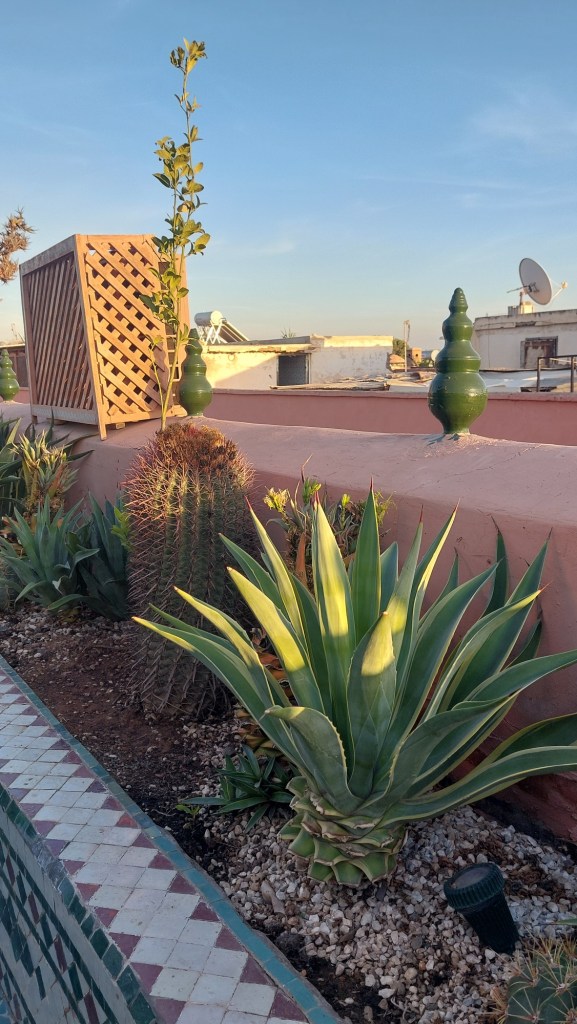
The perfect day in Marrakech begins watching the sunrise on a rooftop terrace in my riad. I can hear birds singing in the courtyard below. I hear the sound of the medina as it gradually wakes up and comes back to life. I watch cats prowl along the rooftops. Below me, I hear the clattering of plates as staff prepare breakfast.
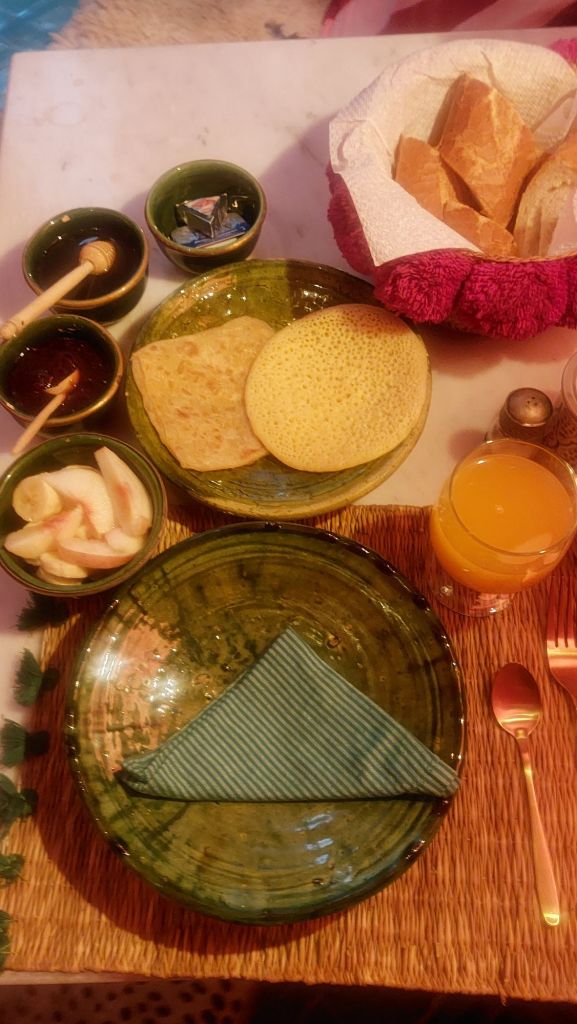
A glass of freshly squeezed orange juice hits the spot perfectly. I enjoy a breakfast of msemen pancakes with homemade jam, amlou, and honey.
After my shower, I head out into the medina for a glass of mint atay. I sit outside a cafe overlooking the main square. I observe the vendors setting up their stalls for the day. The street entertainers are ready to entice crowds of tourists. The local ladies pass by on their way to the market for fresh herbs and spices.
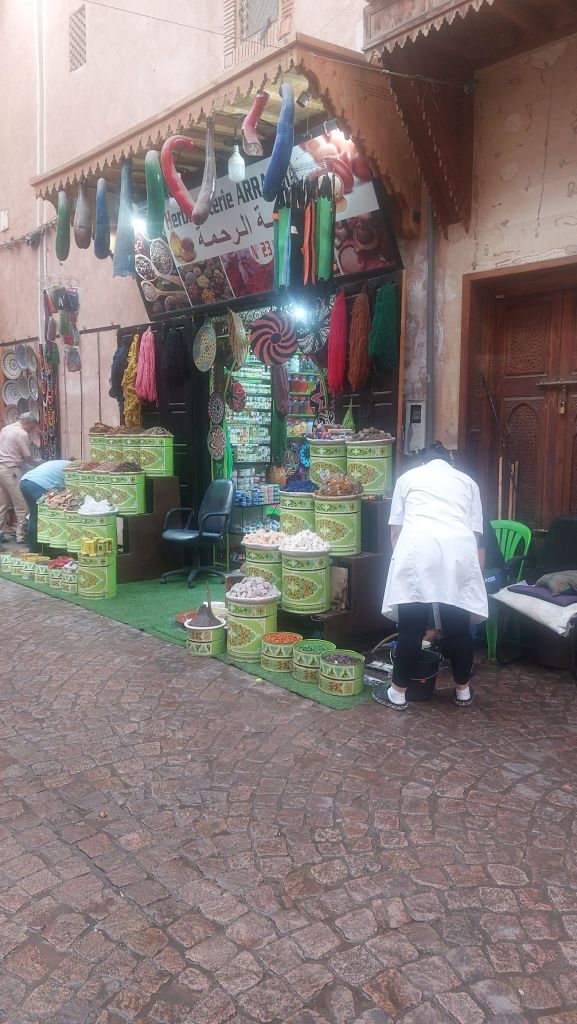

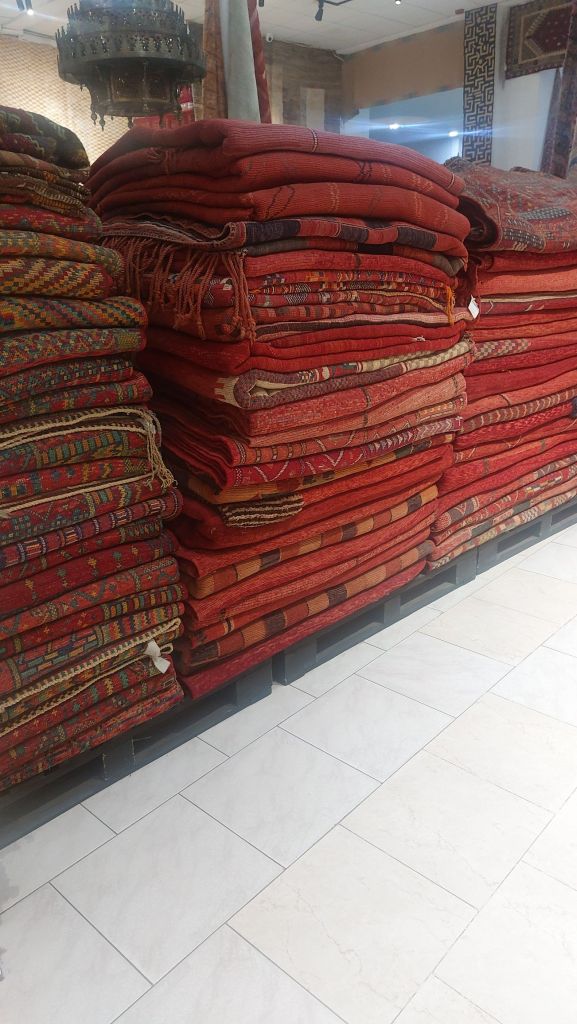
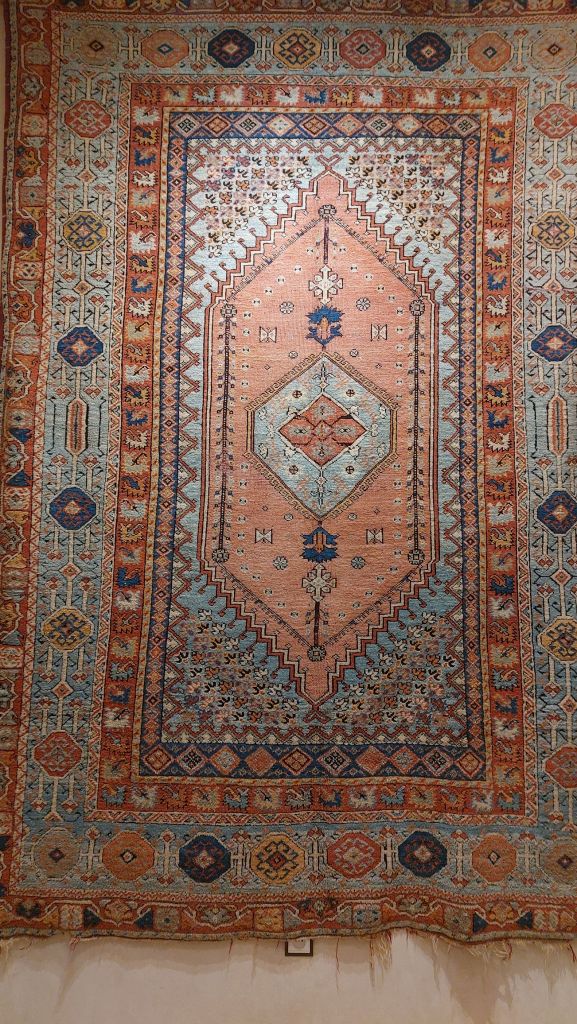
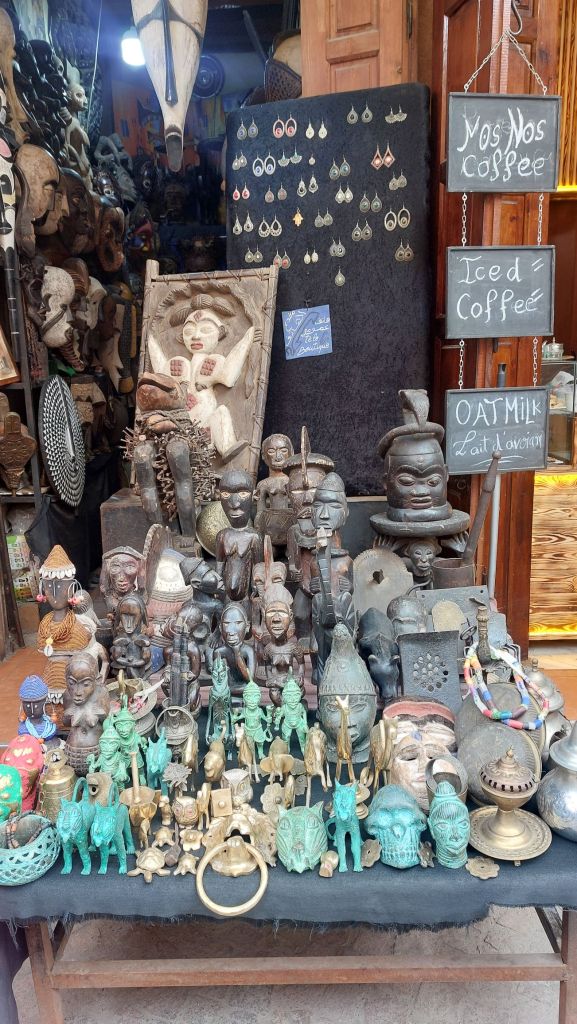
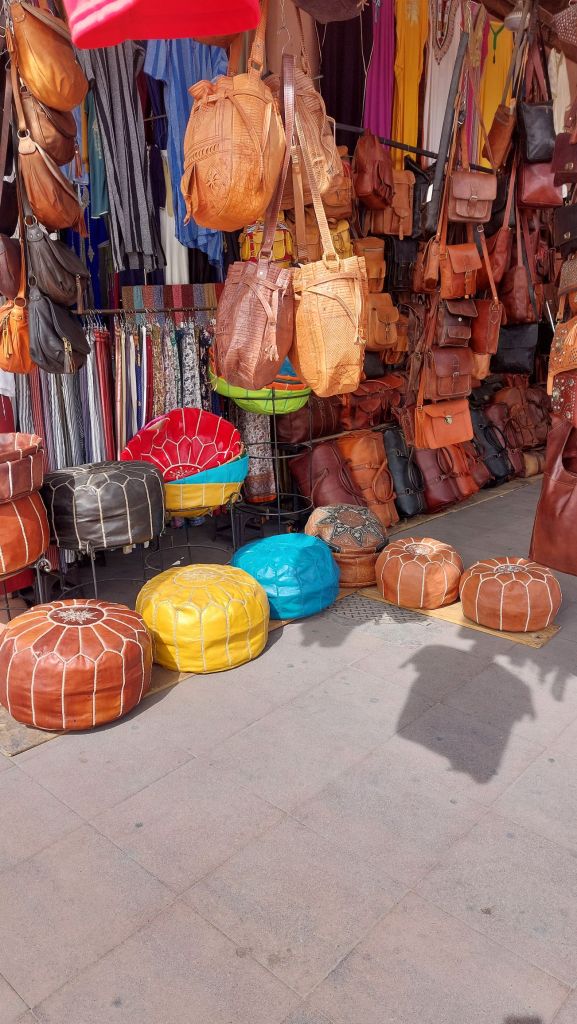
My next destination is the souks before they get busy. Vendors are eager for their first sale of the day, and bargaining is easier early in the morning. The array of things on offer is a sight to behold.
Cats gather for a few morsels off the butcher, and locals toss titbits for them to eat. They vye with each other for the perfect spot to laze in the sunshine.
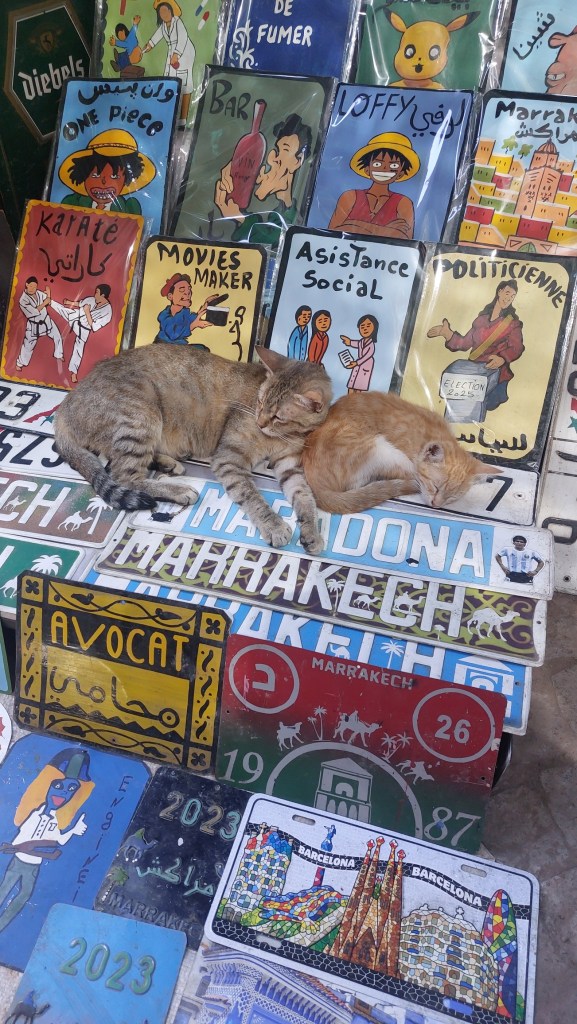
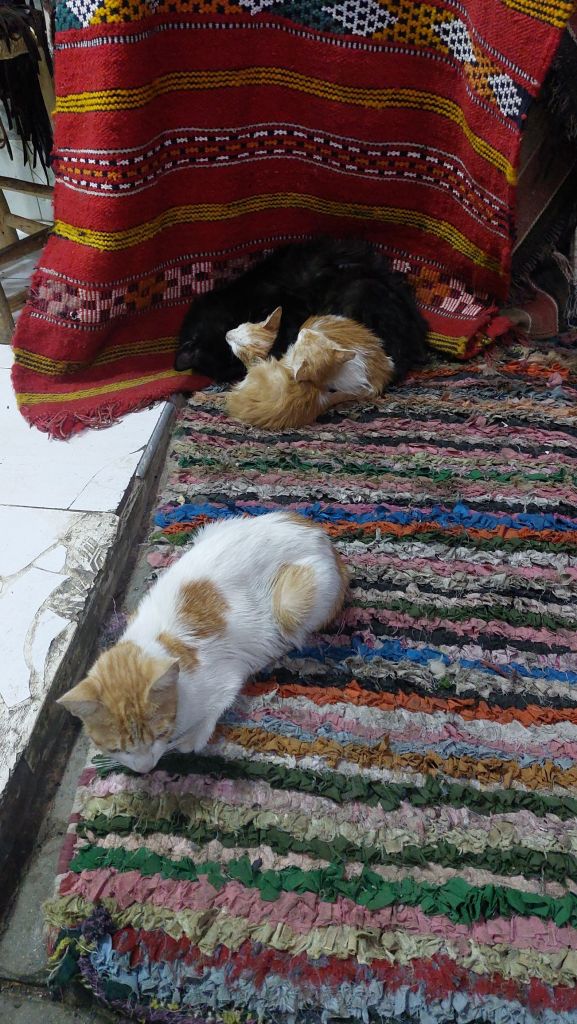
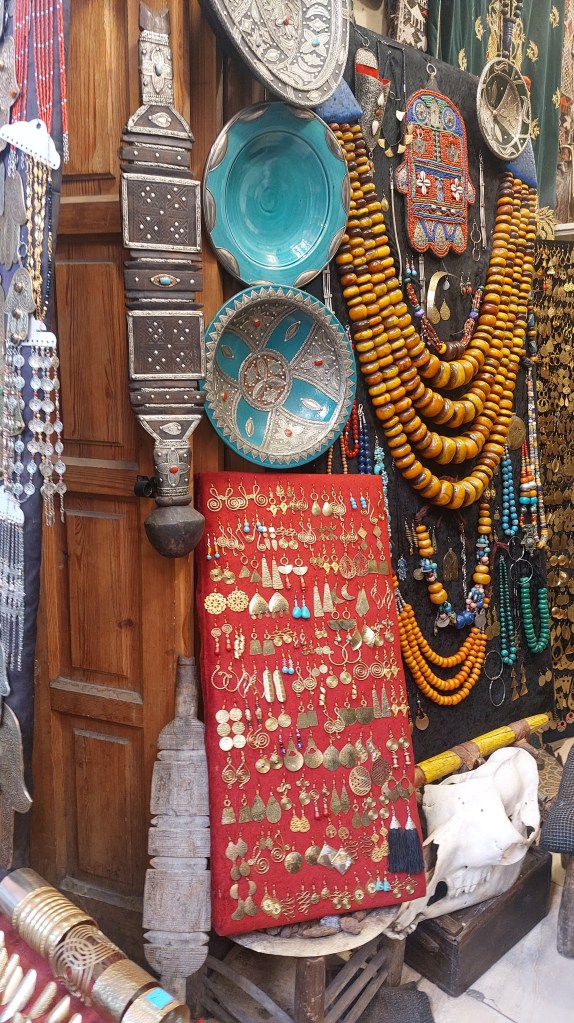
I check out the Amazigh jewellery, the argan oil, and the beautiful ceramics on display. At the same time, I dodge motorcycles and donkey carts as they make their way through the narrow alleyways. I buy a few souvenirs and then decide it’s time for a light snack.

A cafe with colourful outdoor seating looks inviting. I order a selection of Morroccan pastries and a pot of mint tea. I sit for a while people watching, enjoying the scenes that are unfolding around me. It’s fascinating watching daily life in the medina. Tourists look in awe at things for sale, and vendors call out to them with friendly banter.
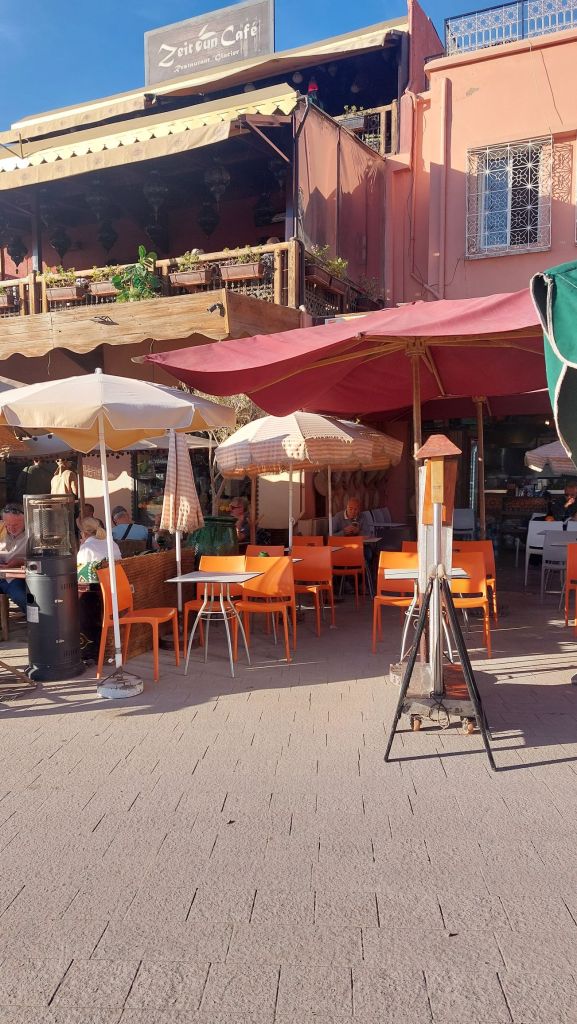
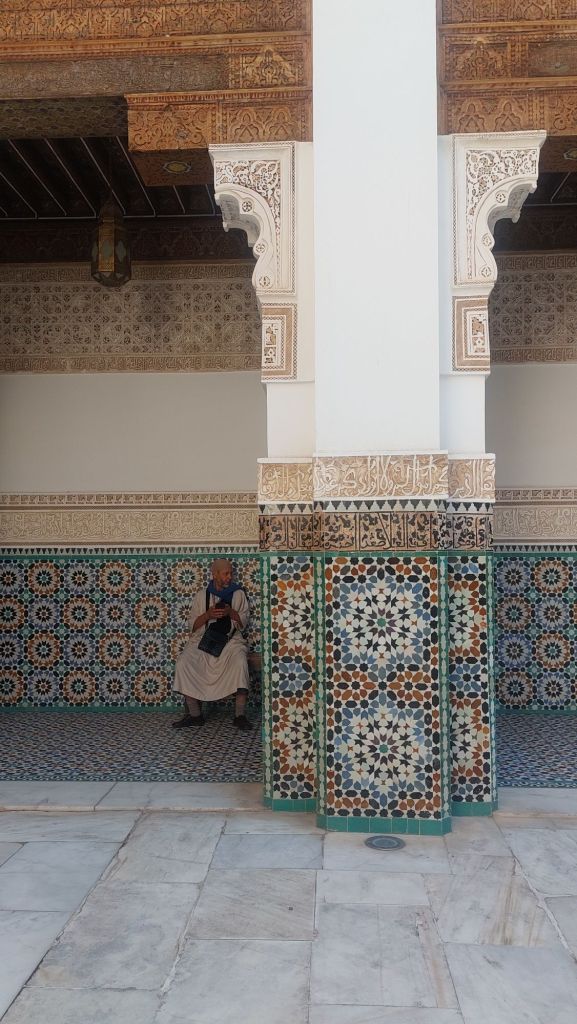
After recharging my batteries, it’s time to do some sightseeing. I head towards Madrasa Ben Youssef for an opportunity to get some photos of the stunning architecture. I learn the history of one of the most important koranic colleges in Morocco.
Afterwards, I make my way to the gardens of the Koutoubia Mosque. The medina is getting busy, and I want to sit somewhere less crowded.
I relax amongst the beautiful trees, admiring the most famous landmark in Marrakech. As I sit near the fountain, it feels cool and refreshing as it sprays into the air.

I treat myself to a sugarcane juice from a vendor. It goes down well, and the day is getting steadily warmer.

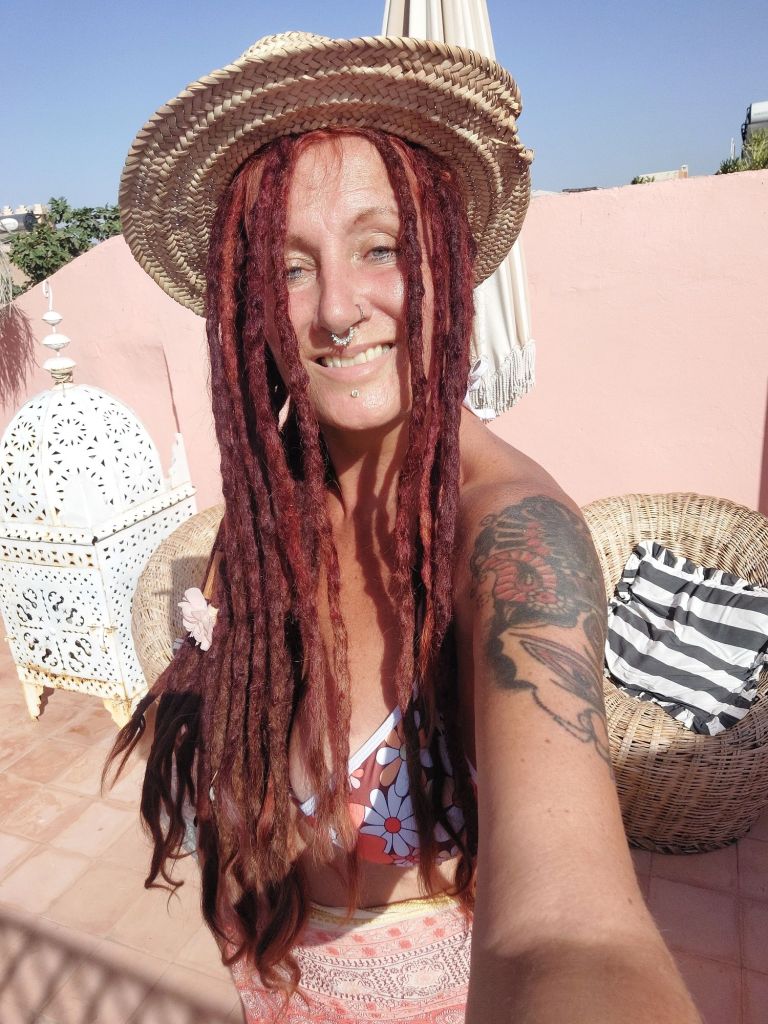
By now, the heat is quite intense, so I return to my riad for a rest. I make my way onto the rooftop terrace to sunbathe and read a book. The call to prayer echos across the medina. It’s a familiar sound that can be heard in Marrakech five times a day.
Soon, it’s time to get ready for dinner.
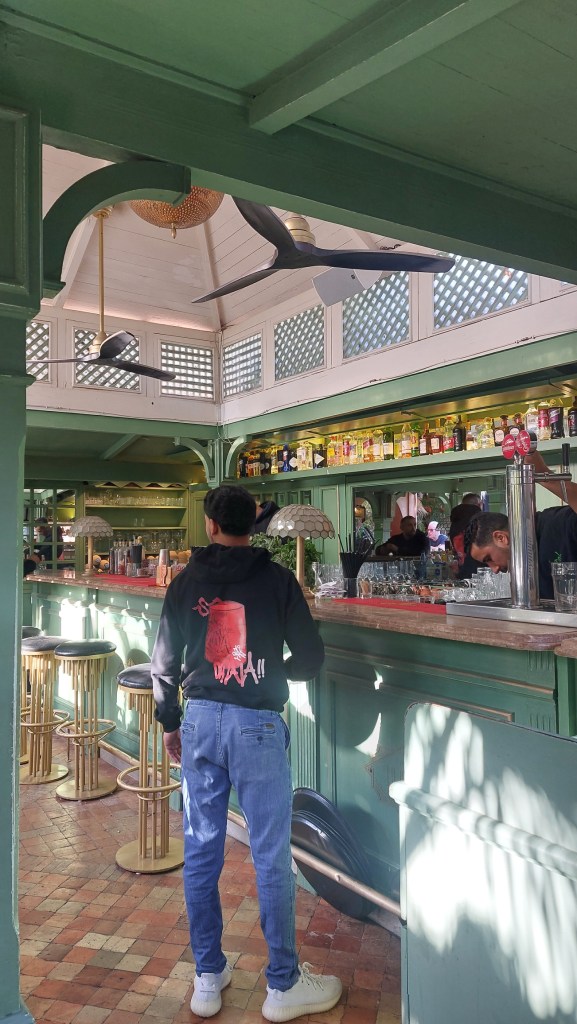
I go to La Pergola rooftop bar for a couple of cocktails beforehand. It’s a lively atmosphere. There are people enjoying a drink and chatting with friends.
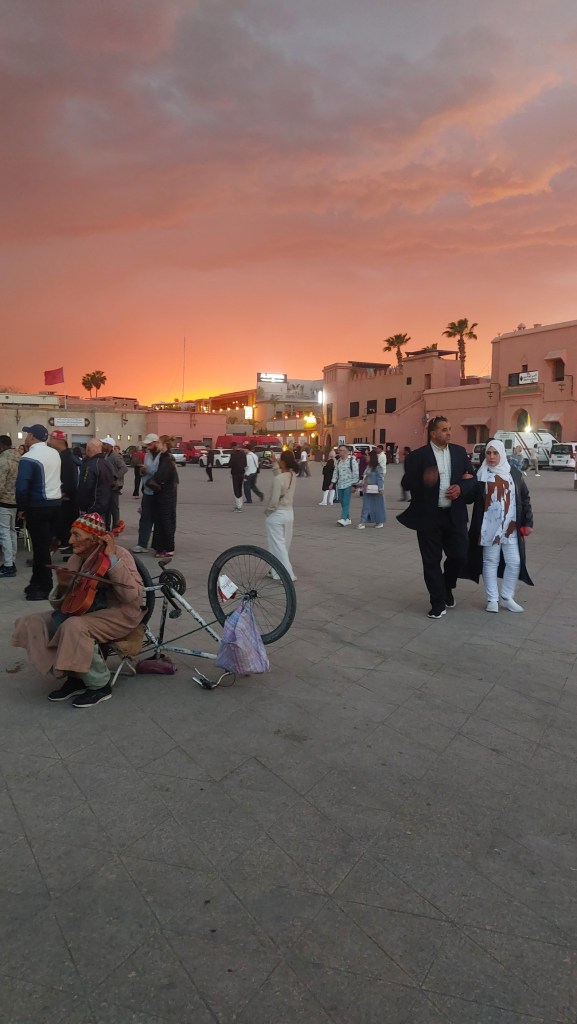
Next, it’s time to head towards Jamaa El Fna. The energy is electric. Food vendors are touting for business. There are dancers, drumming, and gambling games. Crowds of tourists gather to witness the spectacle. The smell of food cooking makes me hungry. I decide to find a nice place to dine.
I choose a place that has a rooftop terrace overlooking the square. It’s a perfect spot to watch the sunset. As the sun slowly disappears behind the Koutoubia Mosque, it’s a spectacular sight. Everywhere has a golden glow.
I order a traditional tagine, which is flavourful and aromatic. I’m tempted by the exotic fruit smoothies on the menu. I treat myself to one containing dried fruit, and it’s delicious.
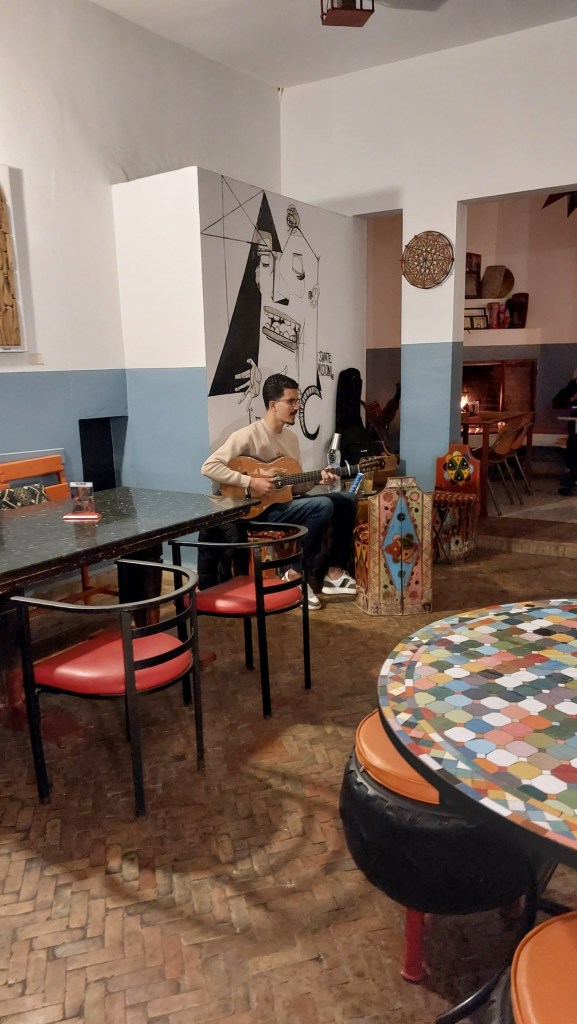
The evening is still young, so I take a leisurely walk to the kasbah. I spend the rest of my evening at the famous Clock listening to some live music and traditional storytelling.
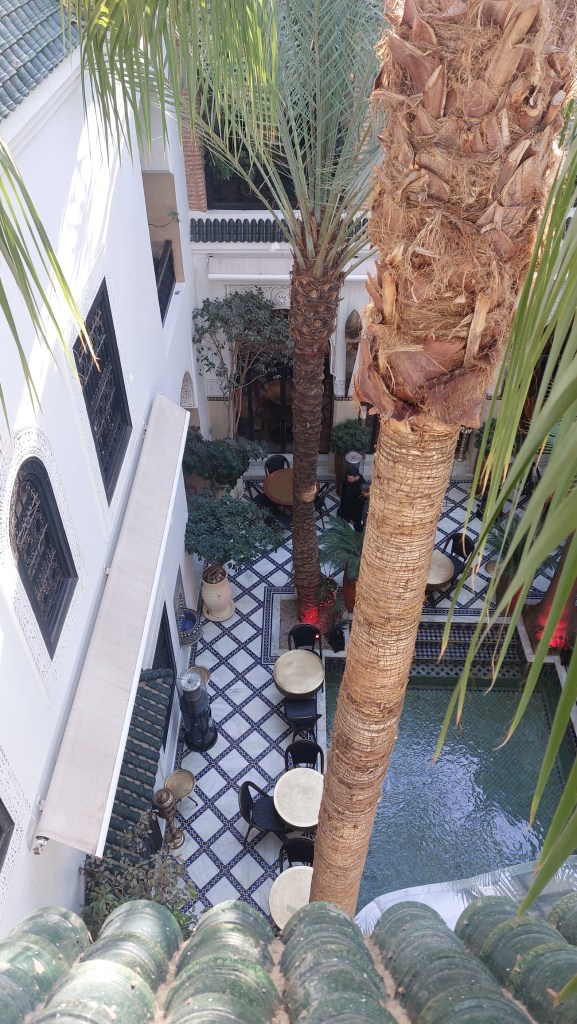
After immersing myself in the culture of Morrocco, I head back to my riad. I sit in the peaceful courtyard reflecting on the day I’ve had.
I have learnt some history about the culture of Marrakech. I have tasted delicious food. I watched a beautiful sunset and chatted with friendly locals. I have successfully navigated my way through the souks without getting too lost. I also have some nice souvenirs to take home.
I fall asleep. It’s been a perfect day, and I’m ready to do it all again tomorrow.