Category: shopping in the souks in Marrakech

An exploration of The Red City known as Marrakech.
  • Shopping In The Souks.

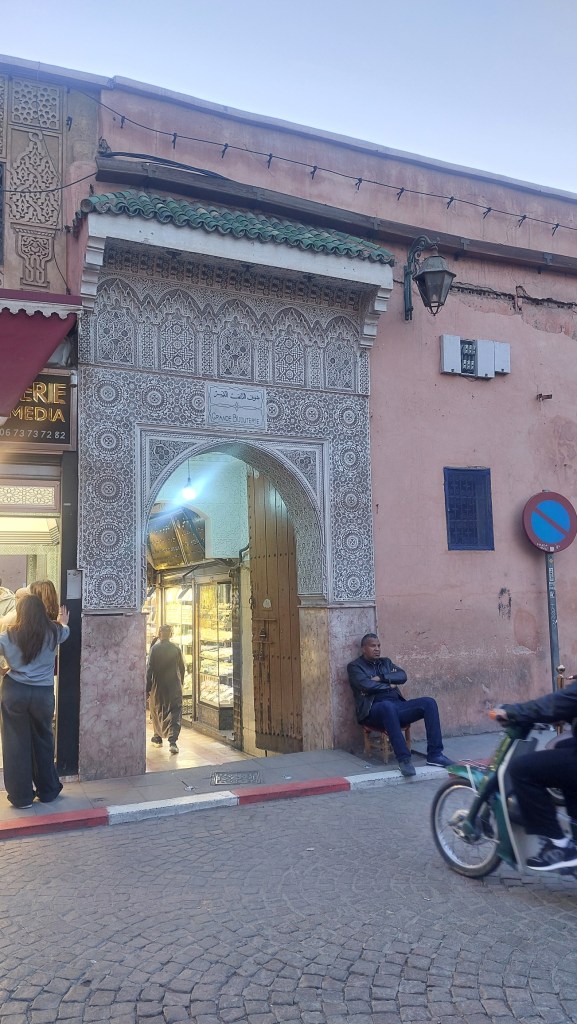
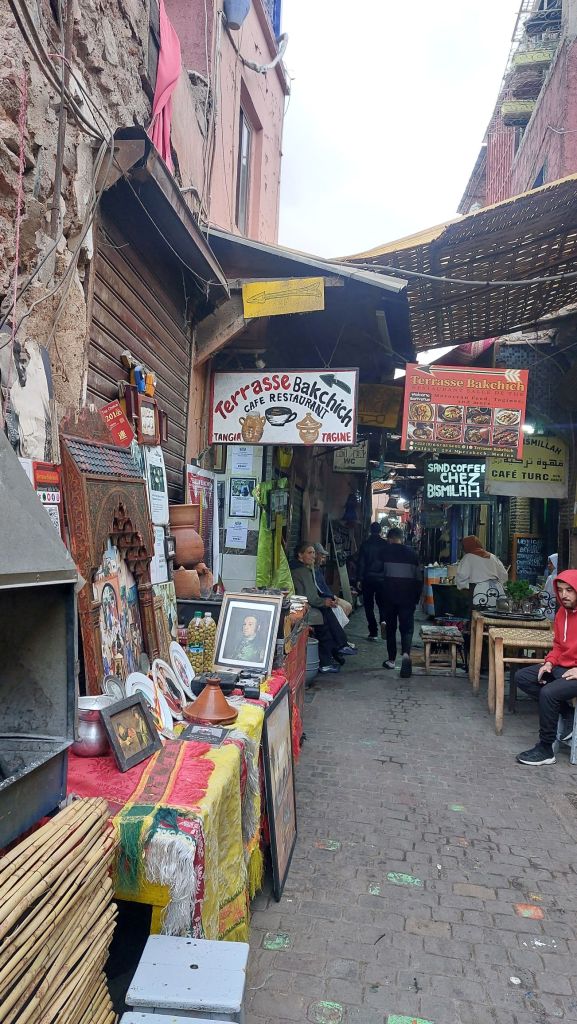
    The bustling souks in Marrakech are exciting.

    Image by Freebird Tracey.

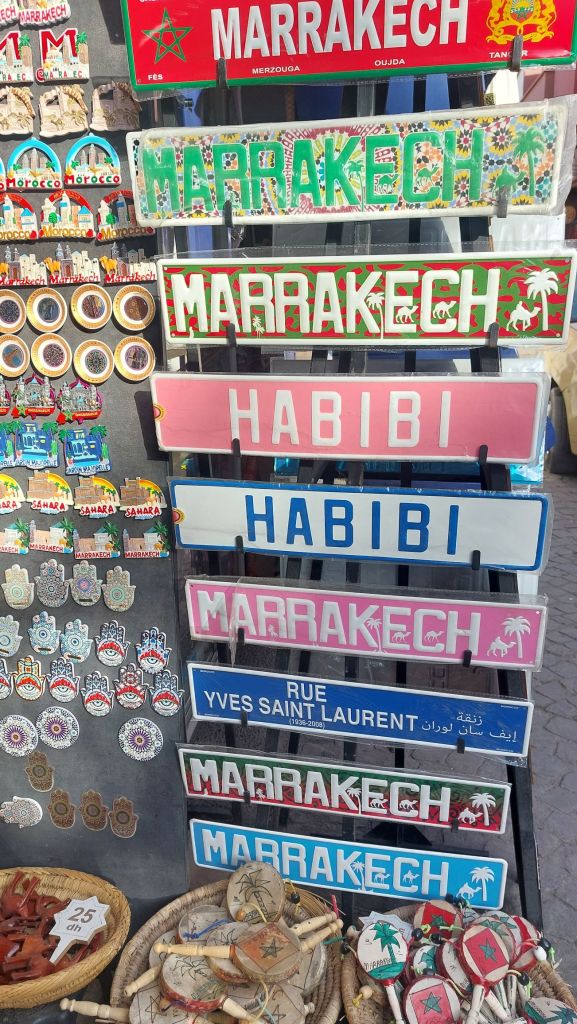
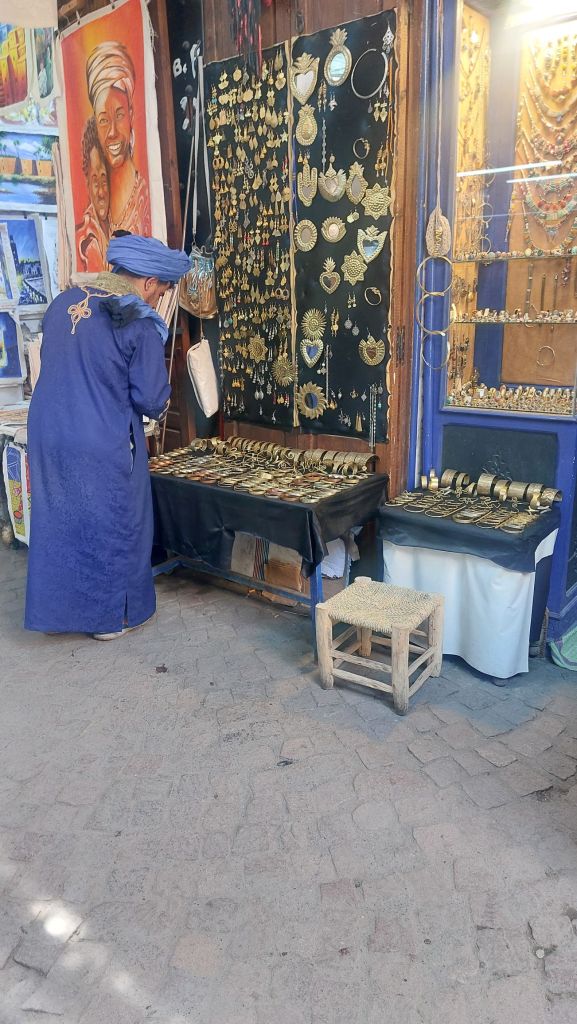
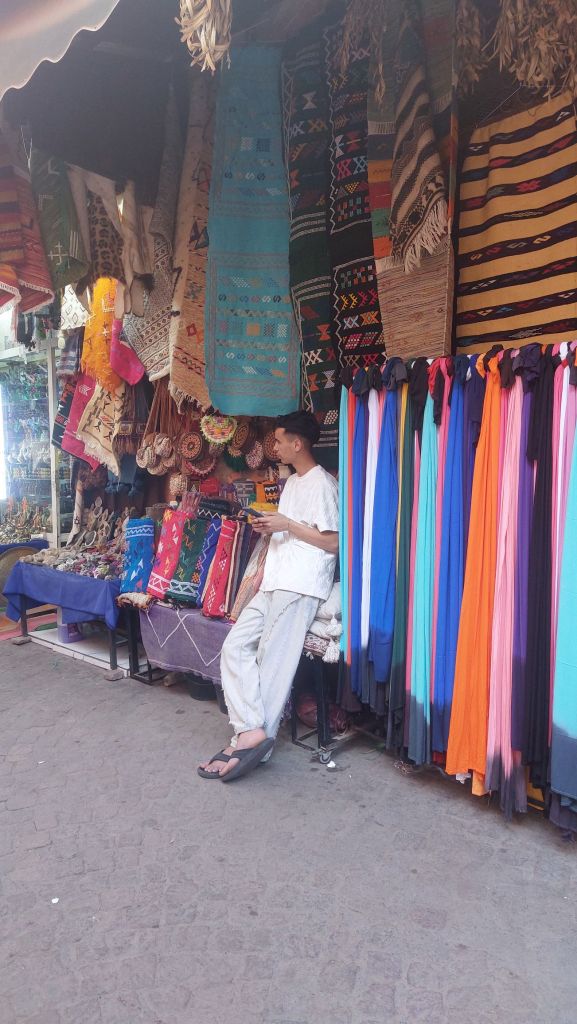
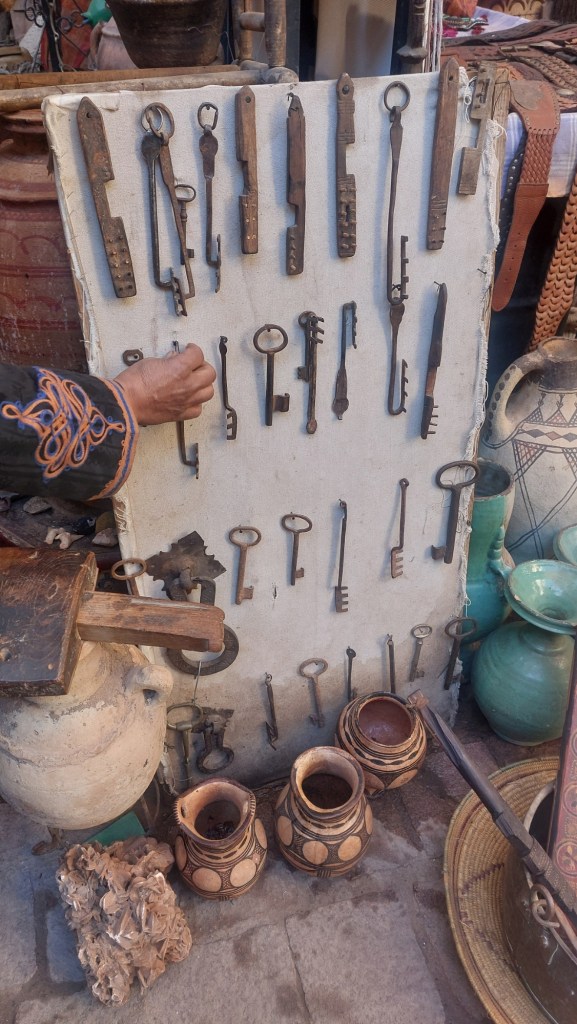
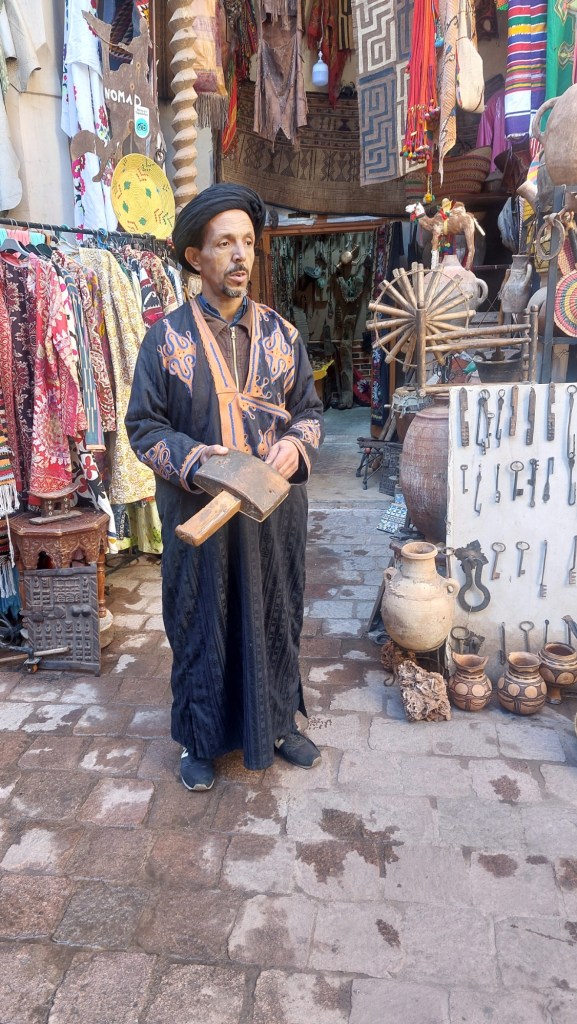
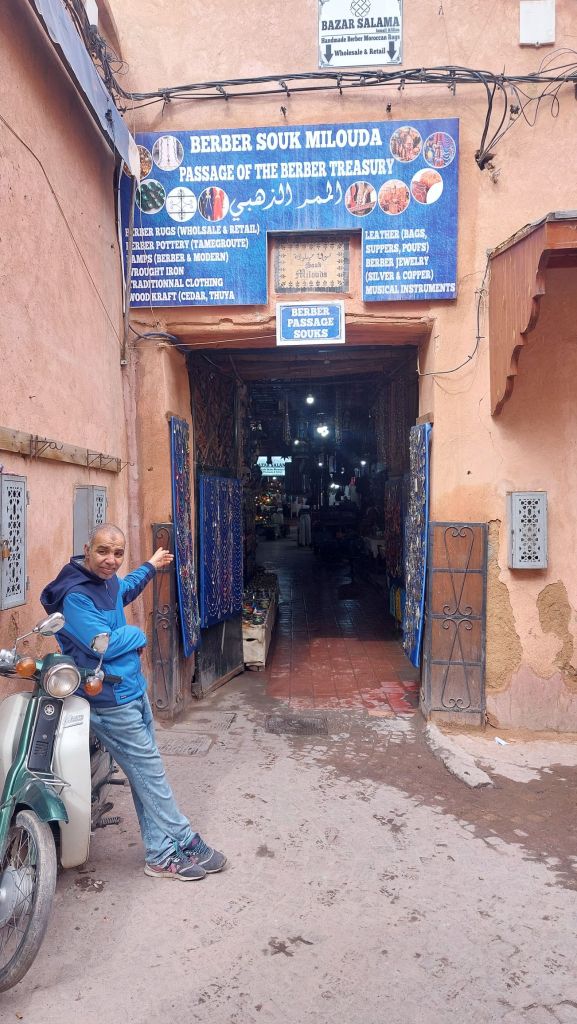
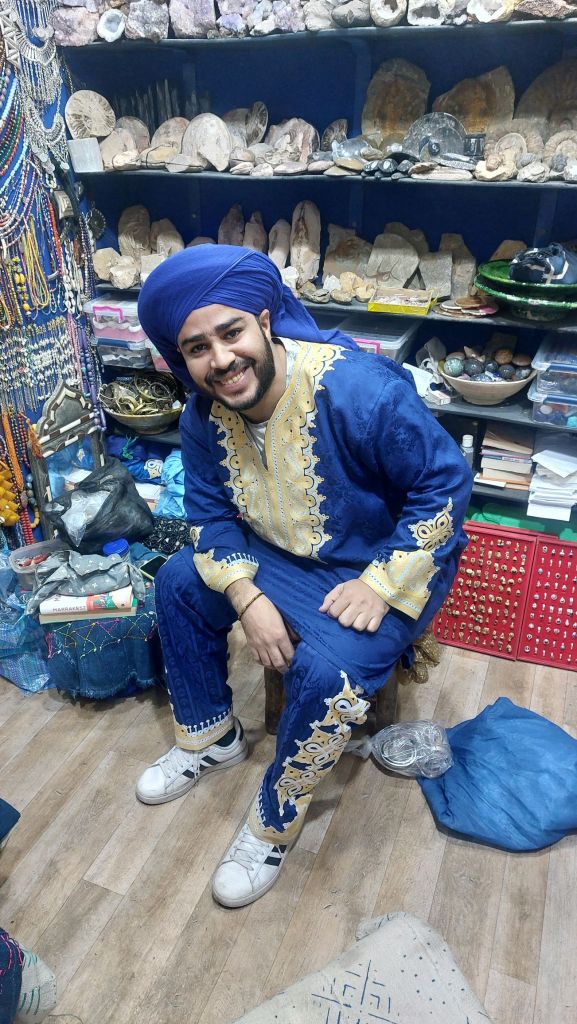
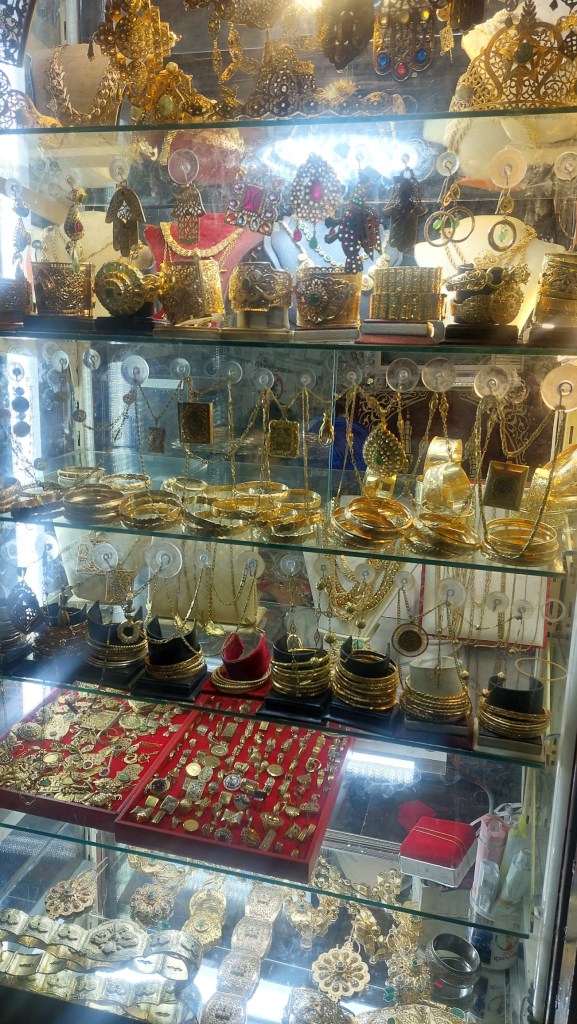
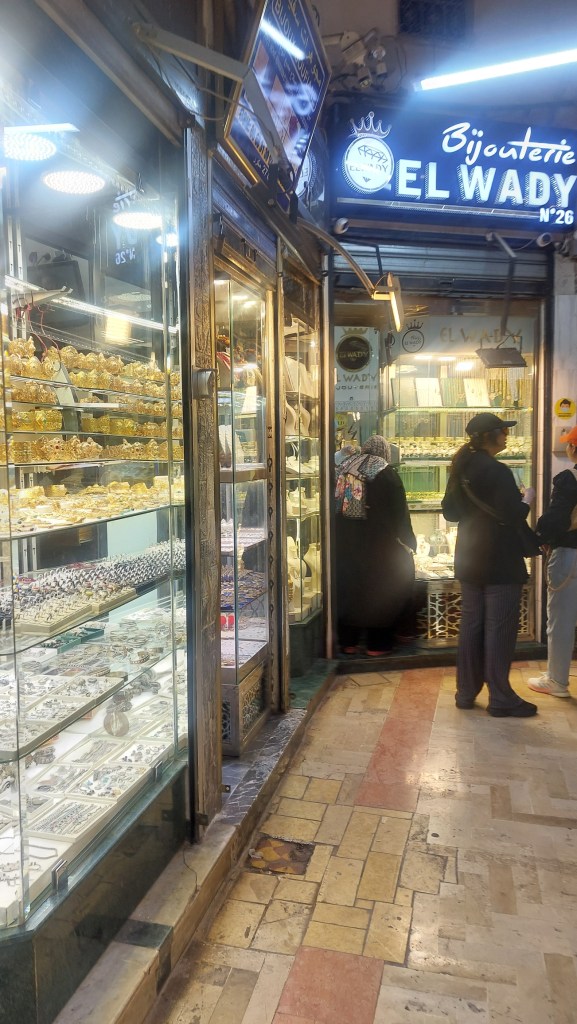
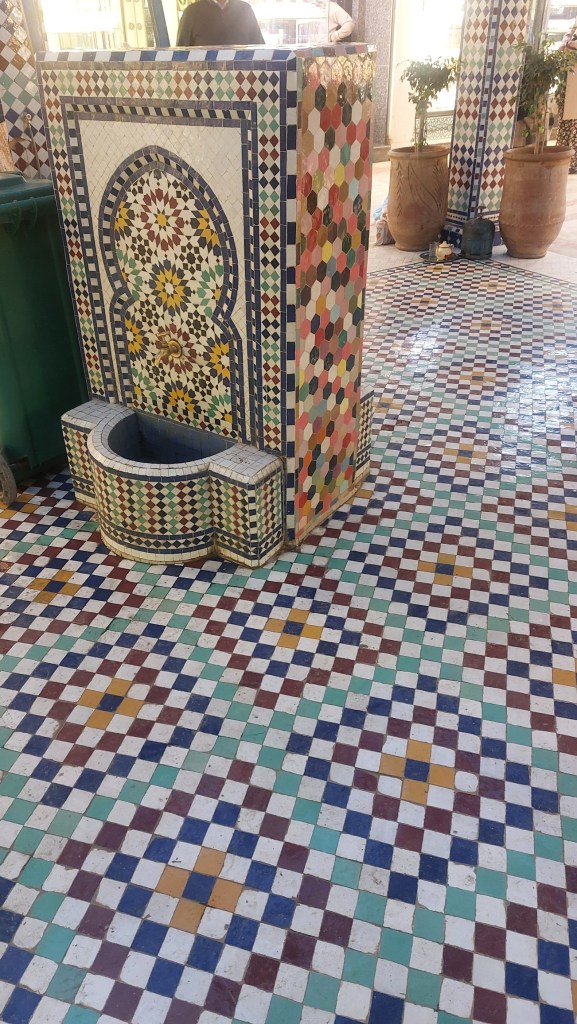
    There is everything that you could possibly dream of buying in the wonderful souks of Marrakech.

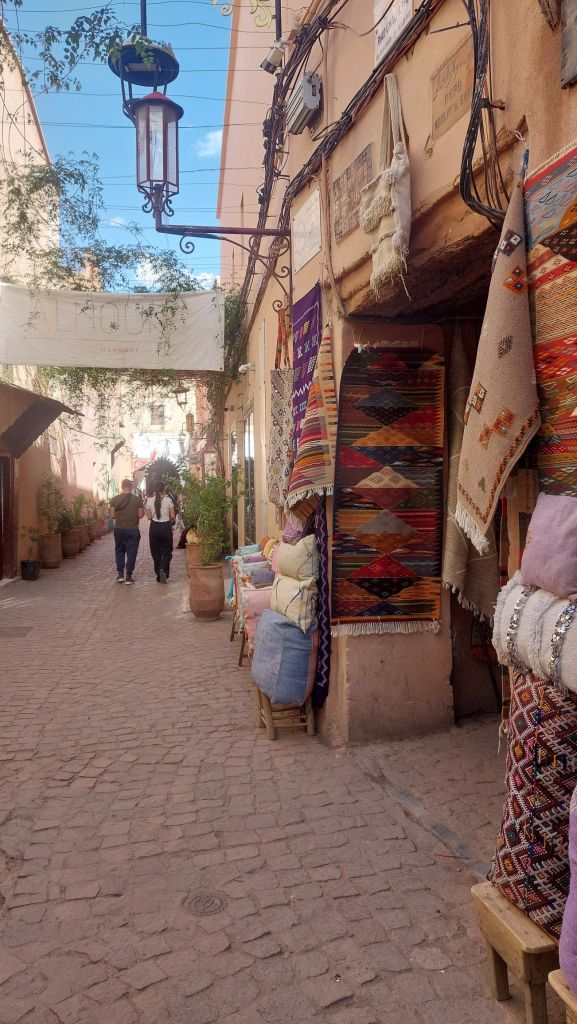
    As you meander through the maze of colourful alleyways, be prepared for a complete assault on the senses.

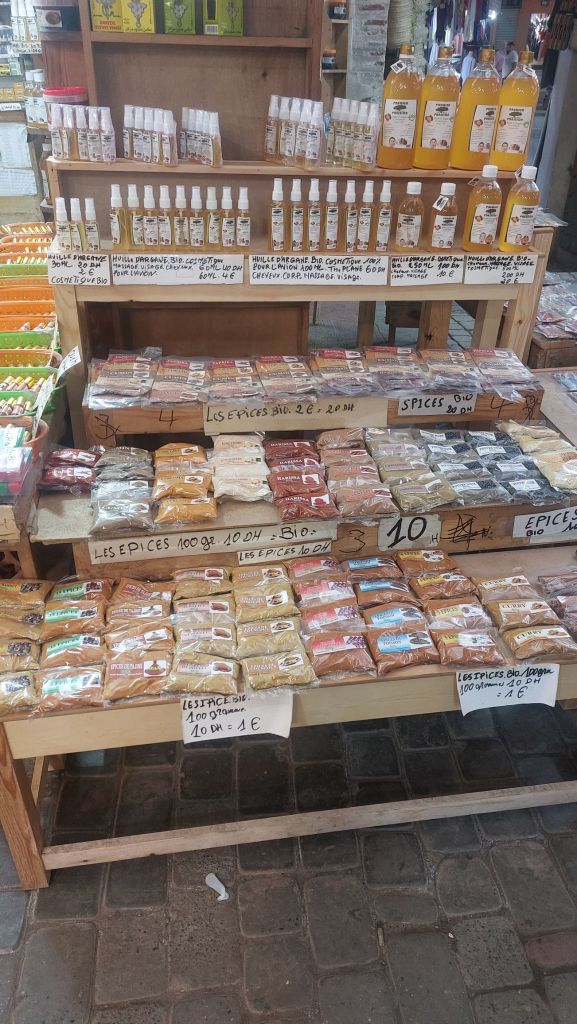
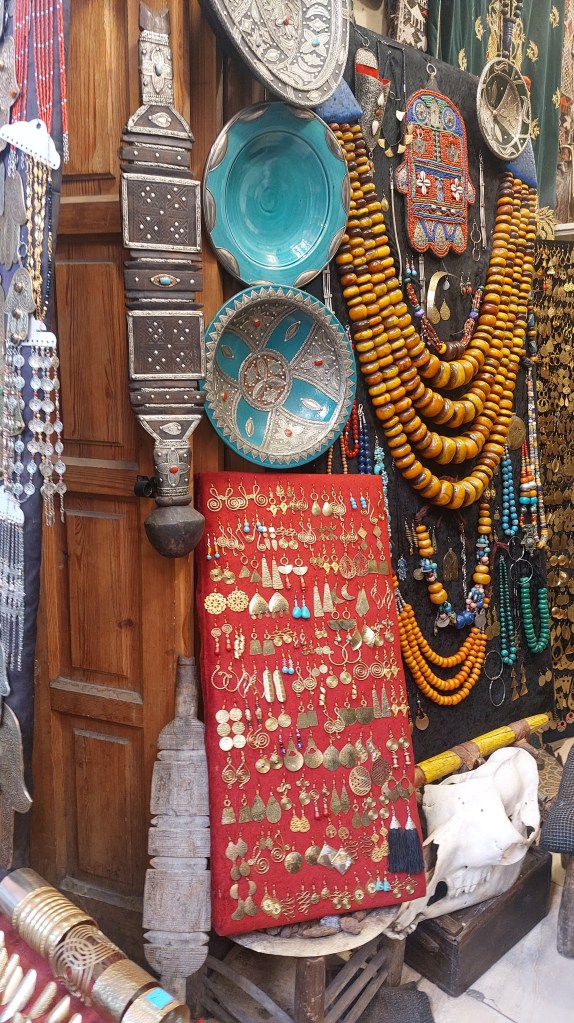
    From beautiful jewellery to exotic spices, leather shoes and bags, to Morroccan lamps and ceramics.

    It’s all here crammed into narrow alleyways and calling out to be bought and taken back home with you.

    Images by Freebird Tracey.

    The skilled craftsmanship is astonishing, and you can find areas dedicated to making and selling different things.

    There is a separate place for leather goods, a place where metal workers make  beautiful Moroccan lamps and metal sculptures.

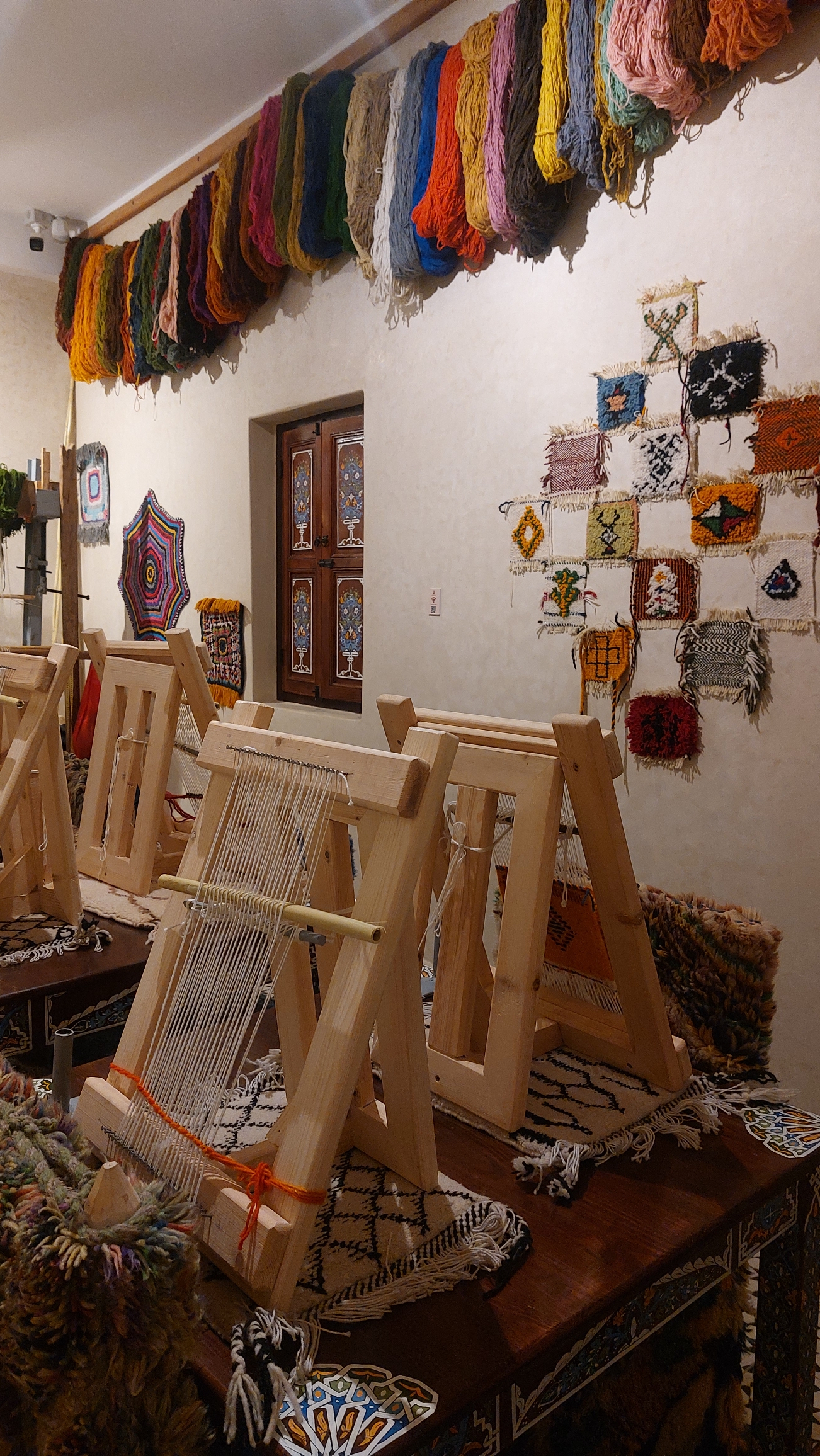
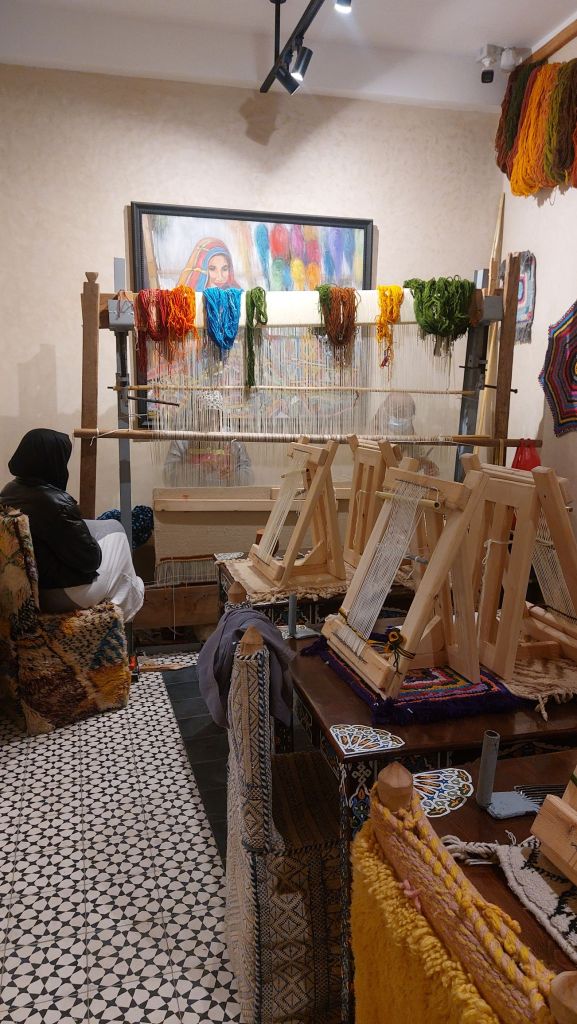
    An area where wooden things are handmade and rug weaving is demonstrated.

    Images by Freebird Tracey.

    It’s a lovely experience watching the locals make their goods to sell, and there is also the opportunity to have a go at making things yourself, such as a pair of babouche shoes.

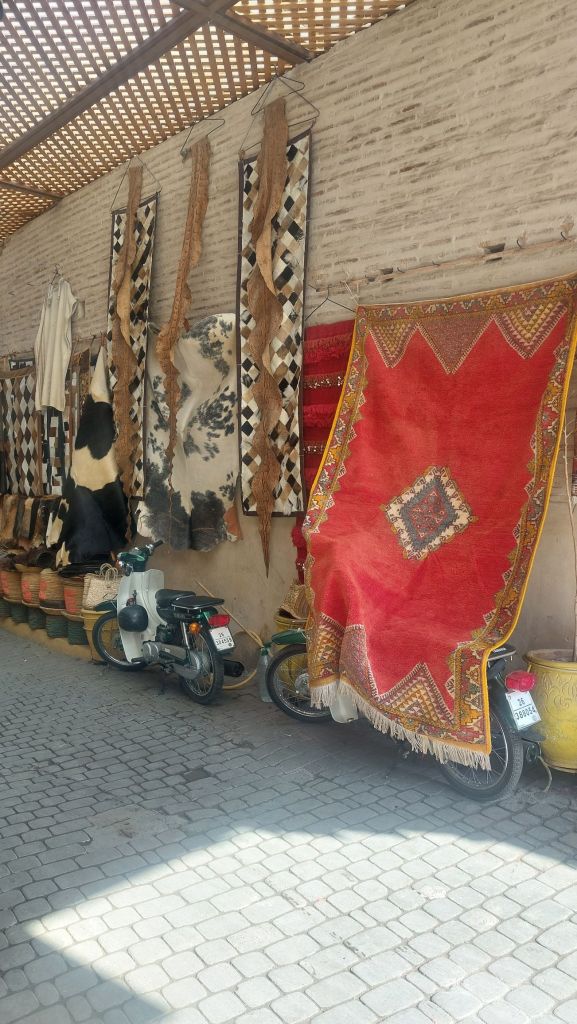
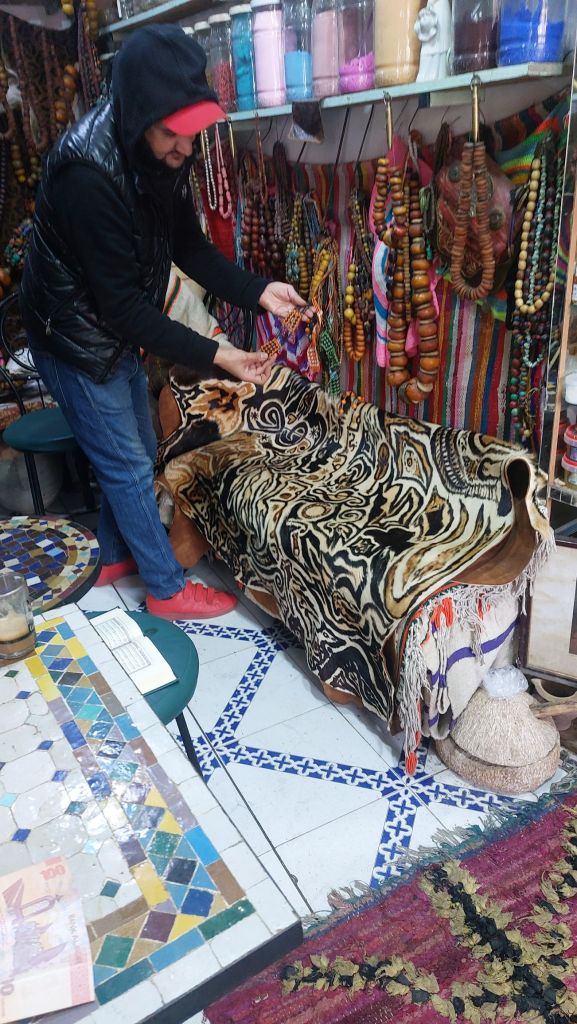
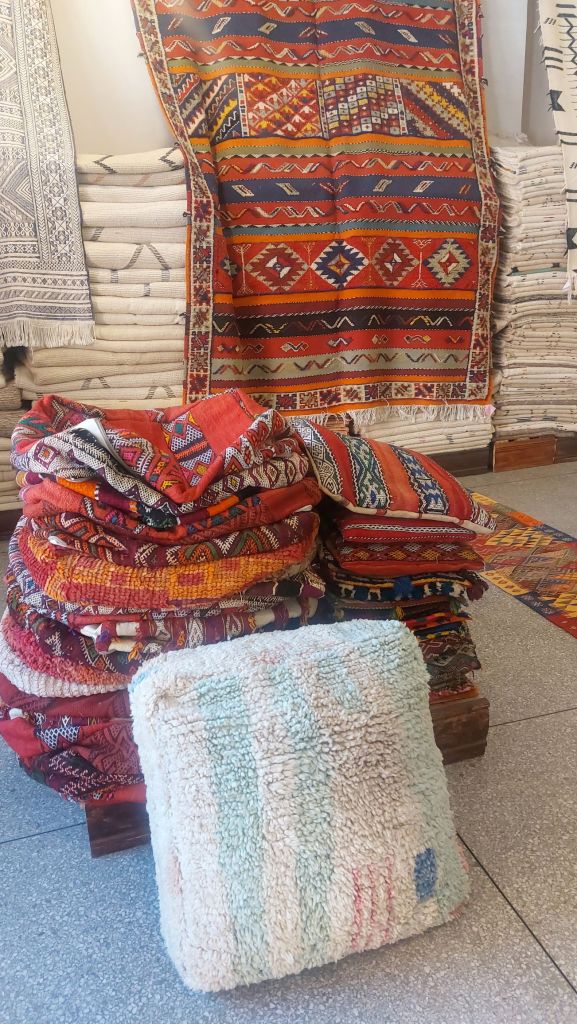
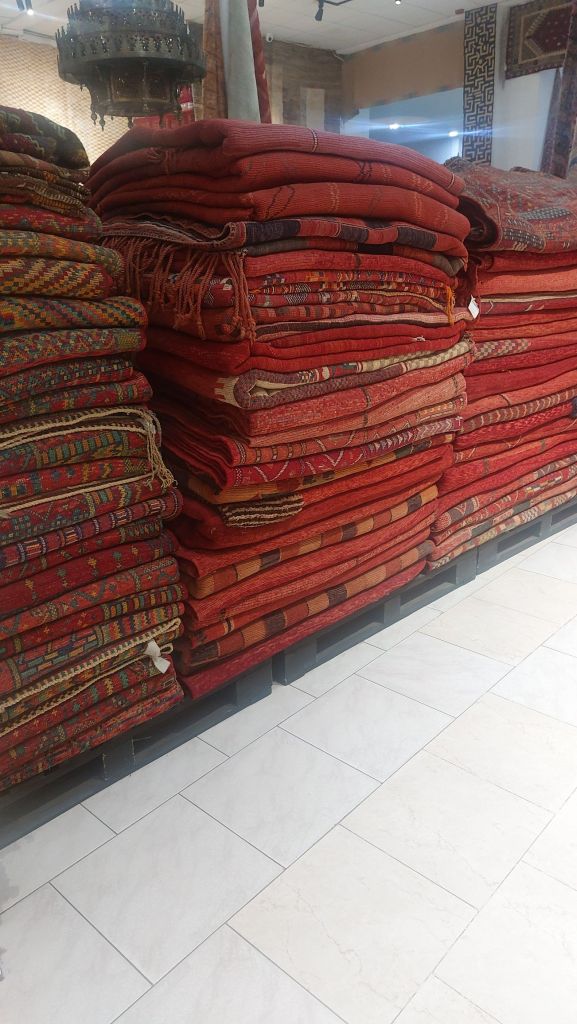
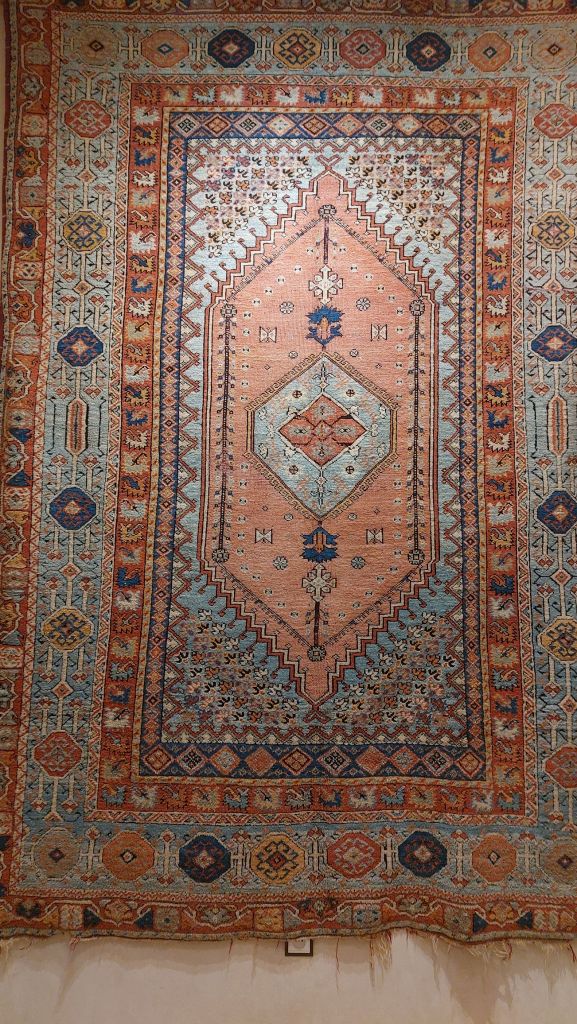
    Berber rugs hang proudly around the medina. Each colour and pattern is a feast for the eyes.

    Image by Freebird Tracey.

    Argan oil and morroccan black soap, orange blossom oil, and gardenia float on the gentle breeze.

    The smell is so fragrant in the souks.

    Images by Freebird Tracey.

    Wooden boxes ornately decorated with mother of pearl, chess sets, and traditional toys tempt you for the perfect souvenir to take back for your family and friends.

    Images by Freebird Tracey.

    The soft furnishings such as cushion covers made from cactus silk are eye-catching and colourful.

    Image by Freebird Tracey.

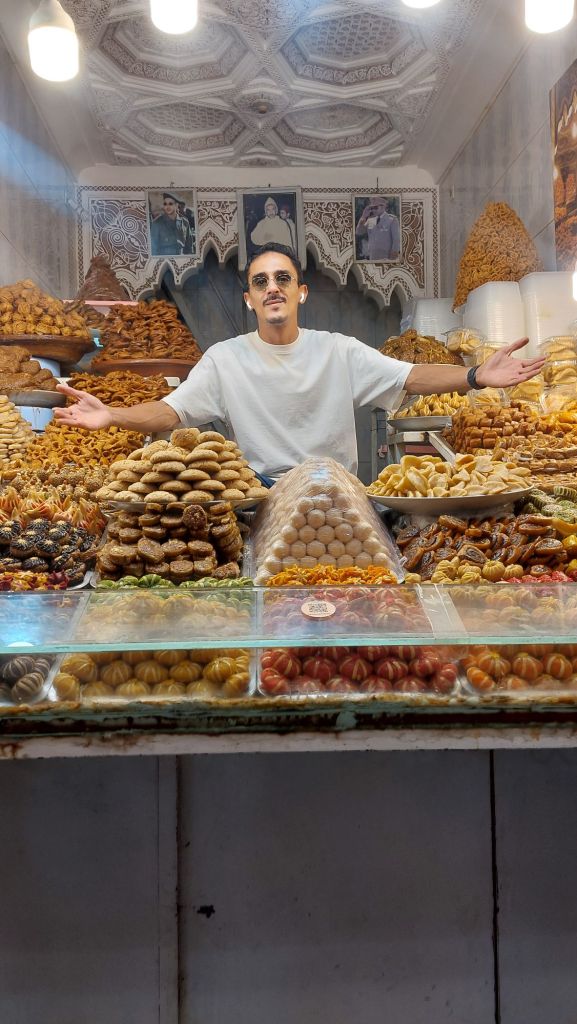
    Then there’s the nuts, sweets, and pastries for sale.

    Moroccan sweets are a delicacy, and you’ll find yourself spoilt for choice.

    Image by Freebird Tracey.

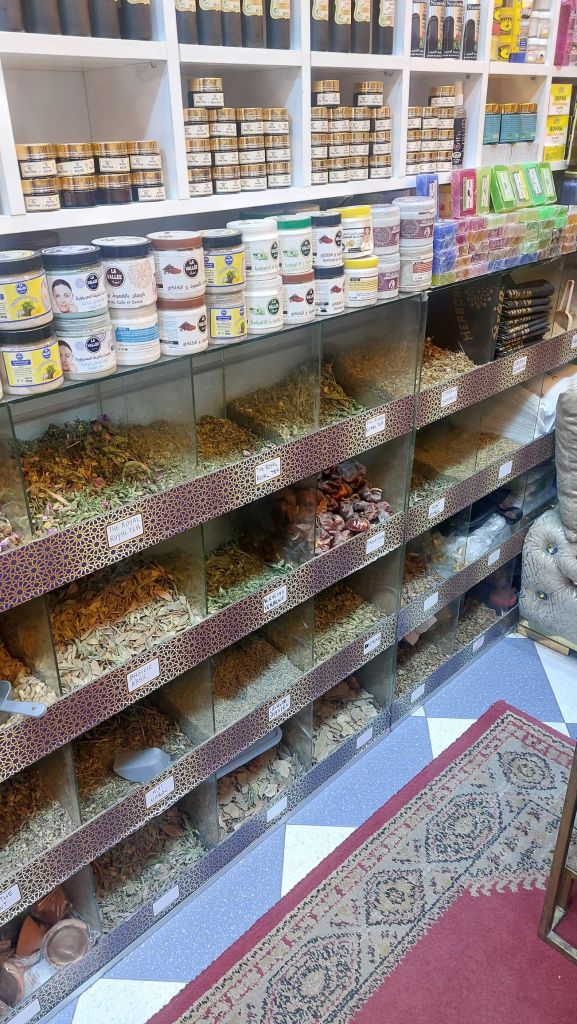
    The medicinal herbs and spices are a cacophony of colours and fragrances.

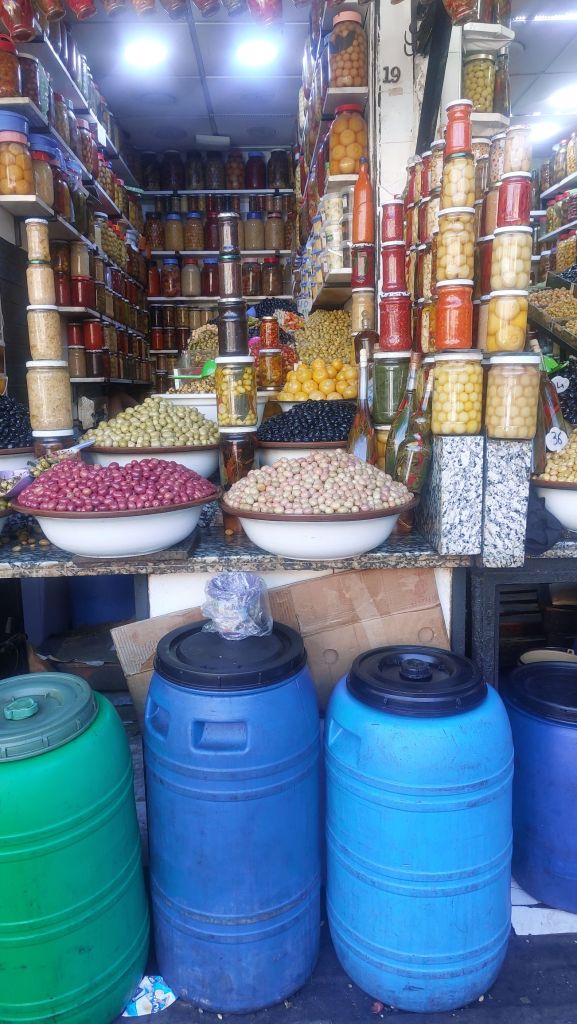
    Fresh olives with a hint of spice pop with colour.

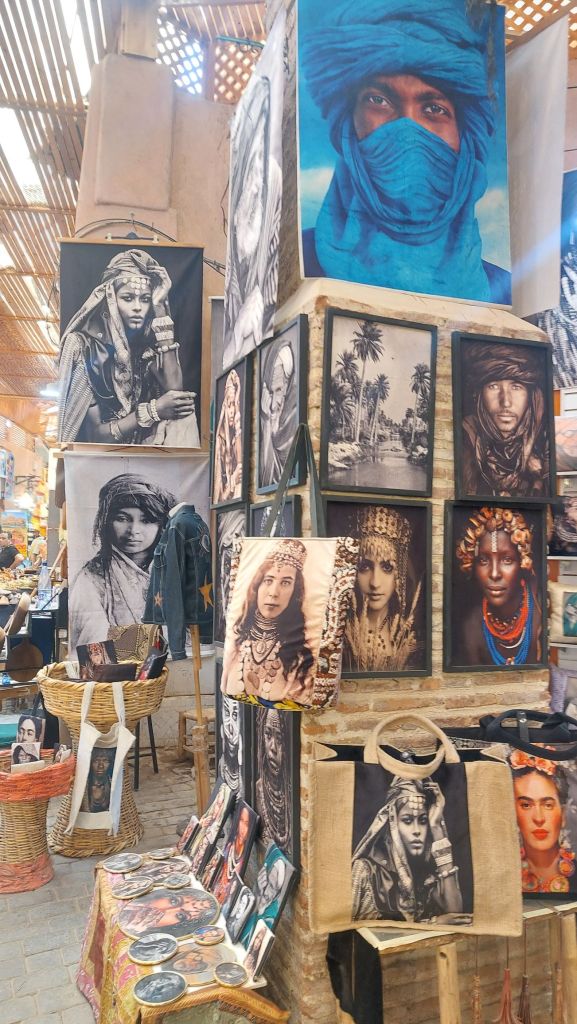
    Paintings and prints of traditional Morroccan doors, Amazigh people and camels crossing the Sahara desert.

    Images by Freebird Tracey.

    For people who love to  shop until they drop like I do, Marrakech is an absolute delight.

    It’s not all fun and laughs, though.

    The souks are incredibly busy with tourists.

    You also have to dodge motorcycles, donkeys, and vendors with carts.

    You can expect to get lost, but that’s all part of the experience.

    No one went into the souks and was never heard from again…

    So, fully immerse yourself in the experience and enjoy every minute.

    It’s unforgettable.

    It will invoke the spirit of camel caravans and ancient trade routes from centuries ago in you.

    A way to fully delve into the wonderful culture of Marrakech.

    Images by Freebird Tracey.

    Here are a few helpful tips to help you enjoy the souks.

    First of all, pace yourself.

    The souks are very busy and can feel slightly chaotic at times, especially in the heat.

    Stop for a drink and rehydrate.

    Rest for a while, and try a spot of lunch on a rooftop cafe. There are plenty inside the souks.

    Be prepared to haggle. It may seem daunting at first, but you’ll soon get the hang of it.

    Stay vigilant, and keep your wits about you.

    Marrakech is a safe city, but pick pocketing can happen just like anywhere else in the world.

    In crowded, narrow streets, keep your possessions safe in a closed bag at the front of your body.

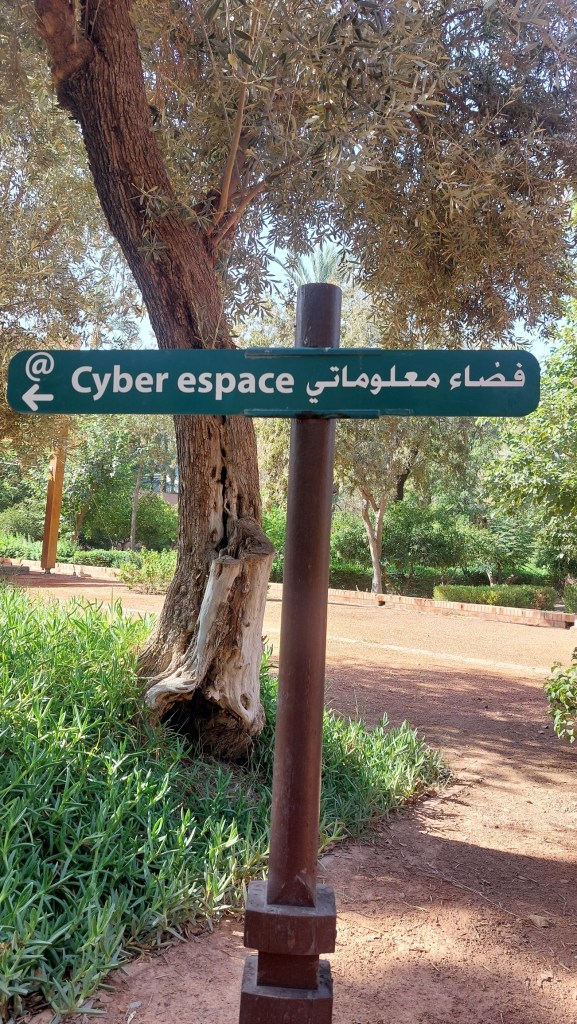
    If you’re lost, look for signs above your head pointing you back to Jamaa El Fna.

    Having an orange sim is useful but may not always work in the denser parts of the souks.

    If you need help, ask a shop vendor. They’re usually more than happy to help you.

    Don’t be tempted to accept directions from locals who may lead you to a friend or family members’ shop so that they can get commission if you buy something.

    You may struggle to get away, and you may find yourself seated and drinking mint tea before you know it.

    Take time to shop around and walk away if you don’t think you’re being offered a fair price.

    You will usually find yourself being called back, and a realistic price can often be reached.

    If not, the same items will most likely be found on sale elsewhere in the souks.

    Exercise patience.

    Remember, this is someone’s livelihood, and it’s a different culture to what you may be used to.

    Wages are not very high for most people in Marrakesh, and tourists with money to spend are fair game for boosting the take-home salary of most vendors.

    Image by Freebird Tracey.

    Although the souks can often feel overwhelming, they are an unforgettable shopping experience.

    You will be dazzled by the number of weird and wonderful items on display.

    The sights, sounds, and smells will stay with you a long time after you leave this fascinating city.

    Image by Freebird Tracey.
    (more…)
  • Atay And Moroccan Pastries.

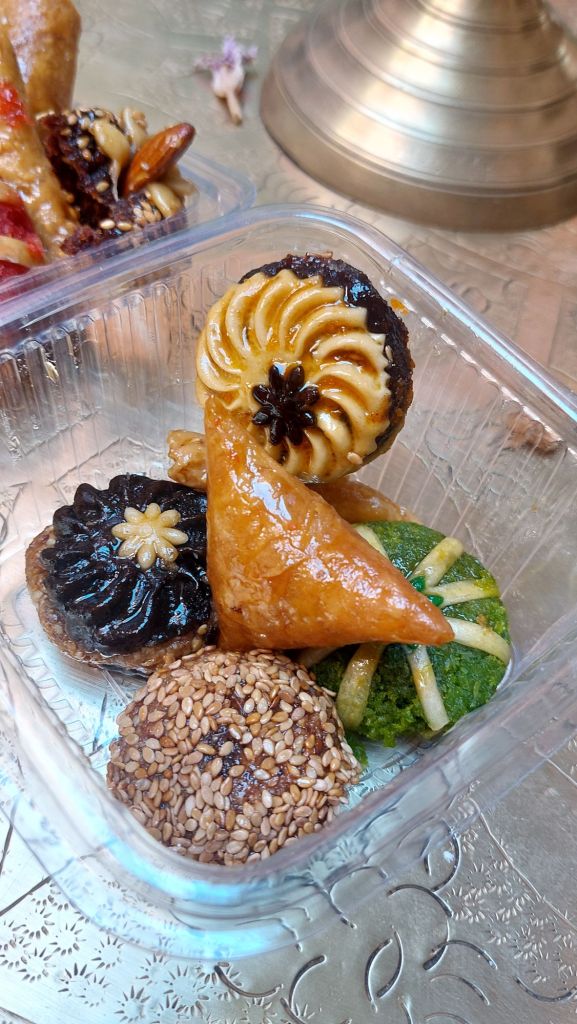
    Marrakech is known for its delicious sweets and pastries.

    Image by Freebird Tracey.

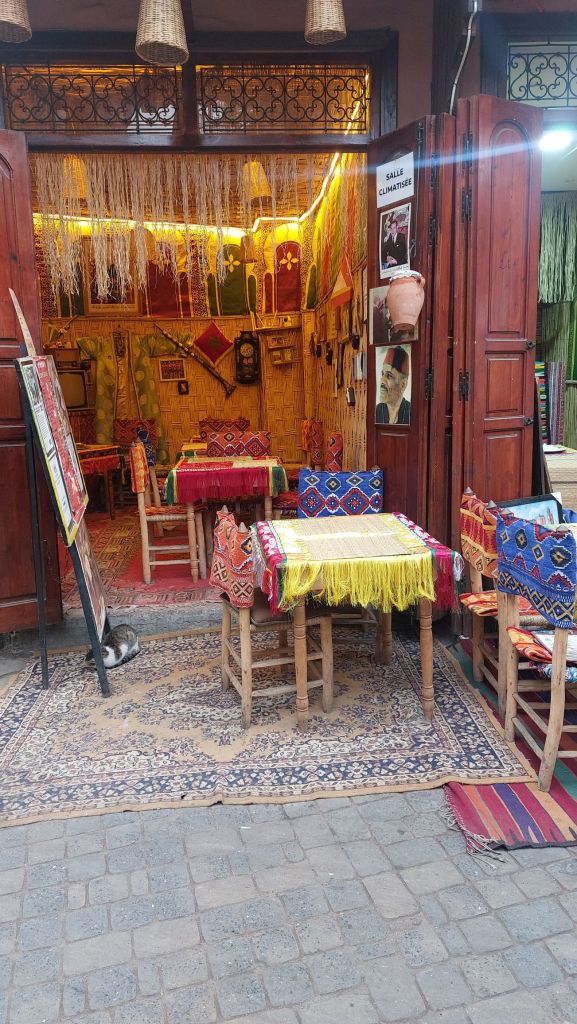
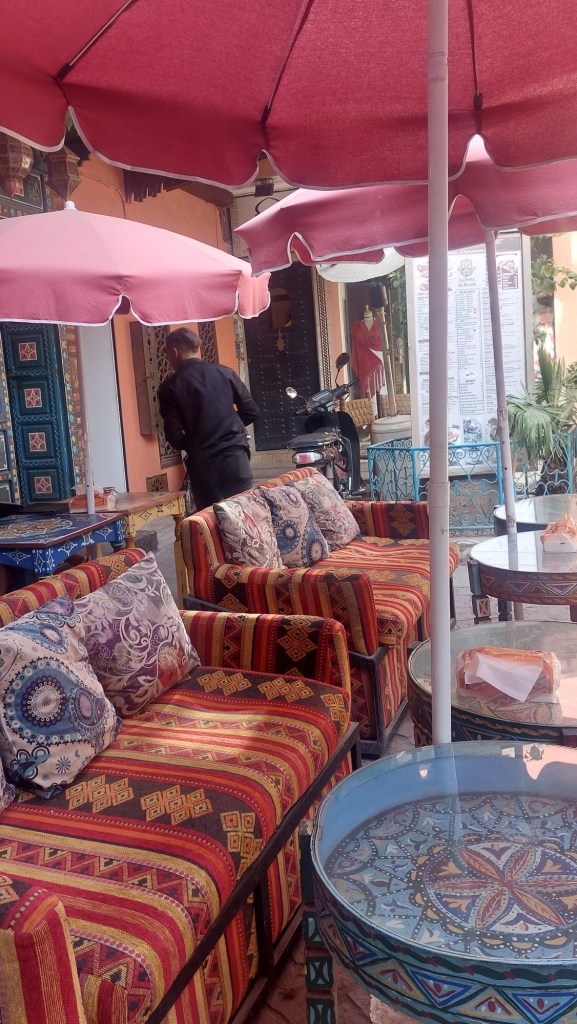
    Colourful, boho decor and tempting pastries are the perfect way to take a much needed breather from the chaos of the souks.

    Shopping in the medina is a fascinating experience, but it can be overwhelming at times.

    I realised that taking a break and pacing myself was the best way to thoroughly enjoy the experience.

    Navigating the maze of alleyways in the souks is exciting, and there is so much more to them than beautiful leather goods and Moroccan lamps.

    I especially love the sweets and pastries on offer.

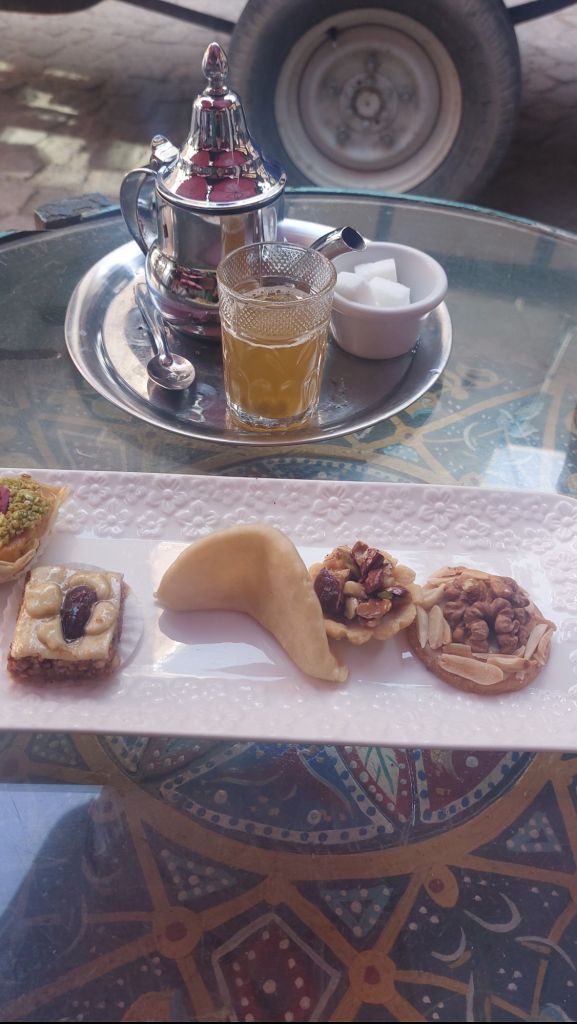
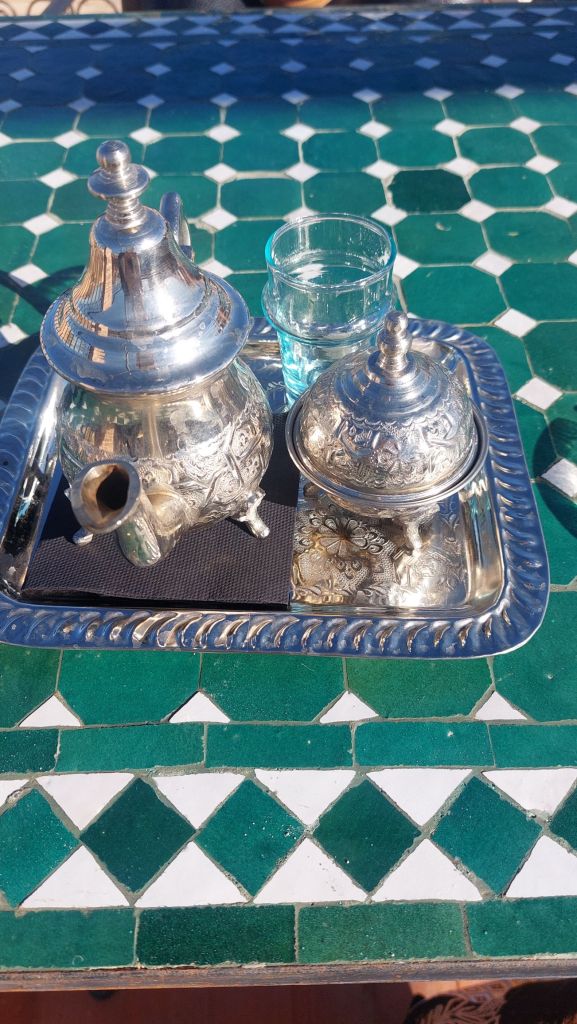
    They are absolutely delicious and compliment the taste of traditional mint tea known as atay perfectly.

    There are so many pastries to choose from, and I decided to treat myself to a selection to see which my favourites are.

    The tea is very hydrating, and I especially enjoyed the taste of the almond pastries most of all.

    Images by Freebird Tracey.

    If you are shopping for gifts  in the souks, I would highly recommend that you take some time out to rest and pace yourself.

    Sitting outside a cute little tea shop selling something nice and light like a few Moroccan pastries is perfect.

    Image by Freebird Tracey.

    It’s a good way to engage in the culture of Marrakech by observing everything going on around you.

    Watching vendors calling out to tourists and bargaining the price of their wares is fun.

    Friendly waiters buzz around serving their customers with a big smile.

    Image by Freebird Tracey.

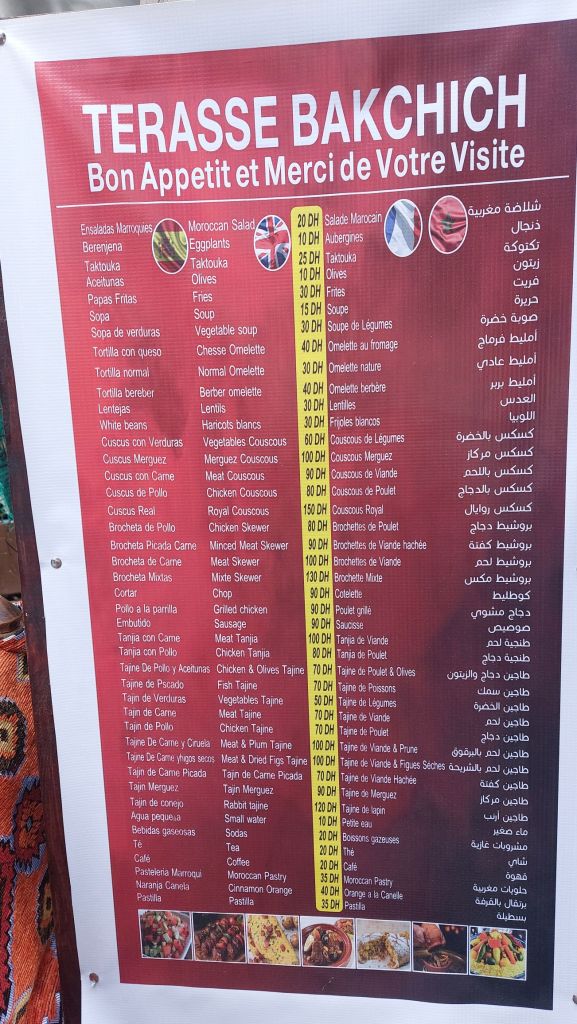
    There are plenty of places in the medina offering mint tea, traditional sweets, and pastries.

    The sweets are an absolute treat, but you will be spoilt for choice.

    Images by Freebird Tracey.

    Part of the pleasure of exploring the medina is finding hidden gems.

    Places where you can sit and gather yourself before venturing back out into the crowds of tourists.

    Marrakech has an abundant supply of delicious sweets and pastries.

    They’re a light snack that won’t spoil your appetite for lunch or dinner.

    A few suggestions of places to try are,

    . Medina Kawa Marrakech.

    . La Patisserie de la Terracce Spices

    . Boughaz Coffee in the Kasbah.

    Check out my separate article about traditional Morroccan mint tea.

    Image by Freebird Tracey.
    (more…)
  • Herboristerie Reda

    A treasure trove of oils, creams, and potions.

    Image by Freebird Tracey.

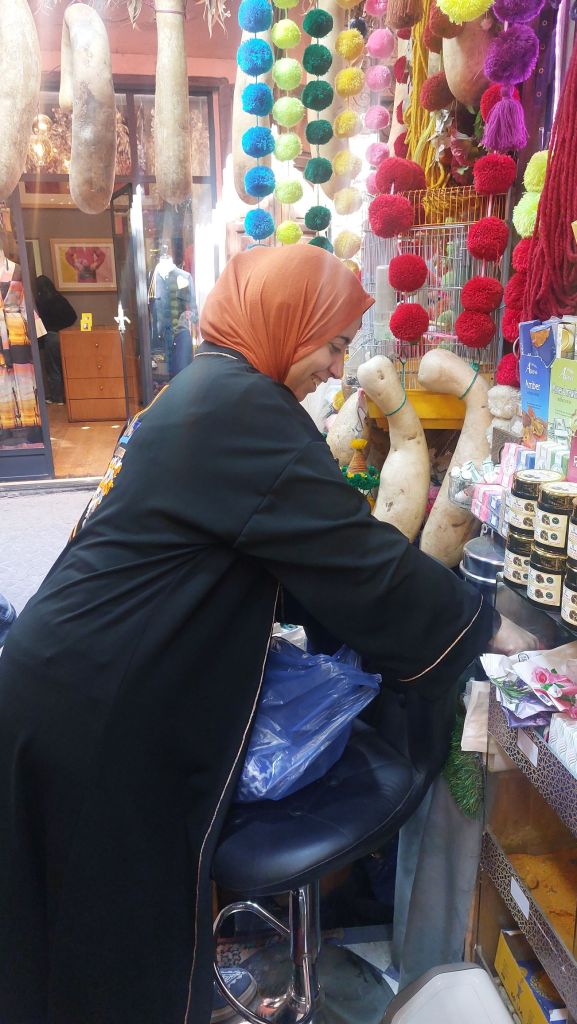
    I found a great place in the souks run by a very helpful and pleasant woman.

    There is nothing more delightful than taking the fragrance of Marrakech home with you and reliving the experience of your time there.

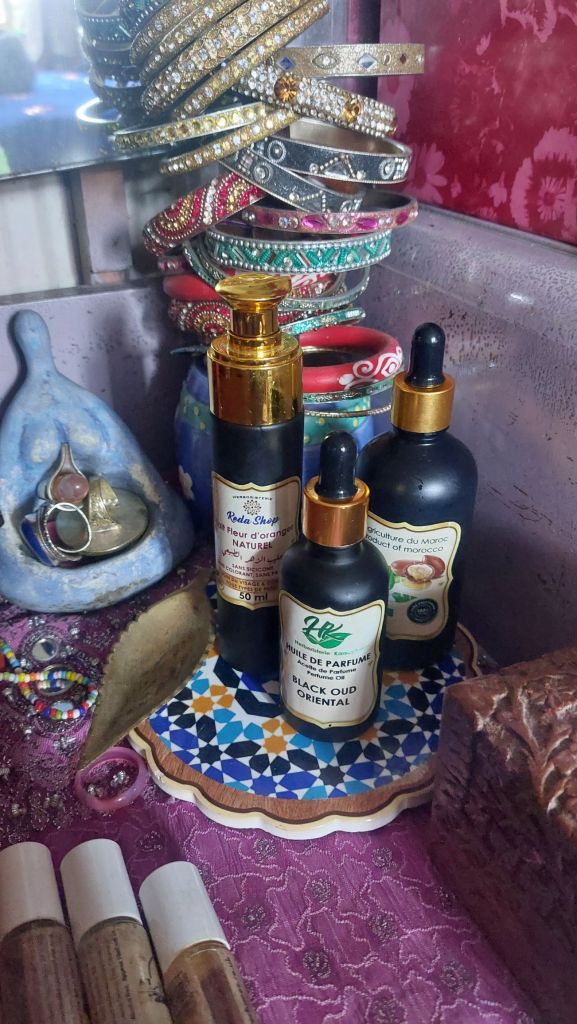
    You can find plenty of places in the souks that sell argan oil and perfumes, fragrant shampoos, and body wash.

    The scent of orange blossom, oud, and jasmine oil enticing you to buy something special as a reminder of the time you’ve spent in Marrakesh.

    However, it’s important to know that not all oil will be genuine argan oil.

    There are inferior quality products sold at a high price, so you need to be careful not to get ripped off.

    The argan oil cooperatives are the best option for buying genuine products, but if you don’t get the opportunity to visit them, where should you go?

    Herboristerie Reda stocks everything, and the quality of their products is very good.

    The address is,

    48.Derb Sidi, Boulfdail.

    Marrakech 40000.

    I purchased a few things from here, including some excellent quality oils.

    Image by Freebird Tracey.

    I spent a lot of time inside the shop testing the oils and didn’t feel pressured to buy anything at all.

    The woman in the shop was called Hennan, and she was genuinely helpful and kind.

    There is a huge selection of products, including soaps, fragrant body creams, perfumed oils, and products for using in a hammam.

    Images by Freebird Tracey.

    The shop front is used to advertise a Gourd Festival each year, and it is very colourful.

    I have purchased goods from other retailers in the souks, but the fragrance doesn’t last very long before wearing off.

    The oils from Herboristerie Reda last ages and smell amazing.

    You can also purchase herbs and spices such as Saffron, herbal teas, and medicinal ointments.

    This will be one of my go-to shops for fragrant body oil and lotion from now on..

    Image by Freebird Tracey.
    (more…)
  • Traditional Moroccan Berber Rugs.

    A look at how Berber rugs are made.

    Image by Freebird Tracey.

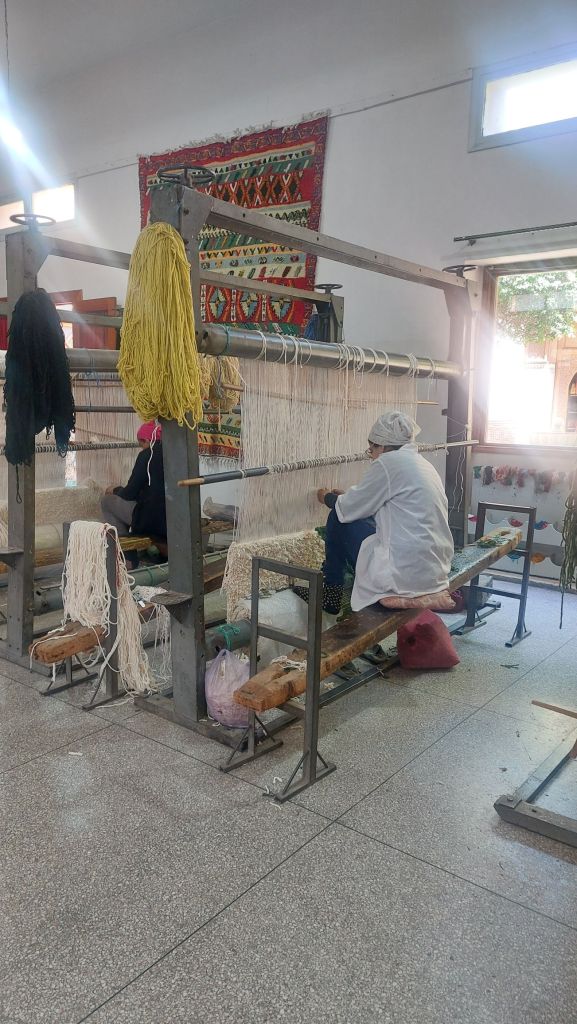
    Berber rugs are handmade by the indigenous Amazigh people of Morocco.

    They are made from the wool of sheep in the high Atlas Mountains.

    Each type of rug tends to vary in thickness, and the pattern also differs depending on which tribe or village has made it.

    For example, Kilim Berber rugs have no pile and are relatively fine in texture.

    They are handcrafted using techniques passed down through generations using natural materials renowned for their durability and luxurious feel.

    Hand-knotting is a long and laborious process.

    To create a single rug takes about one to two months, with four weavers working on a rug at a time.

    There are several steps that go into making a beautiful Berber rug..

    1. Shearing the Sheep

    Shearing the sheep is the first step in making a Berber rug. This is done by hand, using a special shearing knife.

    The sheep are first restrained, and then the knife is used to remove the wool from their body in one long strip.

    The wool is then sorted and cleaned.

    It is usually the job of the men to shear the sheep, taking care not to injure them or spread infection.

    The women are responsible for washing the sheared wool.

    2. Carding.


    Carding is the process of aligning the wool fibers so the weavers can spin them into yarn.
    To card the wool, the fibres are first combed in one direction, and then the wool is brushed in the opposite direction.

    This helps to loosen the fibers and align them in the same direction.

    Once the fibers are aligned, the weavers can then spin them into yarn.
    Carding is an essential step in making a Berber rug, as it helps to ensure that the rug is strong and durable.

    The process of carding also helps to give the rug its unique texture.

    The women are often responsible for this process.

    3. Spinning the wool into yarn.


    To spin the wool into yarn, Amazigh women use something called a drop spindle.

    This simple tool consists of a shaft with a weight at the bottom.

    The wool is attached to the shaft, and then the shaft is twirled between the women’s hands.

    As the shaft is twirled, the wool is wrapped around it, creating the yarn.

    4. Weaving the rug.

    The weavers use a technique called continuous knotting to create intricate patterns.

    This method of knotting allows the weaver to create a rug that is incredibly durable and will last for many years.
    The process begins with the weaver tying knots in the woollen yarn.

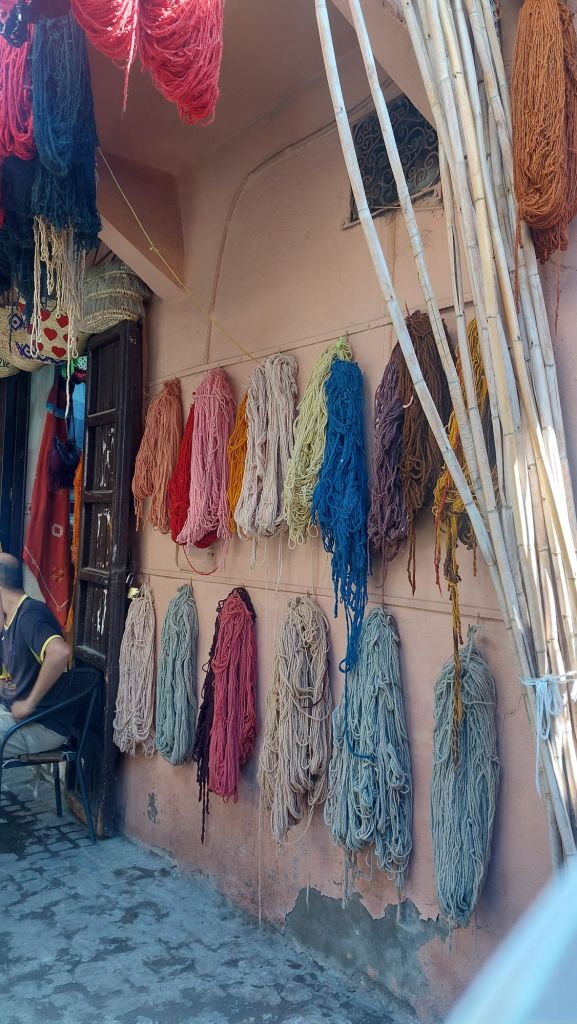
    The yarn is then dyed using natural dyes from plants, spices, and fruits, which give the rugs their characteristic colours.

    Once the yarn is dyed, the weaver begins weaving it into a rug using a loom.

    The loom is a wooden frame that the weaver uses to create the rug’s design.
    The weaver ties the yarn around the looms warp threads, which are the vertical threads that run through the loom.

    The weaver then weaves the weft threads, which are the horizontal threads, over and under the warp threads.

    The weaver can create various patterns by changing the direction of the weft threads.

    Image by Freebird Tracey.

    Once the rug is complete, the weaver cuts the rug from the loom and ties the ends of the rug together. The rug is then completed.

    Making a Berber rug is a long, laborious task, and the women of the village who weave them rarely get anything near the price they’re sold for.

    Husbands load them onto the back of a donkey and take them to a buyer who gives him a fraction of their value.

    Berber rugs are beautiful and give a home a wonderful boho vibe.

    They are hard-wearing and last a lifetime.

    Images by Freebird Tracey.

    It’s important when visiting Marrakech to make sure you’re purchasing a genuine Berber rug.

    There are a few scams, so be mindful before you get whisked away to a shop by a friendly local, promising you the best quality and prices.

    Les Nomads de Marrakech has a great reputation and can ship rugs back home for you.

    This is their address..

    Bennahid #40 Derb Zaouiat Lahdar, Marrakesh 40030, Morocco.

    Dar Bouchaib in the Kasbah is a fixed price store that also ships rugs and has a huge selection.

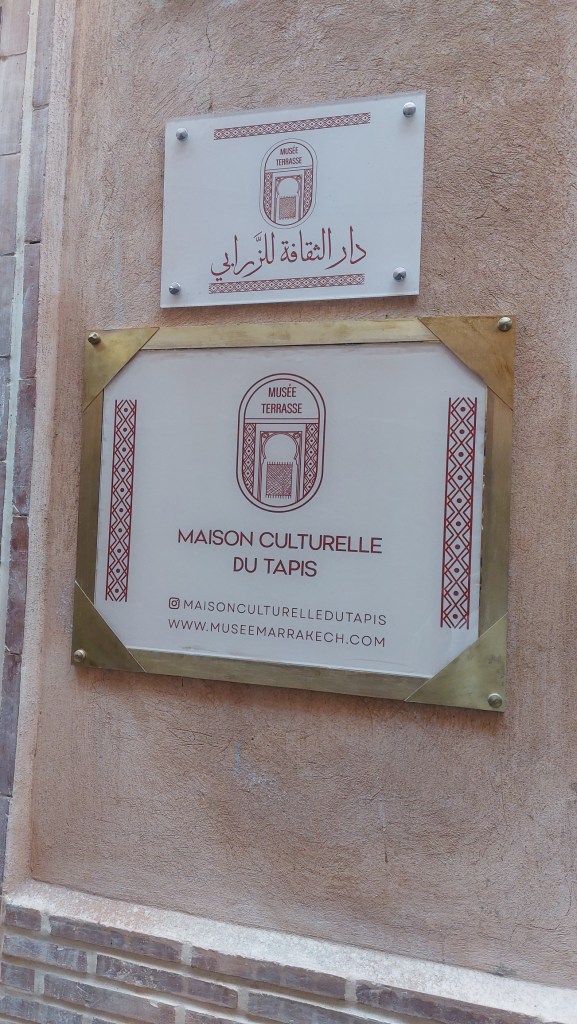
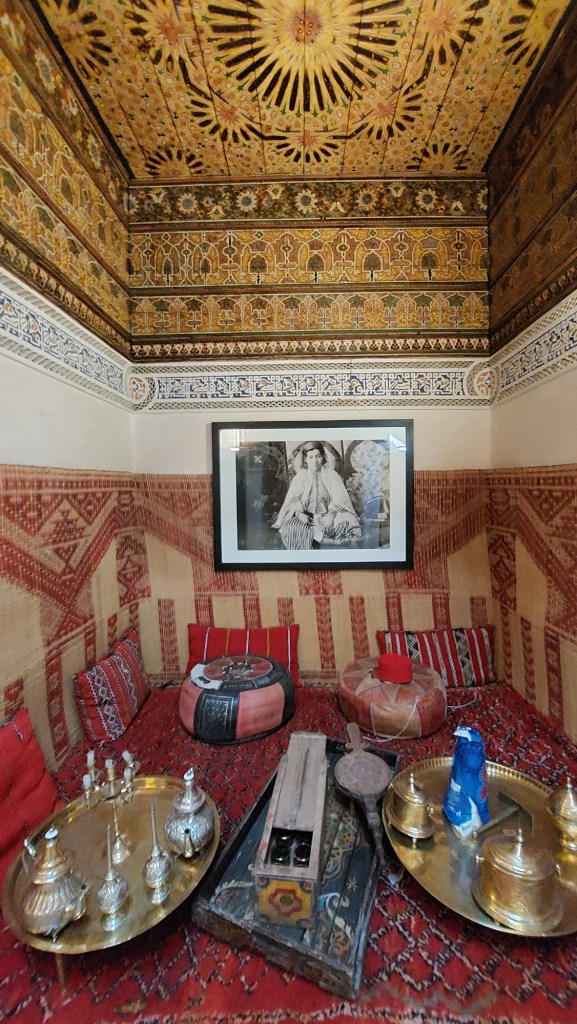
    There is also a carpet museum in the souks, and it’s well worth a visit to learn more about how they’re made.

    They have some beautiful vintage rugs on display.

    I have written an article about this fascinating place.

    Images by Freebird Tracey.
    (more…)
  • A Few Things You Need To Know Before Coming To Marrakech.

    Helpful advice for visiting Marrakesh for the first time.

    Image by Freebird Tracey.

    I’ve put together a few useful tips to help your trip run smoothly.

    Marrakech is a cash society. Although many cafes and restaurants take cards, cash is often the preferred method of payment.

    In the main square called Jamaa El Fna, you will need cash to purchase almost everything.

    There are plenty of 🏧 machines located around the city.

    I use the one outside the post office where the horse and carriages stand, close to the taxi rank.

    The exchange rate is good, and it was usually working.

    You can get cash at the airport, but the exchange rate isn’t great.

    There are also plenty of places to exchange money around the city.

    It’s advisable to carry a small amount of cash with you for tipping, small purchases in the souks, and picking up a bottle of water.

    Something you may want to consider if you don’t have  cash at the airport is to ask your accommodation to organise a taxi to your hotel or riad in advance.

    Most accommodations will do this for you when you book. It’s prepaid, so you won’t have to worry.

    You will probably need a SIM card.

    I got an Orange SIM in the airport, and they put it into my phone for me.

    This saved me any hassle, and I had data from the moment I arrived in Marrakech.

    Having data gave me reassurance as a solo female traveller.

    I could use Google maps in the medina, which was helpful in case I got lost.

    It’s worth noting that Google Maps may not work in some areas of the souks, though.

    Tipping is not customery in Marrakesh, but the food and service are usually very good, so it’s nice to be nice.

    I generally leave a small tip of approximately 20-30 dirhams.

    You can drink the tap water allegedly, but personally, I  wouldn’t recommend it.

    Some tourists have what’s called a GRAYL water bottle, which takes out the bad stuff, but I haven’t tried one myself.

    I preferred to air on the side of caution, plus the water doesn’t taste that good and water purifiers don’t change the taste of the water.

    There are plenty of places selling bottled water around the medina, and riads or hotels also sell it.

    Non Muslims can’t go inside the Mosques, with the exception of Hassan ll Mosque in Casablanca.

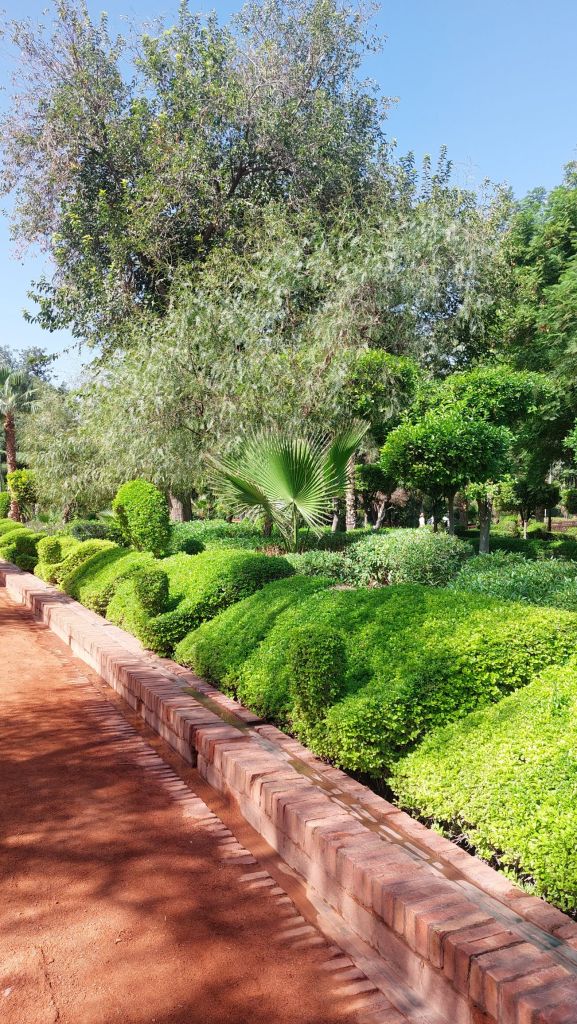
    Koutoubia Mosque has the most beautiful gardens, which are well worth a visit. They are open to everyone, and particularly nice in the evening when they’re lit up.

    Image Freebird Tracey.

    Some tourist attractions get incredibly busy, so try to arrive at opening times for the best experience.

    Places like Bacha Coffee can have waiting times for up to 2 hours, so come early and join the queue.

    The same applies to Bahia Palace and the Madrasa Ben Youseff.

    I found shopping in the souks early in the morning favourable.

    It was less crammed with tourists, and I avoided the mid afternoon heat.

    Although Marrakech is an Islamic city, it’s fairly relaxed and liberal.

    However, out of respect for the culture of your hosting country, it’s appropriate to cover your shoulders when visiting certain religious places.

    Aim to dress modestly without exposing too much flesh, and you’ll have a great experience.

    I have written a separate post on what to wear when you’re visiting Marrakech.

    Marrakech is a dry city. However, there are bars and clubs that cater to Western tourists.

    There are a few nice bars selling alcohol and cocktails around the medina, such as Le Pergola and Kabana rooftop bar.

    Gueliz and Hivenage have plenty of clubs and bars if you want a night out with alcoholic beverages and entertainment.

    Some high-end riads and hotels will also serve alcohol.

    It’s forbidden to consume alcohol in the medina unless you’re in a place that is licensed to sell it.

    If you get tired of haggling in the souks, there is an artisans market.

    The prices are slightly higher but you can simply buy the products without having to bargain for them.

    There is also a fixed price store in the Kasbah called Dar Bouchaib.

    People in Marrakesh can be quite camera shy.

    It’s best not to take photographs unless they specifically say you can.

    Be prepared to have to pay for the privilege, too.

    Most travellers are discouraged from starting conversations about the King of Morocco.

    Try sticking to conversations about the history of Marrakech and Amazigh culture.

    The locals will love telling you all about it..

    There are a few scams going on in the square, but it’s mainly opportunists trying to make a few dirhams.

    I haven’t had any problems myself, but just keep your wits about you and don’t fall prey to anything.

    Marrakech is relatively safe, but just like anywhere else in the world, exercise caution with your personal belongings in crowded areas.

    Keep your personal items in front of you and don’t carry large amounts of money around.

    The Souks close around 9.00 to 10.00 pm, so be careful if you’re walking around after that, especially if you’re a solo female traveller.

    I haven’t experienced anything unpleasant, but it can feel rather unnerving in the dark alleyways after dark.

    See my separate post about solo female travellers in Marrakech.

    I hope some of these nuggets of advice help you to have the best experience in Marrakech.

    Happy Travels.
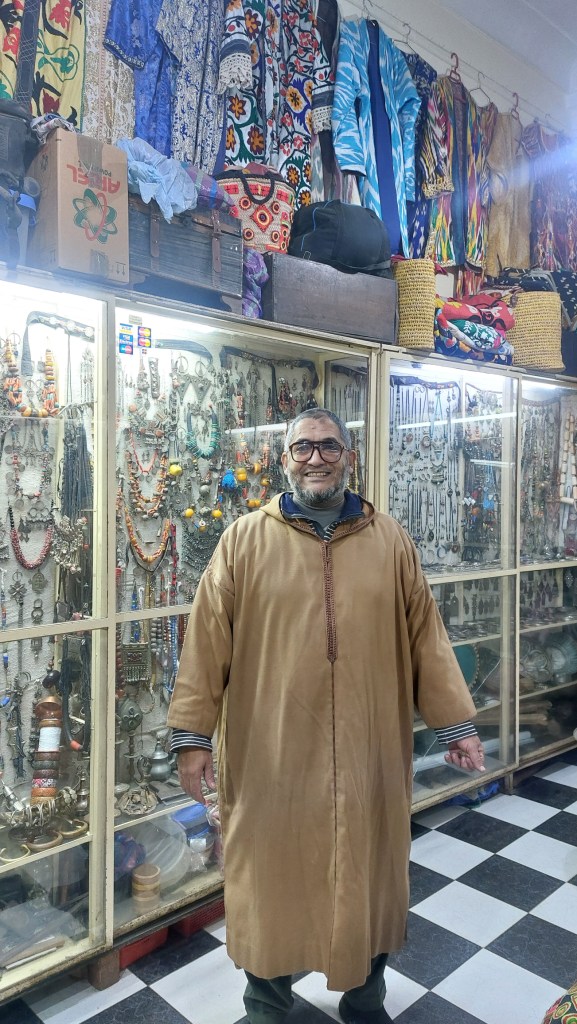
    Image by Freebird Tracey.
    (more…)