Category: The Souks in Marrakech

Exploring The Red City Of Marrakech.
  • Islamic Architecture In Marrakech.

    A look at Islamic architecture and craftsmanship.
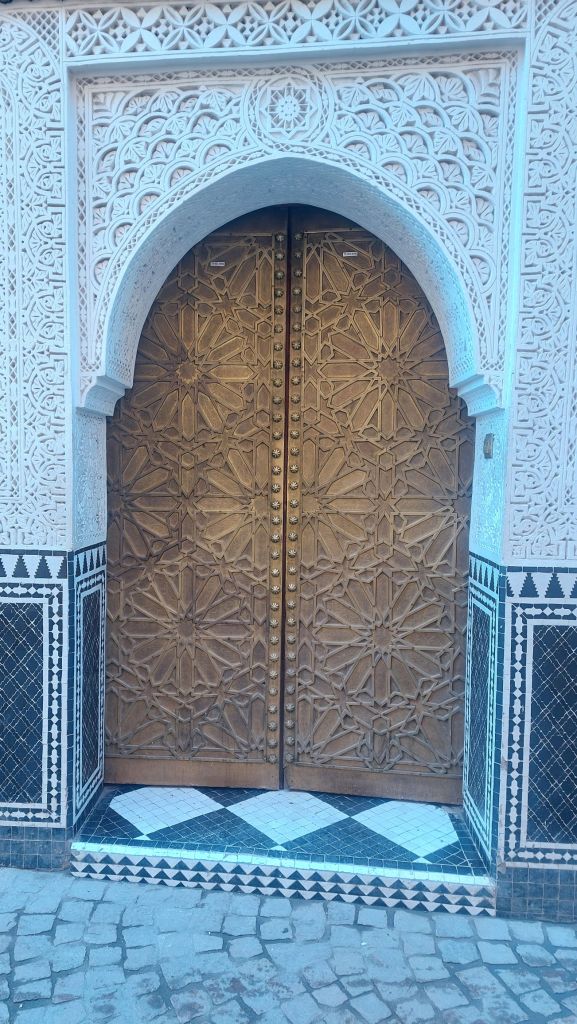
    Image by Freebird Tracey.

    The beautiful Islamic architecture found in Marrakech is a testimony to its wealth of history and culture. From intricately carved wooden doors to geometric mosaic tiles and tadelakt, Marrakech has some of the finest examples of Islamic architecture in Morocco.You can’t help but be impressed by the attention to detail as you wonder around the medina.

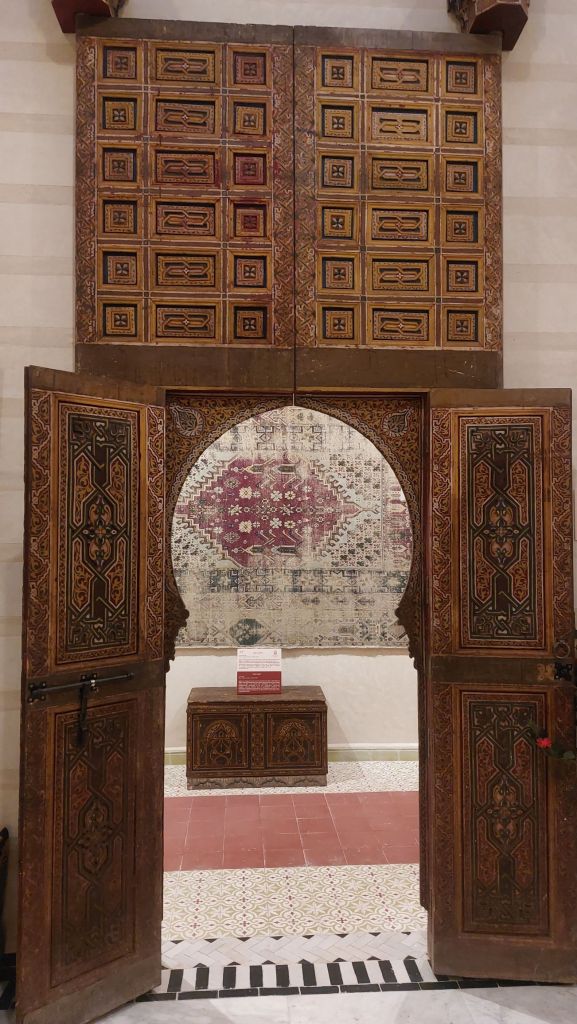
    Large wooden doors exquisitely carved out of Cedar wood appear out of nowhere as you pass through the winding alleyways.
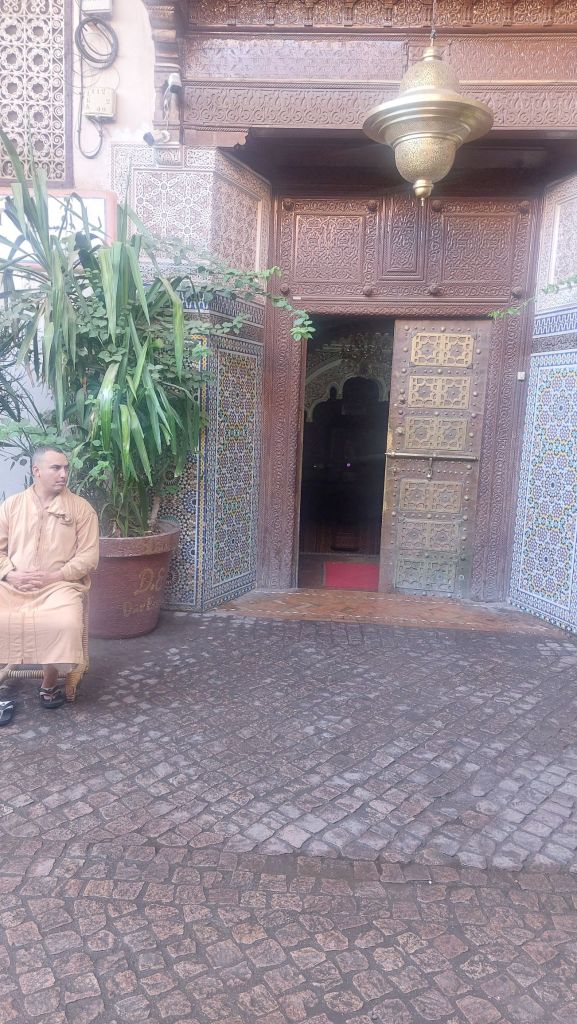
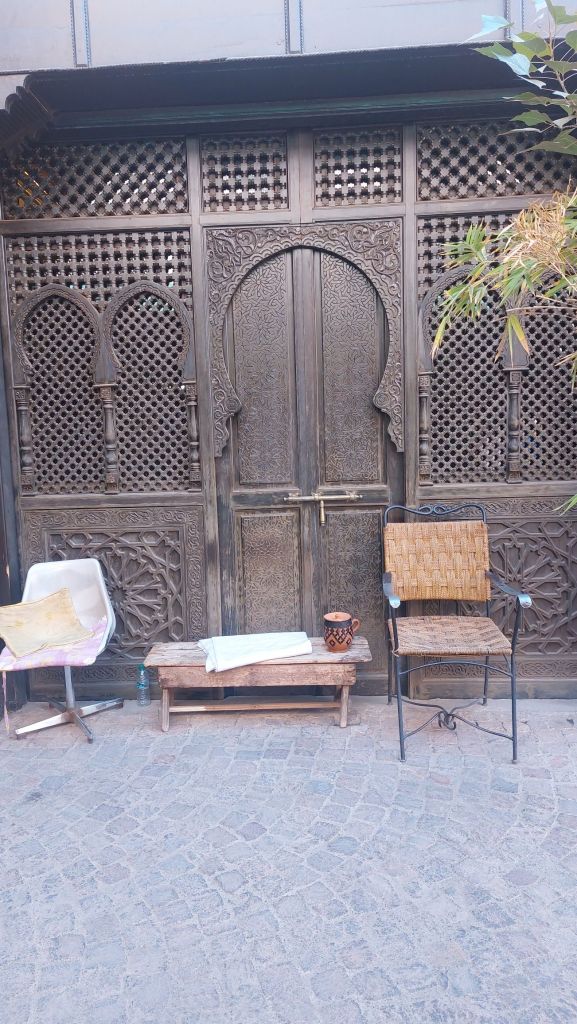
    Images by Freebird Tracey.

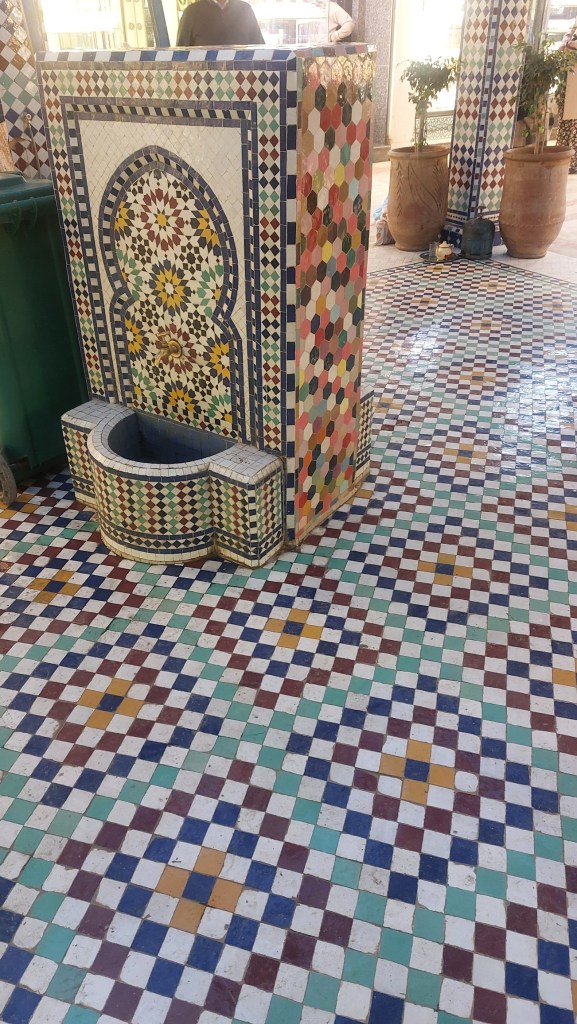
    Zellige tiles originating from the 10th century form geometric mosaics decorating the floors, walls, and fountains. A skill which has passed down from generation to generation.
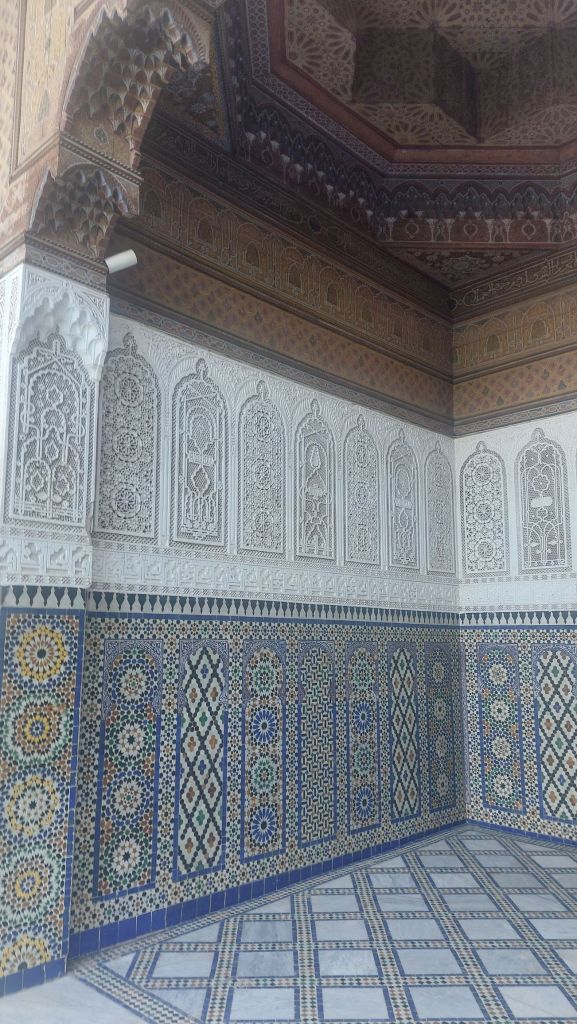
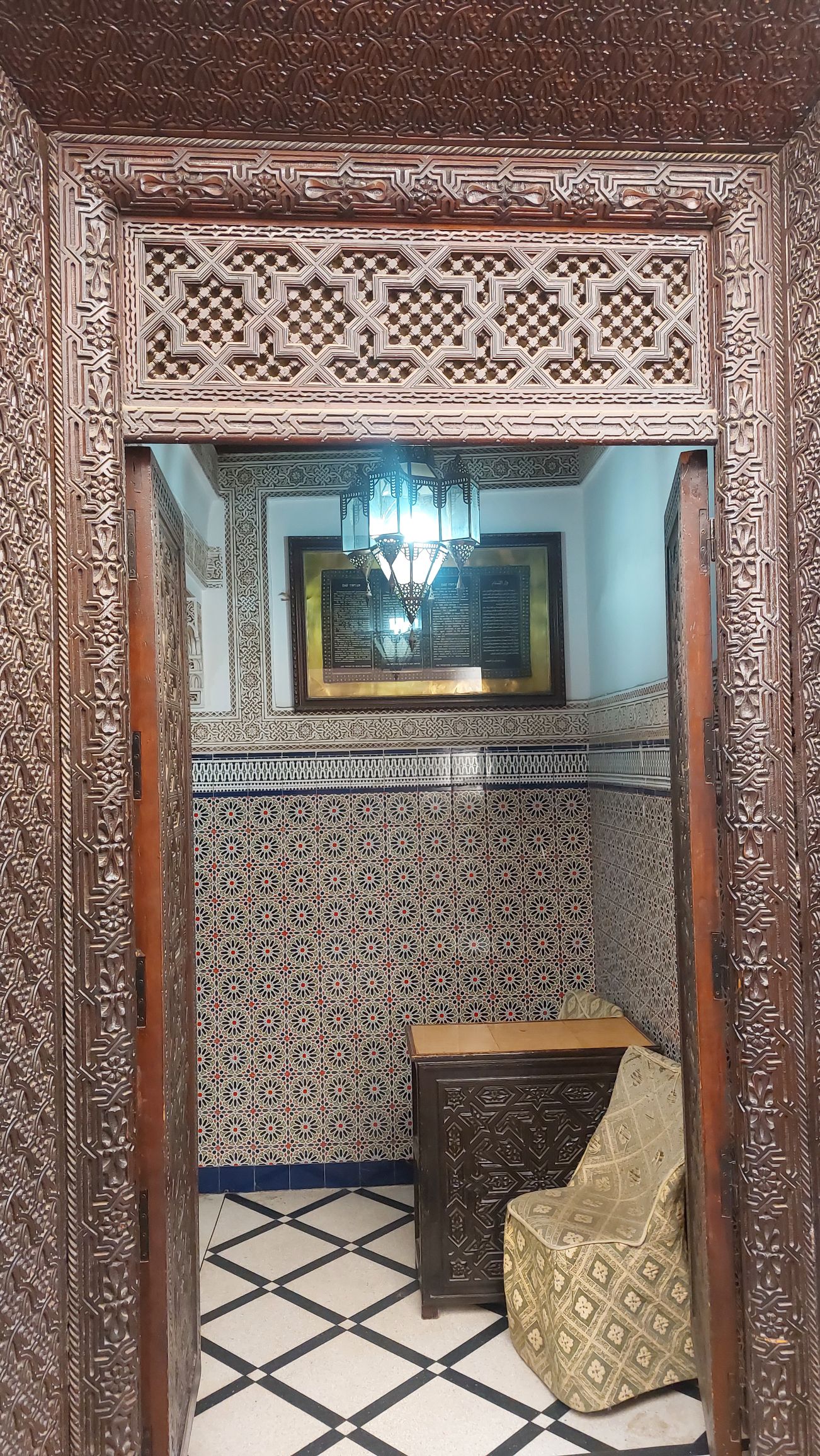
    Images by Freebird Tracey.

    Islamic architecture in Morocco follows the spiritual principle of Tawhid, the unity of God. There are handcarved stucco panels with expertly applied fine details, including floral motifs and calligraphy from Nakshi and Kufic Arabic scripts. These are set against a backdrop of peace and tranquillity.
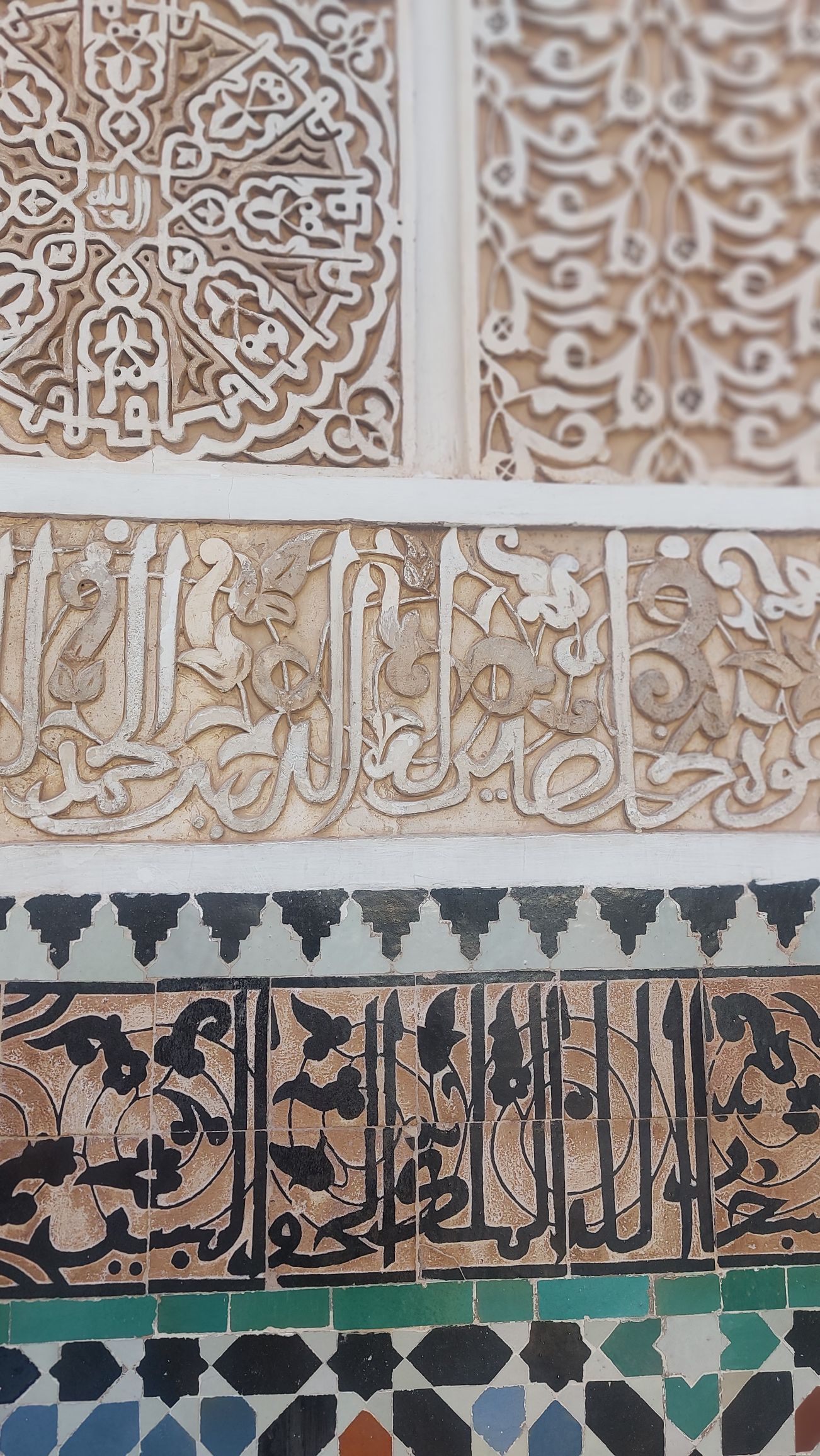
    Image by Freebird Tracey.

    The use of symmetry, repeated geometric patterns, and balanced proportions reflect divine order and infinity. The use of geometry and proportion symbolizes universal harmony.
    Calligraphy enshrines verses from the Qur’an, which merges both word and form together. Light also plays a sacred role. As it filters through lattice screens called mashrabiyas and central courtyards, it evokes the essence of divine presence.
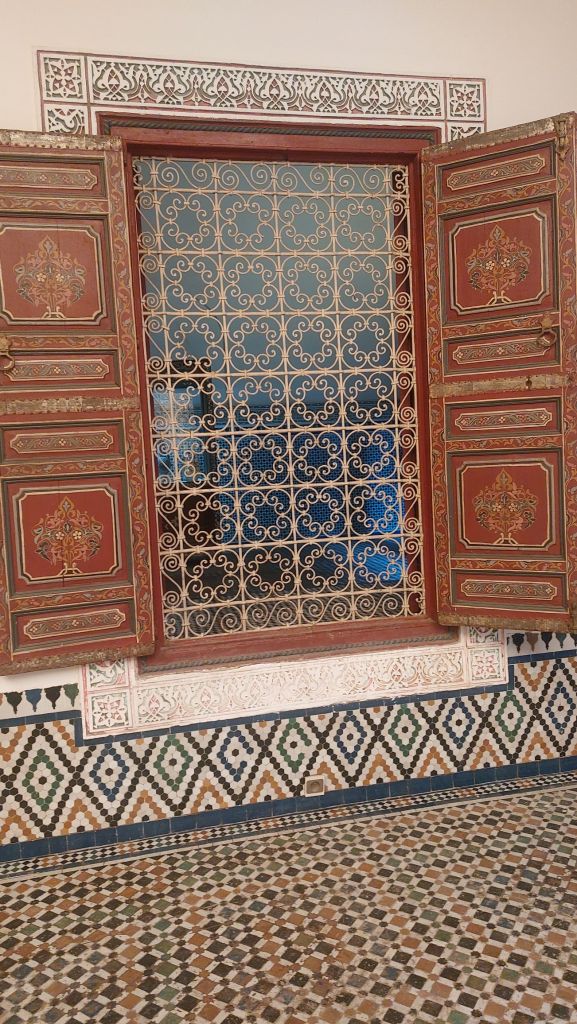
    Image by Freebird Tracey.

    Islamic architecture blends together Arab, Amazigh, Andalusian and Sub Saharan influences. Perfect examples can be seen at the Koutoubia Mosque, Ben Youseff Madrasa, Bahia Palace, Saadian tombs, and El Badi Palace.
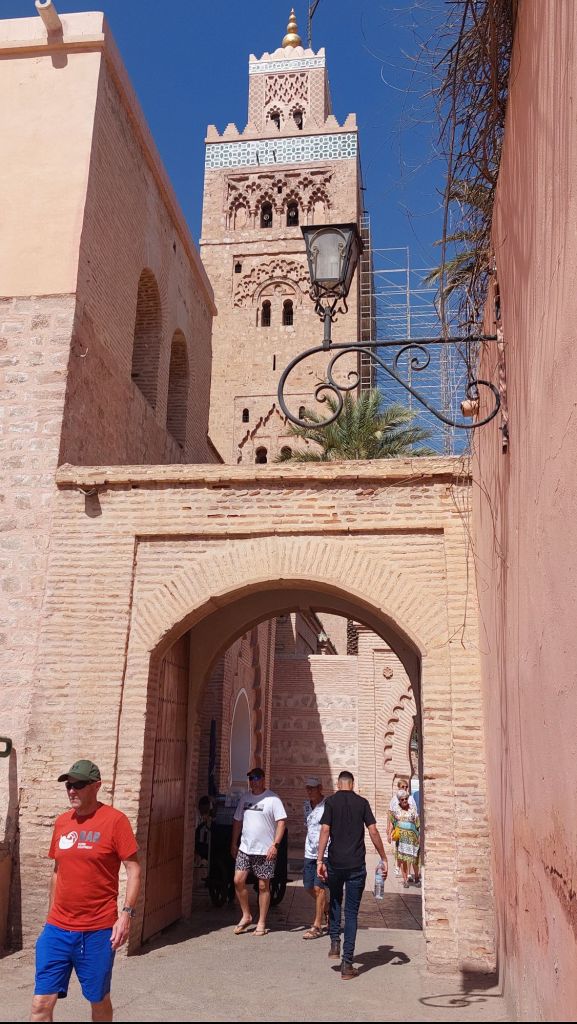
    Image by Freebird Tracey.

    Bab Agnaou gate is one of 19 splendid arched gates into the city showcasing intricate carvings.

    Hammams, which were constructed centuries ago, reflect the scale of precision and sheer brilliance of Islamic architecture. Exploring these beautiful places is a journey through the history and culture of Marrakech. You will be spellbound by the beauty of the tiled fountains with their original zellige tilework in the courtyards of riads. Original water features have been restored and strategically situated around the medina.
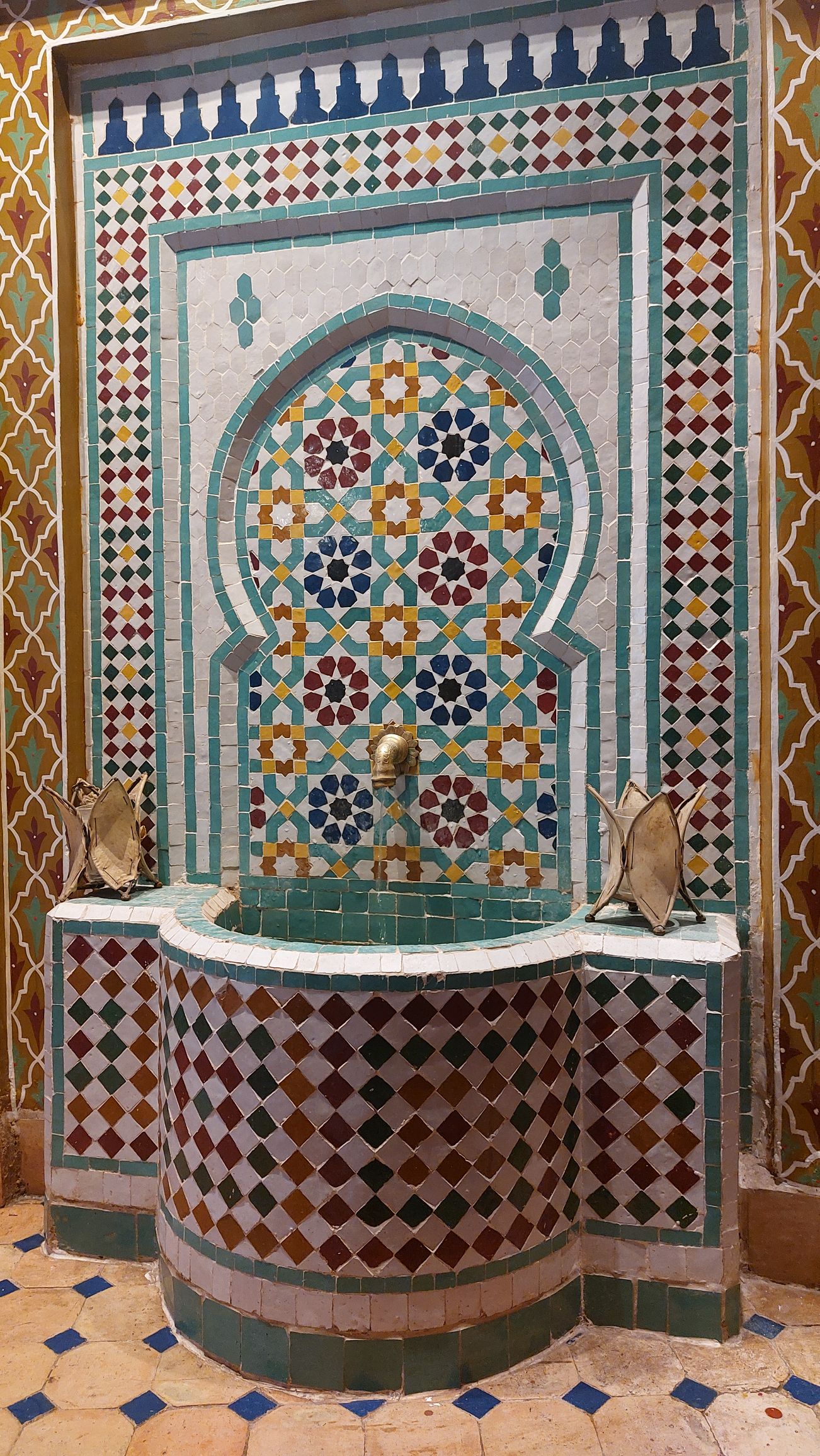
    Image by Freebird Tracey.

    There are two knockers on the magnificent wooden doors. One which is strictly for family members and one for guests to use.  This is in order to shield and protect the women of the household from the gaze of male strangers.
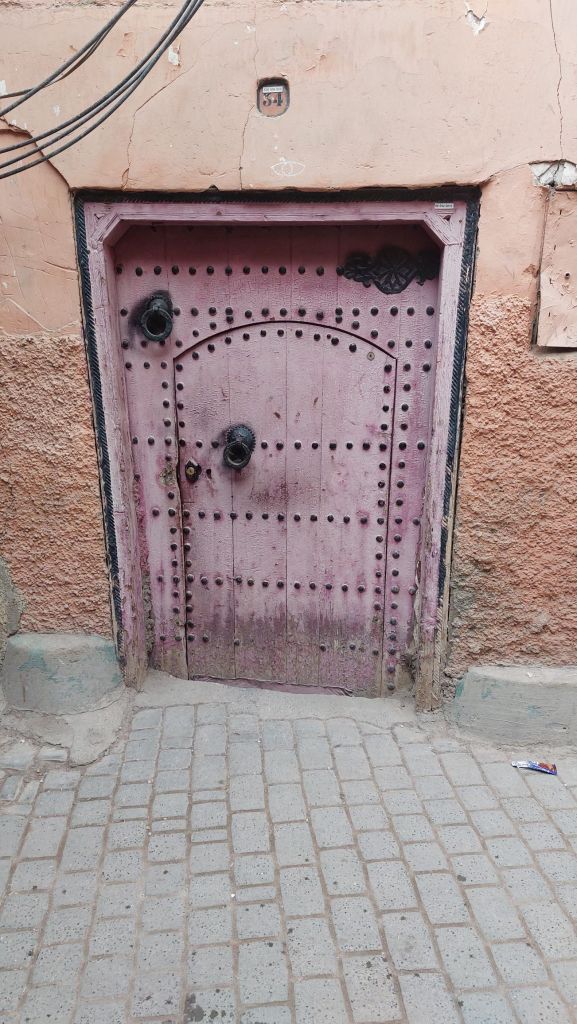
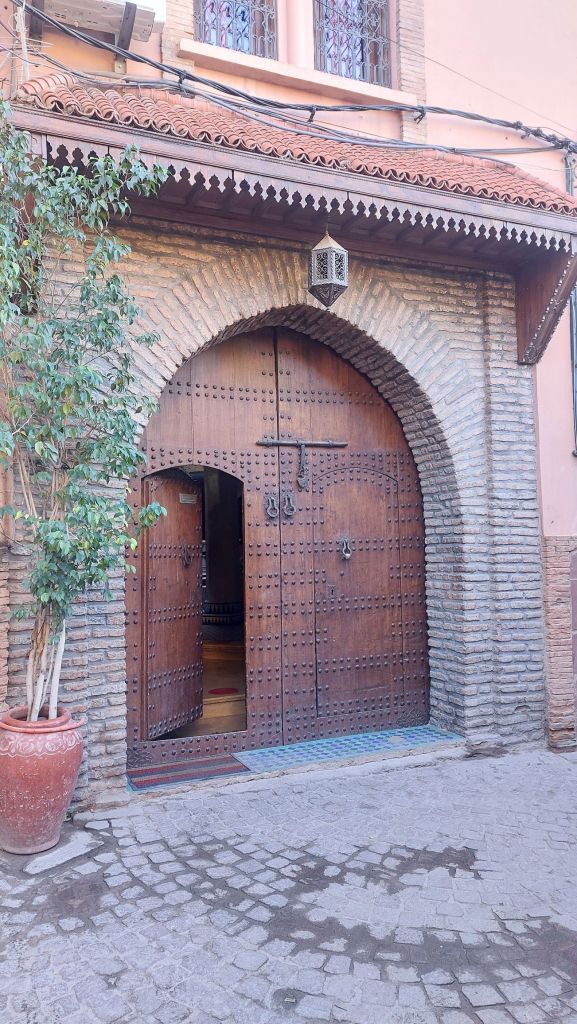
    Images by Freebird Tracey.

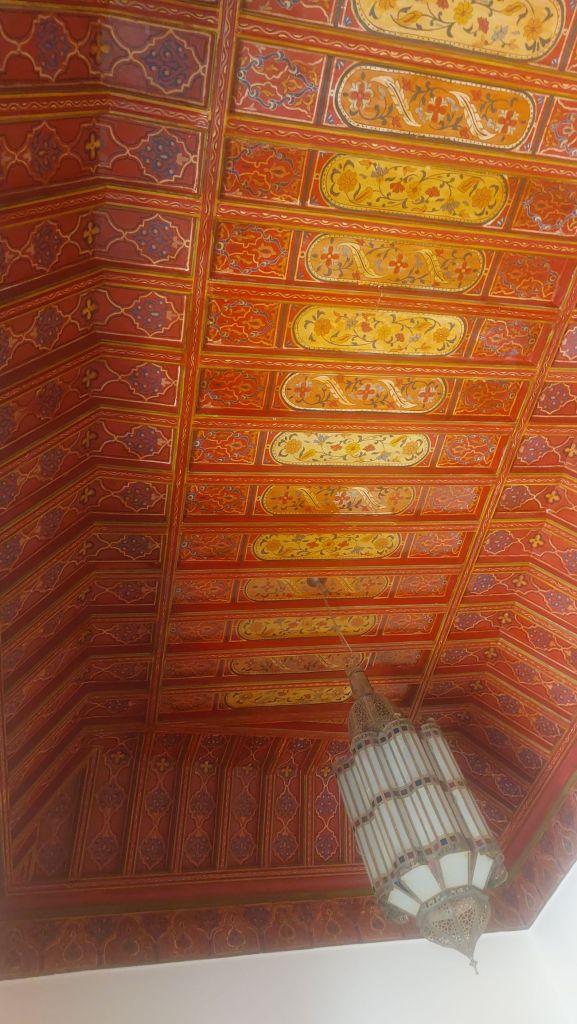
    There are places all around the medina where you will want to take photographs of the beautiful work local artisans left the world as their legacy.

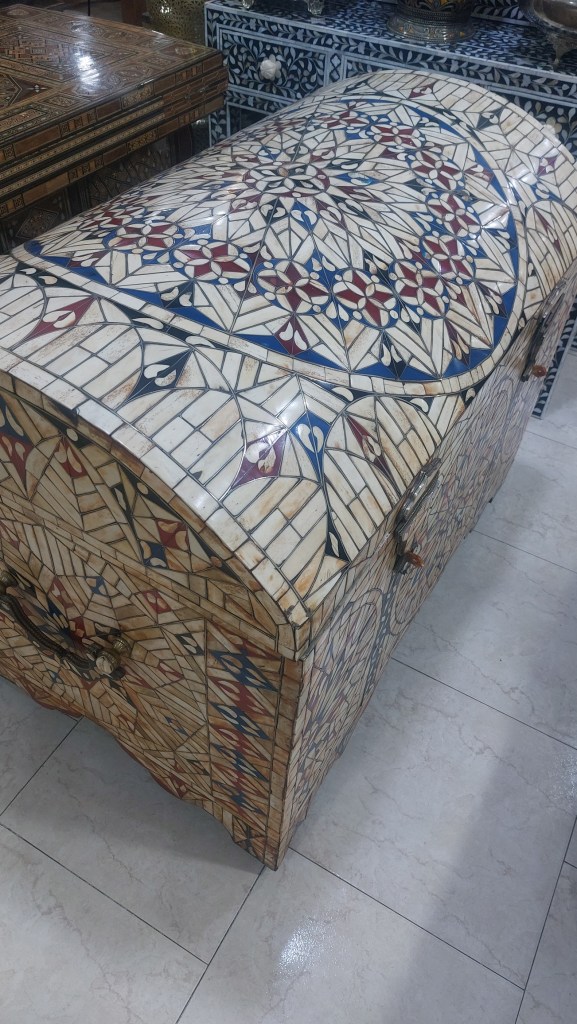
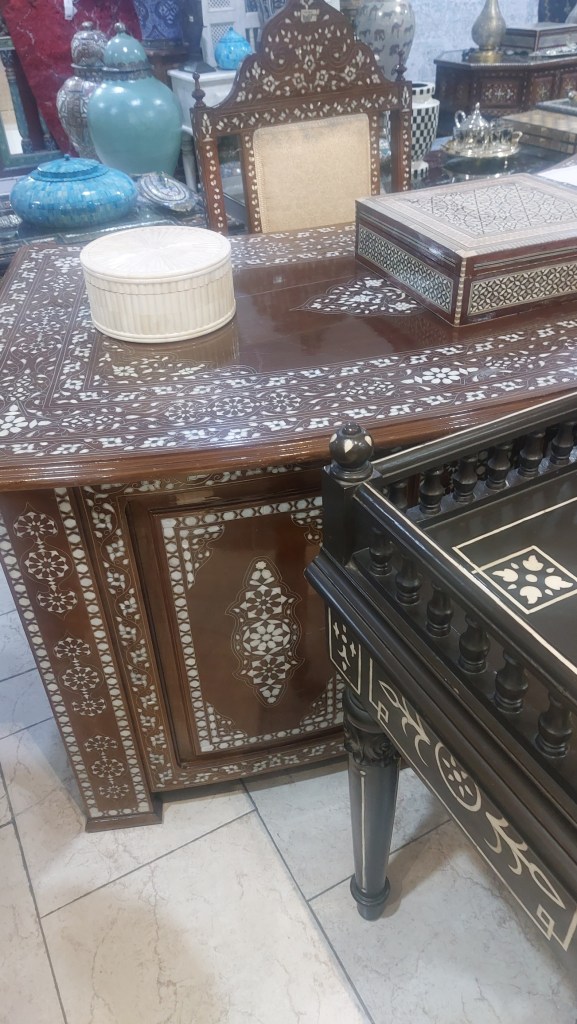
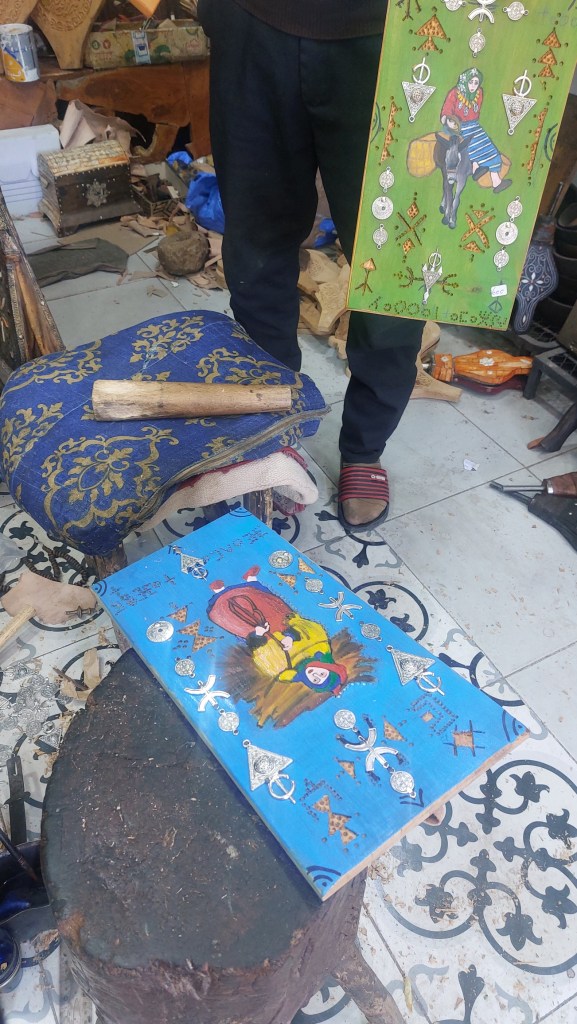
    The remarkable skills of trained craftsmen are evident inside traditional riads. Unique pieces of handmade furniture, beautifully painted doors, and splendid ceilings demonstrate the skill involved.
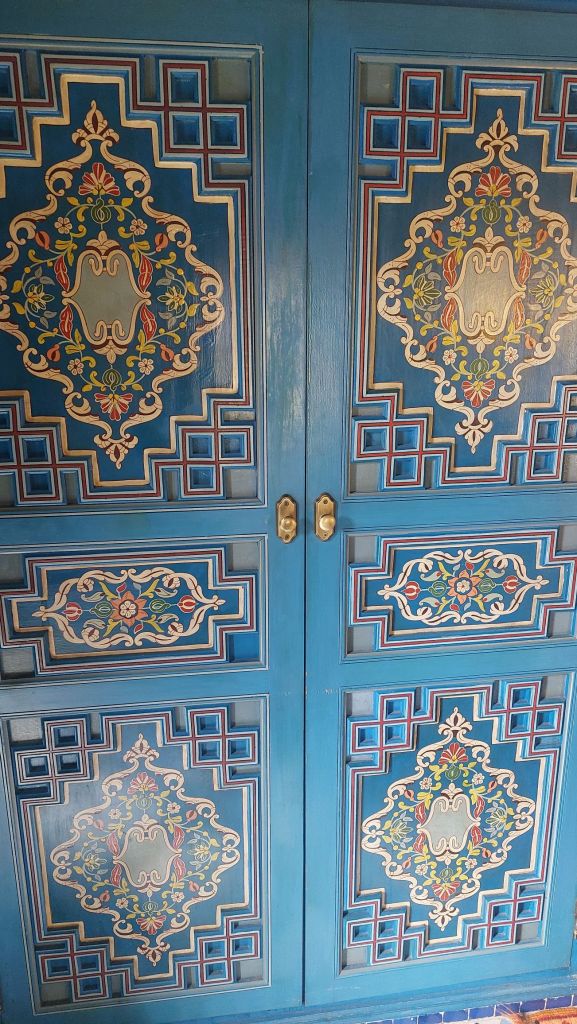
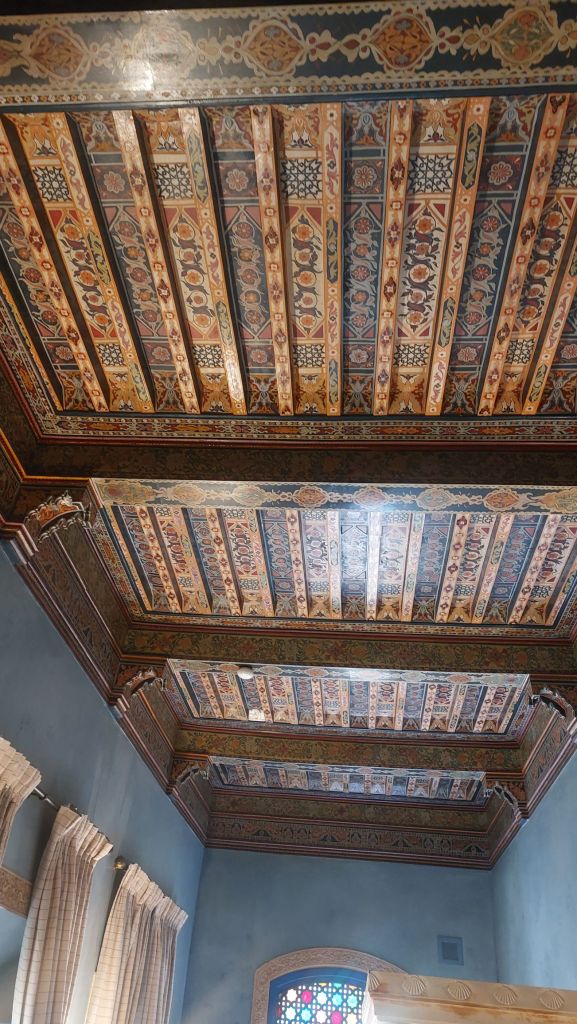
    Images by Freebird Tracey.

    You can find people creating things in Marrakech using the same techniques that generations before them had used. At Ensemble Artisanal Craft Complex near Cyber Park, you can see the artisans busy at work. Here, they teach young apprentices the art passed down by their ancestors.

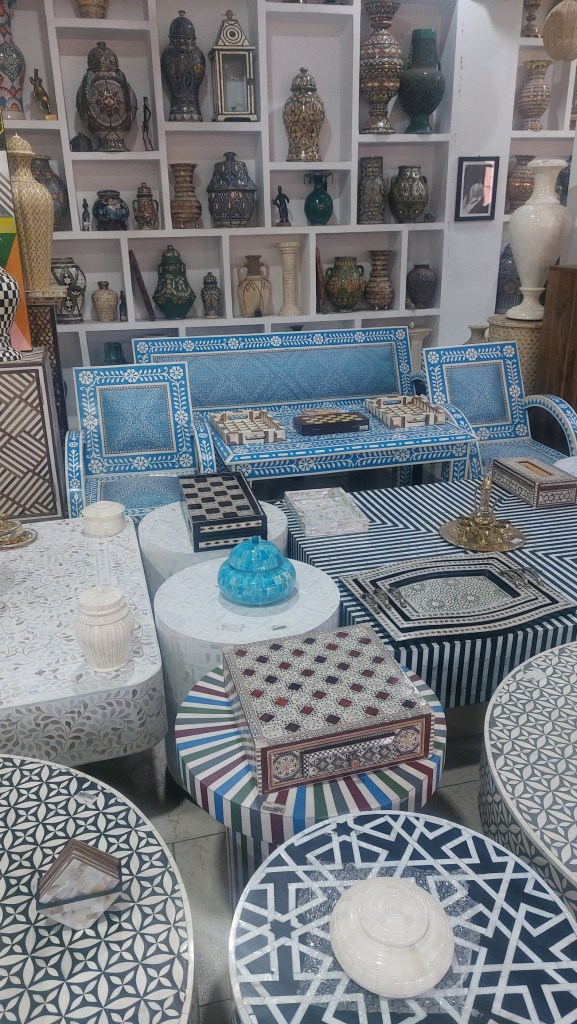
    Around the medina, you will find carefully designed wooden chess sets and wooden boxes ornately inlaid with Mother of pearl. In Tinsmiths Square, metal workers are busy crafting traditional Morroccan lamps and mirrors.

    As you wander through the souks, you are presented with examples of beautifully crafted items for sale. The amount of work that has gone into creating each piece is phenomenal.
    Images by Freebird Tracey.

    The roots of Moroccan architecture originate from the Amazigh and Arab culture. Styles have evolved from one dynasty to the other, including the Almoravids, the Almohads, and the Marinids.

    Nowadays, architects are using a combination of old and modern designs in their construction of buildings. This has led to a new style. It’s still characteristic of the old medina, but introduces newer, environmentally friendly buildings. They continue to incorporate the traditional zellige tilework in order to pay homage to the history and culture of the city. Riads are restored as close to their original appearance as possible. Some are modern and contemporary, which some tourists find appealing.

    I personally love the rustic charm of the older riads. The ones that evoke images of a world gone by. Those riads clinging to remnants of the past. The ones telling the story of an ancient culture which, if you look closely, is still very much alive today.
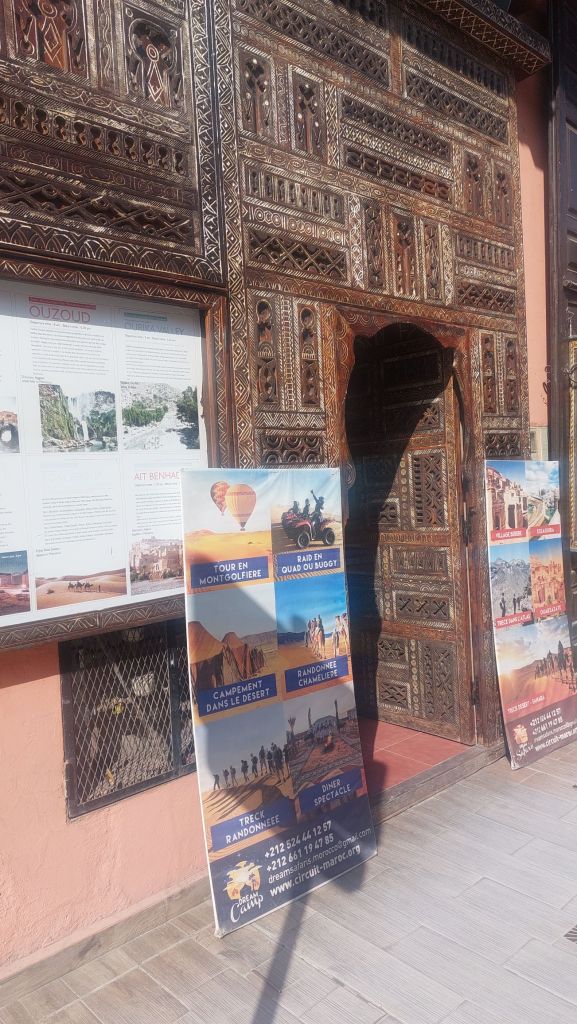
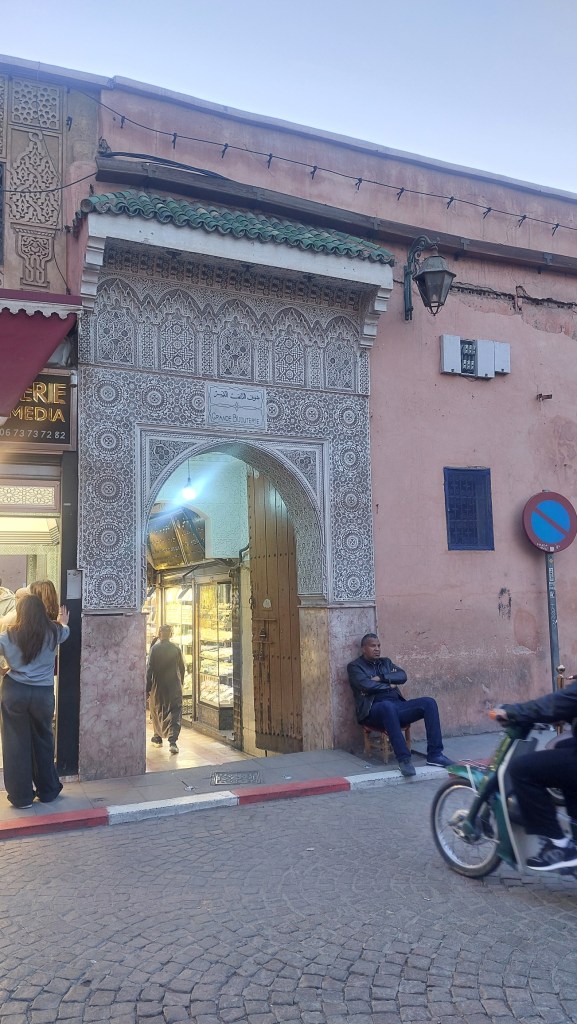
    Image by Freebird Tracey.
    (more…)
  • Grand Bijouterie.

    A jewellery souk selling precious metals by weight.

    Image by Freebird Tracey.

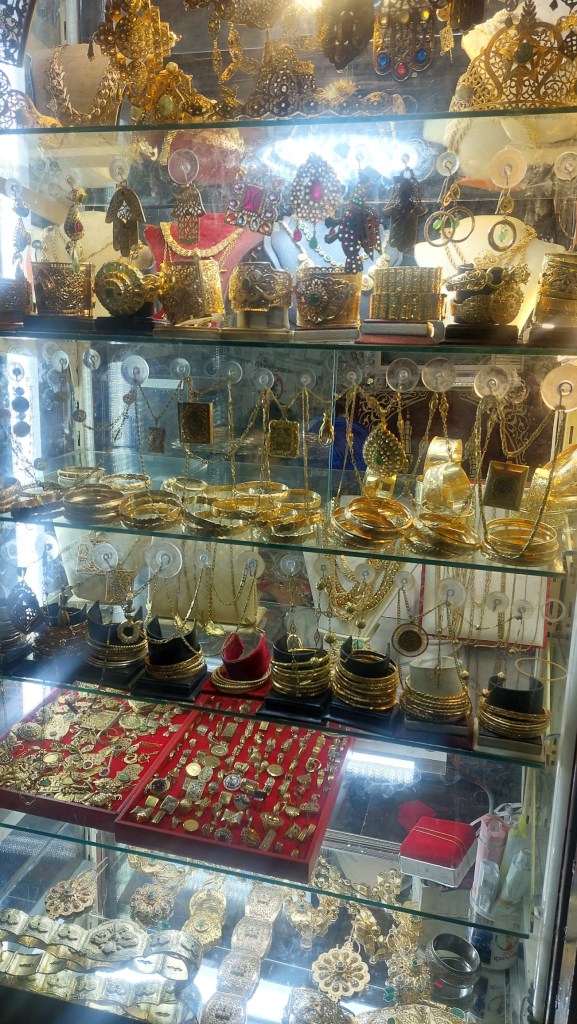
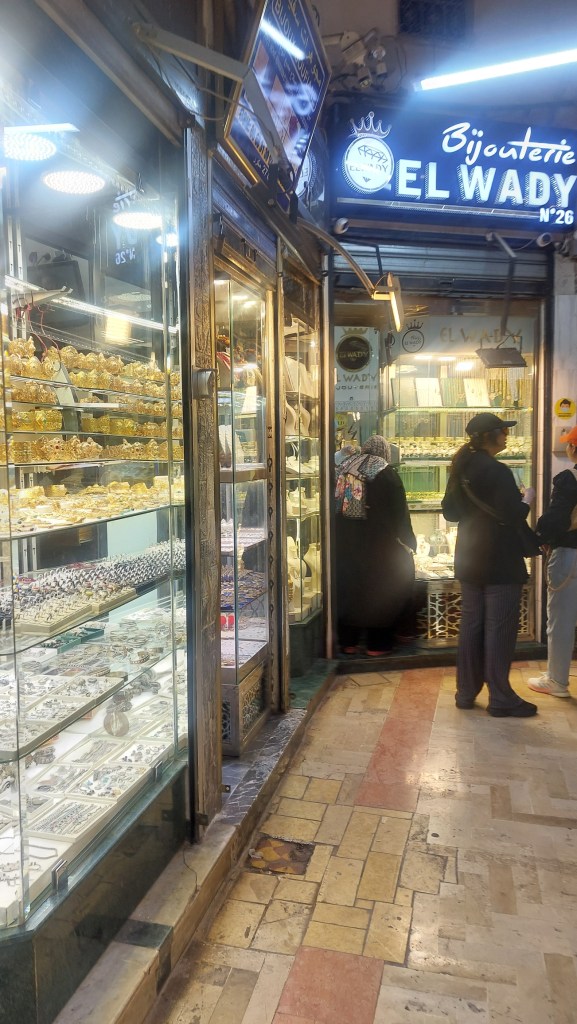
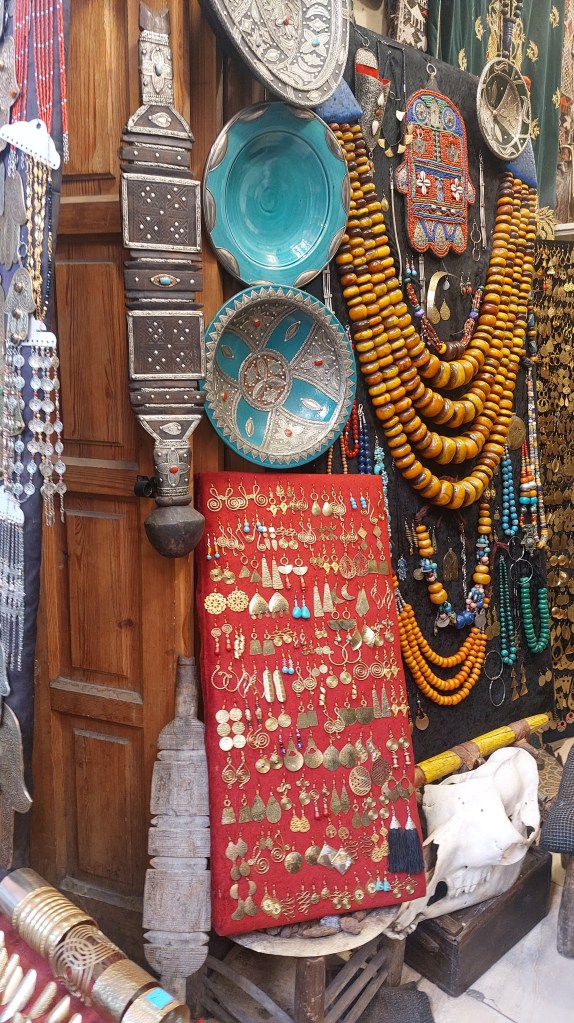
    The Grand Bijouterie is a small ornate jewellery arcade located in the Mellah district of Marrakech. An impressive carved stucco arch opposite Bahia Palace leads into this enclosed souk. Inside, small jewellery shops stock rings, gold bangles, silver chains, gem-encrusted belts, watches, and semi-precious stones. You will find traditional Moroccan pieces, as well as delicate filigree designs from India. Gold is sold by the ounce here, so keep an eye on the current market value of gold and silver. Especially if you’re a serious shopper of precious metals.

    Images by Freebird Tracey.

    Many imported designs are available in the jewellery souk. However, you can still watch local artisans at work plying their trade. Buying gold and silver from the makers themselves avoids any middlemen. This makes it a sustainable source of income for them.

    The small souk is home to a number of outlets, including Bijouterie EL Wady, a highly regarded jeweller in Marrakech specializing in authentic, traditional Moroccan and Berber pieces. The inside of the jewellery arcade is decorated in traditional zellige tiles with a fountain in the centre. The address is Rue Bab Mellah, in the Jewish quarter south of the medina. It is next to Tinsmiths Square. Opening hours are 9.00am until 9.30pm, occasionally closed on Thursdays.

    When buying any precious metals, be sure to check that they come with a certification of authenticity.

    Image by Freebird Tracey.
    (more…)
  • Maison Culturelle Du Tapis.

    Learn about the history of Berber carpet weaving.

    Image by Freebird Tracey.

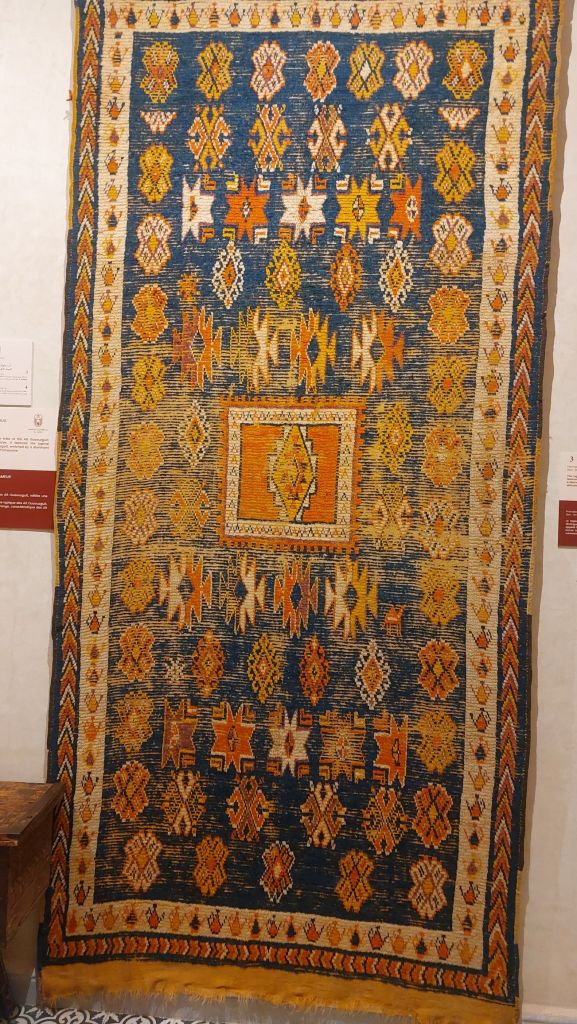
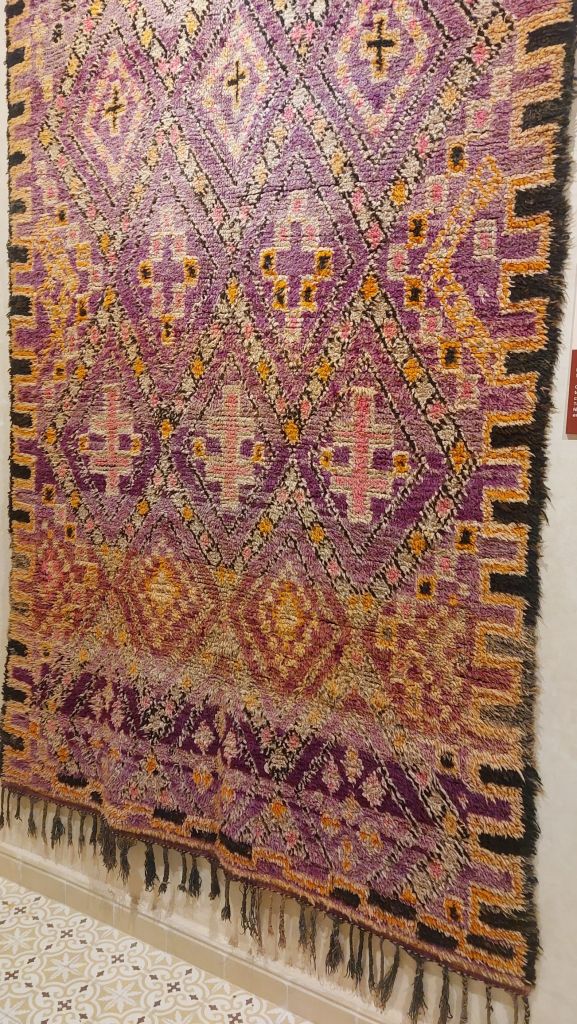
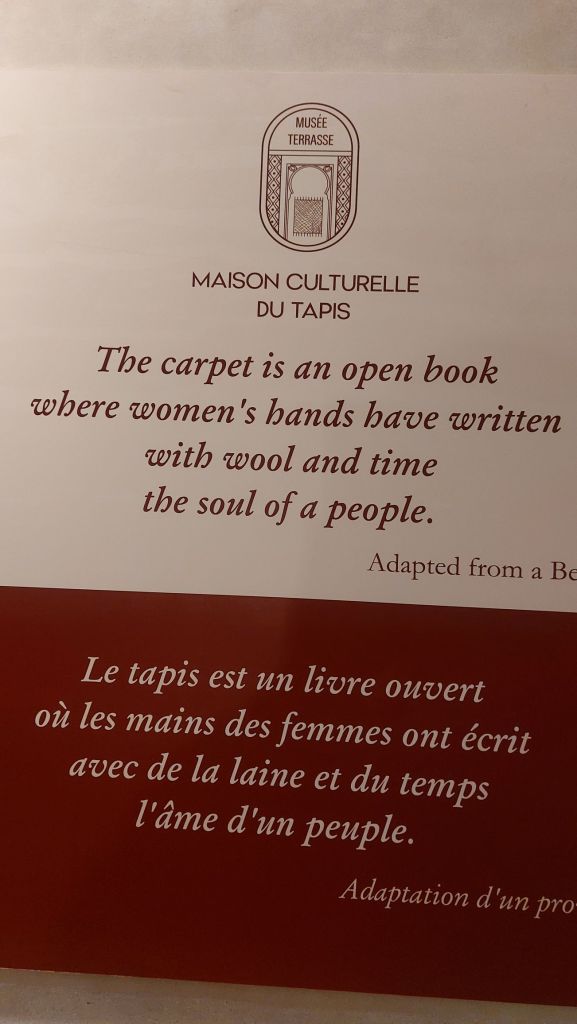
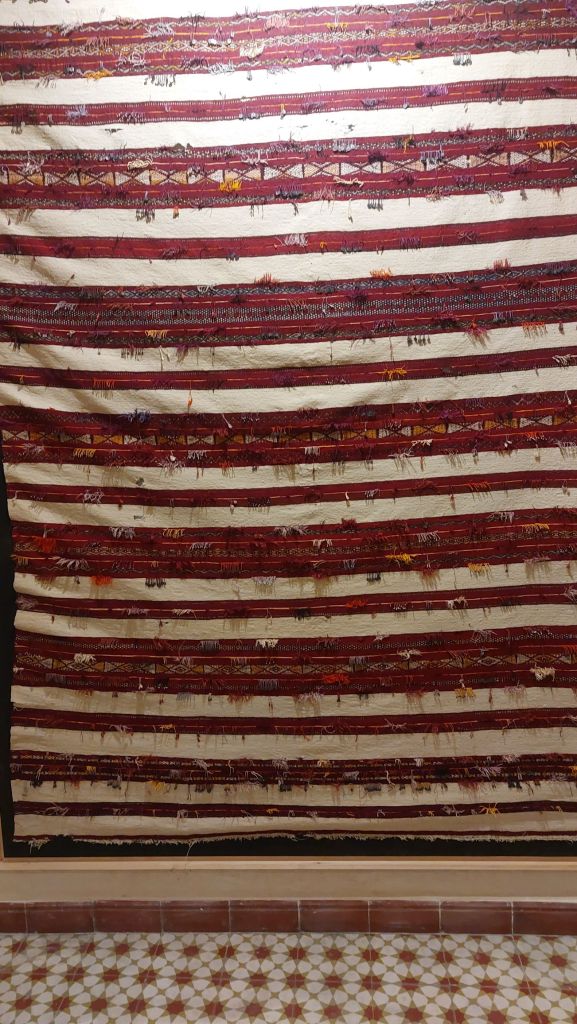
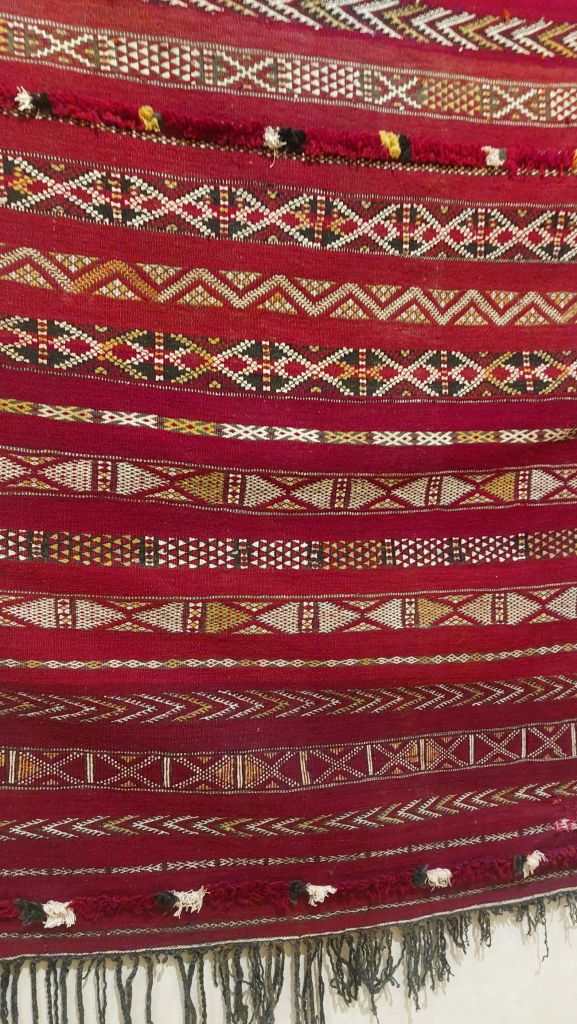
    Maison Culturelle du Tapis is tucked away in the souks and a place you must see if you’re in Marrakech. It’s a museum containing a remarkable exhibition of Berber carpets and a journey through the ancestral history of the tribes who created them. Beautiful carpets are draped along the walls of this boutique museum, each one made by different tribes and eras in Moroccan history.

    Situated deep within the medina at 16-18 Derb Deffa Ourbaa, it’s slightly hidden, but the vendors in the souk will point you in the right direction if you struggle to find it.

    The museum is a fascinating walk through the history of traditional carpet weaving, and some of them on display are generations old. They have been beautifully preserved, and each one is a testimony to Moroccos weaving heritage.

    Images by Freebird Tracey.

    Every room of this tastefully restored 17th century riad invites you to look at each different region’s identity, from the Atlas Mountains to Rabat. You get to learn the meanings of Berber symbols and the specific colours each tribe used when weaving their carpets. Each carpet is unique and tells its own story.

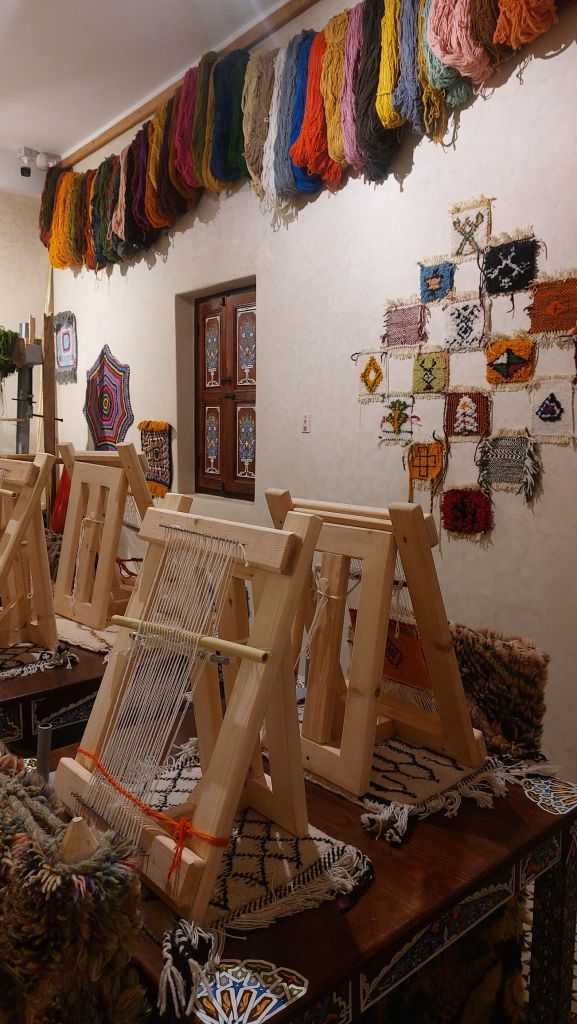
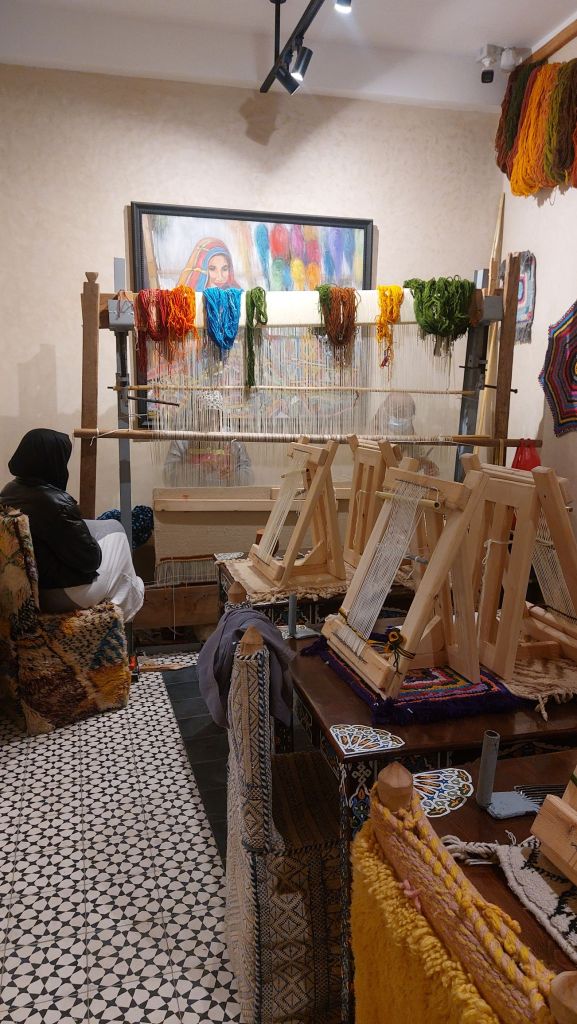
    There are descriptions to help you appreciate the work that goes into creating each piece, including a detailed history about the Berber tribes who produced them. There’s also an interesting video showing you the process of creating the carpets and the history of the Berber women who spend months skillfully weaving each piece.

    On the first floor, you will find a workshop where you can have a go at making a small tapestry to take away with you. This is a two hour activity and ideal for families.

    Images by Freebird Tracey.

    One of the treasures on display in the museum is the Rabat carpet, a symbol of royal elegance renowned for its rich decoration and finery.

    The museum also houses a collection of exquisite rare 20th-century carpets and modern contemporary pieces.

    Images by Freebird Tracey.

    A visit to this delightful place was a nice break for me from the densely packed medina, and I would thoroughly recommend stopping by to have a look around it.

    There’s a small shop inside the museum selling rugs, cushion covers, and bags with   pieces of woven tapestry stitched into the centre. They are the perfect souvenir or gift to take home with you.

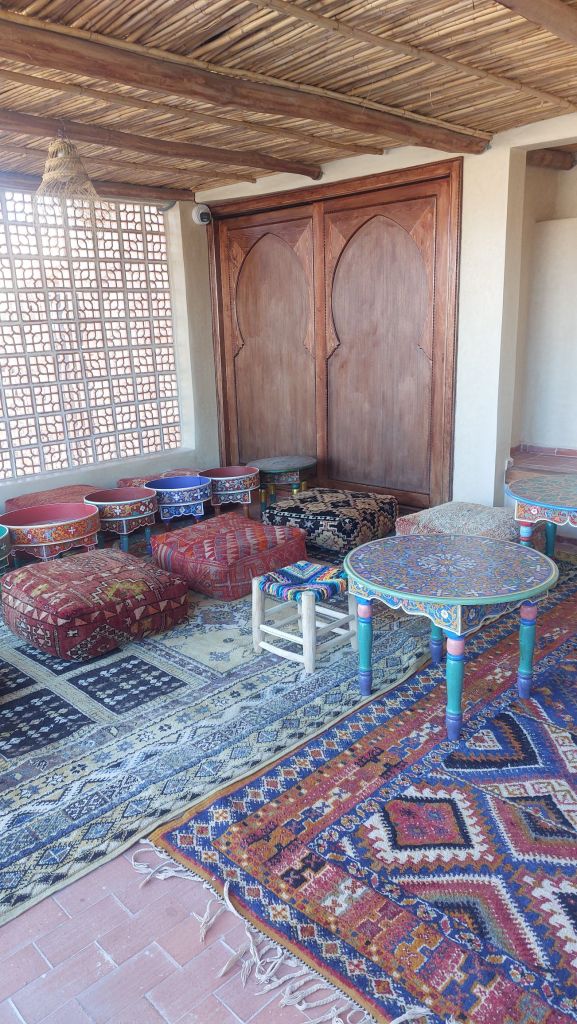
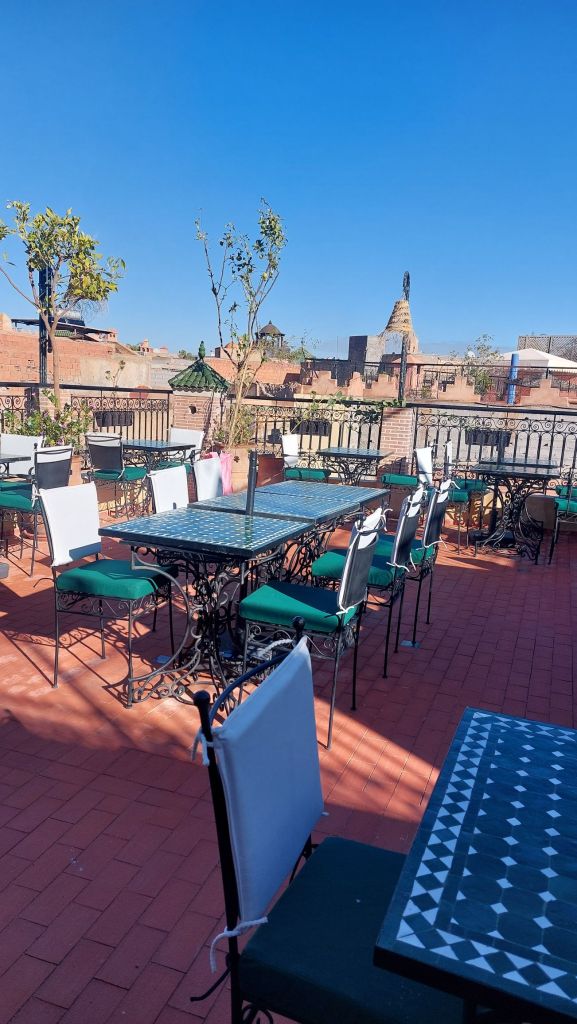
    After exploring the museum, you can relax on the pretty rooftop terrace, where you’ll find a nice cafe to have a light snack, homemade pastries, or a drink. The views across the medina from up here are incredible.

    Images by Freebird Tracey.

    The museum is open from 10.00 am until 6.00pm and there’s a small entrance fee. It’s definitely worth every dirham to delve into the rich, cultural ancestry of the Amazigh and learn about their exceptional carpet weaving skills. Highly recommended.

    Image by Freebird Tracey.
    (more…)
  • Chez Bismillah Sand Coffee.

    Taste traditional Saharan Coffee. 

    Image by Freebird Tracey.

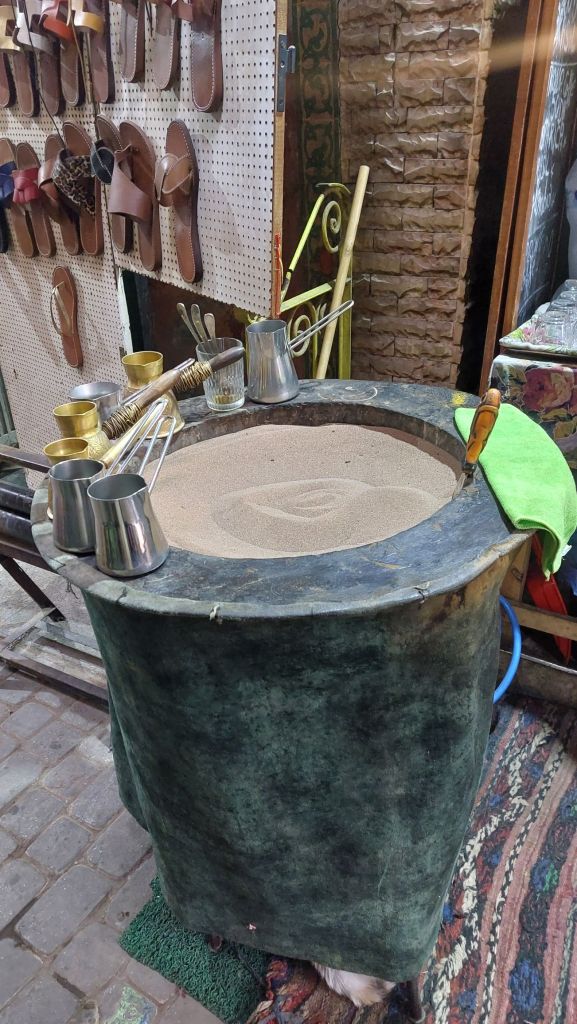
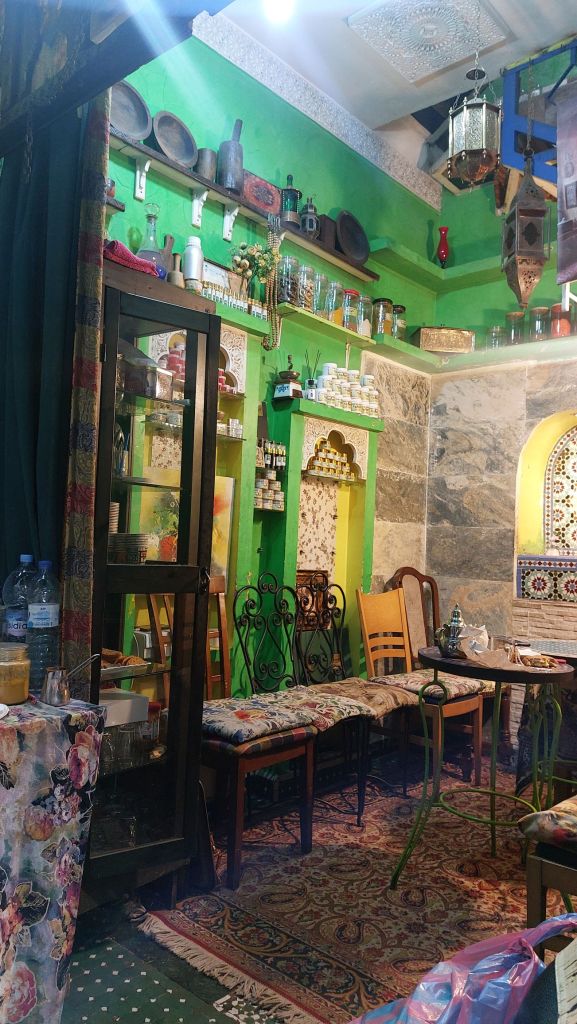
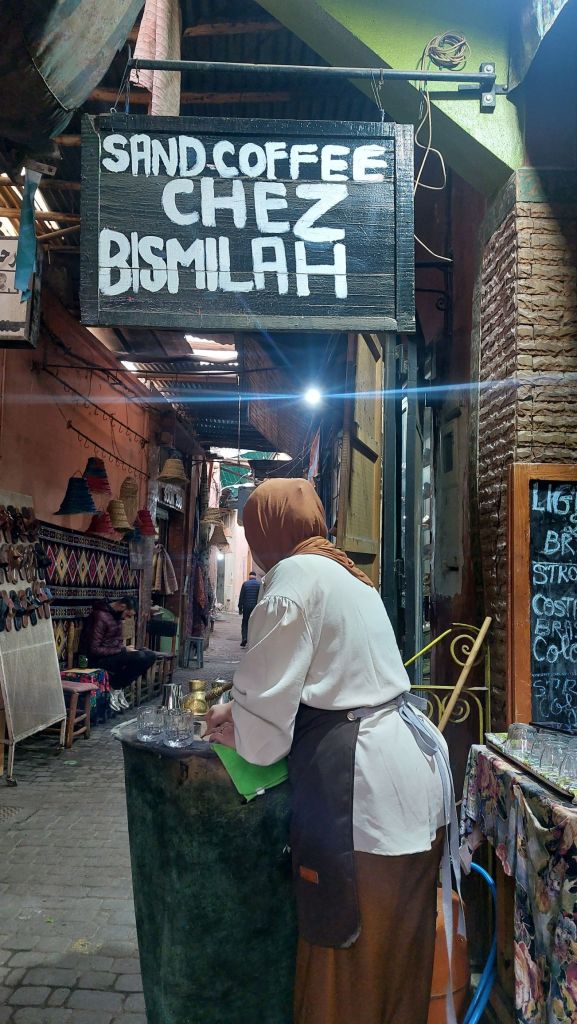
    Chez Bismillah Sand Coffee is a hidden gem inside Souk El Kebir. It is here that rich aromatic coffee is brewed using hot saharan sand, gently spiced with a touch of Cardamom, Turmeric, or Cinnamon to give it a distinct flavour.

    To make it, the coffee is added to iced water inside small brass pots and then heated by moving it around by hand in hot sand. It’s an ancient technique of brewing coffee that involves no electricity, simply hot Merzouga sand.

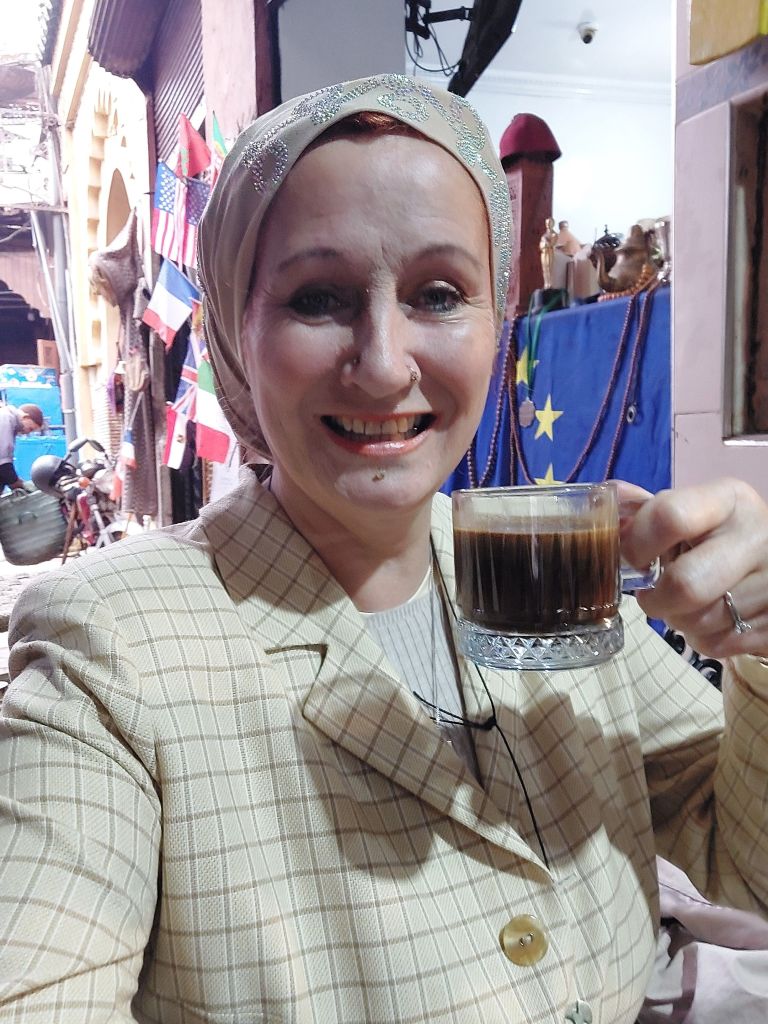
    The coffee has a rich, dense, creamy flavour unlike any other coffee found in the medina. It is soothing and velvety.

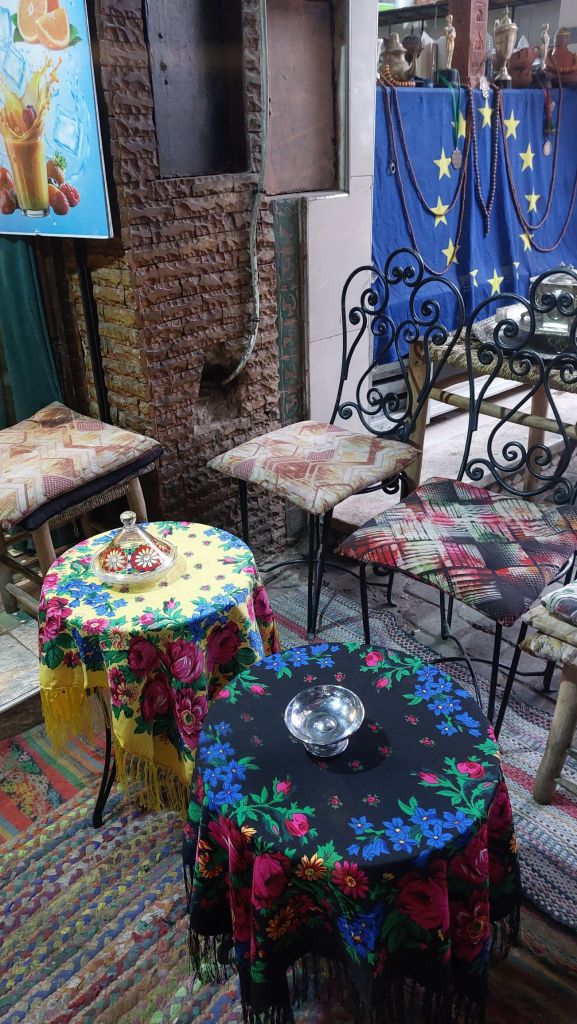
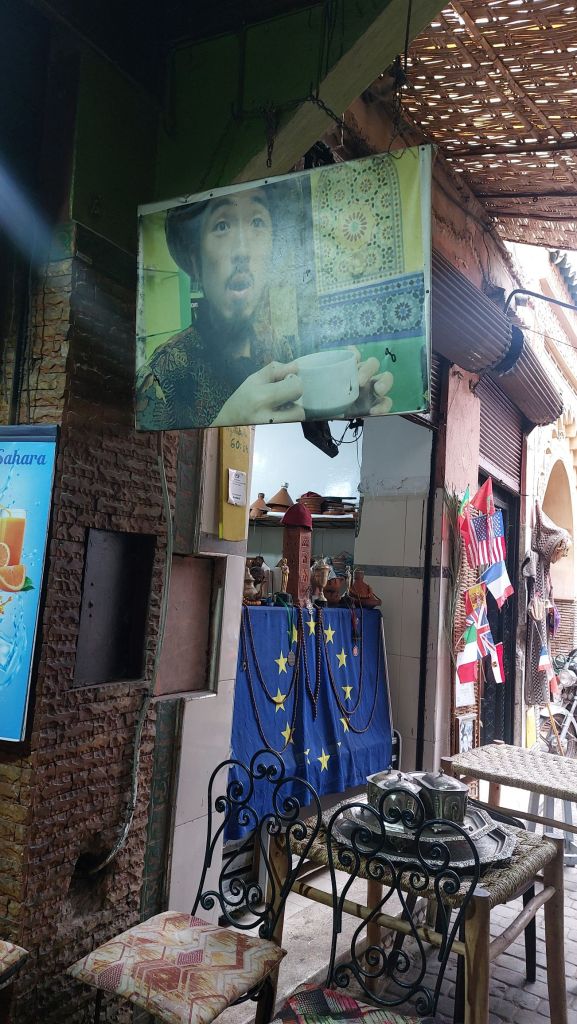
    This charming little spot is humble in appearance, cosy and inviting. There is a small rooftop terrace where you can sit and enjoy your coffee in peace, a moment of sheer self-indulgence

    Images by Freebird Tracey.

    Chez Bismillah offers you a serene refuge where you can sit watching the medina come to life tucked away in a quiet space away from the crowds.

    It’s an experience watching the coffee being made from rich arabica and fragrant spices. In moments, it has heated up as if by magic. I savoured its unique taste whilst congratulating myself for finding this amazing discovery in the alleyways of the souks.

    Chez Bismillah is a unique experience firmly rooted in place and tradition. The friendly proprietor gives you a glimpse into a past that conjures up images of camel traders selling cloth in the fondouk and stretches of vast desert terrain.

    Images by Freebird Tracey.

    It’s not just a cup of coffee. It’s an escape from reality, a moment of peace from the hectic rhythm of the busy souks.

    Chez Bismillah Sand Coffee can be found at 193 Souk El Kabir, it is open daily from 9.00am until 9.00pm with the exception of Saturday and Sunday when it closes at 7.00pm.

    (more…)
  • Terrace Bakchich.

    A budget friendly restaurant in the medina

    Image by Freebird Tracey.

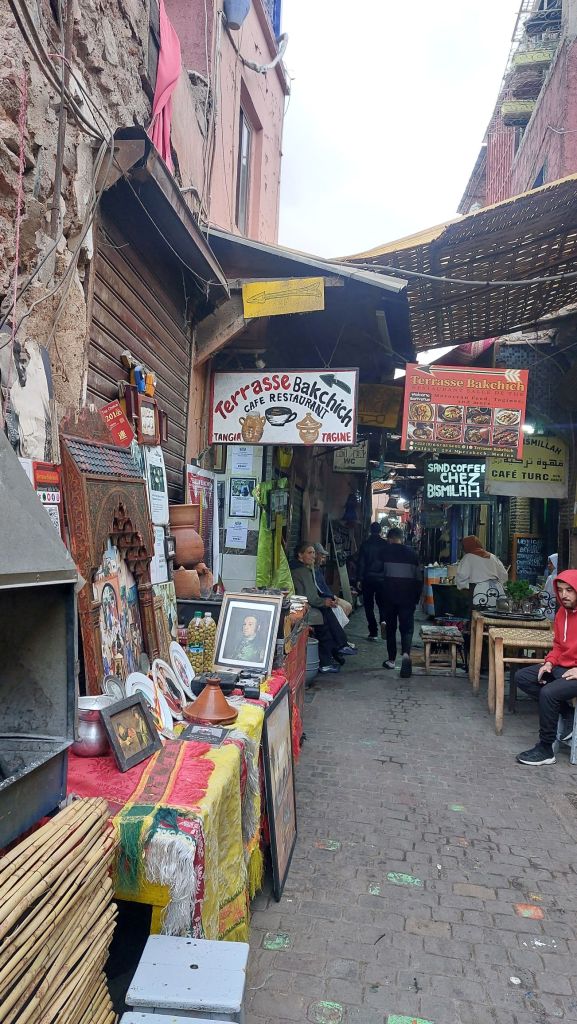
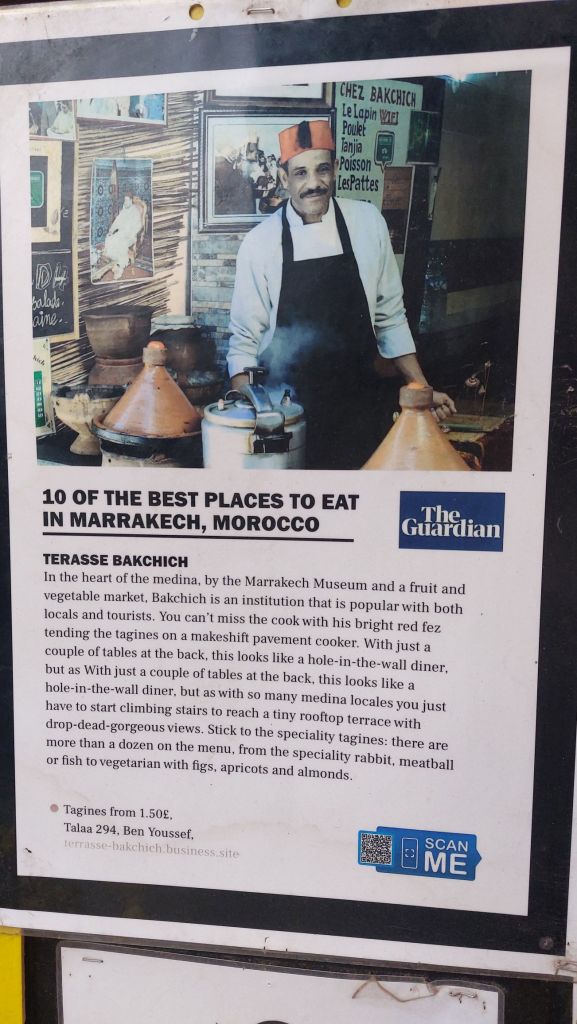
    This unassuming restaurant cafe in the medina is undoubtedly one of the most popular amongst the locals in Marrakech. The Guardian voted it one of the 10 best places to eat in the medina.

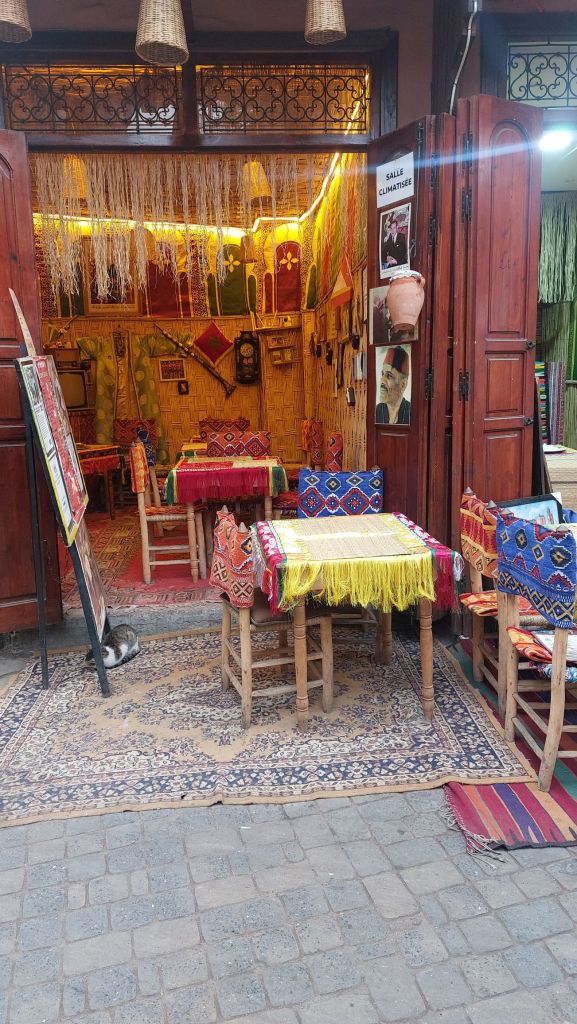
    From the outside, the restaurant looks humble, but the food is another story entirely.

    Image by Freebird Tracey.

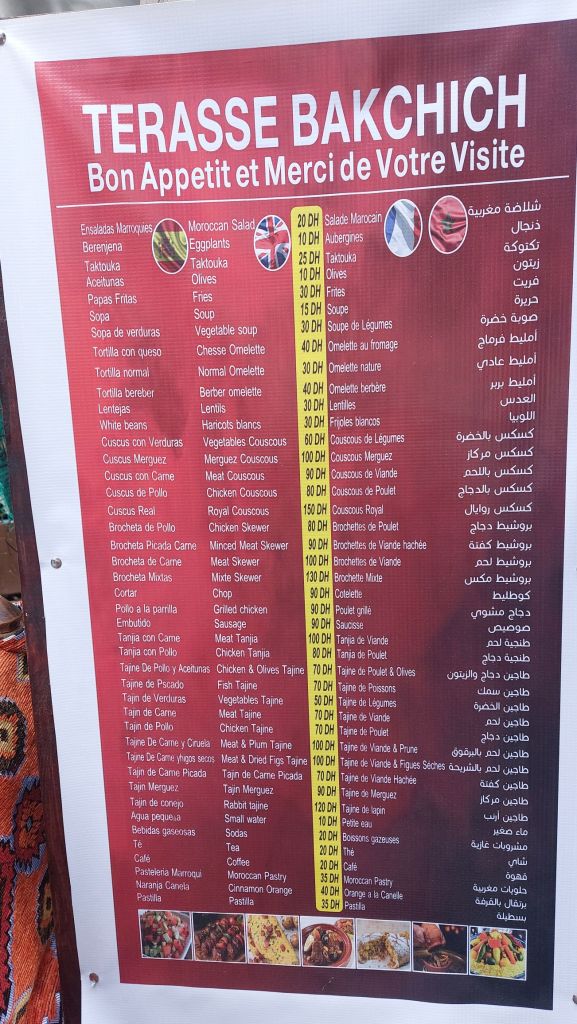
    There are a number of excellent tagines on the menu, and most diners come just to sample those. Choose from rabbit, fish, meat, or vegetarian options. They’re all cooked to perfection by the well-known and respected friendly chef.

    This lively little restaurant has almost become an institution in the medina. It’s not just a meal. It’s an experience. For travellers on a budget, the food here is cheap but not at the expense of its quality. It is a  known fact that if a restaurant is full of locals, it must be good.

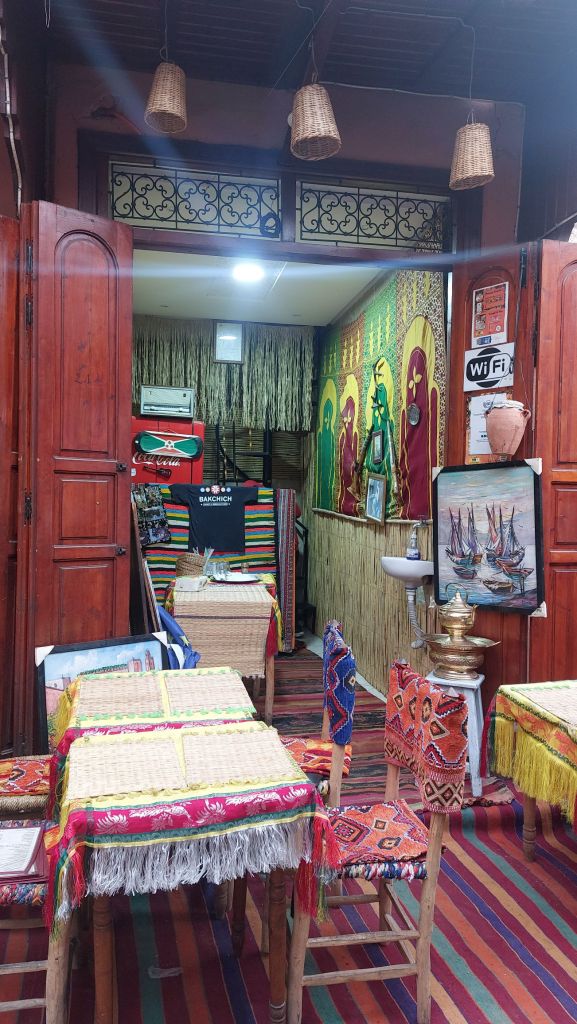
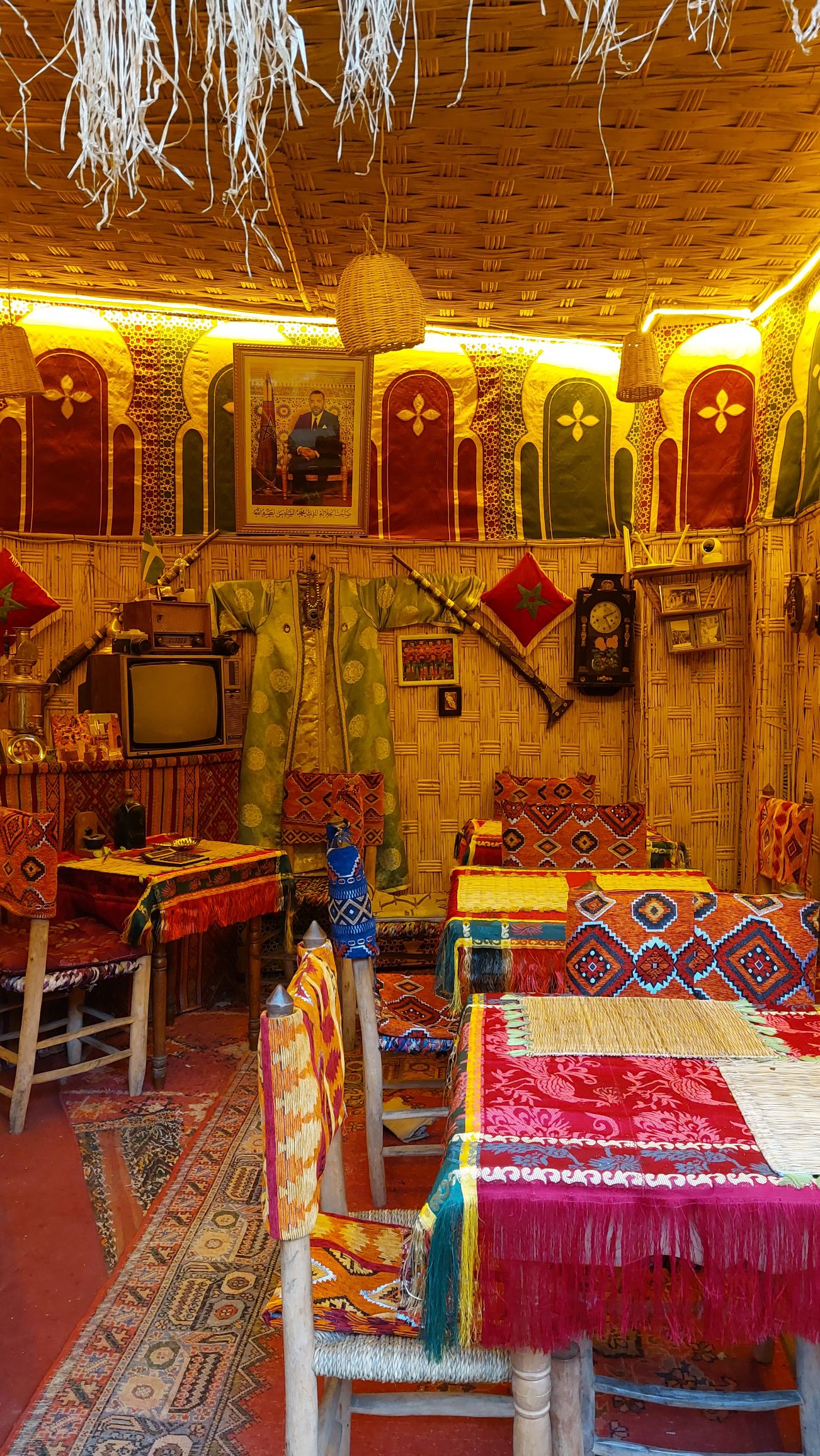
    Upstairs, there is a small rooftop terrace overlooking the lively alleyways of the souk. It is opposite Chez Bismillah Sand Coffee and impossible to miss with its colourful and quirky interior.

    Image by Freebird Tracey.

    Terrace Bakchich has managed to retain its authenticity amidst the growing tide of tourism. It is not fancy. The food speaks for itself. If you’re looking for good food in an environment that is charming, rustic, and cosy, this place is for you. The experience of eating with the locals is the best way to get to know the culture of the city.

    Terrace Bakchich is close to the vegetable and fruit markets, so ingredients are always fresh.

    Image by Freebird Tracey.

    With the most expensive dish on the menu being 150 dirhams, eating here is kind on the wallet. This leaves you with more money to spend in the souks. The restaurant only accepts cash, so be sure you have some with you if you’re thinking of visiting.

    Terrace Bakchich is near to popular attractions such as Ben Youssef Madrasa and Marrakech Museum. The location is 294 Rue Talaa Marrakech, and opening times are 10.00am until 10.00pm daily. Outdoor seating is available.

    Image by Freebird Tracey.
    (more…)