Category: Tips for visiting Marrakech

Exploring The Red City Of Marrakech.
  • What Is The Food Like In Marrakech?

    A look at popular food choices in Marrakech.
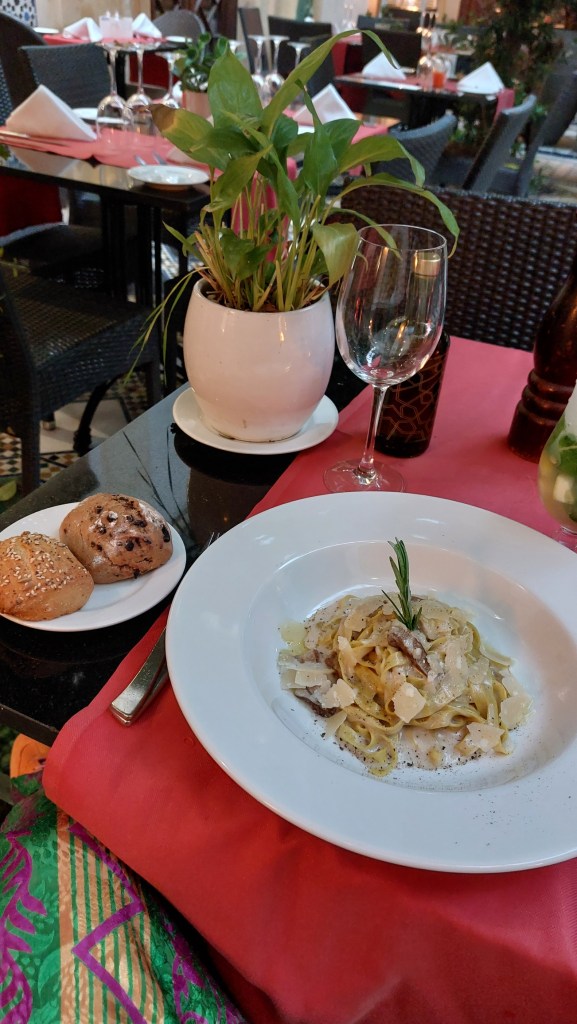
    Image by Freebird Tracey.

    The famous red city is a culinary delight for foodies. The streets are abundant with fresh, seasonal vegetables and fruit. There are herbs and spices galore in colourful barrels everywhere you look. The fragrance of street food fills the air, tempting your tastebuds. Restaurants with  decadent surroundings call out to you to sample their cuisine.

    But where do you start and what should you order?

    Like me, you may want to fully immerse yourself in the culture of a country you’re visiting. I enjoy sampling the signature dishes of places I visit and eating the food that the locals do. It’s the best way to get to know the culture, and food is a big part of life in Morrocco.

    Moroccan people are known for their hospitality and often invite tourists home for a meal with their family. If you get the chance to go do it. It’s a way to understand the people and their culture. Plus, there’s nothing better than traditional food homecooked by a local family.

    So,with an overwhelming choice of food to choose from, you may need a little help deciding what to try. I’ve put together a few ideas for you to choose from.

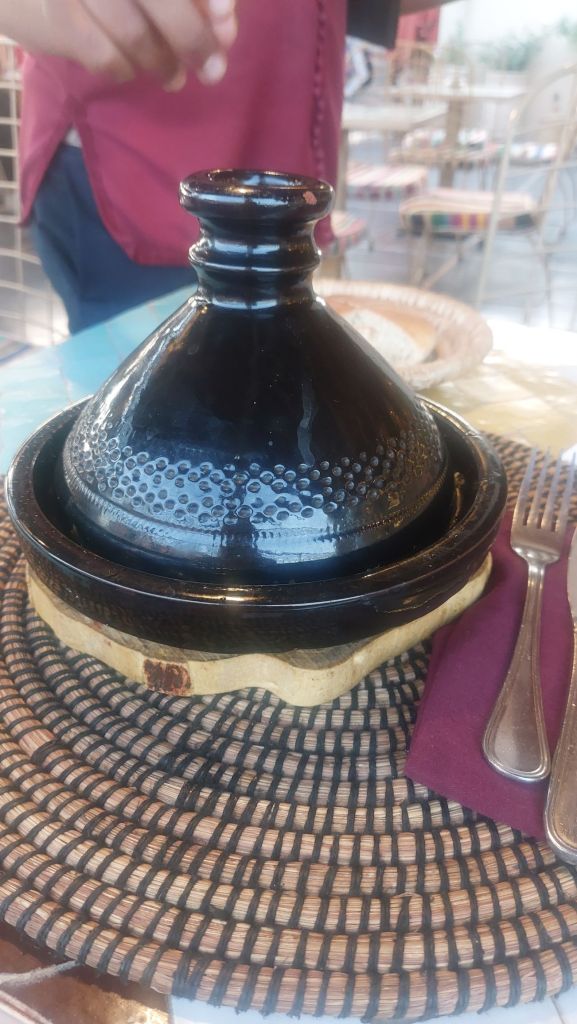
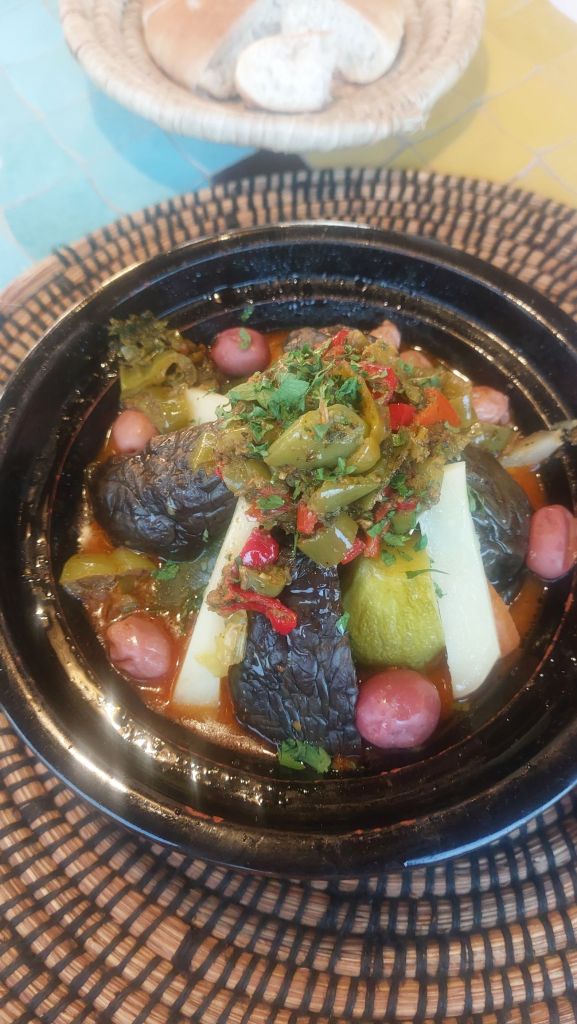
    The two most popular dishes in Marrakesh are tagine and couscous.Tagine is the name of the clay pot that the dish is cooked in. It consists of layers of fresh vegetables,with meat in the centre. Chicken or lamb is the most popular meat used. Dates, olives, preserved lemon, and spices such as the Moroccan spice blend ras el hanout are added to give the tagine flavour. Everyone has their own personal recipe for making a tagine, and they differ in each restaurant. However, they all use the same principle of layering the vegetables into a pyramid around the meat.
    Images by Freebird Tracey.

    Couscous is a grain made from semolina and served with meat and vegetables. It is eaten religiously on Fridays and a staple dish in Morocco and other North African countries. Couscous is finely textured and often served with harissa sauce to make the consistency less dry.

    In Jamaa El Fna, you will find sheeps head and snails. Tourists are encouraged by  street food vendors to try a dish of snails, and those who do have said that they quite enjoyed the experience. Apparently, the broth that they’re cooked in tastes of aniseed, and although an unusual tasting dish, it’s not inedible. Many tourists actually liked them.

    Video by Freebird Tracey.
    Image by Freebird Tracey.

    Sheeps head is for the brave amongst us. It’s a regular sight on display in the main square during the evening. Locals sit at stalls alongside tourists next to the  charcoaled heads eating spit roasted mutton and sausages. The open-air restaurants are very popular, and the aroma of food can be smelt all around the main square.

    In Marrakech, each meal is served with traditional bread. It is freshly baked every morning in communal ovens called Ferrans. Khobz is a traditional round crusty flatbread and used in place of cutlery to scoop up the food.
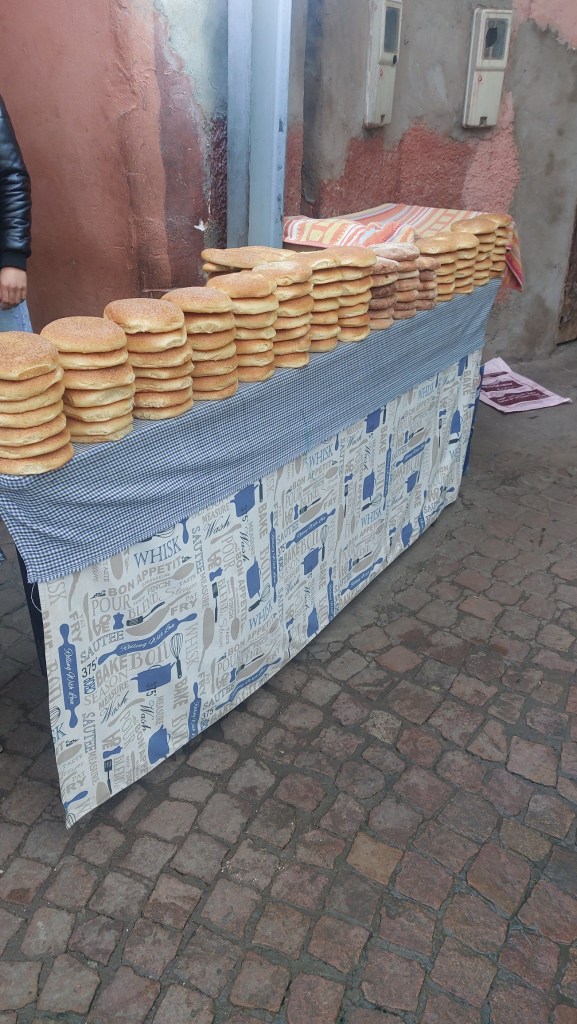
    Image by Freebird Tracey.

    Tangia is also a popular dish. It is meat (usually lamb), cooked very slowly in the embers of the local hammam. Traditionally, the tangia is taken to the hammam early in the morning and left to cook throughout the day. It is then collected and served for dinner with vegetables or bread. The meat is incredibly tender and simply falls off the bone. There is a row of street vendors dedicated to selling tangias in the medina. This is very popular with locals and tourists alike. The area gets very busy with people queueing for a vessel of succulent lamb or beef.
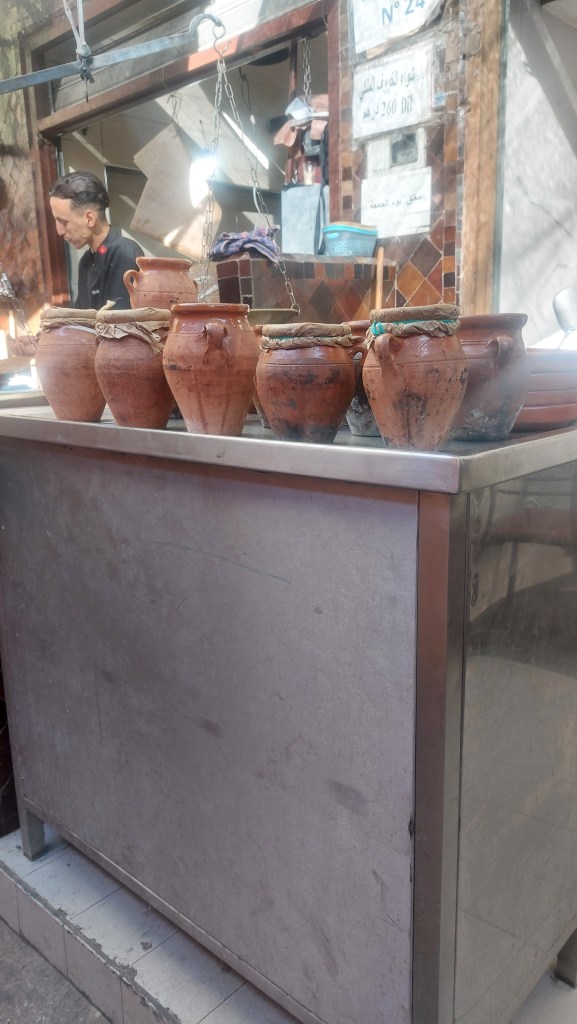
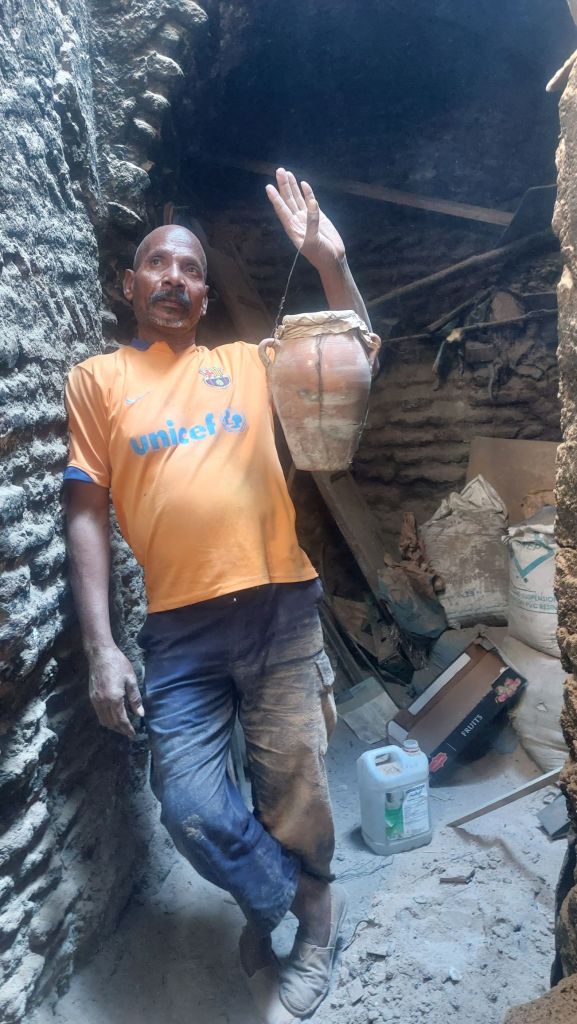
    Images by Freebird Tracey.

    There are plenty of street food vendors tucked away in the souks. They sell really good quality food and it’s cheap. Ideal for travellers on a tighter budget. Taking a street food tour is a great way to try all the best places serving traditional local food. There are several tours available during the daytime or evening. Tourists get the chance to sample authentic Moroccan cuisine with a registered guide. Delicacies like the spleen sandwich and Tripe are something that you may be introduced to during a street food tour. Remember to go with an empty stomach because there’s so much food to get through.
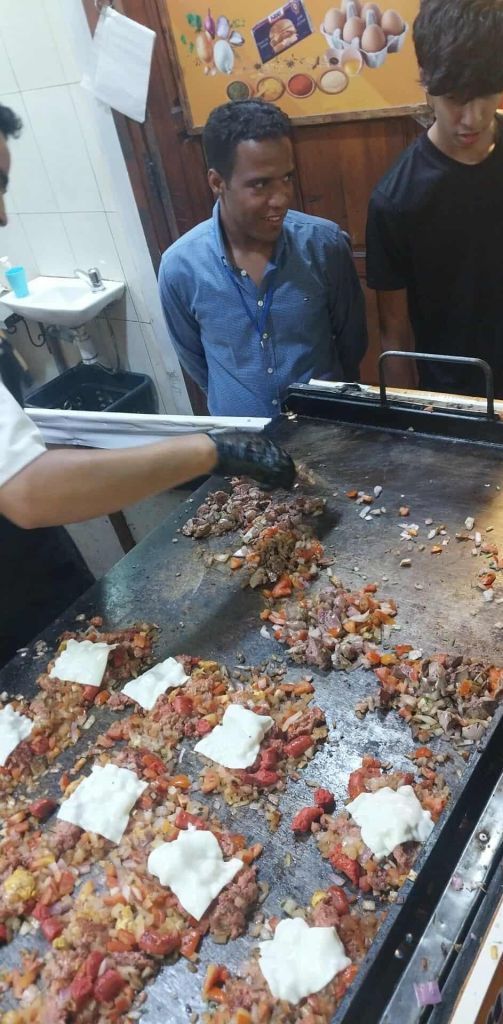
    Image by Freebird Tracey.

    Marrakech also caters to people who are vegetarians and vegans. There is a good choice of food, including salad,vegetable tagine, pastilla, and couscous. Most dishes can be adapted for people who don’t eat meat. There are a few excellent vegetarian restaurants in the medina, and more are opening as tourism grows.

    Images by Freebird Tracey.

    Pigeon is also eaten in Marrakech and traditionally used for the filling in Pastilla. There are camel burgers available at The Clock restaurant in the kasbah if you want to try something different.

    Italian restaurants in the medina offer excellent pizzas and pasta dishes if you fancy a change from morroccan food. I recommend Pepe Nero or Limoni Italian Restaurant.

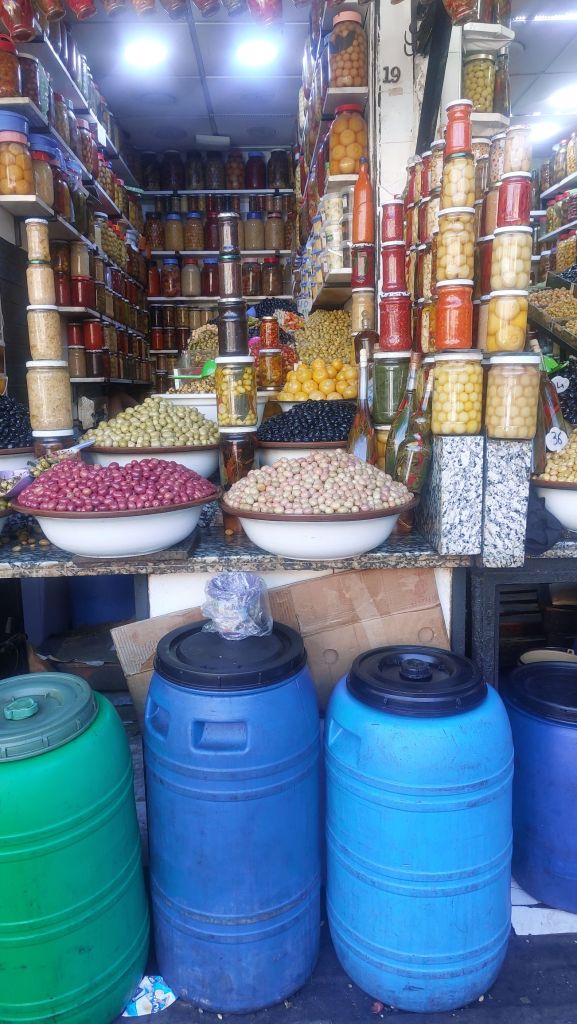
    Olives are served with most beverages as a complimentary side dish in Marrakech. They are either lightly spiced or plain. They are really fresh when you buy them straight off the vendors in the souks. Don’t hesitate to try some. They are delicious.
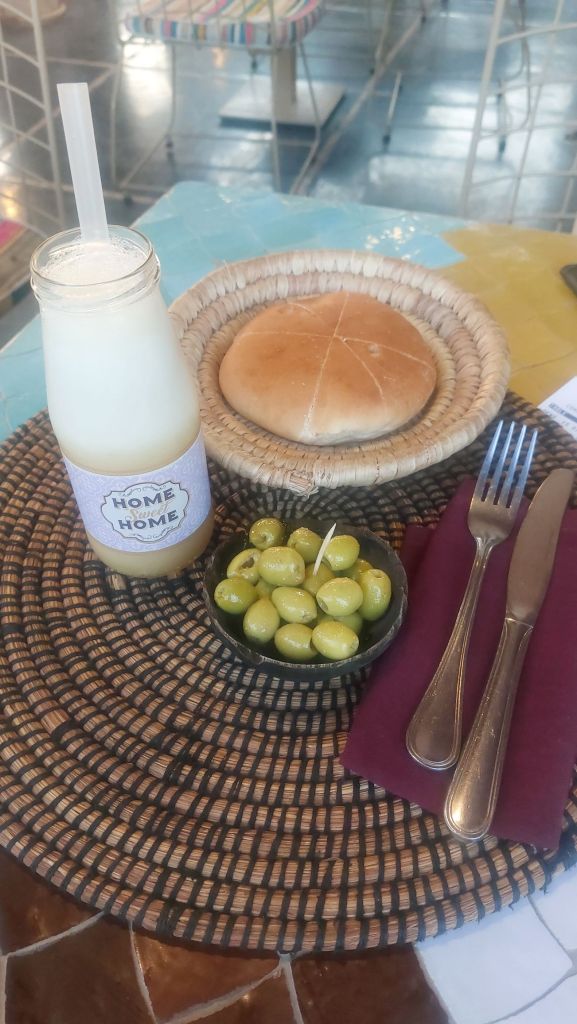
    Image by Freebird Tracey.

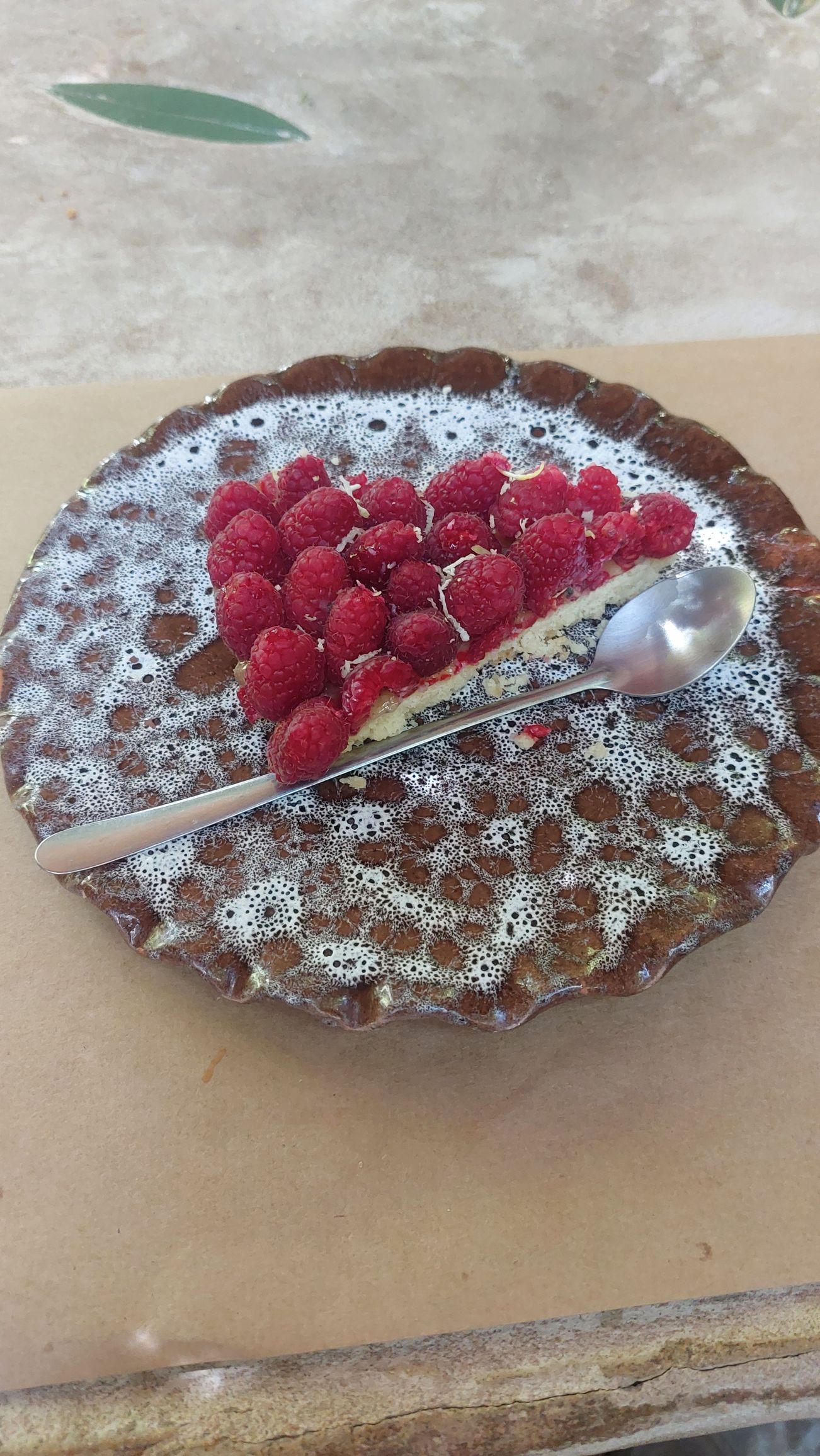
    The sweets and pastries in Marrakech are really good. Baclava is a traditional sweet and popular with the tourists. Moroccans have a sweet tooth as you will gather from the breakfasts high in carbohydrates and cakes. The choice of deserts on the menu in restaurants is really creative. There’s no point watching your waistline in Marrakech.
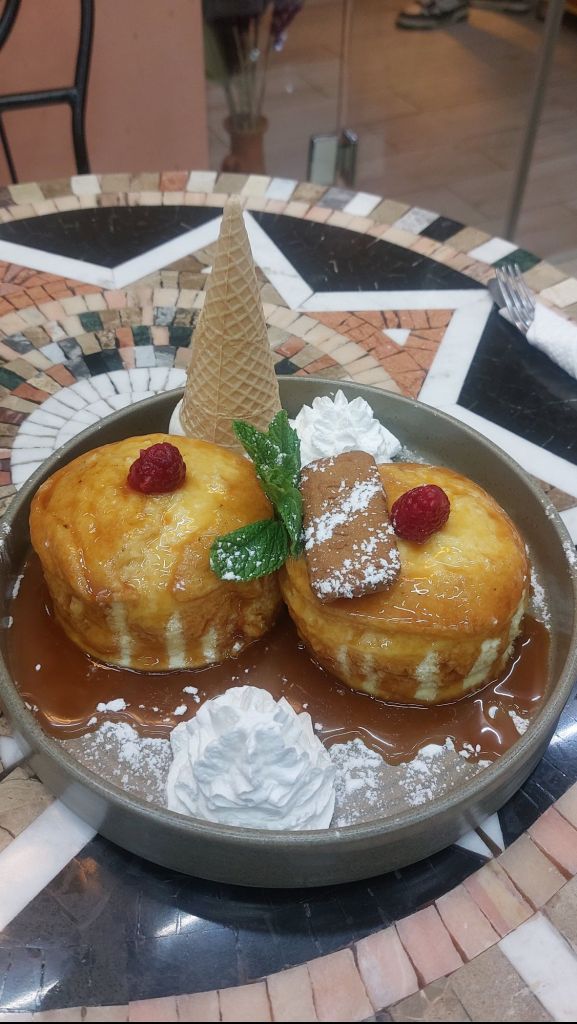
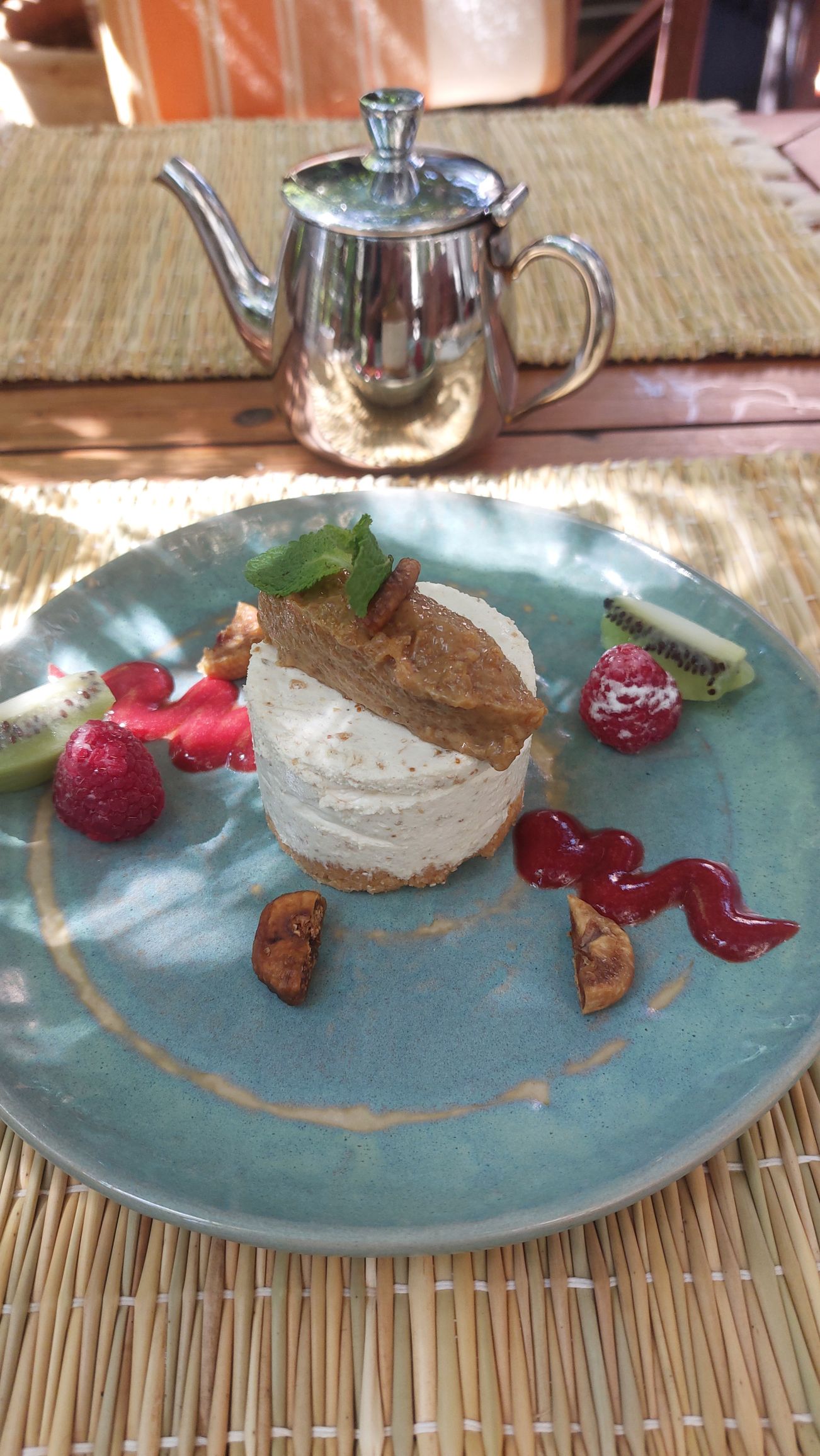
    Images by Freebird Tracey.

    Dates are a hugely popular snack in Marrakech, and medjool dates known as ‘The King of Dates’ are widely available around the medina. Make sure to try some. You won’t be disappointed with the soft caramaly taste.
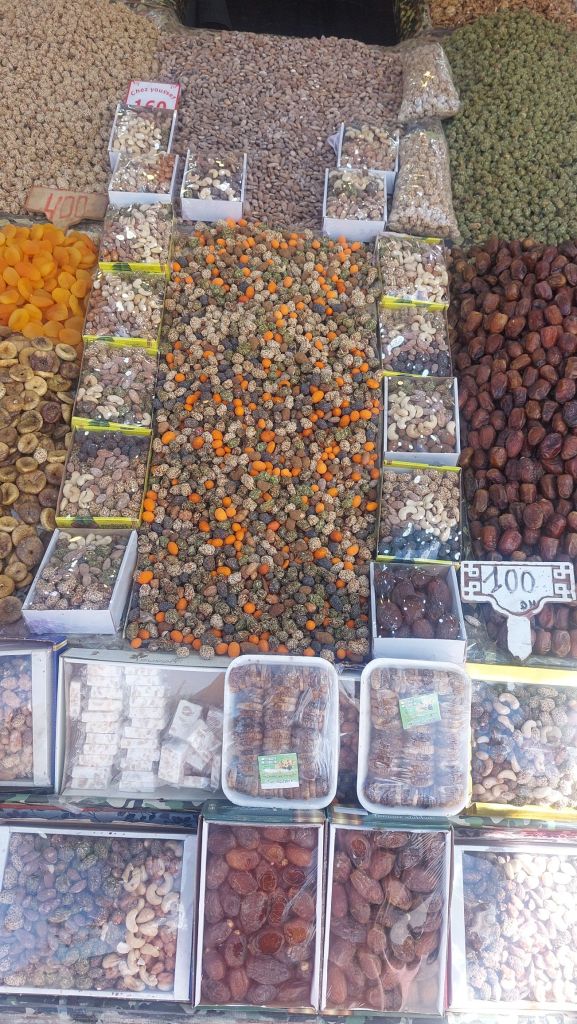
    Image by Freebird Tracey.

    Fresh fruit is sold everywhere in Marrakesh. It’s used in tantalising sweet dishes and refreshing smoothies that make your mouth water. Sugarcane and pomegranate juice is a favourite of mine and only costs a few dirhams.

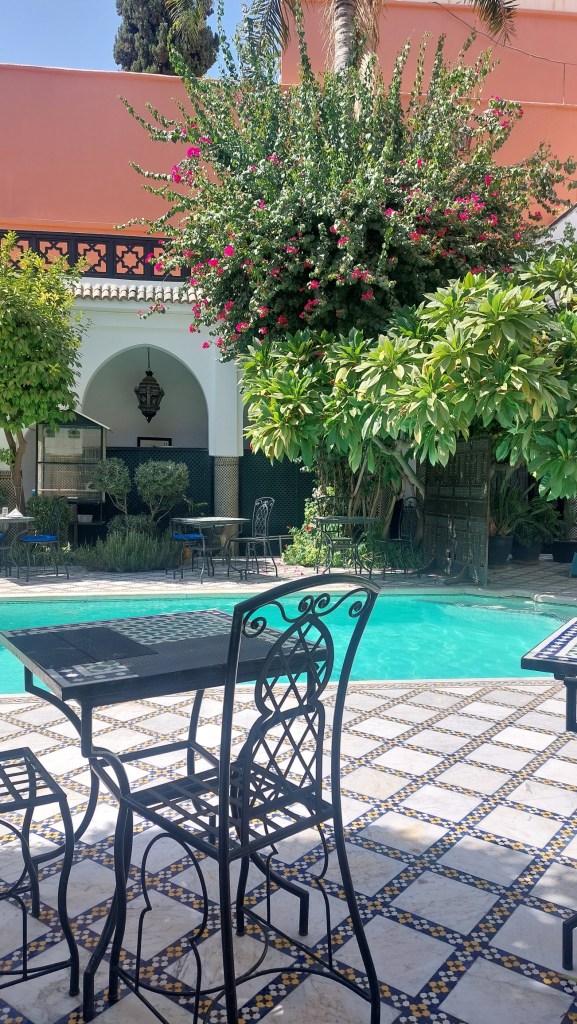
    Marrakech is a dream come true for people who love their food. With so much to choose from, you would need months to eat your way through it all. Not only is there a great variety, but it’s beautifully presented too. Imagine sitting in a tranquil setting next to exotic plants, with the sound of birds and trickling fountains. Or on a rooftop terrace at dusk watching the sunset as you tuck into a plate of delicious food. Those are memorable experiences of eating in Marrakesh.

    Image by Freebird Tracey.

    Be open to getting out of your comfort zone and give some of the traditional Moroccan dishes a go. You may be pleasantly surprised. If you’re not adventurous, many restaurants serve European, Mediterranean cuisine. The choice is endless.
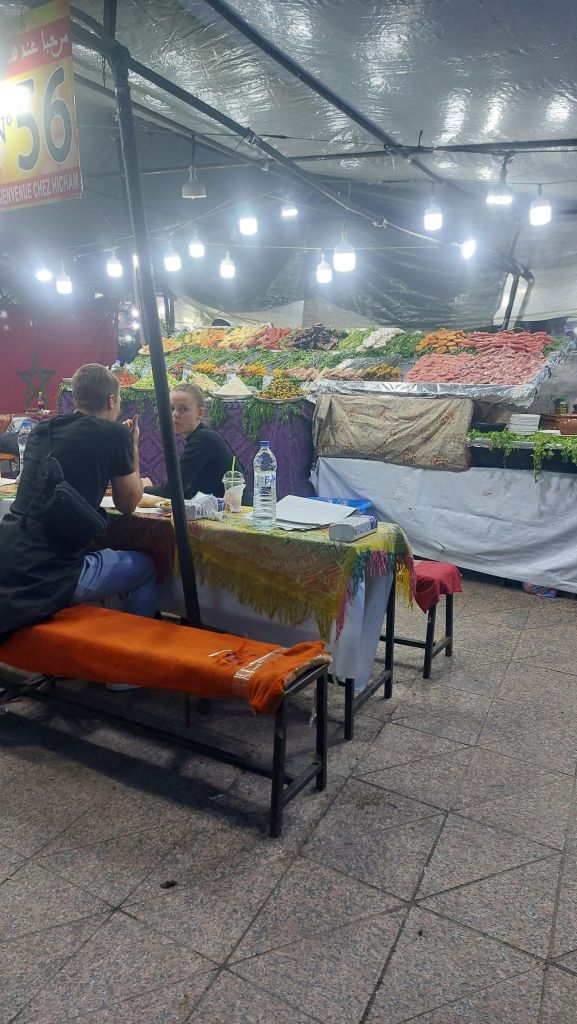
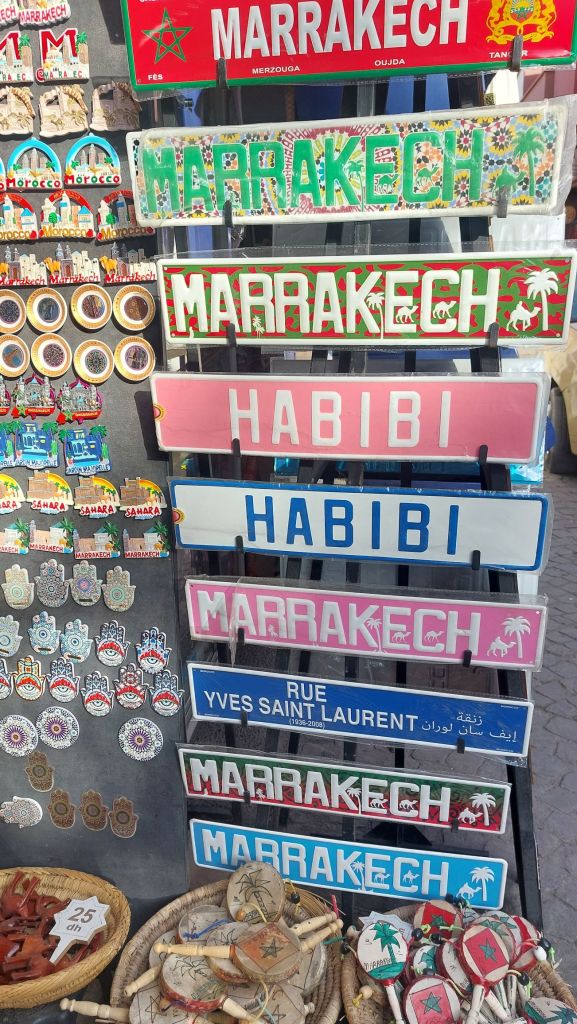
    Image by Freebird Tracey.
    (more…)
  • Shopping In The Souks.

    A guide to stressfree shopping in Marrakech.

    Image by Freebird Tracey.

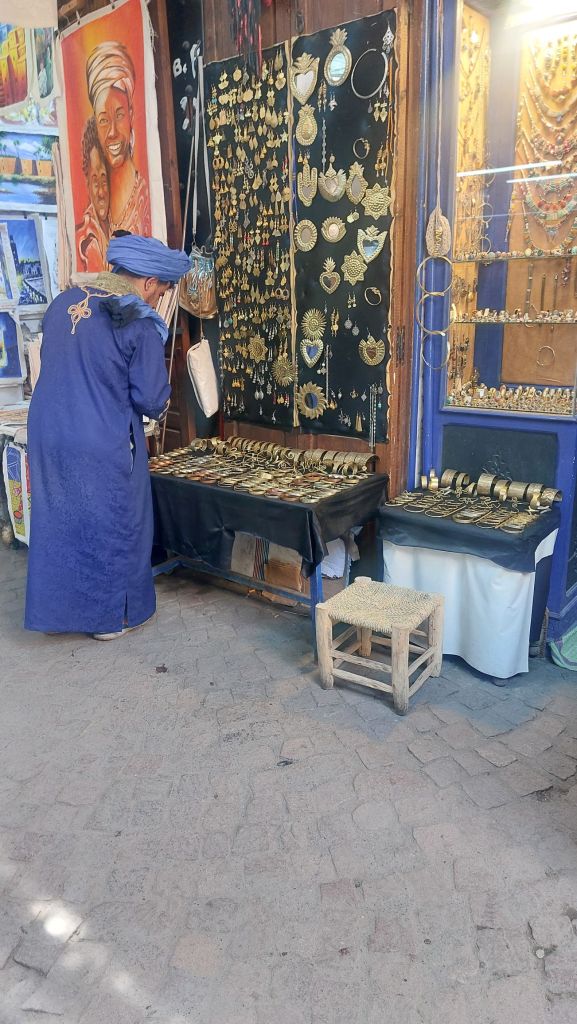
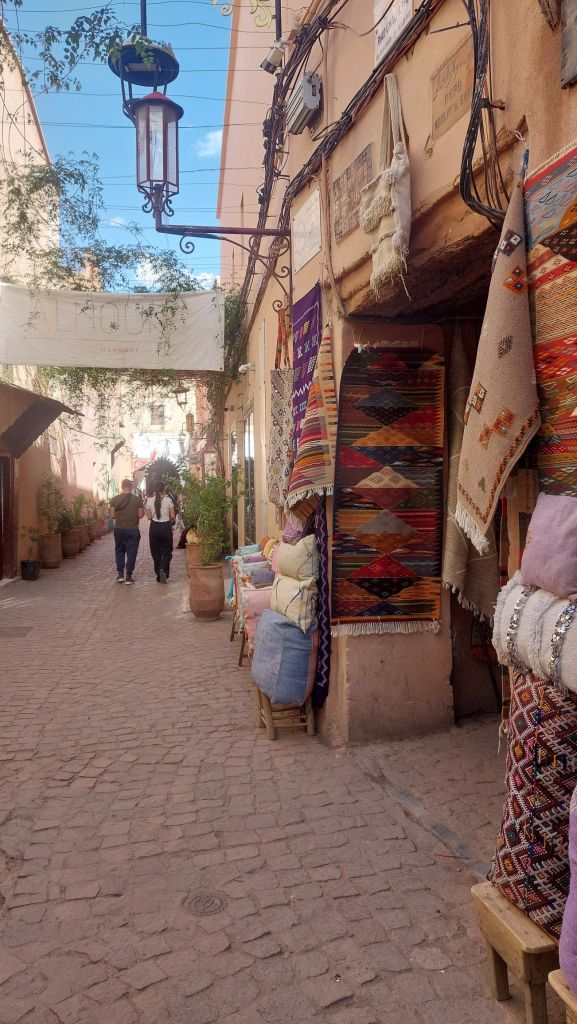
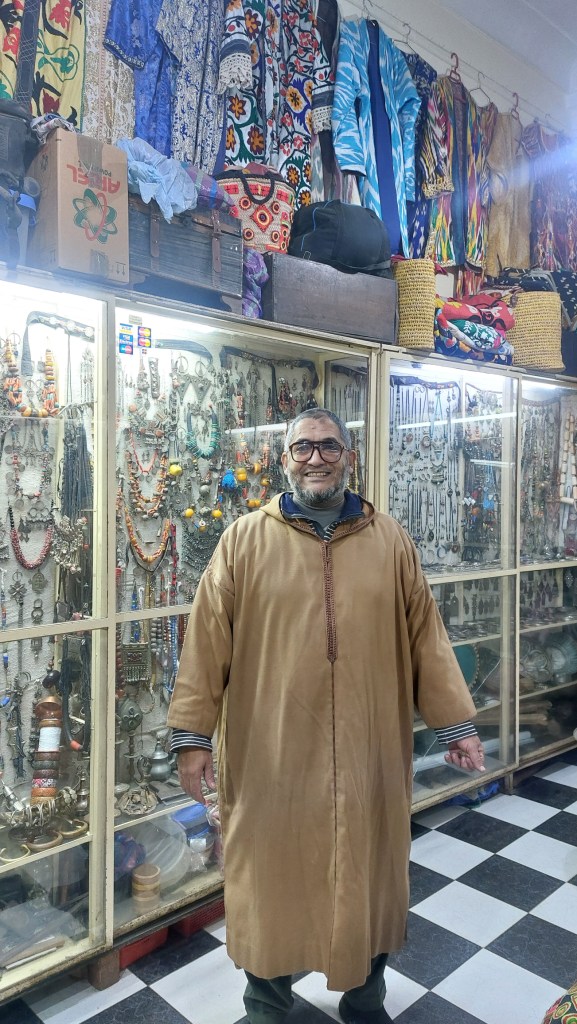
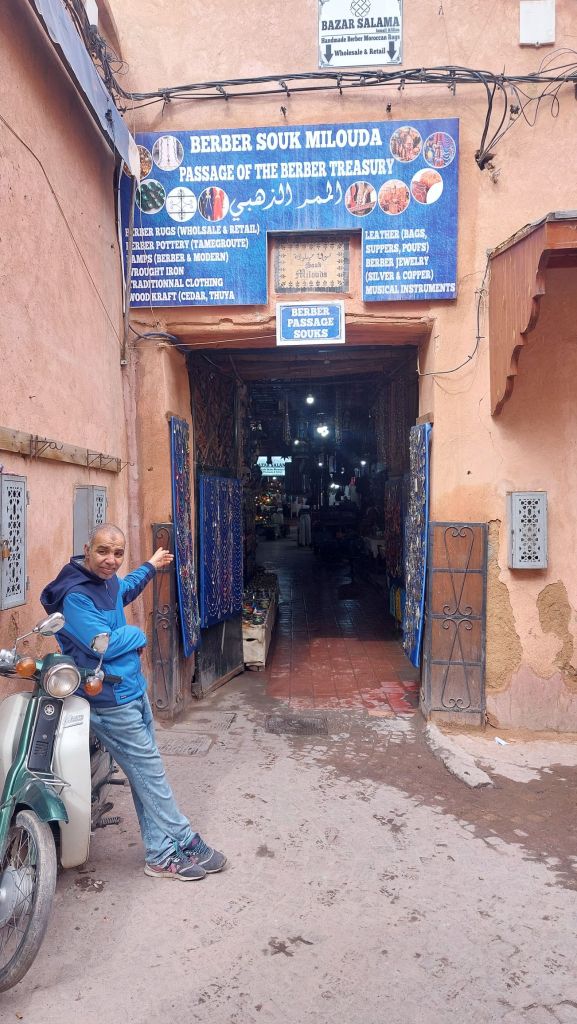
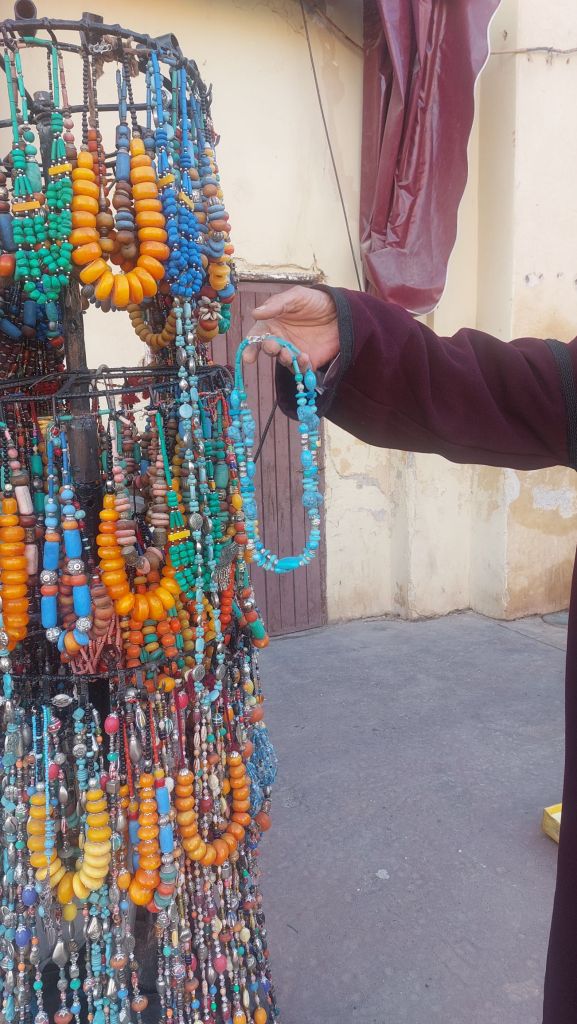
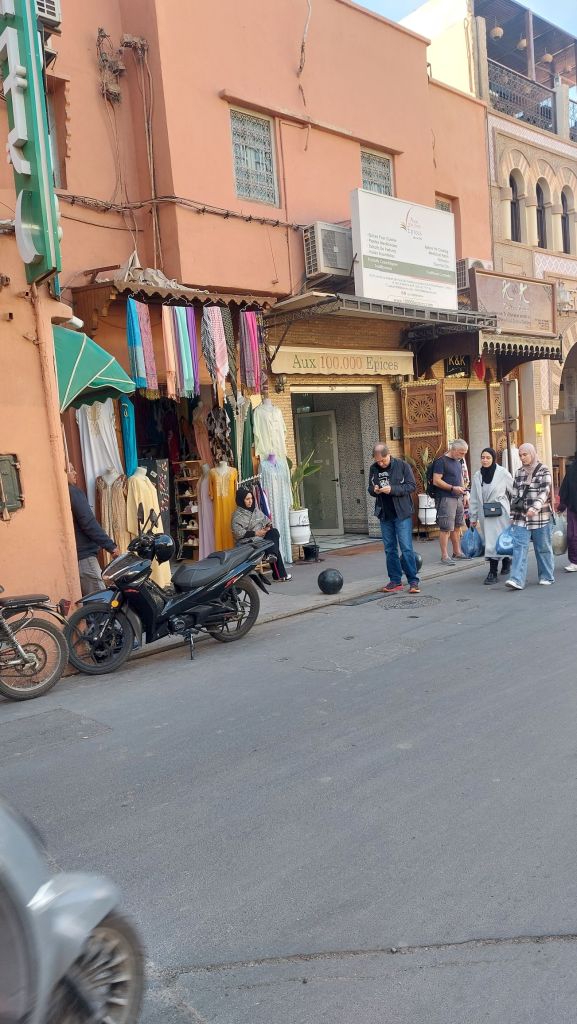
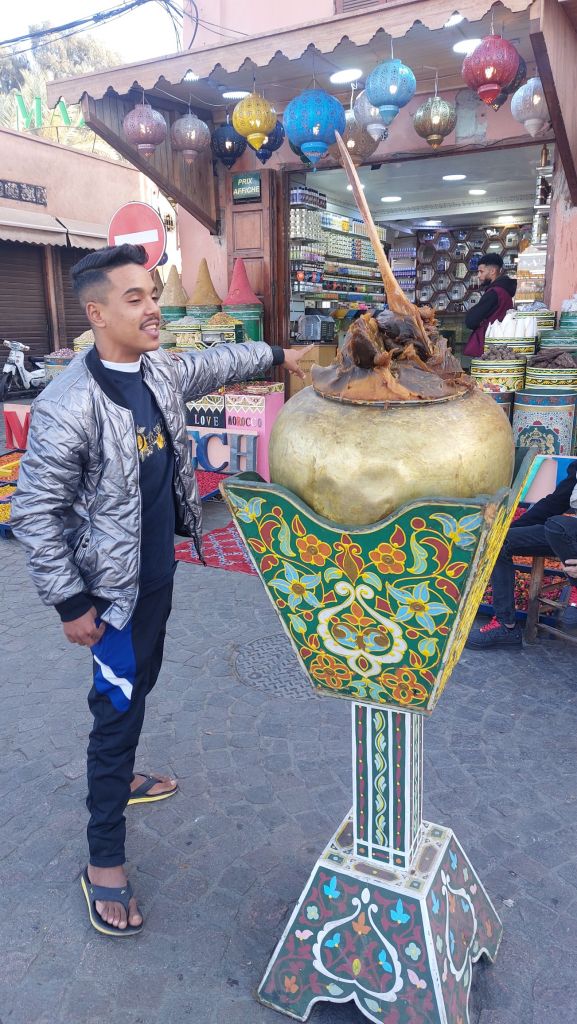
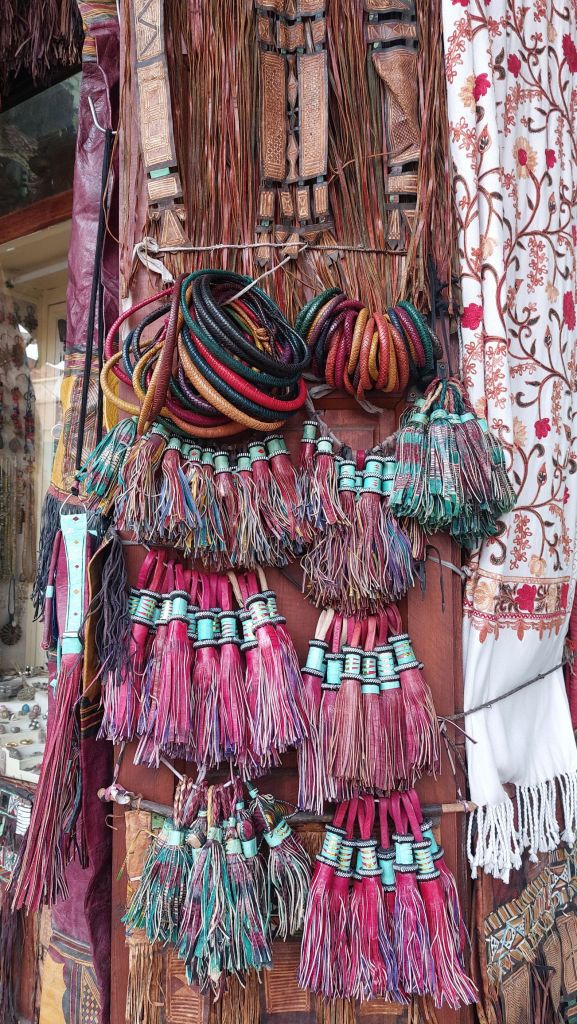
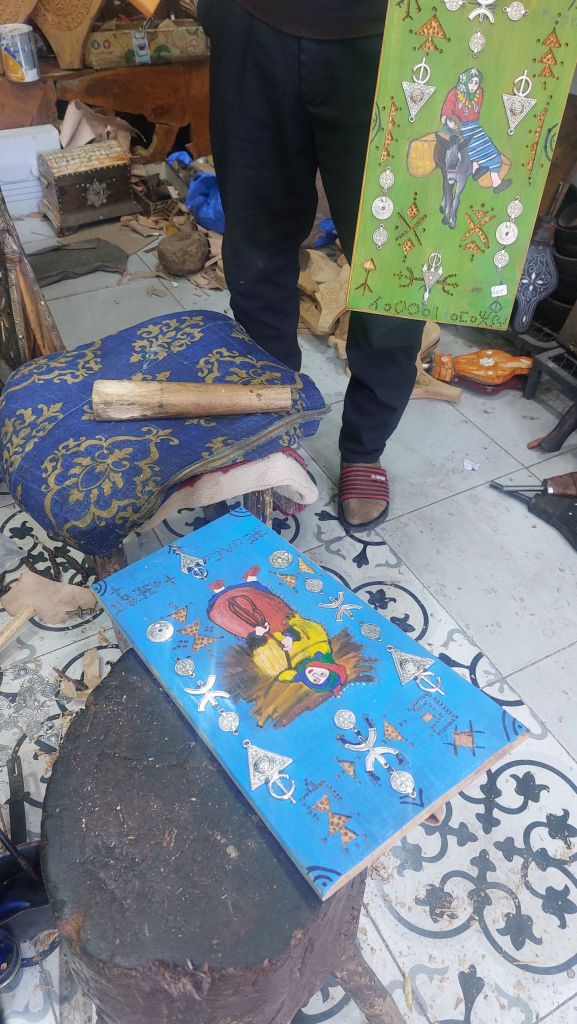
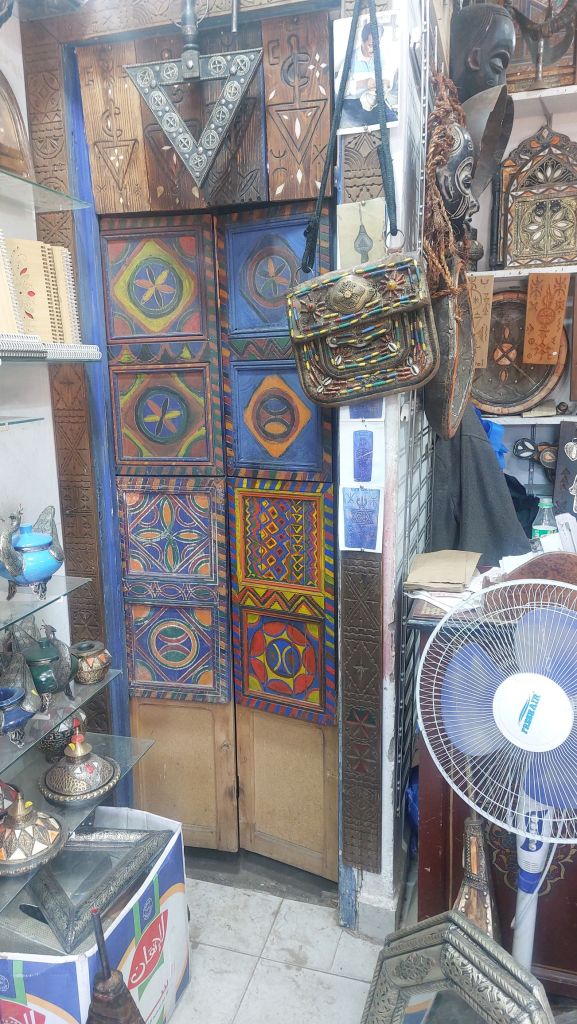
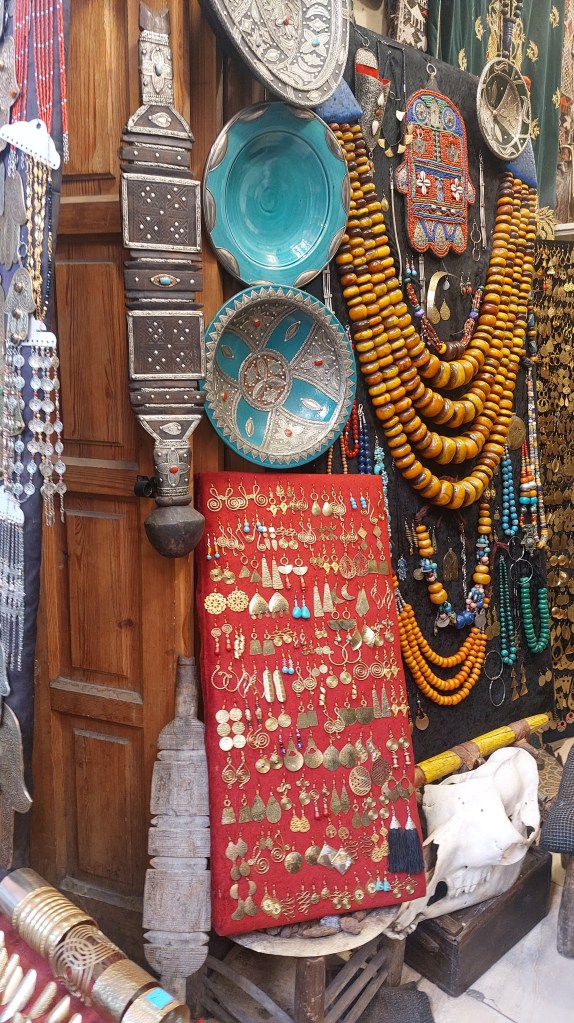
    The sound of the souks is something you will never forget. There is everything you could dream of buying in the colourful bazaars around Marrakech medina. As you meander through the maze of winding alleyways, prepare yourself for a complete overload on the senses. You will be dazzled by everything from beautiful Amazigh jewellery to exotic spices, leather goods, Morroccan lamps, and pretty ceramics. It’s all there waiting for you  inside the vibrant souks.

    Images by Freebird Tracey.

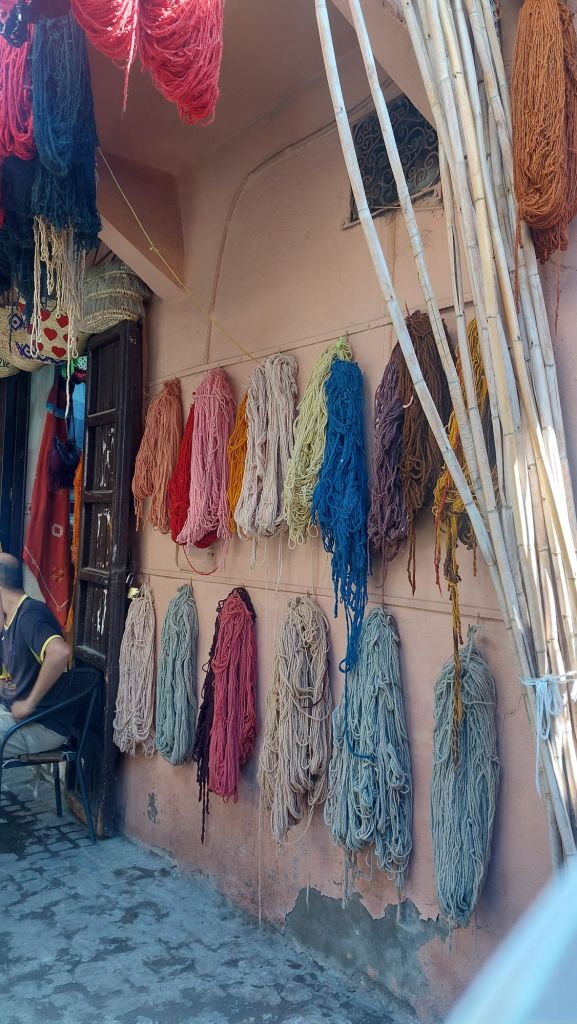
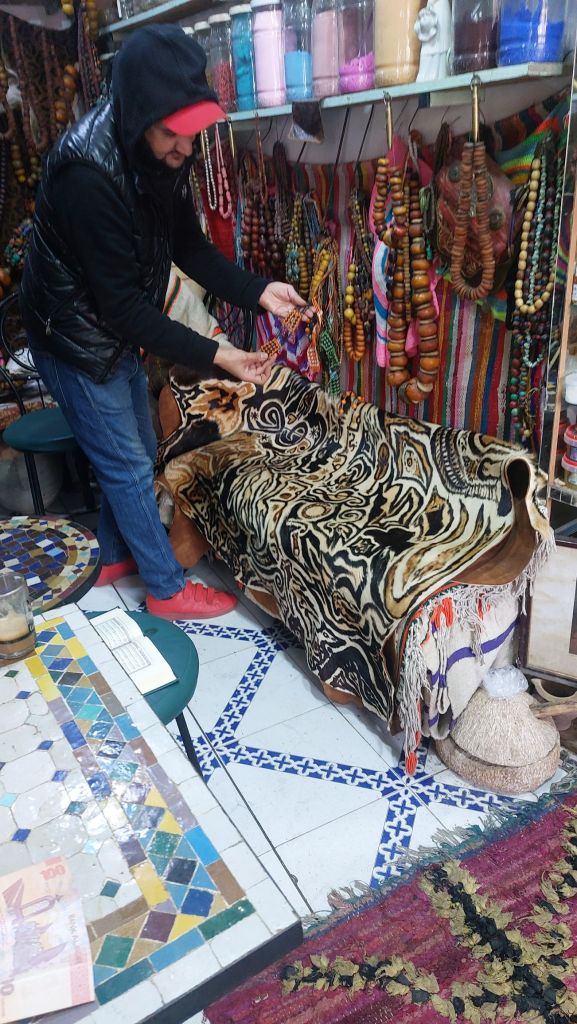
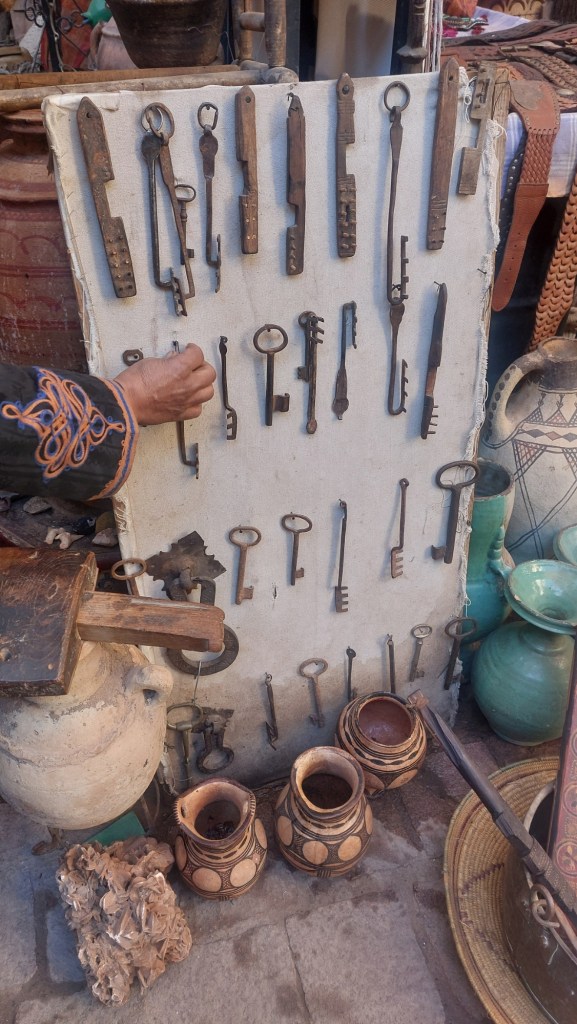
    Within each bustling area, skilled craftsmen are busy at work, and there are souks dedicated to creating and selling different items.There is an area for leather goods, a place where metal workers make Moroccan lamps and metal sculptures and areas where handmade wooden things are meticulously created. The art of rug weaving is demonstrated, and you may even get the chance to have a go.

    Images by Freebird Tracey.

    It’s interesting watching the locals make their wares to sell and seeing silver and copper bangles being engraved with your Arabic name on them. There is also an opportunity to have a go at making a pair of traditional Morroccan shoes known as babouches.

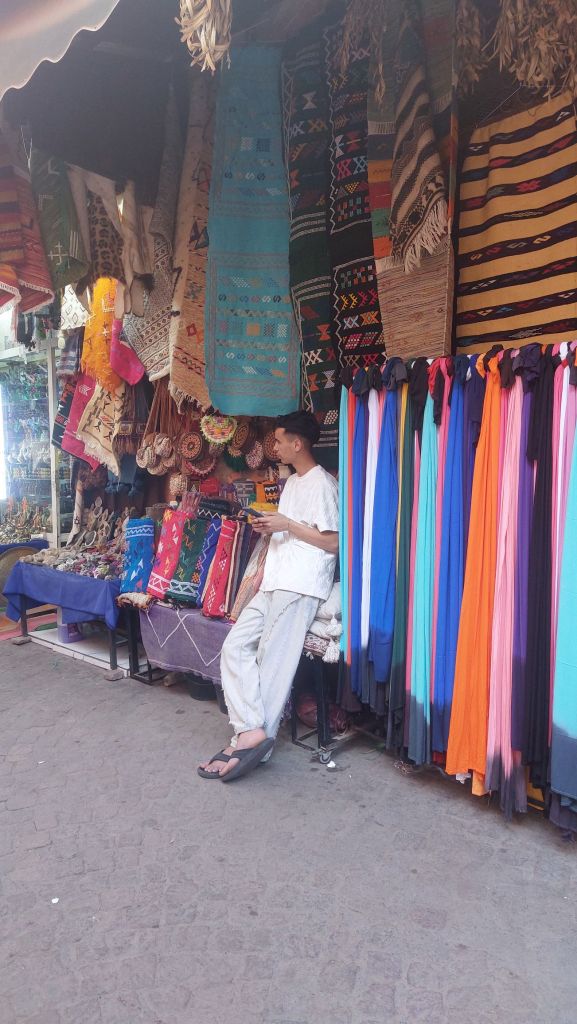
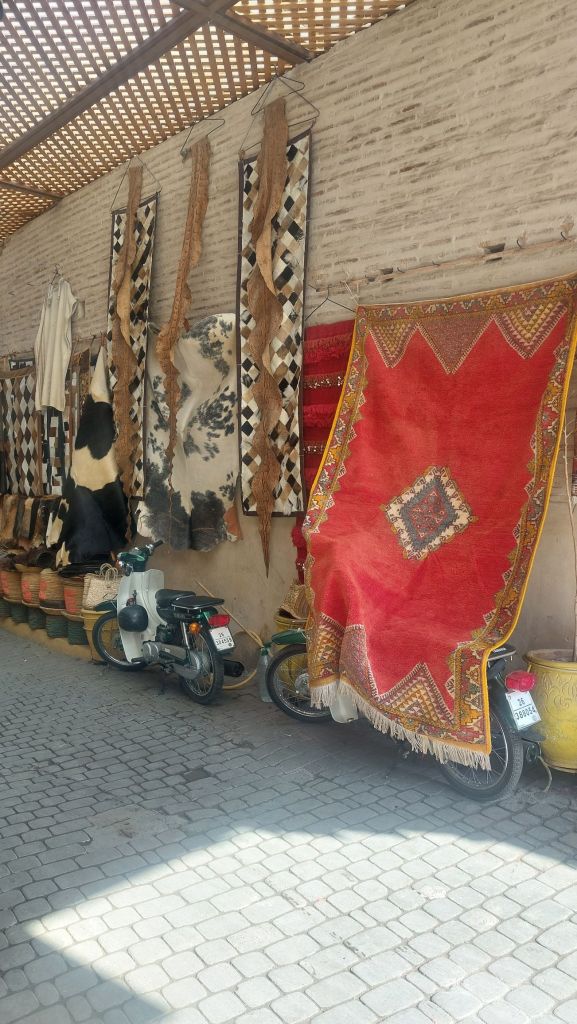
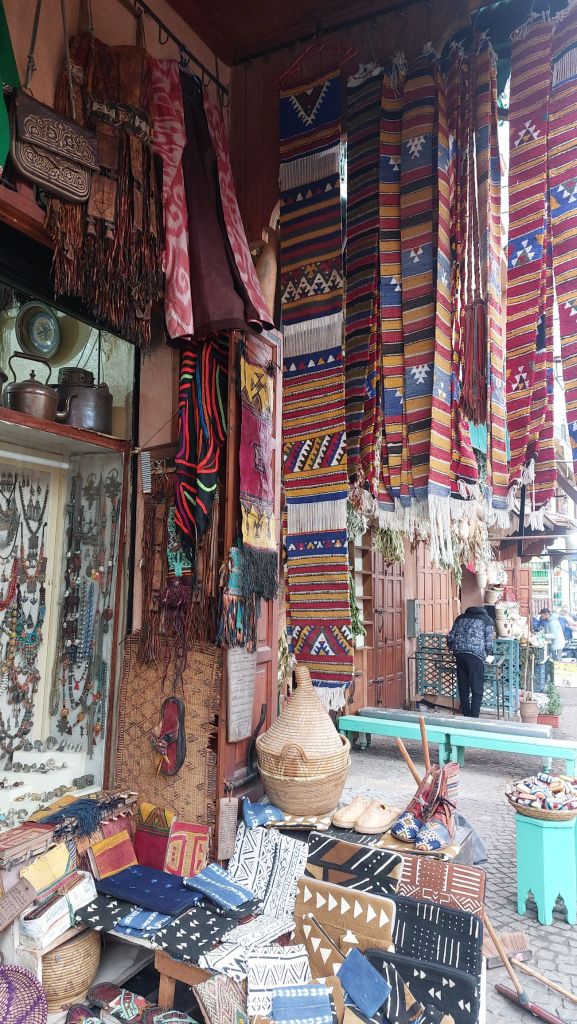
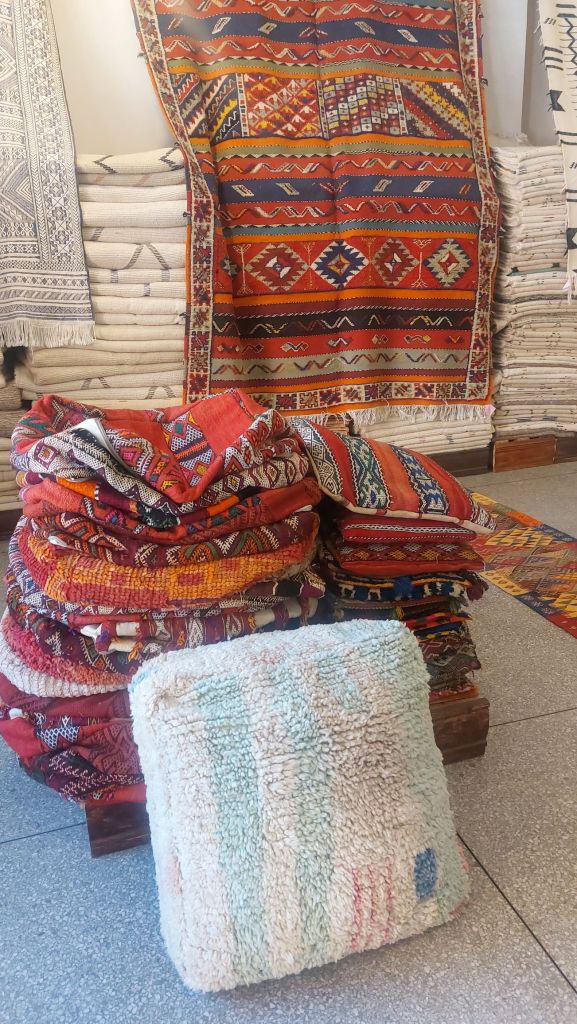
    Berber rugs hang proudly around the medina. Each colour and pattern tells the story of the villagers who worked tirelessly to create them in the Atlas mountains.

    Image by Freebird Tracey.

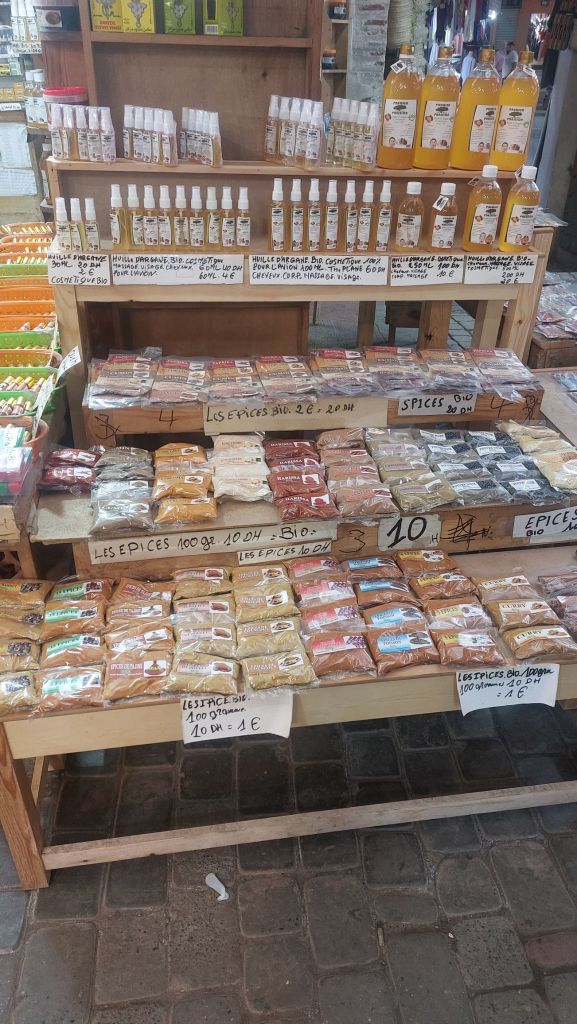
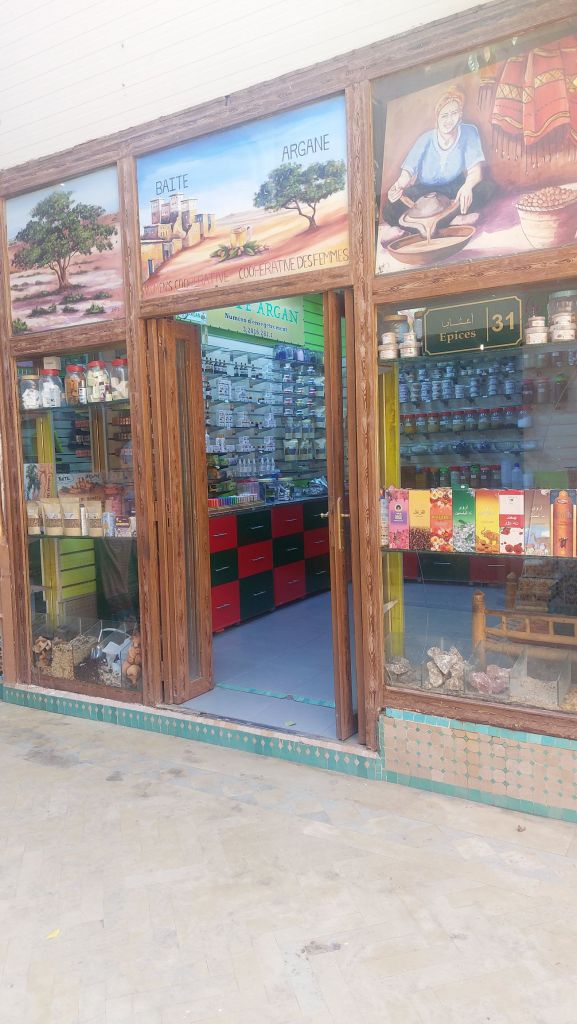
    You will find argan oil and morroccan black soap, orange blossom oil, and gardenia.The subtle fragrance floats past you, only shattered by the fumes of motorcycles as they drive through. It’s a heady combination of spices, incense, and day to day life in Marrakech.

    Image by Freebird Tracey.

    Wooden boxes ornately decorated with mother of pearl,chess sets, cuddly toys, and traditional teapots tempt you as you search the souks for  souvenirs. You learn the art of haggling for the best prices.

    Image by Freebird Tracey.

    Cushion covers made from cactus silk are eye-catching. The only problem is choosing your favourite colours, patterns, and textures and wandering how you’ll fit them into your luggage.

    Image by Freebird Tracey.

    Moroccan sweets are a delicacy. You’ll find yourself spoilt for choice with the amount of nuts and pastries for sale around the medina.

    The medicinal herbs and spices are a cacophony of colours and fragrances. You draw closer to look, and a friendly vendor sticks a piece of eucalyptus under your nose. Before you know it, your eyes are watering, and you’re reaching for a tissue.

    Fresh olives pop with colour. Their subtle spice dances on your tongue, and you have to buy some because they’re addictive. One or two is never enough to satisfy.

    Image by Freebird Tracey.

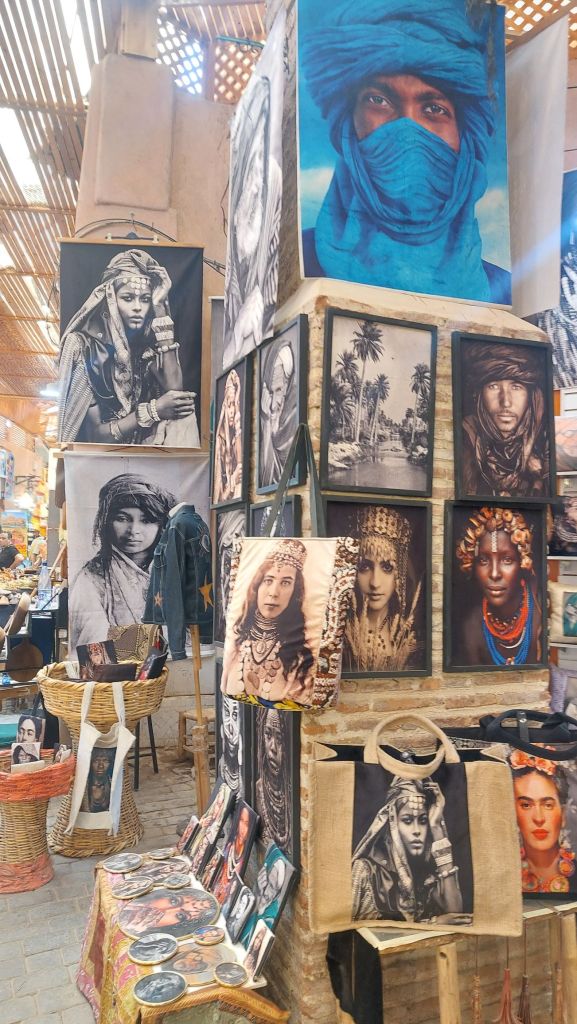
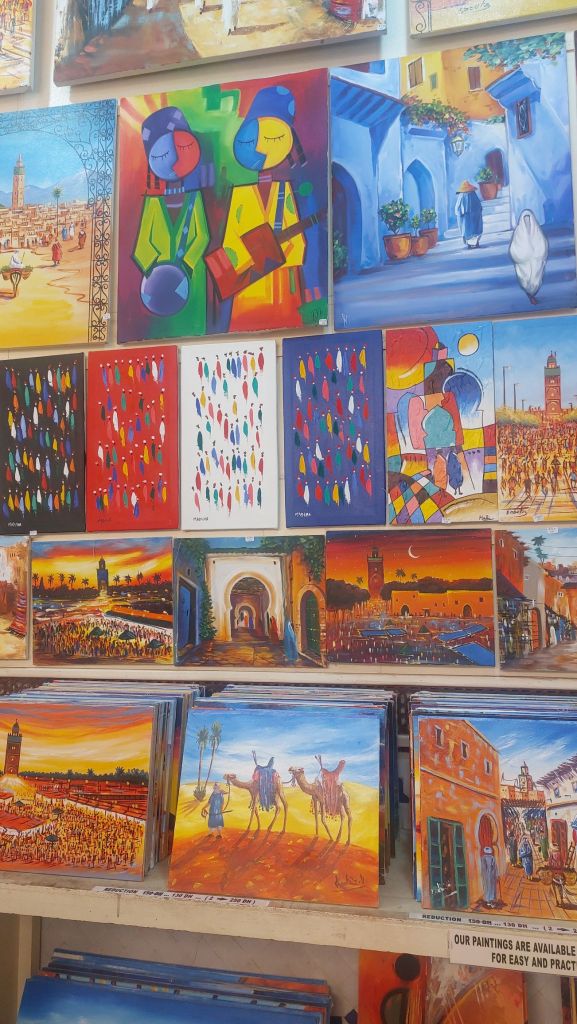
    Paintings of Morroccan doors, Amazigh people and camels crossing the Sahara desert are displayed on walls  and hang strategically outside shop doorways.

    Image by Freebird Tracey.

    For people who love to shop until they drop, the souks are a dream come true. The lively rhythm and friendly banter  is a magical experience.

    Image by Freebird Tracey.

    It’s not always a breeze shopping in such a densely packed area, though. The souks get incredibly busy with tourists. You constantly have to dodge motorcycles, donkeys, and vendors with carts. You will probably get lost, but that’s all part of the charm. You eventually find your way out with some effort.

    I recommend fully immersing yourself in the experience and enjoying every moment. It will invoke in you the spirit of camel caravans and their ancient trade routes from centuries ago. After all, the souks are one of the main reasons tourists come to Marrakech. Shopping in them is the perfect way to delve into the fascinating culture of Marrakech and pick up a few treasures along the way.

    Here are a few helpful tips to help you enjoy your shopping experience in the souks.

    • First of all, pace yourself. The souks are very busy and can feel slightly chaotic at times, especially in the heat. Stop regularly for a drink and rehydrate. Rest for a while, and have a spot of lunch on a rooftop terrace. There are plenty inside the souks.
    • Be prepared to haggle. It may seem daunting at first, but you’ll soon get the hang of it. In Morocco, bargaining is a way of life, and although it can get frustrating wondering if you’re being ripped off, it’s also rather gratifying if you manage to procure something at a good price. Take time to shop around and walk away if you don’t think you’re being offered a fair price. You will often find yourself being called back, and a realistic price can be reached. If not, the same items will most likely be found for sale in another part of the souks.
    • Stay vigilant, and keep your wits about you. Marrakech is a safe city, but pick pocketing can happen like anywhere else in the world. In crowded, narrow streets, keep your possessions safe in a closed bag at the front of your body. Don’t be tempted to take out too much cash at once and leave your passport in a safe wherever possible.
    • If you’re lost, look for signs above your head pointing you back to Jamaa El Fna. Having an orange sim is useful but may not always work in the denser parts of the souks. If you need help, ask a shop vendor. They’re more than happy to help, but be aware of opportunists who may try to send you in a different direction.
    • This brings me to don’t accept directions from locals who may lead you to a friend or family members’ shop. They get a commission if you buy something. You may find yourself seated, drinking mint tea, and before you know it, there’s a mountain of Berber carpets at your feet.
    • Exercise patience. Remember, this is someone’s livelihood, and it’s a different culture to what you may be used to. Wages are not very high for most people in Marrakesh, and tourists with money to spend are fair game for boosting the take-home salary of most vendors. Marrakech was badly affected by the earthquake in 2023, and people’s livelihoods suffered as a result.
    Image by Freebird Tracey.

    Although the souks may often feel overwhelming, they are an unforgettable shopping experience in Marrakech.  The cacophony of colours,  pulsating energy, and bustling atmosphere will stay with you for a long time.

    Image by Freebird Tracey.
    (more…)
  • Things To Do In Marrakech.

    Ideas to help you plan your itinerary.

    Image by Freebird Tracey.

    Marrakech is a big city with lots going on. A little organisation before arriving will help you get the most out of your trip. Having an itinerary before visiting Marrakech is useful. A list of places, including the opening times and addresses, will help you plan a stressfree visit.

    There are a number of places to keep you entertained. There are tourist attractions showcasing the historical significance of the city. Excellent day trips to fascinating places, including the Atlantic coast. You can visit interesting museums and learn ancient techniques passed down through generations. There are fun shopping experiences that offer demonstrations on how to make traditional Morroccan rugs and babouches.

    The next few posts are designed to help you choose sightseeing activities. I have included all the places I have visited. I want to give readers an idea of what to expect, including journey times, reviews, and when to visit.

    Images by Freebird Tracey.

    The first time I visited Marrakech, I was unaware of what to expect. I spent 3 days in the main square and shopping in the souks. The time passed quickly, and I went home feeling as though I’d barely scratched the surface. The next time I visited, I had already done some research. I spent 3 days sightseeing, I went on a day trip and spent an evening watching the sunset in Agafay desert. I still had time for shopping in the souks and ate in some excellent restaurants. I returned home happy and satisfied. I realised that Marrakech is so much more than I ever expected. If I had known about the amount of things to do, I would have had a much better experience the first time.

    Read about the activities I have experienced and use the information to create an interesting itinerary. I continually update my blog to include more adventures. I include places to visit for budget conscious travellers, and most activities can be done without taking an official tour. My own experiences have been booked through Get Your Guide or the riad where I’m staying. This gives me peace of mind as a solo female traveller. If I were travelling as a group of friends, I would plan excursions outside of the city independently. I don’t use guides for sightseeing around the medina. However, they are available if you want one.

    Take note of places that may be of interest to you. Decide the most cost-effective way to experience them and plan accordingly. When choosing a tour, check the reviews on Get Your Guide to make sure you’re getting value for money. There are tour operators around the city, but I have never booked through them.

    Image by Freebird Tracey.

    Lastly, Marrakech has a lot to offer, and you will not fit everything into your first visit. Plan a varied trip  that includes places of historical interest such as Bahia Palace or Ben Youssef Madrasa. Visit a couple of museums and at least one excursion out of the city. I also recommend making use of the parks around the city to enjoy some peace and tranquillity. The Souks are dynamic and exciting but limit your time to early morning or later in the evening. The main square comes alive at dusk, leaving the daytime free for other activities.

    Of course, you can always come back to this fascinating city if you don’t manage to see everything.

    Image by Freebird Tracey.
    (more…)
  • The Kasbah.

    Visiting an authentic district of Marrakech.

    Image by Freebird Tracey.

    The Kasbah is located in the southern part of Marrakech and is considered the jewel of the old city.

    The Kasbah is a quieter part of Marrakech, with fewer tourists than the medina. Staying in the Kasbah, you feel totally immersed in the culture of Marrakech as you rub shoulders with the friendly locals. There are plenty of shops, including a large fixed price store called Dar Bouchaib, selling everything you will find in the souks.

    Image by Freebird Tracey.

    The Kasbah is home to popular tourist attractions like the Saadian tombs and El Badi Palace.There are a number of good restaurants in the area, many with rooftop terraces to catch the sunset.

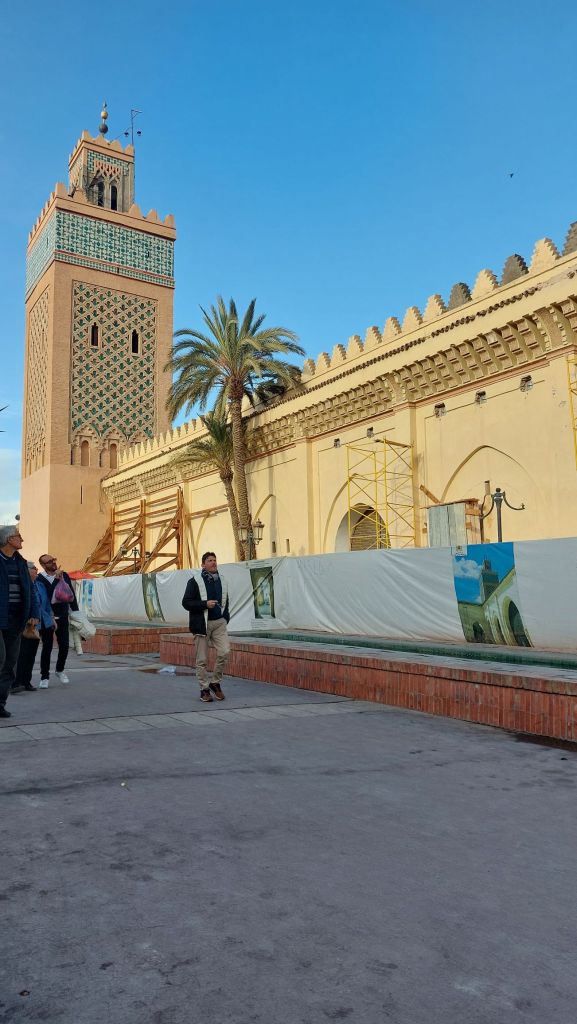
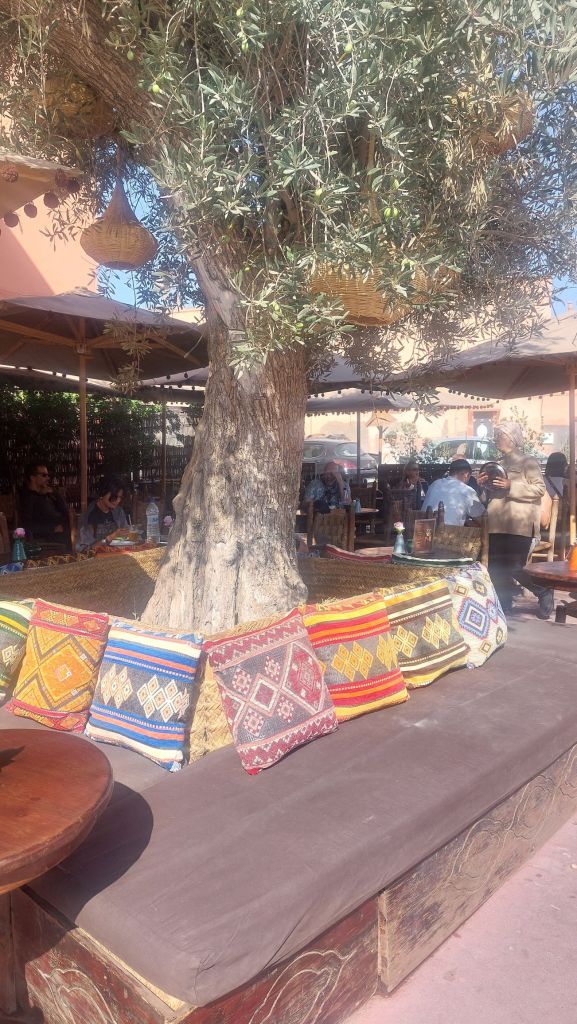
    Zeitoune Cafe is a lovely restaurant for a spot of lunch. It’s in a strategic position and overlooks the mosque, making it a nice place to take a break from sightseeing in the area. The Kasbah mosque is the second largest mosque in Marrakech and is also referred to as ‘The Golden Apple Mosque’ it has a minaret reaching 80 metres tall. I enjoyed sitting on colourful cushions outside Zeitoune Cafe with the view of the mosque in front of me. It was a nice way to spend some time in the sunshine people watching.

    Image by Freebird Tracey.

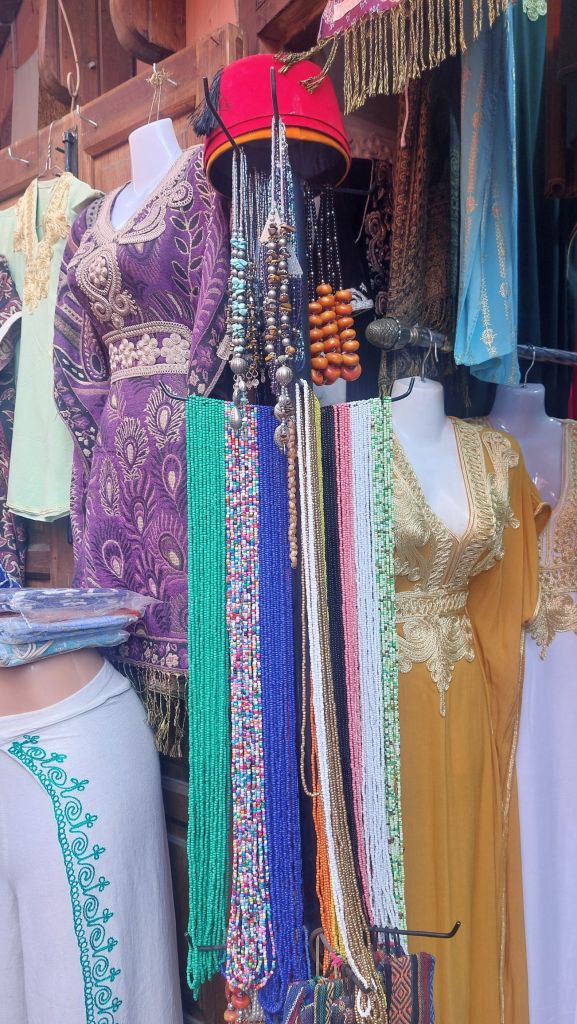
    The kasbah is a 20-minute leisurely walk from the main square with plenty to see along the way. There are plenty of shops selling all kinds of stuff, including spices, jewellery, clothing and perfumes.

    Images by Freebird Tracey.

    In the kasbah, there is a  range of budget and high-end accommodation. I stayed at Riad Hikaya and had a really positive experience. The luxurious five-star hotel La Sultana is also in the Kasbah.

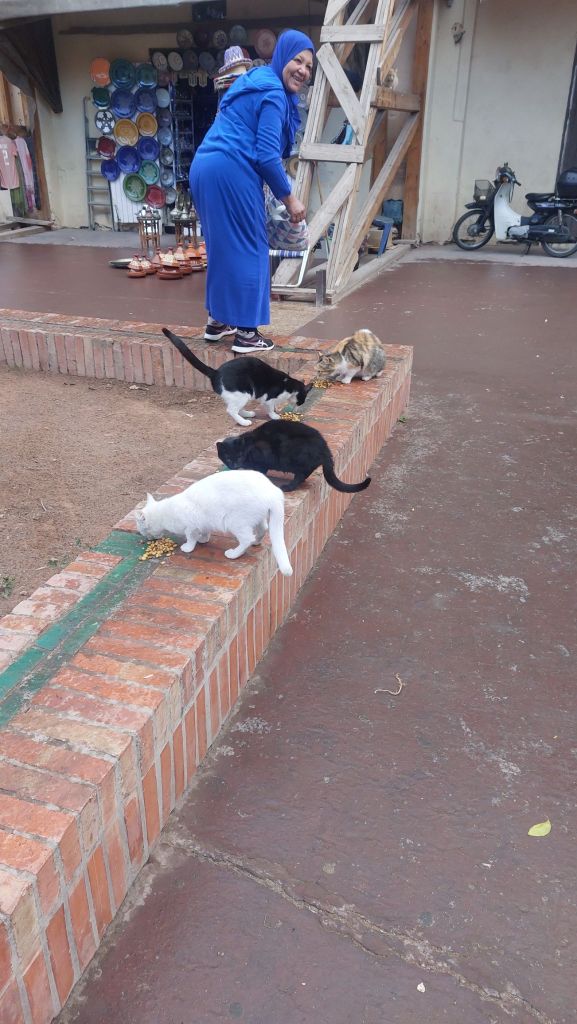
    The Kasbah is a quieter neighbourhood than the medina. Parts of it are pedestrianised, and there is less traffic, making it feel less chaotic than the medina. The locals go about their daily business of buying bread, selling clothes,and feeding stray cats. It’s a typical scene of everyday life inside the ochre walls.

    The Kasbah has a slower pace of life, and it’s a lot less stressful than the touristy side of Marrakech.

    Images by Freebird Tracey.

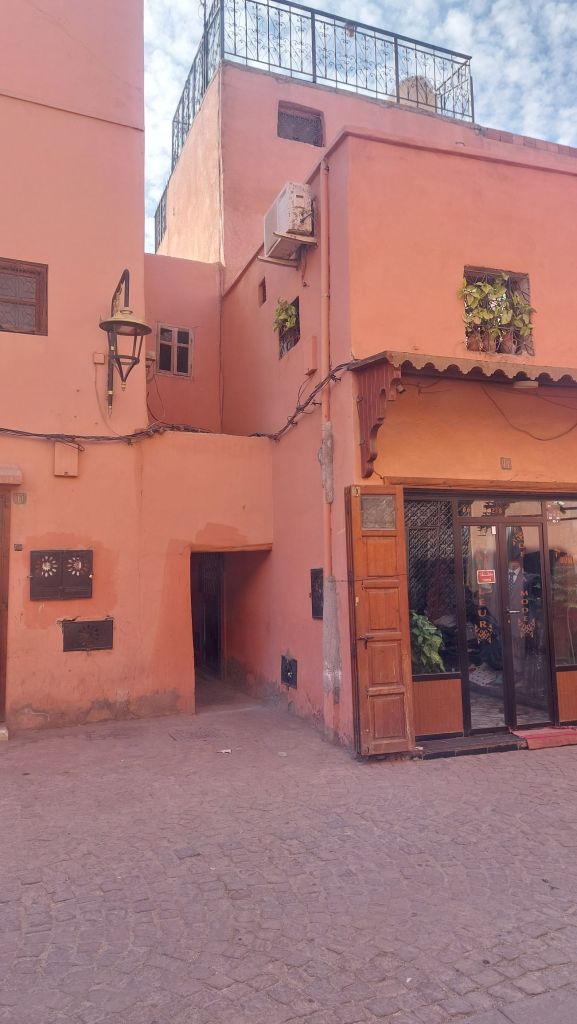
    The Kasbah is the historical citadel in Marrakesh with fortified walls. The narrow, winding alleyways make it an exciting place to visit, with their signature red colour glowing in different hues at certain times of the day.

    Images by Freebird Tracey.

    The famous Bab Agnaou gate provides entry into the Kasbah, and out of the 19 gates around the medina, it’s one of the most ornate. The King’s Palace is also situated inside the walls of the fortress. Therefore, the whole area is heavily guarded, making it a safe place for visiting with children.
    Images by Freebird Tracey.

    The Kasbah is home to the Clock restaurant with its legendary camel burgers and storytelling evenings. Also, the Kasbah Cafe is a popular place for lunch and dinner. Krepchy does a fantastic breakfast, and the prices are very reasonable. I highly recommend the waffles. There are a few good coffee shops selling decent coffee, such as the popular Nos Nos.
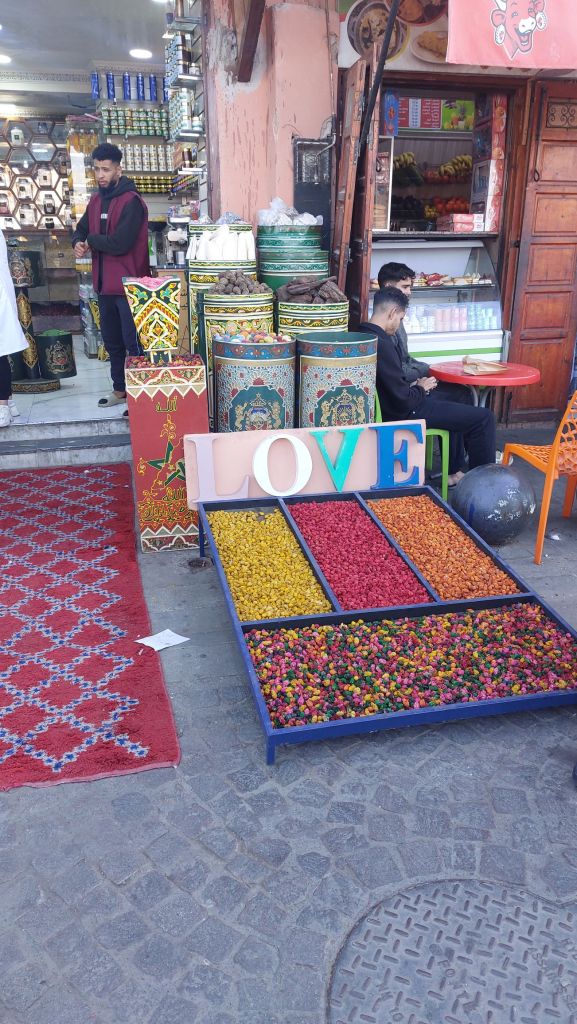
    To return from the medina, consider taking a tuk-tuk if the weather is hot. It’s quite an adventure as you rattle along the bumpy streets back into the Kasbah.

    Tinsmiths Square and the Jewish quarter known as the Mellah are not far from the Kasbah, and there are plenty of things to see and great places to eat in both areas.

    Taxis can pick you up from your accommodation but they may struggle in some of the narrower streets. There is also a taxi rank close to the roundabout near Tinsmiths Square.

    Spending an hour or two in this historical area of Marrakech will add value to your visit. The locals are very friendly, and it’s a pleasure getting the opportunity to sit and chat with them.

    I would recommend staying in the kasbah if you prefer a quieter, more authentic experience of Marrakech. It’s further out from the madness of the busy souks and a more relaxed environment.

    Image by Freebird Tracey.
    (more…)
  • Place Des Ferblantiers.

    Visiting Tinsmiths Square in the Mellah.

    Image by Freebird Tracey.

    Tinsmiths Square is located to the south of Jamaa El Fna. It is within the Mellah, the oldest Jewish quarter of Marrakech. This quieter area of Marrakech is often overlooked by tourists.

    It is here that skilled artisans make their wares to sell using traditional methods passed down through generations. Beautifully crafted jewellery, lamps, and traditional daggers made from copper and tinplate are skillfully handcrafted in this fascinating area of the city.

    Tinsmiths Square presents a calmer alternative to Jamaa El Fna with palm trees lining the pedestrian friendly walkway. It connects the old Jewish district with the Muslim quarter.

    Tinsmiths Square is a vibrant area with lots of spice shops, cafes, and restaurants with rooftop terraces. Shops sell intricately carved items made in small workshops. There are several benches around the square to sit and take in the sights and sounds and a fountain in the centre. Fun games occasionally take place, and the square also hosts events.

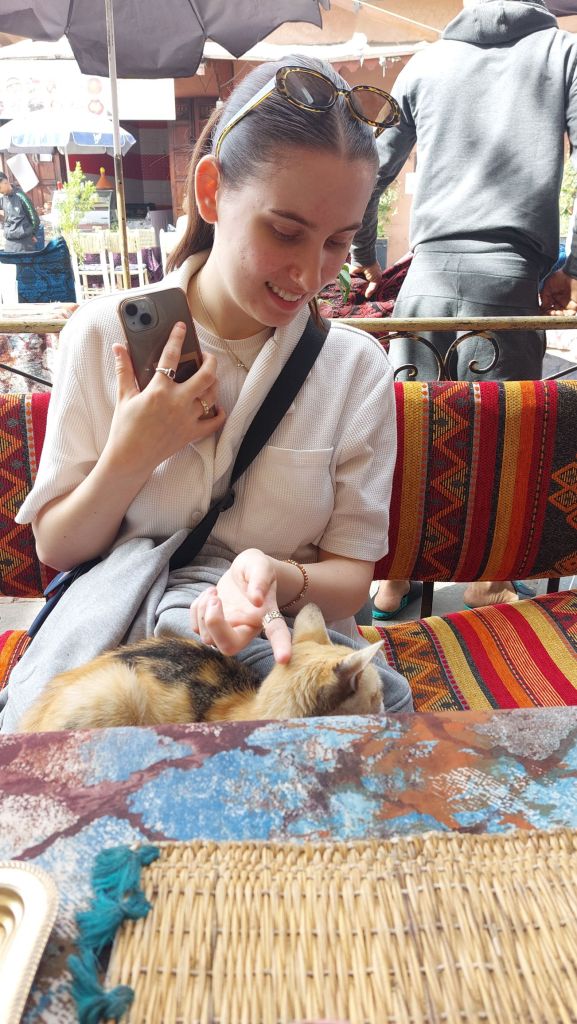
    Cats roam freely across the square and are a popular sight, lazing in the plant pots and flower beds. Sometimes, they are quite cheeky and make themselves comfortable on tourist’s laps.

    Image by Freebird Tracey.

    Place des Ferblantiers is close to popular sightseeing spots like The Bahia Palace, El Badi Palace, and The Saadian Tombs. The Kasbah is just a short walk away.

    I love Tinsmiths Square. There are some great cafes and restaurants and I have bought some interesting souvenirs here. There is a great vibe, and the pace is much more relaxed than in the densely packed medina.

    Video by Freebird Tracey.

    I was spoilt for choice with all the fragrant spice shops in the square selling everything from eucalyptus to argan oil. The friendly vendors happily educate you on what each remedy is used for and what the different types of tea are good for. Browsing leisurely around the spice shops is an explosion of colour and pungent aromas.

    Images by Freebird Tracey.

    If you want a slower, less touristic place to spend a few hours, don’t miss out on visiting Tinsmiths Square. There are a few budget restaurants, and Medina Mall, which is home to the popular Fluffys dessert cafe, is close to the square.

    Tinsmiths Square is an exciting area of Marrakech, and you can get taxis from the taxi rank near the roundabout to get to other areas of the city from here.

    Image by Freebird Tracey.
    (more…)
  • The Spice Square.

    Visit the apothecary of Marrakech.

    Image by Freebird Tracey.

    The Spice Square, also known as Rahba Kedima, is a smaller market, less densely packed with tourists. It is located at the end of Souk Semmarine and a five minute walk from Jamaa El Fna.

    It is here that you will find a wonderful selection of spices, including saffron, cumin, and turmeric. The spices are beautifully displayed in pyramids around the square, and the air is fragrant with the scent of incense. There are dried herbs, oils, potions, dried tea, and the traditional Moroccan lip stain.

    The Spice Square is the traditional apothecary of Marrakech and a treasure trove of Moroccan culture.

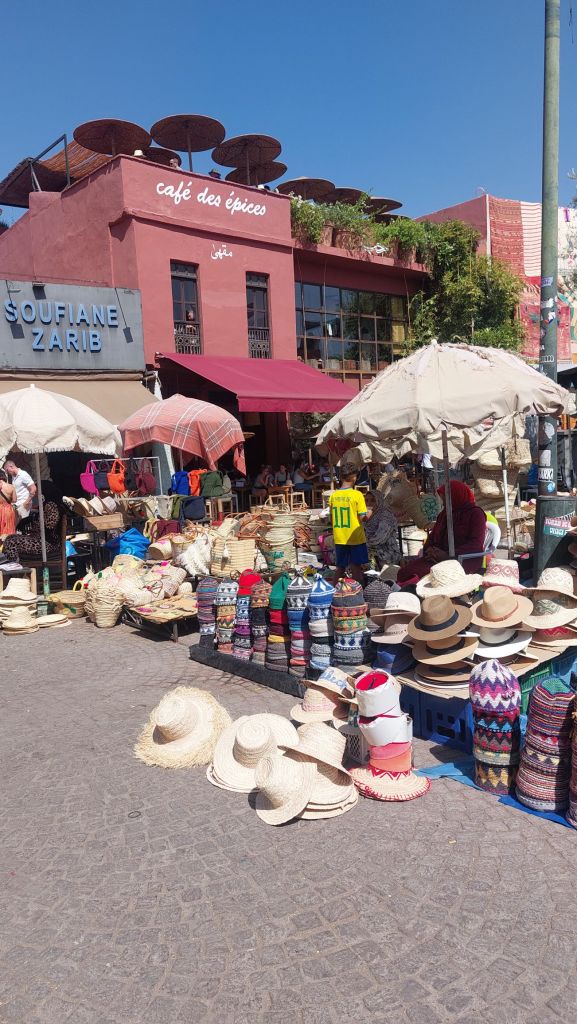
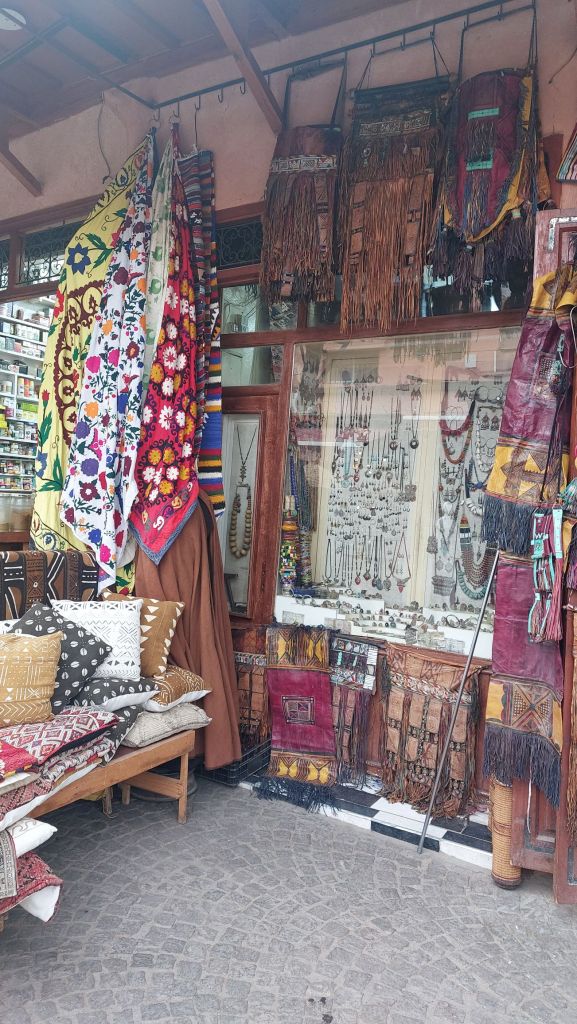
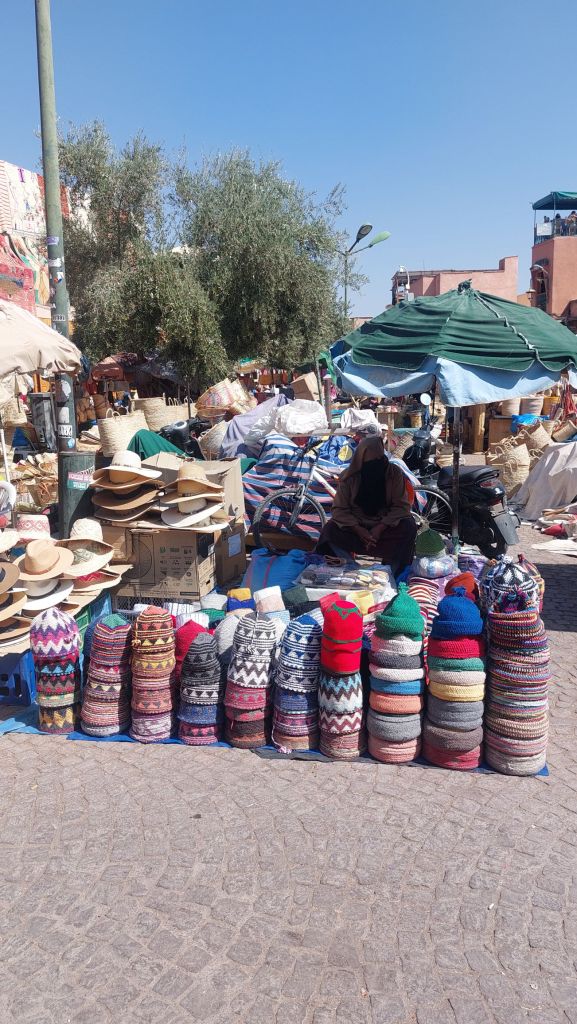
    In the Spice Square, you will also find hand woven baskets,  straw hats, baby tortoises, and shops selling Amazigh jewellery ,Tuareg leather amulets and beautiful throws and wall hangings. It is a vibrant, colourful market with a less frantic pace than Jamaa El Fna.

    Images by Freebird Tracey.

    The Spice Square is home to popular restaurants like Cafe Des Espices and Nomad, a well-known restaurant amongst tourists who flock to watch the setting sun from the rooftop terrace.

    The Spice Square is not far from the Medersa Ben Youseff and Marrakech museum, so it’s ideal for making it part of your day when visiting both of these attractions.

    Until the 20th century, Rahba Kedima was the cities grain market and the place where slaves were sold. It is now the epicentre of the medina where you can pick up the famous Moroccan spice blend ras el hanout and watch the spice sellers who come down from the mountain villages at 4.00 in the afternoon to sell their trade. The smells and colours are heady, as friendly vendors demonstrate the benefits of eucalyptus and other herbal remedies to the tourists.

    The Spice Square is a photogenic place where you will be met with a glimpse of trading traditions from the past. It’s the perfect balance between a bustling market experience and a relaxed, more laid-back atmosphere.

    Image by Freebird Tracey.

    As you meander your way through the busy Semmarine souk, it suddenly opens up to this feast of exotic colours that seem to appear out of nowhere. You will be greeted by a display of tantalising and pungent aromas that have become the essence of Marrakech.

    There are a few budget cafes around the spice square that are ideal spots for a pot of mint tea whilst sitting in the sunshine absorbing this sensual experience.

    Image by Freebird Tracey.
    (more…)
  • Ensemble Artisanal Craft Complex.

    Visit a fixed price arts and craft centre in Marrakech.

    Image by Freebird Tracey.

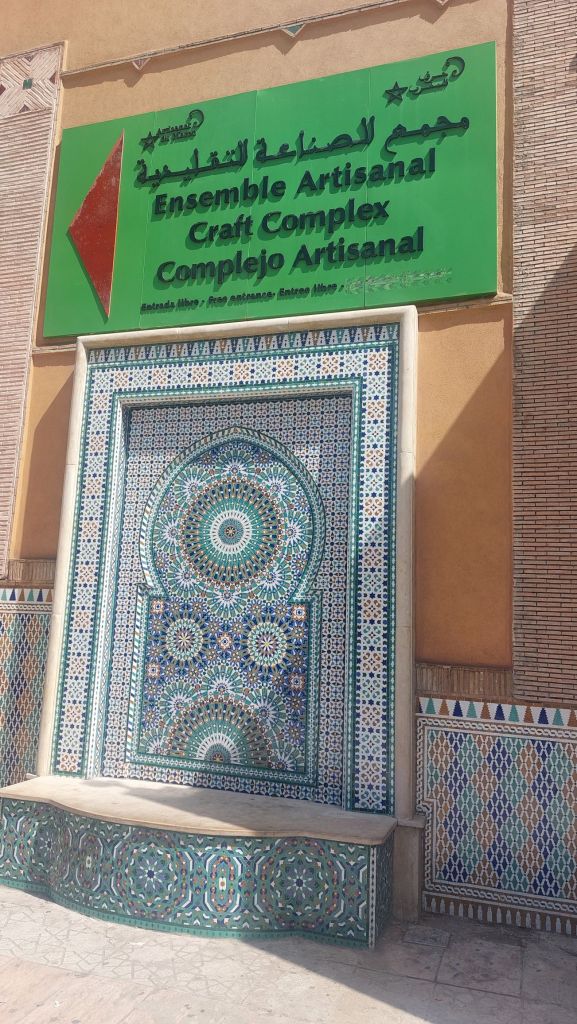
    Ensemble Artisanal Craft Complex is a government sponsored initiative for skilled artisans.

    A short walk away from Jamaa El Fna, opposite Cyber Park, is this unique space in Marrakech. Within the complex, you will find artisans creating beautiful artwork, including paintings, rugs, and pottery.

    Images by Freebird Tracey.

    It was established for artisans to teach their work to apprentices, and it’s a more low-key shopping experience than the souks. The best artisans are picked to work here, and there is usually only one or two representing each speciality, unlike in the souks. There are wonderful examples of excellent craft work, including brass and copper crafts, lamps, leather work, musical instruments, and much more..

    Images by Freebird Tracey.

    Prices are fixed, and all the profit goes to the artisans.

    Shopping in this fascinating area gives you an idea of how much you should be charged for items in the souks. Some things here are slightly pricer, but you don’t have to bargain hard, and it’s a more relaxed shopping experience.

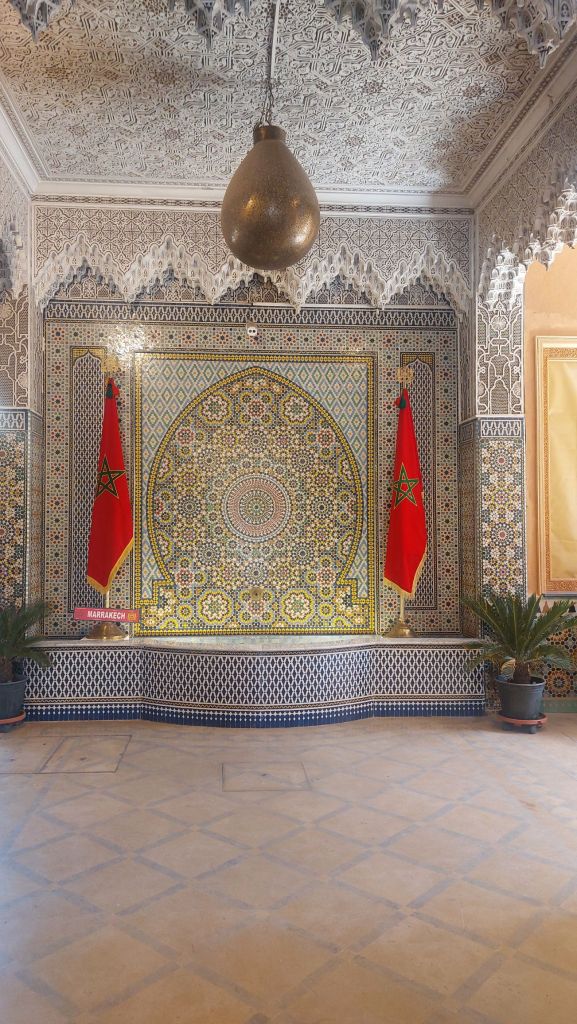
    Within the complex is a simple restaurant for food and drinks. It’s a cute waterhole to take a rest and admire the attractive setting. The tiled surroundings of Ensemble Artisanal Craft Complex are very beautiful to look at and complimented by small green areas with plants.

    Images by Freebird Tracey.

    There is also calligraphy available. If you want a gift for someone, consider getting their name in Arabic printed onto a nice postcard.

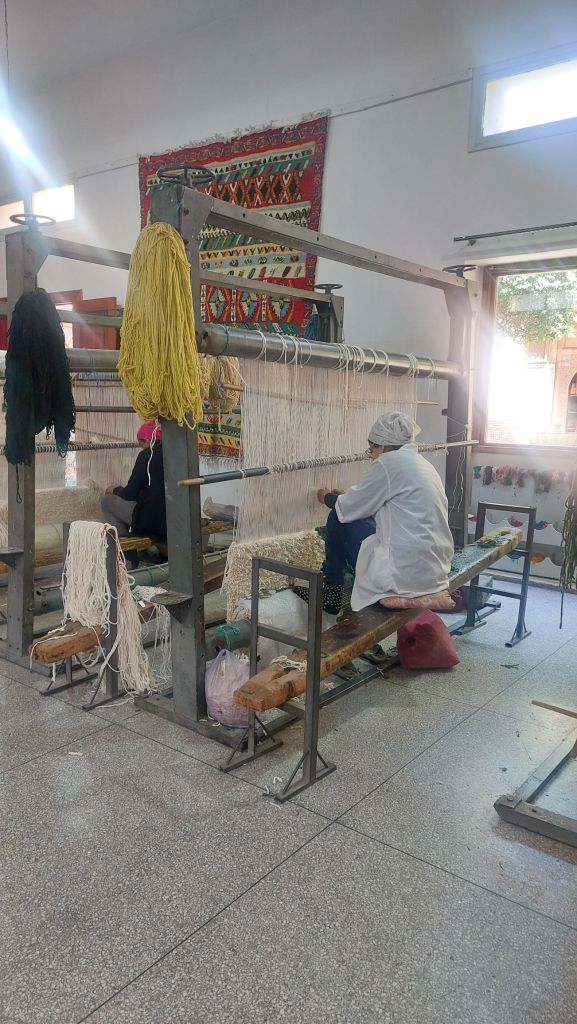
    I enjoyed spending a couple of hours away from the hectic pace of the medina. The slow rhythmic tapping of skilled artisans at work was a nice change of pace. Watching the ladies demonstrate carpet weaving on a traditional loom was really interesting, and I was also invited to have a go.

    Images by Freebird Tracey.

    Ensemble Artisanal Craft Complex is located on Mohammed V Avenue. It’s about a 6 minute walk from the Jamaa El Fna. The times of opening are 9.30am until 7.00pm, with the exception of Sunday when they close at 2.00pm.

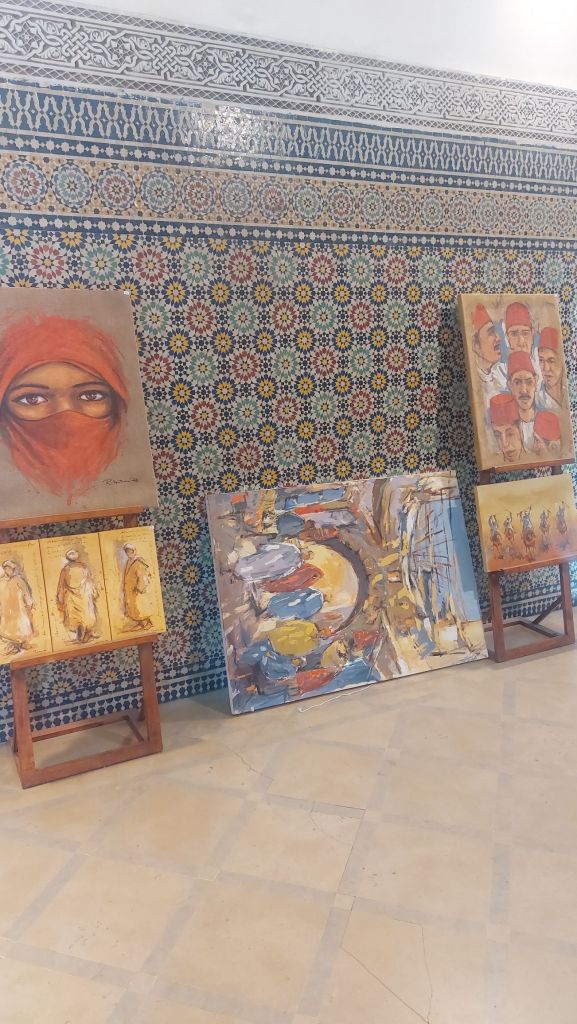
    I found a few lovely paintings to take home with me, which were painted by a local artist and beautifully handcrafted mirrors that caught my eye.

    Ensemble Artisanal Craft Complex is a perfect respite from the chaos of the medina and a wonderful spot to pick up a few lovely treasures whilst experiencing the local people showcasing their exceptional skills.

    Image by Freebird Tracey.
    (more…)
  • Riads In Marrakech Medina.

    What to know before choosing a riad.

    Image by Freebird Tracey.

    There are so many riads in Marrakech that it can be difficult to choose one. The following posts are dedicated to helping you decide.

    By showcasing my own experiences, I hope to give visitors an idea of what staying in a riad is like. Obviously, these are my personal opinions, so do check other people’s reviews too.

    There are a number of hostels in the medina that are renovated riads. These are perfect for  budget conscious travellers. There are also luxury riads that were former palaces. Somewhere in between are the mid price range that have been beautifully restored. It’s these riads that I favour. The small personal touches and  laid-back friendly atmosphere make these riads feel welcoming and intimate.

    For the best experience, consider staying in more than one riad. I like to spend 3-4 days in a small family owned riad. I  find this a good option when I’m out a lot sightseeing and using the riad as a base or somewhere to sleep. I spend the last few days relaxing in a more luxurious riad. It makes sense to pay more if you are going to use the facilities. A restored former palace is a peaceful environment in which to relax and enjoy the beautiful surroundings. After exploring the busy medina, it’s the perfect way to finish a visit to Marrakech.

    When choosing somewhere to stay, check the location. Decide how close you would like to be to the main square. Consider how much walking you are prepared to do in the heat. Check the facilities on offer. Does the riad provide a hammam, breakfast, and dinner? Do they supply a taxi to pick you up at the airport?Is there parking available? Also, check payment methods. Some riads only accept payment in cash. Decide whether you want to stay in a quieter area such as the Kasbah. There is also the Mellah, which is the old Jewish quarter of the medina. Lastly, read the latest reviews before choosing a riad.

    Images by Freebird Tracey.

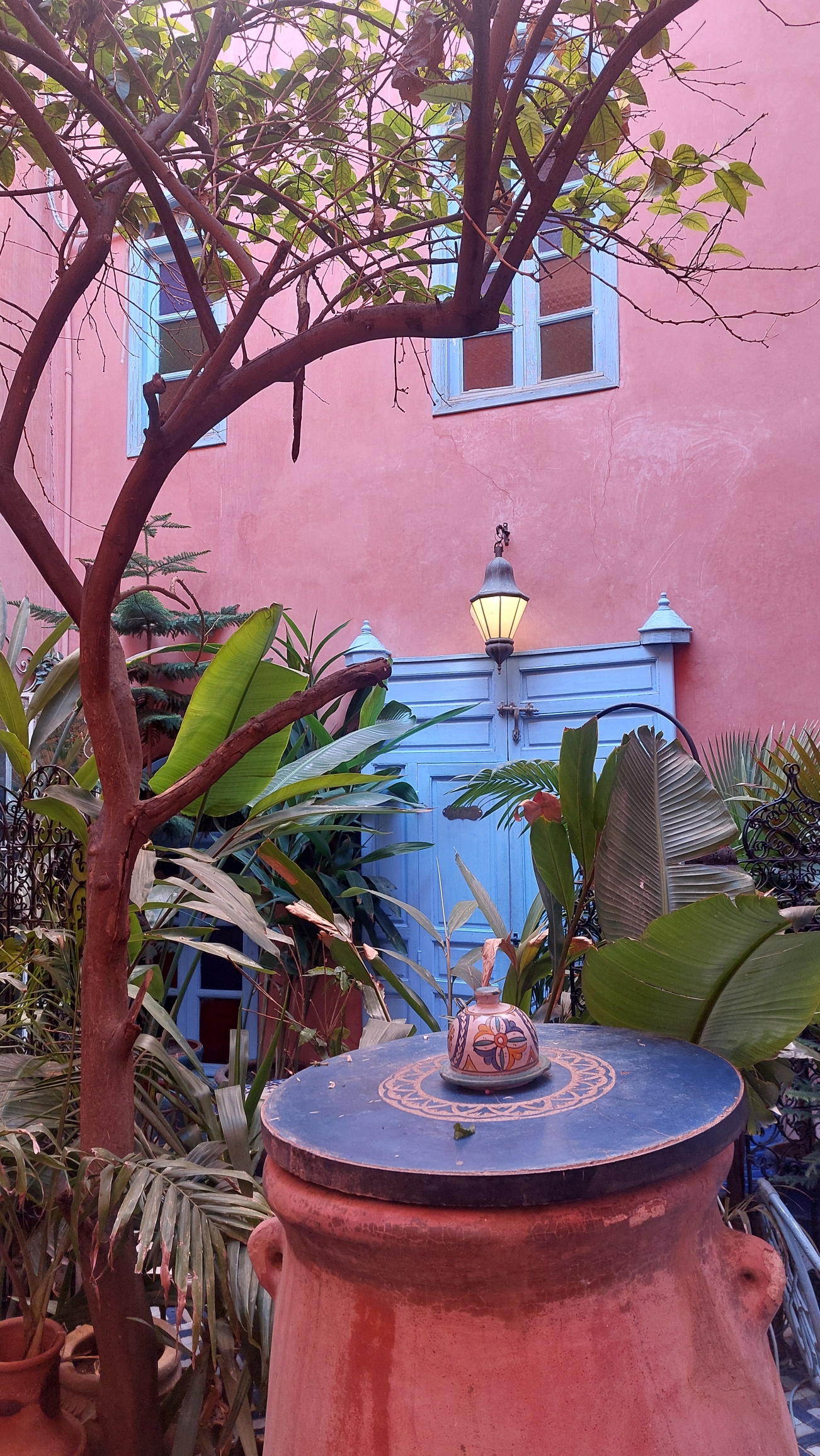
    Staying in a traditional riad is the best way to experience the history and culture of Marrakech. Each riad has its own story from the past. Inside the unassuming walls, you can imagine families who spent hours in the tranquillity of the courtyard and evenings chatting together on the rooftop terrace as the sun went down. For people who have read the tales of Arabian Nights, staying in a traditional riad feels as though you have been encapsulated into one of the stories. It’s a magical experience.

    If you’re a light sleeper, taking a set of earplugs is essential. The call to prayer echos across the medina early every morning, and soundproofing in these ancient constructions is not the best. However, it’s a small price to pay for an authentic experience in a traditional Morroccan house.

    Here is the list of riads I feature in my next posts. It is continuously updated.

    • Monriad
    • Riad Persephone
    • La Maison Des Oliviers
    • Riad Hikaya
    • Riad Dombaraka
    • Riad Zouhour
    • Riyadh Al Moussika
    • The Bohemian Jungle
    • Riad Blue Berber
    • Riad Laila
    • Riad Jardin Lea                      
    Image by Freebird Tracey.
    (more…)
  • Pikala Cafe.

    A cafe for cycling enthusiasts 

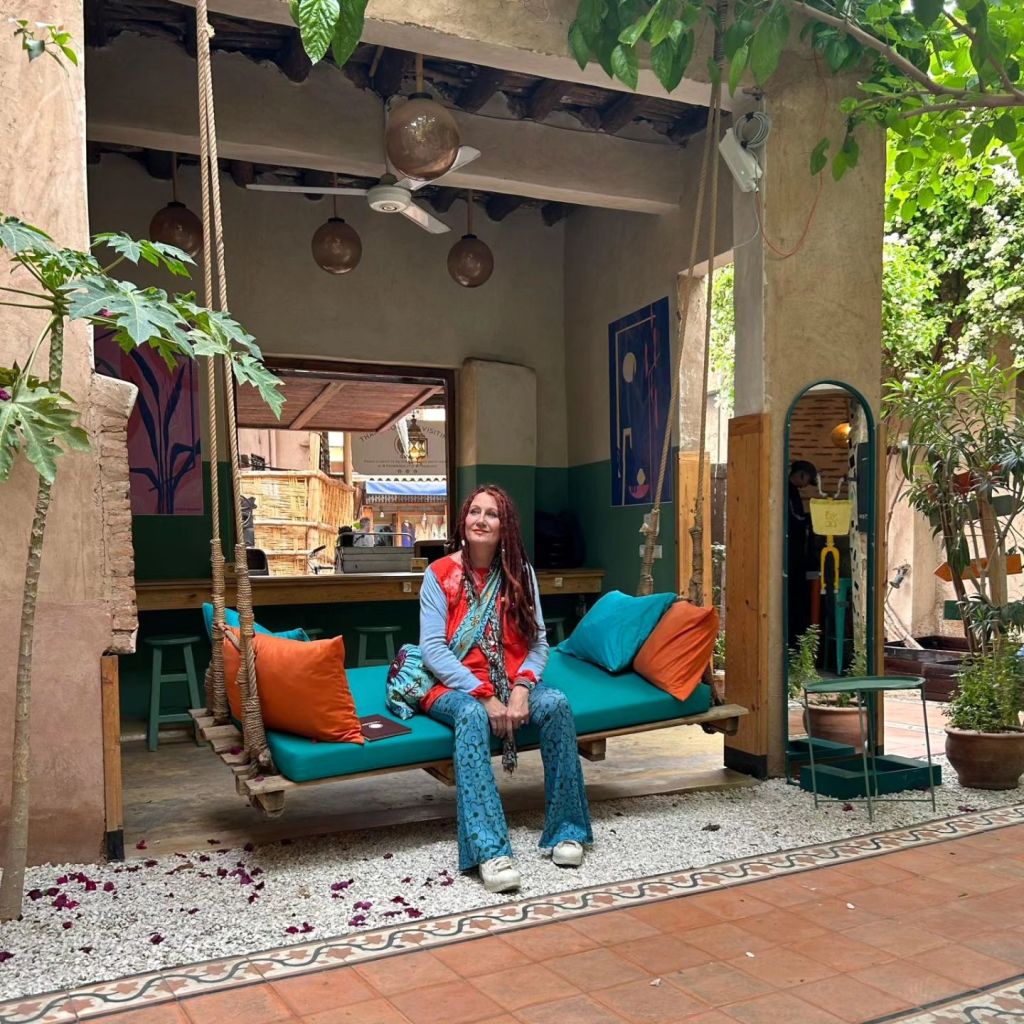
    Pikala Cafe has a quirky, boho vibe. Amongst others, it attracts coworkers and health-conscious people. If you are brave, you can also hire bicycles here for the day to cycle around Marrakech.

    Pikala Cafe supports local youth by offering bicycle education and tours around the city. Profits support the Pikala Foundation, which fund bicycle projects and provide young locals with education and job opportunities.

    It’s a socially conscious cafe and cultural space serving vegetarian and vegan options. The breakfasts here are delicious, and they also do an assortment of snacks and healthy smoothies.

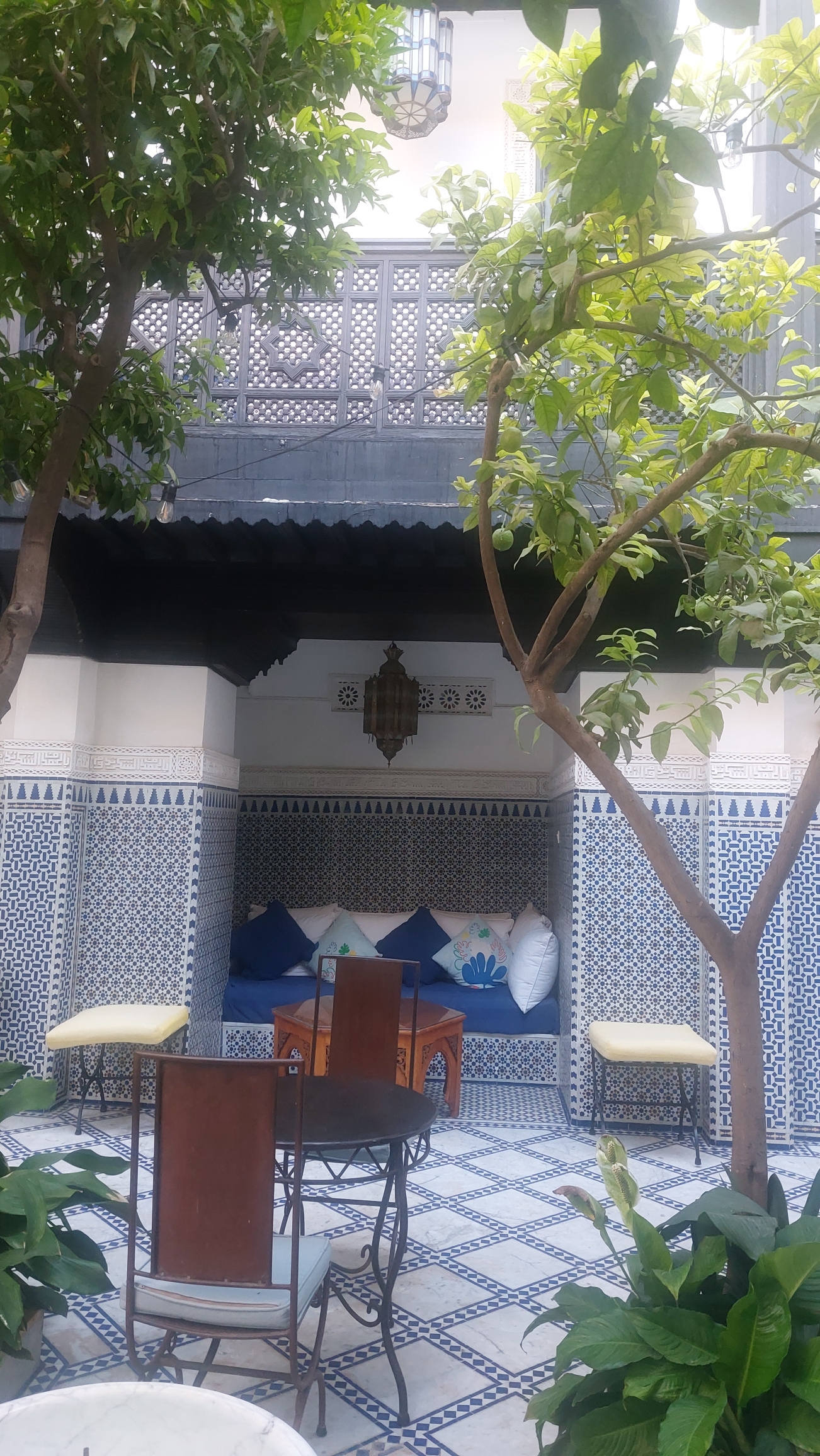
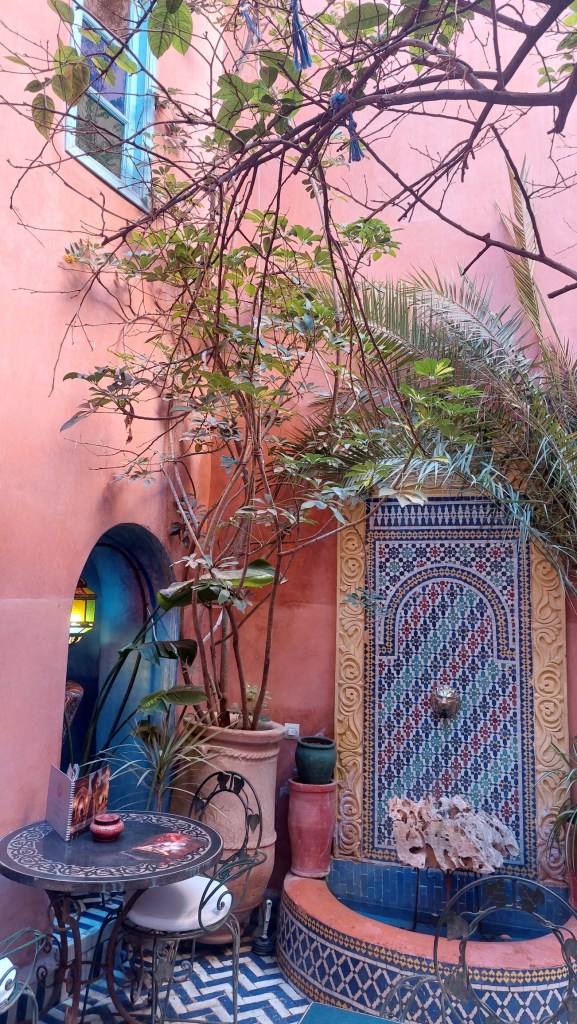
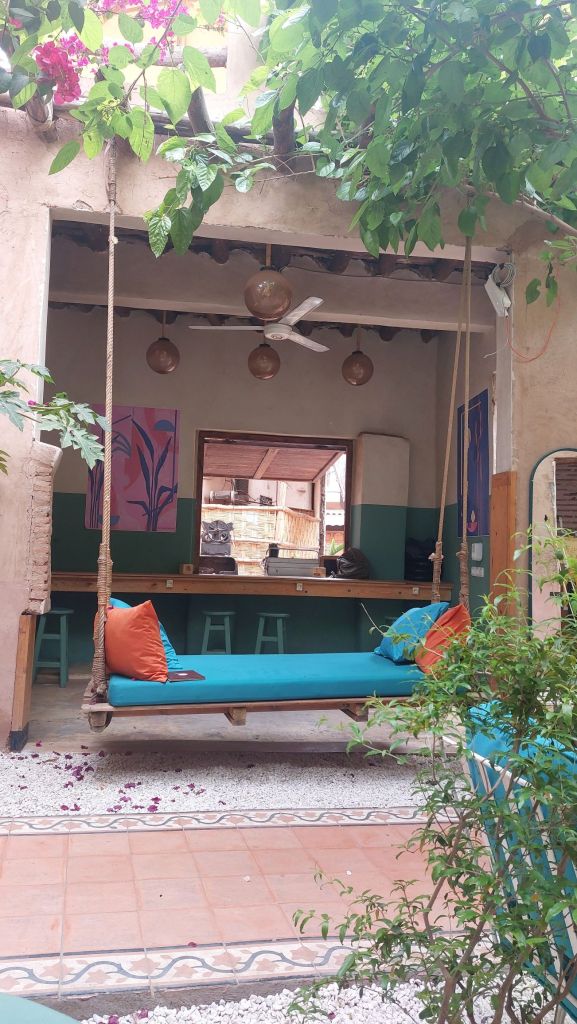
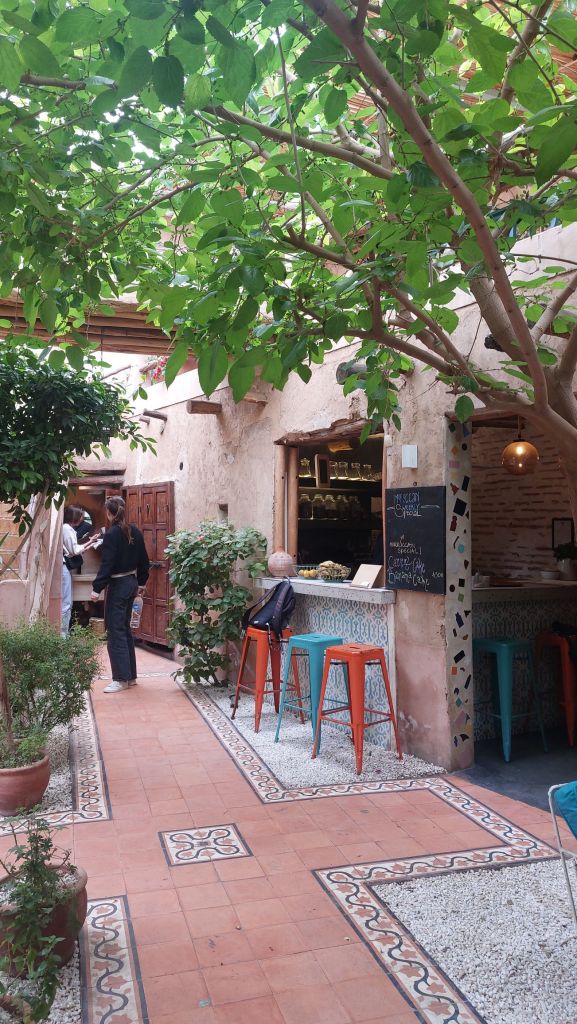
    The place itself is very pretty, with plenty of nooks to sit and relax in, including a nice rooftop. Being an open-air cafe, it is perfect when the heat becomes stifling in Marrakech. There are areas in the shade.

    Image by Freebird Tracey.

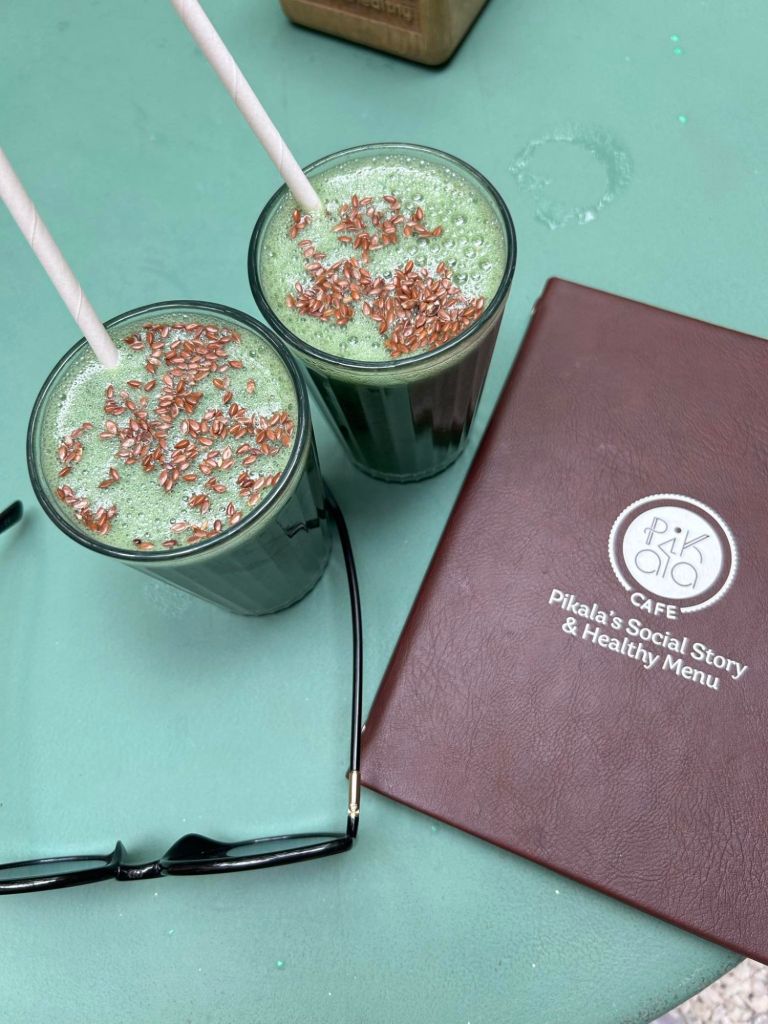
    I had the detox smoothie, and it was invigorating. I also opted for a bowl of lentil soup, which was really tasty. The bread was so fresh.

    On a separate occasion, I tried the freshly squeezed lemonade. It was zesty and tangy, giving me the boost I needed for tackling the busy souks.

    Image by Freebird Tracey.

    Pikola Cafe attracts a lot of fitness enthusiasts and is a really cool place to hang out. The food is the highlight. Ingredients are always fresh. Therefore, the quality of the food and drink is of a high standard. Popular dishes  include baghrir pancakes and pitta bowls.

    If you’re looking for a bite to eat and a cool place to relax, Pikala Cafe is definitely worth checking out. They also have free WiFi.

    Pikala Cafe opens from 9.00 am. daily and closes at 5.00pm. On Thursdays, Fridays,and Saturdays, it closes at 10.00pm. The address is 139 Arset, Aouzal Road, Marrakech 40000 Morocco.

    Image by Freebird.
    (more…)
  • Healthy Snacks in Marrakech.

    Alternative suggestions to sweets and pastries.

    Image by Freebird Tracey.

    Imagine walking around the medina, and you fancy something to tickle your tastebuds. It’s too early for lunch or dinner, but you fancy a snack, something other than sweets and pastries. Marrakech has an abundance of street vendors selling delicious things. Some you may know, some you may not be so familiar with.

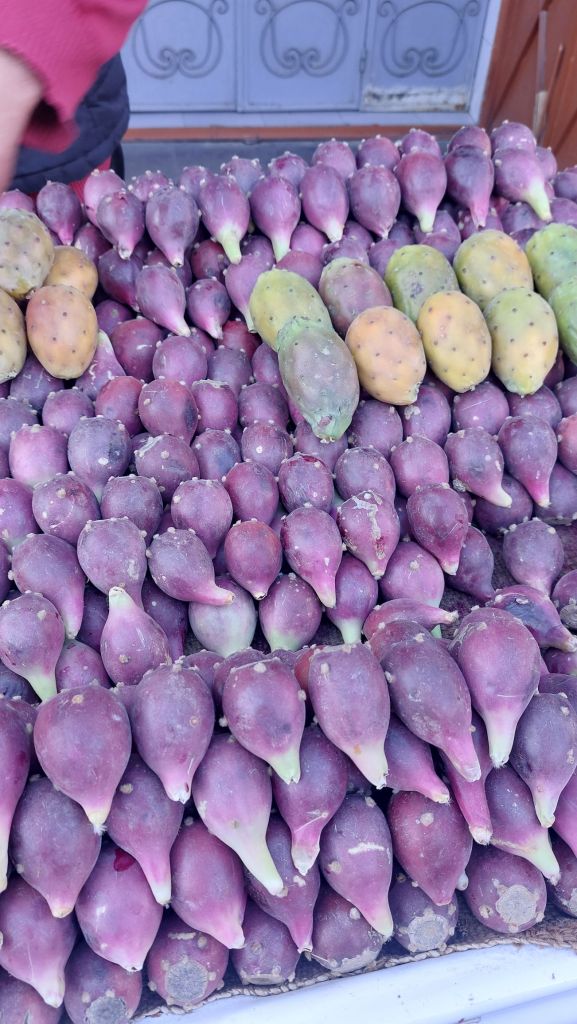
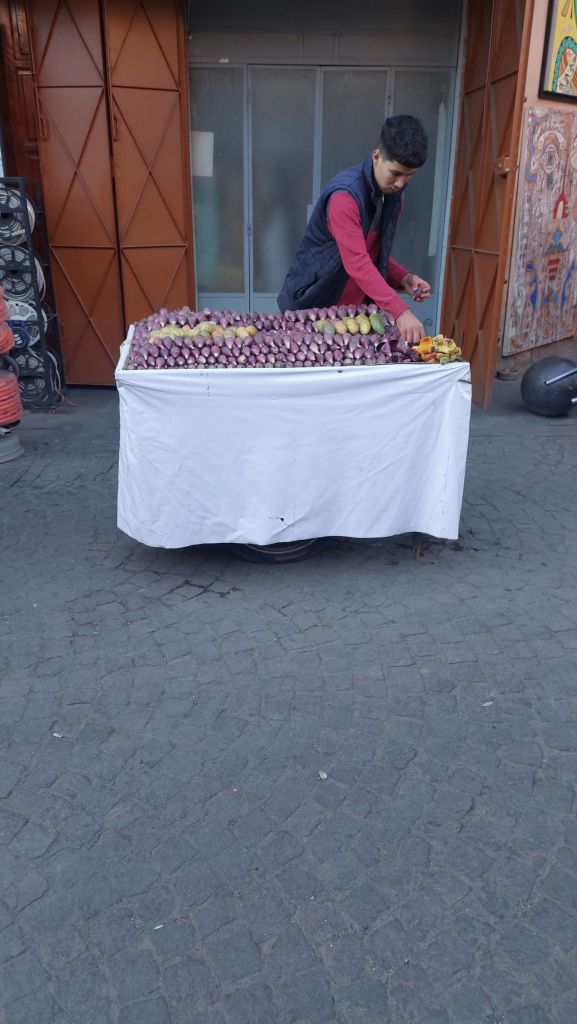
    Cactus fruit is commonly seen displayed on carts around the medina in Marrakech. Cactus fruit or prickly pear, as it’s also known, is a  spiky, sweet treat in season from July to September. The vibrantly coloured fruit is nutritious, refreshing, and packed with antioxidants. Eating cactus fruit is a great way to hydrate. It’s juicy and full of vitamin C. You can pick one up for 1 dirham, making them a great snack for travellers on a tight budget. If you haven’t tried one before, I would give them a go. They are absolutely delicious and a cheap, healthy alternative to sweets.

    Image by Freebird Tracey.

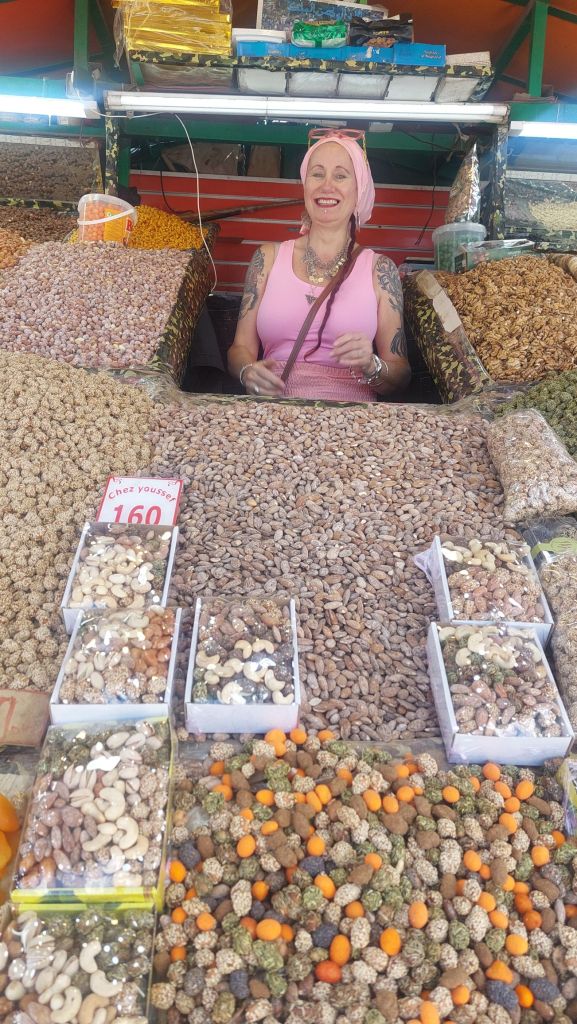
    Nuts are central to Moroccan cuisine. There’s a good variety available, including walnuts, cashews, pistachios, and peanuts. Souk Kchacha in the medina is the best place to buy quality nuts. Vendors in the main square also sell packets of mixed nuts in various flavours. They are absolutely delicious. The perfect snack to take with you sightseeing or to fill a gap before your next meal.

    Nuts can be filling and calorific, so bear that in mind.Once you pop, you might not stop. The problem for me was which ones to buy from the huge variety on sale. Luckily, I was able to taste them before purchasing any.

    Image by Freebird Tracey.

    There are plenty of shops selling nuts around the medina in Marrakech. One I  recommend is Marche aux Espices in Tinsmiths Square, open from 9.00am until 8.00pm.

    Image by Freebird Tracey.

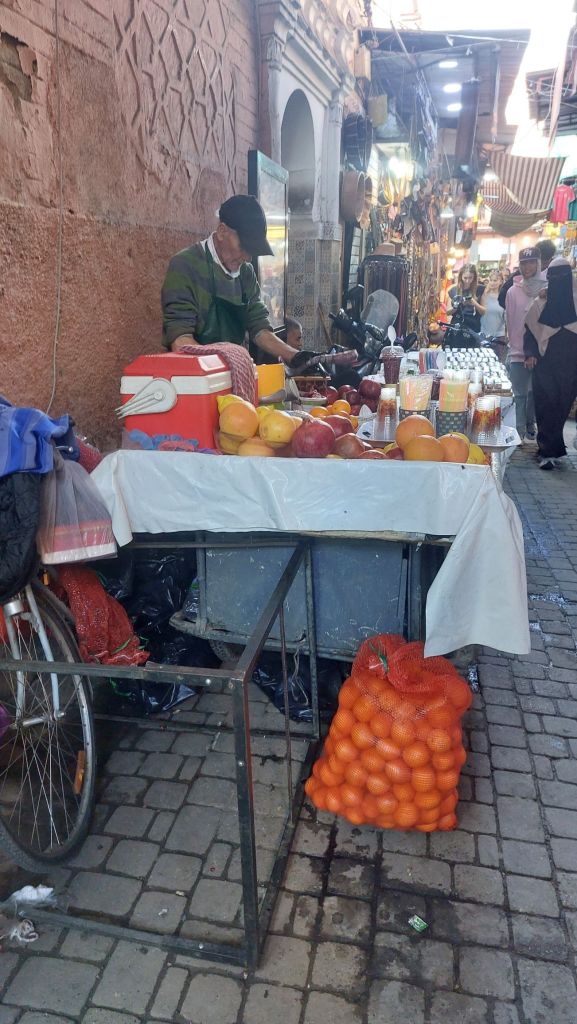
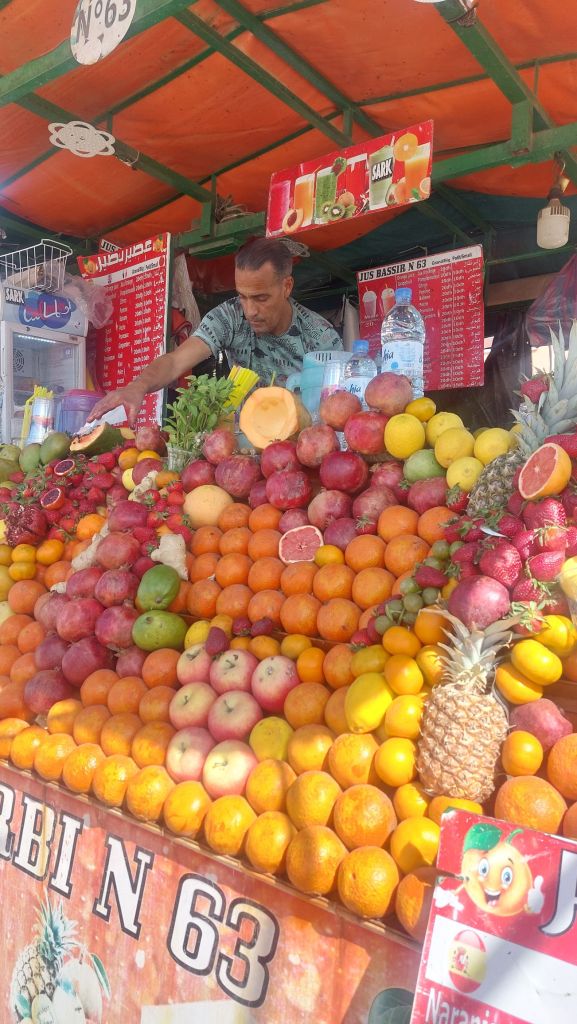
    Fruit is everywhere in Marrakesh. Colourful, mouthwatering, fresh fruit displayed around the medina. There is a fruit and vegetable market where locals shop called Market el Kheir. This is a great area to visit if you want an authentic experience buying fresh produce. Its location is M233+FQG AV Ibn, Marrakech. It closes at 11.00pm, and everything is fresh with a lively, bustling atmosphere.

    There are carts all around the medina selling a wonderful variety of fruit, and Jamaa El Fna is abundant with fruit sellers plying their trade.

    Image by Freebird Tracey.

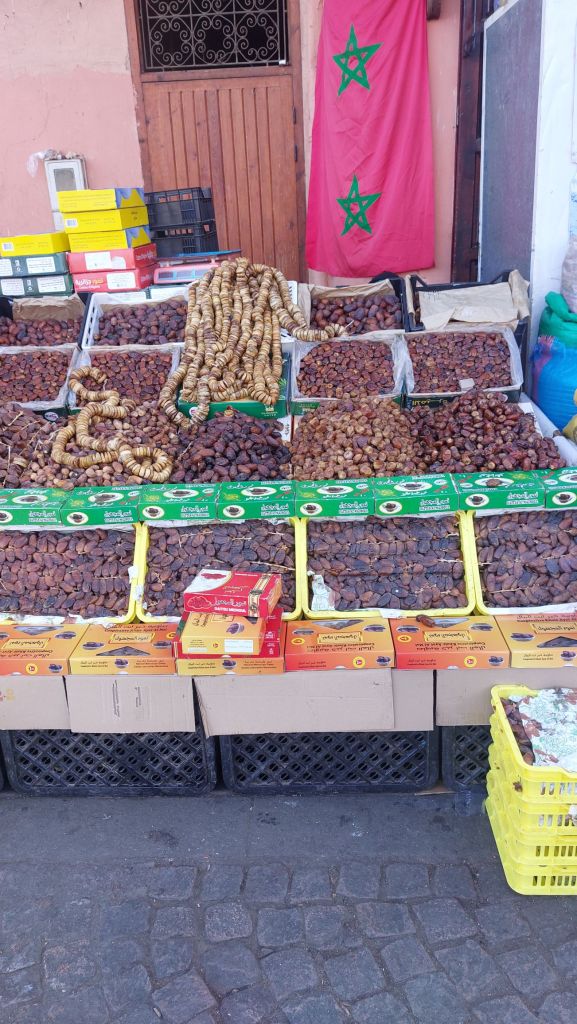
    One thing you really ought to try when you come to Marrakech are the dates. Dates are a staple in Marrakech. The most popular is the large sweet variety  called Medjool and the popular Boufeggous, highly regarded by the local people. Medjool dates, also known as ‘The King of Dates’, have a caramel like flavour and soft texture. They are mainly grown in the Tafilalet region of Morocco and are rich in potassium, fibre, and energy. If you’re flagging from all the sightseeing, they’re the ideal pick me up.

    The most common location for purchasing dates is from vendors in Jamaa El Fnaa or in the medina. They are considered safe to eat but get them packaged if you’re taking them home. This will avoid issues with customs at the airport.

    I was pleasantly surprised by the soft fleshy texture and the size of dates in Marrakech. They tasted really fresh, completely different from the ones back home. I was so impressed that I purchased some to bring back with me. At the time of writing,  dates average at about MAD 99.57 and MAD 248.92 per kilogram.

    Fruits still contain natural sugar, so moderate snacking is advisable for obtaining optimum health.

    Image by Freebird Tracey.
    (more…)