Category: Traditional Moroccan Hammam experience

Exploring The Red City Of Marrakech.
  • Islamic Architecture In Marrakech.

    A look at Islamic architecture and craftsmanship.
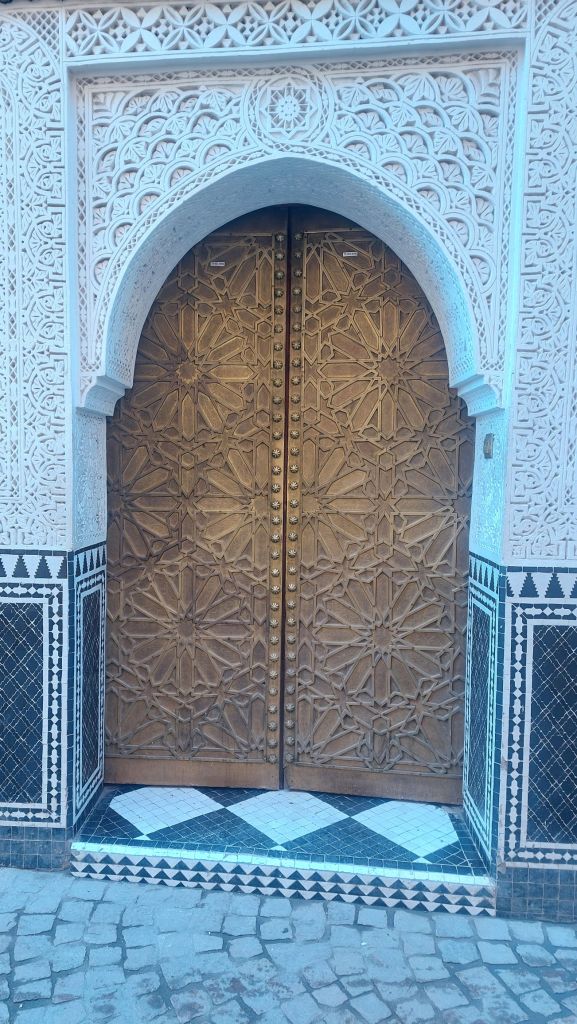
    Image by Freebird Tracey.

    The beautiful Islamic architecture found in Marrakech is a testimony to its wealth of history and culture. From intricately carved wooden doors to geometric mosaic tiles and tadelakt, Marrakech has some of the finest examples of Islamic architecture in Morocco.You can’t help but be impressed by the attention to detail as you wonder around the medina.

    Large wooden doors exquisitely carved out of Cedar wood appear out of nowhere as you pass through the winding alleyways.
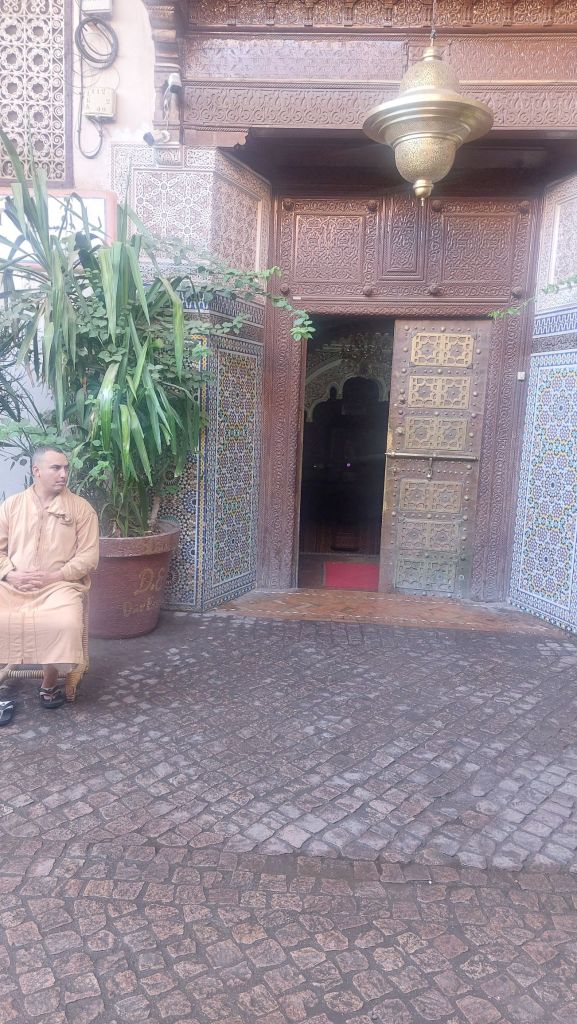
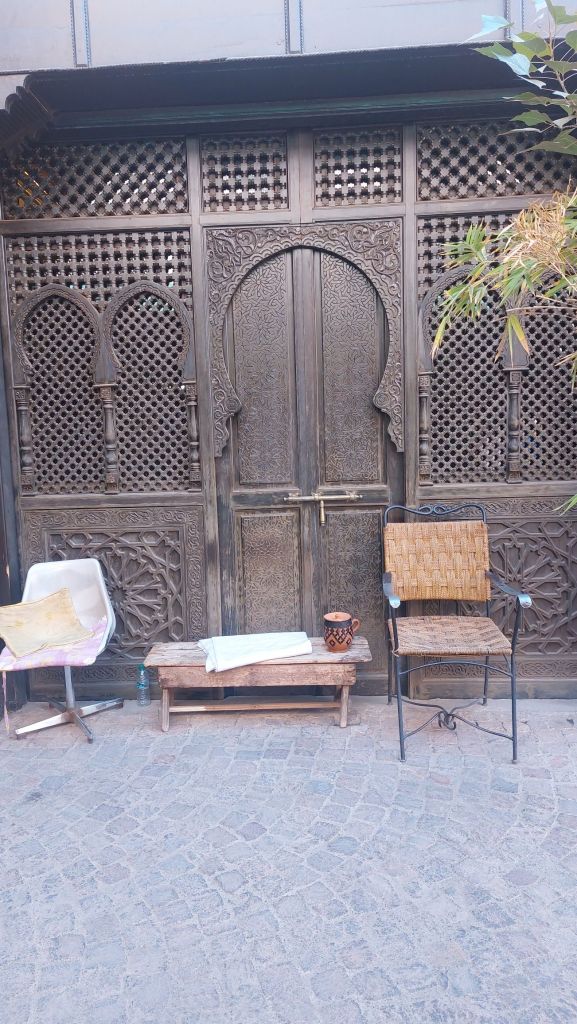
    Images by Freebird Tracey.

    Zellige tiles originating from the 10th century form geometric mosaics decorating the floors, walls, and fountains. A skill which has passed down from generation to generation.
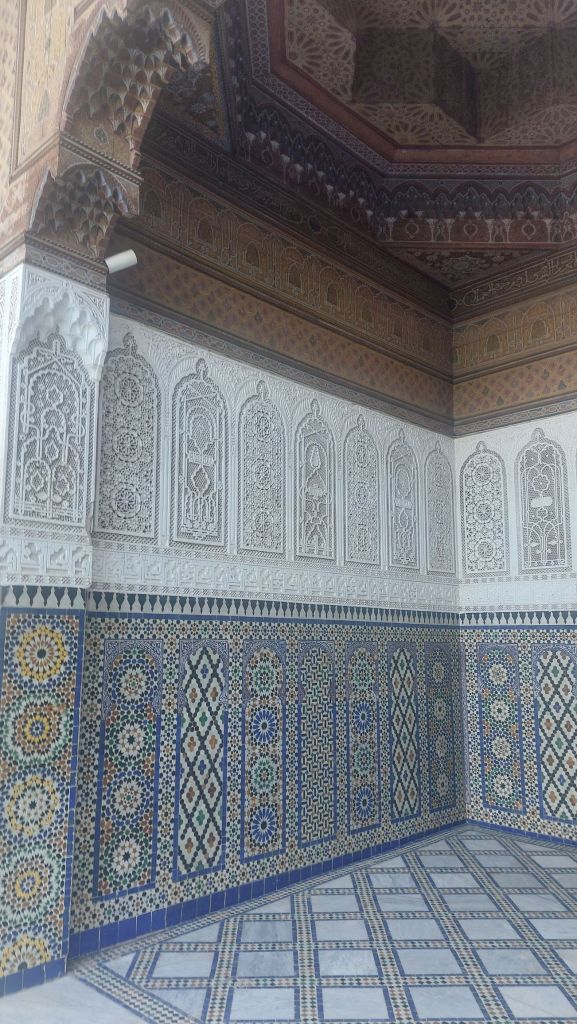
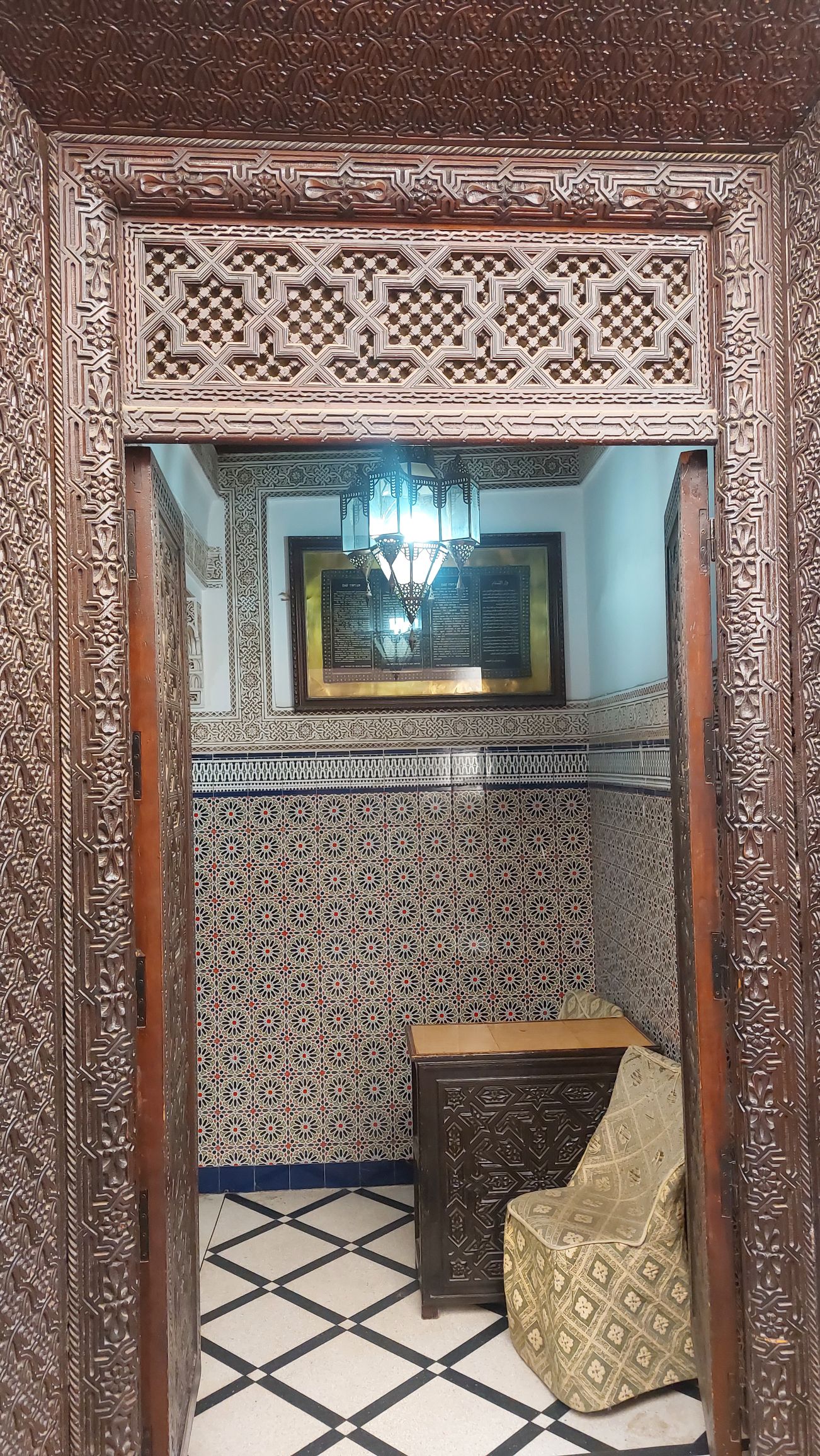
    Images by Freebird Tracey.

    Islamic architecture in Morocco follows the spiritual principle of Tawhid, the unity of God. There are handcarved stucco panels with expertly applied fine details, including floral motifs and calligraphy from Nakshi and Kufic Arabic scripts. These are set against a backdrop of peace and tranquillity.
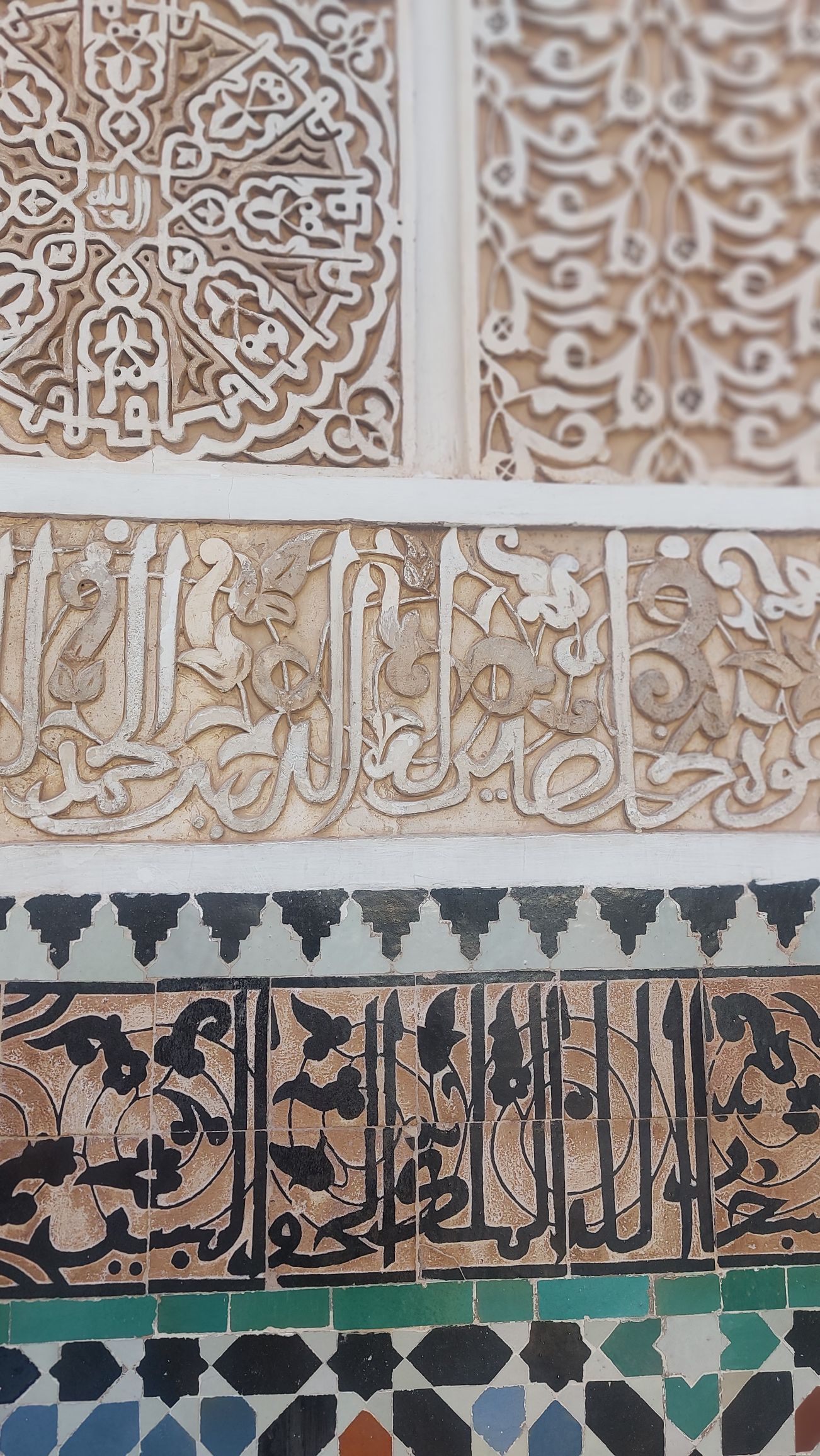
    Image by Freebird Tracey.

    The use of symmetry, repeated geometric patterns, and balanced proportions reflect divine order and infinity. The use of geometry and proportion symbolizes universal harmony.
    Calligraphy enshrines verses from the Qur’an, which merges both word and form together. Light also plays a sacred role. As it filters through lattice screens called mashrabiyas and central courtyards, it evokes the essence of divine presence.
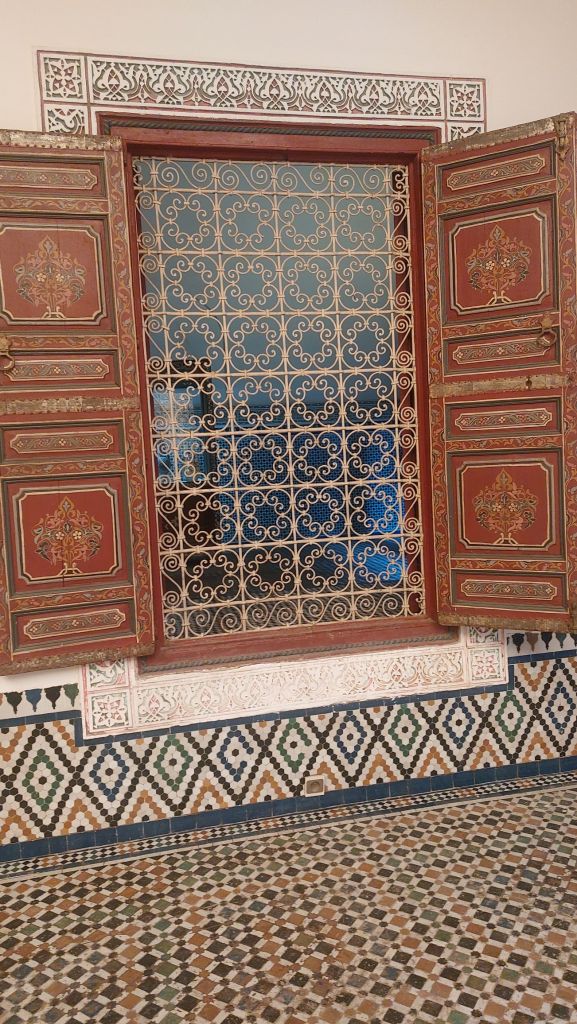
    Image by Freebird Tracey.

    Islamic architecture blends together Arab, Amazigh, Andalusian and Sub Saharan influences. Perfect examples can be seen at the Koutoubia Mosque, Ben Youseff Madrasa, Bahia Palace, Saadian tombs, and El Badi Palace.
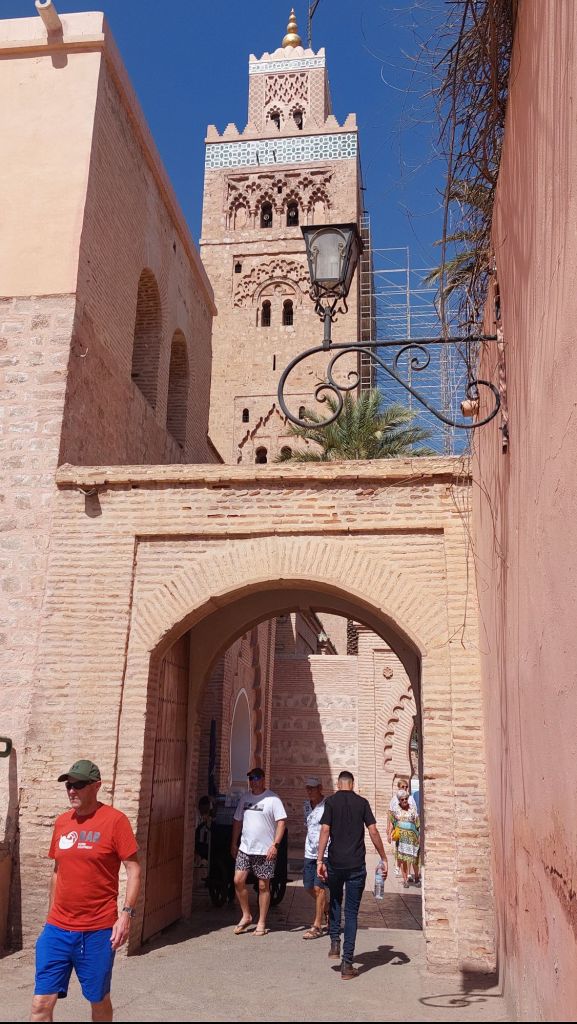
    Image by Freebird Tracey.

    Bab Agnaou gate is one of 19 splendid arched gates into the city showcasing intricate carvings.

    Hammams, which were constructed centuries ago, reflect the scale of precision and sheer brilliance of Islamic architecture. Exploring these beautiful places is a journey through the history and culture of Marrakech. You will be spellbound by the beauty of the tiled fountains with their original zellige tilework in the courtyards of riads. Original water features have been restored and strategically situated around the medina.
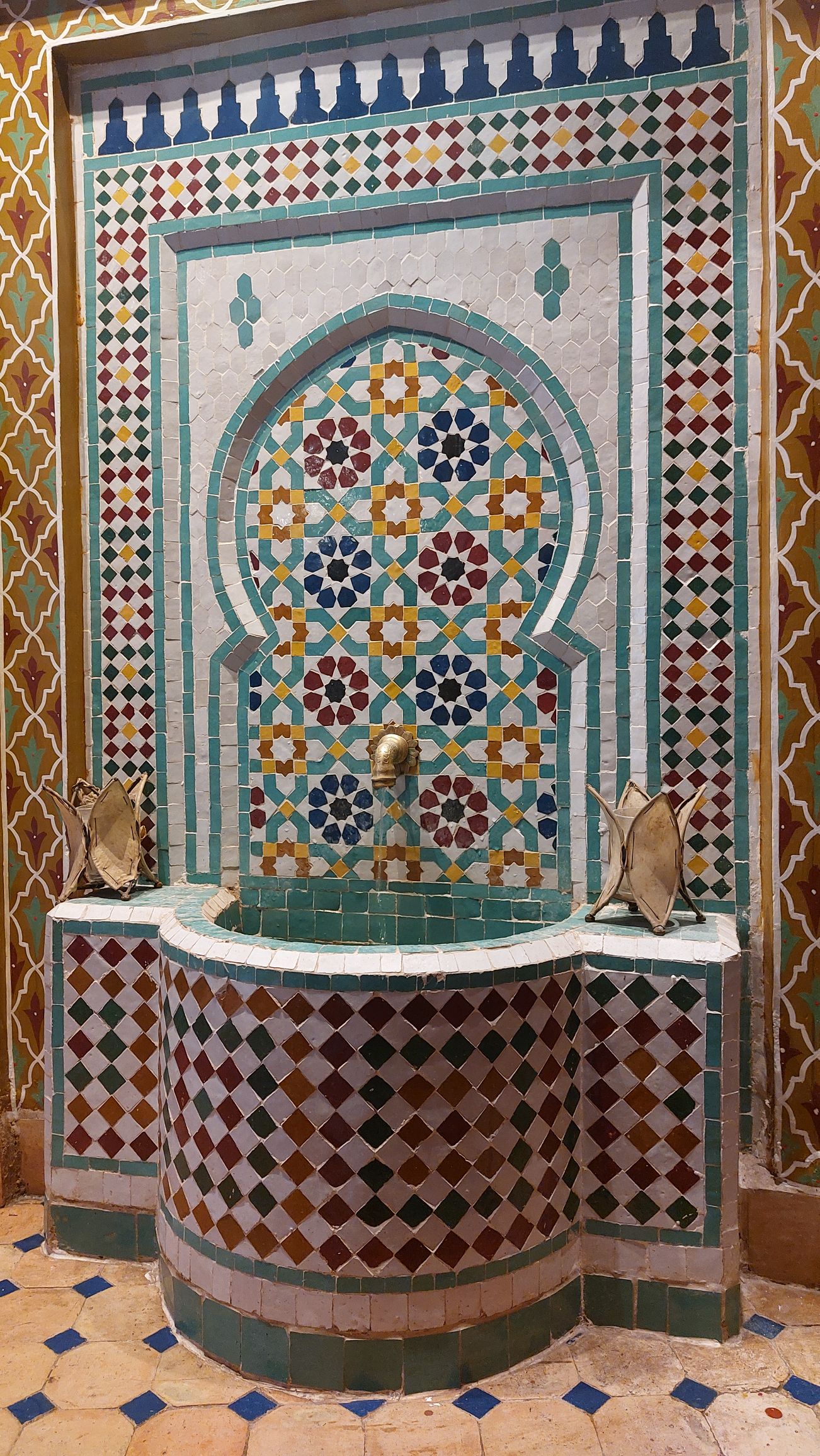
    Image by Freebird Tracey.

    There are two knockers on the magnificent wooden doors. One which is strictly for family members and one for guests to use.  This is in order to shield and protect the women of the household from the gaze of male strangers.
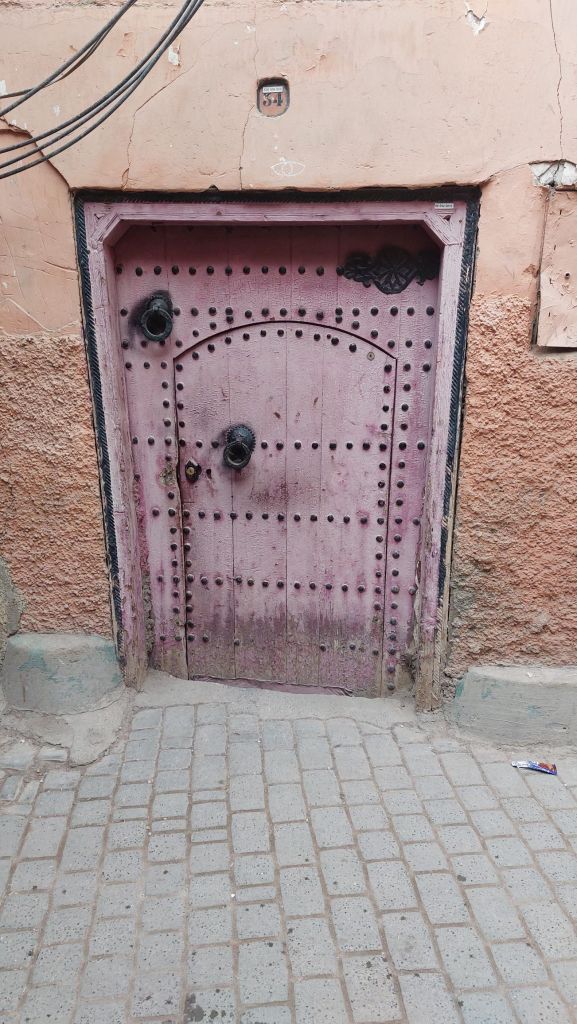
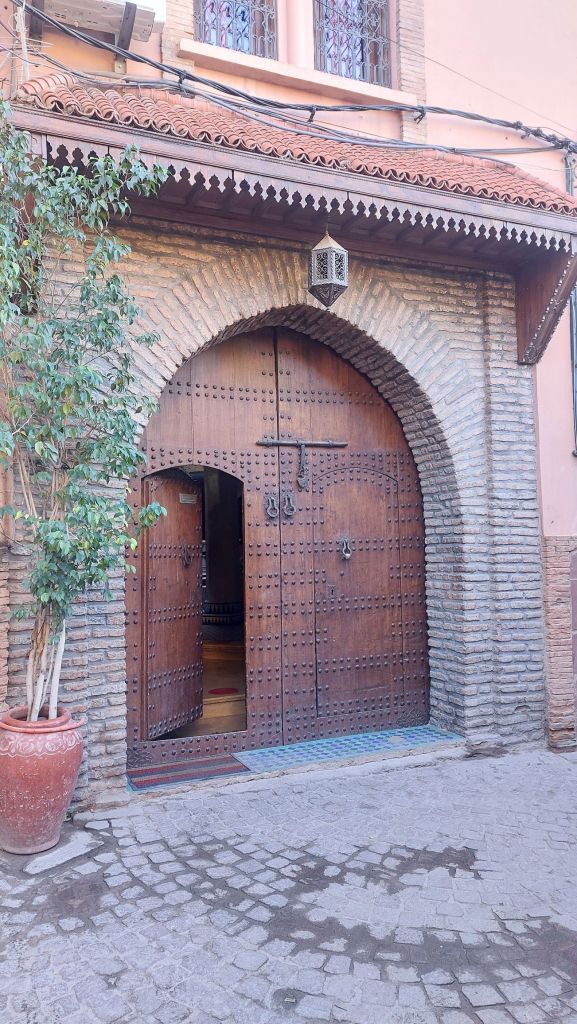
    Images by Freebird Tracey.

    There are places all around the medina where you will want to take photographs of the beautiful work local artisans left the world as their legacy.

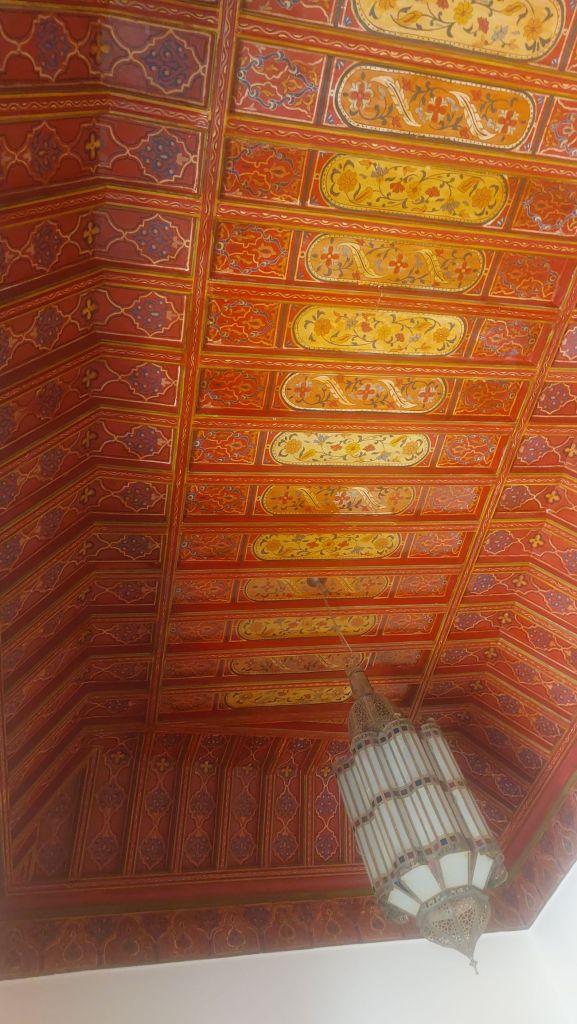
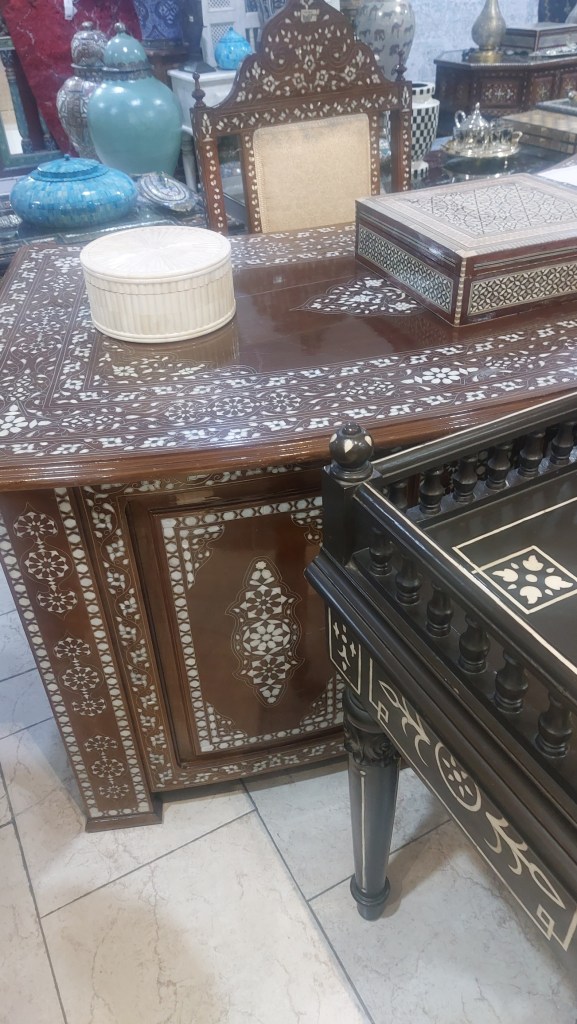
    The remarkable skills of trained craftsmen are evident inside traditional riads. Unique pieces of handmade furniture, beautifully painted doors, and splendid ceilings demonstrate the skill involved.
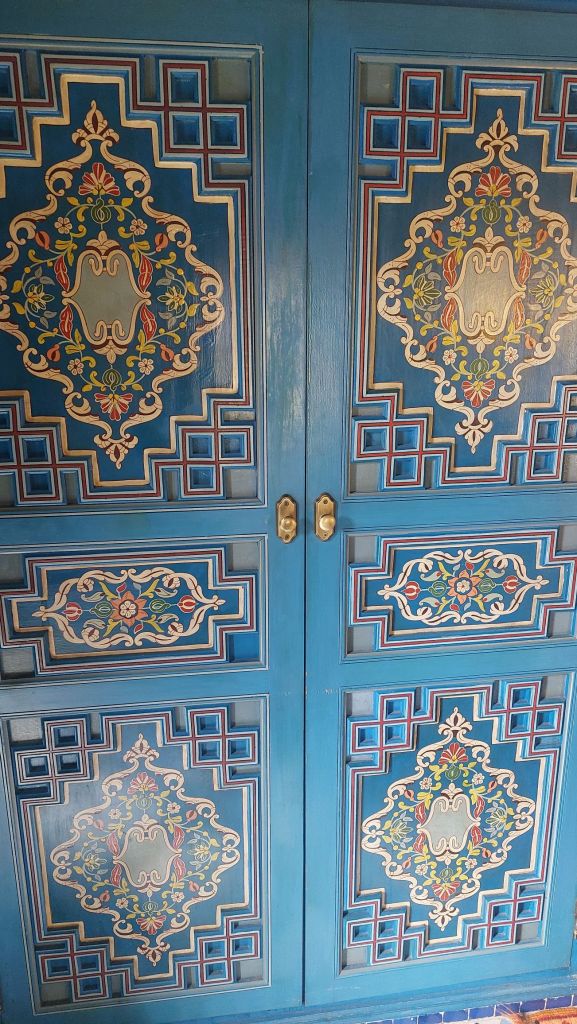
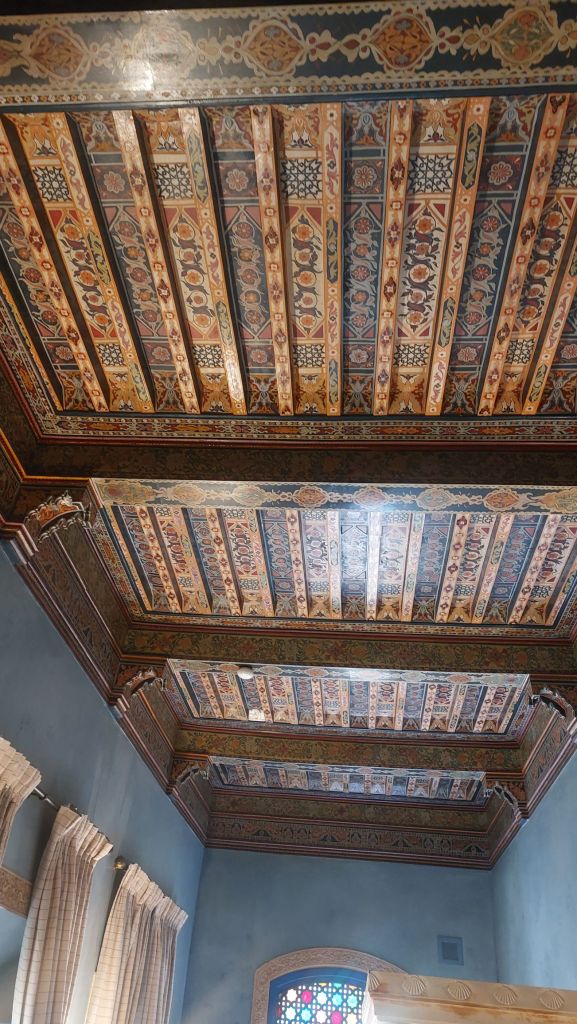
    Images by Freebird Tracey.

    You can find people creating things in Marrakech using the same techniques that generations before them had used. At Ensemble Artisanal Craft Complex near Cyber Park, you can see the artisans busy at work. Here, they teach young apprentices the art passed down by their ancestors.

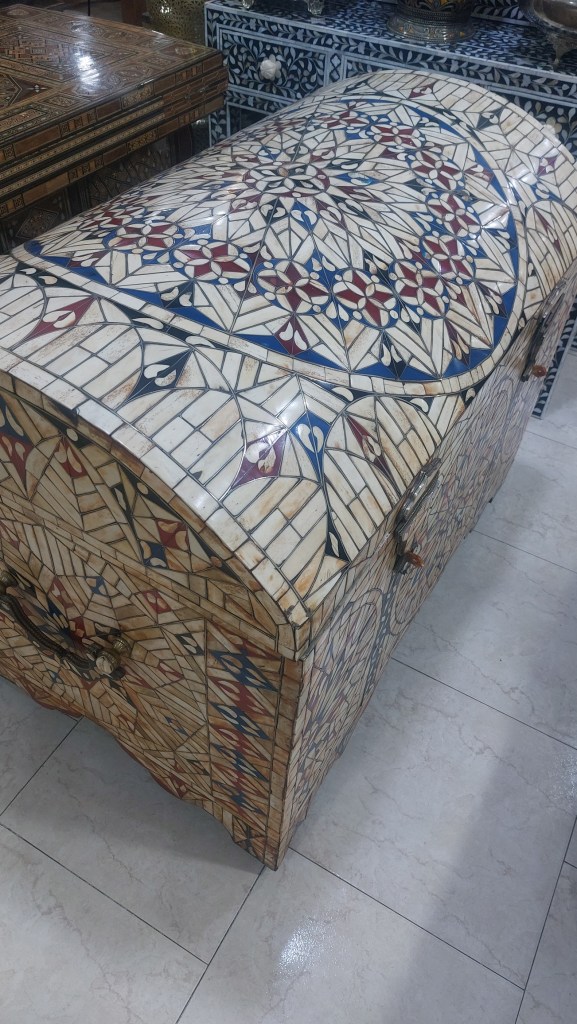
    Around the medina, you will find carefully designed wooden chess sets and wooden boxes ornately inlaid with Mother of pearl. In Tinsmiths Square, metal workers are busy crafting traditional Morroccan lamps and mirrors.

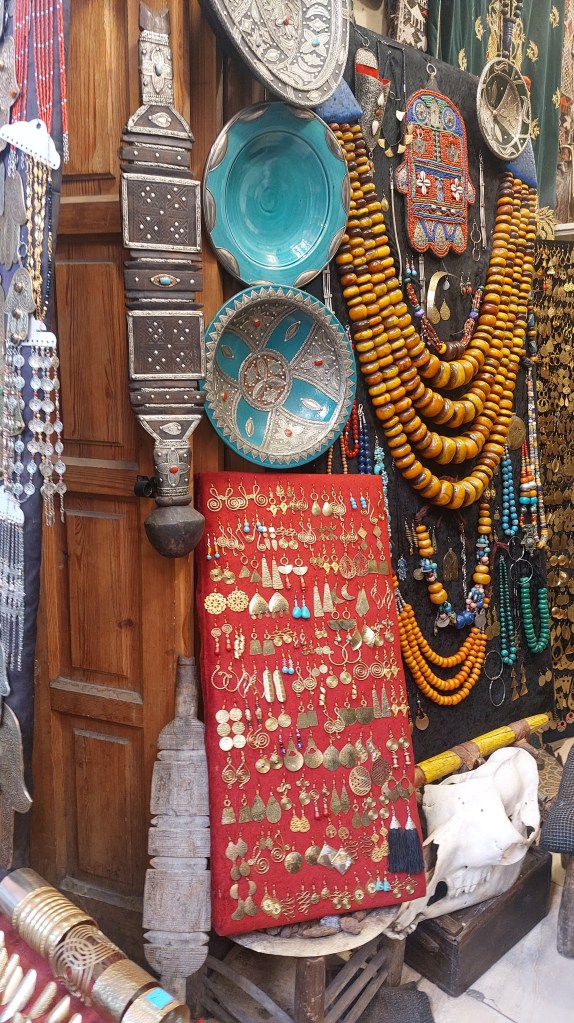
    As you wander through the souks, you are presented with examples of beautifully crafted items for sale. The amount of work that has gone into creating each piece is phenomenal.
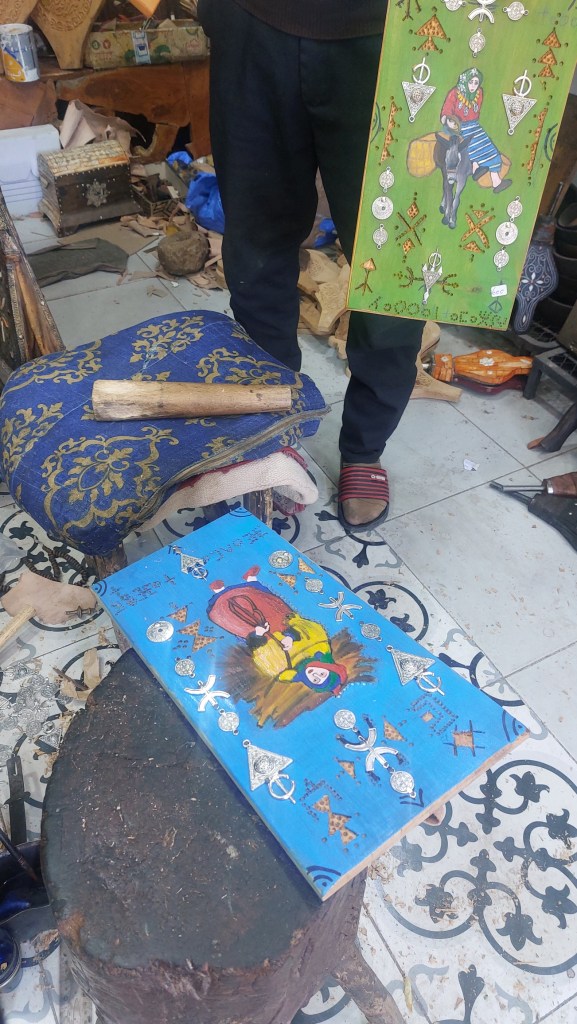
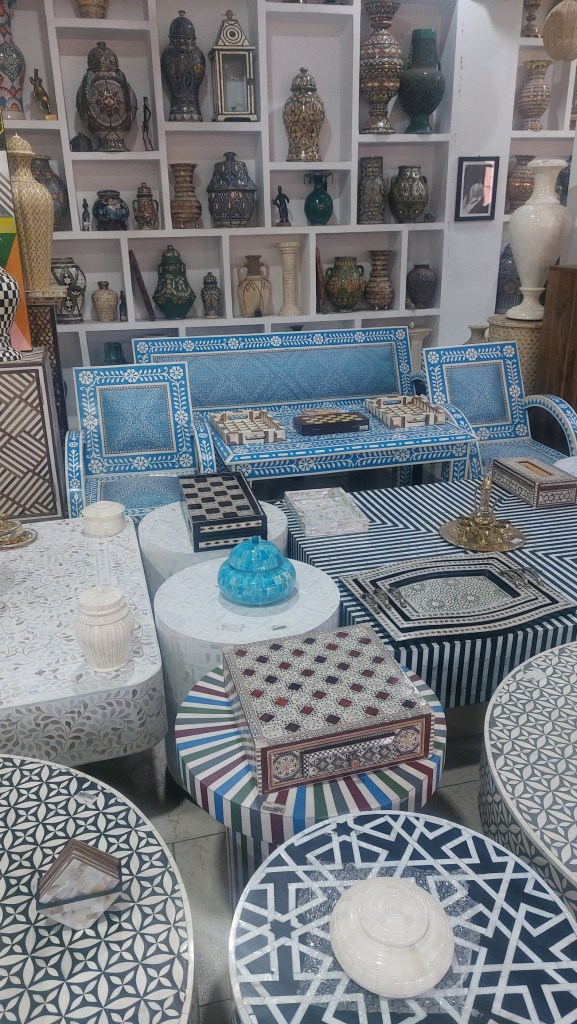
    Images by Freebird Tracey.

    The roots of Moroccan architecture originate from the Amazigh and Arab culture. Styles have evolved from one dynasty to the other, including the Almoravids, the Almohads, and the Marinids.

    Nowadays, architects are using a combination of old and modern designs in their construction of buildings. This has led to a new style. It’s still characteristic of the old medina, but introduces newer, environmentally friendly buildings. They continue to incorporate the traditional zellige tilework in order to pay homage to the history and culture of the city. Riads are restored as close to their original appearance as possible. Some are modern and contemporary, which some tourists find appealing.

    I personally love the rustic charm of the older riads. The ones that evoke images of a world gone by. Those riads clinging to remnants of the past. The ones telling the story of an ancient culture which, if you look closely, is still very much alive today.
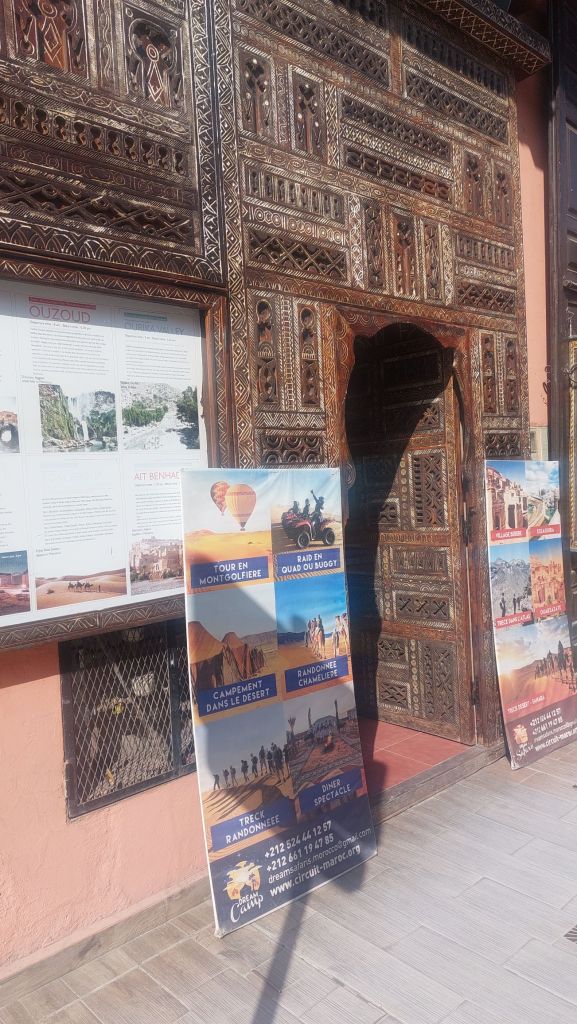
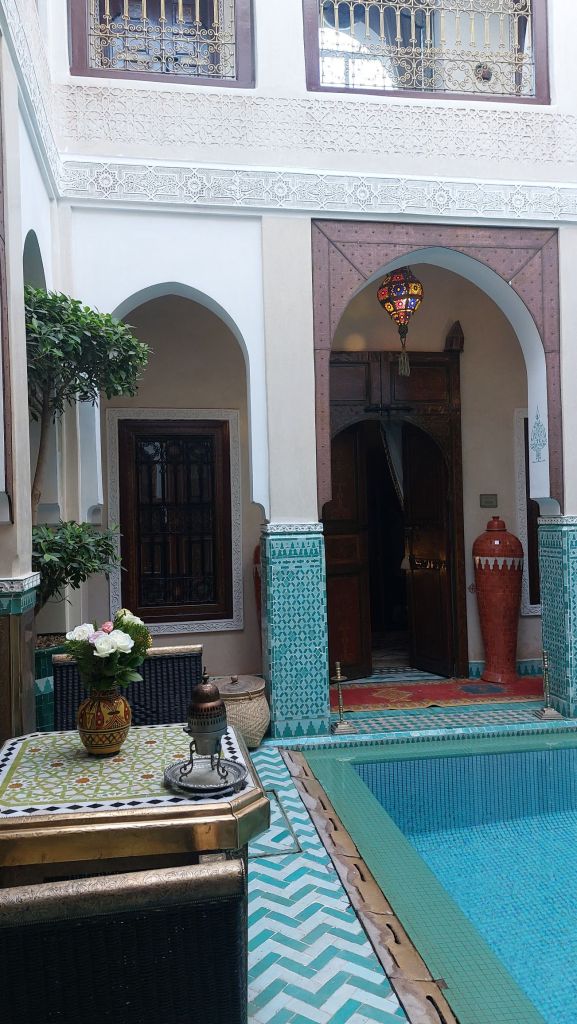
    Image by Freebird Tracey.
    (more…)
  • Staying In A Traditional Riad.

    How To Immerse yourself in the culture of Marrakech.

    Image by Freebird Tracey.

    If you want a taste of  authentic Moroccan life,  spending time in a riad will give you one. From the outside, riads appear unassuming. This is because in Islam, people do not like to display their wealth. Homes are discreetly hidden behind red clay walls. This prevents poor people from focusing on their hardship because in the eyes of God, everyone is equal.

    Entering a riad is like finding yourself in a different world altogether. Most visitors are speechless once they walk through the large wooden door. Having found their way through the dark, narrow alleyways, seeing the glorious vision that appears before them is worth the effort.

    Image by Freebird Tracey.

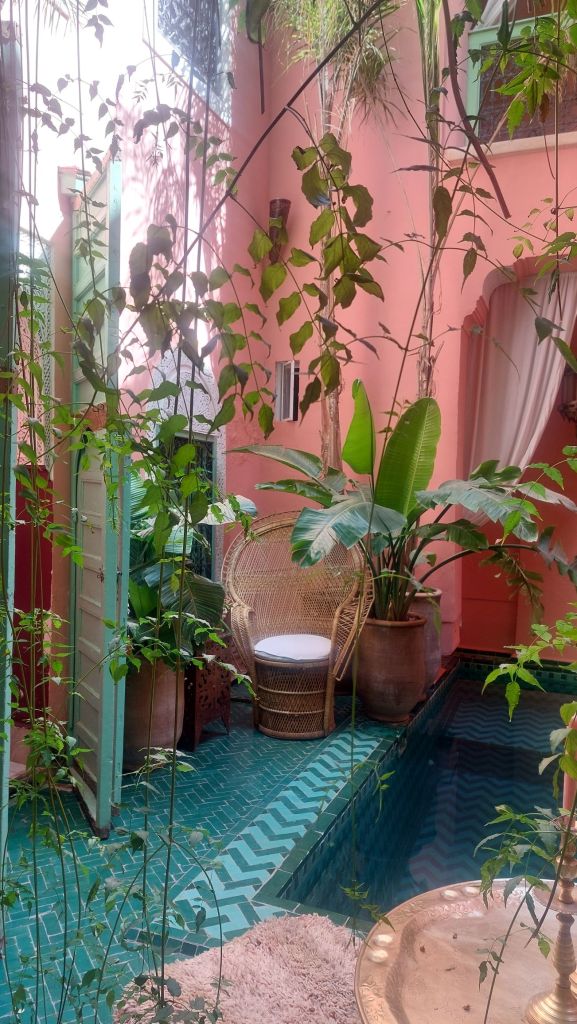
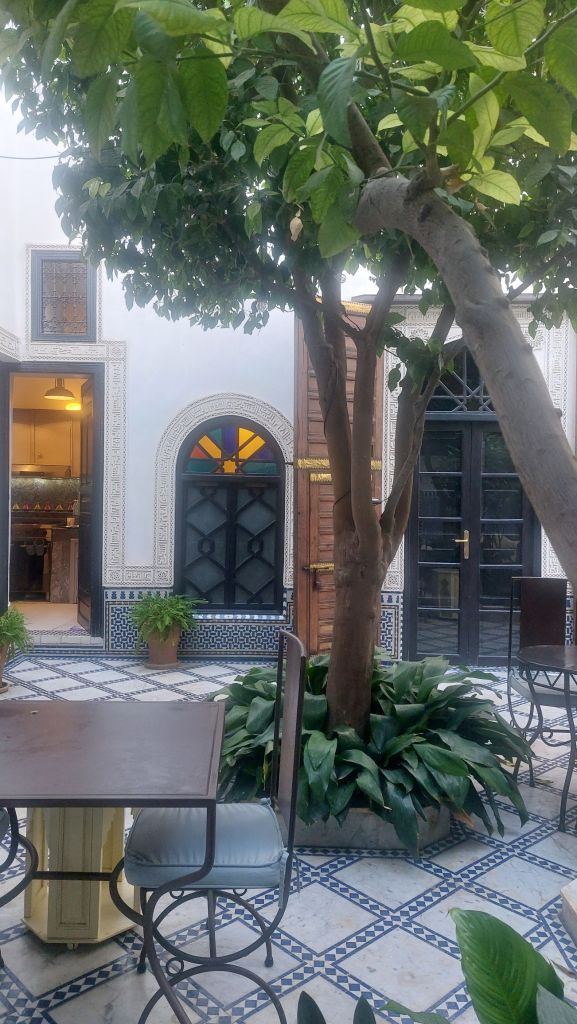
    Riads are the homes once owned by the well-to-do of Marrakech.Whole families lived inside them. They offered a private, secluded space, especially for the women of the family. Traditionally, riads are built around a central courtyard with the windows facing inwards. Many courtyards have citrus and palm trees in the centre, reaching up through the open rooftop. There is often a small ornate pool for cooling off in, and many still have their original fountains.

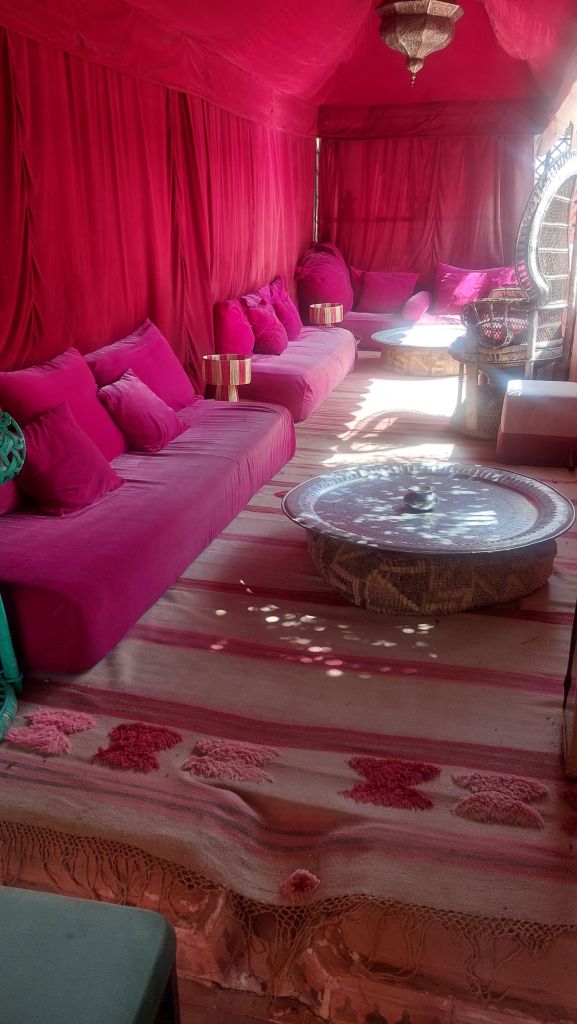
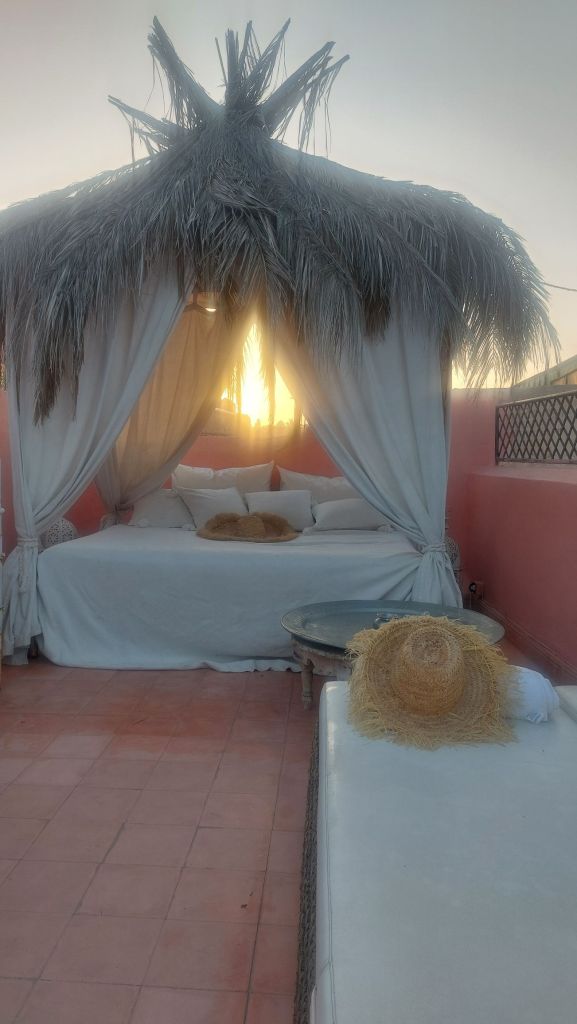
    The rooftop can be reached by climbing steep tiled steps. Here, you are greeted by  colourful seating in the shade where you can escape from the heat. Rooftop gardens are home to lush foliage where you can relax and admire the views over the medina. You can see the snowcapped Atlas Mountains in the distance.

    Image by Freebird Tracey.

    The interior rooms are traditionally decorated in Moroccan lamps and Berber artefacts. These include colourful Berber rugs, cushions, and handcrafted furniture. It’s a cacophony of vibrant colours. A heady fragrance of orange blossom promotes an inviting, cosy feeling inside the walls of the riad.

    Many riads around the medina have been purchased by Westerners. They have been restored and revived to appeal to the ever growing influx of tourists. Some of them still have their original zellige tilework. Staying in one of these is like being immersed in a tale from ‘1001 nights’. The latticed windows tell the story of  past harems. These kept the women of the household secluded and private

    High-end riads have become grand and luxurious. They offer a spa like experience with a hammam and massage service. Some of these were once former palaces.

    Rooms in a riad are notably dark inside. This keeps them cool in summer when temperatures can exceed 47° celsius. There is air conditioning in most riads. Extra thick blankets are available during the winter months.

    Staying in a traditional riad is an experience. Waking up to the sound of birds singing in the trees and water burbling from the fountain is such a wonderful start to the day. The early morning sunshine reflecting off the tiled floors puts you in a happy mood.

    Images by Freebird Tracey.

    Most riads cook delicious home cooked food for their guests. Many of them also offer cooking lessons. You are taught how to make traditional Morroccan food. They also provide their guests with a hearty breakfast. This is sweeter than we are used to in the west. Traditional msemen pancakes with amlou are my favourite.

    Image by Freebird Tracey.

    The atmosphere inside a riad is tranquil. On the rooftop, you will hear the mystical call to prayer from the Koutoubia mosque. If you’re staying near Jamaa El Fna, you can hear the gnawa musicians and the drumming in the distance. In the evening, as you watch the sunset, you are overcome with a feeling of inner peace and stillness. This calm, serenity is a far cry from what is happening outside the big wooden door of the riad.

    Image by Freebird Tracey.

    I like having what I call, ‘a riad experience.’ Enjoying the culture of Marrakech like a  local. Whether it’s a former palace or a  small family owned riad. Staying in a riad is the perfect introduction to the history and culture of Marrakech. It’s an intimate experience. The staff are friendly and helpful. They can organise tours and activities for you. Most riads I have stayed in have felt as though I was staying with a family. It’s a blissful experience.

    Image by Freebird Tracey.
    (more…)
  • Les Bains Kenaria.

    A Hammam with a Rooftop Cafe.

    Image by Freebird Tracey.

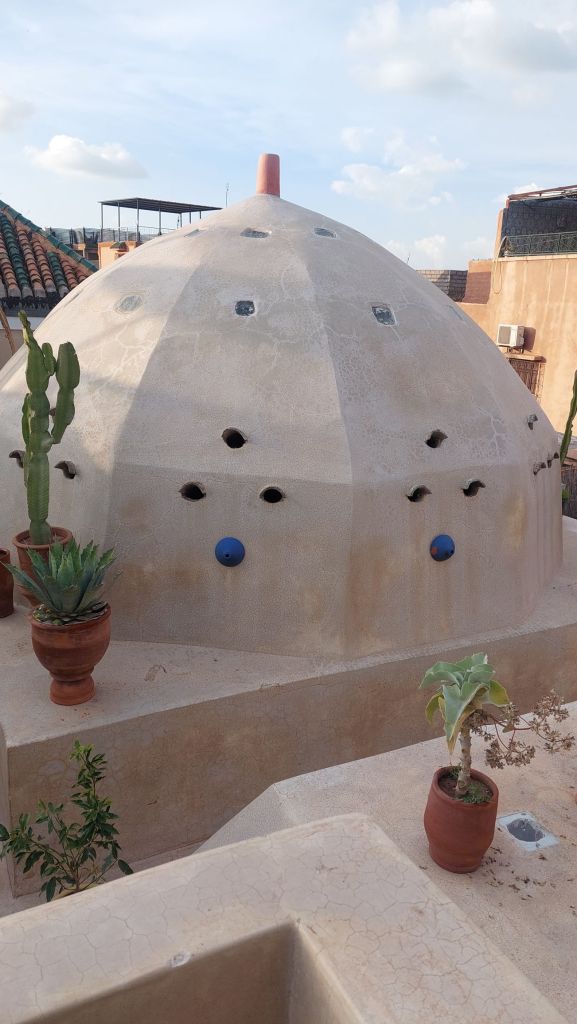
    Les Bains Kenaria has been revived to become a sanctuary in the medina. It’s over 400 years old and has been beautifully preserved and restored. The hammam still uses the ancient Moroccan tradition of heating using the wood fired method.

    Services include newly added thermal rooms, warm baths, cold baths, a jacuzzi style pool, and a massage.

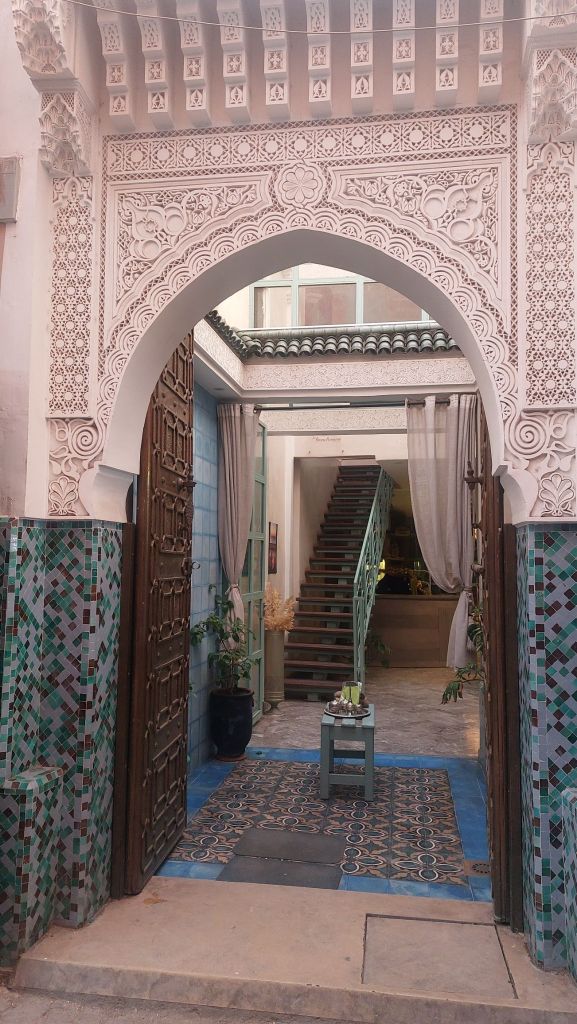
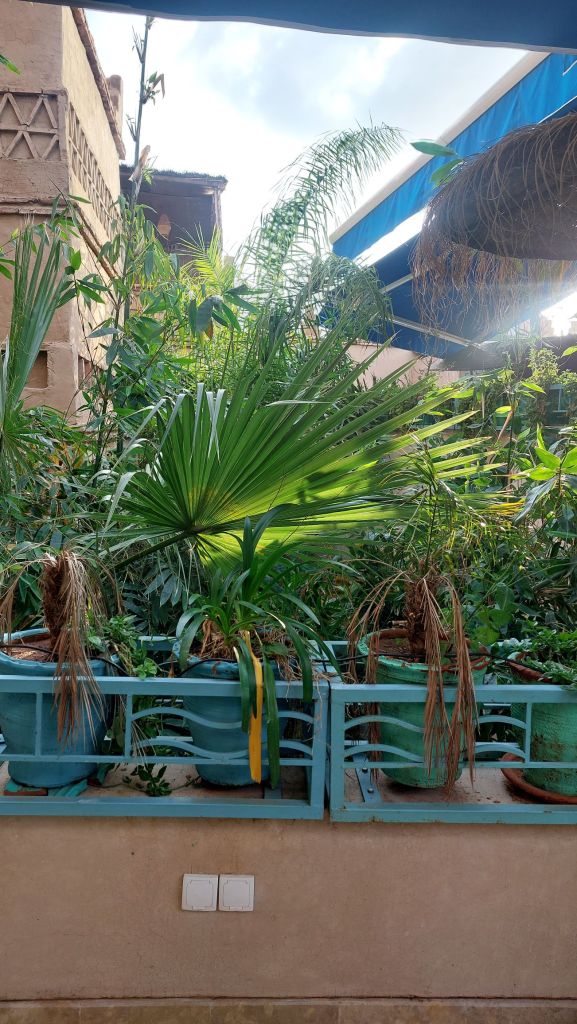
    Les Bains Kenaria is also a rooftop cafe, and this is where my experience here began. I was lured in by the lush tropical plants that spoke to me from the intricately crafted doorway.

    Images by Freebird Tracey.

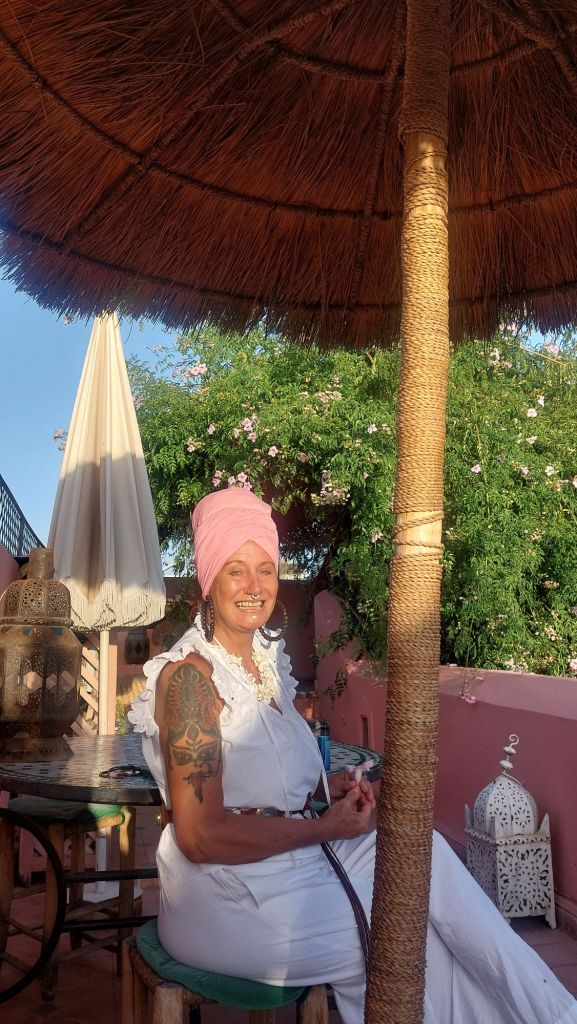
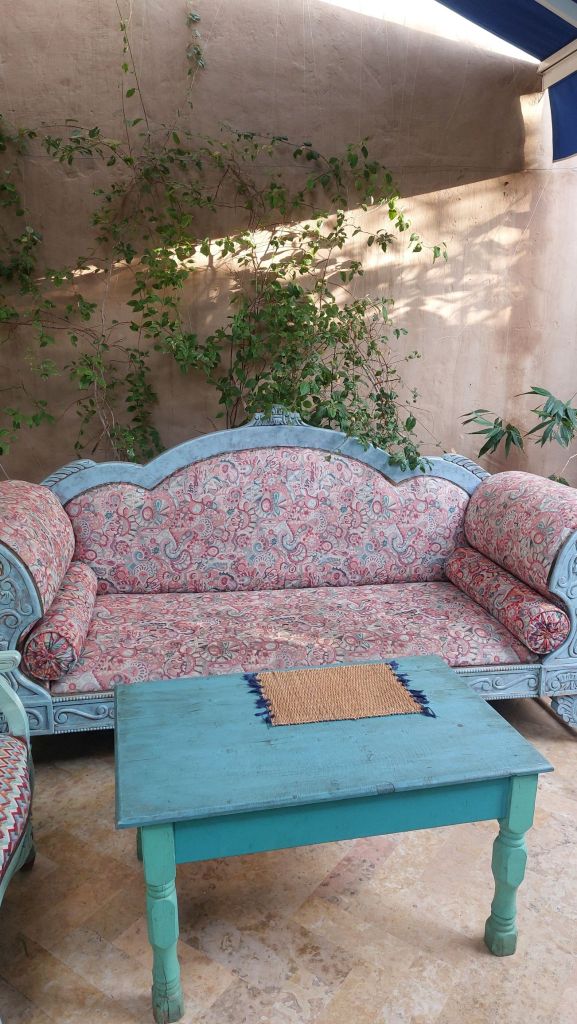
    I made my way upstairs onto the pretty rooftop and was seated on a colourful couch. The staff were really friendly and courteous, and helped me to choose a vegetarian option from the menu.

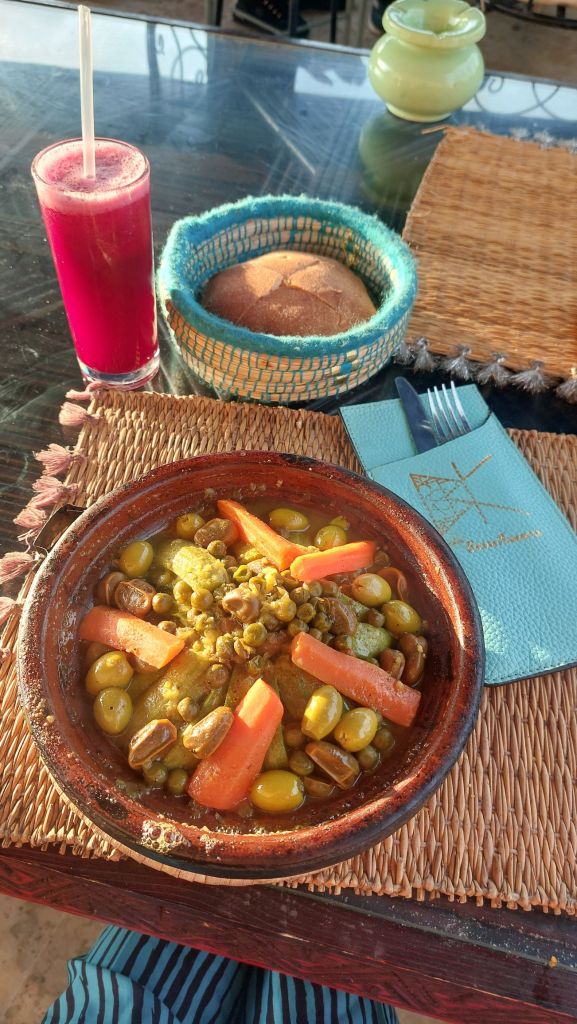
    I had one of the most delicious tagines I’ve had in Marrakech.The fresh vegetables included fava beans and olives and tasted absolutely sumptuous. I chose a beet smoothie for the first time. It was quite different from anything I’d had before, and I couldn’t decide if I liked it or not.

    I watched the sun setting as I ate. I could hear the lively sounds of the souk below. It was a lovely atmosphere, and I could see everyday life taking place on the adjacent rooftops.

    Image by Freebird Tracey.

    The setting was peaceful, despite it being in the busy medina. There were tourists shopping in the street below. I was still able to enjoy my meal feeling relaxed and stressfree. I took my time and didn’t feel rushed.

    Dining on the rooftop terrace of Les Bains Kenaria was a lovely experience. The food is traditional Morroccan cuisine, and prices are very competitive. There is plenty of choice for lunch and dinner on the menu, and breakfast is also available. The lush plants and comfortable surroundings made it extra special. It was a contrast from the manic rhythm of the street below. This is definitely a place I will visit regularly.

    The opening hours are 9.00 am until 8.00pm daily. The address is Bain Maure, N 132,Marrakech 40040, Morocco.

    Next time, I may even try the Hammam.

    Image by Freebird Tracey.
    (more…)