Tag: Bahia Palace

Exploring The Red City Of Marrakech.
  • Islamic Architecture In Marrakech.

    A look at Islamic architecture and craftsmanship.
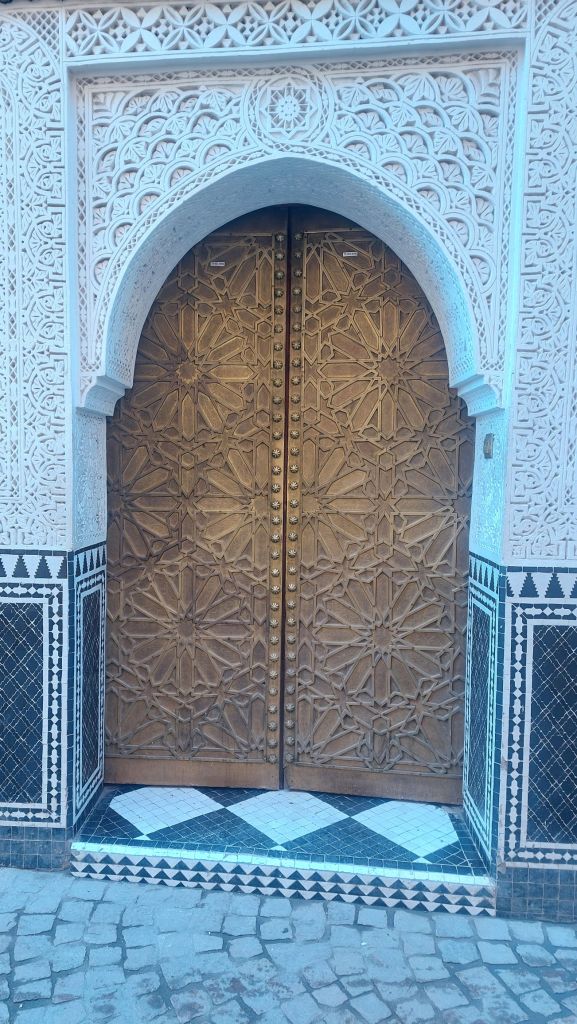
    Image by Freebird Tracey.

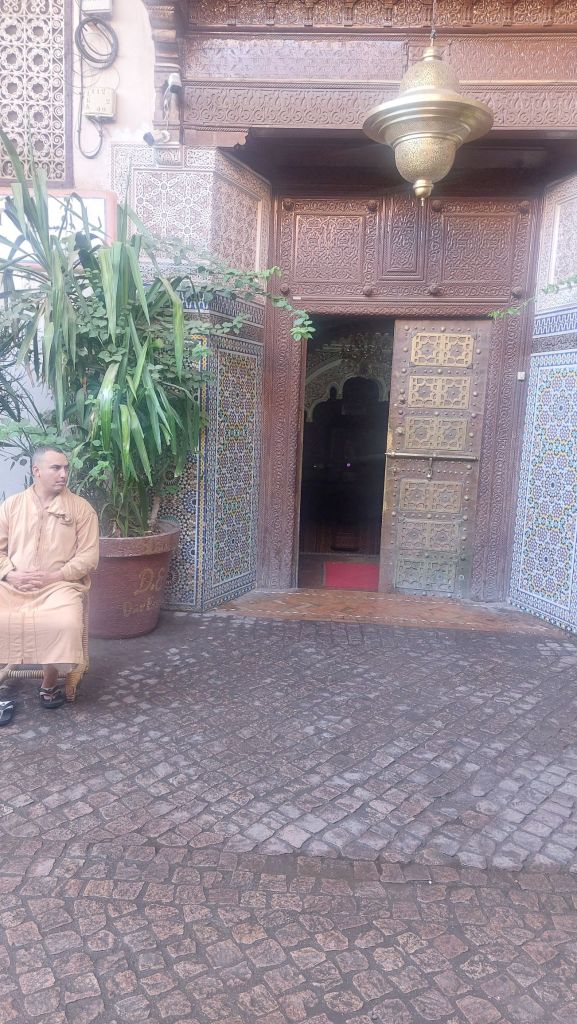
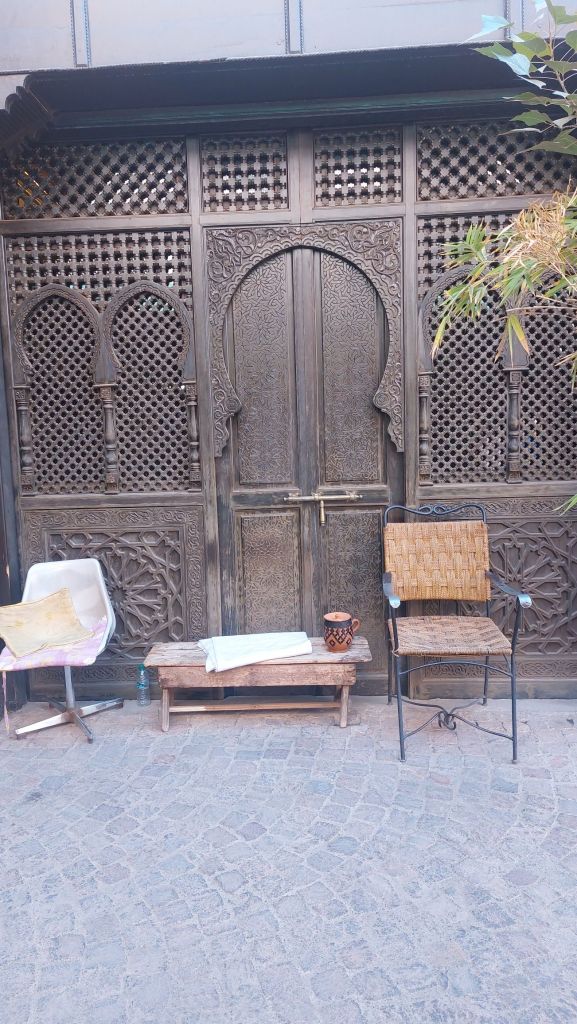
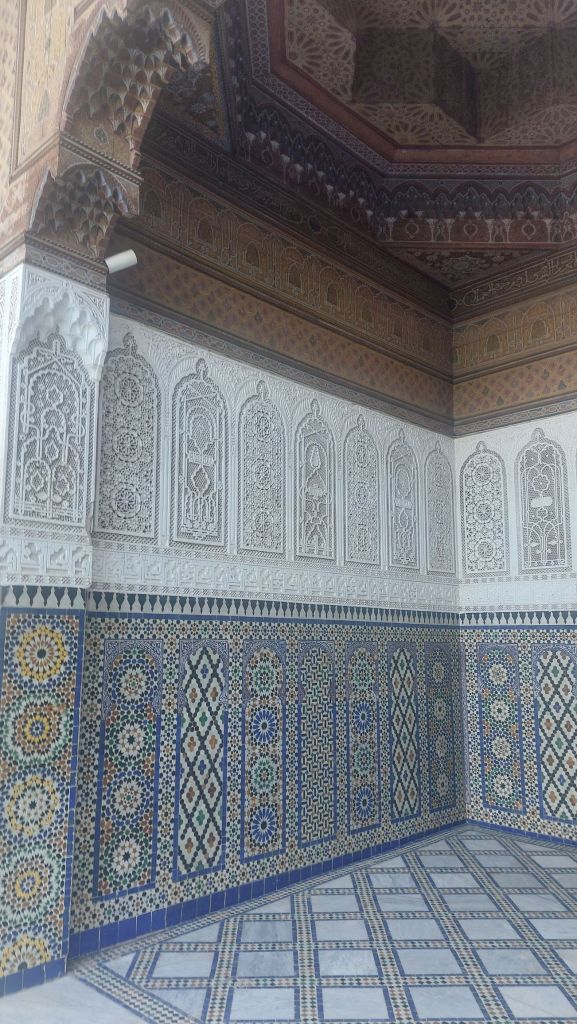
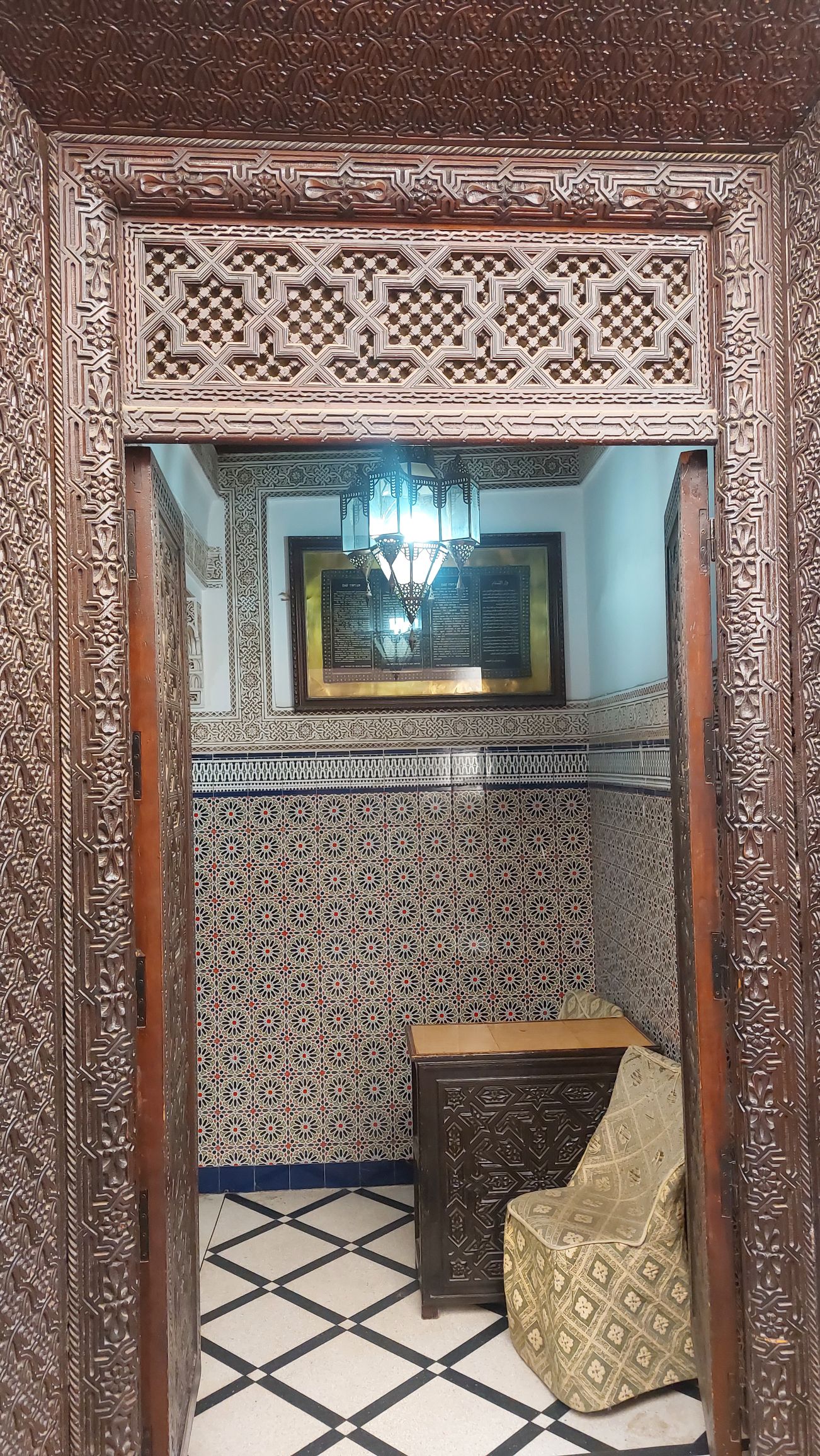
    The beautiful Islamic architecture found in Marrakech is a testimony to its wealth of history and culture. From intricately carved wooden doors to geometric mosaic tiles and tadelakt, Marrakech has some of the finest examples of Islamic architecture in Morocco.You can’t help but be impressed by the attention to detail as you wonder around the medina.

    Large wooden doors exquisitely carved out of Cedar wood appear out of nowhere as you pass through the winding alleyways.
    Images by Freebird Tracey.

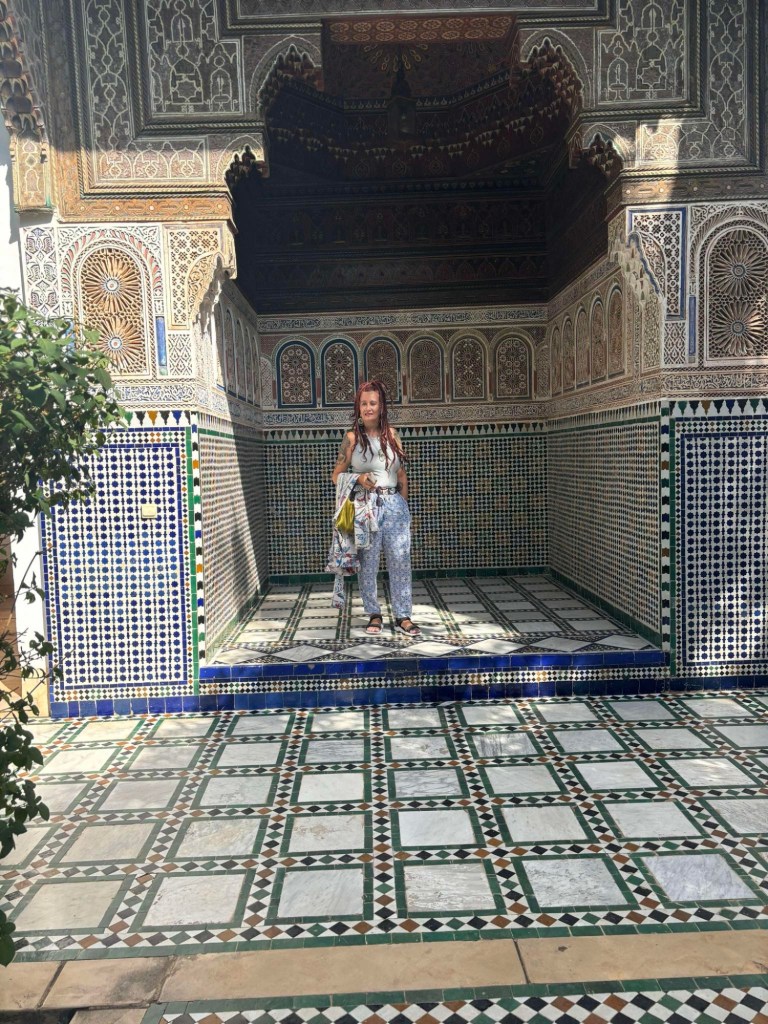
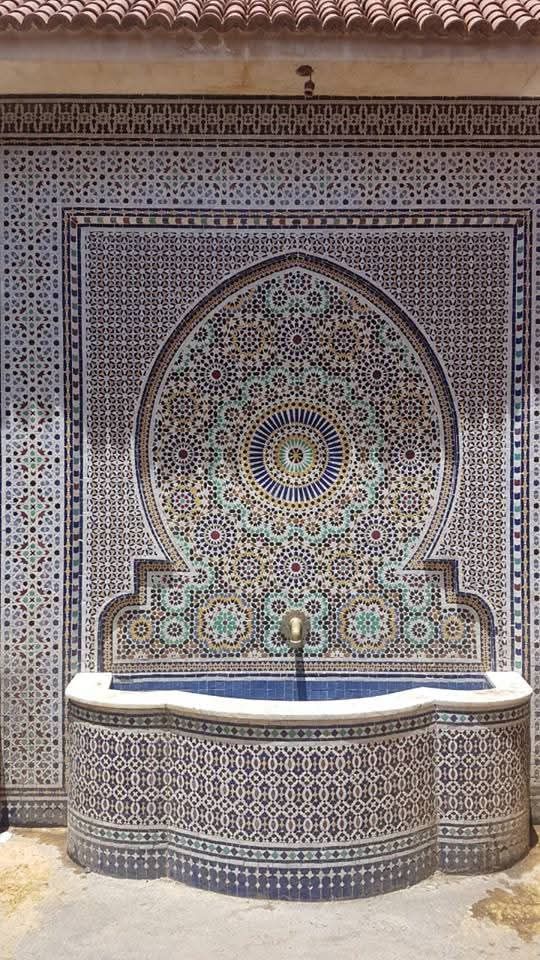
    Zellige tiles originating from the 10th century form geometric mosaics decorating the floors, walls, and fountains. A skill which has passed down from generation to generation.
    Images by Freebird Tracey.

    Islamic architecture in Morocco follows the spiritual principle of Tawhid, the unity of God. There are handcarved stucco panels with expertly applied fine details, including floral motifs and calligraphy from Nakshi and Kufic Arabic scripts. These are set against a backdrop of peace and tranquillity.
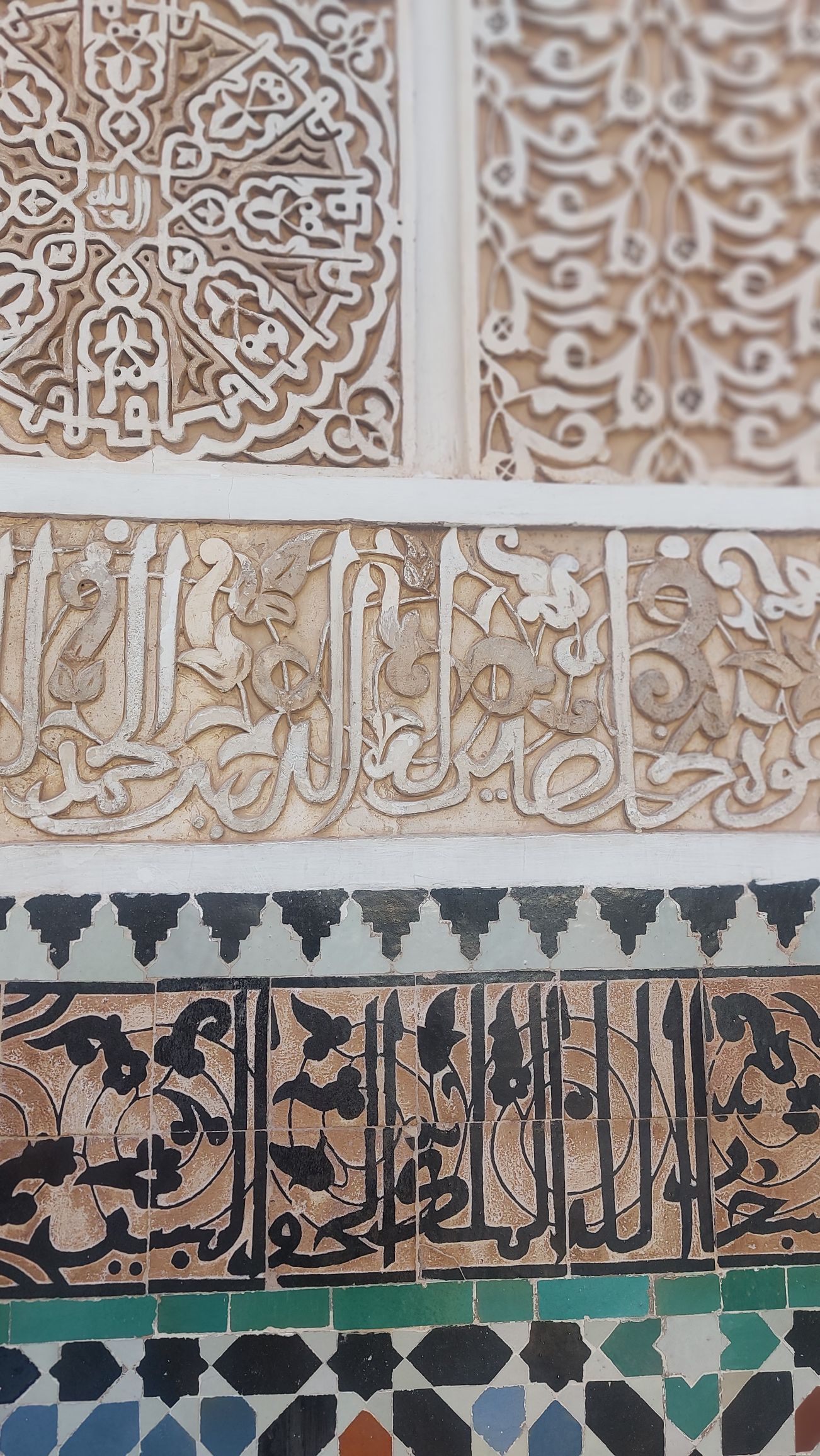
    Image by Freebird Tracey.

    The use of symmetry, repeated geometric patterns, and balanced proportions reflect divine order and infinity. The use of geometry and proportion symbolizes universal harmony.
    Calligraphy enshrines verses from the Qur’an, which merges both word and form together. Light also plays a sacred role. As it filters through lattice screens called mashrabiyas and central courtyards, it evokes the essence of divine presence.
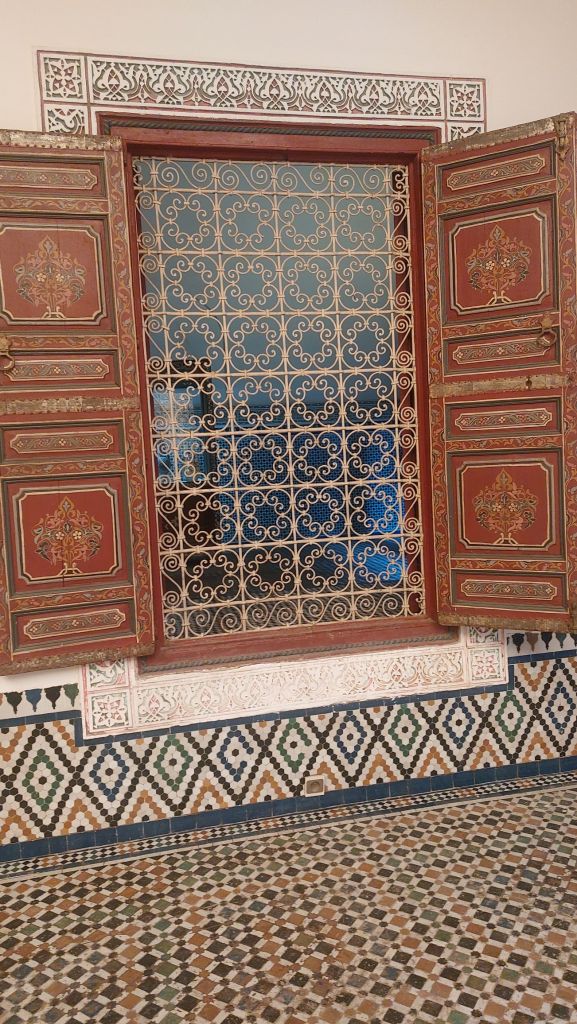
    Image by Freebird Tracey.

    Islamic architecture blends together Arab, Amazigh, Andalusian and Sub Saharan influences. Perfect examples can be seen at the Koutoubia Mosque, Ben Youseff Madrasa, Bahia Palace, Saadian tombs, and El Badi Palace.
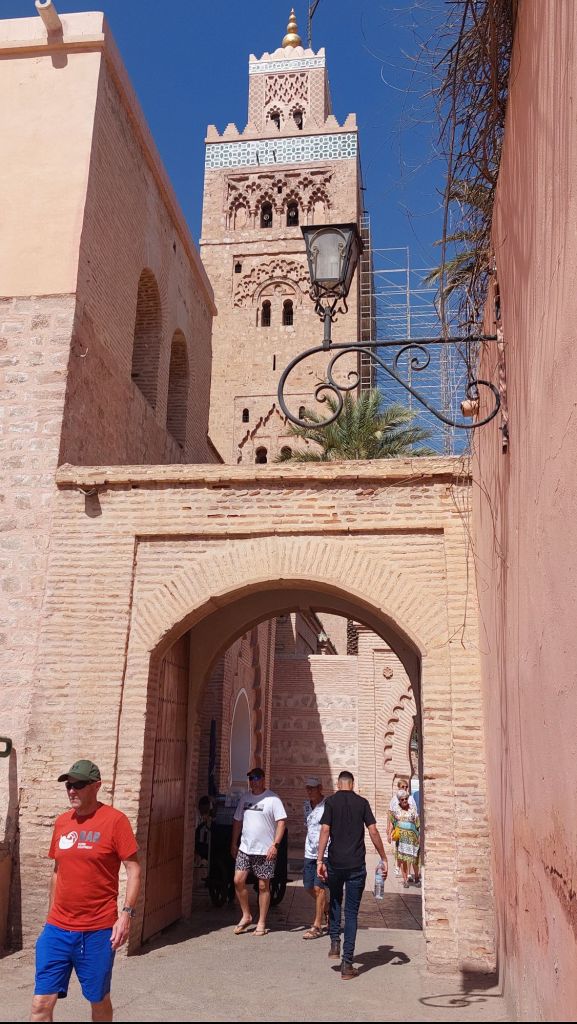
    Image by Freebird Tracey.

    Bab Agnaou gate is one of 19 splendid arched gates into the city showcasing intricate carvings.

    Hammams, which were constructed centuries ago, reflect the scale of precision and sheer brilliance of Islamic architecture. Exploring these beautiful places is a journey through the history and culture of Marrakech. You will be spellbound by the beauty of the tiled fountains with their original zellige tilework in the courtyards of riads. Original water features have been restored and strategically situated around the medina.
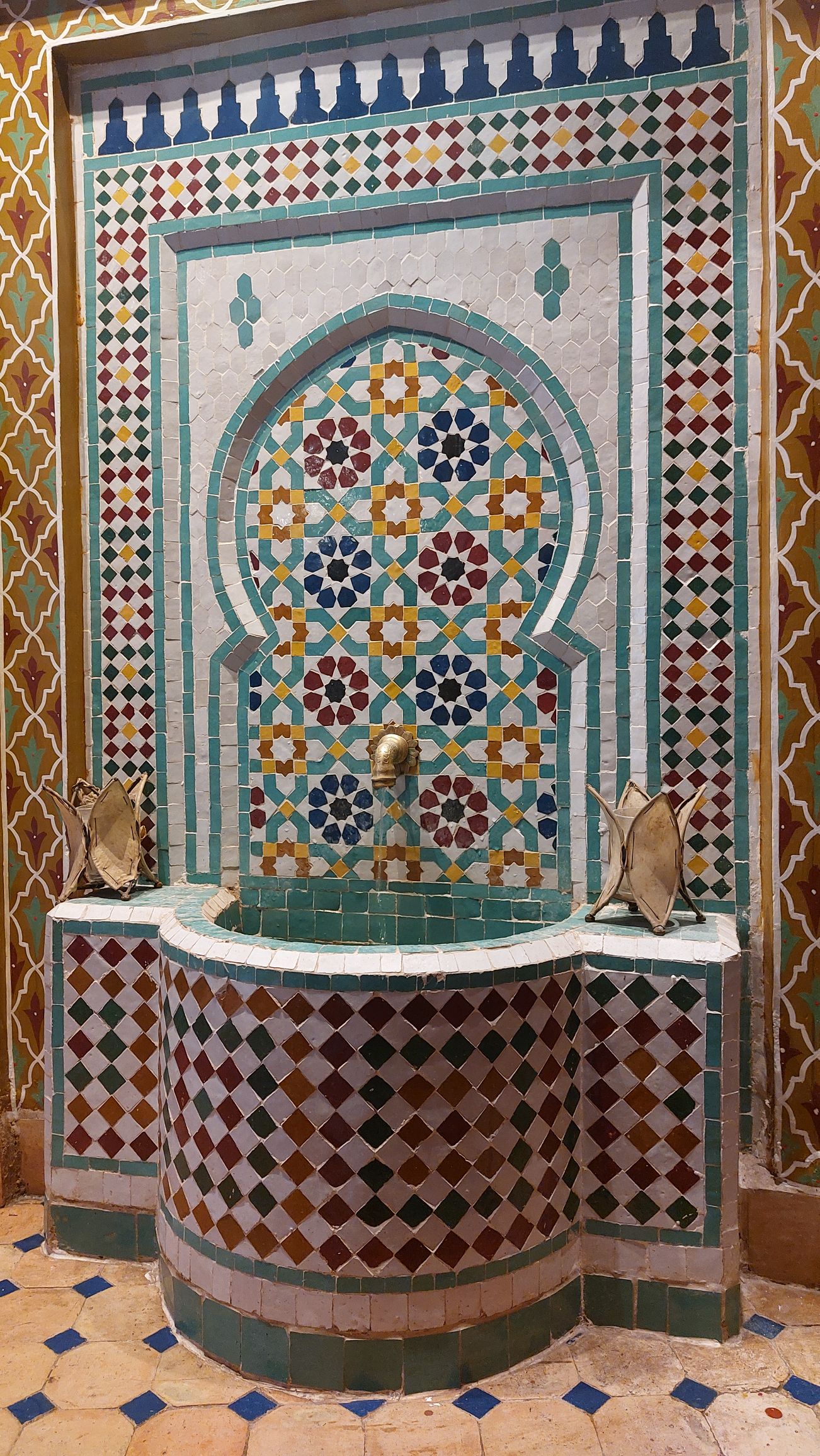
    Image by Freebird Tracey.

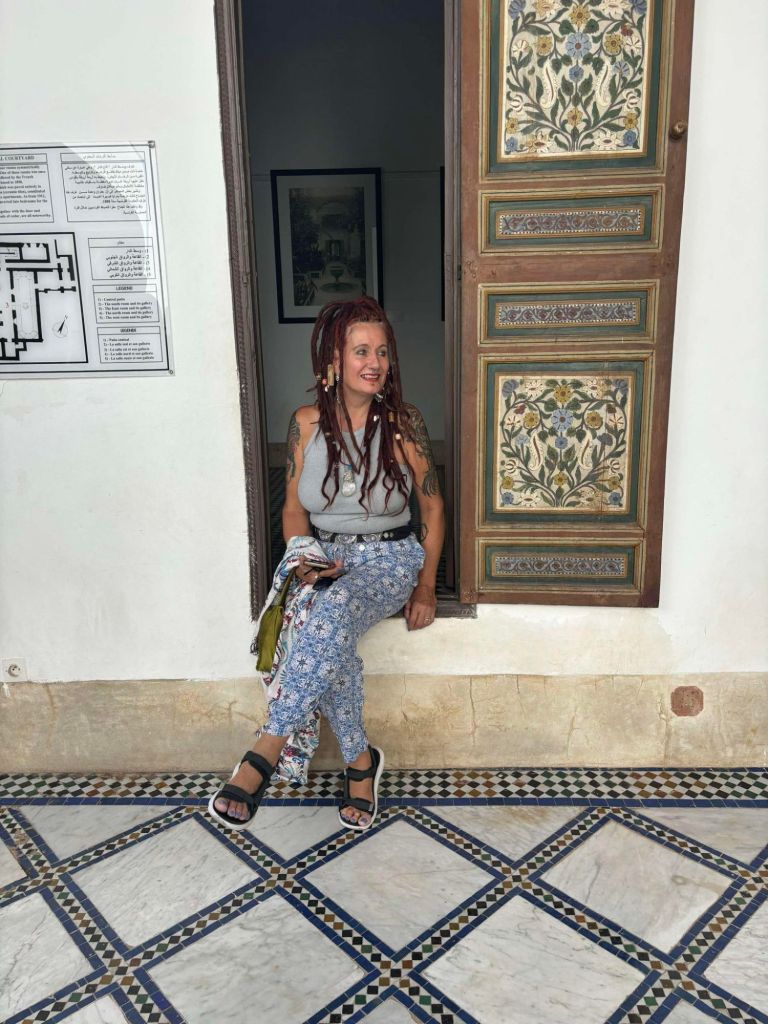
    There are two knockers on the magnificent wooden doors. One which is strictly for family members and one for guests to use.  This is in order to shield and protect the women of the household from the gaze of male strangers.
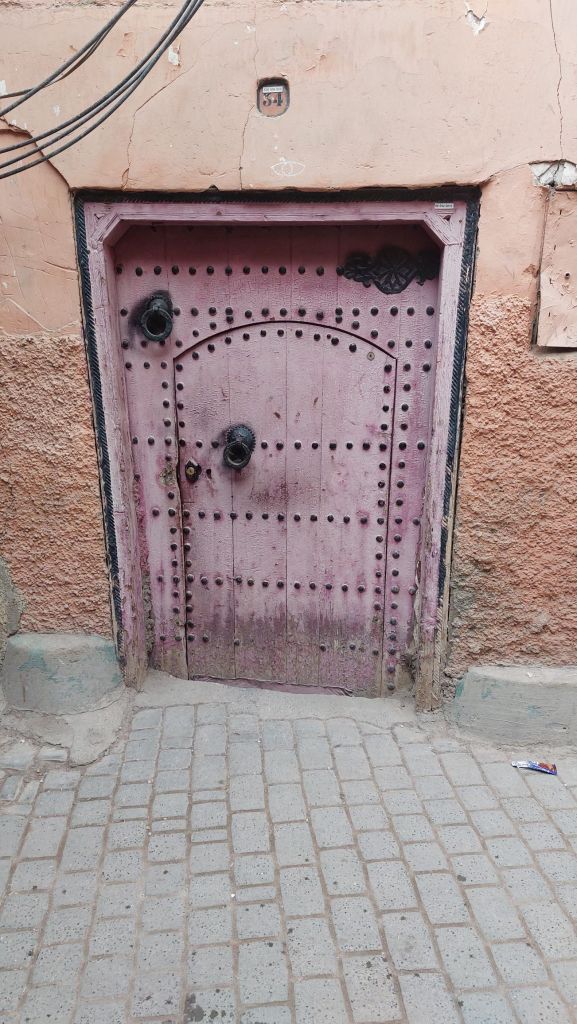
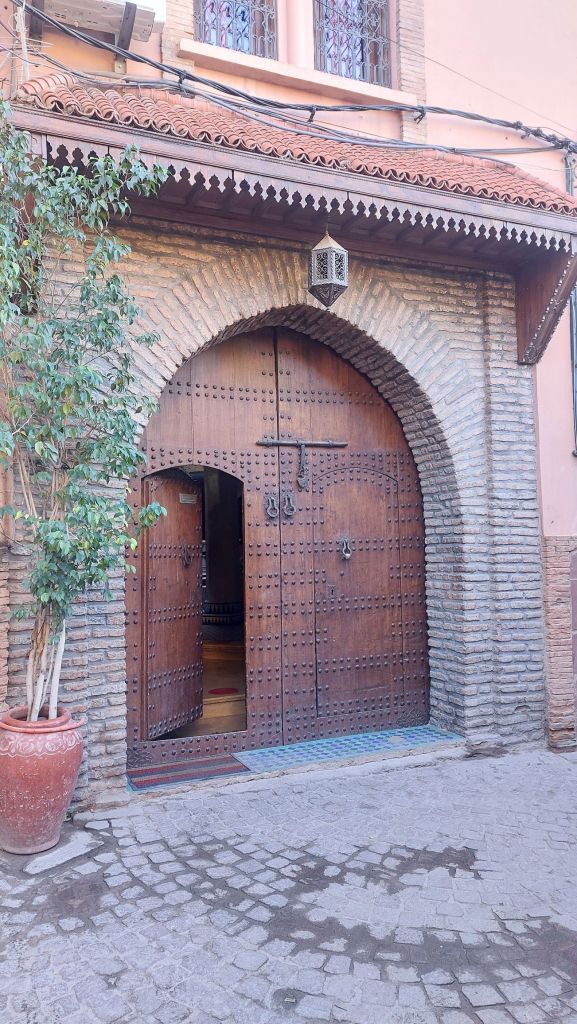
    Images by Freebird Tracey.

    There are places all around the medina where you will want to take photographs of the beautiful work local artisans left the world as their legacy.

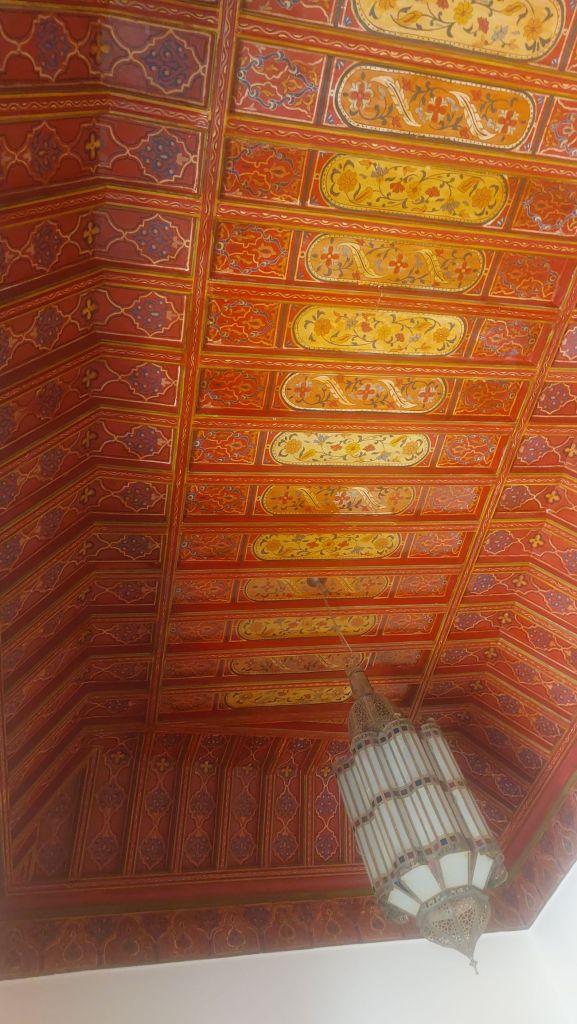
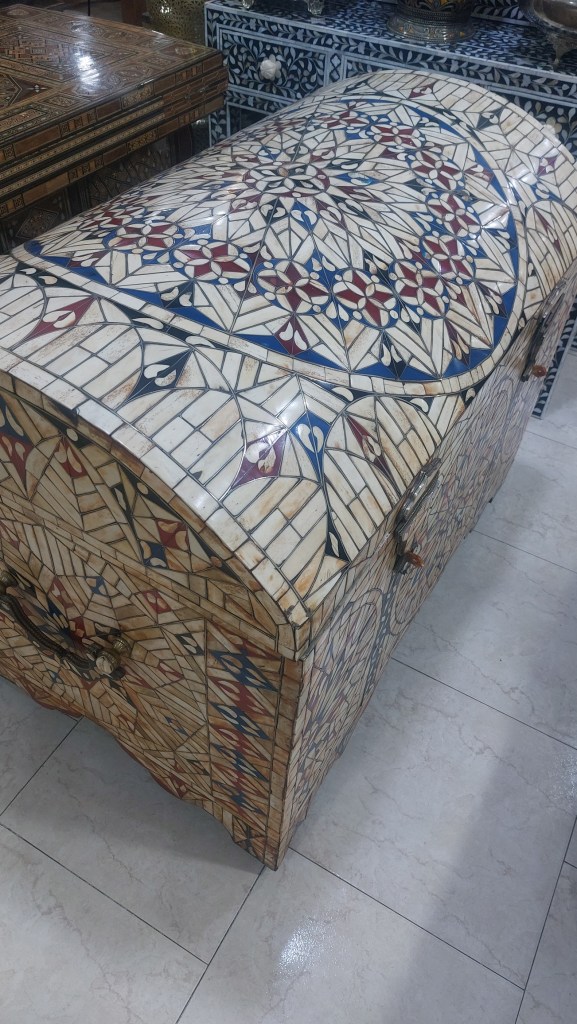
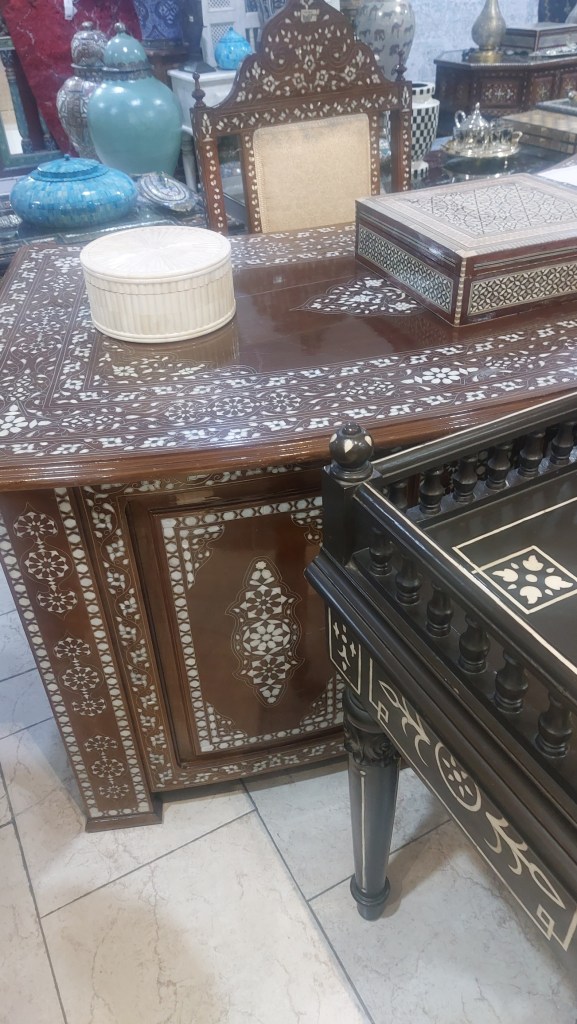
    The remarkable skills of trained craftsmen are evident inside traditional riads. Unique pieces of handmade furniture, beautifully painted doors, and splendid ceilings demonstrate the skill involved.
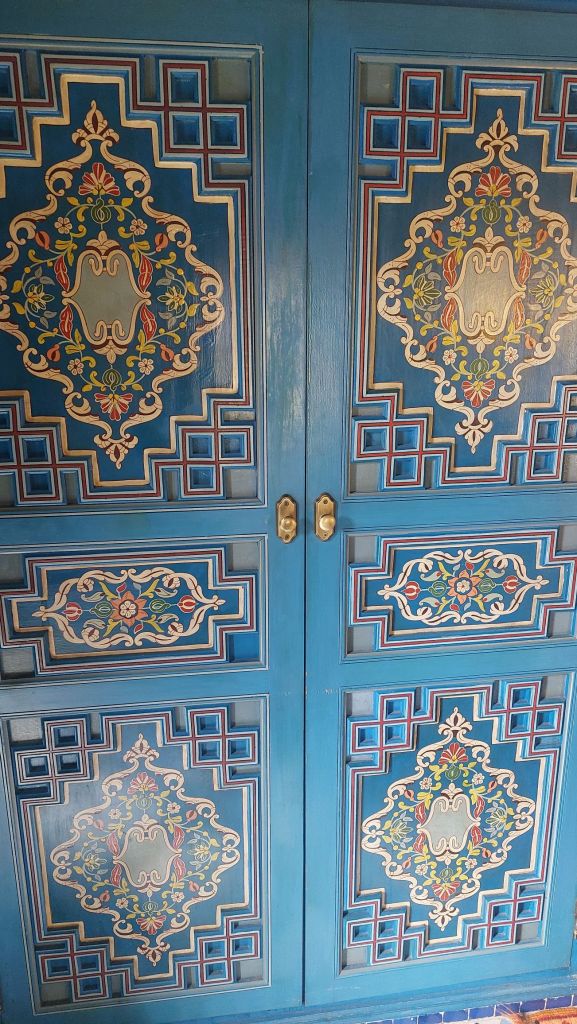
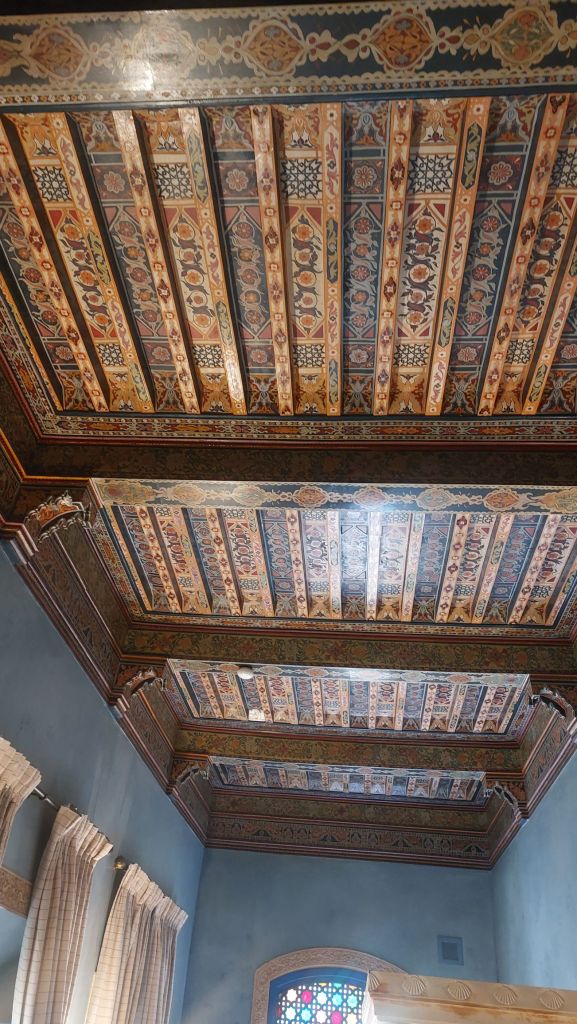
    Images by Freebird Tracey.

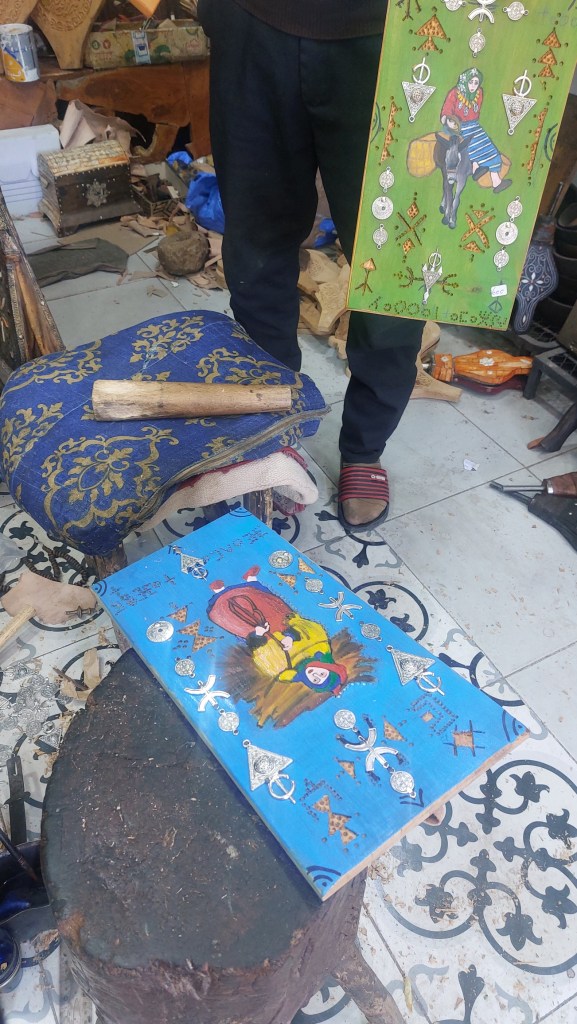
    You can find people creating things in Marrakech using the same techniques that generations before them had used. At Ensemble Artisanal Craft Complex near Cyber Park, you can see the artisans busy at work. Here, they teach young apprentices the art passed down by their ancestors.

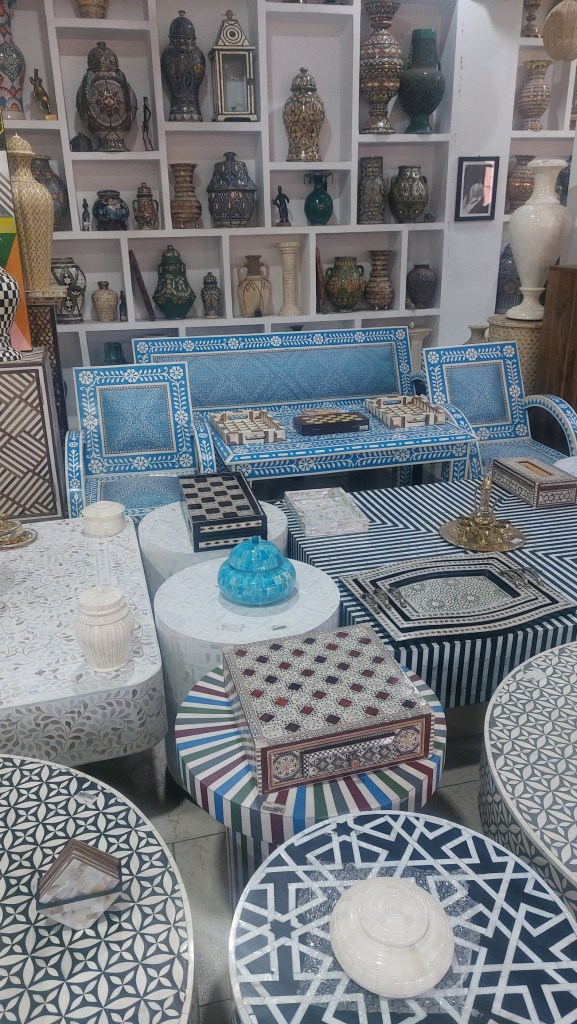
    Around the medina, you will find carefully designed wooden chess sets and wooden boxes ornately inlaid with Mother of pearl. In Tinsmiths Square, metal workers are busy crafting traditional Morroccan lamps and mirrors.

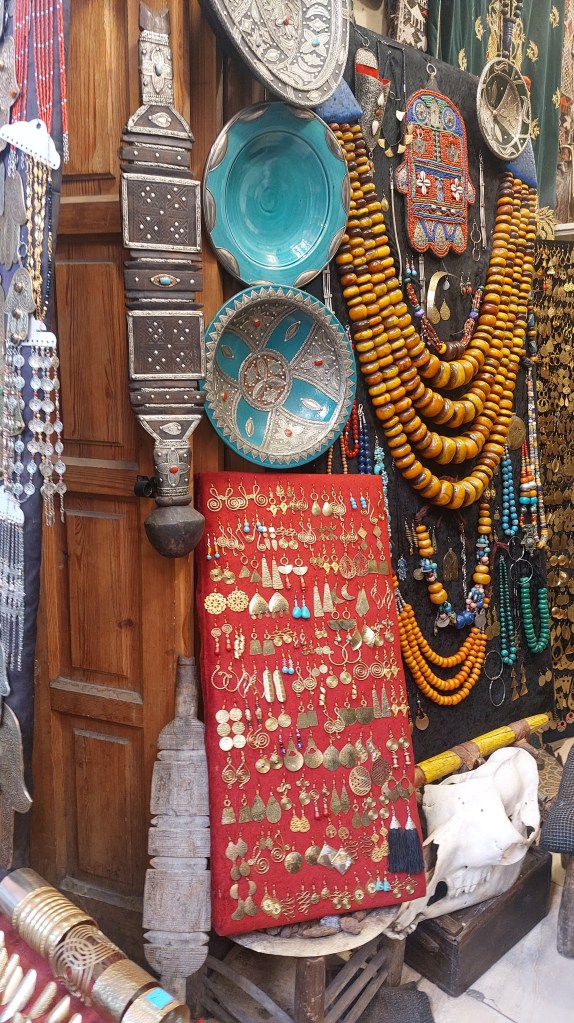
    As you wander through the souks, you are presented with examples of beautifully crafted items for sale. The amount of work that has gone into creating each piece is phenomenal.
    Images by Freebird Tracey.

    The roots of Moroccan architecture originate from the Amazigh and Arab culture. Styles have evolved from one dynasty to the other, including the Almoravids, the Almohads, and the Marinids.

    Nowadays, architects are using a combination of old and modern designs in their construction of buildings. This has led to a new style. It’s still characteristic of the old medina, but introduces newer, environmentally friendly buildings. They continue to incorporate the traditional zellige tilework in order to pay homage to the history and culture of the city. Riads are restored as close to their original appearance as possible. Some are modern and contemporary, which some tourists find appealing.

    I personally love the rustic charm of the older riads. The ones that evoke images of a world gone by. Those riads clinging to remnants of the past. The ones telling the story of an ancient culture which, if you look closely, is still very much alive today.
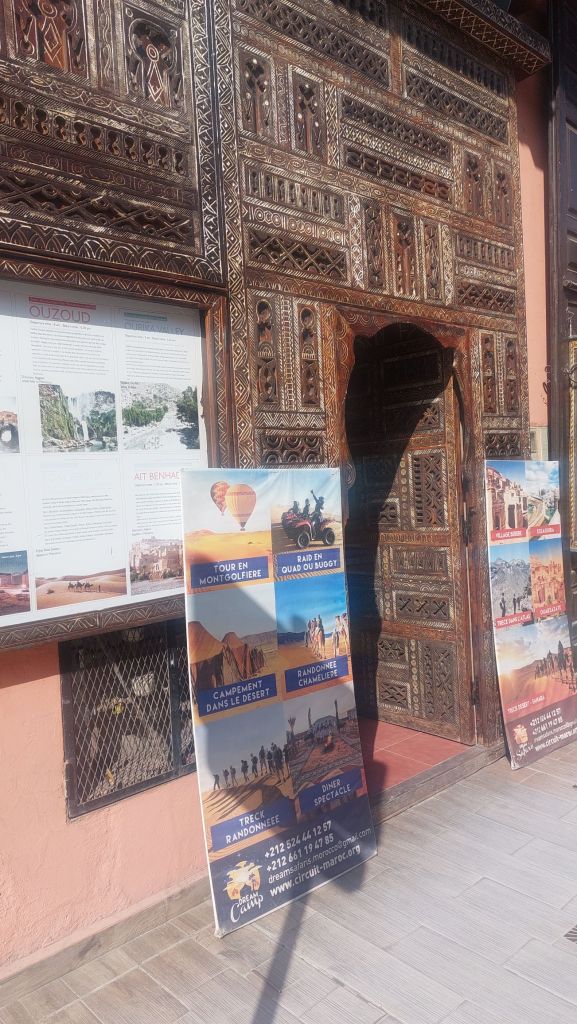
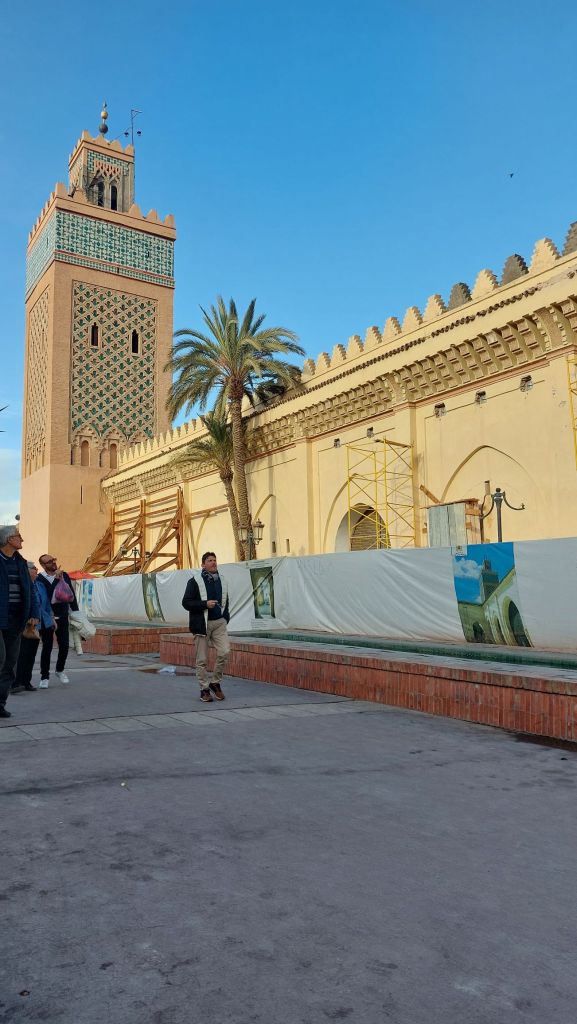
    Image by Freebird Tracey.
    (more…)
  • The Kasbah.

    Visiting an authentic district of Marrakech.

    Image by Freebird Tracey.

    The Kasbah is located in the southern part of Marrakech and is considered the jewel of the old city.

    The Kasbah is a quieter part of Marrakech, with fewer tourists than the medina. Staying in the Kasbah, you feel totally immersed in the culture of Marrakech as you rub shoulders with the friendly locals. There are plenty of shops, including a large fixed price store called Dar Bouchaib, selling everything you will find in the souks.

    Image by Freebird Tracey.

    The Kasbah is home to popular tourist attractions like the Saadian tombs and El Badi Palace.There are a number of good restaurants in the area, many with rooftop terraces to catch the sunset.

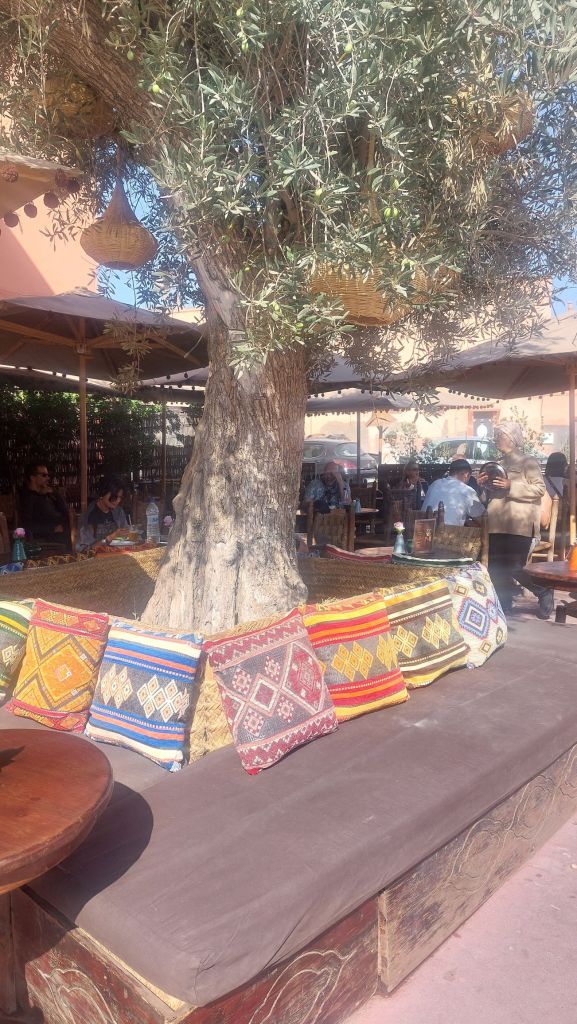
    Zeitoune Cafe is a lovely restaurant for a spot of lunch. It’s in a strategic position and overlooks the mosque, making it a nice place to take a break from sightseeing in the area. The Kasbah mosque is the second largest mosque in Marrakech and is also referred to as ‘The Golden Apple Mosque’ it has a minaret reaching 80 metres tall. I enjoyed sitting on colourful cushions outside Zeitoune Cafe with the view of the mosque in front of me. It was a nice way to spend some time in the sunshine people watching.

    Image by Freebird Tracey.

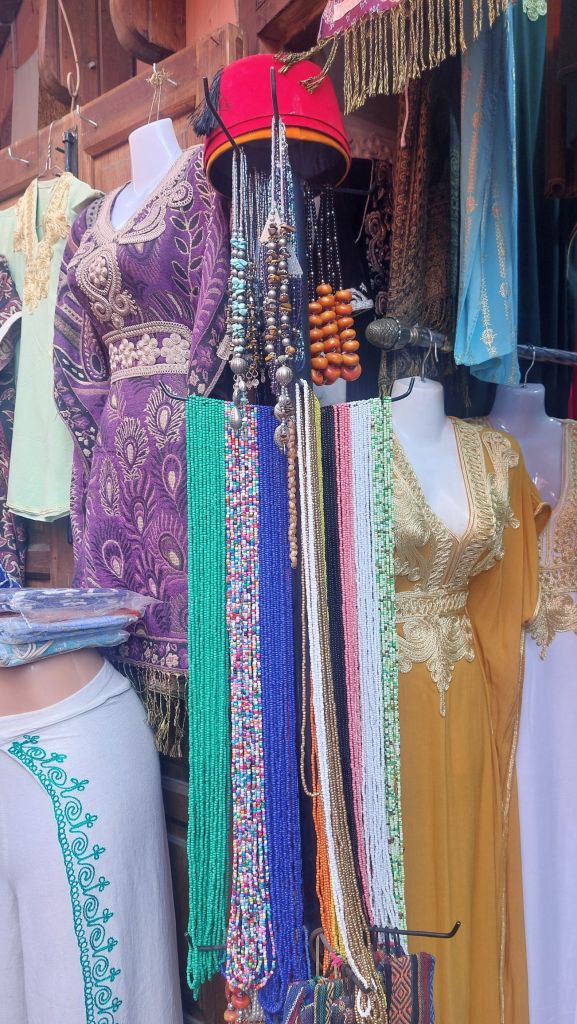
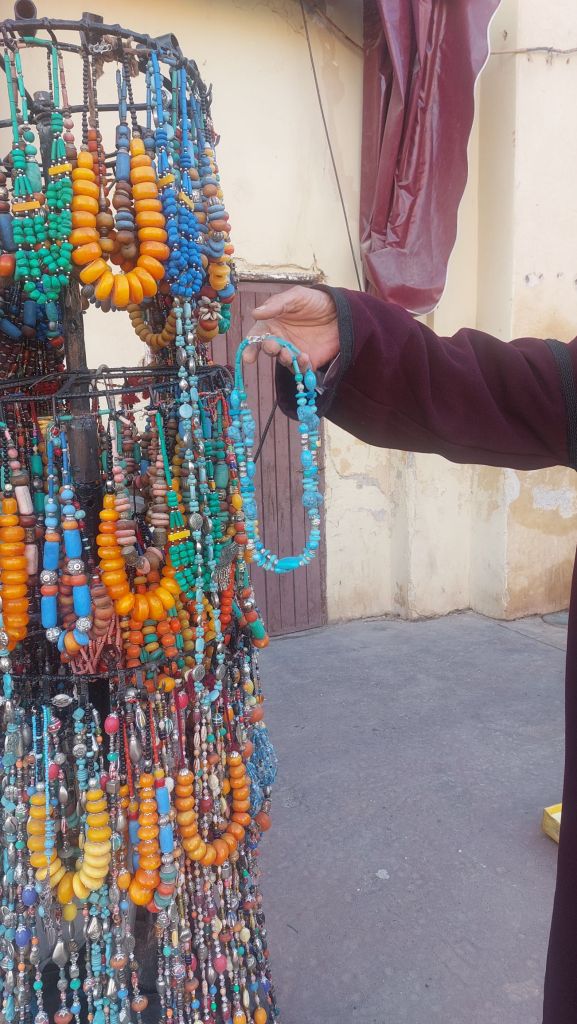
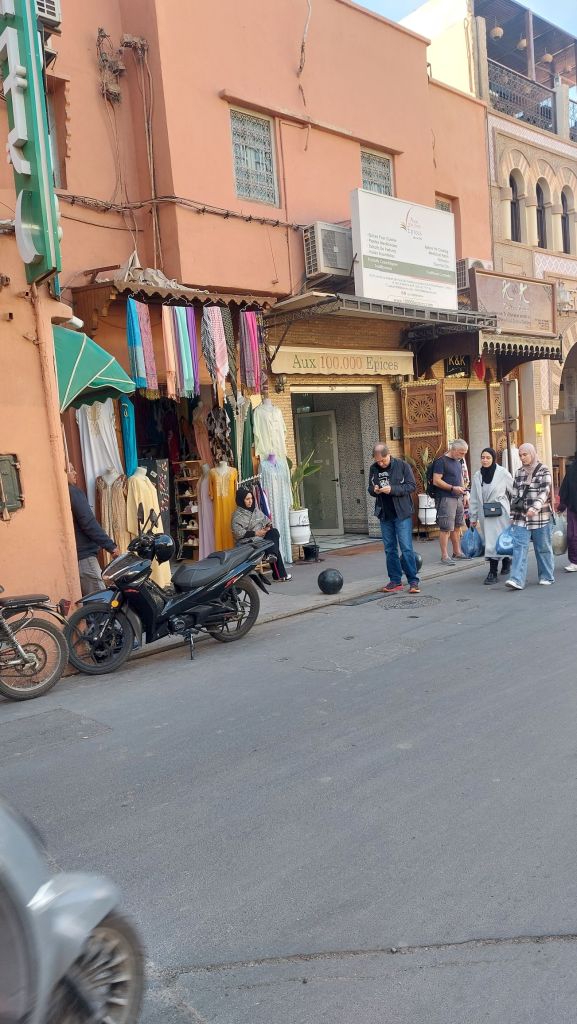
    The kasbah is a 20-minute leisurely walk from the main square with plenty to see along the way. There are plenty of shops selling all kinds of stuff, including spices, jewellery, clothing and perfumes.

    Images by Freebird Tracey.

    In the kasbah, there is a  range of budget and high-end accommodation. I stayed at Riad Hikaya and had a really positive experience. The luxurious five-star hotel La Sultana is also in the Kasbah.

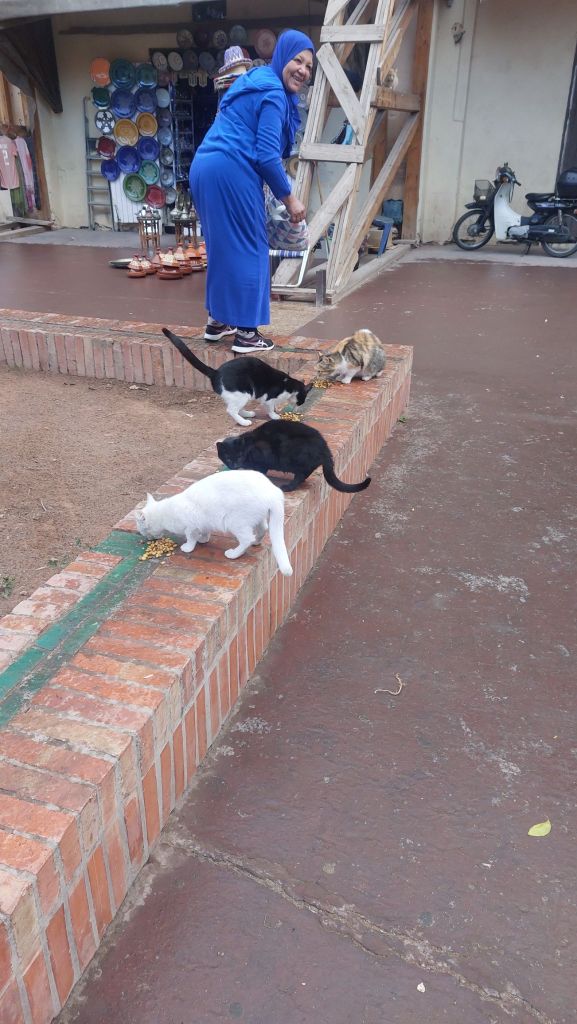
    The Kasbah is a quieter neighbourhood than the medina. Parts of it are pedestrianised, and there is less traffic, making it feel less chaotic than the medina. The locals go about their daily business of buying bread, selling clothes,and feeding stray cats. It’s a typical scene of everyday life inside the ochre walls.

    The Kasbah has a slower pace of life, and it’s a lot less stressful than the touristy side of Marrakech.

    Images by Freebird Tracey.

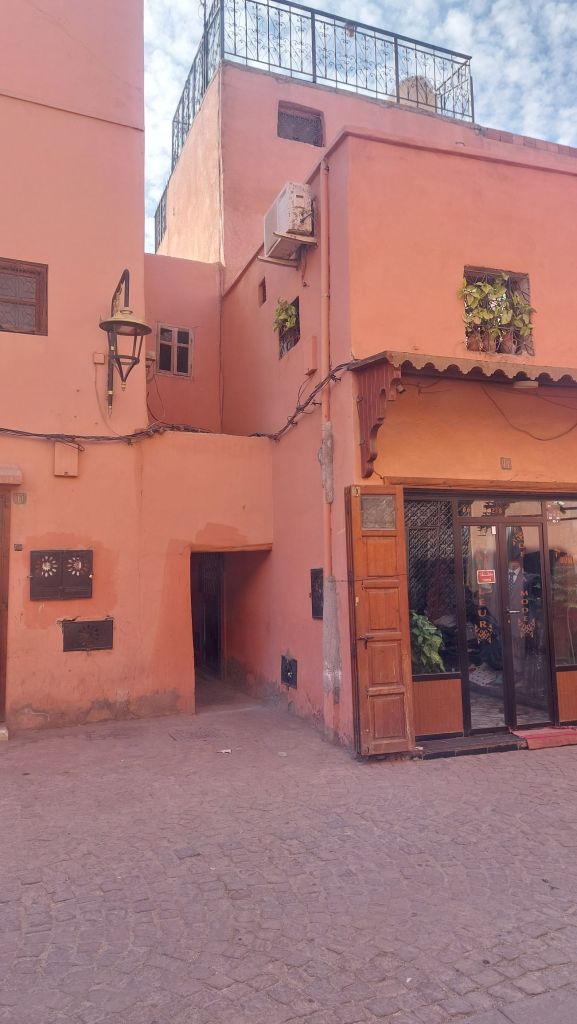
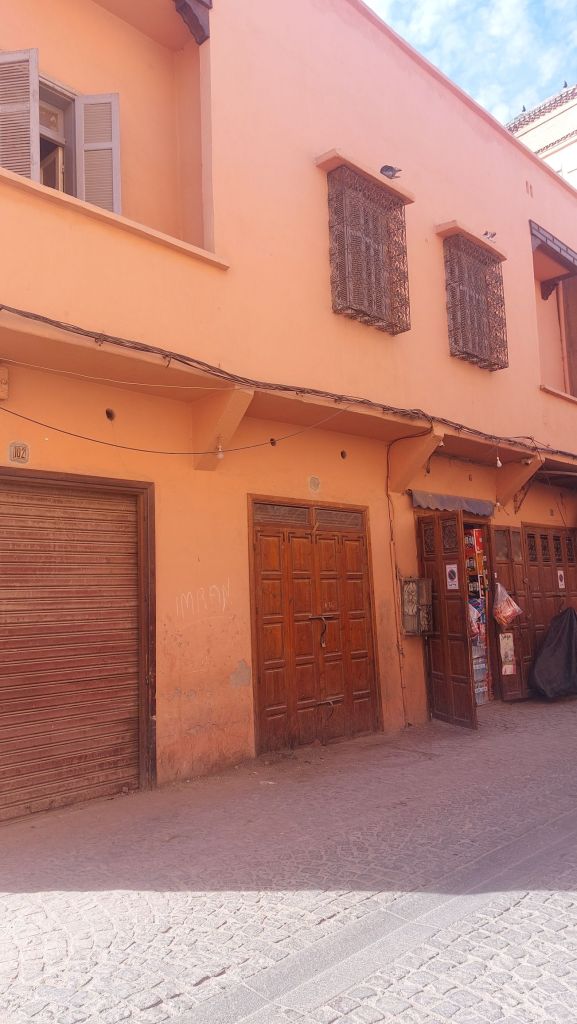
    The Kasbah is the historical citadel in Marrakesh with fortified walls. The narrow, winding alleyways make it an exciting place to visit, with their signature red colour glowing in different hues at certain times of the day.

    Images by Freebird Tracey.

    The famous Bab Agnaou gate provides entry into the Kasbah, and out of the 19 gates around the medina, it’s one of the most ornate. The King’s Palace is also situated inside the walls of the fortress. Therefore, the whole area is heavily guarded, making it a safe place for visiting with children.

    Images by Freebird Tracey.

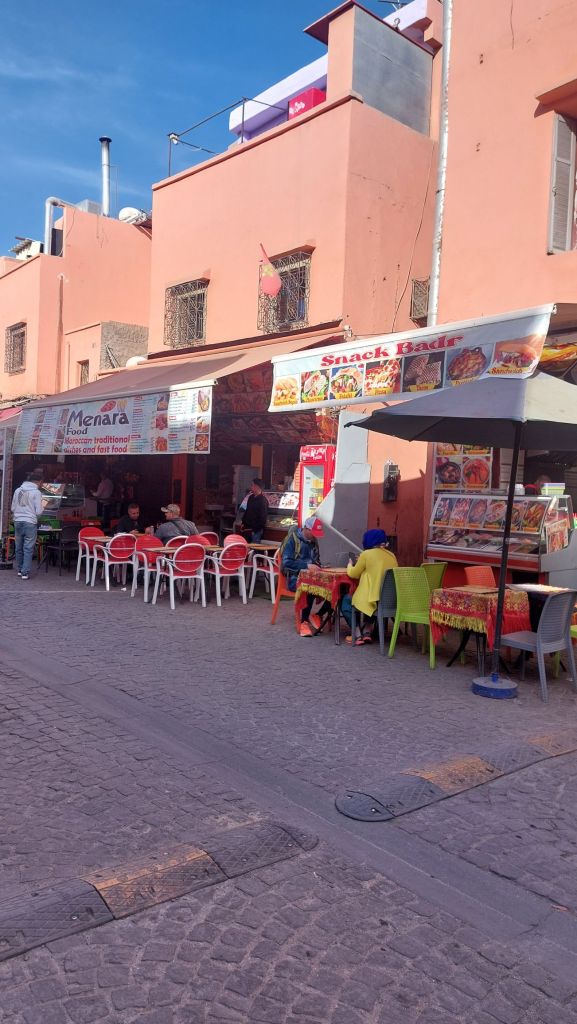
    The Kasbah is home to the Clock restaurant with its legendary camel burgers and storytelling evenings. Also, the Kasbah Cafe is a popular place for lunch and dinner. Krepchy does a fantastic breakfast, and the prices are very reasonable. I highly recommend the waffles. There are a few good coffee shops selling decent coffee, such as the popular Nos Nos.

    To return from the medina, consider taking a tuk-tuk if the weather is hot. It’s quite an adventure as you rattle along the bumpy streets back into the Kasbah.

    Tinsmiths Square and the Jewish quarter known as the Mellah are not far from the Kasbah, and there are plenty of things to see and great places to eat in both areas.

    Taxis can pick you up from your accommodation but they may struggle in some of the narrower streets. There is also a taxi rank close to the roundabout near Tinsmiths Square.

    Spending an hour or two in this historical area of Marrakech will add value to your visit. The locals are very friendly, and it’s a pleasure getting the opportunity to sit and chat with them.

    I would recommend staying in the kasbah if you prefer a quieter, more authentic experience of Marrakech. It’s further out from the madness of the busy souks and a more relaxed environment.

    Image by Freebird Tracey.
    (more…)
  • Place Des Ferblantiers.

    Visiting Tinsmiths Square in the Mellah.

    Image by Freebird Tracey.

    Tinsmiths Square is located to the south of Jamaa El Fna. It is within the Mellah, the oldest Jewish quarter of Marrakech. This quieter area of Marrakech is often overlooked by tourists.

    It is here that skilled artisans make their wares to sell using traditional methods passed down through generations. Beautifully crafted jewellery, lamps, and traditional daggers made from copper and tinplate are skillfully handcrafted in this fascinating area of the city.

    Tinsmiths Square presents a calmer alternative to Jamaa El Fna with palm trees lining the pedestrian friendly walkway. It connects the old Jewish district with the Muslim quarter.

    Tinsmiths Square is a vibrant area with lots of spice shops, cafes, and restaurants with rooftop terraces. Shops sell intricately carved items made in small workshops. There are several benches around the square to sit and take in the sights and sounds and a fountain in the centre. Fun games occasionally take place, and the square also hosts events.

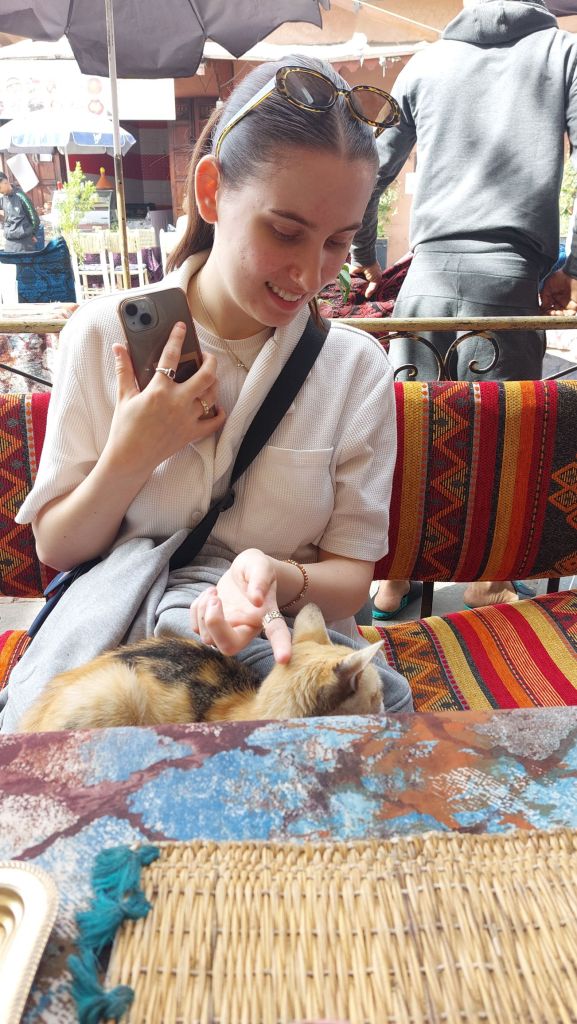
    Cats roam freely across the square and are a popular sight, lazing in the plant pots and flower beds. Sometimes, they are quite cheeky and make themselves comfortable on tourist’s laps.

    Image by Freebird Tracey.

    Place des Ferblantiers is close to popular sightseeing spots like The Bahia Palace, El Badi Palace, and The Saadian Tombs. The Kasbah is just a short walk away.

    I love Tinsmiths Square. There are some great cafes and restaurants and I have bought some interesting souvenirs here. There is a great vibe, and the pace is much more relaxed than in the densely packed medina.

    Video by Freebird Tracey.

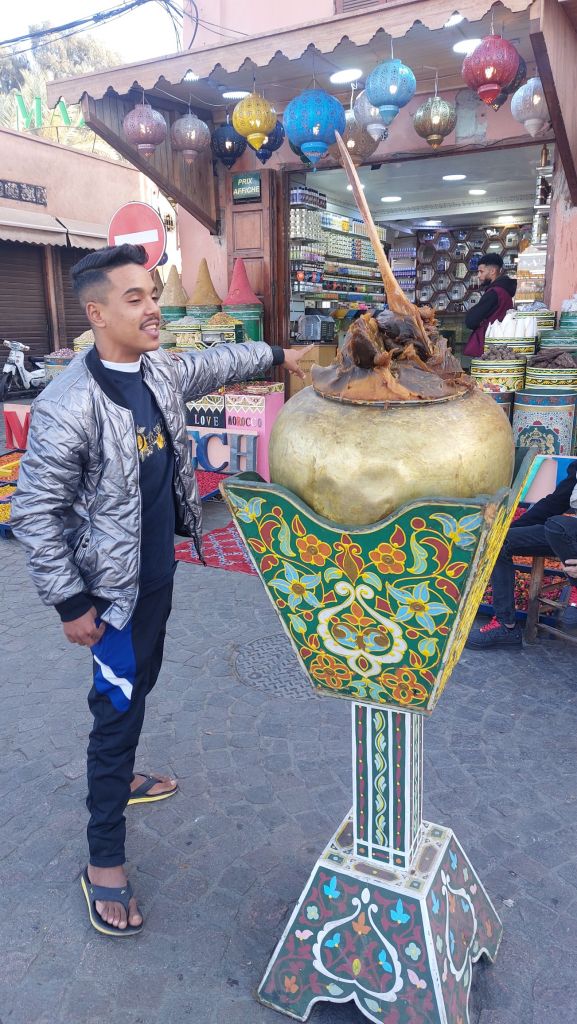
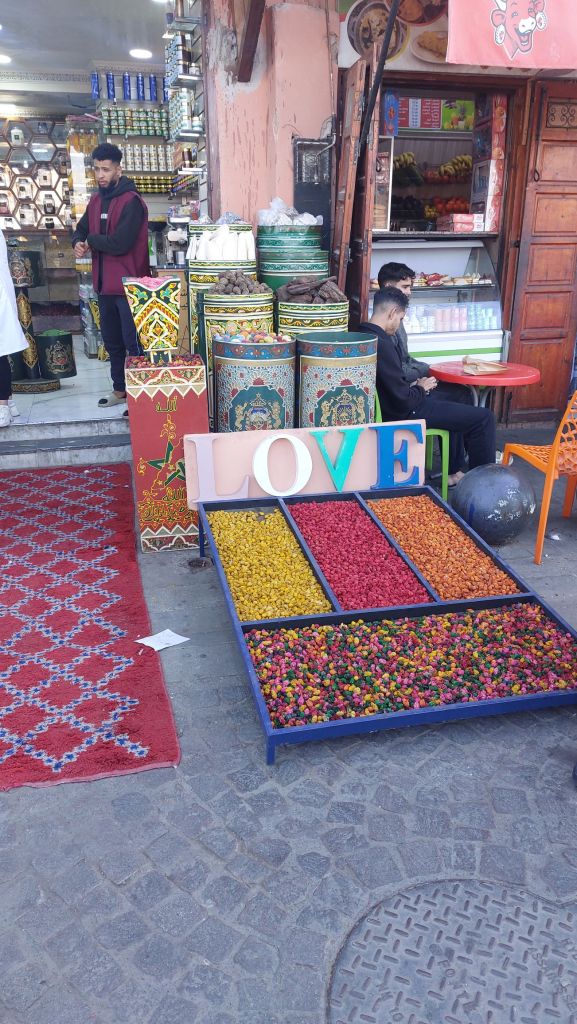
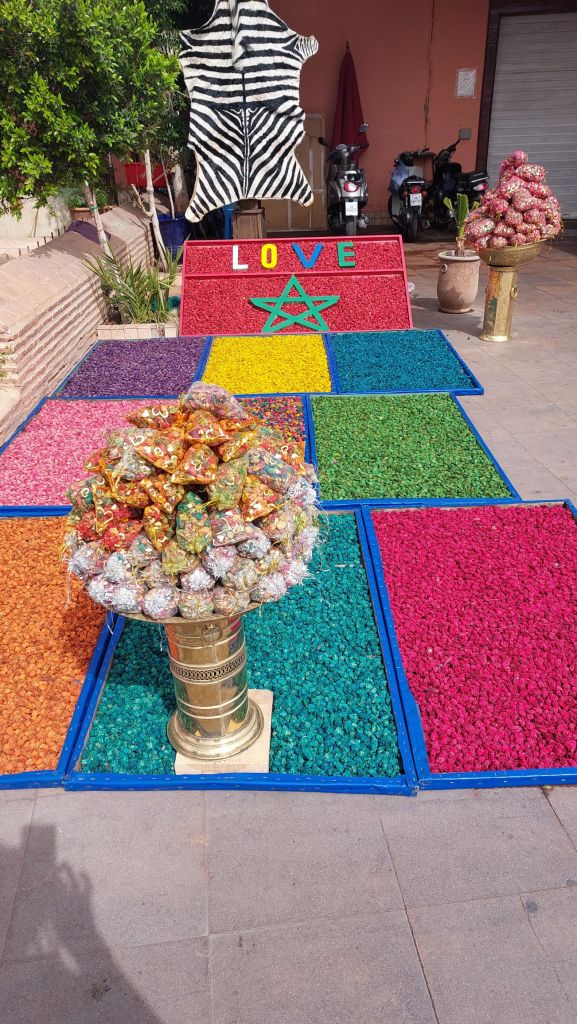
    I was spoilt for choice with all the fragrant spice shops in the square selling everything from eucalyptus to argan oil. The friendly vendors happily educate you on what each remedy is used for and what the different types of tea are good for. Browsing leisurely around the spice shops is an explosion of colour and pungent aromas.

    Images by Freebird Tracey.

    If you want a slower, less touristic place to spend a few hours, don’t miss out on visiting Tinsmiths Square. There are a few budget restaurants, and Medina Mall, which is home to the popular Fluffys dessert cafe, is close to the square.

    Tinsmiths Square is an exciting area of Marrakech, and you can get taxis from the taxi rank near the roundabout to get to other areas of the city from here.

    Image by Freebird Tracey.
    (more…)
  • Bahia Palace.

    One of the most visited attractions in Marrakech.

    Image by Freebird Tracey.

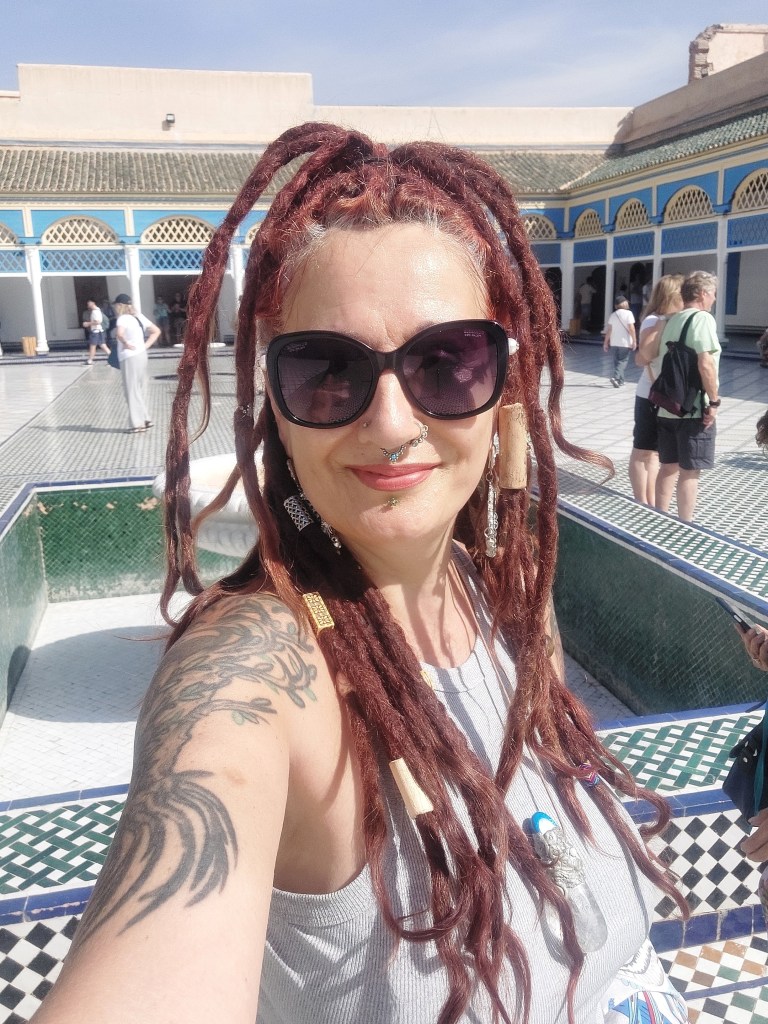
    Bahia Palace is a 19th-century palace in Marrakesh. It’s definitely a must-see if you’re visiting the city, as it is quite spectacular.

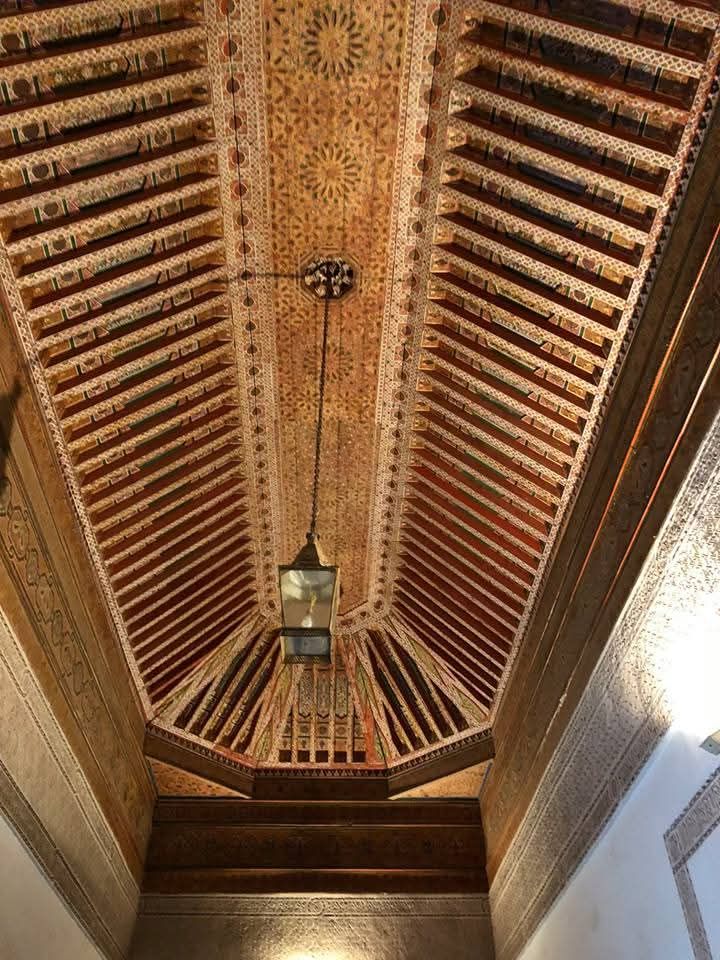
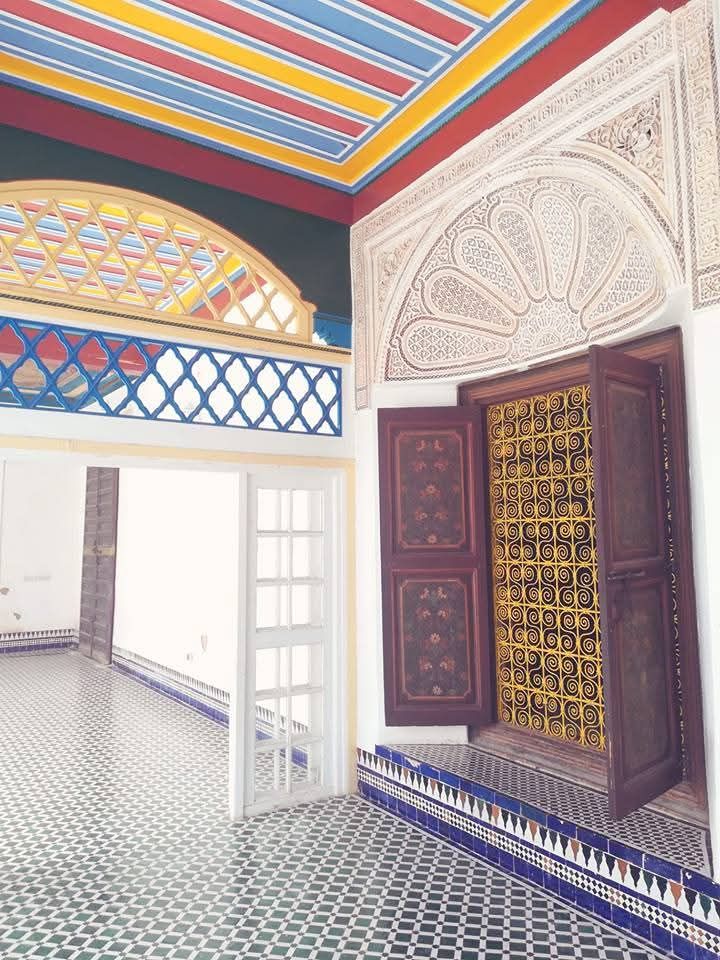
    The word Bahia means  ‘brilliance’ in Arabic, a reflection of the splendour of Islamic architecture and art. The rooms inside the Bahia Palace are beautifully decorated with sculpted stucco, zellige tiles, paintings, and mosaics to capture the essence and skill of divine craftsmanship. The intricately carved cedar wood ceilings are a testimony to the beauty and precision involved in the creation of such a spectacular palace.

    Images by Freebird Tracey.

    The huge courtyard is one of the focal points of Bahia Palace. It is rather grand and very spacious with a fountain in the centre and intricate zellige tile work typical of Morroccan design and culture. All the doors open out into it.

    Image by Freebird Tracey.

    There are approximately 150 rooms organised around multiple internal courtyards and riad gardens. The palace covers around two hectares.

    In 1956, when Morocco gained independence from the French, the palace became the residence of King Hassan II until it was later transferred to the Moroccan Ministry of Culture to serve as a cultural icon and tourist attraction. Bahia Palace has now become one of the most significant landmarks and tourist destinations in Marrakech, attracting 1000s of visitors.

    If you’re planning a visit, it is advisable to book tickets as queues can be extremely long. They cost 70 dirhams at the time of writing, and the palace is open between 8.00am-5.00pm daily.

    The gardens surrounding the palace are also impressive, with orange trees lining the route to the entrance. It’s worth having a wander around them after seeing the interior.

    I would suggest arriving as close to opening time as you possibly can to avoid the crowds. That way, you can spend time reading about the history of the palace before it becomes too busy, and you also have a better chance to capture a few photos of the internal chambers and exquisitely decorated rooms.

    Images by Freebird Tracey.

    If you’re visiting marrakech, the Bahia Palace will give you a good understanding of both Moroccan and Islamic culture and the architecture, art and craftsmanship that defines it.

    If you enjoy looking at Islamic architecture, you should also visit Badi Palace and the Saadian tombs in the Kasbah area of the city.

    Image by Freebird Tracey.
    (more…)