Tag: climate

Exploring The Red City Of Marrakech.
  • When Is The Best Time For Visiting Marrakech?

    Advice about the climate and tourism.

    Image by Freebird Tracey.

    Marrakech is an all year round destination. It has a high desert climate, so it has pleasant weather most of the time.

    During the summer months, temperatures can reach a staggering 45°C or higher, which a lot of visitors find unbearably hot. The winter months can be moderately warm and sunny, feeling chillier in the evenings.

    The best time to go is during the spring, from March till May or in autumn, from September till November. Springtime sees warm, sunny weather, and you can still dine on the rooftops in the evening. However, I would recommend taking a lightweight jacket or jumper to throw on because the temperature can drop after sunset.
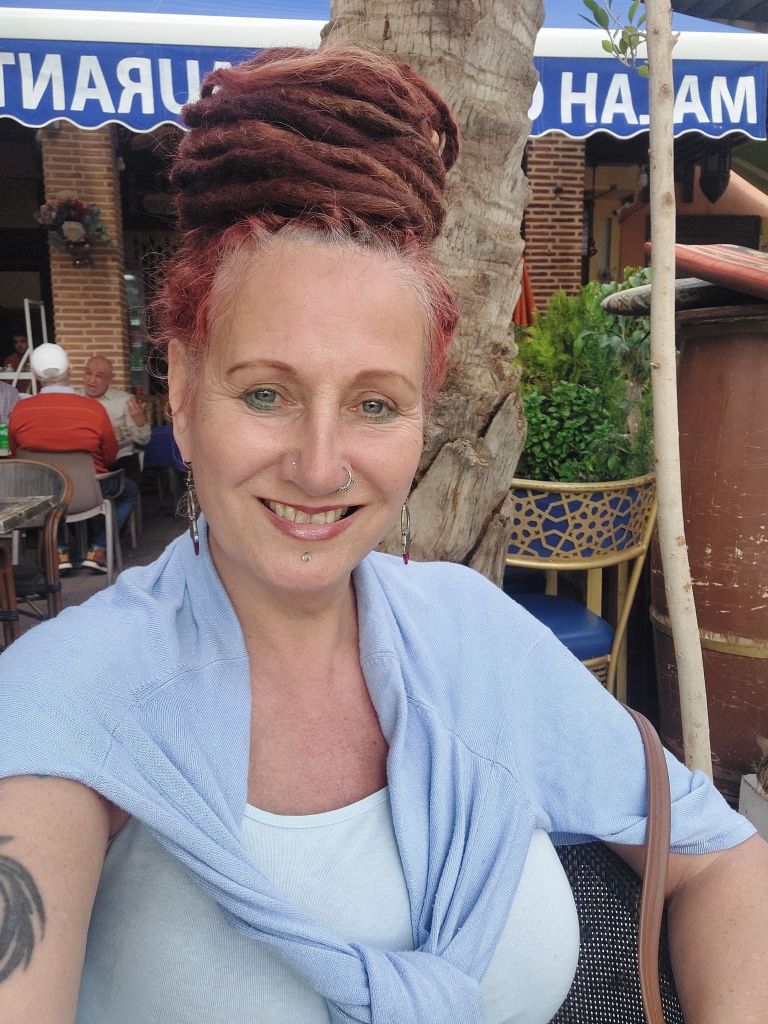
    Image by Freebird Tracey.

    March is the wettest month experiencing 12mm of rain over a day and the occasional storm. Be prepared by carrying an umbrella and wearing sensible footwear.

    June is the driest month with 1mm of rainfall over one day, but temperatures in June and July do soar, and it can become exceedingly hot. This  makes excursions and sightseeing activities more uncomfortable if you’re not used to walking around in that kind of heat.

    Suncream is essential whichever time of year you decide to visit because you can not underestimate the power of the hot Moroccan sun. Carrying bottled water with you is important too so that you don’t become dehydrated.

    If you prefer going when there are fewer tourists, I would suggest January to February. The climate is still warm and sunny, with average highs of 19°C and lows of 6°C in the evening. This would be an ideal time to visit if you’re put off by huge crowds of tourists and long queues at popular sightseeing destinations.

    Another thing to consider is that Ramadan takes place between February and April, so some stores and restaurants may be closed. Many do stay open, but the vibe can feel different due to the locals fasting throughout the day.

    I choose to visit in March, late September, or early October.

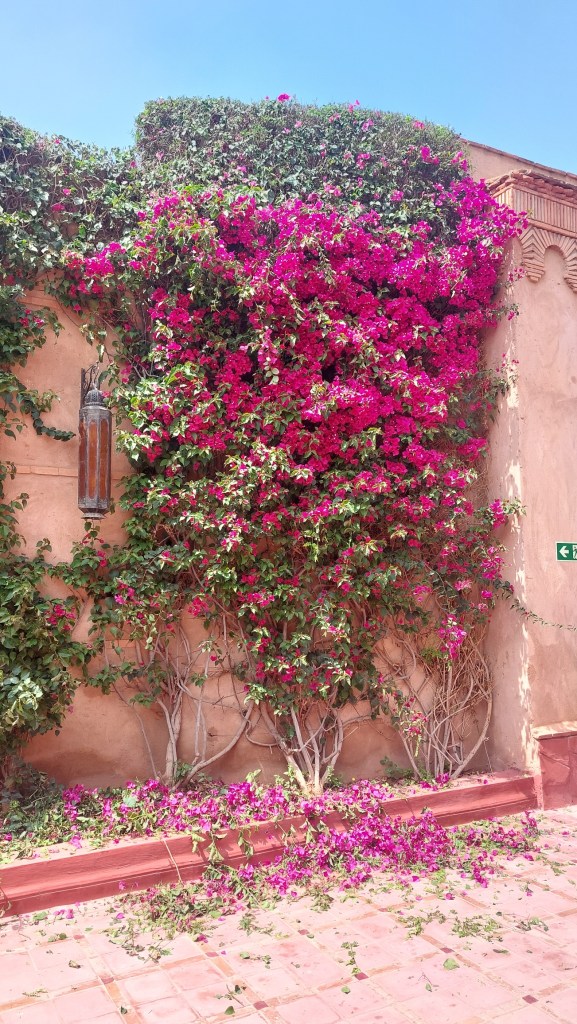
    In springtime, the Jacaranda trees along the main roads in Gueliz look really beautiful, and the air is really fragrant at this time of year. March can be quite hot, and heavy thunderstorms are also frequent. The sky can look very dramatic and holds its own kind of beauty just before a storm breaks over the city.
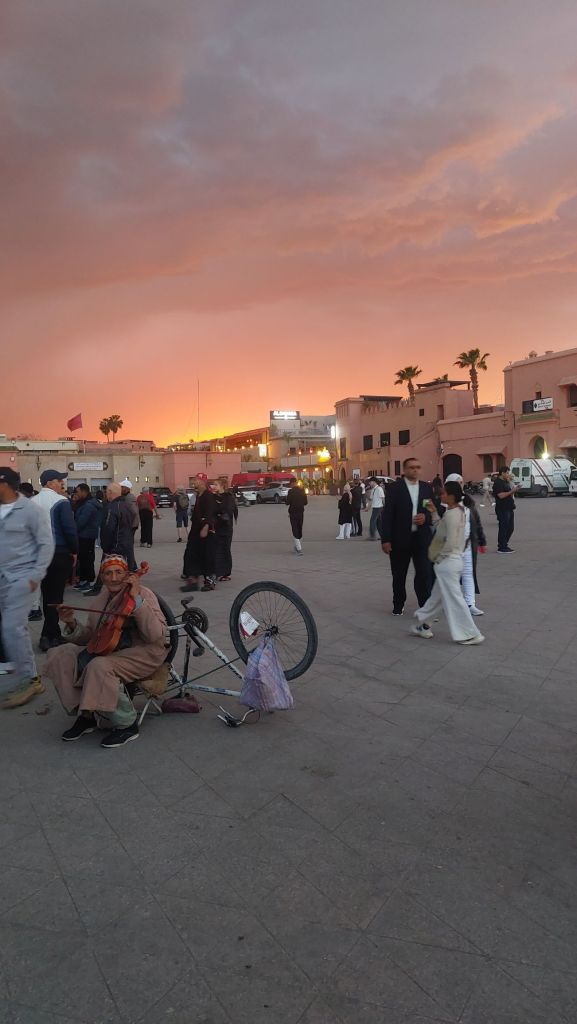
    Image by Freebird Tracey.

    Springtime can still be very busy with tourists, and the souks are bustling with life. For me, that is part of the fun, but for some people, the crowds can be too much.
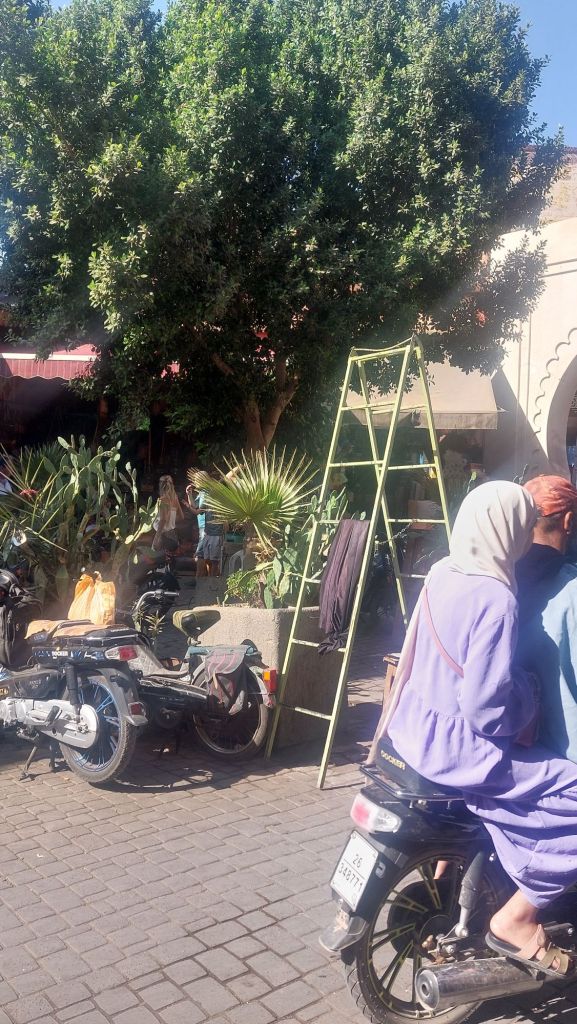
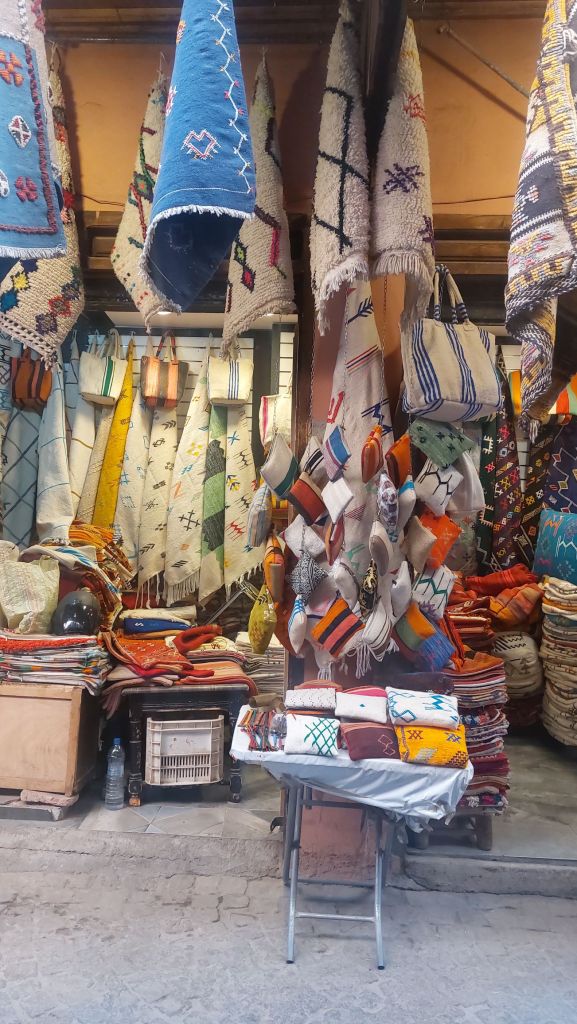
    Images by Freebird Tracey.

    September can be humid. I found it challenging to walk around the palaces and stand in long queues between 3.00pm and 7.00pm, when it becomes particularly warm and sticky, so try to get most of your sightseeing done in the early morning. Afternoons can be a good time to relax by the pool or take a nap until the temperature cools down.
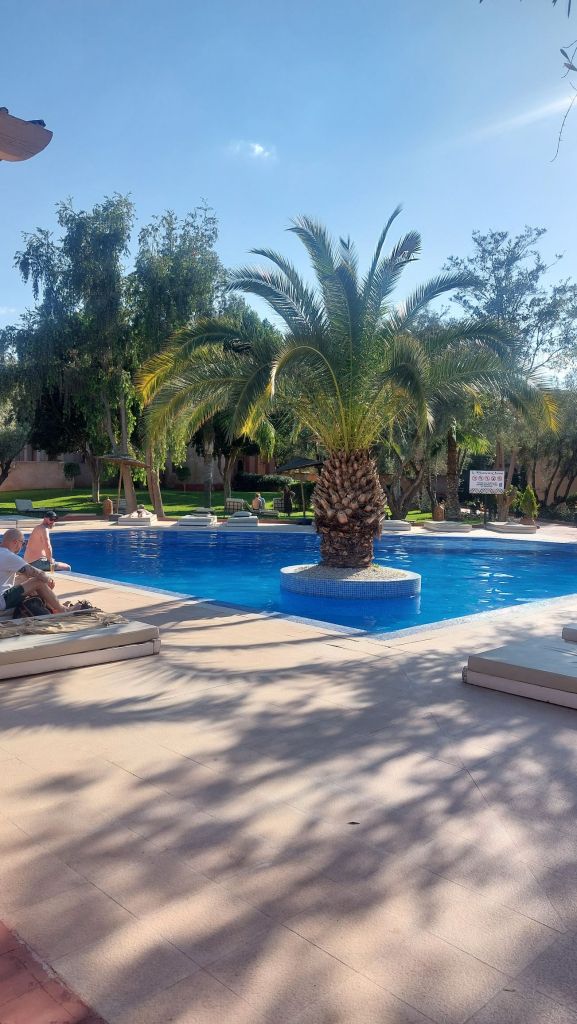
    Image by Freebird Tracey.

    If you do decide to visit during the summer months, here are a few suggestions to help you cope with the heat.

    Plan to visit tourist attractions in the morning as soon as they open. If you pre book, you will avoid waiting in long queues in the heat, and there will be fewer people around.

    Pace yourself. You don’t have to rush around. Many places stay open quite late in the evening. Alternate between sightseeing and finding places in the shade to have a long rest with a cool drink to avoid too much sun exposure. There are plenty of beautiful spots with banana trees and beautiful tall palms to relax beneath.

    Wear natural fibres like cotton or linen clothing. They are breathable and perfect for wearing in hot weather. Choose loose clothing that covers your arms and shoulders. They allow the air to circulate and help to evaporate sweat, keeping you cooler.

    Remember to stay hydrated. Carry bottled water at all times to keep yourself from dehydrating.There are plenty of little kiosks dotted around the medina selling reasonably priced water. Check the seals before purchasing for peace of mind.

    Plan to do more during the evening when it’s cooler. Some of the tours begin later in the day, and trips to Agafay desert begin just before sunset, and it’s a wonderful experience at this time of evening. The square comes alive at dusk, so most of the souks are still trading until late.

    Wear high factor sunblock and keep your head covered. The sun can be pretty fierce, even as early as March.

    Visit the water slides of Oasiria. It’s a fun activity and the perfect way to stay cool. Visiting the Sahara desert will be blisteringly hot in summertime.  Consider going in the cooler months when days are still warm but not unbearable, but remember, evenings get cold in the desert.

    Marrakech is a wonderful city all year round. If you follow these simple tips, you should have an enjoyable visit whichever time of year you decide to travel. It’s about carefully planning your trip.

    Consider what it is you want from your experience. Are you put off by crowds of tourists all crammed into the souks at the same time as you? Can you handle the extreme heat, or would you prefer cooler temperatures in December or January?

    Whichever time you decide to travel to Marrakech, the locals are always smiling and friendly. There’s always lots do and see, including a day trip to Essaouira on the coast, visiting Ouzoud to see the second largest waterfall in Africa and many other exciting places.
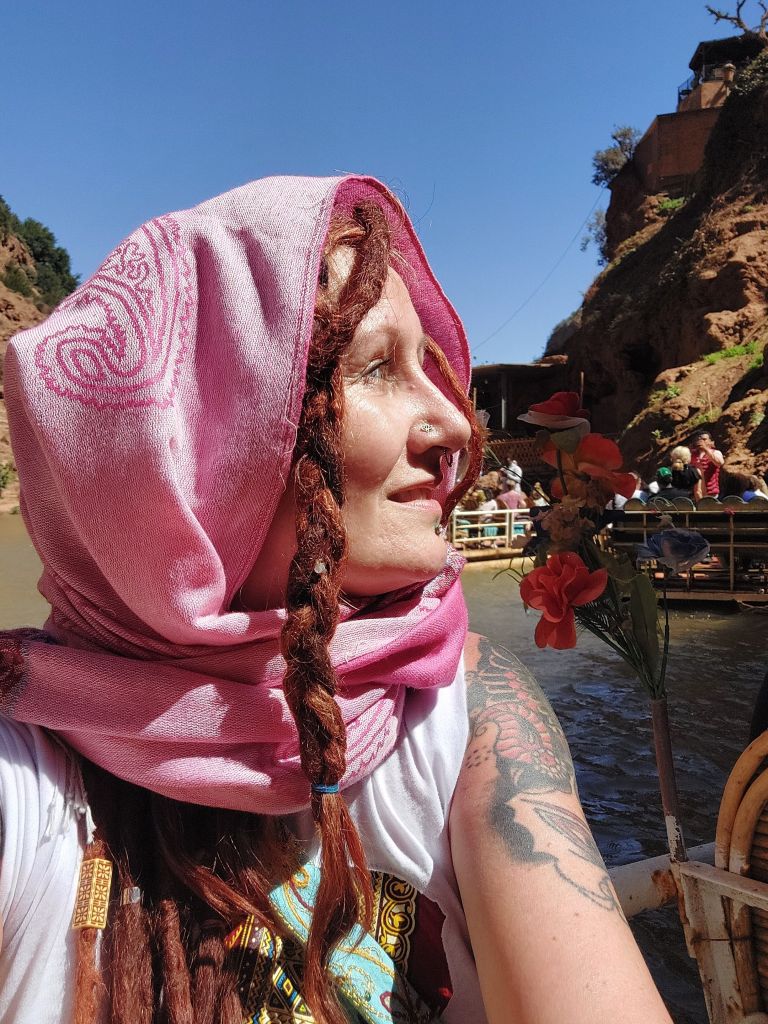
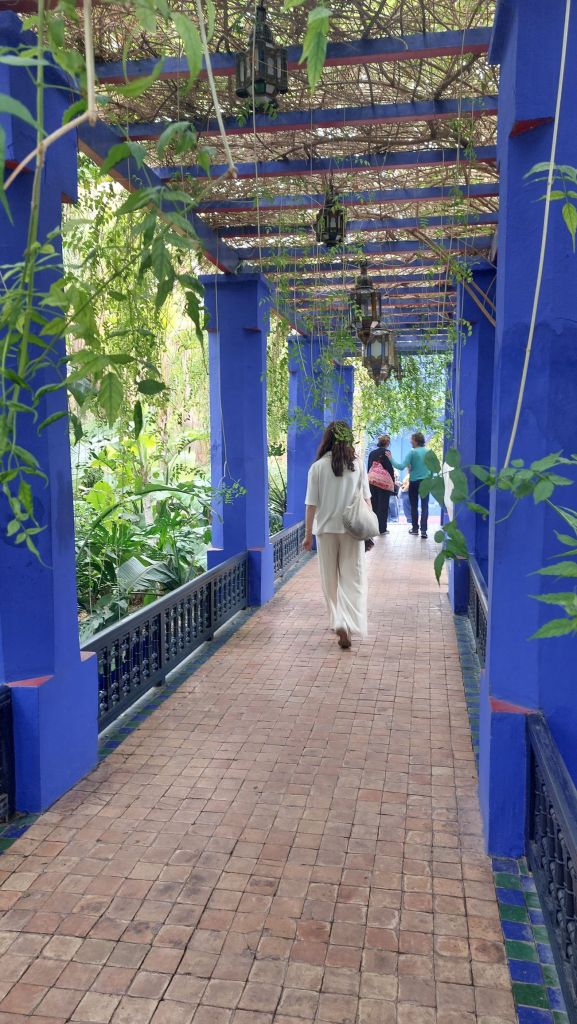
    Image by Freebird Tracey.
    (more…)
  • The Best Clothing To Take To Marrakech.

    Helpful tips to help you decide what clothes to pack .

    Image by Freebird Tracey.

    Marrakech can get very hot in summer, and temperatures can exeed 40° Celsius.

    Even the cooler months can feel warm and humid, especially walking around the busy souks and popular points of interest.Marrakech is also a conservative city with a majority Muslim population. The locals are extremely hospitable, but respect is a big thing in Marrakech.

    So, what should you wear to feel comfortable yet still appear respectable?

    For female visitors, I would suggest palazzo trousers. These are flowing and elegant, keeping you nice and cool.They pair well with smart cotton blouses and can be worn underneath a silk kimono, adding a touch of glamour.Lightweight cotton or linen trousers also look smart, and neutral colours give a sophisticated, modest appearance.

    Image by Freebird Tracey.

    Silk (including recycled sari silk) maxi dresses are very versatile and keep you cool. They can be worn with a drawstring sari petticoat underneath for modesty if the dress is sheer. Linen is perfect and always looks polished.It can get slightly creased, so I would suggest bringing along a portable steamer. They’re a life-saver and take up very little space in your suitcase.However, most accommodation has an ironing and laundry service at your disposal.

    Cotton tee-shirts and blouses are ideal and can look very flattering with the right accessories. Loose yoga pants are also perfect for a day exploring. They help you to stay cool and comfortable.

    Headscarves look fashionable and can be used as a head covering whilst visiting  religious sites or as a convenient wrap around for covering your shoulders.

    Image by Freebird Tracey.

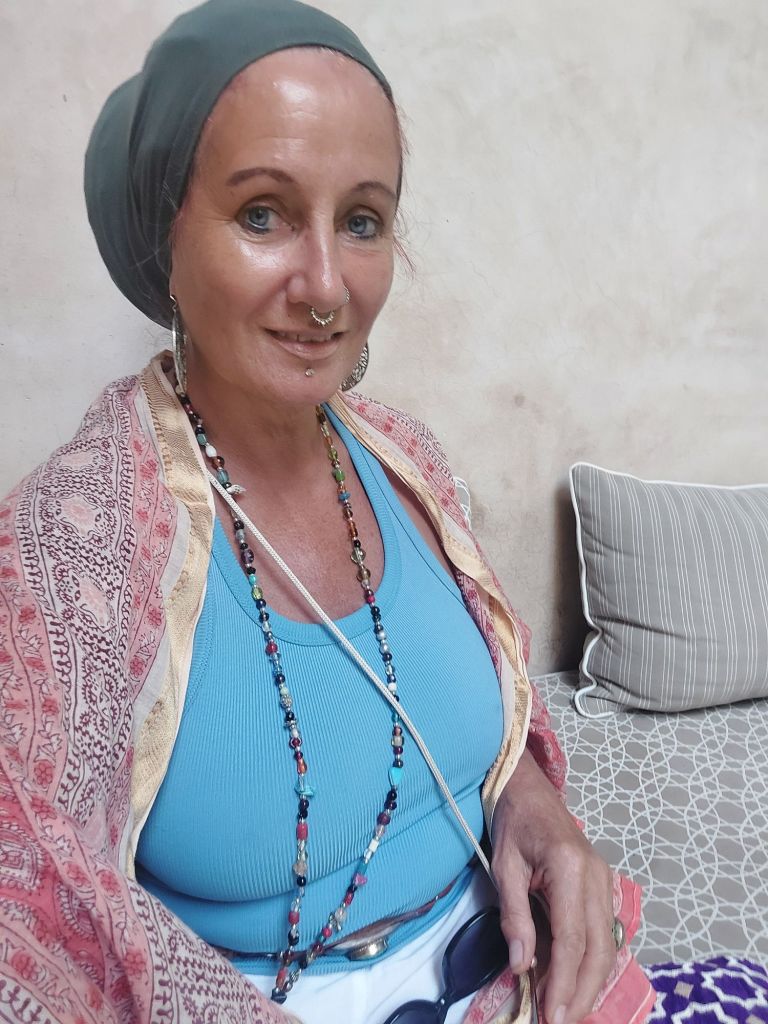
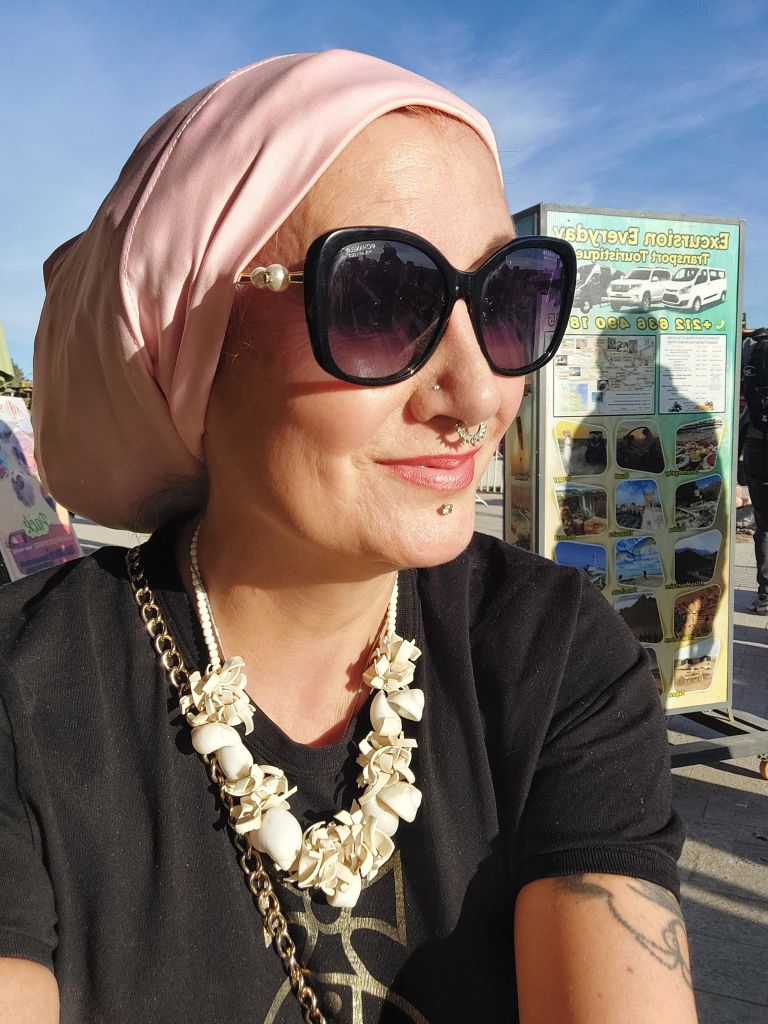
    I like to wear turbans to cover my locs.They keep my head and neck cool, and at the same time, I feel put together and tidy. Silk scarves can be rolled up really small and fit perfectly in your bag. They are versatile and can be used as a hair tie, head covering, or pretty accessory.

    Marrakech is definitely more liberal than other morroccan cities. However, exposing too much flesh is definitely frowned upon. You may attract unwanted attention from both males and females, spoiling your overall experience and making you feel self-conscious.How you present yourself will determine the kind of experience you have in Marrakesh.

    In your accommodation, it’s perfectly acceptable to wear shorts and swimwear for sunbathing, so pack those items of clothing also.

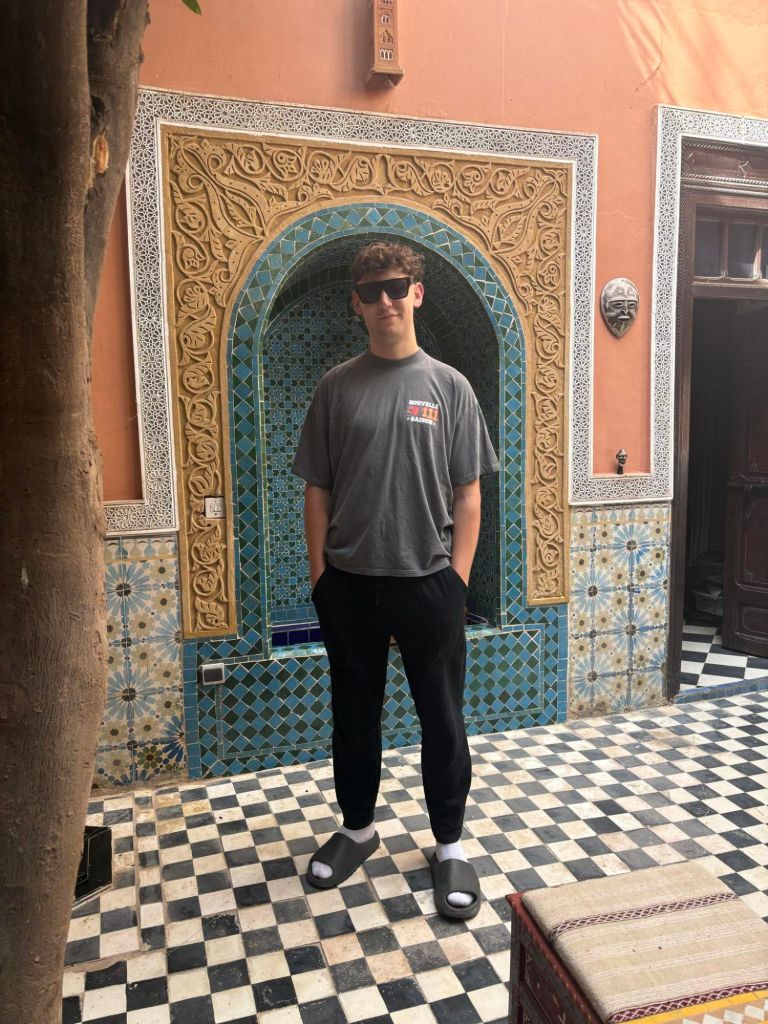
    Males can wear knee-length shorts with linen or cotton short-sleeved shirts to look smart yet casual.Many high-end restaurants won’t accept men wearing sandals, but smart leather sliders or mules are usually acceptable. Linen or cotton long trousers for men are ideal and keep the body cool.

    Image by Freebird Tracey.

    Men’s clothing is definitely more liberal than females. They don’t encourage the same kind of attention, but they are still expected to dress smartly when visiting certain places. I certainly wouldn’t advise a male to walk around without a shirt on, especially when visiting sacred places in Marrakech. That is something I would leave for a beach holiday. Appearing smartly dressed whilst feeling cool and comfortable is the only thing men need to consider.
    On the other hand, women are expected to respect the cultural norms of the country unless they’re going to the clubs in the Gueliz or Hivenage part of the city. It’s acceptable to dress a little more provocatively if you’re having a night out there.

    You can still look and feel good in appropriate clothing. It’s about choosing nice accessories to elevate your outfit. Marrakech has no shortage of beautiful jewellery and handbags.

    Regarding footwear, there is a lot of walking around the medina, so comfortable footwear is certainly essential.Trainers, pumps, or sandals are all acceptable.

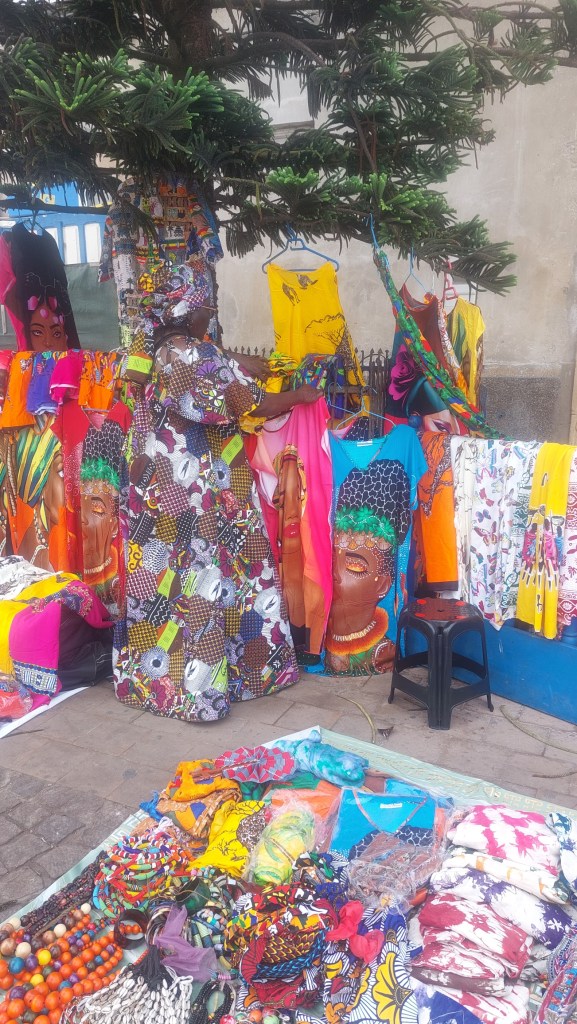
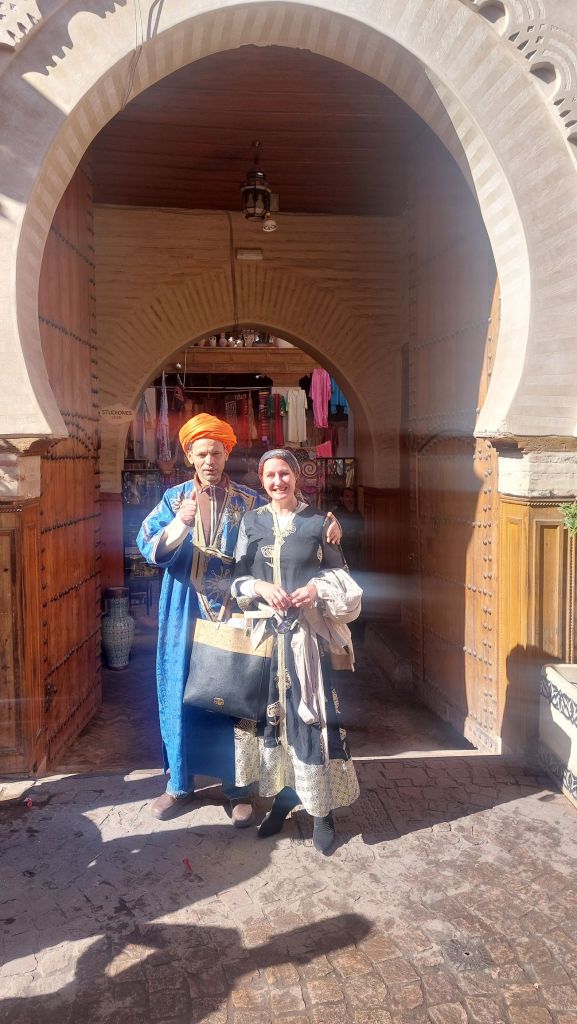
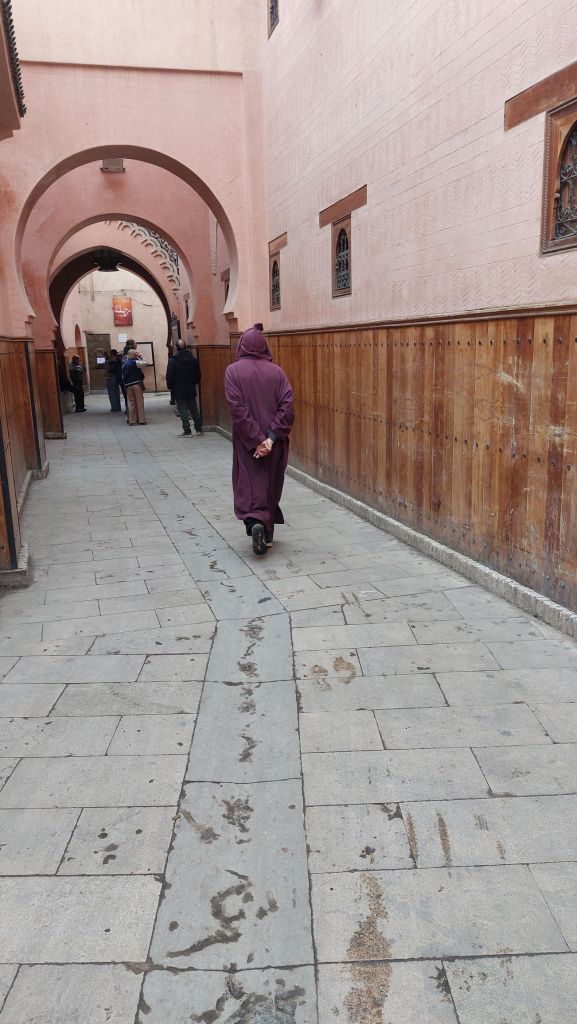
    A little tip I found useful is to take  only a couple of outfits in my travel bag, and once I arrived, I bought the rest of my clothing in the souks. It wasn’t too expensive, and I felt as if I blended in with the locals better.I quite enjoyed wearing the traditional Moroccan dresses, kaftans, and djellabas for a change.

    Image by Freebird Tracey.

    I have never needed to take a warm coat to Marrakech.

    Depending on the season and whether you plan a trip into the Atlas mountains or the Sahara desert, a lightweight weatherproof jacket is usually enough. I find that a shawl or cardigan has always been sufficient for cooler evenings.

    Winter in Marrakech is better suited to layers. A thin thermal skin that can be worn underneath a long dress or trousers is usually enough to protect from the drop in temperature. I also wear long sleeved tee-shirts underneath my dresses during the evenings. A comfortable hoodie or sweater can also come in handy. A trip to Agafay desert can get very blustery whilst watching the sunset in the open air.

    Keeping your eyes on the weather forecast before travelling will also help you to plan accordingly for your trip. If part of your itinerary includes a night in the Sahara desert, be aware that nighttime can be extremely cold.

    So, to summarise,

    Wearing comfortable clothing suitable for a day exploring the medina and tourist hot spots is the most important thing to consider. You will walk a lot, and it can get humid.

    To discourage unwanted attention from the locals, female travellers might prefer to dress more modestly unless they’re in the bars and clubs, which are more liberally minded. Choosing natural fibres is the best way to stay cool, and long, loose-fitting garments are ideal because they look modest and feminine.

    Lastly, don’t forget to bring the sunscreen.You don’t want to walk around looking like a lobster, and you can never underestimate the power of the hot Moroccan sun.

    Image by Freebird Tracey.
    (more…)
  • A Day Trip To Essaouira.

    Visit a fascinating city on the Atlantic coast.

    Image by Freebird Tracey.

    Marrakech is the perfect starting point for visiting other Moroccan destinations. One of the popular day trips from Marrakech is the beautiful city of Essaouira on the Atlantic coast. The journey takes approximately 3 hours with a 20-minute break for refreshments midway through.

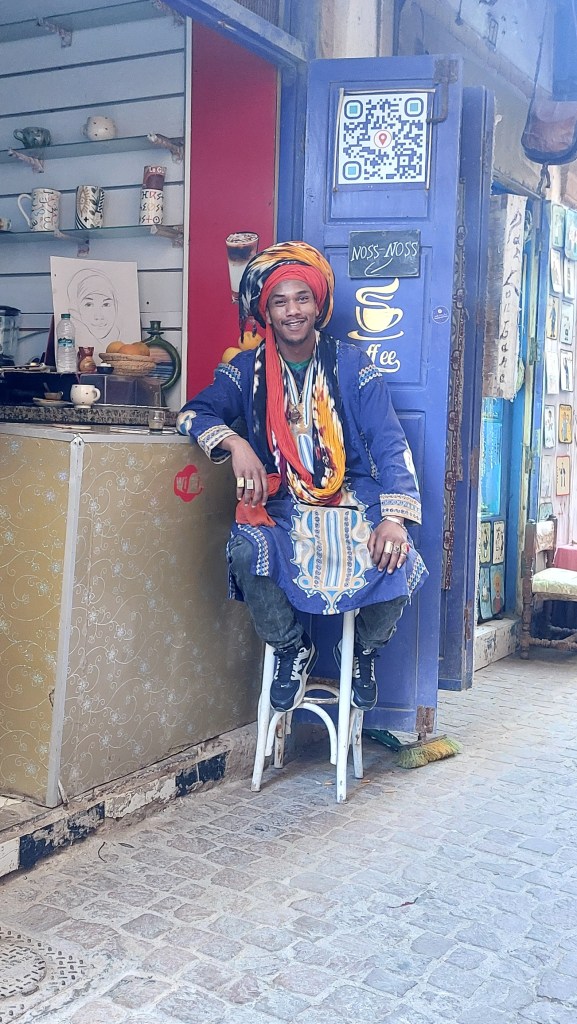
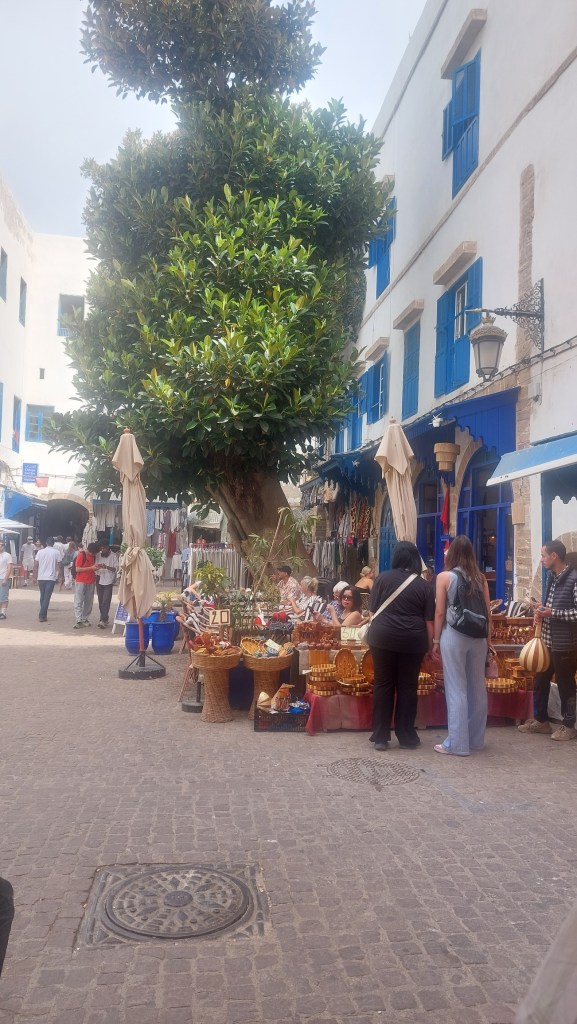
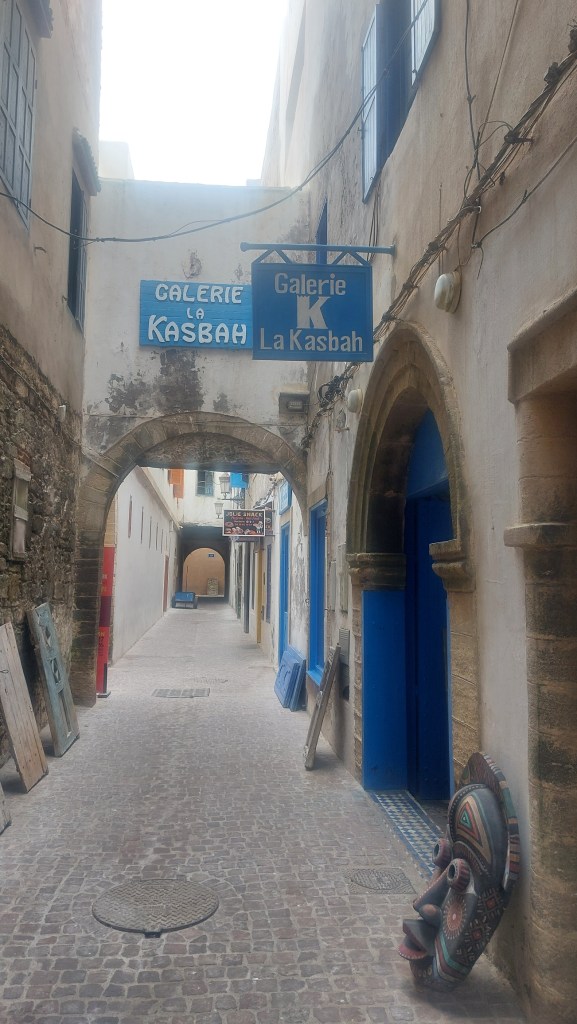
    Essaouira is a delightful city, steeped in history. It is full of eclectic, quirky little shops, and the atmosphere is very bohemian. There are street musicians, local artists, and artisans plying their trade all around the picturesque old medina.

    Images by Freebird Tracey.

    The beach is huge and a great place for a spot of sunbathing if the wind allows. You will most likely notice kite surfers because Essaouira is popular with the surfing community. The wind can be pretty wild, so it isn’t known as a beach destination, but on calm days, the beach attracts lots of local families and gets quite busy.

    The temperature in Essaouira is cooler than it is in Marrakech. However, even on the windiest of days, you can not underestimate the power of the Moroccan sun. In the old medina, it can still feel very warm. Be mindful of this and apply sunscreen to stay safe.

    Image by Freebird Tracey.

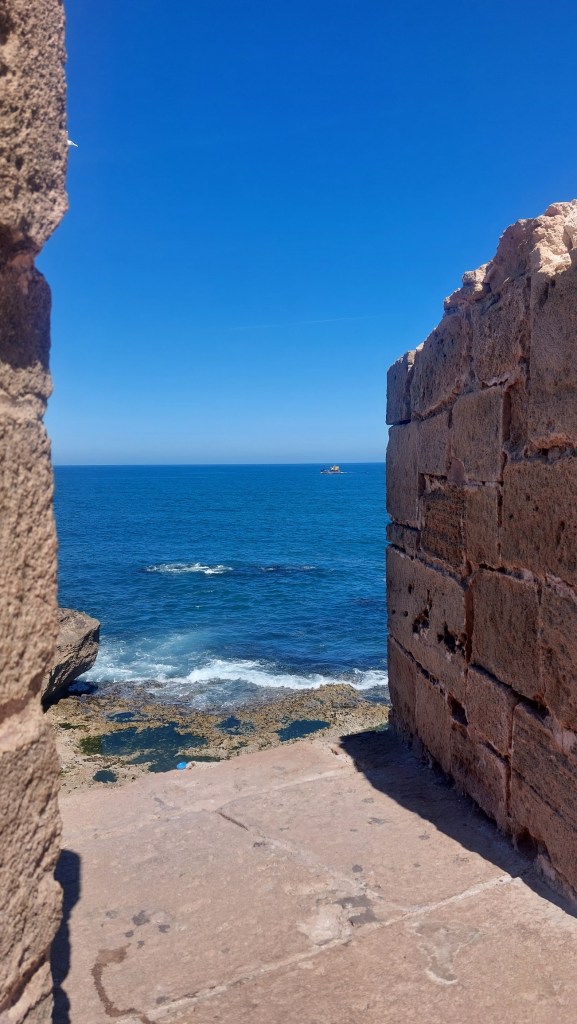
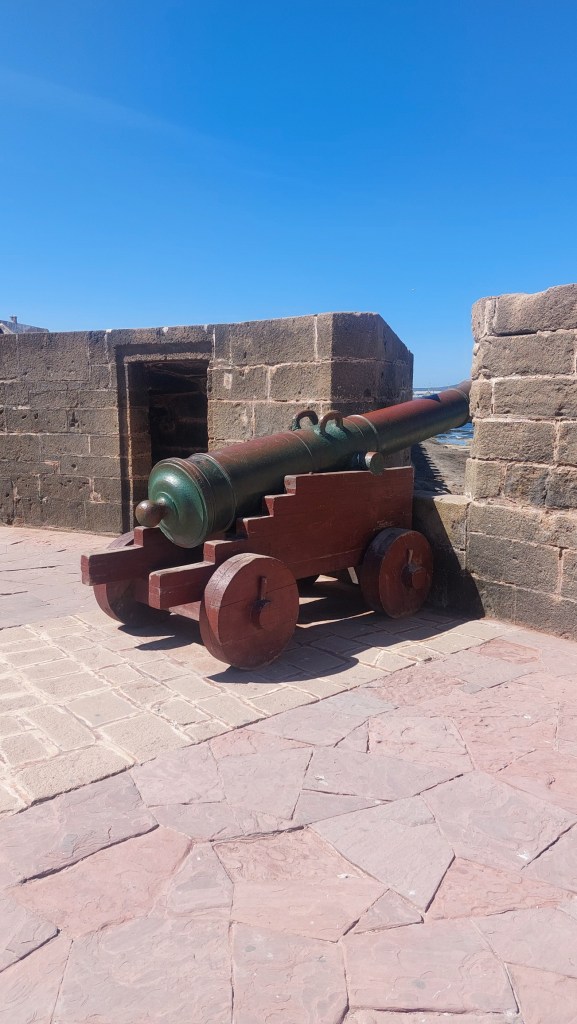
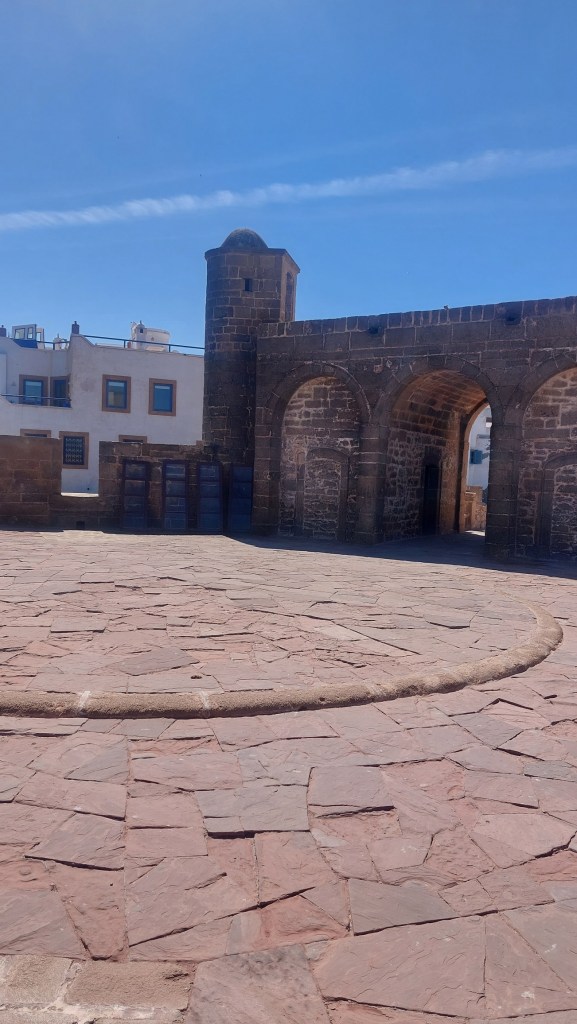
    The fort is exciting and offers incredible views over the Atlantic Ocean. Cannons look out across the dramatic blue sea, and tourists gather to take photos. In the distance, you can see the island of Mogador, once home to a notorious prison known as the Alcatraz of Morocco. The fort was also one of the locations where Game Of Thrones was filmed.

    Images by Freebird Tracey.

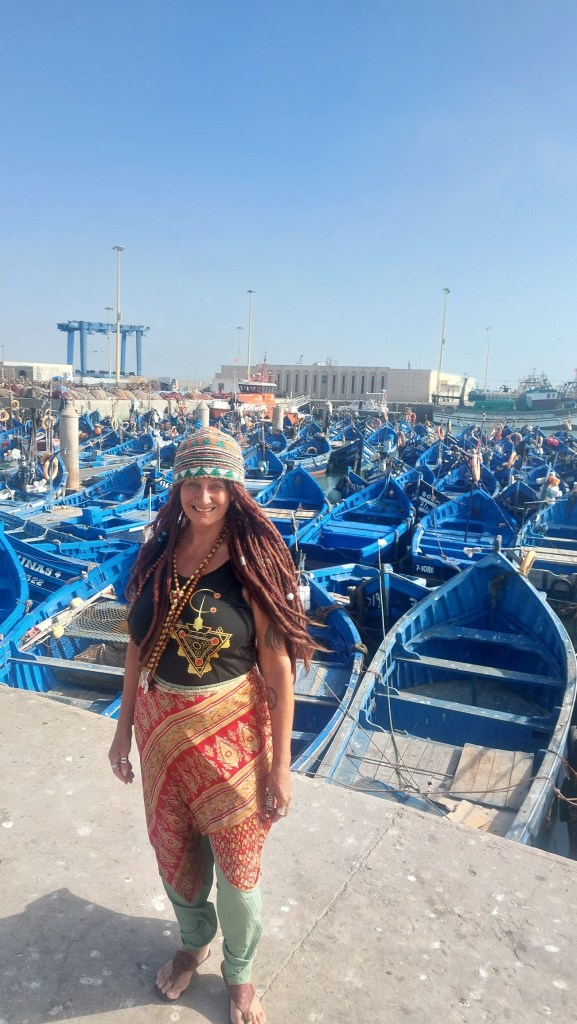
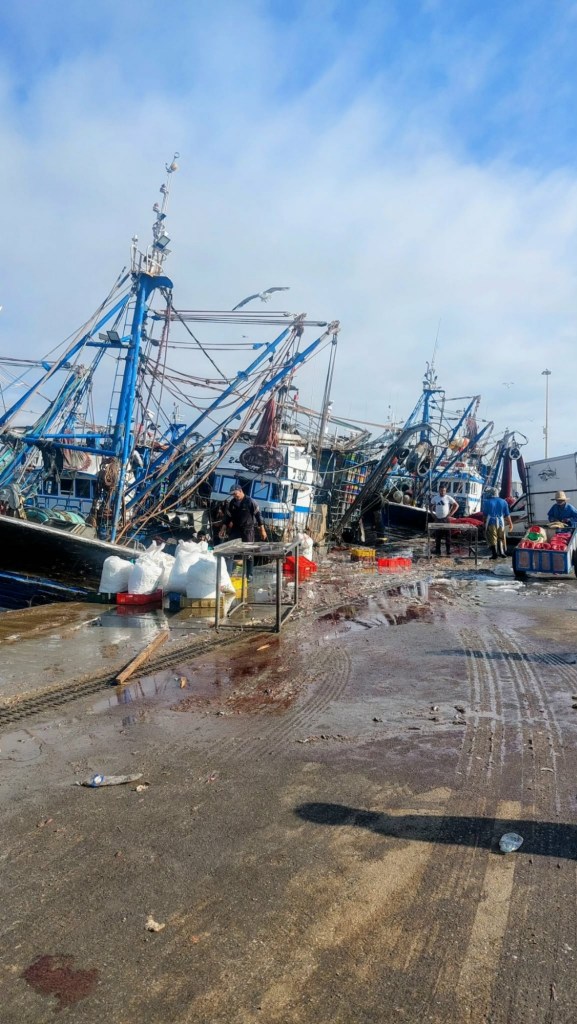
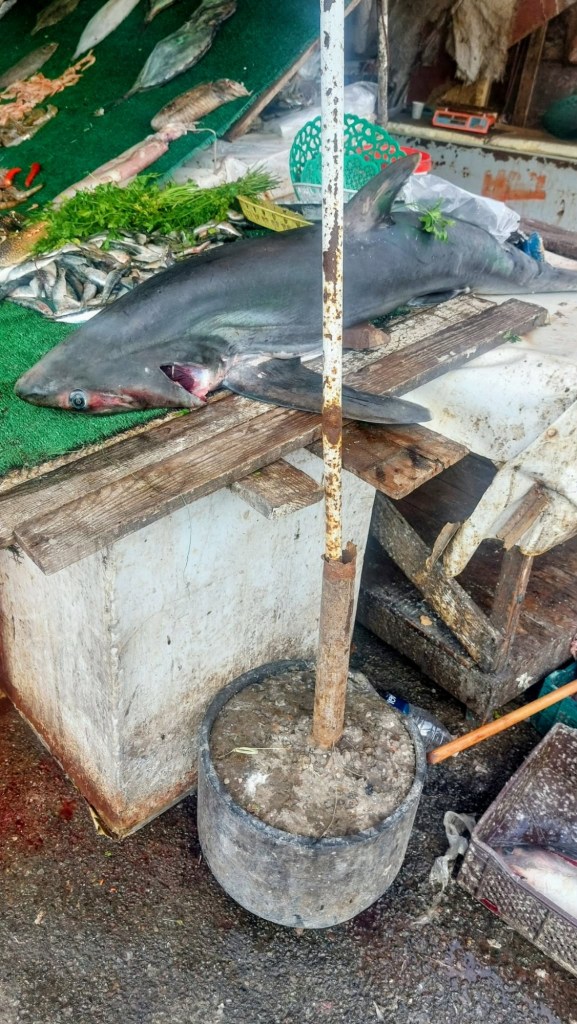
    The port is one of the main attractions of Essaouira. The beautiful iconic blue fishing boats featured on every postcard of Essaouira are a sight to behold. Freshly caught fish are on display, including everything from sardines to baby sharks. The tourists queue to sample sea urchins and fresh oysters. It is possible to buy fish at the port and take it to a nearby cafe to be barbecued. There is also a fish market in the old medina that will barbecue fish for you. I have heard that prices here are better than the cafes next to the port.

    Images by Freebird Tracey.

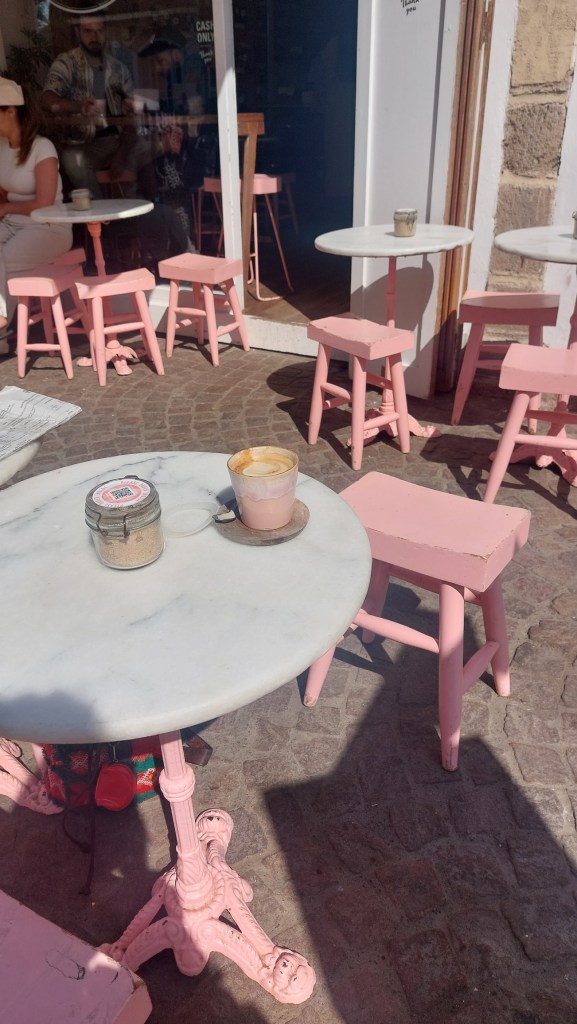
    Lovely little cafes adorn the streets of the old medina, perfect for a spot of people watching. Pumpkin Cafe is very popular with its pink hues and delicious pastries. Three Little Birds and Soul Cafe are vibey and serve great coffee.
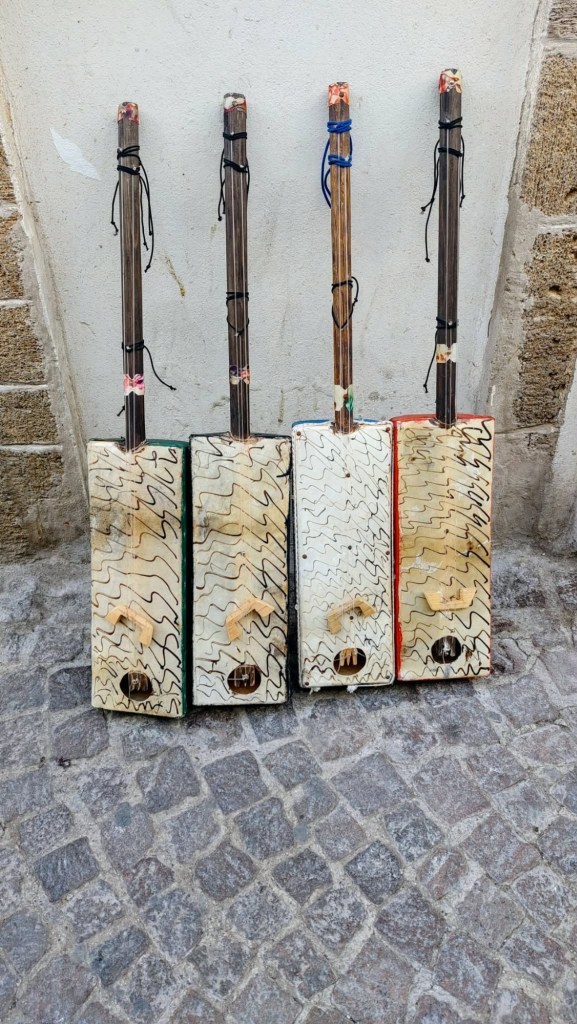
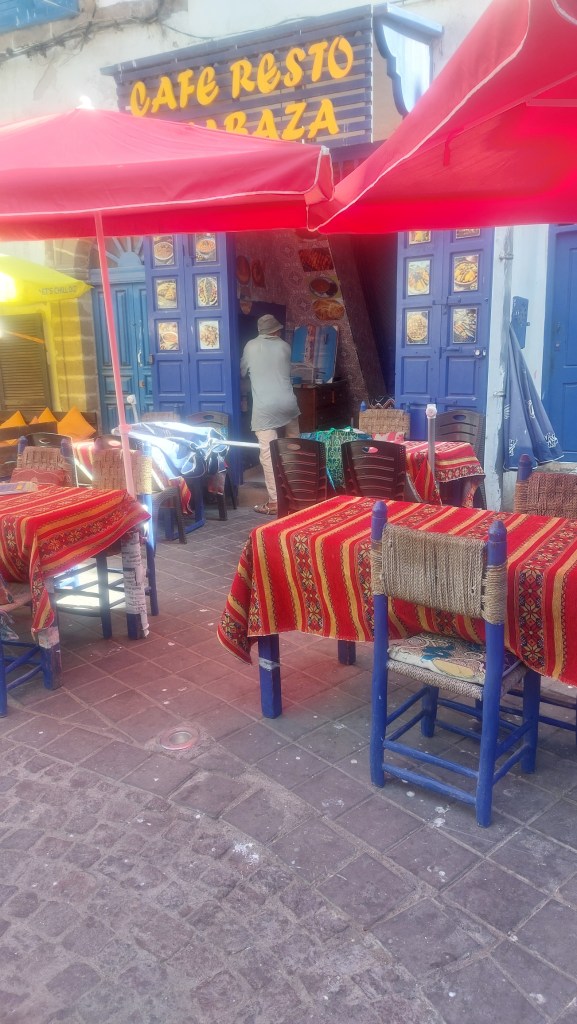
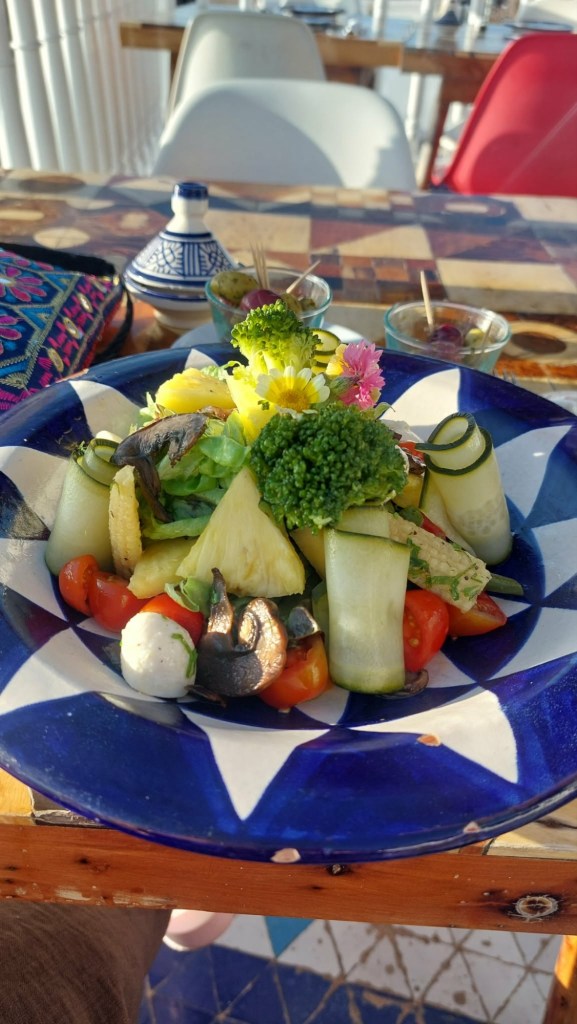
    There are plenty of great restaurants for lunch, and prices are more reasonable than Marrakech or Agadir. I recommend Mandala Society and The Loft, which has interesting decor and excellent food. Love Caravan is very exotic, and Salut Maroc does a very creative salad. It’s one of the best places to watch the sunset. Many of the restaurants play live music, and gnawa musicians can be heard all around the walls of the medina. After all, Essaouira is the spiritual capital and cultural home to gnawa music.

    Images by Freebird Tracey.

    Moulay Hassan Square is a gathering place for the locals to sit and drink mint tea and coffee. It is a vibrant area and houses one of the main stages during the annual Gnawa Festival in June. Sitting in the sun, listening to the many street entertainers is a nice way to relax and experience the cities culture.

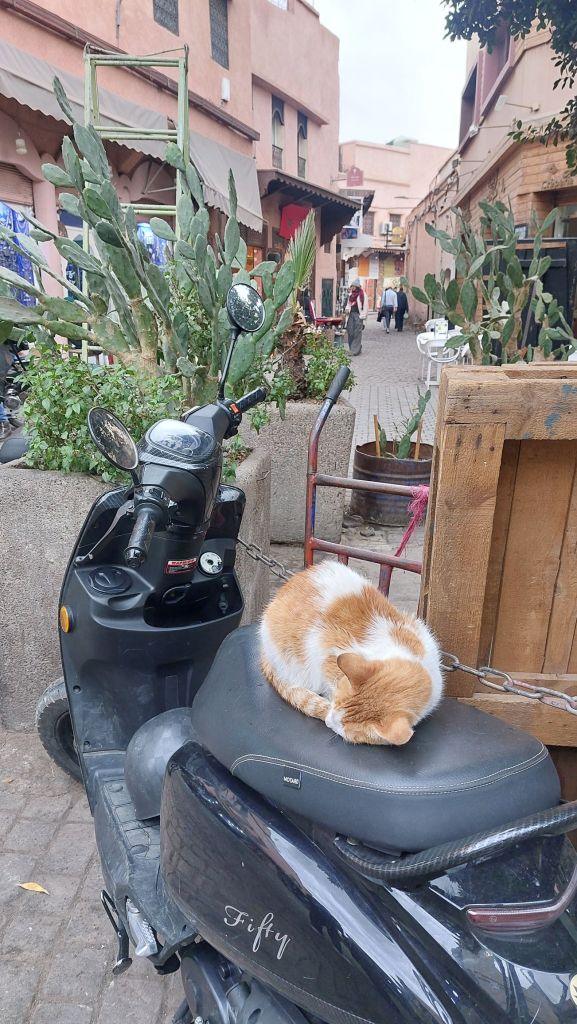
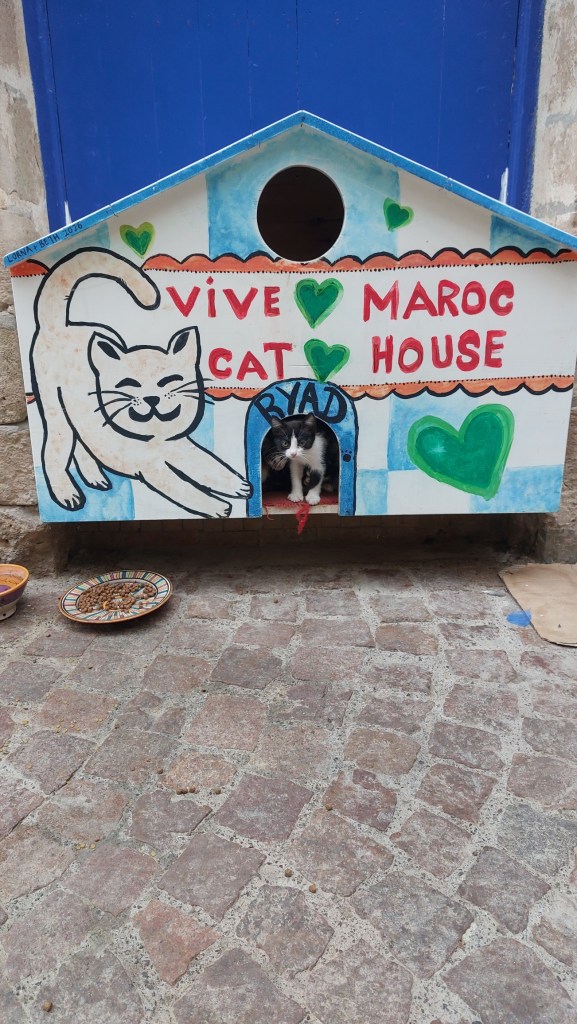
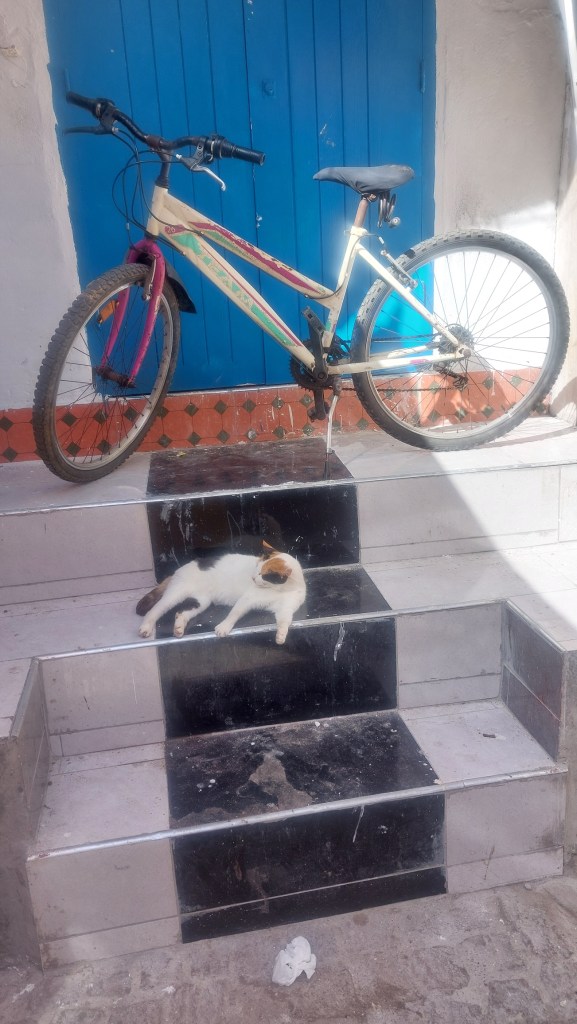
    Cats wander around freely as if they have the right of way, and you can expect to see hundreds of them wherever you go in Essaouira. The locals look after them well, and it’s not uncommon to see cats sitting on the laps of the shop owners. Food, water, and shelter are strategically placed around the medina.
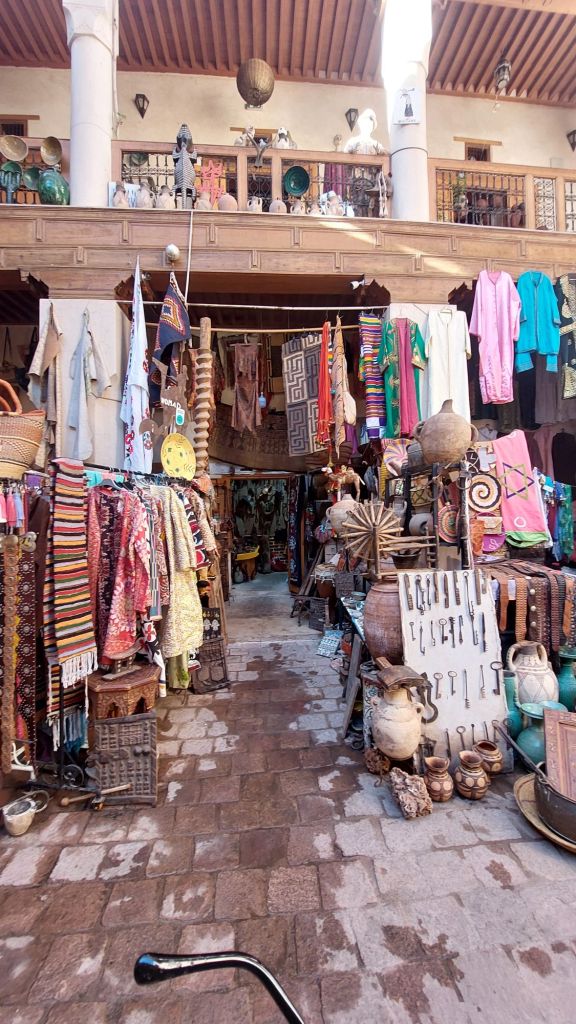
    Image by Freebird Tracey.

    Essaouira is a fascinating place. Ideally, you would need at least a few days to appreciate it in its full entirety. There is plenty to do, and you need a couple of days to enjoy some of the attractions Essaouira has to offer.

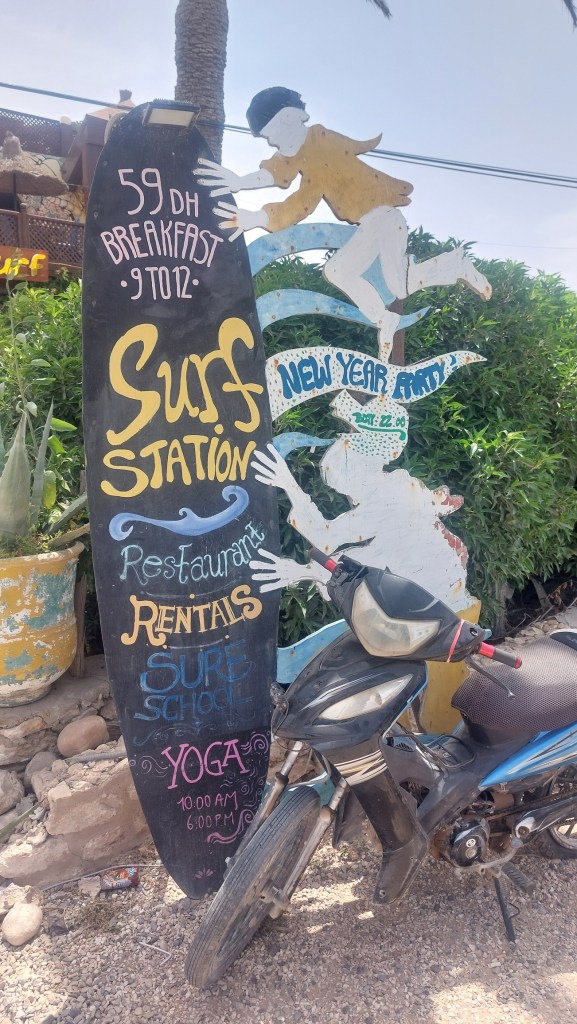
    The Jimi Hendrix cafe in Diabat is worth a visit for fans. Sidi Kouki 25 km away is a very chilled surfing spot with a long white beach. It’s a 30-minute ride by grand or private taxi, longer if you decide to take the bus.

    Images by Freebird Tracey.

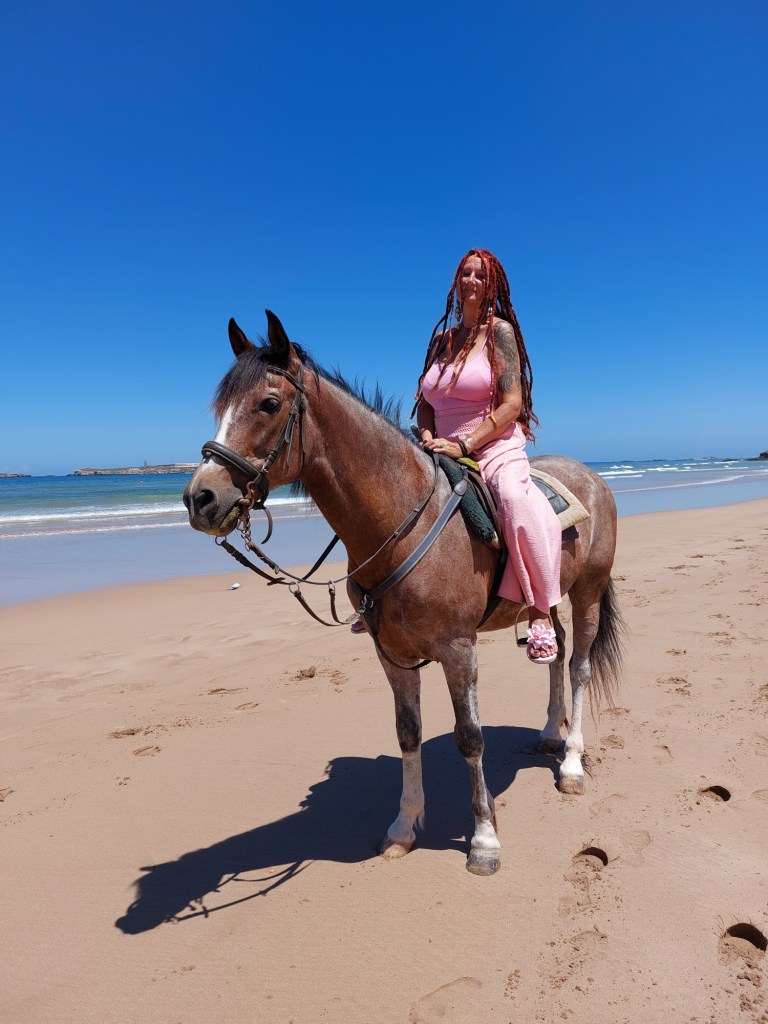
    There is the opportunity to ride an Arabian horse across the beach. The horses are very well looked after, and the stables are spotlessly clean. This can be booked in advance through Get Your Guide or by visiting the stables in Diabat independentently, which I did. After visiting the Jimi Hendrix cafe, I simply wandered down to the stables and got to ride across the beach on my own with my guide. It was a memorable experience on a gentle horse called Andaluse, perfect for beginners.

    Image by Freebird Tracey.

    When visiting Essaouira, knowing a little bit of French or Darija helps because English is considered a foreign language, and you will hear much more spoken French than in Marrakech. However, the locals in Essaouira are friendly and welcoming and will go out of their way to help you.

    Image by Freebird Tracey.

    The pace of life in Essaouira is much slower than Marrakech despite the growing influx of tourism and the popularity of this wonderful destination. Shops open slightly later and close earlier. The feeling is very laid-back.

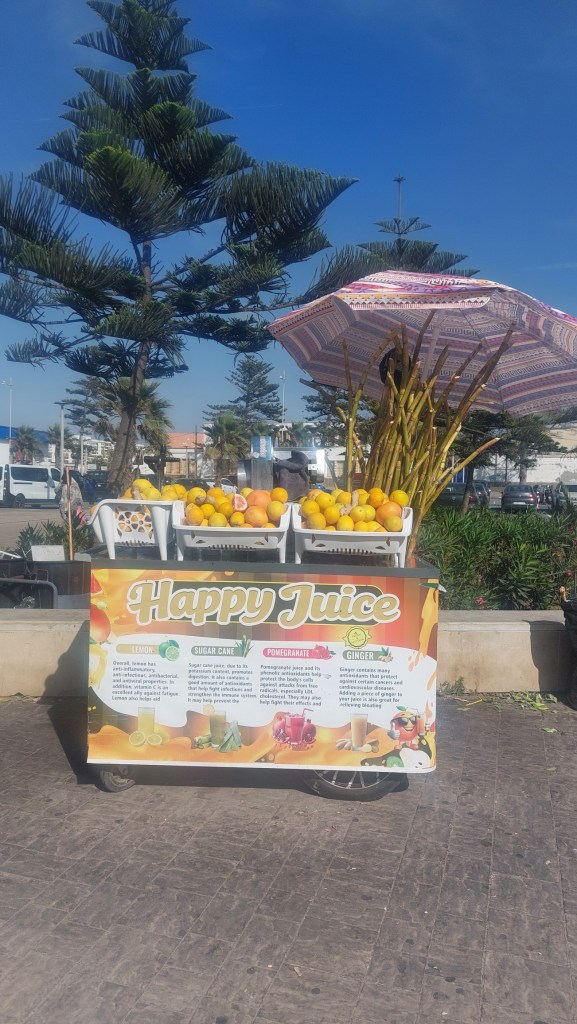
    Essaouira is ideal for solo travellers and families with children alike. The long promenade is kept beautifully clean and comes to life at dusk, lined with street vendors selling corn, ice cream, and sugar cane juice. Locals play football on the beach, and families and friends sit together watching the sunset.

    Incidentally, Essaouira has one of the most beautiful sunsets I’ve ever witnessed. The best places to watch it are from the ramparts or Salut Maroc and Taros. Both of these places serve alcoholic beverages.

    Image by Freebird Tracey.

    Whilst it’s true that Essaouira is a very windy city, it doesn’t detract from the enjoyment of visiting, even between the months of June and August when the climate is perfect for surfing. The wind picks up during these months. However, if you carry a light jacket or sweater, you will be comfortable near the beach and ramparts where the wind is felt the most.

    Essaouira is a very pretty city. The white buildings, with their blue shutters influenced by the Portuguese, are a complete contrast from the red city of Marrakech. Some visitors have claimed that it feels more like being in a European city than Morocco. The Amazigh culture is still very present in Essaouira despite its whitewashed buildings and laid-back charm.

    Images by Freebird Tracey.

    I would recommend a visit to Essaouira as part of your itinerary when you’re visiting Marrakech. You can get a good feel of the city in a day. It may encourage you to return in order to spend a few more days exploring everything this great destination has to offer.

    If you are travelling to Essaouira by yourself, I recommend taking the CTM or Supratours coach adjacent to the train station in Marrakech. Booking online guarantees you a seat, and there is a small charge of around 5 dirhams for your luggage. Backpacks can be taken on board free of charge. The coaches have air conditioning, and mine had reclining seats. The journey was very comfortable.

    If you book as part of a group, including a guide, you may stop off and visit an argan cooperative during the journey. You may also stop to photograph the goats sitting in the argan trees. The journey may take slightly longer if you factor this in. On average, you get to spend approximately 4 hours sightseeing. Essaouira is a relatively small city, so you will have plenty of time to shop, have lunch, walk along the beach, and visit the port.

    Just a gentle reminder, keep a few dirhams handy in case you need to use the bathroom during the rest stop. There is often an attendant present who will expect around 2 dirhams for the privilege of toilet tissue and the maintenance of the bathroom. It’s also a good idea to carry hand sanitiser.

    Essaouira is sunny all year round, so it can be an enjoyable experience at any time of year. However, during June, when the annual Gnawa Festival takes place, it can be incredibly busy. At least 500,000 visitors descend on the city, which puts a strain on its infrastructure. The festival lasts 3 days. If you’re put off by huge crowds, I would choose a different time to visit. However, the energy around the city is electric during the festival, and it’s an explosion of sound and colour. Most visitors choose Essaouira for its contrast to the heady, over stimulation of Marrakech, so take that into consideration before planning a visit.

    Whichever time you choose to come, your heart will be captured by Essaouira.

    Image by Freebird Tracey.
    (more…)
  • Five Things I Love And Hate About Marrakech.

    A list of some of my likes and dislikes.

    Image by Freebird Tracey.

    Marrakech is my happy place. It’s a city of contrasts. From the ancient walls of the medina to the plush bars and clubs of Gueliz and Hivernage. Visitors may find Marrakech to be an assault on the senses. The sights, sounds, and smells of Jamaa El Fna can be overly stimulating for the most seasoned of travellers. However, it’s part of the charm of the city, and it’s just as exciting as it is chaotic.

    Although I love visiting Marrakech, there are things that frustrate me. I have to give a realistic, balanced opinion. Like anywhere else in the world, things can not be all perfect. Therefore, I have decided to share some of the things that I have struggled with versus the things I adore about the city of Marrakech. I have made a list of 5 things that I love and 5 things I don’t like.

    Here are the 5 things I don’t like about Marrakech.

    1.

    If you’re an animal lover, you might find the hustlers in the main square too much to cope with. The monkeys on chains and the snake  charmers encouraging you to have your photo taken with them were hard for me to see.  The monkeys have been brought down from their natural habitat in the Atlas mountains. I accept that local people need to make a living, but they clearly don’t look happy chained up all day. They are dressed in tutus and nappies, and it just feels wrong to me.

    There are horse-drawn carriages taking tourists through the chaotic traffic into the newer part of the city. The donkeys pulling heavey laden carts through narrow alleyways full of motorbikes and tourists. I’ve witnessed accidents where they’ve been clipped by passing motorists. The donkeys look as though they’re overworked and appear neglected.

    I appreciate it’s the culture of Marrakech, and I have no right to criticise anyone’s way of life or impose my own beliefs onto another culture. However, I did struggle with it the first time I visited Marrakech. I avoided eye contact with the snake charmers and monkeys on chains, and eventually, they stopped approaching me. I would feel happier if a separate lane was implemented just for the horse-drawn carriages to use. For now, they are taken through some of the worst traffic I’ve ever seen, and I found that difficult to watch.

    There are also a lot of stray dogs and cats in Marrakech. They are looked after by the locals, and many of the cats have been rehomed by owners of the riads. They are regularly fed, and the local people try their best to look after them.  However, I found it difficult to see the sheer volume of strays to begin with.

    Finally, there are chickens in tiny cages and caged tortoises, If you are an animal lover like me, you may find all the above a bit shocking.

    2.

    Queueing at the airport.

    Be prepared to stand in line for up to 2 hours on arrival. The process is slow, and all you can do is accept it. Take a snack and keep a drink with you. It is possible to pay extra for the fast- track service, but it may cost you around €230 for the first person and €190 for the second person.

    Tip: Try to visit the bathroom before the aircraft lands and consider choosing a seat near the entrance and exit. This way, you can get to the front of the queue quickly.

    3.

    Marrakech is touristy.

    The narrow alleyways in the Souks can be very crowded. You and hundreds of other tourists will be browsing around the shops at the same time. Marrakech is one of the most visited destinations, and it may feel as though everyone is there at the same time as you.

    Tip: Plan to visit in January or November when it’s quieter. There are fewer people around the main attractions, so you will get the perfect photo opportunity. Queues will be shorter also. Consider  sightseeing and shopping early in the morning. It’s less crowded, and bargaining is easier.

    4.

    The smell of fumes in the souks.

    The souks are full of motorcycles and tuk-tuks, giving off clouds of fumes as they hurtle past. The fumes can get stuck in the back of your throat, making you feel  nauseous. Unfortunately, there is little you can do to change this. There are a lot of vehicles on the main roads around Marrakech, and they can be chaotic at times. Pollution can be bad in Marrakech. Just be aware of this if you struggle with asthma or other breathing issues.

    5.

    The vendors in the main square can be persistent.

    During the evening, the main square opens up becoming a meeting place for thousands of people. The food stalls are all in competition with each other.  Vendors will try to shove a menu in your face to get your custom. Some of them can be very persuasive, occasionally pushing the boundaries. It can become overwhelming, and it’s often difficult to remain calm in those situations

    The henna ladies also vy for your custom. It’s not uncommon for them to take hold of your hand and begin applying henna, telling you that it’s a gift. After they’ve finished, they’ll ask for money from you, and it can get quite heated if you refuse.

    Tip: If you’re not interested, try not to show interest by avoiding eye contact. Politely saying “La Shukran” meaning no thank you in darija, is a good way to discourage unwanted harassment.

    Marrakech was badly affected by the devastating earthquake in 2023, and many people lost their livelihoods and homes. Whilst it was sometimes difficult to cope with the constant barage of vendors. I had to remind myself that their struggle to survive is very real.

    Marrakech is certainly a culture shock to many first-time visitors, and I was no exception.

    I’ve shared 5 of the things I find challenging about Marrakech. I would now like to tell you about what it is that keeps me going back time and time again.

    Image by Freebird Tracey.

    Here are 5 things I love about Marrakech.

    1.

    The people.

    You can expect to meet the friendliest, most welcoming people you have ever met in Marrakech. They are constantly smiling and can’t wait to tell you all about their fascinating city. They are multi-lingual, and many people speak up to 5 different languages. They love to teach you about the Amazigh culture, the indigenous tribes of North Africa. Many of the people of Marrakech identify as Amazigh, and the history of their culture is really interesting. Moroccans are some of the most hospitable people in the world, and I  always feel welcome.

    2.

    The vibrant colours and craftsmanship in Marrakech.

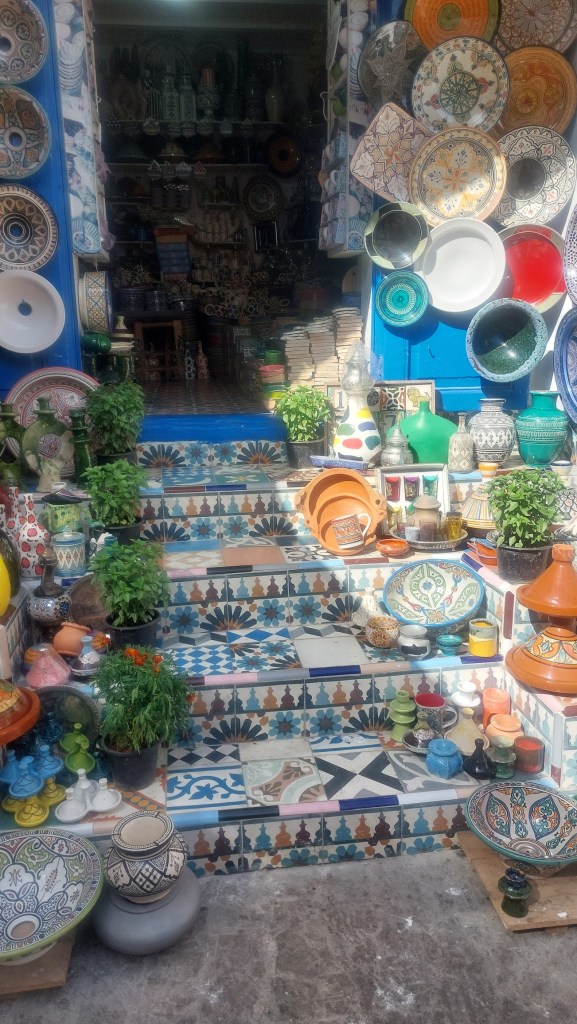
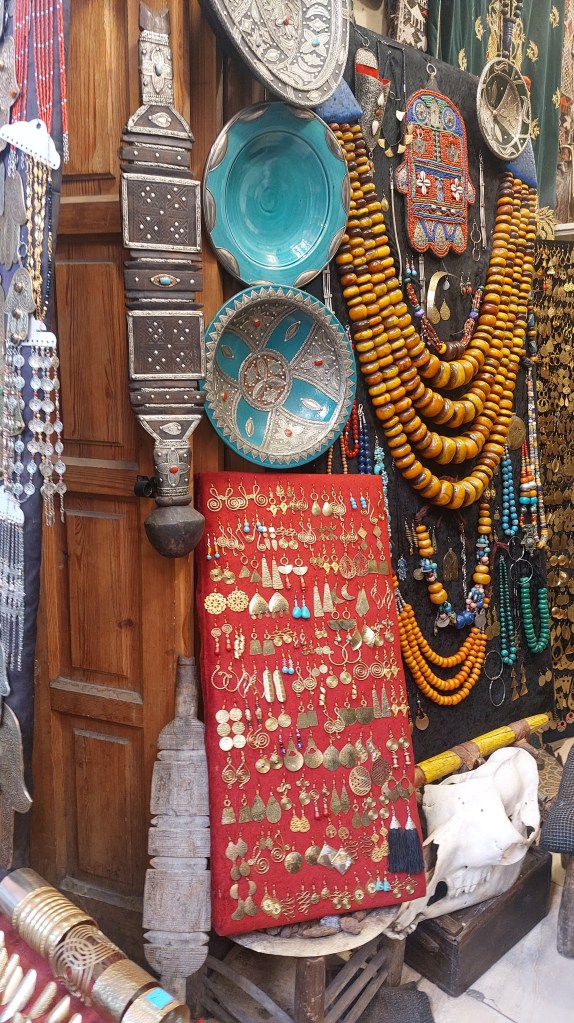
    If, like me, you are drawn to colourful things, you will be in your element in the Souks. You will find jewellery, Berber rugs, wood carvings, and an array of other  handcrafted items. Wherever you look, you will notice something that catches your eye. You will see skilled artisans creating Moroccan lamps and women demonstrating carpet weaving. The souks are a cacophony of colours. Lively and energetic. It’s a sight to behold.

    3.

    The food is delicious.

    There are plenty of great restaurants in Marrakech, and the food is excellent. There are vegetarian and vegan restaurants, and many cater for people with gluten intolerance. The food is diverse, and you can find dishes to suit everyone’s palate. I would need years to work my way through all the exciting menus in Marrakech.

    I enjoyed every meal I ordered, especially tagine and couscous. The deserts in Marrakesh are incredible. My favourite was the Japanese souffle pancakes in Fluffys.

    4.

    The Islamic architecture.

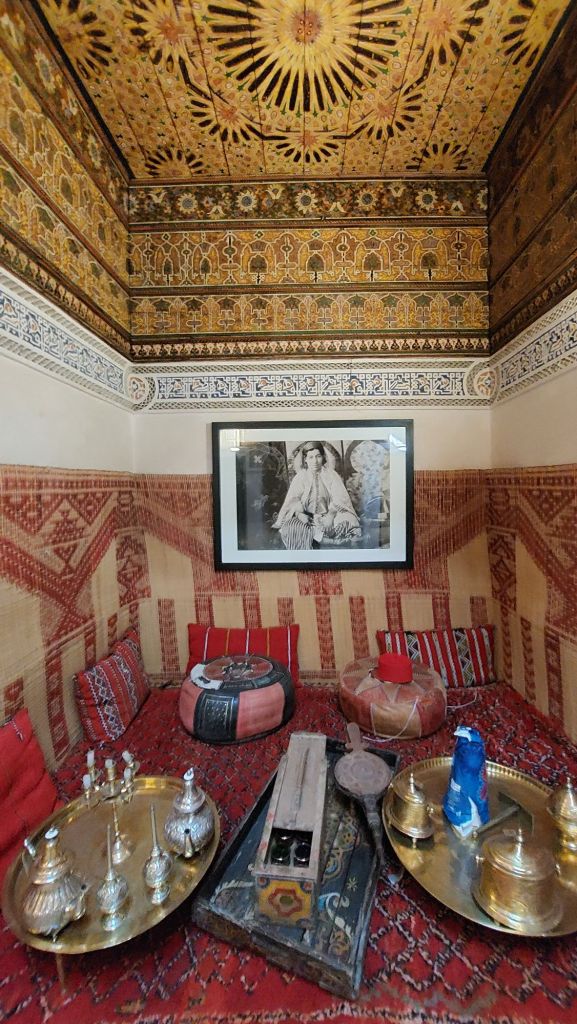
    Islamic architecture, with its symmetry and attention to detail, is beautiful and had me spellbound. I recommend visiting the places below to see some of the finest examples of Islamic architecture and craftsmanship.

    . Bahia Palace.

    . Madrasa Ben Youssef.

    . The saadian Tombs.

    . The Koutoubia Mosque.

    . Bacha Museum.

    . Marrakech Museum

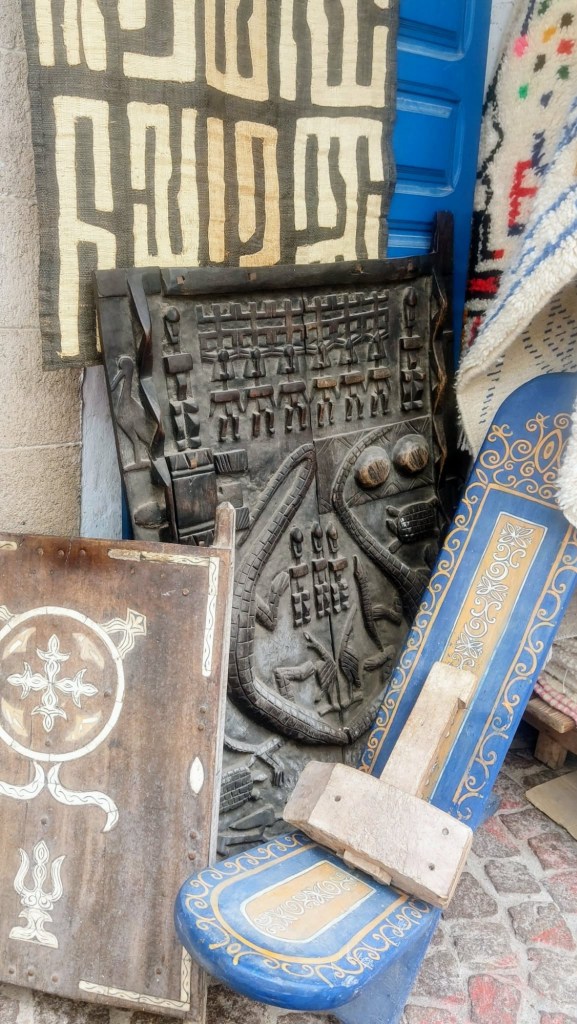
    I loved the large wooden doors around the medina.  The intricately carved cedarwood  was a pleasure to see.

    5.

    Marrakech is central for visiting other places

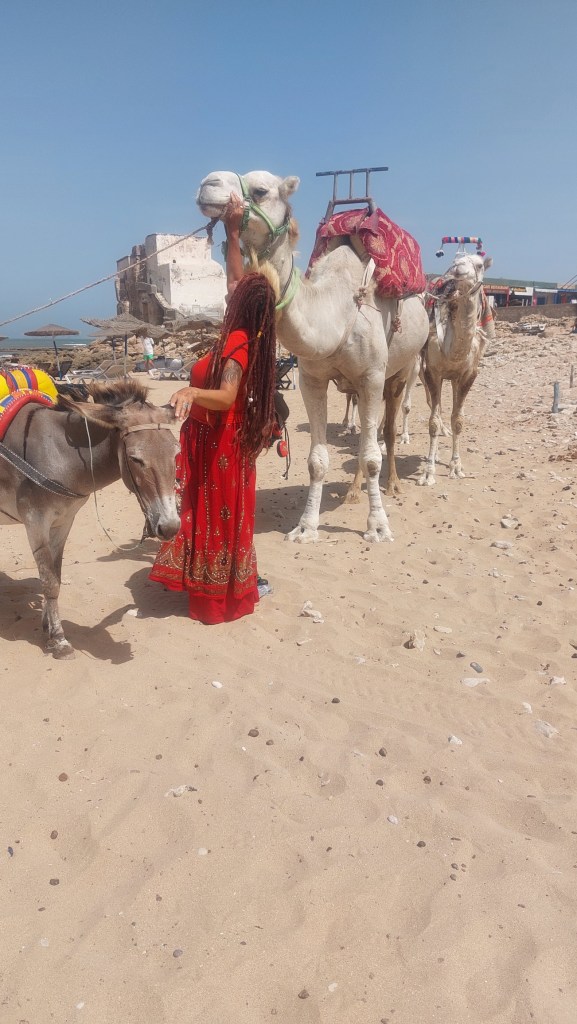
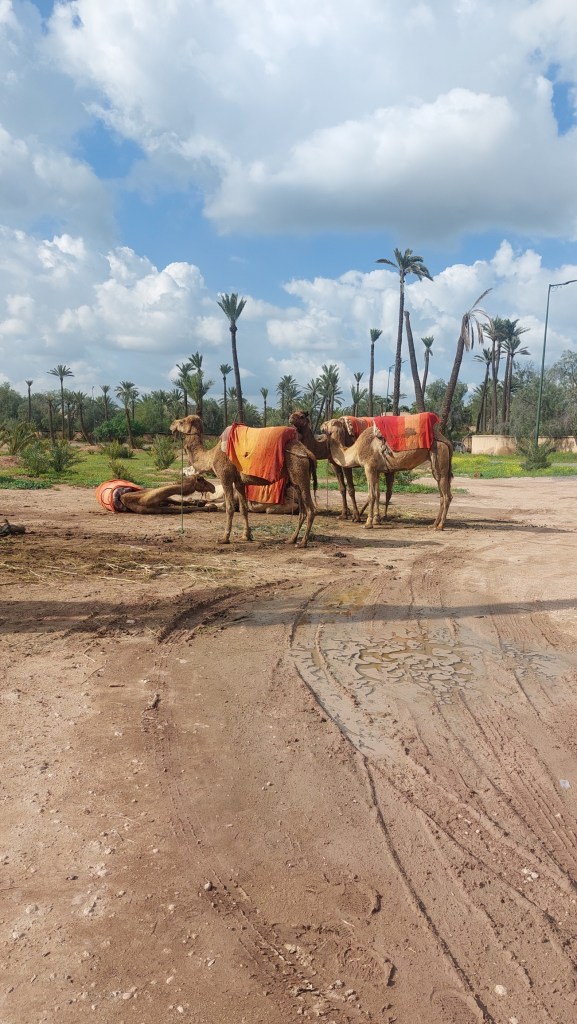
    I took a trip out to Agafay desert, and it was magical. There are trips to Ouzoud to see the second largest waterfall in North Africa. You can take a train to Casablanca or visit Essaouira on the coast for the day. There are shared taxis to Imlil in the Atlas mountains and domestic flights to Tangier. If you have three days to spare, you can venture further into the Sahara desert. If not, you can take a camel ride at sunset in the Palmerai. There are plenty of excursions that are accessible from the city, and the transport system is developing rapidly. Supratours and CTM buses can take you to many places, including Essaouira, in three hours.

    Image by Freebird Tracey.

    There are so many reasons why I love Marrakech. I have featured only a few.

    If you’re looking for a place that combines ancient and modern. A place that is diverse. Somewhere that can sometimes feel like organised chaos yet functions perfectly. A place that will transport you to the tales from Arabian Nights, Marrakech, is all of those things and more. However, do not be under any illusion that you won’t see things you find difficult. Go with an open mind and compassion. That way, you will be prepared for the things you find different from what you’re used to.

    Image by Freebird Tracey.
    (more…)
  • Winter In Marrakech.

    Visiting Marrakech During The Cool Season.

    Image by Freebird Tracey.

    December in Marrakesh can still be warm and sunny. This time of year can be easier for people who don’t enjoy the stifling heat in the summer months. If you also want to avoid huge crowds of tourists, you might prefer the winter months

    There is a possibility of more rain during the winter, and evenings can get chilly, but packing the right clothing will ensure that you still have a great experience.

    In the medina, riads have air conditioning and will supply their guests with extra warm blankets to keep them warm and cosy.

    When sightseeing,wearing several light layers and carrying a weatherproof jacket and umbrella will make sure you’re equipped for clement weather.

    I went to Marrakech in December, and it was still warm and sunny most days, turning chillier after sunset. I still had a brilliant time.  Vendors in the souks were easier to haggle with because of fewer tourists. I managed to bag a few good deals to take home with me.

    Images by Freebird Tracey.

    During the low season, the price of flights is often cheaper, and accommodation is easier to find for a good price.

    If you’re planning a day excursion into the Atlas mountains, they do get snow. Check places like Ourika Valley or Imlil are safe to travel to before booking. The train to Casablanca is always operational, and buses to Essaouira still run for an alternative day trip if it’s too dangerous to go hiking in  more remote areas.

    I was surprised at how often I was able to sit outside and people watch in Jamaa El Fna in December. Some days were bright and sunny, and some were cloudy with slightly a cool temperature. I never felt cold.

    Marrakech in December/image by Freebird Tracey.

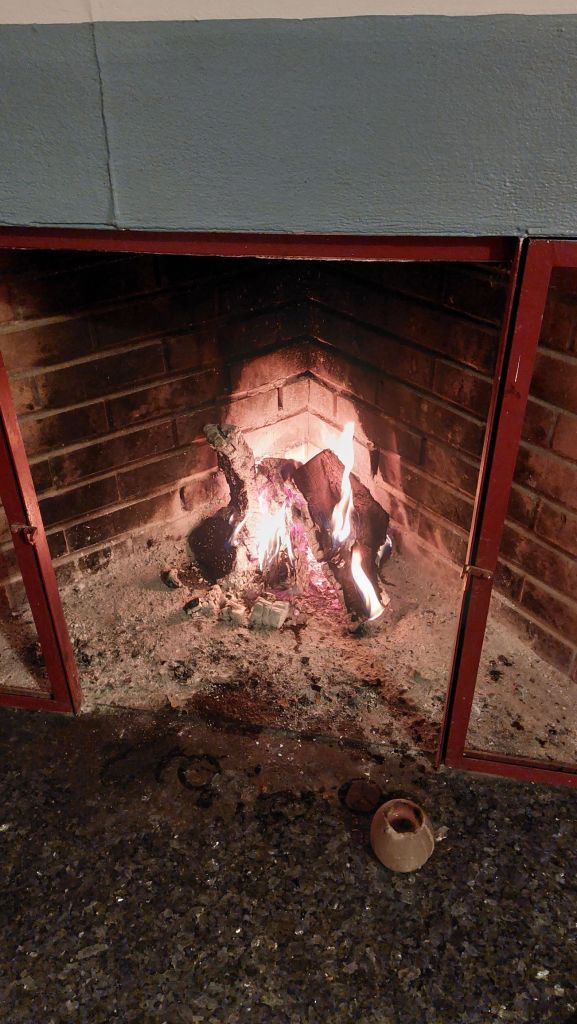
    Some restaurants I visited, such as The Clock in the Kasbah, had roaring fires during the evenings. This created a cosy atmosphere.

    Occasionally, Marrakech can experience more rainfall than usual. If  you don’t want to get caught out, take an umbrella out with you.

    If it rains, there are plenty of interesting museums, so don’t be disheartened if you’re caught in a storm. There’s always plenty to do. Tailor your itinerary to suit the climate and keep an eye on the weather forecast daily.

    Spend time in places such as the Museum of Photography, the Berber Carpet Museum, and the Museum of Mouassine Music to keep yourself entertained.

    Image by Freebird Tracey.

    I would definitely go again during winter. It helped me to cope with the gloomy, grey days in the UK by breaking up the long winter. I enjoyed shopping whilst it was quieter and shorter queues into most of the attractions. In addition, the airport was quiet, and I got through passport control really quickly.

    Image by Freebird Tracey.
    (more…)