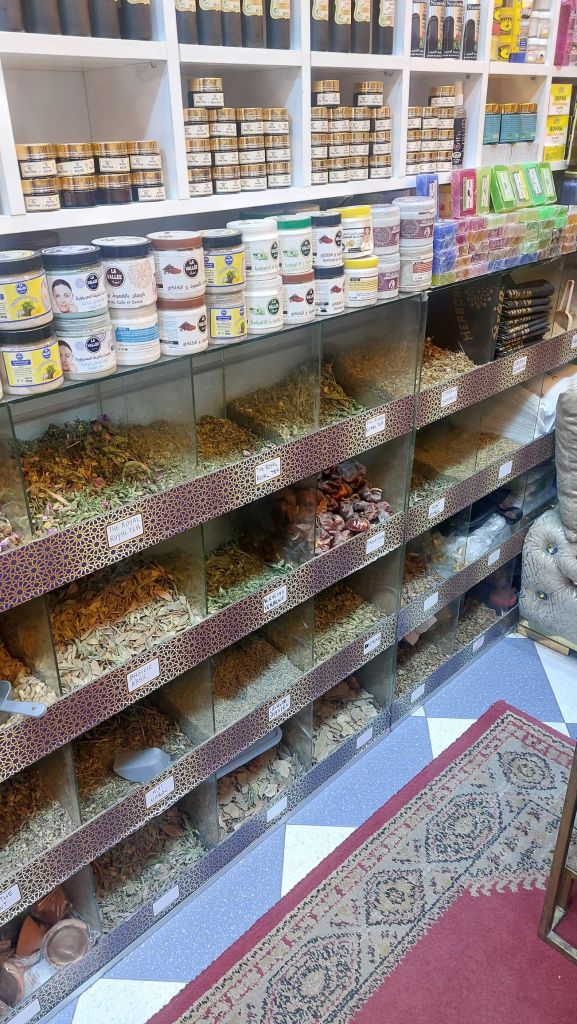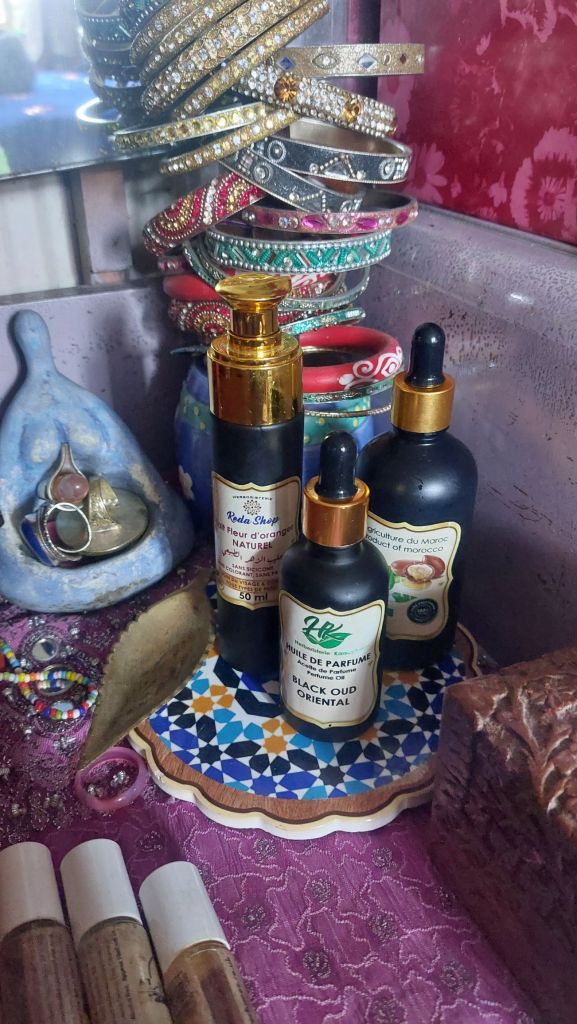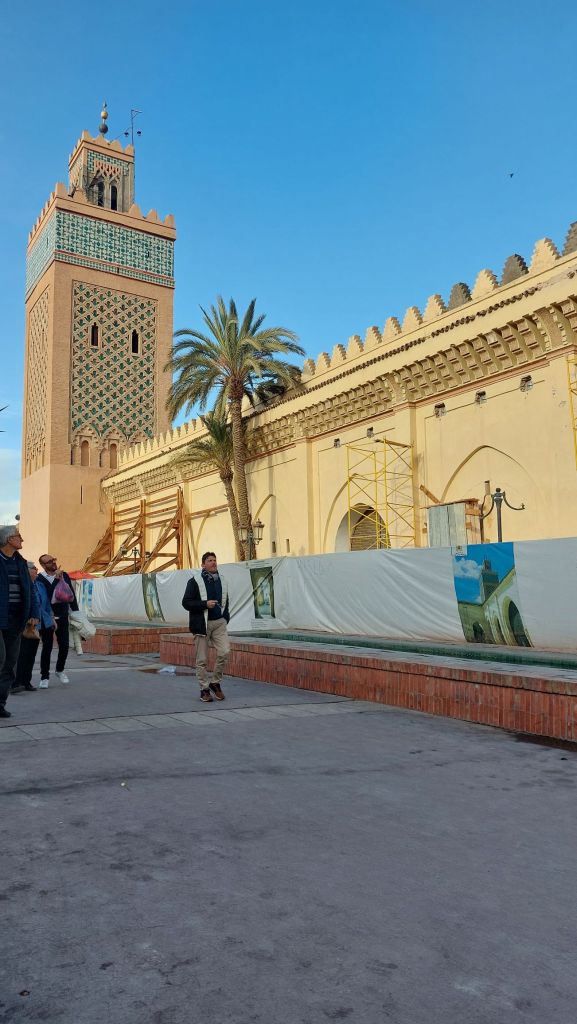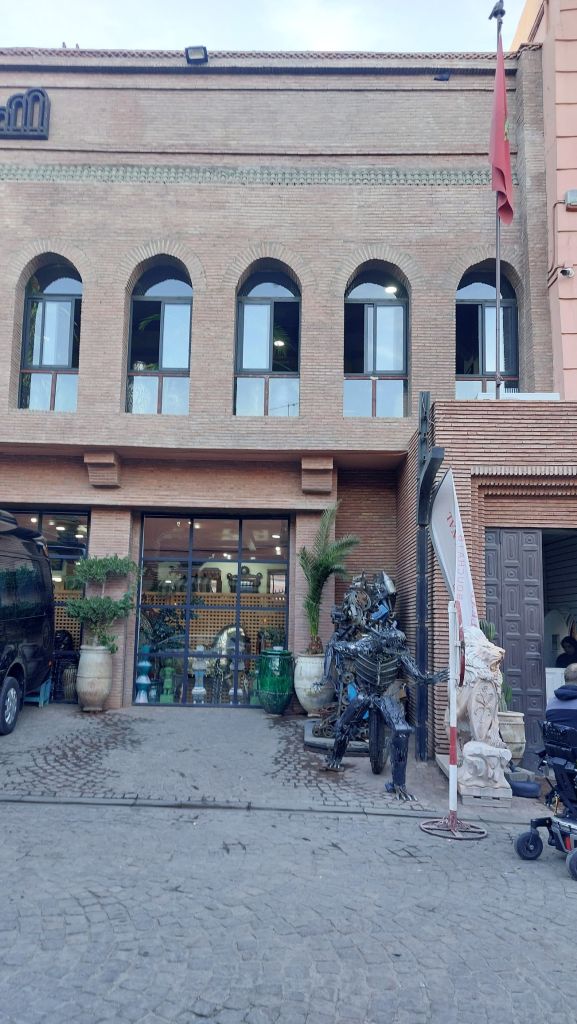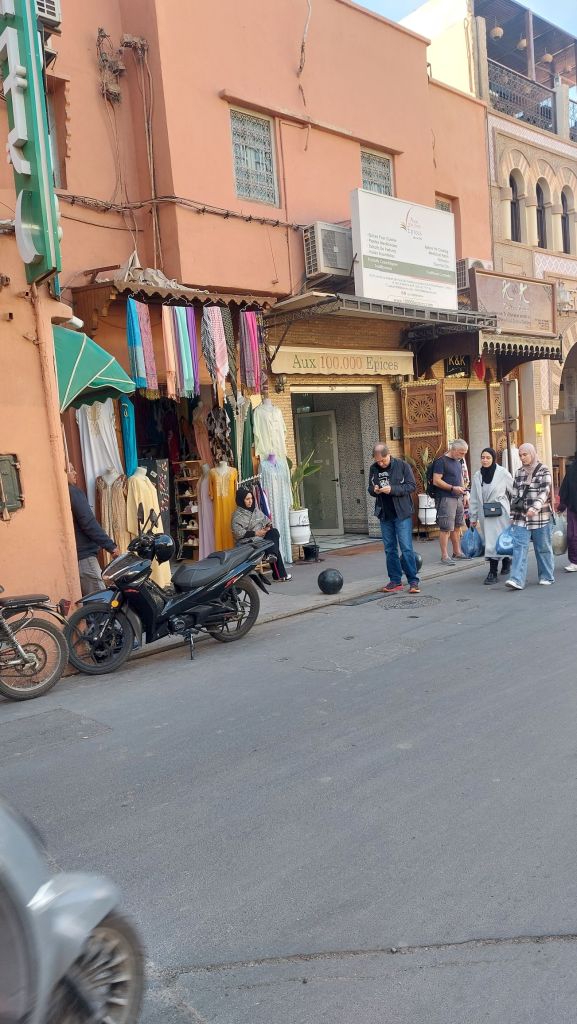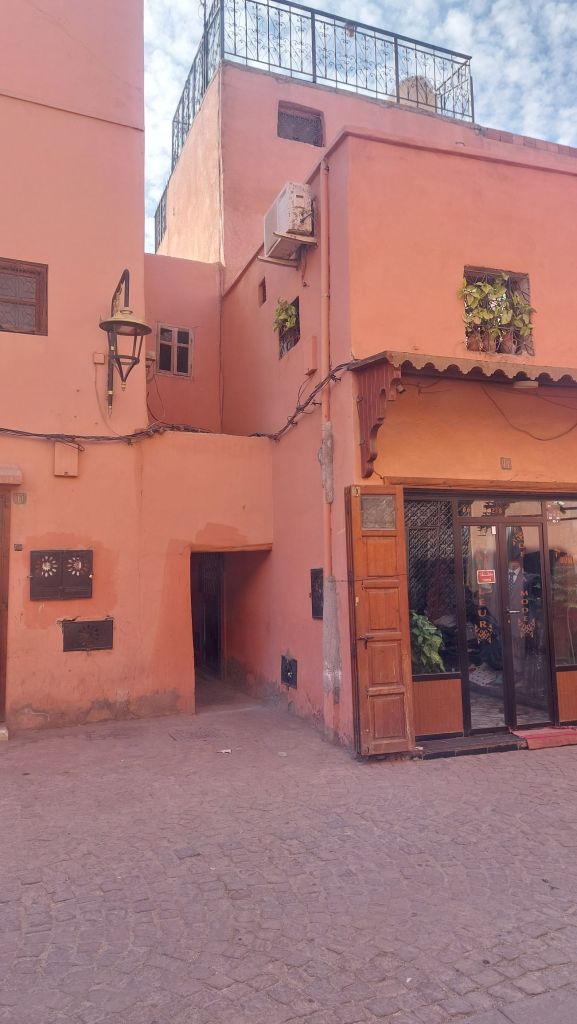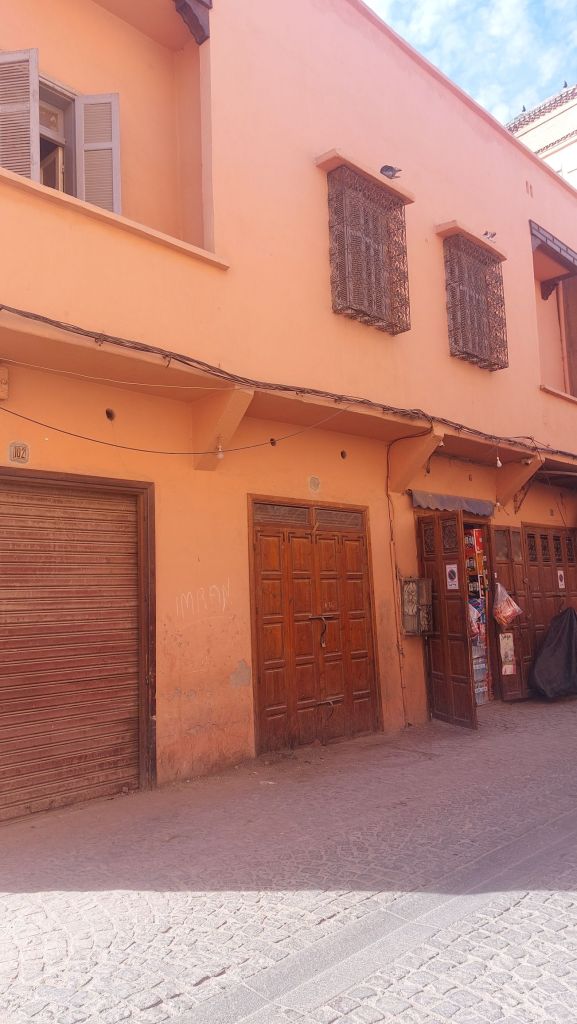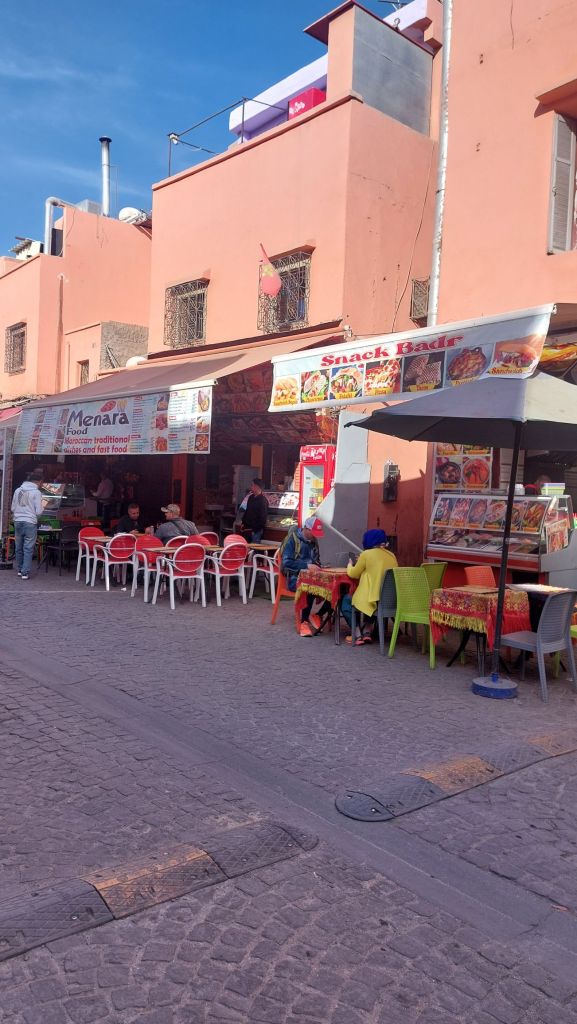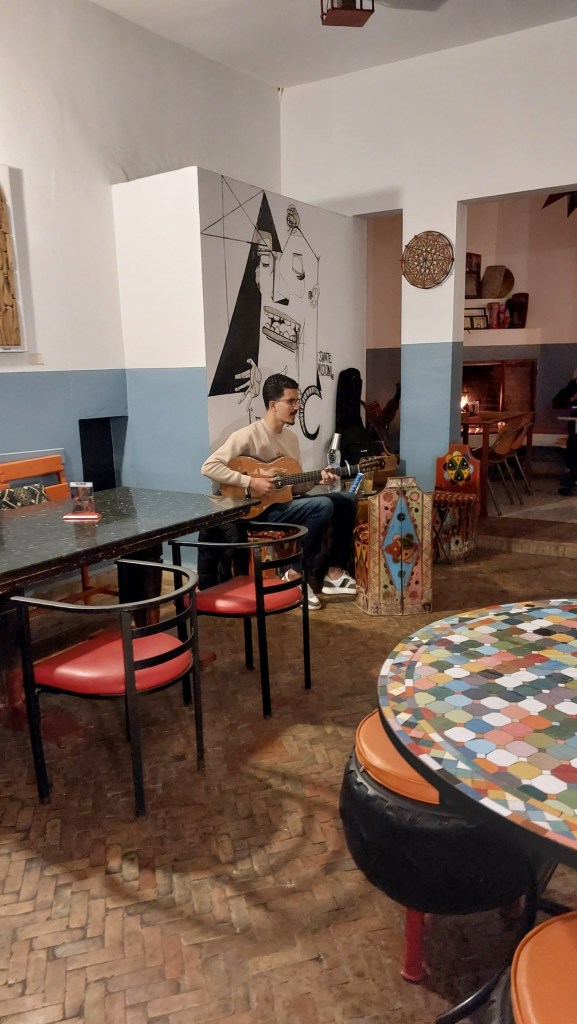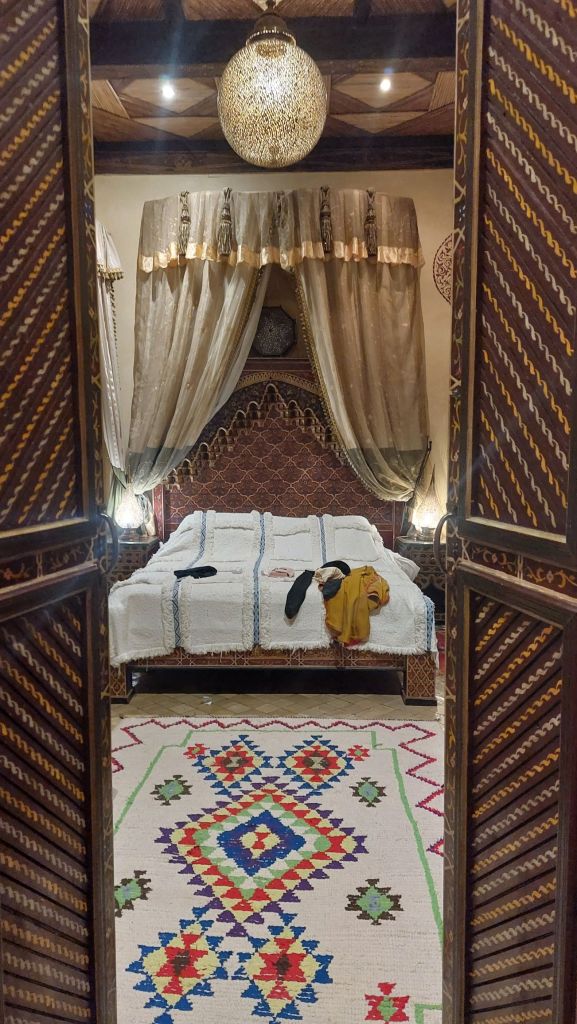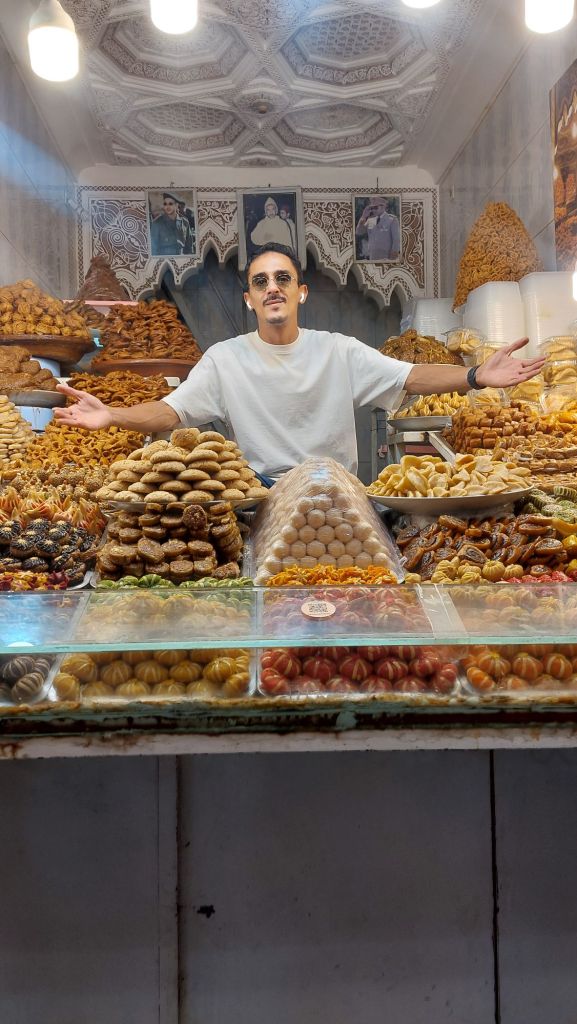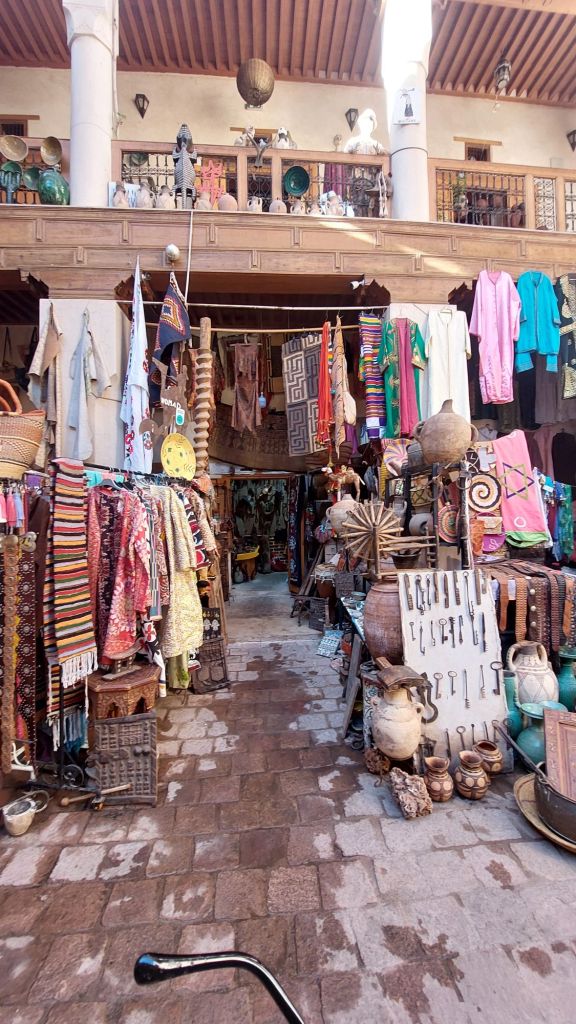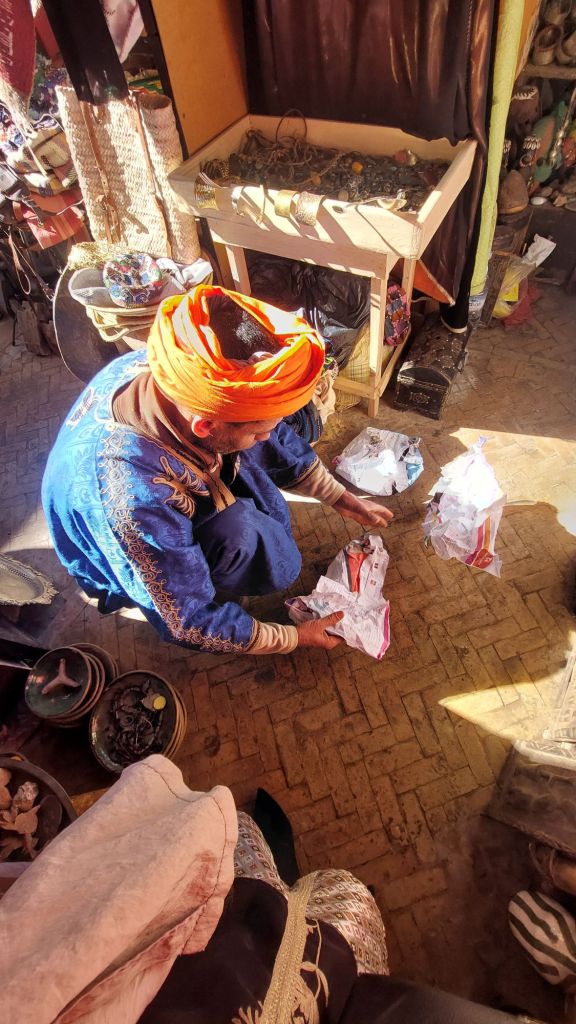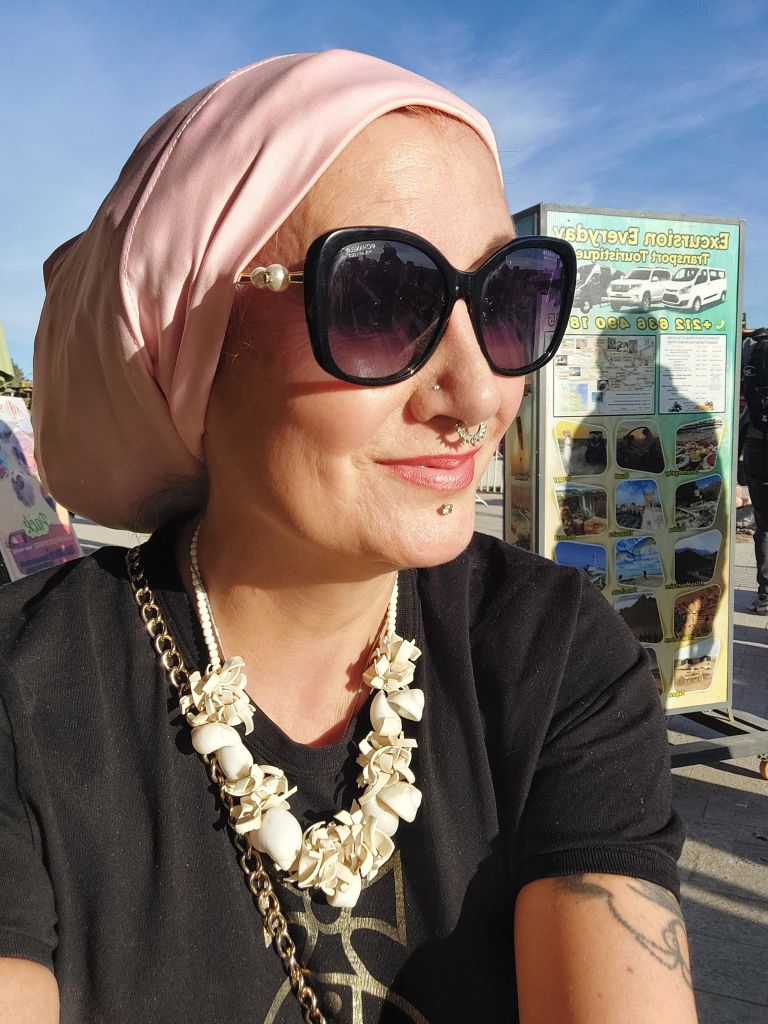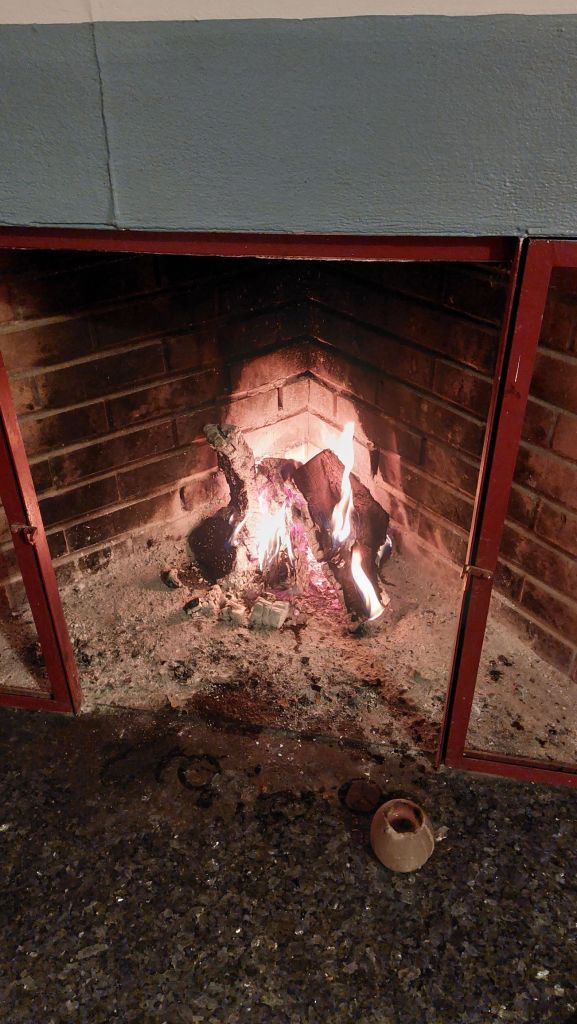
December in Marrakesh can still be warm and sunny, making it the perfect destination for people who don’t particularly enjoy the stifling summer temperatures.
If you want to avoid the huge crowds of tourists, you might prefer the months of December and January.
It’s worth noting that there is a possibility of more rain during the winter months, and evenings can be chilly, but packing the right clothing will ensure that you still have a wonderful experience.
In Gueliz and Hivenage, modern hotels and apartments have heating.
In the medina, riads have air conditioning and will supply their guests with extra warm blankets.
Wearing light layers and carrying a lightweight weatherproof jacket and umbrella will make visiting the city’s attractions more enjoyable.
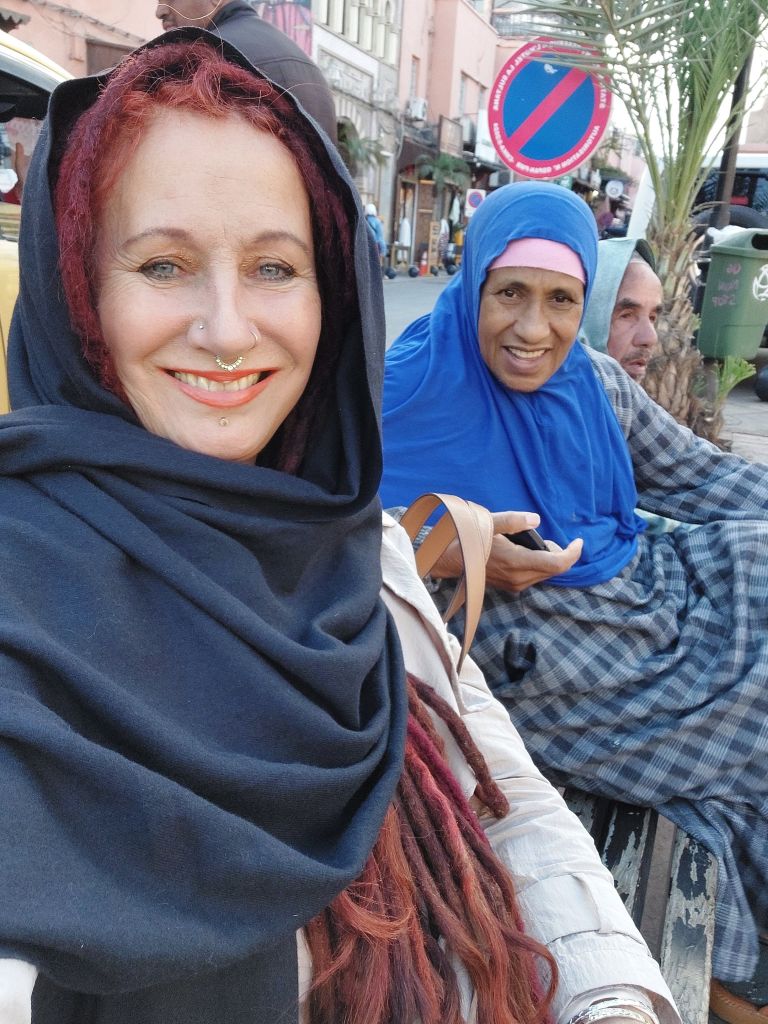
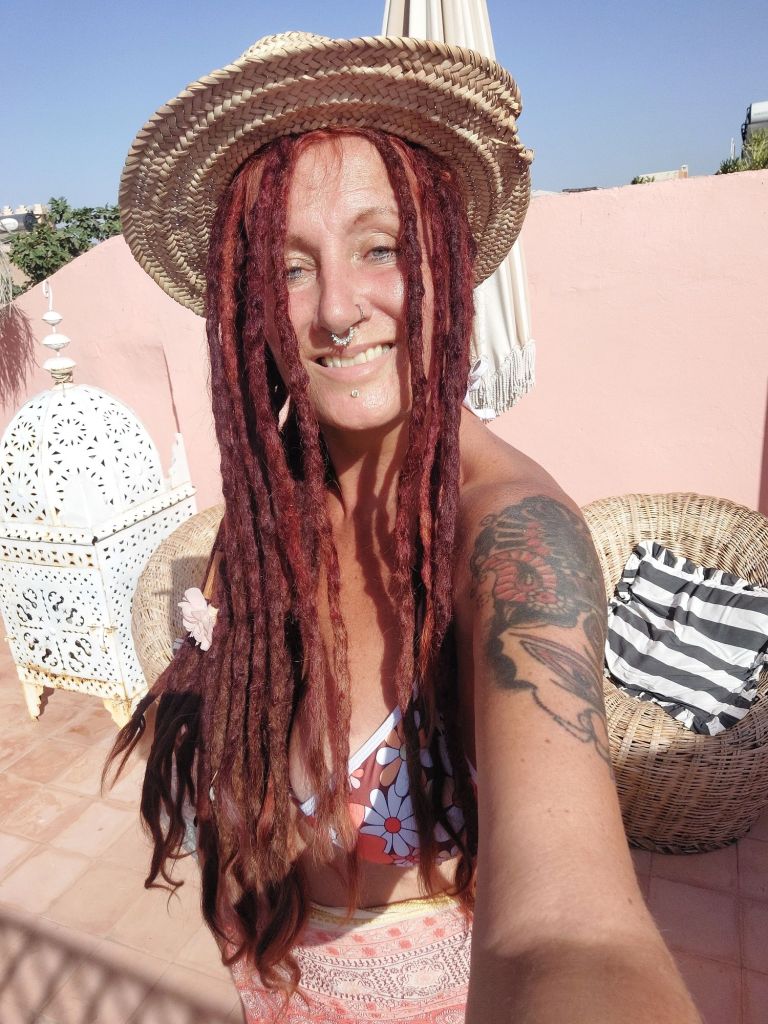
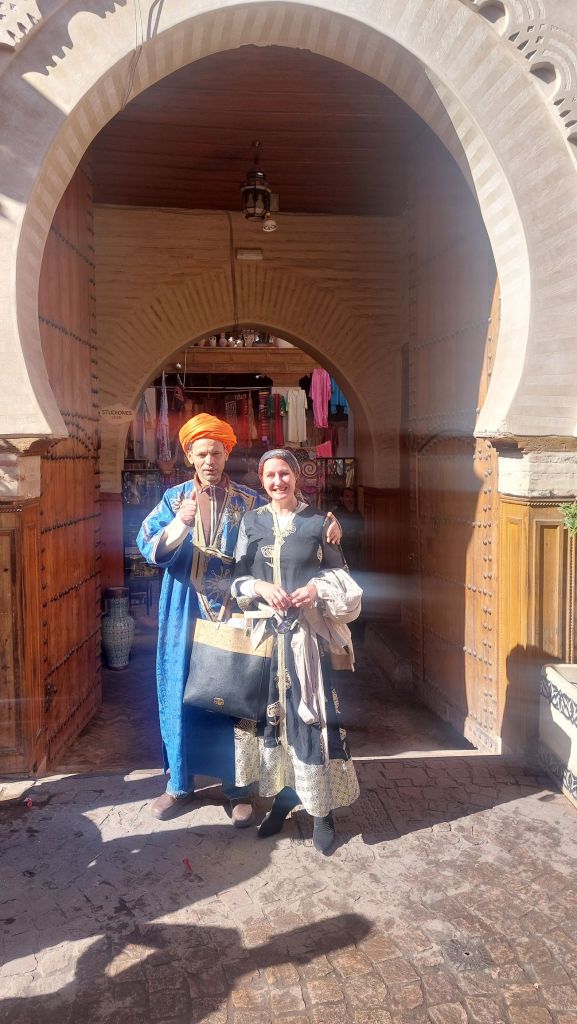
I went in December, and it was still sunny most days, turning chillier after sunset.
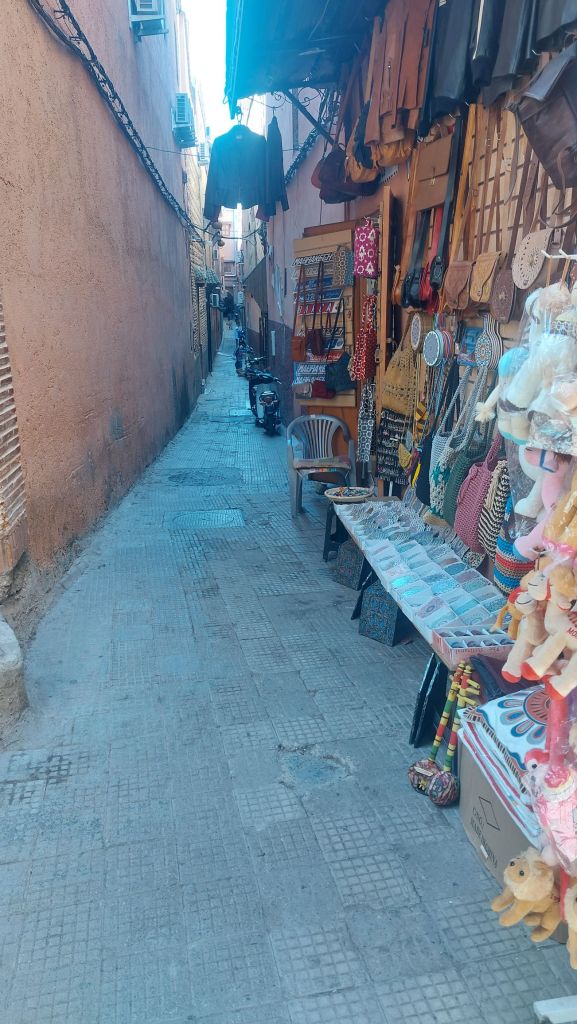
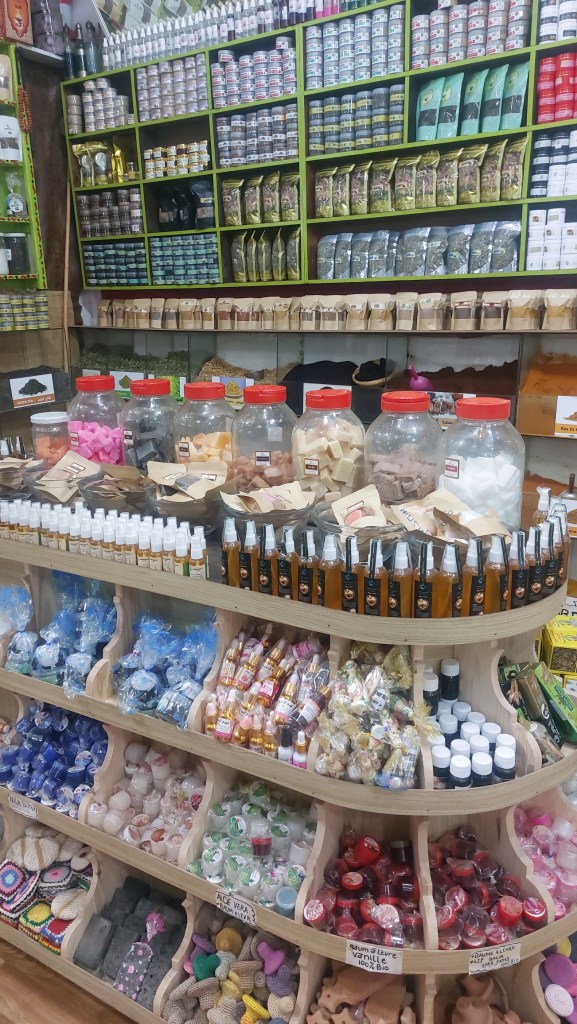
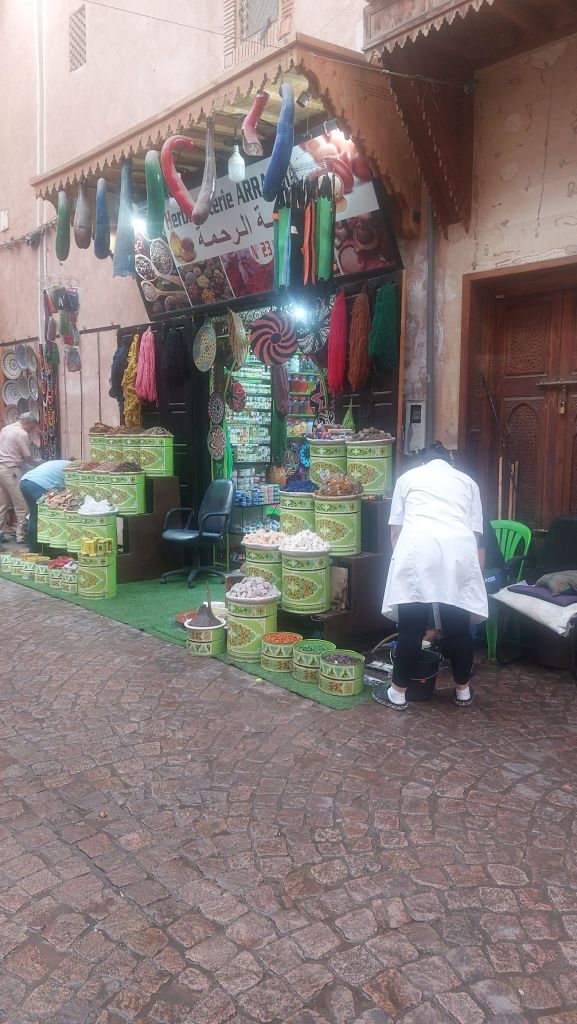
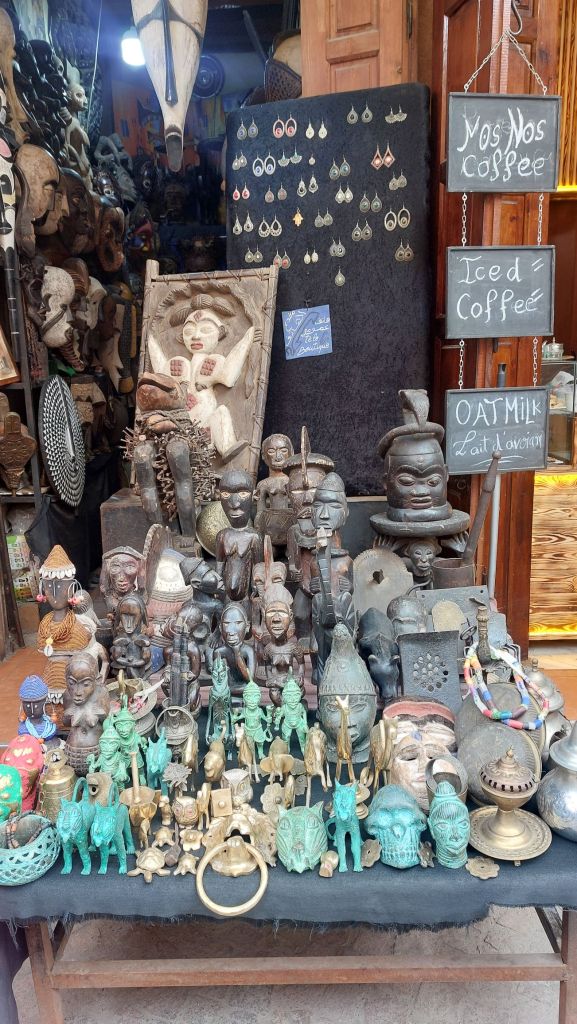
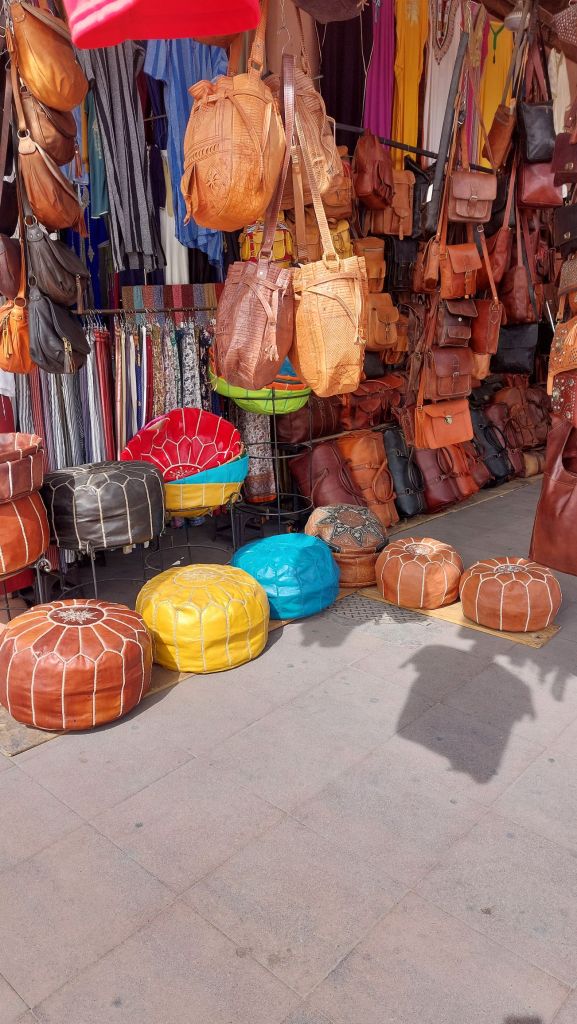
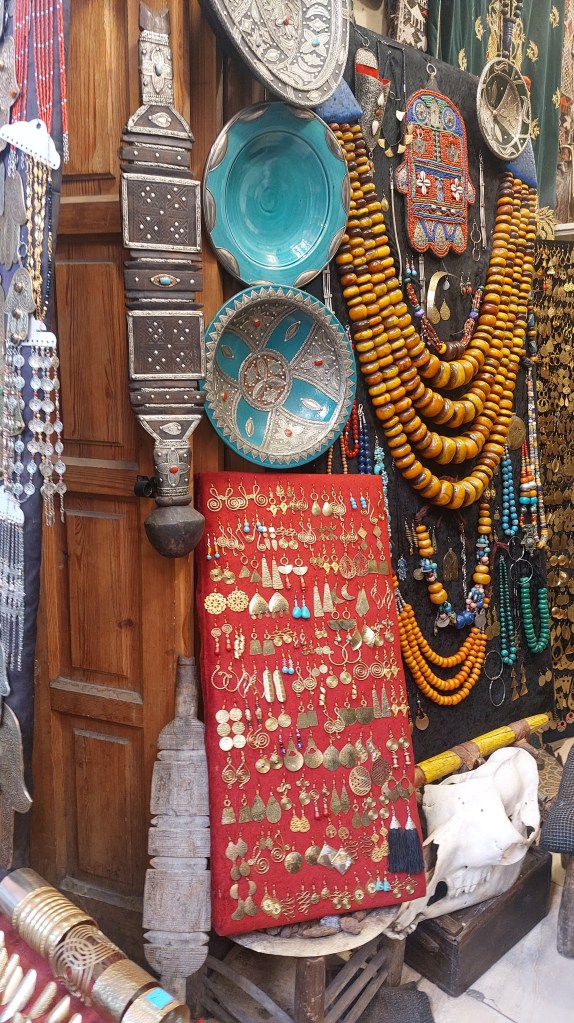
I still had a brilliant time and found that vendors in the souks were easier to haggle with because of fewer tourists.
I even managed to bag a few really good deals to take home with me.
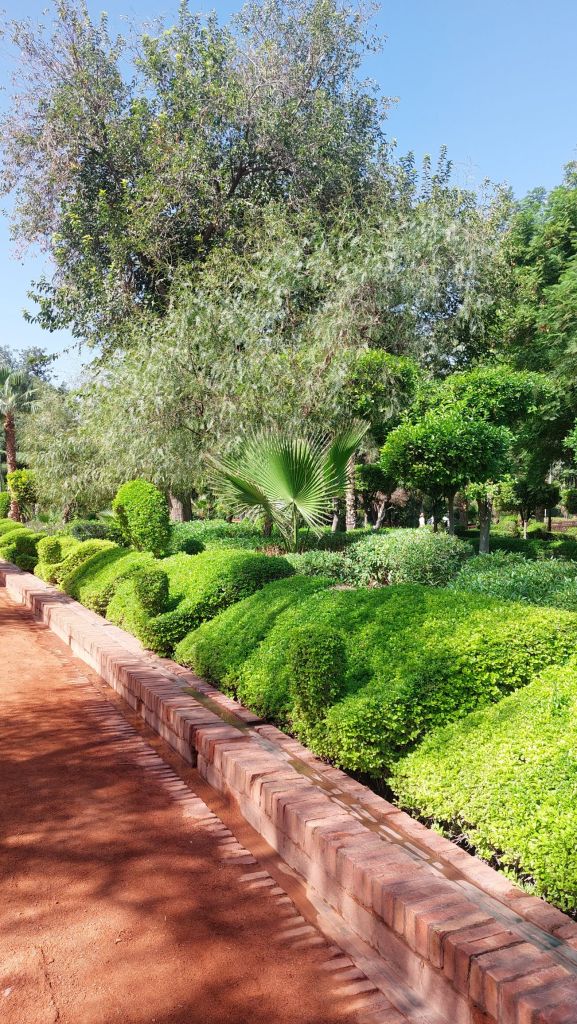
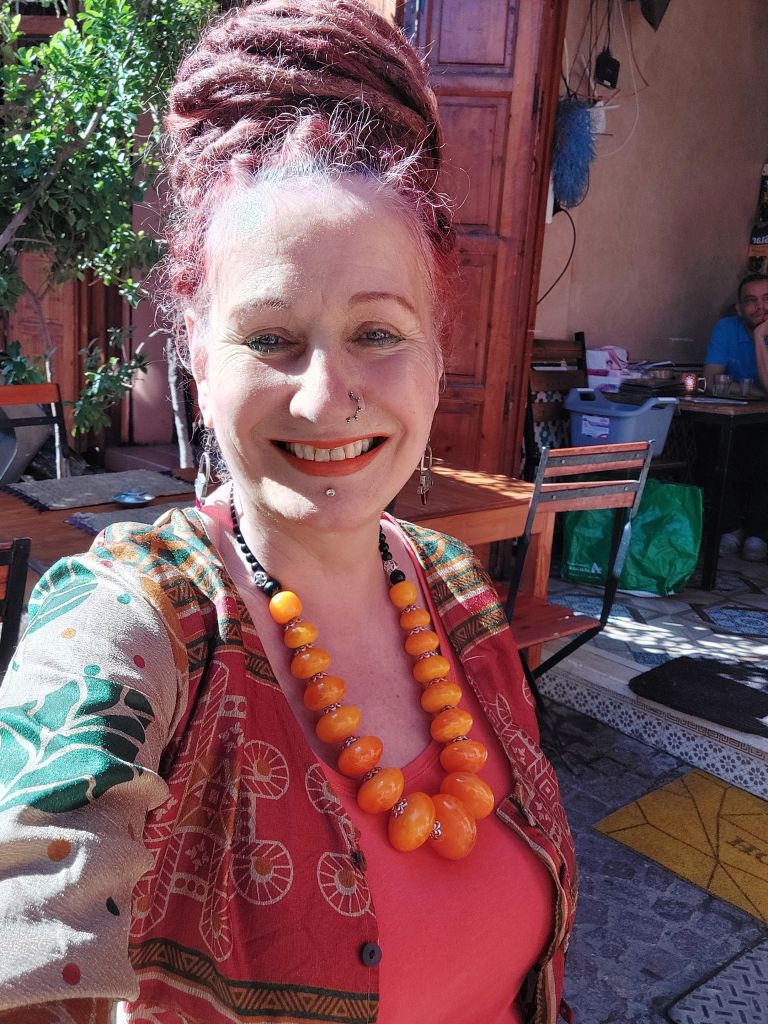
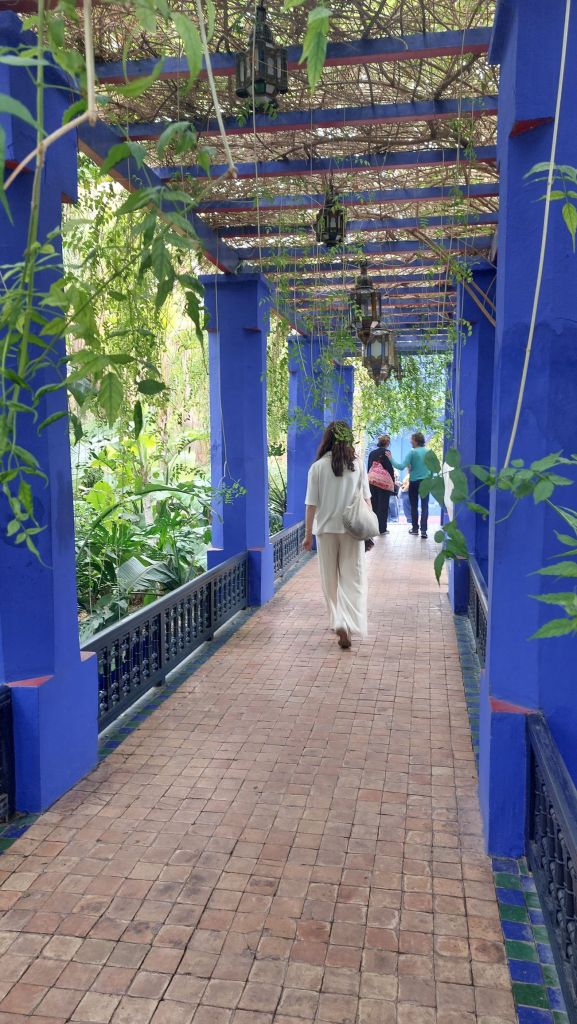
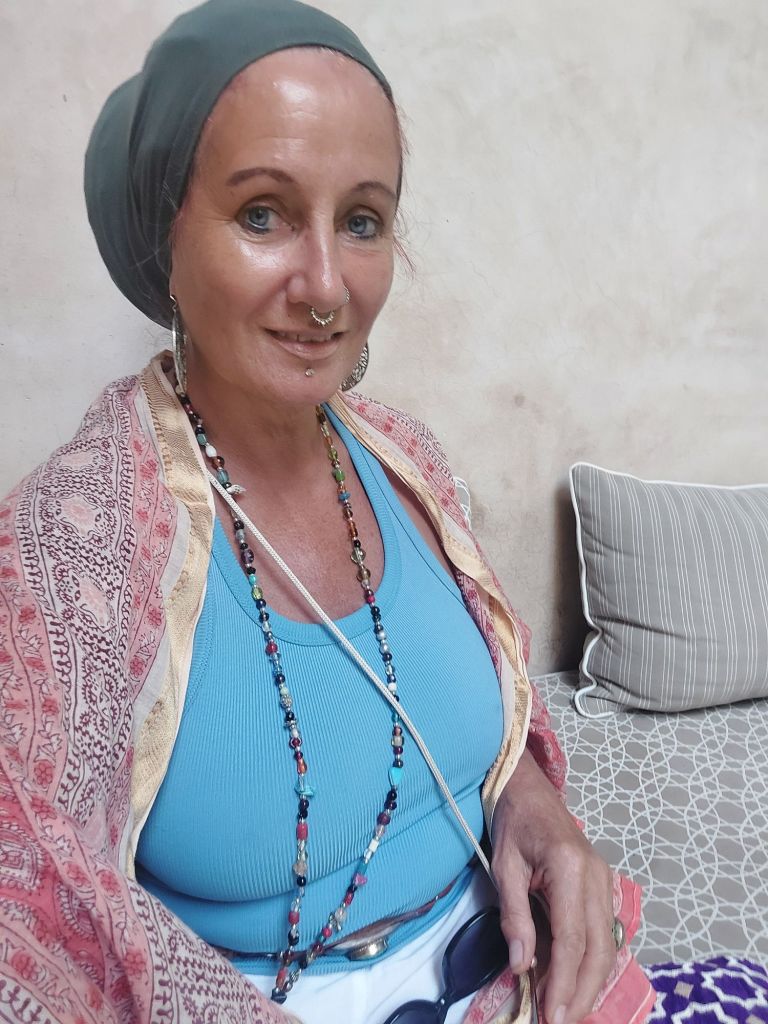
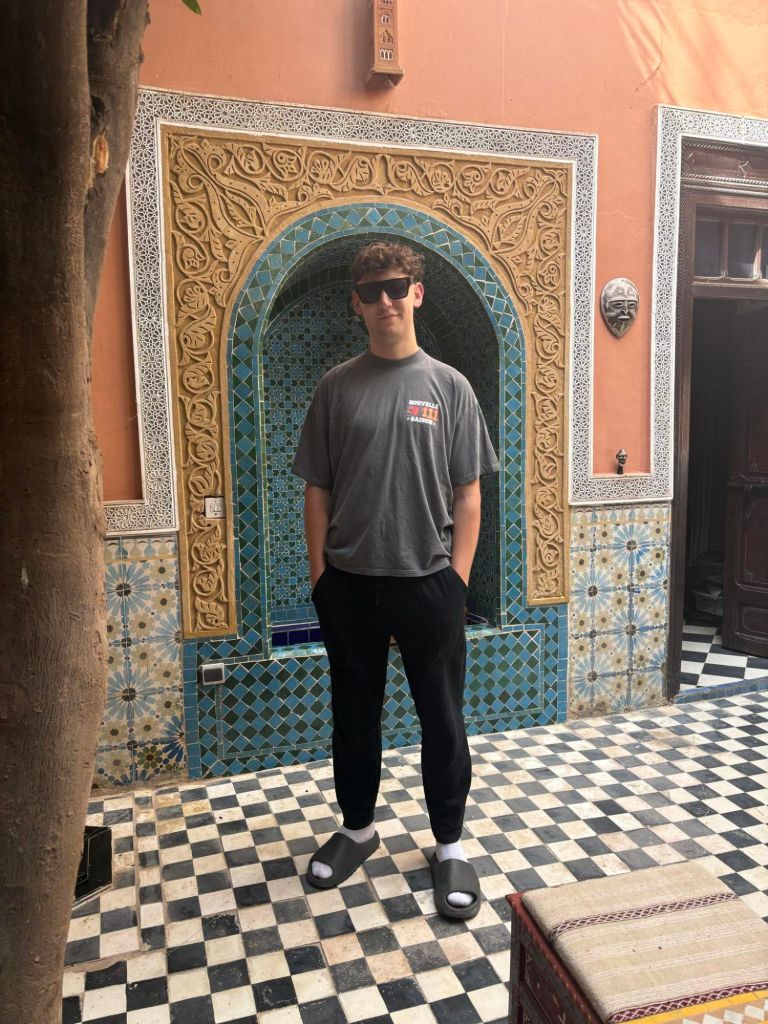
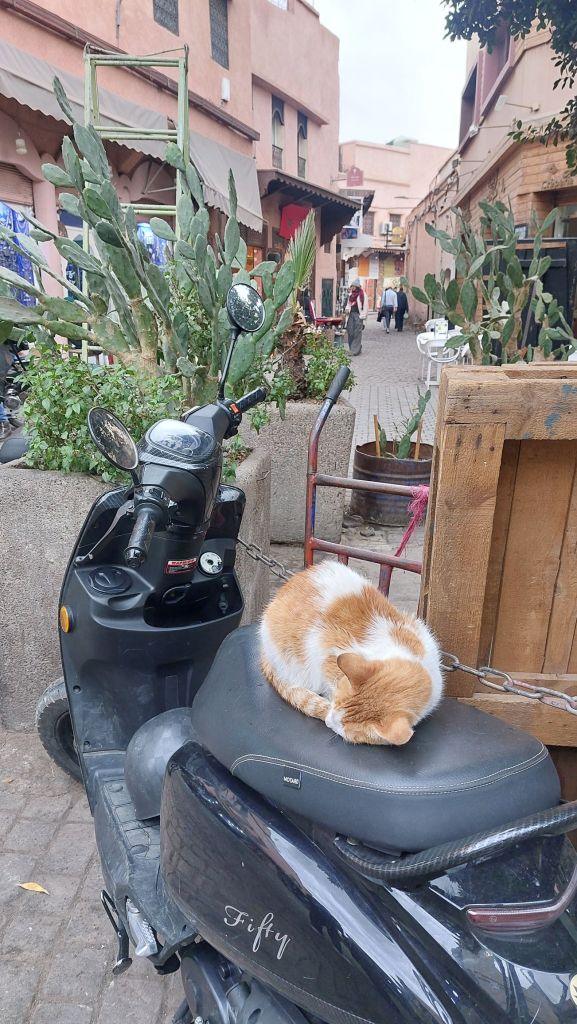
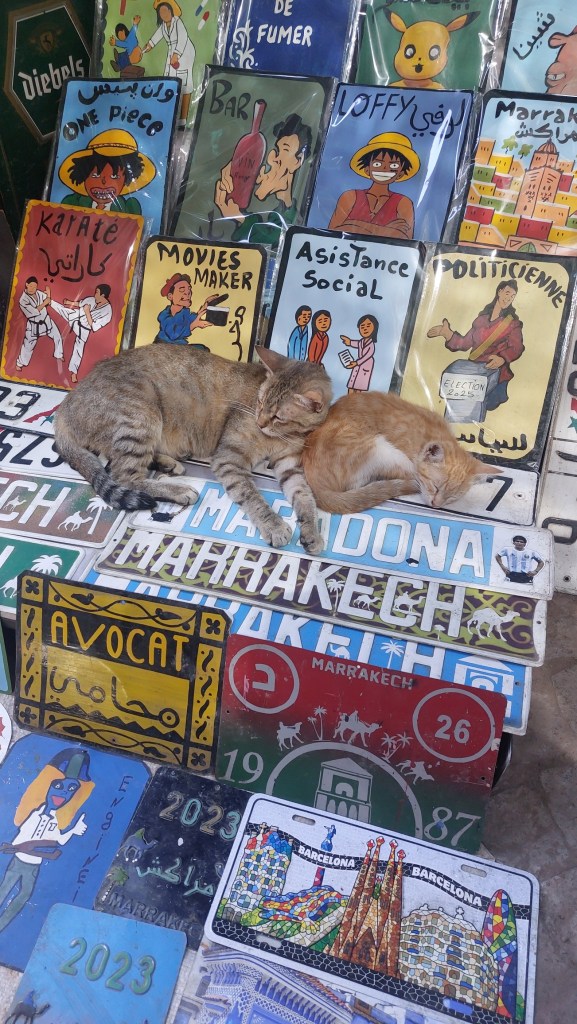
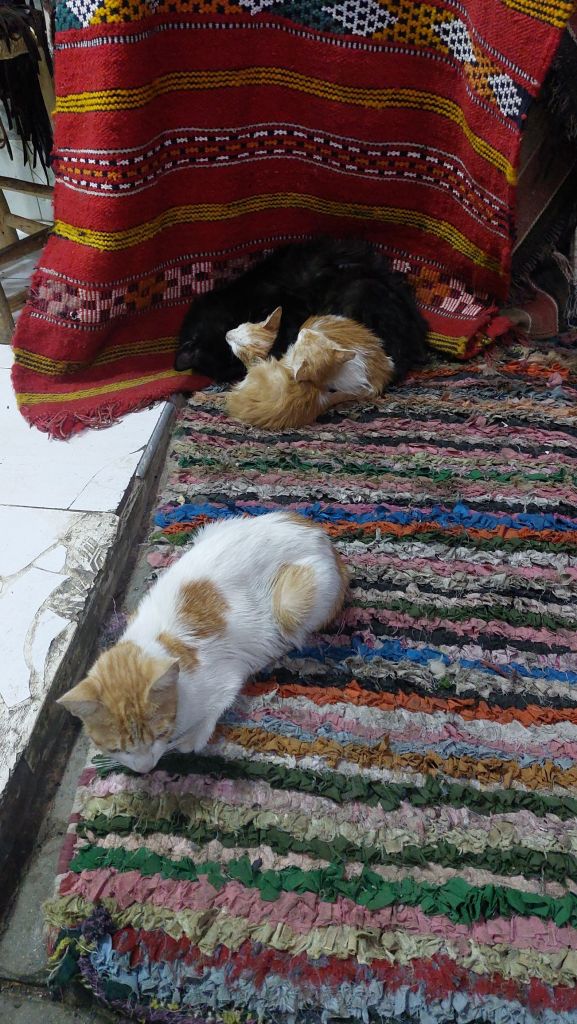
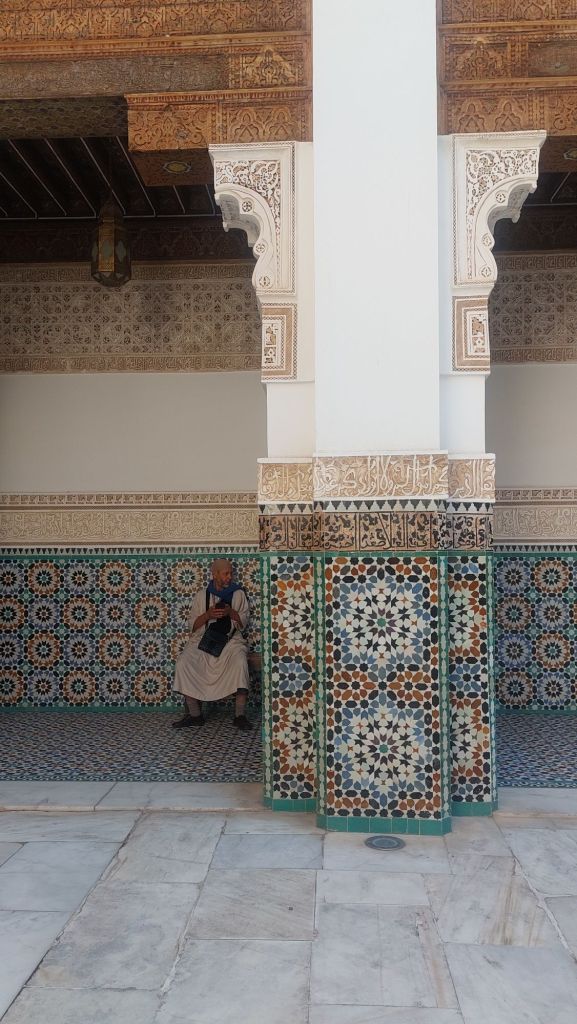
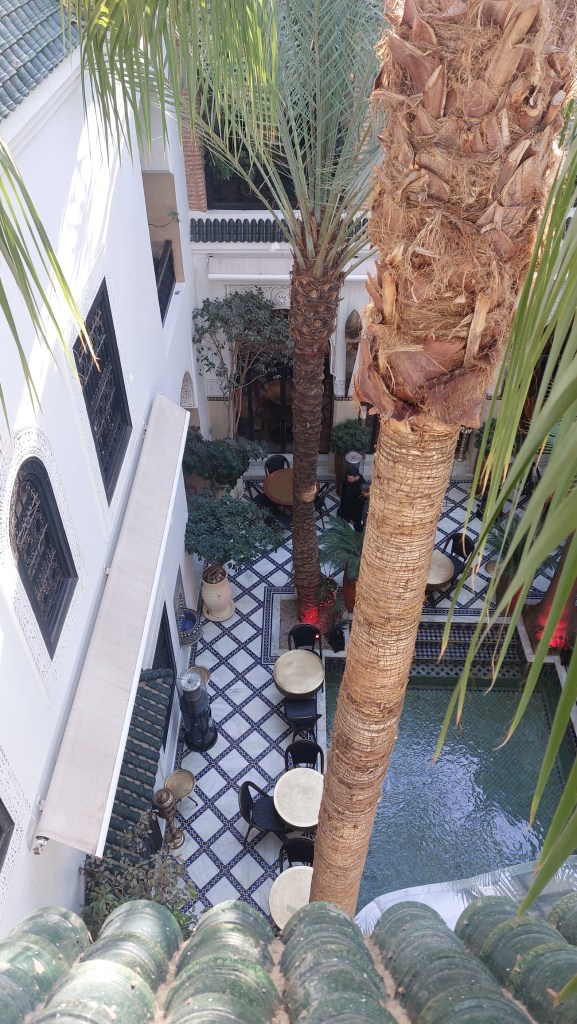
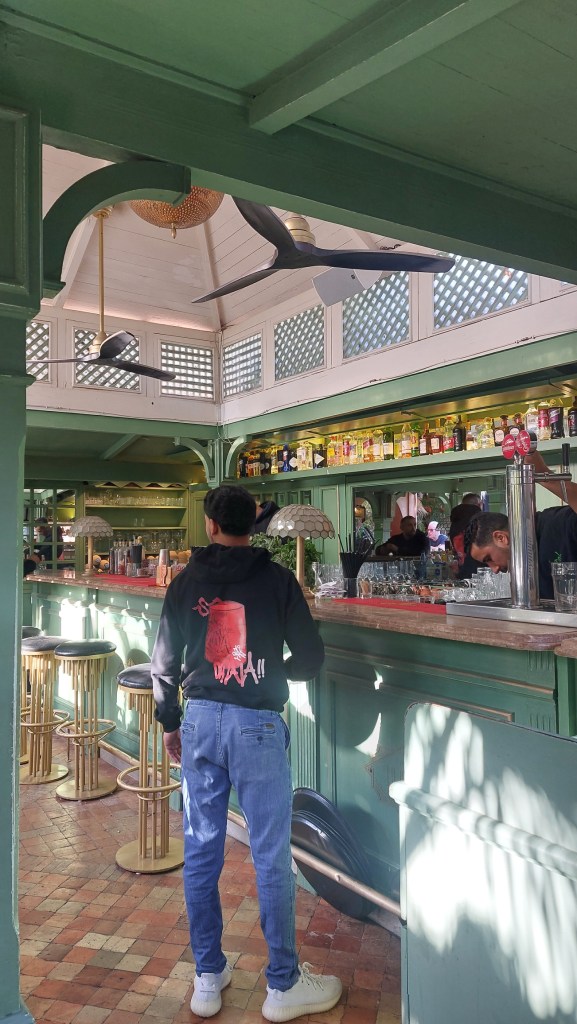
Images by Freebird Tracey.
Another thing worth mentioning is that the price of flights and accommodation are significantly cheaper too.
Regarding day excursions, the Atlas mountains do get snow, so if you’re considering a day trip to Ourika Valley or Imlil, check if travel is safe before booking.
The train to Casablanca is operational, and buses to Essaouira still run, so that’s an alternative day trip if it’s too dangerous or cold to go hiking in the more remote areas.
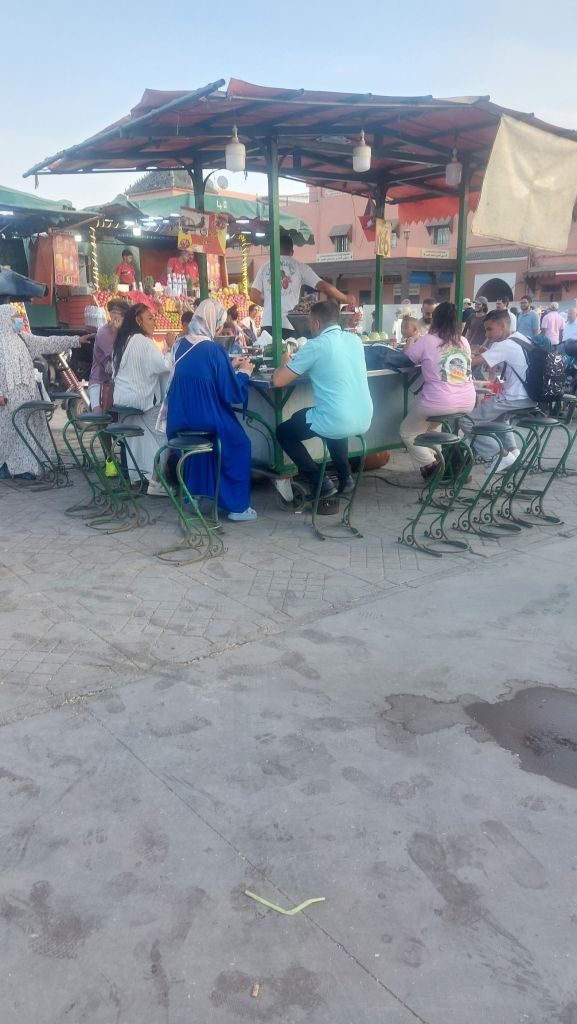
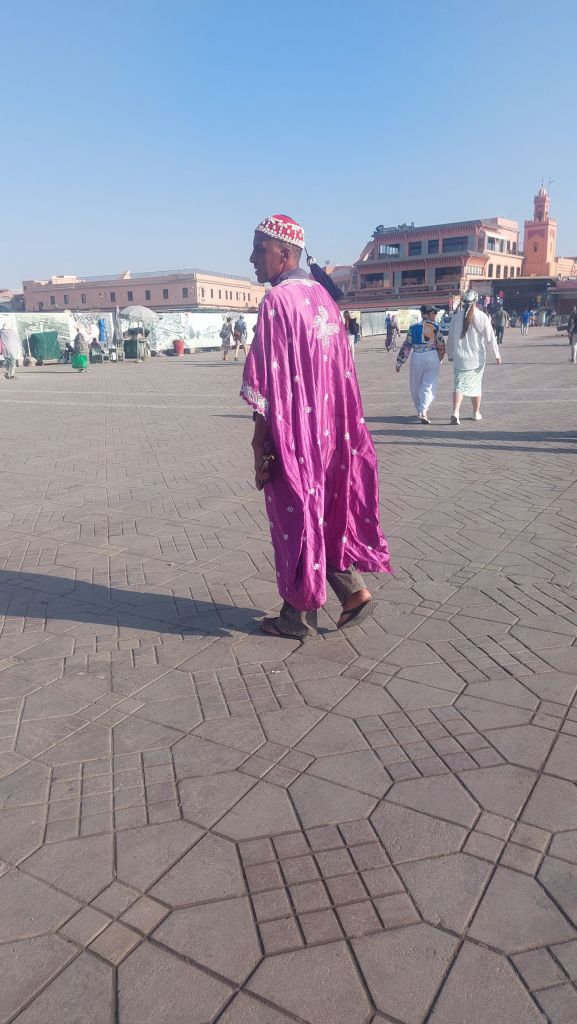
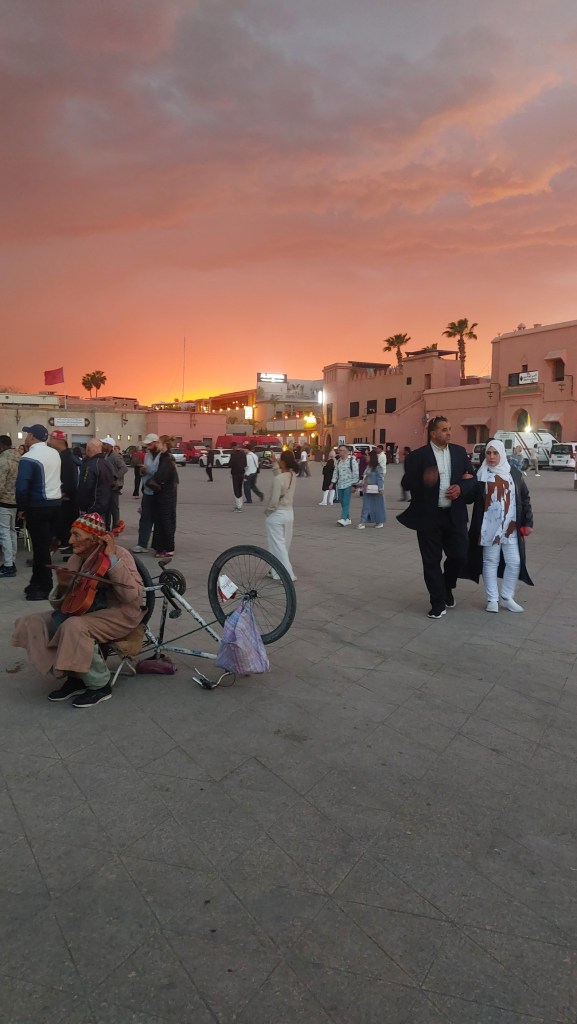
I was pleasantly surprised at how often I was able to sit outside and people watch in Jamaa El Fna in December.
Some days were bright and sunny, and some were cloudy with marginally cooler temperatures.
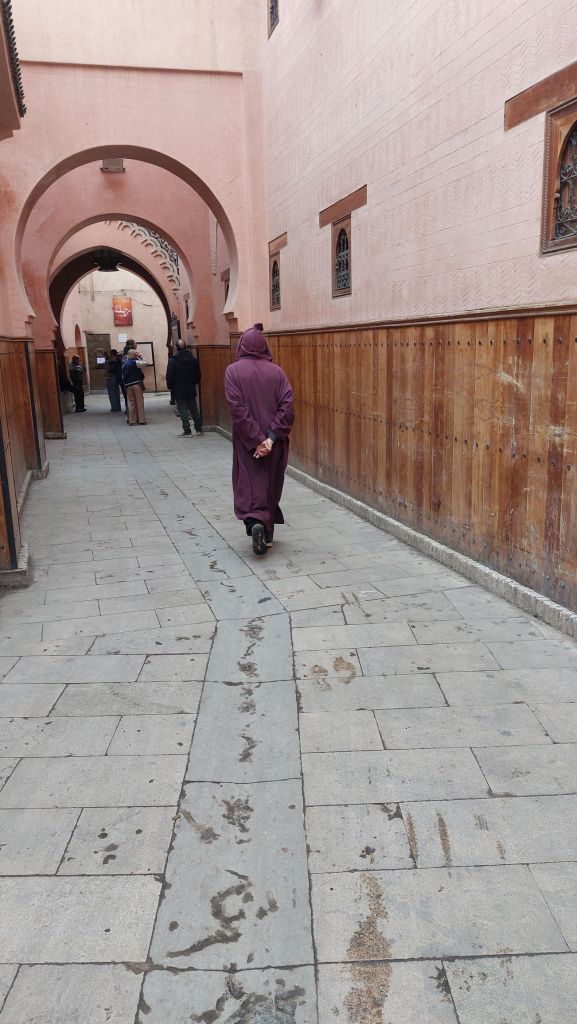
I never felt cold and was able to walk around the medina comfortably.
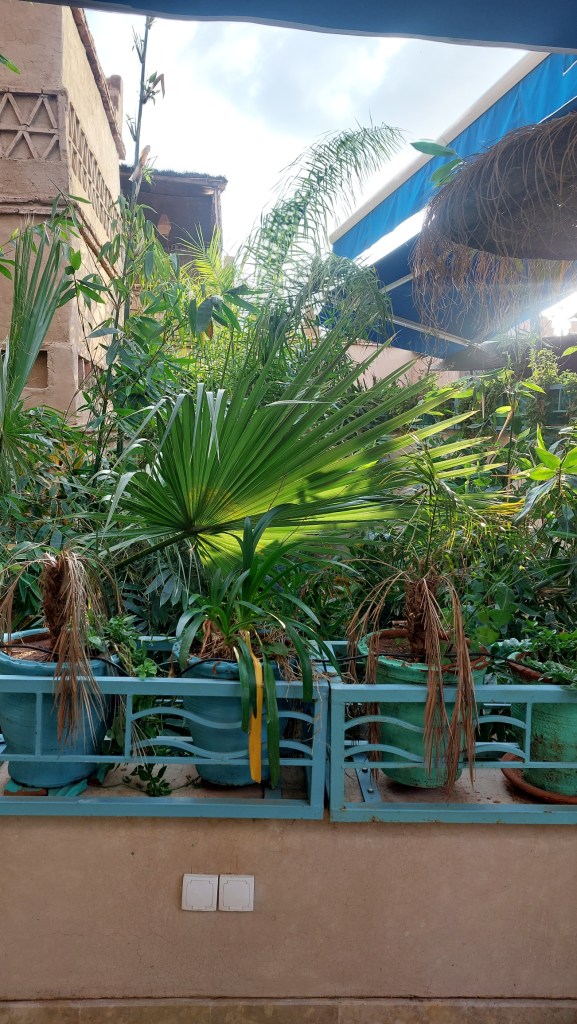
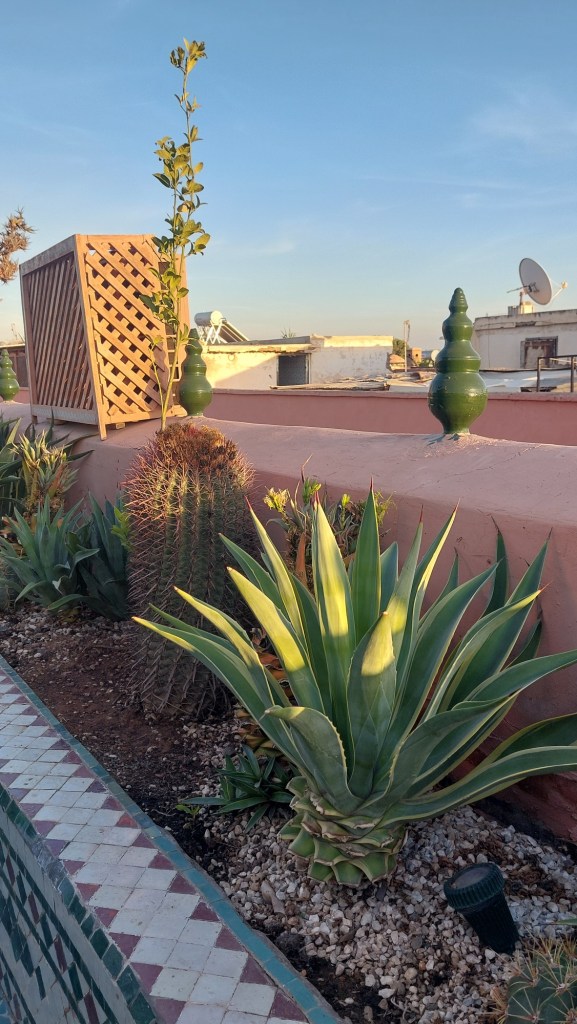
Marrakech in December/image by Freebird Tracey.
Some of the restaurants I visited, such as The Clock in the Kasbah, had roaring fires during the evenings, creating a nice cosy atmosphere.
Occasionally, Marrakech can experience more rainfall than usual, so this is something to bear in mind.
If you don’t want to get caught out, take an umbrella out with you or a lightweight jacket.
There is still plenty to see and do, so don’t be too upset if you’re caught in a storm.
Tailor your itinerary to suit the climate and keep an eye on the weather forecast daily.
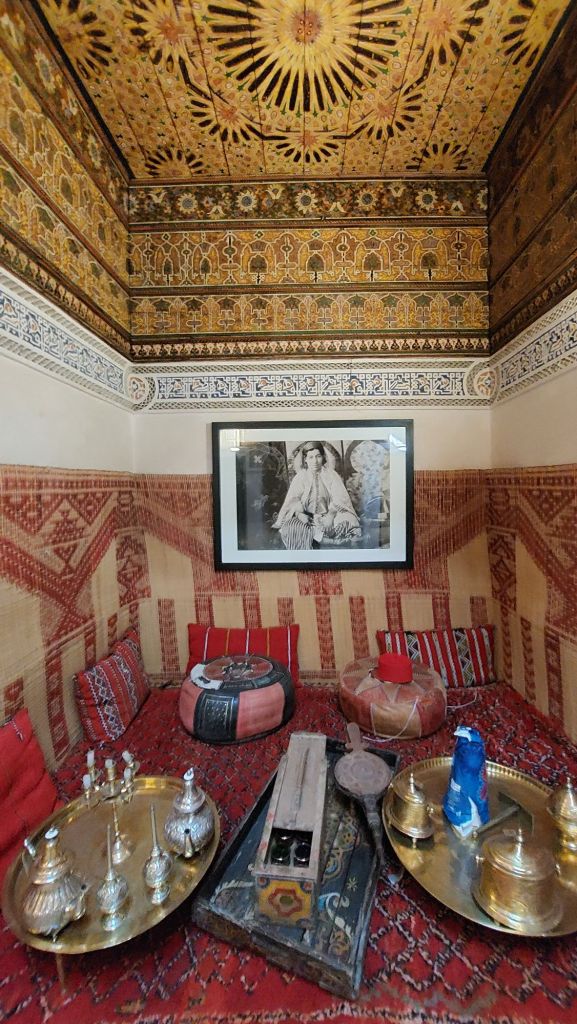
There are so many exciting museums such as the Museum of Photography and Berber Carpet Museum to keep you entertained.
Images by Freebird Tracey.
I would definitely go again during winter.
It helped me to cope with the gloomy grey days in the UK and broke up the long winter.
Image by Freebird Tracey.
For more about visiting Marrakech, subscribe to my blog.
An authentic district of Marrakech with more local people.
Image by Freebird Tracey.
The Kasbah is a quieter part of Marrakech, with fewer tourists than the medina.
Staying in the Kasbah, you feel totally immersed in the culture of Marrakech as you rub shoulders with the friendly locals.
There are plenty of restaurants and shops including a good fixed price store selling everything you will find in the souks at a realistic price.
*See my separate post on Dar Bouchaib.
Images by Freebird Tracey.
Inside the Kasbah, you can visit tourist attractions like the Saadian tombs and El Badi Palace.
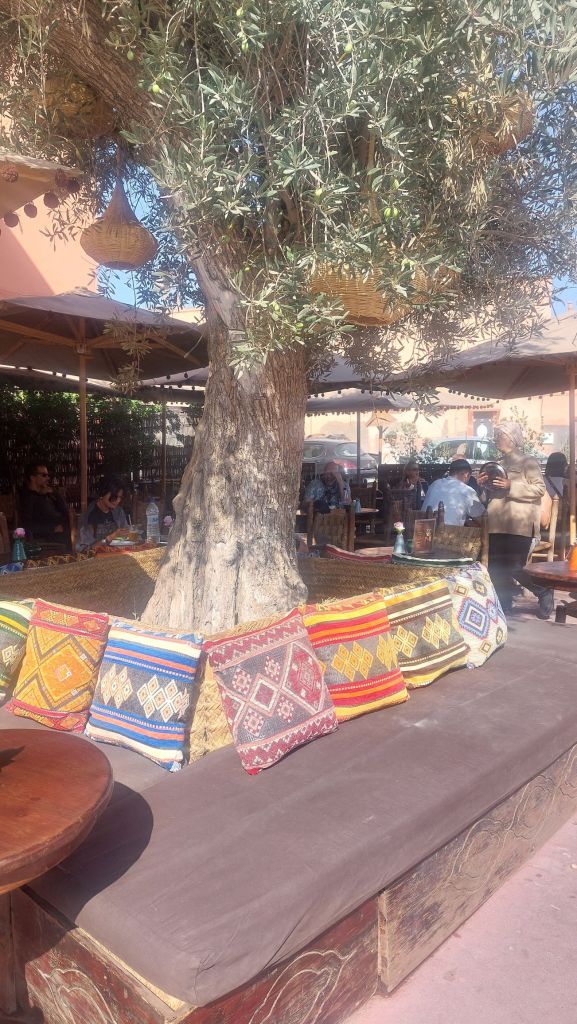
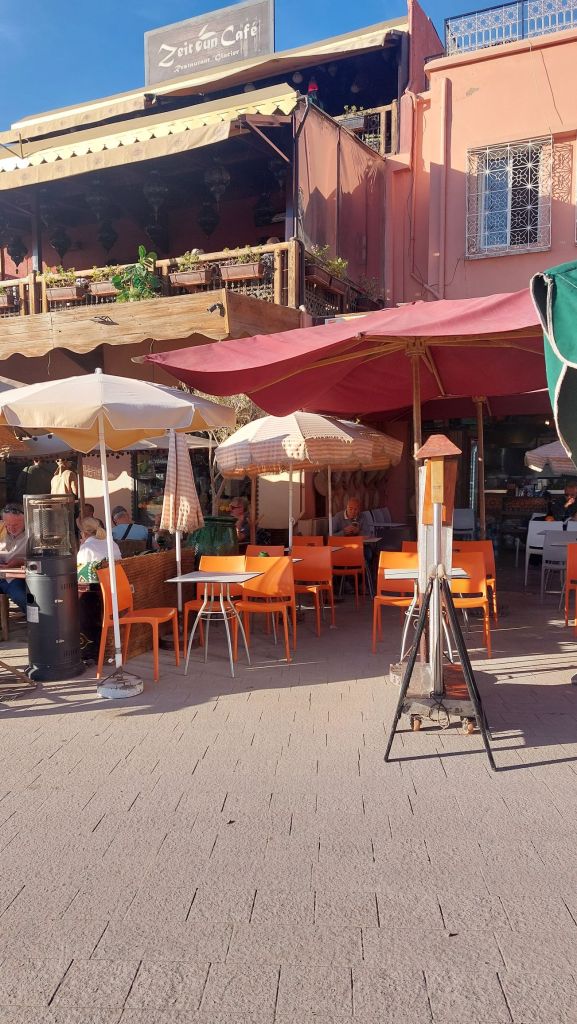
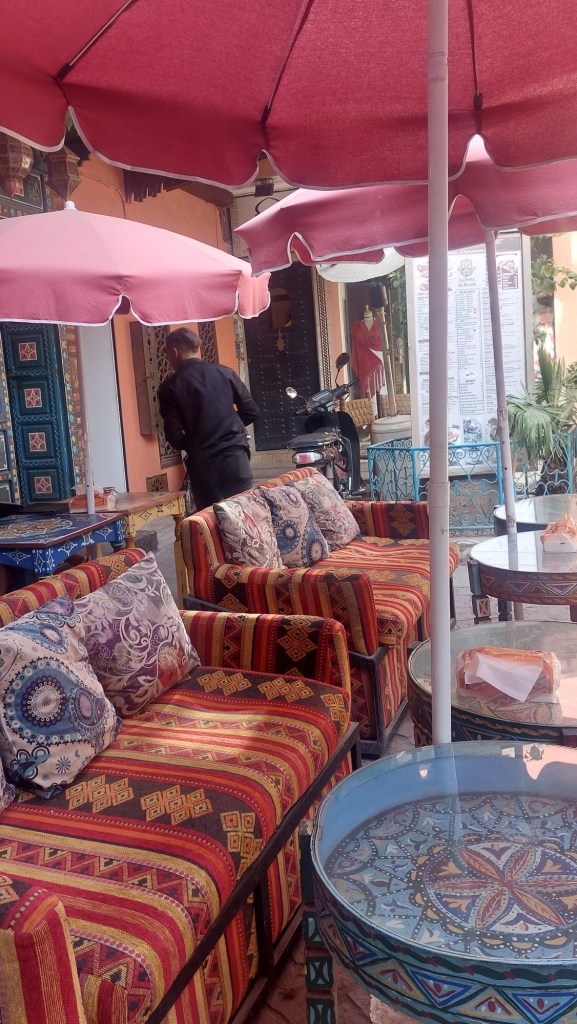
Zeitoune Cafe overlooking the mosque is a lovely spot for lunch or a drink whilst taking a break from sightseeing.
Sitting outside on the colourful cushions people watching in the Moroccan sun was quite an experience.
Image by Freebird Tracey.
The kasbah is about 15 to 20 minutes leisurely walking from the main square with plenty to see along the way.
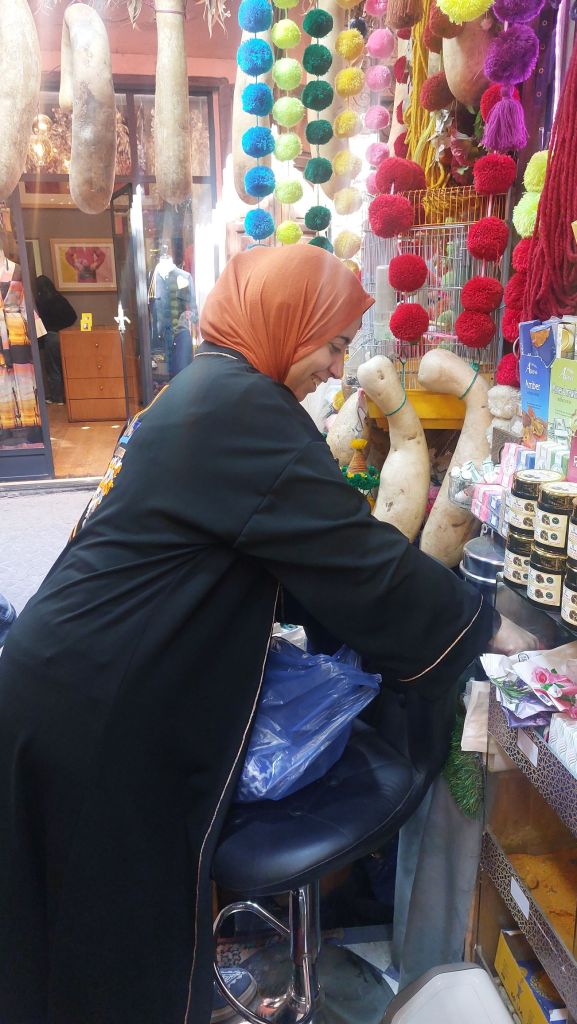
The walk is interesting, with many shops and vendors selling all kinds of stuff.
Image by Freebird Tracey.
In the kasbah, there are a range of budget and high-end riads to stay in.
It is definitely quieter than the medina.
I stayed in Riad Hikaya, it was absolutely lovely and a totally relaxing few days for me.
Image by Freebird Tracey.
*See my separate article about staying at Riad Hikaya.
The Kasbah is the historical citadel in Marrakesh with fortified walls.
The narrow alleyways make it an exciting place to visit, and there are fewer motorcycles and donkeys trying to negotiate the streets at the same time as you, making it less stressful than the medina.
There are plenty of good restaurants to enjoy nice food so you won’t have to go too far.
The Kasbah is home to the Clock restaurant and its legendary camel burger and storytelling evenings.
Also, the Kasbah Cafe is a popular place for lunch and dinner.
Krepchy does a fantastic breakfast, and the prices are very reasonable.
I highly recommend the waffles.
To return from the medina, consider taking a tuk-tuk if the weather is hot.
It’s quite an adventure in itself as you rattle along the bumpy streets.
Spending an hour or two enjoying this interesting area of Marrakech is definitely worth it.
The locals are very friendly, and it was a pleasure getting the opportunity to sit and chat with them.
Image by Freebird Tracey.
I would recommend staying in the kasbah if you prefer a quieter, more authentic experience in Marrakech.
A fixed price store in the Kasbah selling everything.
If you are fed up with haggling every time you want to buy something, there is a fixed price store in the Kasbah called Dar Bouchaib.
Here, you will find everything that’s for sale in the souks but at a fixed price.
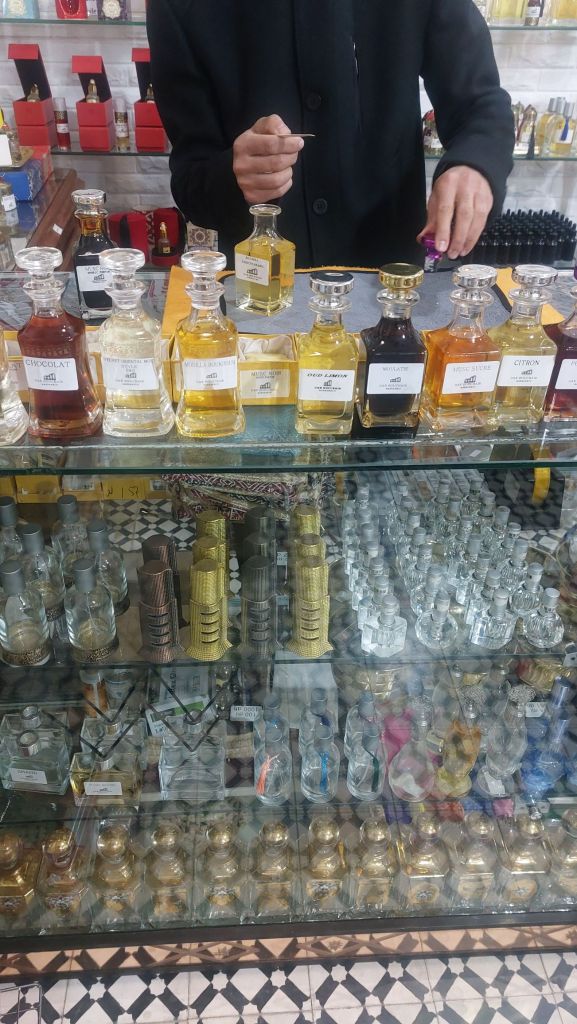
The perfumed oils are of a very high quality, and you can create your own signature fragrance by blending several oils together.
Image by Freebird Tracey.
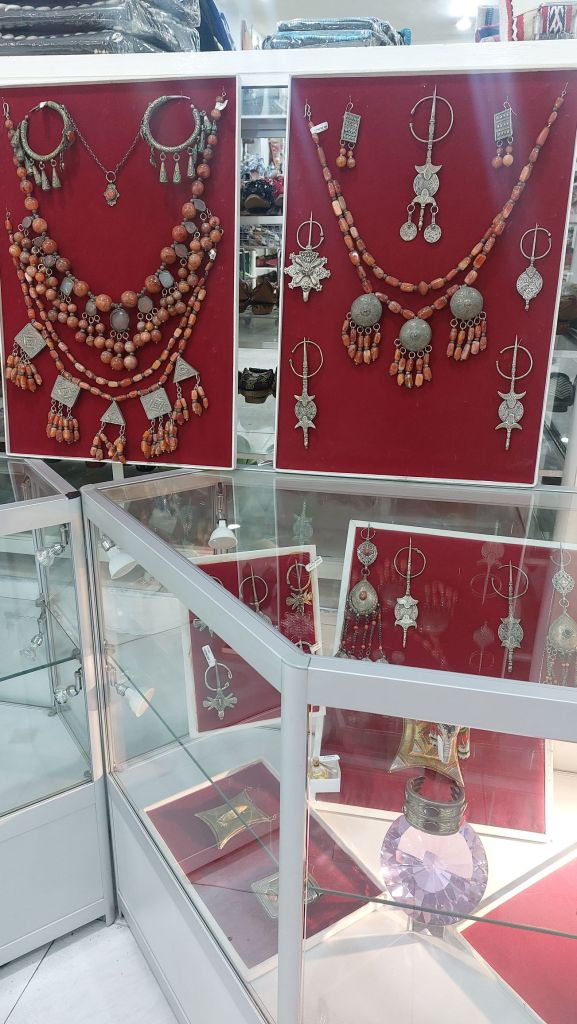
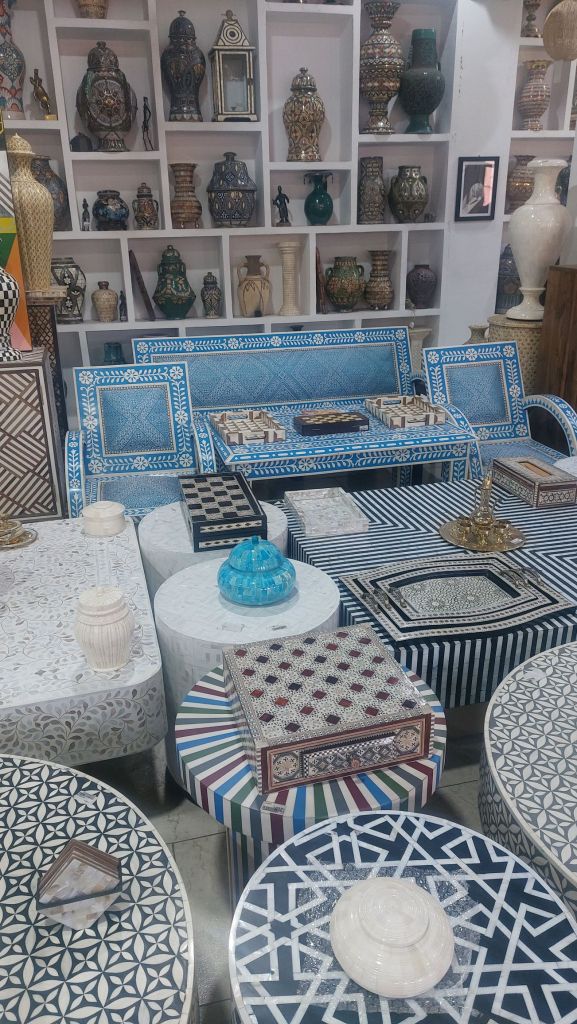
On the ground floor, there are ceramics, jewellery, clothing, footwear, bags, souvenirs, and much more.
Images by Freebird Tracey.
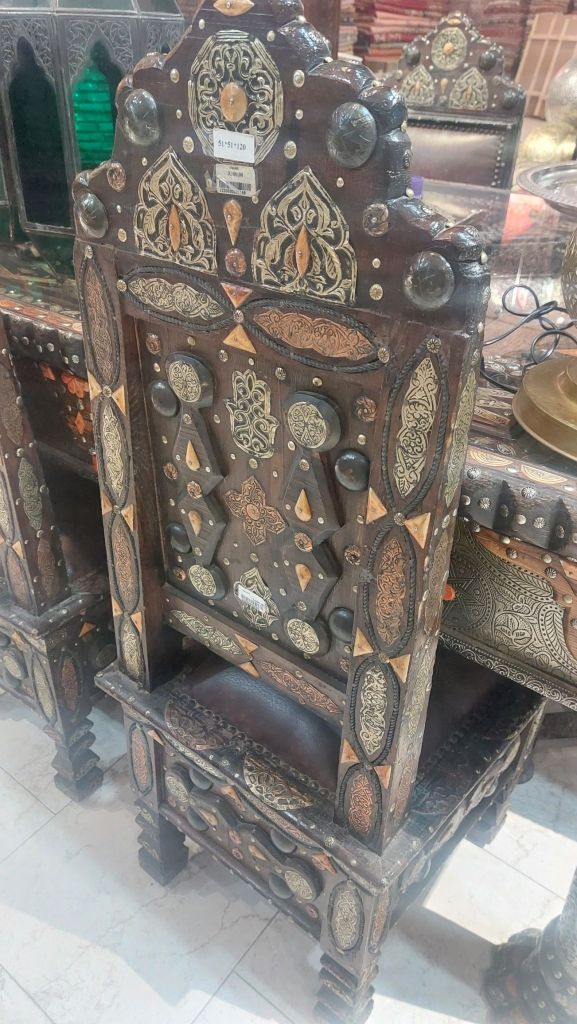
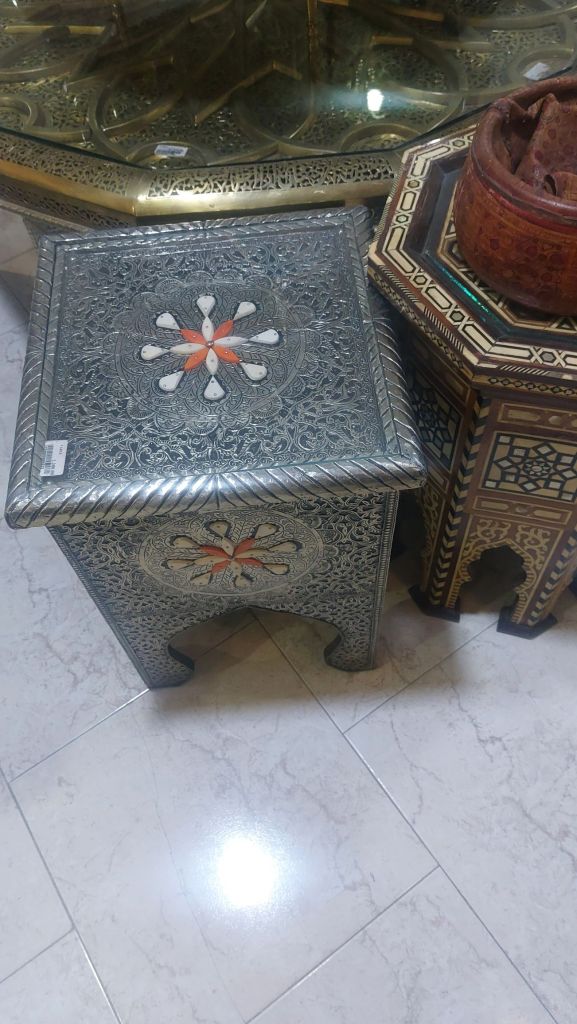
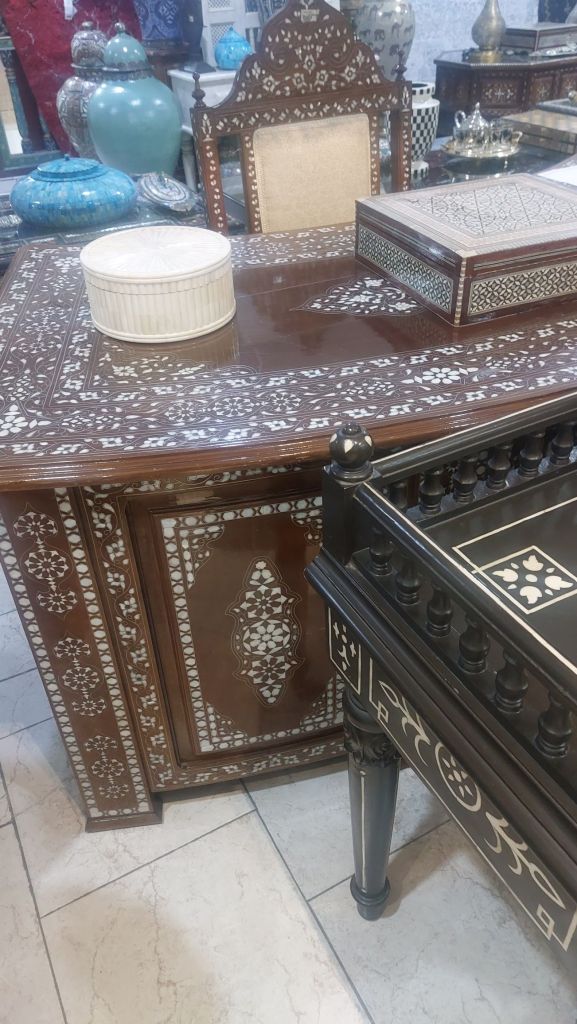
On the first floor, exquisite furniture, mirrors, Berber rugs, and other beautiful handmade pieces to furnish your home with.
They also ship worldwide.
The staff are incredibly helpful, and you can wander around the shop leisurely without any pressure to buy.
The store is huge and worth visiting just to see the craftsmanship and detail that’s gone into creating the furniture and mirrors on the upper floor.
Images by Freebird Tracey.
The Kasbah is a 15 – to 20-minute walk from the main square with plenty of interesting shops and good restaurants along the way.
Here, you will find the Saadian tombs and El Badi Palace.
Dar Bouchaib can be found on;
Rue de La Kasbah,
Marrakech 40000.
Opening times are;
Daily from 9.00 am until 8.30 pm.
Bank holiday hours may differ.
Although part of visiting Marrakech is to enjoy shopping in the souks, sometimes haggling and knowing how much you should be paying for something can become slightly stressful.
Dar Bouchaib is a relaxed shopping experience with everything under one roof.
The prices are fixed and reflect what you should be paying for each item.
There is also a massive selection of wonderful Berber rugs for sale in the store.
Make it part of your visit to the Kasbah area.
You won’t be disappointed.
Images by Freebird Tracey.
Dar Bouchaib is a few steps away from Krepchy.
If you’re sightseeing in the kasbah, I would recommend taking a look around this impressive store.
You may find something interesting to take home with you.
Marrakech is a safe place for travellers with a relatively low crime rate, but scams can happen.
Like any other destination, there are several things to be mindful of as a first-time visitor to the red city.
There are a few potential scams that visitors for the first time to Marrakech should know about.
.The road is closed.
This is a regular scam that can leave tourists confused.
You’re trying to locate your riad or a point of interest, and someone (usually a young male) tells you that the road ahead is closed.
He asks you your destination and offers to escort you via an alternative route.
Before you know it, you’re wandering endlessly through the souks until you arrive at his friends shop.
You’re still lost, and now you’re being offered mint tea whilst his friend brings out a multitude of exotic spices or rugs.
The male who took you there gets a commission for safely delivering you there.
Slightly more if you buy.
If you’re approached in this way, a firm no thank you or La shoukran usually does the trick.
If he is very persistent, head to a nearest trader, and ask their advice about whether the road is closed or not.
Make your boundaries clear but remain polite and try not to get too impatient.
It can be difficult if you’re tired or overwhelmed, but showing your weakness will only show how vulnerable you are feeling, and you may become a target for more opportunists.
. I can take you to your riad.
When you first arrive in the medina, you are faced with a maze of alleyways and tunnels.
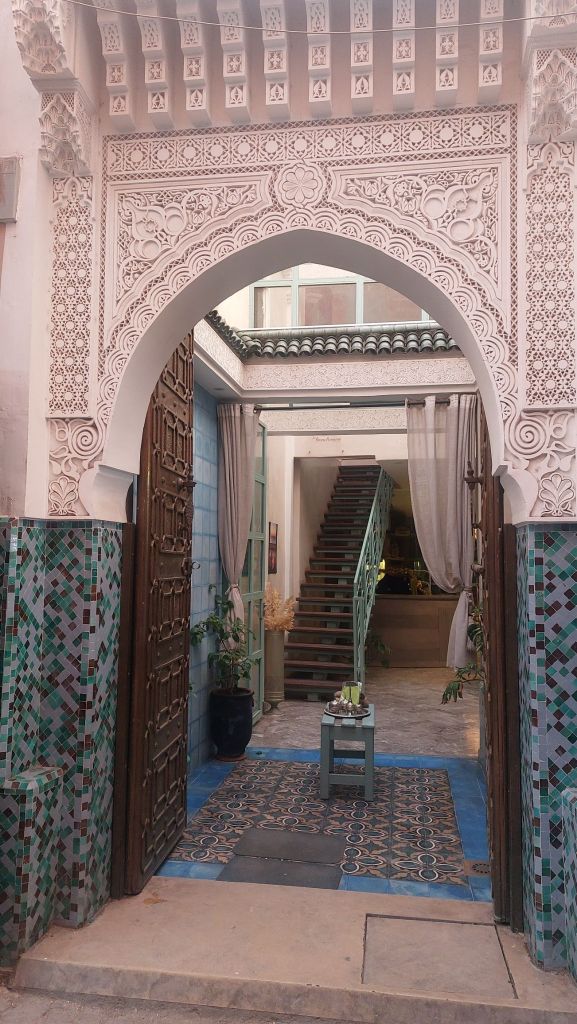
Often, your riad will be tucked away inside the souks or down one of these alleyways, hidden from view.
A tourist who looks as though they’re lost will invite the so-called ‘ helpful guide’ to your side who can show you exactly where you need to go.
He will escort you, taking the long route to your riad, and then demand a payment from you.
He may become quite persistent and insult you if you refuse to cough up.
I was taken off guard seconds away from my riad.
A young male basically nudged me along the narrow alleyway shoulder to shoulder. He demanded a payment, holding his hand out as I knocked on the door of my riad.
I told him I wasn’t lost and knew where I was going and that I hadn’t requested his help. He was quite cross with me and began insulting me in Arabic.
I stood my ground and ignored him until, eventually, the door opened, and I was let inside my riad.
This can feel somewhat intimidating, but don’t give in.
There are occasions when friendly locals really do want to genuinely help you find your way, and you will be grateful for their knowledge of the area.
Especially after a long flight.
However, this is a common problem and can become irritating, to say the least, if you have luggage with you.
Marrakech has a good police presence, and, in the worst case scenario, threatening persistent hangers on with that often does the trick.
Most will back off before it gets to that situation, though.
Image by Freebird Tracey.
.Over inflated prices for tourists.
There is a price for the attractions around the medina for tourists and a price for Moroccan residents.
This happens in many countries nowadays and you can’t protest much about it.
On the other hand, prices for street food and things you might wish to purchase in the souks are often much higher than they should be.
Learn to bargain with the salesperson, try dropping around 25%, and eventually, the pair of you will reach a price you’re both happy with.
Haggling is an art form, and it takes time to feel confident, but it’s a way of life in Marrakesh and can be quite a rewarding experience when you think you’ve managed to buy something for a fair price.
If you’re not happy, shop around. There are plenty of places selling the same goods around the souks.
There are also fixed price stores such as Dar Bouchaib in the kasbah.
. Gambling games in Jamaa El Fna.
During the evening, when the square comes to life, there are a few pockets of entertainment where gambling games take place.
These are scams that involve the winners working with the person in charge of the game.
They impersonate curious onlookers and ask to take part. They win, and a prize is exchanged.
These are not genuine participants, and the likelihood of you winning a cash prize is virtually nil.
. Unofficial tour guides.
Some tourists mentioned being approached by unofficial tour guides whilst visiting some of the attractions around the medina.
Males who begin by asking where you’re from, then following you around telling you a brief history of the place.
After some time, they ask you for a fee.
If you want a genuine tour guide, check the website of the attraction you’re visiting or consider booking an activity through Get Your Guide.
Booking. Com also offers attractions with a guided tour and transport.
Payment is upfront, and the guides are very friendly and knowledgeable.
Marrakech is an amazing destination with so much to see and do.
I have pointed out a few negative aspects that you should be aware of.
You may not experience any of these things.
I have been incredibly lucky with taxi drivers who often get a bad press for inflating prices.
I have had some positive experiences with taxis and felt very safe whilst travelling back to my hotel in a remote area.
Generally, the locals are very friendly, and tourists are made to feel very welcome.
There are the occasional poor people in Marrakech who see tourists as financially secure with more money than sense.
My advice is to make your boundaries clear from the start.
Get yourself some data by buying an Orange SIM for negotiating your way around the medina, and learn a few words of Arabic or French to help you to say no thank you.
Like anywhere else in the world, keep your wits about you in crowded places, and stay calm.
A look at how you can spend a typical day in the red city.
Image by Freebird Tracey.
The perfect day in Marrakech begins by waking up early to watch the sunrise from the rooftop of my riad.
I listen to the birds singing in the courtyard and hear the sound of the medina as it gradually comes to life.
I watch cats prowl along the rooftops, and below me, I can hear the clattering of plates as staff prepare a delicious breakfast.
The first glass of freshly squeezed orange juice hits the spot perfectly.
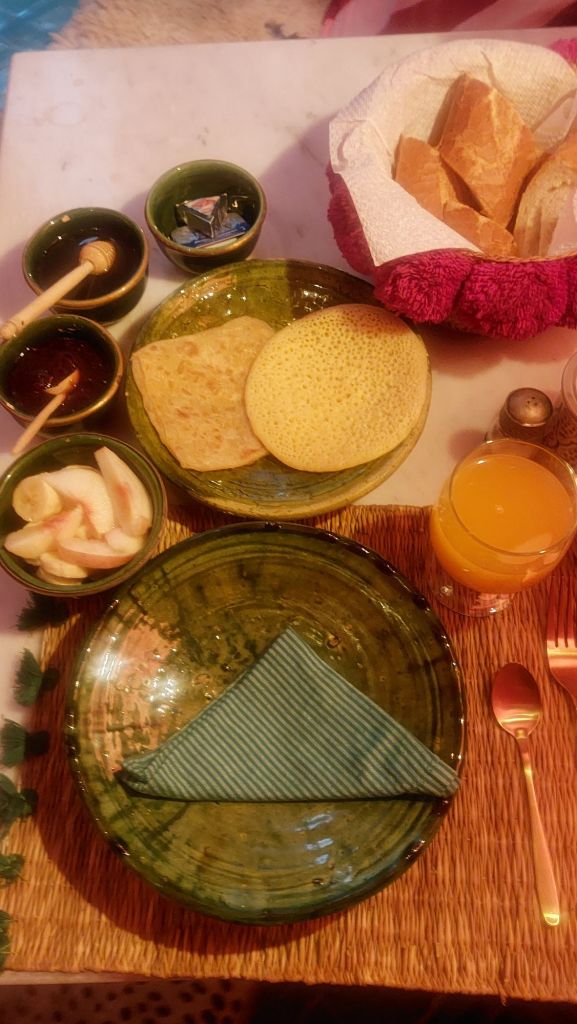
I enjoy a breakfast of msemen pancakes with homemade jam, amlou, and honey.
Fresh fruit, yoghurt, and eggs.
Image by Freebird Tracey.
After a refreshing shower, I head out into the medina for a glass of atay in a cafe overlooking the main square.
Sat outside, I observe the vendors setting up for the day.
The entertainers are getting ready to entice the crowds of tourists, and the local ladies are on their way to the market for fresh herbs and spices.
Images by Freebird Tracey.
My next destination is the souks before they get too busy.
Vendors are eager for their first sale of the day, and bargaining is much easier early in the morning.
The colourful array of things on offer is a sight to behold.
Images by Freebird Tracey.
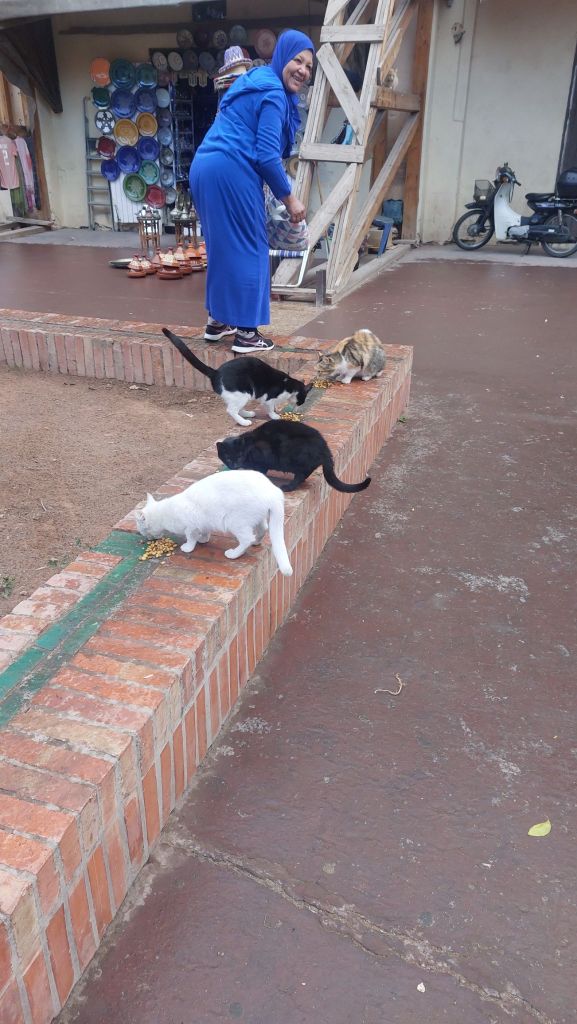
Cats gather for a few morsels off the butcher, and locals toss a few titbits for them to eat.
They vye with each other for the perfect spot in which to laze around in the sunshine.
Image by Freebird Tracey.
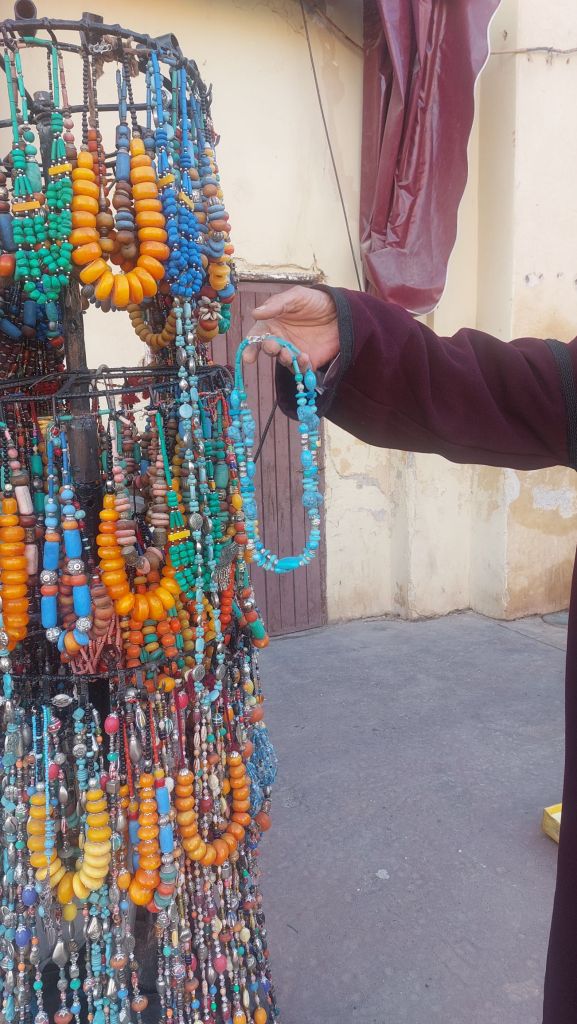
I check out the wonderful Amazigh jewellery, the argan oil, and the beautiful ceramics and mirrors on display in the narrow alleyways.
At the same time, I dodge motorcycles and donkey carts as they make their way to wherever they’re going.
Images by Freebird Tracey.
I buy one or two souvenirs, promise to go back for other things, and then decide it’s time for a light snack.
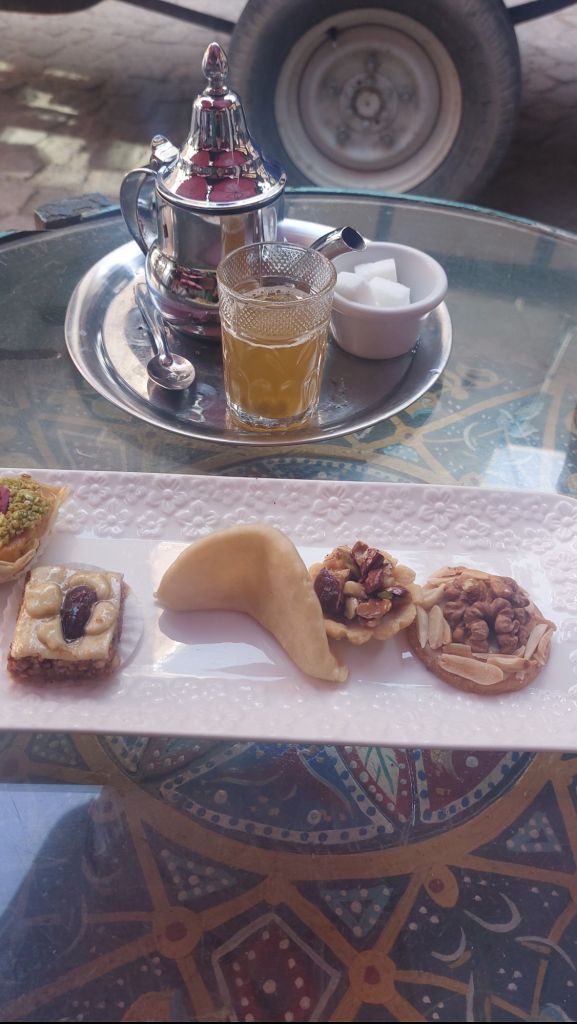
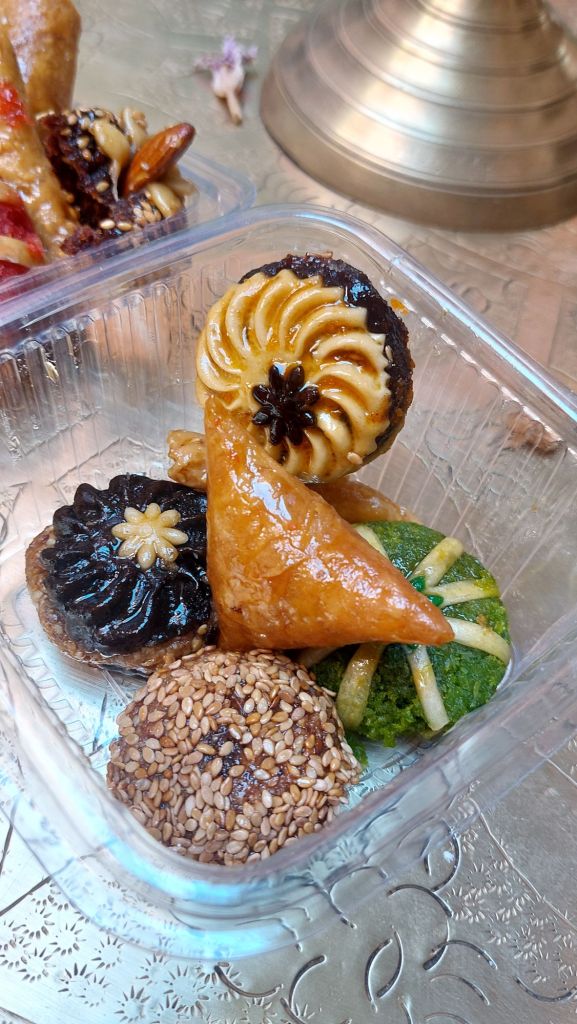
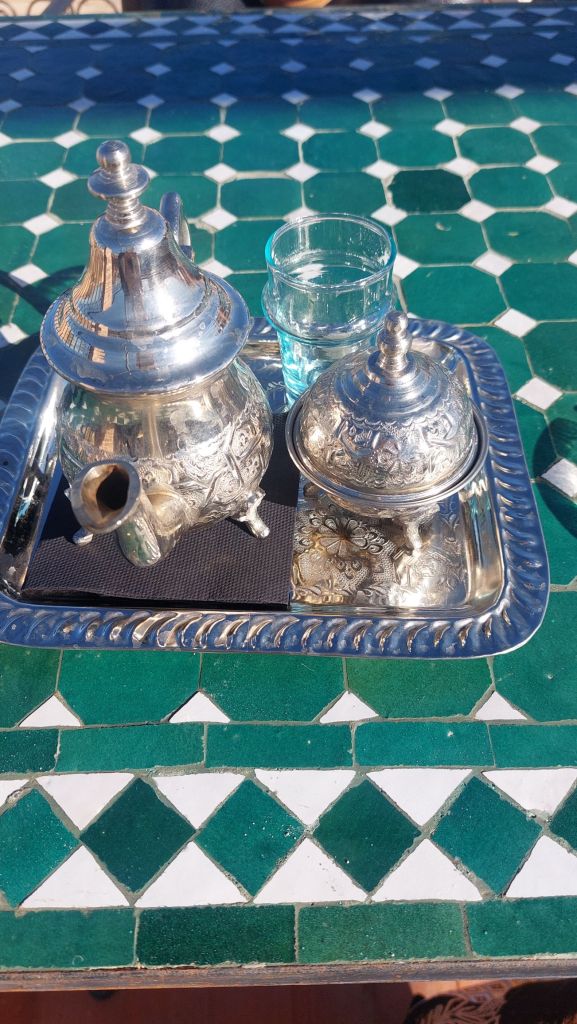
A cafe with colourful outdoor seating calls out to me, and I choose a selection of delicious pastries with a pot of mint tea.
I sit for a while people watching and enjoy the scenes as they unfold around me.
Images by Freebird Tracey.
It’s fascinating watching daily life go by in the medina.
Tourists look in awe at the beautiful things for sale, and vendors call out to them with their friendly banter.
After recharging my batteries, it’s time to do some sightseeing.
I head towards Madrasa Ben Youssef and take the opportunity to get some photos of the stunning architecture.
Images by Freebird Tracey.
The medina is beginning to get very busy, so I make my way to the gardens of the Koutoubia Mosque to sit quietly for a while.
I take in the beautiful surroundings and relax amongst the beautiful trees and plants.
I watch the fountain.
It feels cool and refreshing as it sprays up into the air beside me.
Image by Freebird Tracey.
Afterwards, I treat myself to a sugarcane juice from a vendor outside.
It’s an acquired taste but goes down well as the day is steadily getting warmer.
Image by Freebird Tracey.
The heat is becoming quite intense, so I return to my riad for a rest.
I make my way up onto the rooftop for a spot of sunbathing.
Image by Freebird Tracey.
The call to prayer echos across the medina.
A familiar sound that echos across Marrakech five times a day.
I read a book and order myself a cold drink which arrives with olives.
Soon, it’s time to get ready for the evening.
I decide to go to La Pergola rooftop bar for a couple of cocktails.
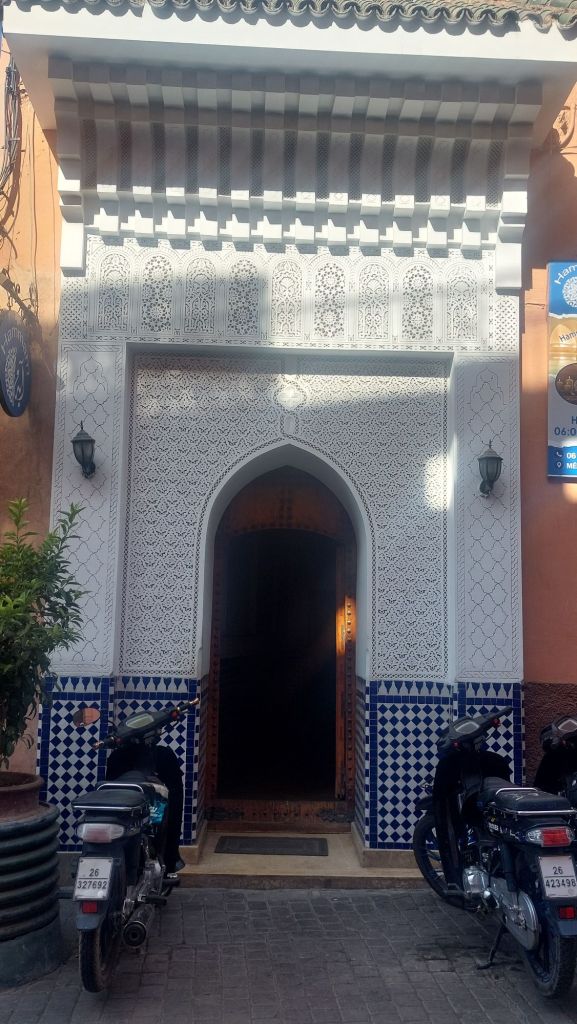
Image by Freebird Tracey.
It’s a lively atmosphere, and there are lots of people enjoying a drink and chatting.
Afterwards, I head towards Jamaa El Fna.
The energy is electric.
Food vendors touting for business, dancing, drumming, and crowds of tourists gather to witness the spectacle.
The smell of food cooking makes me feel hungry, so I decide to find a nice place to dine.
I choose a place that has a rooftop overlooking the square to watch the sunset.
Image by Freebird Tracey.
I enjoy a traditional tagine, which is flavourful and aromatic.
I’m tempted by the exotic sounding smoothies on the menu and treat myself to one containing dried fruit.
I watch the beautiful sunset and everywhere has a golden glow.
I am satisfied and content, but the evening is still young.
I take a leisurely walk to The Clock, situated in the kasbah to listen to some traditional storytelling.
After an interesting time immersing myself in the culture of Morrocco, I decide to head back to my riad.
I pick up a few more souvenirs along the way.
Image by Freebird Tracey.
Back at the riad, I sit in the courtyard reflecting on my day.
Image by Freebird Tracey.
I ask the staff for suggestions for the next day.
We chat about possibilities, and they help me put together a few ideas.
I have had a perfect day..
I have experienced a different culture, tasted delicious food, watched a magnificent sunset, chatted with friendly locals, and navigated my way through the maze of souks without getting too lost.
I fall asleep.
I am tired but happy and ready to do it all again tomorrow.
A useful guide for choosing the correct clothing for your trip.
Image by Freebird Tracey.
Marrakech can get very hot in summer, and temperatures can exeed 40° Celsius.
Even the cooler months can feel warm and humid, especially walking around the busy souks and popular points of interest.
Marrakech is also a conservative city with a majority Muslim population.
The locals are extremely hospitable, but respect is a big thing in Marrakech.
So, what should you wear to feel comfortable yet still appear respectable?
For female visitors, I would suggest palazzo trousers.
These are flowing and elegant, keeping you nice and cool.
They pair well with smart cotton blouses and can be worn underneath a silk kimono, adding a touch of glamour.
Image by Freebird Tracey.
Lightweight cotton or linen trousers also look smart, and neutral colours give a sophisticated, modest appearance.
Image by Freebird Tracey.
Silk (including recycled sari silk) maxi dresses are very versatile and keep you cool. They can be worn with a drawstring sari petticoat underneath for modesty if the dress is sheer.
Image by Freebird Tracey.
Linen is perfect and always looks polished.
It may get slightly creased, so I would suggest bringing along a portable steamer. They’re a life-saver and take up very little space in your suitcase.
However, most accommodations have an ironing and laundry service at your disposal.
Cotton tee-shirts and blouses are ideal and can look very flattering with the right accessories.
Image by Freebird Tracey.
Yoga pants are also perfect for a day exploring.
They are loose fitting and comfortable.
Headscarves are fashionable and can be used as a head covering whilst visiting some of the religious sights or as a convenient wrap around for covering your shoulders.
Image by Freebird Tracey.
I like to wear turbans to cover my locs.
They keep my head and neck cool, and at the same time, I feel well put together.
Silk scarves roll up really small and fit perfectly in your bag.
They are versatile and can be used as a hair tie, head covering, or pretty accessory.
Marrakech is definitely more liberal than other morroccan cities. However, exposing too much flesh is definitely frowned upon.
You may attract unwanted attention from both males and females, spoiling your overall experience by making you feel self-conscious.
How you present yourself will determine the kind of experience you have in Marrakesh.
In your hotel or riad, it’s perfectly acceptable to wear shorts and swimwear for sunbathing, so pack those items of clothing also.
Males can wear knee-length shorts with linen or cotton short-sleeved shirts to look smart yet casual.
Many high-end restaurants won’t accept men wearing sandals, but smart leather sliders are deemed acceptable.
Image by Freebird Tracey.
Linen or cotton long trousers for men are ideal and keep the body cool.
Men’s clothing is definitely more liberal than females.
They don’t invite the same attention but are still expected to dress for the occasion when visiting certain establishments.
I wouldn’t advise a male to walk around without a shirt on.
That is best left for beach holidays..
So, to summarise, staying smartly dressed whilst comfortable is the only thing men need to consider.
On the other hand, women are expected to respect the cultural norms of the country unless they’re going to the clubs in the Gueliz or Hivenage part of Marrakech.
It’s acceptable to dress more provocatively if you’re having a night out there.
You can still look and feel good in appropriate clothing.
It’s about choosing nice accessories to elevate your outfit.
Marrakech has no shortage of beautiful jewellery and handbags.
Regarding footwear, there is a lot of walking around the medina, so comfortable footwear is certainly essential.
Trainers, pumps, or sandals are all acceptable.
A little tip I found useful is to take a couple of outfits in my travel bag, and once I arrived, I bought the rest of my clothing in the souks.
It wasn’t too expensive, and I felt as if I blended in with the locals better.
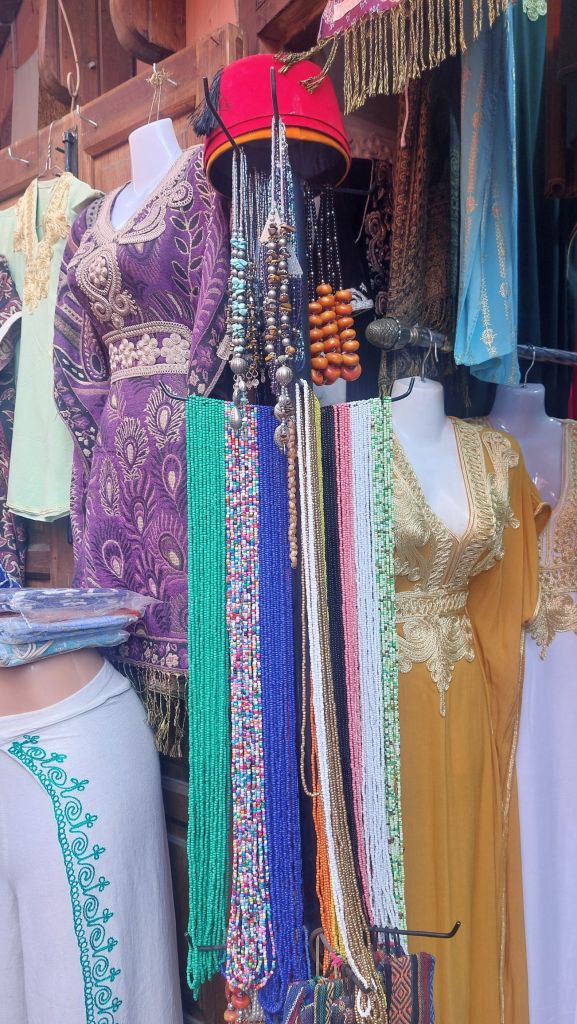
I enjoyed wearing the traditional Moroccan dresses, kaftans, and djellabas.
Image by Freebird Tracey.
Finally, I have never needed to take a warm coat to Marrakech.
Depending on the season and whether you plan a trip into the Atlas mountains or not, a lightweight weatherproof jacket is enough
I usually take a shawl or cardigan, and it’s always been sufficient for cooler evenings.
Winter in Marrakech is better suited to layers.
A trip to Agafay desert can get very blustery whilst watching the sunset in the open air.
A thin thermal skin worn underneath a long dress or trousers is usually enough to protect from the drop in temperature.
I wore long sleeved tee-shirts underneath my dresses during the evenings.
A comfortable hoodie can also be useful.
Keeping your eyes on the weather forecast before travelling will also help you to plan accordingly for your trip.
So, to summarise,
Wearing comfortable clothing suitable for a day exploring the medina and tourist hot spots is the most important thing to consider.
You will walk a lot, and it can get humid.
To discourage unwanted attention and negative vibes from the locals, female travellers should refrain from dressing too provocatively.
Unless they’re in the bars and clubs, which are more liberally minded.
Choosing natural fibres is the best way to stay cool, and long, loose-fitting garments are ideal because they look modest and feminine.
Lastly, don’t forget to bring the sunscreen.
You don’t want to walk around looking like a lobster.
One thing that is central to Morroccon culture is the Hammam.
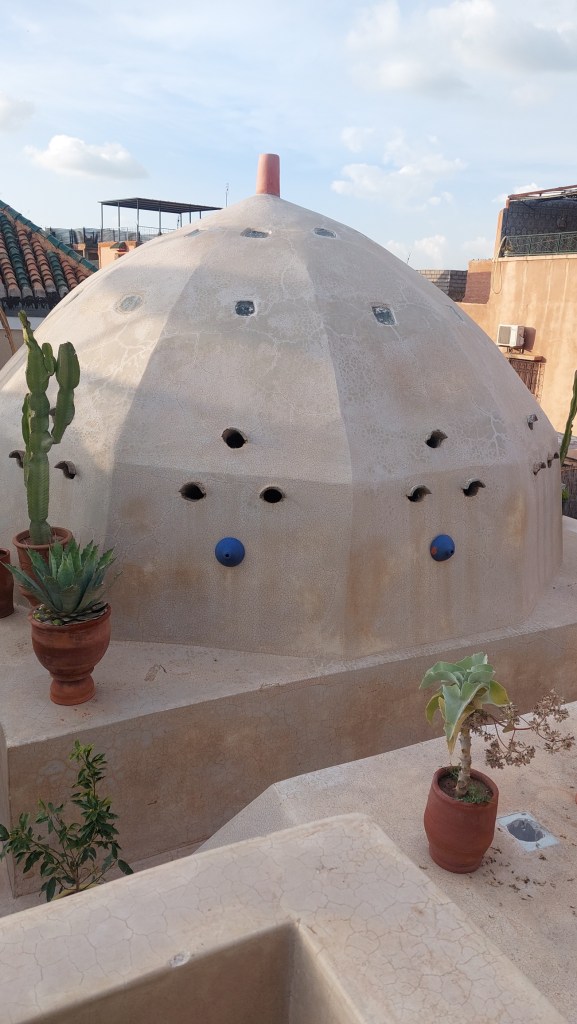
A Hammam is similar to a Roman bath and dates back centuries in morrocco.
It was a ritualistic cleansing ritual that people did before prayers, and many Hammams can be found near a mosque.
Before homes had plumbing, a Hammam was a place local people could come to get cleansed.
Seperated by gender, they were a space for people to socialise, relax, and detoxify.
Image by Freebird Tracey.
The treatment always begins in a dry steam room.
Relaxing in the heat opens the pores and prepares the body for the scrubbing.
Morroccan black soap is used to scrub the body.
It is a grainy soap made from olive oil and macerated olives, perfect for exfoliating the dead skin cells.
The scrubbing is quite vigorous, and many tourists are not used to it.
This is followed by buckets of water being thrown over you to wash off the black soap.
Some hammams alternative between buckets of cold water and buckets of hot water.
In more luxurious hammams, Rassoul clay from the Atlas mountains is used to cover the body.
It’s rich in minerals like silica, magnesium, and calcium.
After this procedure, your whole body and hair are lathered thoroughly with a gentler soap or gel.
The next treatment is an all-over massage using fragrant oils like rose oil and argan oil.
Once the treatment is finished, you can relax in a separate area with mint tea and morroccan pastries.
The fragrance of incense wafting around the room adds to the relaxing ambience.
There are two types of Hammam in Marrakesh.
Public or private hammams.
The public Hammam is a true taste of Morroccan life, with many local people bathing together and chatting in their native language.
In a public Hammam, you have to take your own soap, towel, and oils in.
These are much less expensive.
The private Hammams provide you with everything you need, including disposable underwear, a bathrobe, and sandles.
Treatment options vary, including the length of the treatment and the type of massage and oils you prefer.
These are more like spa treatments.
You can relax for as long as you want to after the treatment has finished.
It’s worth noting that the underwear for women is very flimsy, and some women ask for male underwear instead.
Nubies can feel slightly vulnerable being exposed with just a disposable thong hiding their modesty.
The rooms are dimly lit, and the women known as Kassalas working in the hammam are very discreet and professional.
Most women get over their initial shyness pretty quickly.
Hammam Mouassine is the oldest Hammam in Marrakesh.
It opened in 1562 and can be found by the Mouassine fountain, close to the secret garden.
Many riads have a Hammam room and offer this service to their guests.
Other popular hammams are,
. Hammam de la rose.
. Mamounia Hamman..
. Les Bains Ziani.
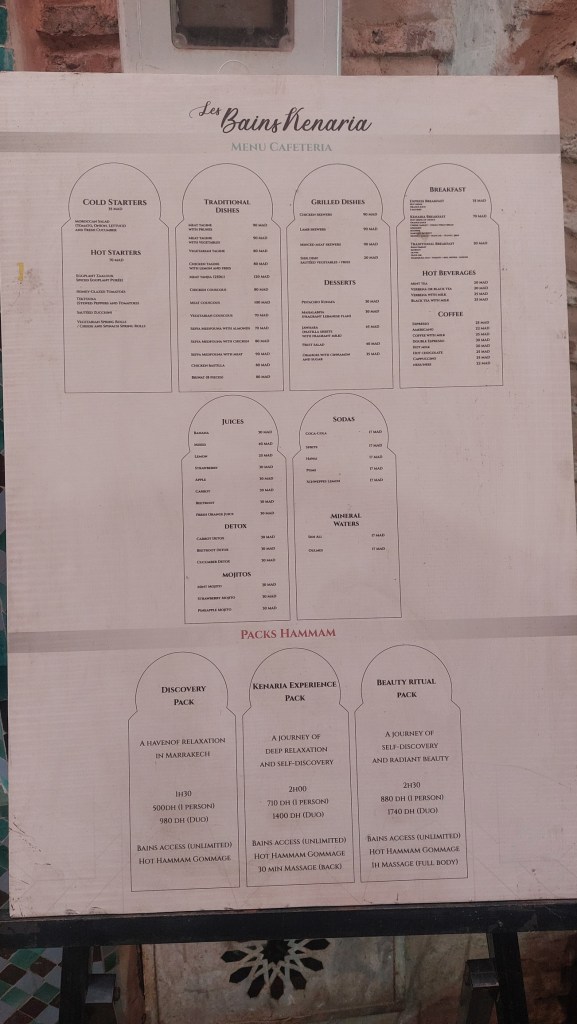
. Les Bains Kenaria.
Palm oil is often used to wash people’s hair, so if you don’t agree with the use of it, make sure to check beforehand.
Experiencing a traditional Hammam is a welcome break from the chaotic souks and Jamaa El Fna.
It’s a relief from the baking heat of the morroccan sun and a chance to slow down the manic pace for an hour or so.
Many tourists feel unsure about wearing virtually nothing in front of strangers, but this is an ancient ritual that has been part of Morroccan culture for centuries.
Visitors to Marrakech have said that they experienced the most invigorating and relaxing time in a hammam and would definitely do it again.
Some tourists are hooked, despite saying it was an unusual experience.
I would recommend paying a little bit more for a private Hammam if it’s your first time.
However, if you want a taste of authentic Marrakechi life, go for a public hammam.
You can buy Morroccan black soap and other toiletries you’ll need inside the souks, or in the spice square.
You can book a Hammam through Get Your Guide or Viator.
Don’t forget a towel, bathrobe and fresh underwear.
Helpful advice for visiting Marrakesh for the first time.
Image by Freebird Tracey.
I’ve put together a few useful tips to help your trip run smoothly.
Marrakech is a cash society. Although many cafes and restaurants take cards, cash is often the preferred method of payment.
In the main square called Jamaa El Fna, you will need cash to purchase almost everything.
There are plenty of 🏧 machines located around the city.
I use the one outside the post office where the horse and carriages stand, close to the taxi rank.
The exchange rate is good, and it was usually working.
You can get cash at the airport, but the exchange rate isn’t great.
There are also plenty of places to exchange money around the city.
It’s advisable to carry a small amount of cash with you for tipping, small purchases in the souks, and picking up a bottle of water.
Something you may want to consider if you don’t have cash at the airport is to ask your accommodation to organise a taxi to your hotel or riad in advance.
Most accommodations will do this for you when you book. It’s prepaid, so you won’t have to worry.
You will probably need a SIM card.
I got an Orange SIM in the airport, and they put it into my phone for me.
This saved me any hassle, and I had data from the moment I arrived in Marrakech.
Having data gave me reassurance as a solo female traveller.
I could use Google maps in the medina, which was helpful in case I got lost.
It’s worth noting that Google Maps may not work in some areas of the souks, though.
Tipping is not customery in Marrakesh, but the food and service are usually very good, so it’s nice to be nice.
I generally leave a small tip of approximately 20-30 dirhams.
You can drink the tap water allegedly, but personally, I wouldn’t recommend it.
Some tourists have what’s called a GRAYL water bottle, which takes out the bad stuff, but I haven’t tried one myself.
I preferred to air on the side of caution, plus the water doesn’t taste that good and water purifiers don’t change the taste of the water.
There are plenty of places selling bottled water around the medina, and riads or hotels also sell it.
Non Muslims can’t go inside the Mosques, with the exception of Hassan ll Mosque in Casablanca.
Koutoubia Mosque has the most beautiful gardens, which are well worth a visit. They are open to everyone, and particularly nice in the evening when they’re lit up.
Image Freebird Tracey.
Some tourist attractions get incredibly busy, so try to arrive at opening times for the best experience.
Places like Bacha Coffee can have waiting times for up to 2 hours, so come early and join the queue.
The same applies to Bahia Palace and the Madrasa Ben Youseff.
I found shopping in the souks early in the morning favourable.
It was less crammed with tourists, and I avoided the mid afternoon heat.
Although Marrakech is an Islamic city, it’s fairly relaxed and liberal.
However, out of respect for the culture of your hosting country, it’s appropriate to cover your shoulders when visiting certain religious places.
Aim to dress modestly without exposing too much flesh, and you’ll have a great experience.
I have written a separate post on what to wear when you’re visiting Marrakech.
Marrakech is a dry city. However, there are bars and clubs that cater to Western tourists.
There are a few nice bars selling alcohol and cocktails around the medina, such as Le Pergola and Kabana rooftop bar.
Gueliz and Hivenage have plenty of clubs and bars if you want a night out with alcoholic beverages and entertainment.
Some high-end riads and hotels will also serve alcohol.
It’s forbidden to consume alcohol in the medina unless you’re in a place that is licensed to sell it.
If you get tired of haggling in the souks, there is an artisans market.
The prices are slightly higher but you can simply buy the products without having to bargain for them.
There is also a fixed price store in the Kasbah called Dar Bouchaib.
People in Marrakesh can be quite camera shy.
It’s best not to take photographs unless they specifically say you can.
Be prepared to have to pay for the privilege, too.
Most travellers are discouraged from starting conversations about the King of Morocco.
Try sticking to conversations about the history of Marrakech and Amazigh culture.
The locals will love telling you all about it..
There are a few scams going on in the square, but it’s mainly opportunists trying to make a few dirhams.
I haven’t had any problems myself, but just keep your wits about you and don’t fall prey to anything.
Marrakech is relatively safe, but just like anywhere else in the world, exercise caution with your personal belongings in crowded areas.
Keep your personal items in front of you and don’t carry large amounts of money around.
The Souks close around 9.00 to 10.00 pm, so be careful if you’re walking around after that, especially if you’re a solo female traveller.
I haven’t experienced anything unpleasant, but it can feel rather unnerving in the dark alleyways after dark.
See my separate post about solo female travellers in Marrakech.
I hope some of these nuggets of advice help you to have the best experience in Marrakech.