A look at the history of the ancient red city.
Marrakech has been inhabited for over 1000 years Morocco took its name from Marrakech.The first settlers were Berber farmers who had lived on the land since neolithic times.The Amazigh people named the country Murakush, meaning the Western kingdom, later Arab conquerors adapted the name to Morocco.
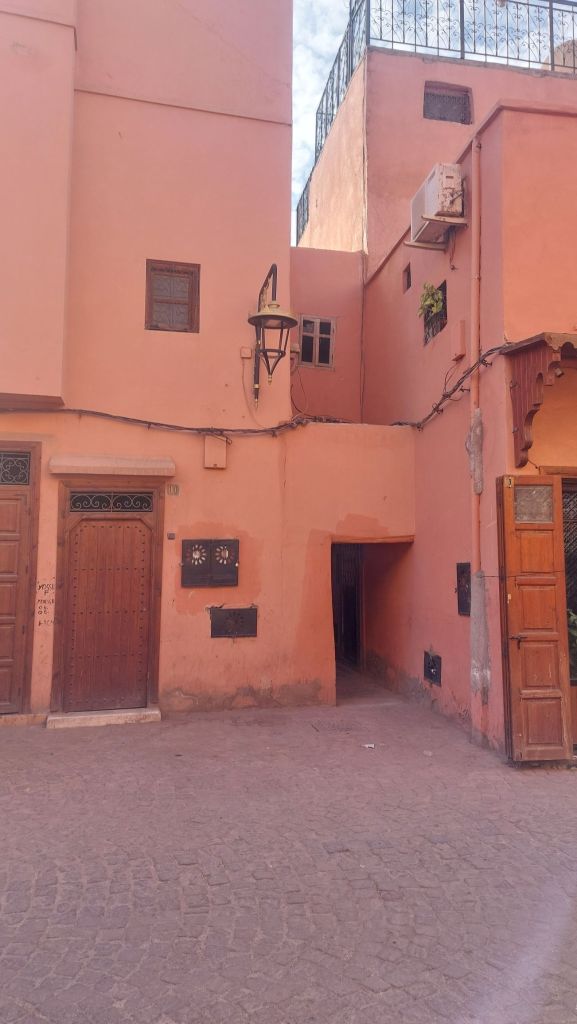
During the 11th and 12th centuries, the Almoravids were the rulers of Marrakech, founded by Abu Bakr Ibn Umar in 1070, they began constructing an underground water system to supply water to the city canals, which attracted merchants and craftsmen to Marrakech.They built riads for the people who were beginning to settle in Marrakech, and it became a real city. His cousin and successor Yuseff Ibn Tashfin developed Marrakech even further, turning it into the Almoravid empire.He erected mud brick houses, giving the city its prominent,distinctive red colour its famous for today.
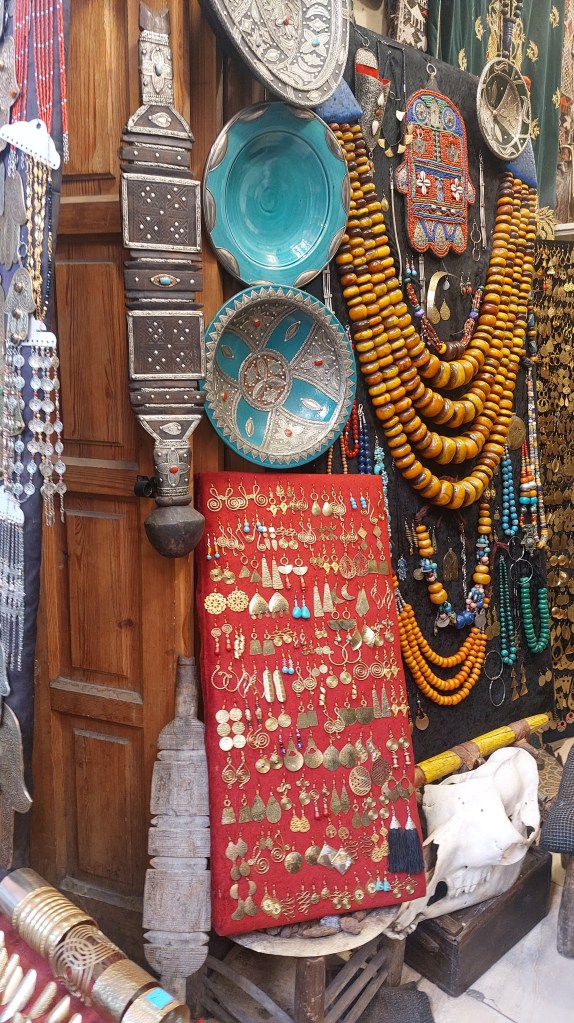
It was during this period that the Masjid al siquaya mosque was built, and market places called souks began to spring up, marking the beginning of urban life in Marrakech.
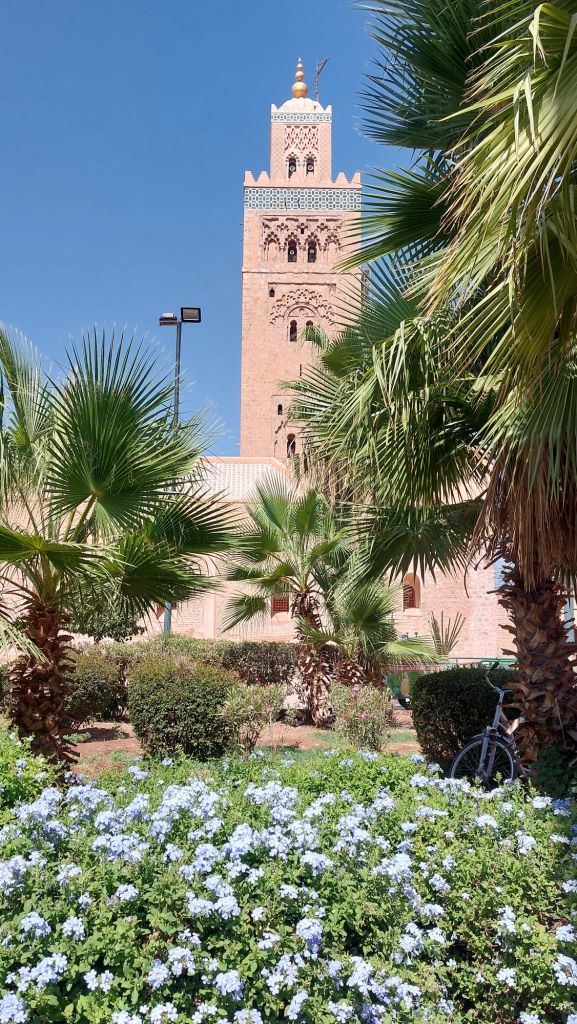
In the 12th and 13th centuries, the Almohads overthrew the Almoravids and took over the city.They continued to develop Marrakech even further, painting the walls of the city red and building spectacular palaces and the famous Koutoubia Mosque, which is the largest mosque in Marrakech and a significant landmark.
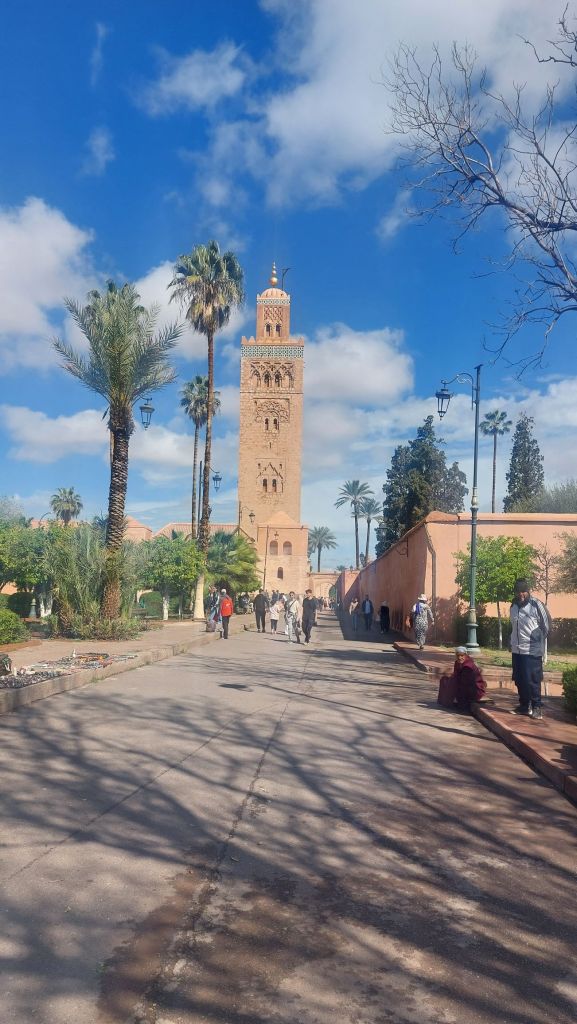
They were intellectuals and artists, and many scholars were attracted to the affluent city. They also introduced education and art, turning it into a political, economical, and cultural centre. They also began improving on the original water system by building open air canals, which allowed water to flow down from the high Atlas mountains. This gave people a better quality of life, and they began to flourish. The city soon began to prosper under the rule of the Almohads and became a thriving place for merchants to meet and exchange goods.
In the 13th century, the Merinid Empire took control of Marrakech in 1230 ruling for two centuries.They built the first madrasa in 1343-9 and used Marrakech as a training ground for heirs to the throne. Marrakech was the imperial capital of Morocco, but the Merinids decided that they preferred the city of Fes, which resulted in Marrakech going into serious decline. Fes soon became the new capital city, and Marrakech became the regional capital of the South instead.
Because of the move to Fes, Marrakech was practically abandoned and left to decay, becoming impoverished and neglected. The buildings were left to crumble, and the city that was once a bustling hive of activity began to die.
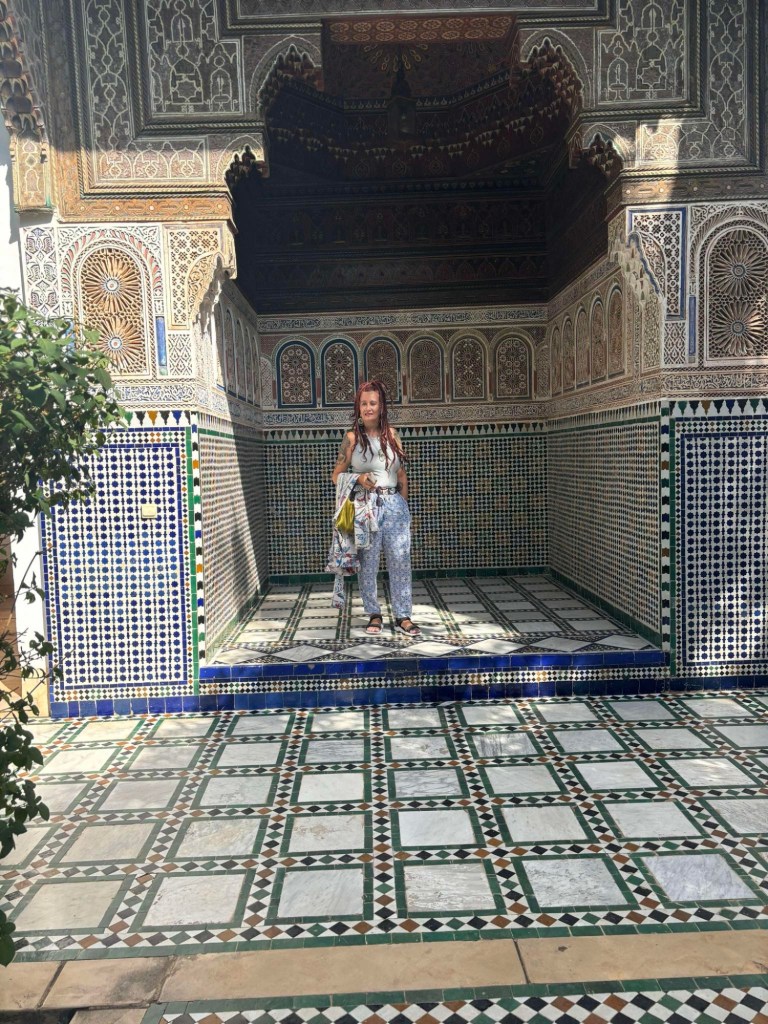
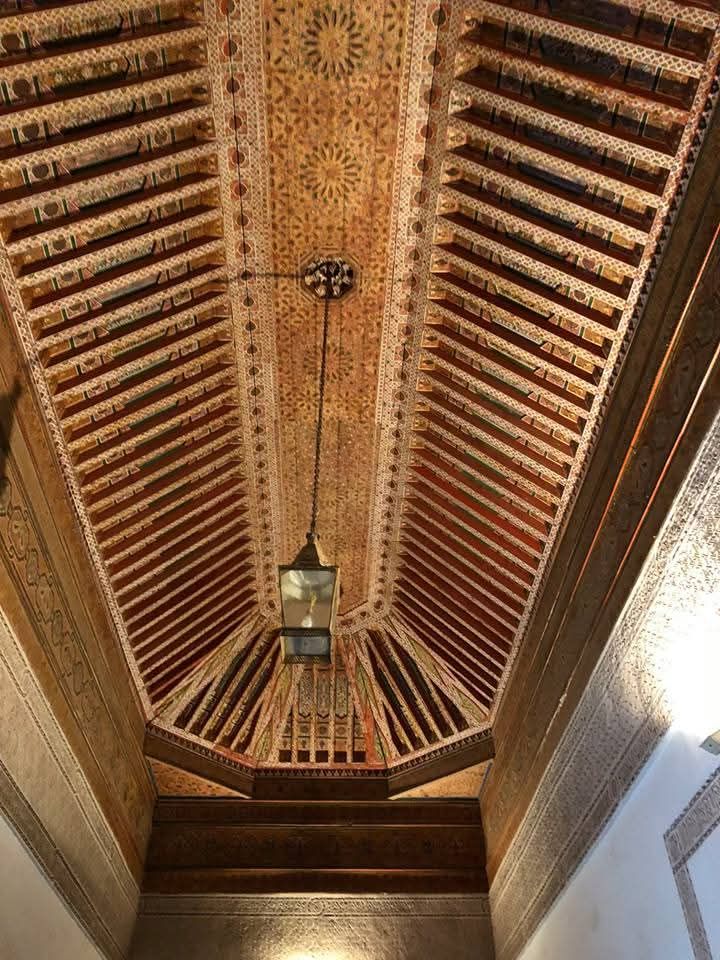
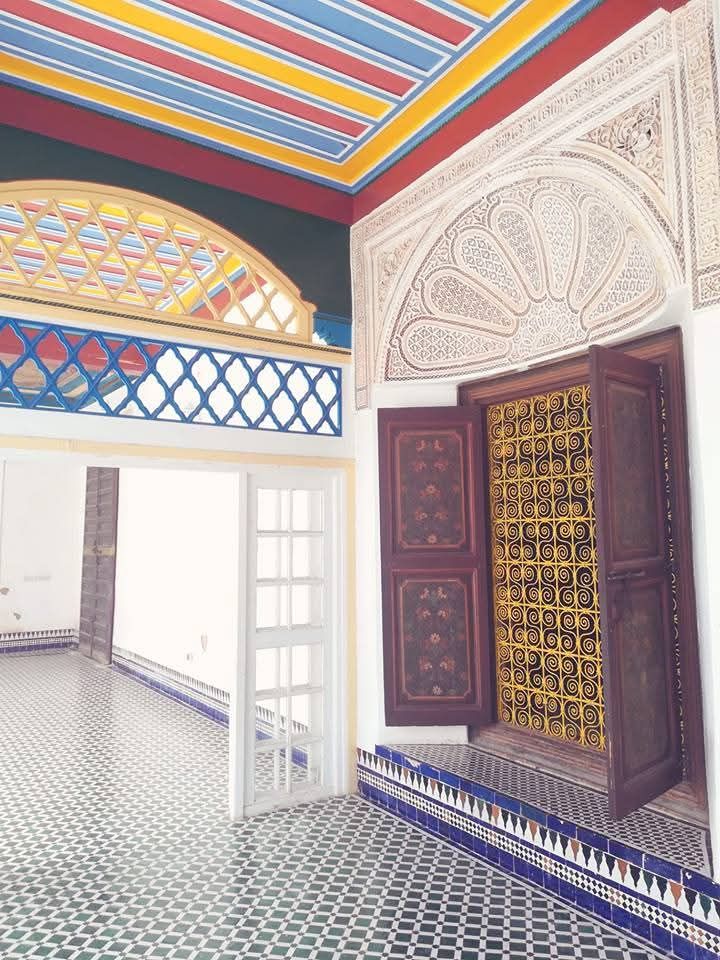
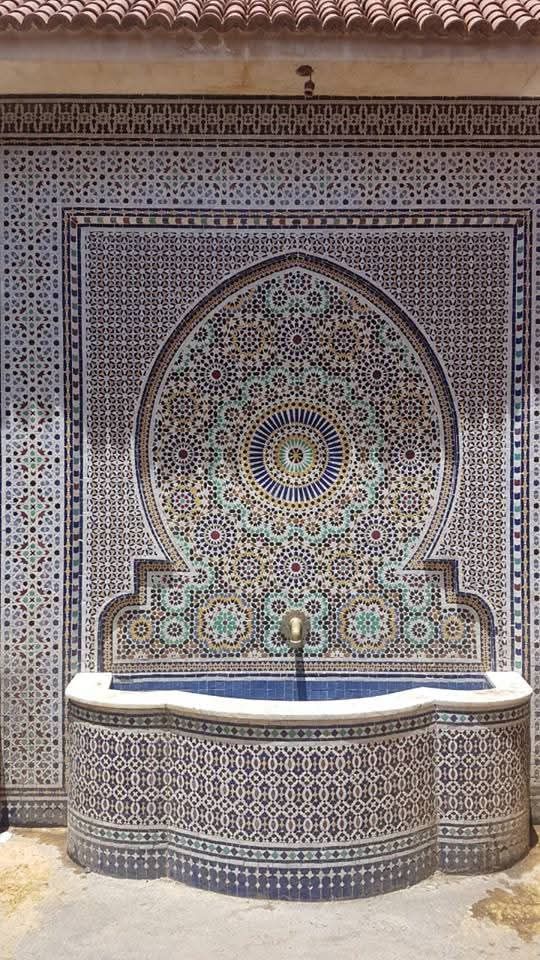
From 1578-1603, the Saadian Sultans led by Ahmad Al Mansur came to power. They restored the forgotten city to its former glory and breathed new life into it, reastablishing Marrakech into a capital city once again.They built the Saadian tombs and El Badi palace, furnishing them with intricate zellige tilework work and stucco decoration.
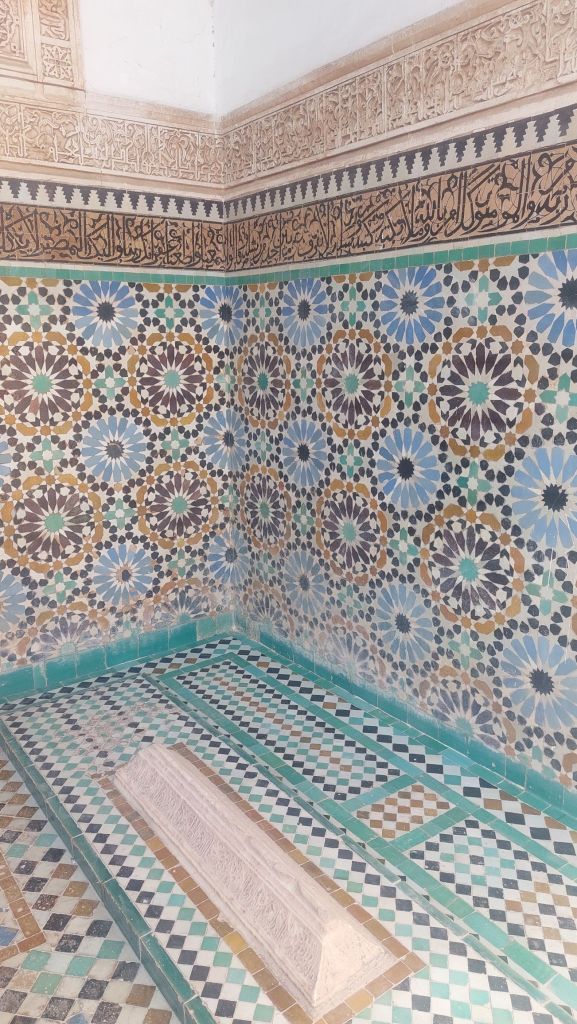
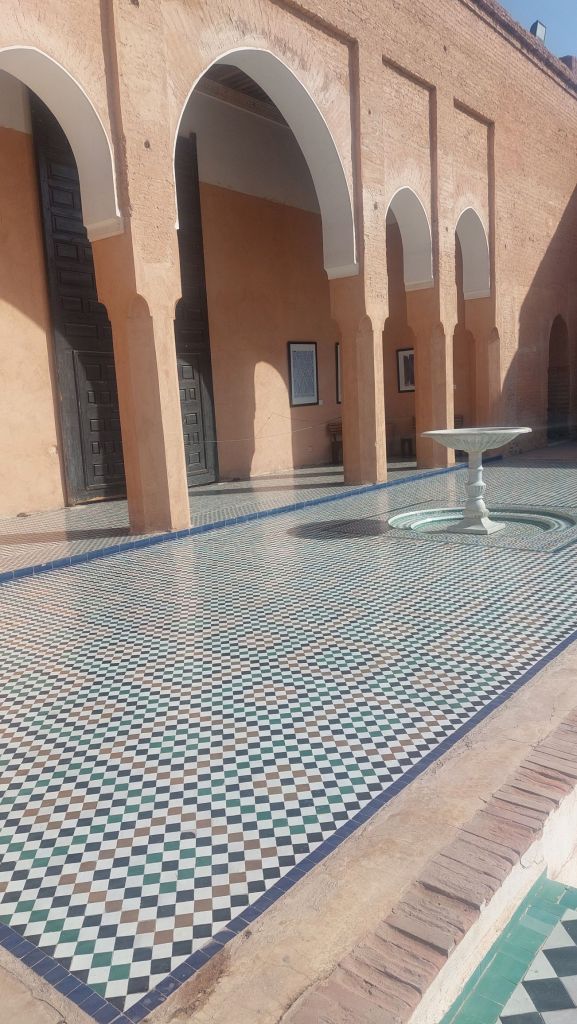
They launched military campaigns against European invasion, and this period of rule became the golden age of literature and art. The Saads built Bab Doukkala mosque in 1557-1571 and Mouassine mosque in 1562-72.They also built the Ben Youssef Madrasa in 1570.
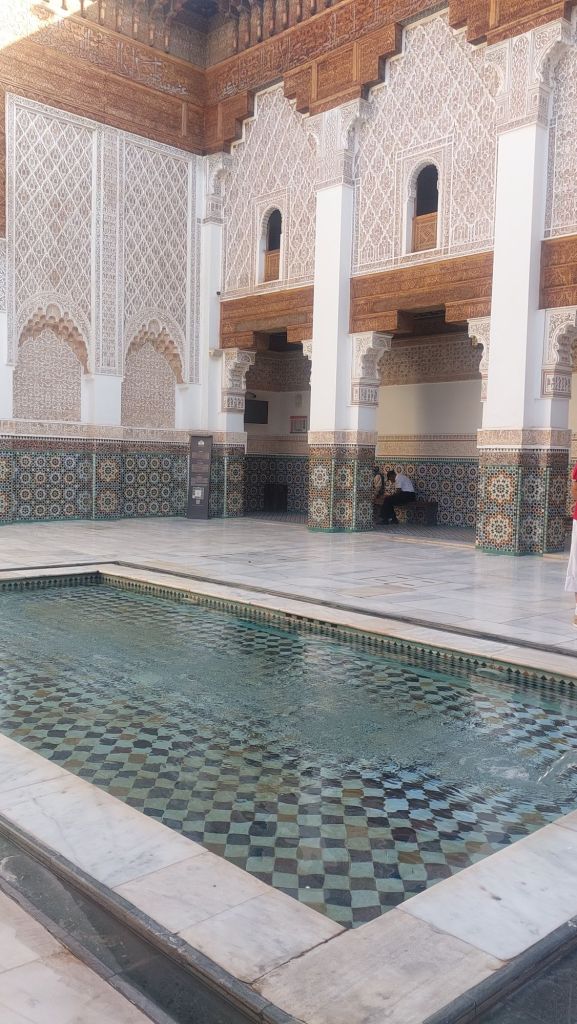
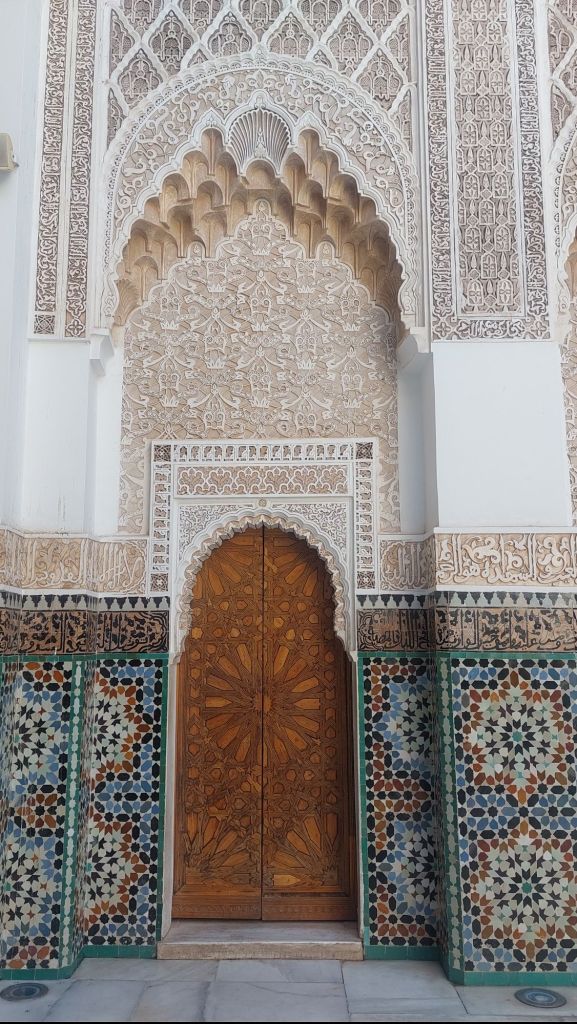
In 1631, rule was passed from the Saadian dynasty to the Alaouite dynasty, which is still the name of the current Morroccan royal family. The Alaouites promoted trade with the United States and other European countries. They improved date palm crops and modernised the army. They also attempted to take control of the Berber and Bedoin tribes. They restored the riads and buildings in Marrakech, redeveloping it’s infrastructure after years of decline.
It was in 1911 that the capital of Morocco became Rabat.
Marrakech became a French protectorate in 1912 when the sultan Abd al-Hafid signed the treaty of Fes. Although the sultan remained the head of state, the French had a huge influence in developing strong diplomatic and economic relations in both trade and tourism. The French began modernising the city and building new districts whilst still aiming to preserve the traditional character of the city. They encouraged tourism and the export of Moroccan dates and other produce. In 1956, the treaty of Fes was passed back, and Morocco gained its independence again.
Throughout its history, Marrakech has been a city that has resurged, declined, and resurged once again.It has fought against several invasions and endured plagues and famines.
In 1982, UNESCO declared Marrakech a UNESCO world heritage site, raising awareness of the cultural heritage of the city. It is now one of the most popular destinations in the world and receives millions of tourists each year.
Marrakech combines the ancient with modernity. Visitors can get a glimpse into its intriguing past as they wander around the preserved walls of the medina. As they venture into the tree lined avenues of Mohammed V avenue, they are presented with a newer,modern side of Marrakech, a thriving hub of fancy restaurants, bars and boutiques.
The city is developing fast and attracting tourism at an exceptionally high rate. Despite this, it still continues to retain its culture, customs, and historical significance.