Tag: Interesting facts about Marrakech

Exploring The Red City Of Marrakech.
  • Islamic Architecture In Marrakech.

    A look at Islamic architecture and craftsmanship around the red city.

    Image by Freebird Tracey.

    The beautiful Islamic architecture found in Marrakech is a testimony to its wealth of history and culture.

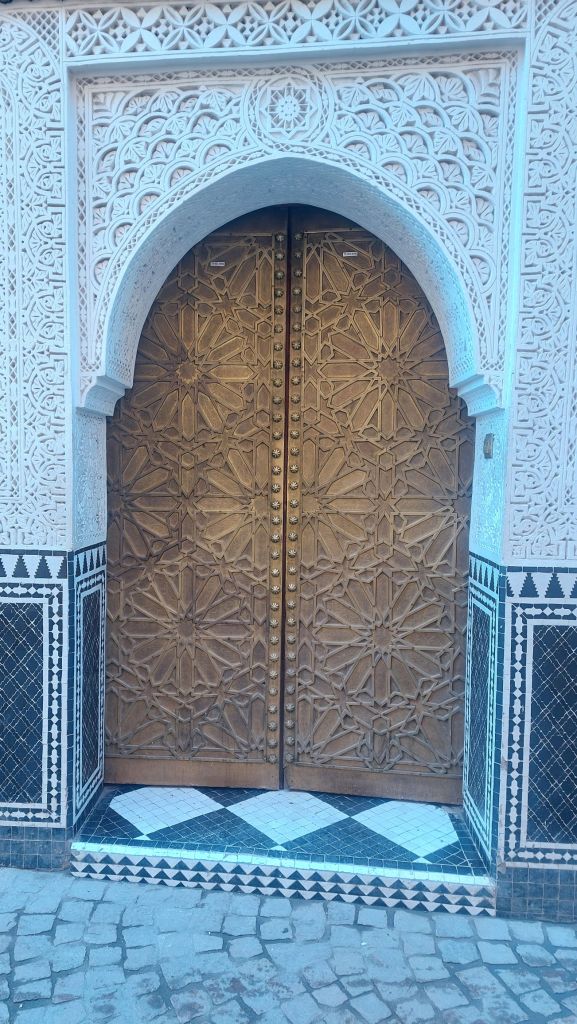
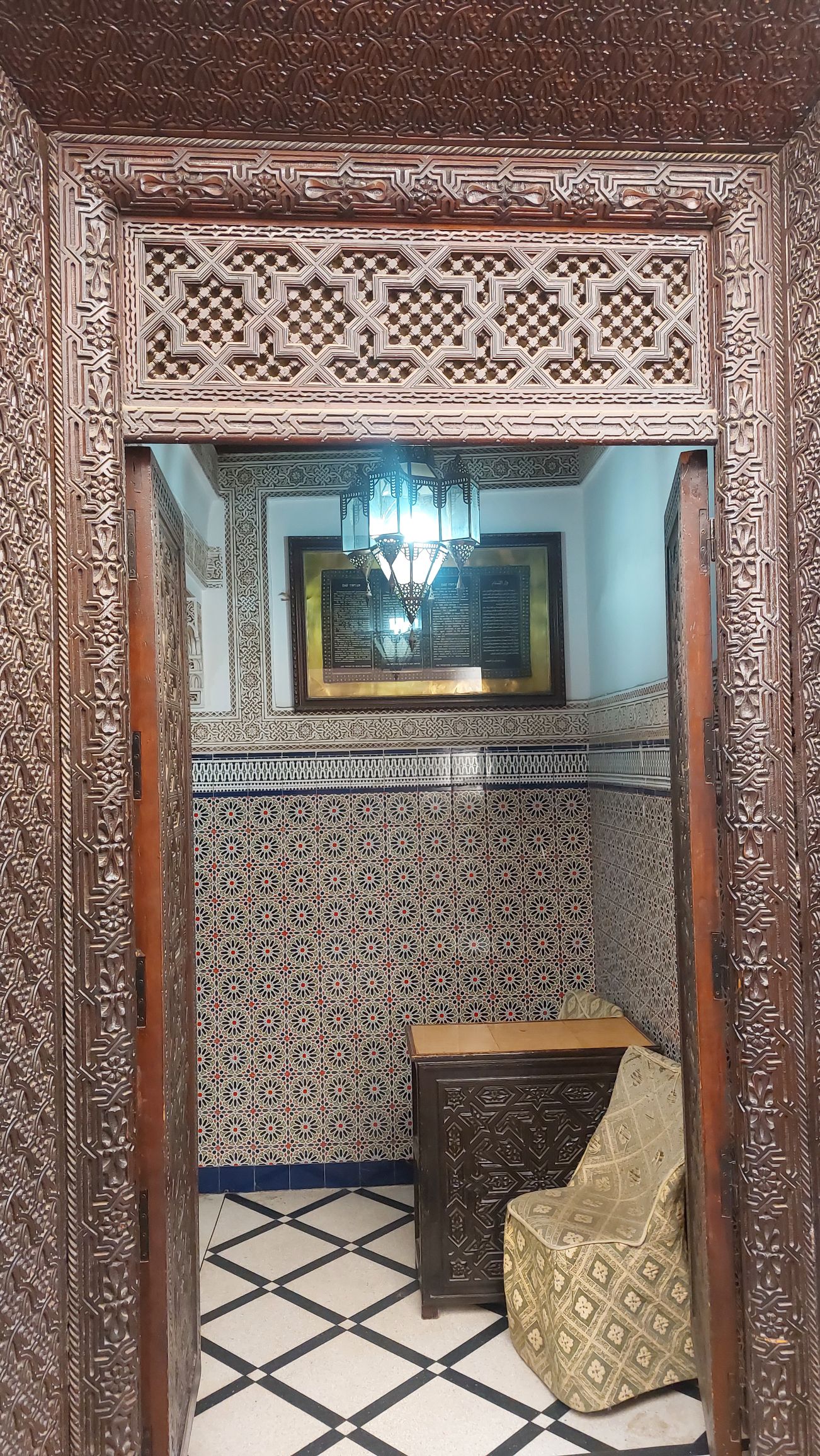
    From beautifully carved wooden doors to geometric mosaic tiles and tadelakt, Marrakech has some of the finest examples of Islamic architecture in Morocco.

    You can’t help but be impressed by the intricacy and attention to detail as you wonder around the medina.

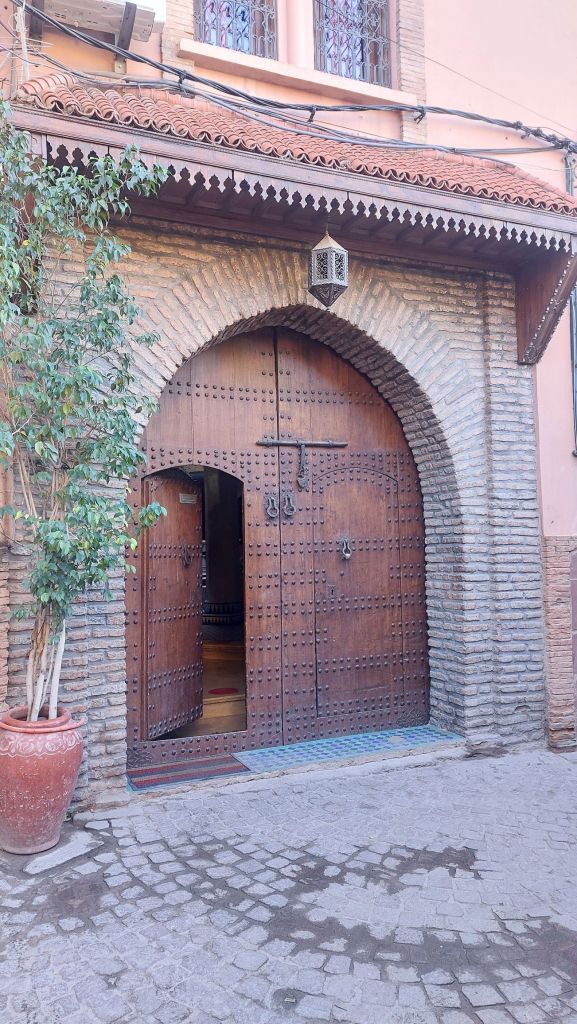
    Large wooden doors exquisitely carved out of Cedar wood appear out of nowhere as you pass through the winding alleyways.
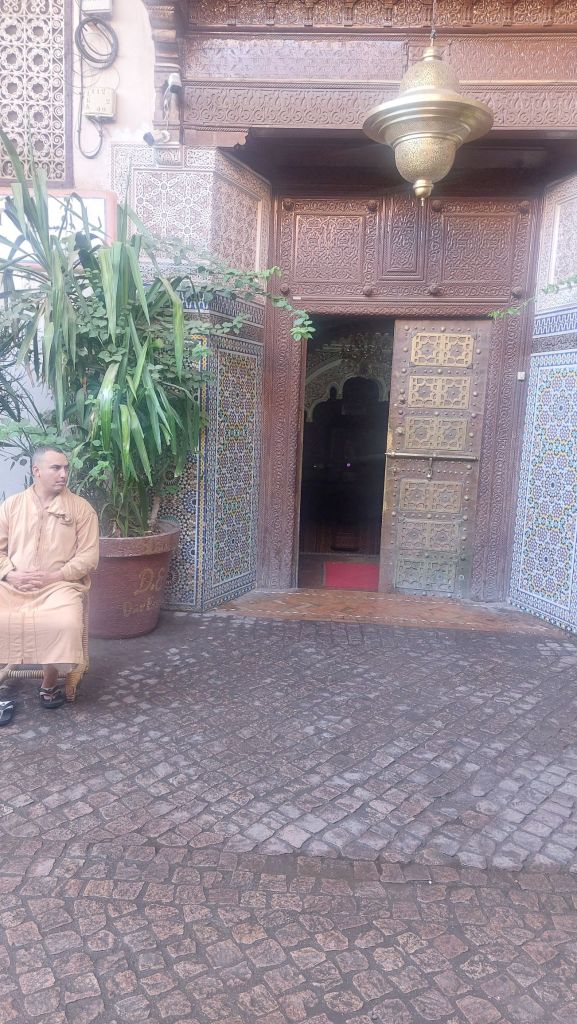
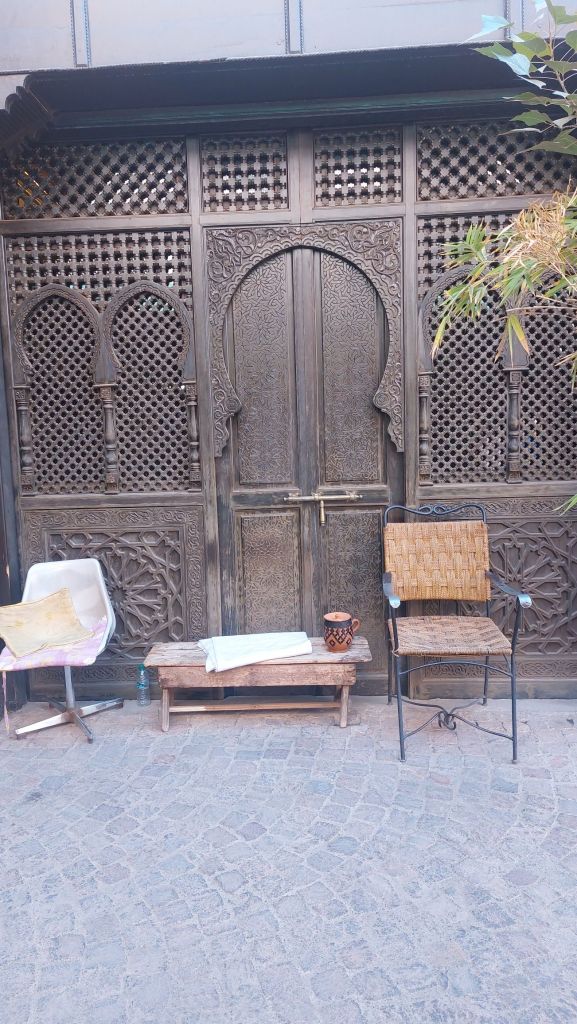
    Images by Freebird Tracey.

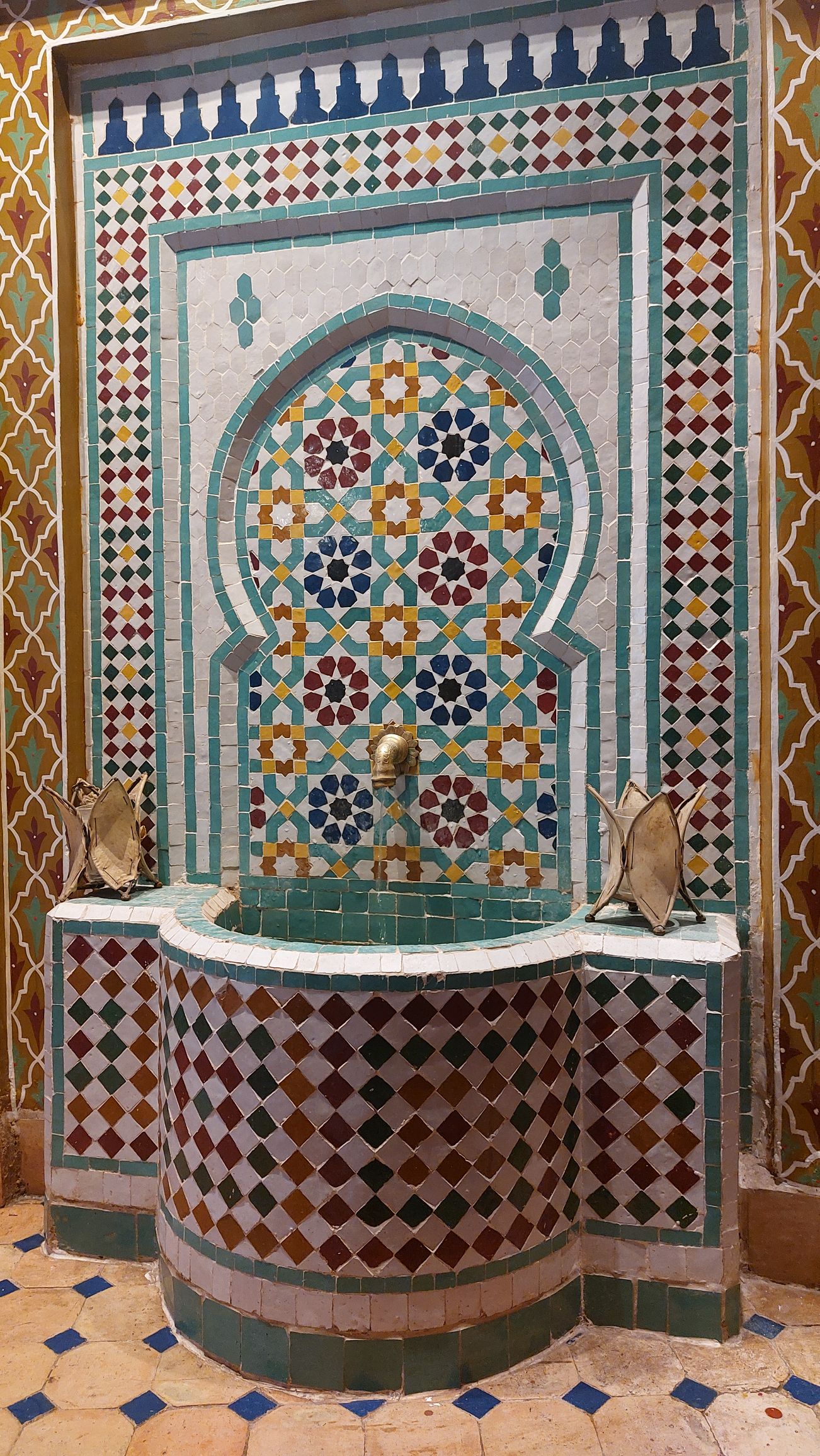
    Zellige tiles originating from the 10th century form geometric mosaics decorating the floors, walls, and fountains.

    A skill which has passed down from generation to generation.
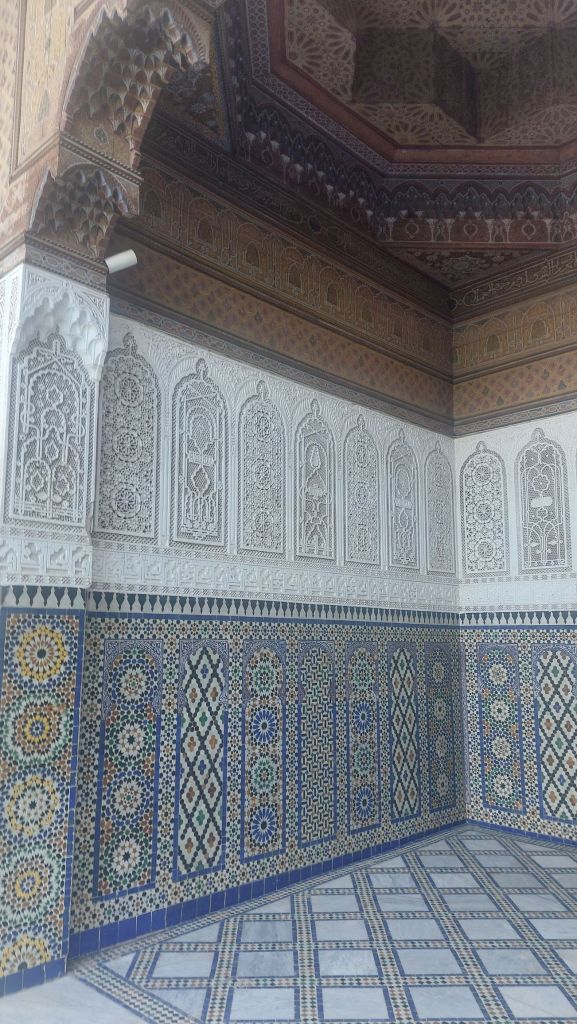
    Images by Freebird Tracey.

    Islamic architecture in Morocco follows the spiritual principle of Tawhid, the unity of God.

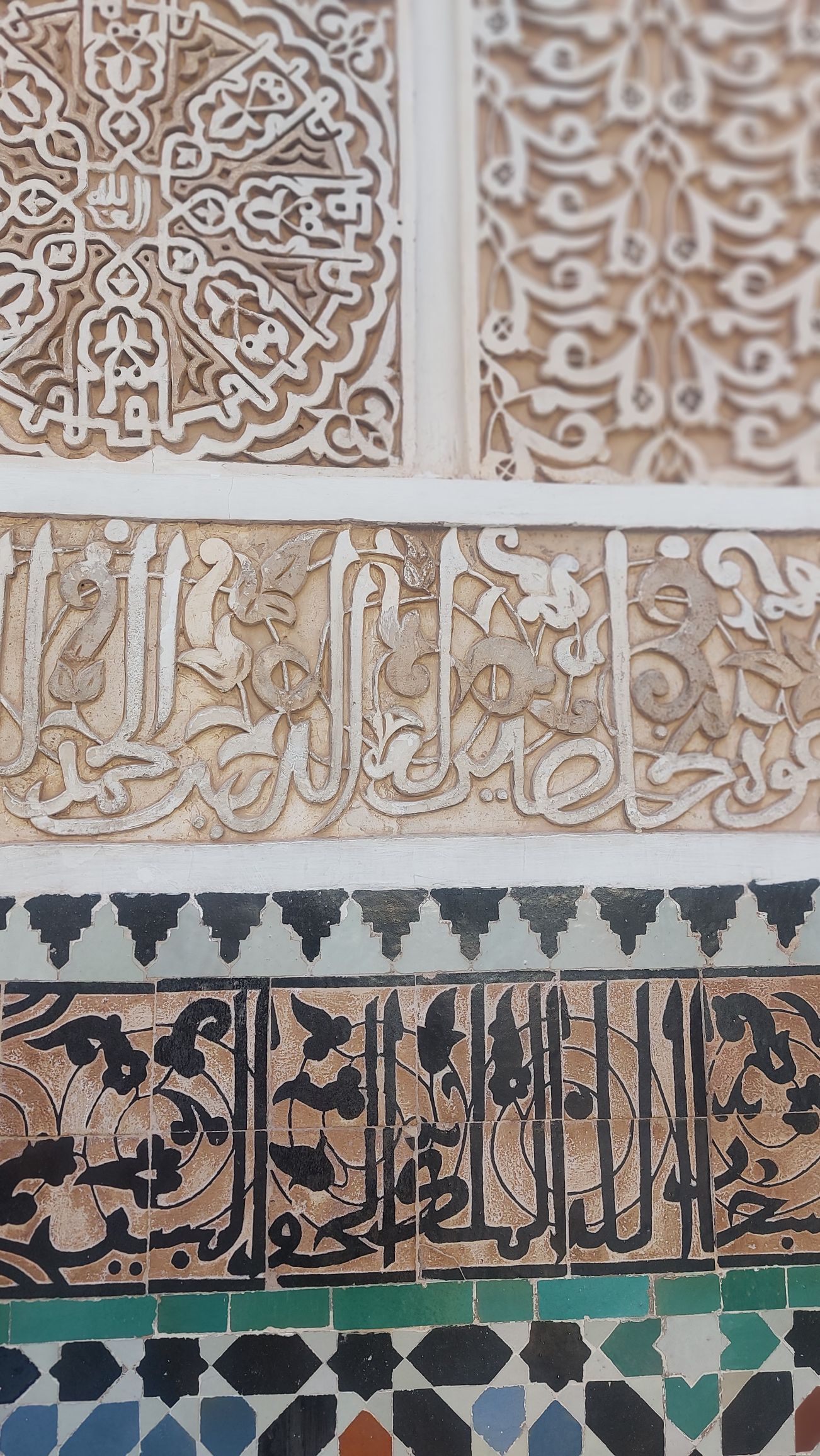
    Handcarved stucco panels with expertly applied fine details, including floral motifs and calligraphy from Nakshi and Kufic Arabic scripts, are set against a backdrop of peace and tranquillity.
    Images by Freebird Tracey.

    The use of symmetry, repeated geometric patterns, and balanced proportions reflect divine order and infinity.

    The use of geometry and proportion symbolizes universal harmony.
    Calligraphy enshrines verses from the Qur’an, which merges both word and form together.
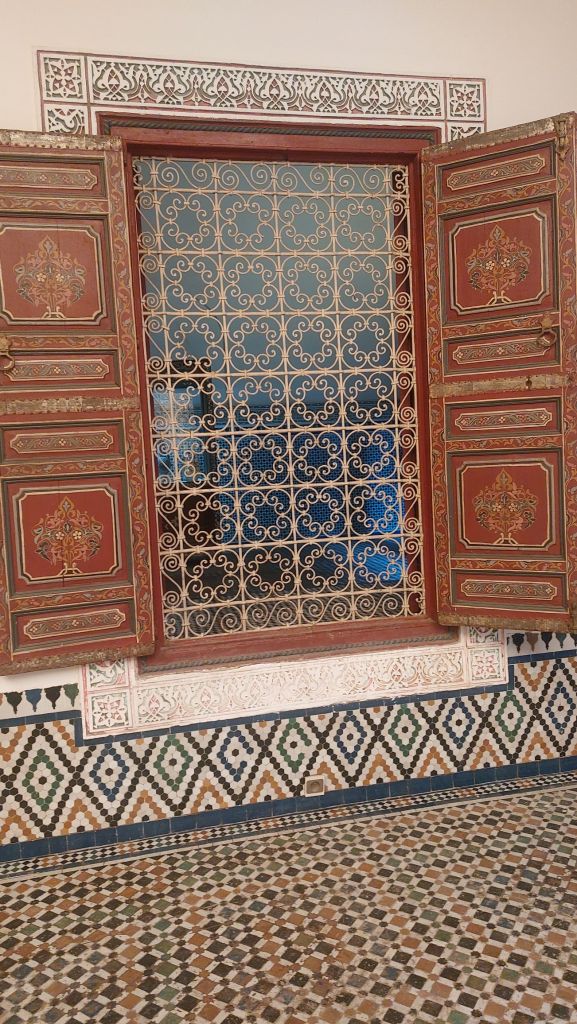
    Light also plays a sacred role. As it filters through lattice screens called mashrabiyas and central courtyards, it evokes the essence of divine presence.
    Images by Freebird Tracey.

    Islamic architecture blends together Arab, Amazigh, Andalusian and Sub Saharan influences.

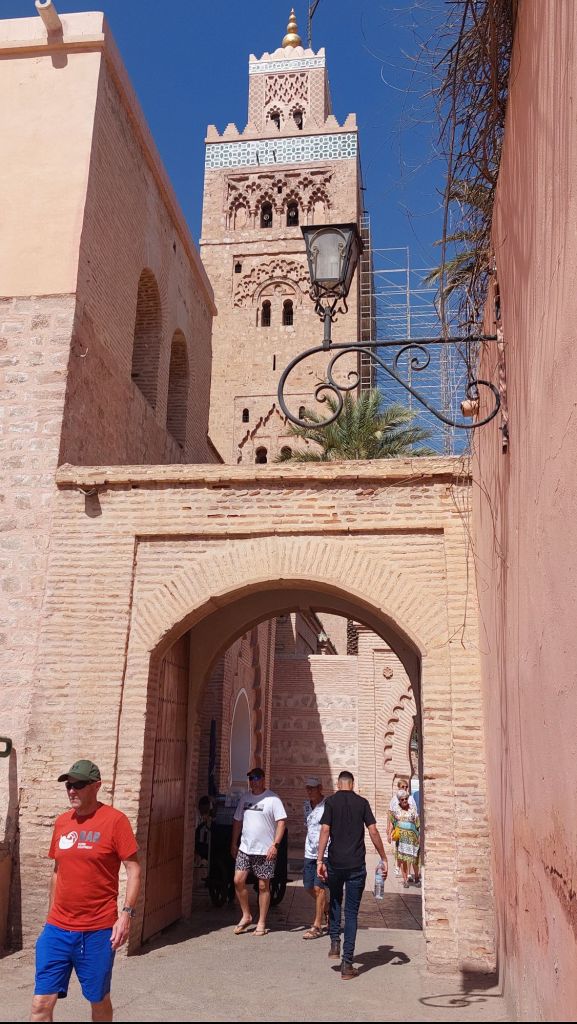
    Perfect examples of Islamic architecture can be seen at the Koutoubia Mosque, Ben Youseff Madrasa, Bahia Palace, Saadian tombs, and El Badi Palace.
    Images by Freebird Tracey.

    Bab Agnaou gate is one of 19 splendid arched gates into the city showcasing intricate carvings.

    Hammams, which were constructed centuries ago, reflect the scale of precision and sheer brilliance of Islamic architecture.

    Exploring these beautiful places is a journey through the history and culture of Marrakech.

    I was completely spellbound by the beauty of the tiled fountains with their original zellige tilework in the courtyards of riads and around the medina.

    Images by Freebird Tracey.

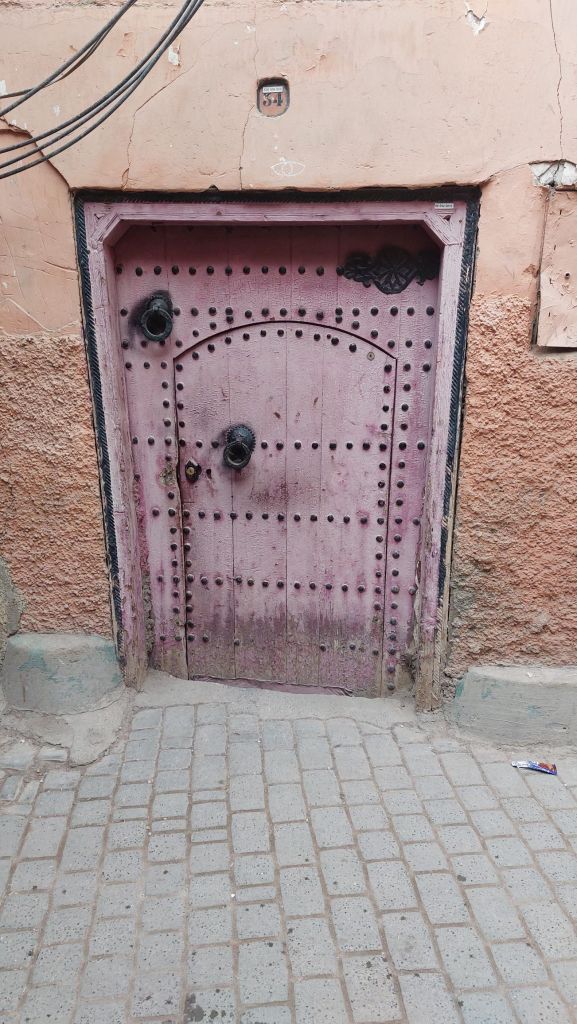
    I learnt the significance of having two knockers on the magnificent wooden doors. One which is strictly for family use and one for male guests to use in order to shield and protect the women of the household from the gaze of strangers.

    Images by Freebird Tracey.

    There are hundreds of places around Marrakech where you will want to stop and take photographs of the beautiful work that local artisans left the world as their legacy.

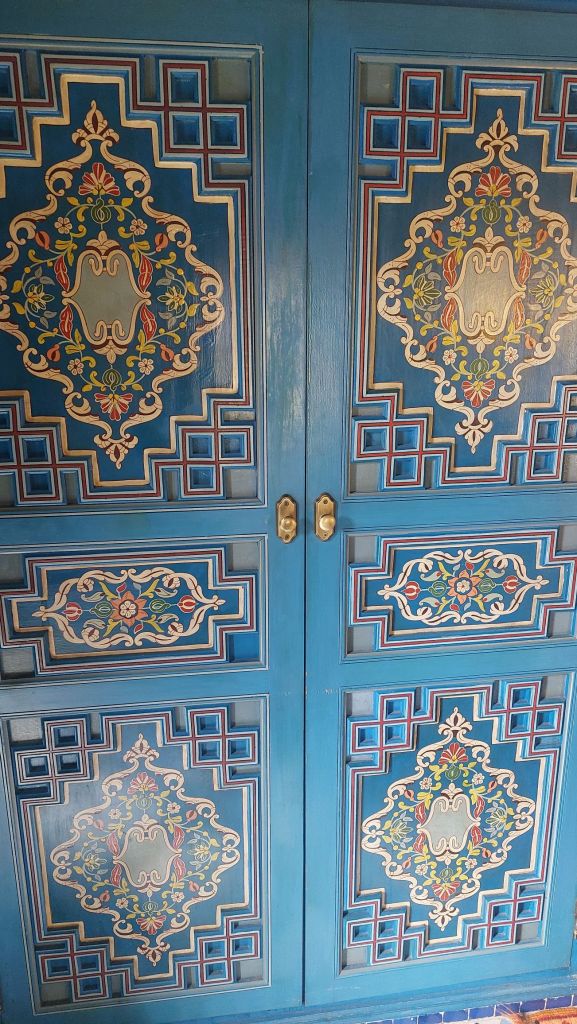
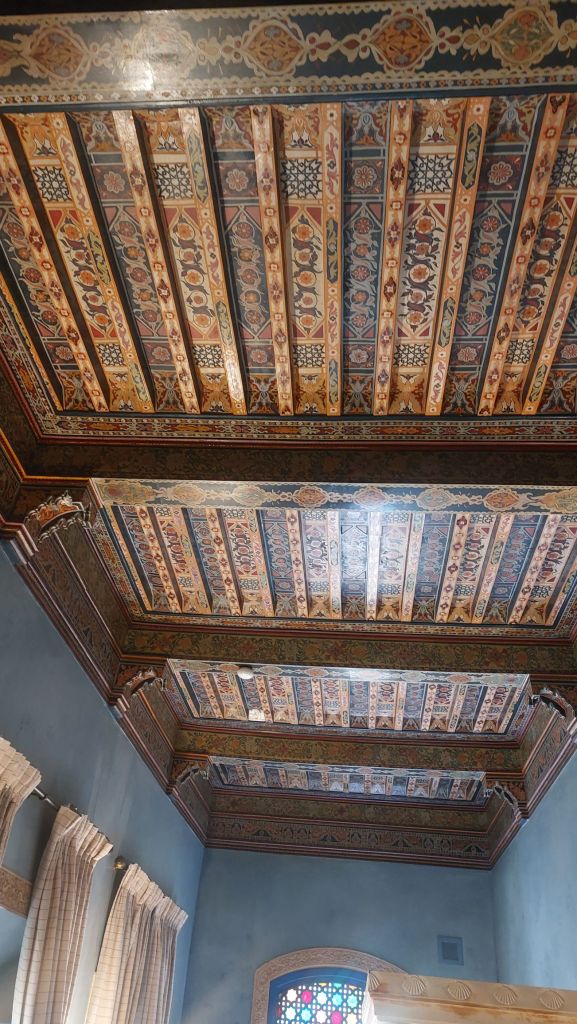
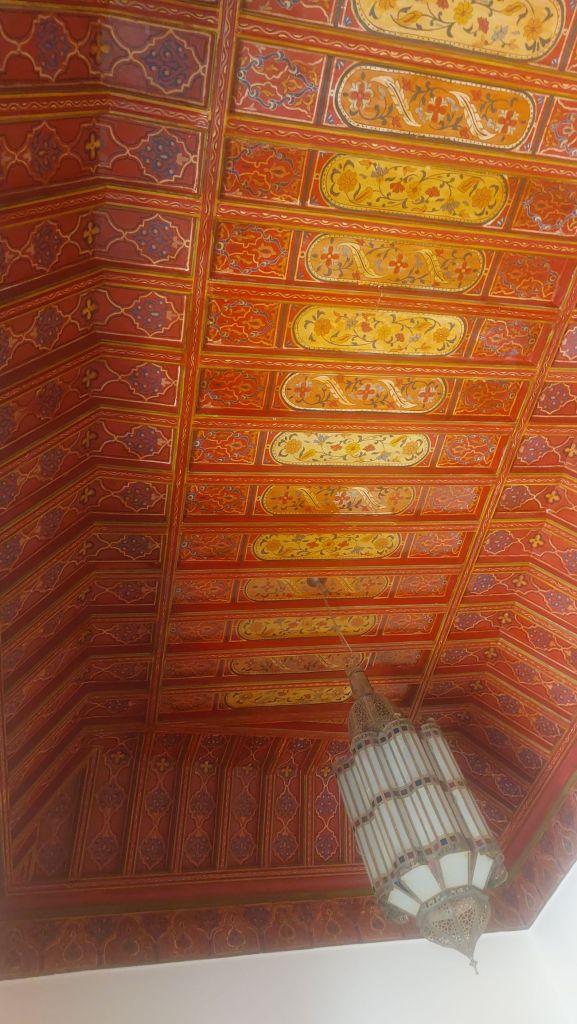
    The remarkable skills of trained craftsmen are evident inside traditional riads with unique pieces of  handmade furniture, beautifully painted wardrobe doors, and splendid ceilings.

    Images by Freebird Tracey.

    You can still find people creating things in Marrakech using the same techniques that generations before them used.

    At Ensemble Artisanal Craft Complex near Cyber Park, you can see the artisans busy at work, teaching young apprentices the art passed down by their ancestors.

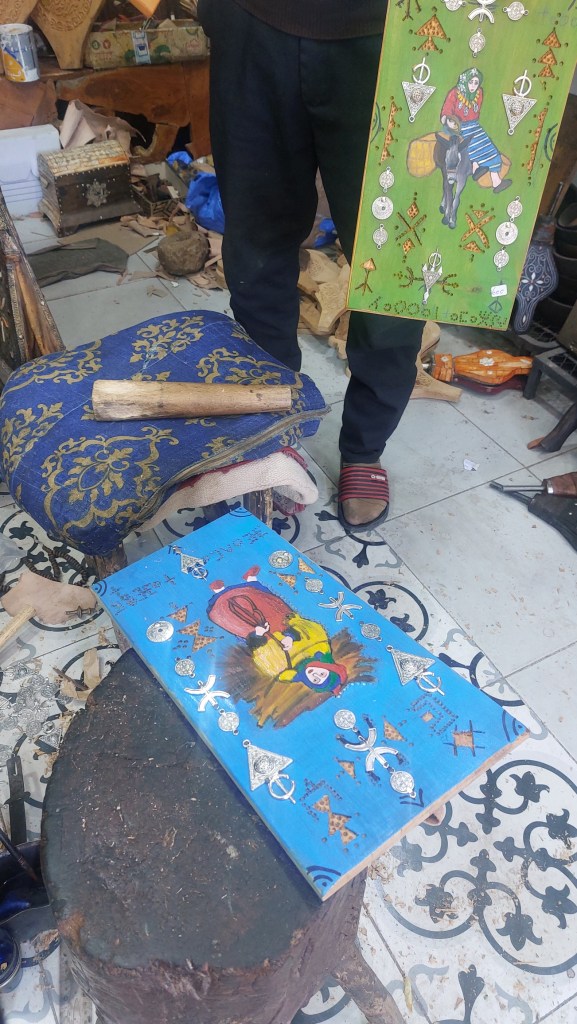
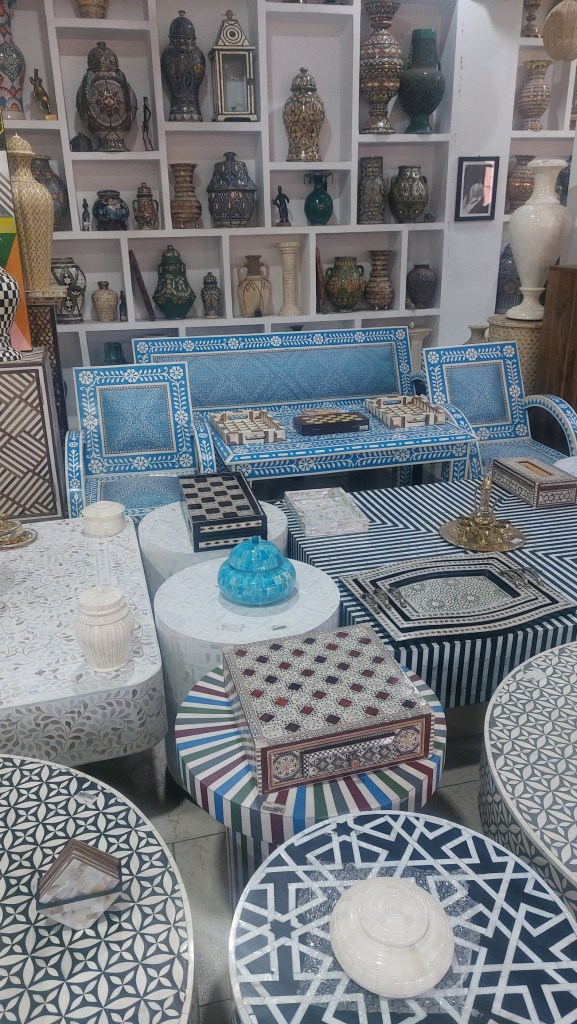
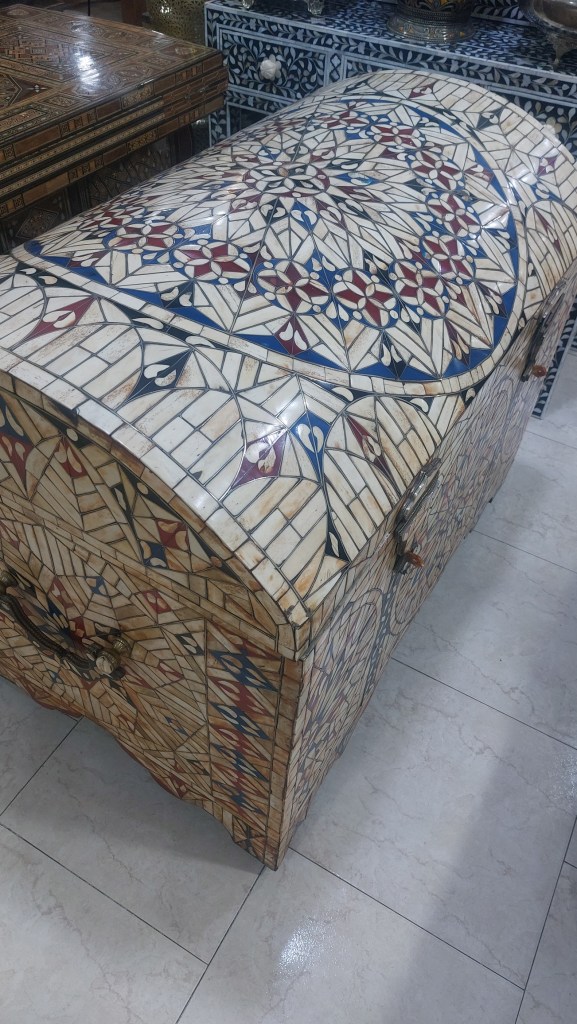
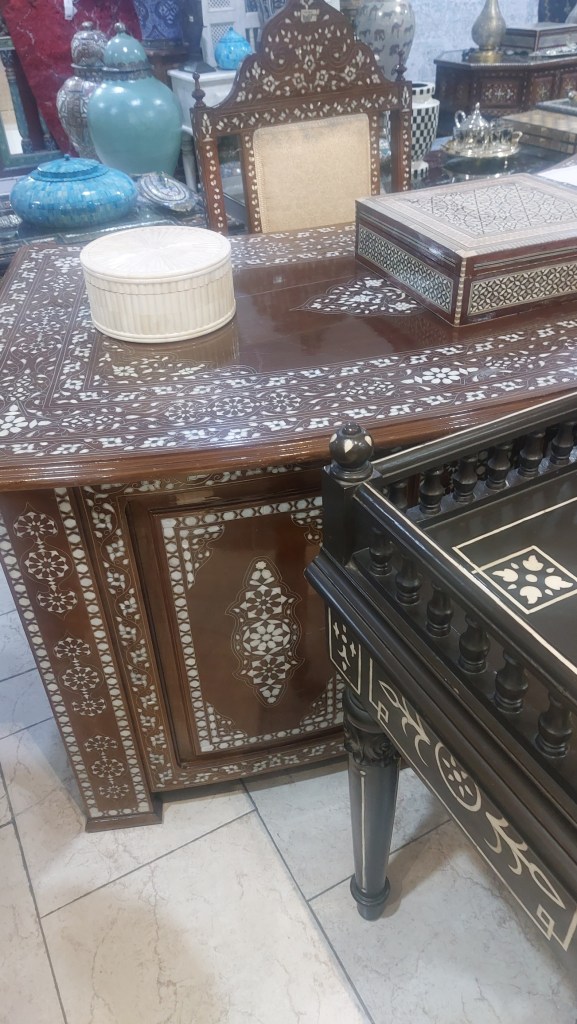
    Around the medina, you can find intricately designed wooden chess sets and wooden boxes ornately inlaid with Mother of pearl.

    In Tinsmiths Square, metal workers are carefully crafting traditional Morroccan lamps and mirrors.

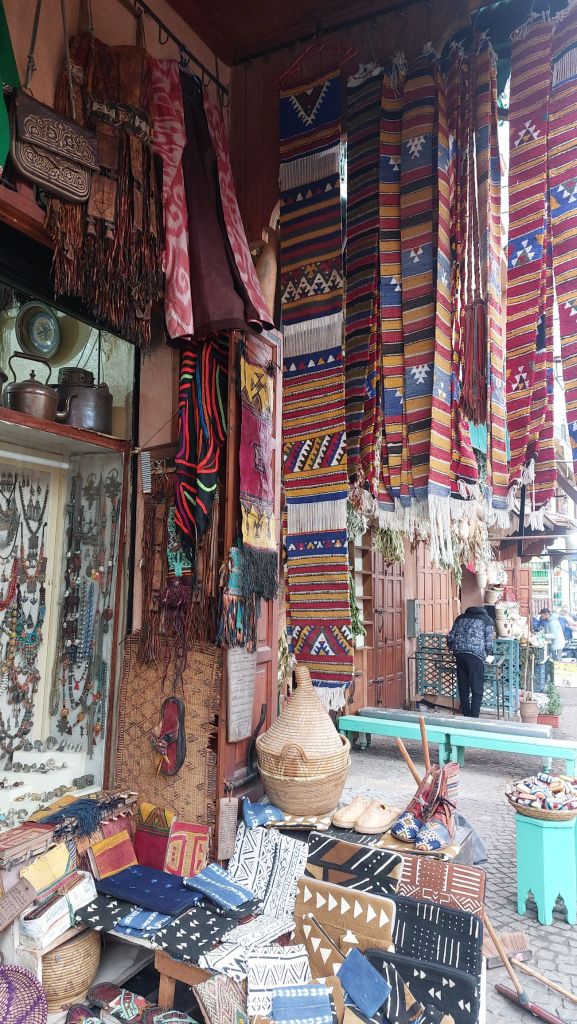
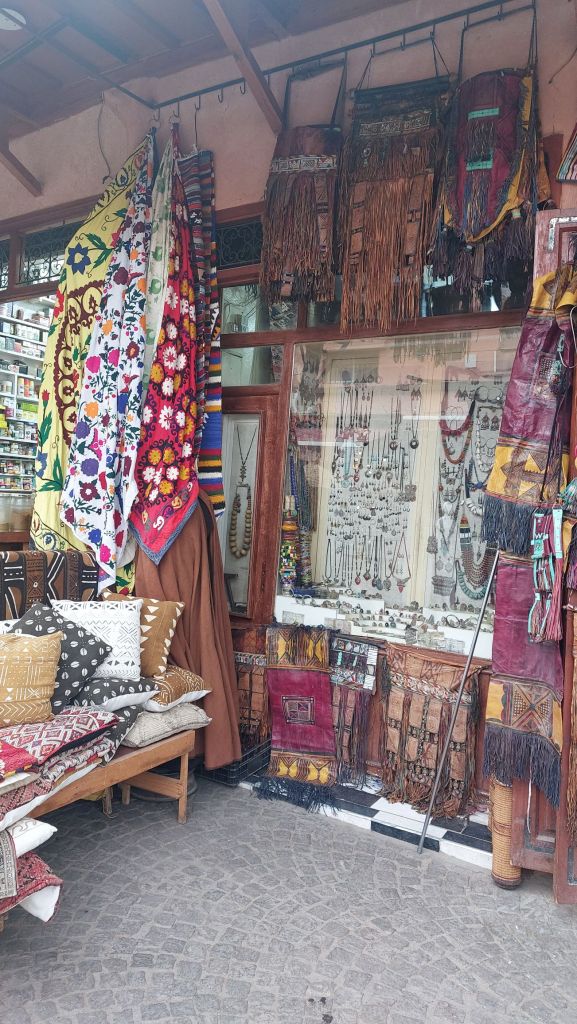
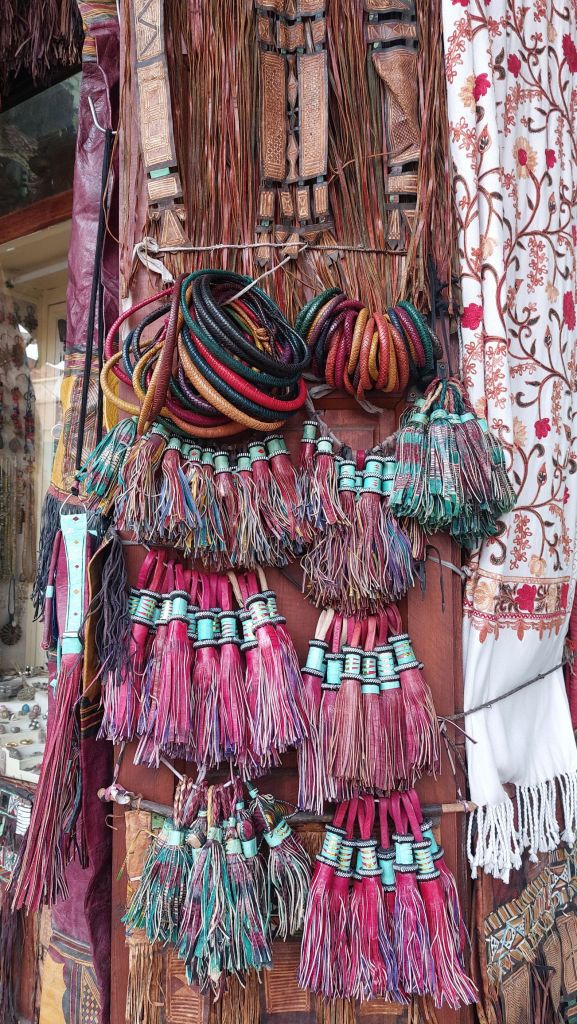
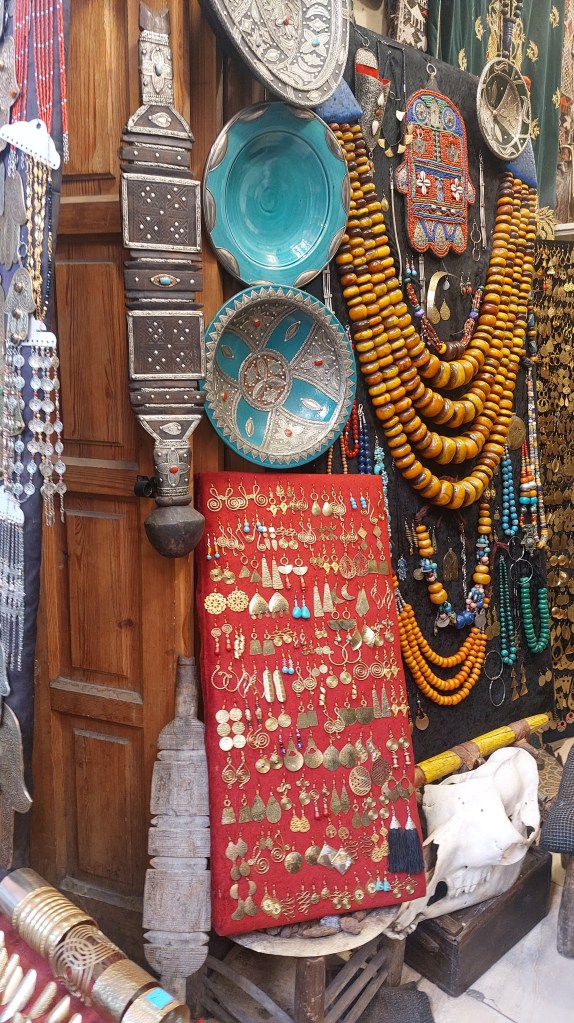
    As you wander through the maze of alleyways in the souks, you are presented with examples of excellent craft work for sale.

    The amount of work that has gone into creating it all is phenomenal.

    Images by Freebird Tracey.

    The roots of Moroccan architecture originate from the Amazigh and Arab culture. 

    Styles have evolved from one dynasty to the other, including the Almoravids, the Almohads, and the Marinids.

    Nowadays, architects are using both old and modern designs in the construction of buildings.

    This has led to a new style, still characteristic of the old medina, yet introducing new, environmentally friendly buildings.

    They continue to incorporate beautiful zellige tilework in order to pay homage to the history and culture of the city.

    Riads are renovated and restored as close to their original appearance as possible. Some are modern with a contemporary style, which some tourists visiting Marrakech find appealing.

    I personally love the rustic charm of the old riads that still hold their original appearance and character.

    The ones that evoke images of a world gone by, clinging to remnants of the past and telling the story of a fascinating culture that, if you look closely, is still very much alive today.
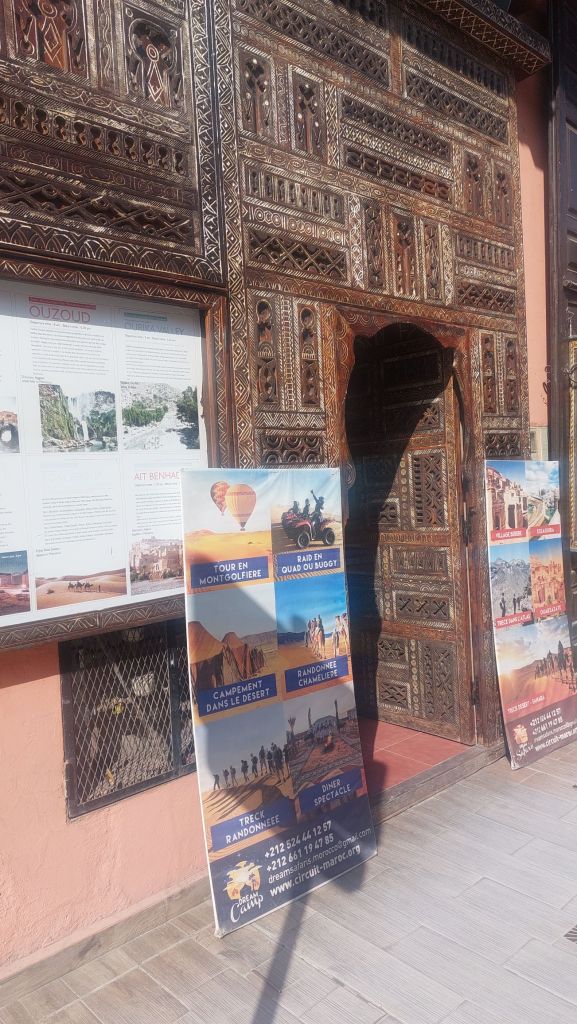
    Image by Freebird Tracey.
    (more…)
  • Healthy Snacks in Marrakech.

    A few suggestions for healthier options than sweets and pastries.

    Image by Freebird Tracey.

    Imagine walking around the medina, and you fancy something to tickle your tastebuds.

    It’s too early for lunch or dinner, but you fancy a snack, something other than sweets and pastries.

    Marrakech is full of street vendors selling delicious things, some you may know, some you may not be so familiar with.

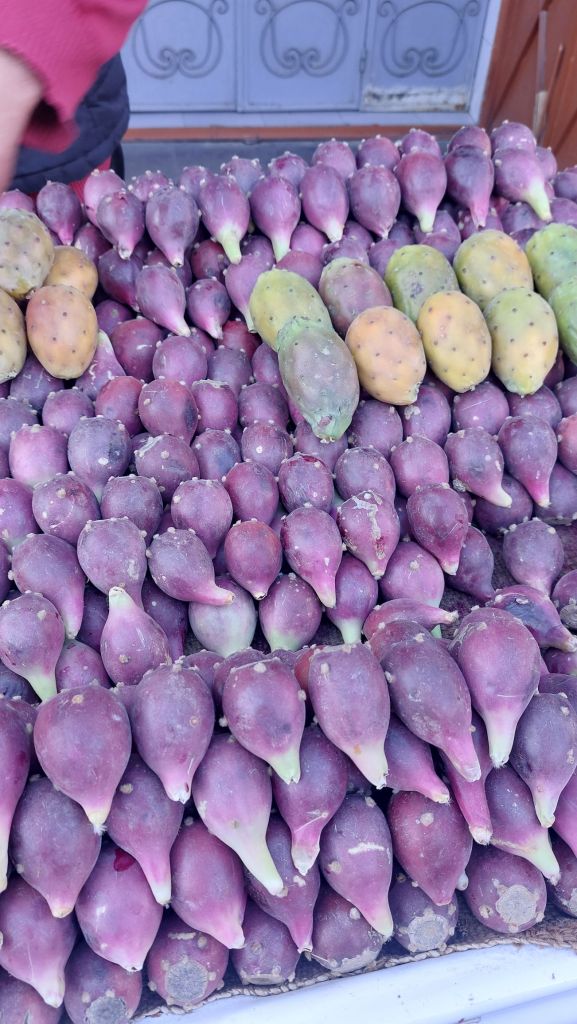
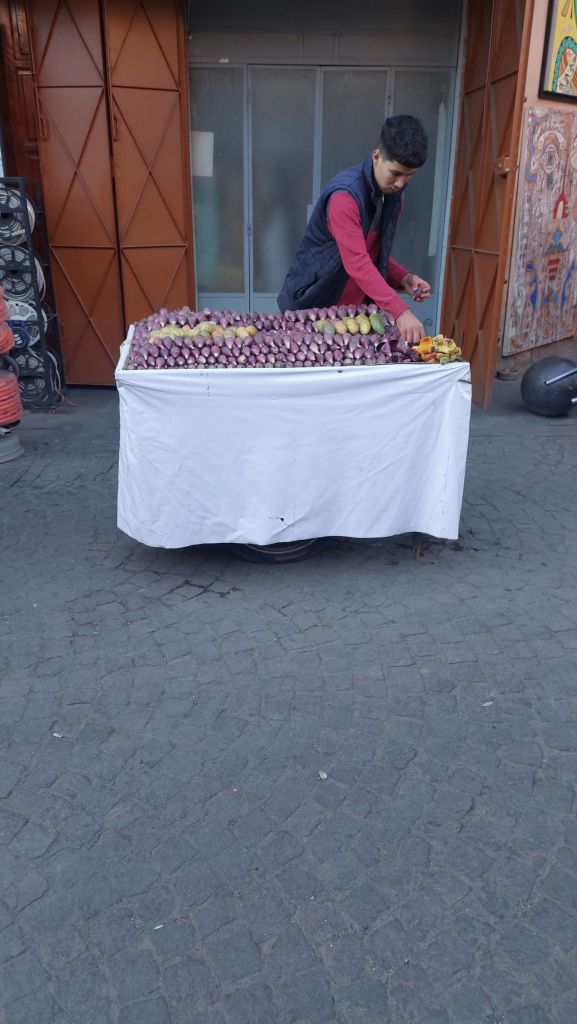
    Cactus fruit is commonly seen peeled and displayed on carts around the medina in Marrakech.

    Cactus fruit or prickly pear is a popular, spiky, sweet treat in season from July to September.

    The vibrantly coloured fruit is nutritious, refreshing, and packed with antioxidants.

    Eating cactus fruit is a great way to hydrate. It’s juicy and full of vitamin C.

    You can pick one up for 1 dirham, making them a great snack for travellers on a tight budget.

    If you haven’t tried one before, I would give them a go.

    They are absolutely delicious and a cheap, healthy alternative to sweets.

    Image by Freebird Tracey.

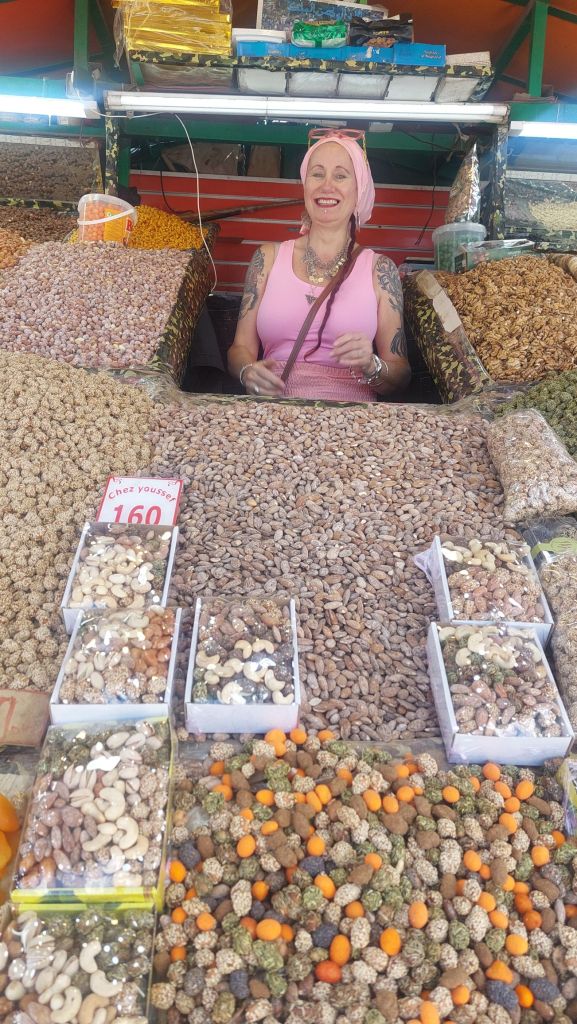
    Nuts are central to Moroccan cuisine, and there’s a good variety available, including walnuts, cashews, pistachios, and peanuts.

    Souk Kchacha in the medina is the best place to buy quality nuts.

    Vendors in the main square also sell packets of mixed nuts in various flavours.

    They are absolutely delicious and the perfect snack to take sightseeing or to fill a gap before your next meal.

    Nuts can be filling and calorific, so bare that in mind.

    Once you pop, you might not stop.

    The problem for me was choosing which ones to buy from the huge variety on sale. Luckily, I was able to taste them before I purchased any.

    Image by Freebird Tracey.

    There are plenty of shops selling nuts all around the medina in Marrakech.

    One I also recommend is Marche aux Espices in Tinsmiths Square, open from 9.00am until 8.00pm.

    Image by Freebird Tracey.

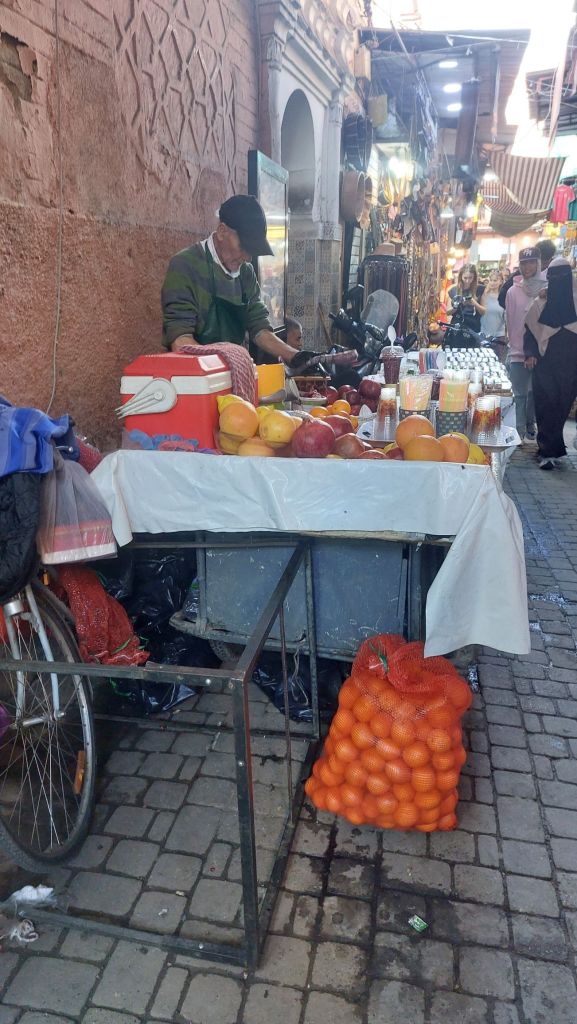
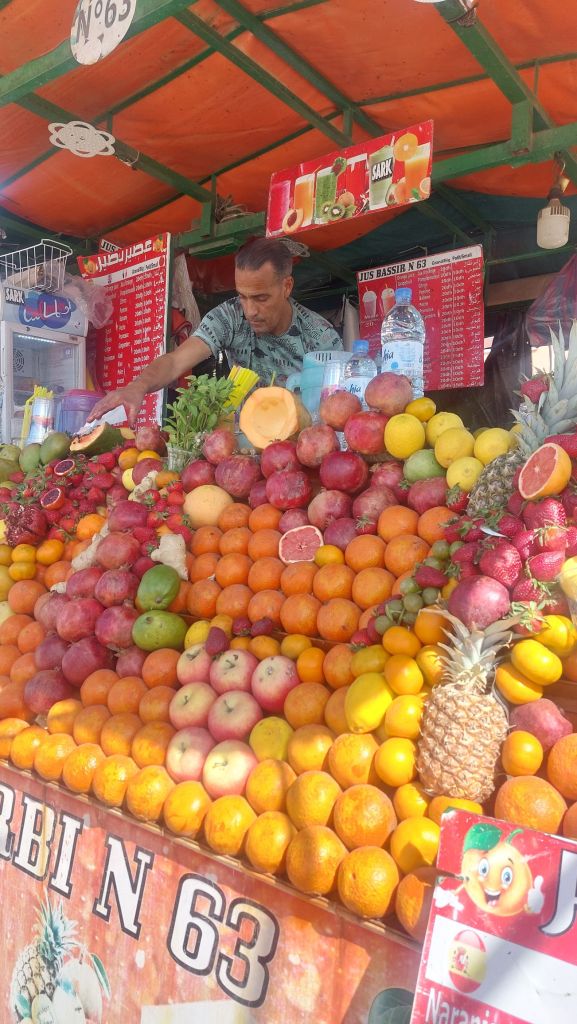
    Fruit is everywhere in Marrakesh, colourful, mouthwatering, fresh fruit all around the medina.

    There is a fruit and vegetable market where the locals shop called Market el Kheir,if you want an authentic experience of buying fresh produce.

    Its location is M233+FQG AV Ibn, Marrakech.

    It closes at 11.00pm, and everything is fresh with a lively, bustling atmosphere.

    There are carts all around the medina selling a wonderful variety of fruit, and Jamaa El Fna is abundant with fruit sellers plying their trade.

    Image by Freebird Tracey.

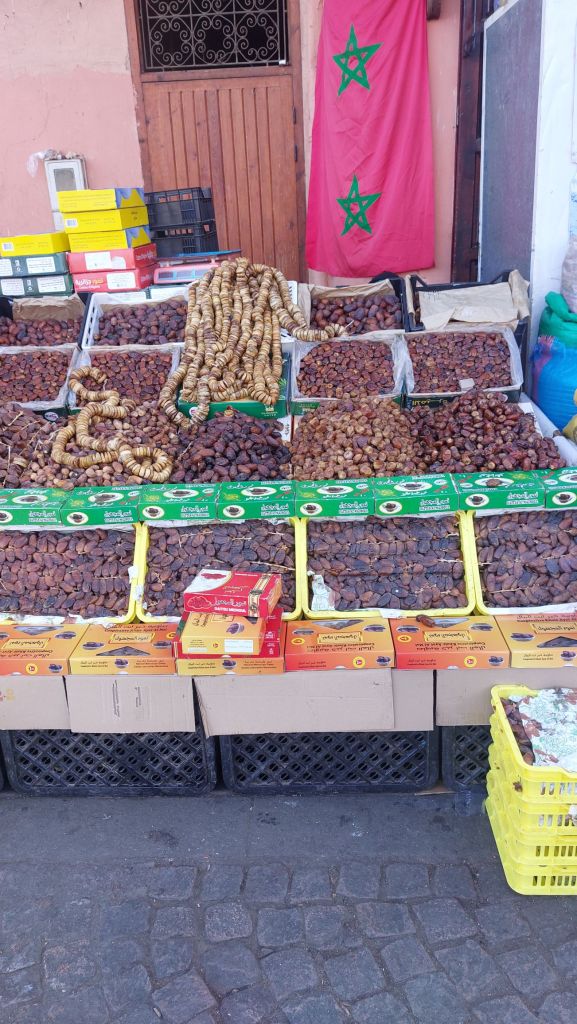
    One thing you really ought to try when you come to Marrakech are the dates.

    Dates are a staple in Marrakech, with the most popular being the large  sweet variety called Medjool and the popular Boufeggous, highly regarded by the local population.

    Medjool dates, also known as ‘The King of Dates’, have a caramel like flavour and soft texture.

    They are mainly grown in the Tafilalet region of Morocco and are rich in potassium, fibre, and energy.

    So, if you’re flagging from all the walking and sightseeing, they’re the ideal pick me up.

    The most common location for purchasing dates is from vendors in Jamaa El Fnaa or in the medina.

    They are considered safe to eat but get them packaged if you’re taking them home to avoid issues with customs at the airport.

    I was pleasantly surprised by the soft fleshy texture and the size of the dates in Marrakech.

    They tasted really fresh, completely different from the ones I’ve had back home.

    I was so impressed that I purchased some to bring back with me.

    On average, at the time of writing,  dates average at about MAD 99.57 and MAD 248.92 per kilogram.

    Fruits still contain natural sugar, so moderate snacking is advisable for obtaining optimum health.

    Image by Freebird Tracey.
    (more…)
  • The Spice Square In Marrakech.

    A vibrant area selling spices and so much more.

    Image by Freebird Tracey.

    The Spice Square, also known as Rahba Kedima, is a smaller market, less densely packed with tourists.

    It is located at the end of Souk Semmarine and a five minute walk from Jamaa El Fna.

    It is here that you will find a wonderful selection of spices, including saffron, cumin, and turmeric.

    The spices are beautifully displayed in pyramids around the square, and the air is fragrant with the scent of incense.

    There are dried herbs, oils, potions, tea, and the traditional Moroccan lip stain.

    The Spice Square is the traditional apothecary of Marrakech and a treasure trove of Moroccan culture.

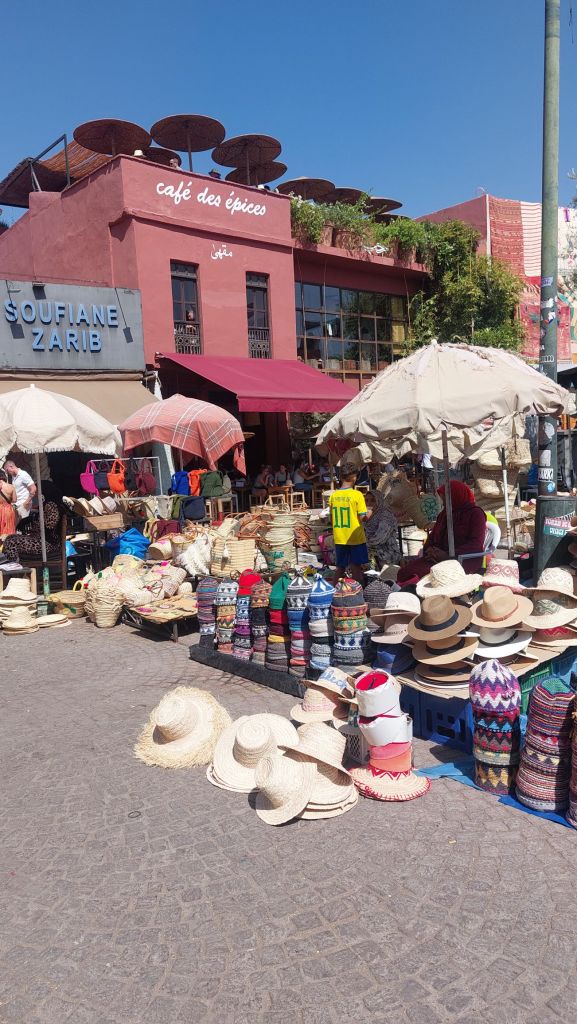
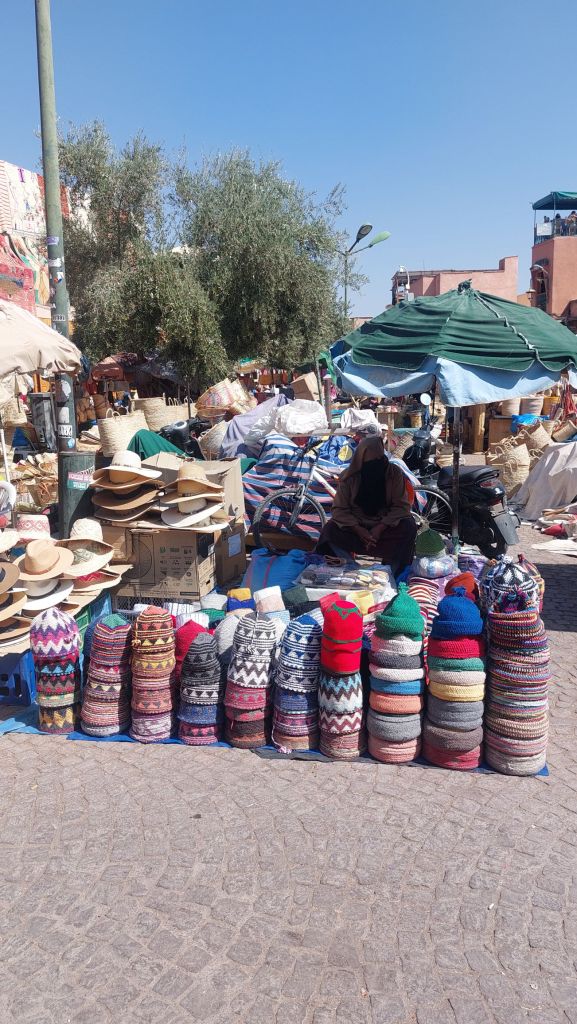
    In the Spice Square, you will also find hand woven baskets, hats, baby tortoises, and a range of shops selling Amazigh jewellery and other stuff.

    Images by Freebird Tracey.

    It is a vibrant, colourful market with a less frantic pace than Jamaa El Fna.

    It is home to popular restaurants like the Cafe Des Espices, a rooftop restaurant that overlooks the market.

    Nomad is also in close proximity to the Spice Square.

    The Spice Square is not far from the Medersa Ben Youseff and Marrakech museum, so it’s ideal for making it part of your day when visiting both of these attractions.

    Until the 20th century, Rahba Kedima was the cities grain market and the place where slaves were sold.

    It is now the epicentre of the medina where you can pick up the famous Moroccan spice blend ras el hanout and watch the spice sellers who come down from the mountain villages at 4.00 in the afternoon to sell their trade to the professionals.

    The smells and colours are heady with friendly vendors, demonstrating the benefits of eucalyptus.

    The Spice Square is a photogenic place where you will be met with a glimpse of trading traditions from the past.

    It’s the perfect balance between a bustling market experience and a relaxing, more laid-back atmosphere.

    Image by Freebird Tracey.
    (more…)