Tag: Koutoubia mosque

Exploring The Red City Of Marrakech.
  • The History Of Marrakech.

    A look at the history of the ancient red city.
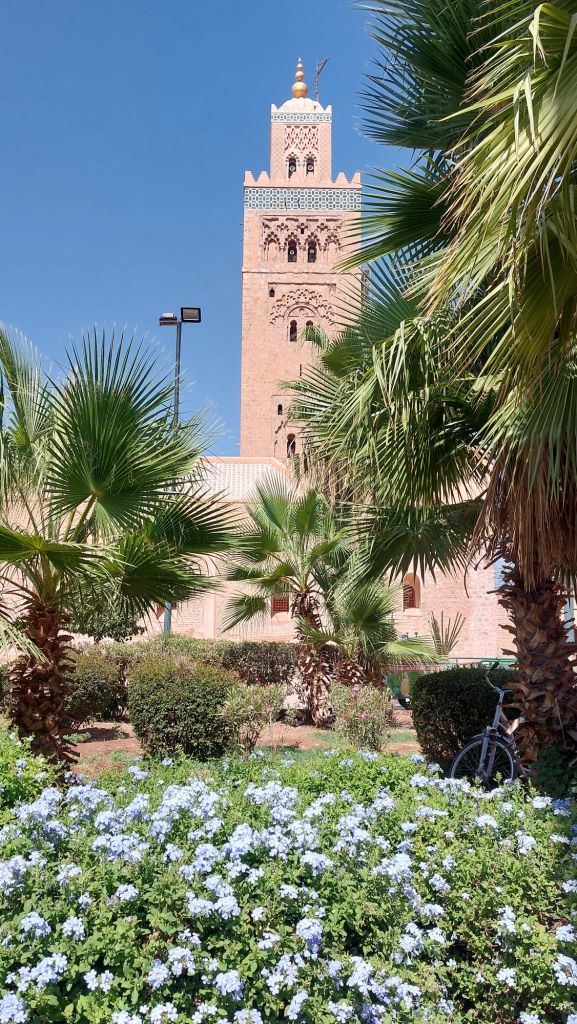
    Image by Freebird Tracey.

    Marrakech has been inhabited for over 1000 years Morocco took its name from Marrakech.The first settlers were Berber farmers who had lived on the land since neolithic times.The Amazigh people named the country Murakush, meaning the Western kingdom, later Arab conquerors adapted the name to Morocco.

    During the 11th and 12th centuries, the Almoravids were the rulers of Marrakech, founded by Abu Bakr Ibn Umar in 1070, they began constructing an underground water system to supply water to the city canals, which attracted merchants and craftsmen to Marrakech.They built riads for the people who were beginning to settle in Marrakech, and it became a real city. His cousin and successor Yuseff Ibn Tashfin developed Marrakech even further, turning it into the Almoravid empire.He erected mud brick houses, giving the city its prominent,distinctive red colour its famous for today.
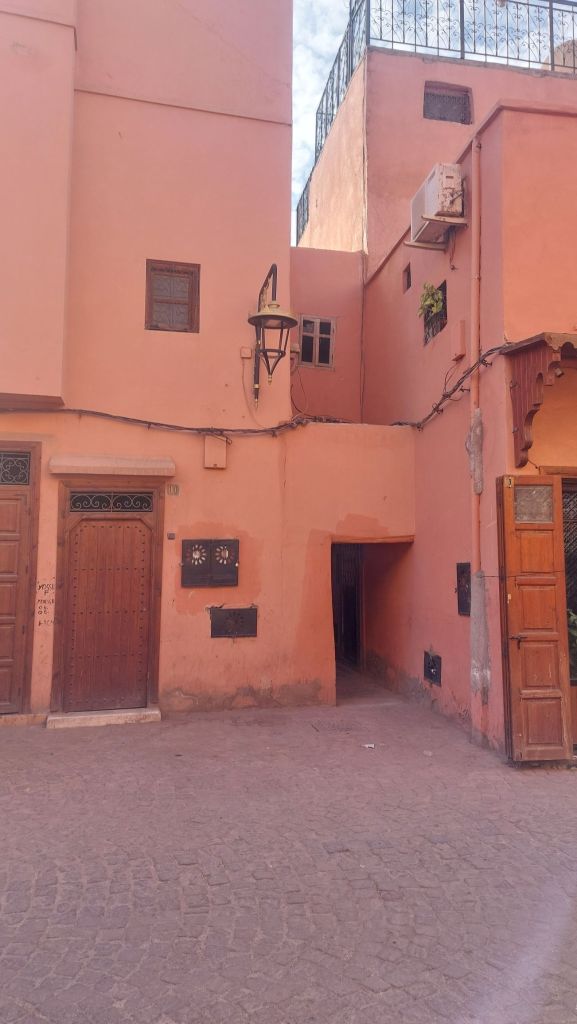
    Image by Freebird Tracey.

    It was during this period that the Masjid al siquaya mosque was built, and market places called souks began to spring up, marking the beginning of urban life in Marrakech.

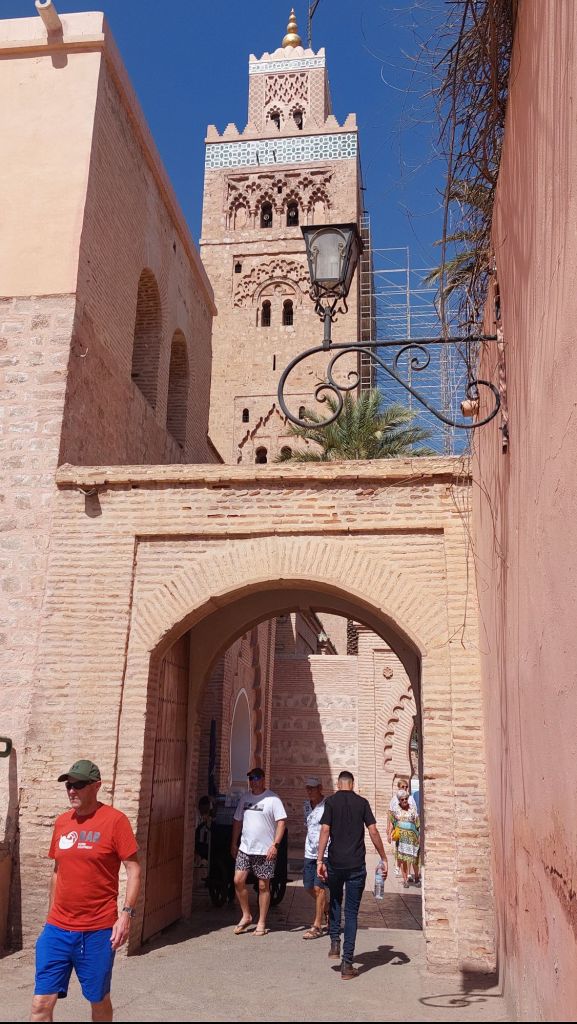
    In the 12th and 13th centuries, the Almohads overthrew the Almoravids and took over the city.They continued to develop Marrakech even further, painting the walls of the city red and building spectacular palaces and the famous Koutoubia Mosque, which is the largest mosque in Marrakech and a significant landmark.
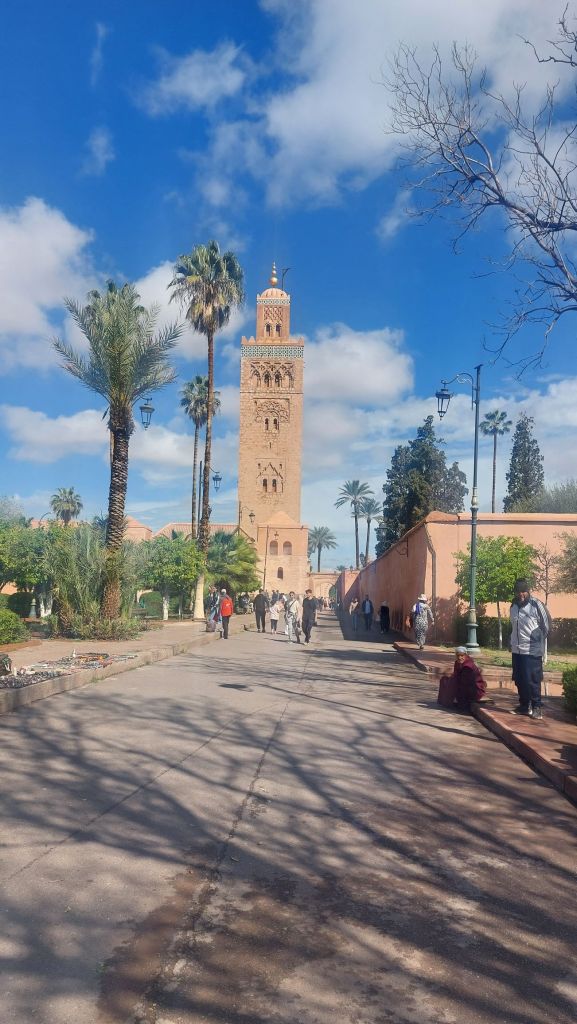
    Image by Freebird Tracey.

    They were intellectuals and artists, and many scholars were attracted to the affluent city. They also introduced education and art, turning it into a political, economical, and cultural centre. They also began improving on the original water system by building open air canals, which allowed water to flow down from the  high Atlas mountains. This gave people a better quality of life, and they began to flourish. The city soon began to prosper under the rule of the Almohads and became a thriving place for merchants to meet and exchange goods.
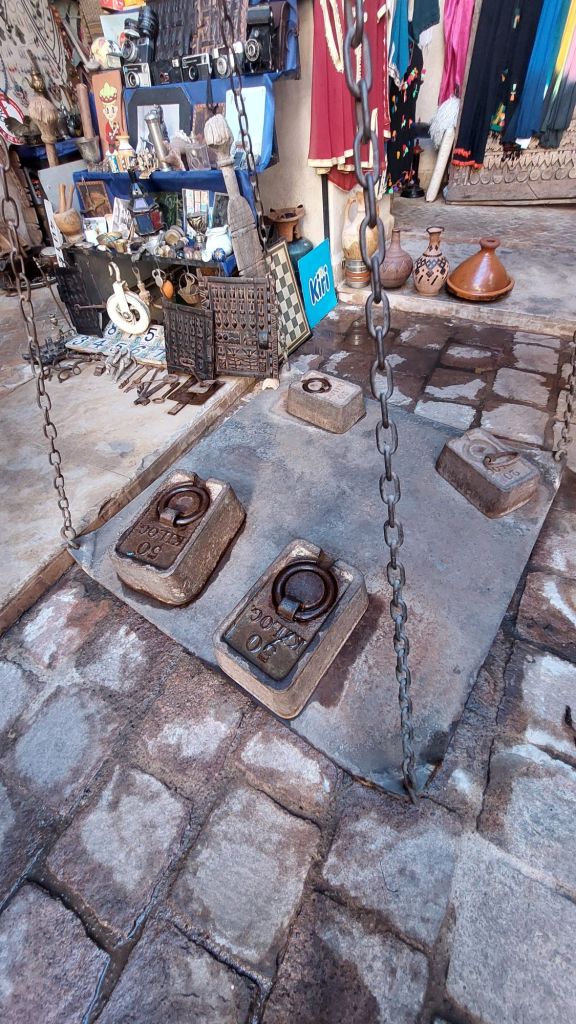
    Image by Freebird Tracey.

    In the 13th century, the Merinid Empire took control of Marrakech in 1230 ruling for two centuries.They built the first madrasa in 1343-9 and used Marrakech as a training ground for heirs to the throne. Marrakech was the imperial capital of Morocco, but the Merinids decided that they preferred the city of Fes, which resulted in Marrakech going into serious decline. Fes soon became the new capital city, and Marrakech became the regional capital of the South instead.

    Because of the move to Fes, Marrakech was practically abandoned and left to decay, becoming impoverished and neglected. The buildings were left to crumble, and the city that was once a bustling hive of activity began to die.

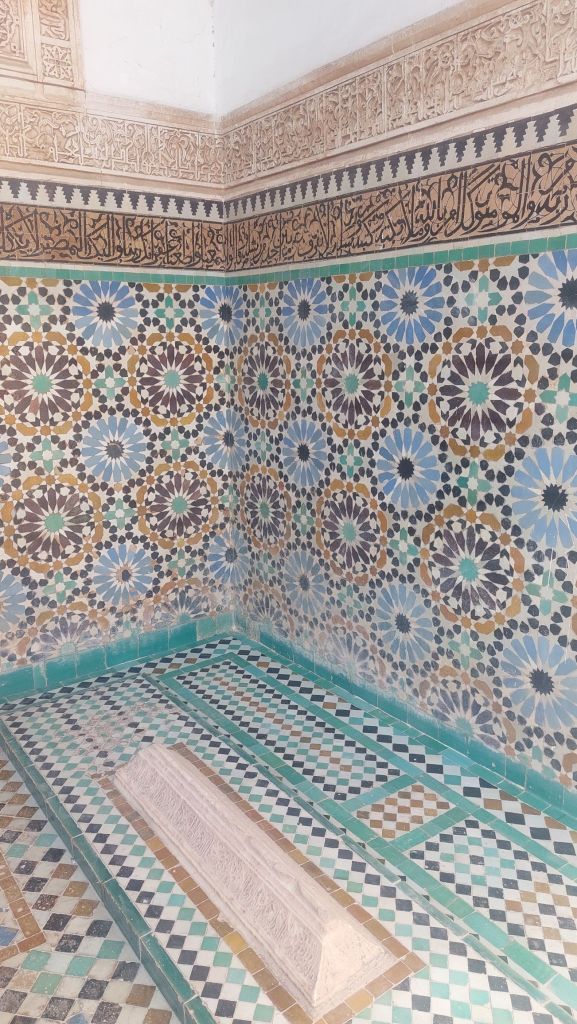
    From 1578-1603, the Saadian  Sultans led by Ahmad Al Mansur came to power. They restored the forgotten city to its former glory and breathed new life into it, reastablishing Marrakech into a capital city once again.They built the Saadian tombs and El Badi palace, furnishing them with intricate zellige tilework work and stucco decoration.
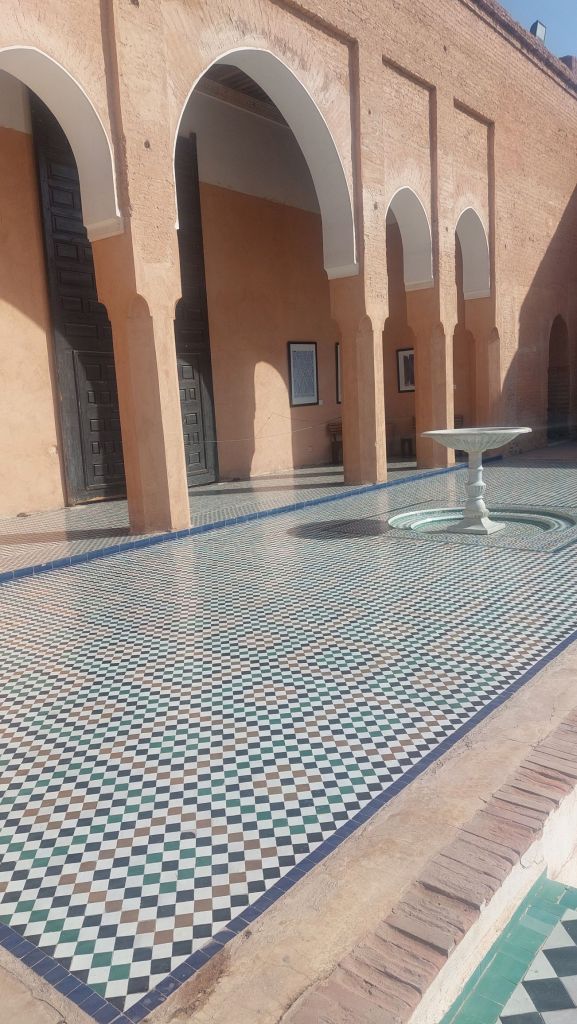
    Images by Freebird Tracey.

    They launched military campaigns against European invasion, and this period of rule became the golden age of literature and art. The Saads built Bab Doukkala mosque in 1557-1571 and Mouassine mosque in 1562-72.They also built the Ben Youssef Madrasa in 1570.
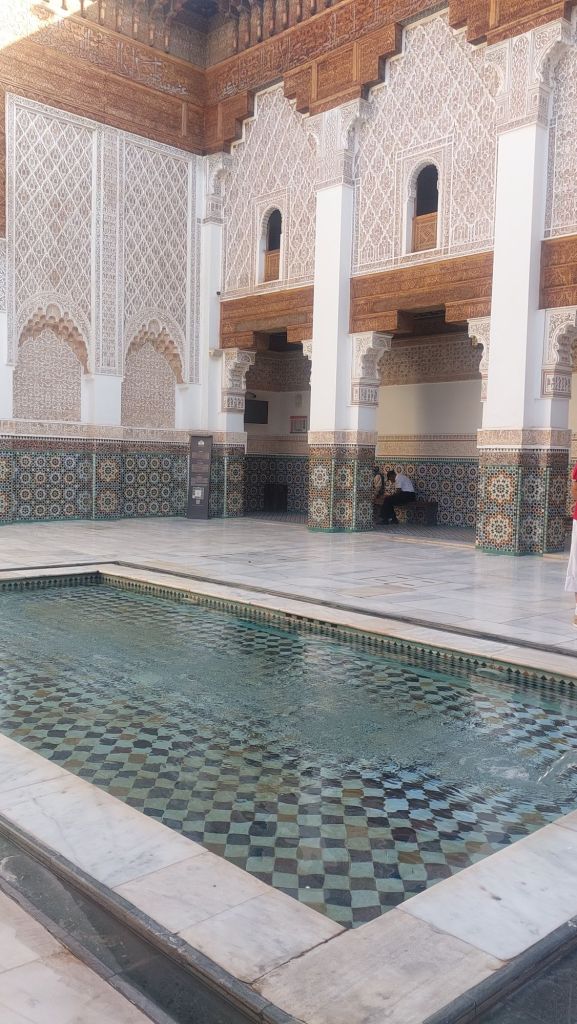
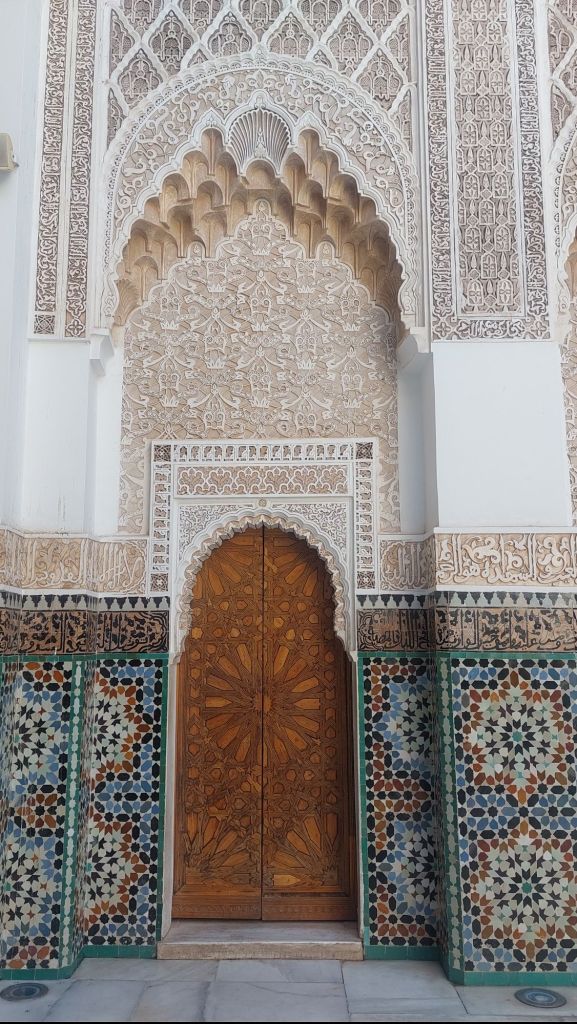
    Images by Freebird Tracey.

    In 1631, rule was passed from the Saadian dynasty to the Alaouite dynasty, which is still the name of the current Morroccan royal family. The Alaouites promoted trade with the United States and other European countries. They improved date palm crops and modernised the army. They also attempted to take control of the Berber and Bedoin tribes. They restored the riads and buildings in Marrakech, redeveloping it’s infrastructure after years of decline.

    It was in 1911 that the capital of Morocco became Rabat.

    Marrakech became a French protectorate in 1912 when the sultan Abd al-Hafid signed the treaty of Fes. Although the sultan remained the head of state, the French had a huge influence in developing strong diplomatic and economic relations in both trade and tourism. The French began modernising the city and building new districts whilst still aiming to preserve the traditional character of the city. They encouraged tourism and the export of Moroccan dates and other produce. In 1956, the treaty of Fes was passed back, and Morocco gained its independence again.

    Throughout its history, Marrakech has been a city that has resurged, declined, and resurged once again.It has fought against several invasions and endured  plagues and famines.

    In 1982, UNESCO declared Marrakech a UNESCO world heritage site, raising awareness of the cultural heritage of the city. It is now one of the most popular destinations in the world and receives millions of tourists each year.

    Marrakech combines the ancient with modernity. Visitors can get a glimpse into its intriguing past as they wander around the preserved walls of the medina. As they venture into the tree lined avenues of Mohammed V avenue, they are presented with a newer,modern side of Marrakech, a thriving hub of fancy restaurants, bars and boutiques.

    The city is developing fast and attracting tourism at an exceptionally high rate. Despite this, it still continues to retain its culture, customs, and historical significance.

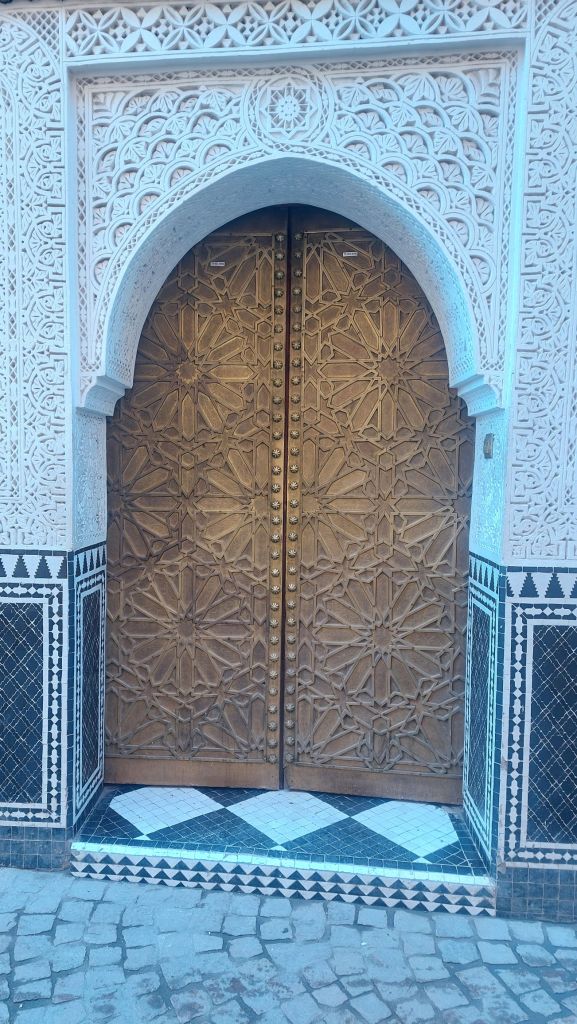
    Image by Freebird Tracey.
    (more…)
  • Islamic Architecture In Marrakech.

    A look at Islamic architecture and craftsmanship.

    Image by Freebird Tracey.

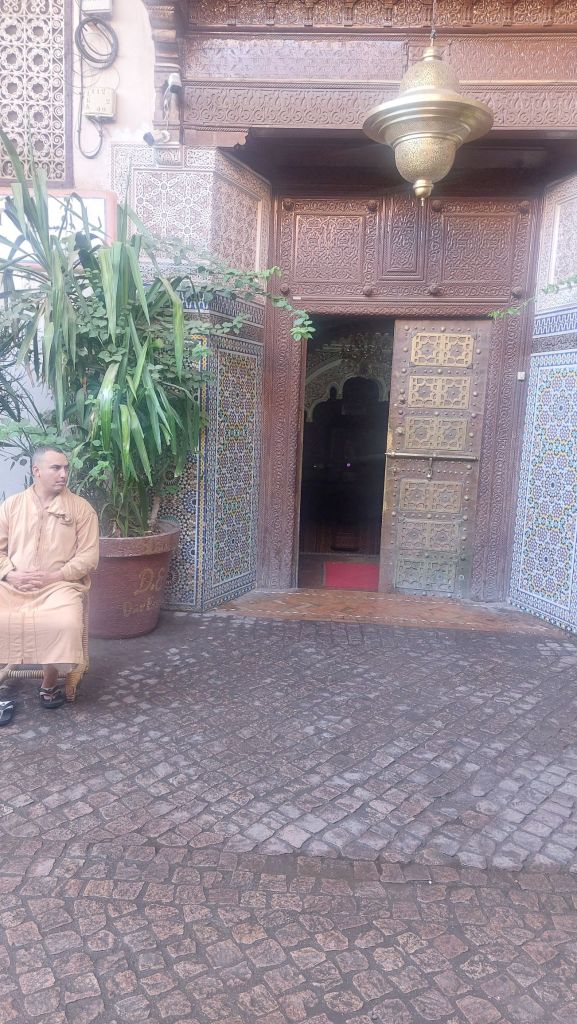
    The beautiful Islamic architecture found in Marrakech is a testimony to its wealth of history and culture. From intricately carved wooden doors to geometric mosaic tiles and tadelakt, Marrakech has some of the finest examples of Islamic architecture in Morocco.You can’t help but be impressed by the attention to detail as you wonder around the medina.

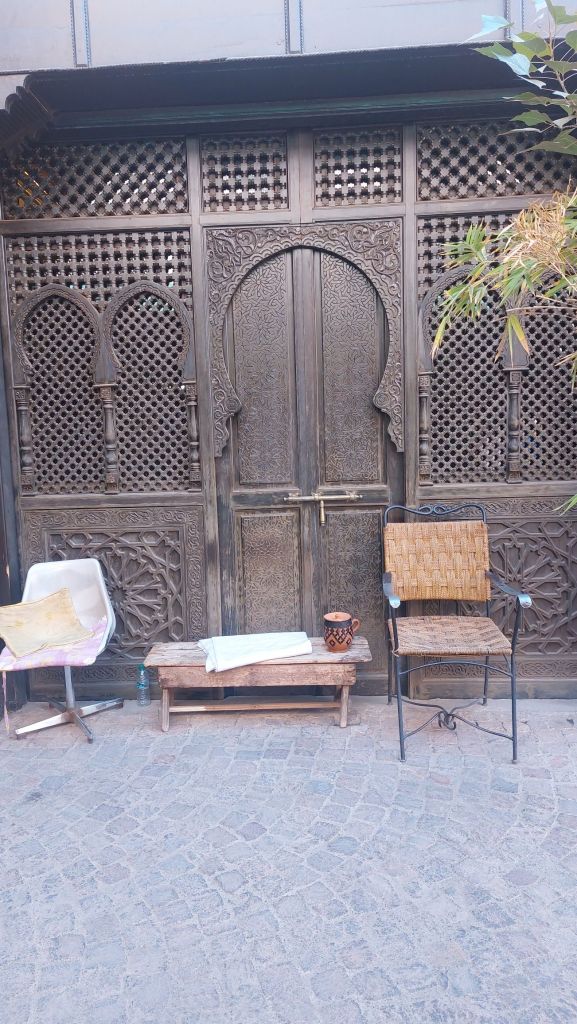
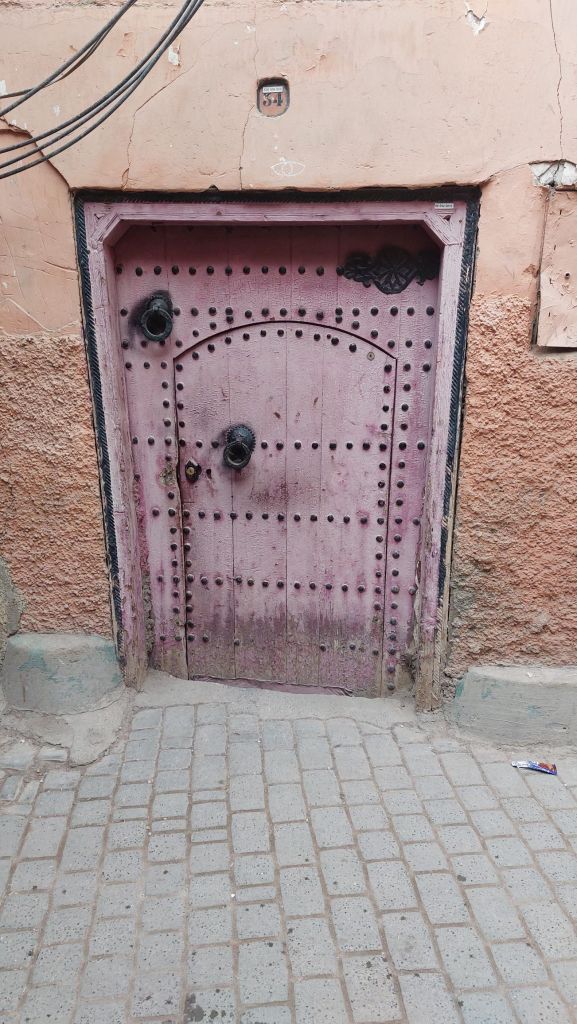
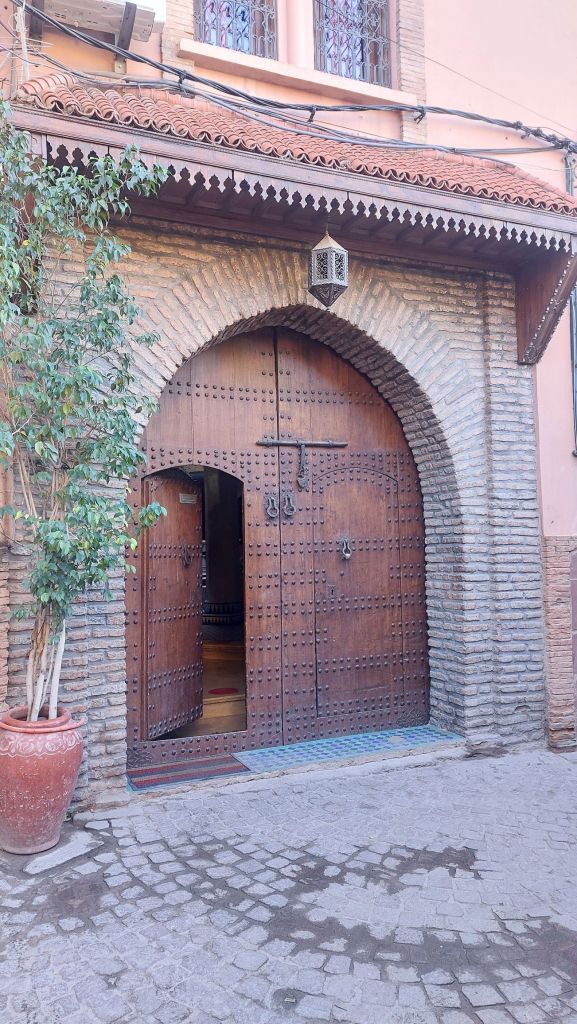
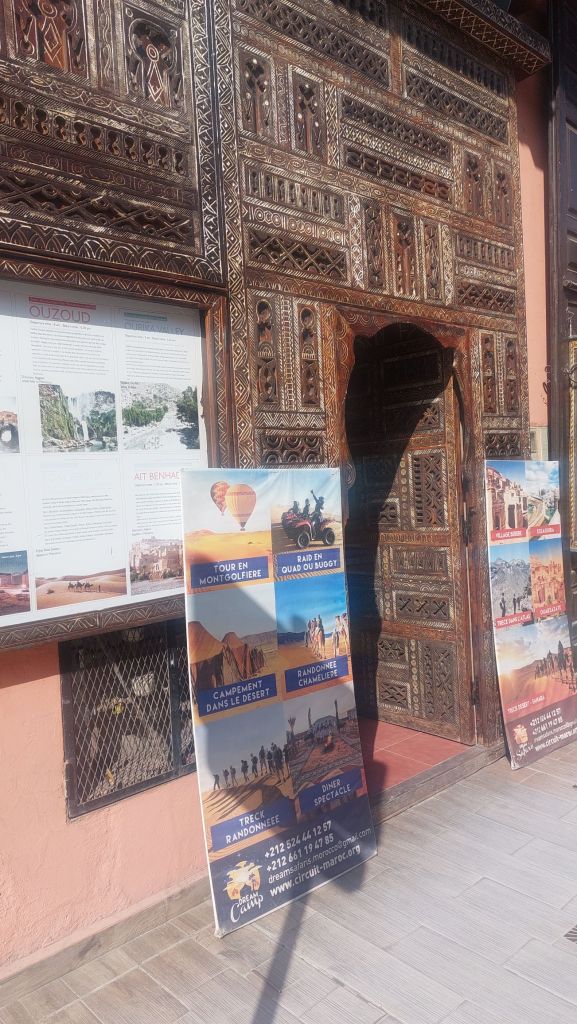
    Large wooden doors exquisitely carved out of Cedar wood appear out of nowhere as you pass through the winding alleyways.

    Images by Freebird Tracey.

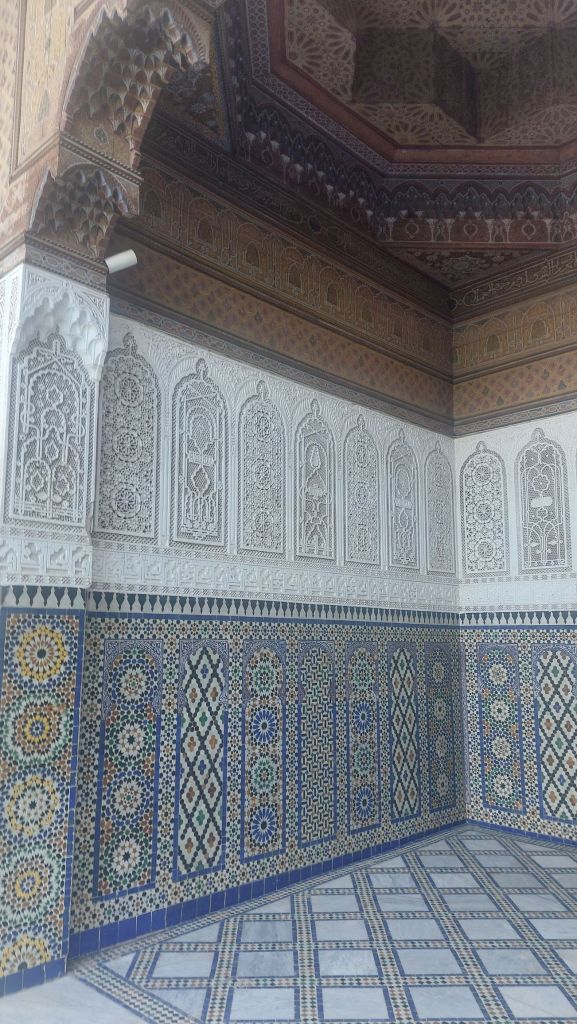
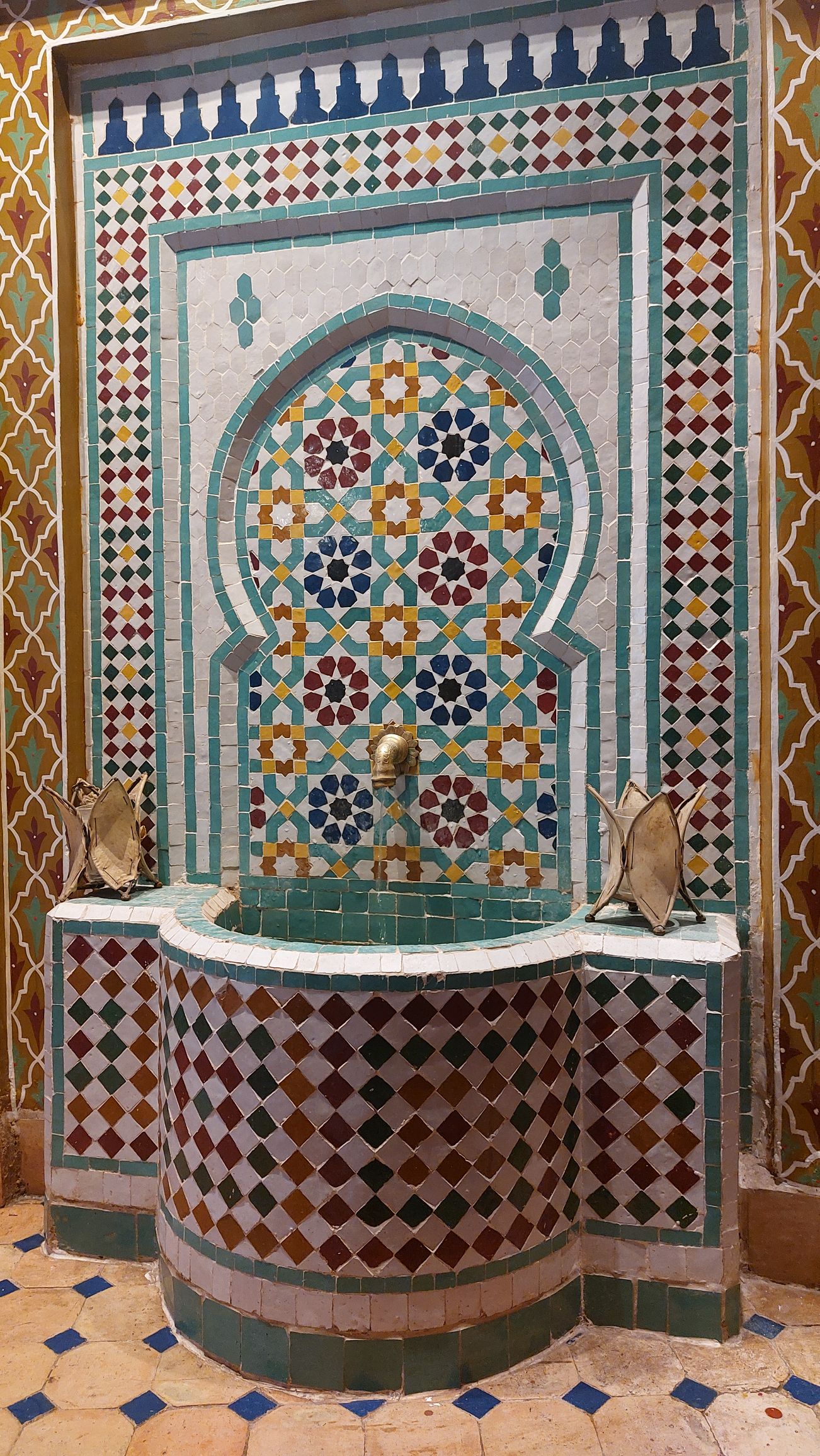
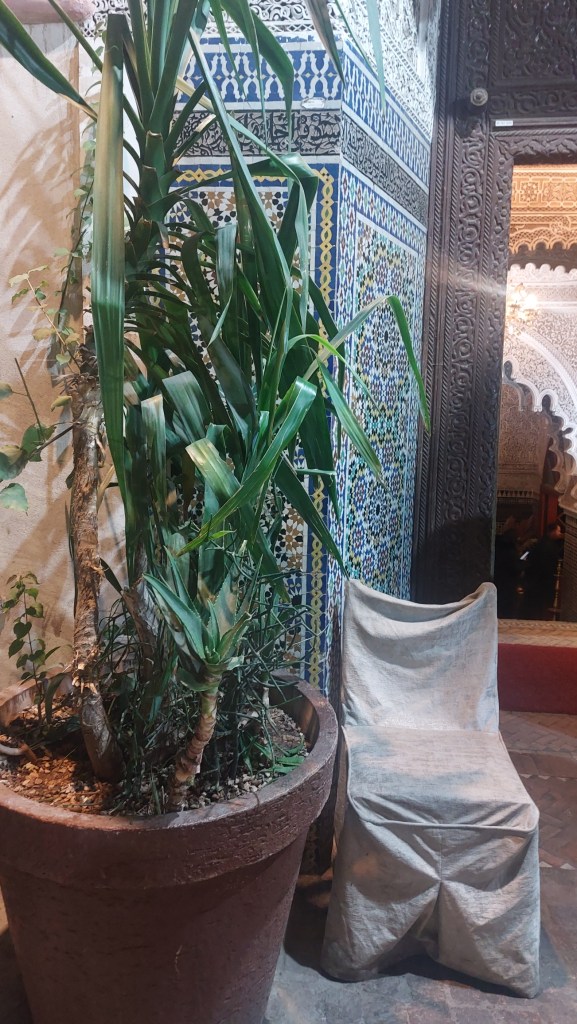
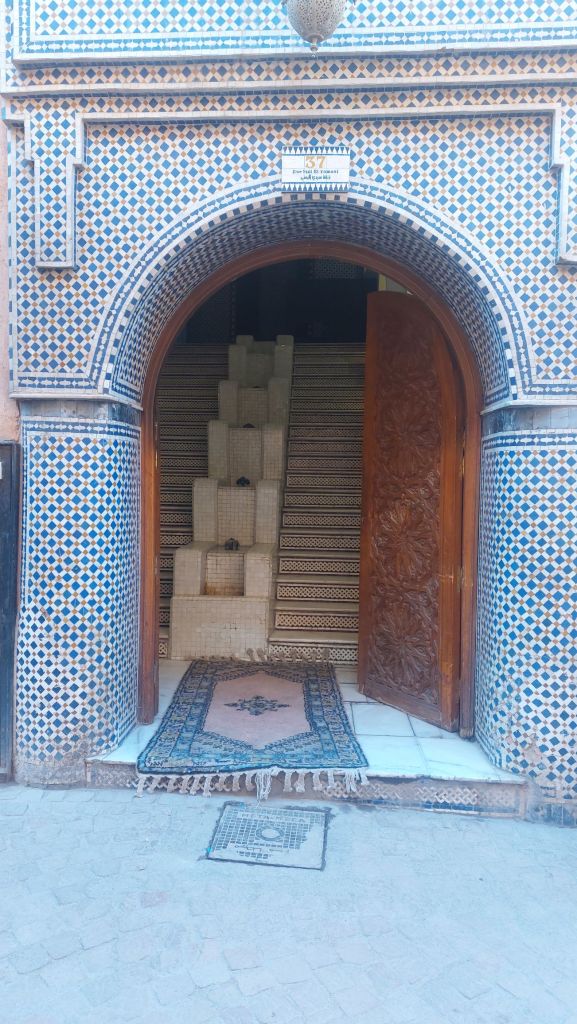
    Zellige tiles originating from the 10th century form geometric mosaics decorating the floors, walls, and fountains. A skill which has passed down from generation to generation.

    Images by Freebird Tracey.

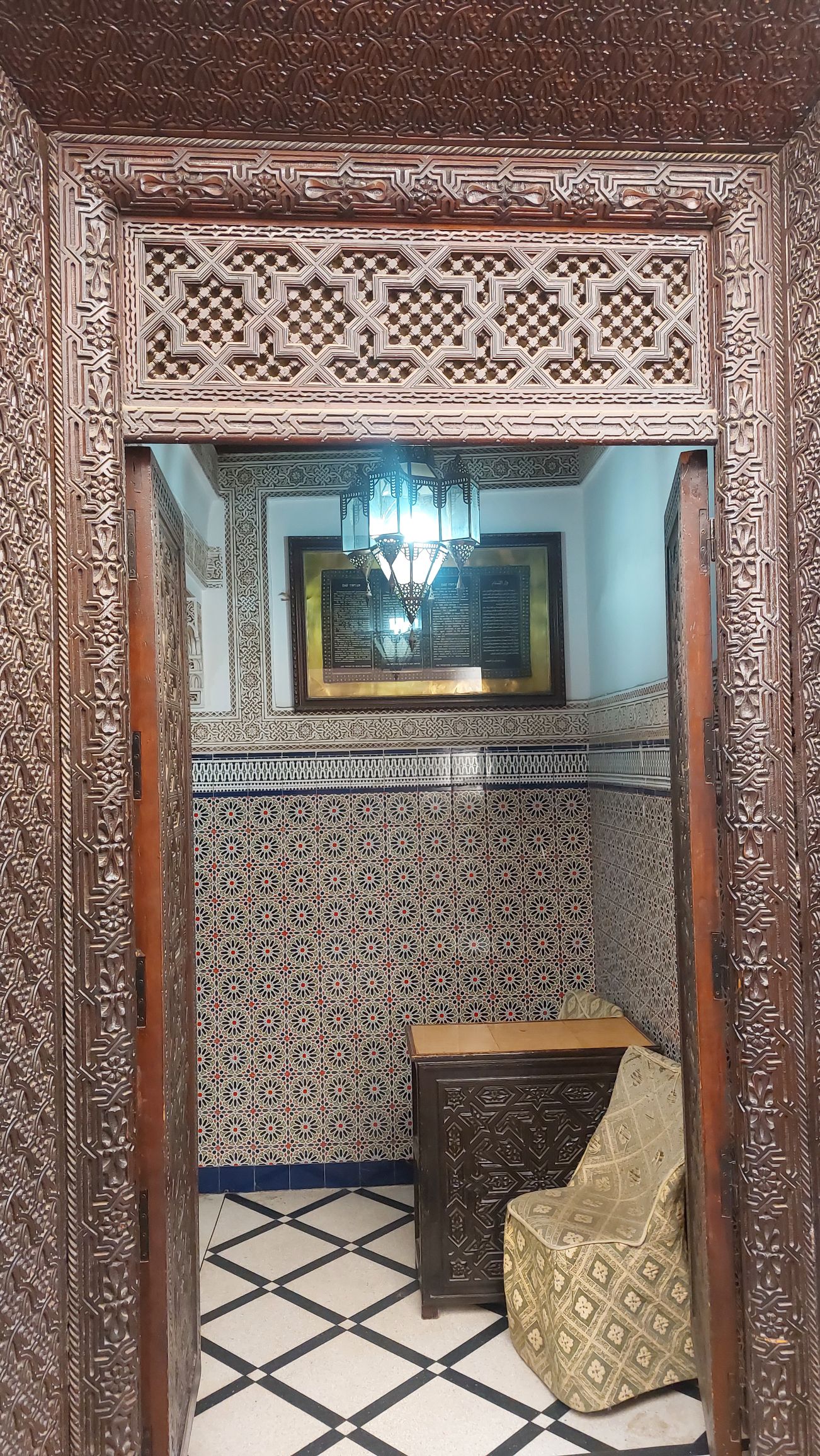
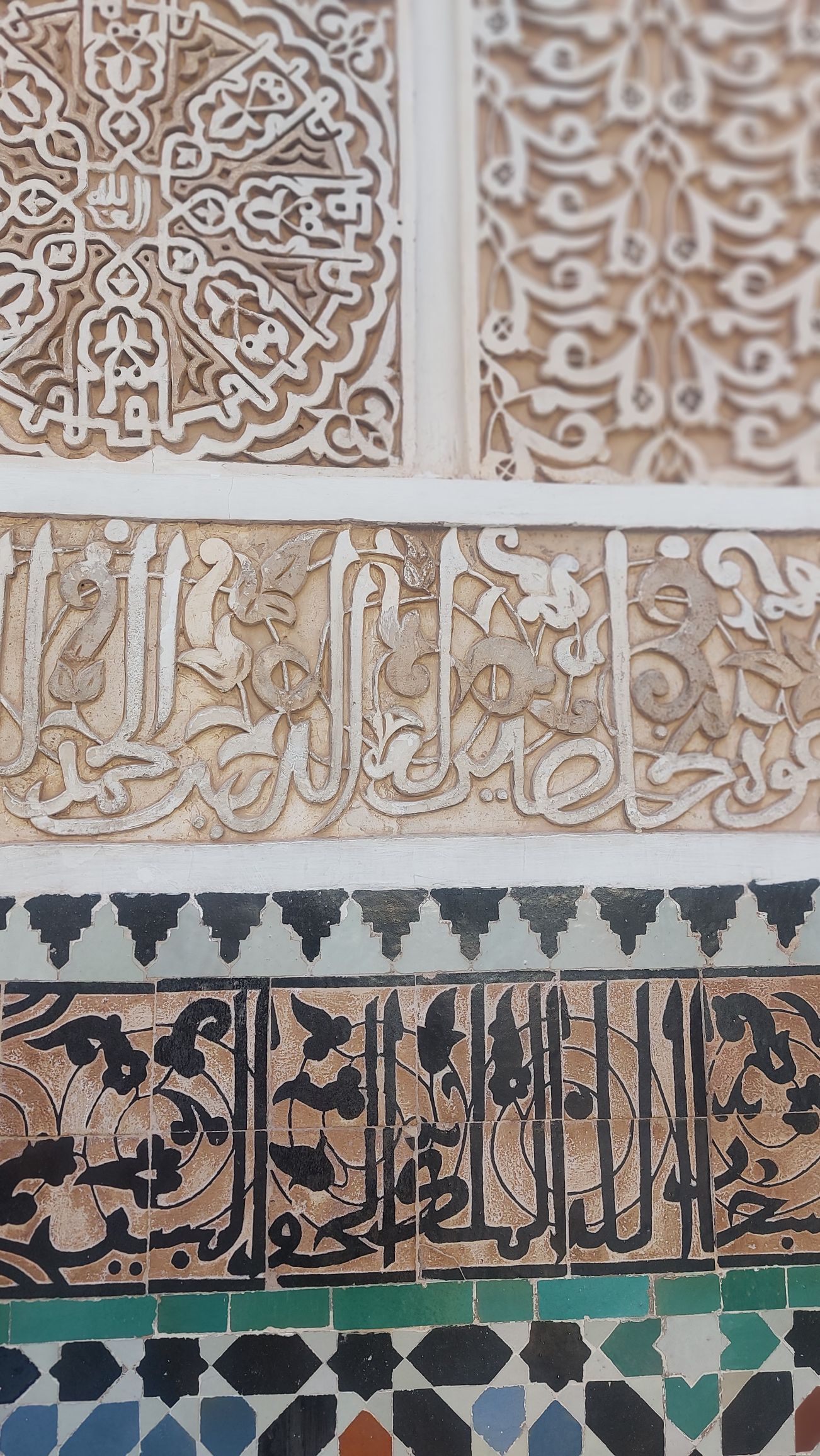
    Islamic architecture in Morocco follows the spiritual principle of Tawhid, the unity of God. There are handcarved stucco panels with expertly applied fine details, including floral motifs and calligraphy from Nakshi and Kufic Arabic scripts. These are set against a backdrop of peace and tranquillity.

    Image by Freebird Tracey.

    The use of symmetry, repeated geometric patterns, and balanced proportions reflect divine order and infinity. The use of geometry and proportion symbolizes universal harmony.
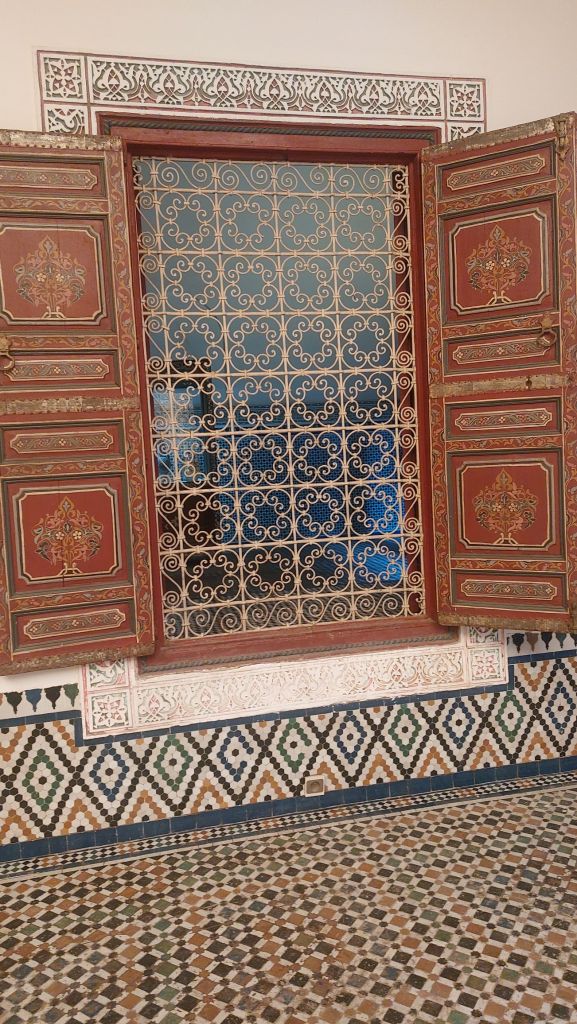
    Calligraphy enshrines verses from the Qur’an, which merges both word and form together. Light also plays a sacred role. As it filters through lattice screens called mashrabiyas and central courtyards, it evokes the essence of divine presence.

    Image by Freebird Tracey.

    Islamic architecture blends together Arab, Amazigh, Andalusian and Sub Saharan influences. Perfect examples can be seen at the Koutoubia Mosque, Ben Youseff Madrasa, Bahia Palace, Saadian tombs, and El Badi Palace.

    Image by Freebird Tracey.

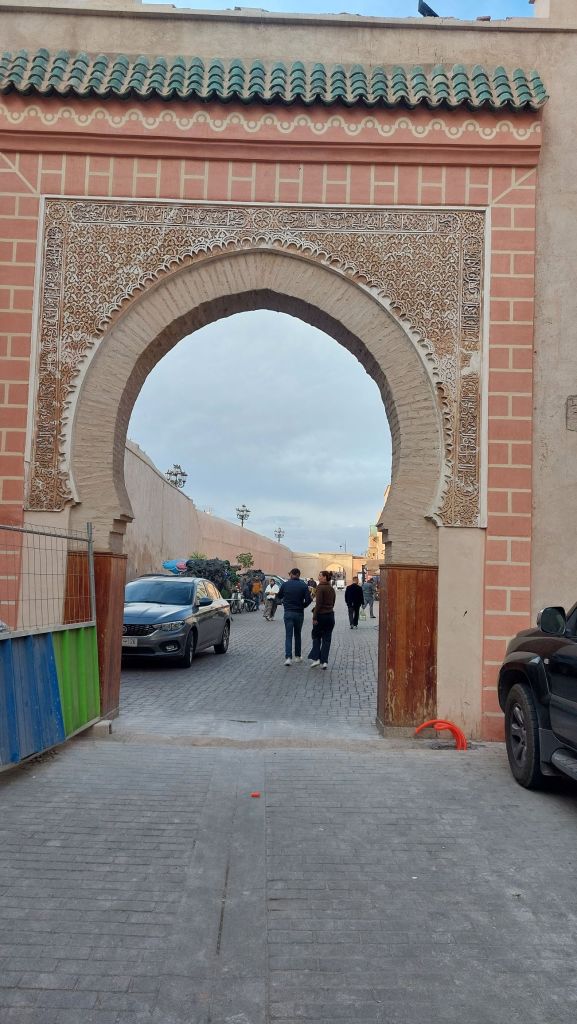
    Bab Agnaou gate is one of 19 splendid arched gates into the city showcasing intricate carvings.

    Hammams, which were constructed centuries ago, reflect the scale of precision and sheer brilliance of Islamic architecture. Exploring these beautiful places is a journey through the history and culture of Marrakech. You will be spellbound by the beauty of the tiled fountains with their original zellige tilework in the courtyards of riads. Original water features have been restored and strategically situated around the medina.

    Image by Freebird Tracey.

    There are two knockers on the magnificent wooden doors. One which is strictly for family members and one for guests to use.  This is in order to shield and protect the women of the household from the gaze of male strangers.

    Images by Freebird Tracey.

    There are places all around the medina where you will want to take photographs of the beautiful work local artisans left the world as their legacy.

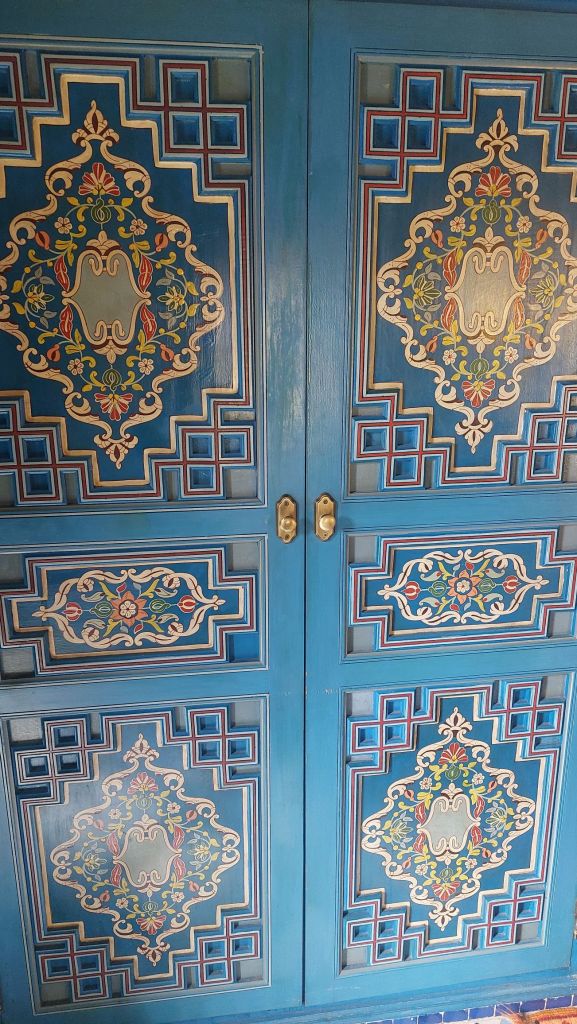
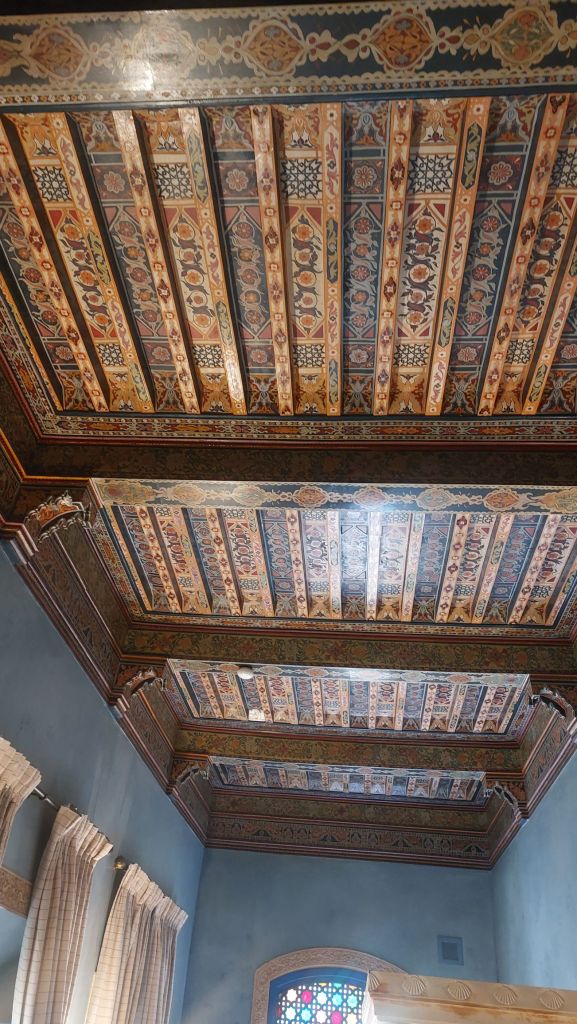
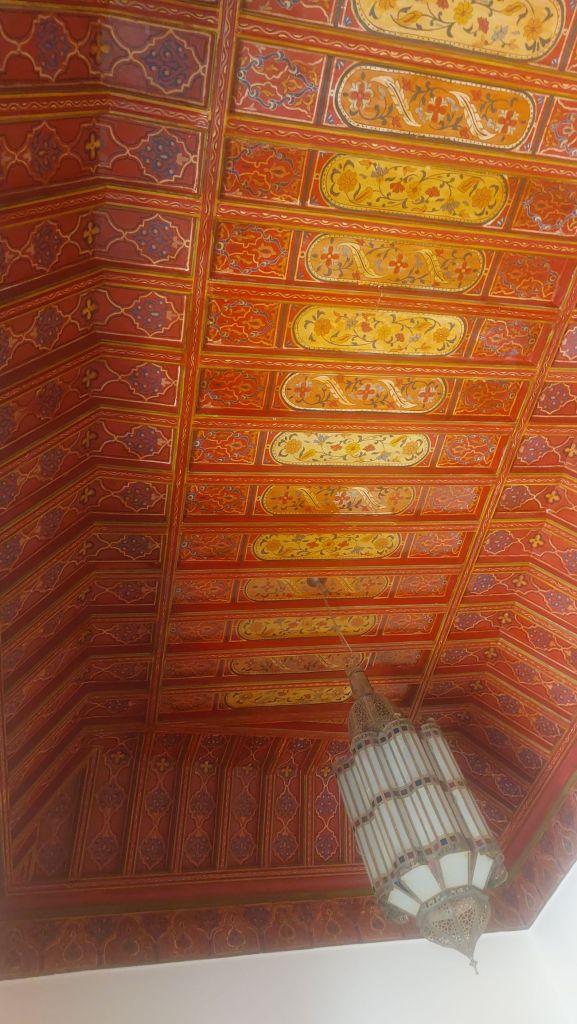
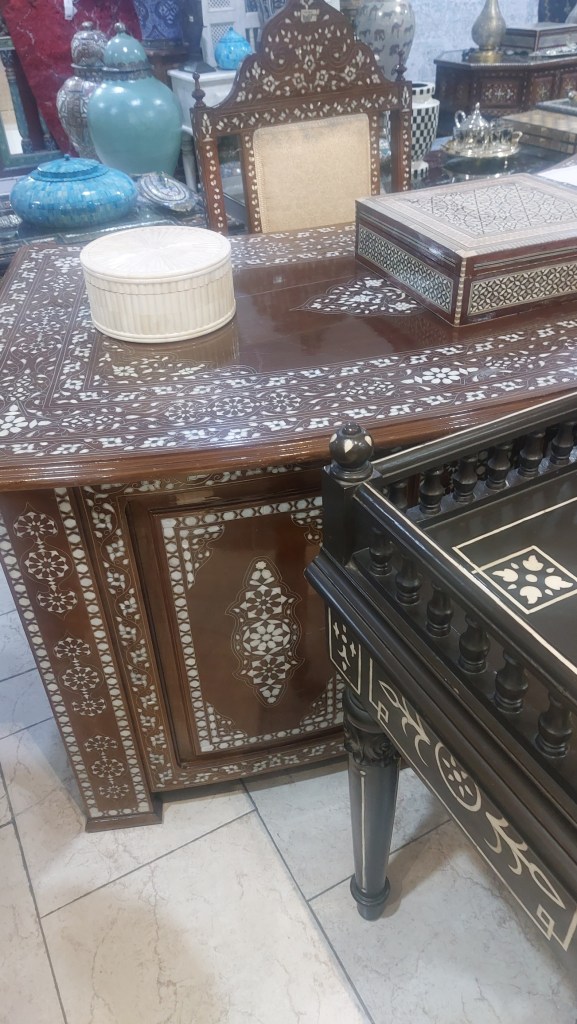
    The remarkable skills of trained craftsmen are evident inside traditional riads. Unique pieces of handmade furniture, beautifully painted doors, and splendid ceilings demonstrate the skill involved.

    Images by Freebird Tracey.

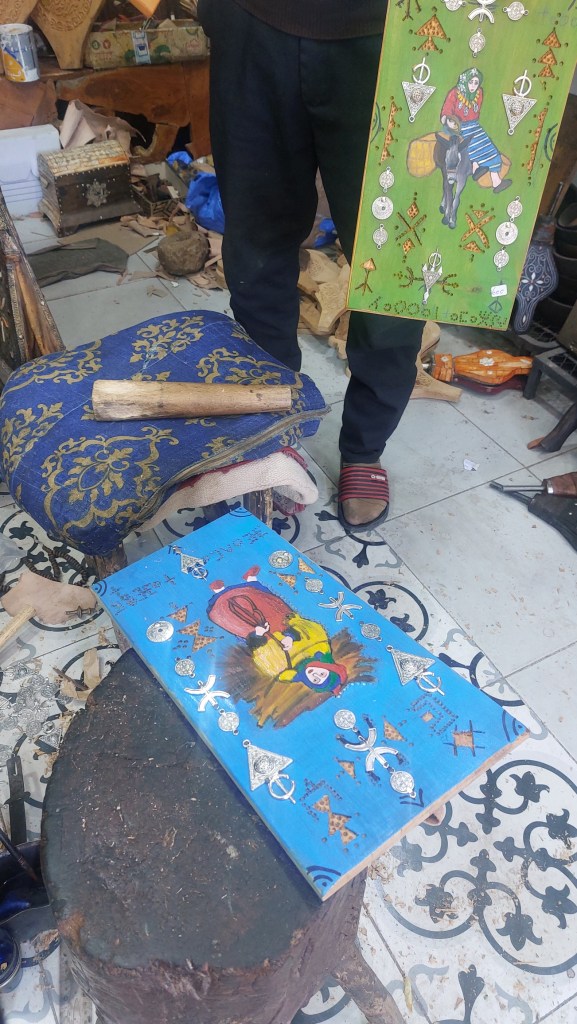
    You can find people creating things in Marrakech using the same techniques that generations before them had used. At Ensemble Artisanal Craft Complex near Cyber Park, you can see the artisans busy at work. Here, they teach young apprentices the art passed down by their ancestors.

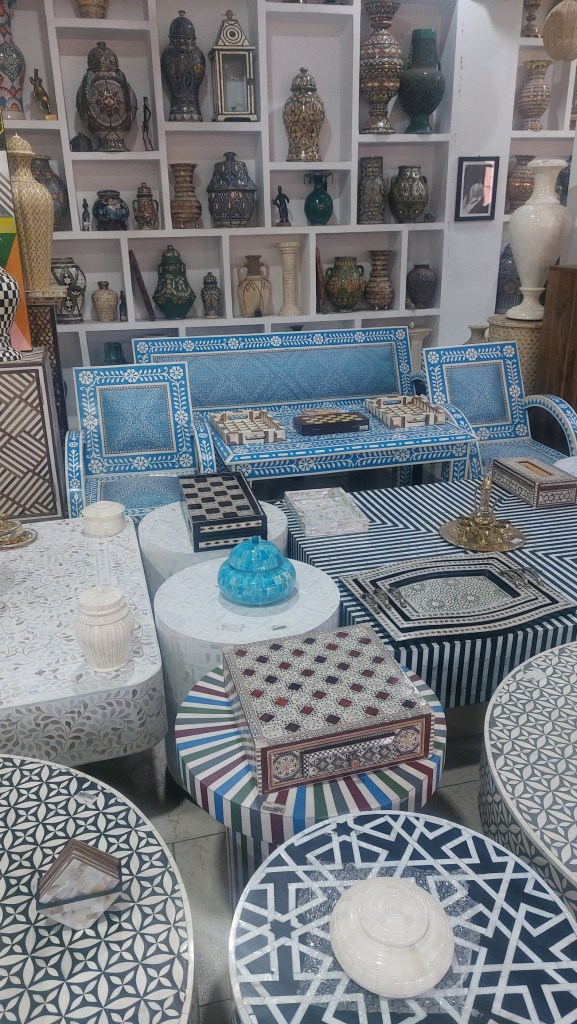
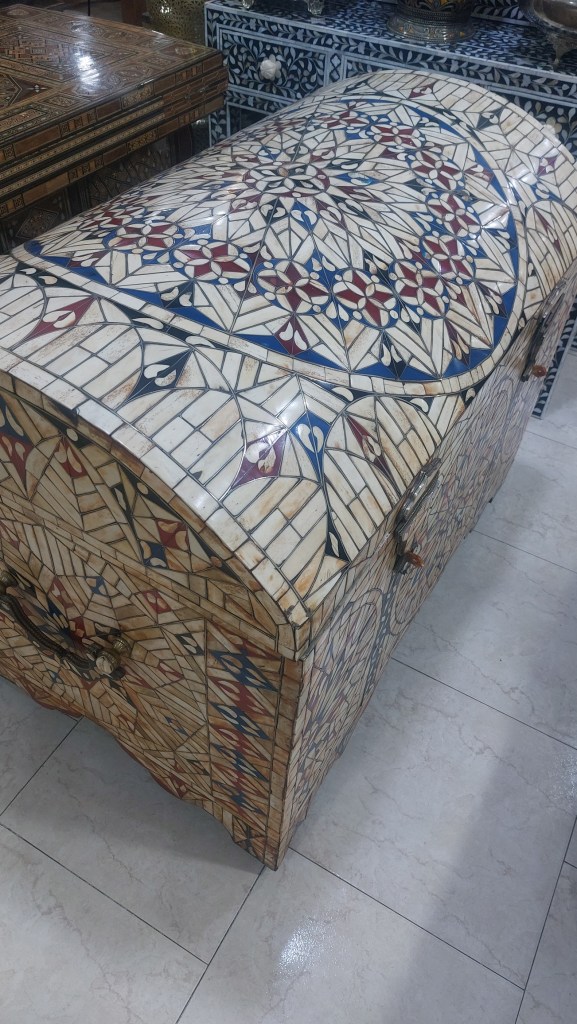
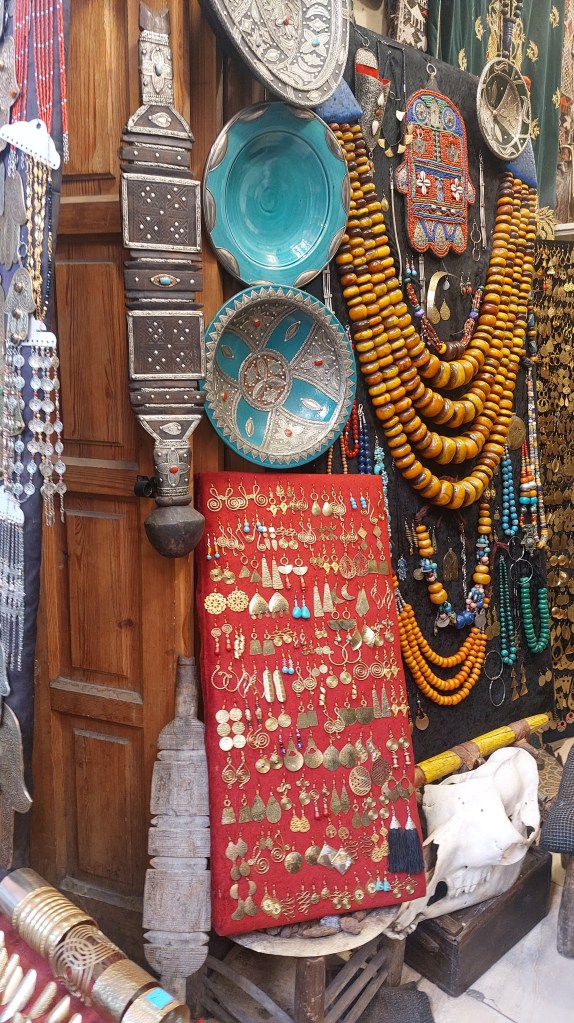
    Around the medina, you will find carefully designed wooden chess sets and wooden boxes ornately inlaid with Mother of pearl. In Tinsmiths Square, metal workers are busy crafting traditional Morroccan lamps and mirrors.

    As you wander through the souks, you are presented with examples of beautifully crafted items for sale. The amount of work that has gone into creating each piece is phenomenal.

    Images by Freebird Tracey.

    The roots of Moroccan architecture originate from the Amazigh and Arab culture. Styles have evolved from one dynasty to the other, including the Almoravids, the Almohads, and the Marinids.

    Nowadays, architects are using a combination of old and modern designs in their construction of buildings. This has led to a new style. It’s still characteristic of the old medina, but introduces newer, environmentally friendly buildings. They continue to incorporate the traditional zellige tilework in order to pay homage to the history and culture of the city. Riads are restored as close to their original appearance as possible. Some are modern and contemporary, which some tourists find appealing.

    I personally love the rustic charm of the older riads. The ones that evoke images of a world gone by. Those riads clinging to remnants of the past. The ones telling the story of an ancient culture which, if you look closely, is still very much alive today.

    Image by Freebird Tracey.
    (more…)
  • Is Marrakech Budget Friendly?

    How to enjoy Marrakech on a budget.

    Image by Freebird Tracey.

    Visiting Marrakech doesn’t have to break the bank.

    Morrocco is a relatively cheap country to visit. It’s all about careful planning and putting together the right itinerary before you go. I have compiled a few ideas and suggestions to help you enjoy your trip without having to spend a ridiculous amount of cash.

    1.

    Book your flight early. The earlier you book, the cheaper it is. Download an airline app and keep an eye on the cost of flights. Book out of season when it’s less busy.

    2.

    If you book your accommodation directly through the riad or hotel, it is often much cheaper.

    3.

    Use public transport in Marrakech. The buses are an excellent way to get a taste of local life. They are extremely cheap and reliable. The price is set, and you will avoid being privy to scams from the local taxi drivers.

    4.

    Marrakech is a bustling metropolis with so much going on around the main square. Consider spending time with a pot of traditional mint tea and observing the spectacle from a rooftop terrace. You won’t be disappointed. The sights, sounds, and smells will keep you entertained for ages.

    5.

    Visit the wonderful Koutoubia Mosque gardens. The mosque is out of bounds for non Muslims. However, the gardens are absolutely delightful and free to visit. Consider picking up a few delicious snacks beforehand, such as Baclava cake and  sugar cane juice and sitting in the beautiful garden. Despite its proximity to the chaos of Jamaa El Fna, it is a peaceful environment. It’s especially lovely during the evening when the lights come on.

    6.

    There are plenty of excellent cafes and restaurants which are great value for money. Henna Art Cafe is superb and has a very pretty interior. I have eaten here numerous times and highly recommend the food. Terrace Bakchich in the souks is another budget friendly restaurant cafe with excellent food. Trying the street food is another option and very popular amongst tourists. Check how busy places are to get an idea of the quality of food being served. The spleen sandwich is a traditional meal in Marrakech served by street vendors. Also consider trying the delicious sweets and pastries for sale inside the souks.

    7.

    Try a public hammam. Public baths are very cheap in comparison to the more upmarket ones and the best way to experience the local culture. You can purchase black soap and essential oils in the souks for pennies. You will need your own towel in public hammams.

    8.

    Visit the souks. This is by far the most exciting part of any trip to Marrakech. Experience the vibrant colour and the lively atmosphere as people haggle with the locals for a bargain. You may get lost in the maze of alleyways, but that’s all part of the fun. There are souks for different things like leather goods and metalwork, and you will see incredible artisans at work crafting all kinds of things.

    9.

    Visit the Mellah, the old Jewish quarter, and see the Bab Mellah spice market. It’s an assault on the senses discovering all the different spices and their fragrances. You may be offered mint tea whilst you are given a lesson on what each spice is used for.

    10.

    Walk around the Kasbah. This is where you will experience the more authentic part of Marrakech. There are more locals here and they are very friendly. There are some nice spots to grab a smoothie, and the shops are slightly cheaper here.

    11.

    Visit Cyber Park. This is a very well maintained place with beautiful native trees and plants. Relax for an hour or so in this peaceful environment away from the chaotic busy medina. Listen to the birds singing and read the interesting facts that are dotted around the park.

    12.

    Take a 25-minute walk or the number 16 bus from the medina to Gueliz. Wonder around the upmarket boutiques and stores on Mohammed V Avenue and see how modernity and ancient coexist in harmony together in Marrakech.

    13.

    Spend some time in Tinsmiths Square. This is a less touristic square than Jamaa El Fnaa, and there is plenty to see going on. There are budget friendly cafes and restaurants and plenty of souvenir shops.

    14.

    Admire the beautiful Islamic craftsmanship in the medina. There are stunning examples of intricately carved wooden doors and 19 impressive entrances into the medina, including Bab Agnaou, Bab Doukala, and Bab El Khemis. Some date back as far as the Almohad dynasty. It’s a perfect photo opportunity.

    Images by Freebird Tracey.

    Marrakech is a walkable city, and you can spend many an hour wandering about discovering what makes Marrakech so magical. It’s a destination that is great for everyone, including those on a tight budget. With some careful planning, you can put together an exciting itinerary and have a truly wonderful experience that doesn’t need to cost much.

    Image by Freebird Tracey.
    (more…)