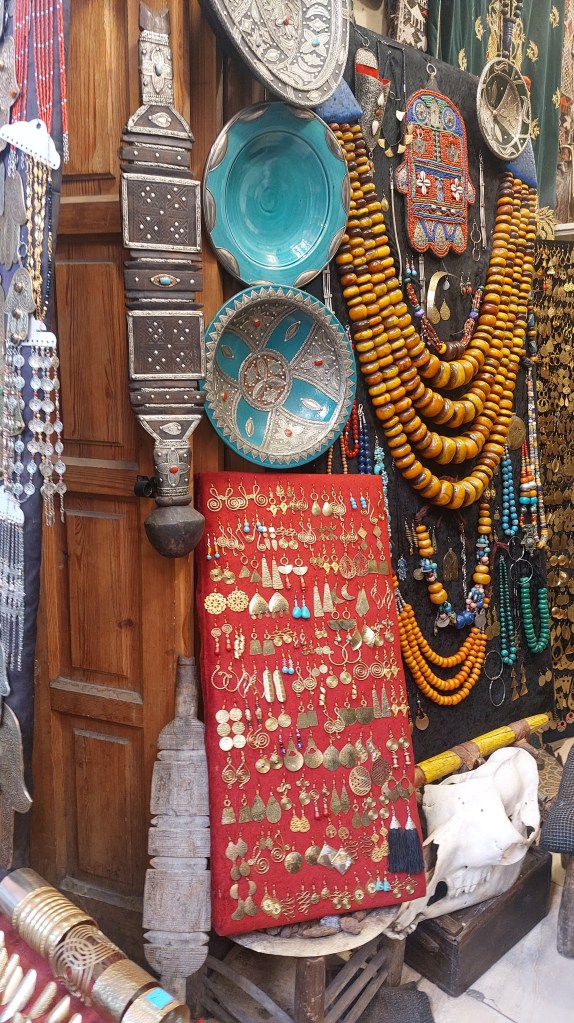
Tag: sightseeing

Exploring The Red City Of Marrakech.
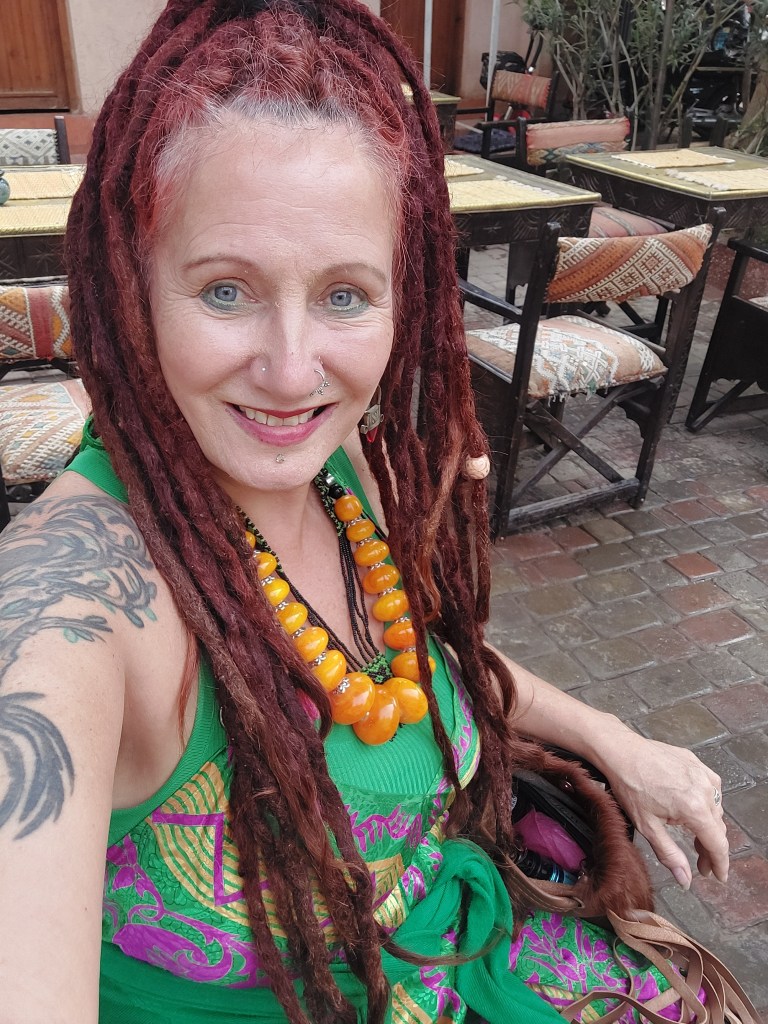
  • Is Marrakech Safe For Solo Female Travellers?

    Safety tips for women travelling alone to Marrakech.
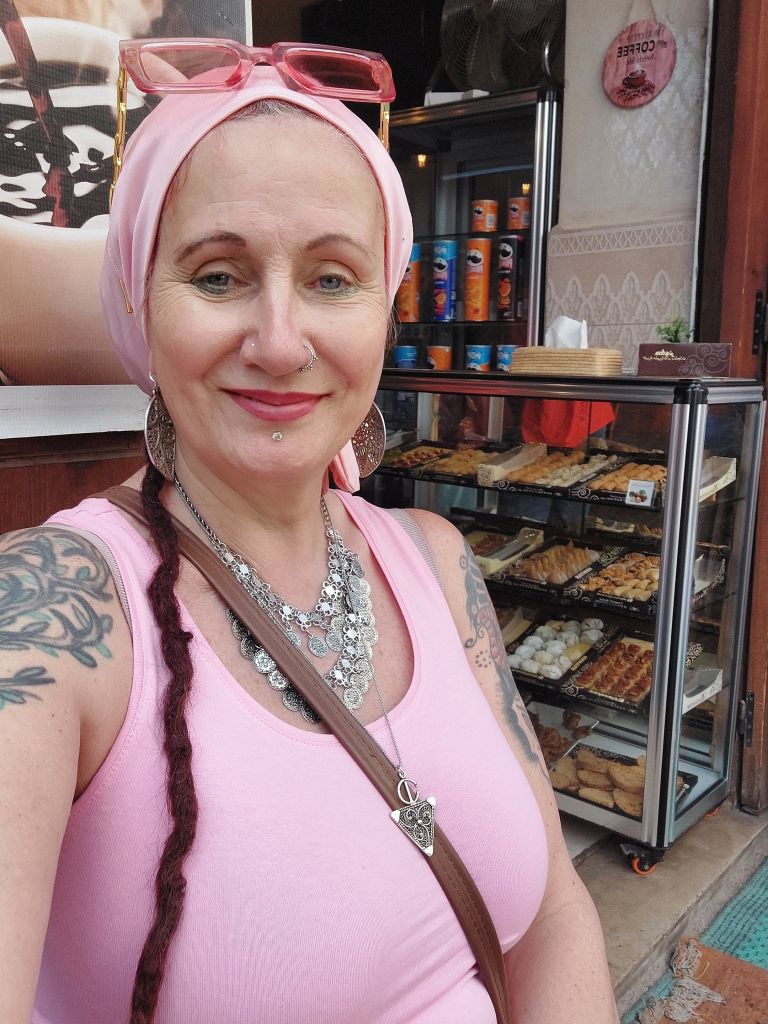
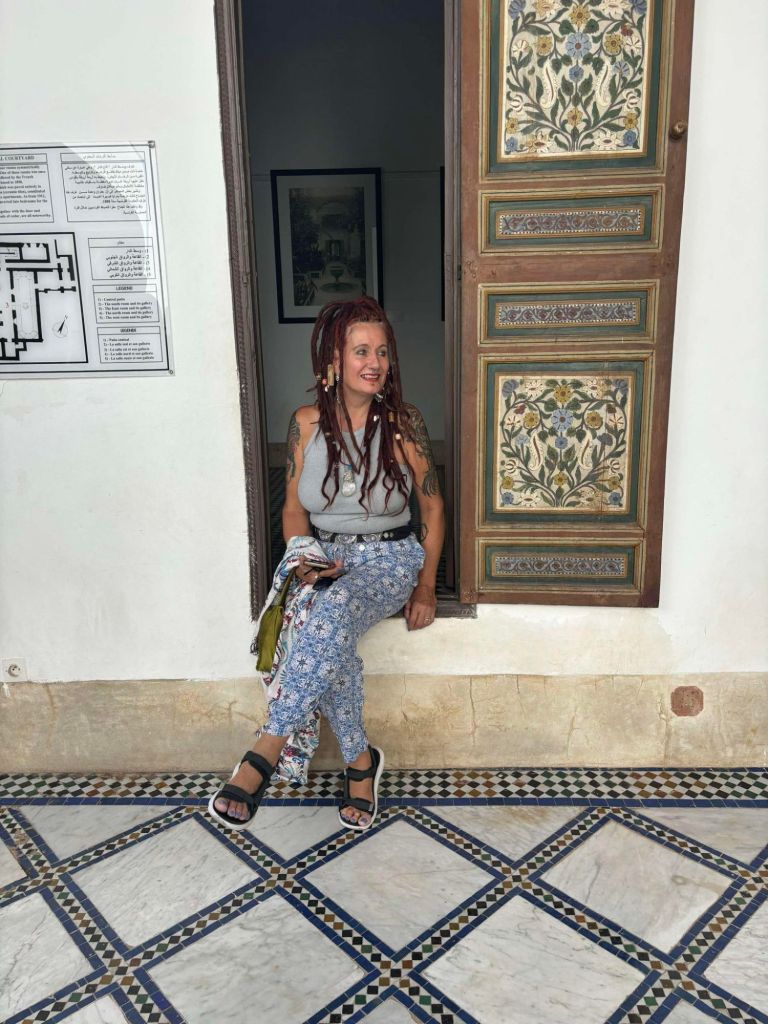
    Image by Freebird Tracey.

    Marrakech is safe for women who travel alone.

    The overall crime rate is low, and most female travellers have a wonderful experience. However, there are certain things to take into consideration to help you feel confident and comfortable during your visit.

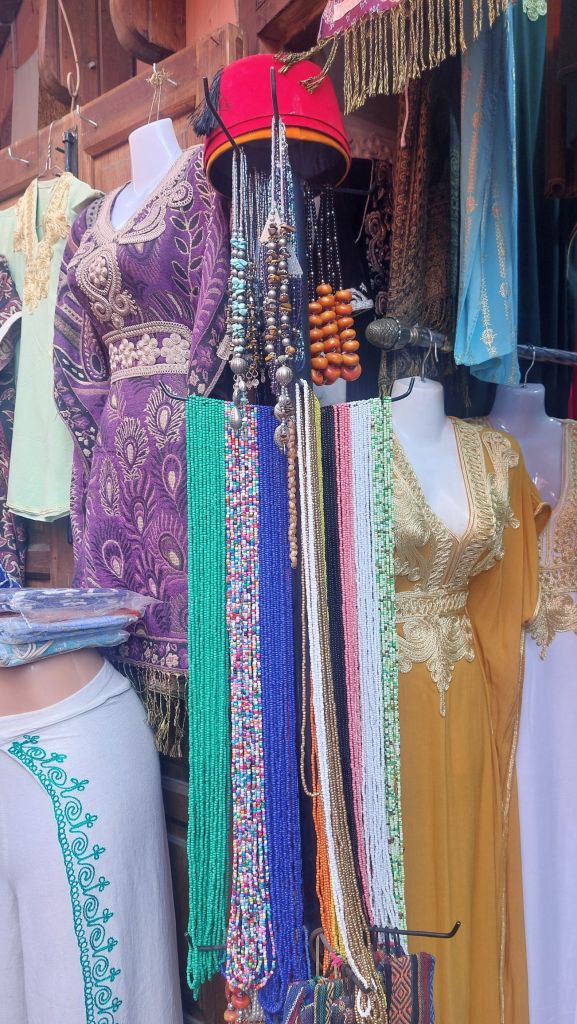
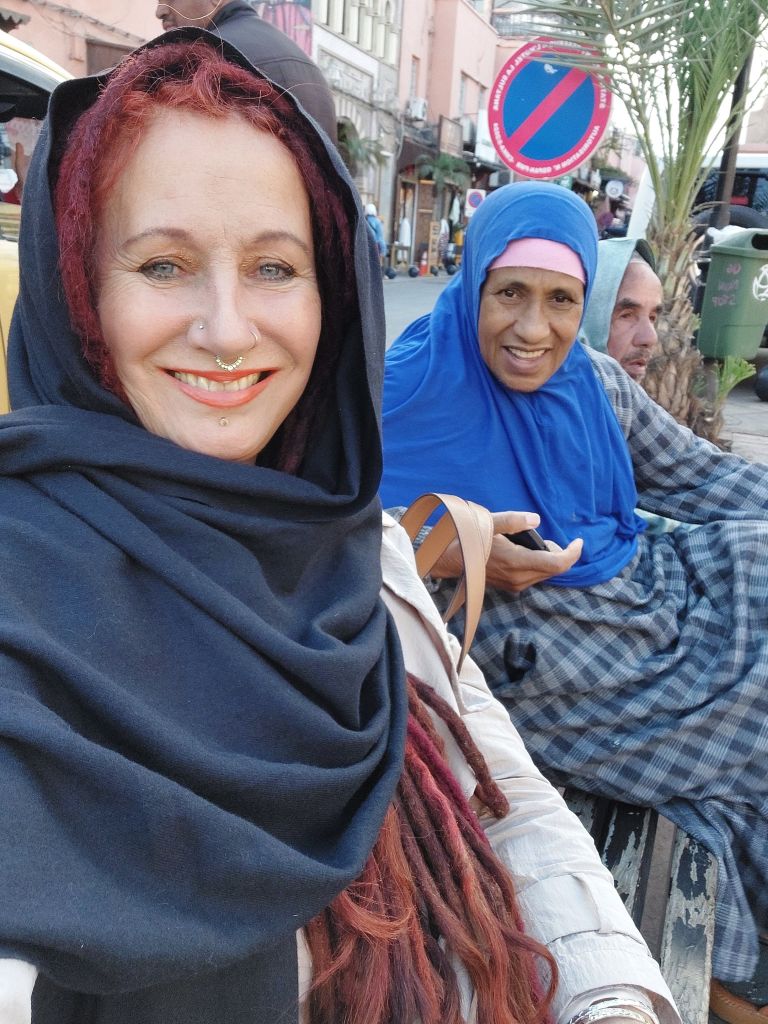
    Women in Marrakech dress modestly. How you want to be treated will depend on how you present yourself. Although Marrakech is a Muslim city, it is quite liberal and used to tourists, but showing too much flesh would be considered inappropriate.Whilst you’re not expecting to adopt the hijab, you will certainly be regarded favourably if you dress slightly more conservatively especially in religious places sacred to the Islamic faith.

    Wear dresses below the knees. Silk, rayon, or cotton dresses are perfect and keep you cool at the same time. Palazzo trousers are also very comfortable and elegant. I like to wear turbans, I love the fact that my hair is tucked away, keeping me cool and looking modest at the same time. Many tourists continue to wear the same style of clothing that they would back at home, so it’s really a matter of choice. I would certainly encourage dressing appropriately if you’re visiting religious sites, just as a matter of respect. You’ll notice how much a small gesture like this makes the locals happy.
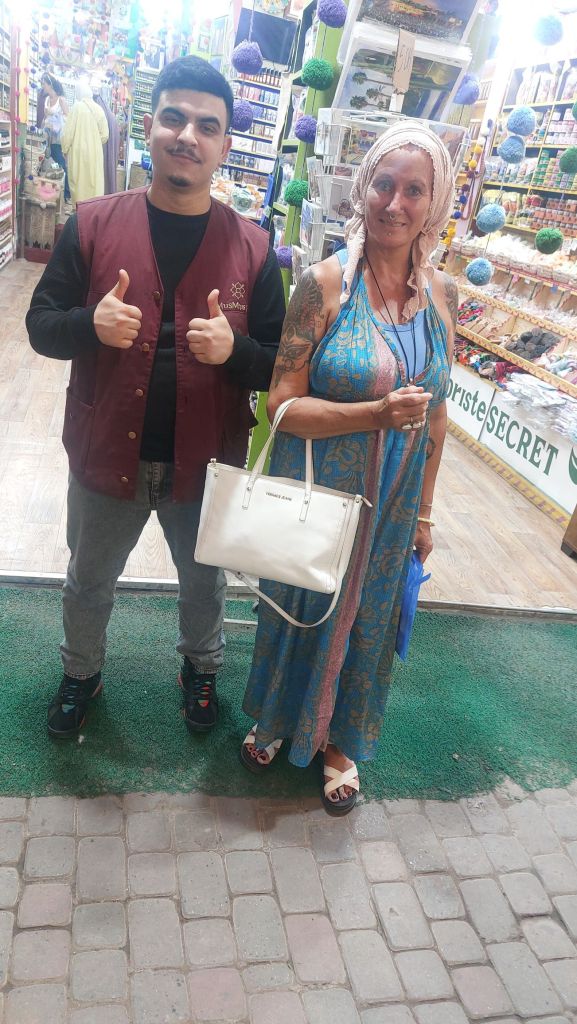
    Image by Freebird Tracey.

    The people in Marrakesh are friendly and hospitable. However, there may be times when you will be asked if you need help to find your riad or the main square. Simply decline the offer politely and go about your business.

    When shopping in the medina, stand your ground when negotiating for something. Show the vendors that you are confident and not be afraid to walk away if you’re not happy with the price. They may try to drive a harder bargain if they see a woman unaccompanied and you don’t have to put up with this. Shop around or visit a fixed price store or Ensemble Artisanal Craft Complex, and you won’t have to bargain.

    Some men will cat call you or make comments, which may feel slightly intrusive. Ignore them and move away. They are usually harmless, but if anyone trys to follow you, find the nearest shop vendor or closest restaurant to sit in. If they still persist, threaten to find a police officer. It’s rare that this happens, and there are police everywhere around Marrakech, making sure that tourists are not hassled in any way.

    Knowing a few words in Arabic or French is always useful. Non merci or La Shukran means no thank you and will automatically bring a smile to the locals’ faces. It also comes in useful for shaking off food sellers and henna ladies in the main square.

    I have never felt uncomfortable as a solo female traveller in Marrakech. There are plenty of us about wandering through the souks and enjoying the tourist hot spots.

    Consider joining a guided tour of the medina if you’re feeling anxious about exploring by yourself, especially if it’s your first time. There are evening tours, street food tours, and plenty of registered guides available for visiting the local attractions.

    Marrakech is a great place  for a solo female traveller to visit. In fact, I consider it much safer than many other countries I have been to. The locals can’t wait to tell you all about their fascinating city, and they’re some of the most hospitable people I have ever met. Just educate yourself a little about the cultural norms and differences in Morocco and respect the local customs and traditions, and you should be perfectly safe.

    Marrakech is very touristy, so there are always crowds of people wherever you go.Just be extra vigilant in busy, congested areas with your belongings, the same way you would be anywhere else in the world.

    If you want to feel less isolated as a solo female traveller, there are a few excellent hostels in Marrakech that attract a lot of solo travellers. They are great places to stay and they can organise tours where you will meet other like-minded people.

    Lastly, relax and trust that the people of Marrakech are helpful and kind. You will definitely have an exciting time.
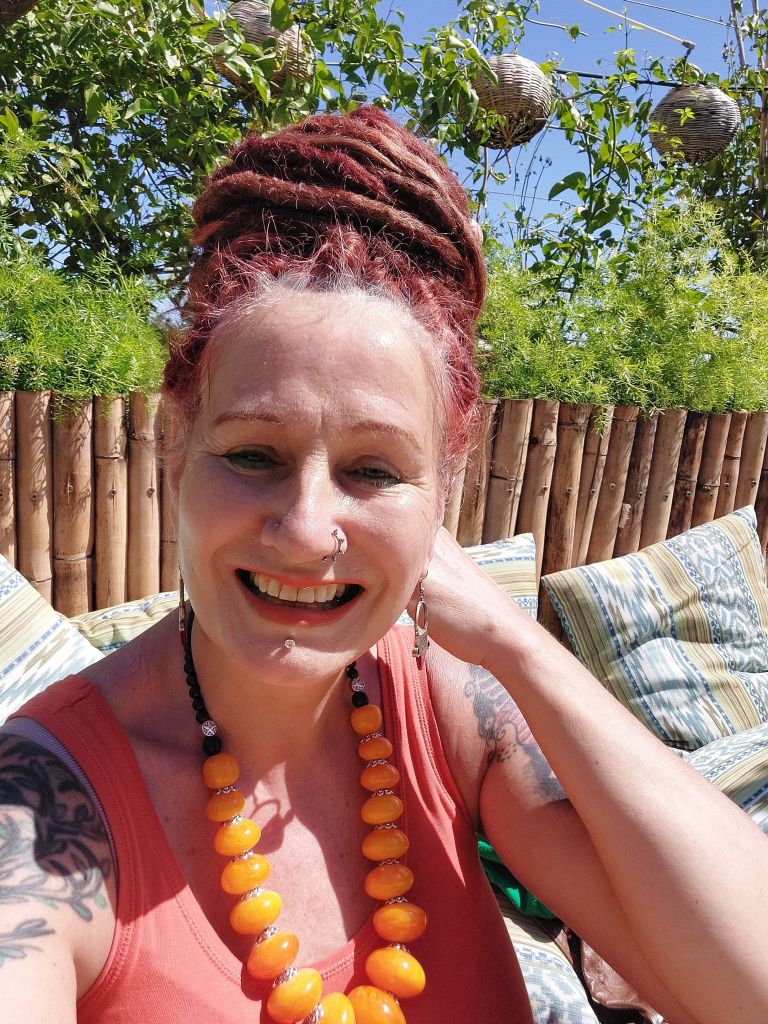
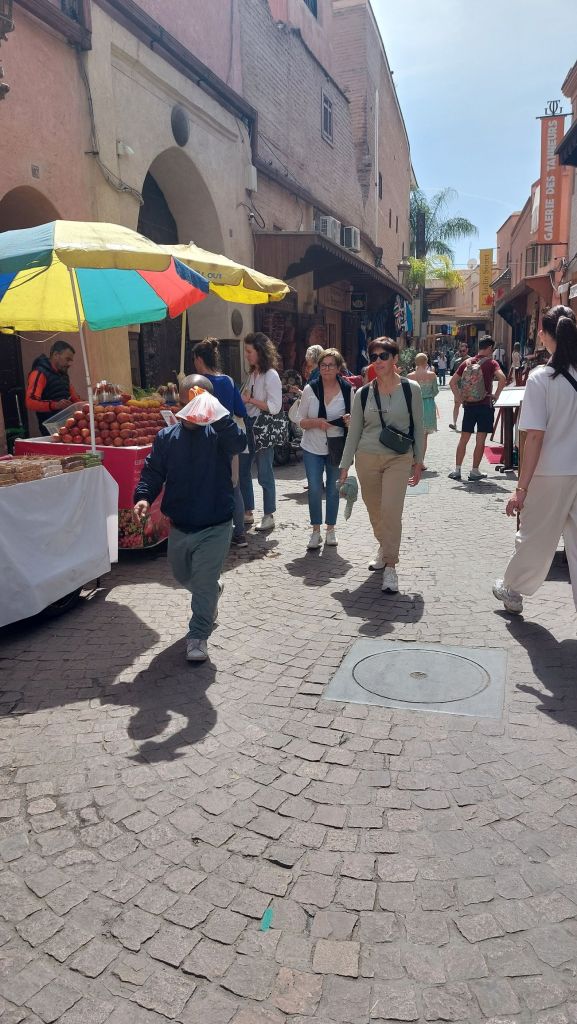
    Image by Freebird Tracey.
    (more…)
  • The Best Ways To Get Around Marrakech.

    Transport options for exploring the red city.

    Image by Freebird Tracey.

    Marrakech is a walkable city and easily doable on foot.

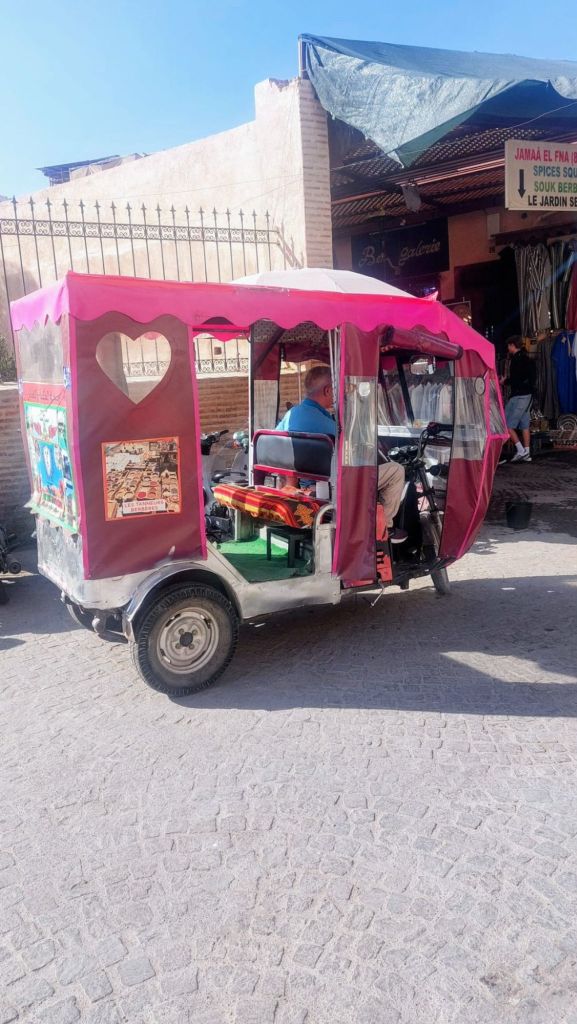
    If you’re staying in the medina, you can get to most places by walking. If you have mobility issues or the heat is a problem, the other option is to take a tuk- tuk. Most riads can organise a pick-up point for you and give the driver directions to where you need to go.It’s a fun way to get around, and some of them are rather elaborately decorated, they rattle through the souks, competing with the motorcycles, donkeys, and pedestrians. There are plenty of tuktuks waiting in the square, and they’re cheaper than taking a taxi.

    Image by Freebird Tracey.

    Another option is to take a taxi. I suggest checking the price with a member of staff in your accommodation to find out how much you should be expected to pay. It’s not uncommon for taxi drivers to try to charge more, so stick to your guns and, if necessary, walk away. There are plenty of drivers available, and they are all competing with each other for fares, so you don’t have to put up with being ripped off.

    There are two types of taxis in Marrakech, the yellow ones, which will pick up only you or what’s called a grand taxi. Grand taxis operate differently. They are shared taxis, and you either wait until they’re full before setting off to your destination or they pick up people along the journey. These taxis are cheaper and ideal if you’re going further to places like Imlil.

    I have only used the single taxis in the main square or near Tinsmiths Square. After a little polite negotiation, there were no problems, and I paid the correct fare, give or take a few dirhams.

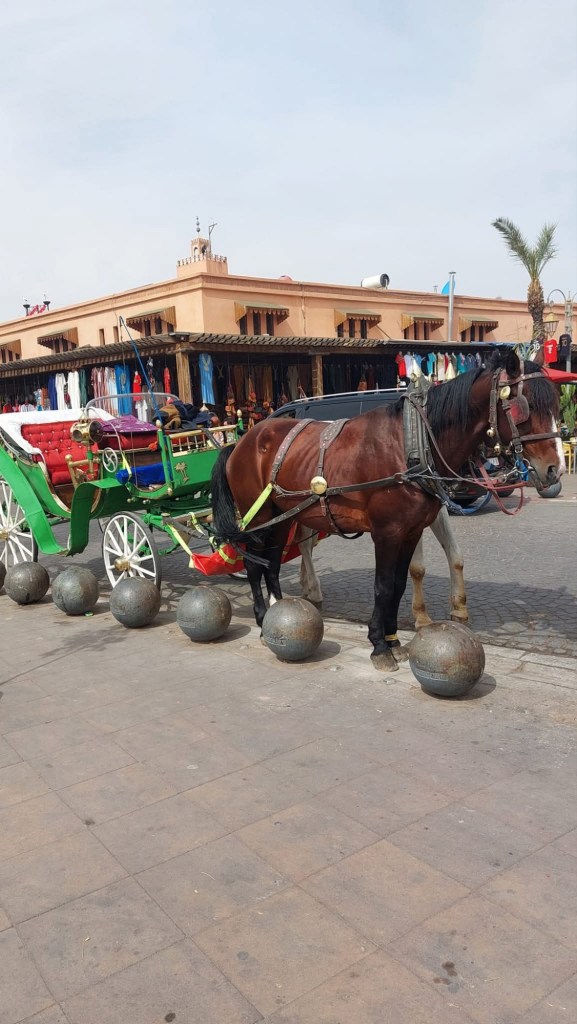
    There are many tourists who pay to see the city on horse-drawn carriages. The horses are taken into the chaotic traffic, and I’ve witnessed a few upsetting incidents where they’ve been hit by a car. There doesn’t appear to be any rules on the roads around the city, and they’re pretty crazy. The horses look scared and I’ve seen them freeze in the centre of the traffic. It’s a personal decision, but if you do want to take a ride in a horse-drawn carriage, I would suggest only going around the walls of the medina or during the evening when it’s slightly quieter for them. Obviously, if you want to take one to the new part of the city, be mindful of how busy the traffic is.

    Image by Freebird Tracey.

    Part of the fun in Marrakesh is walking around the city. There are so many interesting things to see and you miss so much if you don’t walk. I  especially enjoyed walking through the kasbah, seeing the locals going about their daily business and getting a feel for the real Marrakech. When you’re on foot, you get to witness so much more.

    There are also walking tours around Marrakech, which you can book online. These tours take you around the tourist hot spots, usually in a group of people, and a tour is perfect if you’re concerned about getting lost or feeling slightly vulnerable as a solo female traveller.

    There are separate tours for food sampling, which is another great way to experience the culture of Marrakech.

    The Alsa bus runs around Marrakech for about 2 dirhams at the time of writing. The numbers 1 and 16 will ferry you between the medina and Gueliz. It’s a way to experience local culture and ideal for tourists on a tight budget.

    For venturing further, there are daily trains going to places like Casablanca.

    Supratours and CTM are the two bus companies that run from Marrakech to Essaouira. Tickets typically cost between 80 – 130 dirhams with a small additional fee for luggage. There is a reliable daily service, and prices and times can be found online.

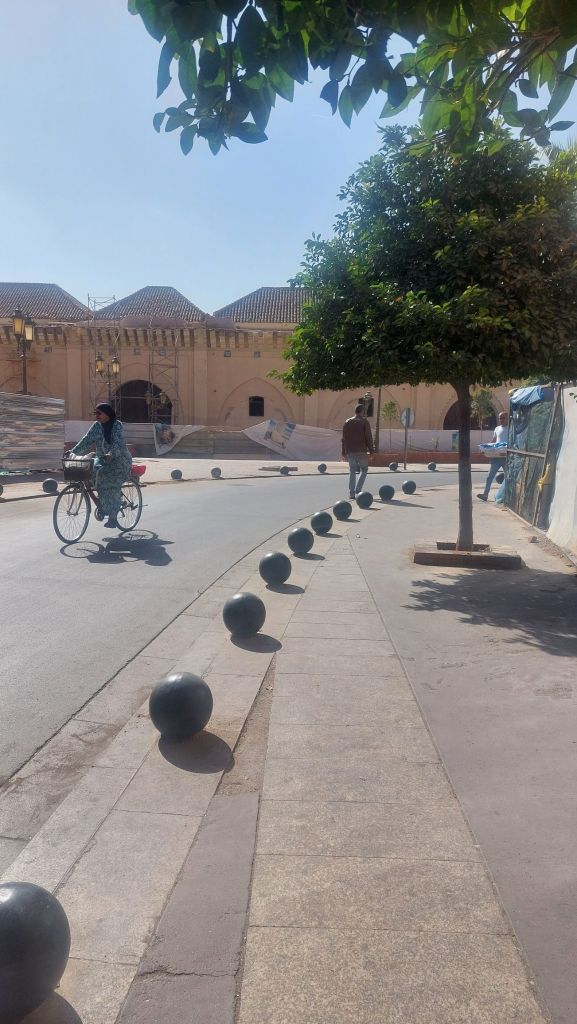
    Lastly, if you’re brave enough, you could hire a bicycle. Pikala Cafe is a reputable place to hire one from with good rates should you wish to do that.

    Image by Freebird Tracey.
  • Shopping In The Souks.

    A guide to stressfree shopping in Marrakech.

    Image by Freebird Tracey.

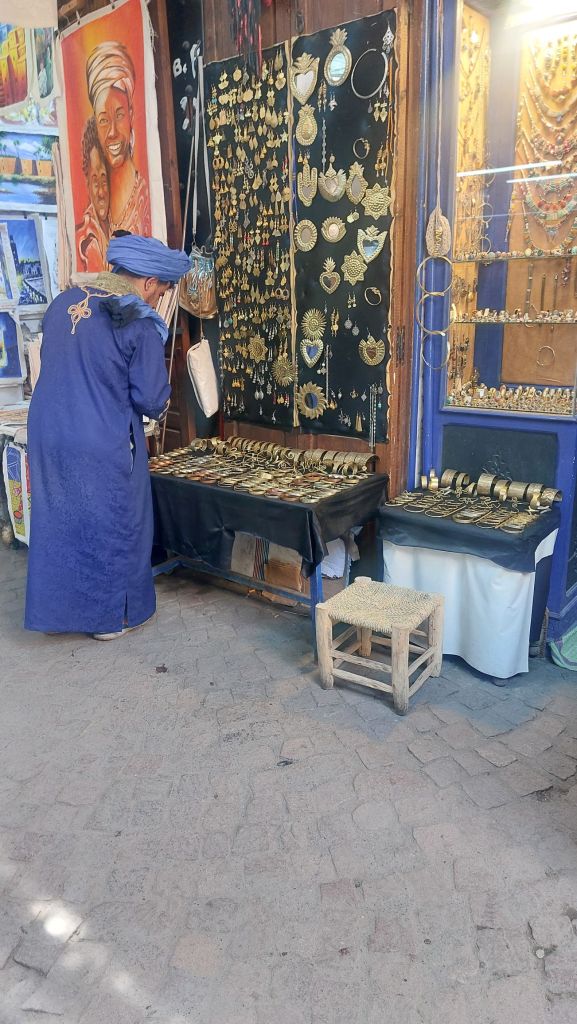
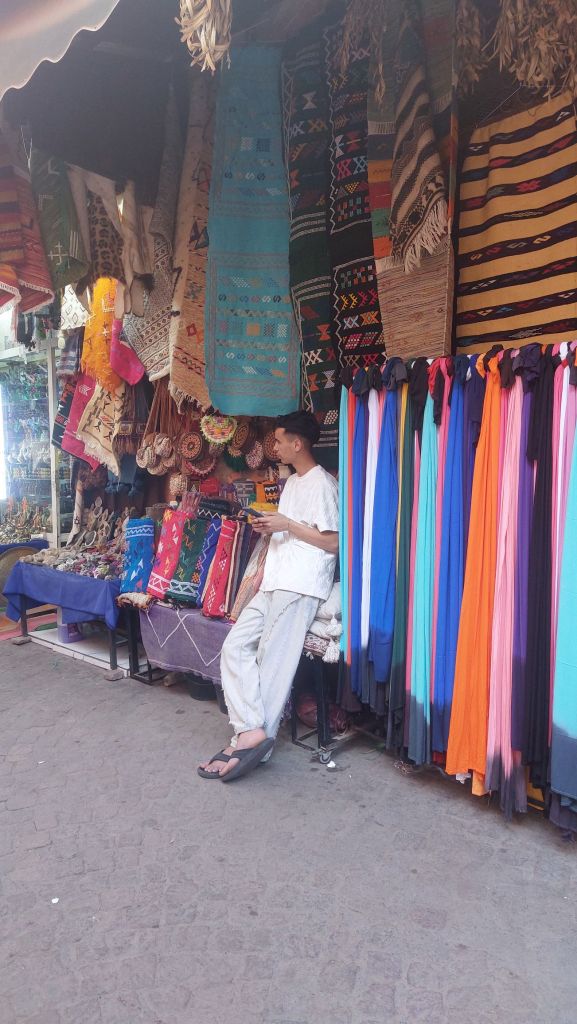
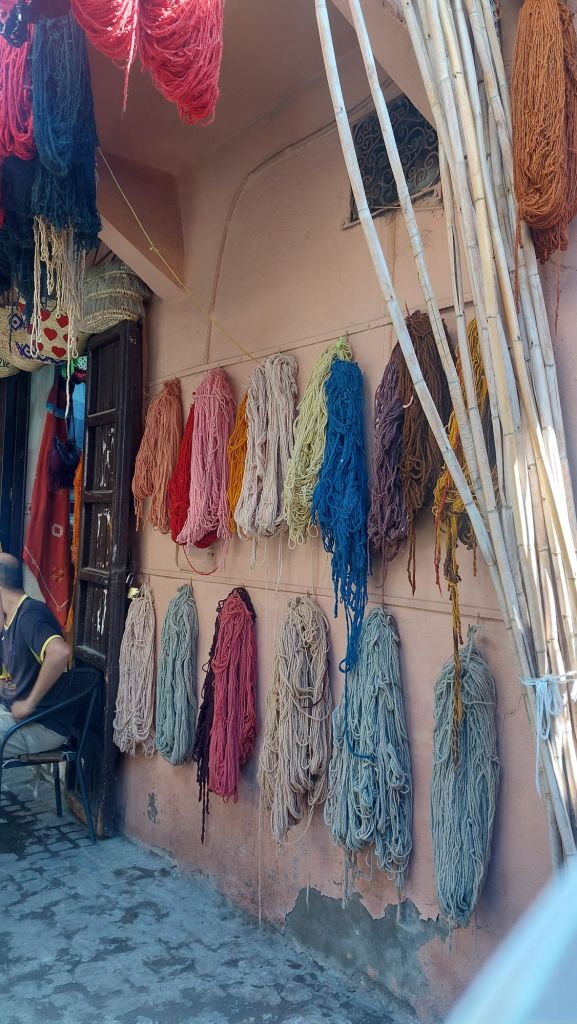
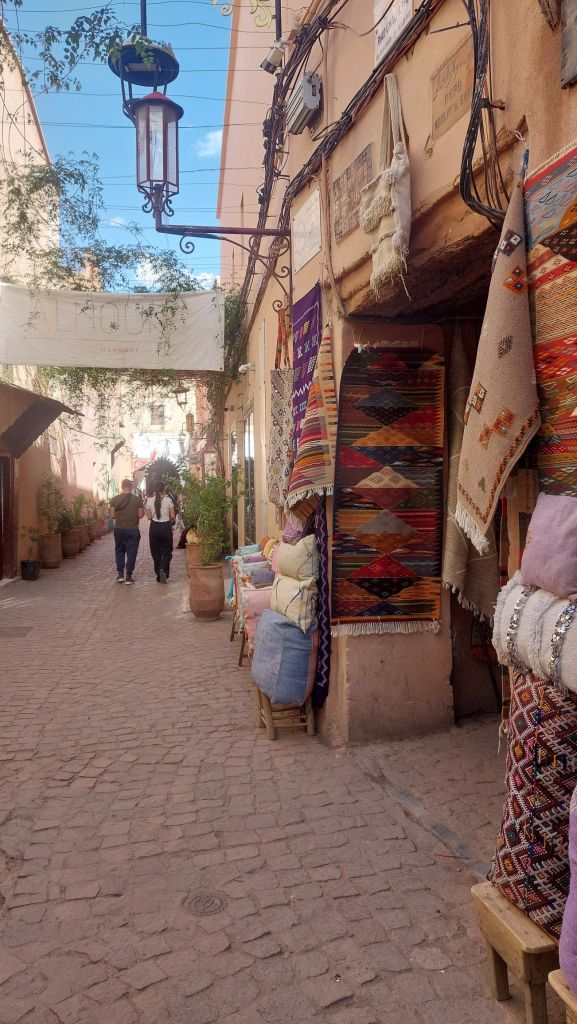
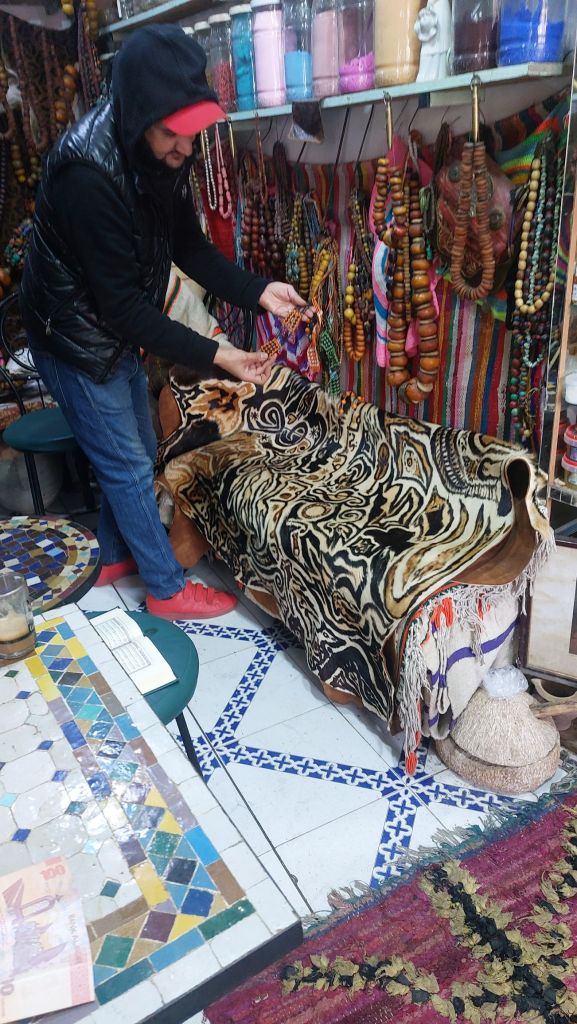
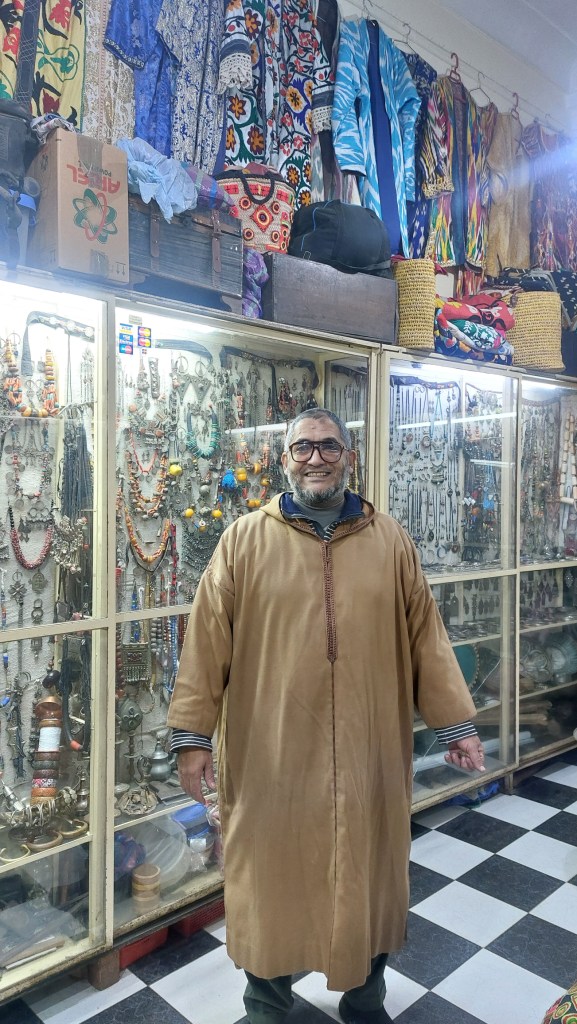
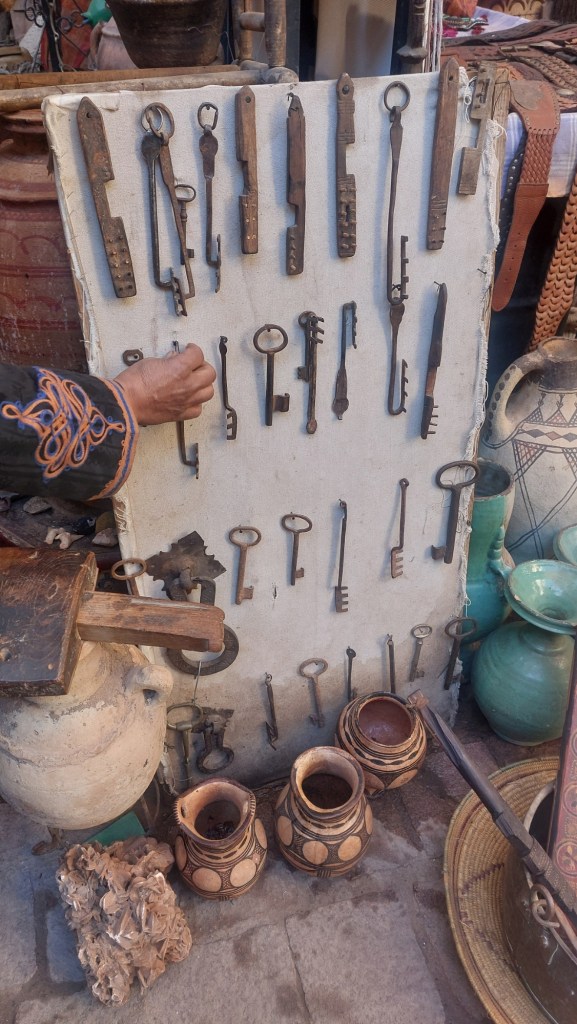
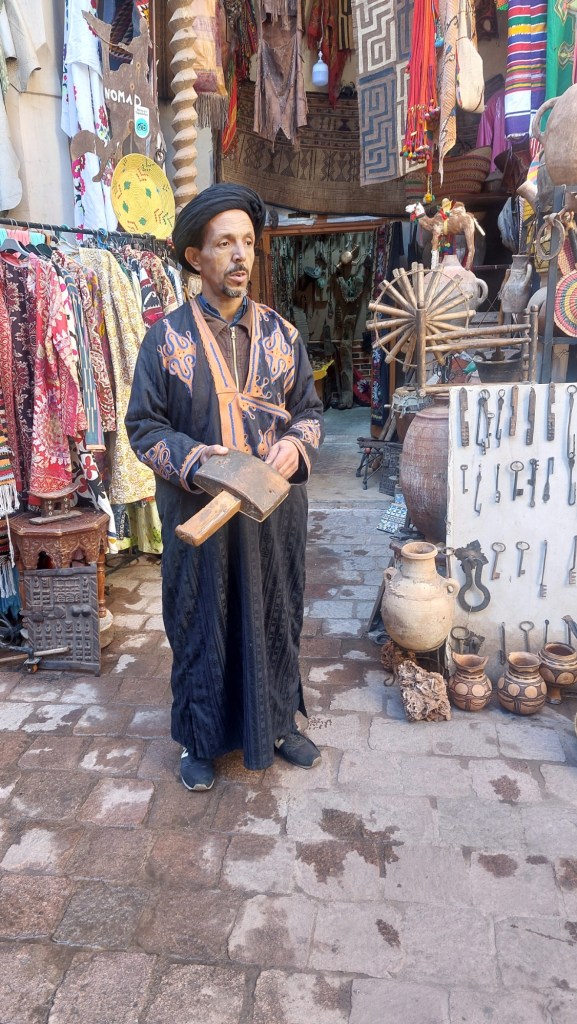
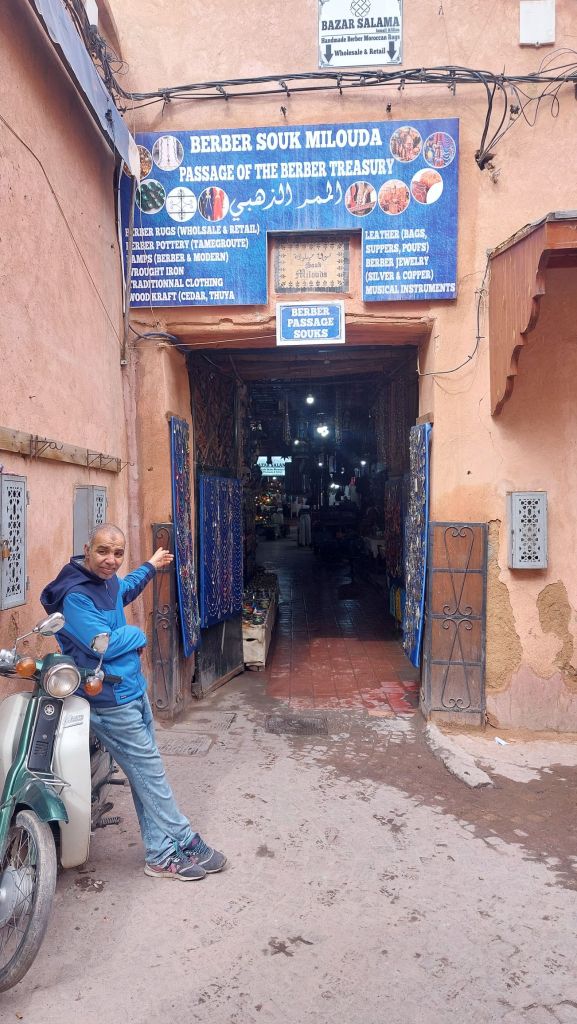
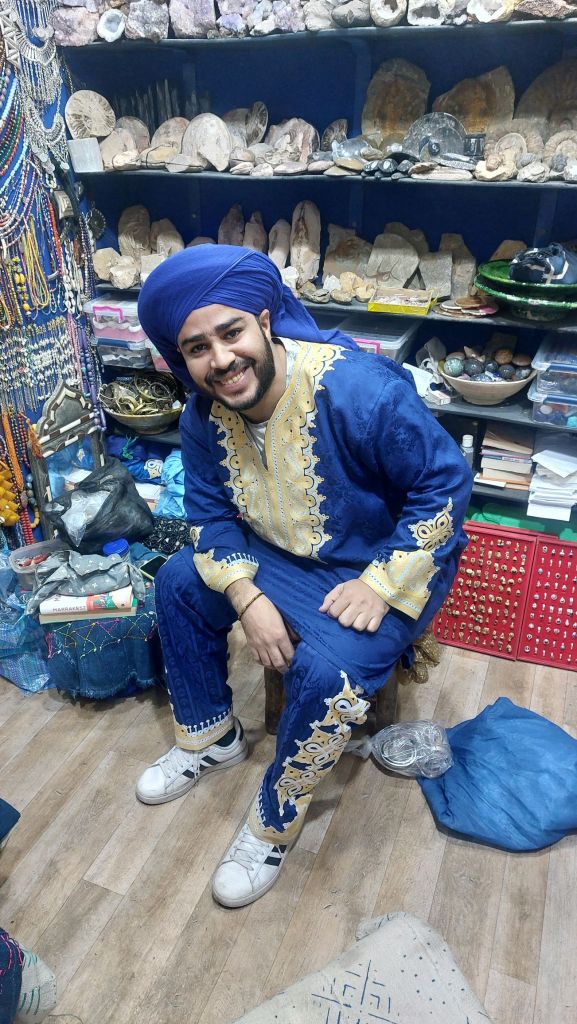
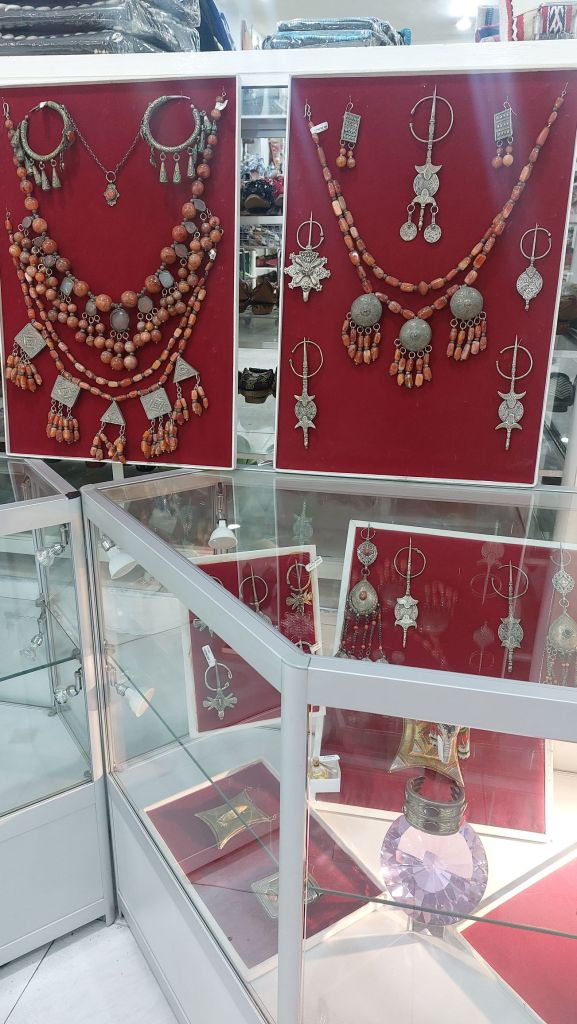
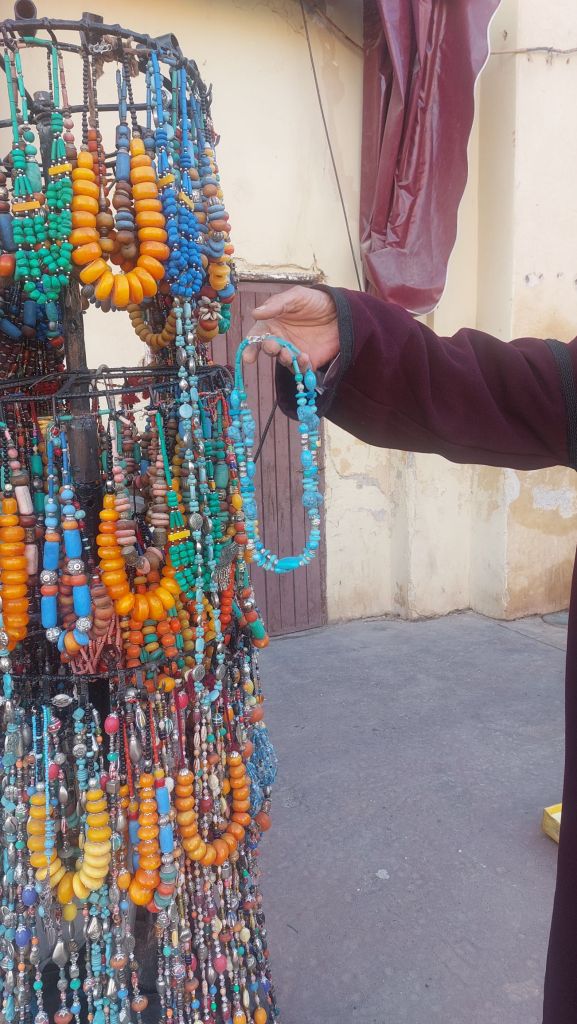
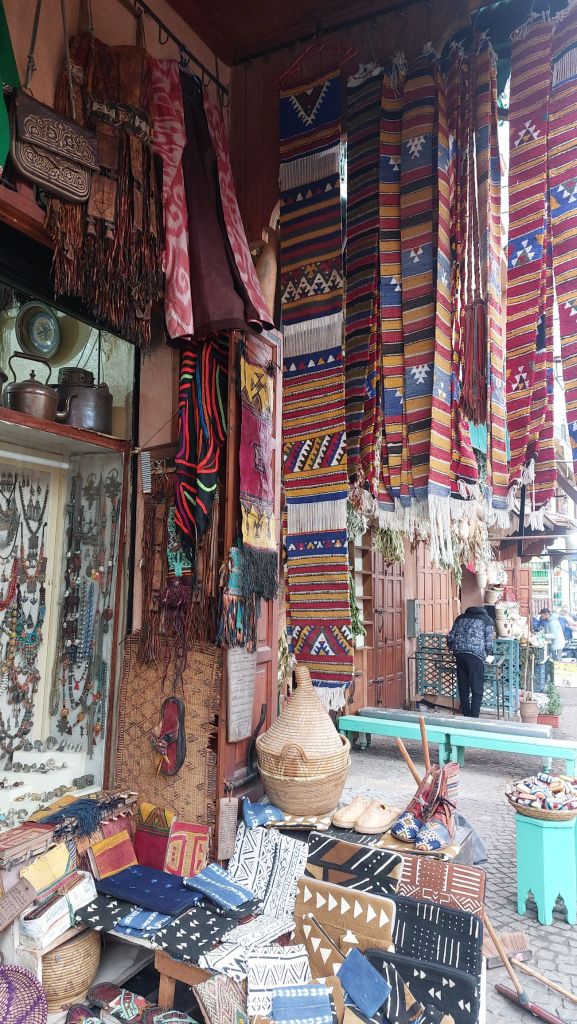
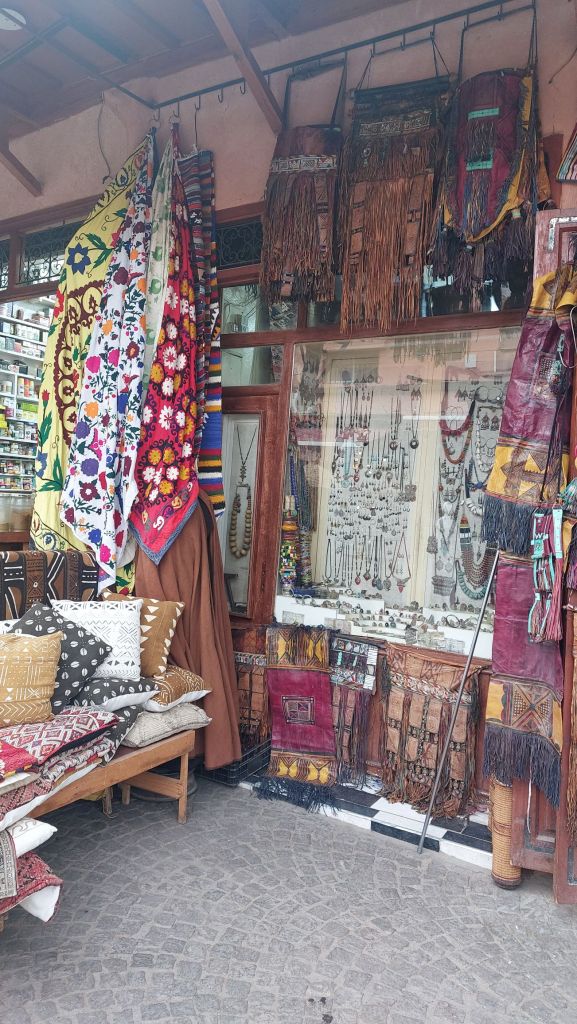
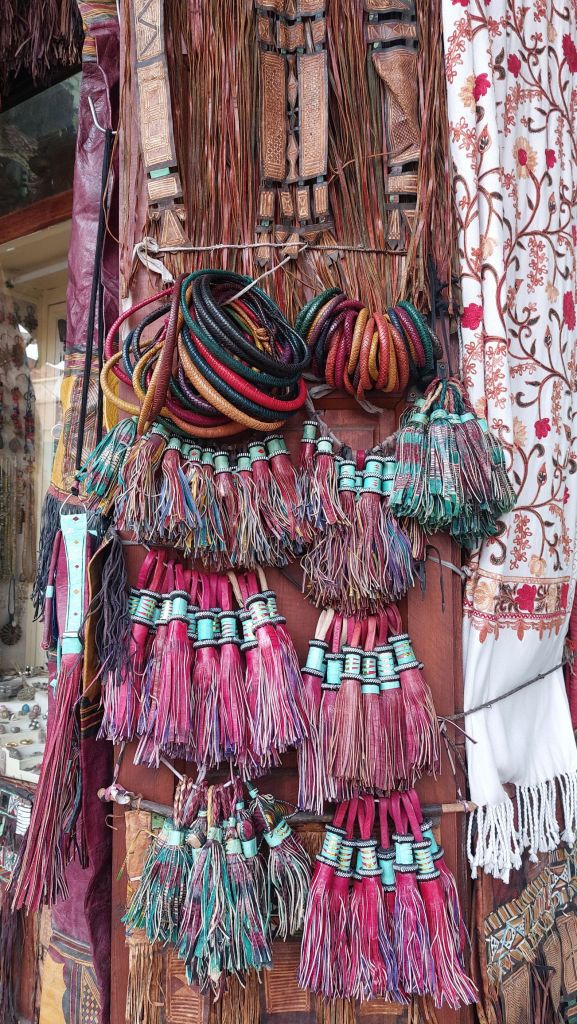
    The sound of the souks is something you will never forget. There is everything you could dream of buying in the colourful bazaars around Marrakech medina. As you meander through the maze of winding alleyways, prepare yourself for a complete overload on the senses. You will be dazzled by everything from beautiful Amazigh jewellery to exotic spices, leather goods, Morroccan lamps, and pretty ceramics. It’s all there waiting for you  inside the vibrant souks.

    Images by Freebird Tracey.

    Within each bustling area, skilled craftsmen are busy at work, and there are souks dedicated to creating and selling different items.There is an area for leather goods, a place where metal workers make Moroccan lamps and metal sculptures and areas where handmade wooden things are meticulously created. The art of rug weaving is demonstrated, and you may even get the chance to have a go.

    Images by Freebird Tracey.

    It’s interesting watching the locals make their wares to sell and seeing silver and copper bangles being engraved with your Arabic name on them. There is also an opportunity to have a go at making a pair of traditional Morroccan shoes known as babouches.

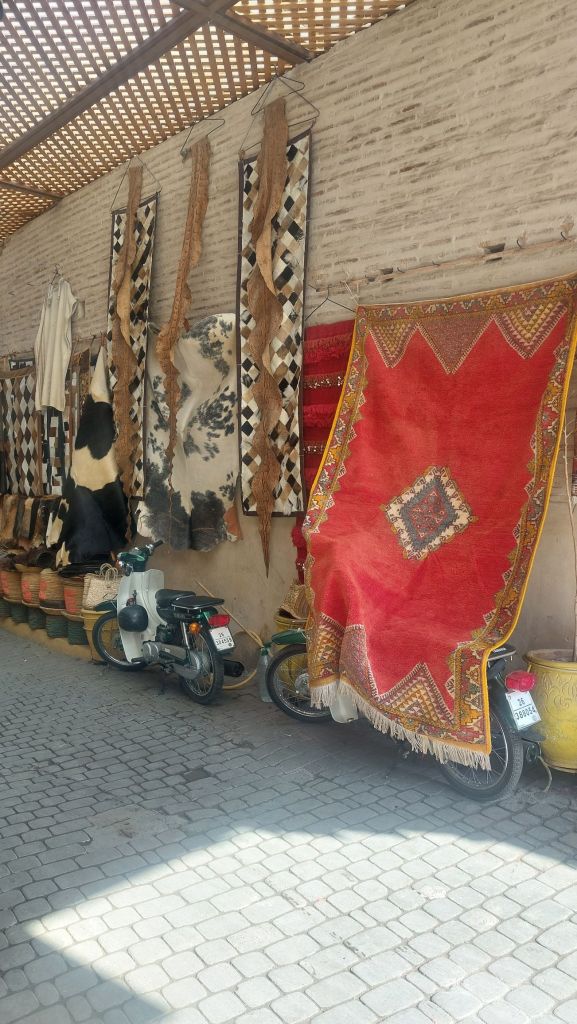
    Berber rugs hang proudly around the medina. Each colour and pattern tells the story of the villagers who worked tirelessly to create them in the Atlas mountains.

    Image by Freebird Tracey.

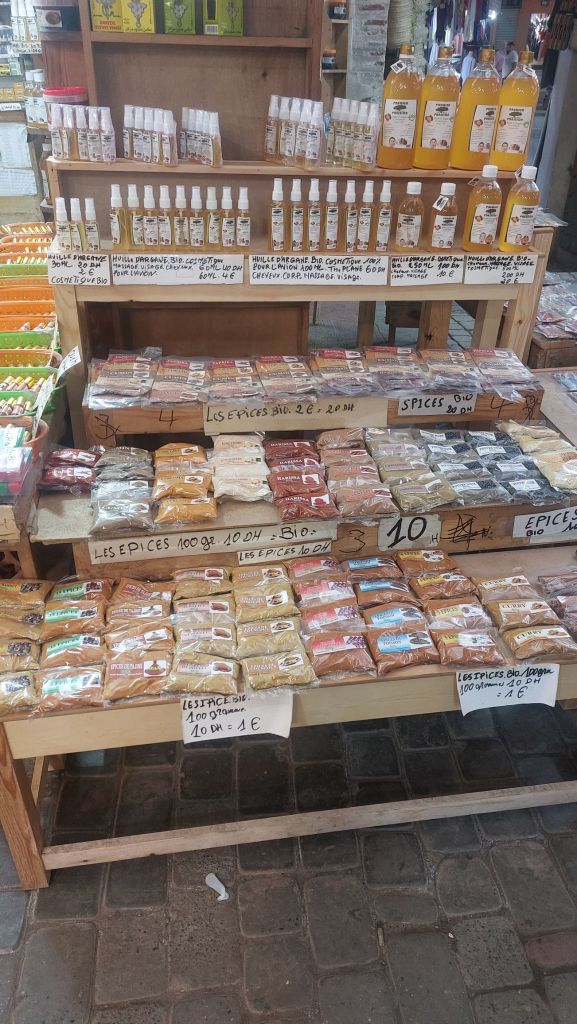
    You will find argan oil and morroccan black soap, orange blossom oil, and gardenia.The subtle fragrance floats past you, only shattered by the fumes of motorcycles as they drive through. It’s a heady combination of spices, incense, and day to day life in Marrakech.

    Image by Freebird Tracey.

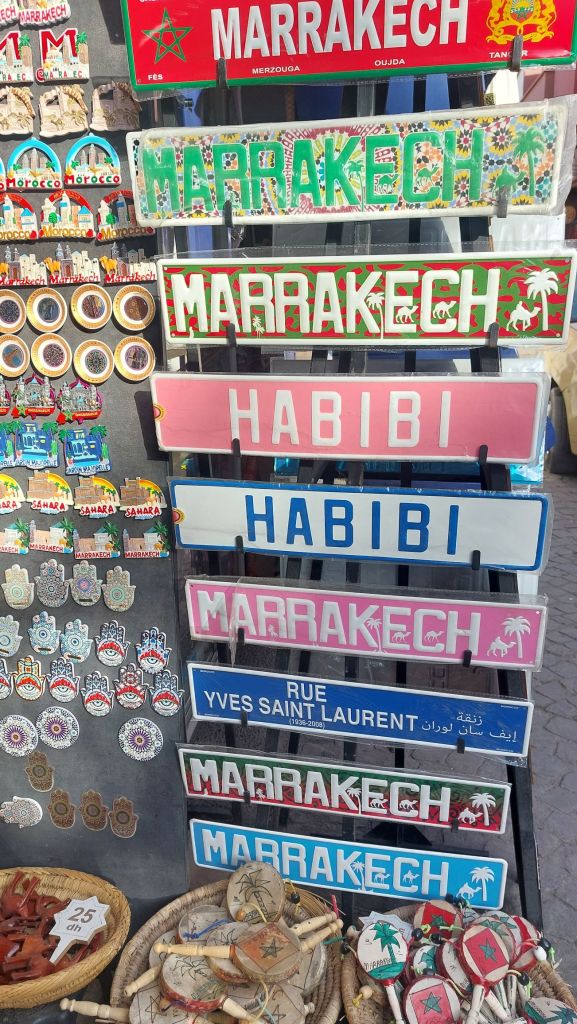
    Wooden boxes ornately decorated with mother of pearl,chess sets, cuddly toys, and traditional teapots tempt you as you search the souks for  souvenirs. You learn the art of haggling for the best prices.

    Image by Freebird Tracey.

    Cushion covers made from cactus silk are eye-catching. The only problem is choosing your favourite colours, patterns, and textures and wandering how you’ll fit them into your luggage.

    Image by Freebird Tracey.

    Moroccan sweets are a delicacy. You’ll find yourself spoilt for choice with the amount of nuts and pastries for sale around the medina.

    The medicinal herbs and spices are a cacophony of colours and fragrances. You draw closer to look, and a friendly vendor sticks a piece of eucalyptus under your nose. Before you know it, your eyes are watering, and you’re reaching for a tissue.

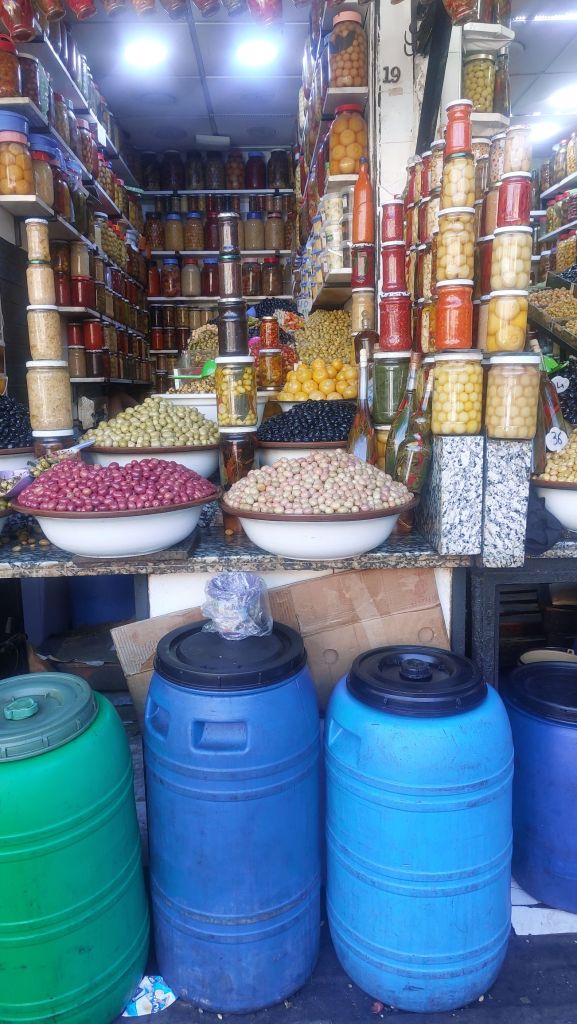
    Fresh olives pop with colour. Their subtle spice dances on your tongue, and you have to buy some because they’re addictive. One or two is never enough to satisfy.

    Image by Freebird Tracey.

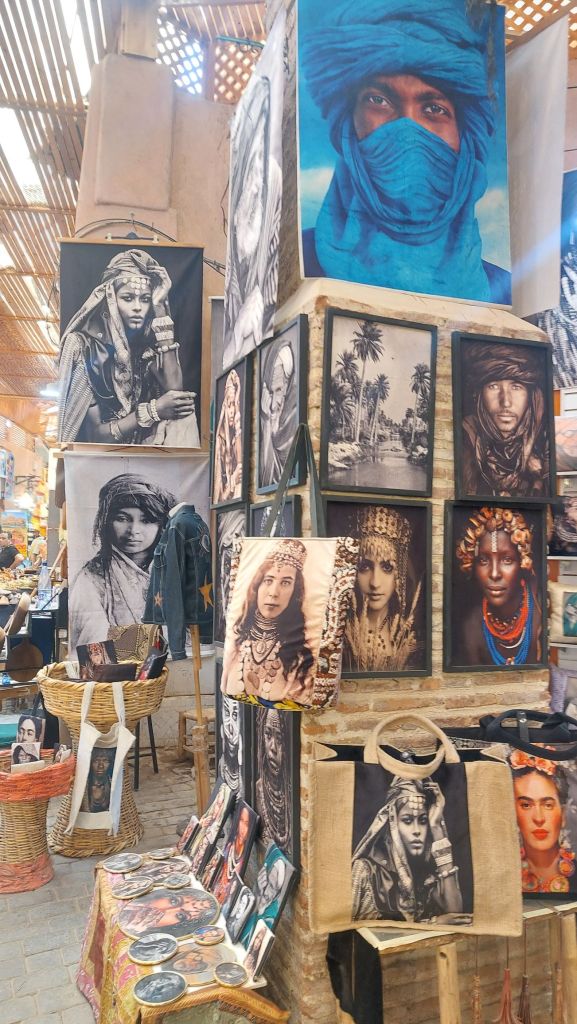
    Paintings of Morroccan doors, Amazigh people and camels crossing the Sahara desert are displayed on walls  and hang strategically outside shop doorways.

    Image by Freebird Tracey.

    For people who love to shop until they drop, the souks are a dream come true. The lively rhythm and friendly banter  is a magical experience.

    Image by Freebird Tracey.

    It’s not always a breeze shopping in such a densely packed area, though. The souks get incredibly busy with tourists. You constantly have to dodge motorcycles, donkeys, and vendors with carts. You will probably get lost, but that’s all part of the charm. You eventually find your way out with some effort.

    I recommend fully immersing yourself in the experience and enjoying every moment. It will invoke in you the spirit of camel caravans and their ancient trade routes from centuries ago. After all, the souks are one of the main reasons tourists come to Marrakech. Shopping in them is the perfect way to delve into the fascinating culture of Marrakech and pick up a few treasures along the way.

    Here are a few helpful tips to help you enjoy your shopping experience in the souks.

    • First of all, pace yourself. The souks are very busy and can feel slightly chaotic at times, especially in the heat. Stop regularly for a drink and rehydrate. Rest for a while, and have a spot of lunch on a rooftop terrace. There are plenty inside the souks.
    • Be prepared to haggle. It may seem daunting at first, but you’ll soon get the hang of it. In Morocco, bargaining is a way of life, and although it can get frustrating wondering if you’re being ripped off, it’s also rather gratifying if you manage to procure something at a good price. Take time to shop around and walk away if you don’t think you’re being offered a fair price. You will often find yourself being called back, and a realistic price can be reached. If not, the same items will most likely be found for sale in another part of the souks.
    • Stay vigilant, and keep your wits about you. Marrakech is a safe city, but pick pocketing can happen like anywhere else in the world. In crowded, narrow streets, keep your possessions safe in a closed bag at the front of your body. Don’t be tempted to take out too much cash at once and leave your passport in a safe wherever possible.
    • If you’re lost, look for signs above your head pointing you back to Jamaa El Fna. Having an orange sim is useful but may not always work in the denser parts of the souks. If you need help, ask a shop vendor. They’re more than happy to help, but be aware of opportunists who may try to send you in a different direction.
    • This brings me to don’t accept directions from locals who may lead you to a friend or family members’ shop. They get a commission if you buy something. You may find yourself seated, drinking mint tea, and before you know it, there’s a mountain of Berber carpets at your feet.
    • Exercise patience. Remember, this is someone’s livelihood, and it’s a different culture to what you may be used to. Wages are not very high for most people in Marrakesh, and tourists with money to spend are fair game for boosting the take-home salary of most vendors. Marrakech was badly affected by the earthquake in 2023, and people’s livelihoods suffered as a result.
    Image by Freebird Tracey.

    Although the souks may often feel overwhelming, they are an unforgettable shopping experience in Marrakech.  The cacophony of colours,  pulsating energy, and bustling atmosphere will stay with you for a long time.
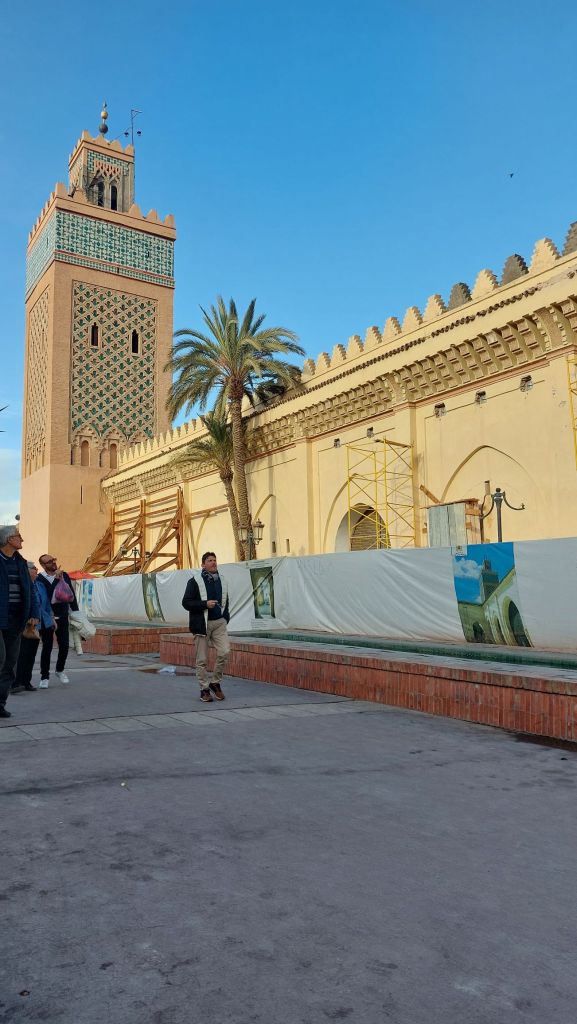
    Image by Freebird Tracey.
    (more…)
  • Dar Bouchaib.

    A fixed price store in the Kasbah.

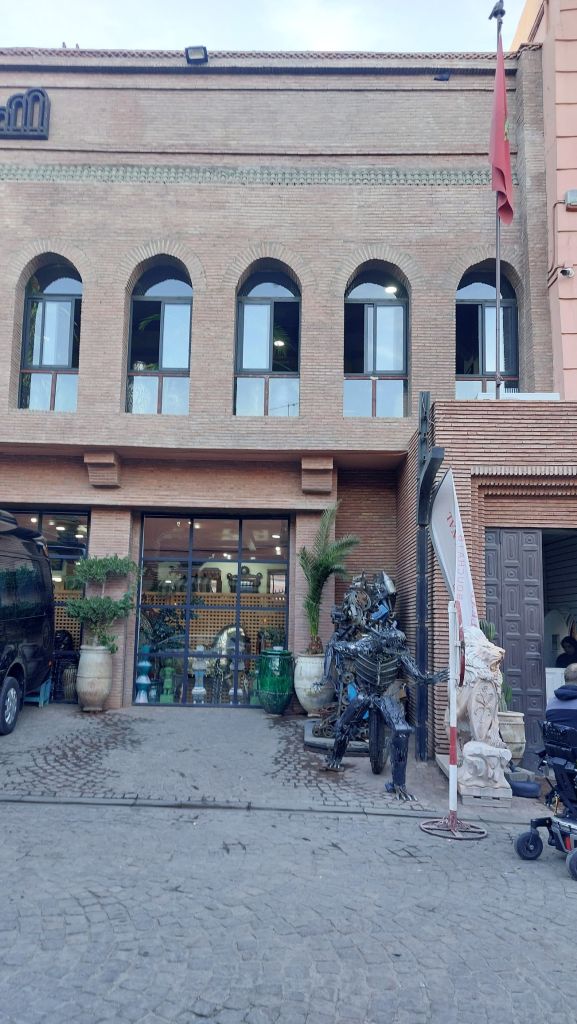
    Are you fed up with haggling each time you want to buy something? If so, there is a fixed price store in the Kasbah district where you won’t have to bargain. Here, you will find everything that’s for sale in the souks at a fixed price.

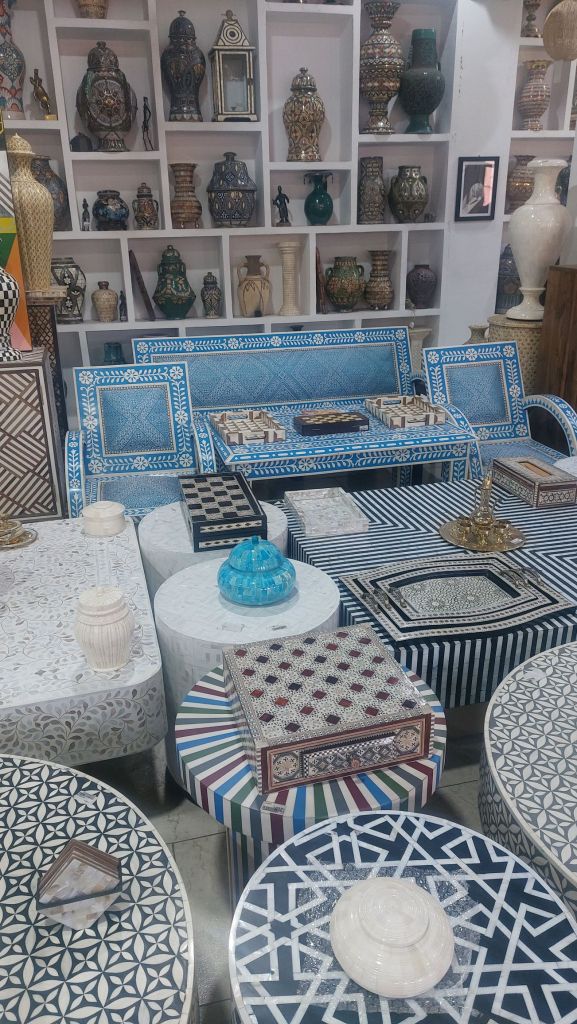
    On the ground floor, there are ceramics, jewellery, clothing, footwear, bags, souvenirs, and much more.

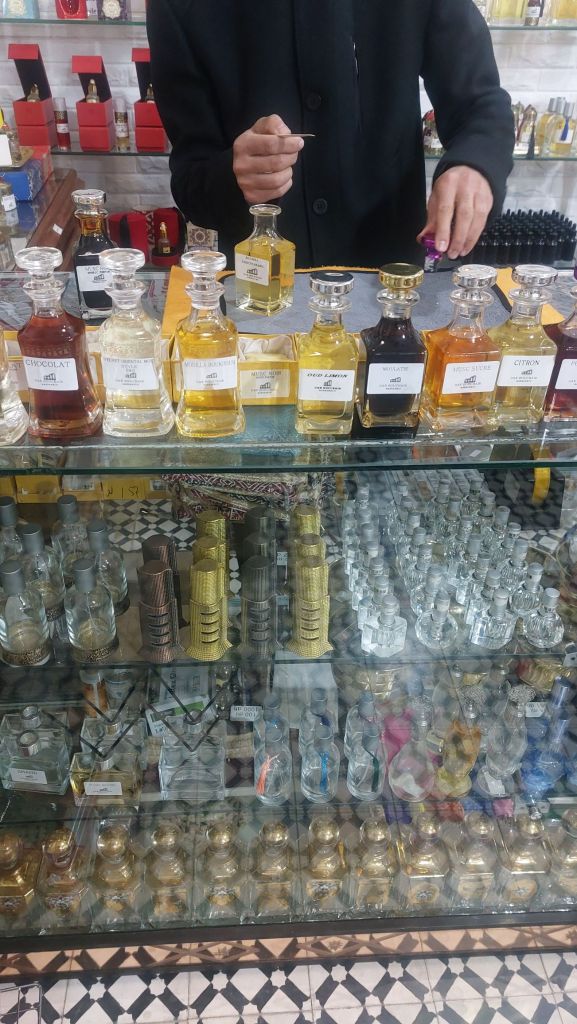
    The perfumed oils are of a high quality, and you can create your own signature fragrance by blending several together.

    Images by Freebird Tracey.

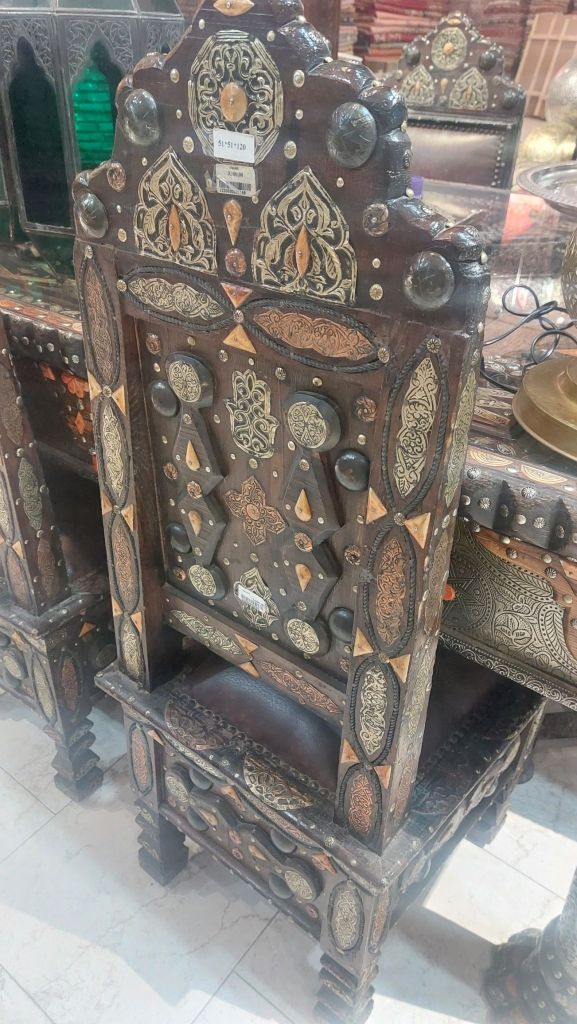
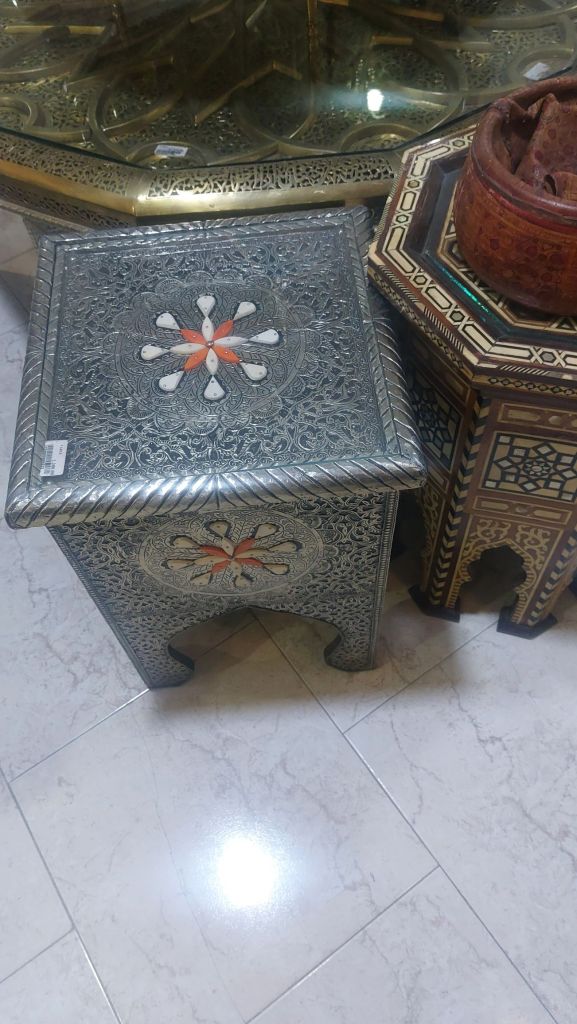
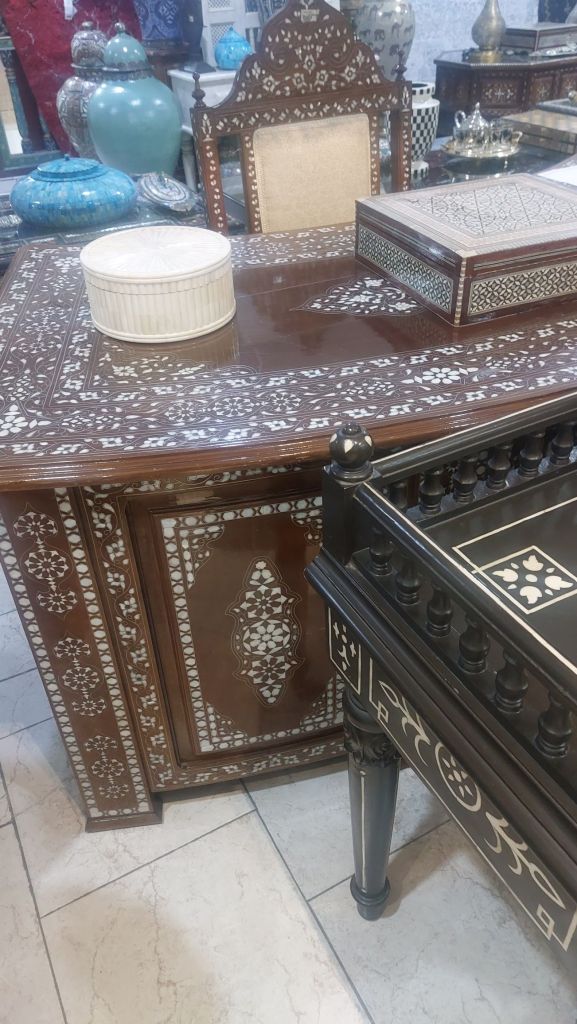
    On the first floor, there is handmade furniture, mirrors, vases, and other large items for the home. There is a huge selection of Berber rugs for sale, which can be shipped worldwide. The store is huge. It’s worth visiting just to see the craftsmanship that’s gone into creating everything on the upper floor.

    The staff at Dar Bouchaib are helpful. You can wander around the shop without any pressure to buy.

    Images by Freebird Tracey.

    The Kasbah is an easy 15-minute walk from the main square. There are plenty of shops and  restaurants along the way. There are popular sightseeing  places in this part of the city, including Saadian tombs and El Badi Palace.

    Dar Bouchaib can be found on Rue de La Kasbah Marrakech 40000. It’s open daily from 9.00 am until 8.30 pm. Bank holiday hours may differ, so check first before arriving.

    Although a big part of visiting Marrakech is shopping in the souks, sometimes haggling can be stressful. Not knowing how much you should be paying gives vendors the upper hand. Tourists often get overcharged. In contrast, Dar Bouchaib is a relaxed shopping experience with everything under one roof. The prices are fixed and reflect what you should be paying for each item.

    Images by Freebird Tracey.

    Dar Bouchaib is a few steps away from the popular restaurant Krepchy. Cafe Zeitoune is also close by and a great place for lunch. It’s pedestrianised around the mosque, and there are plenty of benches.

    Image by Freebird Tracey.
    (more…)
  • The Kasbah.

    Visiting an authentic district of Marrakech.

    Image by Freebird Tracey.

    The Kasbah is located in the southern part of Marrakech and is considered the jewel of the old city.

    The Kasbah is a quieter part of Marrakech, with fewer tourists than the medina. Staying in the Kasbah, you feel totally immersed in the culture of Marrakech as you rub shoulders with the friendly locals. There are plenty of shops, including a large fixed price store called Dar Bouchaib, selling everything you will find in the souks.

    Image by Freebird Tracey.

    The Kasbah is home to popular tourist attractions like the Saadian tombs and El Badi Palace.There are a number of good restaurants in the area, many with rooftop terraces to catch the sunset.

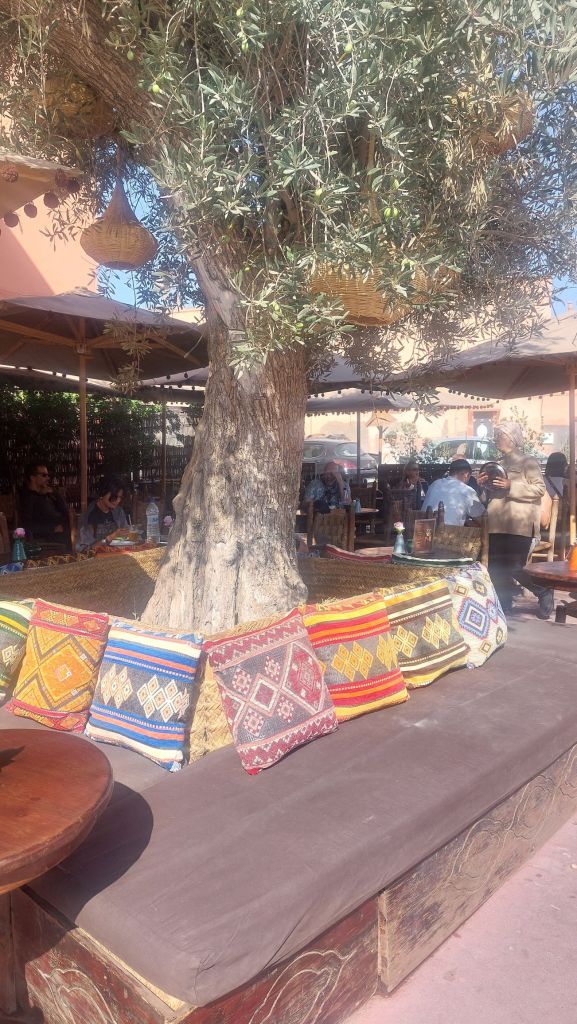
    Zeitoune Cafe is a lovely restaurant for a spot of lunch. It’s in a strategic position and overlooks the mosque, making it a nice place to take a break from sightseeing in the area. The Kasbah mosque is the second largest mosque in Marrakech and is also referred to as ‘The Golden Apple Mosque’ it has a minaret reaching 80 metres tall. I enjoyed sitting on colourful cushions outside Zeitoune Cafe with the view of the mosque in front of me. It was a nice way to spend some time in the sunshine people watching.

    Image by Freebird Tracey.

    The kasbah is a 20-minute leisurely walk from the main square with plenty to see along the way. There are plenty of shops selling all kinds of stuff, including spices, jewellery, clothing and perfumes.

    Images by Freebird Tracey.

    In the kasbah, there is a  range of budget and high-end accommodation. I stayed at Riad Hikaya and had a really positive experience. The luxurious five-star hotel La Sultana is also in the Kasbah.

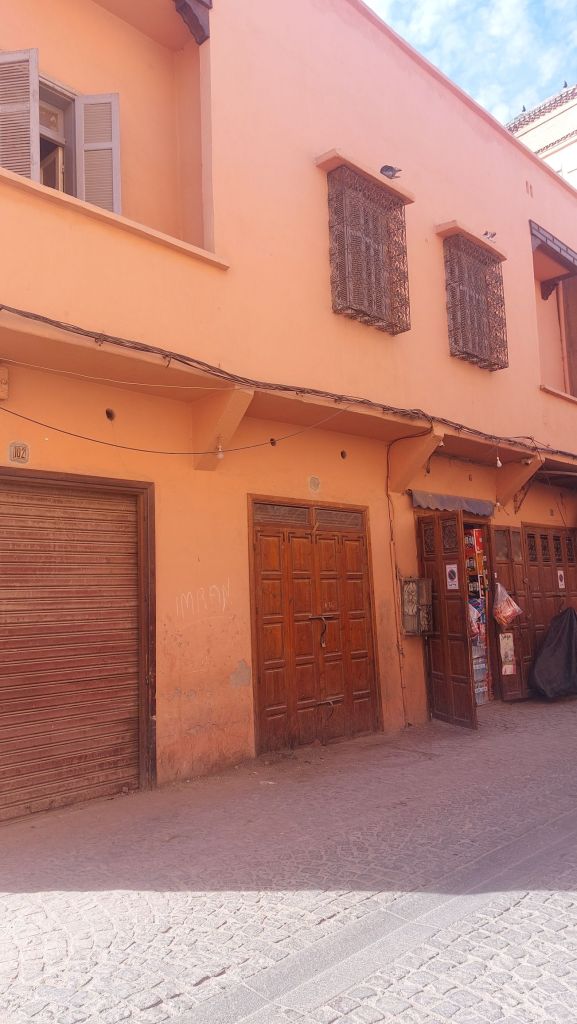
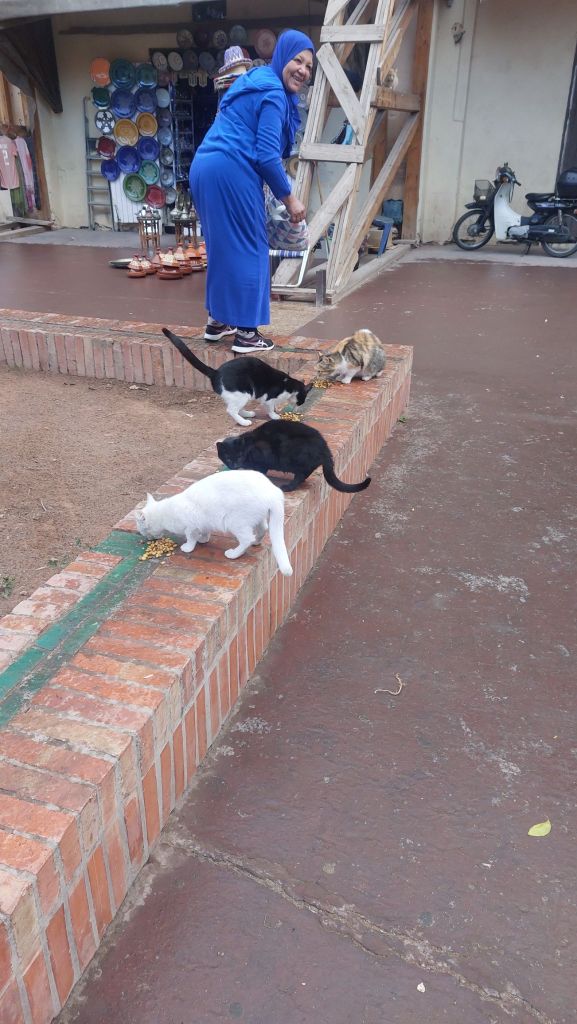
    The Kasbah is a quieter neighbourhood than the medina. Parts of it are pedestrianised, and there is less traffic, making it feel less chaotic than the medina. The locals go about their daily business of buying bread, selling clothes,and feeding stray cats. It’s a typical scene of everyday life inside the ochre walls.

    The Kasbah has a slower pace of life, and it’s a lot less stressful than the touristy side of Marrakech.

    Images by Freebird Tracey.

    The Kasbah is the historical citadel in Marrakesh with fortified walls. The narrow, winding alleyways make it an exciting place to visit, with their signature red colour glowing in different hues at certain times of the day.

    Images by Freebird Tracey.

    The famous Bab Agnaou gate provides entry into the Kasbah, and out of the 19 gates around the medina, it’s one of the most ornate. The King’s Palace is also situated inside the walls of the fortress. Therefore, the whole area is heavily guarded, making it a safe place for visiting with children.

    Images by Freebird Tracey.

    The Kasbah is home to the Clock restaurant with its legendary camel burgers and storytelling evenings. Also, the Kasbah Cafe is a popular place for lunch and dinner. Krepchy does a fantastic breakfast, and the prices are very reasonable. I highly recommend the waffles. There are a few good coffee shops selling decent coffee, such as the popular Nos Nos.

    To return from the medina, consider taking a tuk-tuk if the weather is hot. It’s quite an adventure as you rattle along the bumpy streets back into the Kasbah.

    Tinsmiths Square and the Jewish quarter known as the Mellah are not far from the Kasbah, and there are plenty of things to see and great places to eat in both areas.

    Taxis can pick you up from your accommodation but they may struggle in some of the narrower streets. There is also a taxi rank close to the roundabout near Tinsmiths Square.

    Spending an hour or two in this historical area of Marrakech will add value to your visit. The locals are very friendly, and it’s a pleasure getting the opportunity to sit and chat with them.

    I would recommend staying in the kasbah if you prefer a quieter, more authentic experience of Marrakech. It’s further out from the madness of the busy souks and a more relaxed environment.

    Image by Freebird Tracey.
    (more…)
  • Place Des Ferblantiers.

    Visiting Tinsmiths Square in the Mellah.

    Image by Freebird Tracey.

    Tinsmiths Square is located to the south of Jamaa El Fna. It is within the Mellah, the oldest Jewish quarter of Marrakech. This quieter area of Marrakech is often overlooked by tourists.

    It is here that skilled artisans make their wares to sell using traditional methods passed down through generations. Beautifully crafted jewellery, lamps, and traditional daggers made from copper and tinplate are skillfully handcrafted in this fascinating area of the city.

    Tinsmiths Square presents a calmer alternative to Jamaa El Fna with palm trees lining the pedestrian friendly walkway. It connects the old Jewish district with the Muslim quarter.

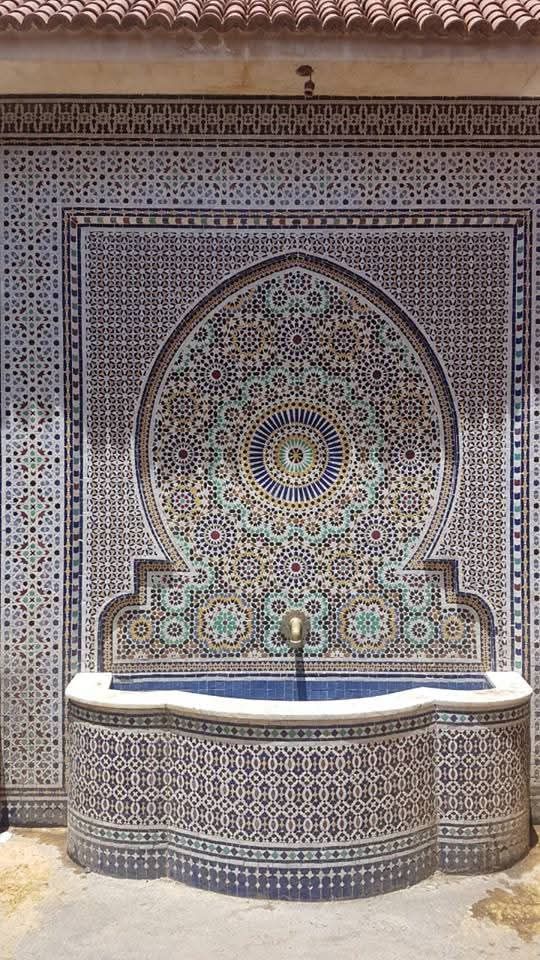
    Tinsmiths Square is a vibrant area with lots of spice shops, cafes, and restaurants with rooftop terraces. Shops sell intricately carved items made in small workshops. There are several benches around the square to sit and take in the sights and sounds and a fountain in the centre. Fun games occasionally take place, and the square also hosts events.

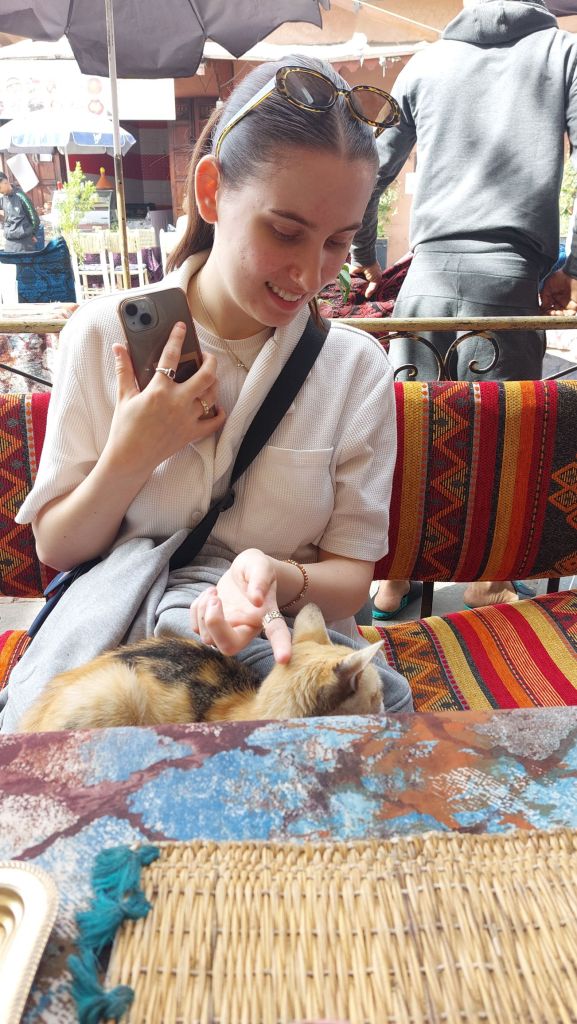
    Cats roam freely across the square and are a popular sight, lazing in the plant pots and flower beds. Sometimes, they are quite cheeky and make themselves comfortable on tourist’s laps.

    Image by Freebird Tracey.

    Place des Ferblantiers is close to popular sightseeing spots like The Bahia Palace, El Badi Palace, and The Saadian Tombs. The Kasbah is just a short walk away.

    I love Tinsmiths Square. There are some great cafes and restaurants and I have bought some interesting souvenirs here. There is a great vibe, and the pace is much more relaxed than in the densely packed medina.

    Video by Freebird Tracey.

    I was spoilt for choice with all the fragrant spice shops in the square selling everything from eucalyptus to argan oil. The friendly vendors happily educate you on what each remedy is used for and what the different types of tea are good for. Browsing leisurely around the spice shops is an explosion of colour and pungent aromas.

    Images by Freebird Tracey.

    If you want a slower, less touristic place to spend a few hours, don’t miss out on visiting Tinsmiths Square. There are a few budget restaurants, and Medina Mall, which is home to the popular Fluffys dessert cafe, is close to the square.

    Tinsmiths Square is an exciting area of Marrakech, and you can get taxis from the taxi rank near the roundabout to get to other areas of the city from here.

    Image by Freebird Tracey.
    (more…)
  • The Spice Square.

    Visit the apothecary of Marrakech.

    Image by Freebird Tracey.

    The Spice Square, also known as Rahba Kedima, is a smaller market, less densely packed with tourists. It is located at the end of Souk Semmarine and a five minute walk from Jamaa El Fna.

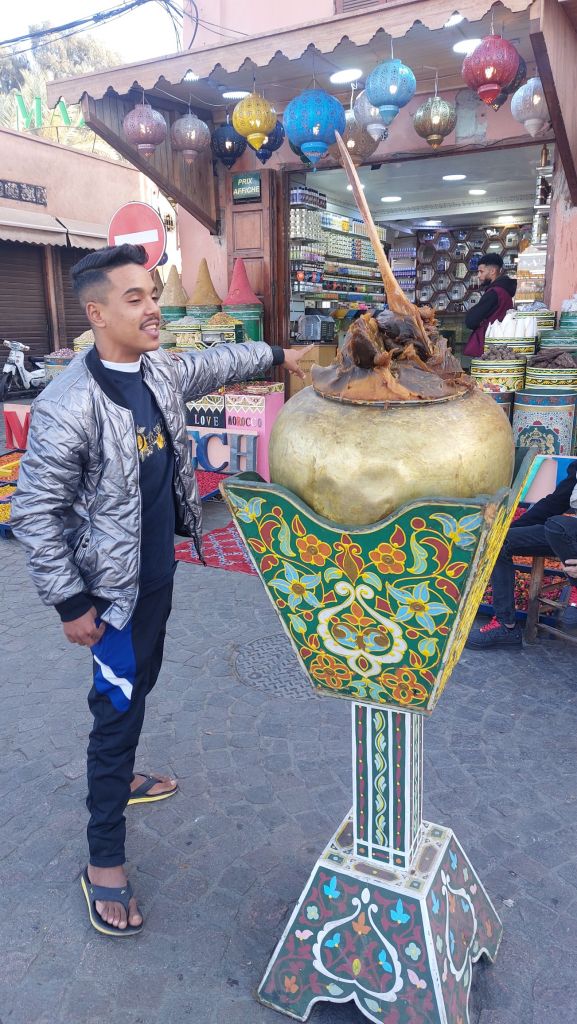
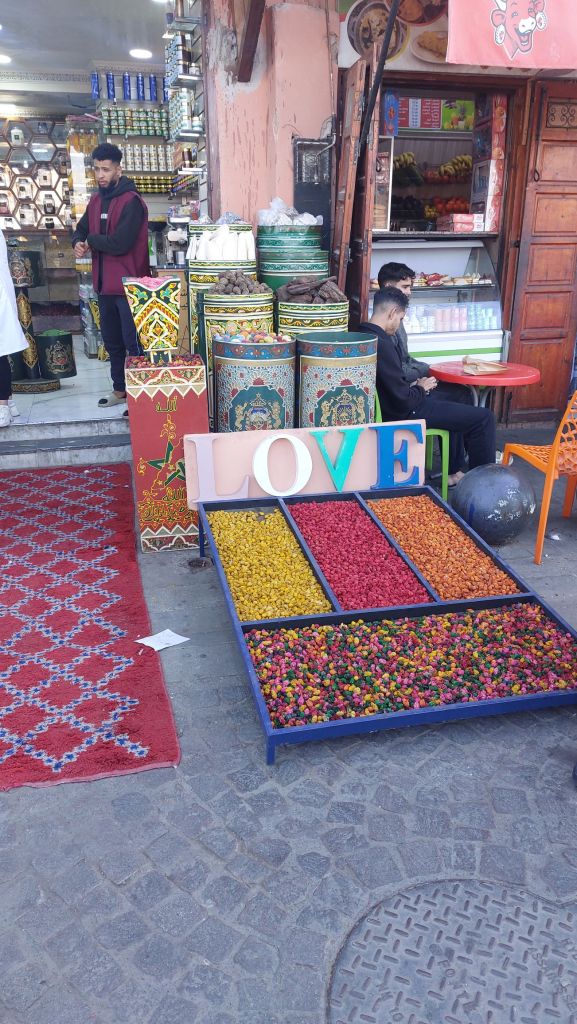
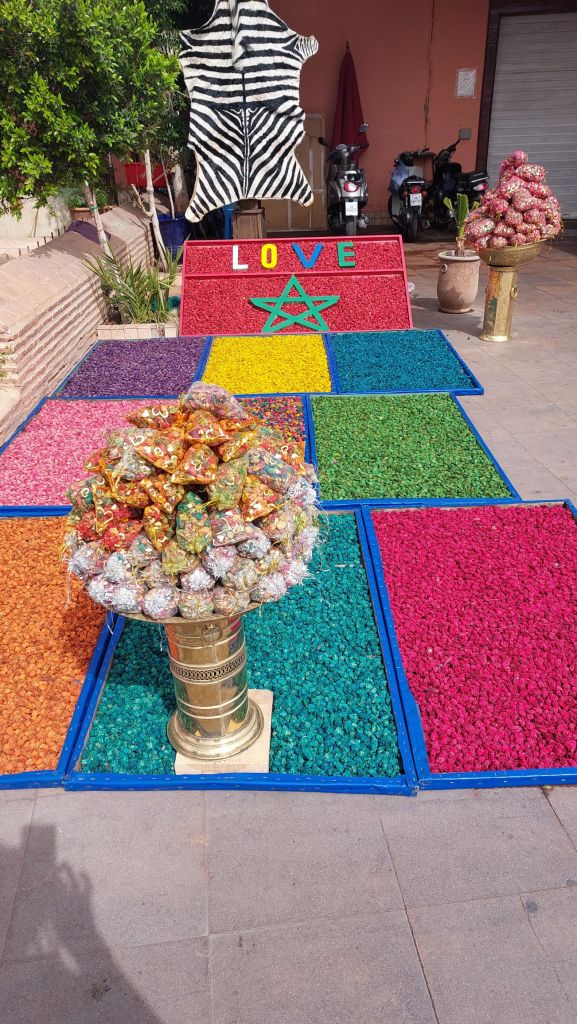
    It is here that you will find a wonderful selection of spices, including saffron, cumin, and turmeric. The spices are beautifully displayed in pyramids around the square, and the air is fragrant with the scent of incense. There are dried herbs, oils, potions, dried tea, and the traditional Moroccan lip stain.

    The Spice Square is the traditional apothecary of Marrakech and a treasure trove of Moroccan culture.

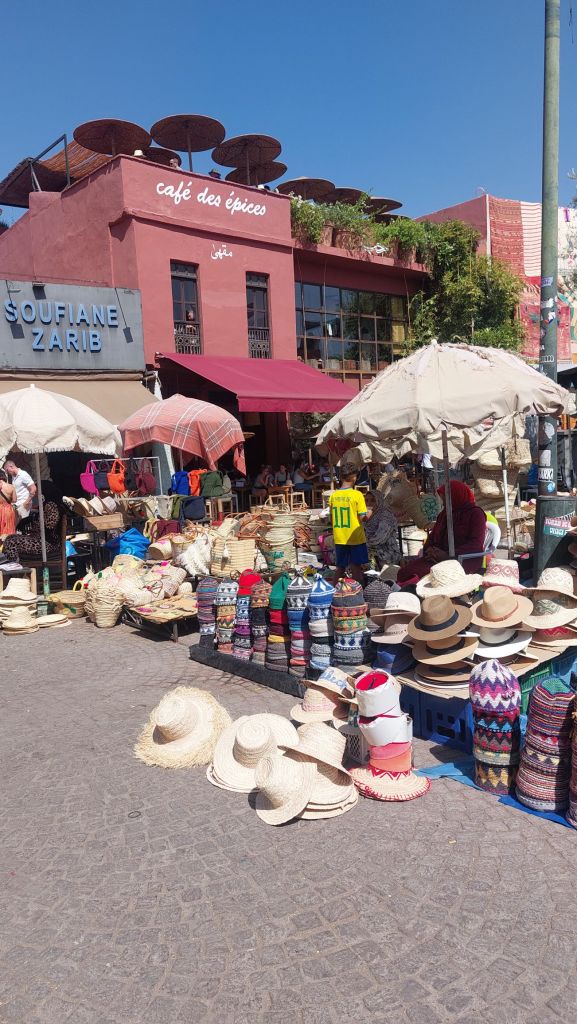
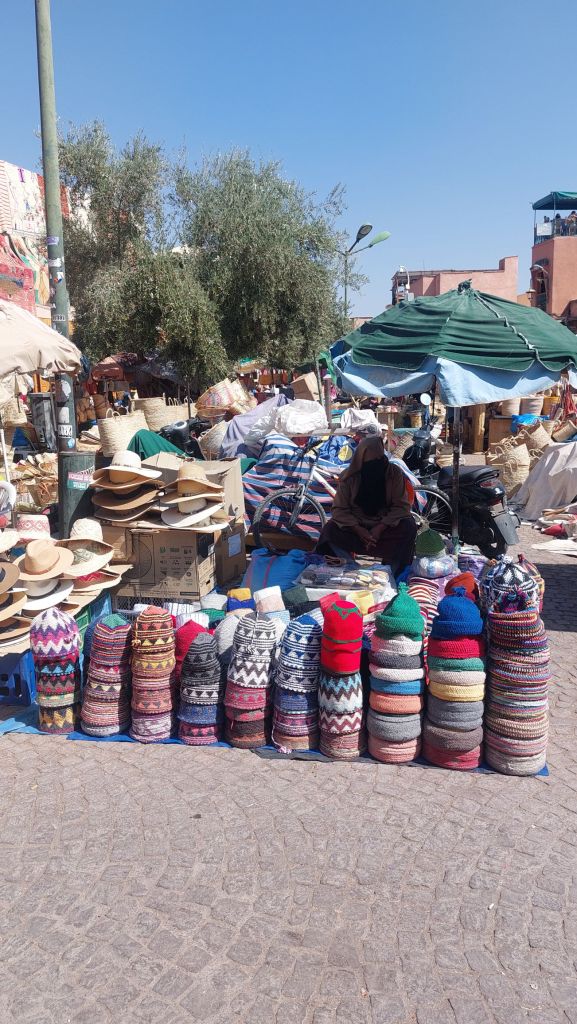
    In the Spice Square, you will also find hand woven baskets,  straw hats, baby tortoises, and shops selling Amazigh jewellery ,Tuareg leather amulets and beautiful throws and wall hangings. It is a vibrant, colourful market with a less frantic pace than Jamaa El Fna.

    Images by Freebird Tracey.

    The Spice Square is home to popular restaurants like Cafe Des Espices and Nomad, a well-known restaurant amongst tourists who flock to watch the setting sun from the rooftop terrace.

    The Spice Square is not far from the Medersa Ben Youseff and Marrakech museum, so it’s ideal for making it part of your day when visiting both of these attractions.

    Until the 20th century, Rahba Kedima was the cities grain market and the place where slaves were sold. It is now the epicentre of the medina where you can pick up the famous Moroccan spice blend ras el hanout and watch the spice sellers who come down from the mountain villages at 4.00 in the afternoon to sell their trade. The smells and colours are heady, as friendly vendors demonstrate the benefits of eucalyptus and other herbal remedies to the tourists.

    The Spice Square is a photogenic place where you will be met with a glimpse of trading traditions from the past. It’s the perfect balance between a bustling market experience and a relaxed, more laid-back atmosphere.

    Image by Freebird Tracey.

    As you meander your way through the busy Semmarine souk, it suddenly opens up to this feast of exotic colours that seem to appear out of nowhere. You will be greeted by a display of tantalising and pungent aromas that have become the essence of Marrakech.

    There are a few budget cafes around the spice square that are ideal spots for a pot of mint tea whilst sitting in the sunshine absorbing this sensual experience.

    Image by Freebird Tracey.
    (more…)
  • Bahia Palace.

    One of the most visited attractions in Marrakech.

    Image by Freebird Tracey.

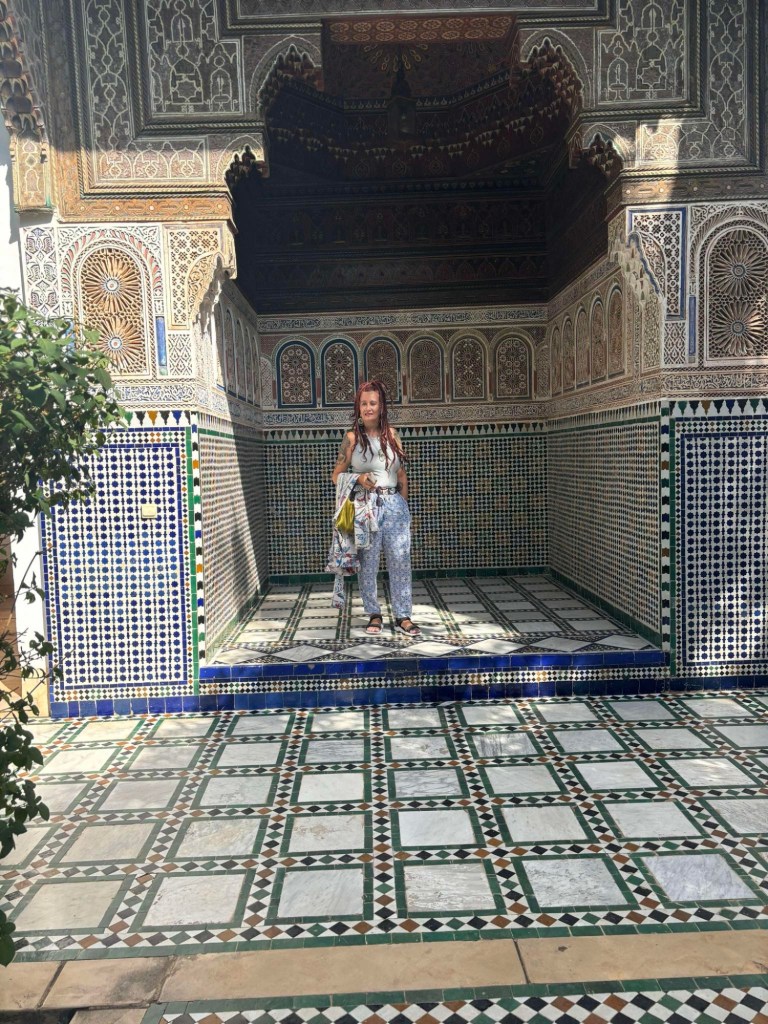
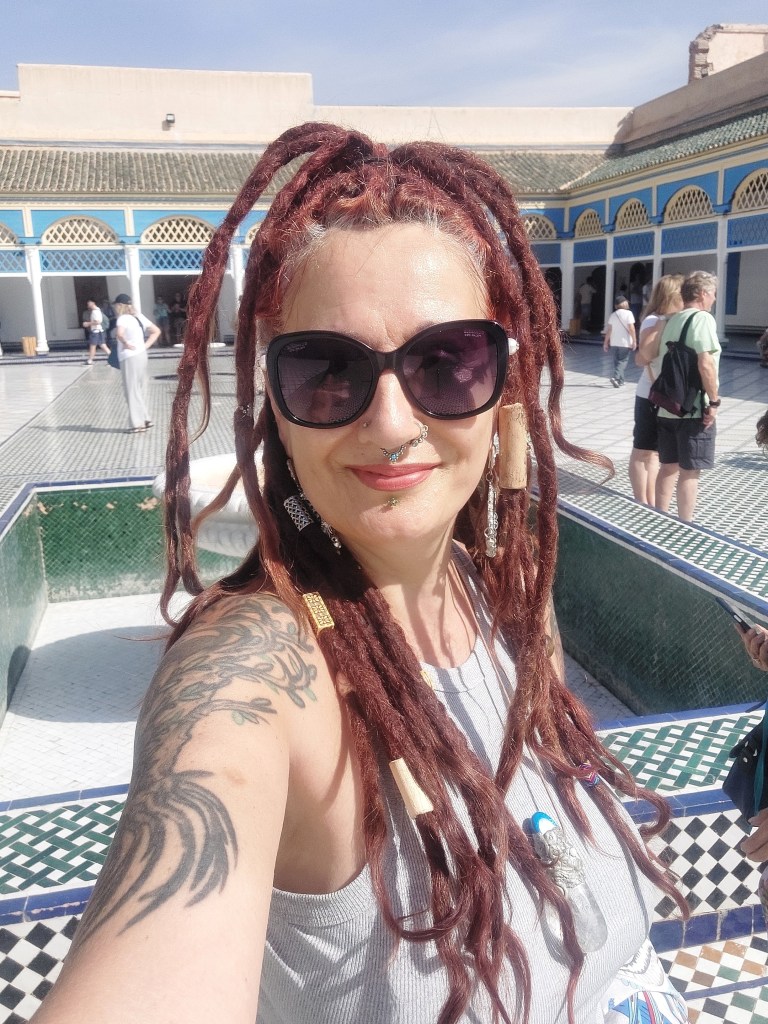
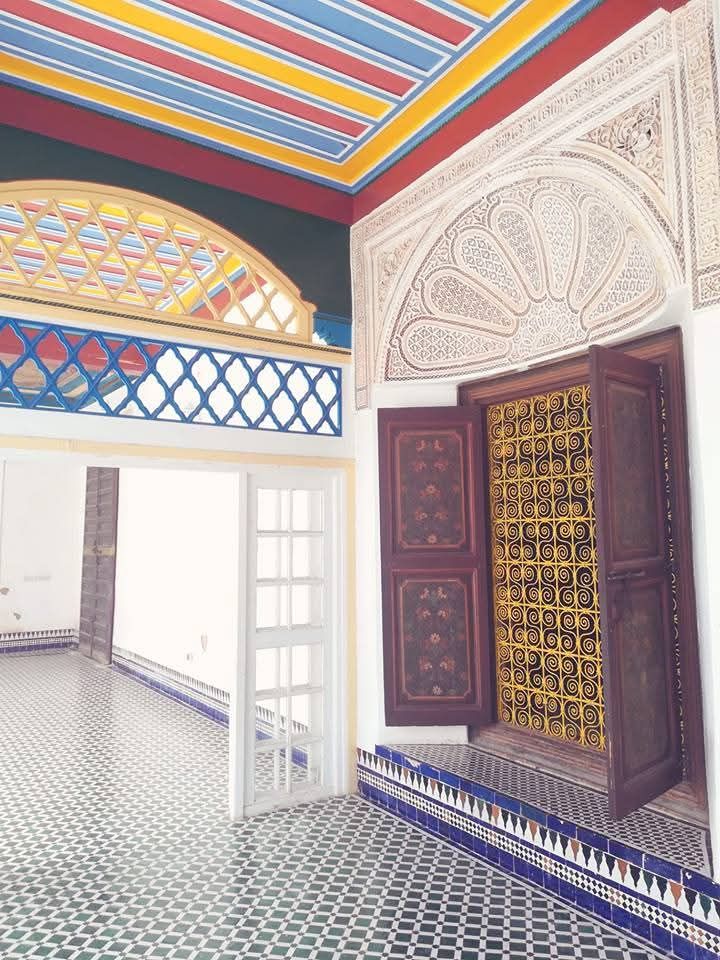
    Bahia Palace is a 19th-century palace in Marrakesh. It’s definitely a must-see if you’re visiting the city, as it is quite spectacular.

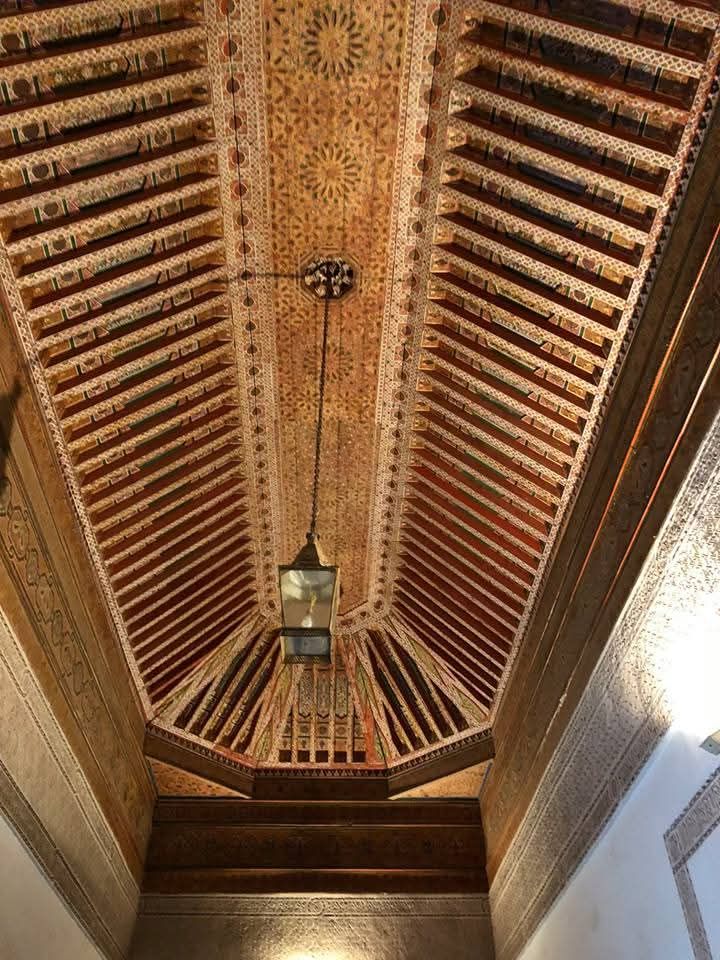
    The word Bahia means  ‘brilliance’ in Arabic, a reflection of the splendour of Islamic architecture and art. The rooms inside the Bahia Palace are beautifully decorated with sculpted stucco, zellige tiles, paintings, and mosaics to capture the essence and skill of divine craftsmanship. The intricately carved cedar wood ceilings are a testimony to the beauty and precision involved in the creation of such a spectacular palace.

    Images by Freebird Tracey.

    The huge courtyard is one of the focal points of Bahia Palace. It is rather grand and very spacious with a fountain in the centre and intricate zellige tile work typical of Morroccan design and culture. All the doors open out into it.

    Image by Freebird Tracey.

    There are approximately 150 rooms organised around multiple internal courtyards and riad gardens. The palace covers around two hectares.

    In 1956, when Morocco gained independence from the French, the palace became the residence of King Hassan II until it was later transferred to the Moroccan Ministry of Culture to serve as a cultural icon and tourist attraction. Bahia Palace has now become one of the most significant landmarks and tourist destinations in Marrakech, attracting 1000s of visitors.

    If you’re planning a visit, it is advisable to book tickets as queues can be extremely long. They cost 70 dirhams at the time of writing, and the palace is open between 8.00am-5.00pm daily.

    The gardens surrounding the palace are also impressive, with orange trees lining the route to the entrance. It’s worth having a wander around them after seeing the interior.

    I would suggest arriving as close to opening time as you possibly can to avoid the crowds. That way, you can spend time reading about the history of the palace before it becomes too busy, and you also have a better chance to capture a few photos of the internal chambers and exquisitely decorated rooms.

    Images by Freebird Tracey.

    If you’re visiting marrakech, the Bahia Palace will give you a good understanding of both Moroccan and Islamic culture and the architecture, art and craftsmanship that defines it.

    If you enjoy looking at Islamic architecture, you should also visit Badi Palace and the Saadian tombs in the Kasbah area of the city.

    Image by Freebird Tracey.
    (more…)
  • The Saadian Tombs.

    A testimony to the opulence of the Saadian dynasty.

    Image by Freebird Tracey.

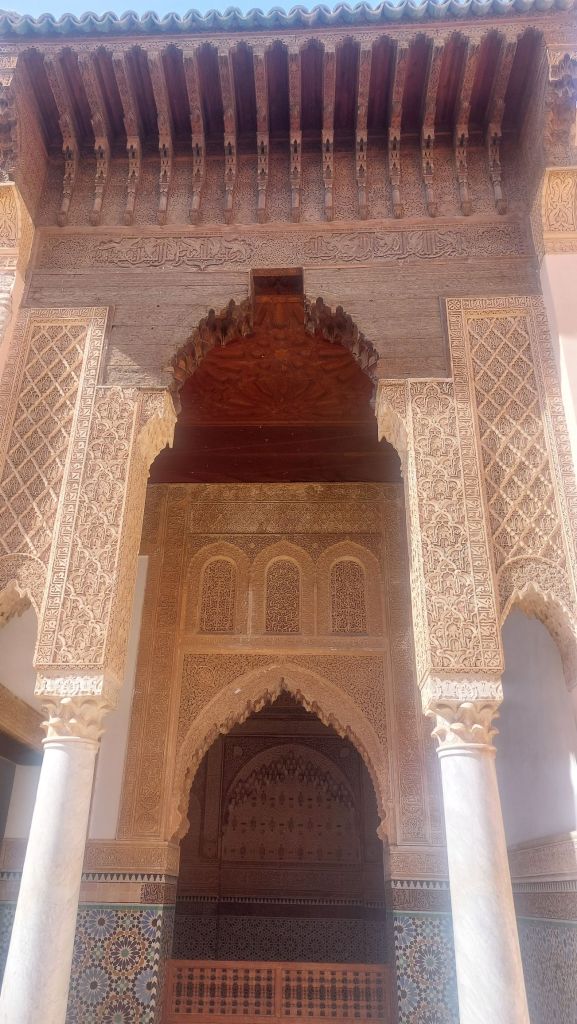
    One of the most popular tourist attractions in Marrakesh is the Saadian tombs.

    The Saadian tombs have become a historical landmark dating back as far as the late sixteenth century. Built by the Saadian dynasty, they house the mausoleums of Sultan Ahmad al-Mansour and his family.

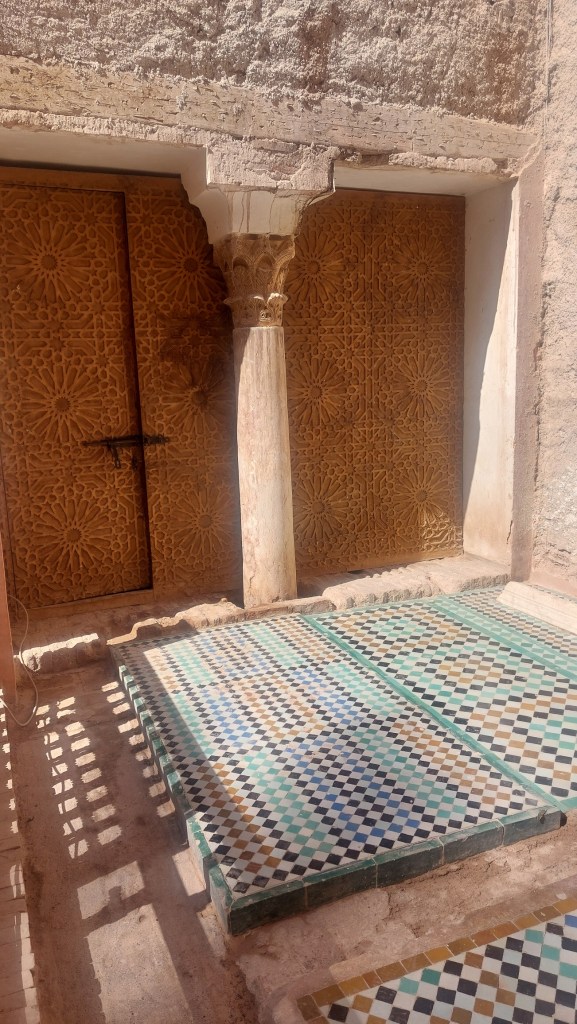
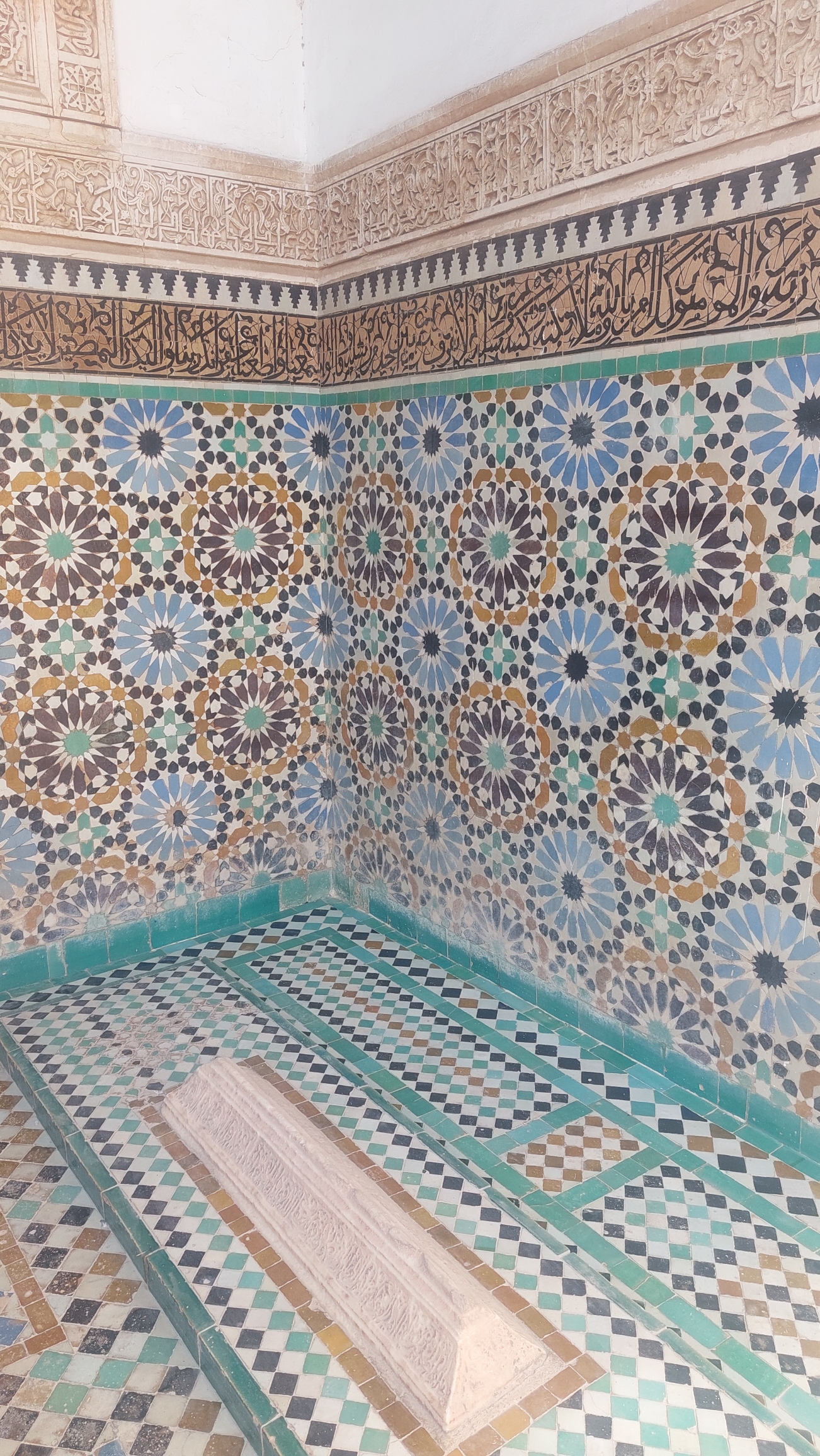
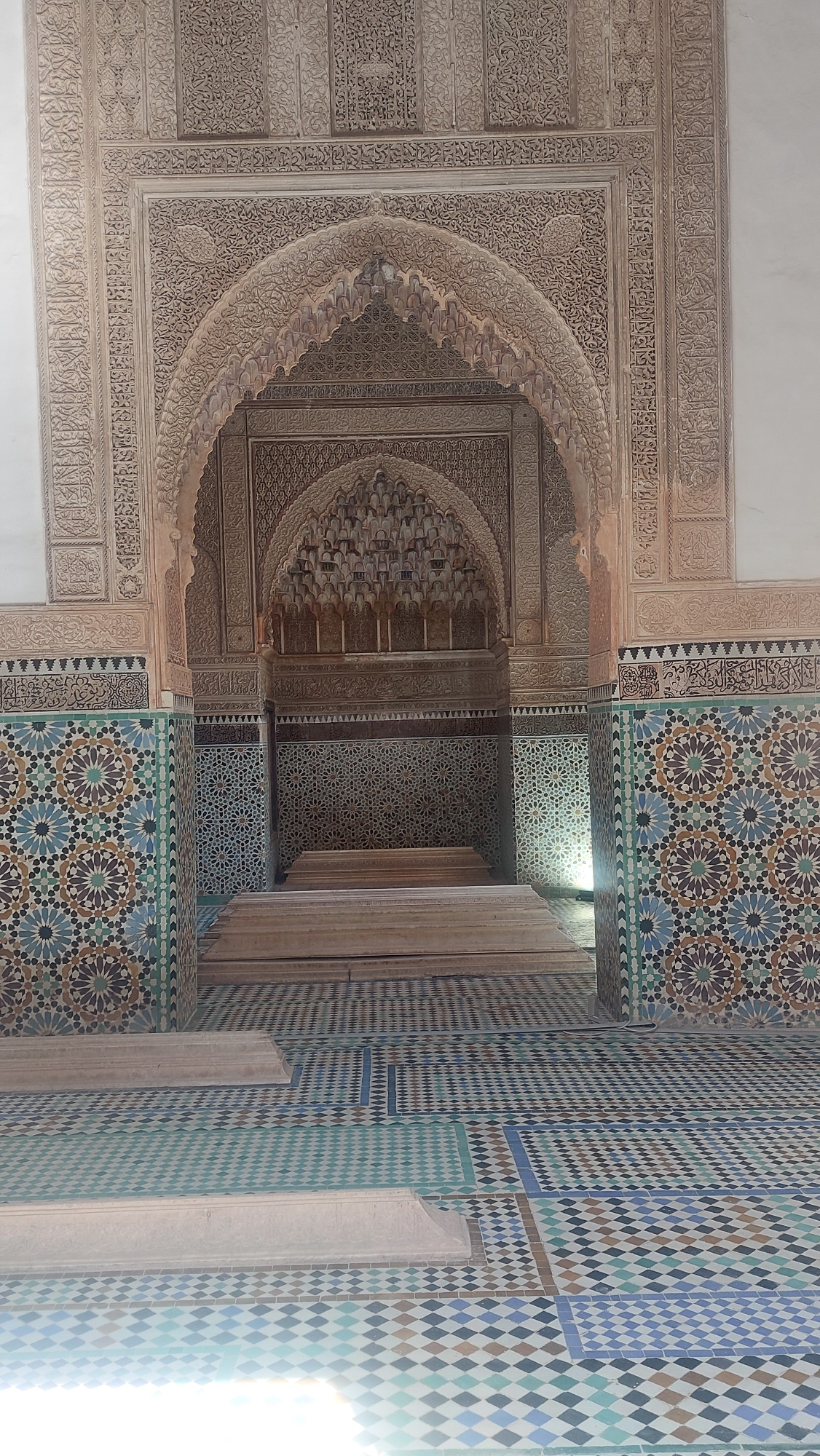
    The  mixture of Spanish and Moorish architecture is really impressive, with detailed stucco work, intricate mosaic tiles, and Italian Carrara marble.The main mausoleum is quite remarkable, with beautifully decorated ceilings and columns and there are usually very long queues waiting to see it. The Saadian tombs are very decadent with a mixture of Morroccan, Andalusian, and European styles, showcasing the wealth of the Saadian dynasty.

    I recommend arriving early around opening time to avoid waiting too long to see the main mausoleum. Tourists can wait for over an hour in the heat, so make sure you have a bottle of water handy just in case.

    Images by Freebird Tracey.

    The Saadian Tombs were hidden for centuries. They were spotted through aerial photography and are now one of the most visited tourist attractions in Marrakesh.

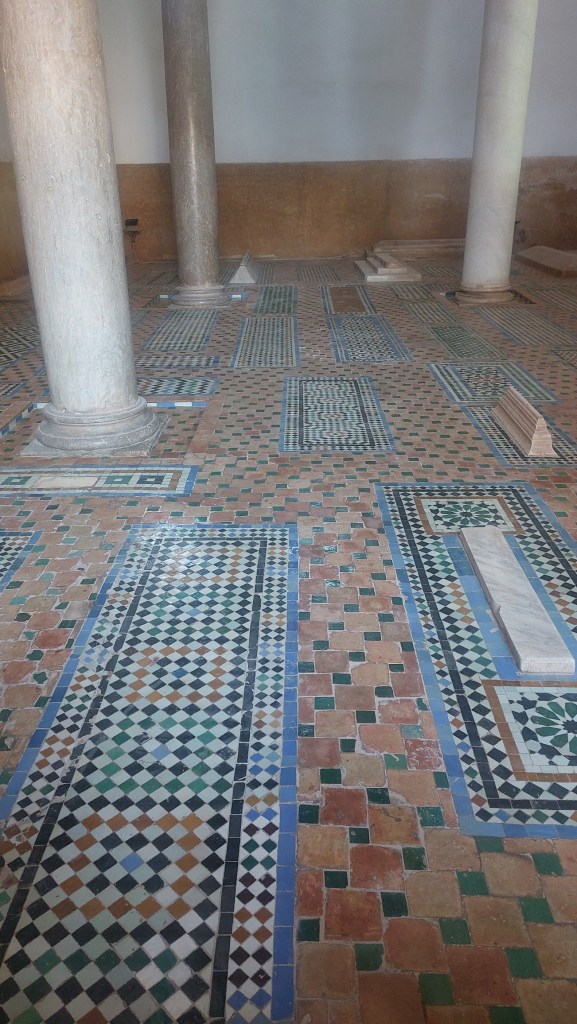
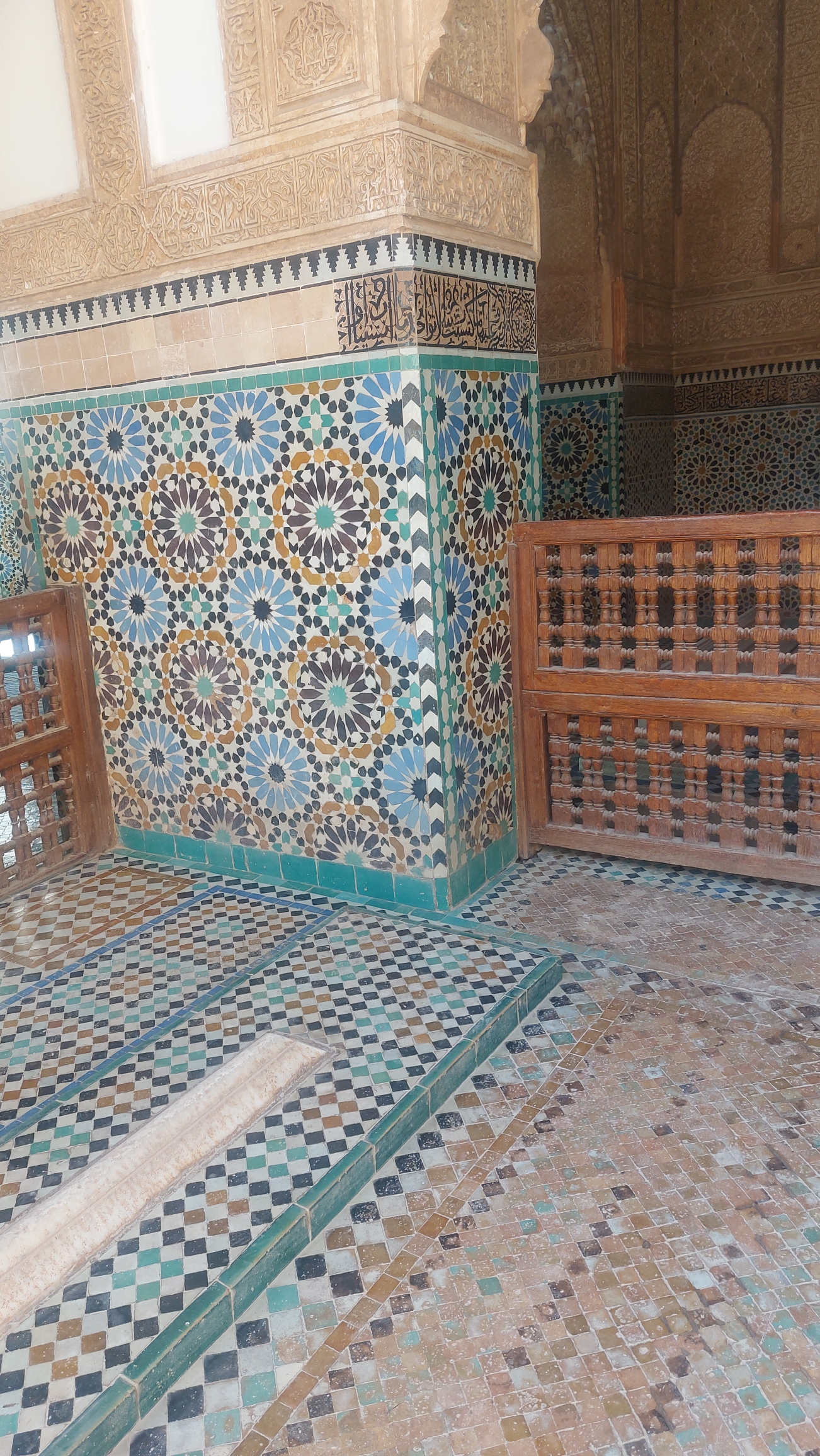
    Housing over 100 tombs with beautiful zellige tiles and marble columns, this royal necropolis was commissioned by Sultan Ahmed al-Mansour to honour his ancestors. The chamber of 12 columns is where the tombs of Ahmed al- Mansour and his successors are laid to rest. In the gardens lie the tombs of soldiers and servants. There is a smaller  tranquil chamber, which is called the Chamber of Three Niches.

    The Saadian Tombs are an example of Moroccos’ rich history and culture. They are in close proximity to El Badi Palace and Bahia Palace. Both are worth a visit if your you’re interested in Islamic art and architecture.

    Images by Freebird Tracey.

    The Saadian Tombs are in the Kasbah next to the mosque, and the opening times are 9.00 am until 5.00pm daily. The price of entry at the time of writing is 100 dirhams.

    The Kasbah is located to the south of the medina.

    Image by Freebird Tracey.
    (more…)
  • The House of Photography.

    See a private collection of 10,000 rare exhibits.

    Image by Freebird Tracey.

    The House of Photography is an important cultural venue in Marrakech. Housed in an old fondouk in the medina, a visit here is a fascinating journey through time.
    It was established by Patrick Manac’h and Hamid Mergani as a place where old photos taken in Morocco could be displayed for the public to view. It opened its doors to the public in 2009 and is now home to thousands of original documents, photographs, postcards, newspapers, and photographic glass plates.

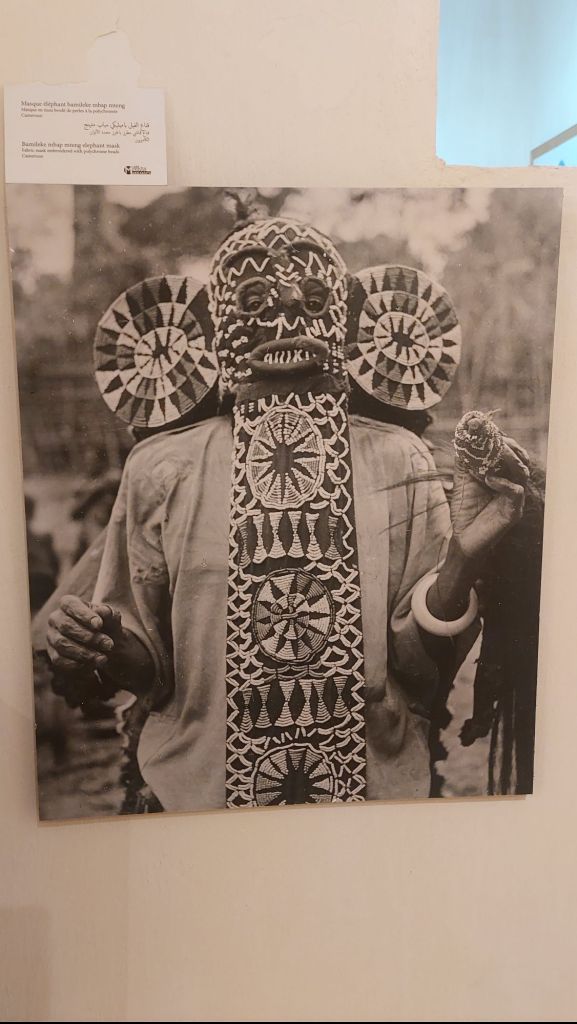
    A private collection of 10,000 exhibits from 1879-1960, including contemporary photos from the present, allows visitors an opportunity to get to know the history of the Berber tribes in the high Atlas Mountains.

    Image by Freebird Tracey.

    The first colour film recorded in the High Atlas Mountains in 1957, called ‘Landscapes and Faces of the High Atlas Mountains’ by Daniel Chicault, is also available for visitors to watch.

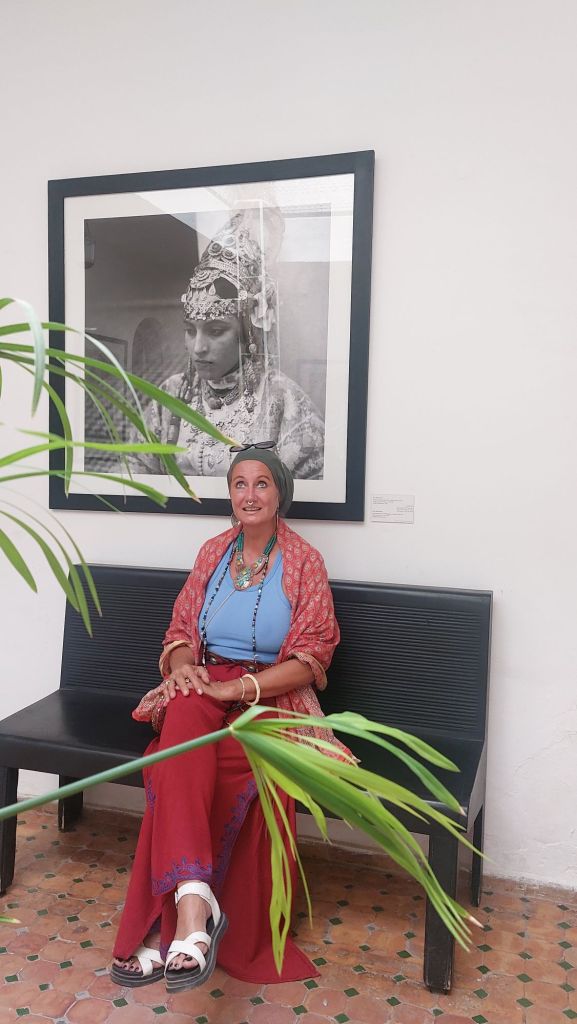
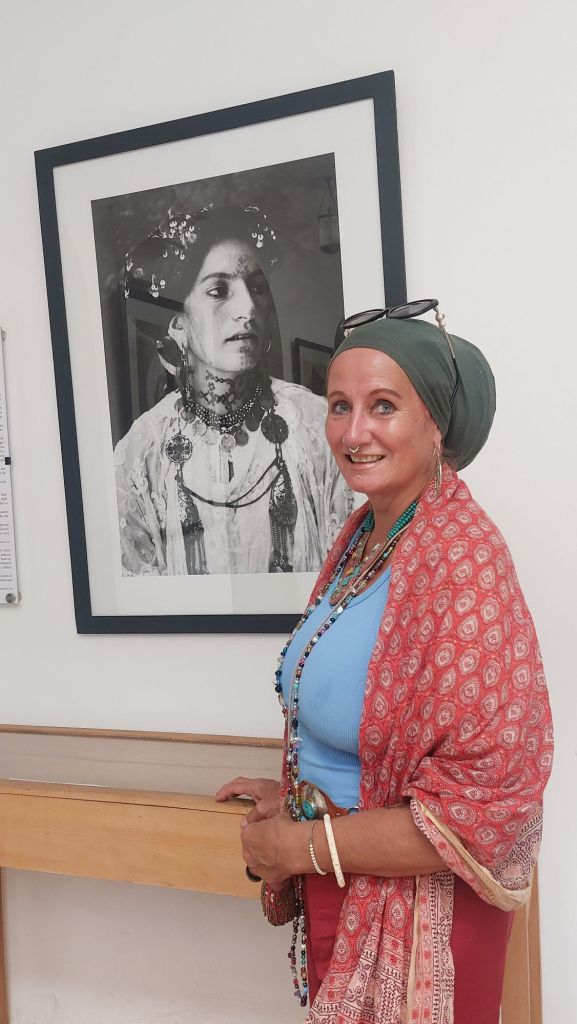
    The Museum of Photography is incredibly interesting, and the photos on display are well preserved, giving visitors to Marrakech a detailed account of how Berbers lived. I was fascinated by how the women dressed and their incredible hairstyles. Watching the video has broadened my knowledge about the history of Berber culture and their customs. It’s only as recent as the 1950s, yet they survived without electricity or medical care.

    The displays stay interesting because they changed them periodically, and at the time I visited, there was one about Berber Jews.

    Inside the museum, there is a rooftop cafe serving drinks, including speciality coffee and food. There are views across the rooftops of the medina, and you can see the Atlas mountains in the distance. It can get pretty busy during the lunchtime rush.

    You can purchase copies of some of the photographs in the entrance, and the quality of the prints is good. I bought a copy of Un Charmeur de Serpents – vers 1920, and it looks great in a vintage photo frame.
    The museum is open daily from 9.00 am until 7.00pm.

    The address is 46 rue Ahl Fes, Bin Lafnadek Marrakech 400030, not far from Ben Youssef Madrasa.

    Payment is on entry only, and it’s 80 dirhams for adults, 15 years old and under are free. The ticket also permits entry into the museum of music.
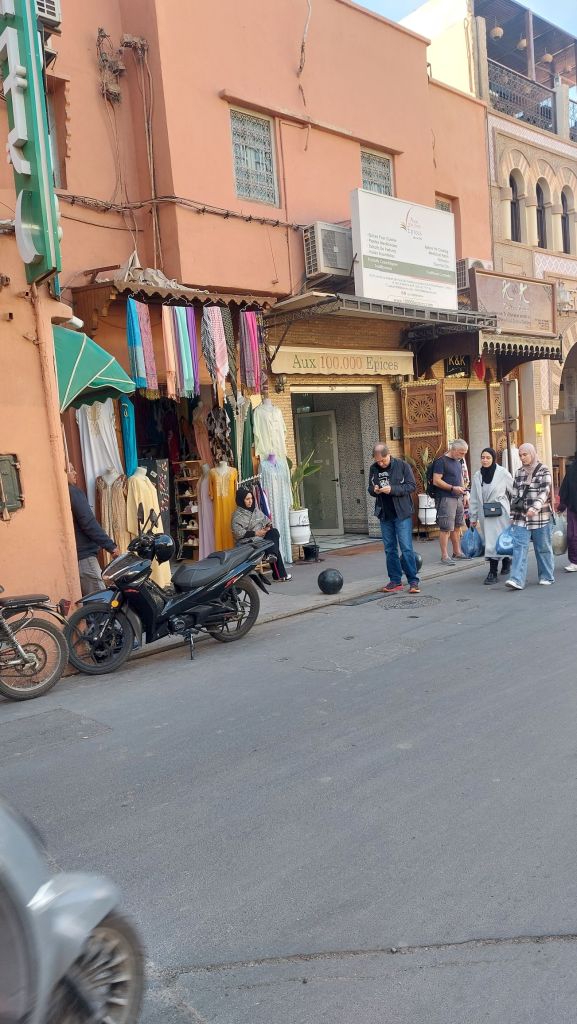
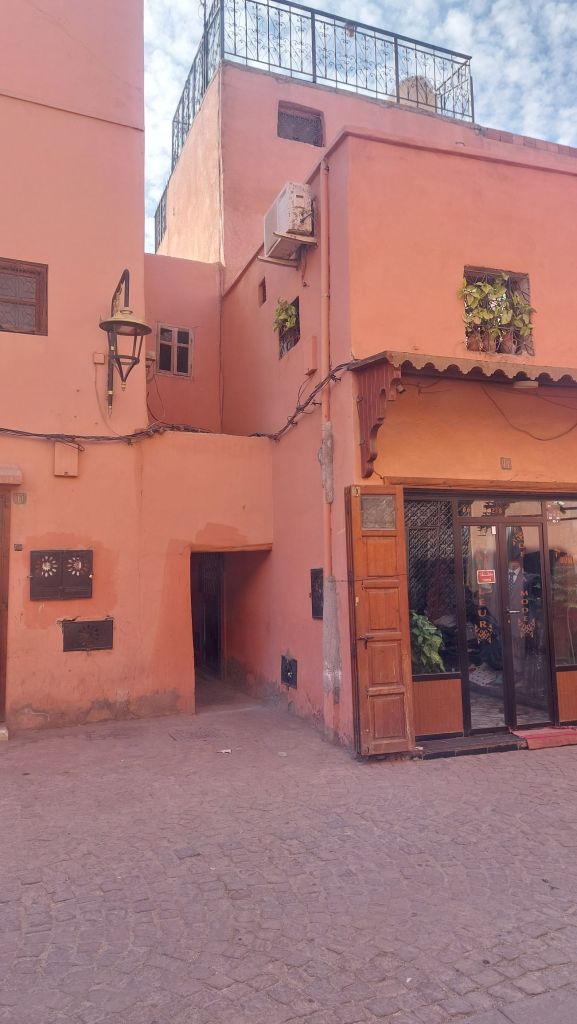
    Image by Freebird Tracey.
    (more…)