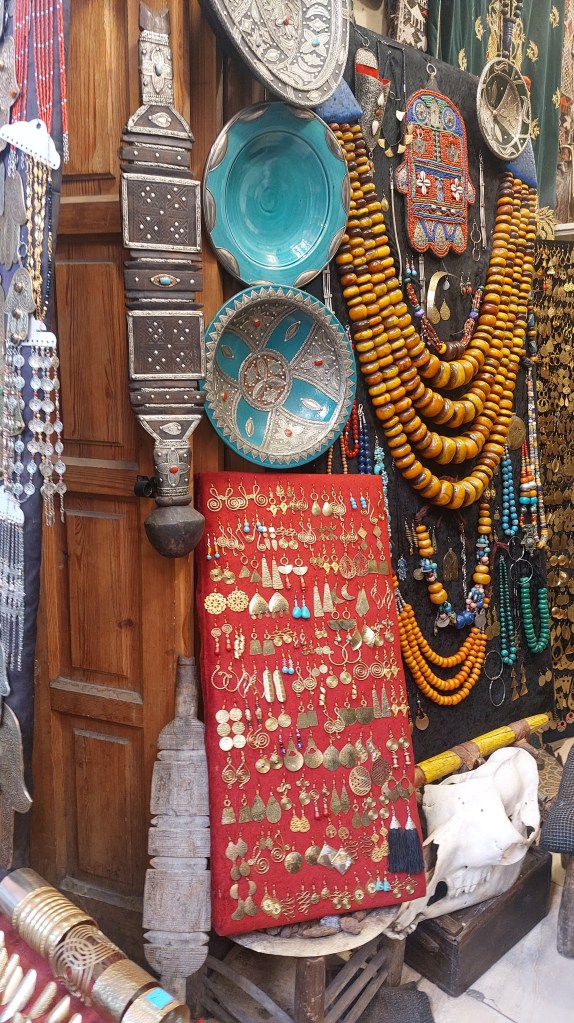
Tag: Travel

Exploring The Red City Of Marrakech.
  • When Is The Best Time For Visiting Marrakech?

    Advice about the climate and tourism.

    Image by Freebird Tracey.

    Marrakech is an all year round destination. It has a high desert climate, so it has pleasant weather most of the time.

    During the summer months, temperatures can reach a staggering 45°C or higher, which a lot of visitors find unbearably hot. The winter months can be moderately warm and sunny, feeling chillier in the evenings.

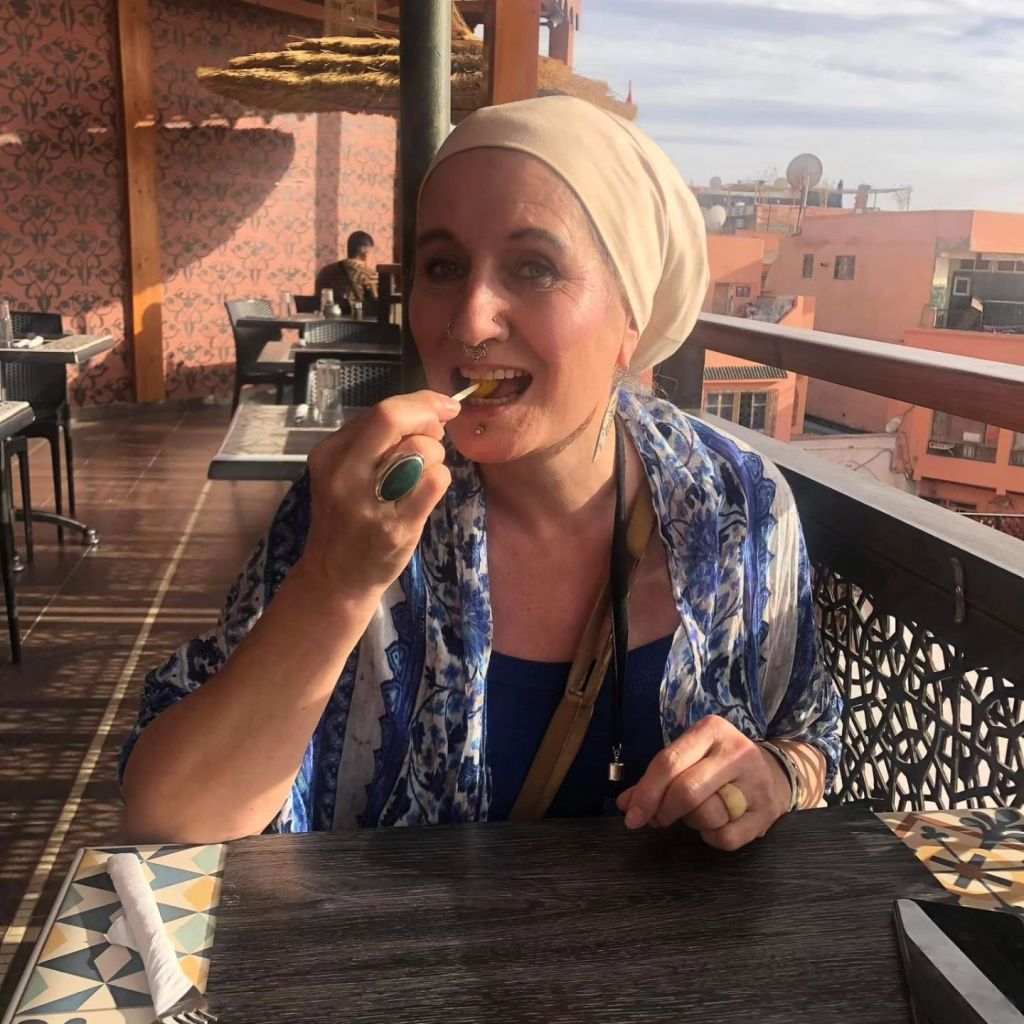
    The best time to go is during the spring, from March till May or in autumn, from September till November. Springtime sees warm, sunny weather, and you can still dine on the rooftops in the evening. However, I would recommend taking a lightweight jacket or jumper to throw on because the temperature can drop after sunset.
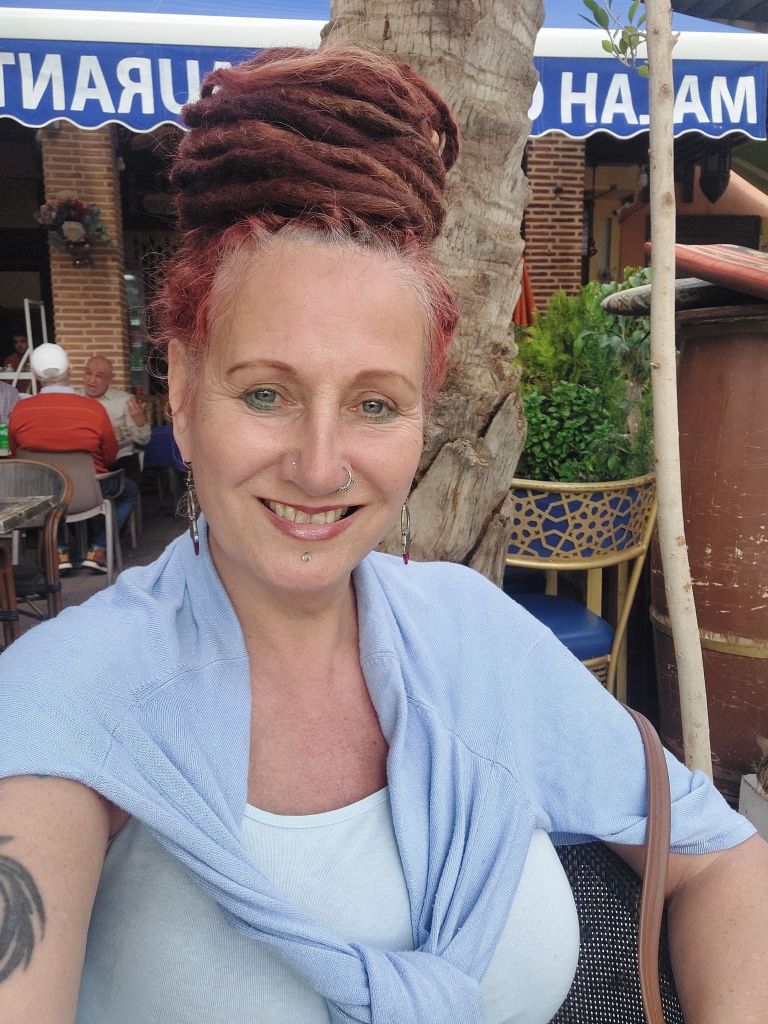
    Image by Freebird Tracey.

    March is the wettest month experiencing 12mm of rain over a day and the occasional storm. Be prepared by carrying an umbrella and wearing sensible footwear.

    June is the driest month with 1mm of rainfall over one day, but temperatures in June and July do soar, and it can become exceedingly hot. This  makes excursions and sightseeing activities more uncomfortable if you’re not used to walking around in that kind of heat.

    Suncream is essential whichever time of year you decide to visit because you can not underestimate the power of the hot Moroccan sun. Carrying bottled water with you is important too so that you don’t become dehydrated.

    If you prefer going when there are fewer tourists, I would suggest January to February. The climate is still warm and sunny, with average highs of 19°C and lows of 6°C in the evening. This would be an ideal time to visit if you’re put off by huge crowds of tourists and long queues at popular sightseeing destinations.

    Another thing to consider is that Ramadan takes place between February and April, so some stores and restaurants may be closed. Many do stay open, but the vibe can feel different due to the locals fasting throughout the day.

    I choose to visit in March, late September, or early October.

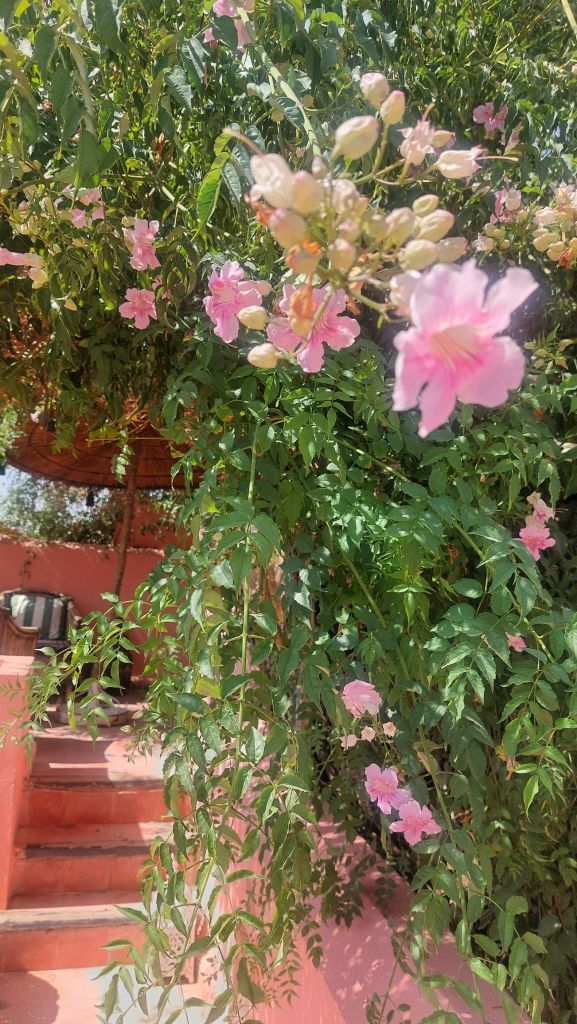
    In springtime, the Jacaranda trees along the main roads in Gueliz look really beautiful, and the air is really fragrant at this time of year. March can be quite hot, and heavy thunderstorms are also frequent. The sky can look very dramatic and holds its own kind of beauty just before a storm breaks over the city.
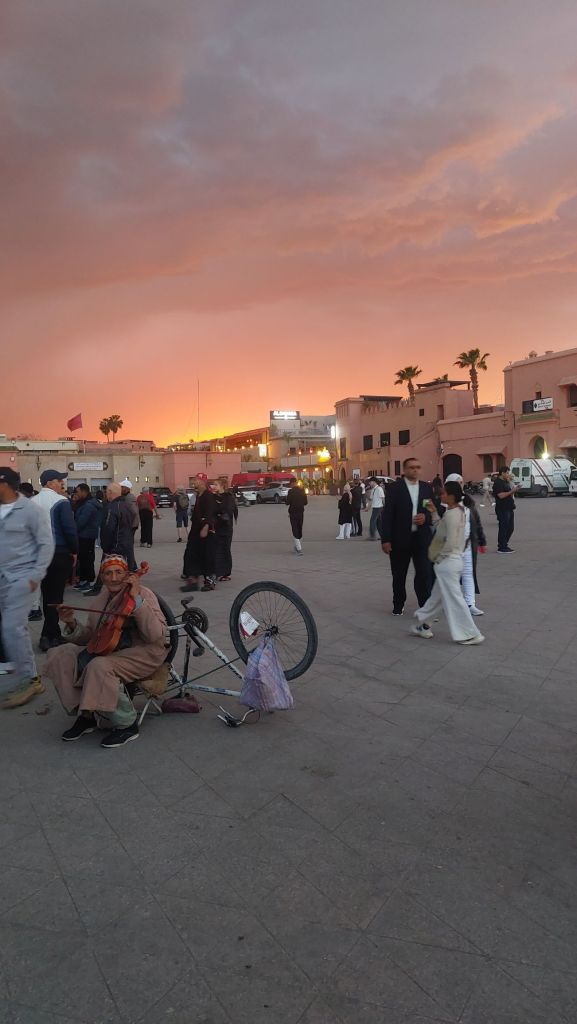
    Image by Freebird Tracey.

    Springtime can still be very busy with tourists, and the souks are bustling with life. For me, that is part of the fun, but for some people, the crowds can be too much.
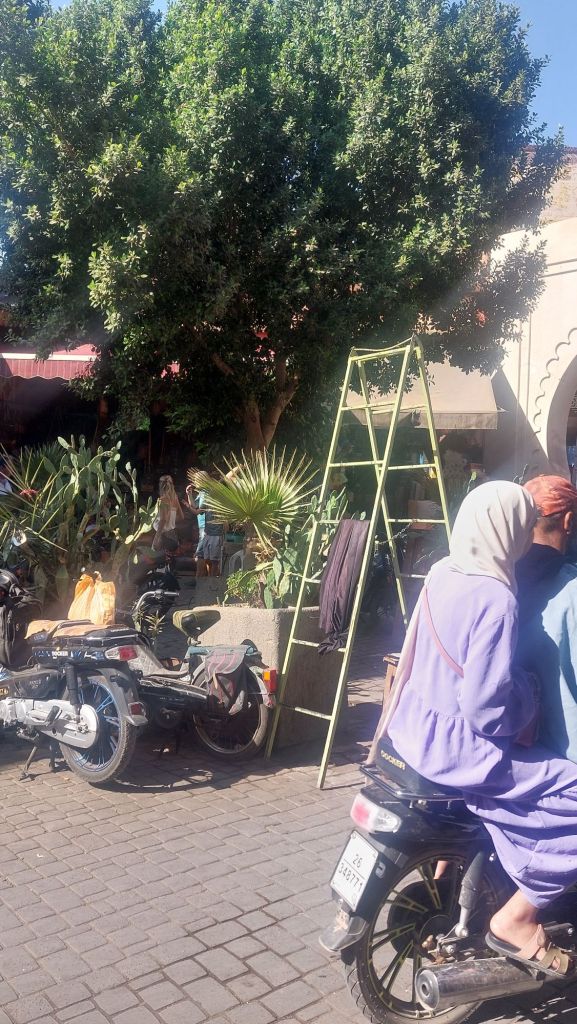
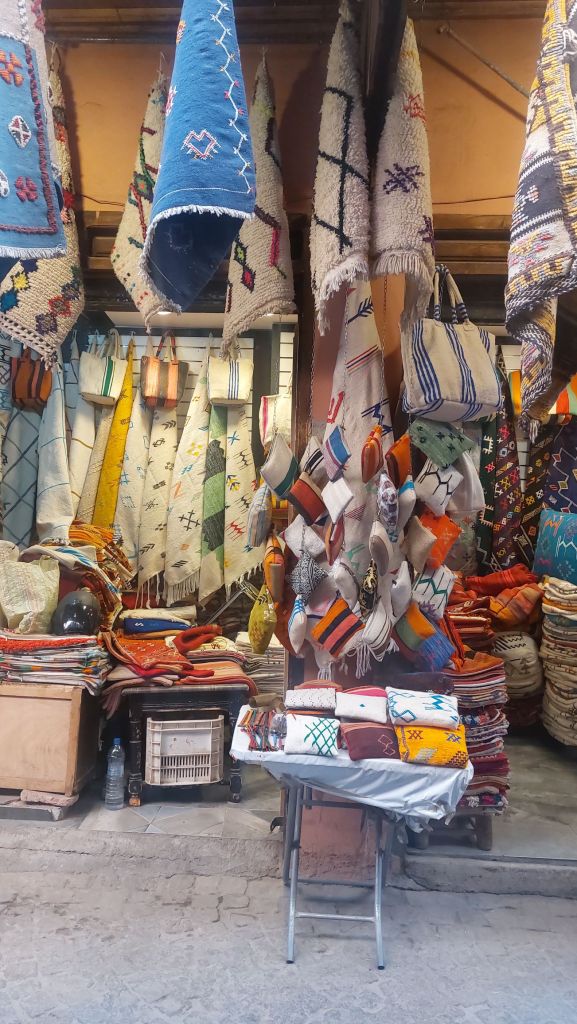
    Images by Freebird Tracey.

    September can be humid. I found it challenging to walk around the palaces and stand in long queues between 3.00pm and 7.00pm, when it becomes particularly warm and sticky, so try to get most of your sightseeing done in the early morning. Afternoons can be a good time to relax by the pool or take a nap until the temperature cools down.
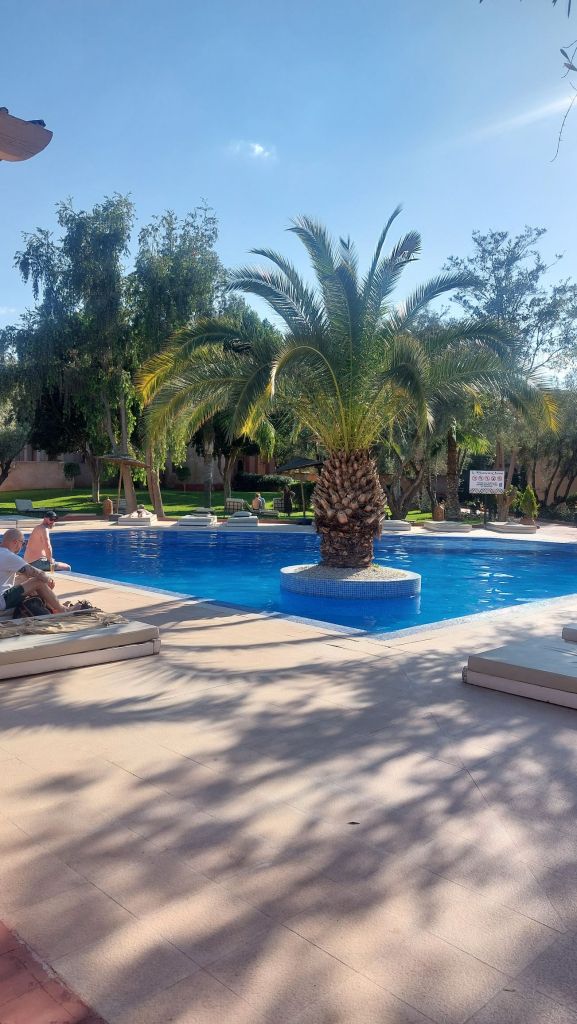
    Image by Freebird Tracey.

    If you do decide to visit during the summer months, here are a few suggestions to help you cope with the heat.

    Plan to visit tourist attractions in the morning as soon as they open. If you pre book, you will avoid waiting in long queues in the heat, and there will be fewer people around.

    Pace yourself. You don’t have to rush around. Many places stay open quite late in the evening. Alternate between sightseeing and finding places in the shade to have a long rest with a cool drink to avoid too much sun exposure. There are plenty of beautiful spots with banana trees and beautiful tall palms to relax beneath.

    Wear natural fibres like cotton or linen clothing. They are breathable and perfect for wearing in hot weather. Choose loose clothing that covers your arms and shoulders. They allow the air to circulate and help to evaporate sweat, keeping you cooler.

    Remember to stay hydrated. Carry bottled water at all times to keep yourself from dehydrating.There are plenty of little kiosks dotted around the medina selling reasonably priced water. Check the seals before purchasing for peace of mind.

    Plan to do more during the evening when it’s cooler. Some of the tours begin later in the day, and trips to Agafay desert begin just before sunset, and it’s a wonderful experience at this time of evening. The square comes alive at dusk, so most of the souks are still trading until late.

    Wear high factor sunblock and keep your head covered. The sun can be pretty fierce, even as early as March.

    Visit the water slides of Oasiria. It’s a fun activity and the perfect way to stay cool. Visiting the Sahara desert will be blisteringly hot in summertime.  Consider going in the cooler months when days are still warm but not unbearable, but remember, evenings get cold in the desert.

    Marrakech is a wonderful city all year round. If you follow these simple tips, you should have an enjoyable visit whichever time of year you decide to travel. It’s about carefully planning your trip.

    Consider what it is you want from your experience. Are you put off by crowds of tourists all crammed into the souks at the same time as you? Can you handle the extreme heat, or would you prefer cooler temperatures in December or January?

    Whichever time you decide to travel to Marrakech, the locals are always smiling and friendly. There’s always lots do and see, including a day trip to Essaouira on the coast, visiting Ouzoud to see the second largest waterfall in Africa and many other exciting places.
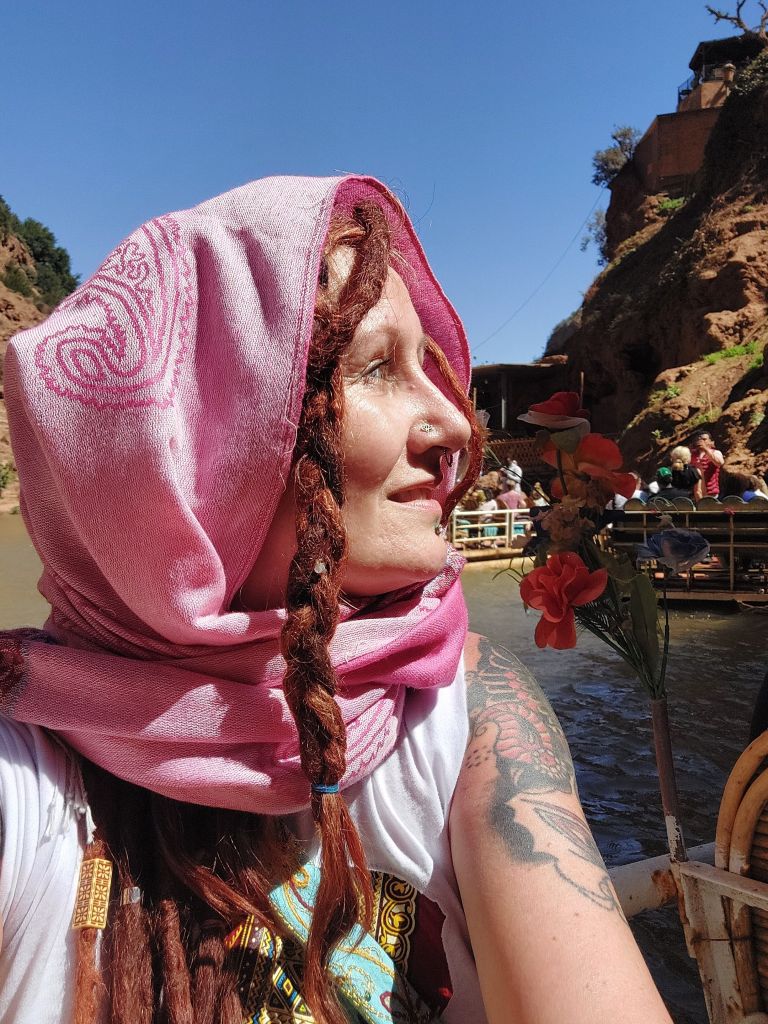
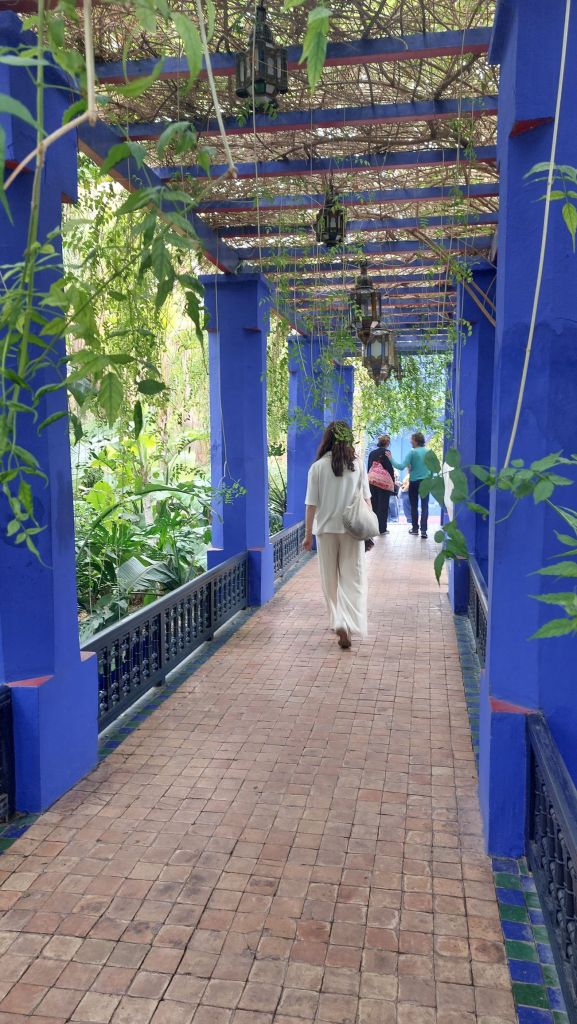
    Image by Freebird Tracey.
    (more…)
  • The Best Clothing To Take To Marrakech.

    Helpful tips to help you decide what clothes to pack .

    Image by Freebird Tracey.

    Marrakech can get very hot in summer, and temperatures can exeed 40° Celsius.

    Even the cooler months can feel warm and humid, especially walking around the busy souks and popular points of interest.Marrakech is also a conservative city with a majority Muslim population. The locals are extremely hospitable, but respect is a big thing in Marrakech.

    So, what should you wear to feel comfortable yet still appear respectable?

    For female visitors, I would suggest palazzo trousers. These are flowing and elegant, keeping you nice and cool.They pair well with smart cotton blouses and can be worn underneath a silk kimono, adding a touch of glamour.Lightweight cotton or linen trousers also look smart, and neutral colours give a sophisticated, modest appearance.

    Image by Freebird Tracey.

    Silk (including recycled sari silk) maxi dresses are very versatile and keep you cool. They can be worn with a drawstring sari petticoat underneath for modesty if the dress is sheer. Linen is perfect and always looks polished.It can get slightly creased, so I would suggest bringing along a portable steamer. They’re a life-saver and take up very little space in your suitcase.However, most accommodation has an ironing and laundry service at your disposal.

    Cotton tee-shirts and blouses are ideal and can look very flattering with the right accessories. Loose yoga pants are also perfect for a day exploring. They help you to stay cool and comfortable.

    Headscarves look fashionable and can be used as a head covering whilst visiting  religious sites or as a convenient wrap around for covering your shoulders.

    Image by Freebird Tracey.

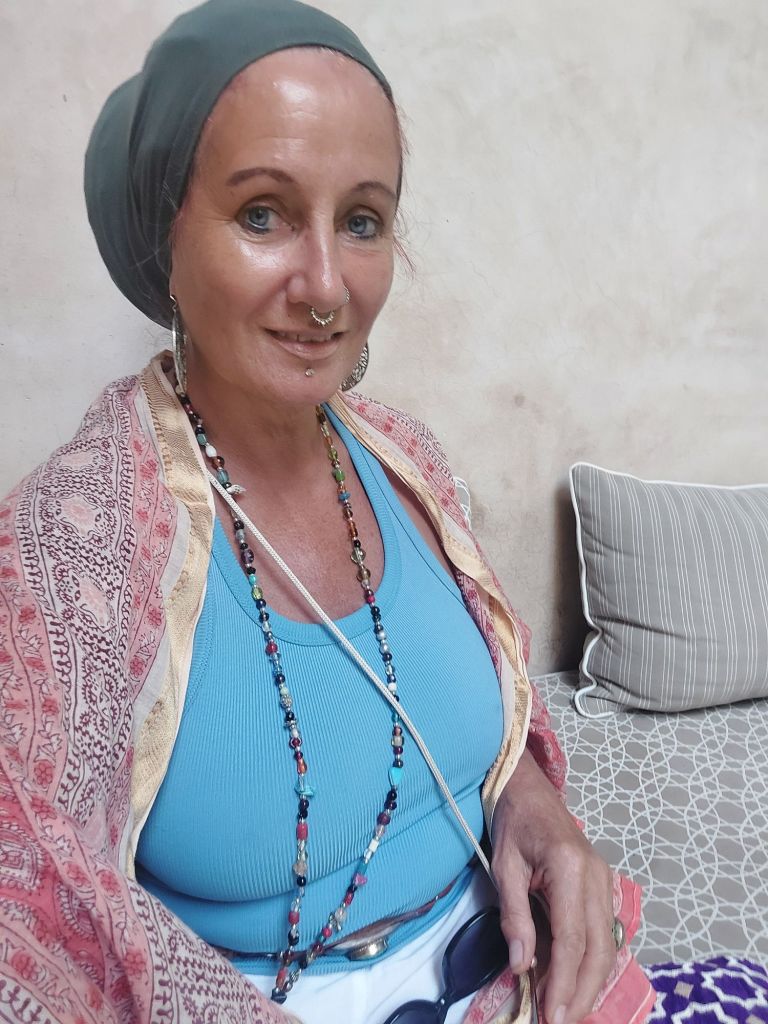
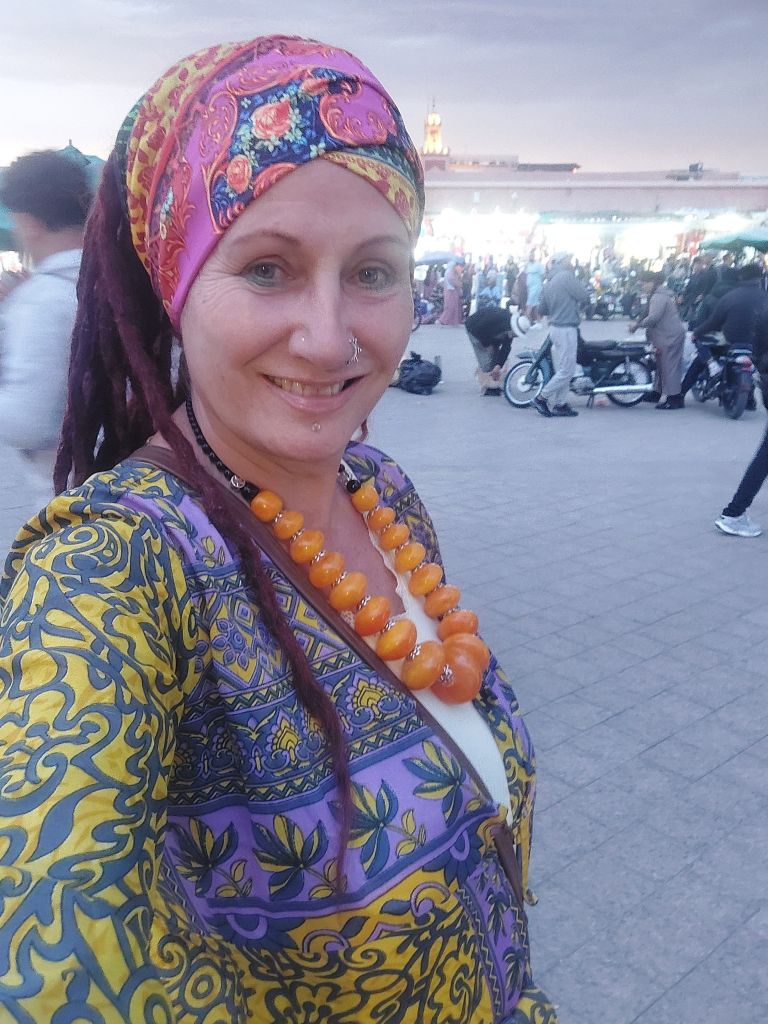
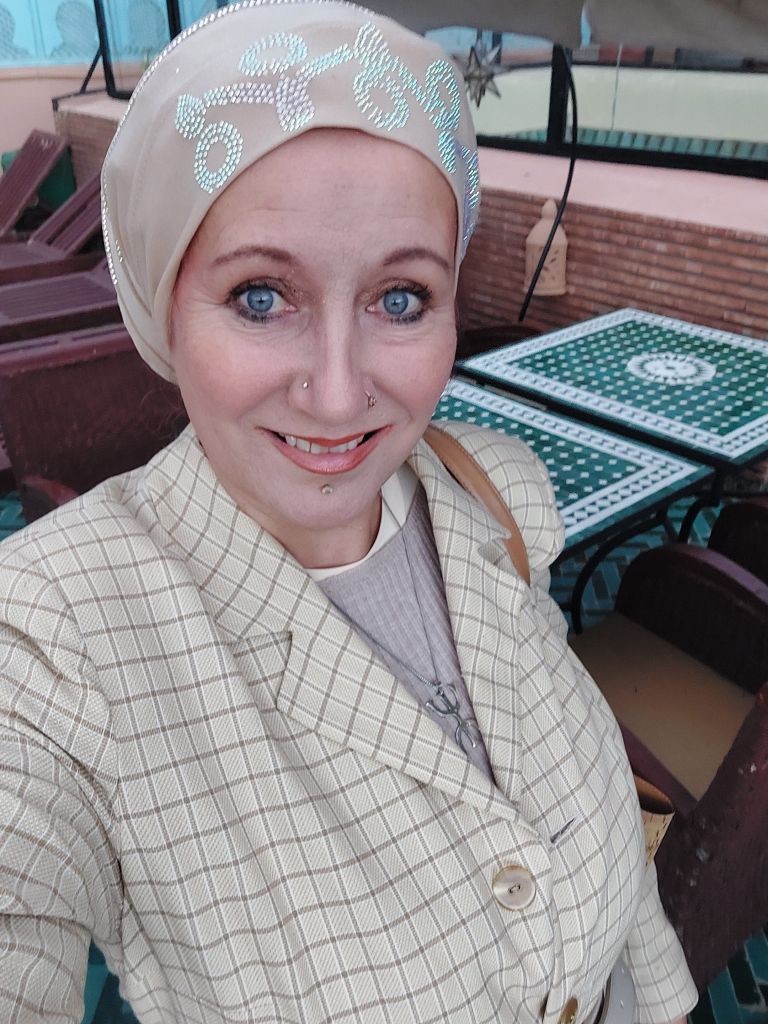
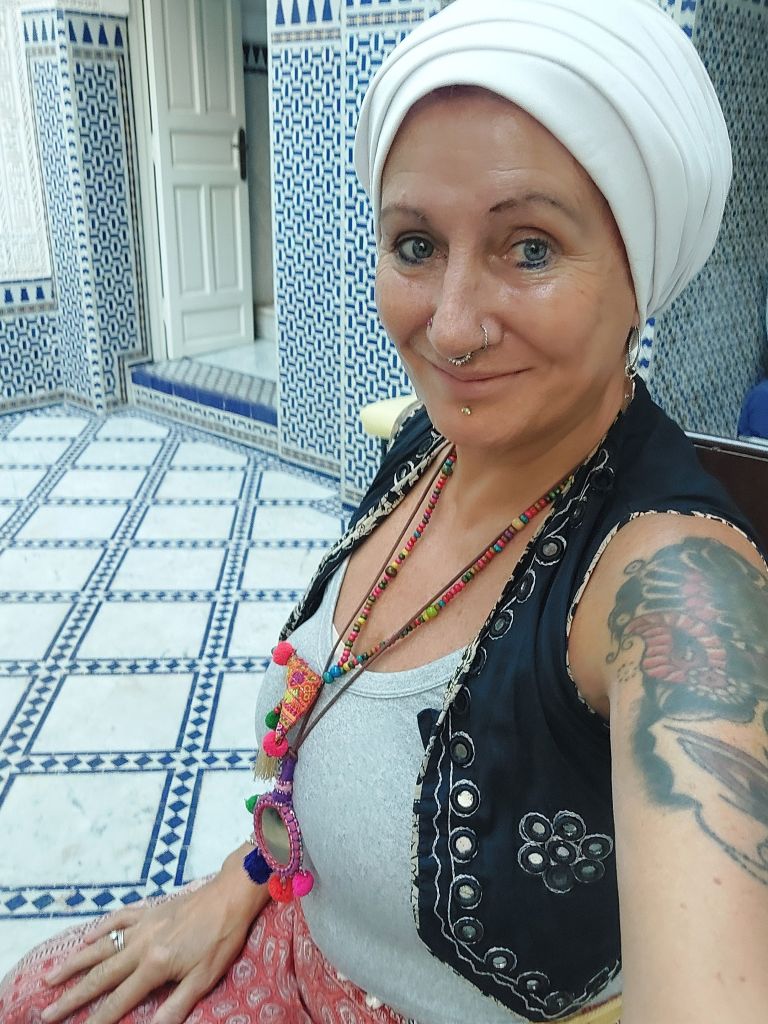
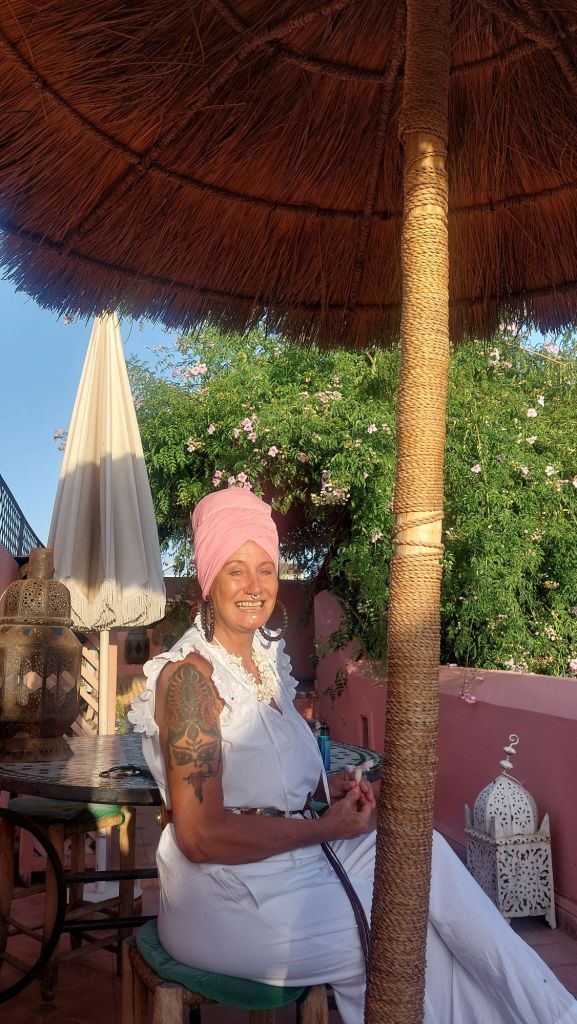
    I like to wear turbans to cover my locs.They keep my head and neck cool, and at the same time, I feel put together and tidy. Silk scarves can be rolled up really small and fit perfectly in your bag. They are versatile and can be used as a hair tie, head covering, or pretty accessory.

    Marrakech is definitely more liberal than other morroccan cities. However, exposing too much flesh is definitely frowned upon. You may attract unwanted attention from both males and females, spoiling your overall experience and making you feel self-conscious.How you present yourself will determine the kind of experience you have in Marrakesh.

    In your accommodation, it’s perfectly acceptable to wear shorts and swimwear for sunbathing, so pack those items of clothing also.

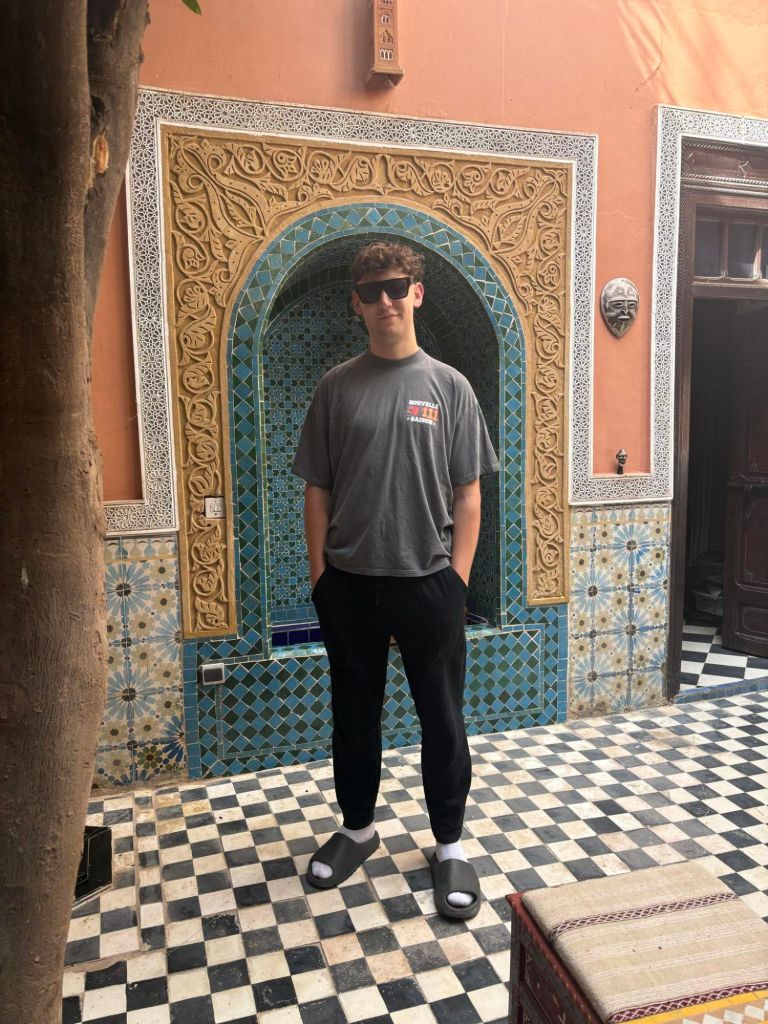
    Males can wear knee-length shorts with linen or cotton short-sleeved shirts to look smart yet casual.Many high-end restaurants won’t accept men wearing sandals, but smart leather sliders or mules are usually acceptable. Linen or cotton long trousers for men are ideal and keep the body cool.

    Image by Freebird Tracey.

    Men’s clothing is definitely more liberal than females. They don’t encourage the same kind of attention, but they are still expected to dress smartly when visiting certain places. I certainly wouldn’t advise a male to walk around without a shirt on, especially when visiting sacred places in Marrakech. That is something I would leave for a beach holiday. Appearing smartly dressed whilst feeling cool and comfortable is the only thing men need to consider.

    On the other hand, women are expected to respect the cultural norms of the country unless they’re going to the clubs in the Gueliz or Hivenage part of the city. It’s acceptable to dress a little more provocatively if you’re having a night out there.

    You can still look and feel good in appropriate clothing. It’s about choosing nice accessories to elevate your outfit. Marrakech has no shortage of beautiful jewellery and handbags.

    Regarding footwear, there is a lot of walking around the medina, so comfortable footwear is certainly essential.Trainers, pumps, or sandals are all acceptable.

    A little tip I found useful is to take  only a couple of outfits in my travel bag, and once I arrived, I bought the rest of my clothing in the souks. It wasn’t too expensive, and I felt as if I blended in with the locals better.I quite enjoyed wearing the traditional Moroccan dresses, kaftans, and djellabas for a change.

    Image by Freebird Tracey.

    I have never needed to take a warm coat to Marrakech.

    Depending on the season and whether you plan a trip into the Atlas mountains or the Sahara desert, a lightweight weatherproof jacket is usually enough. I find that a shawl or cardigan has always been sufficient for cooler evenings.

    Winter in Marrakech is better suited to layers. A thin thermal skin that can be worn underneath a long dress or trousers is usually enough to protect from the drop in temperature. I also wear long sleeved tee-shirts underneath my dresses during the evenings. A comfortable hoodie or sweater can also come in handy. A trip to Agafay desert can get very blustery whilst watching the sunset in the open air.

    Keeping your eyes on the weather forecast before travelling will also help you to plan accordingly for your trip. If part of your itinerary includes a night in the Sahara desert, be aware that nighttime can be extremely cold.

    So, to summarise,

    Wearing comfortable clothing suitable for a day exploring the medina and tourist hot spots is the most important thing to consider. You will walk a lot, and it can get humid.

    To discourage unwanted attention from the locals, female travellers might prefer to dress more modestly unless they’re in the bars and clubs, which are more liberally minded. Choosing natural fibres is the best way to stay cool, and long, loose-fitting garments are ideal because they look modest and feminine.

    Lastly, don’t forget to bring the sunscreen.You don’t want to walk around looking like a lobster, and you can never underestimate the power of the hot Moroccan sun.

    Image by Freebird Tracey.
    (more…)
  • Being Vegetarian or Vegan In Marrakech.

    Does Marrakech cater for all dietary preferences?

    Image by Freebird Tracey.

    Marrakech is a meat eaters’ paradise, but there are plenty of options for vegetarians and vegans.

    I was concerned that I’d spend my time in Marrakesh living off the delicious olives on sale in the souks because I am vegetarian. I am happy to tell you that that wasn’t the case, and I was pleasantly surprised at how easy it was to find good food.

    Image by Freebird Tracey.

    There are a number of restaurants popping up that serve only vegetarian and vegan food. The choice of food on the menus in a lot of restaurants and cafes is steadily improving as tourism grows and more people are switching to a plant based diet.

    One restaurant I highly recommend is La Famille. Run solely by women and in a pleasant outdoor setting. The food here is incredibly good. The menu is small and creative and changed daily to keep it exciting. The tables are large wooden tables and seat a number of people around them in the pretty and peaceful garden. It’s an outdoor restaurant with a small shop and very popular.

    Images by Freebird Tracey.

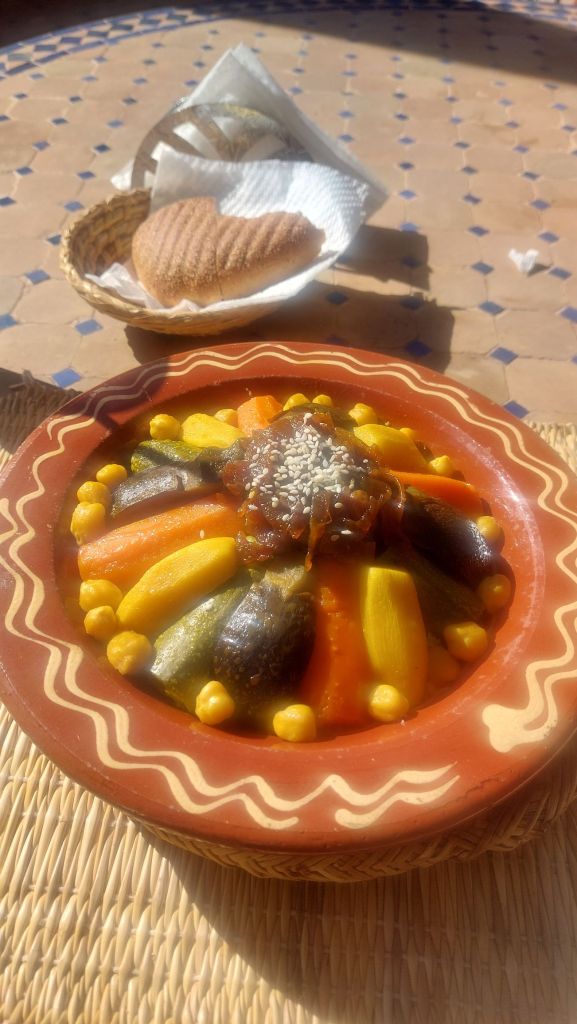
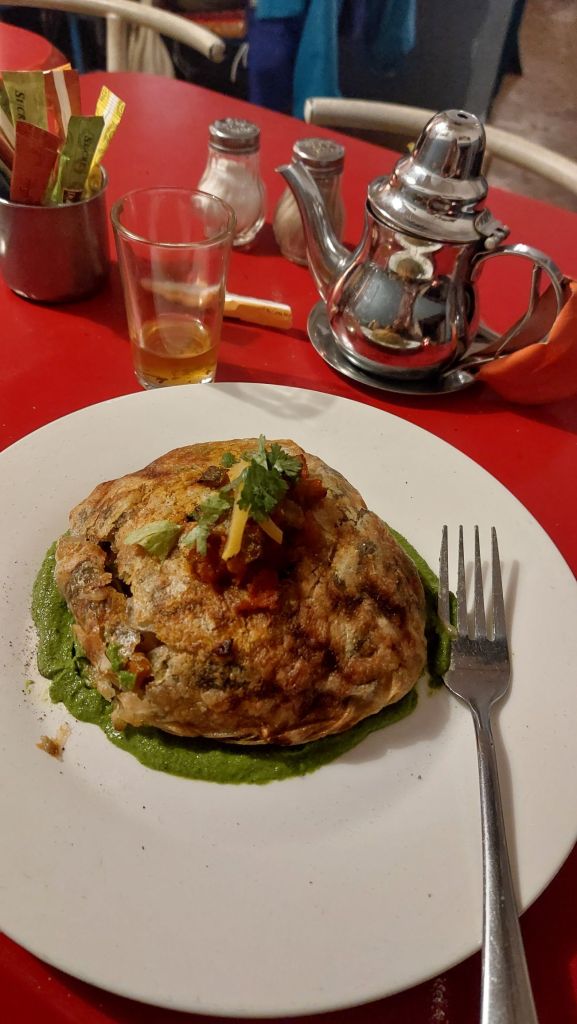
    There are plenty of choices for non meat eaters on the menu in most restaurants and cafes around the medina. Sumptuous vegetable tagine, vegetable couscous, salads, and pasta dishes, to name just a few of the tasty options available for vegetarians and vegans.

    I never have a problem sourcing tasty, beautifully prepared meals whilst staying in Marrakesh. The smaller cafes tucked away in the souks are slightly less accommodating, and you might not find vegetarian food being cooked by street food vendors.

    In the more luxurious restaurants, there is a good variety of dishes on offer for vegetarians and vegans, and menus are imaginative and exciting.

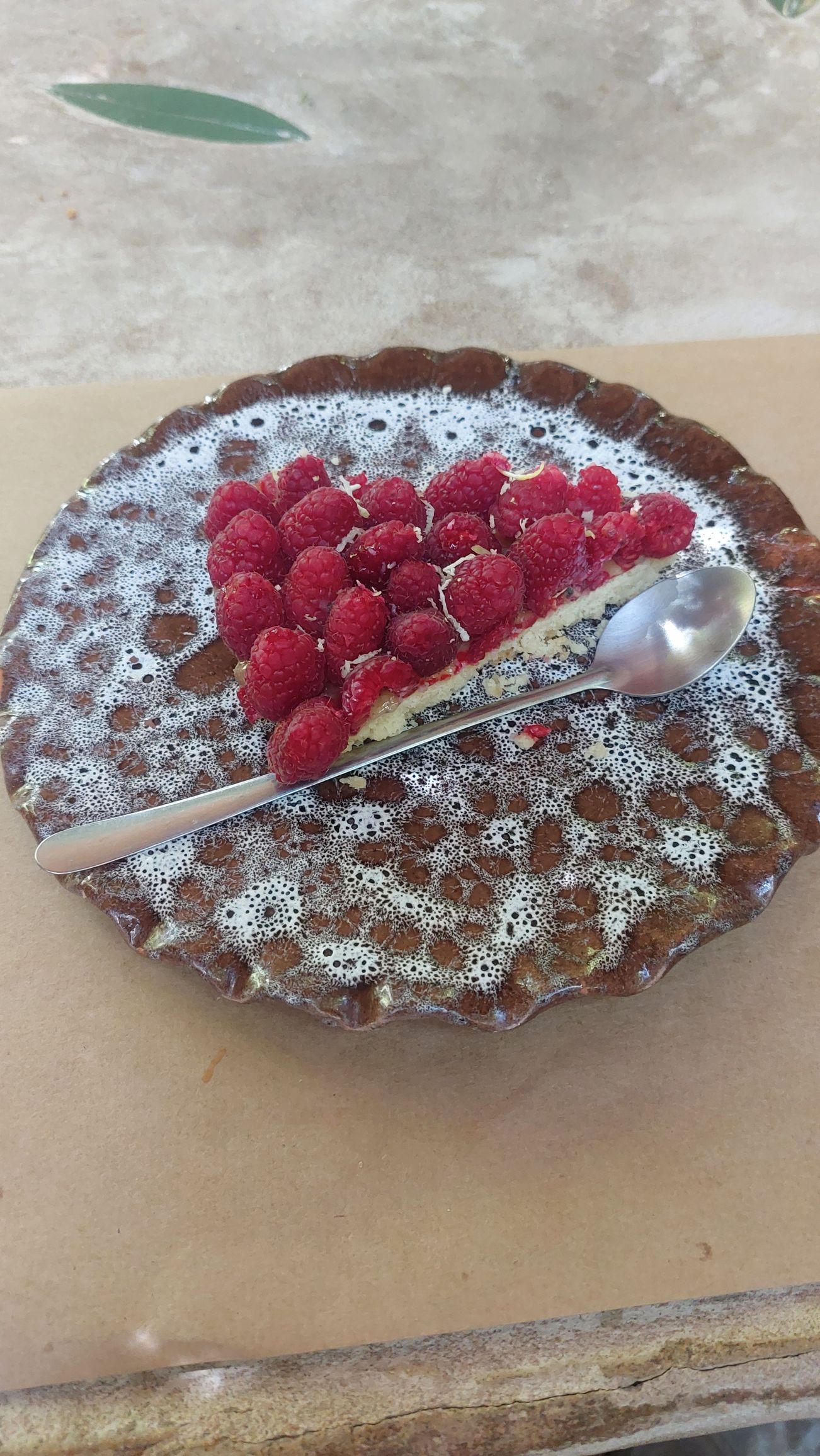
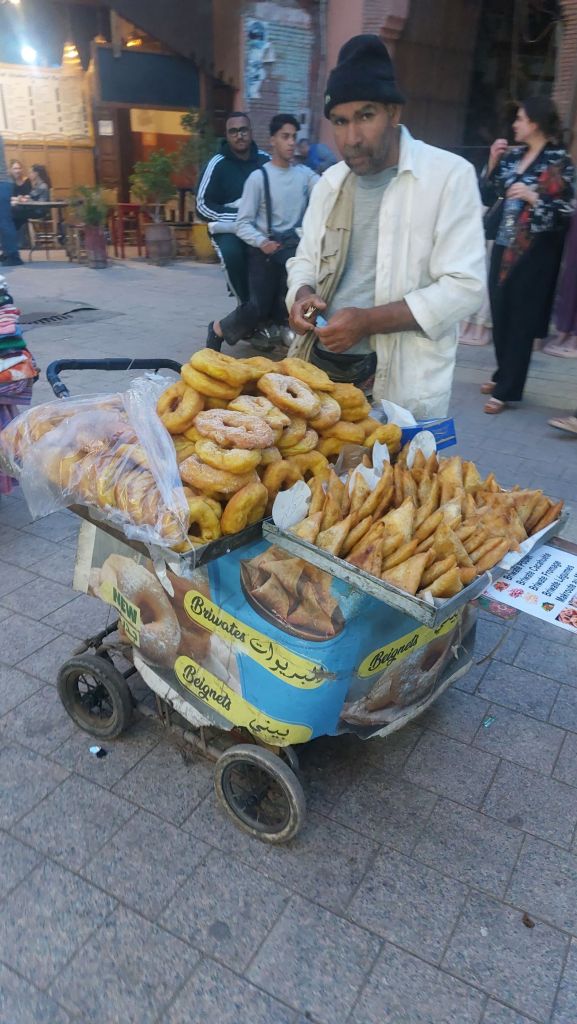
    For a snack whilst you are sightseeing, there is an abundance of freshly cooked seasonal vegetables and fruit for sale around the medina, which is mouth wateringly delicious. Lightly spiced olives and delicious pastries also make a wonderful alternative treat.

    Image by Freebird Tracey.

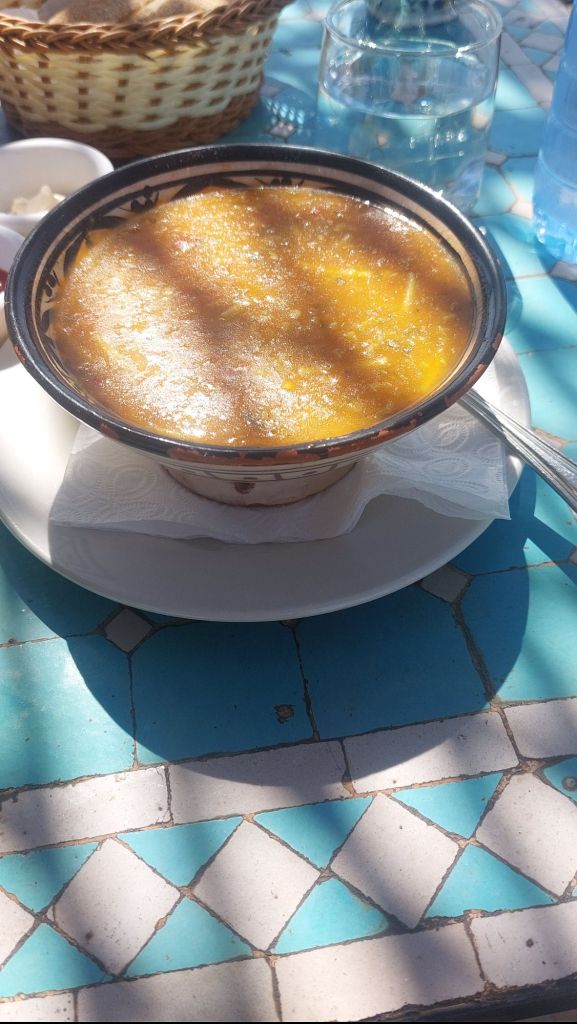
    Harissa soup is also a huge favourite of mine. It’s available everywhere and deliciously tasty served with traditional Morroccan bread. There is also a popular soup made with white beans, which is a breakfast staple in Marrakech.

    Image by Freebird Tracey.

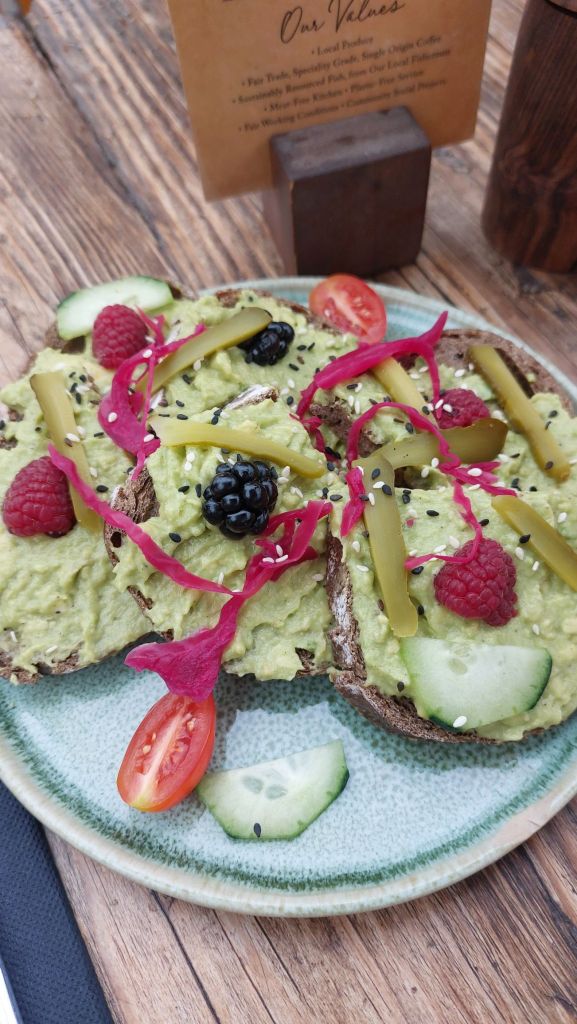
    Some restaurants serve a healthy meat free brunch. I particularly enjoyed the avocado toast at La Ferme. It was beautifully presented, and a healthy, filling midday meal

    Image by Freebird Tracey.

    The clock cafe in the kasbah does a really nice vegetable pastilla and has a few other interesting choices on the menu for vegetarians and vegans.

    Image by Freebird Tracey.

    Please don’t put off visiting Marrakech because you consider it to be a meat eaters paradise only. By doing a little bit of research beforehand, you will find a good selection of fine restaurants and cafes serving great food that doesn’t use animal products.  Both vegetable tagine and vegetable couscous are widely available if you want traditional Morroccan food.

    A few restaurants that cater to vegetarians and vegans that I can recommend are;

    . La Famille

    . La Ferme

    . Enjoy your meal

      Veggie Lovers.

    . Mandala Society.

    . Broc The Kasbah.

    Palais Donab also does a lovely vegetable tagine, and it’s a beautiful, tranquil place to have lunch or dinner.

    I suggest writing down the names and addresses of restaurants you wish to try before travelling, including opening times. This will save wandering around in the heat, looking for places suitable for your dietary preferences. I always do this, and I also read the reviews before deciding. It helps me to plan my itinerary, and it’s helpful knowing the opening times and the addresses. A lot of restaurants also have food on the menu that is gluten-free. Most menus are displayed outside restaurants so that you can check. You could also look online before you travel.

    Lastly, if you’re staying in an apartment, there are plenty of amazing markets in the medina selling a great variety of fresh vegetables and fruit to prepare your own meals with.

    Bon appetite.

    (more…)
  • What Is The Food Like In Marrakech?

    A look at popular food choices in Marrakech.

    Image by Freebird Tracey.

    The famous red city is a culinary delight for foodies. The streets are abundant with fresh, seasonal vegetables and fruit. There are herbs and spices galore in colourful barrels everywhere you look. The fragrance of street food fills the air, tempting your tastebuds. Restaurants with  decadent surroundings call out to you to sample their cuisine.

    But where do you start and what should you order?

    Like me, you may want to fully immerse yourself in the culture of a country you’re visiting. I enjoy sampling the signature dishes of places I visit and eating the food that the locals do. It’s the best way to get to know the culture, and food is a big part of life in Morrocco.

    Moroccan people are known for their hospitality and often invite tourists home for a meal with their family. If you get the chance to go do it. It’s a way to understand the people and their culture. Plus, there’s nothing better than traditional food homecooked by a local family.

    So,with an overwhelming choice of food to choose from, you may need a little help deciding what to try. I’ve put together a few ideas for you to choose from.

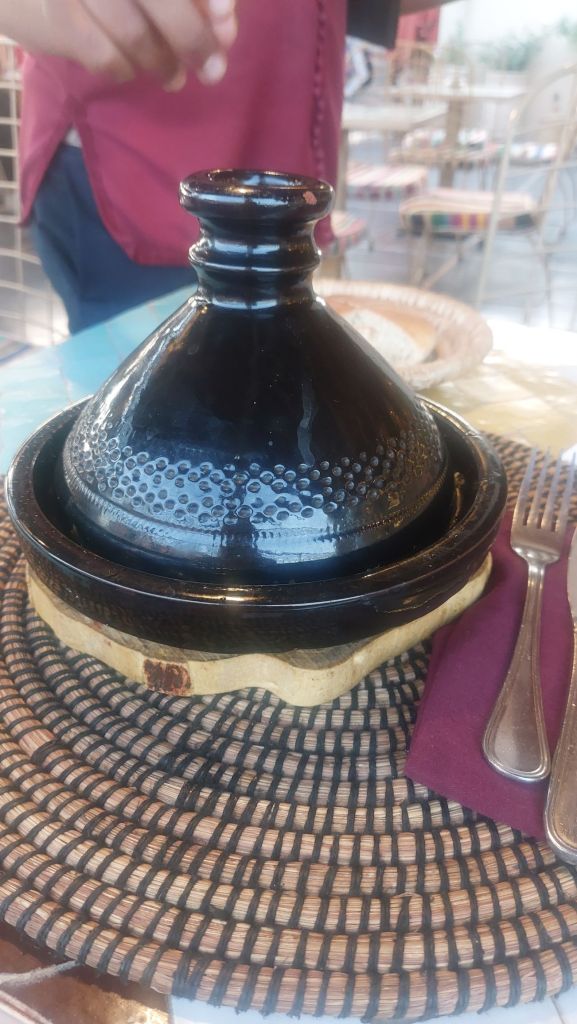
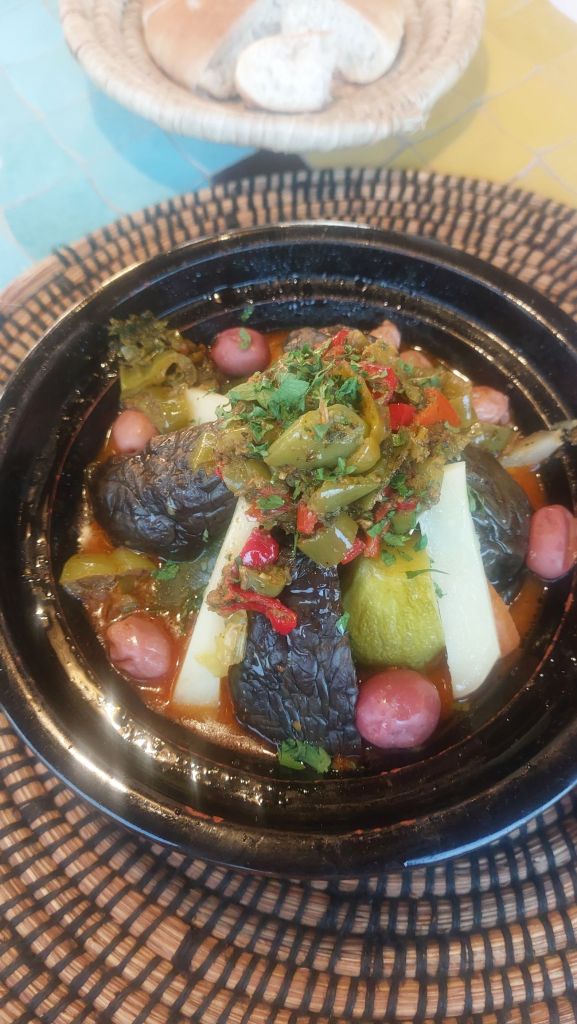
    The two most popular dishes in Marrakesh are tagine and couscous.Tagine is the name of the clay pot that the dish is cooked in. It consists of layers of fresh vegetables,with meat in the centre. Chicken or lamb is the most popular meat used. Dates, olives, preserved lemon, and spices such as the Moroccan spice blend ras el hanout are added to give the tagine flavour. Everyone has their own personal recipe for making a tagine, and they differ in each restaurant. However, they all use the same principle of layering the vegetables into a pyramid around the meat.

    Images by Freebird Tracey.

    Couscous is a grain made from semolina and served with meat and vegetables. It is eaten religiously on Fridays and a staple dish in Morocco and other North African countries. Couscous is finely textured and often served with harissa sauce to make the consistency less dry.

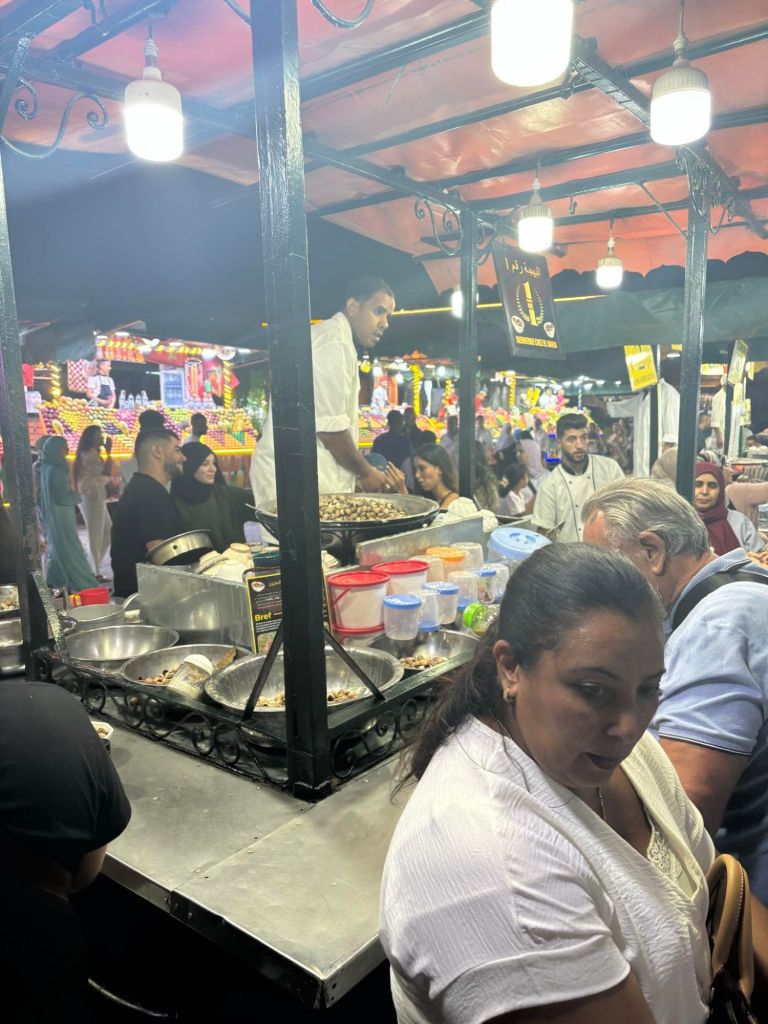
    In Jamaa El Fna, you will find sheeps head and snails. Tourists are encouraged by  street food vendors to try a dish of snails, and those who do have said that they quite enjoyed the experience. Apparently, the broth that they’re cooked in tastes of aniseed, and although an unusual tasting dish, it’s not inedible. Many tourists actually liked them.

    Video by Freebird Tracey.
    Image by Freebird Tracey.

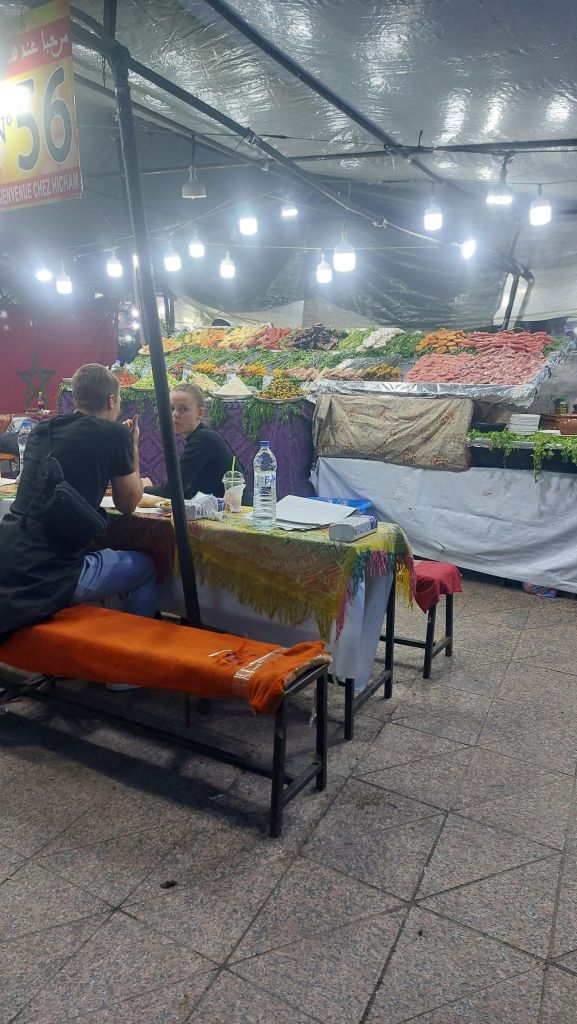
    Sheeps head is for the brave amongst us. It’s a regular sight on display in the main square during the evening. Locals sit at stalls alongside tourists next to the  charcoaled heads eating spit roasted mutton and sausages. The open-air restaurants are very popular, and the aroma of food can be smelt all around the main square.

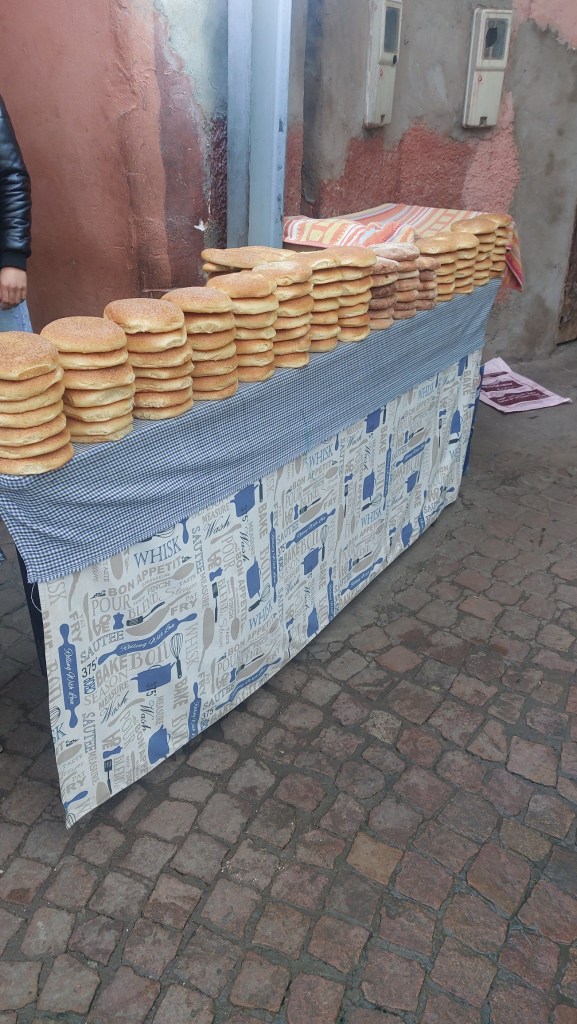
    In Marrakech, each meal is served with traditional bread. It is freshly baked every morning in communal ovens called Ferrans. Khobz is a traditional round crusty flatbread and used in place of cutlery to scoop up the food.

    Image by Freebird Tracey.

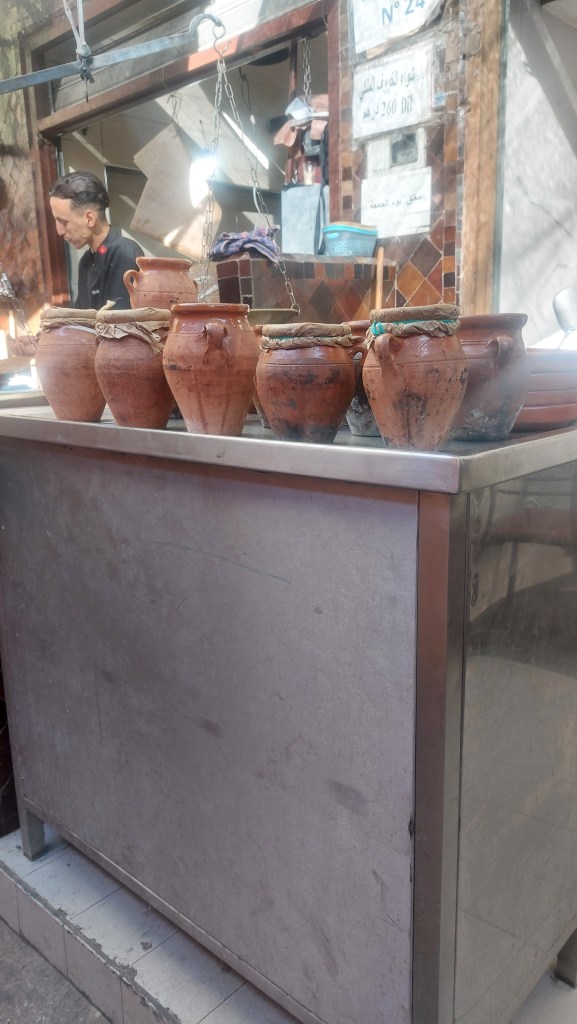
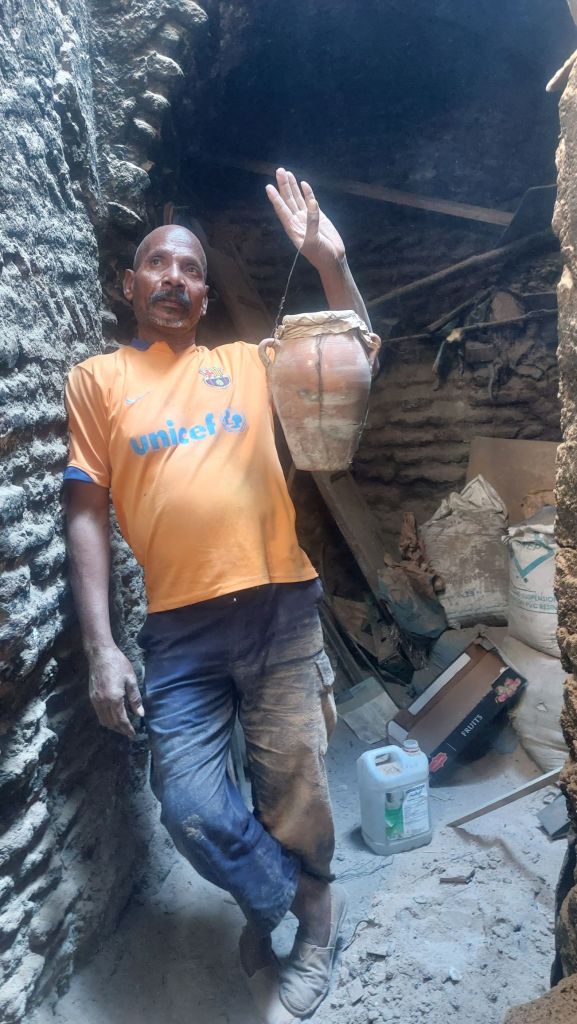
    Tangia is also a popular dish. It is meat (usually lamb), cooked very slowly in the embers of the local hammam. Traditionally, the tangia is taken to the hammam early in the morning and left to cook throughout the day. It is then collected and served for dinner with vegetables or bread. The meat is incredibly tender and simply falls off the bone. There is a row of street vendors dedicated to selling tangias in the medina. This is very popular with locals and tourists alike. The area gets very busy with people queueing for a vessel of succulent lamb or beef.

    Images by Freebird Tracey.

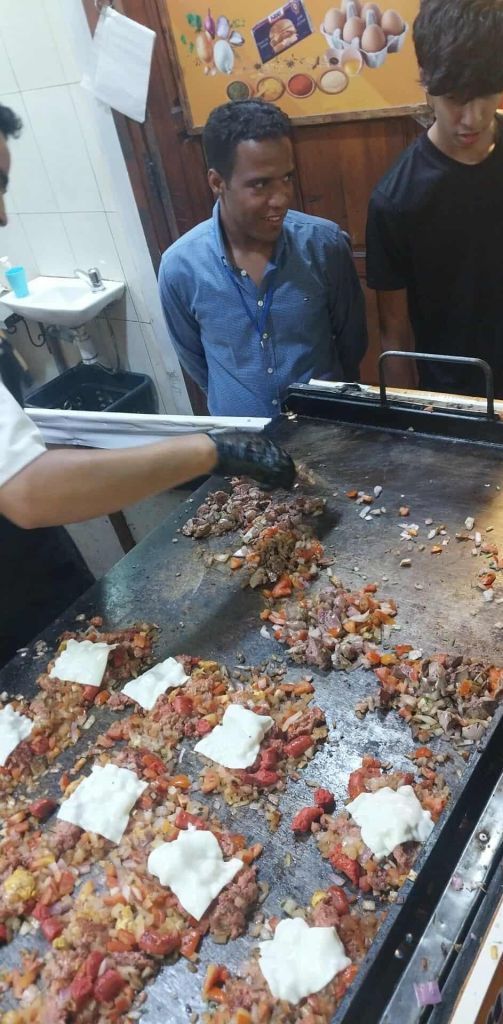
    There are plenty of street food vendors tucked away in the souks. They sell really good quality food and it’s cheap. Ideal for travellers on a tighter budget. Taking a street food tour is a great way to try all the best places serving traditional local food. There are several tours available during the daytime or evening. Tourists get the chance to sample authentic Moroccan cuisine with a registered guide. Delicacies like the spleen sandwich and Tripe are something that you may be introduced to during a street food tour. Remember to go with an empty stomach because there’s so much food to get through.

    Image by Freebird Tracey.

    Marrakech also caters to people who are vegetarians and vegans. There is a good choice of food, including salad,vegetable tagine, pastilla, and couscous. Most dishes can be adapted for people who don’t eat meat. There are a few excellent vegetarian restaurants in the medina, and more are opening as tourism grows.

    Images by Freebird Tracey.

    Pigeon is also eaten in Marrakech and traditionally used for the filling in Pastilla. There are camel burgers available at The Clock restaurant in the kasbah if you want to try something different.

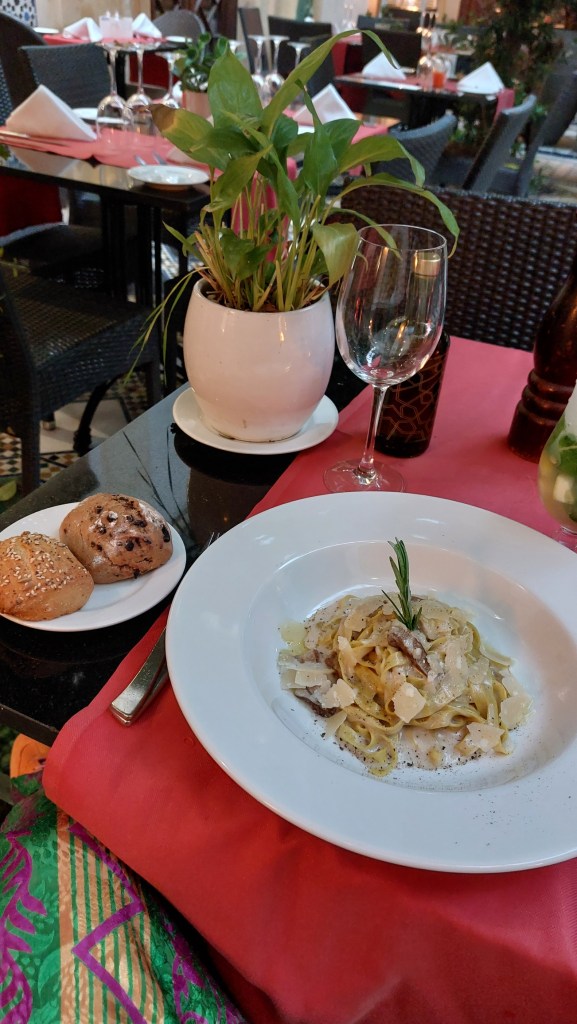
    Italian restaurants in the medina offer excellent pizzas and pasta dishes if you fancy a change from morroccan food. I recommend Pepe Nero or Limoni Italian Restaurant.

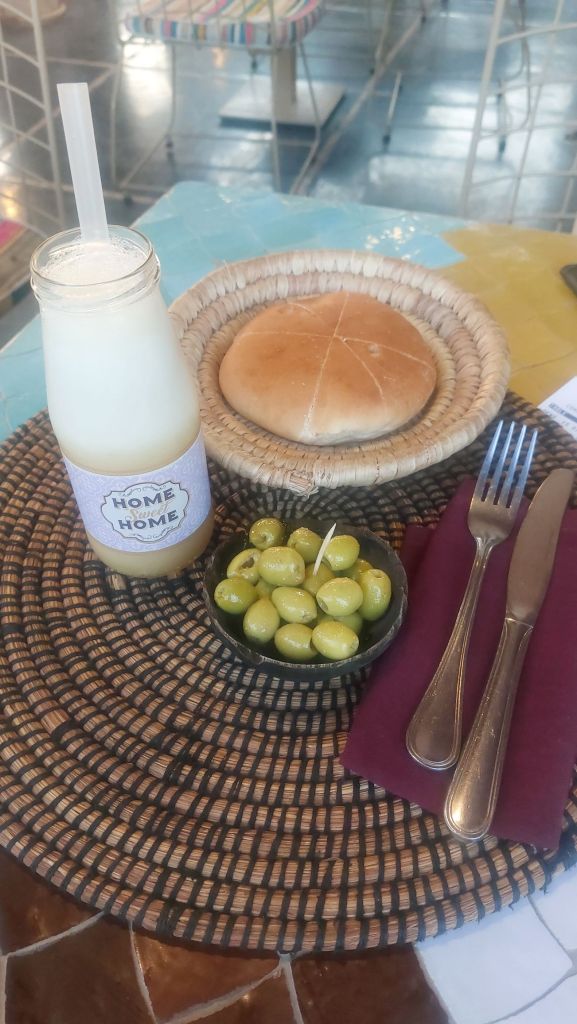
    Olives are served with most beverages as a complimentary side dish in Marrakech. They are either lightly spiced or plain. They are really fresh when you buy them straight off the vendors in the souks. Don’t hesitate to try some. They are delicious.

    Image by Freebird Tracey.

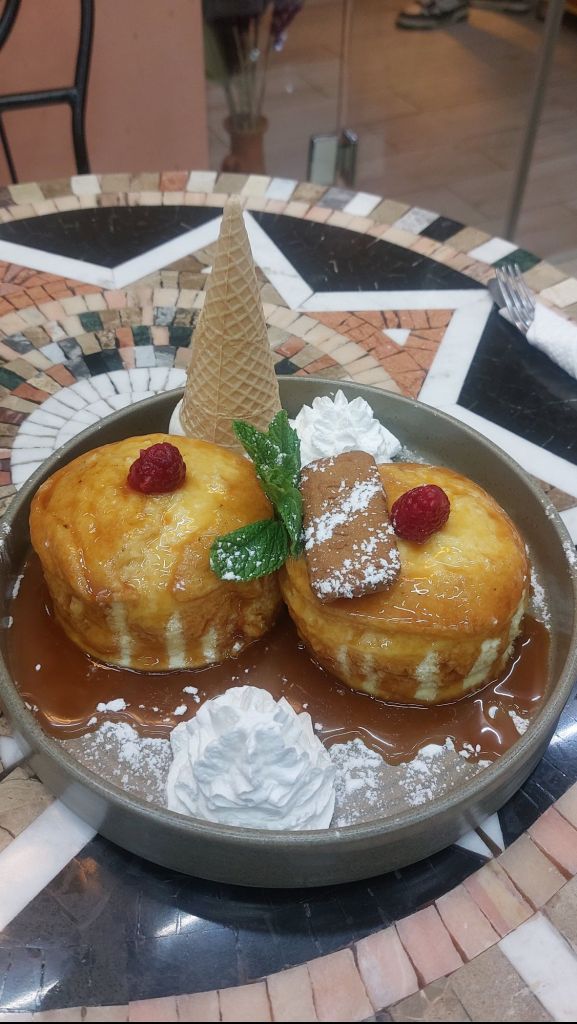
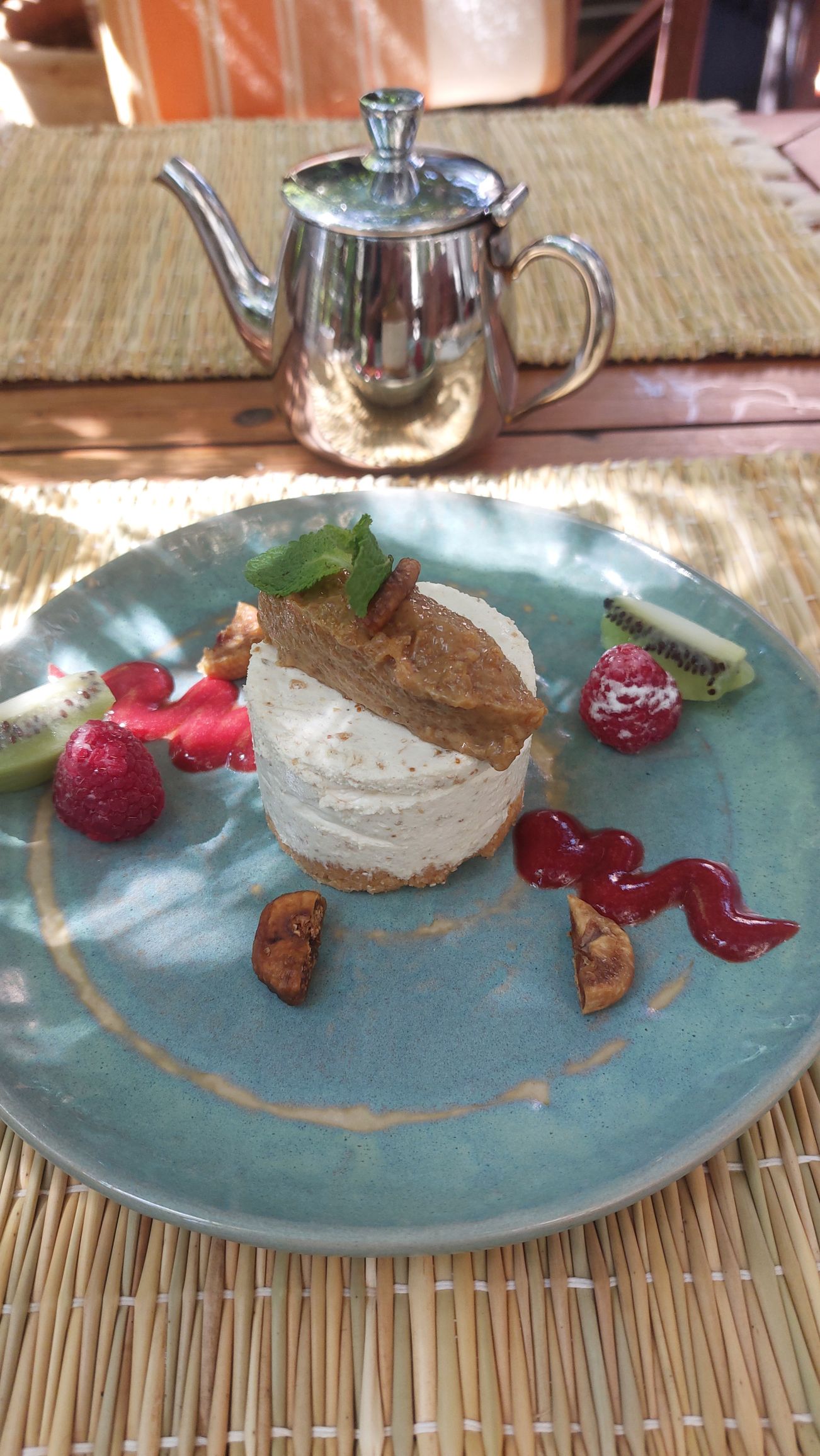
    The sweets and pastries in Marrakech are really good. Baclava is a traditional sweet and popular with the tourists. Moroccans have a sweet tooth as you will gather from the breakfasts high in carbohydrates and cakes. The choice of deserts on the menu in restaurants is really creative. There’s no point watching your waistline in Marrakech.

    Images by Freebird Tracey.

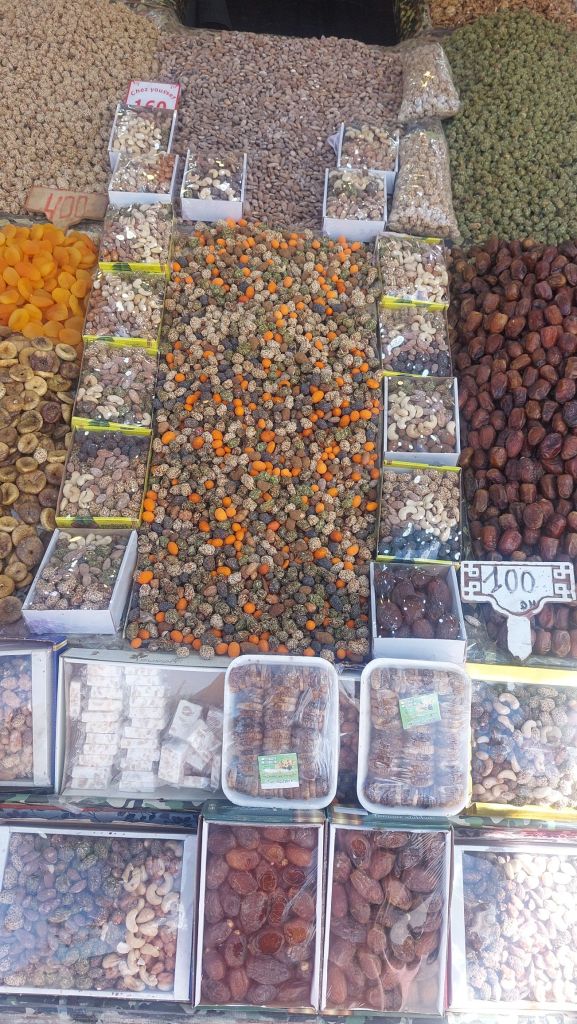
    Dates are a hugely popular snack in Marrakech, and medjool dates known as ‘The King of Dates’ are widely available around the medina. Make sure to try some. You won’t be disappointed with the soft caramaly taste.

    Image by Freebird Tracey.

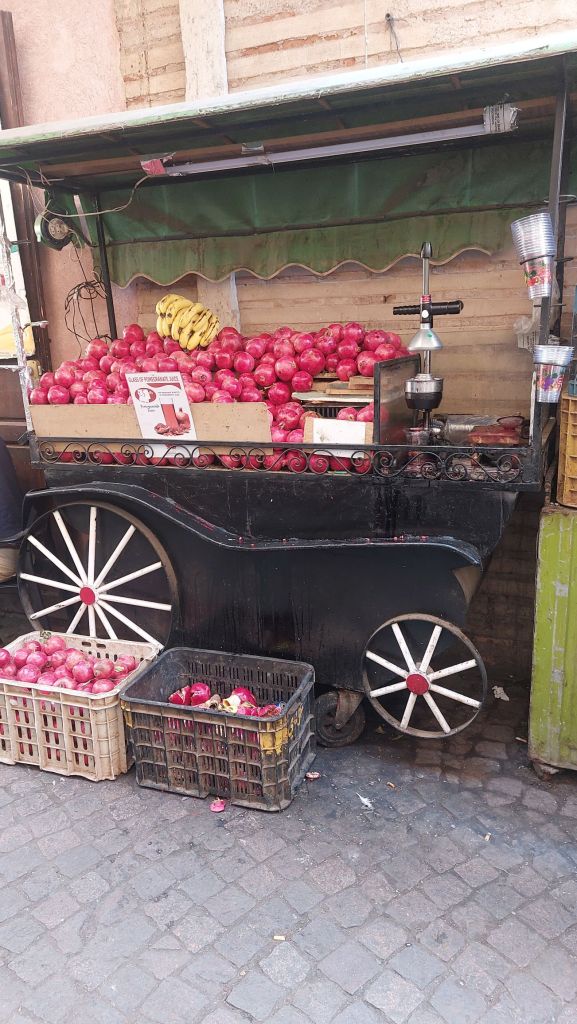
    Fresh fruit is sold everywhere in Marrakesh. It’s used in tantalising sweet dishes and refreshing smoothies that make your mouth water. Sugarcane and pomegranate juice is a favourite of mine and only costs a few dirhams.

    Marrakech is a dream come true for people who love their food. With so much to choose from, you would need months to eat your way through it all. Not only is there a great variety, but it’s beautifully presented too. Imagine sitting in a tranquil setting next to exotic plants, with the sound of birds and trickling fountains. Or on a rooftop terrace at dusk watching the sunset as you tuck into a plate of delicious food. Those are memorable experiences of eating in Marrakesh.

    Image by Freebird Tracey.

    Be open to getting out of your comfort zone and give some of the traditional Moroccan dishes a go. You may be pleasantly surprised. If you’re not adventurous, many restaurants serve European, Mediterranean cuisine. The choice is endless.

    Image by Freebird Tracey.
    (more…)
  • The Saadian Tombs.

    A testimony to the opulence of the Saadian dynasty.

    Image by Freebird Tracey.

    One of the most popular tourist attractions in Marrakesh is the Saadian tombs.

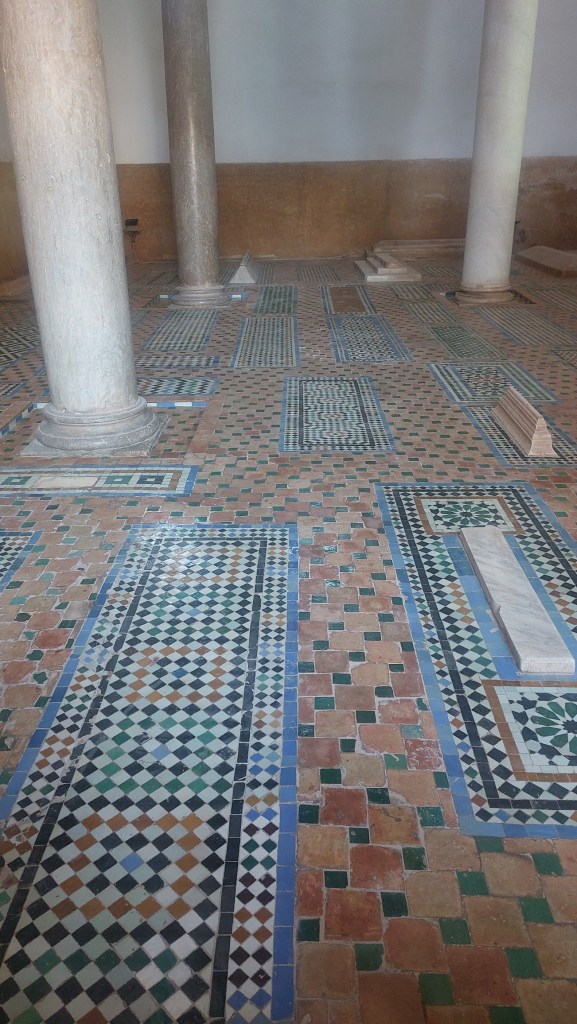
    The Saadian tombs have become a historical landmark dating back as far as the late sixteenth century. Built by the Saadian dynasty, they house the mausoleums of Sultan Ahmad al-Mansour and his family.

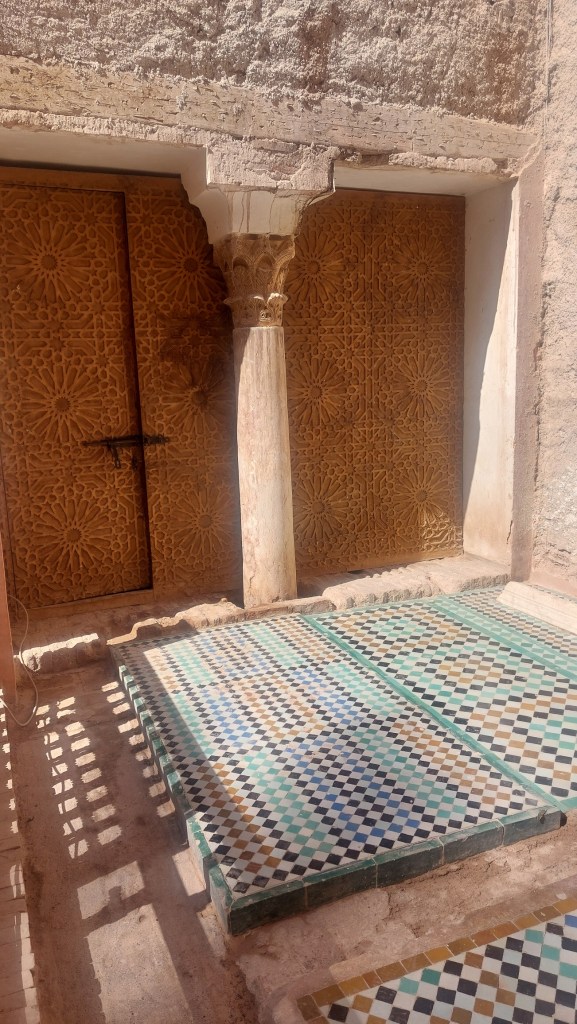
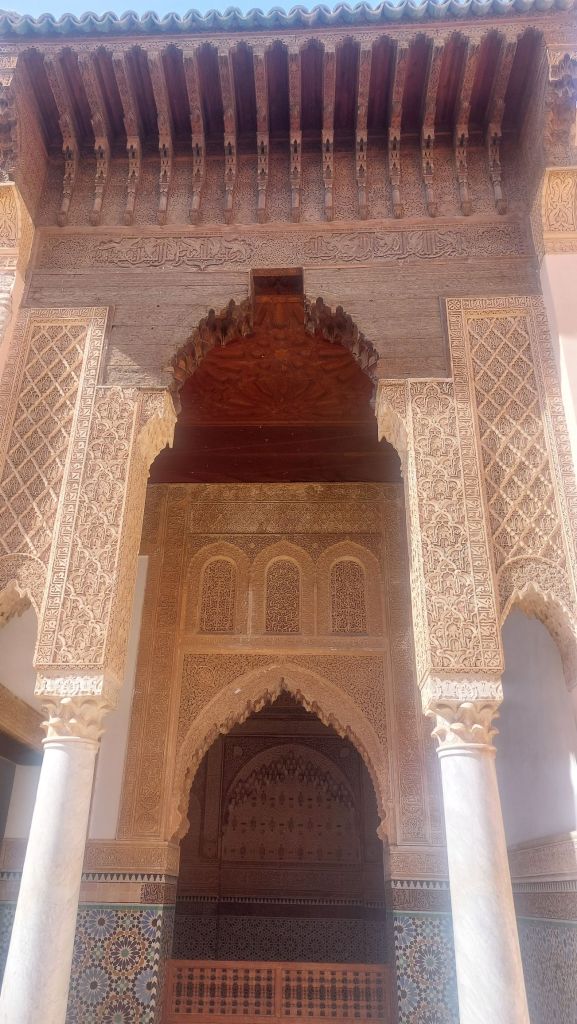
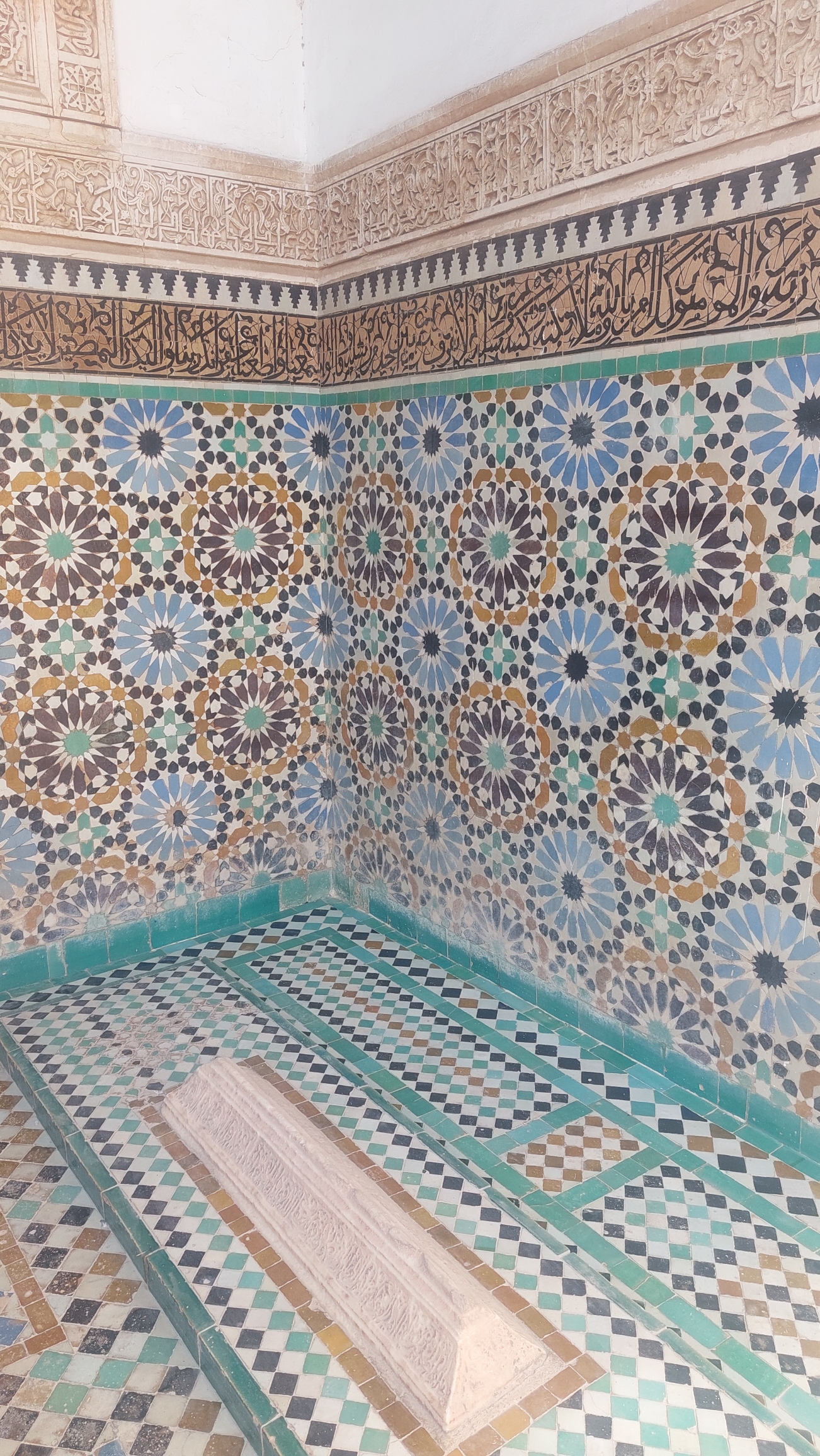
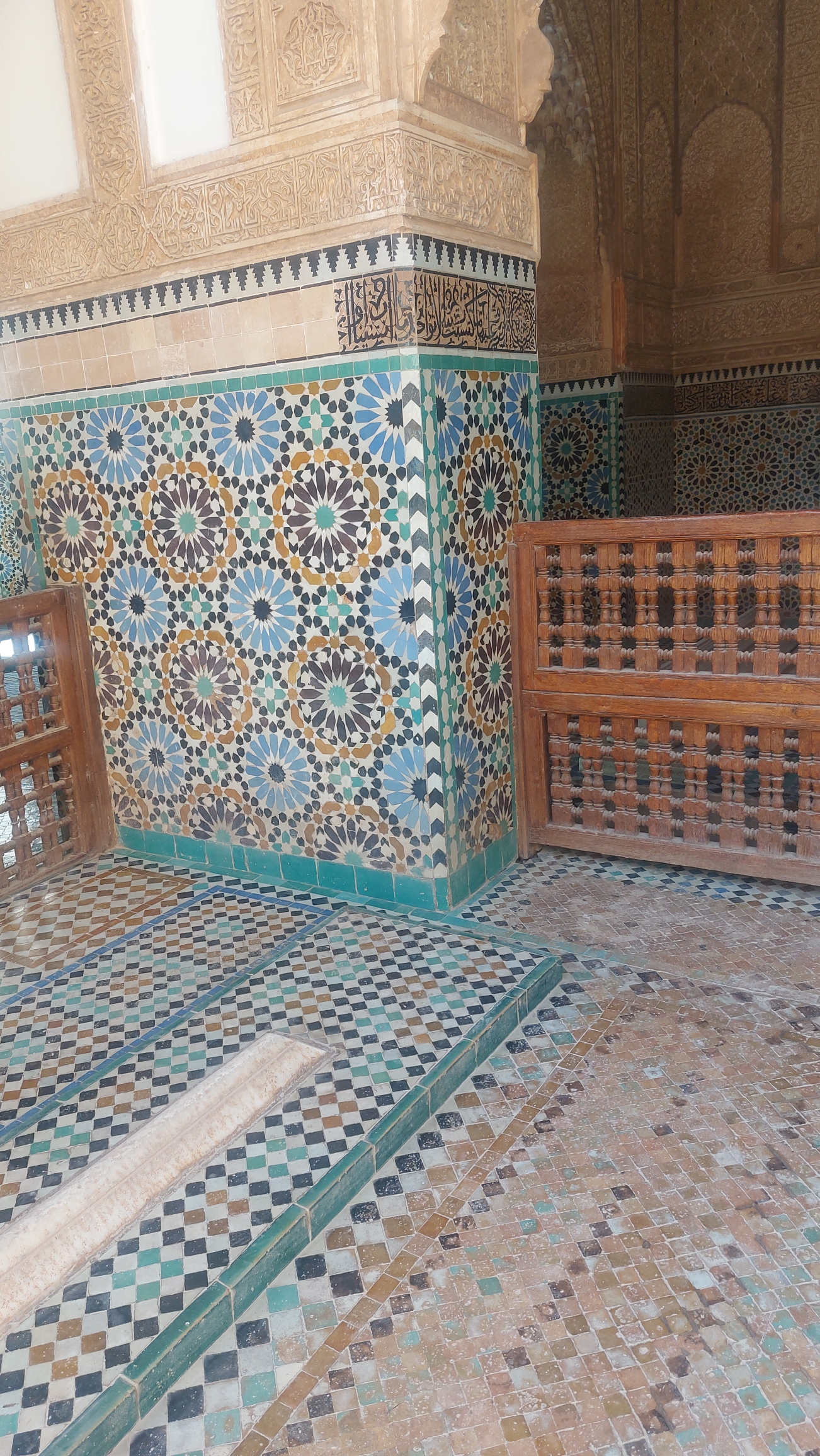
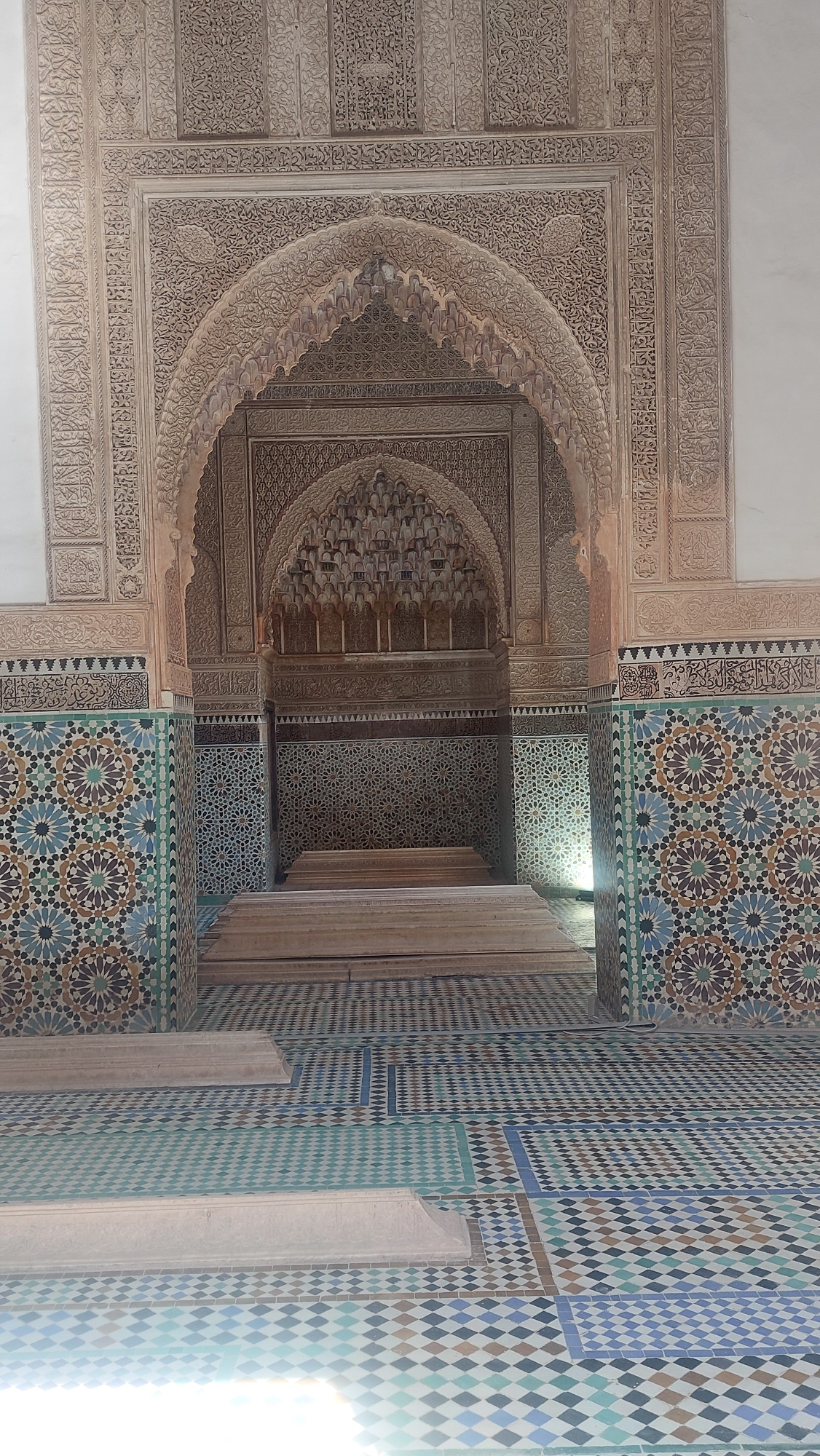
    The  mixture of Spanish and Moorish architecture is really impressive, with detailed stucco work, intricate mosaic tiles, and Italian Carrara marble.The main mausoleum is quite remarkable, with beautifully decorated ceilings and columns and there are usually very long queues waiting to see it. The Saadian tombs are very decadent with a mixture of Morroccan, Andalusian, and European styles, showcasing the wealth of the Saadian dynasty.

    I recommend arriving early around opening time to avoid waiting too long to see the main mausoleum. Tourists can wait for over an hour in the heat, so make sure you have a bottle of water handy just in case.

    Images by Freebird Tracey.

    The Saadian Tombs were hidden for centuries. They were spotted through aerial photography and are now one of the most visited tourist attractions in Marrakesh.

    Housing over 100 tombs with beautiful zellige tiles and marble columns, this royal necropolis was commissioned by Sultan Ahmed al-Mansour to honour his ancestors. The chamber of 12 columns is where the tombs of Ahmed al- Mansour and his successors are laid to rest. In the gardens lie the tombs of soldiers and servants. There is a smaller  tranquil chamber, which is called the Chamber of Three Niches.

    The Saadian Tombs are an example of Moroccos’ rich history and culture. They are in close proximity to El Badi Palace and Bahia Palace. Both are worth a visit if your you’re interested in Islamic art and architecture.

    Images by Freebird Tracey.

    The Saadian Tombs are in the Kasbah next to the mosque, and the opening times are 9.00 am until 5.00pm daily. The price of entry at the time of writing is 100 dirhams.

    The Kasbah is located to the south of the medina.

    Image by Freebird Tracey.
    (more…)
  • Jamaa El Fna At Sunset.

    Experience the heartbeat of Marrakech.

    Image by Freebird Tracey.

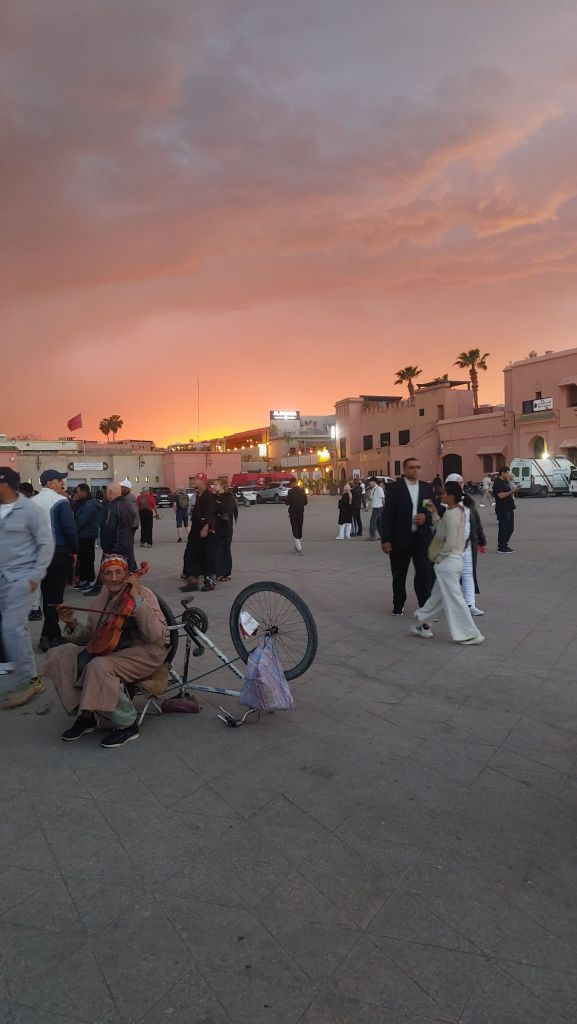
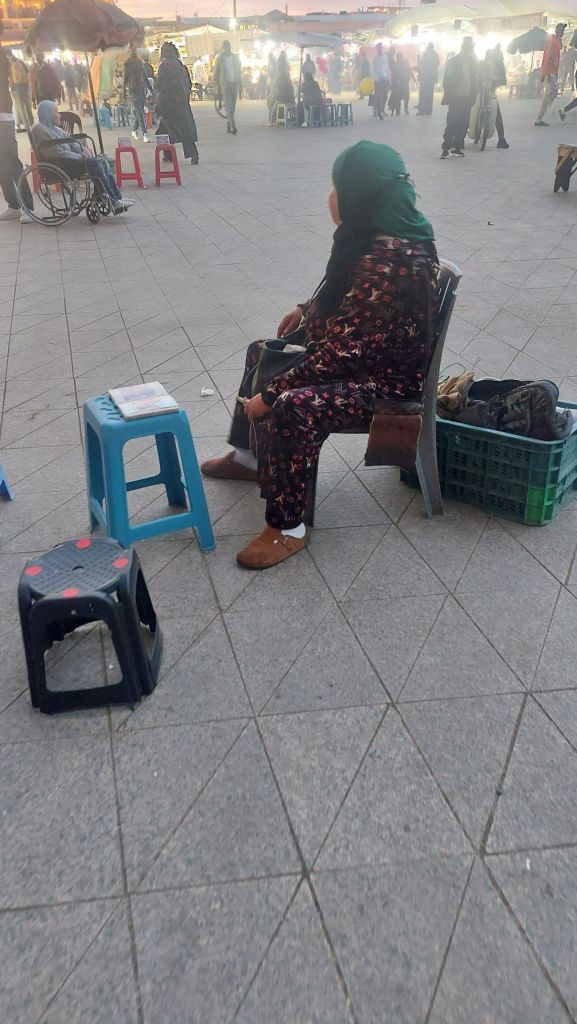
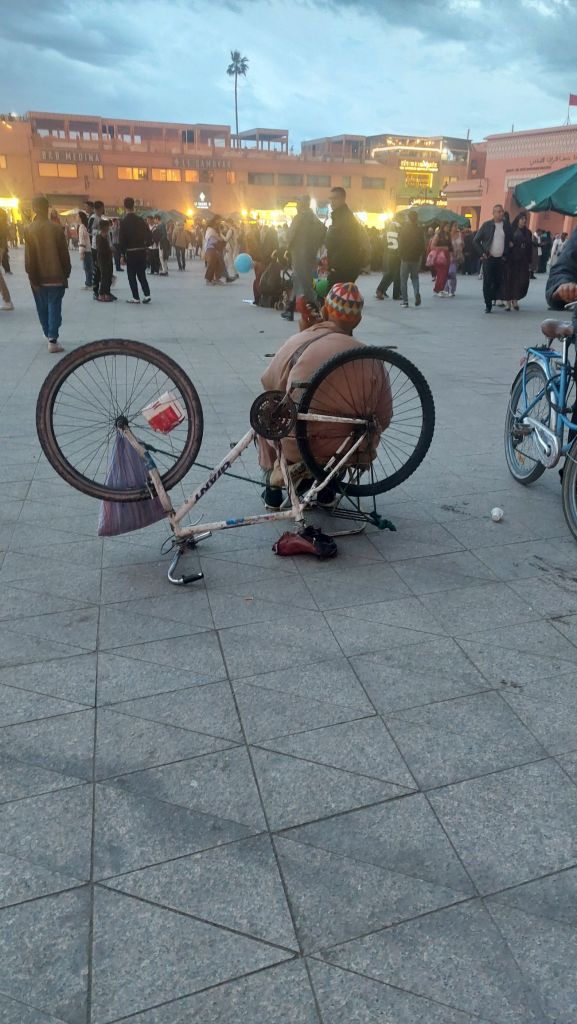
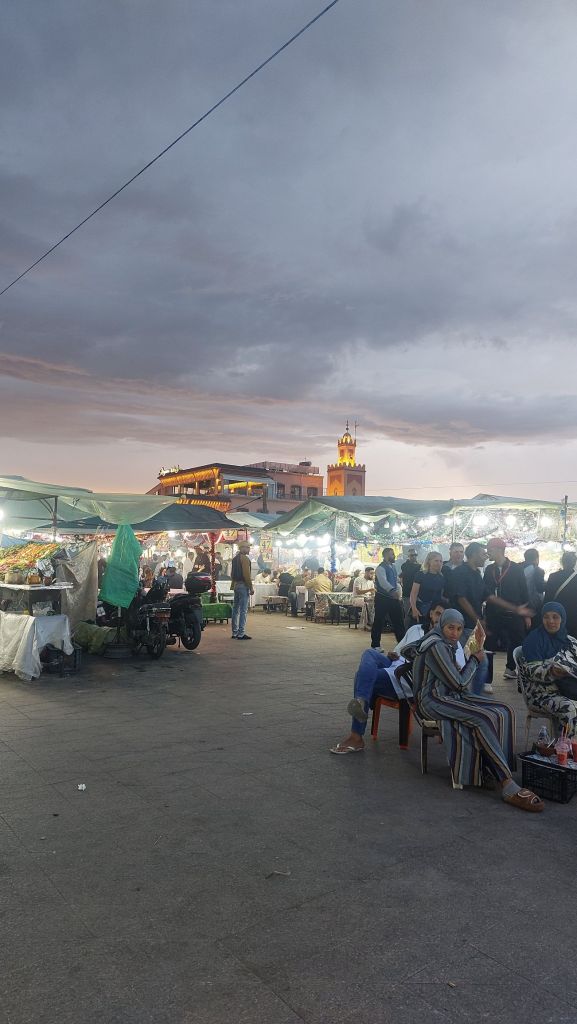
    If you think that Jamaa El Fna  is a busy place during the daytime, be prepared for a surprise once the sun begins to set. Gone are the snake charmers and monkeys on chains, to be replaced by open-air restaurants, gnawa musicians, gambling, and exotic dancers.

    Images by Freebird Tracey.

    The scene is organised chaos and a complete sensory overload. The sights, sounds, and smells are not for the faint-hearted. The drumming becomes intense as the main square takes on the image of a huge fair ground.

    Thousands of people from all over the city and beyond come together to meet each other, alongside tourists all vying for space to watch the spectacle unfold. The exciting atmosphere is electric and pulsates with energy.

    Street vendors looking for potential customers pursue you with menus as you try to navigate your way through the crowds. They hop in front of you, and you have to dodge them like you are taking part in some sort of assault course.

    Images by Freebird Tracey

    The aroma from camel heads cooking on a spit drifts across the square, and fresh snails being plucked from their shells becomes a familiar sight.

    Although the scene is very intense, it is also magnetic and exciting. I love the energy in Jamaa El Fna after dusk, but some people find it too overwhelming. They prefer to sit at the edge of the square, away from the crowds, and watch everything from a safe distance with a drink.

    Jamaa El Fnaa at dusk is unlike anything else you may have experienced. There is so much to see.There are games being played, and a few little scams are taking place to try and trick you into coughing up a few dirhams.

    Locals hang around the cafe de France, chatting with each other over coffee. Families wander around the stalls that are brightly lit up and open until late. Young men enjoy kicking a football against the walls of the medina, and couples sit on benches chatting to each other in the warm evening air.

    Sugarcane and fruit juice are sold by lively vendors, and the banter is all done in high spirits. Tourists dine on rooftop terraces as the Koutoubia mosque rings out the call to prayer.

    As the sun sets, the crowds flock, and the atmosphere becomes electrifying.The square is transformed into a social hub where anything is possible and everything appears to take place at the same time. It’s an incredible experience.

    Dazzling bright lights from the open air food vendors and Morroccan lamps for sale on blankets give off a warm, inviting glow. The heady fragrance from incense cones competes with the smell of food cooking, each wafting through the air on a gentle breeze.

    Henna ladies sit waiting for unsuspecting tourists and then grab their arms in an attempt to sell them a tattoo. They tell you,”It’s a gift,” but don’t you dare to walk away without paying once they’ve applied it.

    You can hear the sound of the gnawa musicians playing dressed in their brightly coloured clothing, belly dancers perform, and acrobats show off their skills to the gathering crowd of curious onlookers, you can’t escape the mayhem. After all, the famous Jamaa El Fnaa is the heartbeat of the city, and it draws you in because it’s a special place and there’s nowhere else quite like it.

    Image by Freebird Tracey.

    Jamaa El Fna magnetises you. The chaos that surrounds you is an assault on the senses. It’s an experience, an education, and a head-first dive into the rich culture of Marrakech.

    Image by Freebird Tracey.

    Although there’s so much going on after dusk, please be mindful when stopping to take photos. Someone in the thick of the action will be eagle eyed enough to catch you. They are continuously on the lookout for tourists who have stopped to watch. They will pounce upon you from out of nowhere, with a cap in their hand expecting a donation.

    After sunset, it’s as though the whole of Morrocco has come out to play in Jamaa El Fna, and they are determined to have a good time. It’s a sight to behold, lively, energetic, colourful, aromatic, and incredibly loud. Be sure to visit this remarkable place and witness what it is that makes Marrakech so magical. It’s certainly an eye-opener.

    Although it’s mostly safe around the square, exercise the usual caution in large crowded areas and try to avoid any obvious scams.

    Image by Freebird Tracey.
    (more…)
  • Riad Hikaya.

    A riad in the Kasbah district.

    Image by Freebird Tracey.

    Riad Hikaya was purchased by an Englishman who spent 15 years restoring it. It is a gorgeous riad situated in the Kasbah district of Marrakech. The work that has gone into reviving it is evident as soon as you walk through the door. Everything is handmade. The skilled craftsmanship used to create each piece of the furniture and hand paint the doors is exceptional. Some of  the rooms even have large copper bathtubs.

    Images by Freebird Tracey.

    Riad Hikaya is not budget accommodation. However, considering the aesthetics and the professionalism of the staff, it’s worth paying slightly more to stay here.

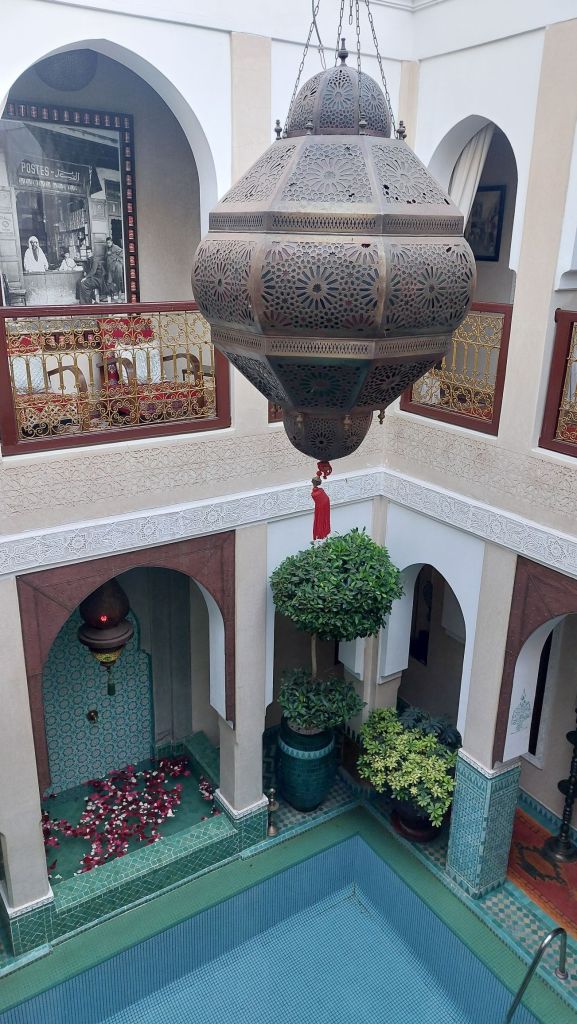
    The breakfasts are really good and I ate dinner here one evening. I had a three course meal, and it was freshly cooked. I sat at the edge of the pool to eat, admiring the large Moroccan lampshade hanging in the centre.

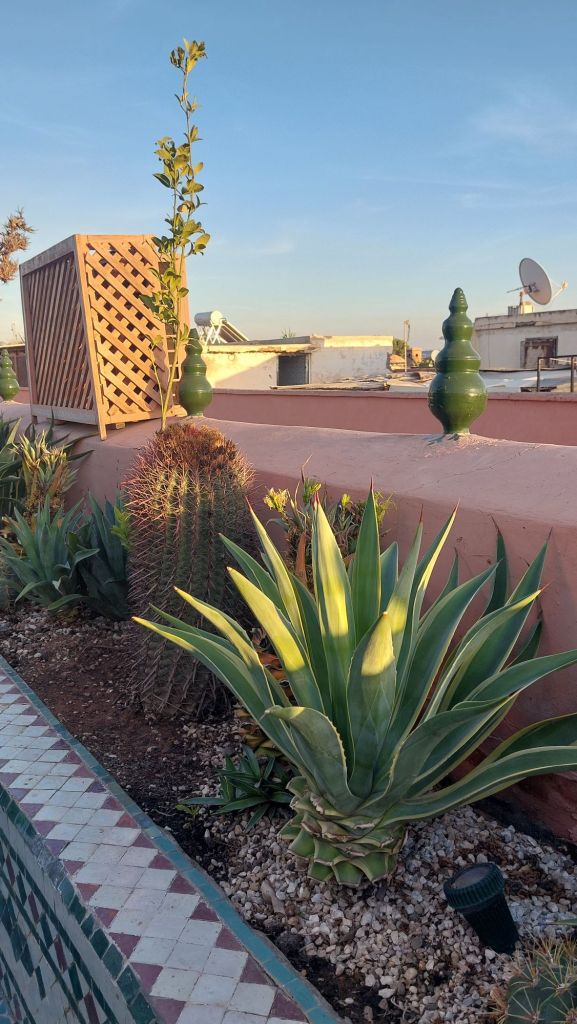
    There is a rooftop terrace with places to sit in the shade and sunbeds to soak up some hot, morroccan sun. It is a lovely space to relax with colourful couches and little pomegranate trees in pots. There are views of the snowcapped Atlas Mountains in the distance.

    Images by Freebird Tracey.

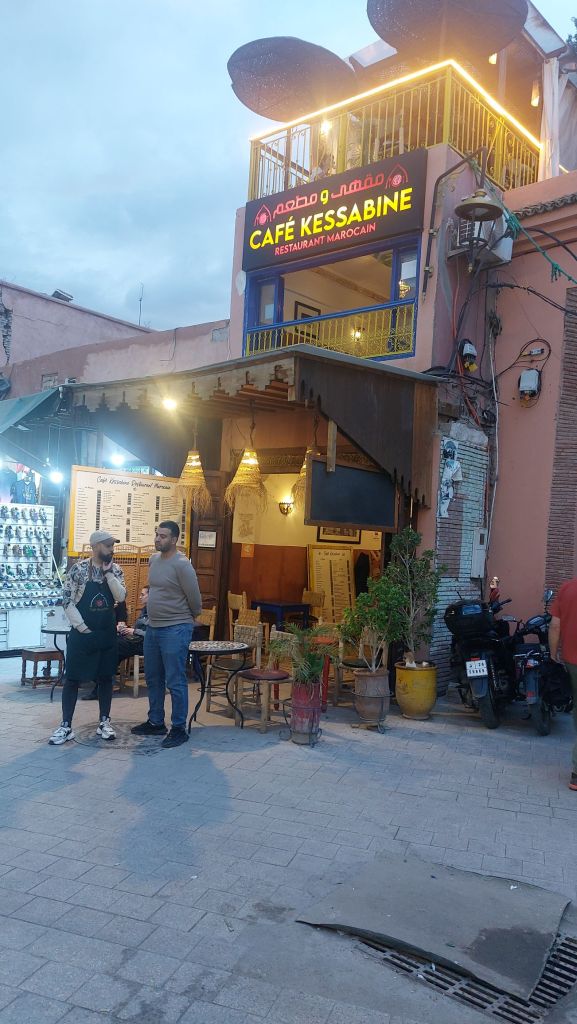
    The Kasbah is an authentic side of Marrakech. There are fewer tourists, and the locals are friendly. There are plenty of good restaurants, including The Clock, located across the road from Riad Hikaya. There are a number of shops and popular attractions such as El Badi Palace and the Saadian tombs. It is an easy 20-minute walk to the main square from the Kasbah.

    If you want to disconnect from the busy touristic areas, staying this side of the medina is the perfect retreat.

    Image by Freebird Tracey.

    I stayed at Riad Hikaya in the winter. Inside,the rooms were warm and cosy, and I felt comfortable throughout my stay. It was quiet and a change from the hectic rhythm of the medina.

    I enjoyed my winter break at Riad Hikaya and would definitely return again. The staff were kind and always available if I required anything. The riad is visually appealing, and it’s obvious that it’s been a labour of love.

    Image by Freebird Tracey.
    (more…)
  • Riad Zouhour.

    A riad with a pretty rooftop terrace.

    Image by Freebird Tracey.

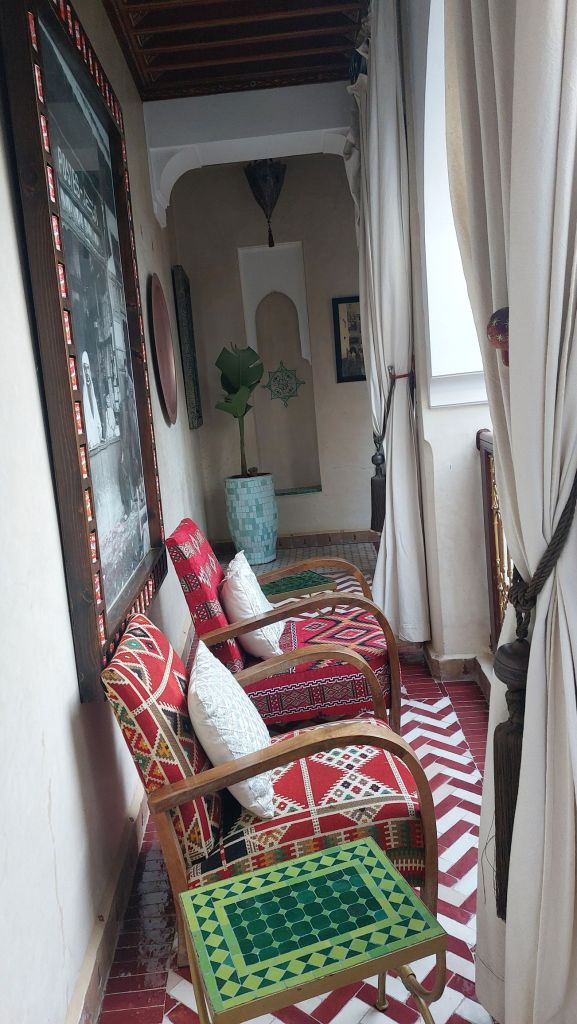
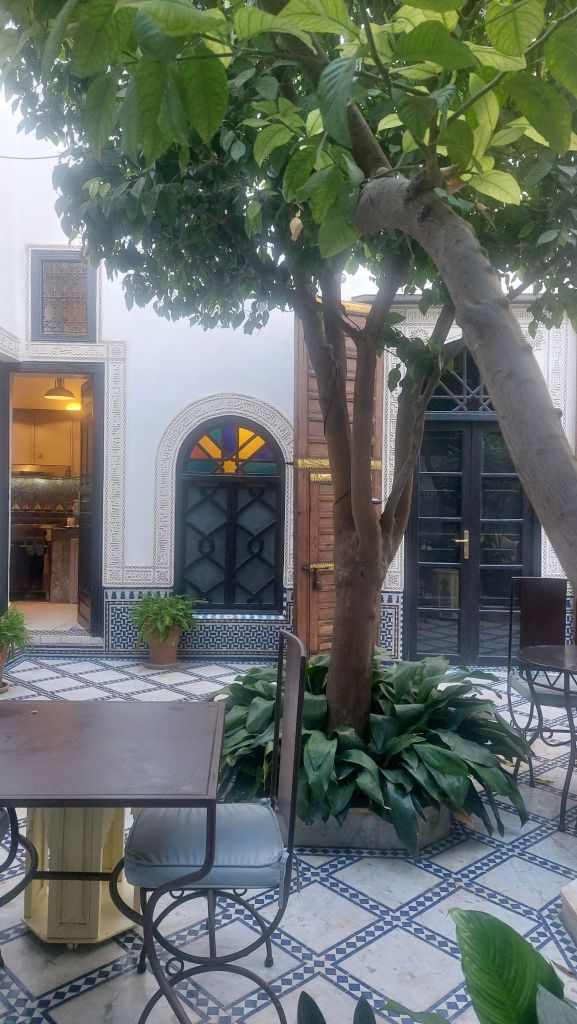
    Riad Zouhour is a captivating riad in a strategic position in the medina. The blue and white zellige tiles, intricately carved wooden doors, and ornate window frames showcase the character of this traditional riad. Simply put, it is stunning.

    Images by Freebird Tracey.

    The rooftop terrace is a peaceful oasis with flowers, citrus trees, and tropical plants. Creatively designed seating areas invite you to sit and admire the tranquil surroundings. There is also a small pool for cooling off in, kept spotlessly clean. You can tell this riad is a labour of love. The attention to detail is a credit to the owner, and the  rooftop garden is nothing short of paradise.

    Images by Freebird Tracey.

    The rooms in Riad Zouhour are spacious. They are light and airy, with sunlight streaming through the windows. Large private bathrooms contain fragrant products, adding a personal touch. The whole riad feels very luxurious.

    The food is also very good. I ate dinner here and it was excellent. The riad provides a typical Moroccan breakfast that is substantial enough to fill you until lunchtime.

    The staff are attentive and kind, going out of their way to make you feel welcome. The atmosphere was relaxed and professional, and I felt very comfortable here.

    Although Riad Zouhour exudes luxury, it’s affordable. It’s in a good location close to all the action, yet inside the walls, it is peaceful, and still. It’s easy to see why Riad Zouhour is popular.

    The address for Riad Zouhour is 33 Derb Snane, Medina 40000 Marrakech Morocco. Check-in time is 00:00 until 23.30 hours, and Check-out time is 5.00 until 00:00. 

    Like most of the riads in the medina, they are happy to organise excursions for you.

    This is a riad I would highly recommend. It has been beautifully restored whilst keeping all of its original charm. I enjoyed my stay here, and I wouldn’t hesitate to come back. It is a peaceful oasis in the busy medina. A haven of tranquillity where guests are made to feel valued. Riad Zouhour is one of those places you just don’t want to leave.

    Image by Freebird Tracey.
    (more…)
  • Riad Bohemian Jungle.

    A riad conjuring up Tales of Arabian Nights.

    Image by Freebird Tracey.

    The Bohemian Jungle is a beautifully choreographed riad, close to the spice square in Marrakech. Straight out of a tale from Arabian Nights, the Bohemian Jungle exudes charm and authenticity.

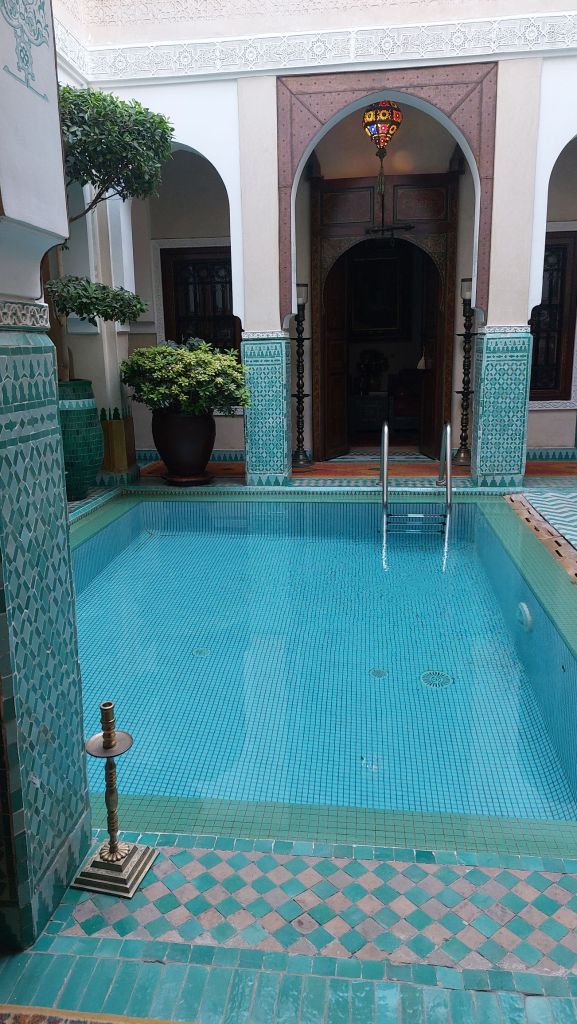
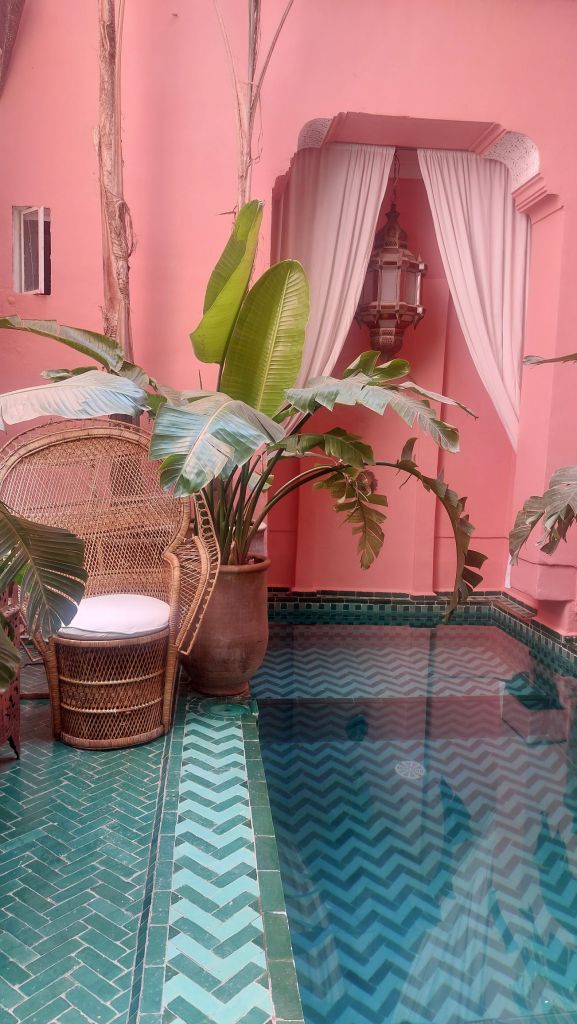
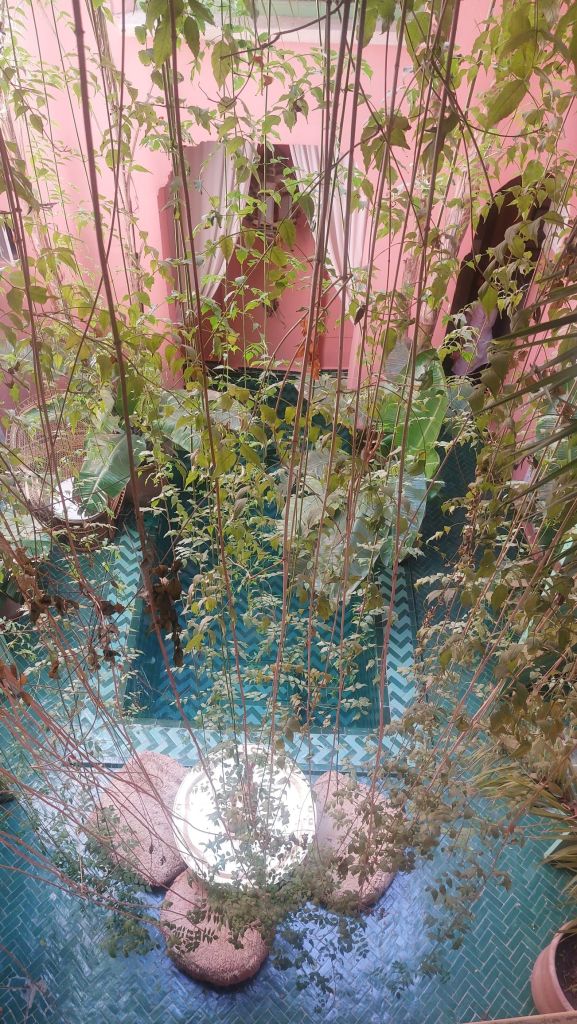
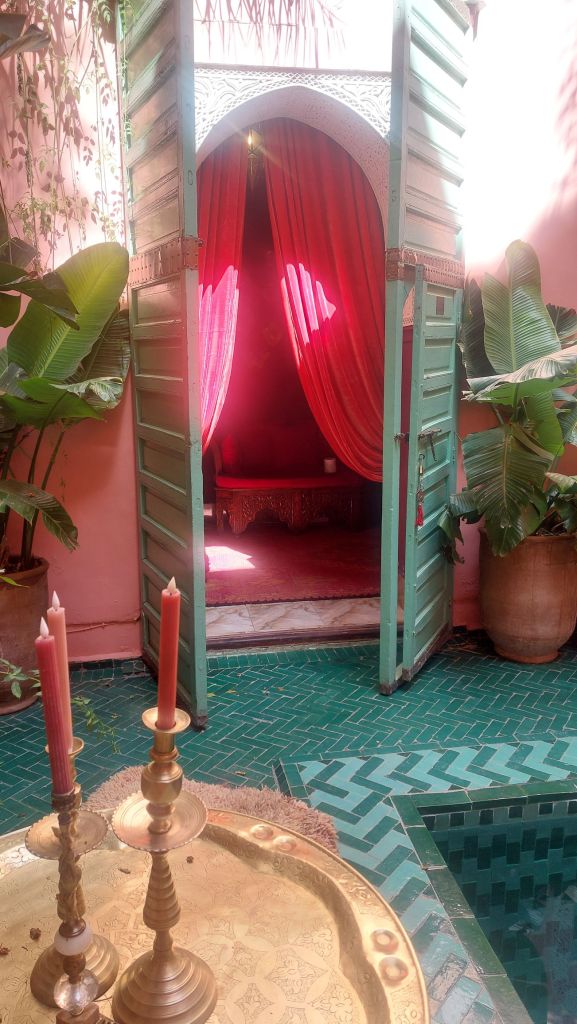
    The interior is captivating, with several nooks and crannies to sit taking in its splendour. The little pool in the centre of the courtyard is ideal for cooling off in. The green zellige tiles and exotic plants are attractive focal points of the riad.

    Images by Freebird Tracey.

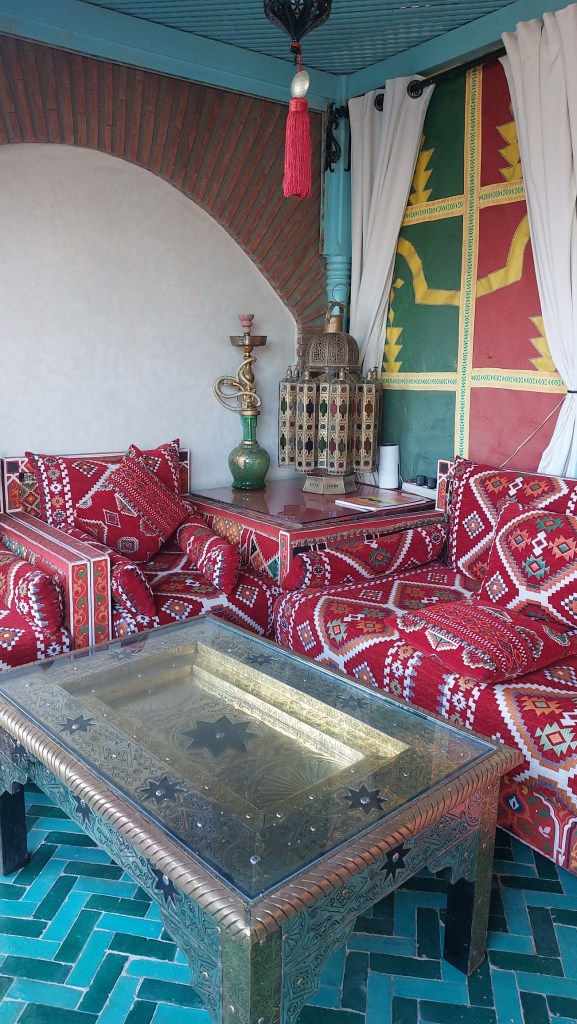
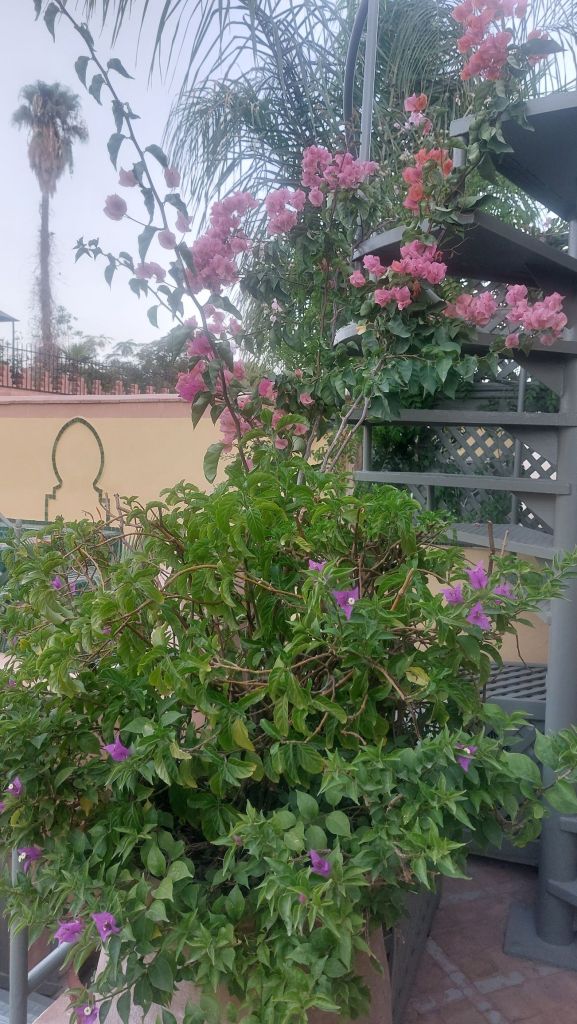
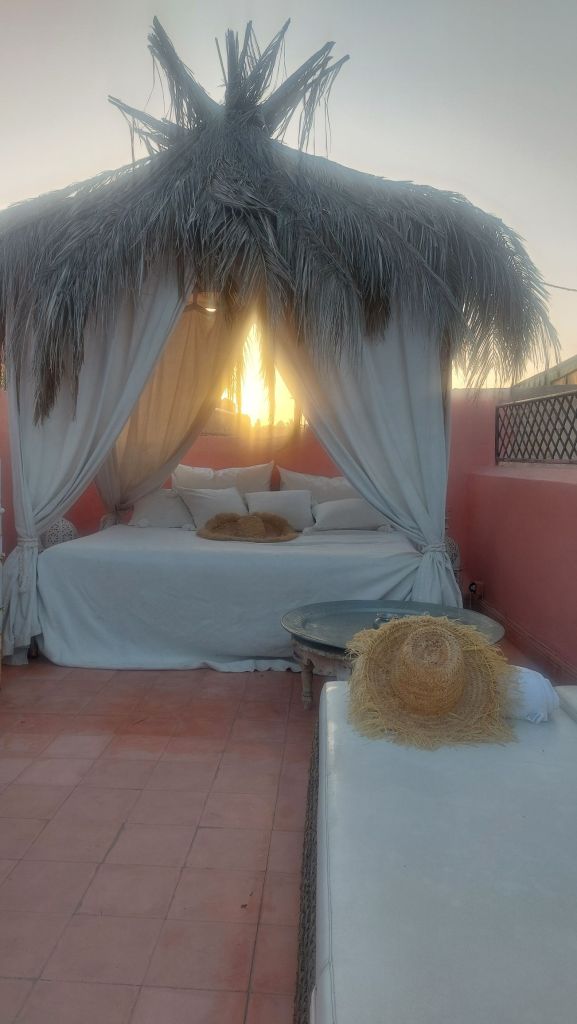
    The rooftop is decadent.  There are pretty pink flowers, which drape over the wall into the courtyard below. Plants and moroccan lamps are carefully situated amongst colourful seating areas. There’s a balinese bed and a cerise boudoir area, where staff play traditional tuareg music for their guests.

    There are areas to sit in the shade and relax with a book. Perfect for when the hot African sun reaches its  highest temperature in the day. The riad lives up to its name. It certainly is a jungle.

    Images by Freebird Tracey.

    The riad is managed by young men from the Sahara desert, and they enjoy sharing their fascinating Amazigh culture with guests.

    The breakfasts vary each day. They consist of traditional pancakes, fresh bread, fruit, yoghurt, and eggs.

    When you arrive at the riad, you are treated to the complimentary mint tea and biscuits.You are given useful advice and a map to help you navigate the souks.This is helpful for finding your way back to the riad.

    Image by Freebird Tracey.

    The fragrance inside the riad is intoxicating. Orange blossom and cinnamon oil float on the air throughout the day. In the evening, the lamps glow, and traditional music plays quietly in the background. I never wanted to go out. I was happy sitting in the riad, experiencing the captivating surroundings.

    Image by Freebird Tracey.

    Riad Bohemian Jungle gets booked up quickly, and it’s easy to see why.

    If you are looking for TVs or a modern contemporary style of accommodation, you won’t find it here. This is an eclectic, boho environment that lives up to its name. Riad Bohemian Jungle is all about experiencing true, authentic riad culture. Lost in time with the distant echos of camel traders and a strong spirit of the past.

    It is close to the Madrasa Ben Youssef, Marrakech museum, and the Spice square. The vegetable market is near the Bohemian Jungle, and there are plenty of popular restaurants in the vicinity.

    The address is, Derb al Maada Hay azbezte 39 Medina, Medina 40030 Marrakech, Morrocco.

    Excursions to the Sahara desert and other popular places of interest can be arranged by this riad. They are good value for money and well organised.

    Image by Freebird Tracey.
    (more…)
  • Kabana Rooftop Bar.

    A lively bar serving alcohol in the medina.

    Image by Freebird Tracey.

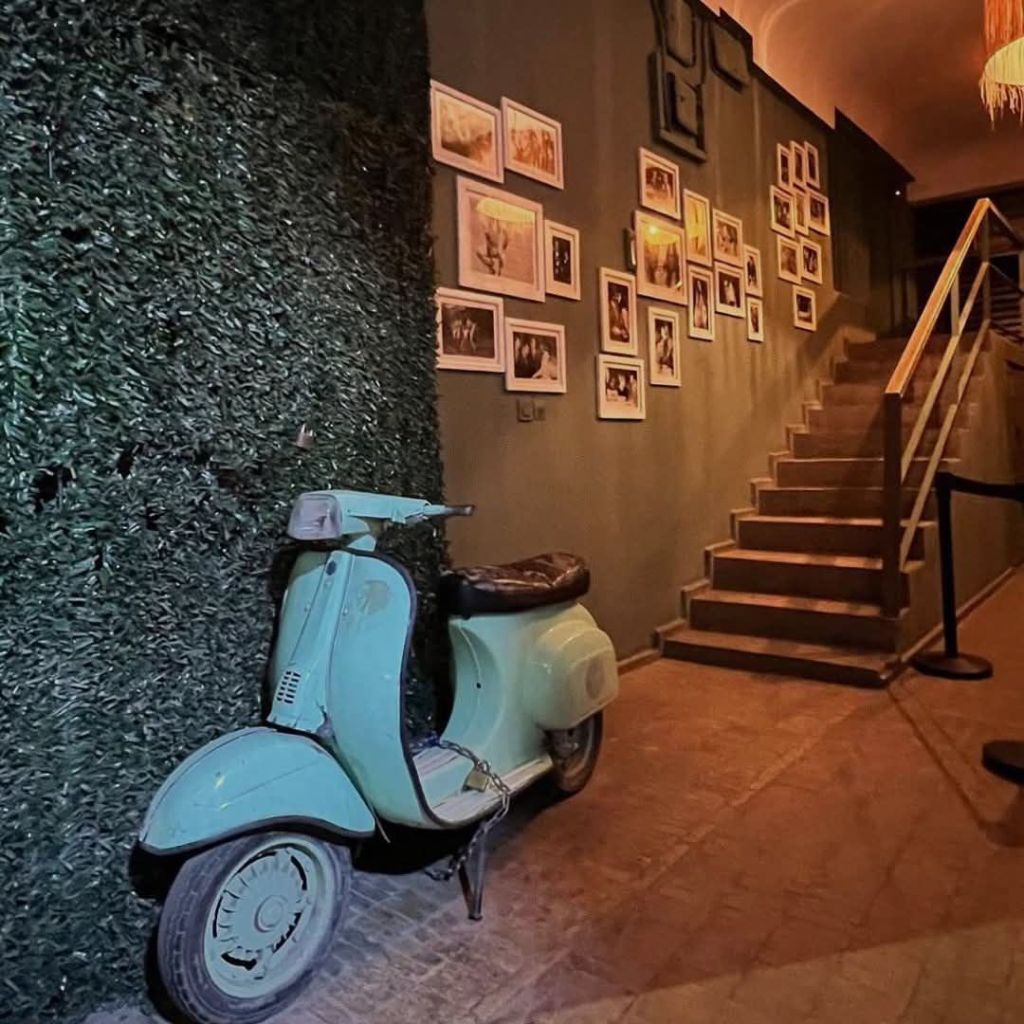
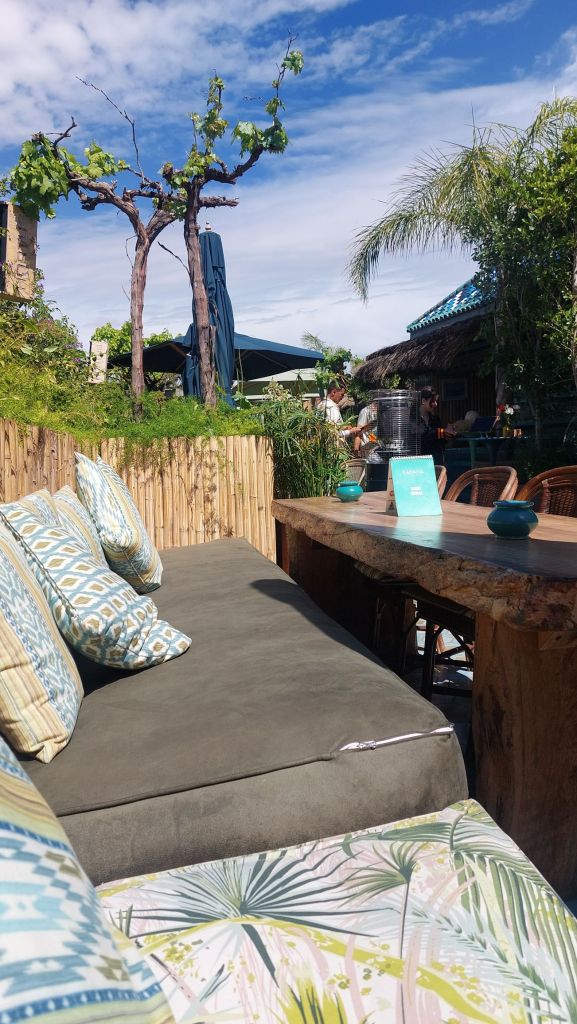
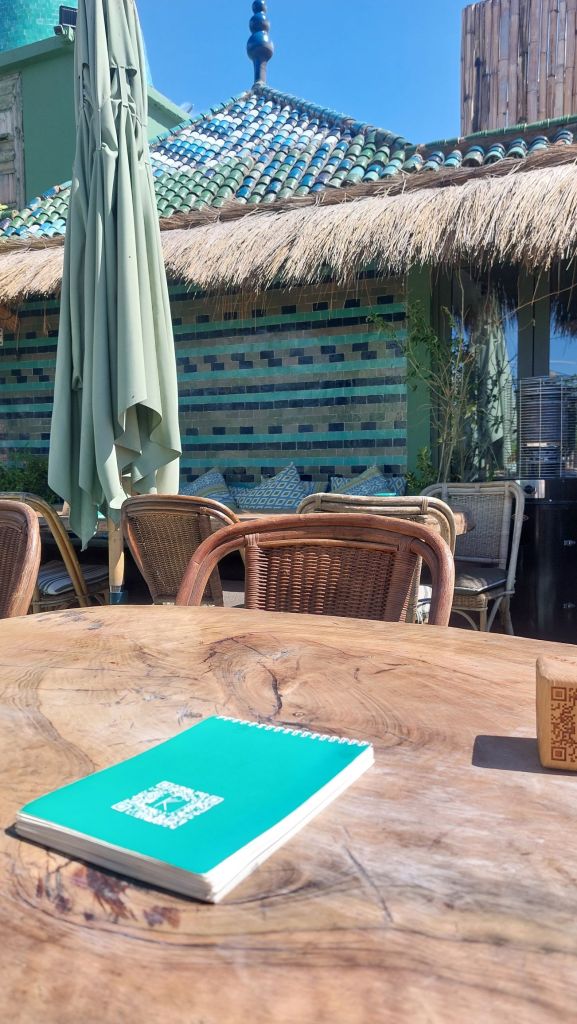
    Kabana Rooftop Bar is a popular place serving a range of alcoholic beverages, including cocktails. They also offer a wide selection of food with a menu to suit all palates.

    You enter the bar from the road, and it’s up a flight of stairs. From the outside, it looks rather unassuming.  Inside, it is modern and contemporary attracting all age groups.

    Image by Freebird Tracey.

    There are traditional straw lanterns hung around the perimeter, giving off a cosy glow. Music videos play on a large screen, and the tempo is lively. They play DJ sets, and it’s a vibrant setting with a relaxed dress code.

    Video by Freebird Tracey.

    Kabana rooftop bar has a cosmopolitan vibe. You can sit at tables facing the huge bar or outside where most people prefer to hang out. Table service is provided for drinks from the bar. It is not the place for a quiet romantic meal. I imagine it may be difficult chatting intimately amidst the crowds of people and loud music.

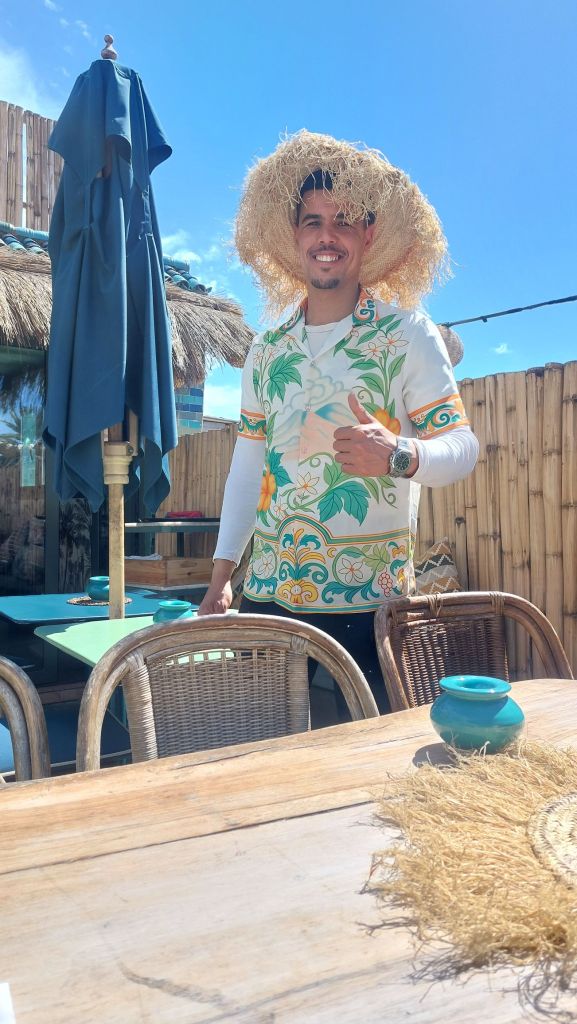
    The food is Mediterranean inspired, and they also have a sushi menu. I took my son for his birthday and he chose the steak. He said it was cooked to perfection. The staff looked after us well, and the evening was a success.

    Some people have mixed views about the Kabana rooftop bar. They say waiting times are lengthy and thought it was pricey in comparison to other places. It gets very busy, and booking is essential  to guarantee a place. Lunchtime is quieter, and the lunch menu is very good.
    Images by Freebird Tracey.

    The bathroom at Kabana is rather special. It’s unisex, and the decor is extravagant.

    In summary, the Kabana rooftop bar is an exciting venue. It is typical of somewhere you’d expect to find in Gueliz. There is a spectacular view of Koutoubia Mosque from the rooftop, especially at night.It’s slightly shielded because drinking alcohol in full view of the Mosque is prohibited in Islamic culture.

    Image by Freebird Tracey.

    This is a modern cocktail bar with a vibrant energy. It’s within walking distance for people staying in the old city. It’s definitely worth a visit if you want an exciting evening out in the medina selling alcohol. It’s also a nice place for lunch when it’s quieter.

    Kabana rooftop bar is situated at the gate of the medina and open daily from 11.00am-2.00am. The address is Kissariat Ben Khalid R’mila,1 Rue Fatima Zahra,40000 Marrakech Morocco.

    Image by Freebird Tracey.
    (more…)