Tag: walking tours Marrakech

An exploration of The Red City known as Marrakech.
  • Food You Should Experience in Marrakech.

    Marrakech is a culinary delight for all foodies out there.

    Image by Freebird Tracey.

    The streets of Marrakech are abundant with fresh, seasonal vegetables and fruit.

    There are herbs and spices galore everywhere you look.

    The aromatic fragrance of street food fills the air, tempting the tastebuds.

    Fine restaurants with impeccable service, in beautiful surroundings, call out to you to come inside and sample their cuisine.

    But where do you start?

    What do you order?

    If you’re anything like me, you may want to fully immerse yourself in the culture of places you’re visiting.

    I particularly enjoy sampling the signature dishes of places  I visit and eating the same food that the locals do.

    It’s a way to get to know the culture, and food is a big part of life in Morrocco.

    The locals are very hospitable people and often invite tourists home for a meal with their family.

    If you get the chance, go it’s the best way to gain understanding of the people and their hospitality.

    So,with an overwhelming choice of food to choose from, you may need a little help to decide what to try..

    Images by Freebird Tracey.

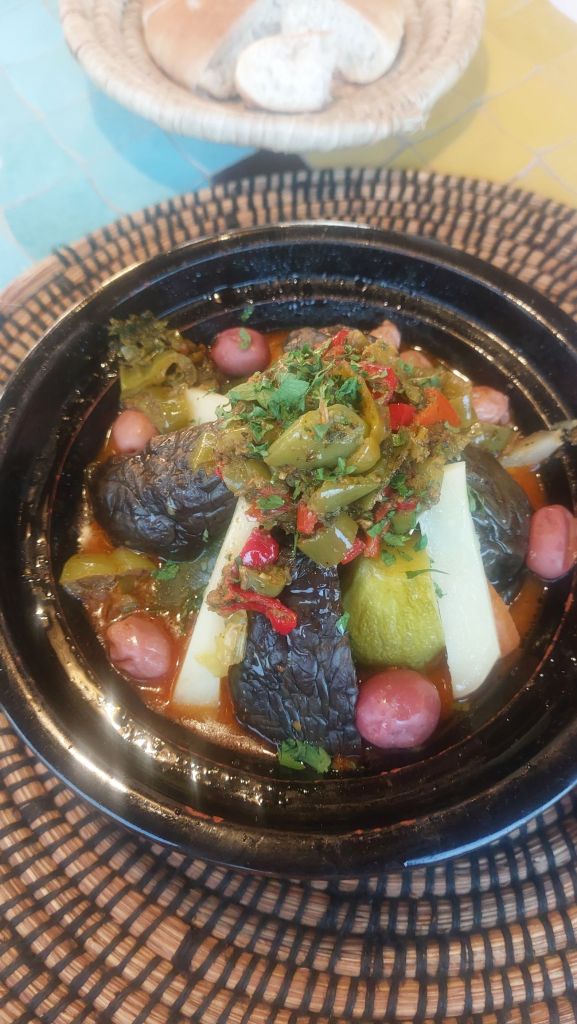
    The two most popular dishes in Marrakesh are tagine and couscous.

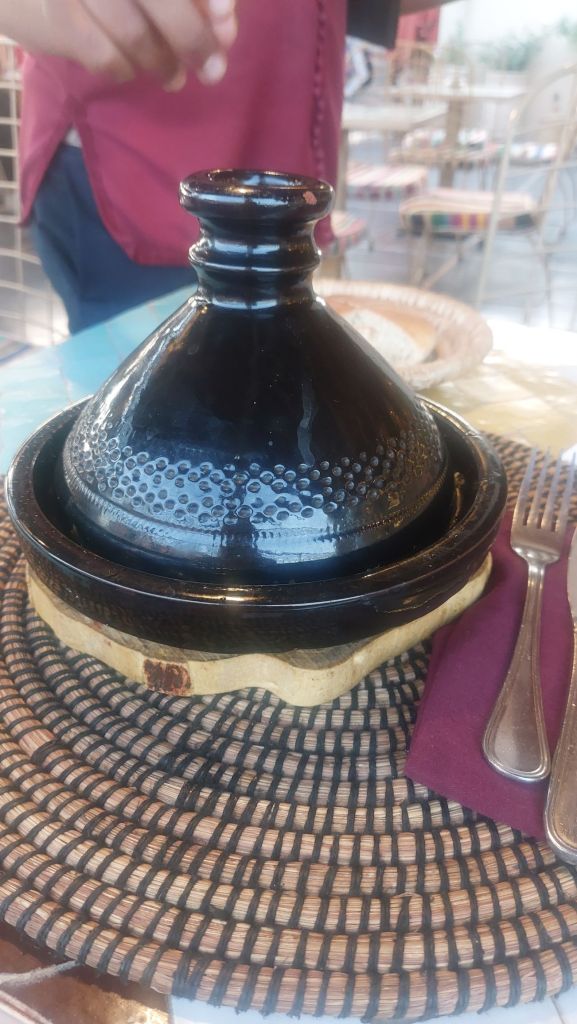
    Tagine is the name of the clay or ceramic pot that the dish is cooked in.

    It consists of layers of fresh vegetables,with meat in the centre.

    Chicken or lamb is the most popular.

    Often, dates, olives, fresh lemon, and spices are added for flavour, and everyone has their own personal recipe for making a tagine.

    Images by Freebird Tracey.

    Couscous is a grain made from semolina and served with meat and vegetables.

    It is eaten religiously on Fridays.

    In Jamaa El Fna, you will find sheeps head and snails for sale.

    Tourists are targeted by street food vendors to try snails, and those who actually do say that they quite enjoyed the experience.

    Apparently, the broth that they’re cooked in is quite tasty, and although it’s an unusual tasting dish, it’s not inedible.

    Sheeps head is for the brave amongst us, but it appears to be popular in the main square and a regular sight on display during the evening.

    The locals sit at street stalls eagerly munching on the spit roasted mutton, enjoying every morsel.

    Image by Freebird Tracey.

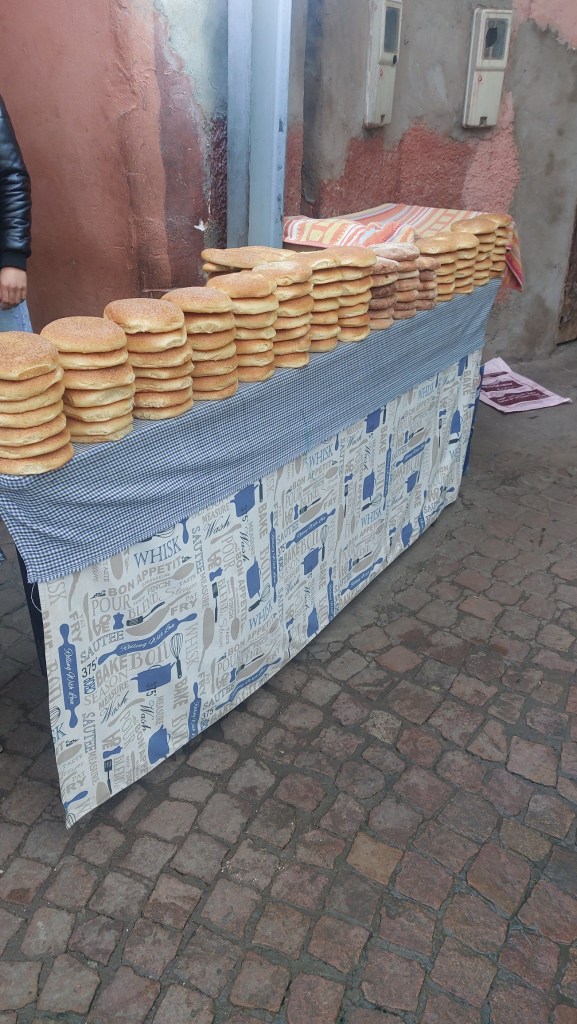
    Every dish is served with traditional bread in Marrakech. It is freshly baked each morning and delicious served warm.

    Tangier is also a popular dish.

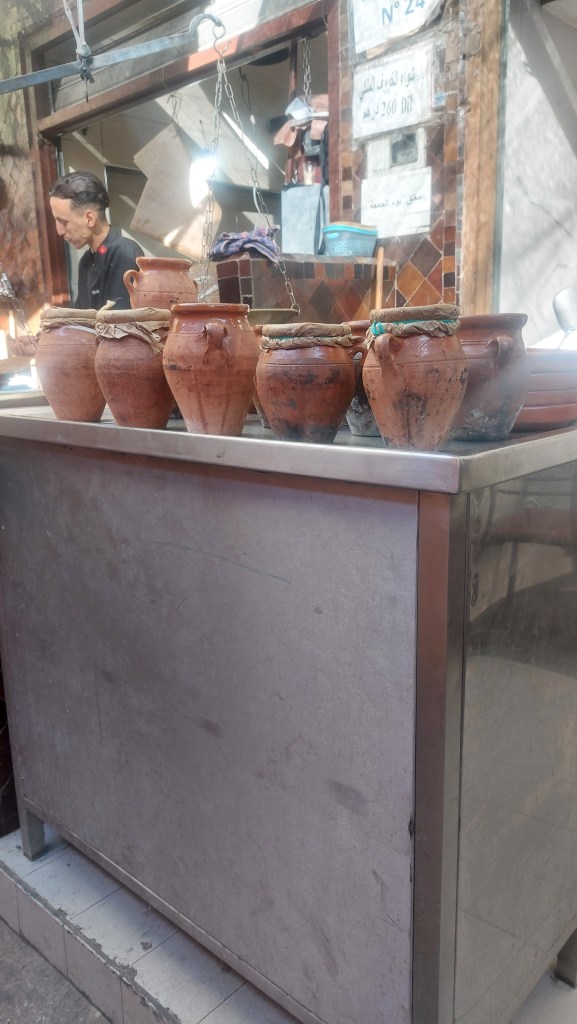
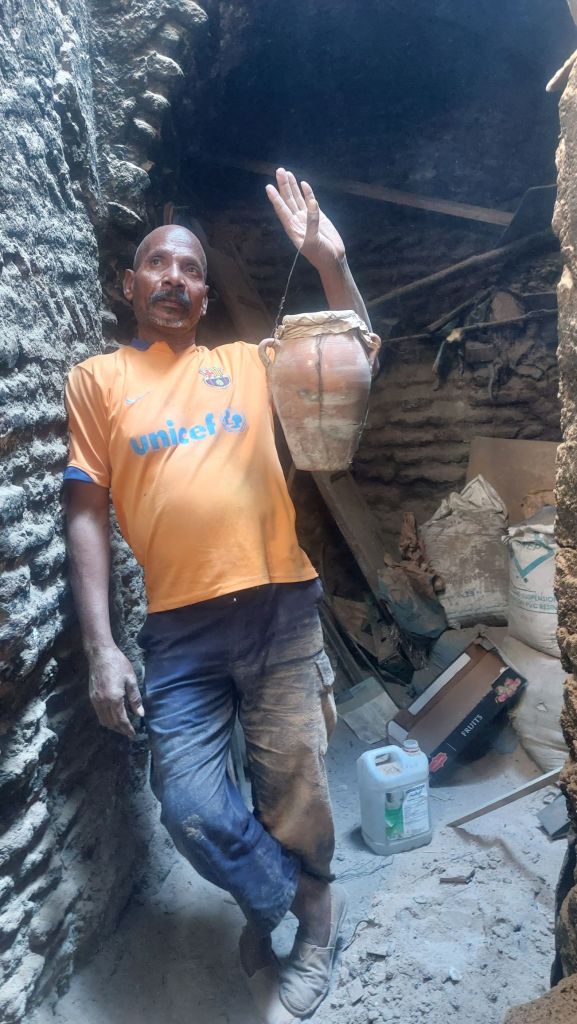
    It is meat (usually lamb), cooked very slowly in the embers of the local hammam.

    Traditionally, the tangier is taken to the hammam early in the morning and left to cook throughout the day.

    It is then collected and served for dinner with vegetables or bread.

    The meat is incredibly tender and simply falls off the bone.

    Image by Freebird Tracey.

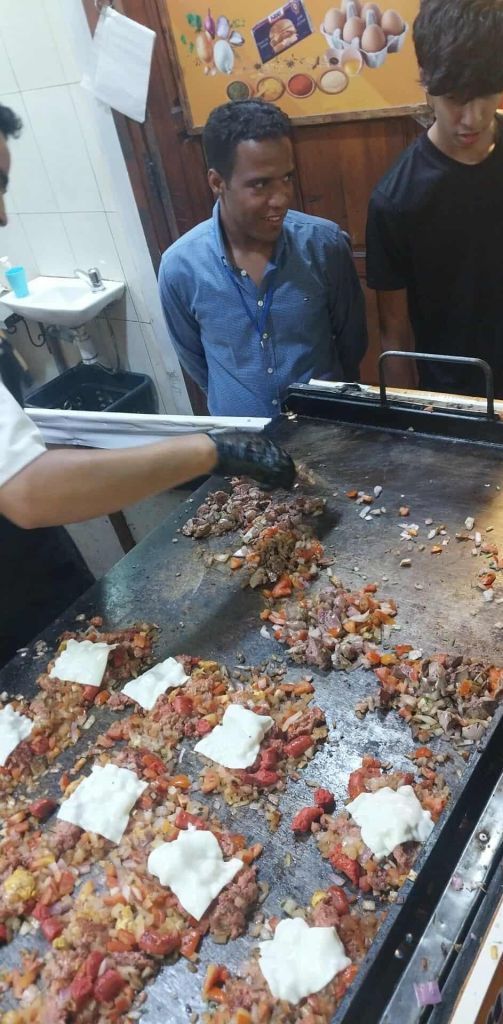
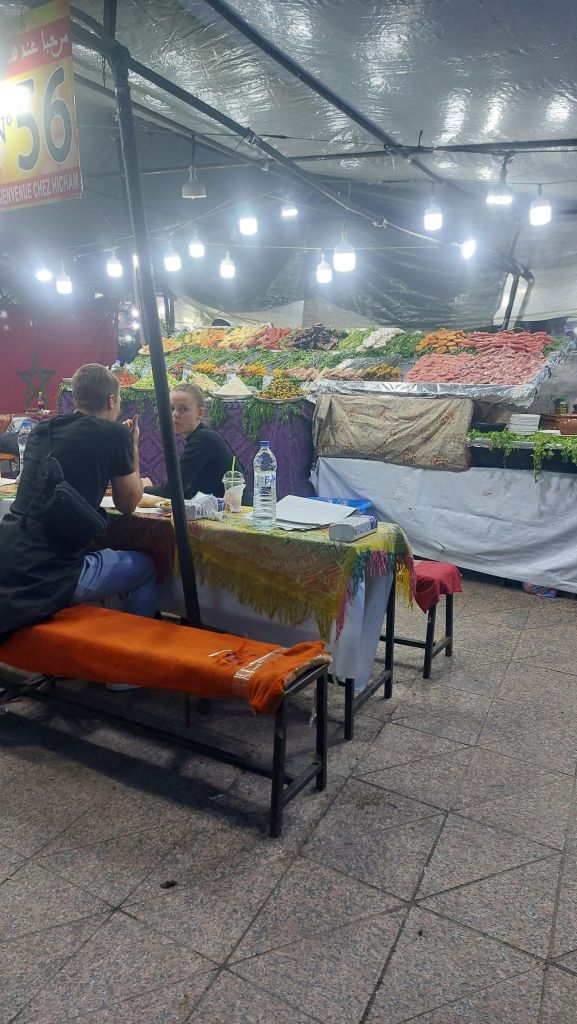
    There are plenty of street food vendors in the medina, tucked away in the souks.

    They serve really good quality food and it’s cheap.

    Ideal for travellers on a tighter budget.

    There is a row of street food vendors who only sell tangiers, and this is very popular with locals and tourists alike.

    The area gets busy as people queue for a vessel of succulent lamb tipped out onto a plate ready for devouring.

    Image by Freebird Tracey.

    Taking a street food tour is a great way to get to try the best places.

    There are several tours available during the daytime or evening, and tourists get the chance to sample authentic Moroccan cuisine with a registered guide.

    Image by Freebird Tracey.

    Marrakech caters to vegetarians and vegans also, with a good choice of quality food including excellent salads, delicious vegetable tagine, pastilla, and couscous.

    Pigeon is also widely eaten in Marrakech and traditionally used as a filling in pastilla.

    Then there are the camel burgers, popular at The Clock restaurant in the kasbah.

    Images by Freebird Tracey.

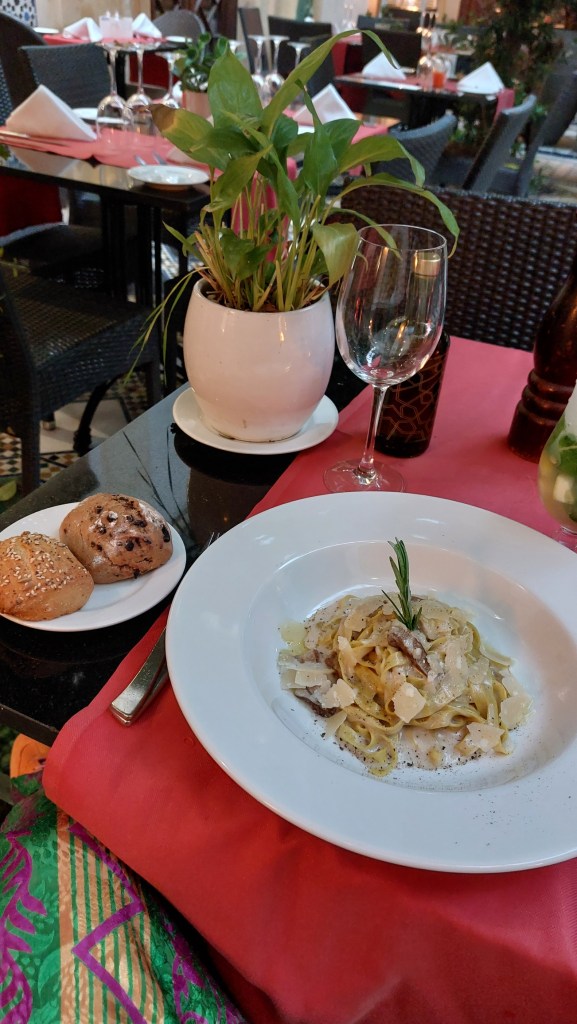
    Several Italian restaurants in the medina offer excellent pizzas and pasta dishes if you fancy a change from morroccan food.

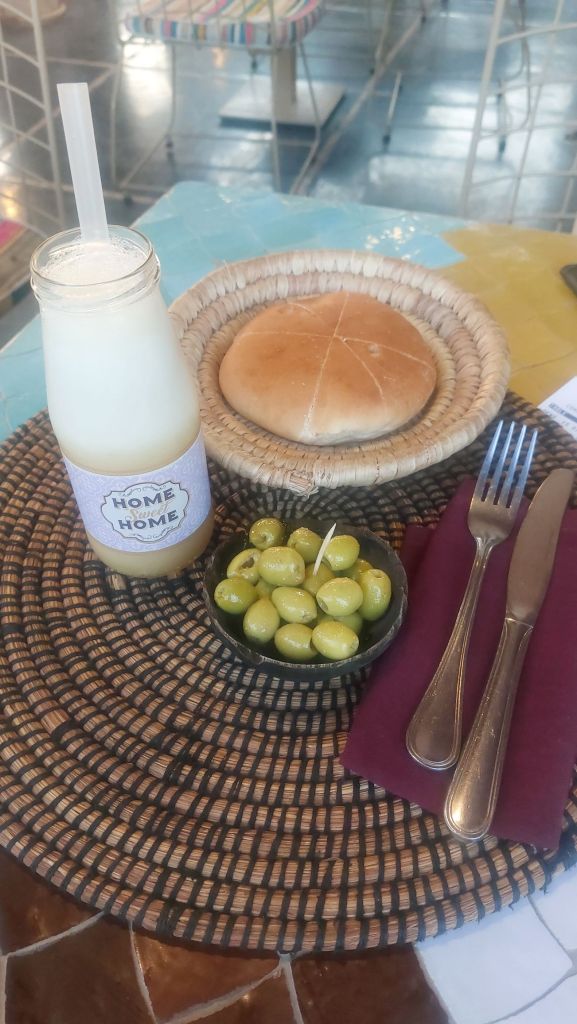
    Olives are served with tea and other beverages as a complimentary side dish.

    They can be spicy or plain, always fresh, and the perfect aperitif.

    They are deliciously fresh when bought straight from the vendors themselves.

    Don’t hesitate to try some. They are truly amazing.

    Image by Freebird Tracey.

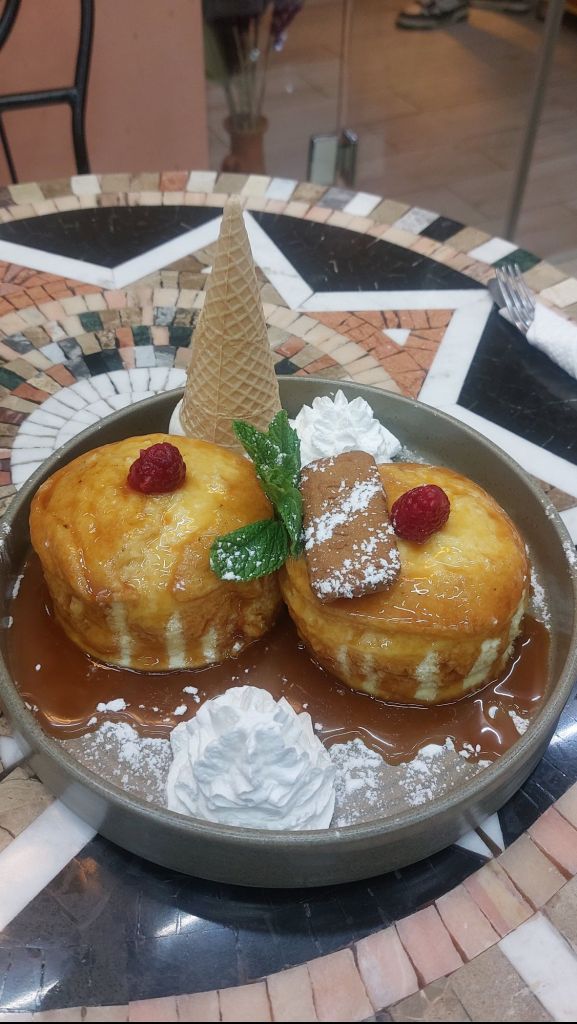
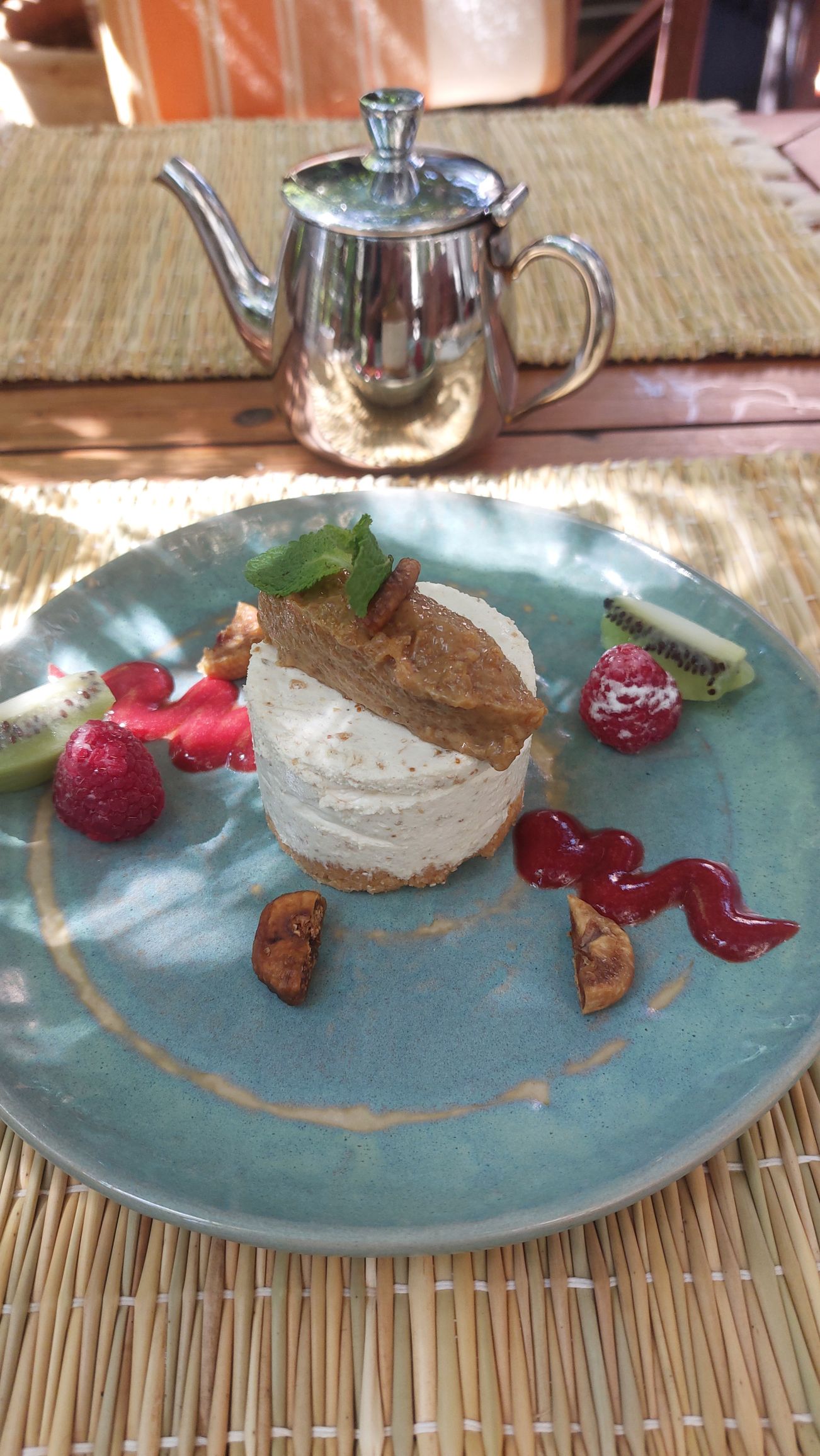
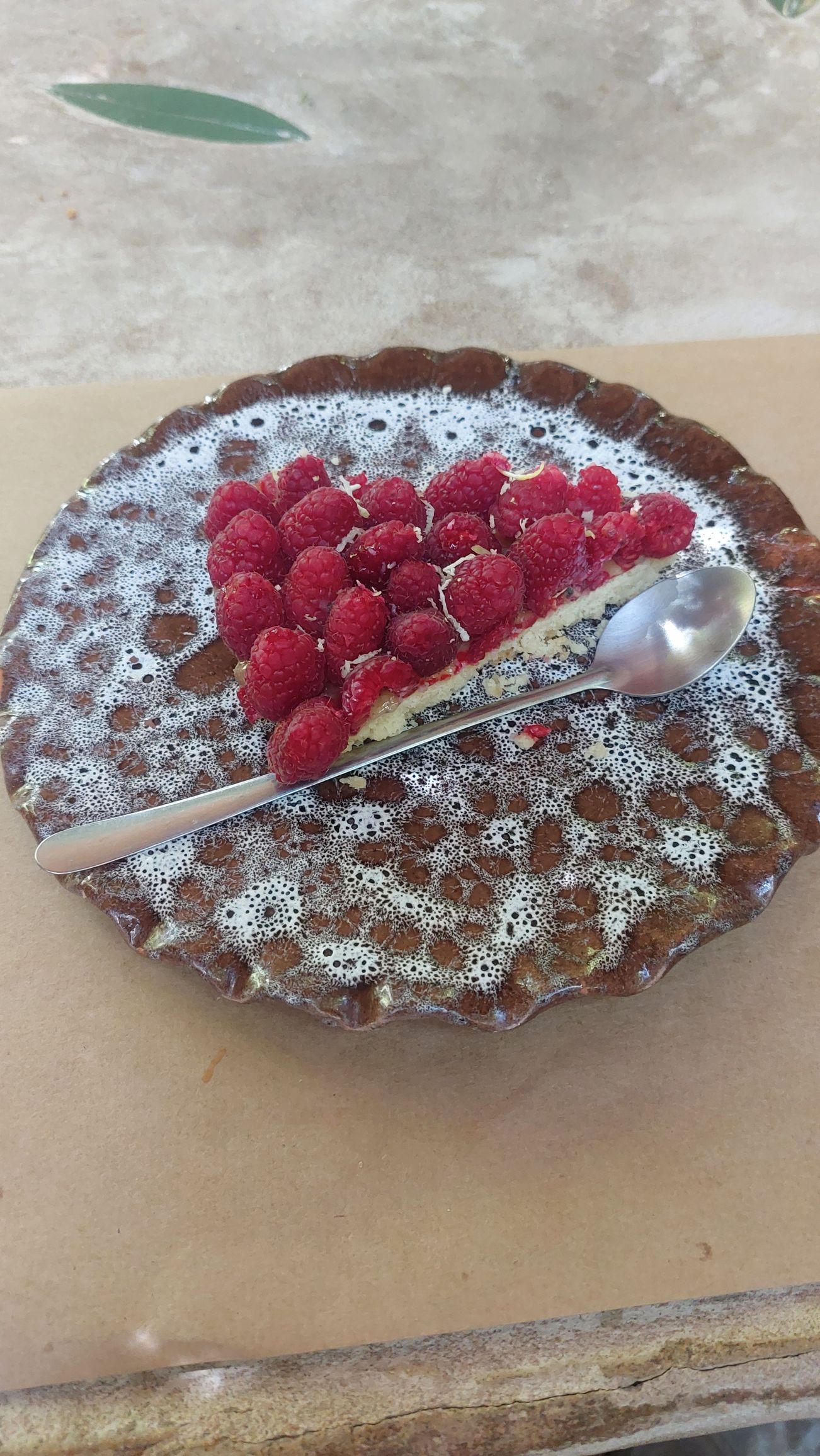
    The sweets and pastries in Marrakech are incredibly good, and the desserts served after the main course of a meal are beautiful.

    Moroccans have a sweet tooth as you will probably gather from the breakfasts.

    The choice on most menus is really good and varied.

    There’s no point watching your waistline here..

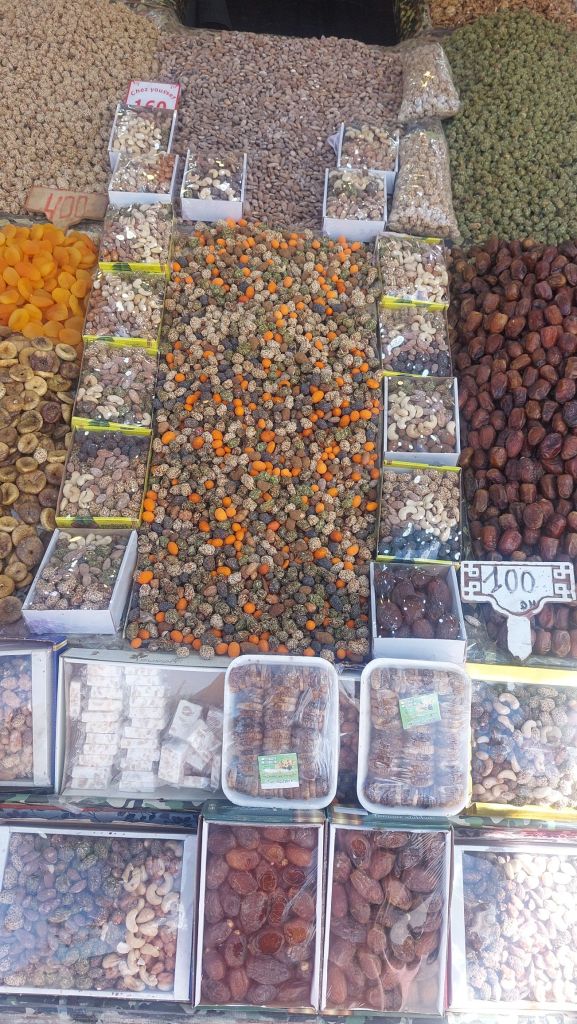
    Dates are hugely popular, and  medjool dates are known as ‘ fruits of the King’, so make sure to try some.

    You won’t be disappointed.

    Fresh fruit is for sale everywhere around the medina and incorporated into tantalising sweet dishes that make your mouth water.

    NB: I have written a separate article about smoothies and juices in Marrakesh.

    Image by Freebird Tracey.

    Marrakech is a dream come true for people who love their food.

    With so much to choose from and so many different dishes and flavours to try, you would need months to eat your way through it all.

    Not only is there a great variety of interesting and tasty food, but it’s beautifully presented too.

    Imagine sitting in a tranquil,  setting, next to exotic plants, and trickling fountains.

    That’s my experience of eating in Marrakesh..

    Image by Freebird Tracey.

    The way to get to know people and their culture is through their food.

    Marrakech is no exception.

    Be open to getting out of your comfort zone and give some of the traditional Moroccan dishes a go..

    (more…)
  • The Best Ways To Get Around Marrakech.

    Different options for exploring the red city.

    Image by Freebird Tracey.

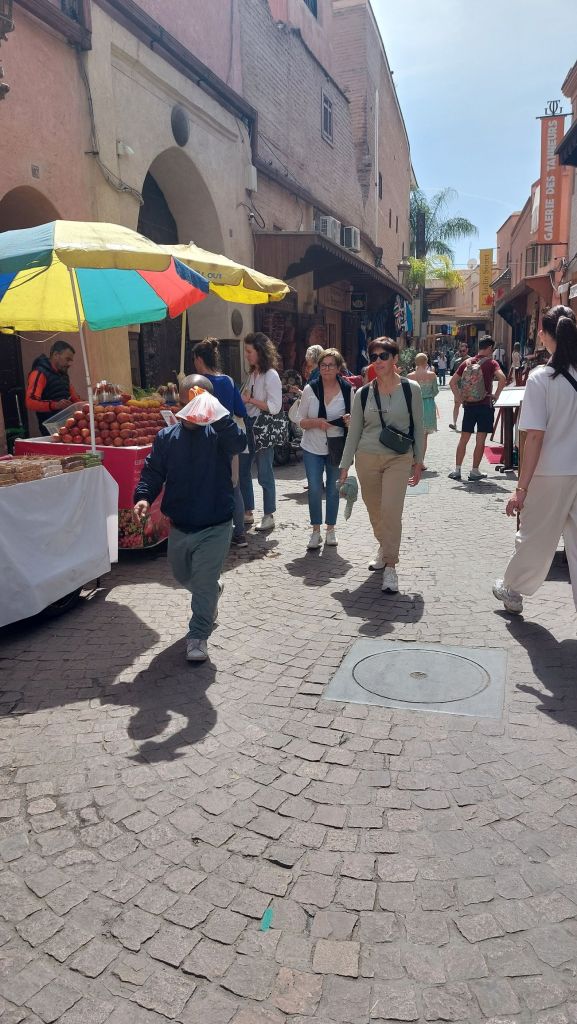
    Marrakech is a walkable city and easily doable on foot.

    If you’re staying in the medina, you can get to most places by walking.

    If you have mobility issues or the heat is a problem, the other option is to take a tuk- tuk.

    Most riads can organise a pick-up point for you and give the driver directions to where you need to go.

    It’s a fun way to get around, and some of them are rather elaborately decorated.

    They rattle through the souks, competing with the motorcycles, donkeys, and pedestrians.

    There are plenty of tuktuks waiting in the square, and they’re cheaper than taking a taxi.
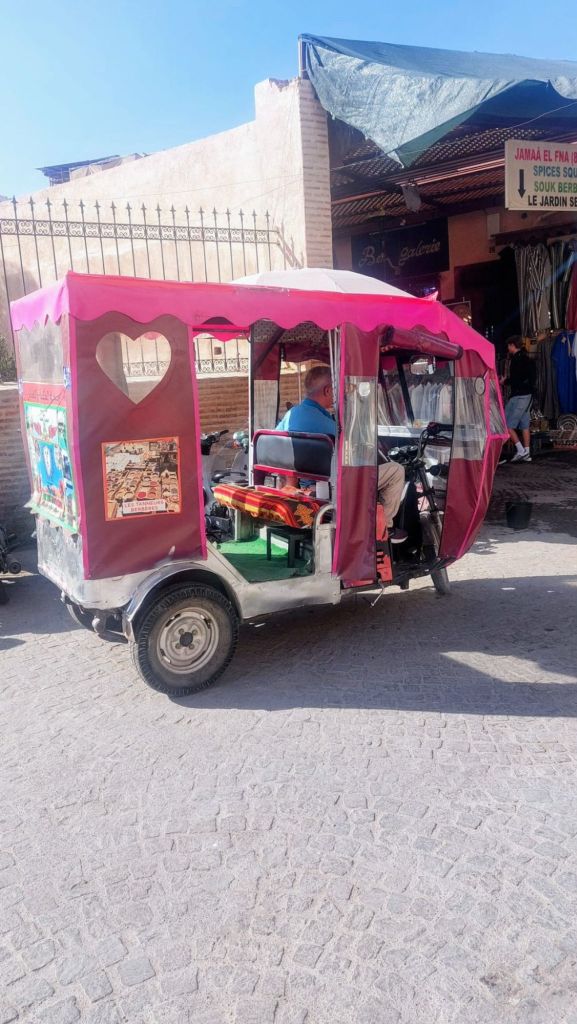
    Image by Freebird Tracey.

    Another option is to take a taxi.

    I suggest checking the price with a member of staff in your accommodation and finding out how much you should be expected to pay.

    It’s not uncommon for taxi drivers to try to charge more, so stick to your guns and, if necessary, walk away.

    There are plenty of drivers available, and they are all competing with each other for fares, so you don’t have to put up with being ripped off.

    I only used taxis to get from the medina to Jardin Majorelle and Gueliz.

    It was a warm day, and I didn’t feel like walking that far.

    After a little polite negotiation, there were no problems, and I paid the correct fare, give or take a few dirhams.

    Image by Freebird Tracey.

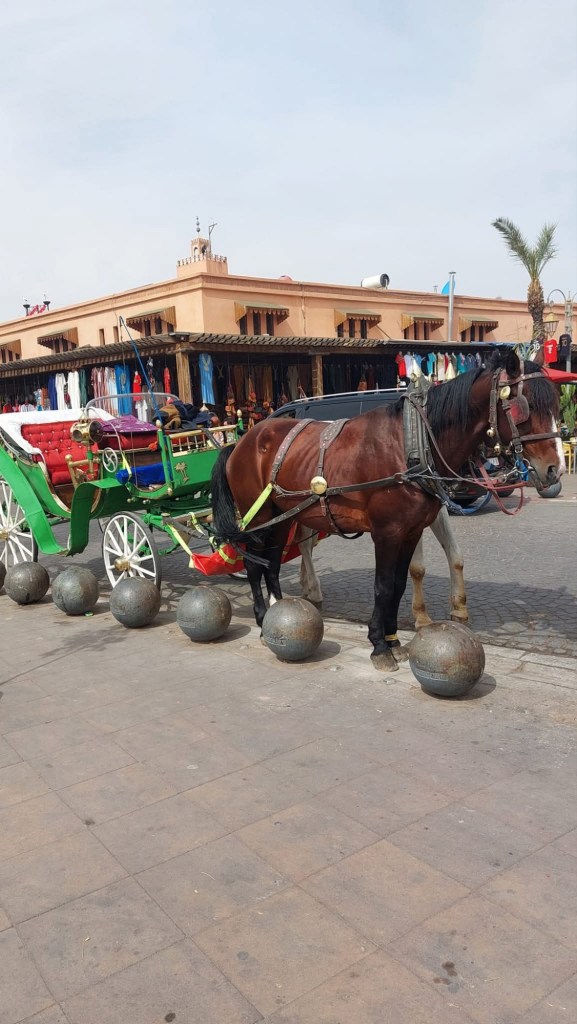
    There are many tourists who pay to see the city on horse-drawn carriages.

    Image by Freebird Tracey.

    The horses are taken into the chaotic traffic, and I’ve witnessed a few upsetting incidents where they’ve been hit by a car.

    There doesn’t appear to be any rules on the roads, and they’re pretty crazy. The horses look scared and I’ve seen them freeze in the centre of the traffic.

    It’s a personal decision, but if you want to take a ride in a horse-drawn carriage, I would suggest only going around the medina walls or during the evening when it’s slightly quieter for them.

    Part of the fun in Marrakesh is walking around the city.

    There are so many interesting things to see and you miss so much if you don’t walk.

    I especially enjoyed walking through the kasbah, seeing the locals going about their business and getting a feel for the real Marrakech.

    When you’re on foot, you get to witness so much more.

    There are also walking tours around Marrakech, which you can book online.

    These tours take you around the tourist hot spots, usually in a group of people.

    This is perfect if you’re concerned about getting lost or feeling slightly vulnerable as a solo female traveller.

    There are separate tours for food sampling, which is another great way to experience the culture of Marrakech.

    The Alsa bus runs around Marrakech for about 2 dirhams at the time of writing.

    The numbers 1 and 16 will ferry you between the medina and Gueliz.

    It’s a way to experience local culture and ideal for tourists on a tight budget.

    For venturing further, there are daily trains going to places like Casablanca.

    Supratours and CTM are the two bus companies that run from Marrakech to Essaouira. Tickets typically cost between 80 – 130 dirhams with a small additional fee for luggage.

    There is a reliable daily service, and prices and times can be found online.

    Lastly, if you’re brave enough, you could hire a bicycle.

    Pikala Cafe is a reputable place to hire one from with good rates should you wish to do that.
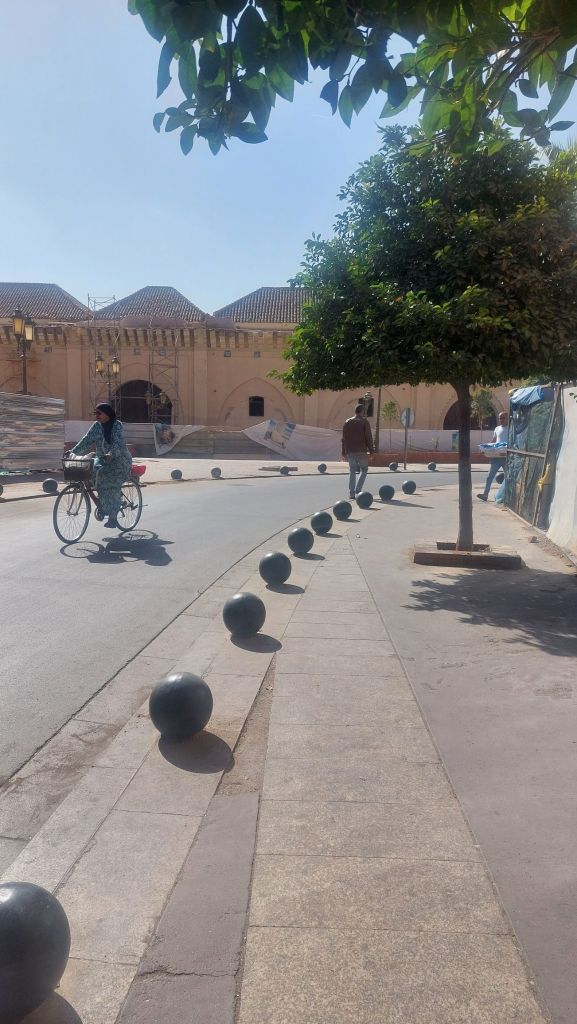
    Image by Freebird Tracey.