Category: Activities in Marrakech

Exploring The Red City Of Marrakech.
  • Medina Mall Marrakech.

    An artisanal mall in the medina.
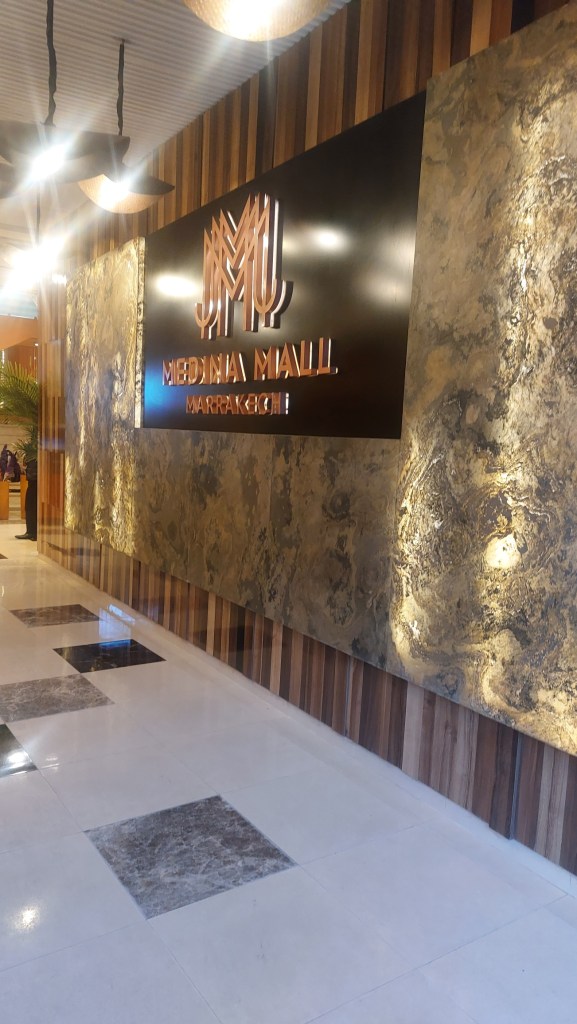
    Image by Freebird Tracey.

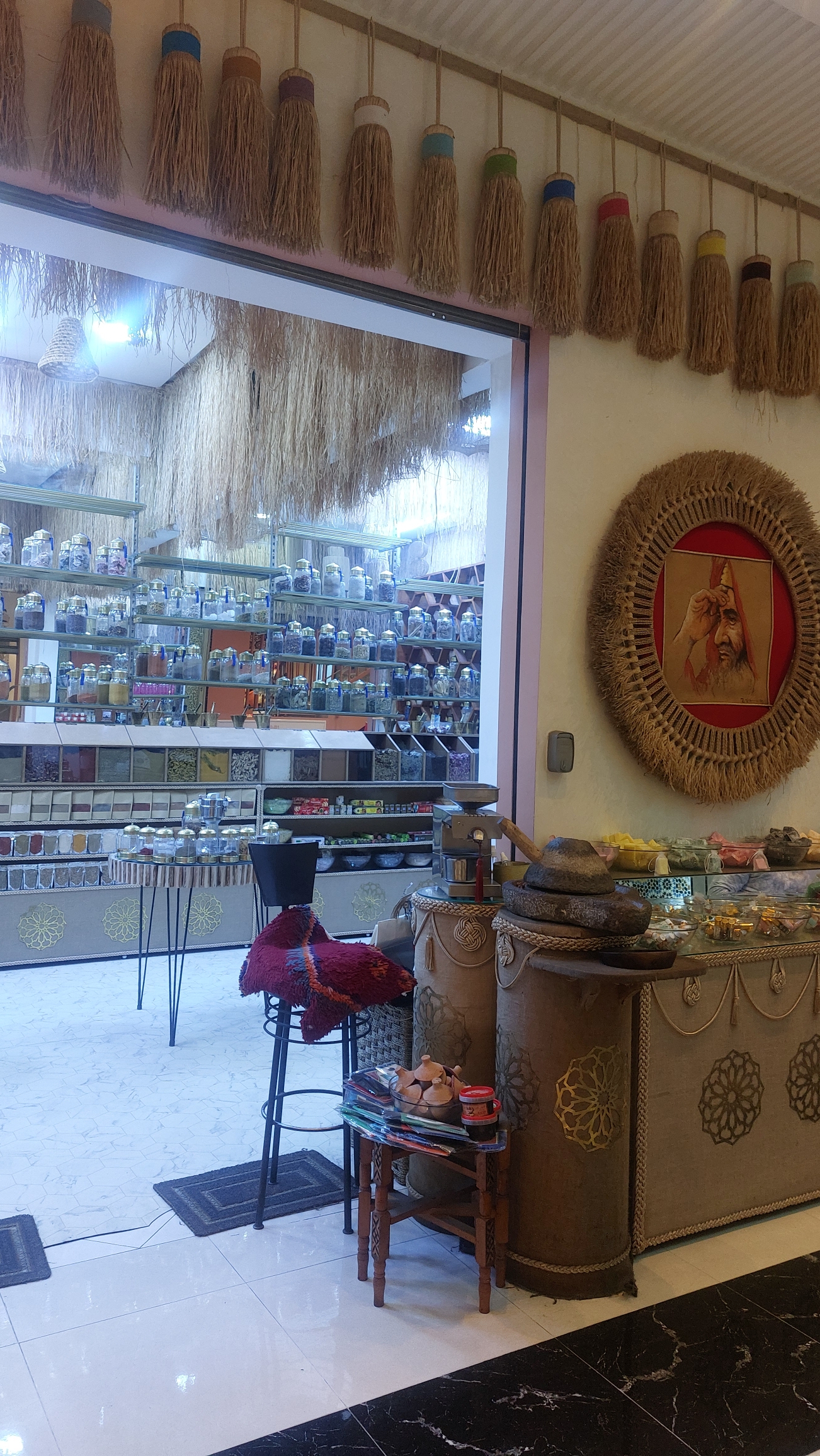
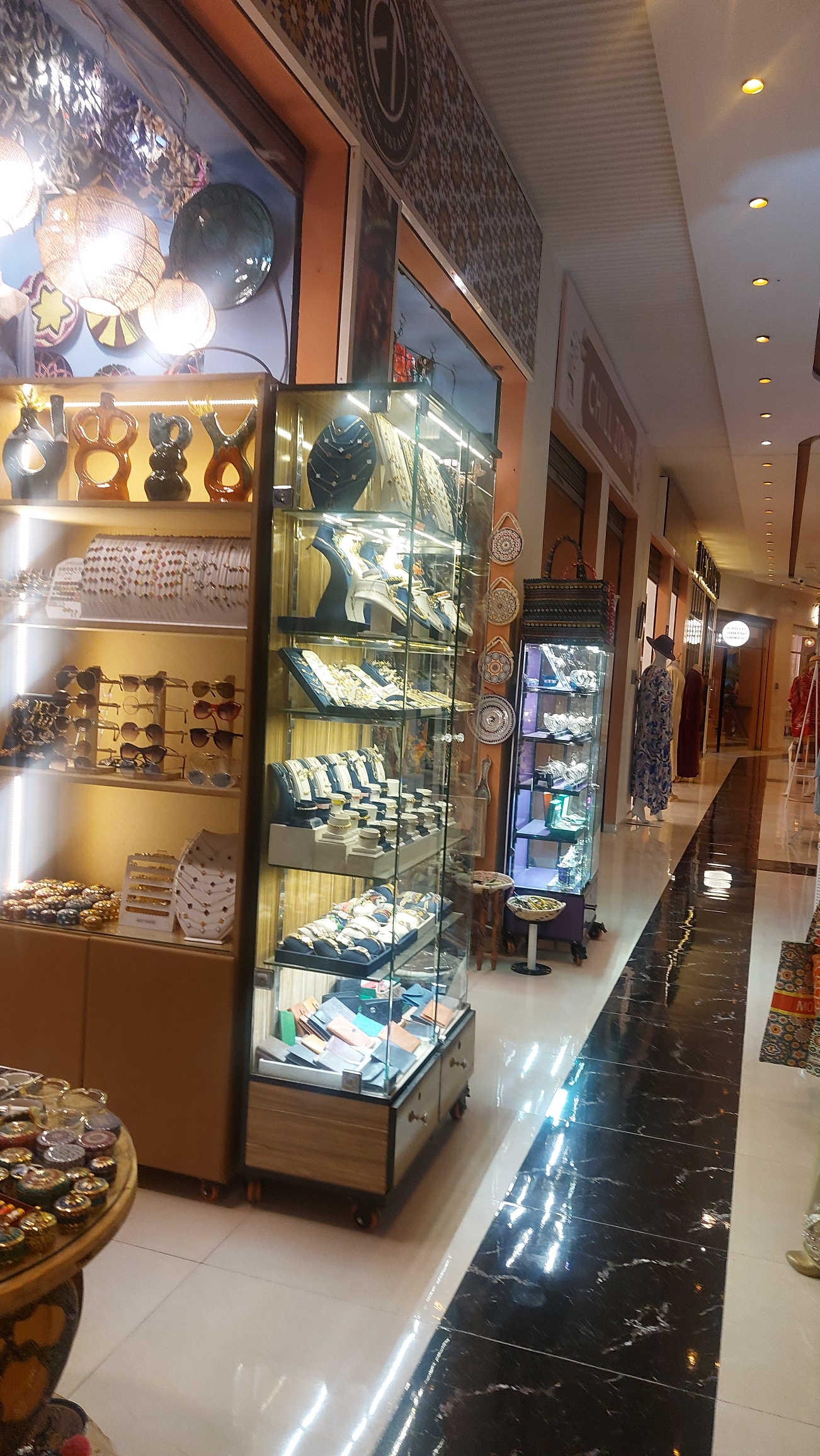
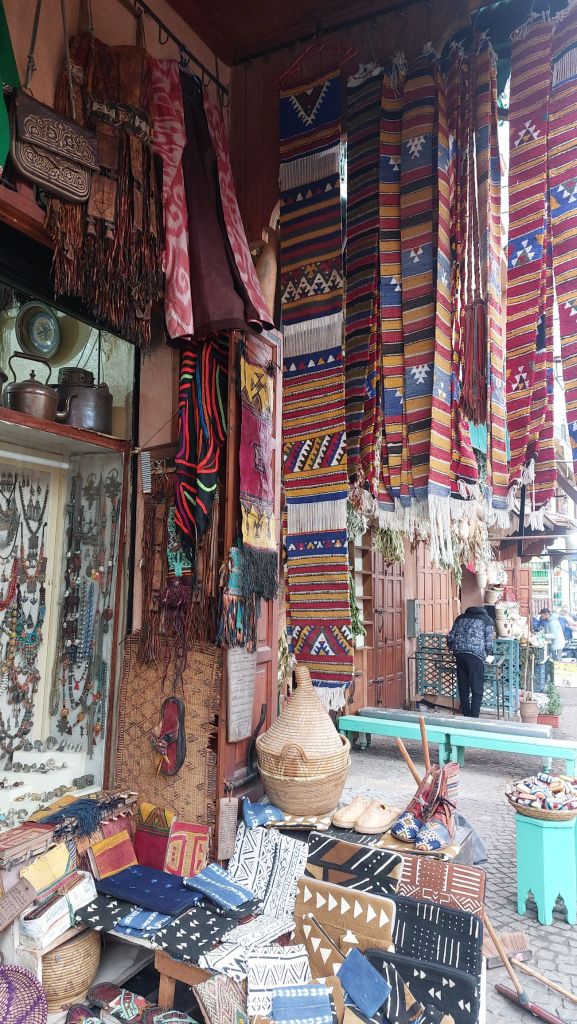
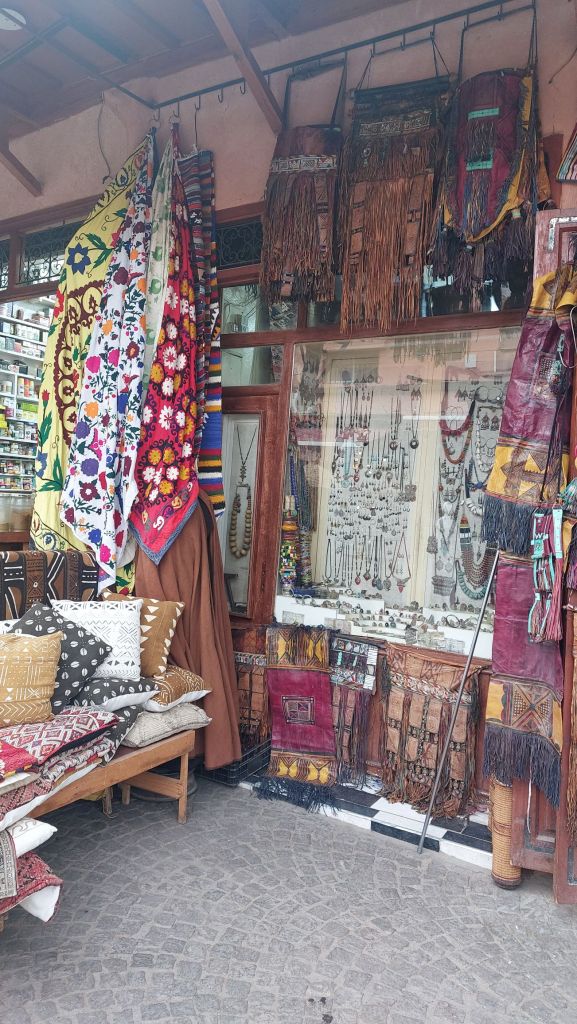
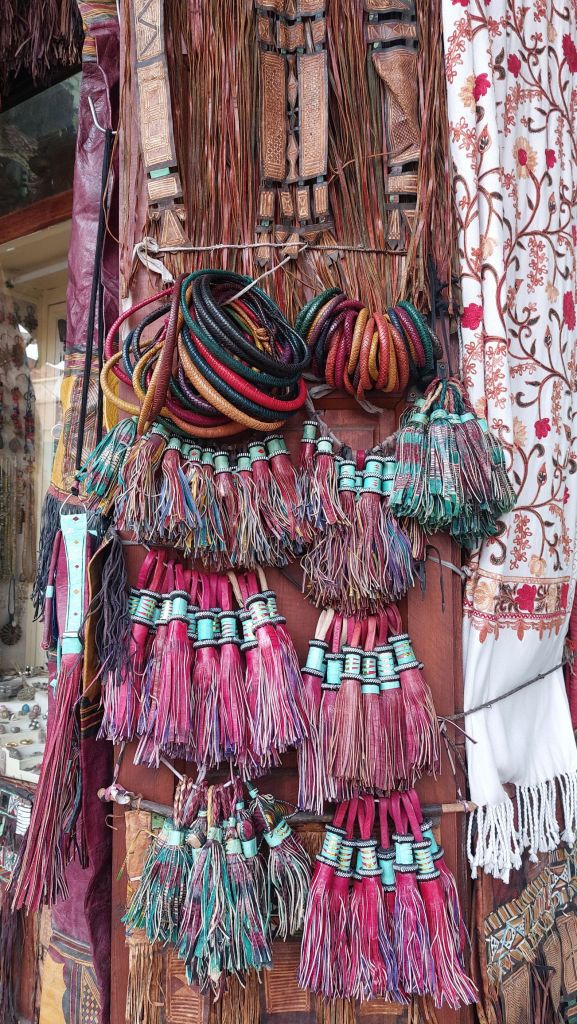
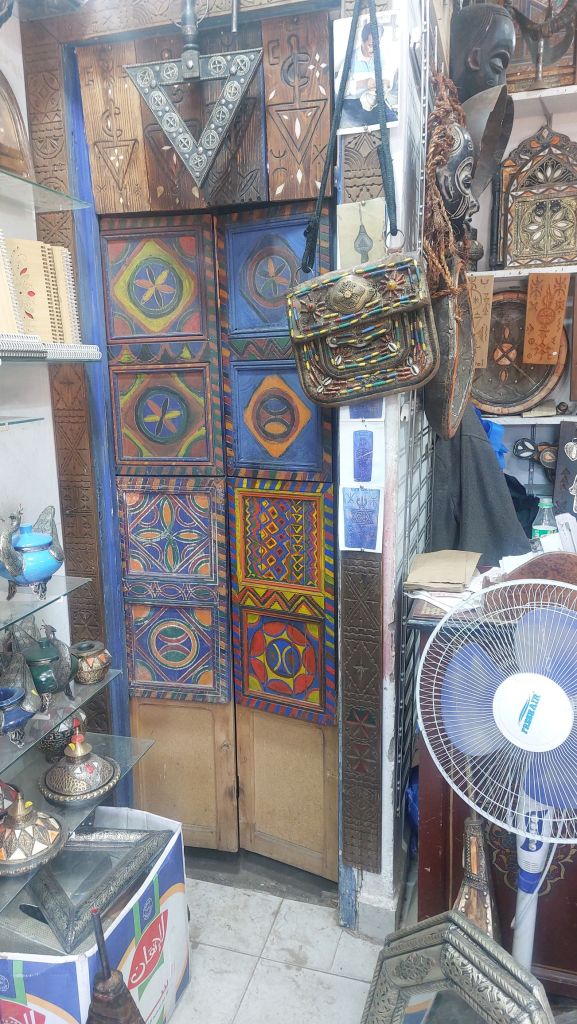
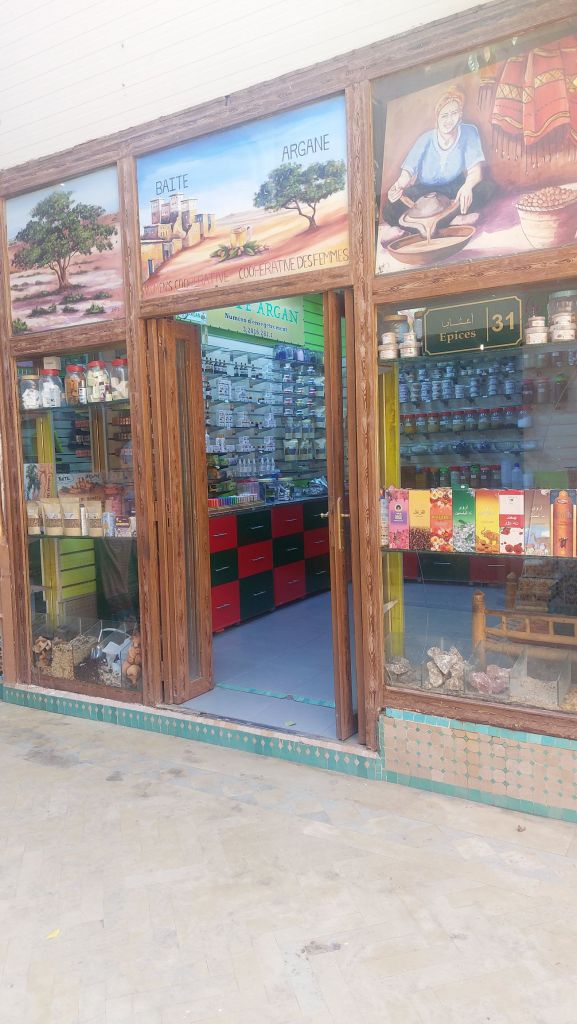
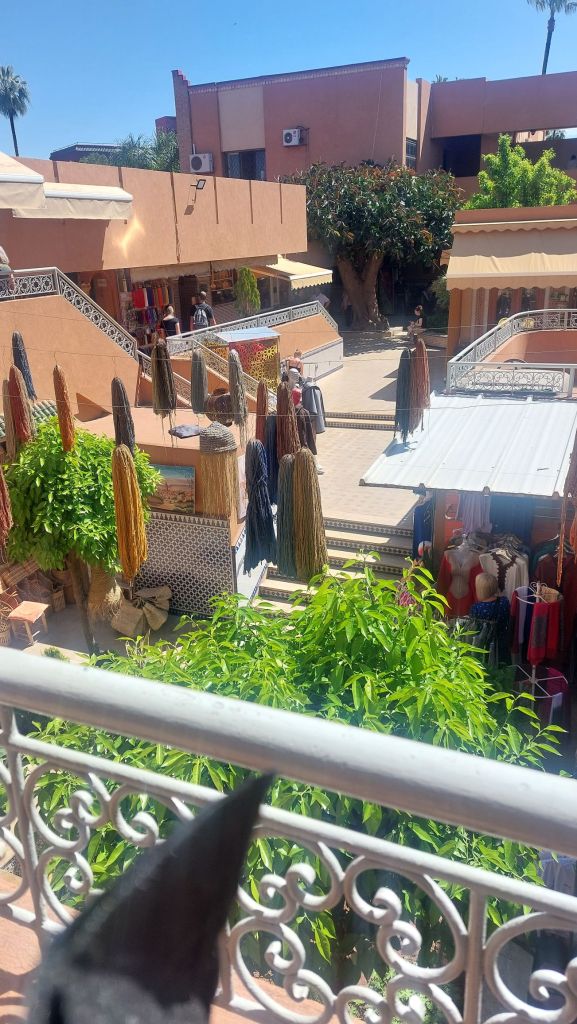
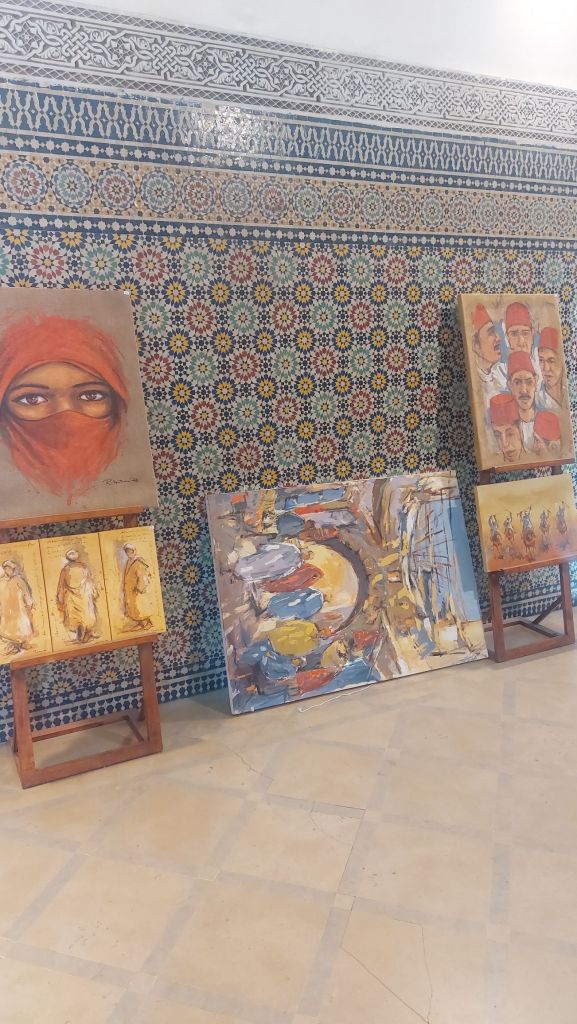
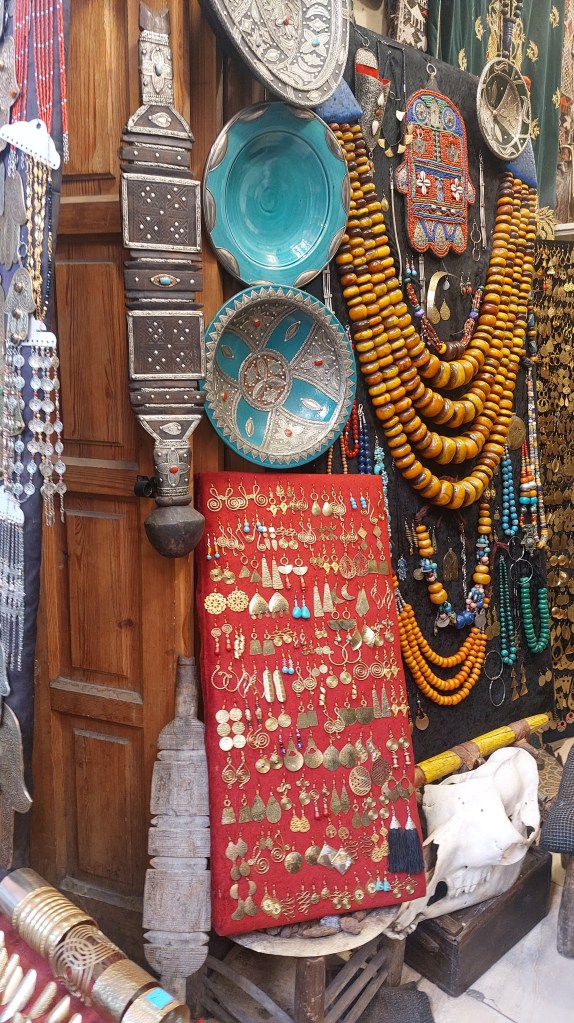
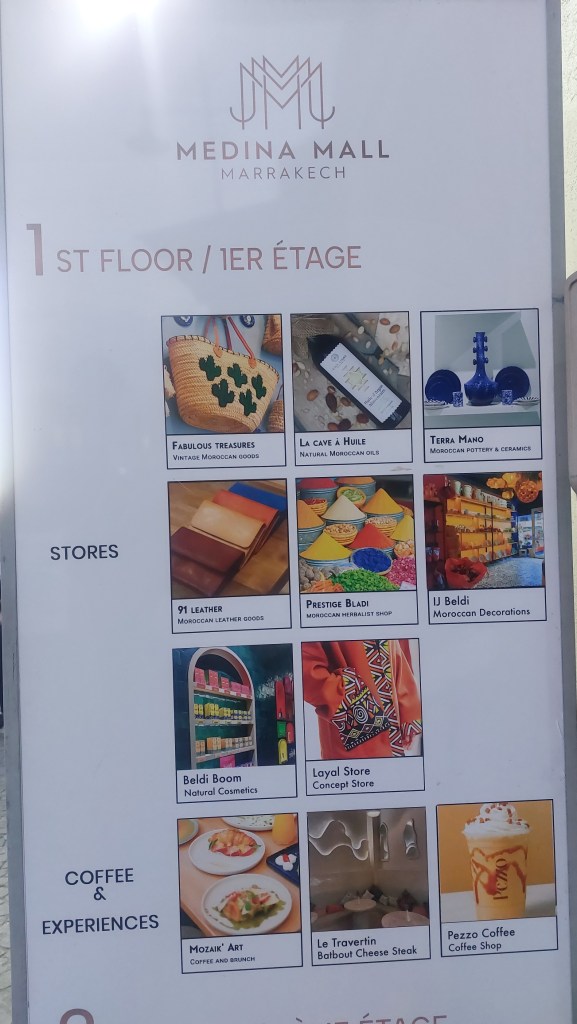
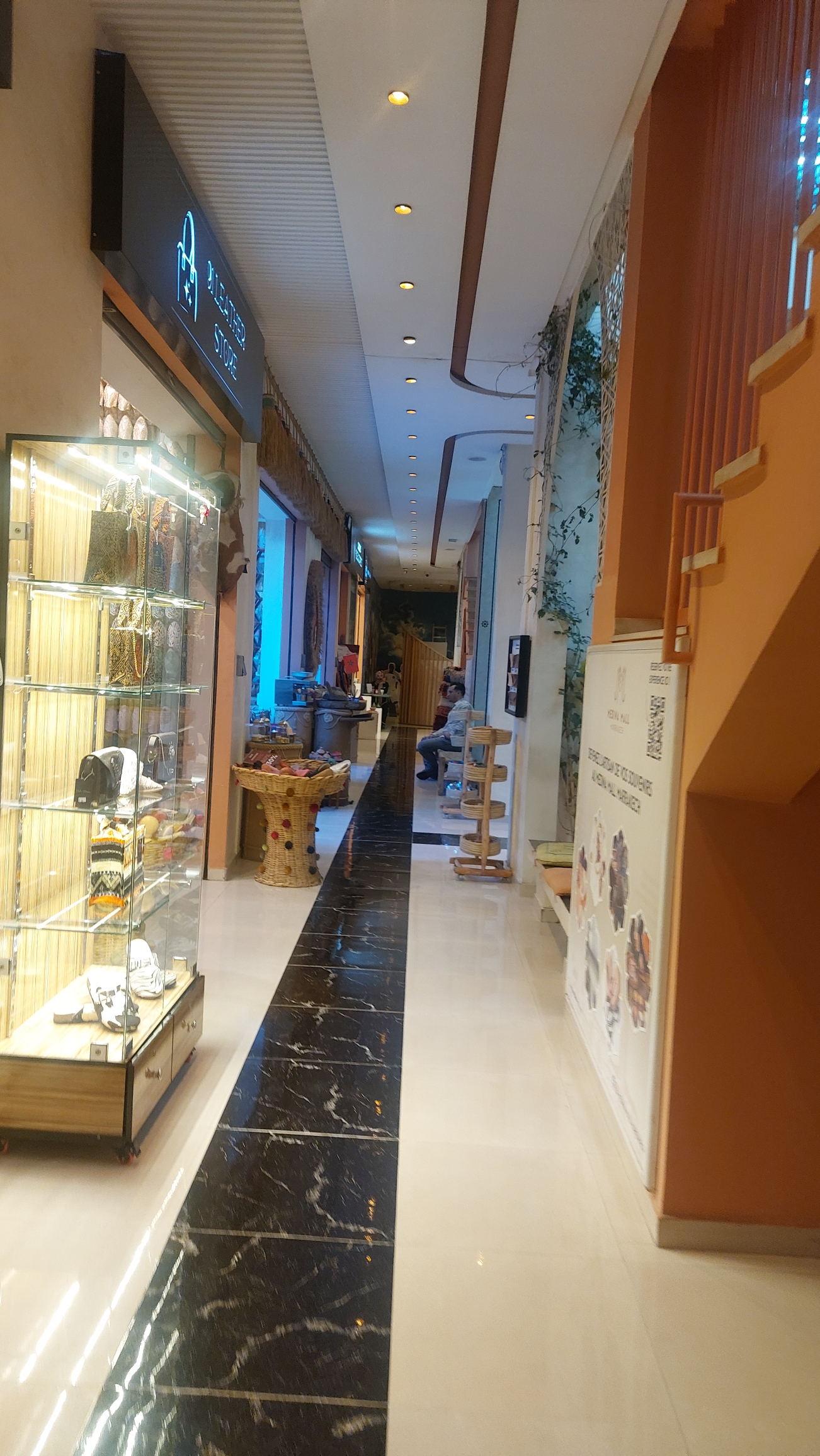
    Medina Mall Marrakech is a unique shopping experience in the medina. Inside the mall, you will find a selection of  concept boutiques. These intriguing shops stock cosmetics, pottery, leather goods, traditional textiles, and handcrafted pieces. Local artisans create pieces using age-old techniques reflecting Moroccan heritage.
    Images by Freebird Tracey.

    There are craft shops where you can learn ancient skills from local artisans, including Berber women. Retailers collaborate with local Berber women, giving them their independence and a sustainable livelihood. This allows them to provide for their families and the local community. Everything on sale in Medina Mall promotes eco-conscious craftsmanship. In turn, this supports local communities, including women’s cooperatives.
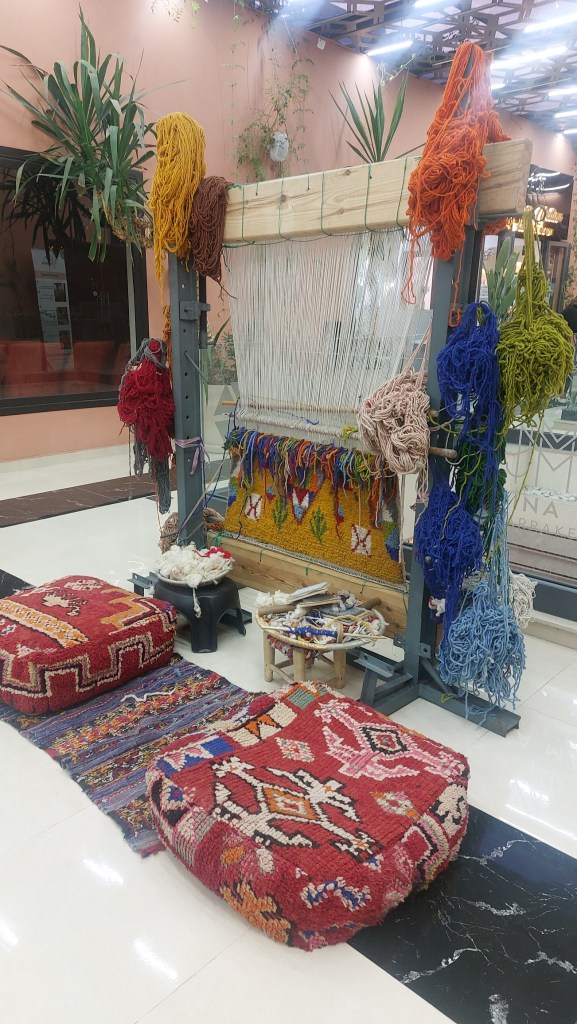
    Image by Freebird Tracey.

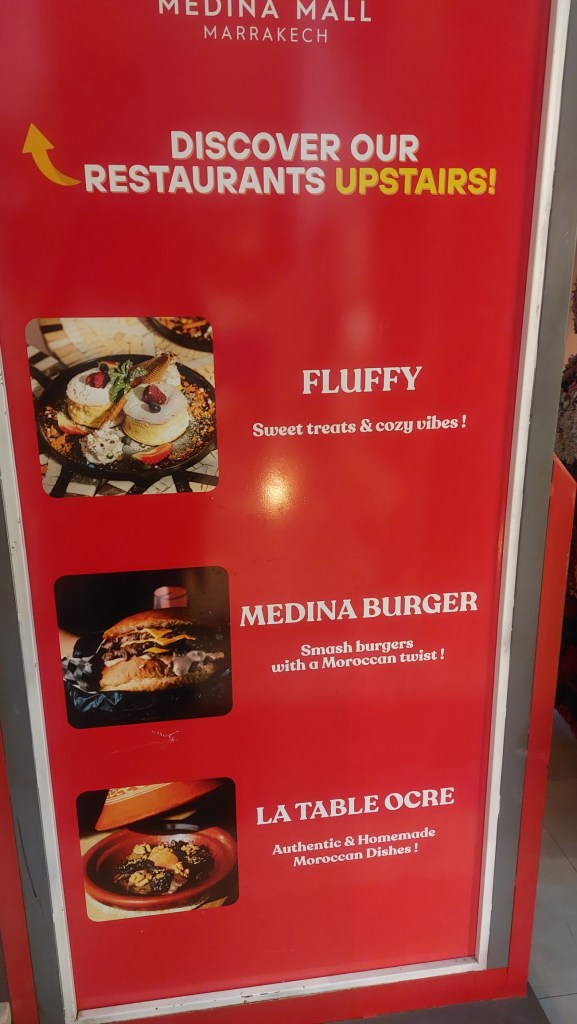
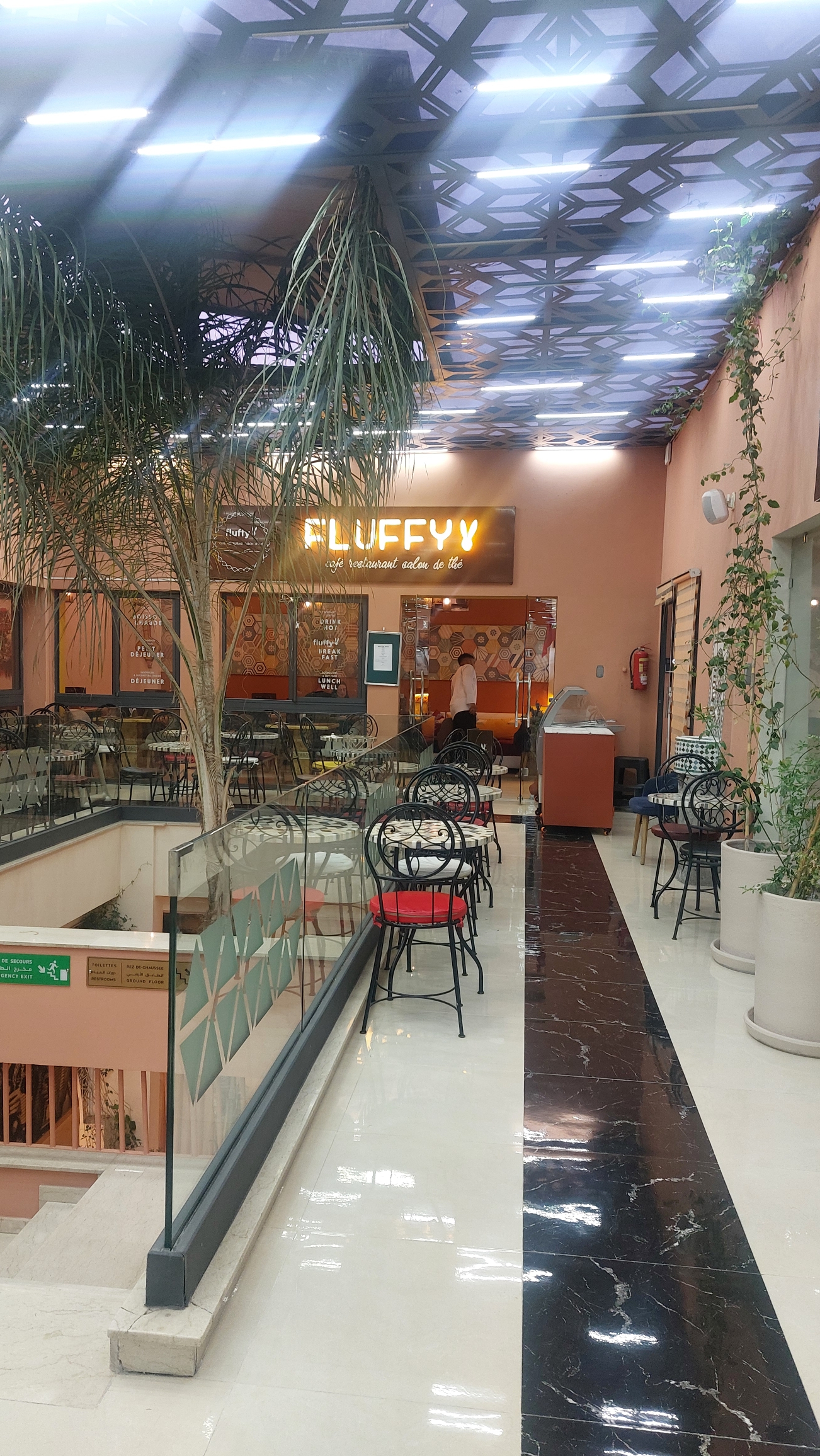
    In addition to a selection of shops selling high-quality products, there are a number of restaurants located in Medina Mall. Fluffys, the popular international dessert restaurant, is on the first floor.
    Images by Freebird Tracey.

    Medina Mall offers a relaxed shopping experience. The English speaking saleswomen ensure an easy shopping experience for tourists. Visitors can choose from handcrafted pieces by local artisans or contemporary items. The mall sells a range of high-quality products not found in the souks. It’s a good place to purchase souvenirs and grab a bite to eat. You may even learn a few ancient crafting techniques during your visit

    The address for Medina Mall is Arsat Maach, 91 Hommane Fetouaki Marrakech 40000 Morocco. Opening times are 9.00 am until 1.00 am daily.
    Image by Freebird Tracey.
    (more…)
  • Things To Do In Marrakech.

    Ideas to help you plan your itinerary.

    Image by Freebird Tracey.

    Marrakech is a big city with lots going on. A little organisation before arriving will help you get the most out of your trip. Having an itinerary before visiting Marrakech is useful. A list of places, including the opening times and addresses, will help you plan a stressfree visit.

    There are a number of places to keep you entertained. There are tourist attractions showcasing the historical significance of the city. Excellent day trips to fascinating places, including the Atlantic coast. You can visit interesting museums and learn ancient techniques passed down through generations. There are fun shopping experiences that offer demonstrations on how to make traditional Morroccan rugs and babouches.

    The next few posts are designed to help you choose sightseeing activities. I have included all the places I have visited. I want to give readers an idea of what to expect, including journey times, reviews, and when to visit.

    Images by Freebird Tracey.

    The first time I visited Marrakech, I was unaware of what to expect. I spent 3 days in the main square and shopping in the souks. The time passed quickly, and I went home feeling as though I’d barely scratched the surface. The next time I visited, I had already done some research. I spent 3 days sightseeing, I went on a day trip and spent an evening watching the sunset in Agafay desert. I still had time for shopping in the souks and ate in some excellent restaurants. I returned home happy and satisfied. I realised that Marrakech is so much more than I ever expected. If I had known about the amount of things to do, I would have had a much better experience the first time.

    Read about the activities I have experienced and use the information to create an interesting itinerary. I continually update my blog to include more adventures. I include places to visit for budget conscious travellers, and most activities can be done without taking an official tour. My own experiences have been booked through Get Your Guide or the riad where I’m staying. This gives me peace of mind as a solo female traveller. If I were travelling as a group of friends, I would plan excursions outside of the city independently. I don’t use guides for sightseeing around the medina. However, they are available if you want one.

    Take note of places that may be of interest to you. Decide the most cost-effective way to experience them and plan accordingly. When choosing a tour, check the reviews on Get Your Guide to make sure you’re getting value for money. There are tour operators around the city, but I have never booked through them.

    Image by Freebird Tracey.

    Lastly, Marrakech has a lot to offer, and you will not fit everything into your first visit. Plan a varied trip  that includes places of historical interest such as Bahia Palace or Ben Youssef Madrasa. Visit a couple of museums and at least one excursion out of the city. I also recommend making use of the parks around the city to enjoy some peace and tranquillity. The Souks are dynamic and exciting but limit your time to early morning or later in the evening. The main square comes alive at dusk, leaving the daytime free for other activities.

    Of course, you can always come back to this fascinating city if you don’t manage to see everything.

    Image by Freebird Tracey.
    (more…)
  • Place Des Ferblantiers.

    Visiting Tinsmiths Square in the Mellah.

    Image by Freebird Tracey.

    Tinsmiths Square is located to the south of Jamaa El Fna. It is within the Mellah, the oldest Jewish quarter of Marrakech. This quieter area of Marrakech is often overlooked by tourists.

    It is here that skilled artisans make their wares to sell using traditional methods passed down through generations. Beautifully crafted jewellery, lamps, and traditional daggers made from copper and tinplate are skillfully handcrafted in this fascinating area of the city.

    Tinsmiths Square presents a calmer alternative to Jamaa El Fna with palm trees lining the pedestrian friendly walkway. It connects the old Jewish district with the Muslim quarter.

    Tinsmiths Square is a vibrant area with lots of spice shops, cafes, and restaurants with rooftop terraces. Shops sell intricately carved items made in small workshops. There are several benches around the square to sit and take in the sights and sounds and a fountain in the centre. Fun games occasionally take place, and the square also hosts events.

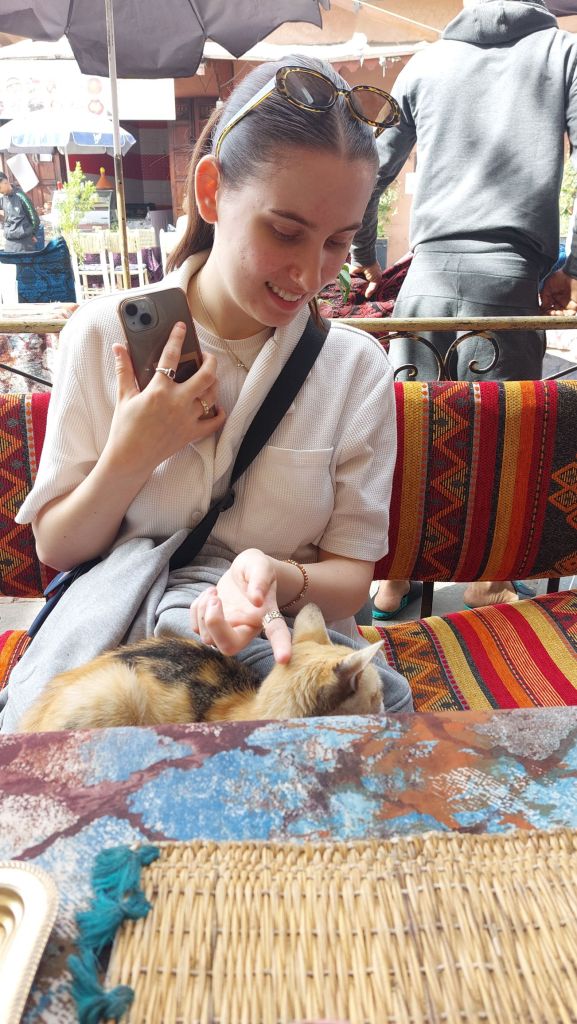
    Cats roam freely across the square and are a popular sight, lazing in the plant pots and flower beds. Sometimes, they are quite cheeky and make themselves comfortable on tourist’s laps.

    Image by Freebird Tracey.

    Place des Ferblantiers is close to popular sightseeing spots like The Bahia Palace, El Badi Palace, and The Saadian Tombs. The Kasbah is just a short walk away.

    I love Tinsmiths Square. There are some great cafes and restaurants and I have bought some interesting souvenirs here. There is a great vibe, and the pace is much more relaxed than in the densely packed medina.

    Video by Freebird Tracey.

    I was spoilt for choice with all the fragrant spice shops in the square selling everything from eucalyptus to argan oil. The friendly vendors happily educate you on what each remedy is used for and what the different types of tea are good for. Browsing leisurely around the spice shops is an explosion of colour and pungent aromas.

    Images by Freebird Tracey.

    If you want a slower, less touristic place to spend a few hours, don’t miss out on visiting Tinsmiths Square. There are a few budget restaurants, and Medina Mall, which is home to the popular Fluffys dessert cafe, is close to the square.

    Tinsmiths Square is an exciting area of Marrakech, and you can get taxis from the taxi rank near the roundabout to get to other areas of the city from here.

    Image by Freebird Tracey.
    (more…)
  • The Spice Square.

    Visit the apothecary of Marrakech.

    Image by Freebird Tracey.

    The Spice Square, also known as Rahba Kedima, is a smaller market, less densely packed with tourists. It is located at the end of Souk Semmarine and a five minute walk from Jamaa El Fna.

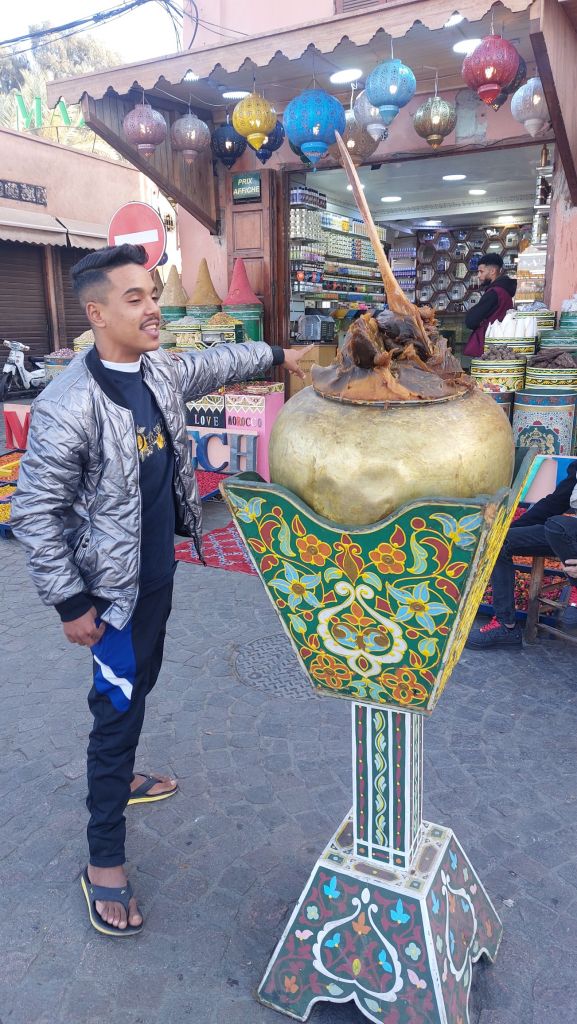
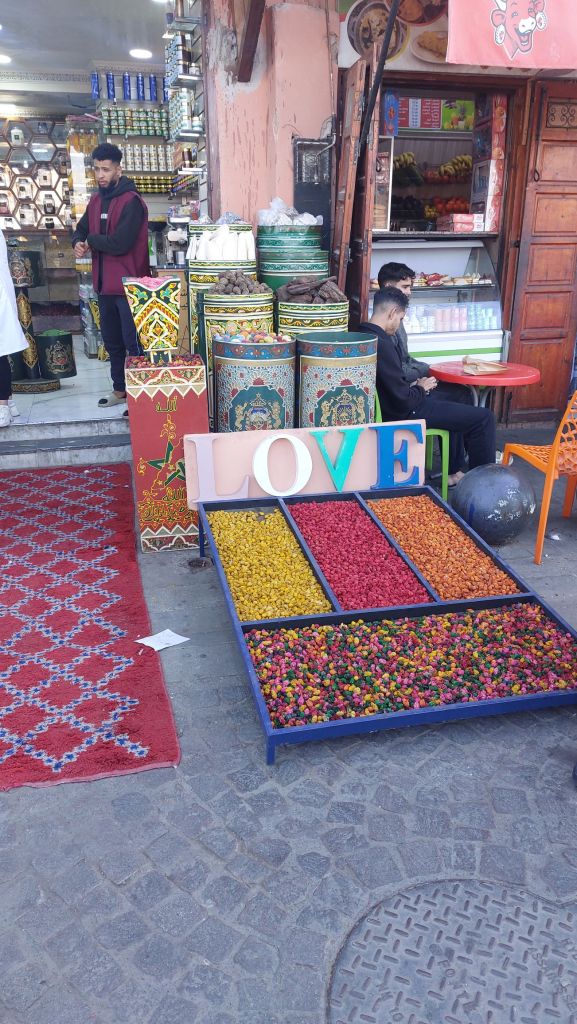
    It is here that you will find a wonderful selection of spices, including saffron, cumin, and turmeric. The spices are beautifully displayed in pyramids around the square, and the air is fragrant with the scent of incense. There are dried herbs, oils, potions, dried tea, and the traditional Moroccan lip stain.

    The Spice Square is the traditional apothecary of Marrakech and a treasure trove of Moroccan culture.

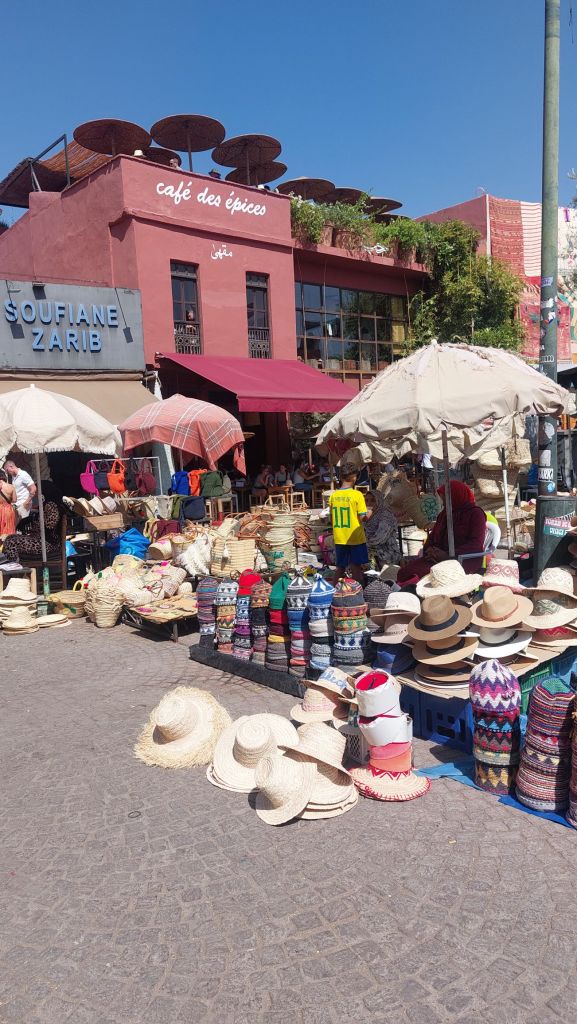
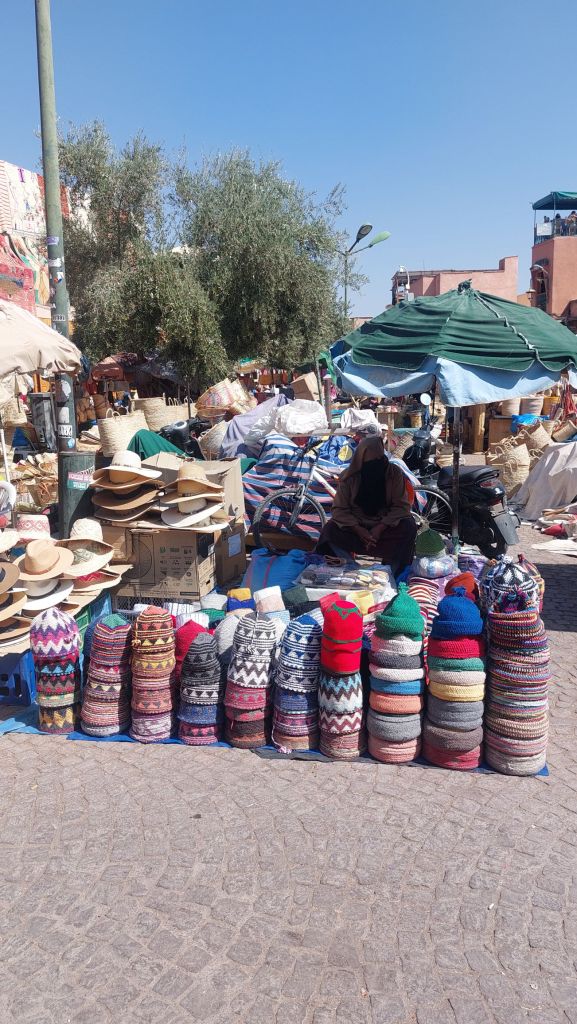
    In the Spice Square, you will also find hand woven baskets,  straw hats, baby tortoises, and shops selling Amazigh jewellery ,Tuareg leather amulets and beautiful throws and wall hangings. It is a vibrant, colourful market with a less frantic pace than Jamaa El Fna.

    Images by Freebird Tracey.

    The Spice Square is home to popular restaurants like Cafe Des Espices and Nomad, a well-known restaurant amongst tourists who flock to watch the setting sun from the rooftop terrace.

    The Spice Square is not far from the Medersa Ben Youseff and Marrakech museum, so it’s ideal for making it part of your day when visiting both of these attractions.

    Until the 20th century, Rahba Kedima was the cities grain market and the place where slaves were sold. It is now the epicentre of the medina where you can pick up the famous Moroccan spice blend ras el hanout and watch the spice sellers who come down from the mountain villages at 4.00 in the afternoon to sell their trade. The smells and colours are heady, as friendly vendors demonstrate the benefits of eucalyptus and other herbal remedies to the tourists.

    The Spice Square is a photogenic place where you will be met with a glimpse of trading traditions from the past. It’s the perfect balance between a bustling market experience and a relaxed, more laid-back atmosphere.

    Image by Freebird Tracey.

    As you meander your way through the busy Semmarine souk, it suddenly opens up to this feast of exotic colours that seem to appear out of nowhere. You will be greeted by a display of tantalising and pungent aromas that have become the essence of Marrakech.

    There are a few budget cafes around the spice square that are ideal spots for a pot of mint tea whilst sitting in the sunshine absorbing this sensual experience.

    Image by Freebird Tracey.
    (more…)
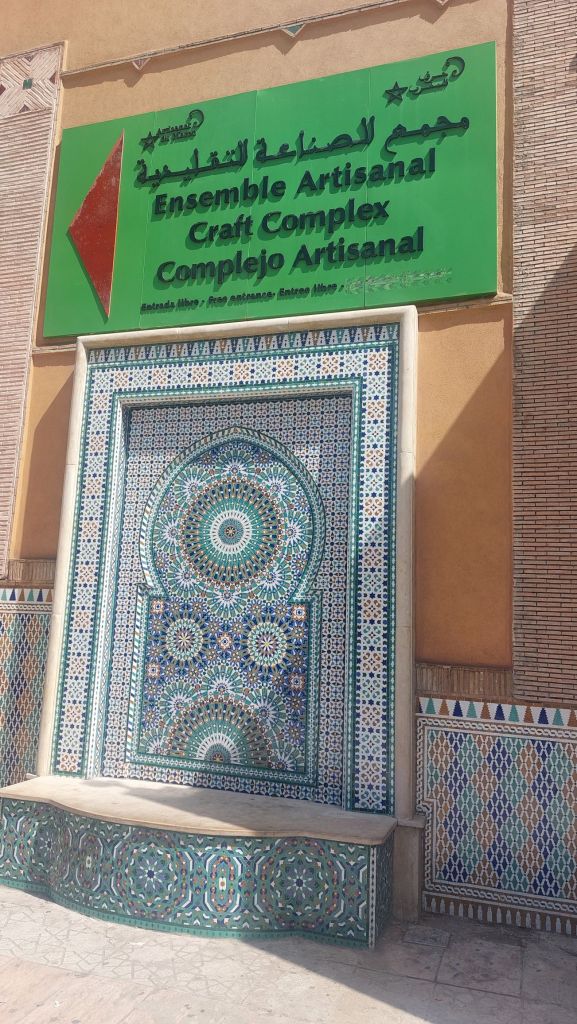
  • Ensemble Artisanal Craft Complex.

    Visit a fixed price arts and craft centre in Marrakech.

    Image by Freebird Tracey.

    Ensemble Artisanal Craft Complex is a government sponsored initiative for skilled artisans.

    A short walk away from Jamaa El Fna, opposite Cyber Park, is this unique space in Marrakech. Within the complex, you will find artisans creating beautiful artwork, including paintings, rugs, and pottery.

    Images by Freebird Tracey.

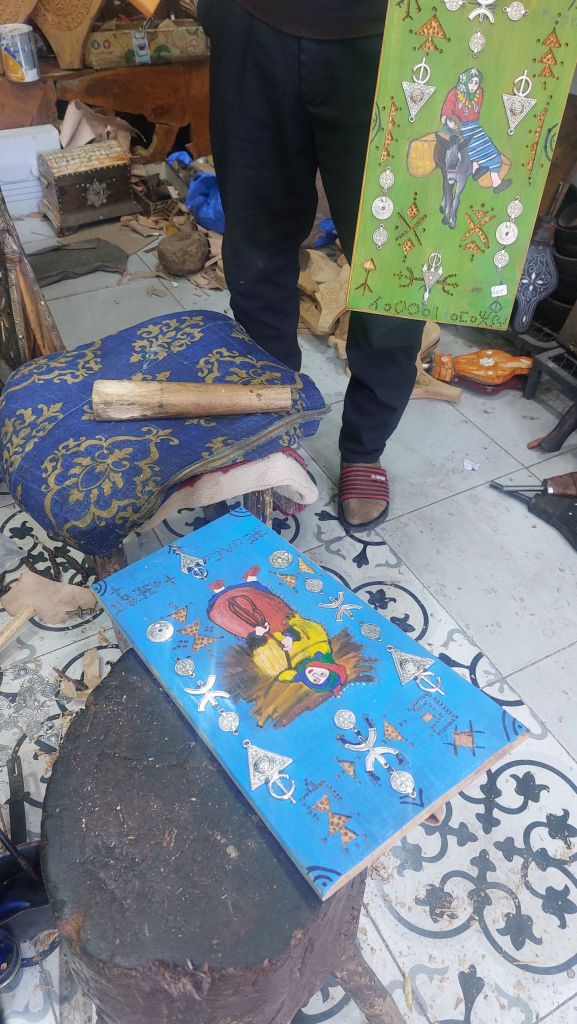
    It was established for artisans to teach their work to apprentices, and it’s a more low-key shopping experience than the souks. The best artisans are picked to work here, and there is usually only one or two representing each speciality, unlike in the souks. There are wonderful examples of excellent craft work, including brass and copper crafts, lamps, leather work, musical instruments, and much more..

    Images by Freebird Tracey.

    Prices are fixed, and all the profit goes to the artisans.

    Shopping in this fascinating area gives you an idea of how much you should be charged for items in the souks. Some things here are slightly pricer, but you don’t have to bargain hard, and it’s a more relaxed shopping experience.

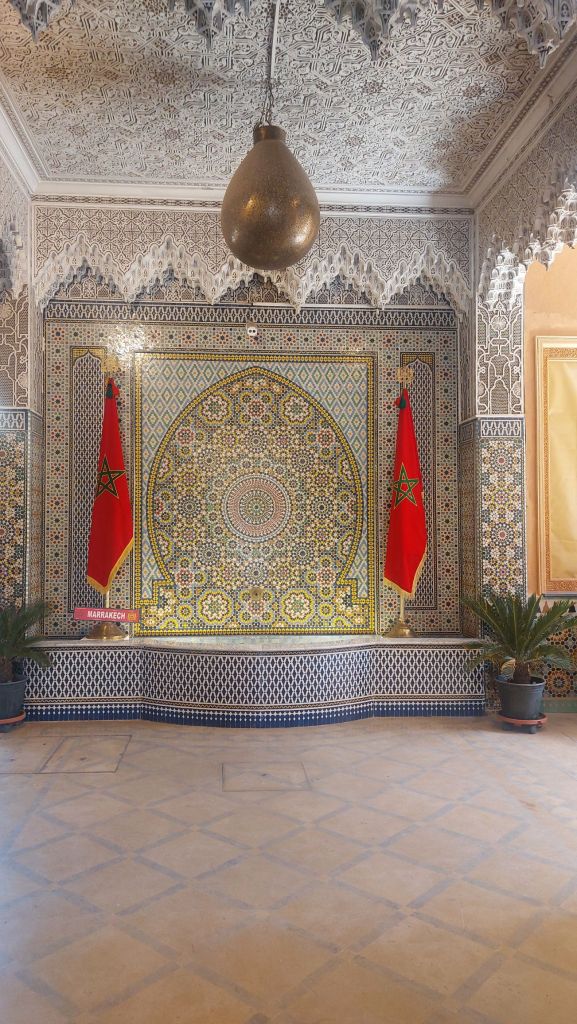
    Within the complex is a simple restaurant for food and drinks. It’s a cute waterhole to take a rest and admire the attractive setting. The tiled surroundings of Ensemble Artisanal Craft Complex are very beautiful to look at and complimented by small green areas with plants.

    Images by Freebird Tracey.

    There is also calligraphy available. If you want a gift for someone, consider getting their name in Arabic printed onto a nice postcard.

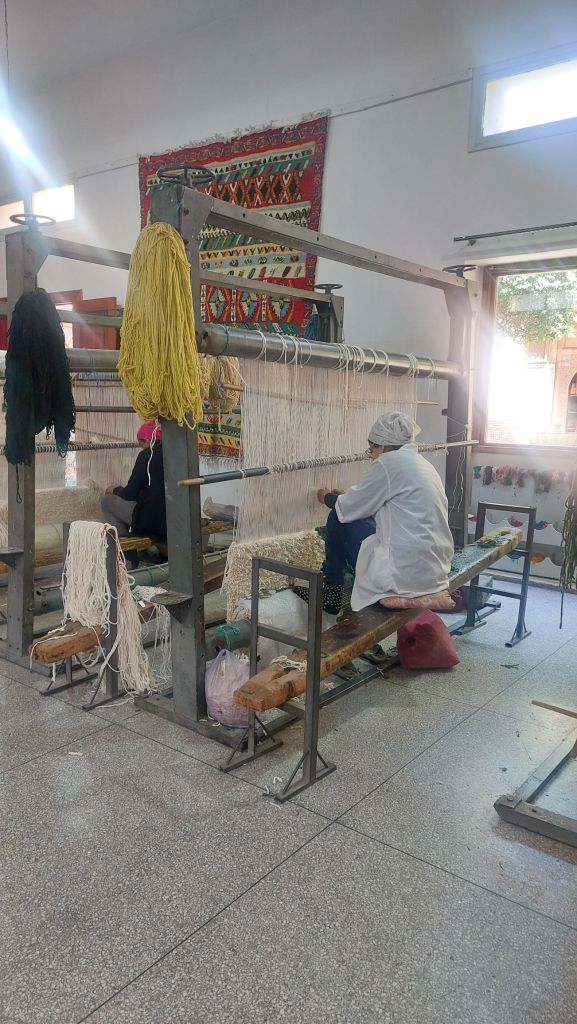
    I enjoyed spending a couple of hours away from the hectic pace of the medina. The slow rhythmic tapping of skilled artisans at work was a nice change of pace. Watching the ladies demonstrate carpet weaving on a traditional loom was really interesting, and I was also invited to have a go.

    Images by Freebird Tracey.

    Ensemble Artisanal Craft Complex is located on Mohammed V Avenue. It’s about a 6 minute walk from the Jamaa El Fna. The times of opening are 9.30am until 7.00pm, with the exception of Sunday when they close at 2.00pm.

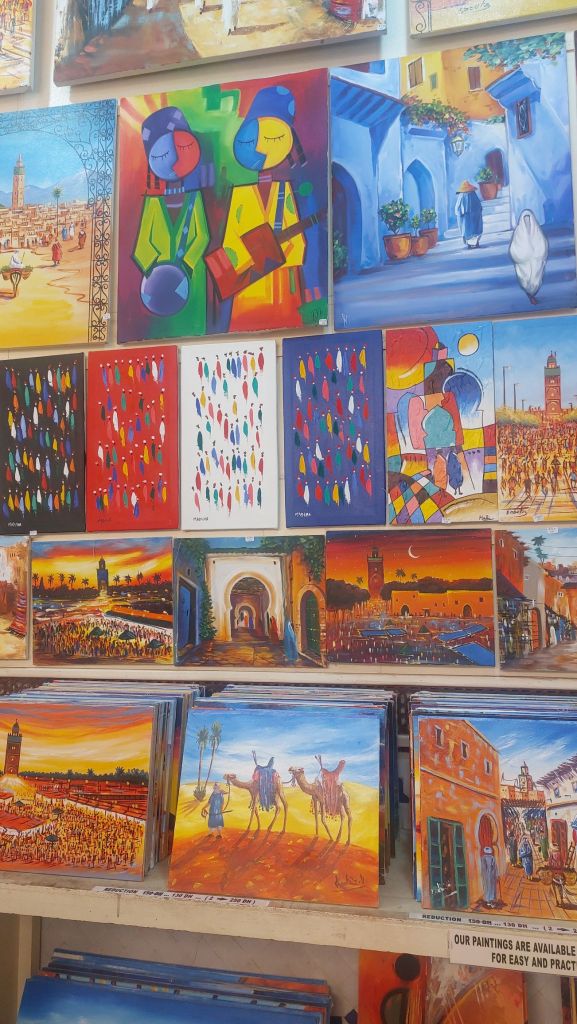
    I found a few lovely paintings to take home with me, which were painted by a local artist and beautifully handcrafted mirrors that caught my eye.

    Ensemble Artisanal Craft Complex is a perfect respite from the chaos of the medina and a wonderful spot to pick up a few lovely treasures whilst experiencing the local people showcasing their exceptional skills.

    Image by Freebird Tracey.
    (more…)
  • The Museum of Mouassine Music.

    A museum hosting traditional music evenings.

    Image by Freebird Tracey.

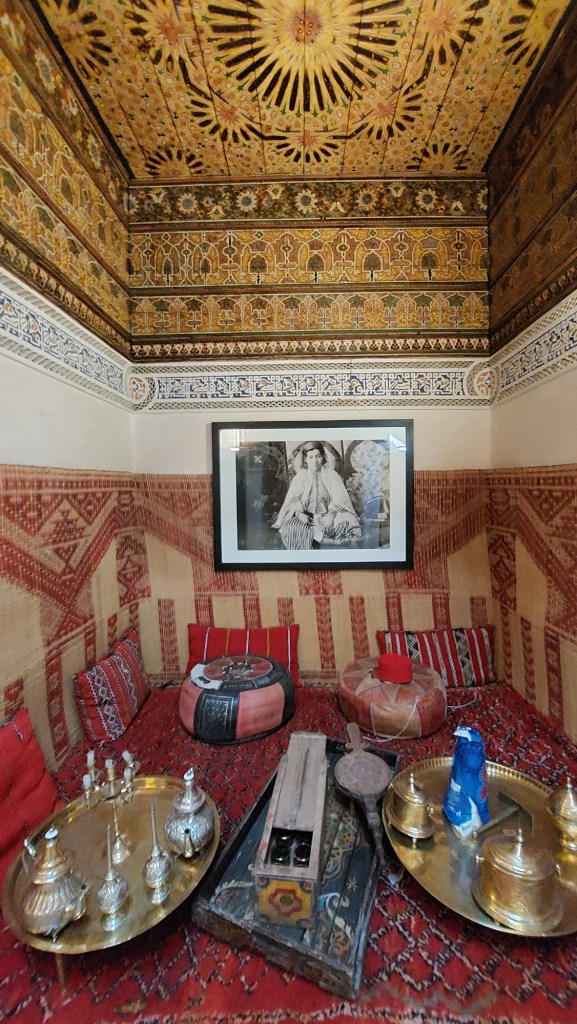
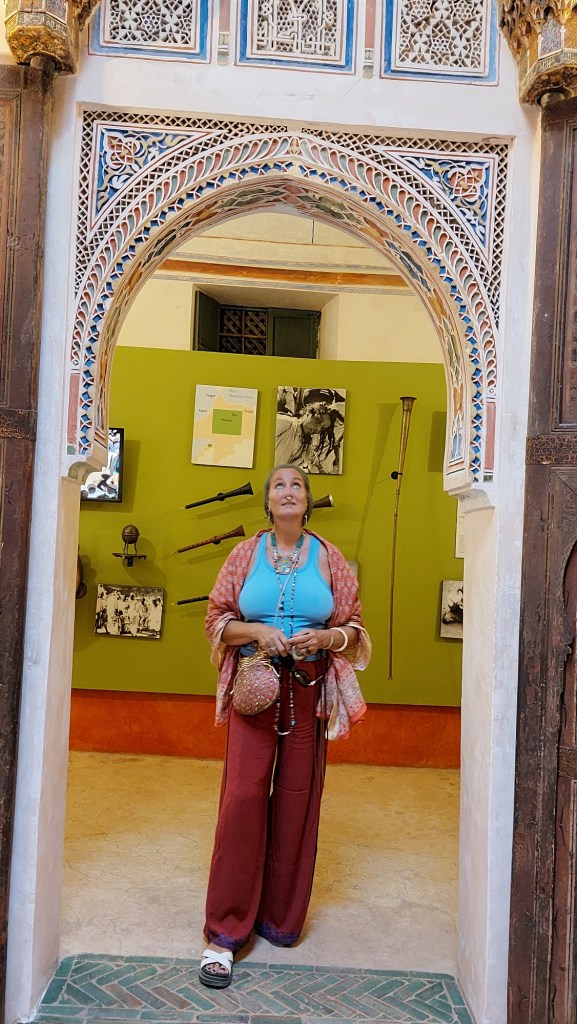
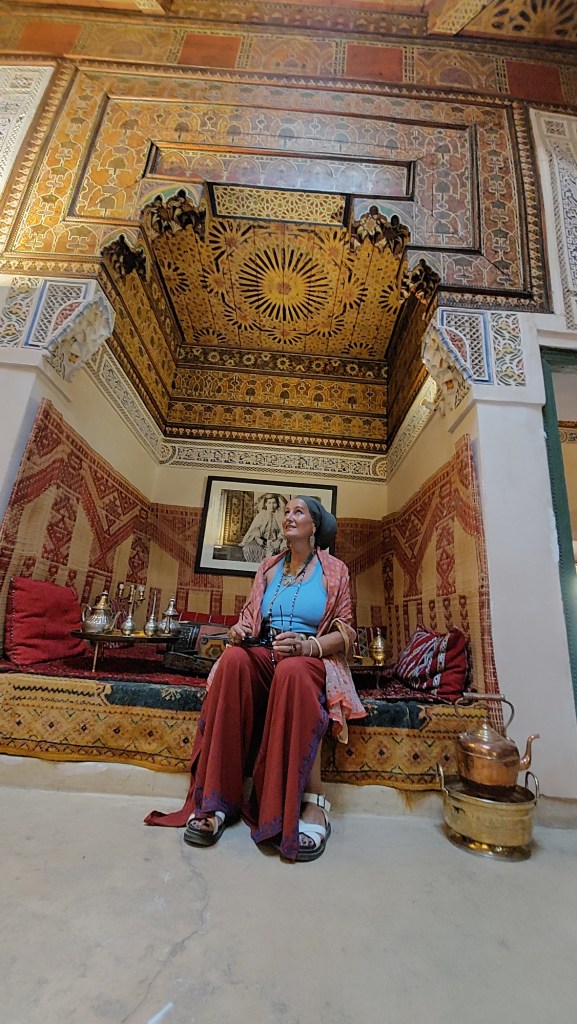
    The Mouassine Museum of Music is in the Saadian quarter of the medina. It is housed in a recently restored 16th – 17th century house in the once aristocratic Mouassine area of Marrakech. The upper floor has a small guest room called a douiria. This is a prime example of fine Arab Andalusian architecture. The main room of the douiria is beautifully decorated, with carved stucco featuring geometric patterns and Kufic letter motifs as well as sculpted and painted wooden ceilings.

    Images by Freebird Tracey.

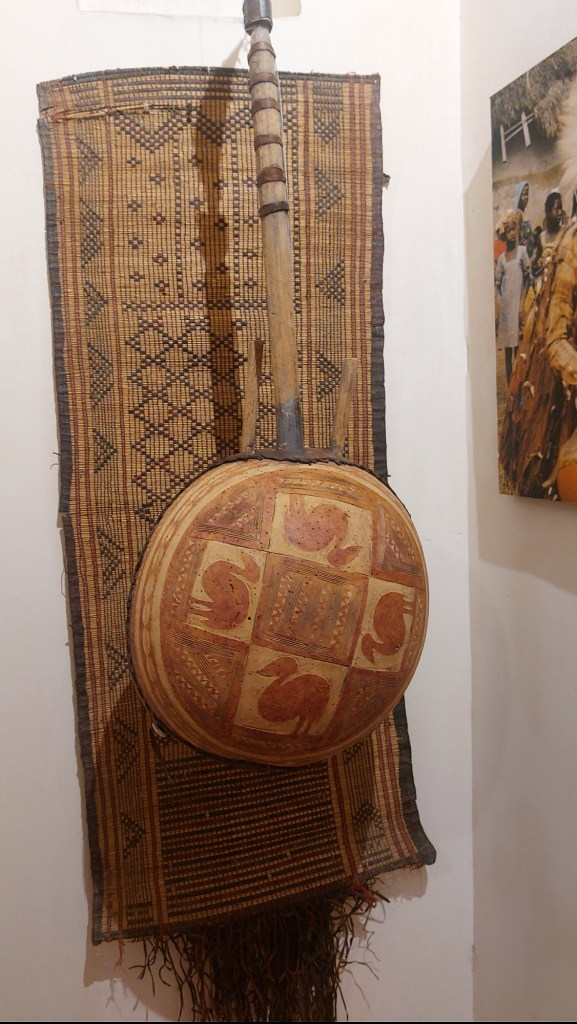
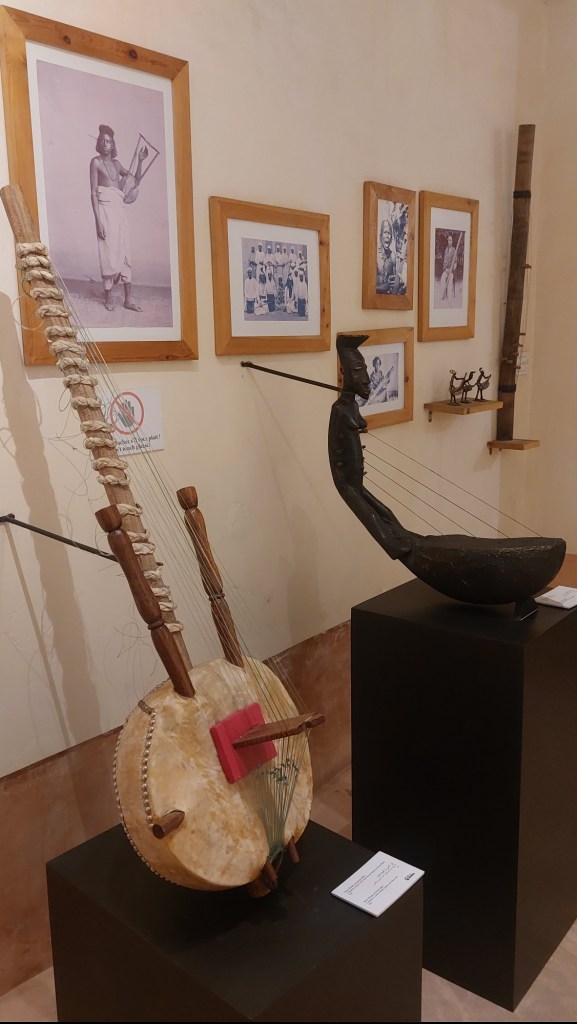
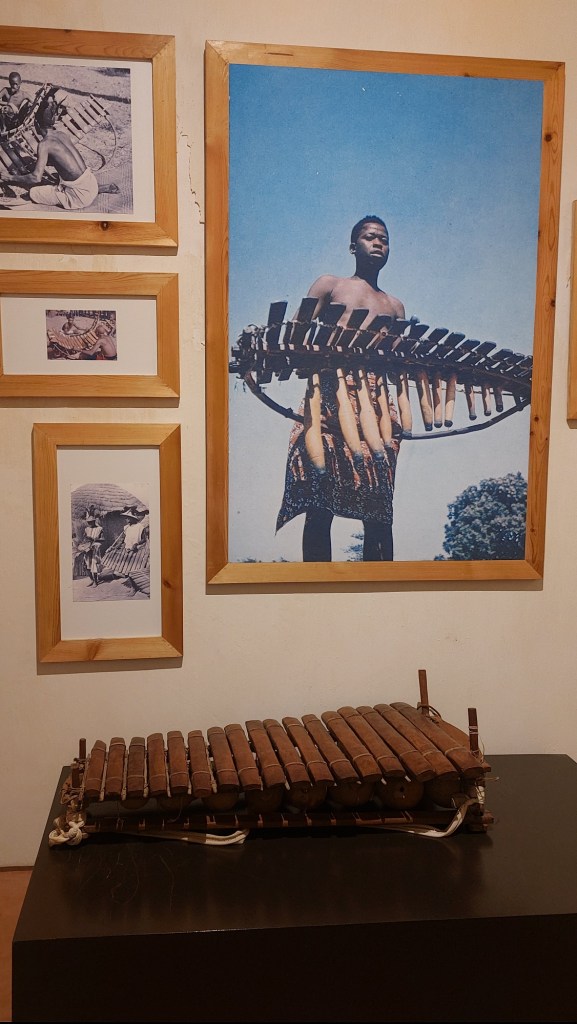
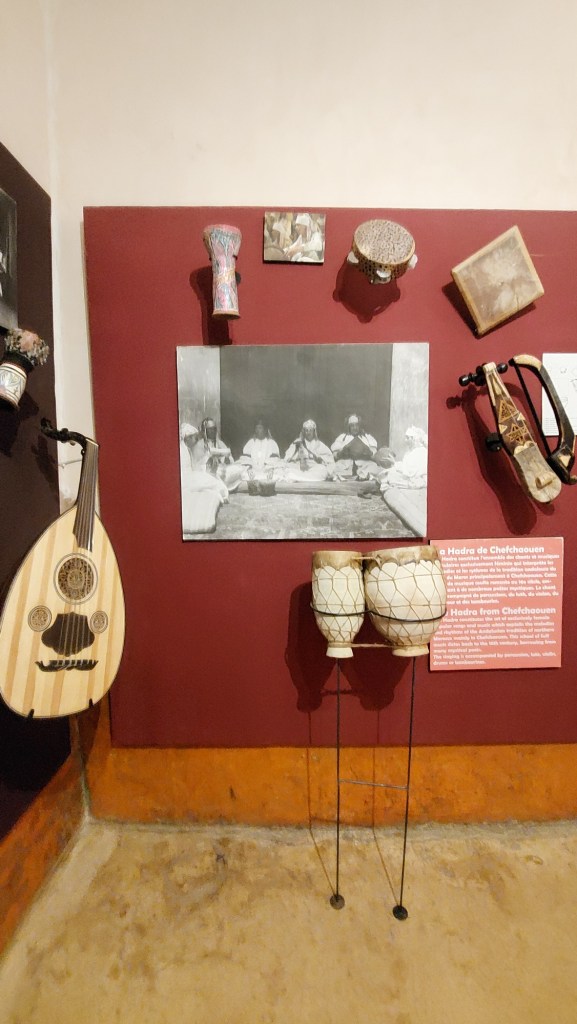
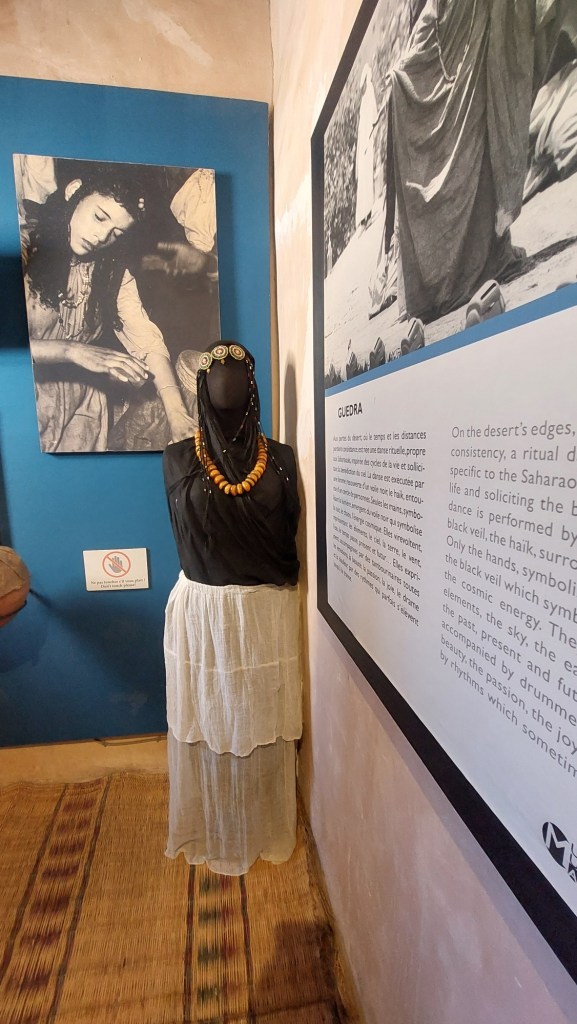
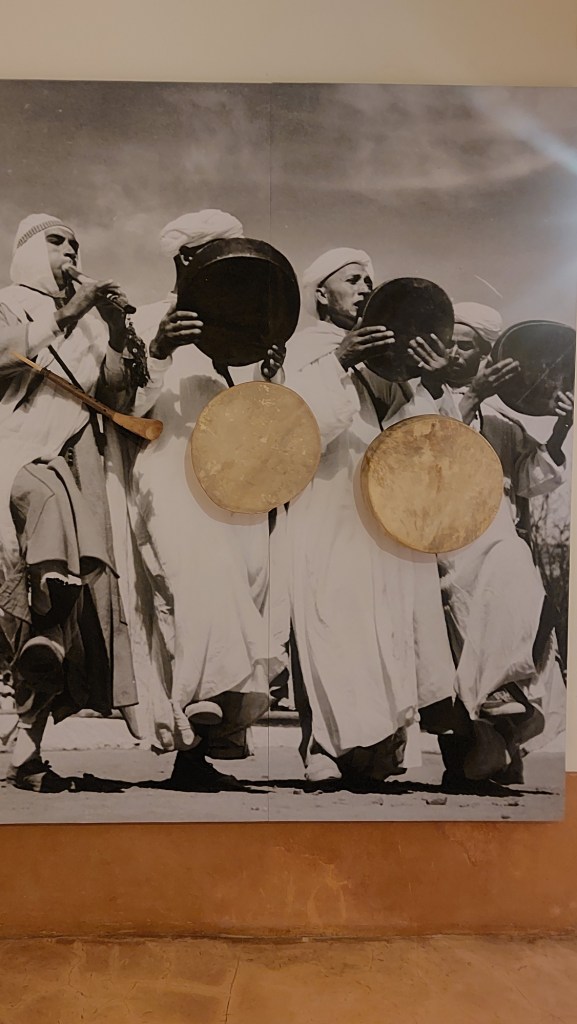
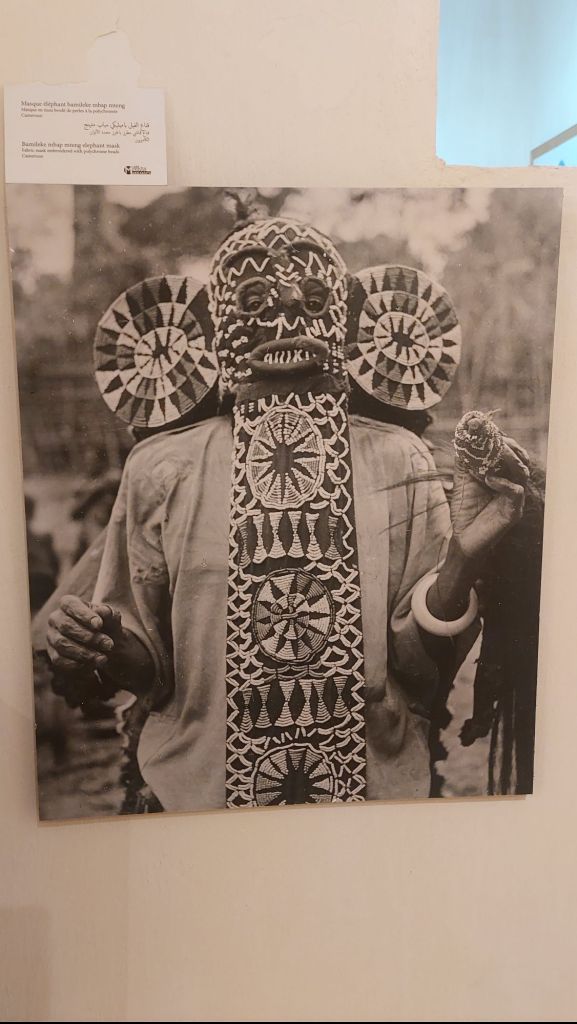
    There are several rooms showcasing the diversity of musical traditions in Morocco. Amazigh music, Jewish tradition, daqqa marrakchia, Gnawa music, and Arab-Andalusian music. The Music Museum contains a wide range of instruments, photographs, and videos. It is a fascinating walk through the musical heritage of Africa and home to some fascinating artefacts.

    Images by Freebird Tracey.

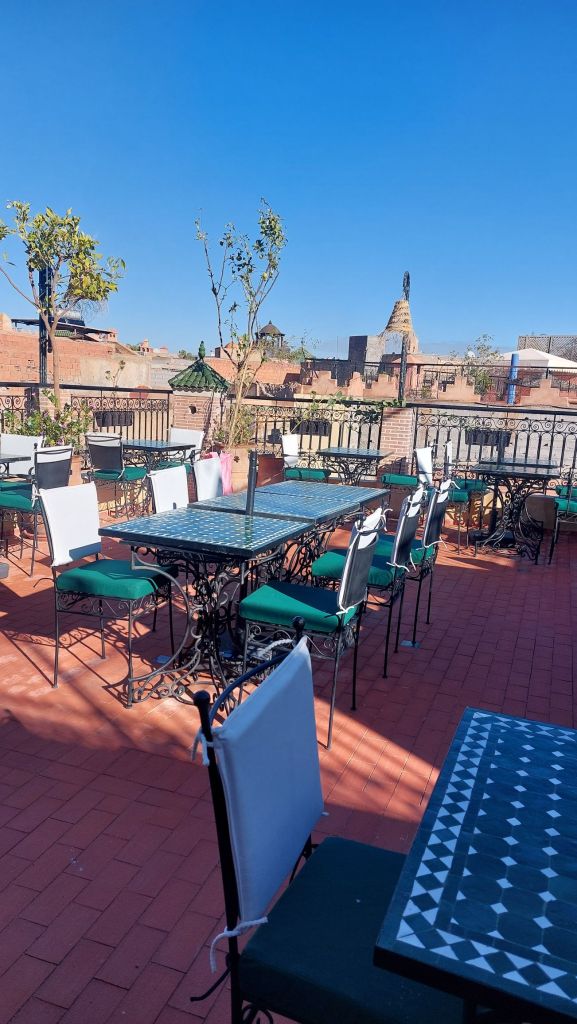
    After visiting the museum, make your way upstairs to the pretty rooftop terrace where there is a restaurant called the Belvedere Terrace. There are great views of the medina and Atlas Mountains from up there.

    The museum also hosts popular events. Three times a week, there are musical evenings. Mondays, there is an Andalusian music concert. Wednesdays is a concert dedicated to Berber music, and Fridays is traditional gnawa music. These concerts commence between 6 and 7.00pm.The concerts are followed by a traditional tea ceremony. I recommend booking in advance to guarantee a place. They are very popular and fill up quickly.

    The Mouassine Museum of Music is a deep delve into the history and culture of Marrakech. It’s a colourful museum with fascinating exhibits. The price of entry is 80 dirhams and permits entry into the museum of photography also.

    The address is 4,5 Derb El Hammam Marrakech Morocco. It is situated near the southeastern corner of the Mouassine Mosque and the Mouassine fountain.  The area is quite dense, so look for signs or use Google maps to help you locate it.

    Image by Freebird Tracey.
    (more…)
  • The House of Photography.

    See a private collection of 10,000 rare exhibits.

    Image by Freebird Tracey.

    The House of Photography is an important cultural venue in Marrakech. Housed in an old fondouk in the medina, a visit here is a fascinating journey through time.

    It was established by Patrick Manac’h and Hamid Mergani as a place where old photos taken in Morocco could be displayed for the public to view. It opened its doors to the public in 2009 and is now home to thousands of original documents, photographs, postcards, newspapers, and photographic glass plates.

    A private collection of 10,000 exhibits from 1879-1960, including contemporary photos from the present, allows visitors an opportunity to get to know the history of the Berber tribes in the high Atlas Mountains.

    Image by Freebird Tracey.

    The first colour film recorded in the High Atlas Mountains in 1957, called ‘Landscapes and Faces of the High Atlas Mountains’ by Daniel Chicault, is also available for visitors to watch.

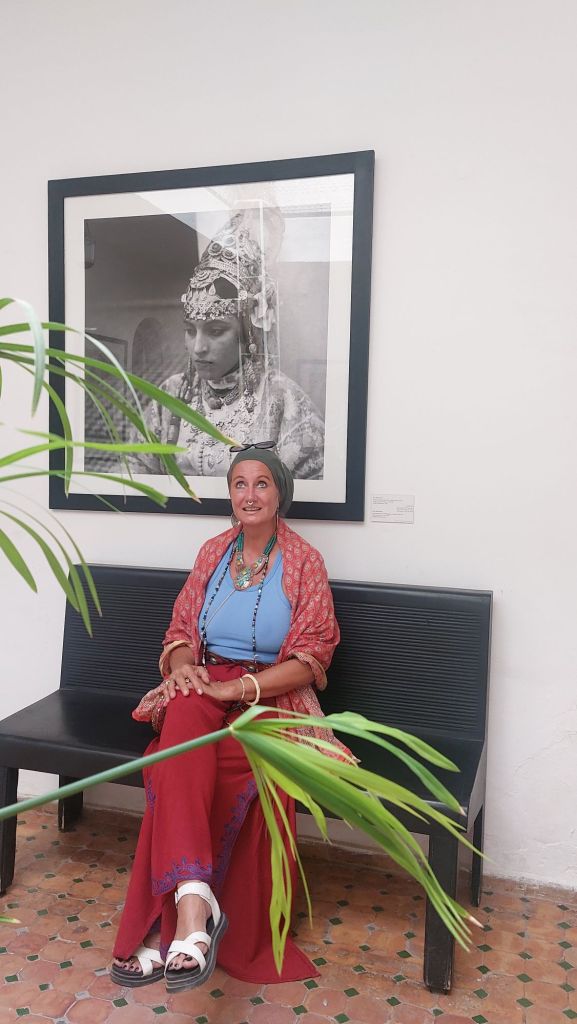
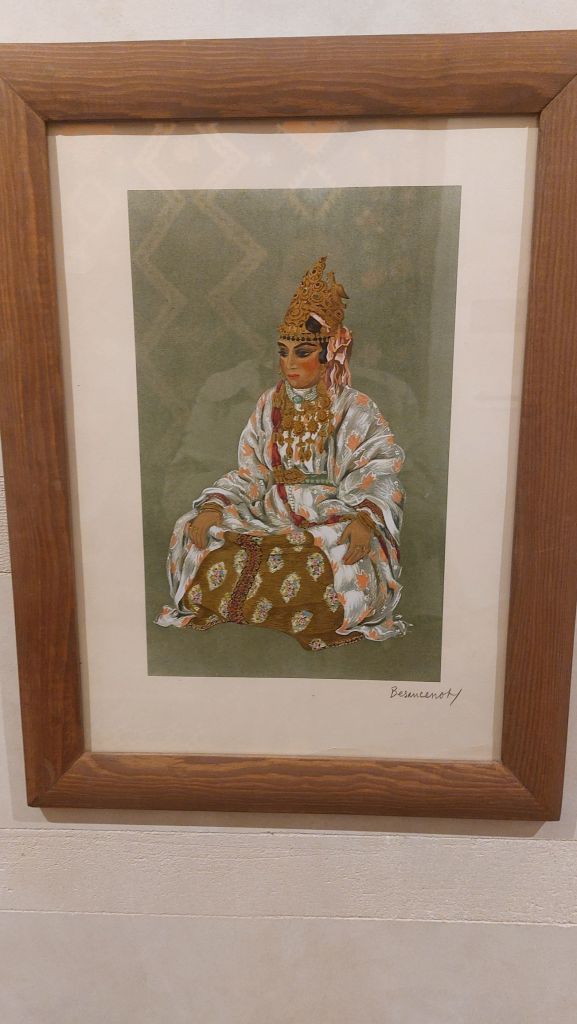
    The Museum of Photography is incredibly interesting, and the photos on display are well preserved, giving visitors to Marrakech a detailed account of how Berbers lived. I was fascinated by how the women dressed and their incredible hairstyles. Watching the video has broadened my knowledge about the history of Berber culture and their customs. It’s only as recent as the 1950s, yet they survived without electricity or medical care.

    The displays stay interesting because they changed them periodically, and at the time I visited, there was one about Berber Jews.

    Inside the museum, there is a rooftop cafe serving drinks, including speciality coffee and food. There are views across the rooftops of the medina, and you can see the Atlas mountains in the distance. It can get pretty busy during the lunchtime rush.

    You can purchase copies of some of the photographs in the entrance, and the quality of the prints is good. I bought a copy of Un Charmeur de Serpents – vers 1920, and it looks great in a vintage photo frame.

    The museum is open daily from 9.00 am until 7.00pm.

    The address is 46 rue Ahl Fes, Bin Lafnadek Marrakech 400030, not far from Ben Youssef Madrasa.

    Payment is on entry only, and it’s 80 dirhams for adults, 15 years old and under are free. The ticket also permits entry into the museum of music.

    Image by Freebird Tracey.
    (more…)
  • The Marrakech Museum.

    A fascinating museum next to Ben Youssef Madrasa.

    Image by Freebird Tracey.

    Marrakech Museum has a calmer atmosphere than other tourist attractions.

    It is undoubtedly one of the most beautiful museums I have ever seen. Literally, next door to Ben youssef Madrasa, it’s in a perfect location for combining both sightseeing attractions.

    I had mixed feelings about visiting after reading reviews, suggesting there wasn’t much to see. I was so glad that I did. It was really beautiful inside and held a lot of information about the Amazigh culture and the history of Marrakech.

    The museum was once Dar Mnebhi Palace, constructed at the beginning of the 20th century by Mehdi al-Mnebhi. It was renovated by the Omar Benjelloun Foundation and became a museum in 1997.

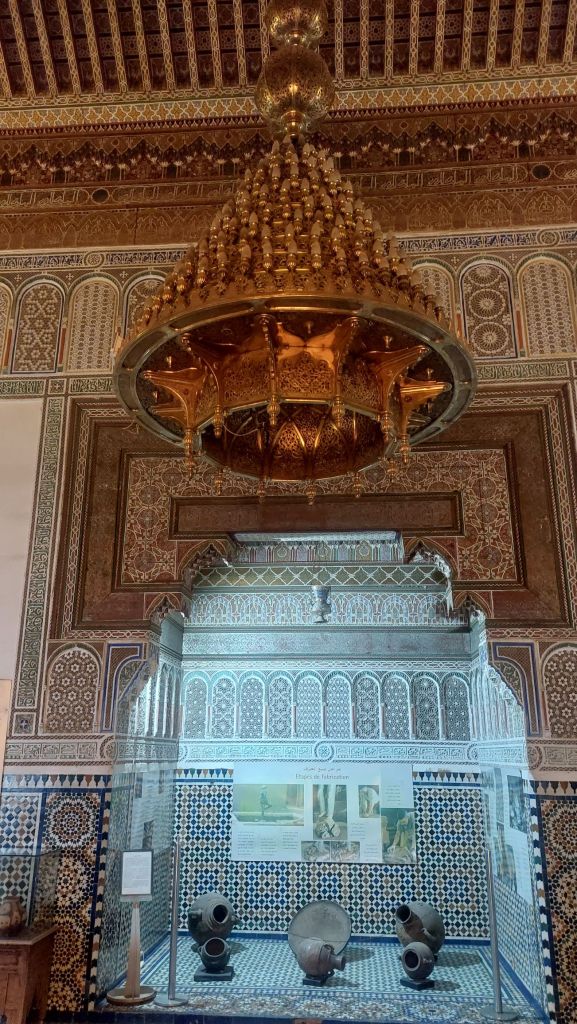
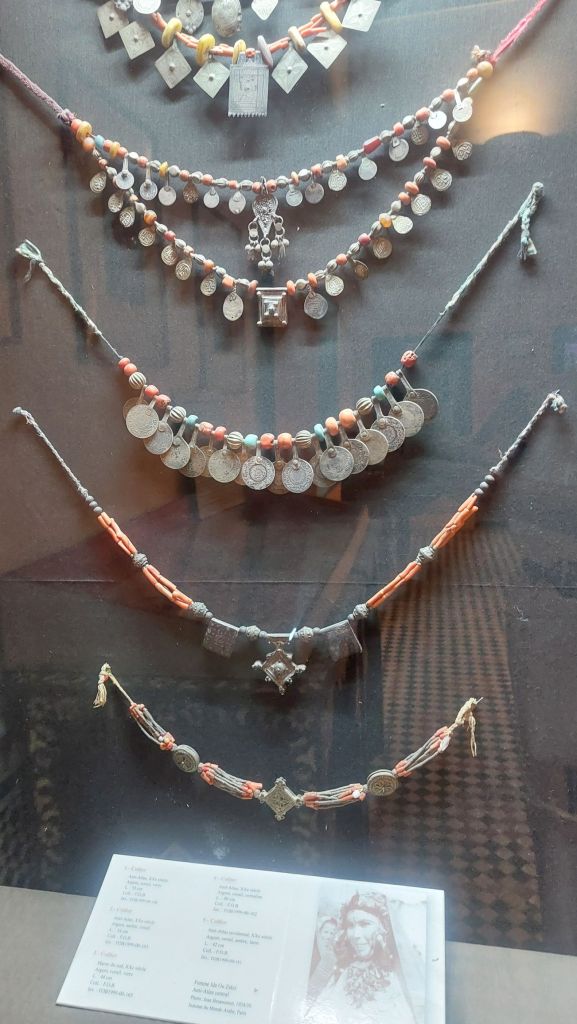
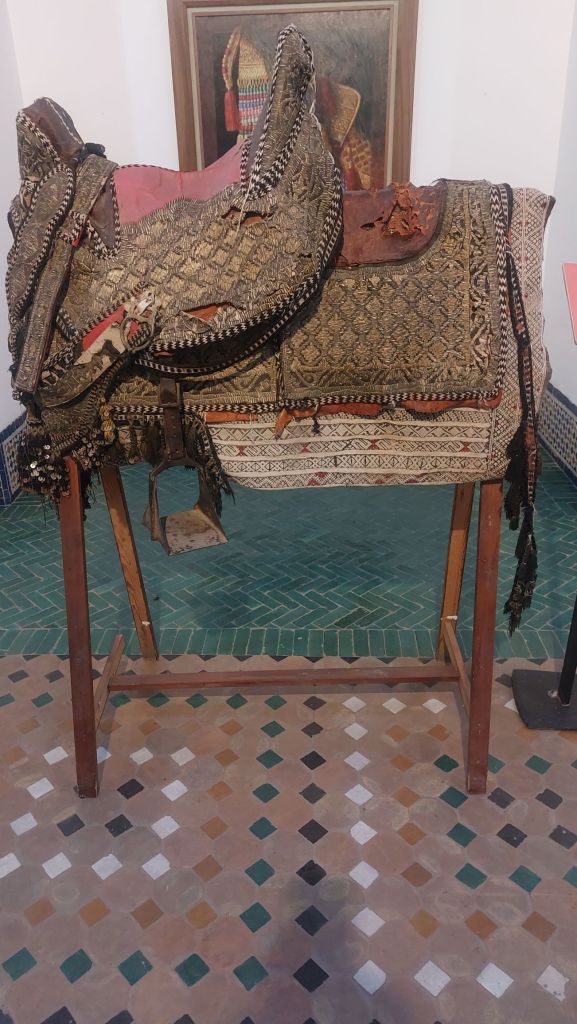
    It now houses a selection of art objects, including Berber jewellery, weapons, carpets, costumes, and pottery from Fes. There is also a variety of modern contemporary art that changes regularly to keep it exciting. Regular events and exhibitions are also held here.

    Images by Freebird Tracey.

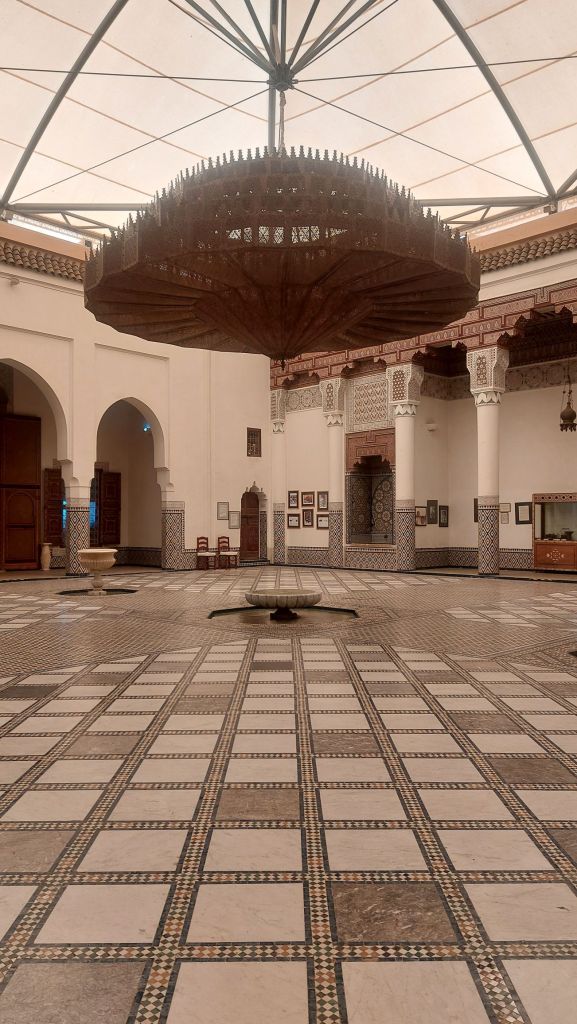
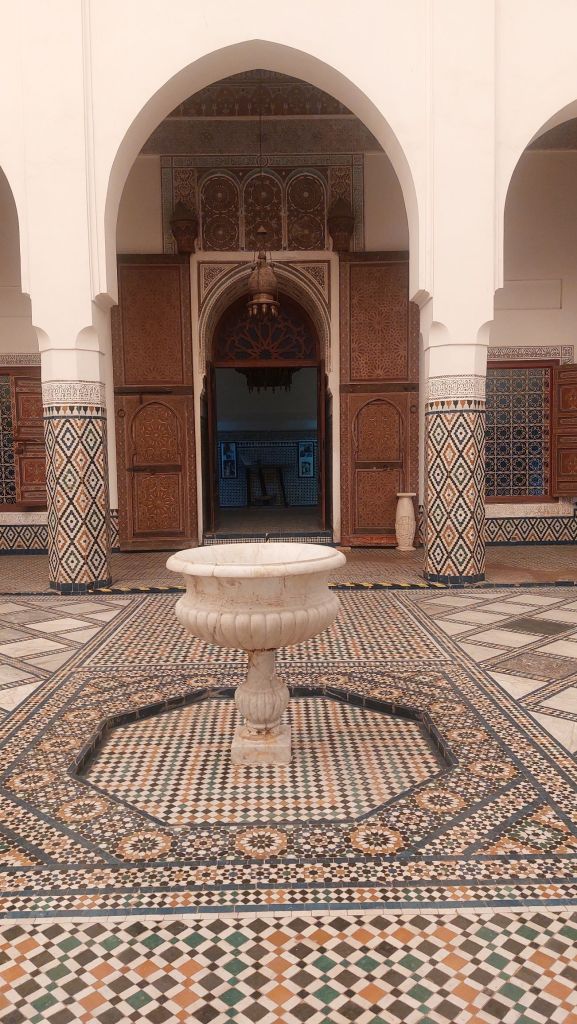
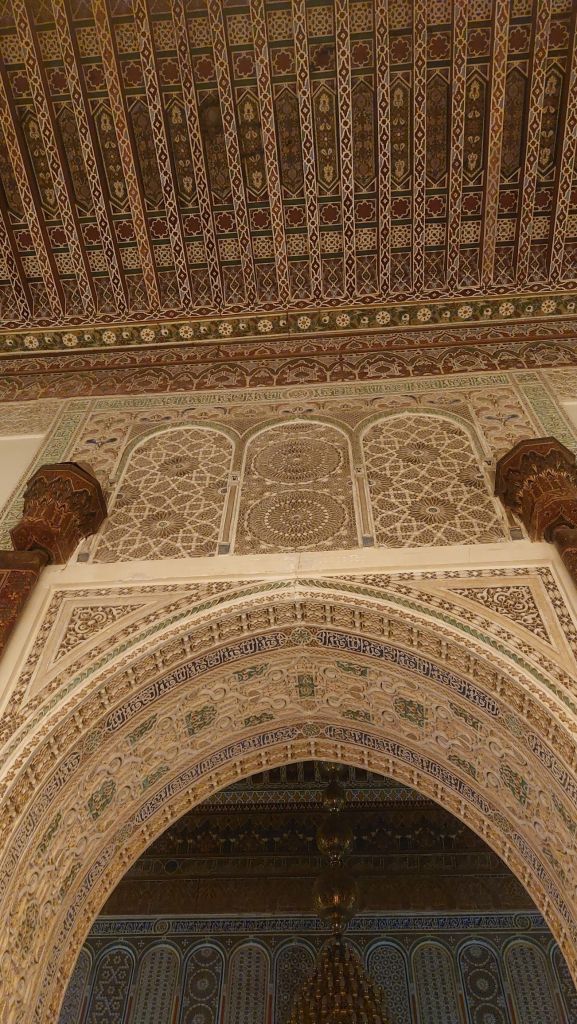
    The architecture is stunning with a large courtyard containing a huge central chandelier made up of brass pieces cut into ornate geometric and arabesque motifs.

    Images by Freebird Tracey.

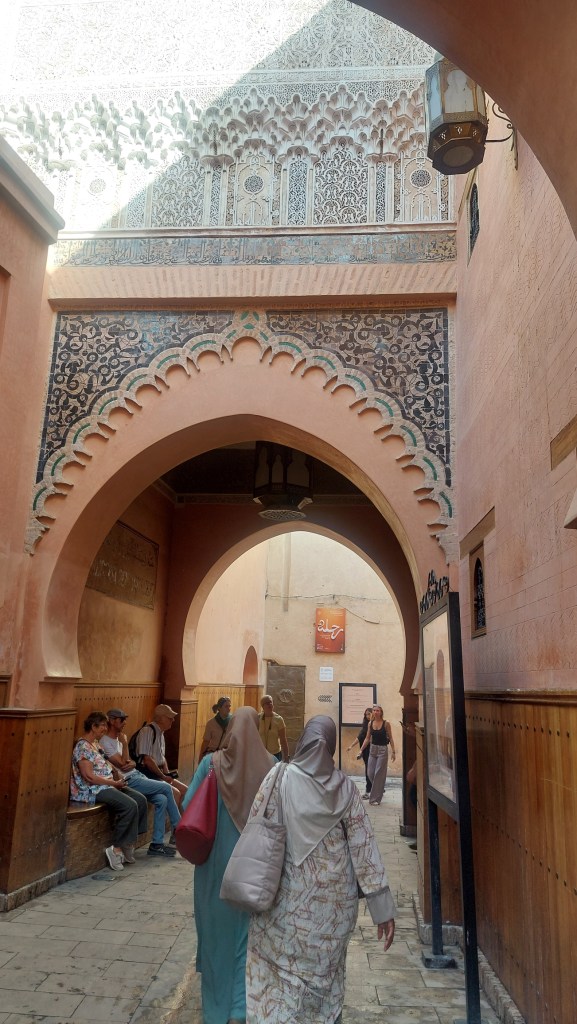
    There are fountains with beautiful coloured zellige tiles and rooms that branch off with ornate cedar wood and stucco decoration. There is also a centuries old hammam.

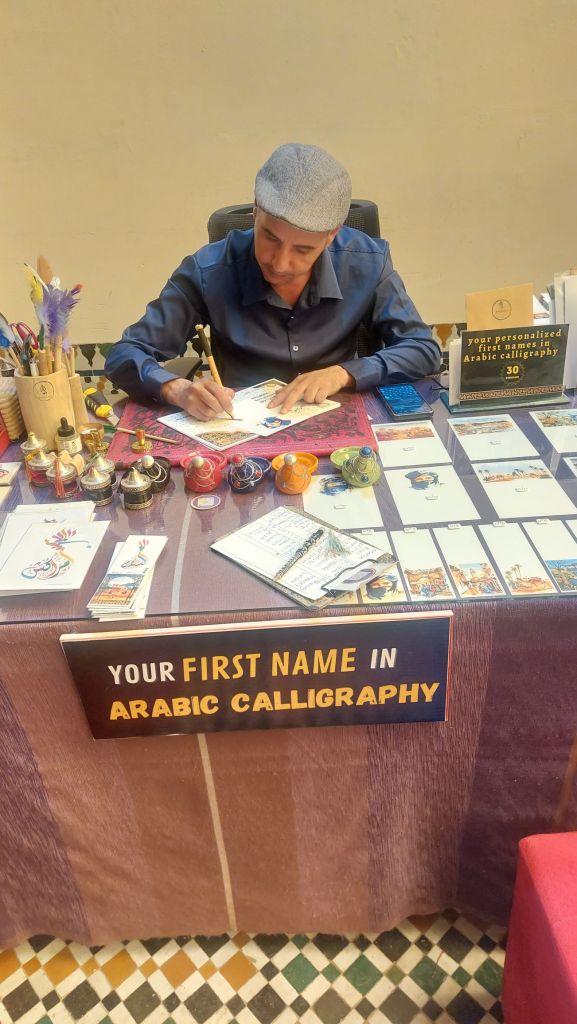
    In one corner of the courtyard sits a calligrapher who can write your name in Arabic on a postcard. If you want this as a gift, get him to scribe it before you begin looking around the museum as it takes a little while to dry.

    Image by Freebird Tracey.

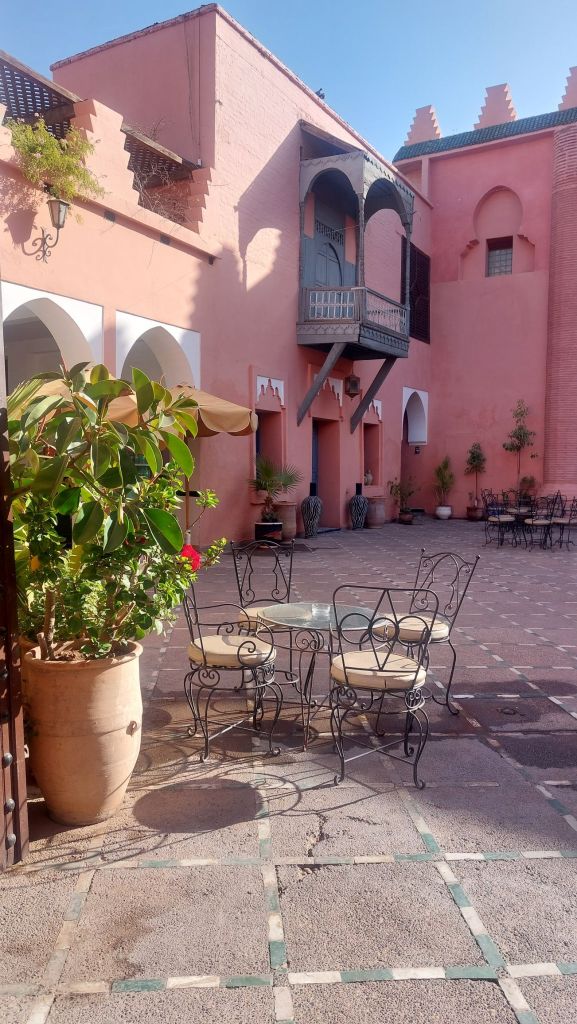
    Outside is a large open courtyard with a cafe where you can have drinks and light snacks. There’s also a small shop selling good quality prints, postcards and other interesting stuff.

    I really enjoyed the Marrakech museum. The architecture was beautiful, and I found it more low-key and less crowded than some of the other attractions around Marrakech. I liked the structure of the building from the outside and the typical red coloured clay that glows in different hues in the sunlight.

    I would recommend stopping by to explore some of the exhibits in the Marrakech Museum after visiting Ben Youssef Madrasa.There is no cafe within the Madrasa, so it’s a great place to stop and take a break from the heaving number of tourists and spend some time in a calmer environment.

    The Marrakech Museum is located at J2H6+VPJ, Place Ben Youssef, Marrakech 40000, and opening hours are 9.30am-6.00pm daily.
    There’s a small entry fee of approximately 50 dirhams.

    Image by Freebird Tracey.
    (more…)
  • Ben Youssef Madrasa

    Visit a centuries old Koranic school.
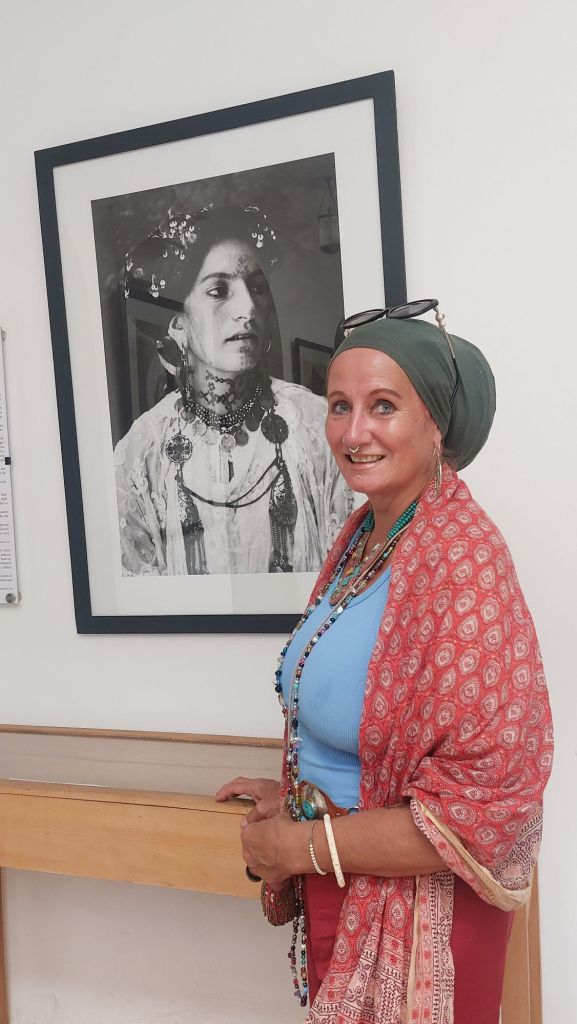
    Image by Freebird Tracey.

    Ben Youssef Madrasa was once the largest and most important Islamic college in Morocco.

    It was commissioned by Saadian Sultan, Abdellah al- Ghaleb Assaadi in 1564-65 and named after the adjacent Ben Youseff mosque.

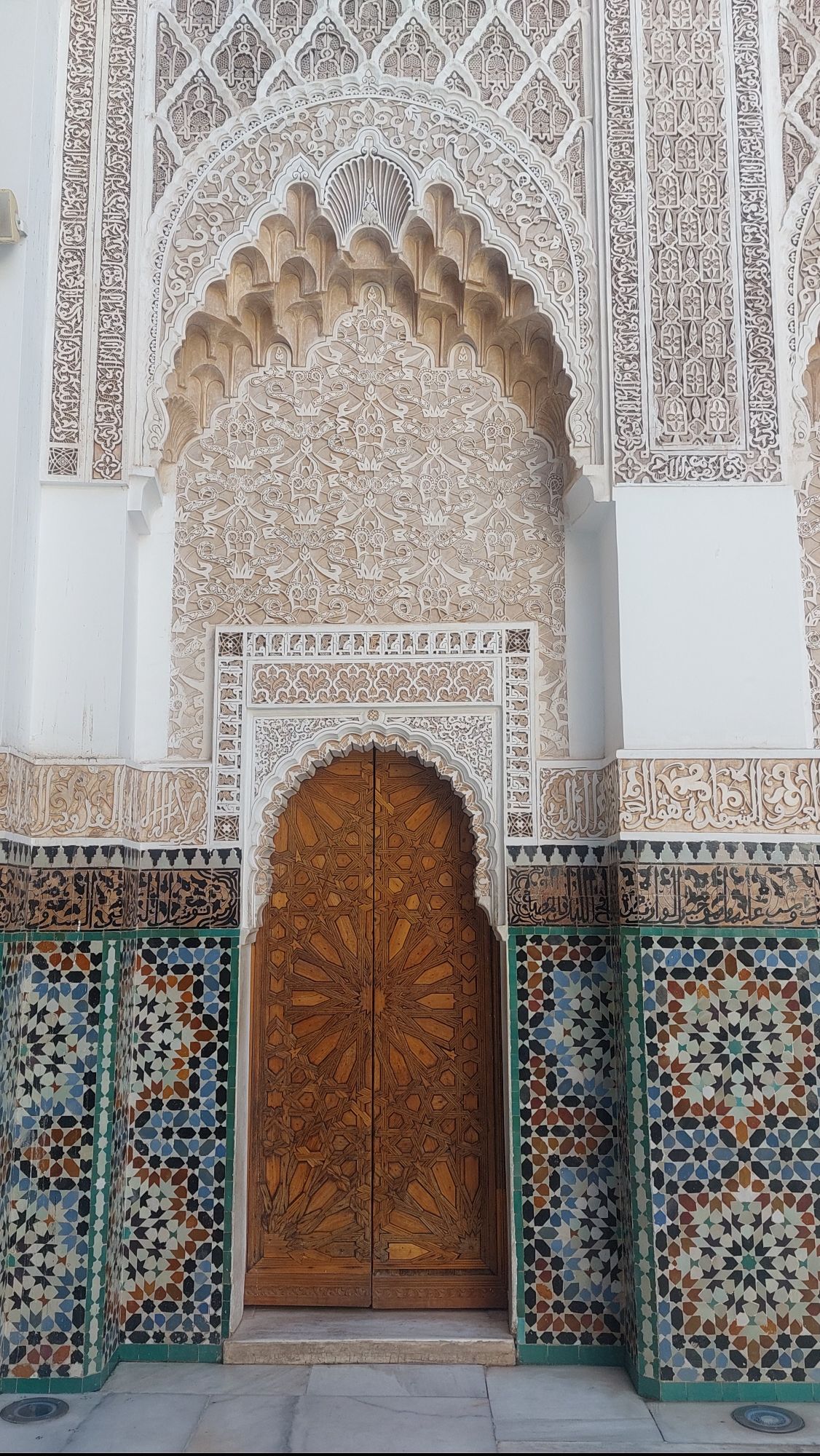
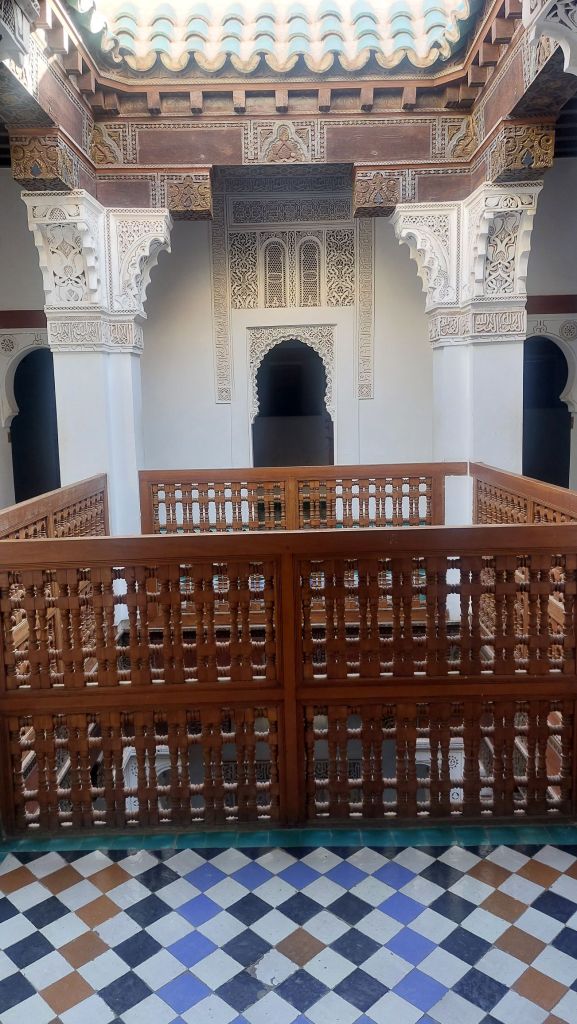
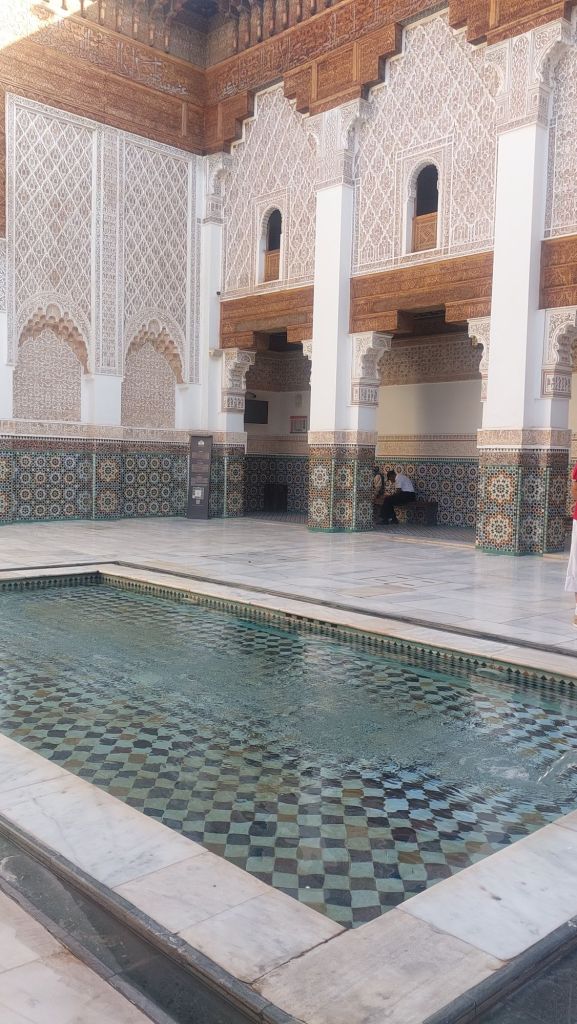
    It’s a fascinating place to visit with invaluable historical and cultural significance. The spectacular architecture inside the Madrasa is simply breathtaking and a testimony to the beauty of Islamic art and craftsmanship.

    Students who studied at the Madrasa would learn many subjects, including religious science, mathematics, philosophy, and medicine.The Madrasa attracted the best scholars and thinkers from the Arab Muslim world.

    Images by Freebird Tracey.

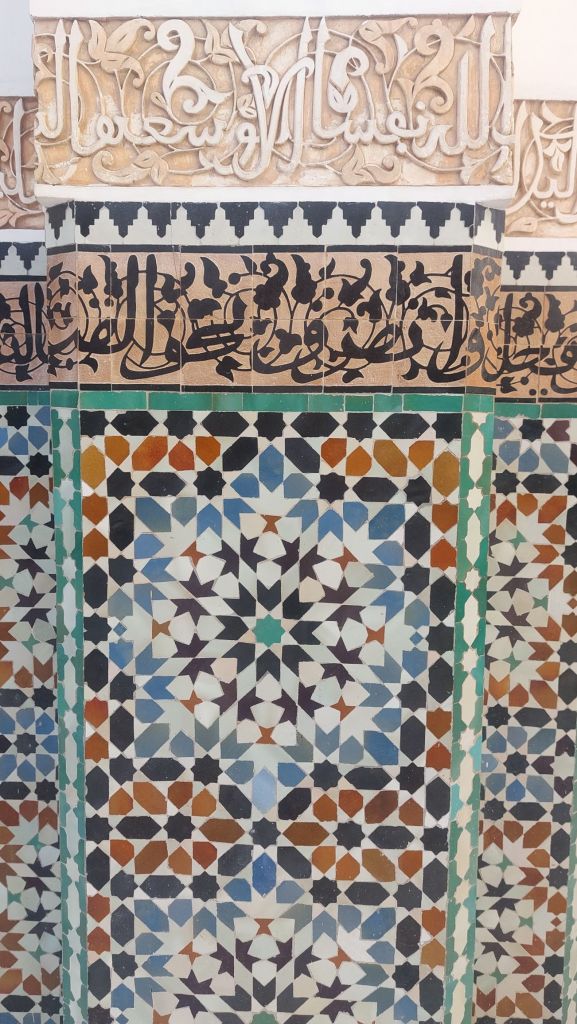
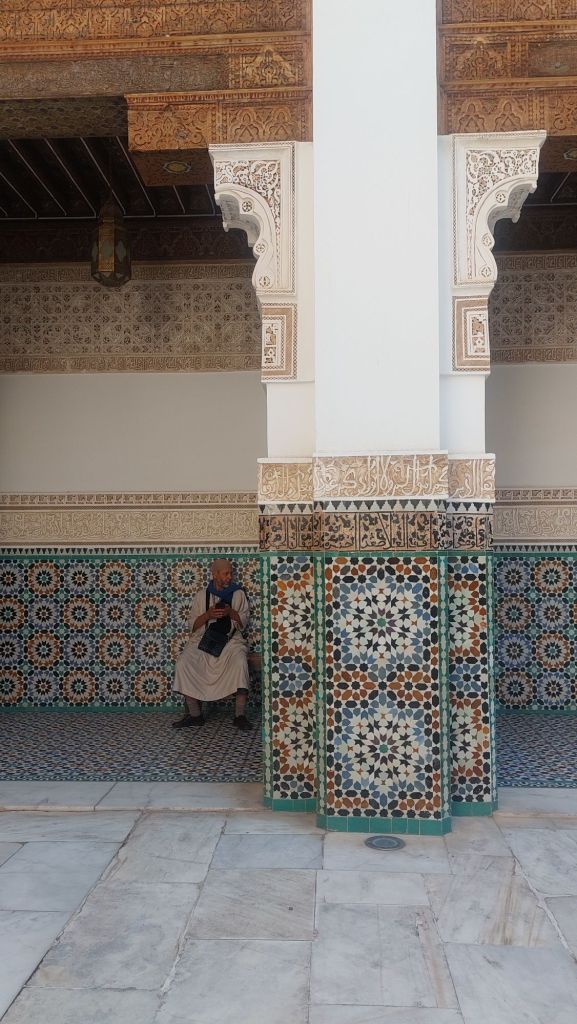
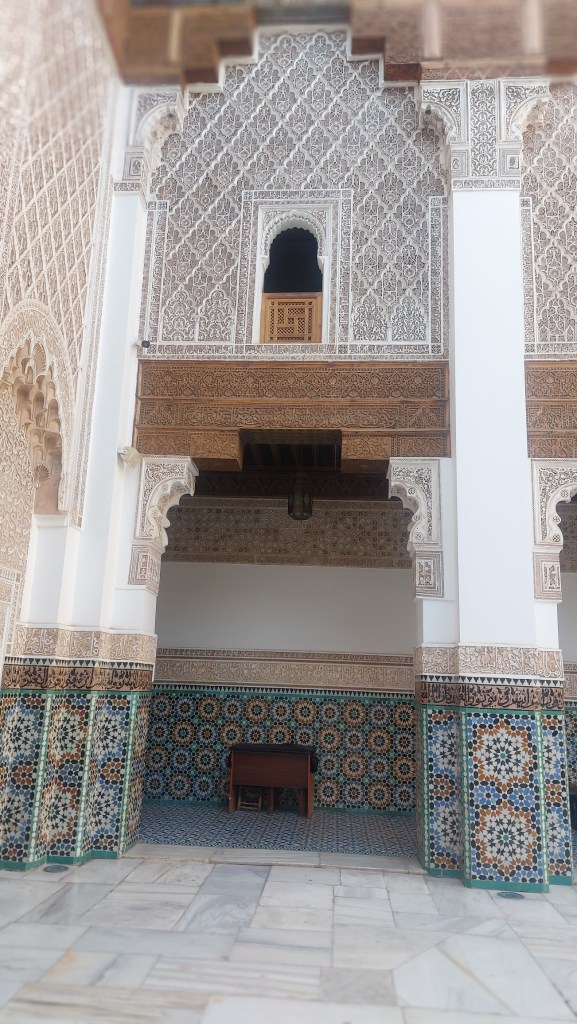
    Ben Youseff Madrasa has been beautifully restored. Zellige tiles decorated with floral, geometric motifs and Arabic scripts adorn the walls. Carved cedarwood doors, ceilings, and intricately crafted pillars showcase the quality of the craftsmanship. It’s a prime example of the skill used to create traditional Islamic architecture.

    There are approximately 130 dormitories and in it’s heyday as a koranic school, the Madrasa housed around 900 students.The small rooms were just big enough for them to roll out their mats to sleep on.The main focus for each student was study and prayer.

    The rooms overlook the large courtyard, and tourists cram inside to have their photos taken standing in the window frames.

    Images by Freebird Tracey.

    Ben Youseff Madrasa is one of the most touristic sightseeing spots in Marrakech. Due to its popularity, you have to get there early to appreciate the serene environment that the students would have lived in. If you arrive later in the day, expect huge crowds to jostle with each other for perfect photo opportunities.

    I visited at opening time, and although there was a small queue of people waiting to enter, it wasn’t too packed with tourists.

    Ben Youseff Madrasa is next to Marrakech Museum. The address is Rue Assoual, Marrakech 40000.

    Image by Freebird Tracey.

    Opening times are 9.00 am until 7.00pm, except on Tuesdays when they close at 4.30 pm. The entrance fee is 70 dirhams.

    There are guided tours available to book online. Some include skipping the line entry. I didn’t bother booking a tour. There is information inside the Madrasa, which gave me an idea of what it would have been like to study there. For a more detailed history, a reputable, knowledgeable guide would be helpful.

    Image by Freebird Tracey.
    (more…)
  • Maison Culturelle Du Tapis.

    Learn about the history of Berber carpet weaving.

    Image by Freebird Tracey.

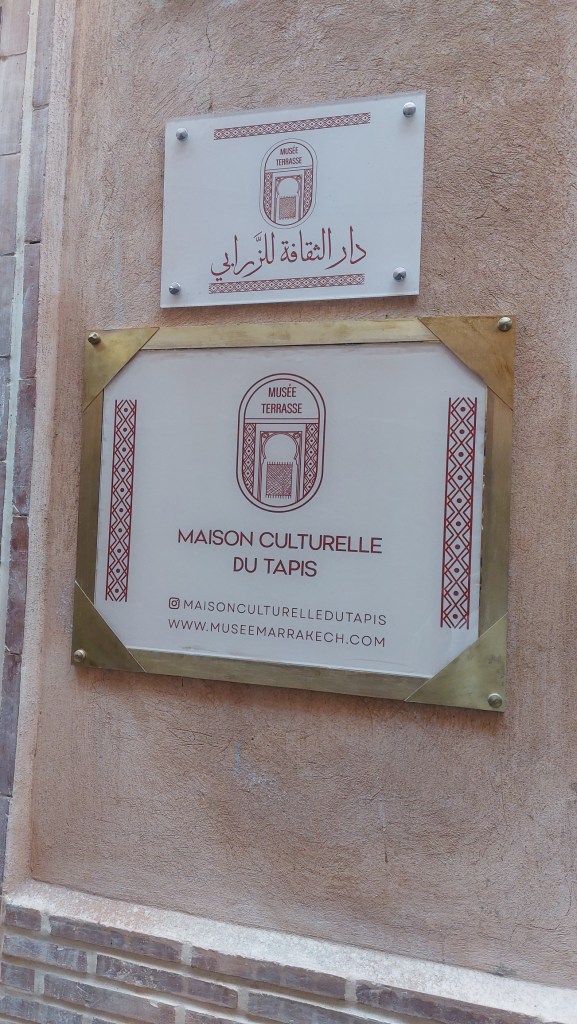
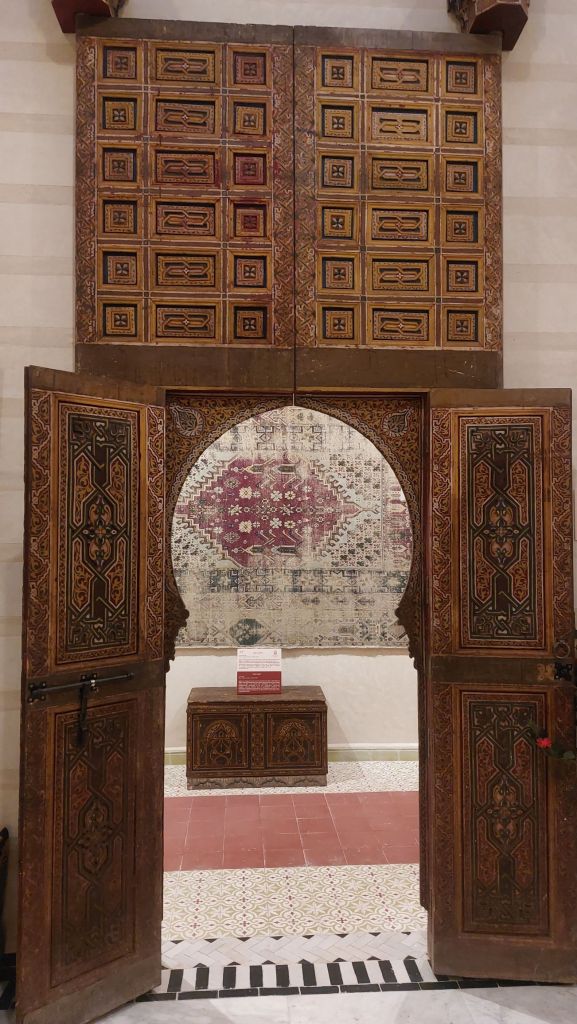
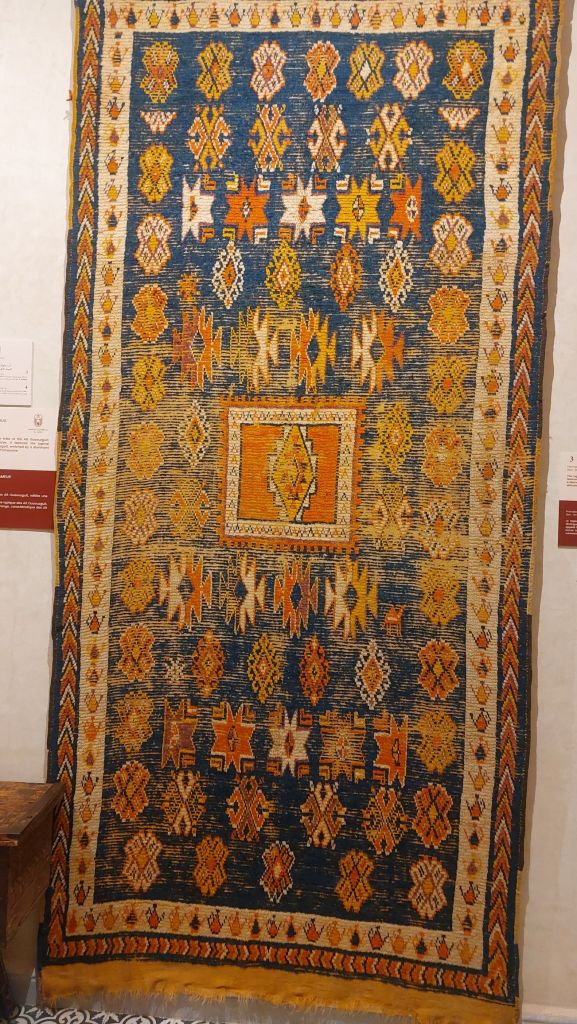
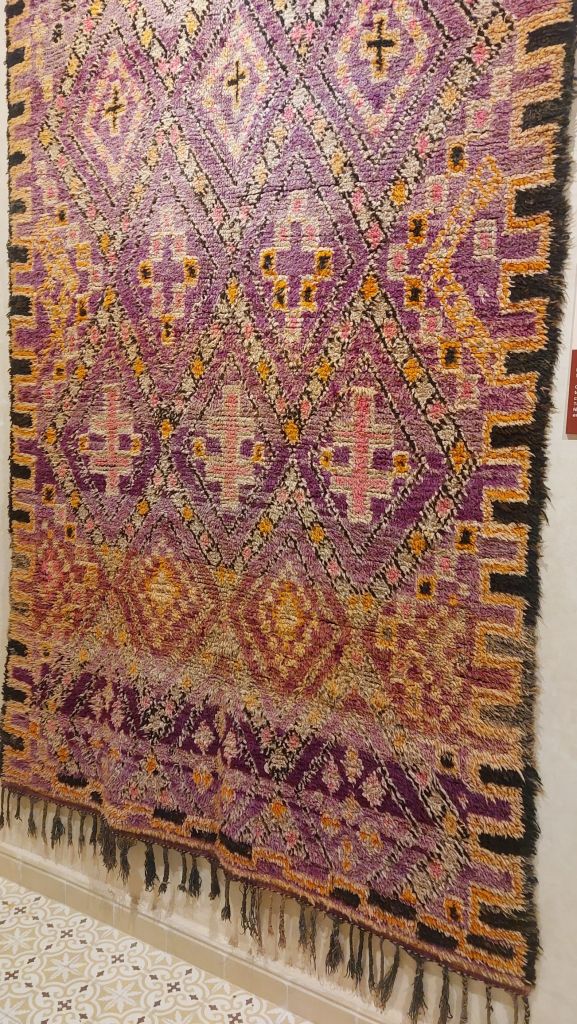
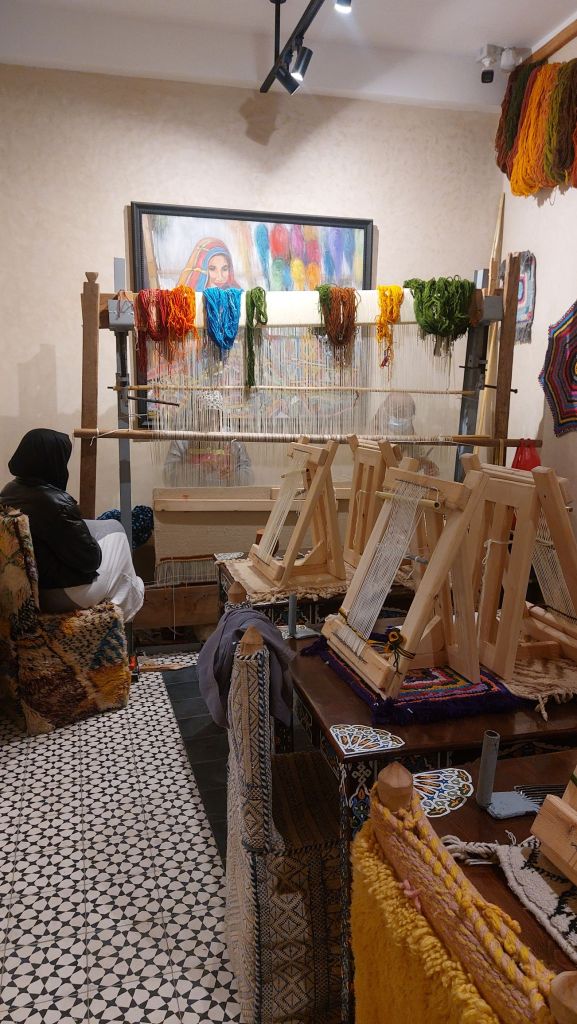
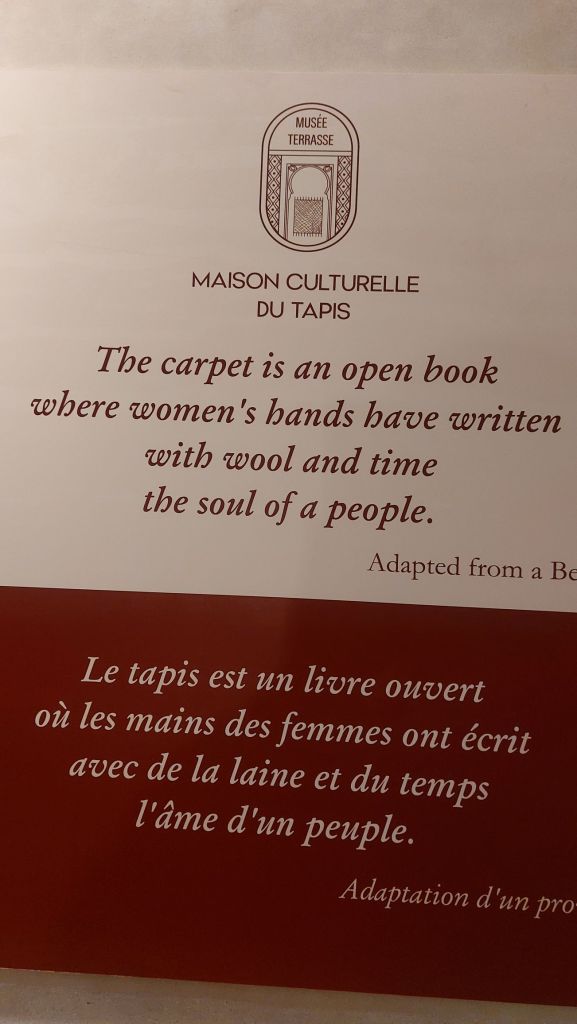
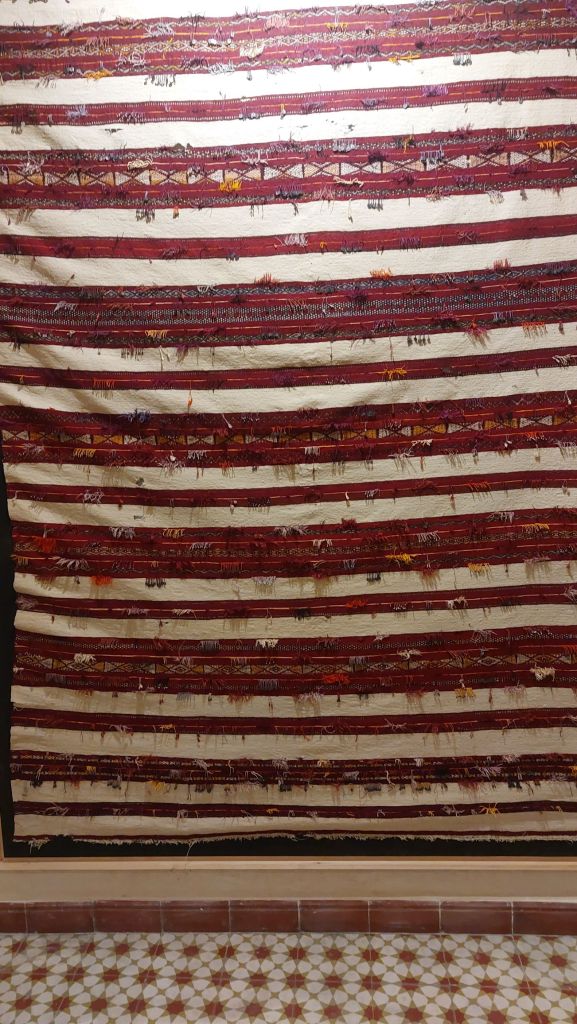
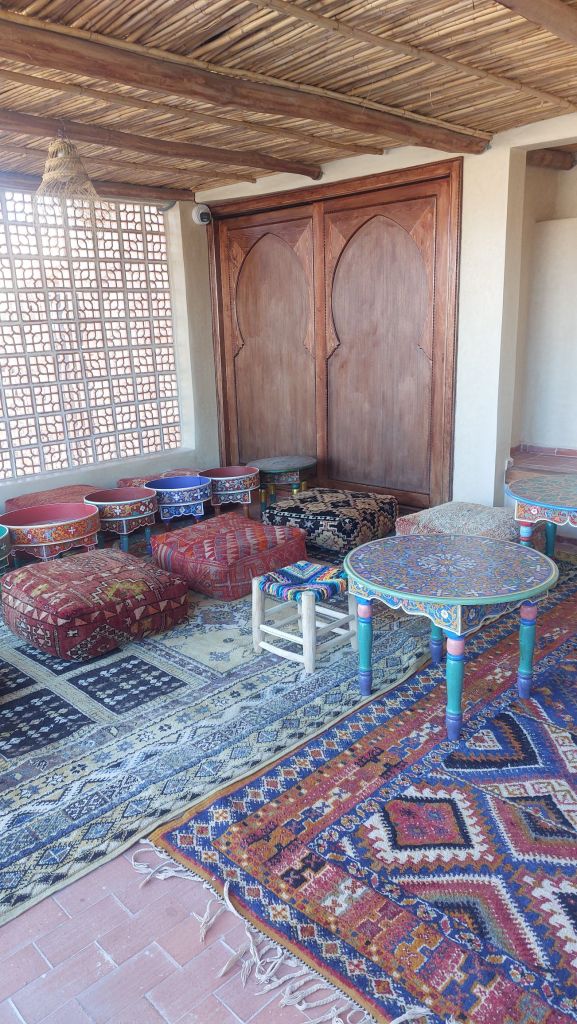
    Maison Culturelle du Tapis is tucked away in the souks and a place you must see if you’re in Marrakech. It’s a museum containing a remarkable exhibition of Berber carpets and a journey through the ancestral history of the tribes who created them. Beautiful carpets are draped along the walls of this boutique museum, each one made by different tribes and eras in Moroccan history.

    Situated deep within the medina at 16-18 Derb Deffa Ourbaa, it’s slightly hidden, but the vendors in the souk will point you in the right direction if you struggle to find it.

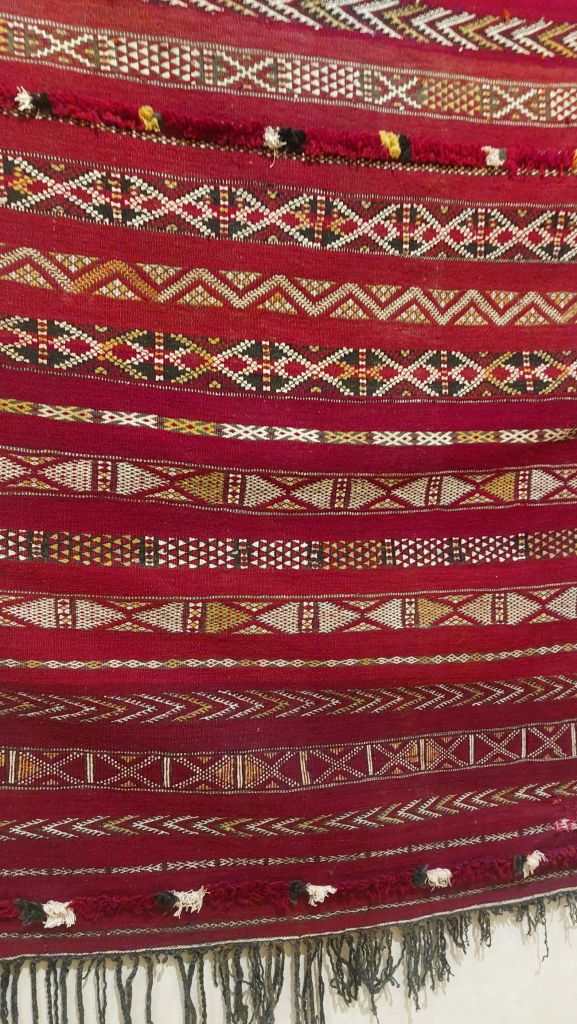
    The museum is a fascinating walk through the history of traditional carpet weaving, and some of them on display are generations old. They have been beautifully preserved, and each one is a testimony to Moroccos weaving heritage.

    Images by Freebird Tracey.

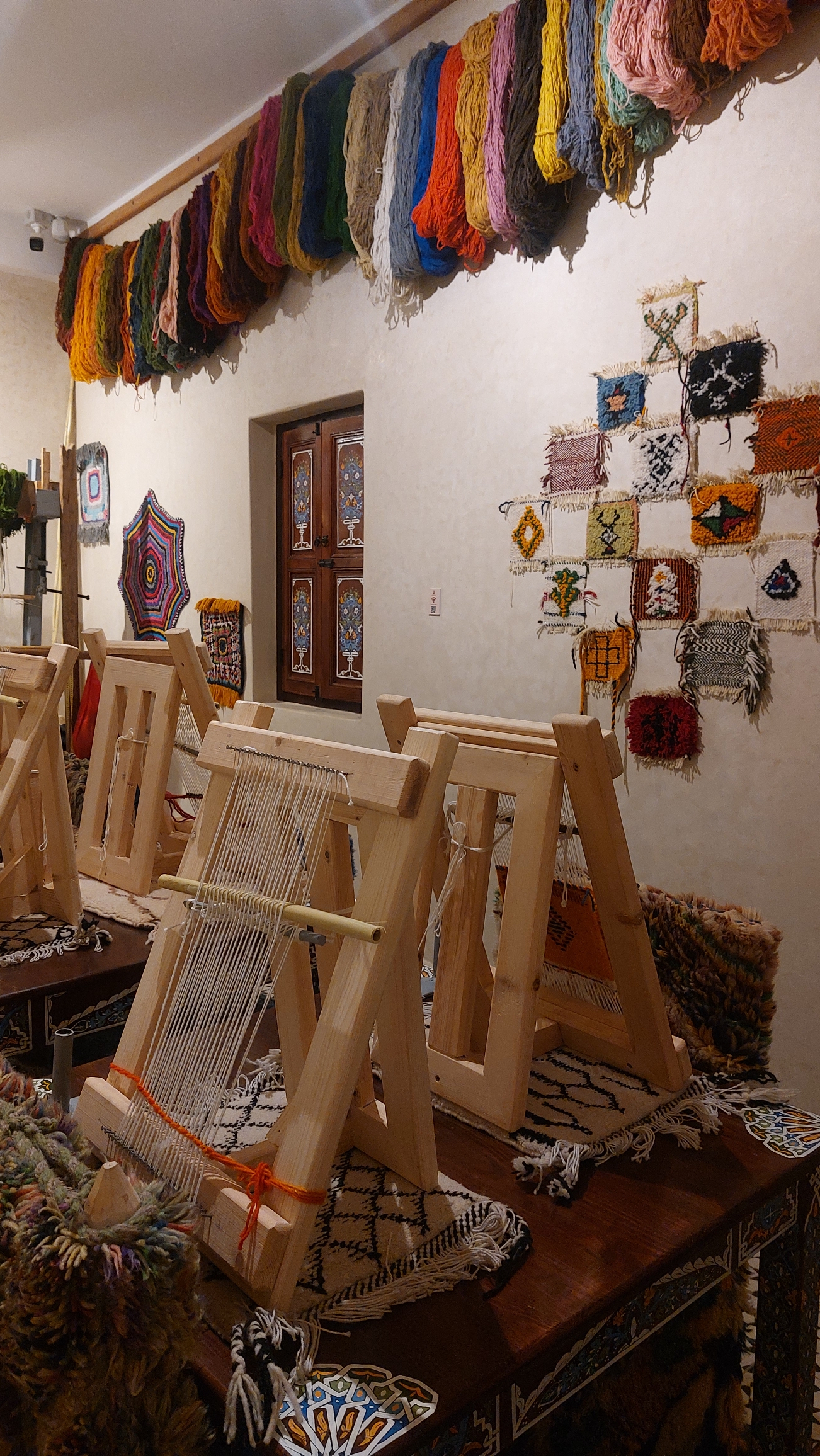
    Every room of this tastefully restored 17th century riad invites you to look at each different region’s identity, from the Atlas Mountains to Rabat. You get to learn the meanings of Berber symbols and the specific colours each tribe used when weaving their carpets. Each carpet is unique and tells its own story.

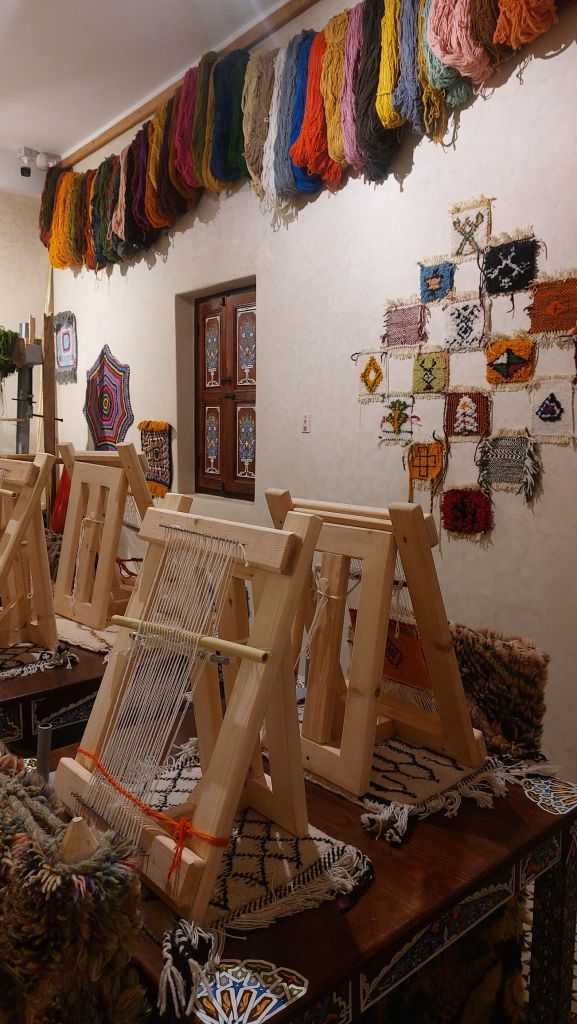
    There are descriptions to help you appreciate the work that goes into creating each piece, including a detailed history about the Berber tribes who produced them. There’s also an interesting video showing you the process of creating the carpets and the history of the Berber women who spend months skillfully weaving each piece.

    On the first floor, you will find a workshop where you can have a go at making a small tapestry to take away with you. This is a two hour activity and ideal for families.

    Images by Freebird Tracey.

    One of the treasures on display in the museum is the Rabat carpet, a symbol of royal elegance renowned for its rich decoration and finery.

    The museum also houses a collection of exquisite rare 20th-century carpets and modern contemporary pieces.

    Images by Freebird Tracey.

    A visit to this delightful place was a nice break for me from the densely packed medina, and I would thoroughly recommend stopping by to have a look around it.

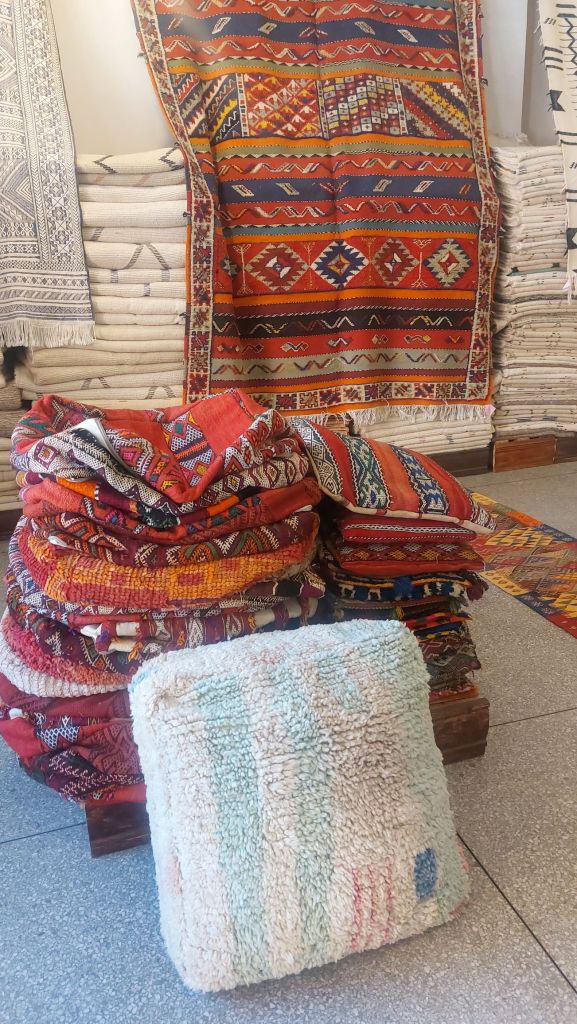
    There’s a small shop inside the museum selling rugs, cushion covers, and bags with   pieces of woven tapestry stitched into the centre. They are the perfect souvenir or gift to take home with you.

    After exploring the museum, you can relax on the pretty rooftop terrace, where you’ll find a nice cafe to have a light snack, homemade pastries, or a drink. The views across the medina from up here are incredible.

    Images by Freebird Tracey.

    The museum is open from 10.00 am until 6.00pm and there’s a small entrance fee. It’s definitely worth every dirham to delve into the rich, cultural ancestry of the Amazigh and learn about their exceptional carpet weaving skills. Highly recommended.

    Image by Freebird Tracey.
    (more…)