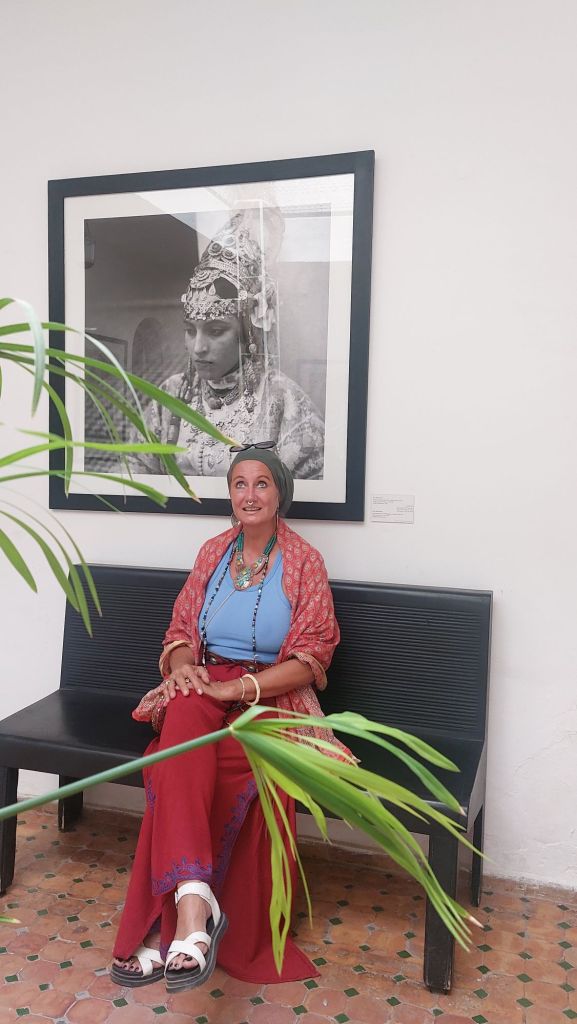
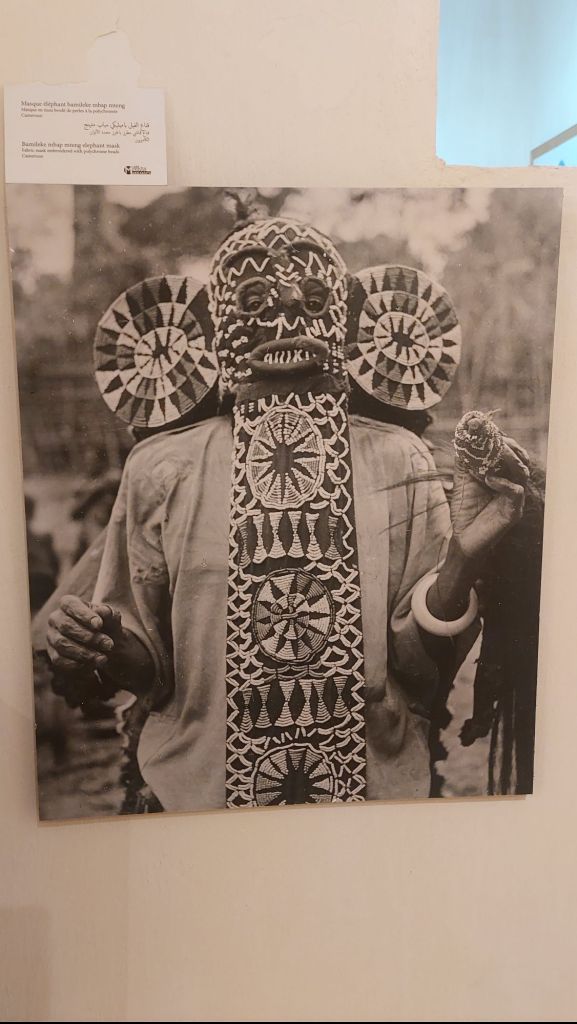
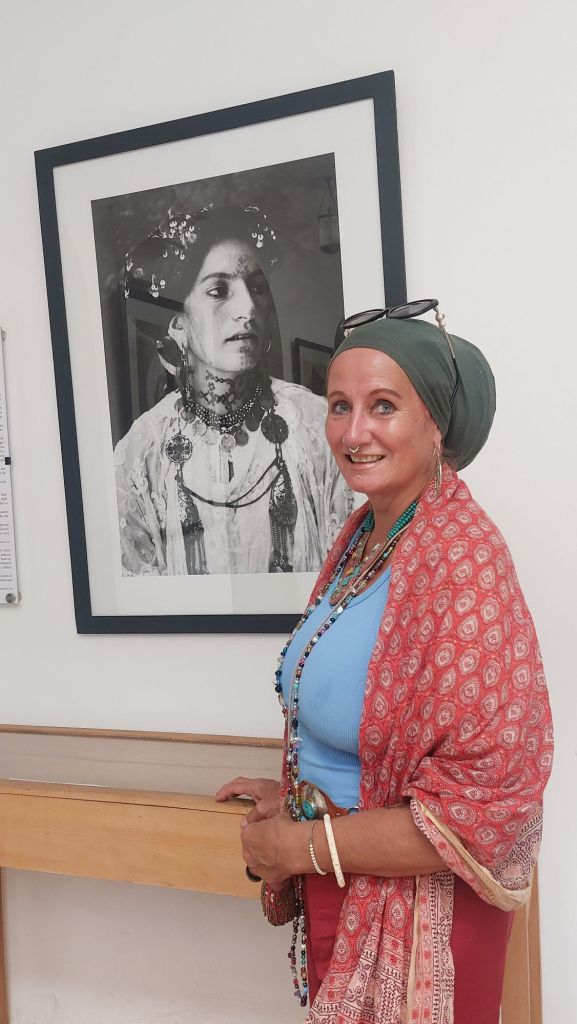
The House of Photography is an important cultural venue in Marrakech. Housed in an old fondouk in the medina, a visit here is a fascinating journey through time.
It was established by Patrick Manac’h and Hamid Mergani as a place where old photos taken in Morocco could be displayed for the public to view. It opened its doors to the public in 2009 and is now home to thousands of original documents, photographs, postcards, newspapers, and photographic glass plates.
A private collection of 10,000 exhibits from 1879-1960, including contemporary photos from the present, allows visitors an opportunity to get to know the history of the Berber tribes in the high Atlas Mountains.
Image by Freebird Tracey.
The first colour film recorded in the High Atlas Mountains in 1957, called ‘Landscapes and Faces of the High Atlas Mountains’ by Daniel Chicault, is also available for visitors to watch.
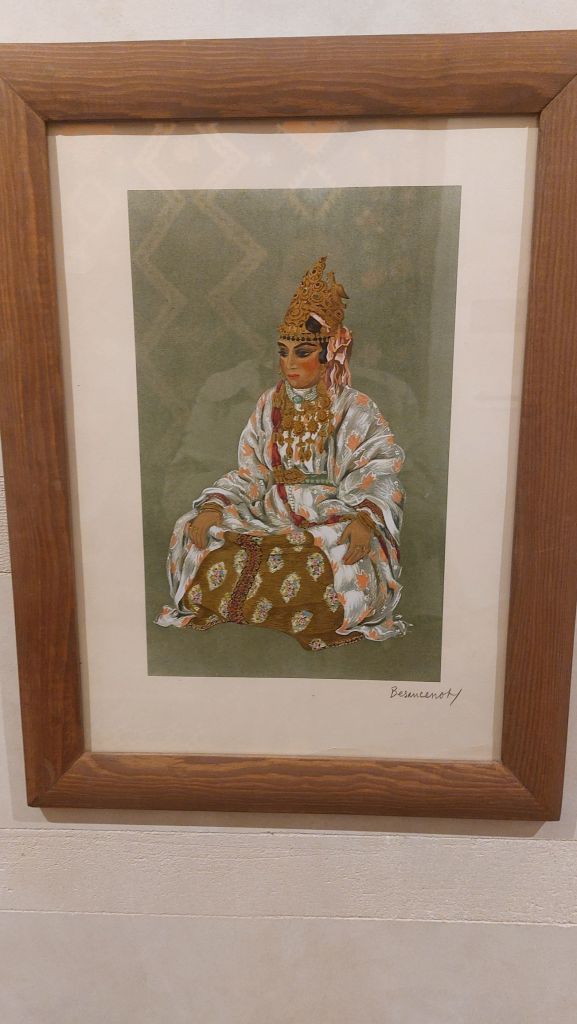
The Museum of Photography is incredibly interesting, and the photos on display are well preserved, giving visitors to Marrakech a detailed account of how Berbers lived. I was fascinated by how the women dressed and their incredible hairstyles. Watching the video has broadened my knowledge about the history of Berber culture and their customs. It’s only as recent as the 1950s, yet they survived without electricity or medical care.
The displays stay interesting because they changed them periodically, and at the time I visited, there was one about Berber Jews.
Inside the museum, there is a rooftop cafe serving drinks, including speciality coffee and food. There are views across the rooftops of the medina, and you can see the Atlas mountains in the distance. It can get pretty busy during the lunchtime rush.
You can purchase copies of some of the photographs in the entrance, and the quality of the prints is good. I bought a copy of Un Charmeur de Serpents – vers 1920, and it looks great in a vintage photo frame.
The museum is open daily from 9.00 am until 7.00pm.
The address is 46 rue Ahl Fes, Bin Lafnadek Marrakech 400030, not far from Ben Youssef Madrasa.
Payment is on entry only, and it’s 80 dirhams for adults, 15 years old and under are free. The ticket also permits entry into the museum of music.
Marrakech Museum has a calmer atmosphere than other tourist attractions.
It is undoubtedly one of the most beautiful museums I have ever seen. Literally, next door to Ben youssef Madrasa, it’s in a perfect location for combining both sightseeing attractions.
I had mixed feelings about visiting after reading reviews, suggesting there wasn’t much to see. I was so glad that I did. It was really beautiful inside and held a lot of information about the Amazigh culture and the history of Marrakech.
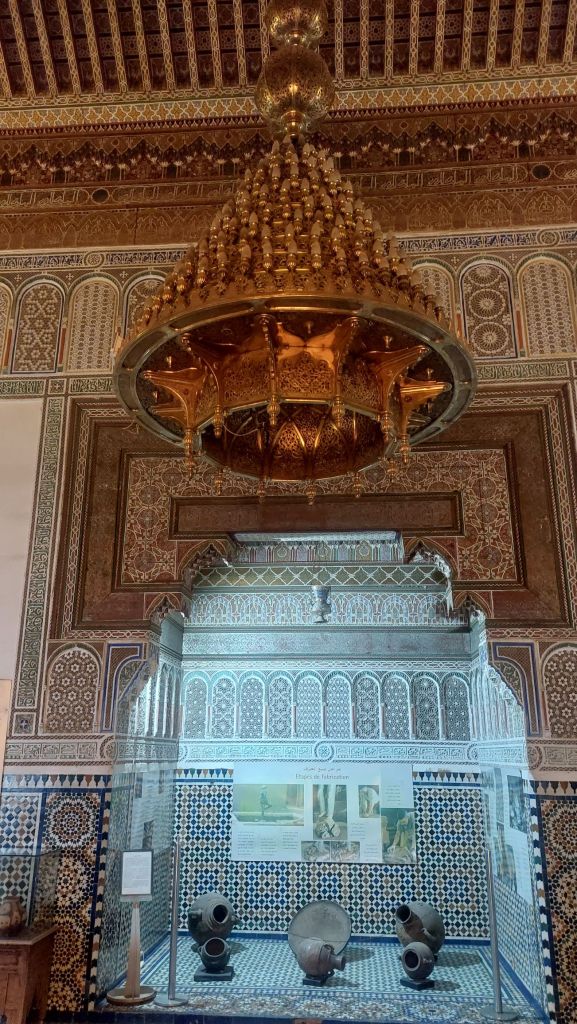
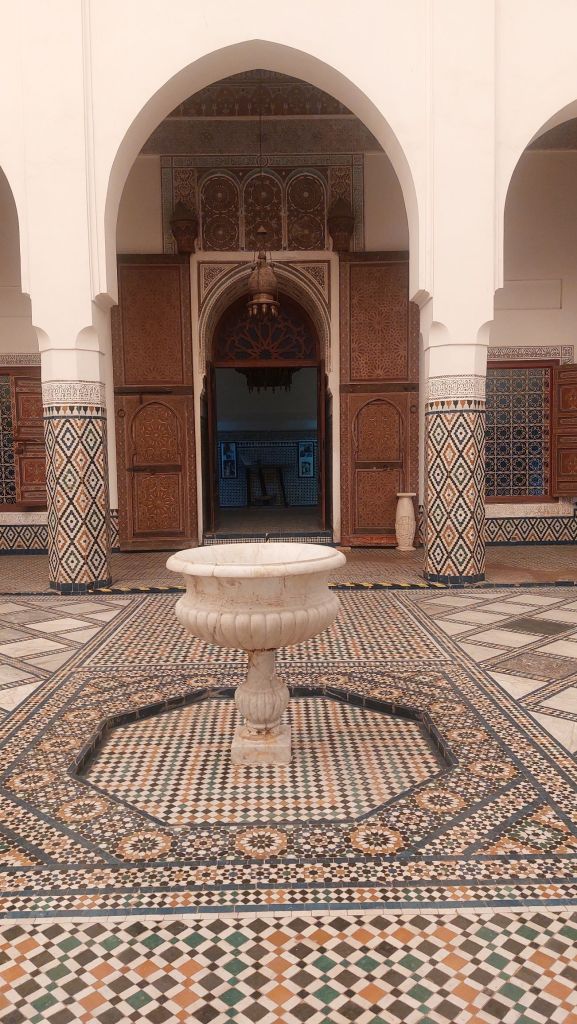
The museum was once Dar Mnebhi Palace, constructed at the beginning of the 20th century by Mehdi al-Mnebhi. It was renovated by the Omar Benjelloun Foundation and became a museum in 1997.
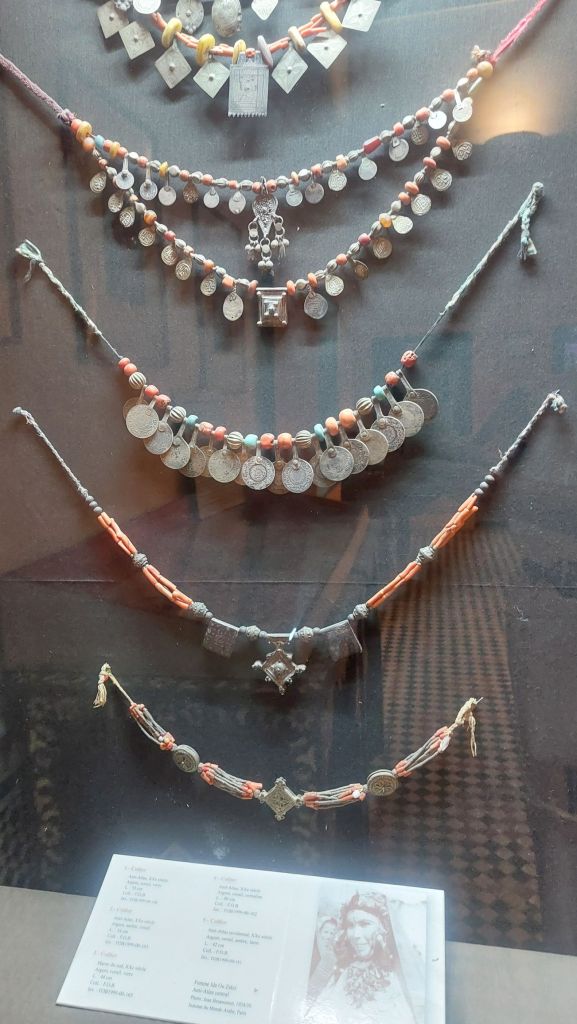
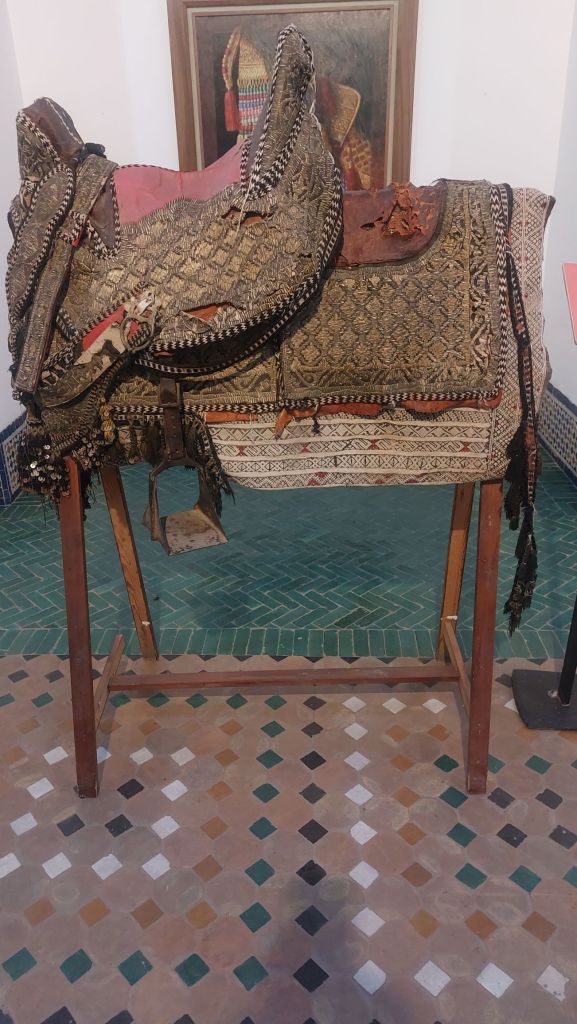
It now houses a selection of art objects, including Berber jewellery, weapons, carpets, costumes, and pottery from Fes. There is also a variety of modern contemporary art that changes regularly to keep it exciting. Regular events and exhibitions are also held here.
Images by Freebird Tracey.
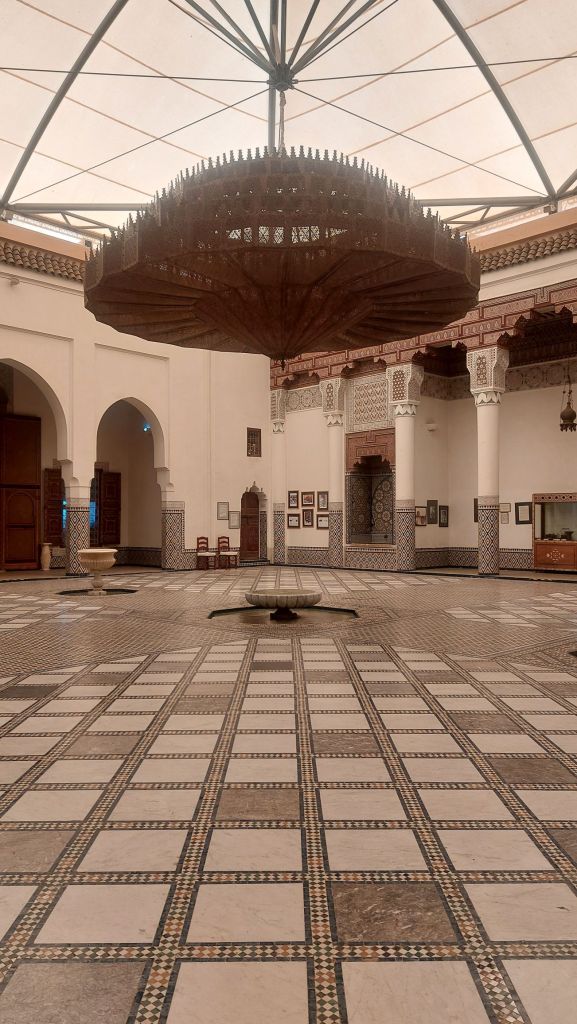
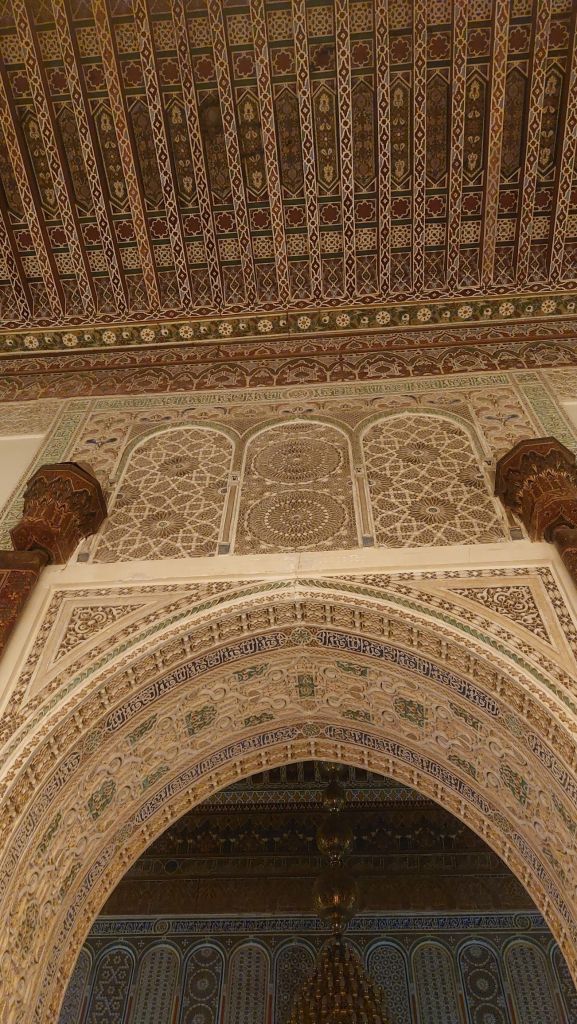
The architecture is stunning with a large courtyard containing a huge central chandelier made up of brass pieces cut into ornate geometric and arabesque motifs.
Images by Freebird Tracey.
There are fountains with beautiful coloured zellige tiles and rooms that branch off with ornate cedar wood and stucco decoration. There is also a centuries old hammam.
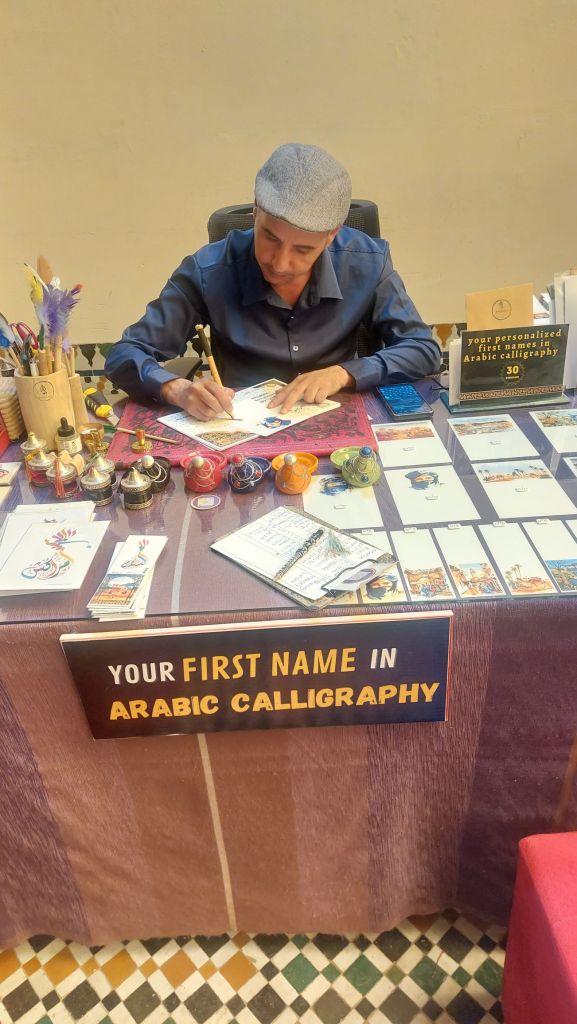
In one corner of the courtyard sits a calligrapher who can write your name in Arabic on a postcard. If you want this as a gift, get him to scribe it before you begin looking around the museum as it takes a little while to dry.
Image by Freebird Tracey.
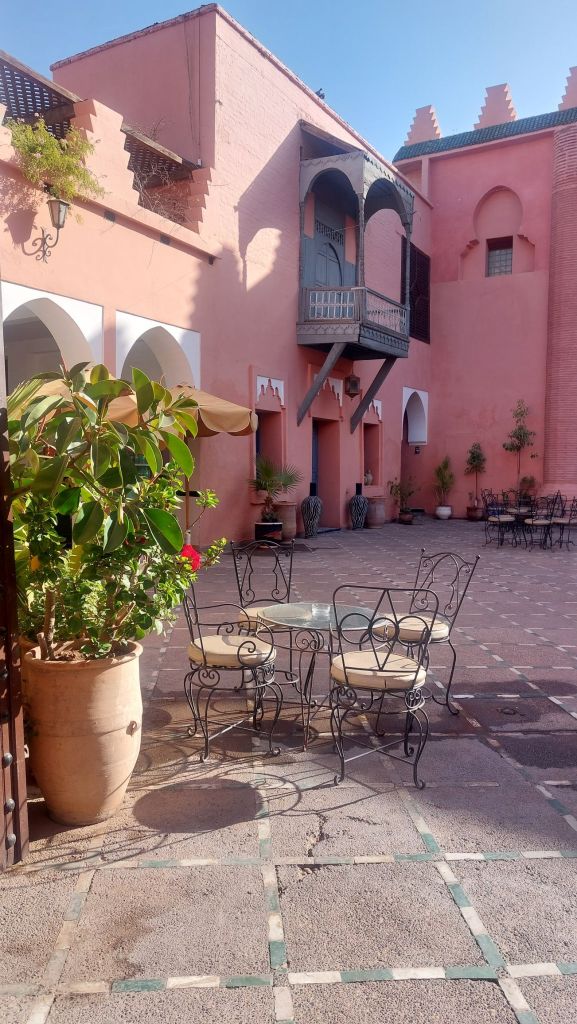
Outside is a large open courtyard with a cafe where you can have drinks and light snacks. There’s also a small shop selling good quality prints, postcards and other interesting stuff.
I really enjoyed the Marrakech museum. The architecture was beautiful, and I found it more low-key and less crowded than some of the other attractions around Marrakech. I liked the structure of the building from the outside and the typical red coloured clay that glows in different hues in the sunlight.
I would recommend stopping by to explore some of the exhibits in the Marrakech Museum after visiting Ben Youssef Madrasa.There is no cafe within the Madrasa, so it’s a great place to stop and take a break from the heaving number of tourists and spend some time in a calmer environment.
The Marrakech Museum is located at J2H6+VPJ, Place Ben Youssef, Marrakech 40000, and opening hours are 9.30am-6.00pm daily.
There’s a small entry fee of approximately 50 dirhams.
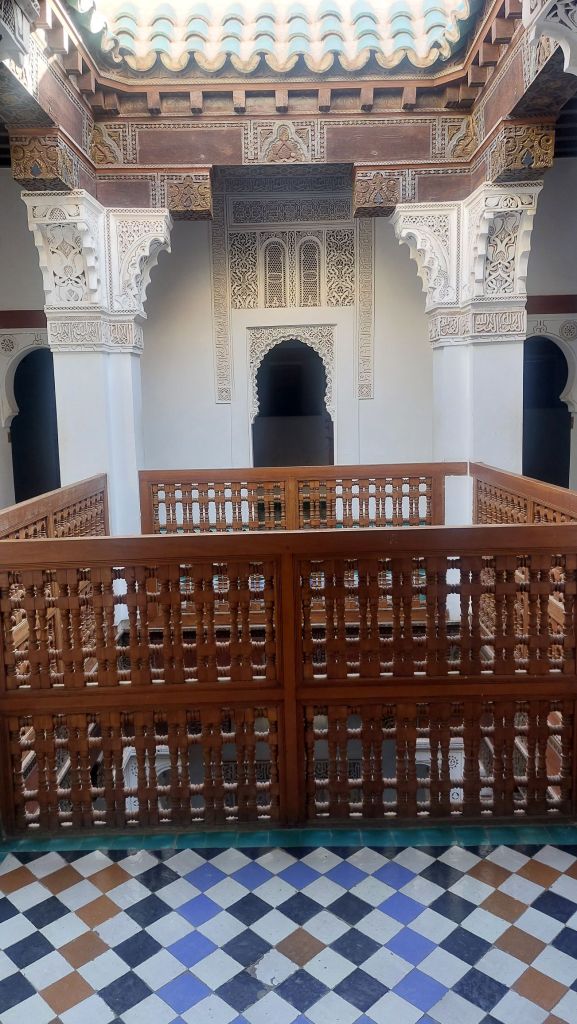
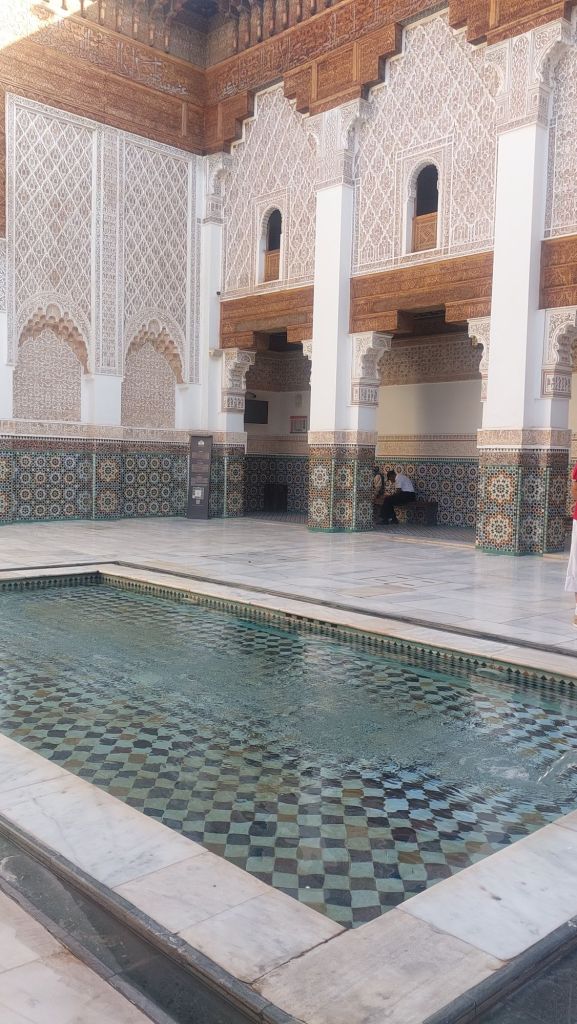
Ben Youssef Madrasa was once the largest and most important Islamic college in Morocco.
It was commissioned by Saadian Sultan, Abdellah al- Ghaleb Assaadi in 1564-65 and named after the adjacent Ben Youseff mosque.
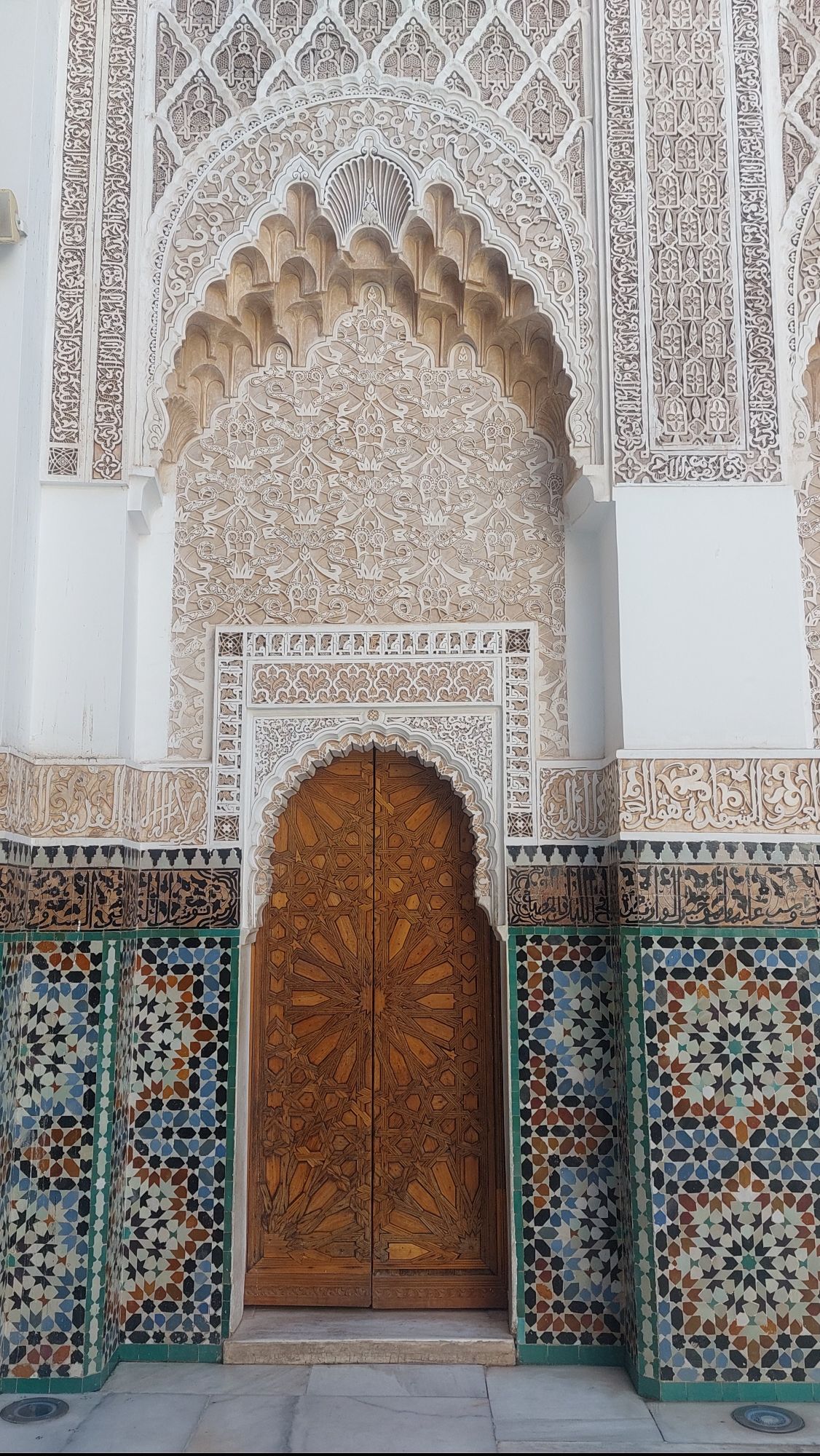
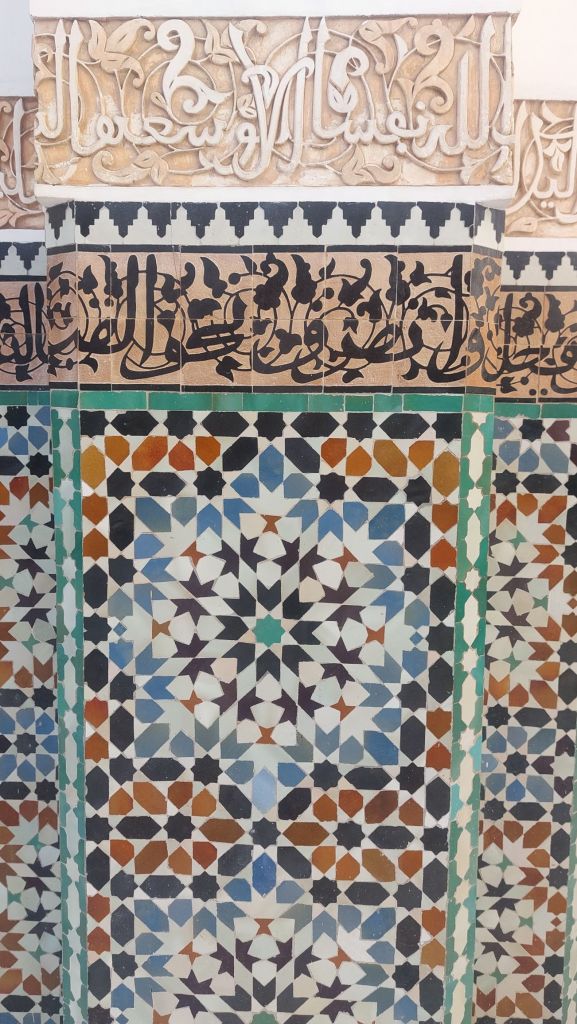
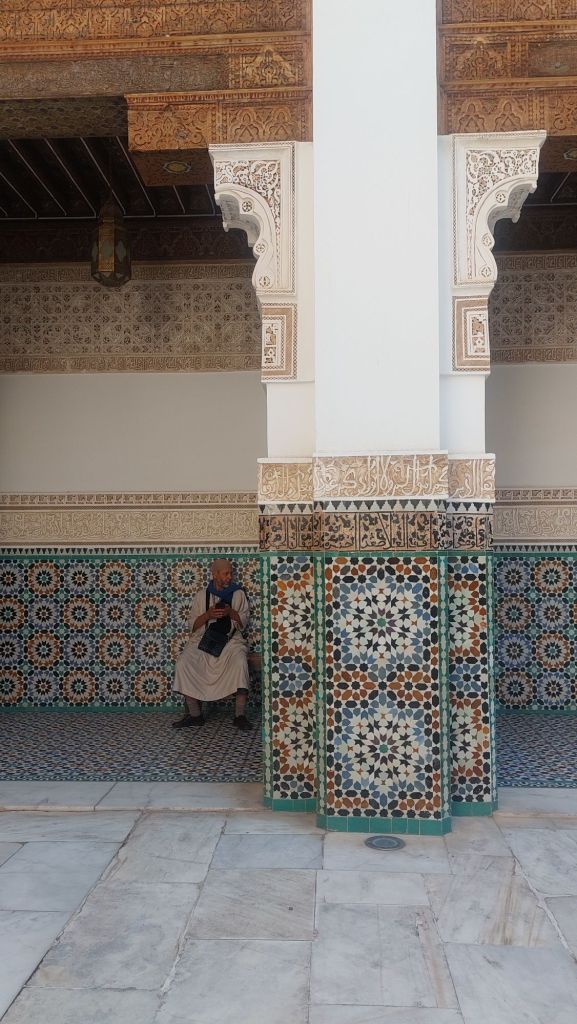
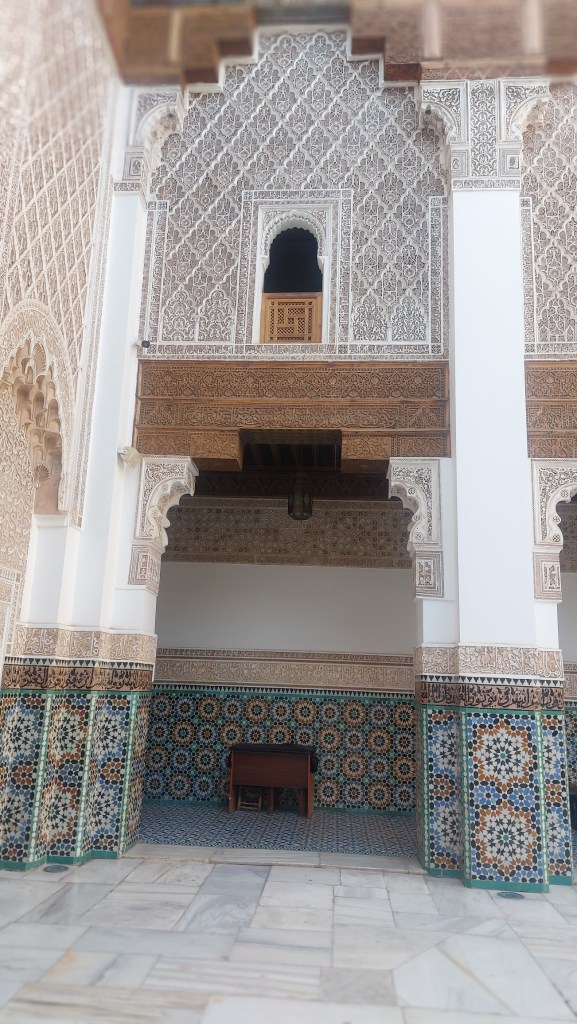
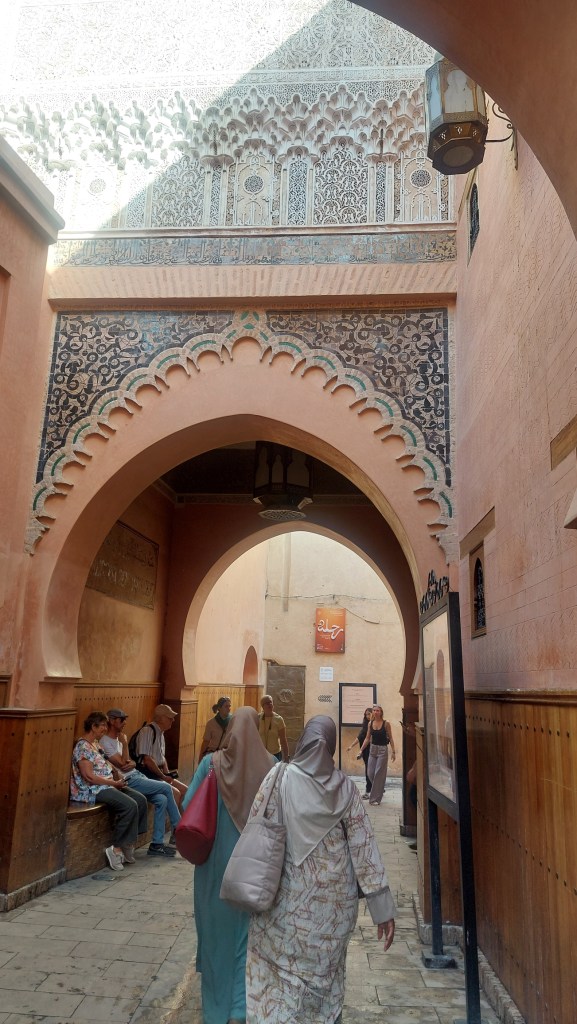
It’s a fascinating place to visit with invaluable historical and cultural significance. The spectacular architecture inside the Madrasa is simply breathtaking and a testimony to the beauty of Islamic art and craftsmanship.
Students who studied at the Madrasa would learn many subjects, including religious science, mathematics, philosophy, and medicine.The Madrasa attracted the best scholars and thinkers from the Arab Muslim world.
Images by Freebird Tracey.
Ben Youseff Madrasa has been beautifully restored. Zellige tiles decorated with floral, geometric motifs and Arabic scripts adorn the walls. Carved cedarwood doors, ceilings, and intricately crafted pillars showcase the quality of the craftsmanship. It’s a prime example of the skill used to create traditional Islamic architecture.
There are approximately 130 dormitories and in it’s heyday as a koranic school, the Madrasa housed around 900 students.The small rooms were just big enough for them to roll out their mats to sleep on.The main focus for each student was study and prayer.
The rooms overlook the large courtyard, and tourists cram inside to have their photos taken standing in the window frames.
Images by Freebird Tracey.
Ben Youseff Madrasa is one of the most touristic sightseeing spots in Marrakech. Due to its popularity, you have to get there early to appreciate the serene environment that the students would have lived in. If you arrive later in the day, expect huge crowds to jostle with each other for perfect photo opportunities.
I visited at opening time, and although there was a small queue of people waiting to enter, it wasn’t too packed with tourists.
Ben Youseff Madrasa is next to Marrakech Museum. The address is Rue Assoual, Marrakech 40000.
Image by Freebird Tracey.
Opening times are 9.00 am until 7.00pm, except on Tuesdays when they close at 4.30 pm. The entrance fee is 70 dirhams.
There are guided tours available to book online. Some include skipping the line entry. I didn’t bother booking a tour. There is information inside the Madrasa, which gave me an idea of what it would have been like to study there. For a more detailed history, a reputable, knowledgeable guide would be helpful.
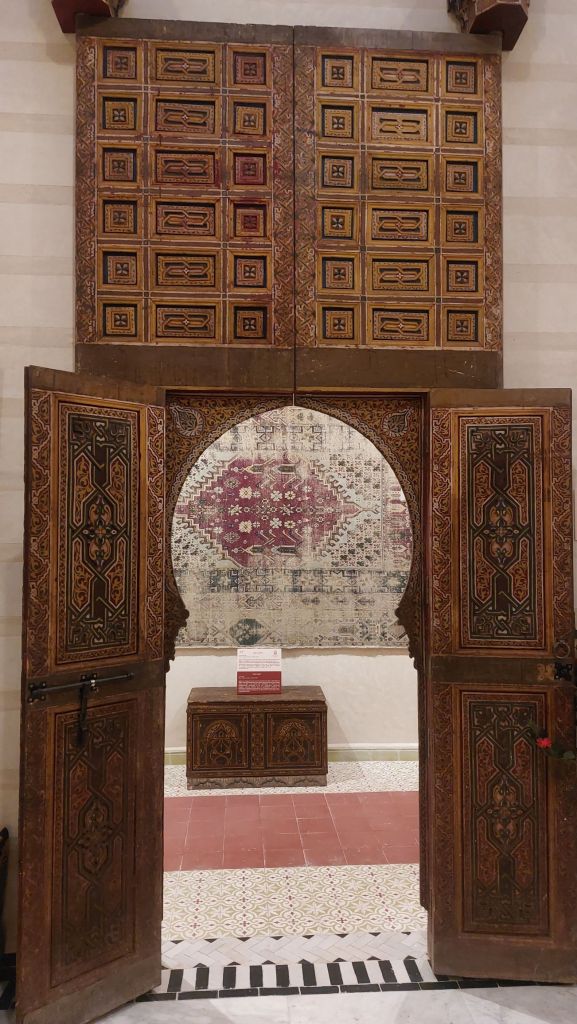
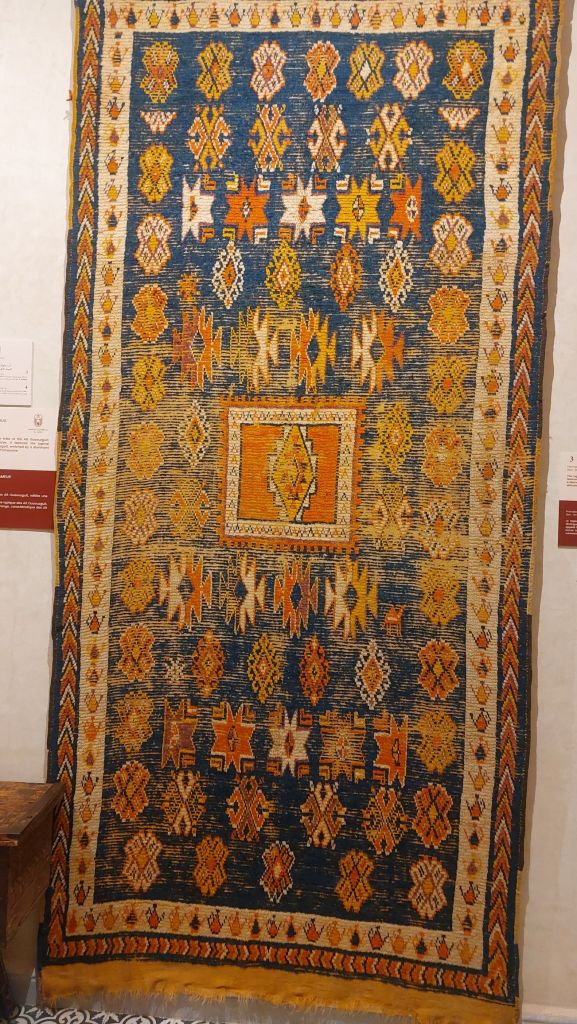
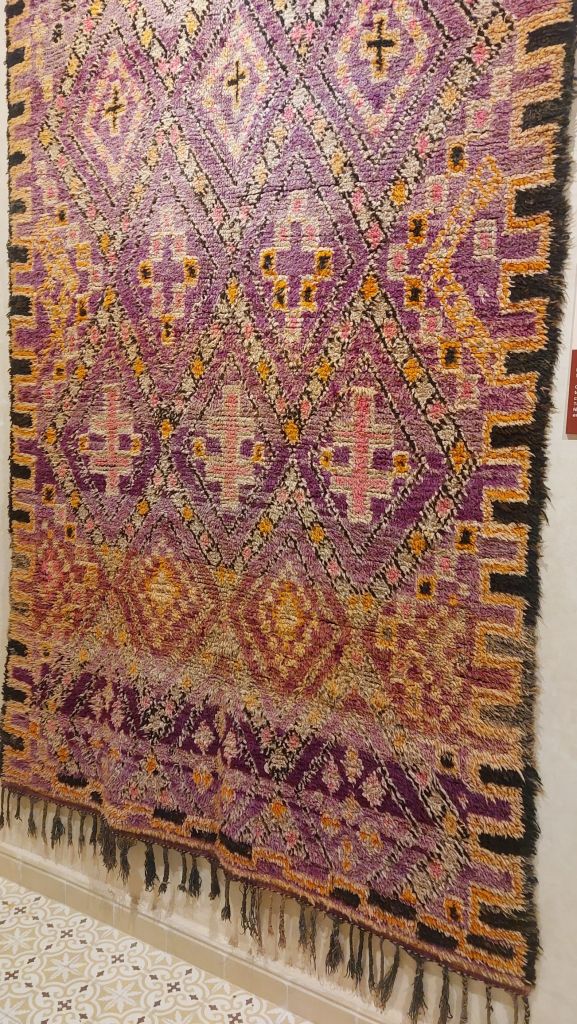
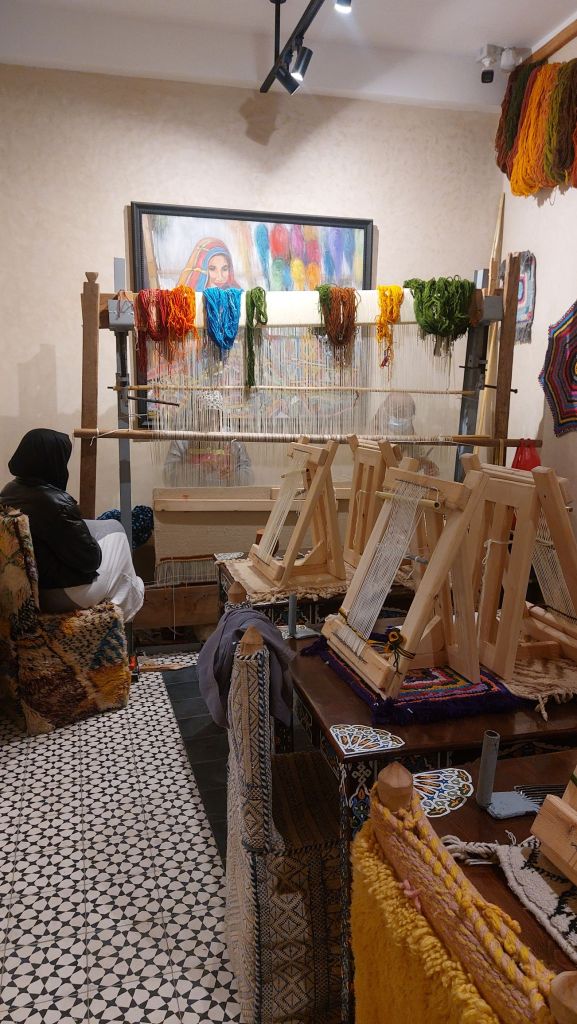
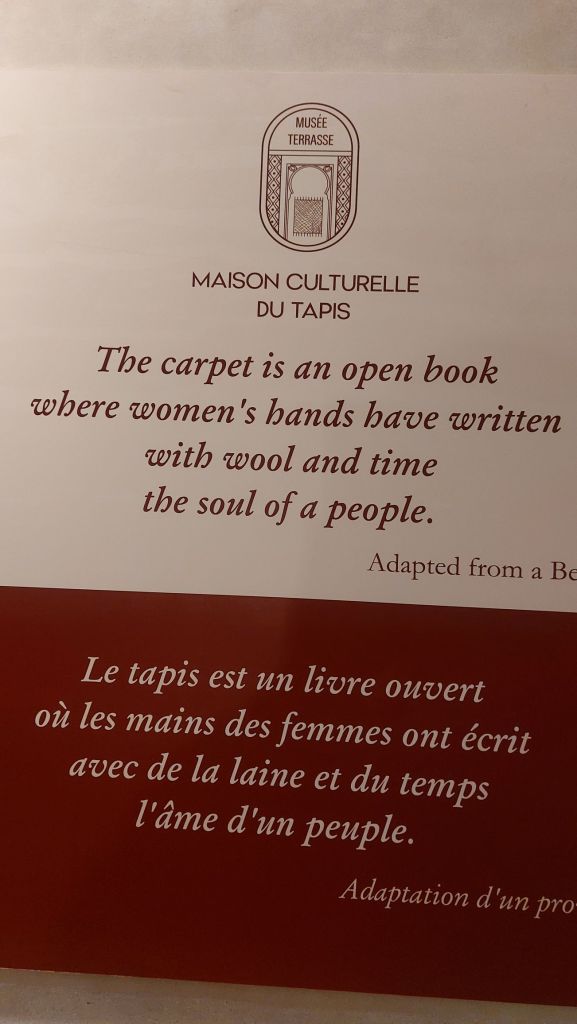
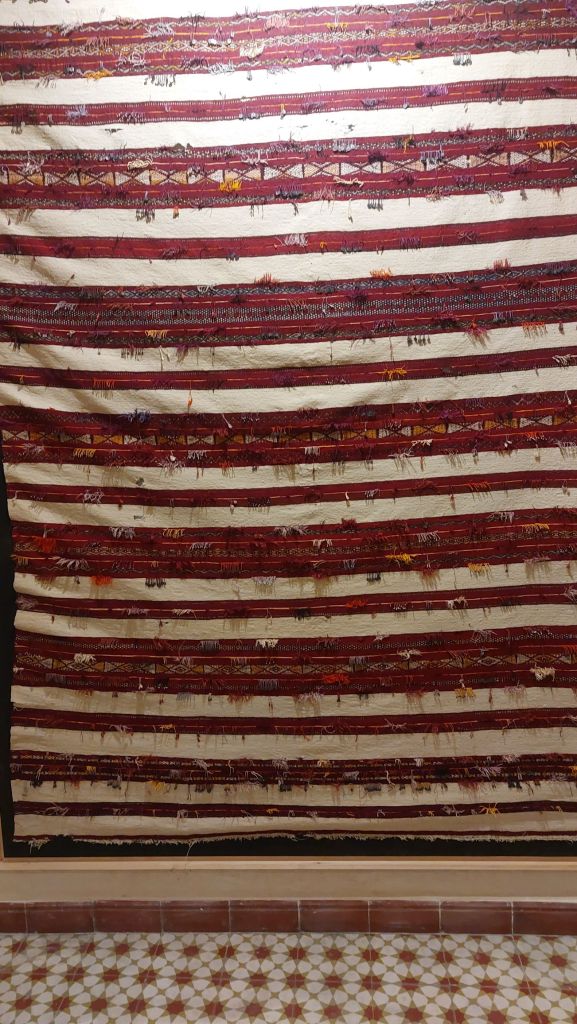
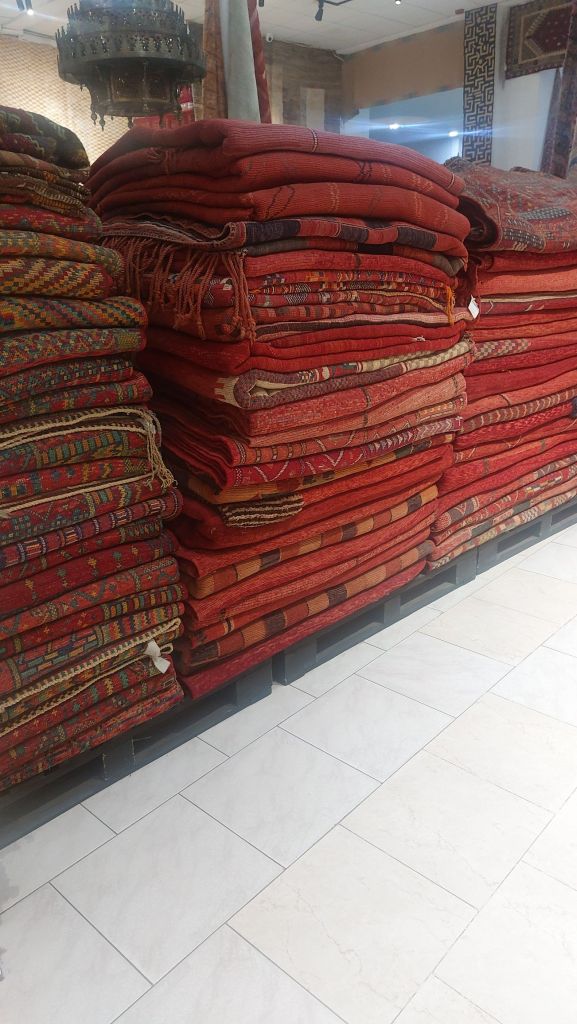
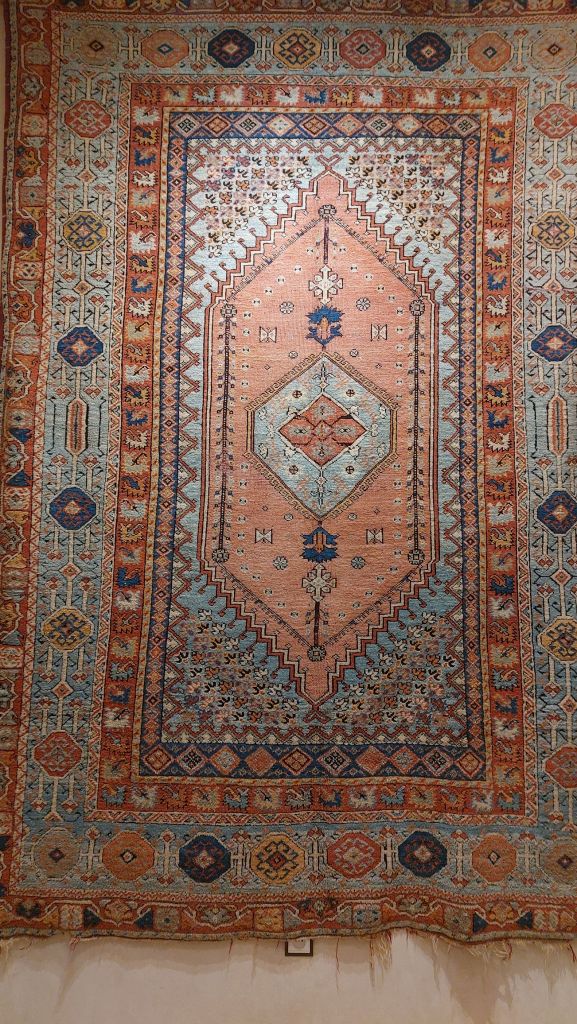
Maison Culturelle du Tapis is tucked away in the souks and a place you must see if you’re in Marrakech. It’s a museum containing a remarkable exhibition of Berber carpets and a journey through the ancestral history of the tribes who created them. Beautiful carpets are draped along the walls of this boutique museum, each one made by different tribes and eras in Moroccan history.
Situated deep within the medina at 16-18 Derb Deffa Ourbaa, it’s slightly hidden, but the vendors in the souk will point you in the right direction if you struggle to find it.
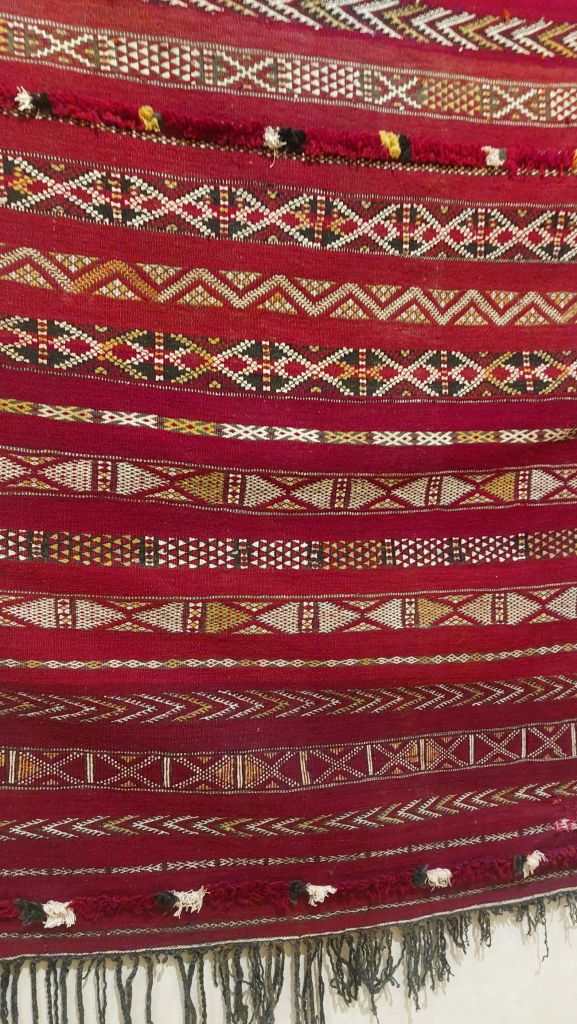
The museum is a fascinating walk through the history of traditional carpet weaving, and some of them on display are generations old. They have been beautifully preserved, and each one is a testimony to Moroccos weaving heritage.
Images by Freebird Tracey.
Every room of this tastefully restored 17th century riad invites you to look at each different region’s identity, from the Atlas Mountains to Rabat. You get to learn the meanings of Berber symbols and the specific colours each tribe used when weaving their carpets. Each carpet is unique and tells its own story.
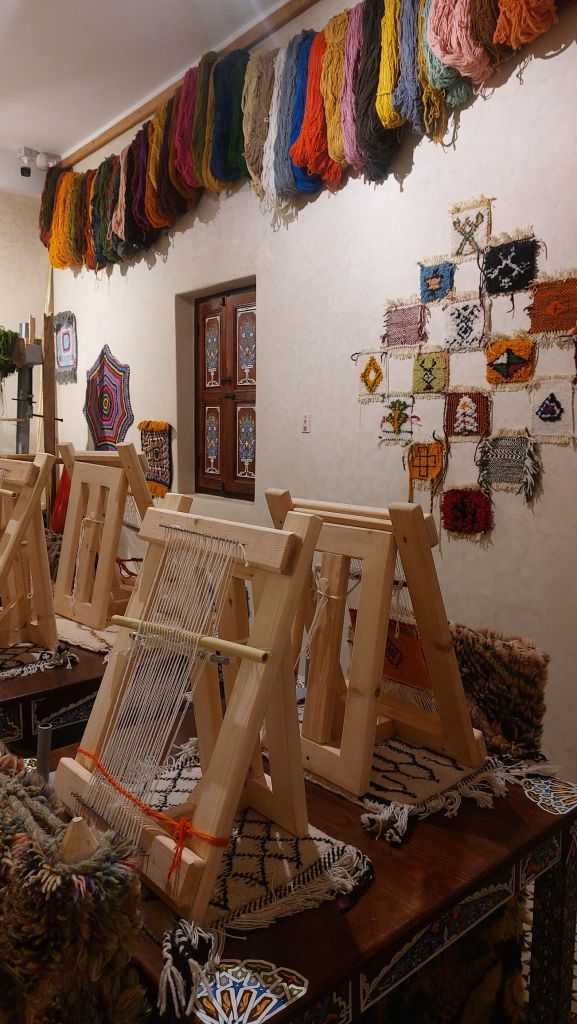
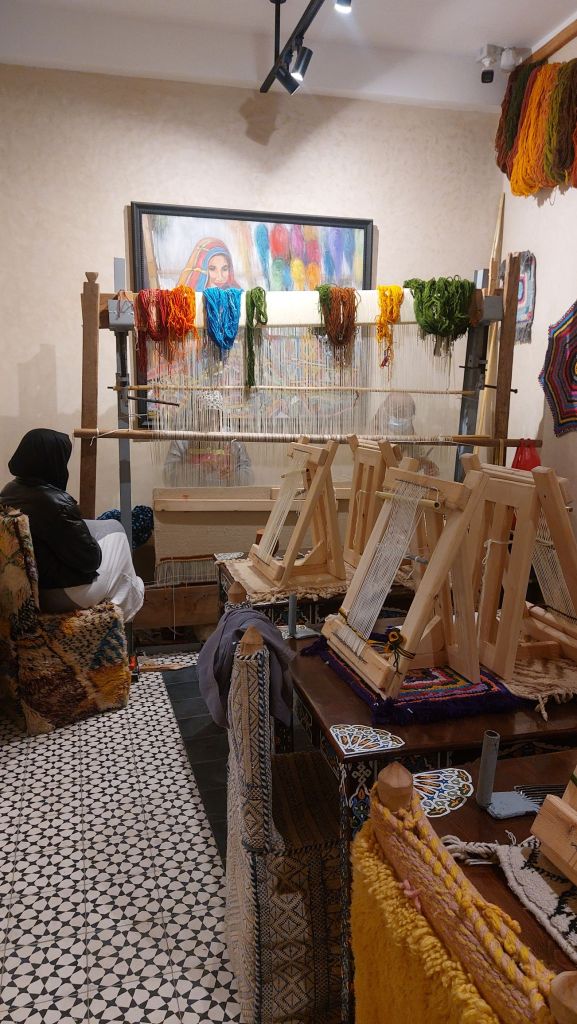
There are descriptions to help you appreciate the work that goes into creating each piece, including a detailed history about the Berber tribes who produced them. There’s also an interesting video showing you the process of creating the carpets and the history of the Berber women who spend months skillfully weaving each piece.
On the first floor, you will find a workshop where you can have a go at making a small tapestry to take away with you. This is a two hour activity and ideal for families.
Images by Freebird Tracey.
One of the treasures on display in the museum is the Rabat carpet, a symbol of royal elegance renowned for its rich decoration and finery.
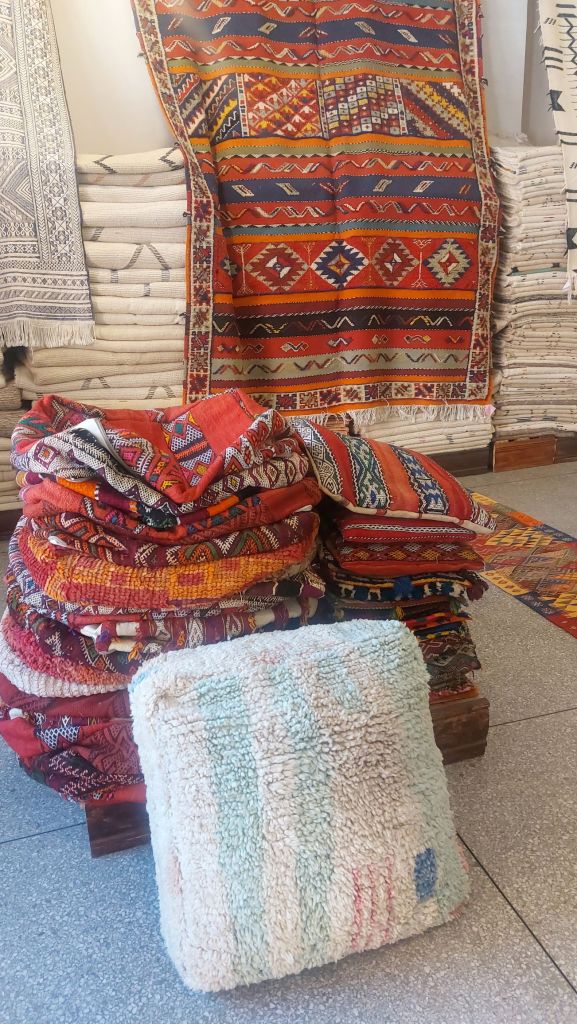
The museum also houses a collection of exquisite rare 20th-century carpets and modern contemporary pieces.
Images by Freebird Tracey.
A visit to this delightful place was a nice break for me from the densely packed medina, and I would thoroughly recommend stopping by to have a look around it.
There’s a small shop inside the museum selling rugs, cushion covers, and bags with pieces of woven tapestry stitched into the centre. They are the perfect souvenir or gift to take home with you.
After exploring the museum, you can relax on the pretty rooftop terrace, where you’ll find a nice cafe to have a light snack, homemade pastries, or a drink. The views across the medina from up here are incredible.
Images by Freebird Tracey.
The museum is open from 10.00 am until 6.00pm and there’s a small entrance fee. It’s definitely worth every dirham to delve into the rich, cultural ancestry of the Amazigh and learn about their exceptional carpet weaving skills. Highly recommended.
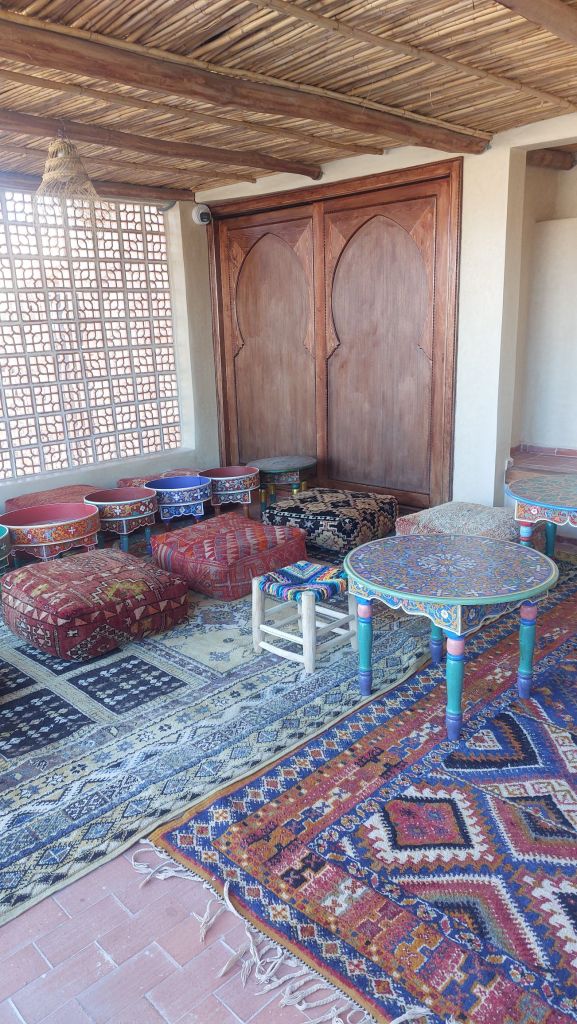
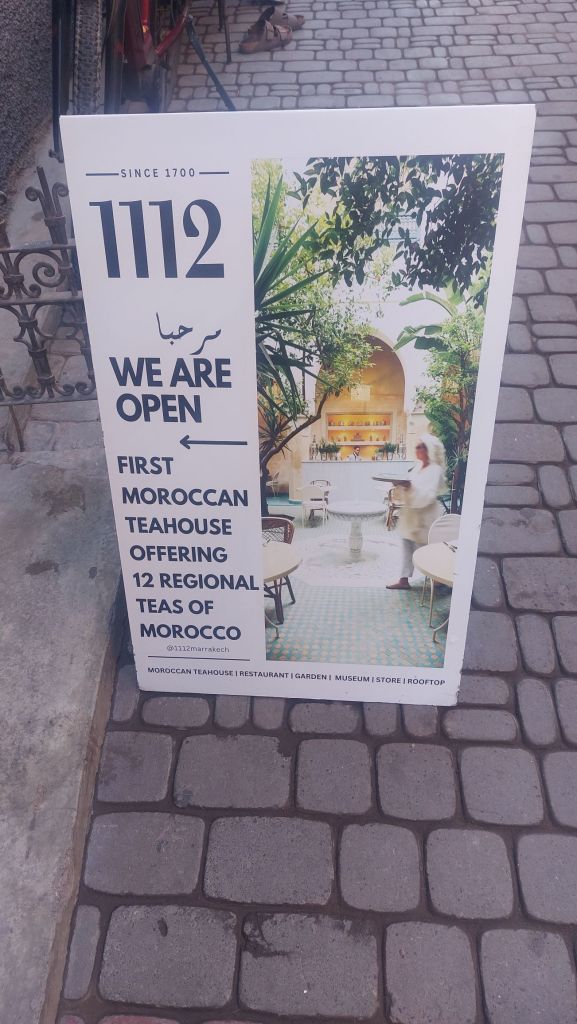
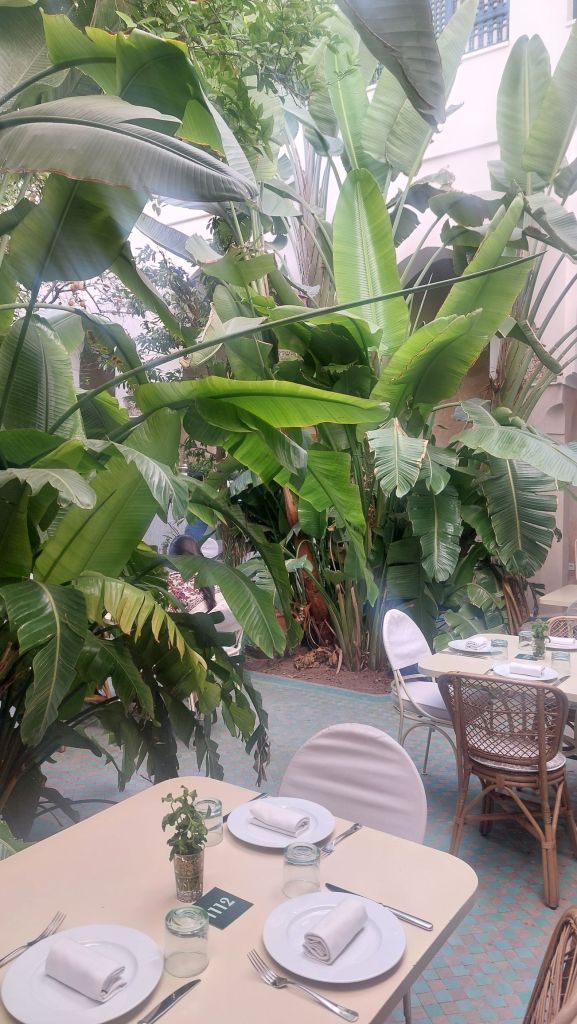
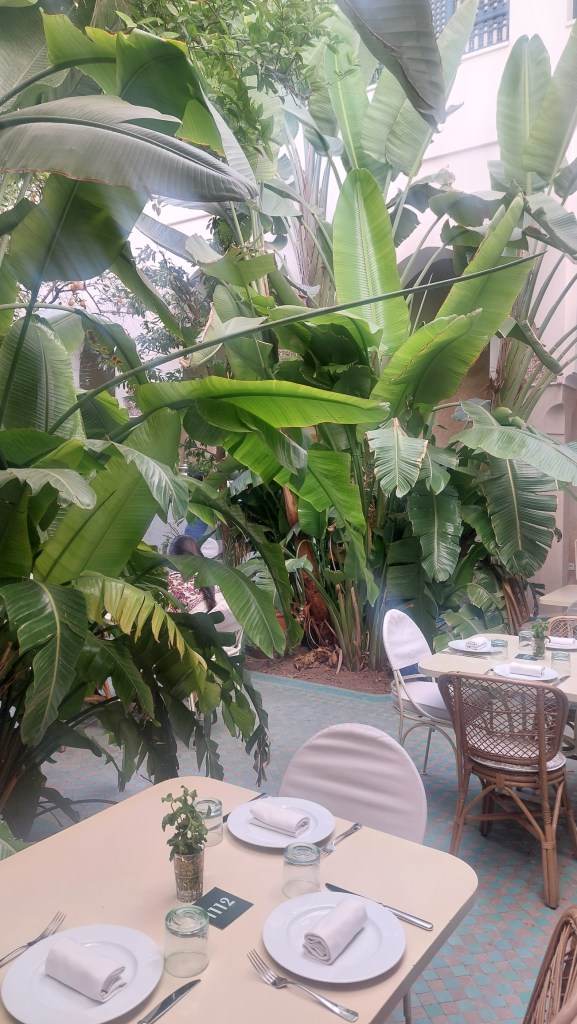
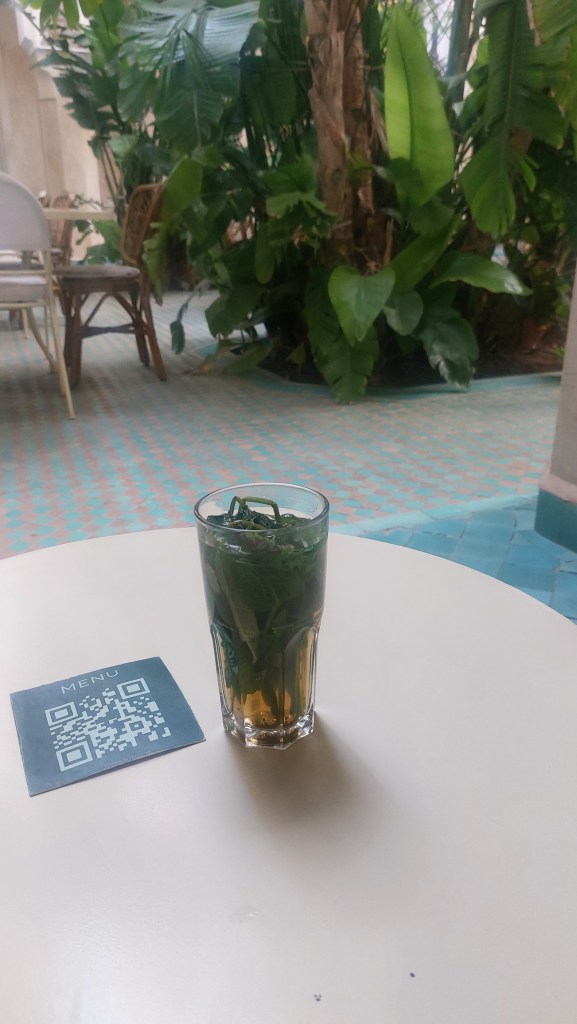
1112 is the first Moroccan tea house in marrakech, serving 12 teas from the 12 areas of Morrocco. Set inside a former riad, it is a beautiful place to come and sample the 12 delicious teas on offer, along with modern oriental cakes. There is table service, and the food is tasty and varied. There is also a selection of light snacks to accompany your choice of tea.
Images by Freebird Tracey.
The name 1112 signifies the date 1700 in the gregorian calendar and is etched into the wooden ceiling of the riad.
The riad was beautifully restored by a morroccan family who are renowned for their expertise in the restoration of such properties since the 1990s. The architecture is beautiful. Wooden ceilings, intricate tile work, and exotic plants make it a delightful environment to sit and reflect on the past history of the importance of tea in Morrocco.
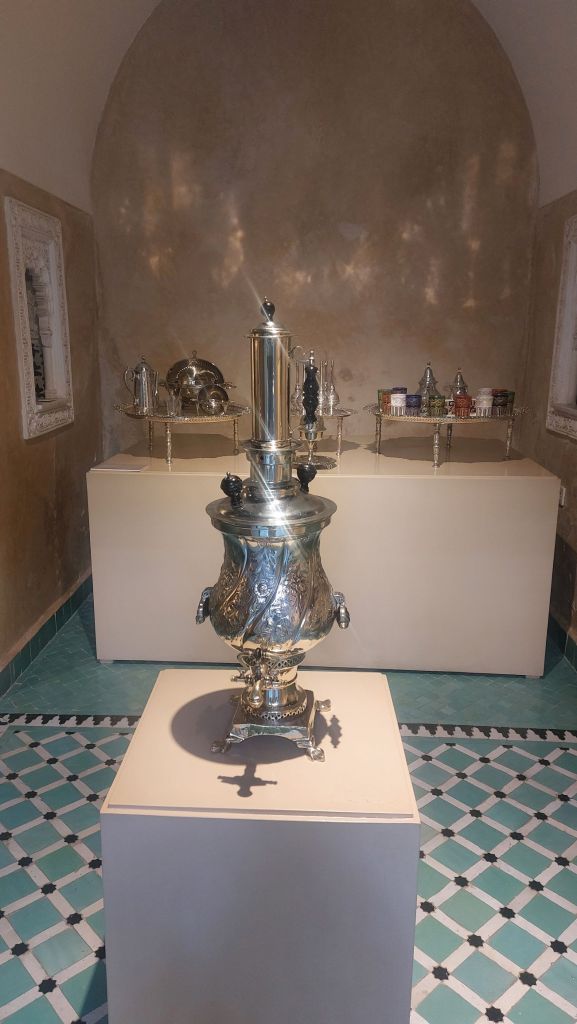
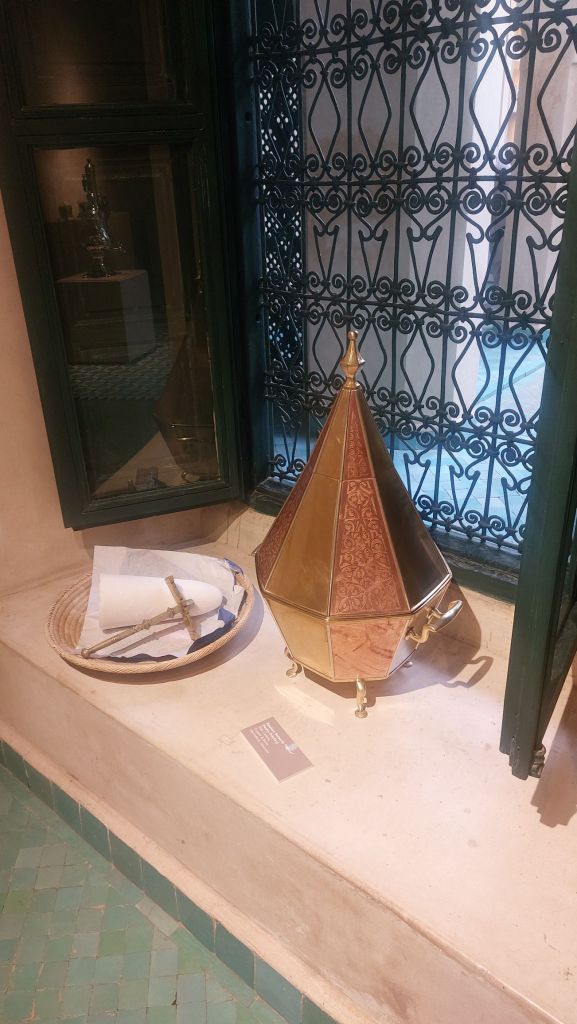
It’s a fascinating tea museum, and there are interesting facts about the introduction of tea into Morocco. There’s also a shop selling nicely packaged tea if you’re looking for a gift to take home with you.
Images by Freebird Tracey.
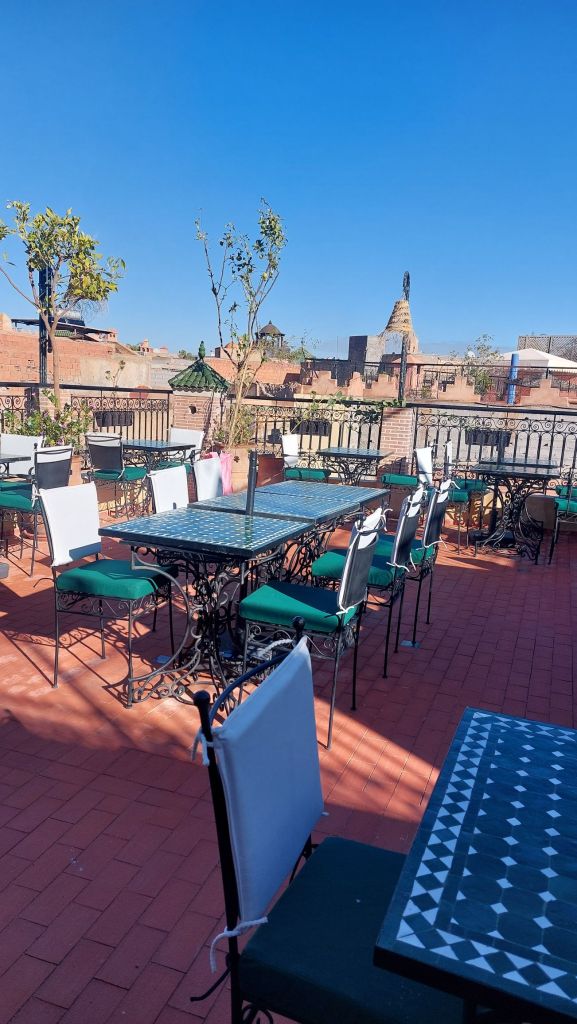
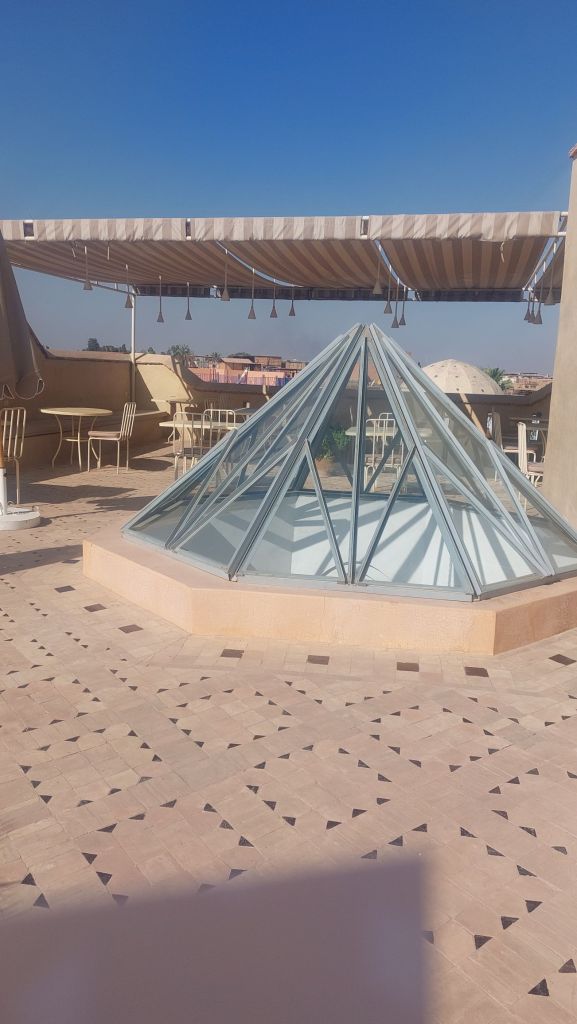
1112 has a nice rooftop. After exploring the museum, it is worth taking a look around this beautifully restored riad.
Images by Freebird Tracey.
Situated close to Ben Youssef, the address is 12 Place De La Kissariat, Ben Youssef, Marrakech.
They are open for breakfast and lunch. It’s a lovely way to begin the day, or take a peaceful break from exploring the busy medina..
Berber rugs are handmade by the indigenous Amazigh people of Morocco.
They are made from the wool of sheep in the high Atlas Mountains. Each type of rug tends to vary in thickness, and the pattern also differs depending on which tribe or village has made it.
Kilim Berber rugs have no pile and are relatively fine in texture.They are handcrafted using techniques passed down through generations. To create them natural materials renowned for their durability and luxurious feel are used. Hand-knotting is a long and laborious process. To create a single rug takes around one to two months, with four weavers working on one rug at a time.
There are several steps that go into making a beautiful Berber rug.
1. Shearing the Sheep
Shearing the sheep is the first step in making a Berber rug. This is done by hand, using a special shearing knife. The sheep are first restrained, and then the knife is used to remove the wool from their body in one long strip. The wool is then sorted and cleaned. It is usually the job of the men to shear the sheep, taking care not to injure them or spread infection. The women are responsible for washing the sheared wool.
2. Carding.
Carding is the process of aligning the wool fibers so the weavers can spin them into yarn. To card the wool, the fibres are first combed in one direction, and then the wool is brushed in the opposite direction.This helps to loosen the fibers and align them in the same direction. Once the fibers are aligned, the weavers can then spin them into yarn.Carding is an essential step in making a Berber rug, as it helps to ensure that the rug is strong and durable. The process of carding also helps to give the rug its unique texture. Women are responsible for this process.
3. Spinning the wool into yarn.
To spin the wool into yarn, Amazigh women use something called a drop spindle. This simple tool consists of a shaft with a weight at the bottom. The wool is attached to the shaft, and then the shaft is twirled between the women’s hands. As the shaft is twirled, the wool is wrapped around it, creating the yarn.
4. Weaving the rug.
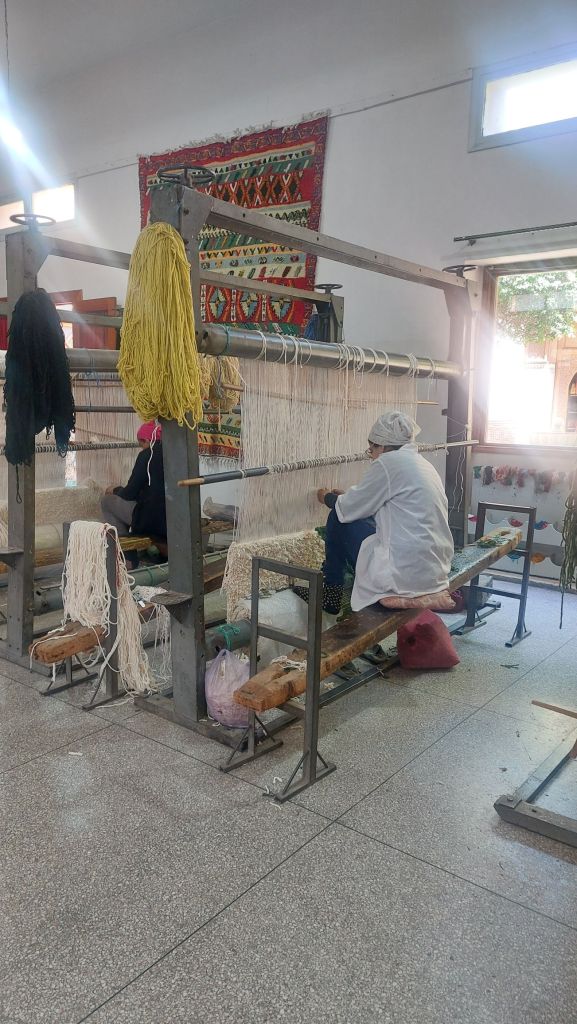
The village women are responsible for weaving the rugs. Weavers use a technique called continuous knotting to create intricate patterns. This method of knotting allows the weaver to create a rug that is durable and will last for many years.The process begins by the weaver tying knots in the woollen yarn.The yarn is then dyed using natural dyes from plants, spices, and fruits. This gives the rugs their characteristic colours. Once the yarn has been dyed, the weaver begins weaving it into a rug using a loom.The loom is a wooden frame that the weaver uses to create the rugs design. The weaver ties the yarn around the looms warp threads, which are the vertical threads that run through the loom. The weaver then weaves the weft threads, which are the horizontal threads, over and under the warp threads.The weaver can create various patterns by changing the direction of the weft threads. Once the rug is complete, the weaver cuts the rug from the loom and ties the ends of the rug together. The rug is now finished.
Image by Freebird Tracey.
Making a Berber rug is a long, laborious task. The women of the village who weaved them rarely get anything near the price they’re eventually sold for. Their husbands load the rugs onto the back of a donkey and take them to a buyer. The buyer gives him a fraction of their value.
Efforts are being made to make sure that ethical practices are being implemented. Many organizations now work directly with Berber artisans to eliminate middlemen, ensuring women receive fair payment for their work. More women are forming cooperatives to manage the entire process, increasing their income.
Images by Freebird Tracey.
Berber rugs are beautiful and give a home a wonderful boho vibe. They are hard-wearing and last a lifetime. It’s important when visiting Marrakech to make sure you’re purchasing a genuine Berber rug. There are a few scams, so be mindful. Before you get taken to a shop where you’re promised the best quality and price, do your research.
Les Nomads de Marrakech has a great reputation and can ship rugs back home for you. This is their address, Bennahid #40 Derb Zaouiat Lahdar, Marrakesh 40030, Morocco.
Dar Bouchaib in the Kasbah is a fixed price store that also ships rugs worldwide and has a huge selection.
To find out more about the history of Berber rugs, there is a carpet museum in the souks called The Maison Culturelle du Tapis. It’s worth visiting to learn more about how they’re made. They also have some beautiful vintage rugs on display.
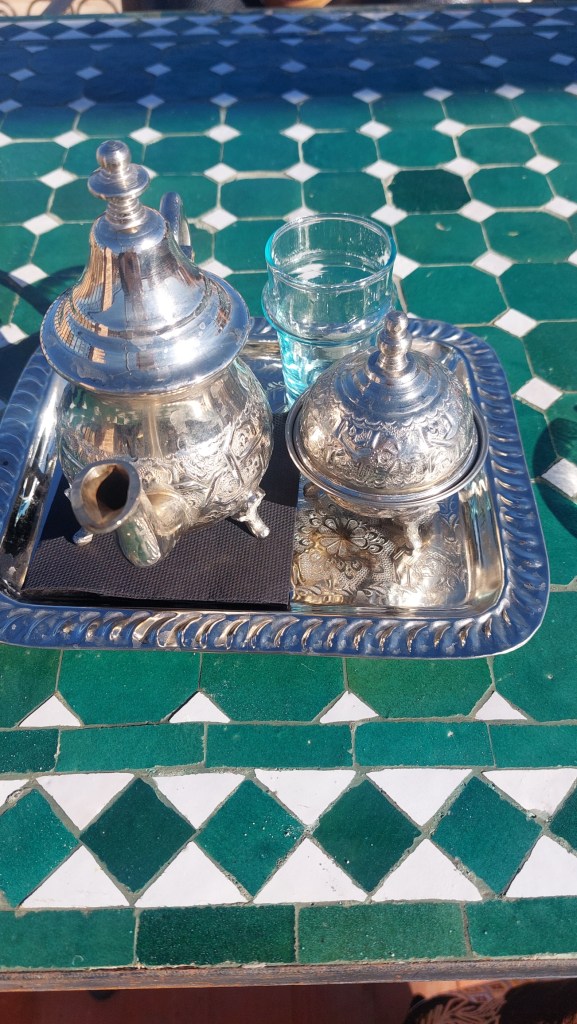
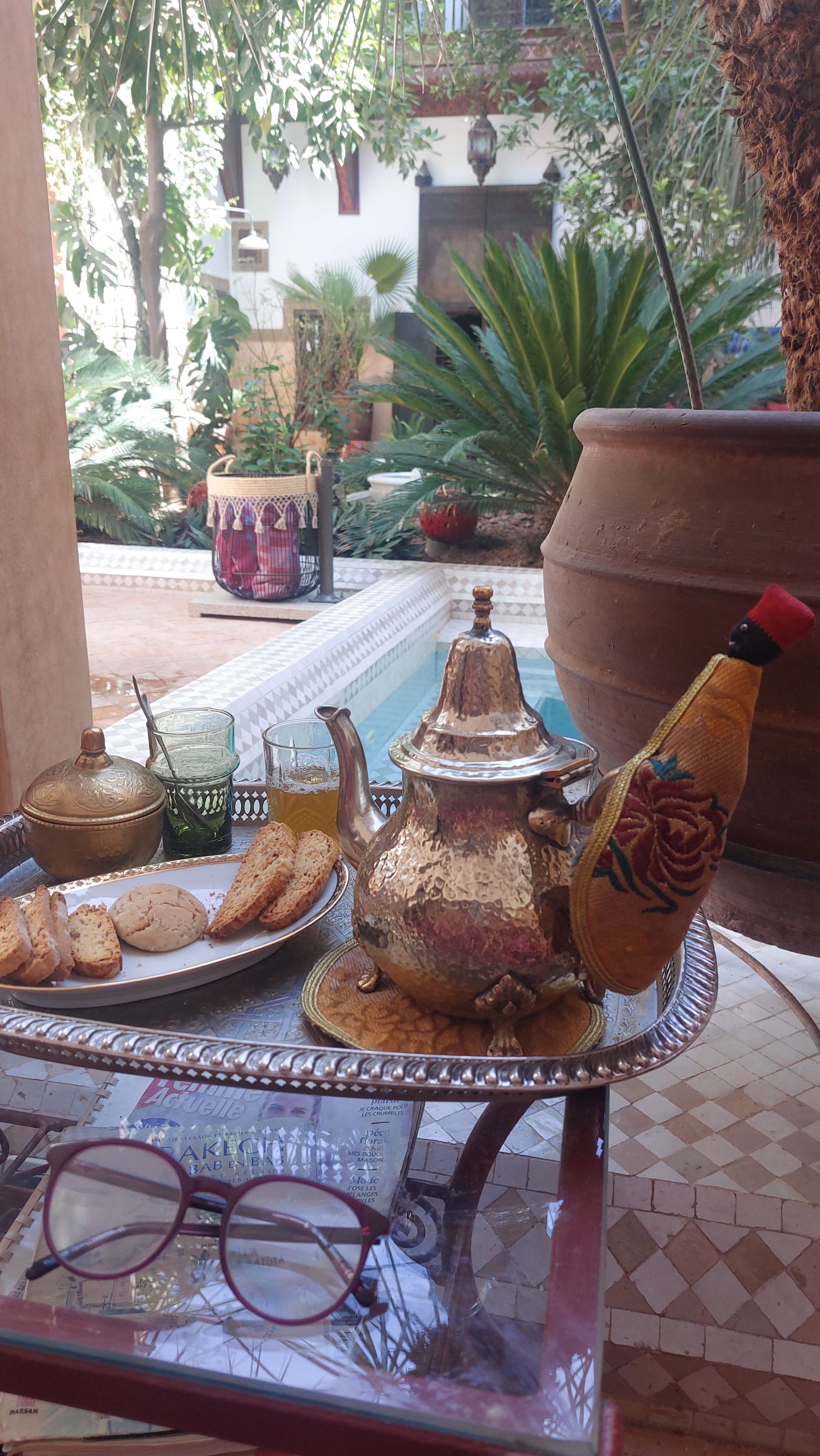
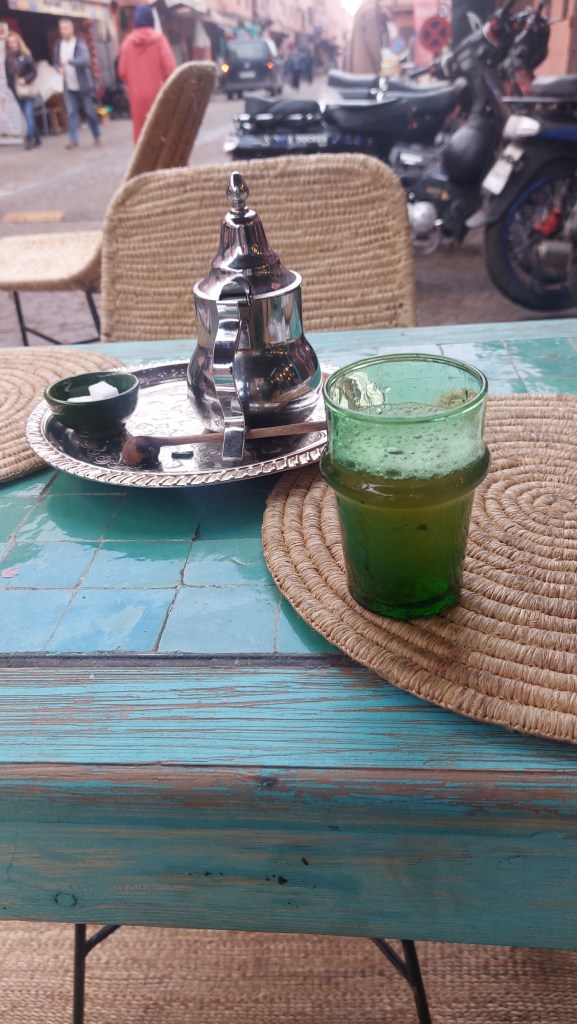
After the painstakingly long queues at Marrakech airport, you finally arrive at your riad. At this point, you’re feeling overwhelmed and dishevelled. The manager gives you the warmest welcome and guides you into the tranquil courtyard. You sit down on colourful cushions, listening to the sound of trickling water. Suddenly, you’re presented with an ornate silver tray containing a teapot and colourful glasses. This is accompanied by a dish of olives and homemade biscuits. You begin to unwind.
The tea is poured, holding the teapot higher and higher. You watch with amazement as the tea finds its way perfectly into the little glasses. Not a drop is spilt. This is a traditional Morroccan greeting for visitors. The higher up the teapot is held, the more respect the guest is being shown. The tea also becomes aerated, making it cooler to drink.
The fragrant aroma of fresh mint fills the air around you. Soon, you are feeling relaxed and becoming accustomed to your new surroundings.
Video by Freebird Tracey.
Once you have finished your tea, the panic of trying to locate the riad disappears as if by magic. The image of dragging your luggage through dark, narrow alleyways starts to become a distant memory.
Image by Freebird Tracey.
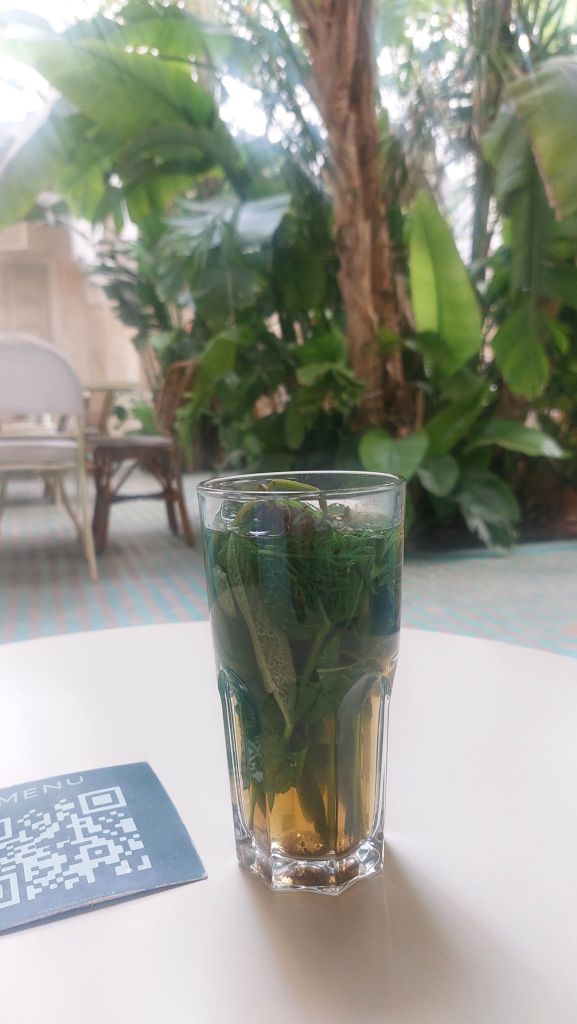
Mint tea is served everywhere in Marrakech. It’s a customary drink that locals enjoy whilst chatting with their friends in cafes. Drinking mint tea is a central part of Moroccan social life. It is known as atay in Moroccan darija. It is also called ‘Morroccan Whisky’ by the locals in Morocco.
Image by Freebird Tracey.
The tea is made using gunpowder green tea and spearmint leaves. It is sweetened with sugar cubes before serving. Moroccans like their tea sweet, so if you don’t, ask to have the sugar cubes separately.
Moroccan mint tea has many health benefits. It improves digestion, helps to improve oral health, is a natural decongestant, and provides antioxidants that support good mental well-being, skincare, and alertness.
Fresh mint is sold all around the medina, and the familiar smell is noticeable when you walk past. It’s an aroma you will come across a lot in Marrakech.
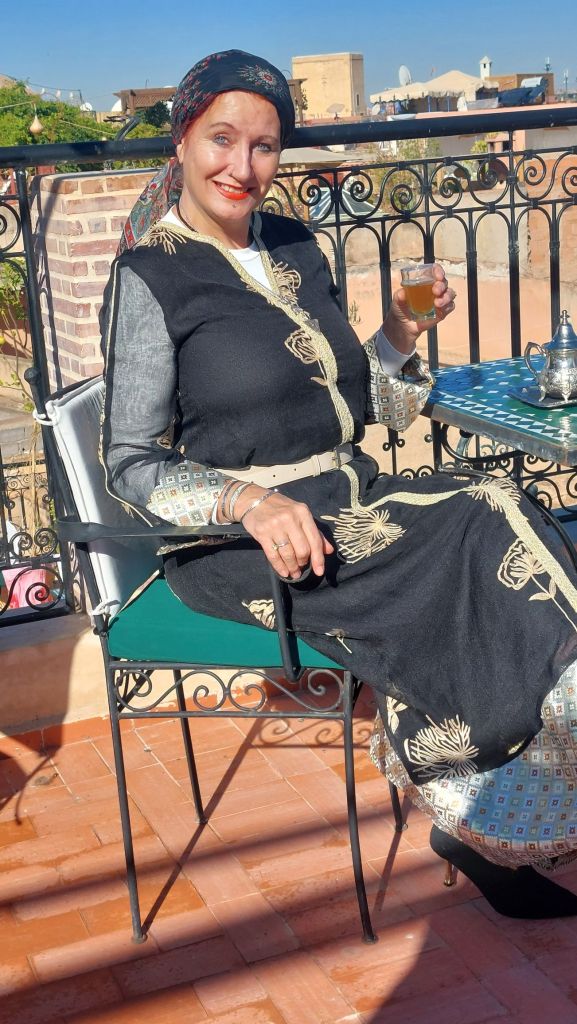
Sipping mint tea overlooking the square from a rooftop terrace is a nice way to experience Marrakech. There is also a tea house that I highly recommend called 1112 Moroccan Tea House. It’s situated in a beautifully restored riad, and it’s the first Moroccan tea house in Marrakech.
Images by Freebird Tracey.
Drinking atay is a big part of Moroccan culture. You will be offered tea in spice shops, in Berber carpet shops, and friendly locals will want to share it with you. It’s practically a ritual in Marrakech.
You can purchase the pretty glasses in the souks, along with ornate silver teapots. They make perfect gifts for taking home with you.