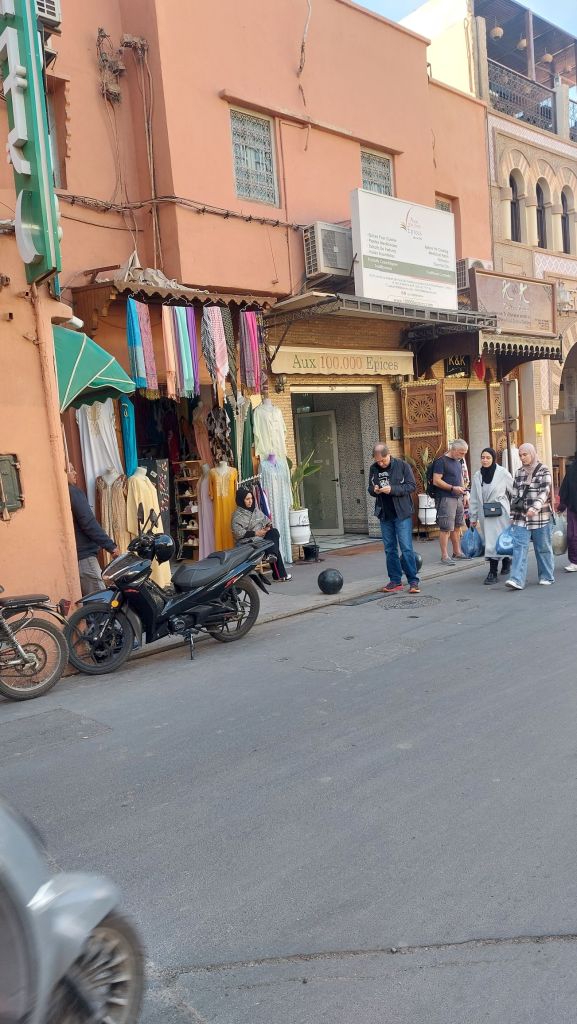
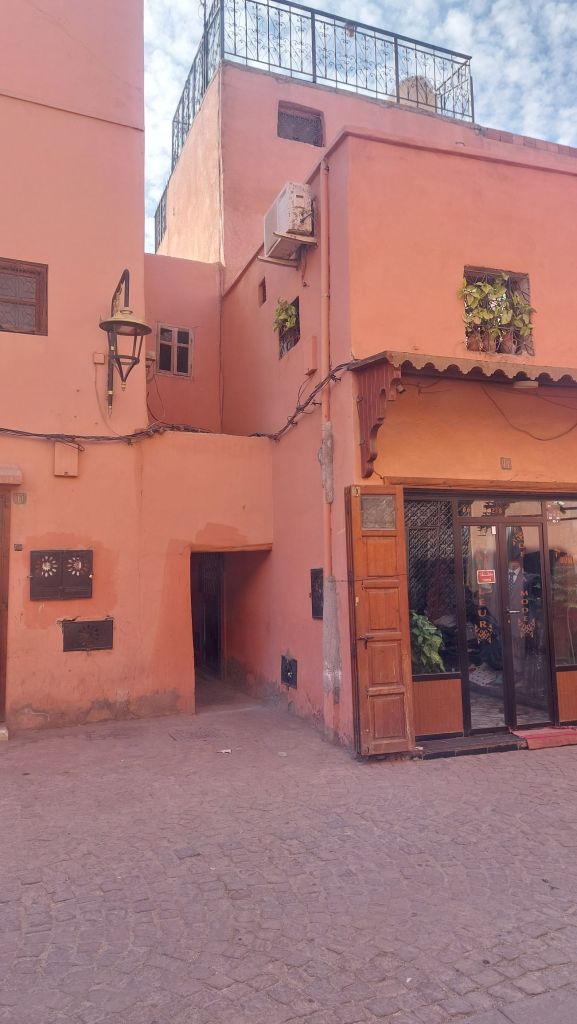
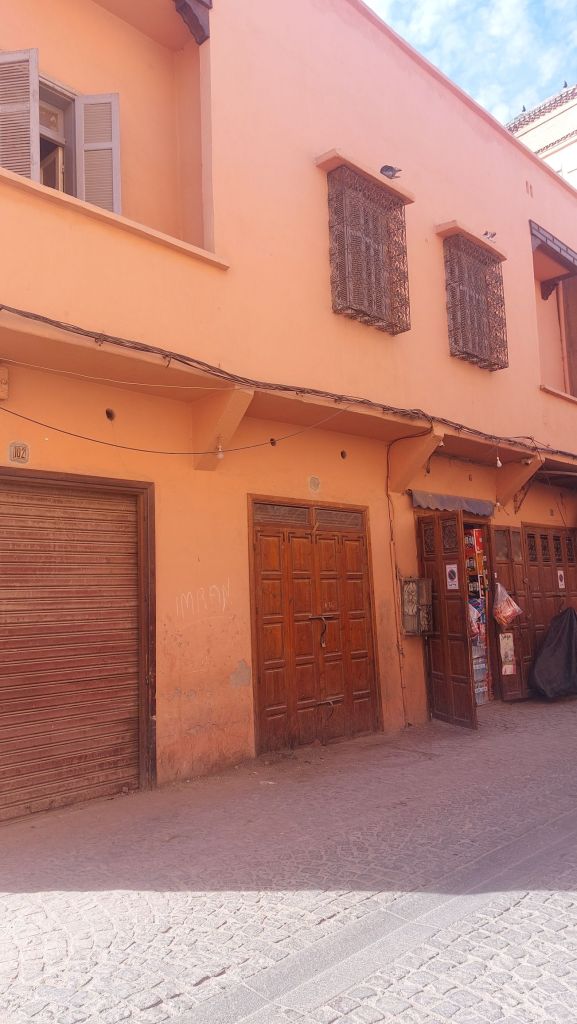
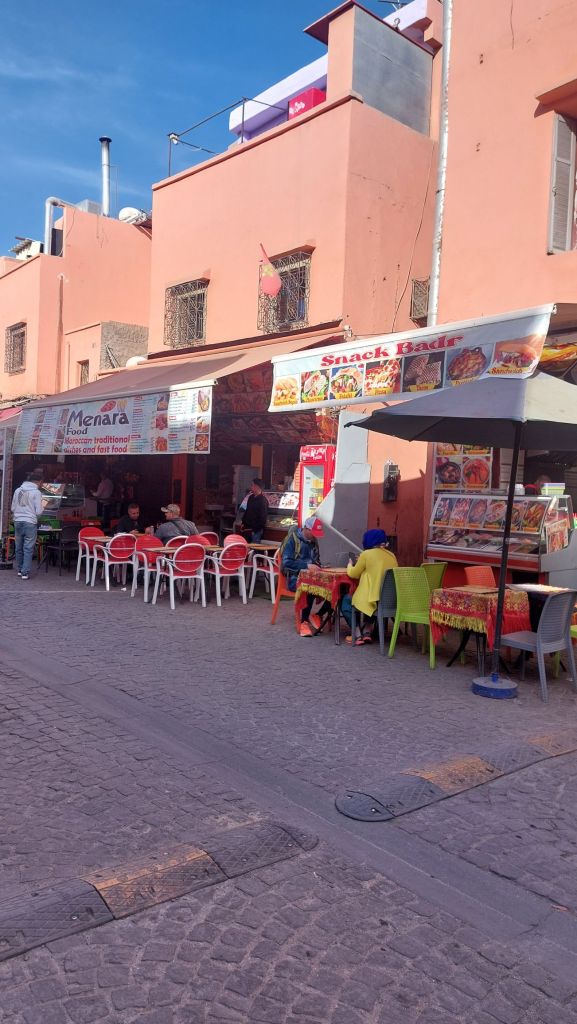
A fingertip tour around the red city, including everything you need to know.
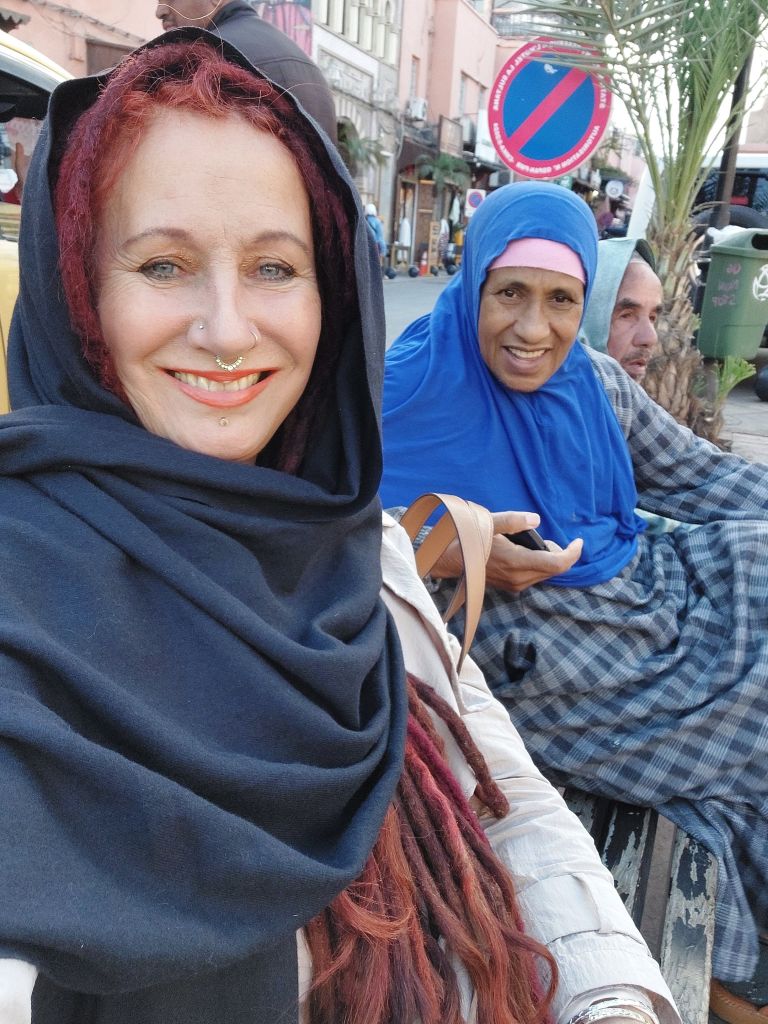
Image by Freebird Tracey.
If Africa is a peacock, then Morocco is its tail.
Welcome to my blog featuring everything you may wish to know about the historical city of Marrakech.
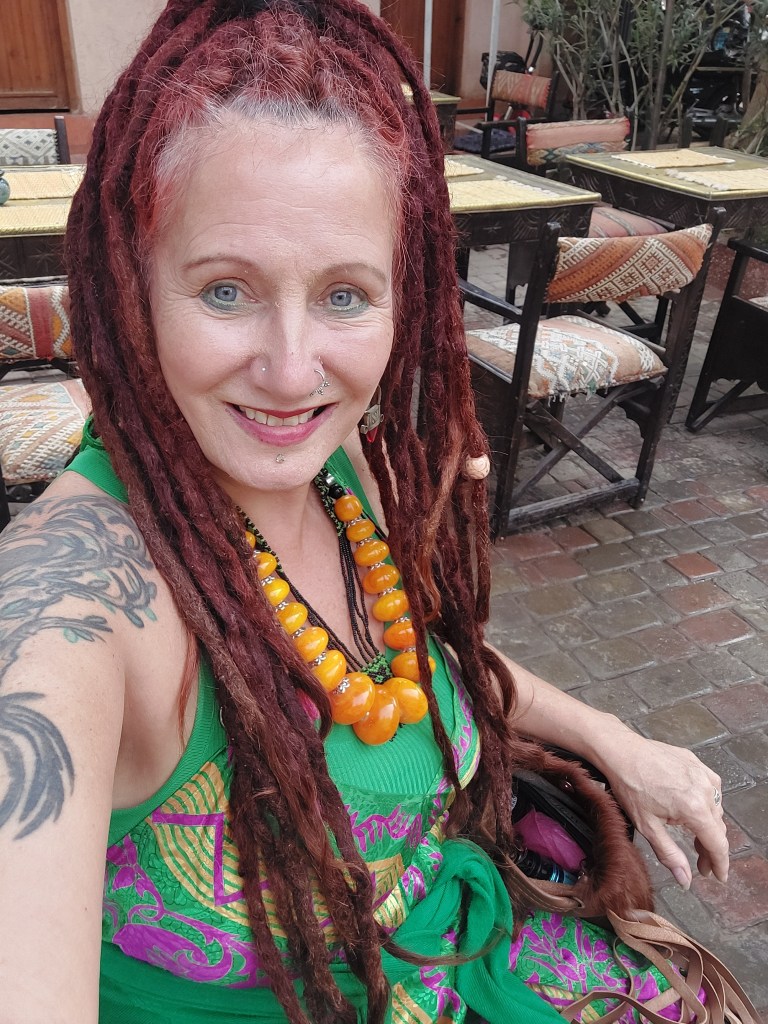
My aim is to help people discover the wonders of this magical city. To introduce them to it’s charm and allure. I would like to share my own experiences and adventures with you. Hopefully, it will be a useful guide for first-time visitors and perhaps even seasoned travellers. Being a solo female traveller, for women travelling to Marrakech alone, this blog is also for you.
I always feel safe visiting Marrakech. The locals are very hospitable. They always have huge smiles on their faces, and nothing is too much trouble for them. For me, this is what makes Marrakech such a special place.
I have found my ‘happy place’ in the sunshine. The fragrant orange blossom, the vibrant colours, and the magical sights and sounds of Jamaa El Fna are like nowhere else on earth.
Marrakech is a diverse city, steeped in history and culture. From its intricate Islamic architecture to traditional culinary delights. From skilled craftsmanship to the colourful items for sale in the souks. There is something to tempt your senses around every corner. I never get tired of exploring this captivating part of our planet. There is always something new to see, and it’s full of surprises.
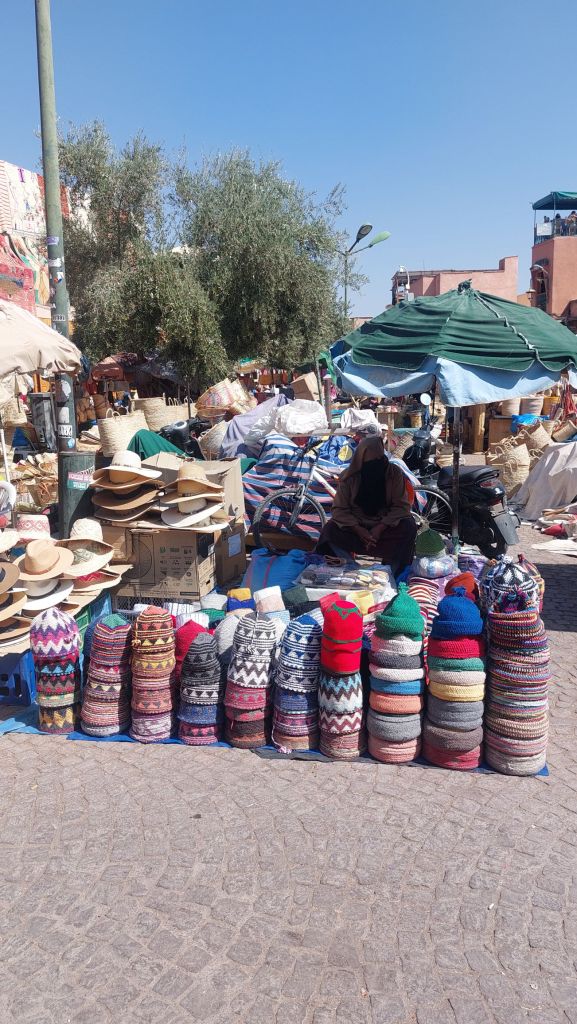
The sound of the souks stays with you a lifetime. The friendly banter from the vendors, donkeys naying, tuk-tuks, and motorcycles rattling through the narrow alleyways. The sound of street food sizzling as the call to prayer echos across the city. This experience stays firmly imprinted in your memory. I love the energy of Marrakech. It’s an assault on the senses.
Image by Freebird Tracey.
This blog will transport you to North Africa. To the famous red city of Marrakech. To the home of one of the oldest indigenous people in the world, the Amazigh.
My focus is on the medina, the ancient walled city, including the kasbah and the mellah. Together, we will explore the main square called Jamaa El Fnaa, the heartbeat of Marrakech. For first-time visitors, it can feel a little bit daunting. Marrakesh can be overwhelming. This was my inspiration for writing this blog.
I begin by touching on the history and culture of Marrakech. Knowing something about the place you’re visiting gives you a better idea of what to expect.
I give valuable tips, including ways you can travel to Marrakech on a budget. How to stay safe, ways to get around, scams to avoid, and many more.
I suggest ideas on how you can spend your time in Marrakech. This includes popular excursions, popular activities, and day trips.
There is a section featuring riads in the medina. This is accommodation I have stayed in, including luxury and budget friendly riads.
Next, I will share some of the best places to eat, including vegetarian and vegan options. I will also tell you where to find cool bars that serve alcohol in the medina.
Finally, there are a few articles highlighting things that might interest you about Marrakech. This includes customs and traditions.
Keep my blog close to hand. Use it as a reference guide before and during your visit to this UNESCO world heritage site. I hope you will find it helpful when planning your own visit to Marrakech.
Now that I’ve given you an outline of my blog, it’s time to buckle your seatbelts. Come and join me on a mind-blowing trip of a lifetime. Let me introduce you to the sights, sounds, and tastes of Marrakech. Every one of them perfectly entwined to create a little piece of heaven here on earth.
Marrakech has been inhabited for over 1000 years Morocco took its name from Marrakech.The first settlers were Berber farmers who had lived on the land since neolithic times.The Amazigh people named the country Murakush, meaning the Western kingdom, later Arab conquerors adapted the name to Morocco.
During the 11th and 12th centuries, the Almoravids were the rulers of Marrakech, founded by Abu Bakr Ibn Umar in 1070, they began constructing an underground water system to supply water to the city canals, which attracted merchants and craftsmen to Marrakech.They built riads for the people who were beginning to settle in Marrakech, and it became a real city. His cousin and successor Yuseff Ibn Tashfin developed Marrakech even further, turning it into the Almoravid empire.He erected mud brick houses, giving the city its prominent,distinctive red colour its famous for today.
Image by Freebird Tracey.
It was during this period that the Masjid al siquaya mosque was built, and market places called souks began to spring up, marking the beginning of urban life in Marrakech.
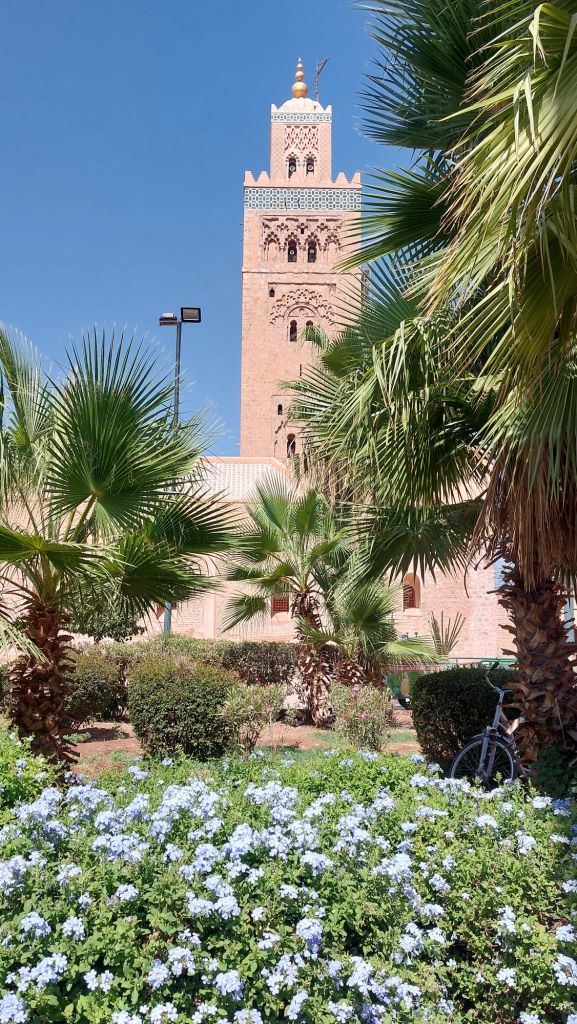
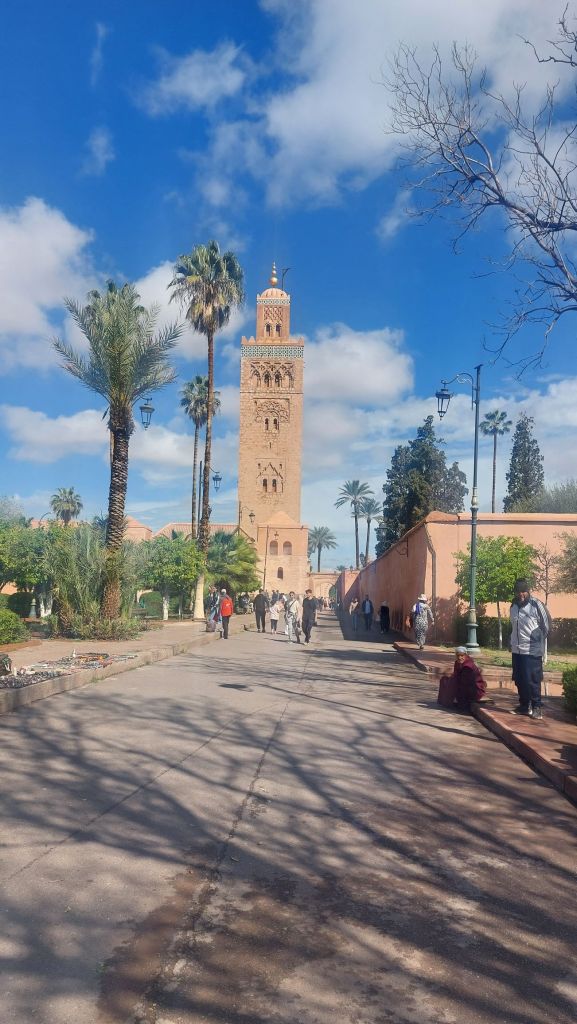
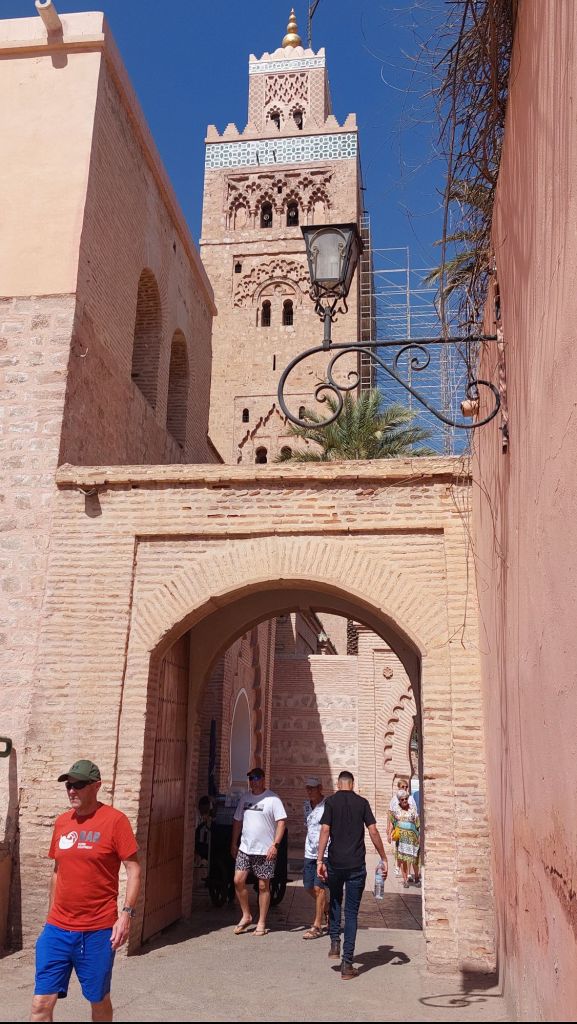
In the 12th and 13th centuries, the Almohads overthrew the Almoravids and took over the city.They continued to develop Marrakech even further, painting the walls of the city red and building spectacular palaces and the famous Koutoubia Mosque, which is the largest mosque in Marrakech and a significant landmark.
Image by Freebird Tracey.
They were intellectuals and artists, and many scholars were attracted to the affluent city. They also introduced education and art, turning it into a political, economical, and cultural centre. They also began improving on the original water system by building open air canals, which allowed water to flow down from the high Atlas mountains. This gave people a better quality of life, and they began to flourish. The city soon began to prosper under the rule of the Almohads and became a thriving place for merchants to meet and exchange goods.
Image by Freebird Tracey.
In the 13th century, the Merinid Empire took control of Marrakech in 1230 ruling for two centuries.They built the first madrasa in 1343-9 and used Marrakech as a training ground for heirs to the throne. Marrakech was the imperial capital of Morocco, but the Merinids decided that they preferred the city of Fes, which resulted in Marrakech going into serious decline. Fes soon became the new capital city, and Marrakech became the regional capital of the South instead.
Because of the move to Fes, Marrakech was practically abandoned and left to decay, becoming impoverished and neglected. The buildings were left to crumble, and the city that was once a bustling hive of activity began to die.
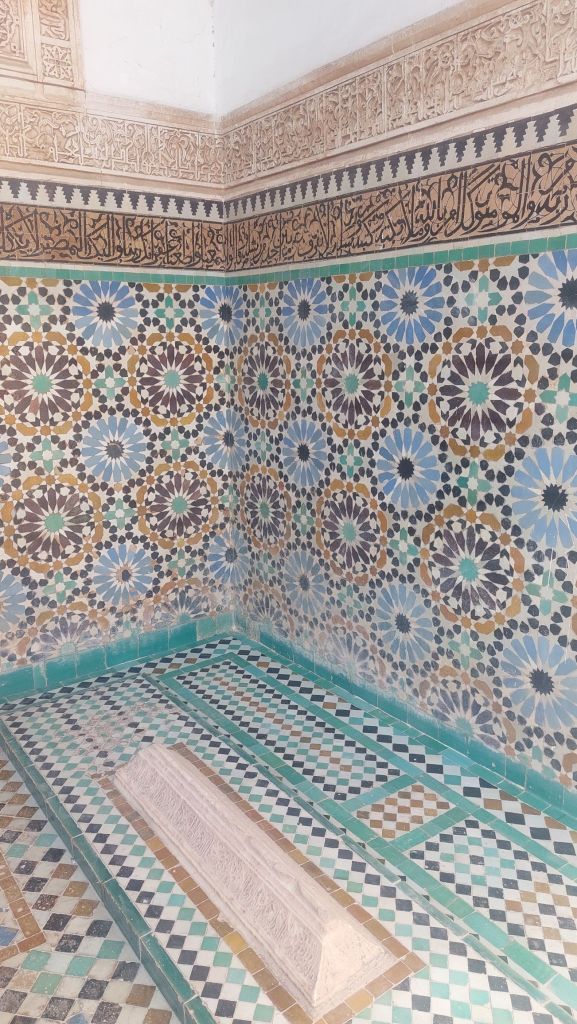
From 1578-1603, the Saadian Sultans led by Ahmad Al Mansur came to power. They restored the forgotten city to its former glory and breathed new life into it, reastablishing Marrakech into a capital city once again.They built the Saadian tombs and El Badi palace, furnishing them with intricate zellige tilework work and stucco decoration.
Images by Freebird Tracey.
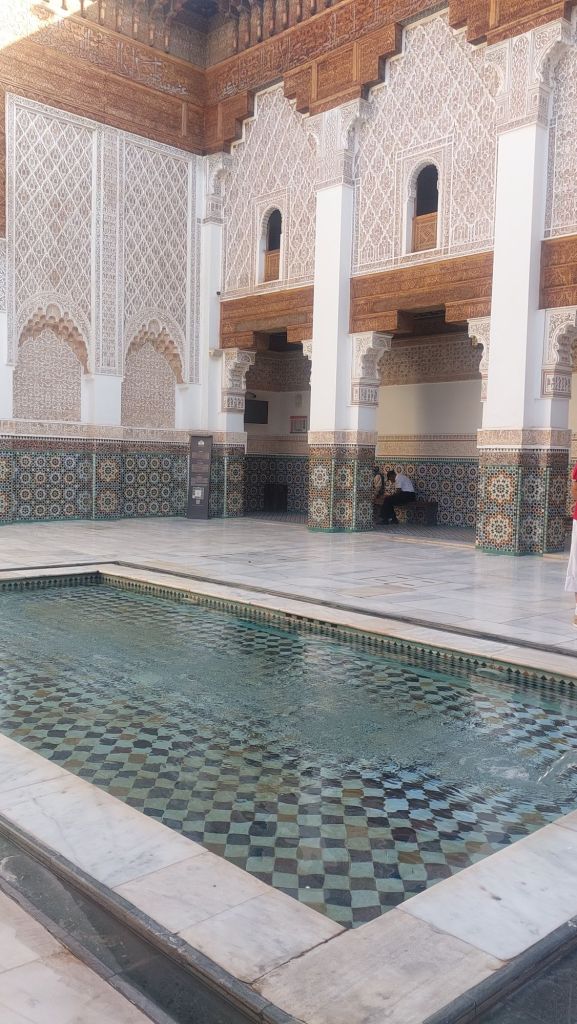
They launched military campaigns against European invasion, and this period of rule became the golden age of literature and art. The Saads built Bab Doukkala mosque in 1557-1571 and Mouassine mosque in 1562-72.They also built the Ben Youssef Madrasa in 1570.
Images by Freebird Tracey.
In 1631, rule was passed from the Saadian dynasty to the Alaouite dynasty, which is still the name of the current Morroccan royal family. The Alaouites promoted trade with the United States and other European countries. They improved date palm crops and modernised the army. They also attempted to take control of the Berber and Bedoin tribes. They restored the riads and buildings in Marrakech, redeveloping it’s infrastructure after years of decline.
It was in 1911 that the capital of Morocco became Rabat.
Marrakech became a French protectorate in 1912 when the sultan Abd al-Hafid signed the treaty of Fes. Although the sultan remained the head of state, the French had a huge influence in developing strong diplomatic and economic relations in both trade and tourism. The French began modernising the city and building new districts whilst still aiming to preserve the traditional character of the city. They encouraged tourism and the export of Moroccan dates and other produce. In 1956, the treaty of Fes was passed back, and Morocco gained its independence again.
Throughout its history, Marrakech has been a city that has resurged, declined, and resurged once again.It has fought against several invasions and endured plagues and famines.
In 1982, UNESCO declared Marrakech a UNESCO world heritage site, raising awareness of the cultural heritage of the city. It is now one of the most popular destinations in the world and receives millions of tourists each year.
Marrakech combines the ancient with modernity. Visitors can get a glimpse into its intriguing past as they wander around the preserved walls of the medina. As they venture into the tree lined avenues of Mohammed V avenue, they are presented with a newer,modern side of Marrakech, a thriving hub of fancy restaurants, bars and boutiques.
The city is developing fast and attracting tourism at an exceptionally high rate. Despite this, it still continues to retain its culture, customs, and historical significance.
In Marrakech, you will often hear the word Berber. The Amazigh, also known as Berbers, is an indigenous group native to North Africa, with a history stretching back thousands of years.They have lived across a vast region that encompasses modern-day Morocco, Algeria, Tunisia, Libya, Mali, and Niger.
The Berbers made a huge contribution to the region’s cultural and technological heritage, including the creation of the Khettara system, an ancient water management technique involving a network of underground tunnels that channel water from mountain aquifers to arid lands. This enabled farming and agriculture to thrive in a harsh environment. The Berbers existed as a totally self-sufficient community thriving long before the arrival of foreign empires.
Over the centuries, the Berbers faced numerous challenges, including invasions and exploitation by foreign powers.During the Ottoman era, slave traders targeted Berber communities, kidnapping many women to become slaves, throwing their society into complete chaos. The Berbers became known for their resistance, with some tribes turning to piracy as a way to survive and out of defiance against foreign powers. Barbary pirates became infamous for raiding ships and coastal towns, which led to conflicts during the Barbary Wars.
Despite all these challenges, the Berber culture has continued to endure, holding on to its distinct language, culture, and identity through sheer resilience.
The history of Amizigh is now taught in schools and is officially known as the second language in Morocco, next to Arabic. Moroccan people are proud of their heritage and its rich culture, but they had to fight for the right to have it recognised. The name Berber comes from the roman word ‘Barbaric’ and is now considered offensive to use it to describe the indigenous people of North Africa. The name Amazigh, which means ‘free people’, is now used instead. Over 90% of the general population of Morocco has indigenous Berber DNA, and Marrakech is one of the most culturally Amazigh cities in Morocco alongside Agadir.
It is possible for visitors to Marrakech to take a trip into the Atlas Mountains to observe the ancient customs and lifestyle of the Amazigh. A stay in a Berber home is an unforgettable experience and a way to really get to know the history of Morrocco. In the Atlas mountains, life continues in very much the same way as it always has. Visitors to villages like Imlil get the opportunity to eat a home cooked meal with an Amazigh family and witness their day-to-day life, which isn’t an easy one. This fascinating experience can be booked online or through your accommodation.
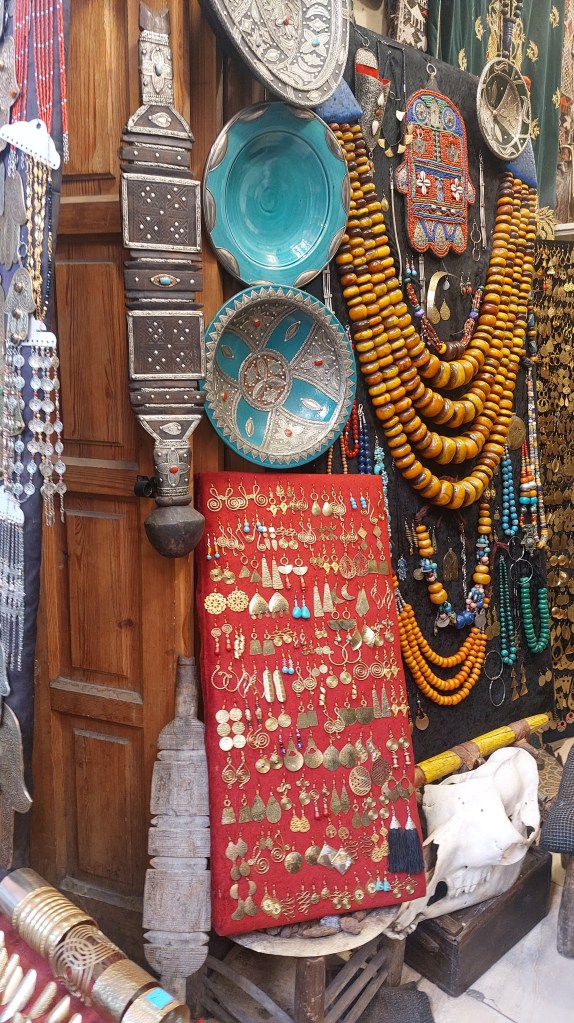
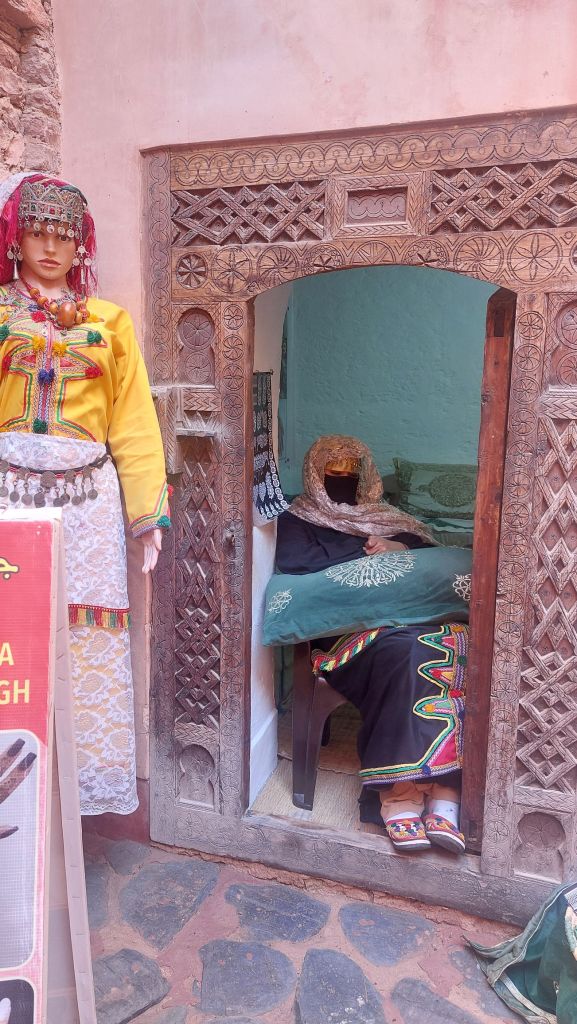
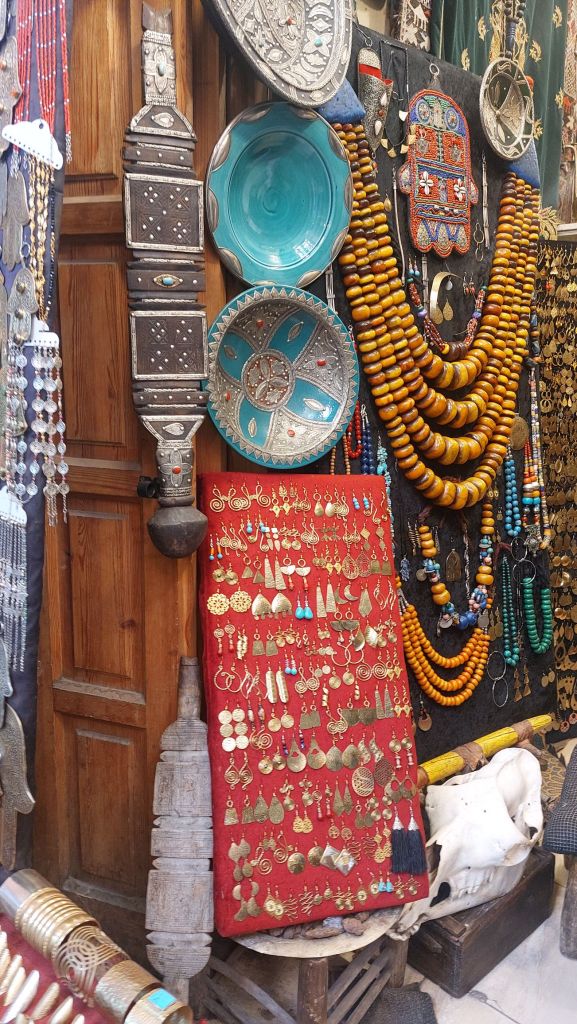
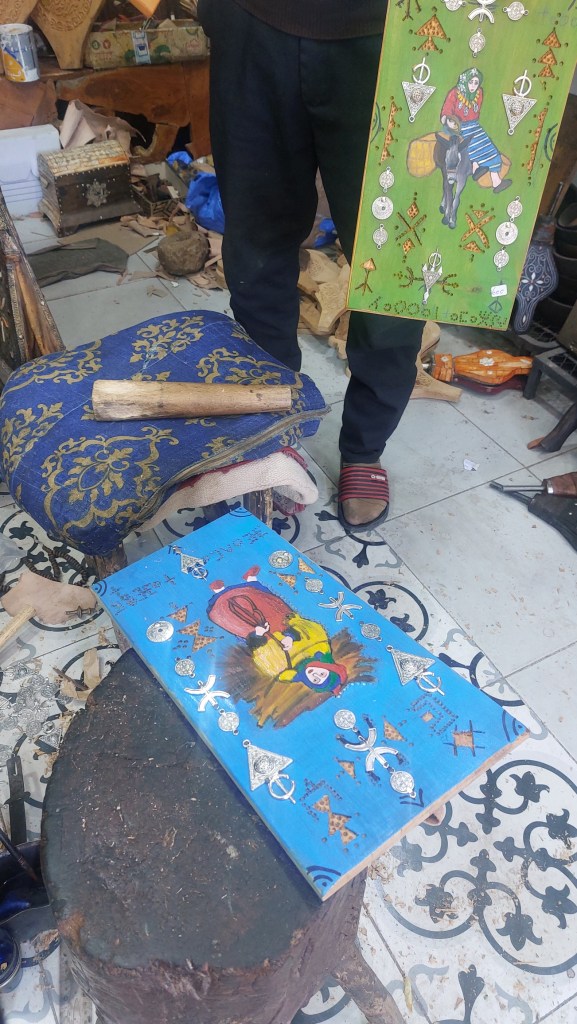
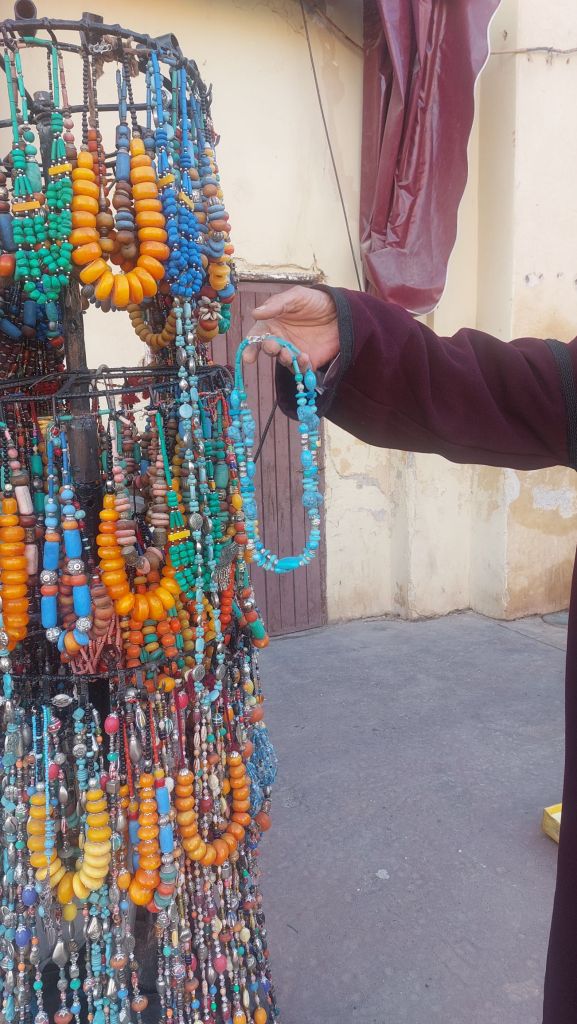
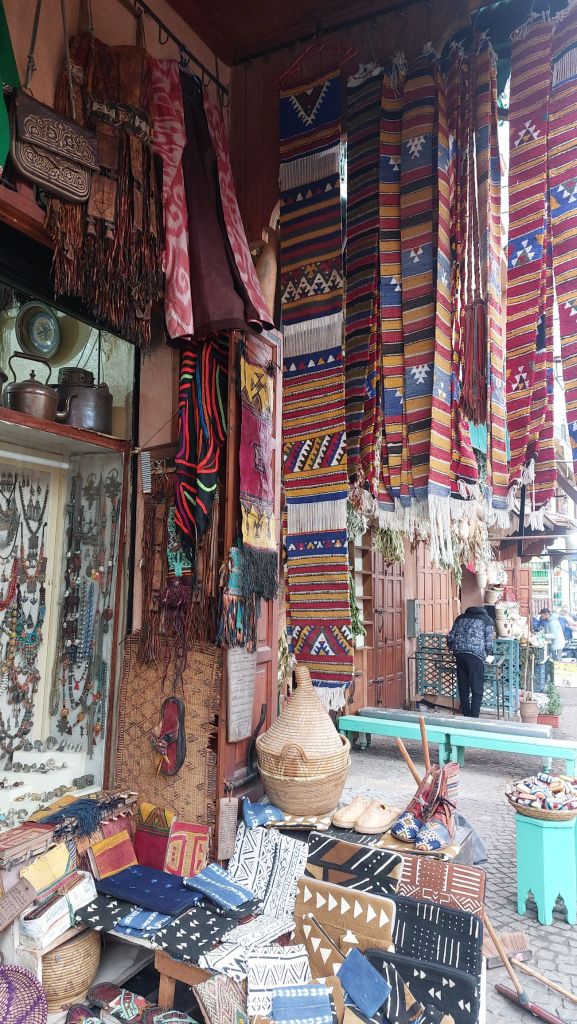
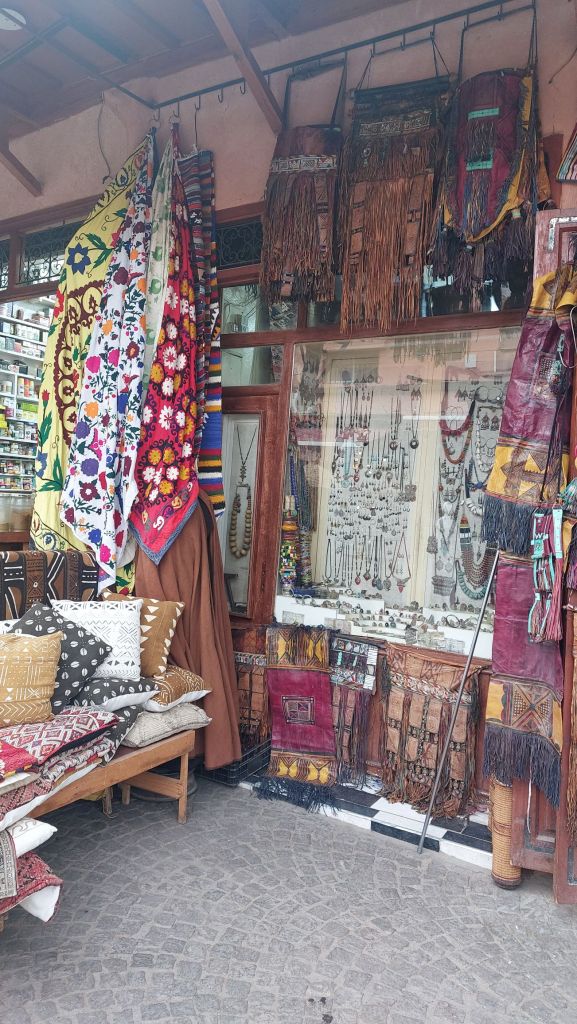
There is beautiful jewellery and rugs made by the Amazigh for sale in the medina. The art of carpet weaving by Amazigh women is demonstrated, and tourists get to appreciate the work that goes into producing these beautiful high-quality masterpieces
Images by Freebird Tracey.
To learn more about Amazigh culture, visit the museum of photography or Marrakech museum. Both places will give you a deeper insight into the history and customs of Amazigh culture.
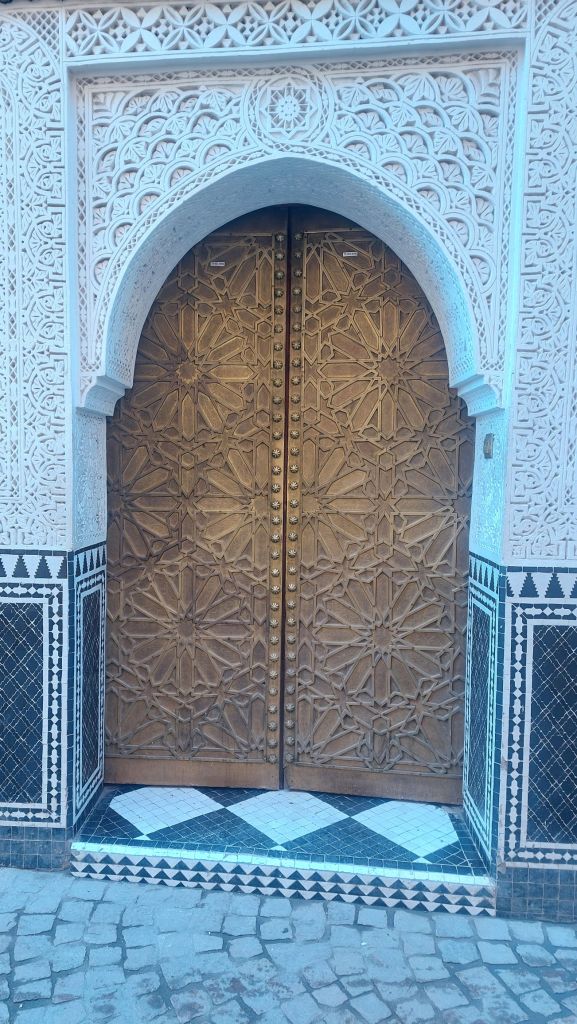
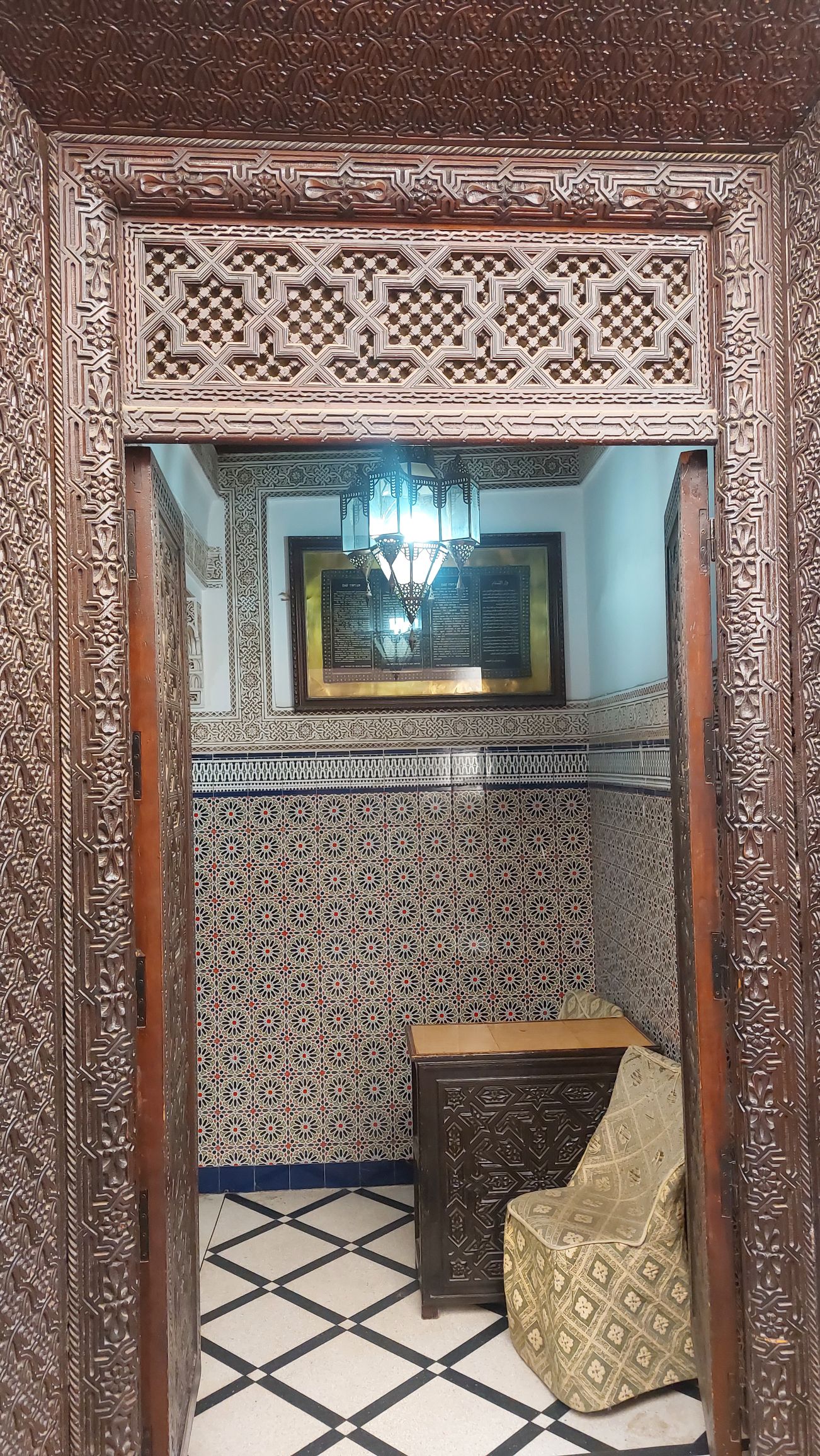
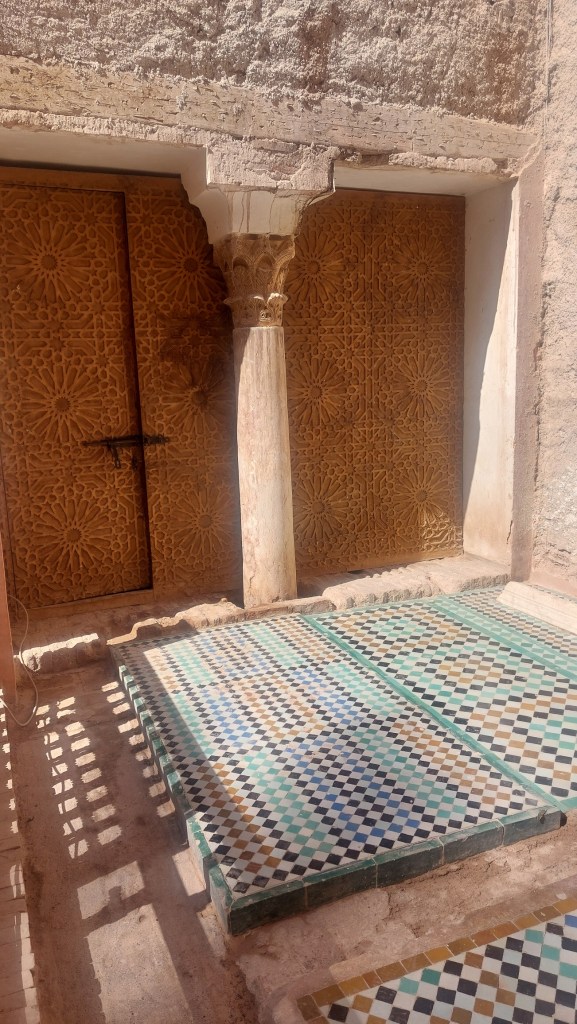
The beautiful Islamic architecture found in Marrakech is a testimony to its wealth of history and culture. From intricately carved wooden doors to geometric mosaic tiles and tadelakt, Marrakech has some of the finest examples of Islamic architecture in Morocco.You can’t help but be impressed by the attention to detail as you wonder around the medina.
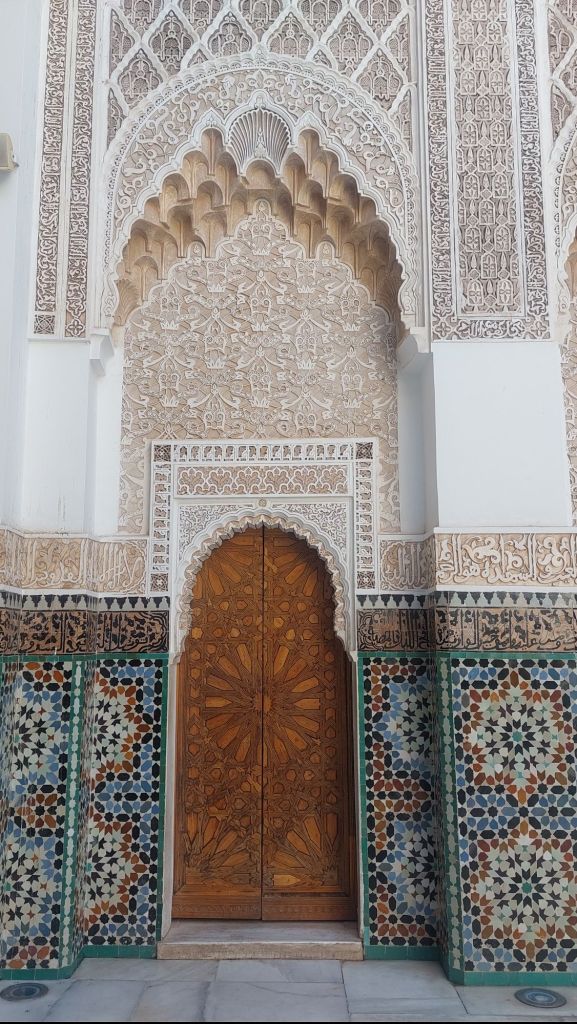
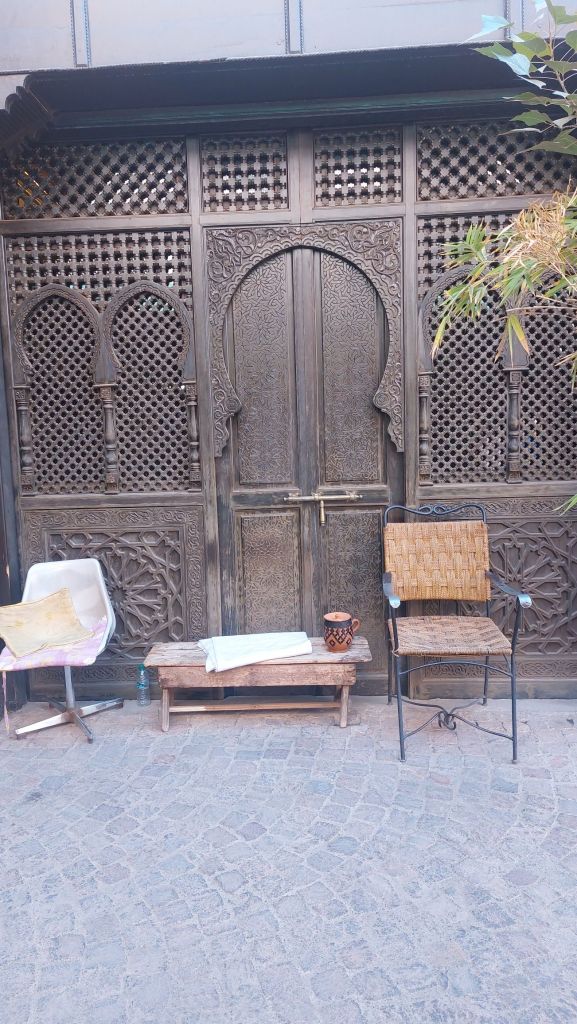
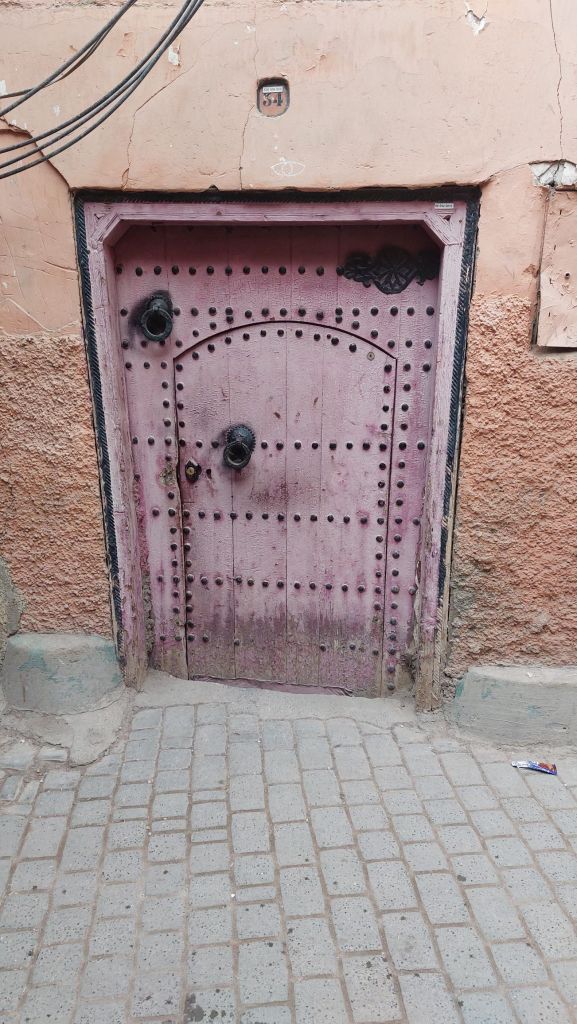
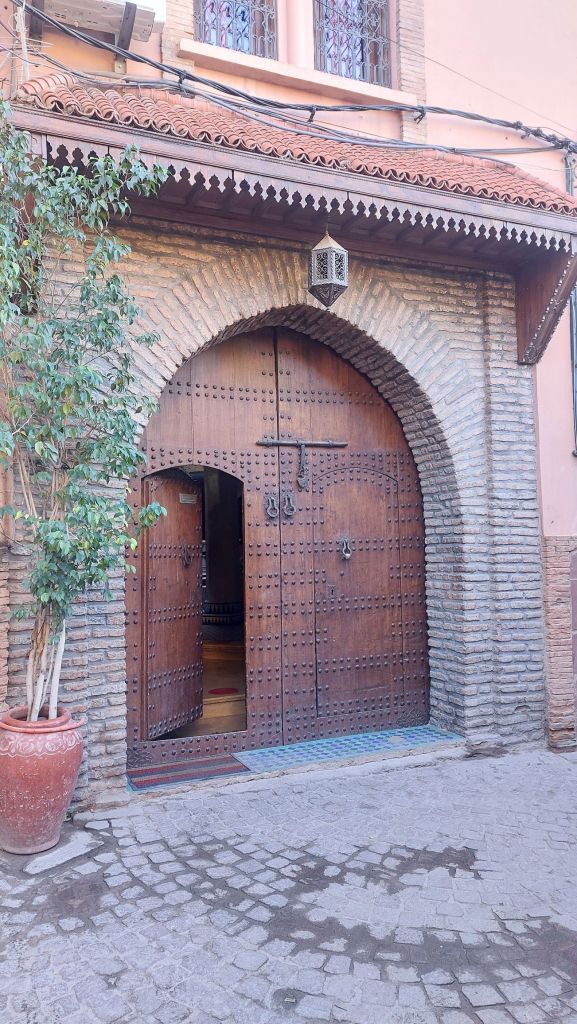
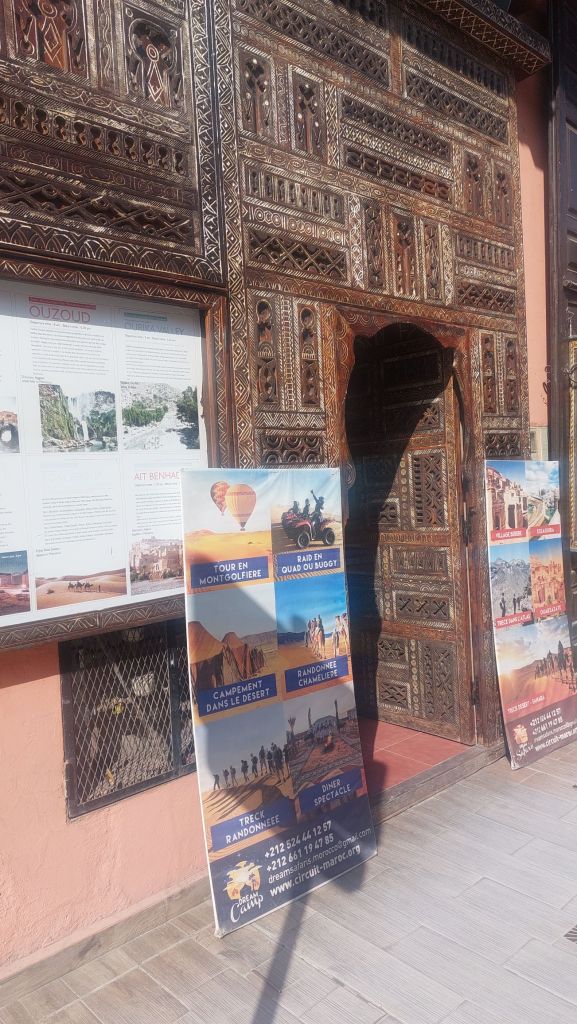
Large wooden doors exquisitely carved out of Cedar wood appear out of nowhere as you pass through the winding alleyways.
Images by Freebird Tracey.
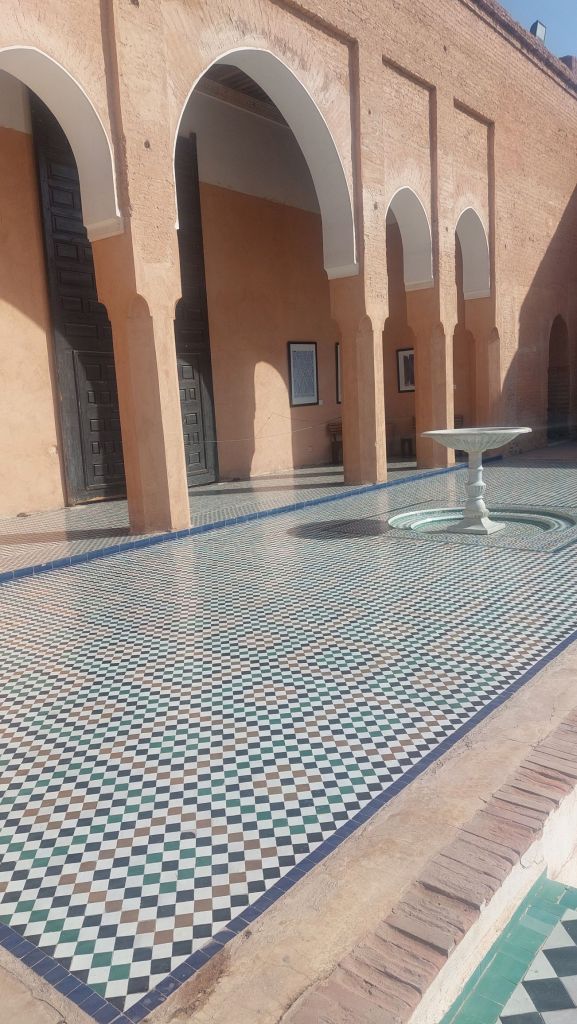
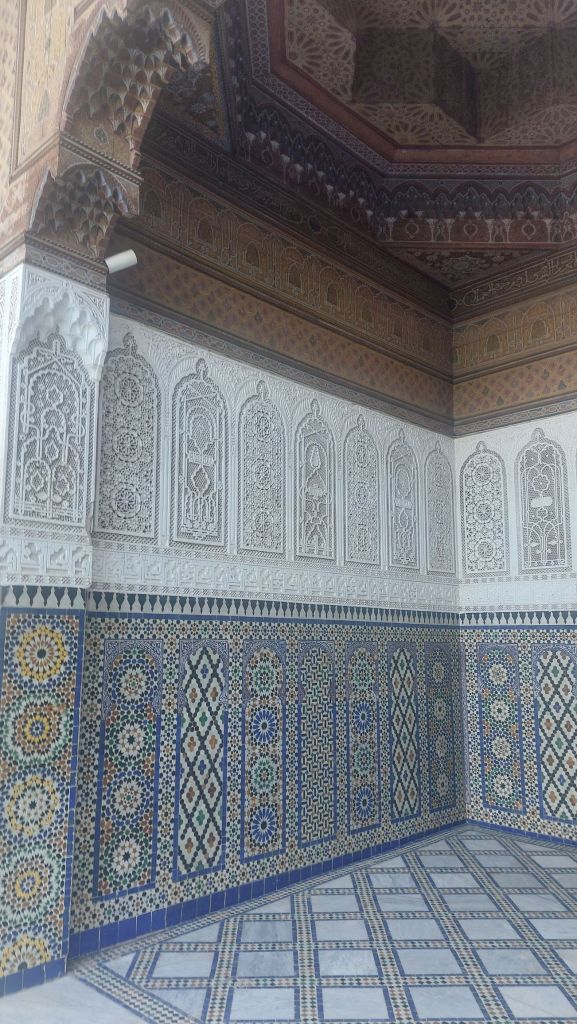
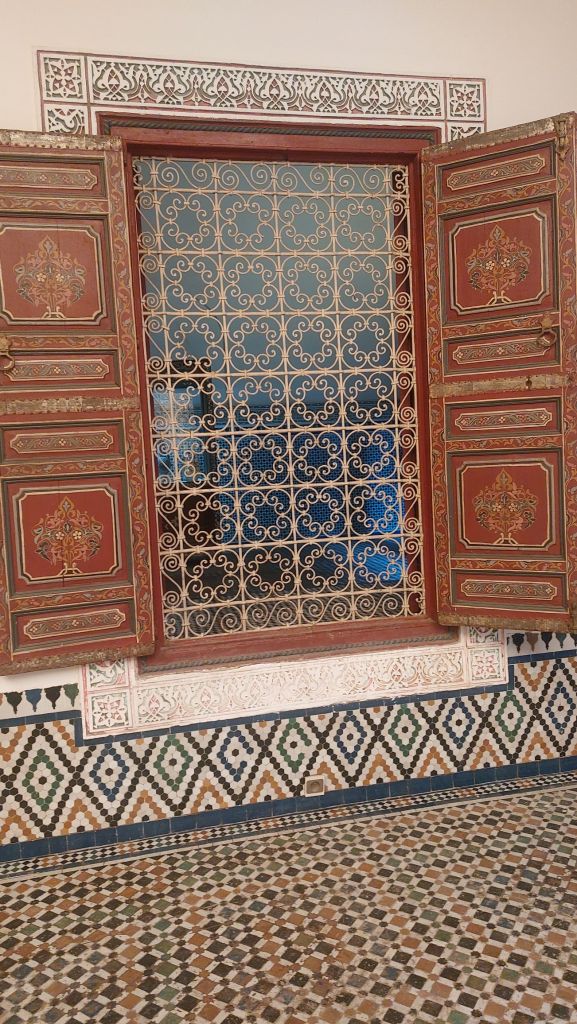
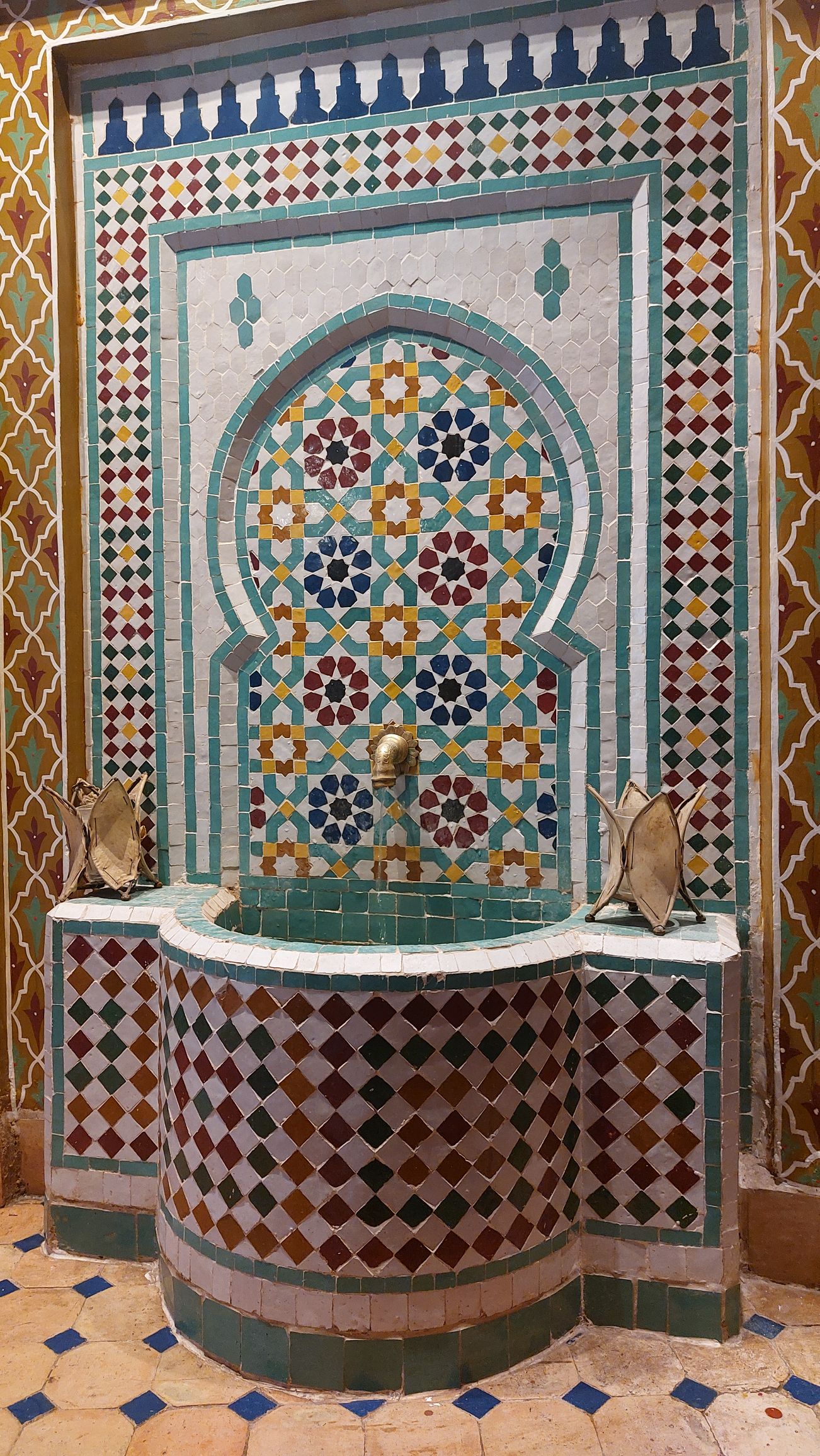
Zellige tiles originating from the 10th century form geometric mosaics decorating the floors, walls, and fountains. A skill which has passed down from generation to generation.
Images by Freebird Tracey.
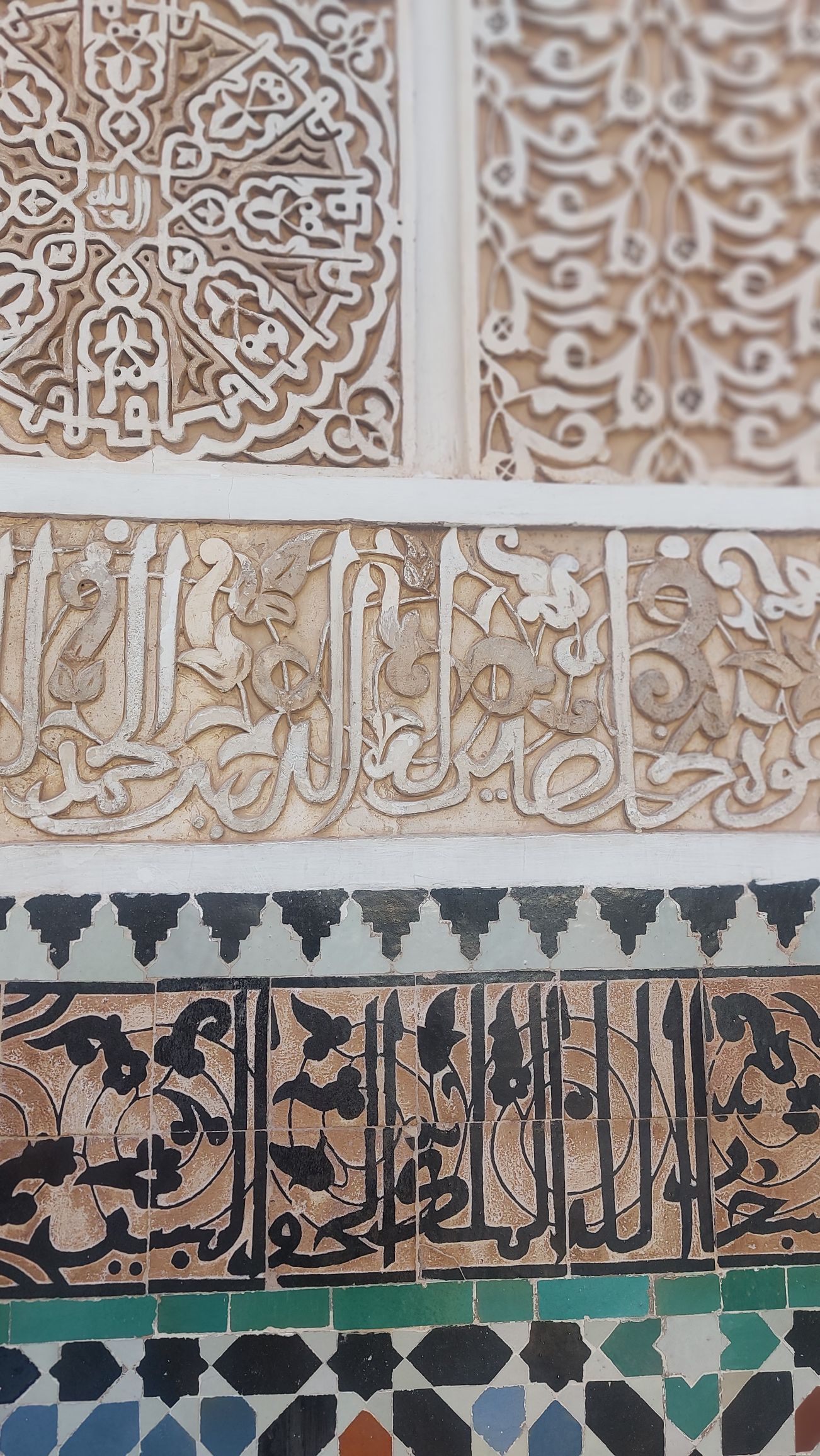
Islamic architecture in Morocco follows the spiritual principle of Tawhid, the unity of God. There are handcarved stucco panels with expertly applied fine details, including floral motifs and calligraphy from Nakshi and Kufic Arabic scripts. These are set against a backdrop of peace and tranquillity.
Image by Freebird Tracey.
The use of symmetry, repeated geometric patterns, and balanced proportions reflect divine order and infinity. The use of geometry and proportion symbolizes universal harmony. Calligraphy enshrines verses from the Qur’an, which merges both word and form together. Light also plays a sacred role. As it filters through lattice screens called mashrabiyas and central courtyards, it evokes the essence of divine presence.
Image by Freebird Tracey.
Islamic architecture blends together Arab, Amazigh, Andalusian and Sub Saharan influences. Perfect examples can be seen at the Koutoubia Mosque, Ben Youseff Madrasa, Bahia Palace, Saadian tombs, and El Badi Palace.
Image by Freebird Tracey.
Bab Agnaou gate is one of 19 splendid arched gates into the city showcasing intricate carvings.
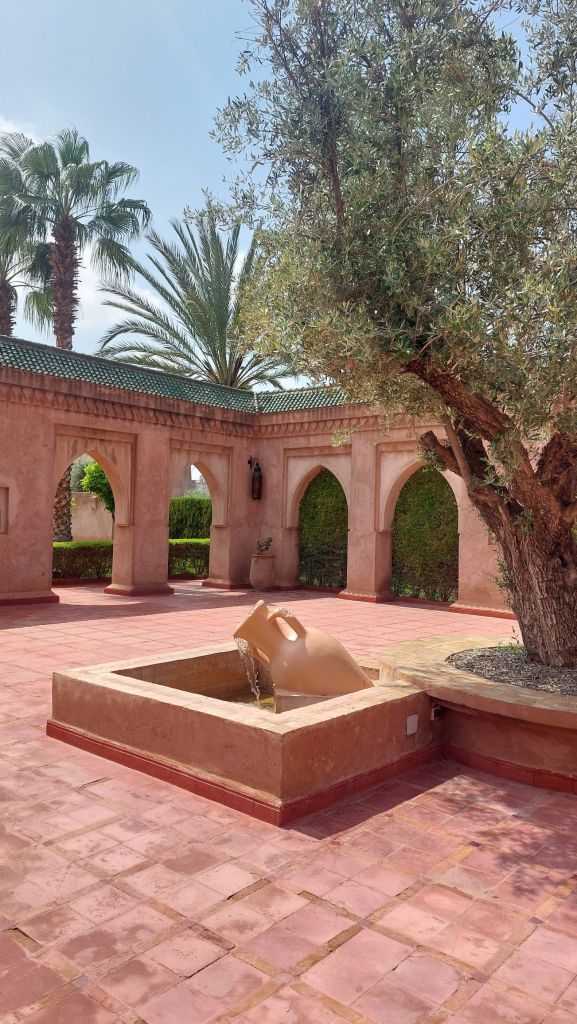
Hammams, which were constructed centuries ago, reflect the scale of precision and sheer brilliance of Islamic architecture. Exploring these beautiful places is a journey through the history and culture of Marrakech. You will be spellbound by the beauty of the tiled fountains with their original zellige tilework in the courtyards of riads. Original water features have been restored and strategically situated around the medina.
Image by Freebird Tracey.
There are two knockers on the magnificent wooden doors. One which is strictly for family members and one for guests to use. This is in order to shield and protect the women of the household from the gaze of male strangers.
Images by Freebird Tracey.
There are places all around the medina where you will want to take photographs of the beautiful work local artisans left the world as their legacy.
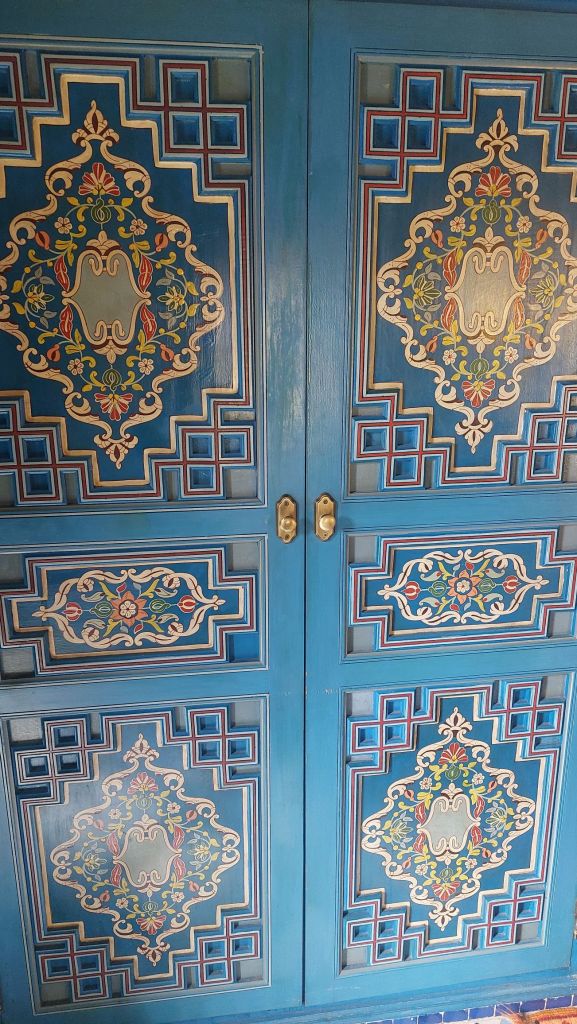
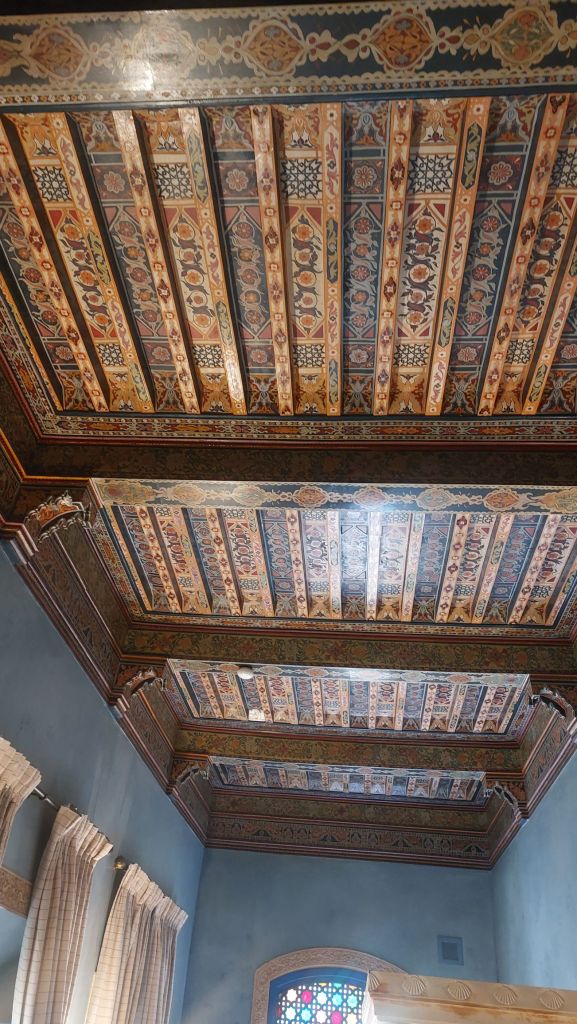
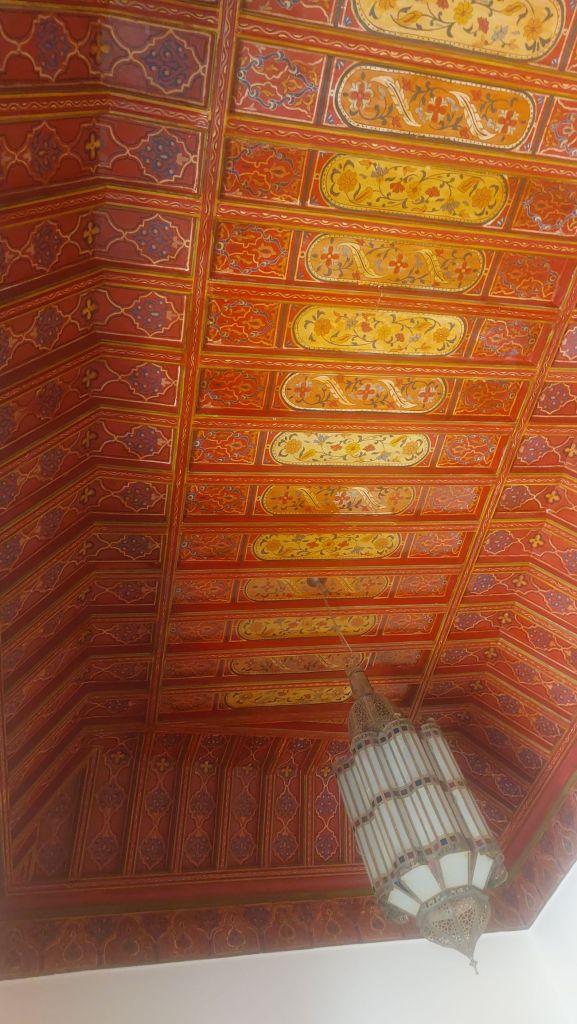
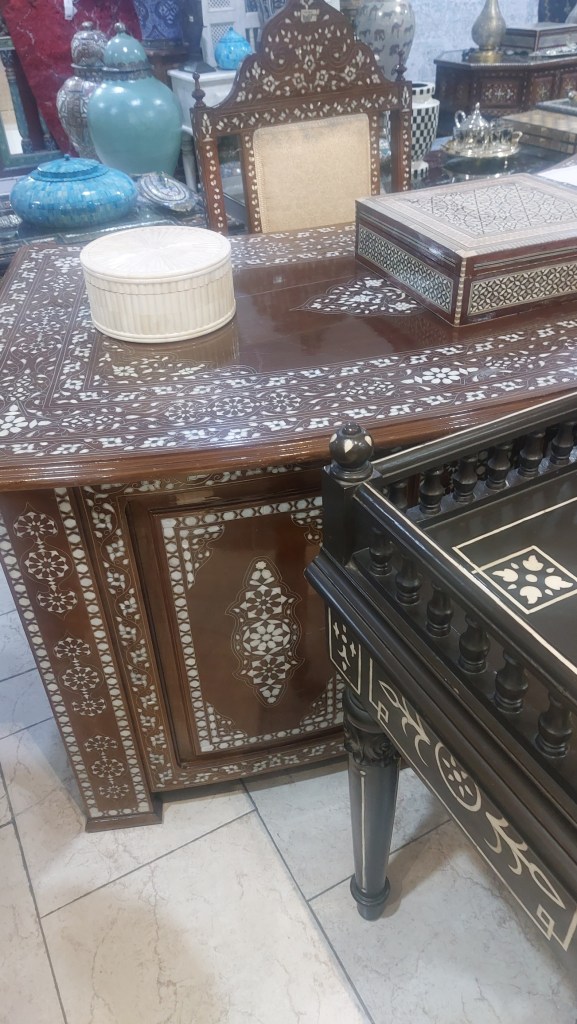
The remarkable skills of trained craftsmen are evident inside traditional riads. Unique pieces of handmade furniture, beautifully painted doors, and splendid ceilings demonstrate the skill involved.
Images by Freebird Tracey.
You can find people creating things in Marrakech using the same techniques that generations before them had used. At Ensemble Artisanal Craft Complex near Cyber Park, you can see the artisans busy at work. Here, they teach young apprentices the art passed down by their ancestors.
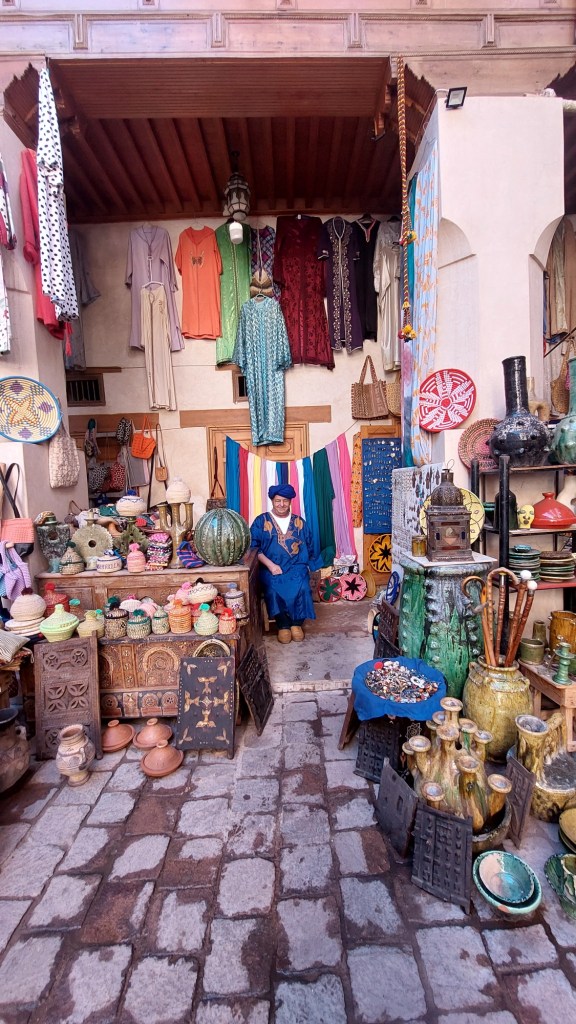
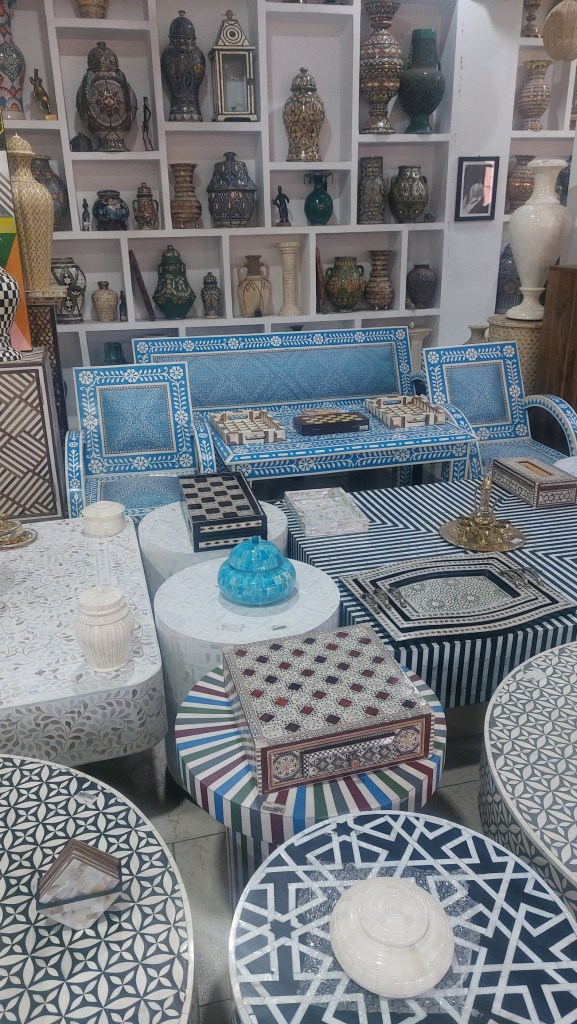
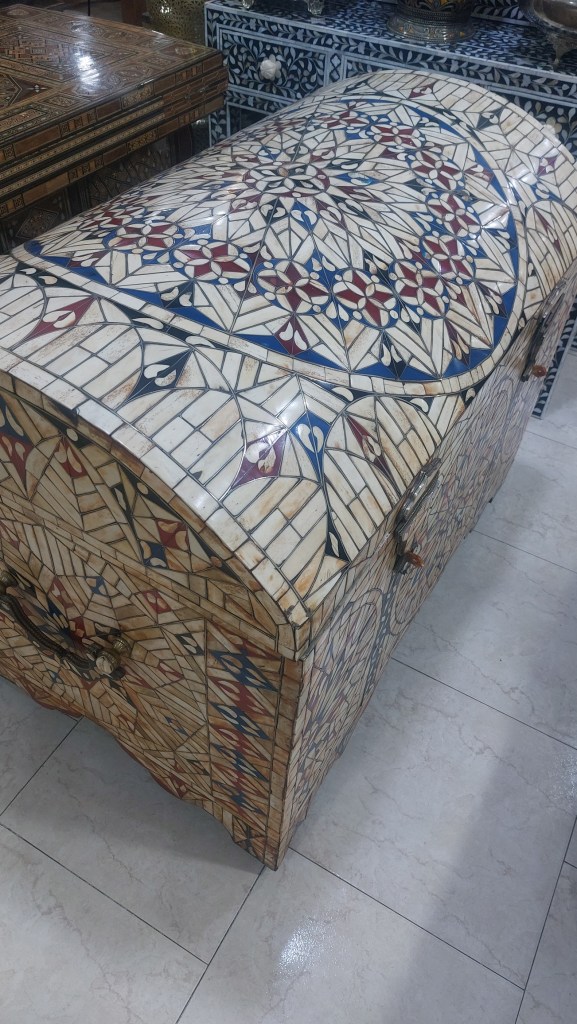
Around the medina, you will find carefully designed wooden chess sets and wooden boxes ornately inlaid with Mother of pearl. In Tinsmiths Square, metal workers are busy crafting traditional Morroccan lamps and mirrors.
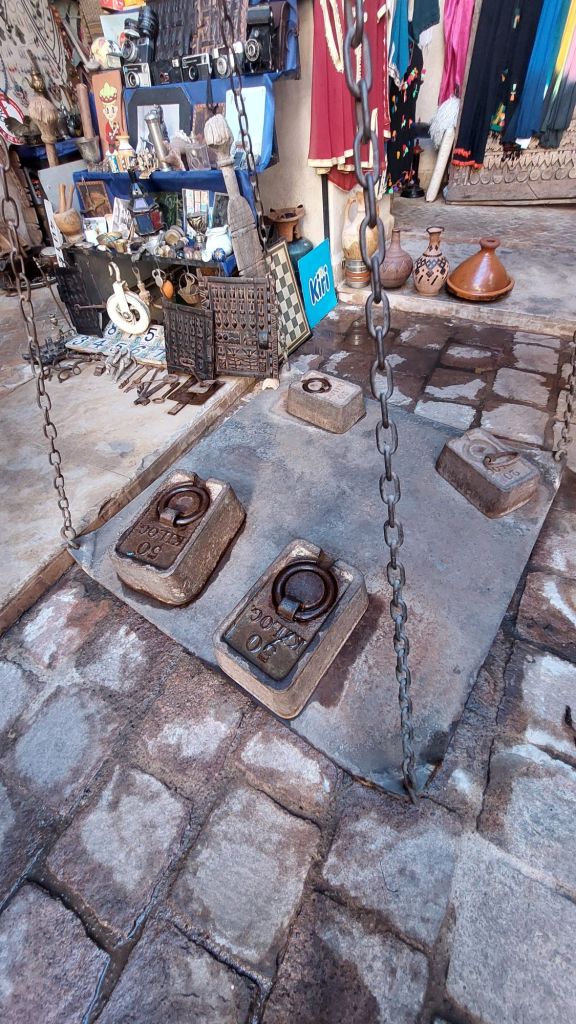
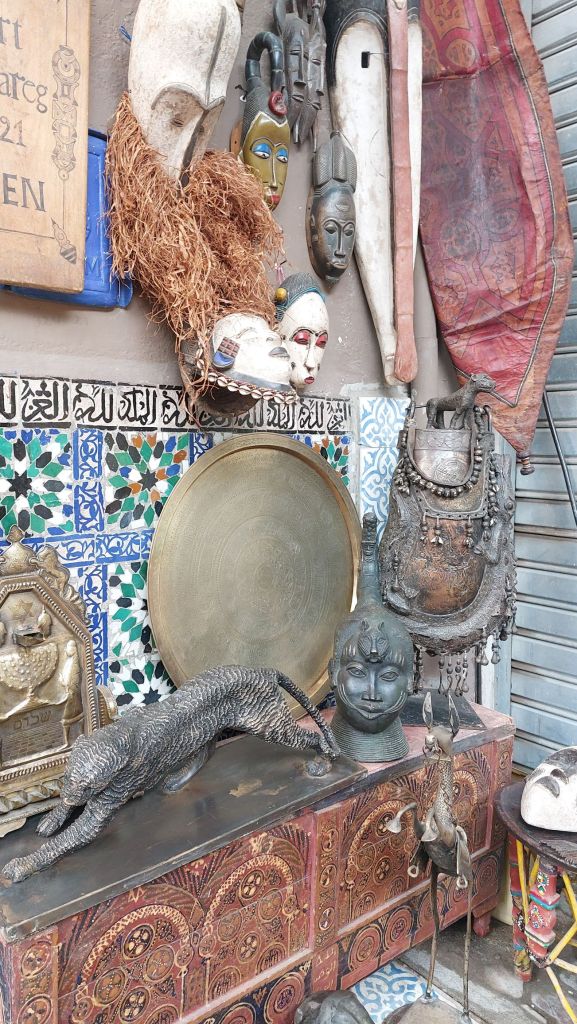
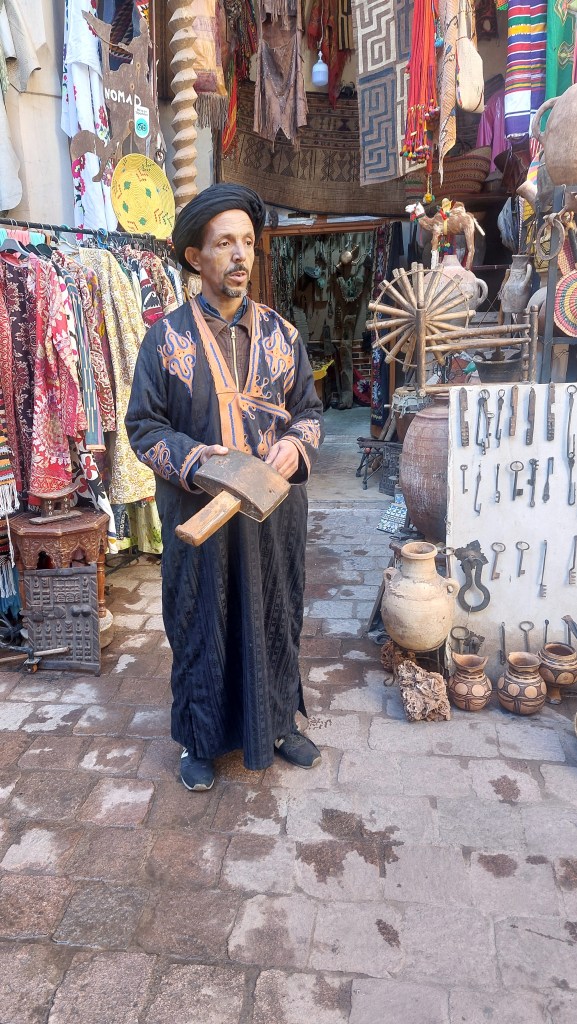
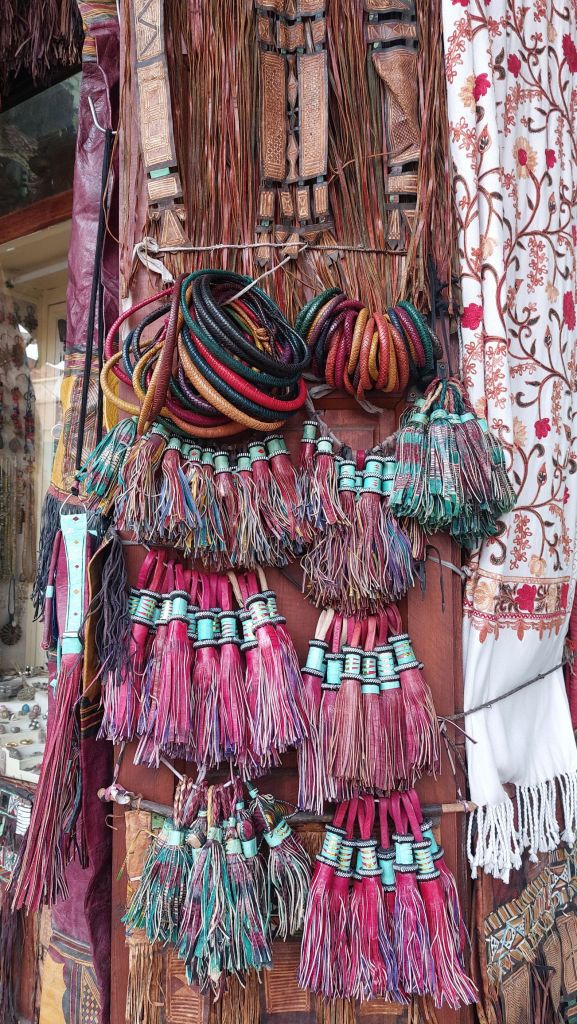
As you wander through the souks, you are presented with examples of beautifully crafted items for sale. The amount of work that has gone into creating each piece is phenomenal.
Images by Freebird Tracey.
The roots of Moroccan architecture originate from the Amazigh and Arab culture. Styles have evolved from one dynasty to the other, including the Almoravids, the Almohads, and the Marinids.
Nowadays, architects are using a combination of old and modern designs in their construction of buildings. This has led to a new style. It’s still characteristic of the old medina, but introduces newer, environmentally friendly buildings. They continue to incorporate the traditional zellige tilework in order to pay homage to the history and culture of the city. Riads are restored as close to their original appearance as possible. Some are modern and contemporary, which some tourists find appealing.
I personally love the rustic charm of the older riads. The ones that evoke images of a world gone by. Those riads clinging to remnants of the past. The ones telling the story of an ancient culture which, if you look closely, is still very much alive today.
How To Immerse yourself in the culture of Marrakech.
Image by Freebird Tracey.
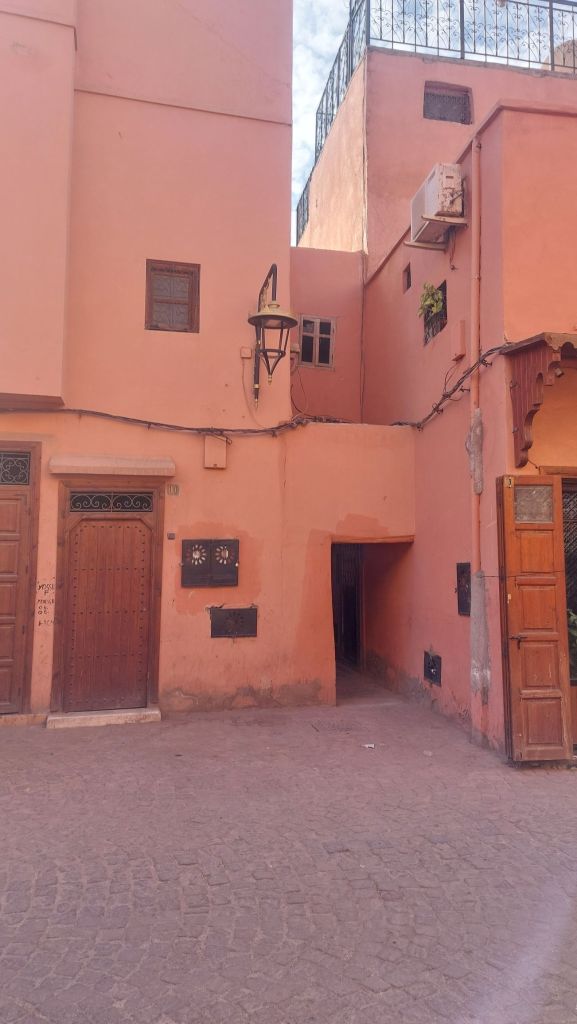
If you want a taste of authentic Moroccan life, spending time in a riad will give you one. From the outside, riads appear unassuming. This is because in Islam, people do not like to display their wealth. Homes are discreetly hidden behind red clay walls. This prevents poor people from focusing on their hardship because in the eyes of God, everyone is equal.
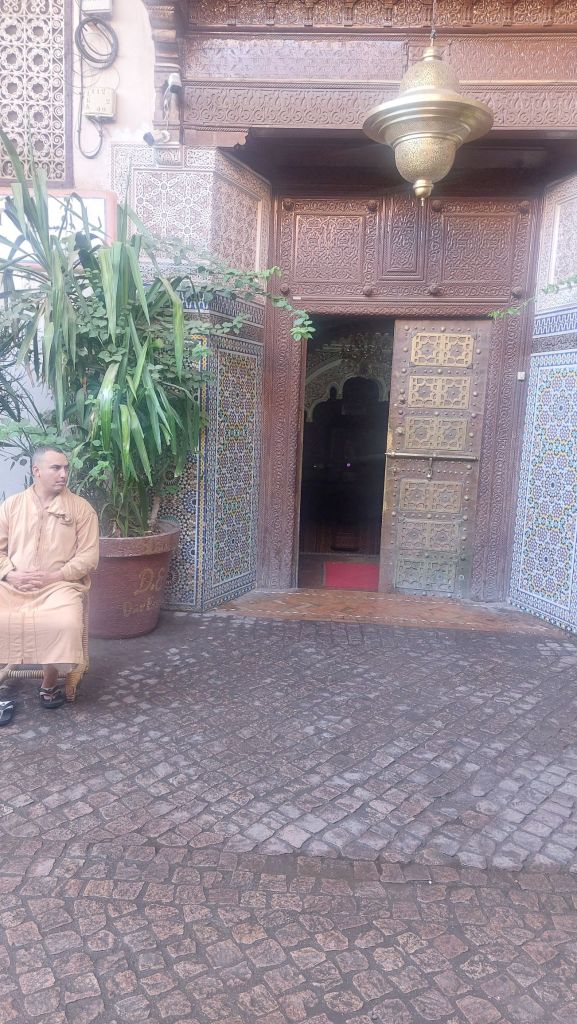
Entering a riad is like finding yourself in a different world altogether. Most visitors are speechless once they walk through the large wooden door. Having found their way through the dark, narrow alleyways, seeing the glorious vision that appears before them is worth the effort.
Image by Freebird Tracey.
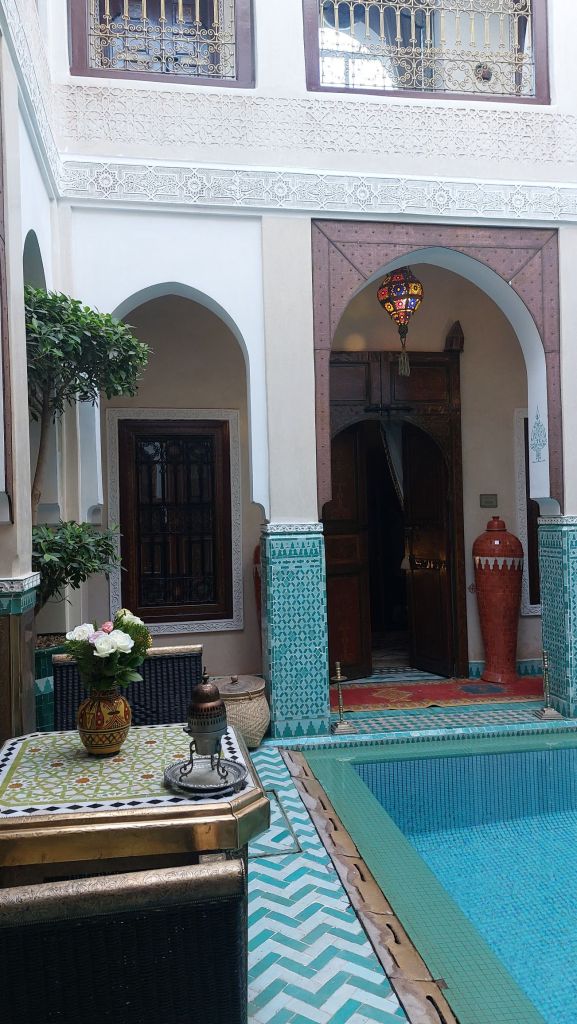
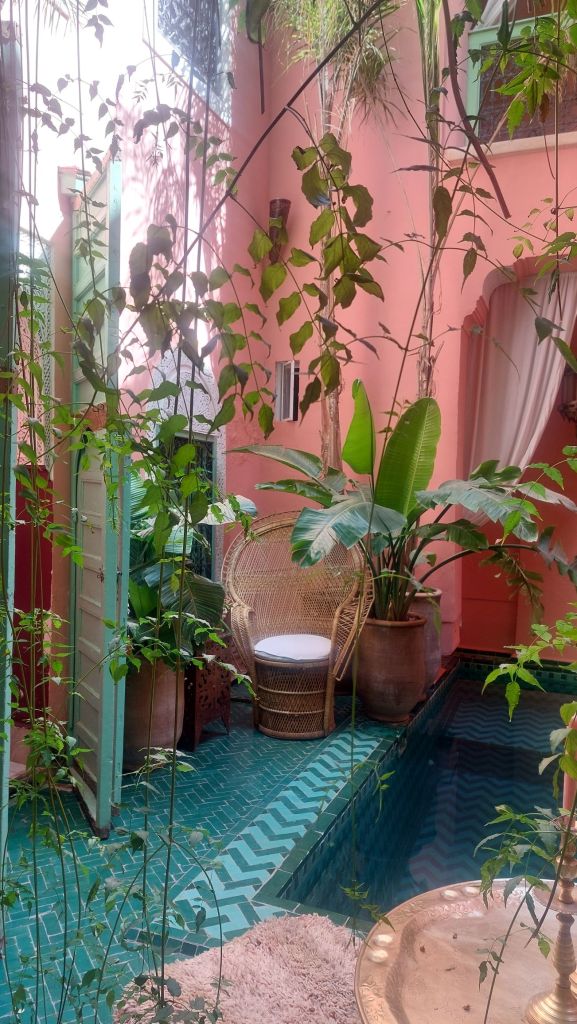
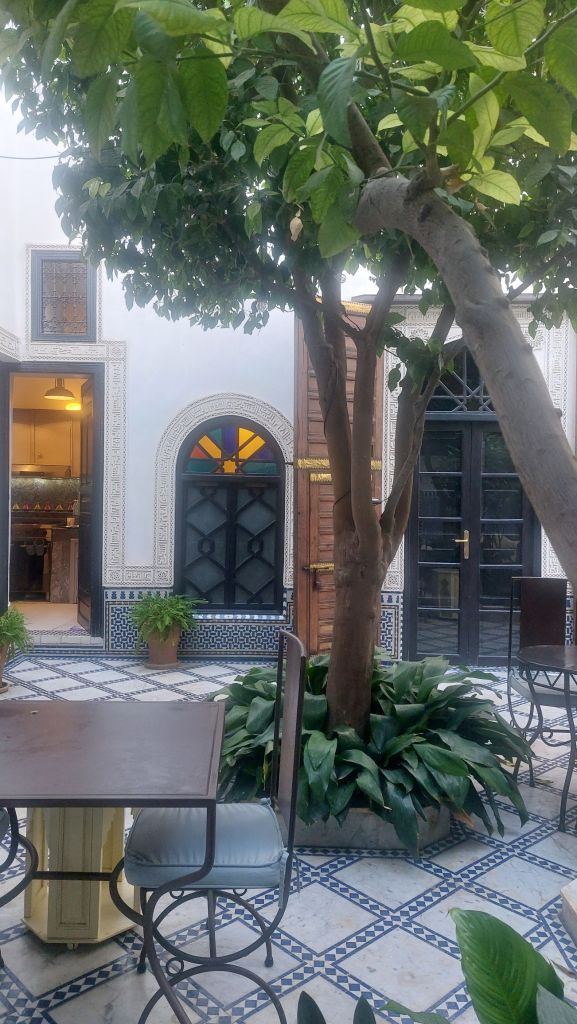
Riads are the homes once owned by the well-to-do of Marrakech.Whole families lived inside them. They offered a private, secluded space, especially for the women of the family. Traditionally, riads are built around a central courtyard with the windows facing inwards. Many courtyards have citrus and palm trees in the centre, reaching up through the open rooftop. There is often a small ornate pool for cooling off in, and many still have their original fountains.
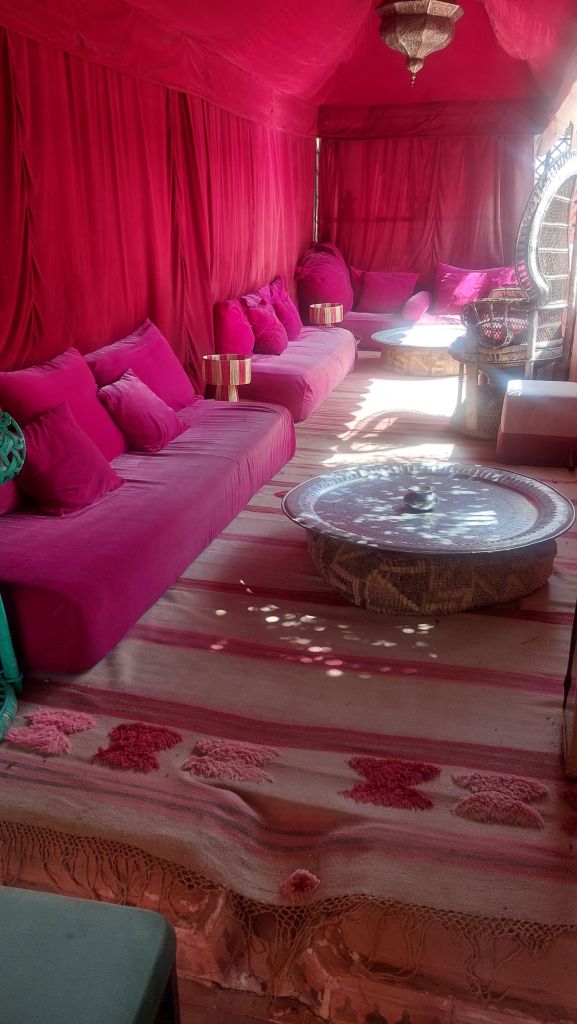
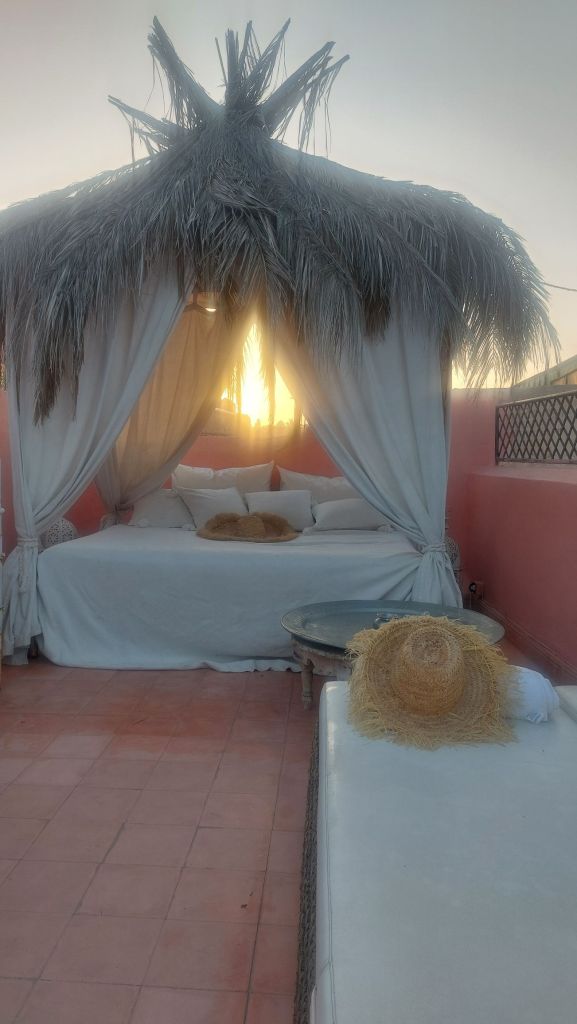
The rooftop can be reached by climbing steep tiled steps. Here, you are greeted by colourful seating in the shade where you can escape from the heat. Rooftop gardens are home to lush foliage where you can relax and admire the views over the medina. You can see the snowcapped Atlas Mountains in the distance.
Image by Freebird Tracey.
The interior rooms are traditionally decorated in Moroccan lamps and Berber artefacts. These include colourful Berber rugs, cushions, and handcrafted furniture. It’s a cacophony of vibrant colours. A heady fragrance of orange blossom promotes an inviting, cosy feeling inside the walls of the riad.
Many riads around the medina have been purchased by Westerners. They have been restored and revived to appeal to the ever growing influx of tourists. Some of them still have their original zellige tilework. Staying in one of these is like being immersed in a tale from ‘1001 nights’. The latticed windows tell the story of past harems. These kept the women of the household secluded and private
High-end riads have become grand and luxurious. They offer a spa like experience with a hammam and massage service. Some of these were once former palaces.
Rooms in a riad are notably dark inside. This keeps them cool in summer when temperatures can exceed 47° celsius. There is air conditioning in most riads. Extra thick blankets are available during the winter months.
Staying in a traditional riad is an experience. Waking up to the sound of birds singing in the trees and water burbling from the fountain is such a wonderful start to the day. The early morning sunshine reflecting off the tiled floors puts you in a happy mood.
Images by Freebird Tracey.
Most riads cook delicious home cooked food for their guests. Many of them also offer cooking lessons. You are taught how to make traditional Morroccan food. They also provide their guests with a hearty breakfast. This is sweeter than we are used to in the west. Traditional msemen pancakes with amlou are my favourite.
Image by Freebird Tracey.
The atmosphere inside a riad is tranquil. On the rooftop, you will hear the mystical call to prayer from the Koutoubia mosque. If you’re staying near Jamaa El Fna, you can hear the gnawa musicians and the drumming in the distance. In the evening, as you watch the sunset, you are overcome with a feeling of inner peace and stillness. This calm, serenity is a far cry from what is happening outside the big wooden door of the riad.
Image by Freebird Tracey.
I like having what I call, ‘a riad experience.’ Enjoying the culture of Marrakech like a local. Whether it’s a former palace or a small family owned riad. Staying in a riad is the perfect introduction to the history and culture of Marrakech. It’s an intimate experience. The staff are friendly and helpful. They can organise tours and activities for you. Most riads I have stayed in have felt as though I was staying with a family. It’s a blissful experience.
The Kasbah is located in the southern part of Marrakech and is considered the jewel of the old city.
The Kasbah is a quieter part of Marrakech, with fewer tourists than the medina. Staying in the Kasbah, you feel totally immersed in the culture of Marrakech as you rub shoulders with the friendly locals. There are plenty of shops, including a large fixed price store called Dar Bouchaib, selling everything you will find in the souks.
Image by Freebird Tracey.
The Kasbah is home to popular tourist attractions like the Saadian tombs and El Badi Palace.There are a number of good restaurants in the area, many with rooftop terraces to catch the sunset.
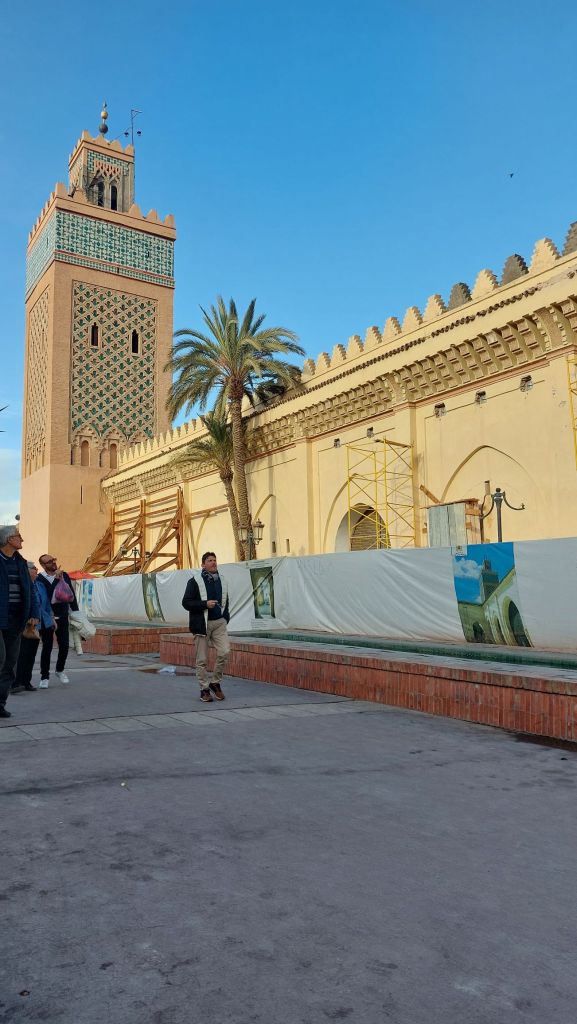
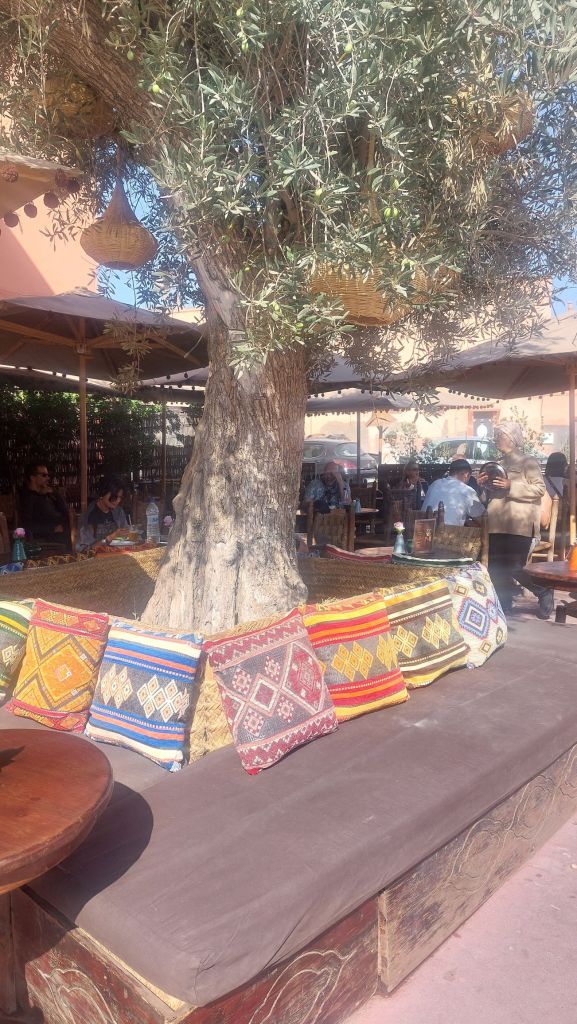
Zeitoune Cafe is a lovely restaurant for a spot of lunch. It’s in a strategic position and overlooks the mosque, making it a nice place to take a break from sightseeing in the area. The Kasbah mosque is the second largest mosque in Marrakech and is also referred to as ‘The Golden Apple Mosque’ it has a minaret reaching 80 metres tall. I enjoyed sitting on colourful cushions outside Zeitoune Cafe with the view of the mosque in front of me. It was a nice way to spend some time in the sunshine people watching.
Image by Freebird Tracey.
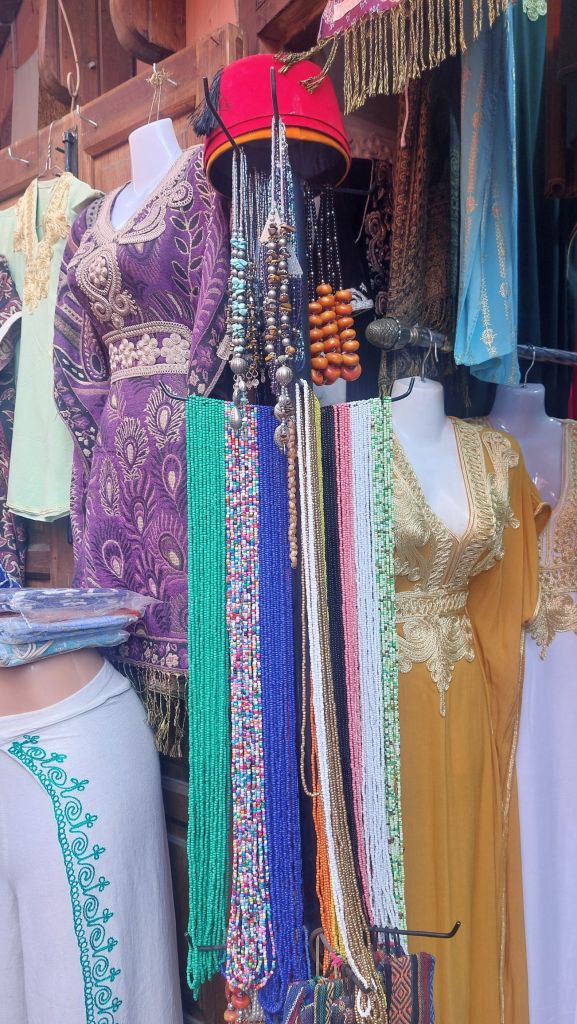
The kasbah is a 20-minute leisurely walk from the main square with plenty to see along the way. There are plenty of shops selling all kinds of stuff, including spices, jewellery, clothing and perfumes.
Images by Freebird Tracey.
In the kasbah, there is a range of budget and high-end accommodation. I stayed at Riad Hikaya and had a really positive experience. The luxurious five-star hotel La Sultana is also in the Kasbah.
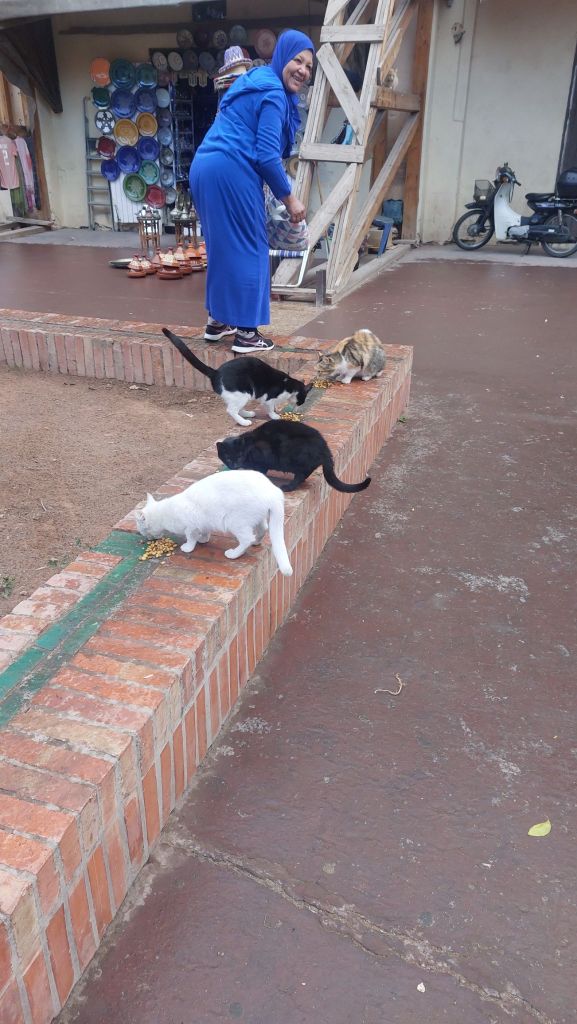
The Kasbah is a quieter neighbourhood than the medina. Parts of it are pedestrianised, and there is less traffic, making it feel less chaotic than the medina. The locals go about their daily business of buying bread, selling clothes,and feeding stray cats. It’s a typical scene of everyday life inside the ochre walls.
The Kasbah has a slower pace of life, and it’s a lot less stressful than the touristy side of Marrakech.
Images by Freebird Tracey.
The Kasbah is the historical citadel in Marrakesh with fortified walls. The narrow, winding alleyways make it an exciting place to visit, with their signature red colour glowing in different hues at certain times of the day.
Images by Freebird Tracey.
The famous Bab Agnaou gate provides entry into the Kasbah, and out of the 19 gates around the medina, it’s one of the most ornate. The King’s Palace is also situated inside the walls of the fortress. Therefore, the whole area is heavily guarded, making it a safe place for visiting with children.
Images by Freebird Tracey.
The Kasbah is home to the Clock restaurant with its legendary camel burgers and storytelling evenings. Also, the Kasbah Cafe is a popular place for lunch and dinner. Krepchy does a fantastic breakfast, and the prices are very reasonable. I highly recommend the waffles. There are a few good coffee shops selling decent coffee, such as the popular Nos Nos.
To return from the medina, consider taking a tuk-tuk if the weather is hot. It’s quite an adventure as you rattle along the bumpy streets back into the Kasbah.
Tinsmiths Square and the Jewish quarter known as the Mellah are not far from the Kasbah, and there are plenty of things to see and great places to eat in both areas.
Taxis can pick you up from your accommodation but they may struggle in some of the narrower streets. There is also a taxi rank close to the roundabout near Tinsmiths Square.
Spending an hour or two in this historical area of Marrakech will add value to your visit. The locals are very friendly, and it’s a pleasure getting the opportunity to sit and chat with them.
I would recommend staying in the kasbah if you prefer a quieter, more authentic experience of Marrakech. It’s further out from the madness of the busy souks and a more relaxed environment.
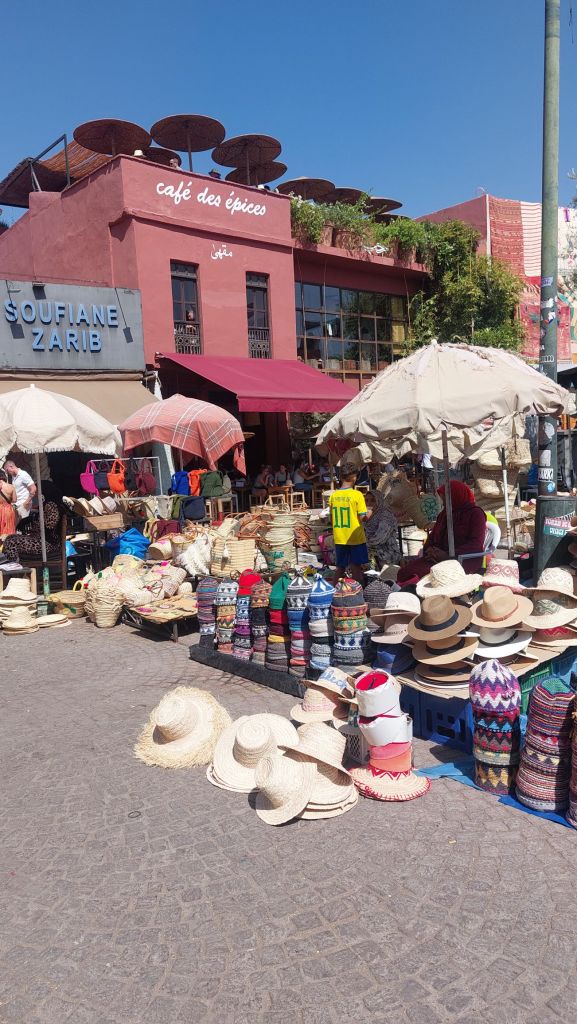
The Spice Square, also known as Rahba Kedima, is a smaller market, less densely packed with tourists. It is located at the end of Souk Semmarine and a five minute walk from Jamaa El Fna.
It is here that you will find a wonderful selection of spices, including saffron, cumin, and turmeric. The spices are beautifully displayed in pyramids around the square, and the air is fragrant with the scent of incense. There are dried herbs, oils, potions, dried tea, and the traditional Moroccan lip stain.
The Spice Square is the traditional apothecary of Marrakech and a treasure trove of Moroccan culture.
In the Spice Square, you will also find hand woven baskets, straw hats, baby tortoises, and shops selling Amazigh jewellery ,Tuareg leather amulets and beautiful throws and wall hangings. It is a vibrant, colourful market with a less frantic pace than Jamaa El Fna.
Images by Freebird Tracey.
The Spice Square is home to popular restaurants like Cafe Des Espices and Nomad, a well-known restaurant amongst tourists who flock to watch the setting sun from the rooftop terrace.
The Spice Square is not far from the Medersa Ben Youseff and Marrakech museum, so it’s ideal for making it part of your day when visiting both of these attractions.
Until the 20th century, Rahba Kedima was the cities grain market and the place where slaves were sold. It is now the epicentre of the medina where you can pick up the famous Moroccan spice blend ras el hanout and watch the spice sellers who come down from the mountain villages at 4.00 in the afternoon to sell their trade. The smells and colours are heady, as friendly vendors demonstrate the benefits of eucalyptus and other herbal remedies to the tourists.
The Spice Square is a photogenic place where you will be met with a glimpse of trading traditions from the past. It’s the perfect balance between a bustling market experience and a relaxed, more laid-back atmosphere.
Image by Freebird Tracey.
As you meander your way through the busy Semmarine souk, it suddenly opens up to this feast of exotic colours that seem to appear out of nowhere. You will be greeted by a display of tantalising and pungent aromas that have become the essence of Marrakech.
There are a few budget cafes around the spice square that are ideal spots for a pot of mint tea whilst sitting in the sunshine absorbing this sensual experience.
A testimony to the opulence of the Saadian dynasty.
Image by Freebird Tracey.
One of the most popular tourist attractions in Marrakesh is the Saadian tombs.
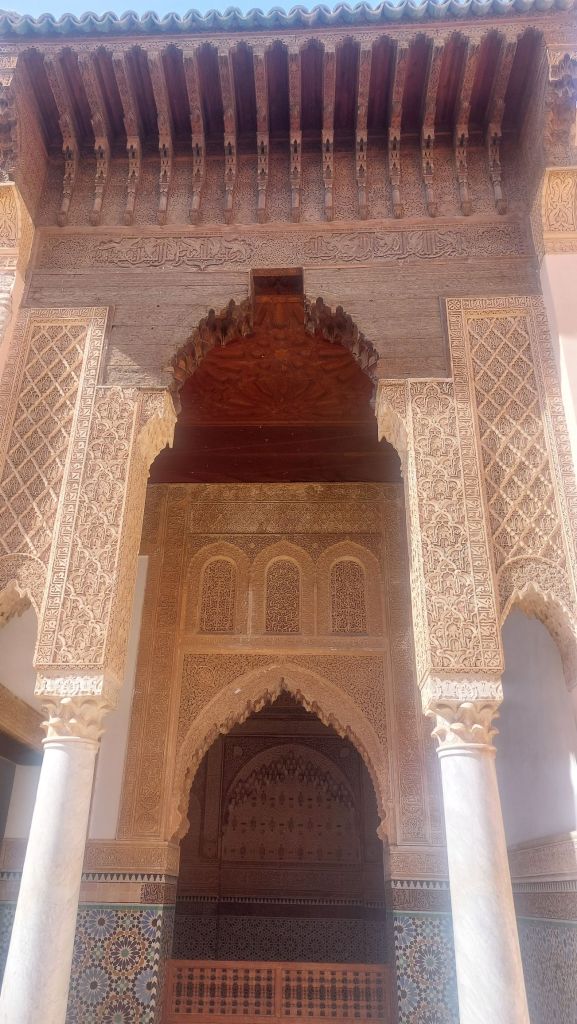
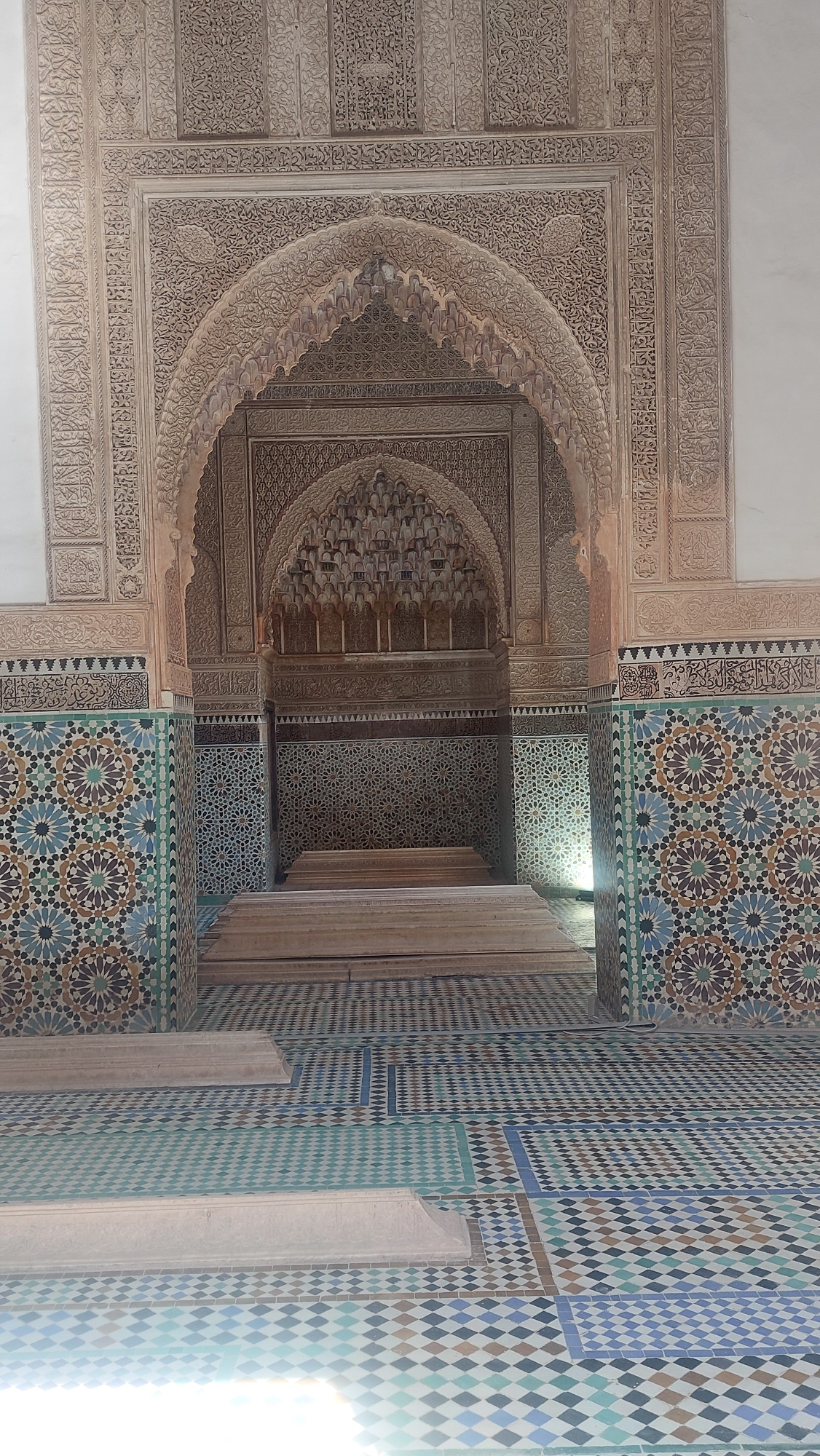
The Saadian tombs have become a historical landmark dating back as far as the late sixteenth century. Built by the Saadian dynasty, they house the mausoleums of Sultan Ahmad al-Mansour and his family.
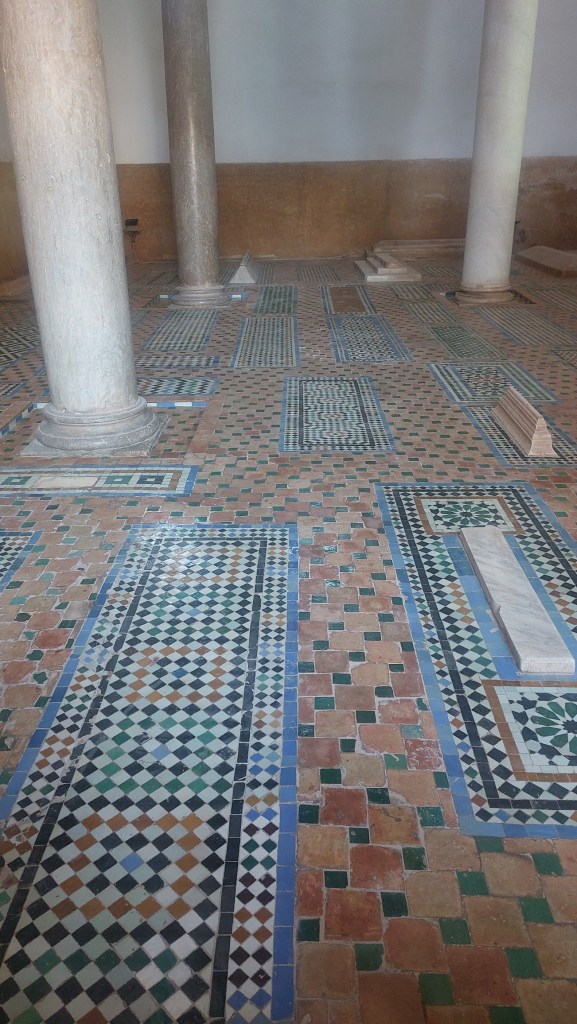
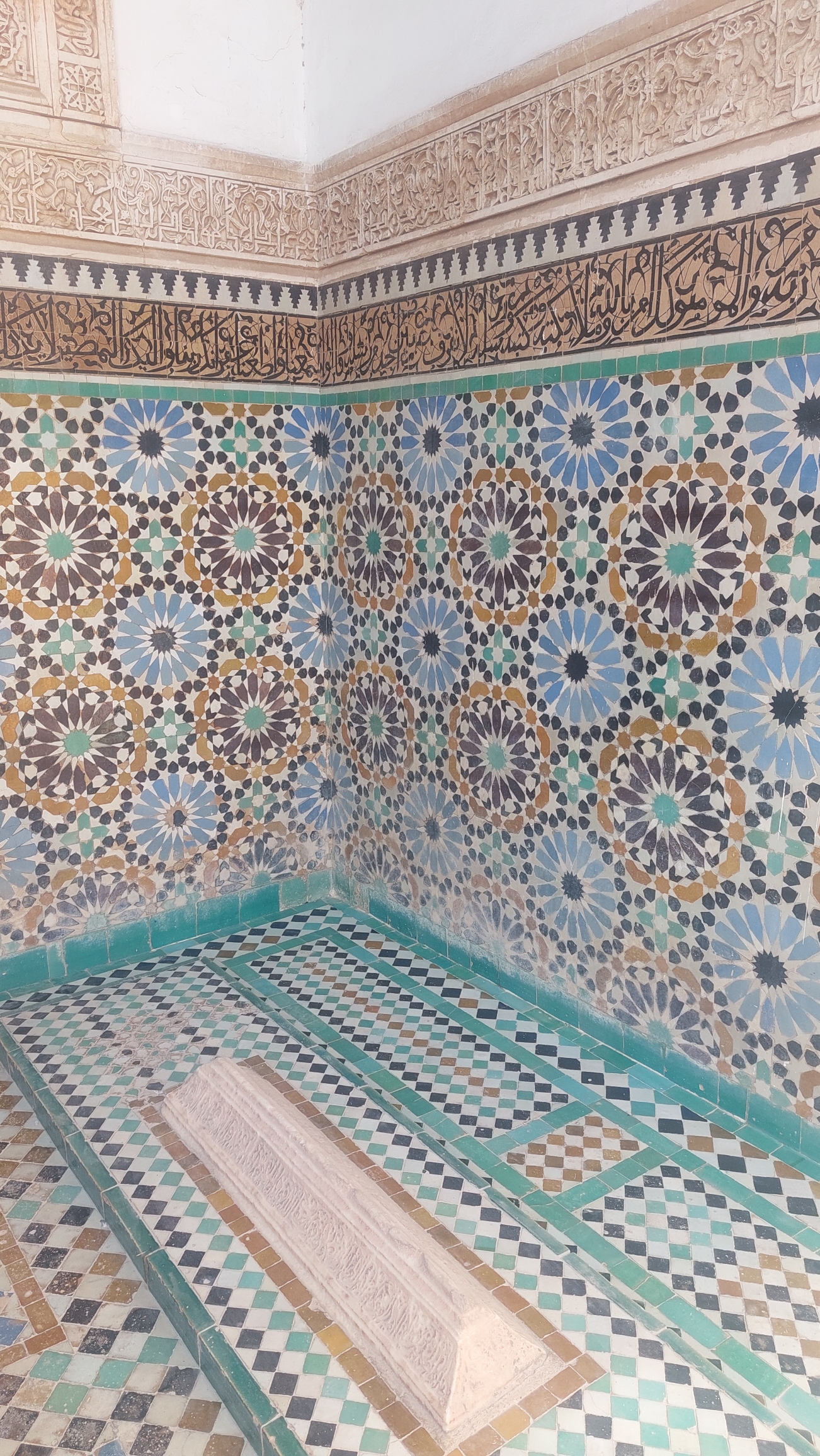
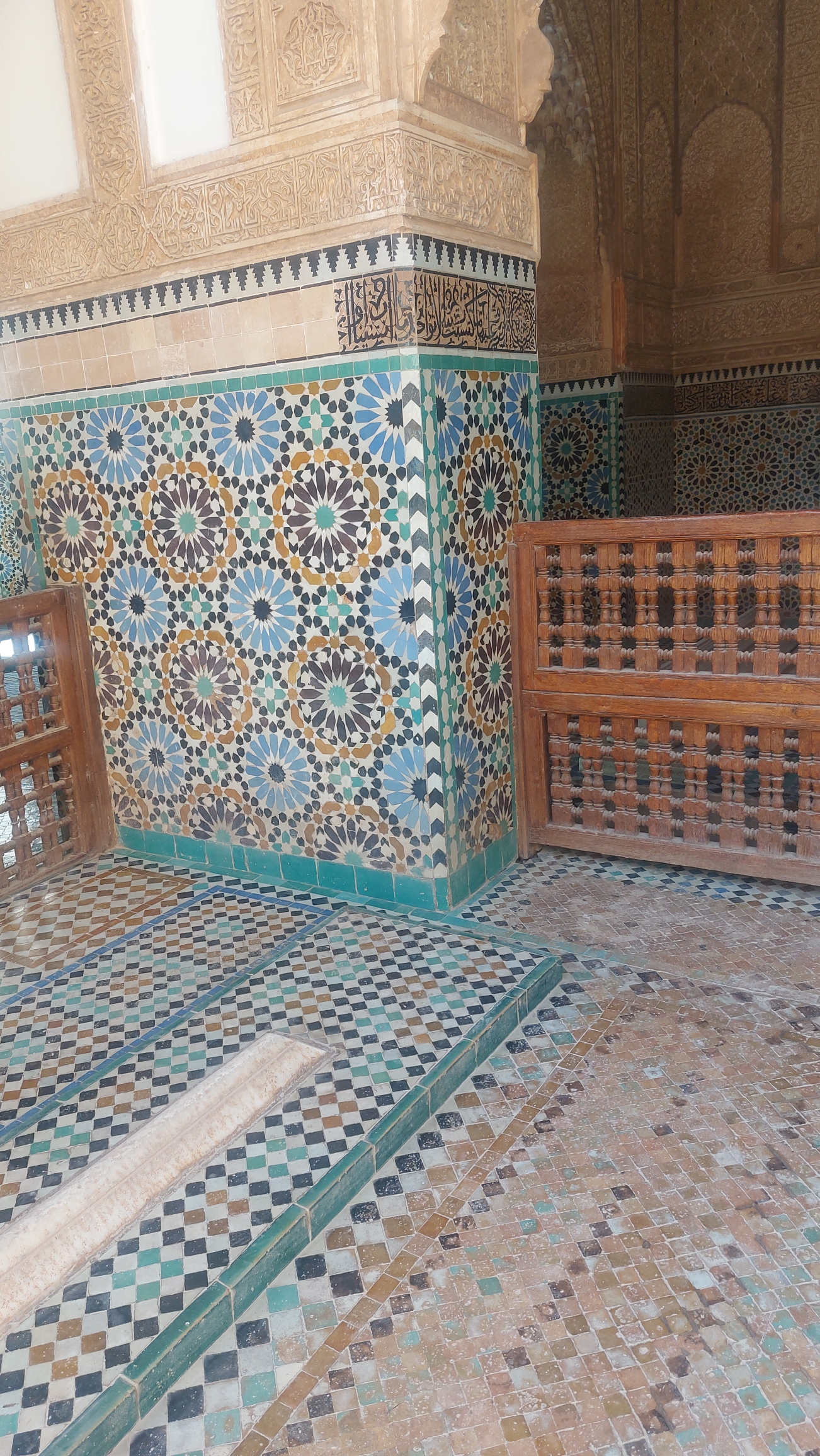
The mixture of Spanish and Moorish architecture is really impressive, with detailed stucco work, intricate mosaic tiles, and Italian Carrara marble.The main mausoleum is quite remarkable, with beautifully decorated ceilings and columns and there are usually very long queues waiting to see it. The Saadian tombs are very decadent with a mixture of Morroccan, Andalusian, and European styles, showcasing the wealth of the Saadian dynasty.
I recommend arriving early around opening time to avoid waiting too long to see the main mausoleum. Tourists can wait for over an hour in the heat, so make sure you have a bottle of water handy just in case.
Images by Freebird Tracey.
The Saadian Tombs were hidden for centuries. They were spotted through aerial photography and are now one of the most visited tourist attractions in Marrakesh.
Housing over 100 tombs with beautiful zellige tiles and marble columns, this royal necropolis was commissioned by Sultan Ahmed al-Mansour to honour his ancestors. The chamber of 12 columns is where the tombs of Ahmed al- Mansour and his successors are laid to rest. In the gardens lie the tombs of soldiers and servants. There is a smaller tranquil chamber, which is called the Chamber of Three Niches.
The Saadian Tombs are an example of Moroccos’ rich history and culture. They are in close proximity to El Badi Palace and Bahia Palace. Both are worth a visit if your you’re interested in Islamic art and architecture.
Images by Freebird Tracey.
The Saadian Tombs are in the Kasbah next to the mosque, and the opening times are 9.00 am until 5.00pm daily. The price of entry at the time of writing is 100 dirhams.
The ruins of an extravagant palace from the Saadian dynasty.
Image by Freebird Tracey.
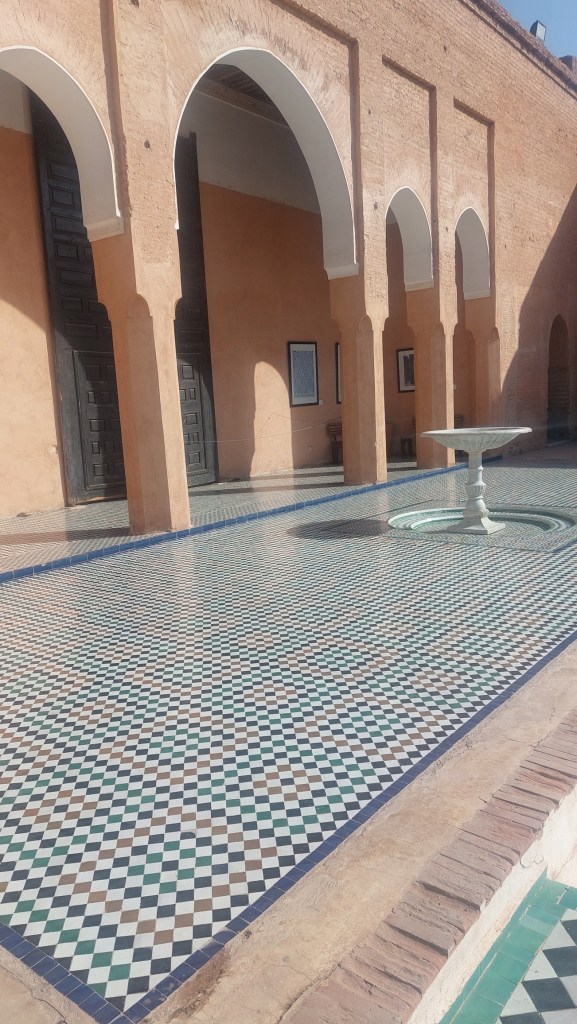
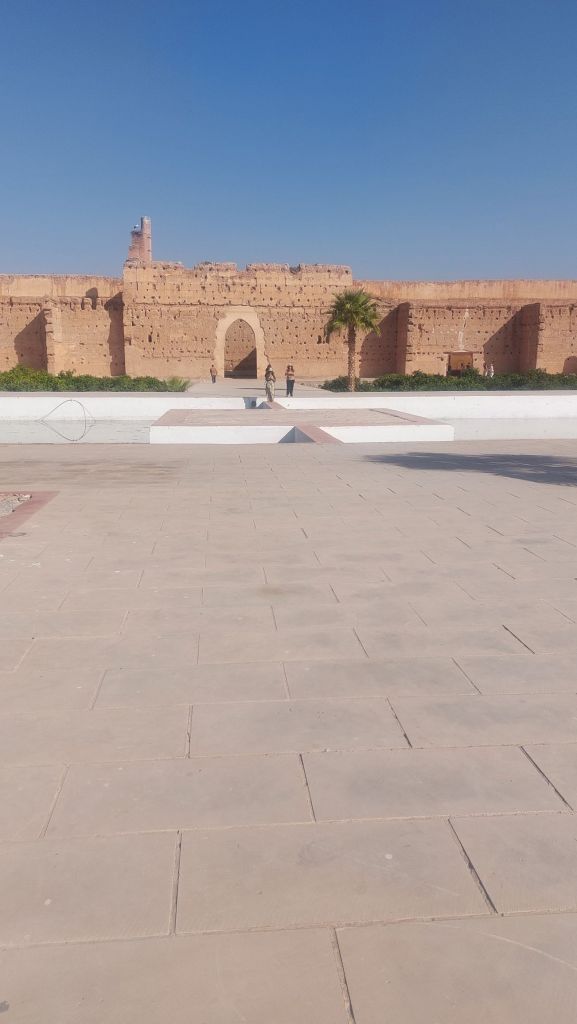
El Badi Palace was built in 1578 by Sultan Ahmad al-Mansour of the Saadian dynasty. The palace was built to showcase the considerable wealth of the Saadian dynasty and was a prime example of Islamic architecture and exquisite craftsmanship.
Using both Moroccan and European influences, the palace was beautifully decorated with intricate mosaic tiles, marble arches, and ornate carvings. There were 300 rooms decorated in gold, turquoise, and crystal. It was also home to the sultans harem, which included over 500 women.
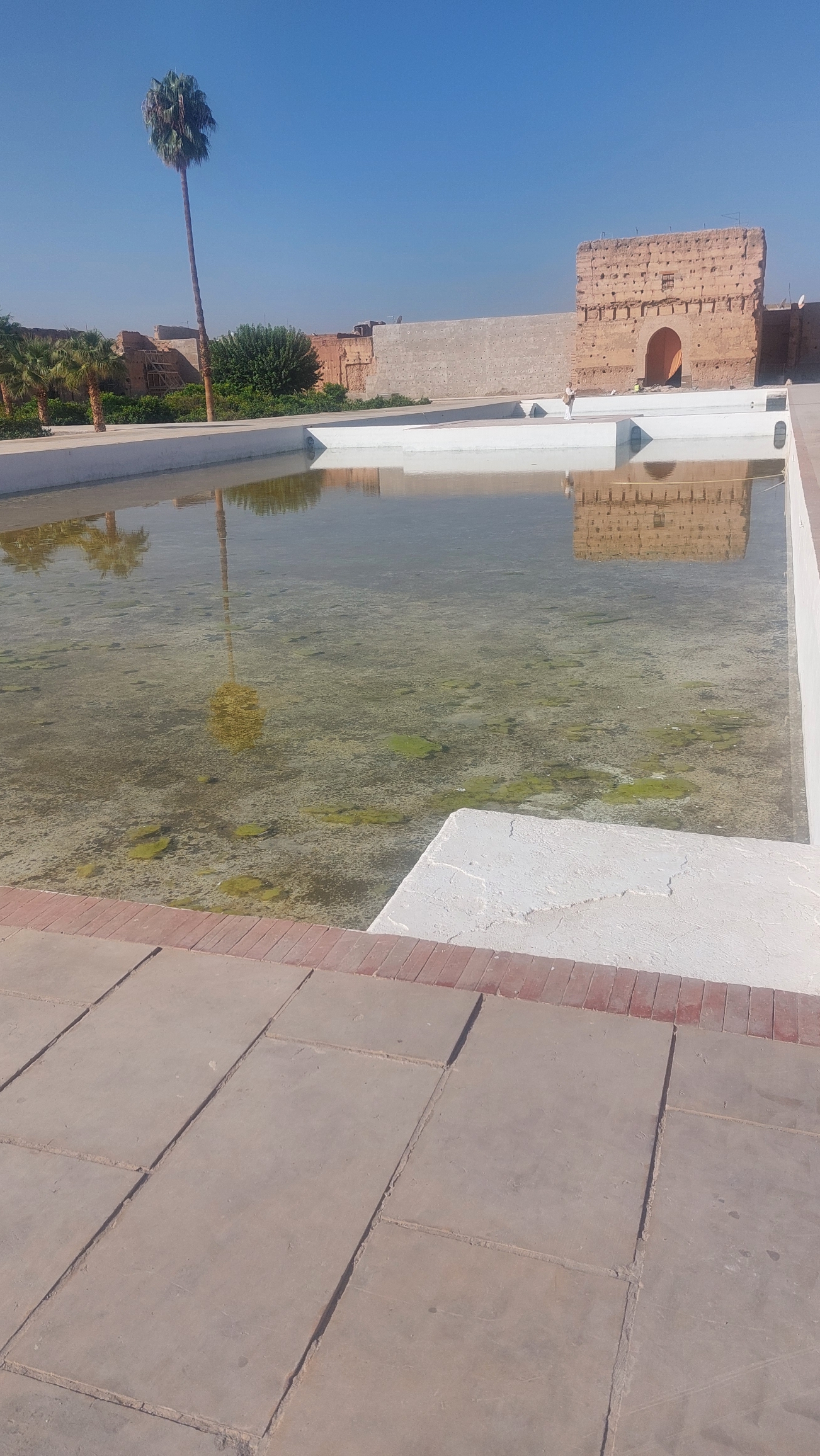
When Meknes became the new capital city, the palace was completely stripped of all its materials and transported there to create a new palace. After the death of Sultan Ahmad al-Mansour in 1603, the palace fell into neglect. Now, only the ruins remain.
El Badi is worth a visit if you want to learn about the history of Marrakech and the elite who ruled centuries ago.There is an interesting exhibition area containing the Almoravid Minbar, which is the finely decorated pulpit that once stood inside the Koutoubia Mosque. The area also hosts temporary art and cultural exhibitions. There are underground chambers that contain information and photographs about the history of the palace.
Image by Freebird Tracey.
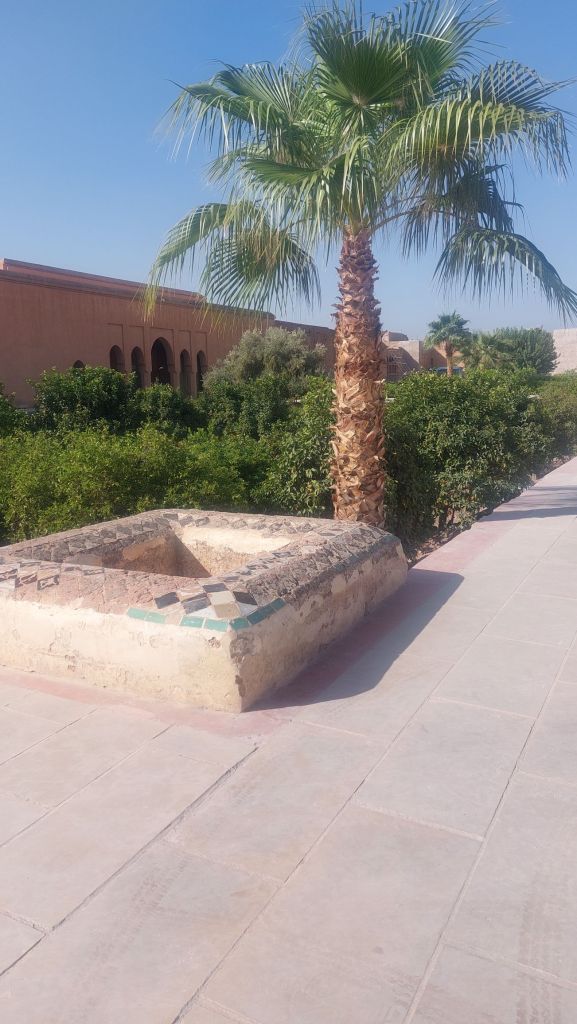
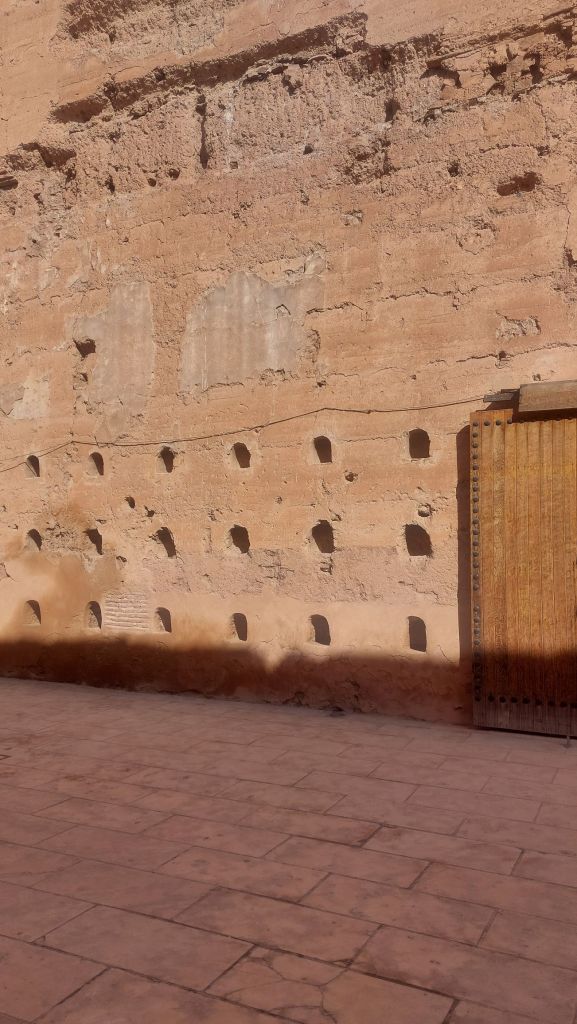
Unfortunately, the palace was badly damaged during the earthquake in 2023, and renovations have taken place to repair the cracks in the walls. It’s still a tranquil place to visit, and the huge courtyard feels very calm and peaceful. The storks nesting on top of the towers give it a mystical atmosphere.
El Badi Palace is situated in the Kasbah district, which is to the south of the city. It is close to the Saadian tombs, an impressive burial site, and another place to visit to get an understanding of the history of Marrakech.
Images by Freebird Tracey.
Visiting this once opulent palace, you get a sense of the wealth and grandeur of the Saadian dynasty. There’s a feeling of tranquillity within its walls, and you appreciate its historical significance.
El Badi Palace is open every day from 9.00am to 5.00pm and costs 100 dirhams to enter.
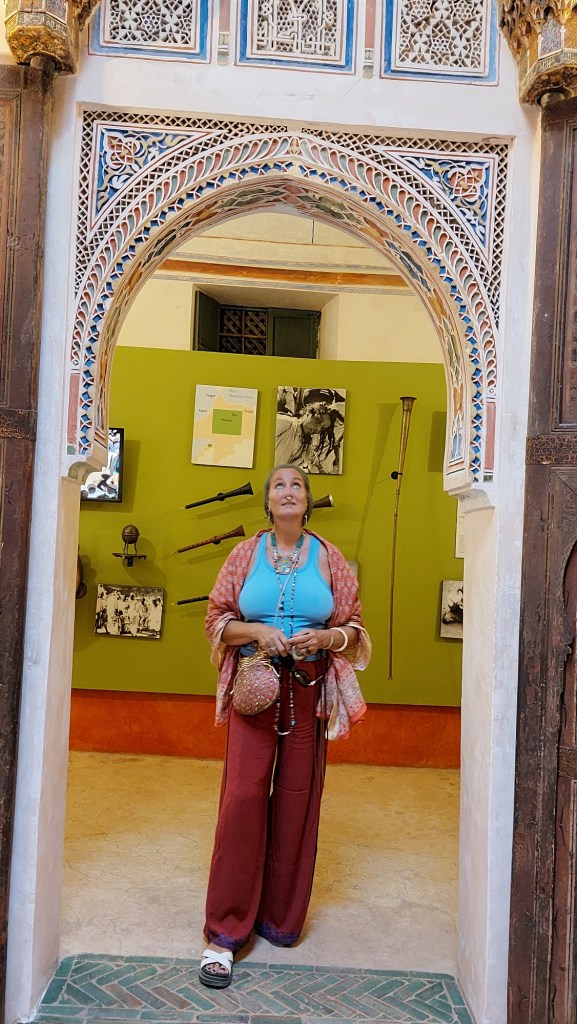
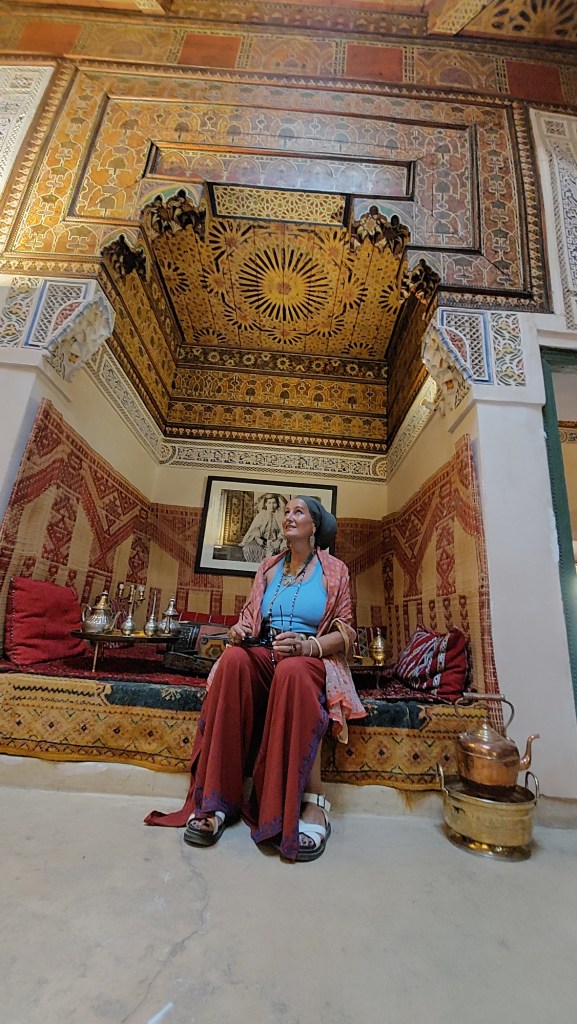
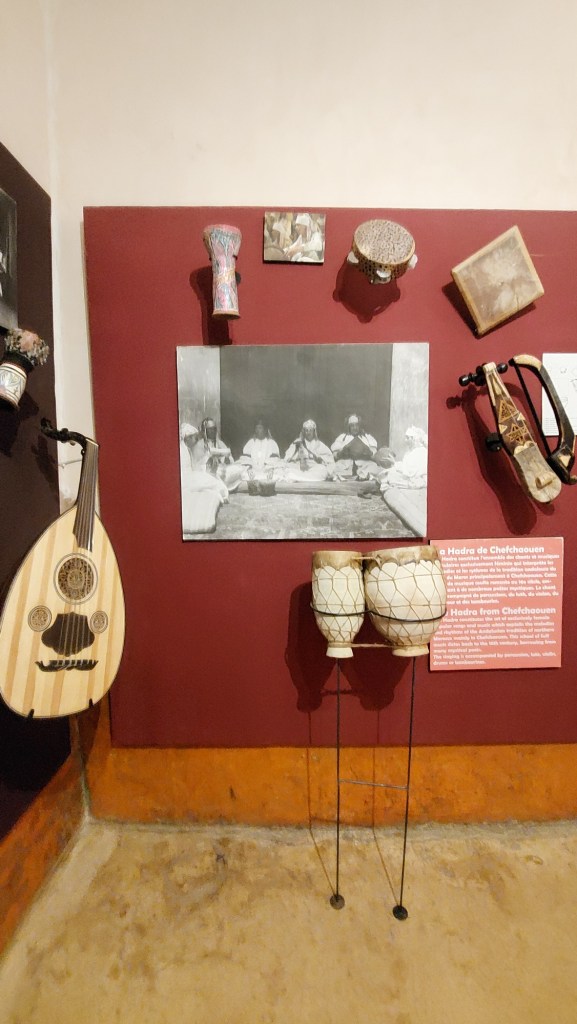
The Mouassine Museum of Music is in the Saadian quarter of the medina. It is housed in a recently restored 16th – 17th century house in the once aristocratic Mouassine area of Marrakech. The upper floor has a small guest room called a douiria. This is a prime example of fine Arab Andalusian architecture. The main room of the douiria is beautifully decorated, with carved stucco featuring geometric patterns and Kufic letter motifs as well as sculpted and painted wooden ceilings.
Images by Freebird Tracey.
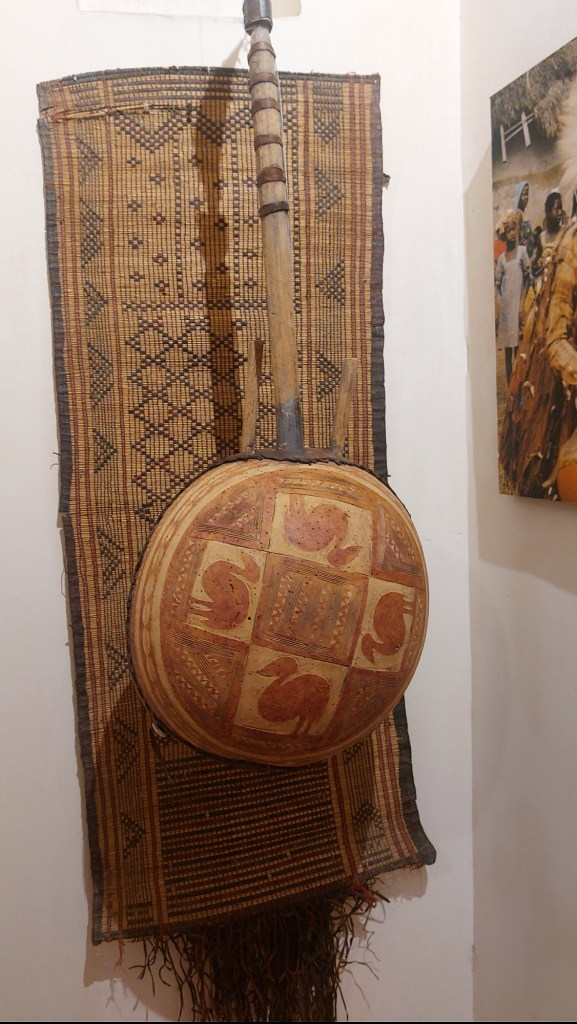
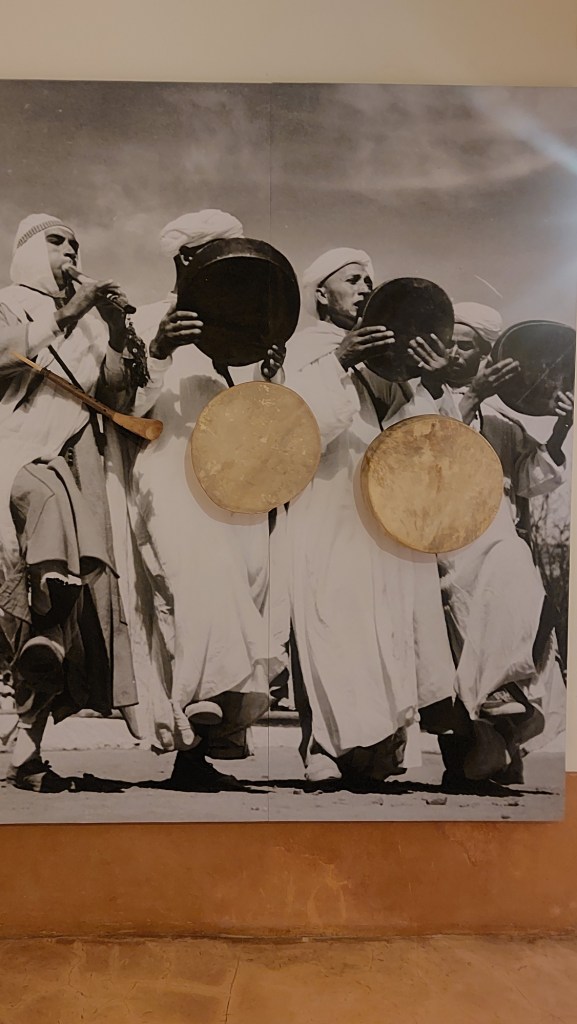
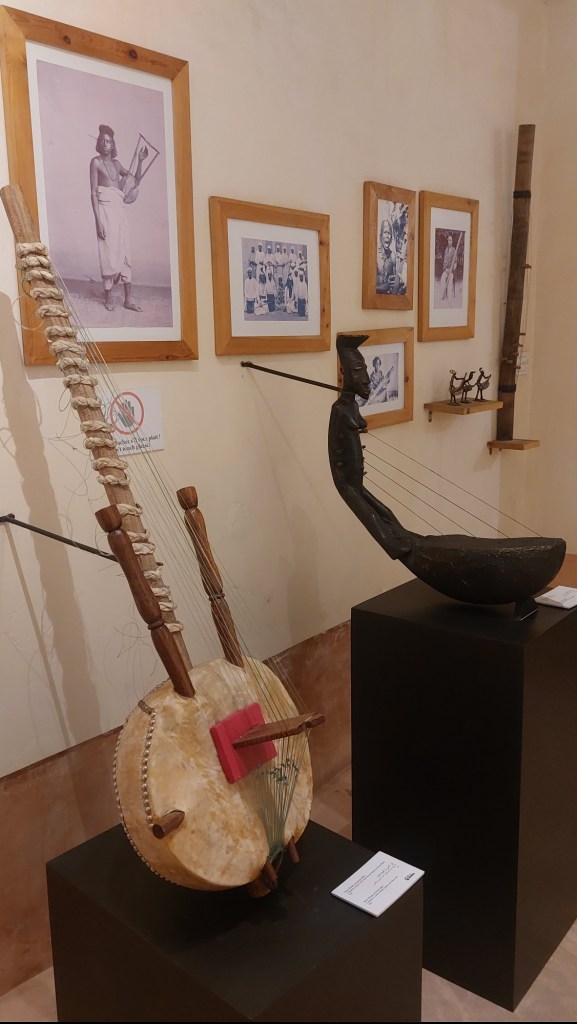
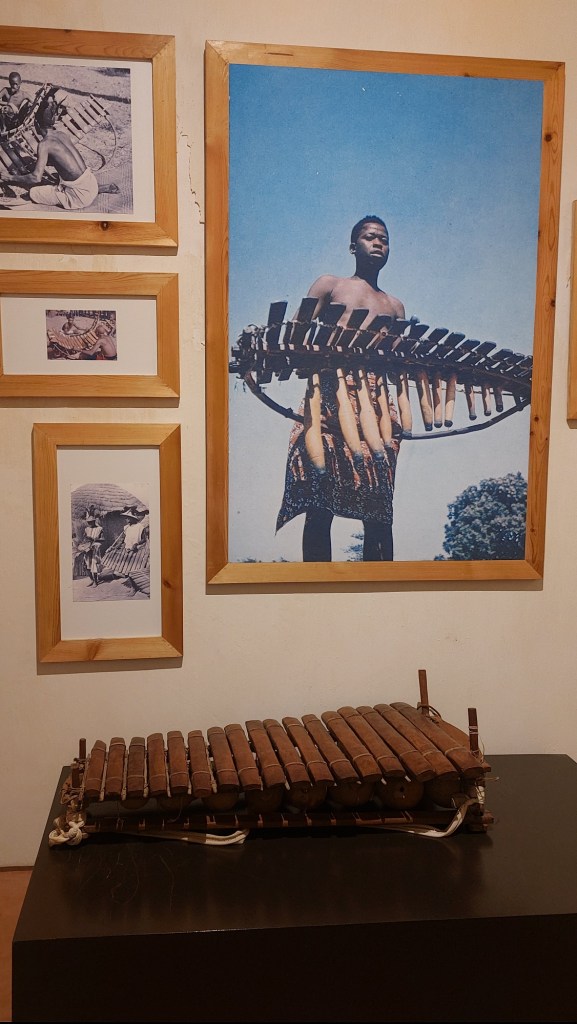
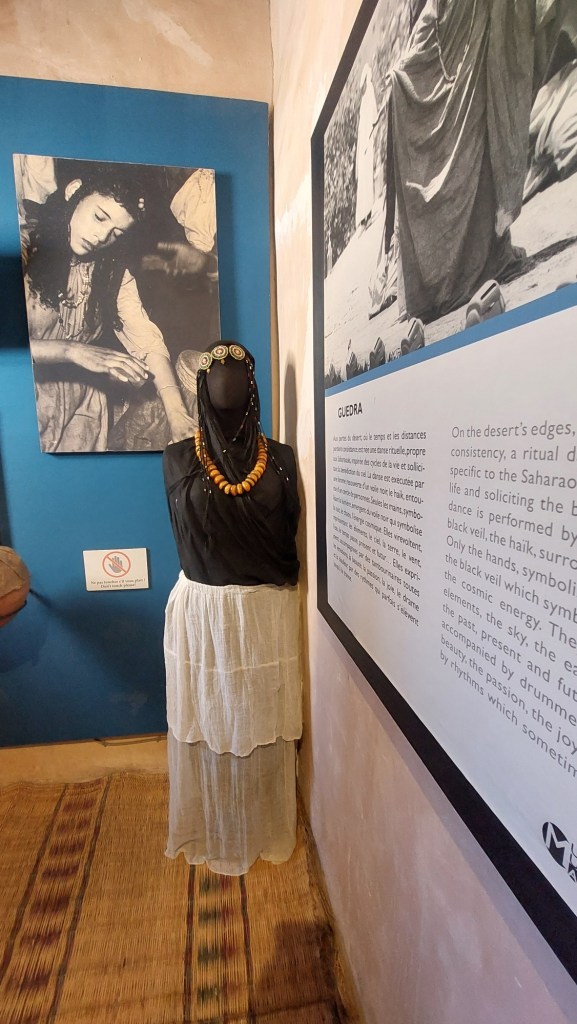
There are several rooms showcasing the diversity of musical traditions in Morocco. Amazigh music, Jewish tradition, daqqa marrakchia, Gnawa music, and Arab-Andalusian music. The Music Museum contains a wide range of instruments, photographs, and videos. It is a fascinating walk through the musical heritage of Africa and home to some fascinating artefacts.
Images by Freebird Tracey.
After visiting the museum, make your way upstairs to the pretty rooftop terrace where there is a restaurant called the Belvedere Terrace. There are great views of the medina and Atlas Mountains from up there.
The museum also hosts popular events. Three times a week, there are musical evenings. Mondays, there is an Andalusian music concert. Wednesdays is a concert dedicated to Berber music, and Fridays is traditional gnawa music. These concerts commence between 6 and 7.00pm.The concerts are followed by a traditional tea ceremony. I recommend booking in advance to guarantee a place. They are very popular and fill up quickly.
The Mouassine Museum of Music is a deep delve into the history and culture of Marrakech. It’s a colourful museum with fascinating exhibits. The price of entry is 80 dirhams and permits entry into the museum of photography also.
The address is 4,5 Derb El Hammam Marrakech Morocco. It is situated near the southeastern corner of the Mouassine Mosque and the Mouassine fountain. The area is quite dense, so look for signs or use Google maps to help you locate it.