A brief history of the indigenous people of North Africa.
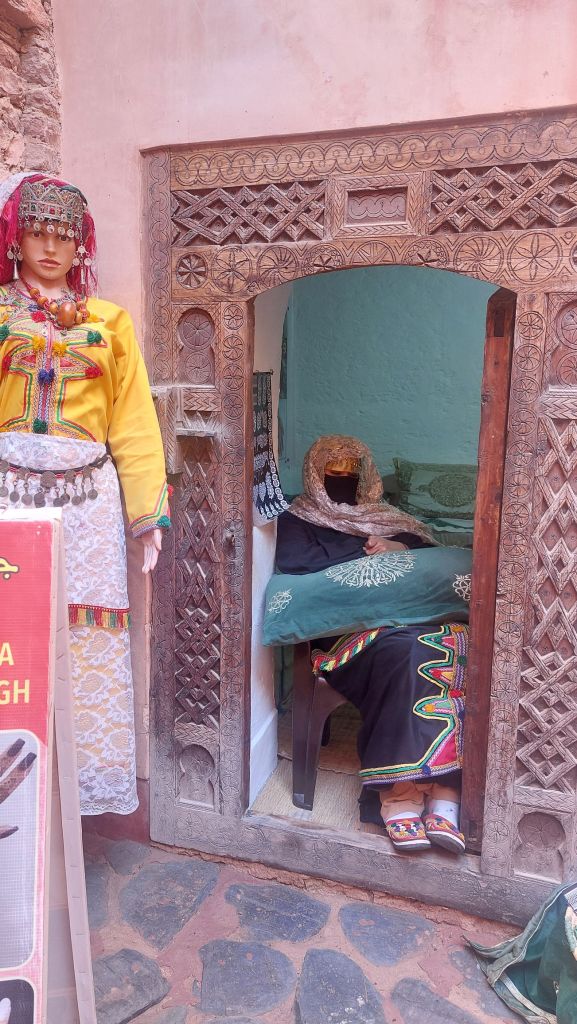
Berbers, also known as Amazigh, are an indigenous group native to North Africa, with a history stretching back thousands of years.
They have lived across a vast region encompassing modern-day Morocco, Algeria, Tunisia, Libya, Mali, and Niger.
The Berbers made a huge contribution to the region’s cultural and technological heritage, including the creation of the Khettara system.
This ancient water management technique involves a network of underground tunnels that channel water from mountain aquifers to arid lands, enabling agriculture in harsh environments.
The Berbers’ innovations in architecture, trade, and agriculture meant they had a self-sufficient community that was thriving long before the arrival of foreign empires.
Over the centuries, the Berbers faced numerous challenges, including invasions and exploitation by foreign powers.
During the Ottoman era, slave traders targeted Berber communities, kidnapping many women and throwing their society into chaos.
The Berbers became known for their resistance to foreign domination, with some groups turning to piracy as a form of survival and defiance.
Barbary pirates became infamous for raiding European ships and coastal towns, leading to conflicts with European powers and even the young United States during the Barbary Wars. Despite these challenges, the Berber culture has endured, holding on to its distinct language, customs, and identity through resilience.
The name Berber comes from the word ‘Barbaric’ and is now considered offensive.
The indigenous people have adopted the name Amazigh, which means ‘ free people’
Amizigh is now taught in schools and is officially known as the second language in Morocco, next to Arabic.
It is possible for visitors to Marrakech to take a trip into the Atlas Mountains to observe the ancient customs and lifestyle of the Amazigh.
A stay in a Berber family lodge is an unforgettable experience and a way to really get to know the history of Morrocco.
You will get the chance to eat a home cooked meal with an Amazigh family and see how they live.
This wonderful experience can be booked online or through your riad or hotel on arrival.
There is a lot of beautiful jewellery and rugs made by the Amazigh people for sale in the medina.
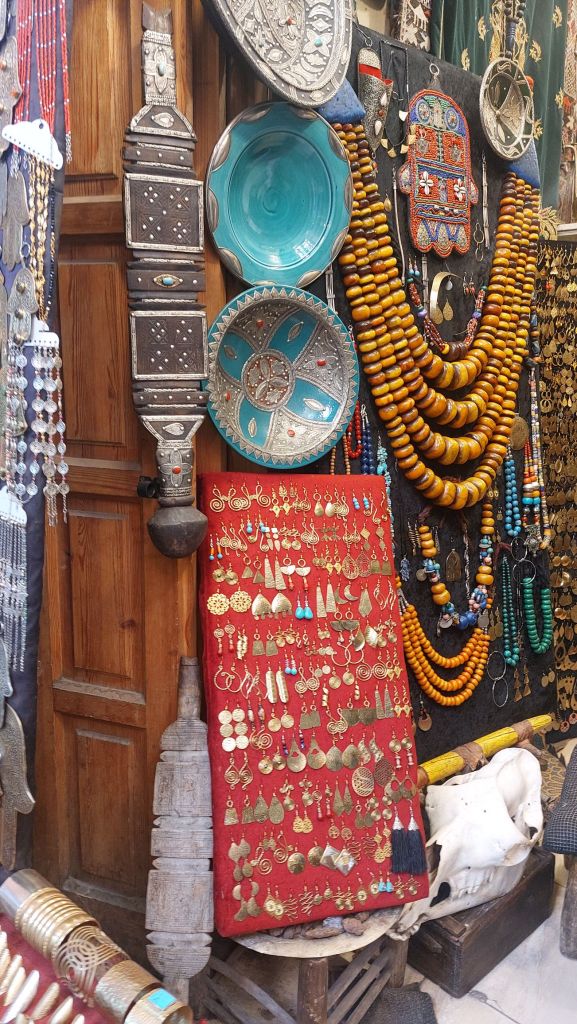
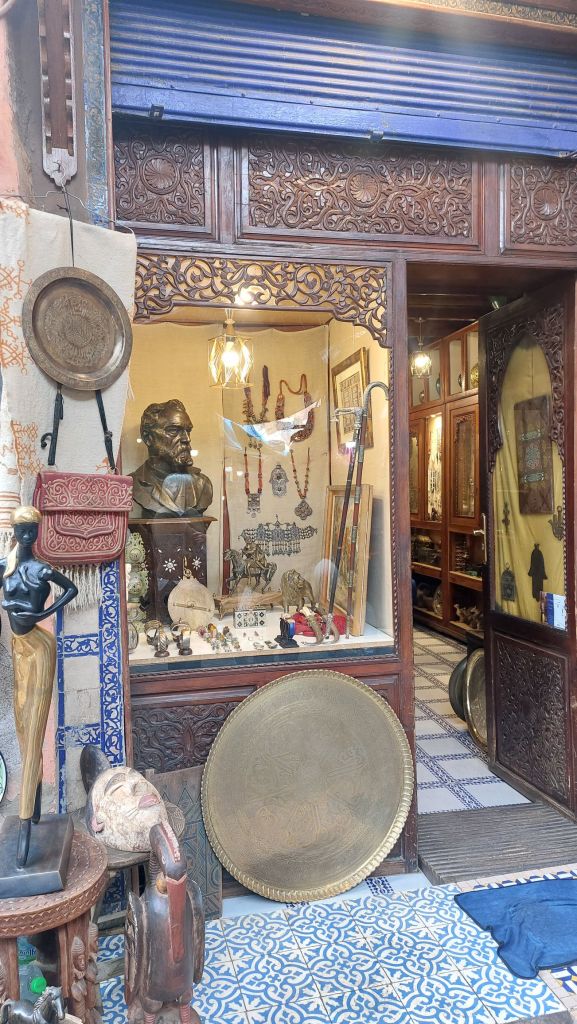
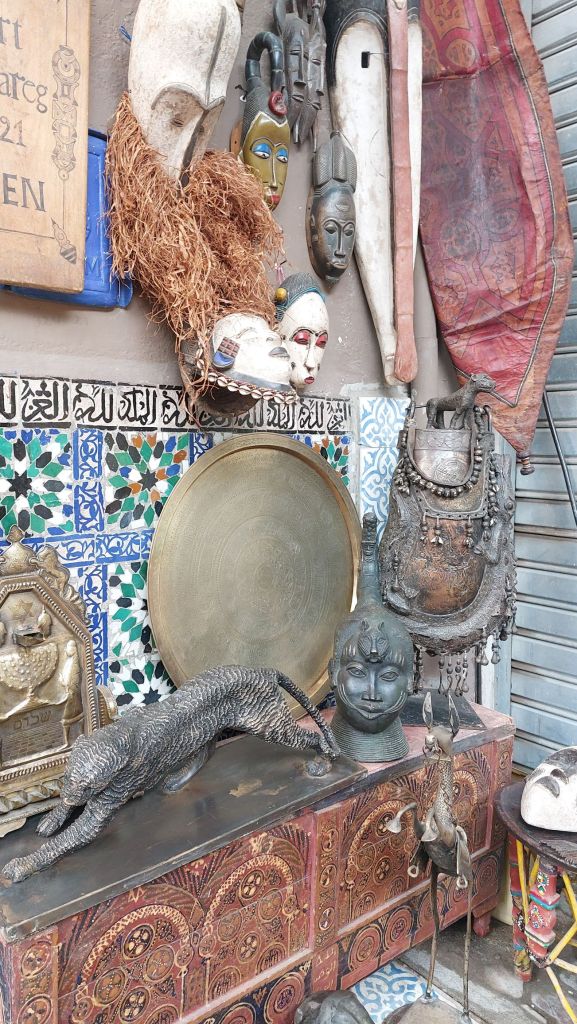
Over 90% of the general population of Morocco has indigenous Berber DNA, and Marrakech is one of the most culturally Amazigh cities in Morocco.
To learn more about Amazigh culture, visit the museum of photography or Marrakech museum.
Both places are fascinating and gave me a deeper insight into the history of Amazigh culture.
 Sounds Of The Souks
Leave a comment