Tag: Amazigh

Exploring The Red City Of Marrakech.
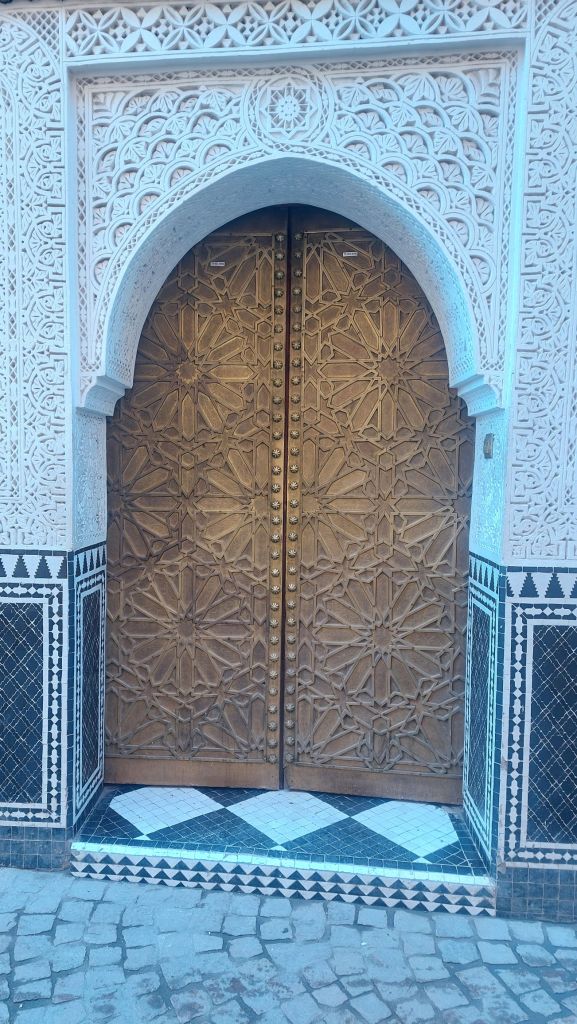
  • Islamic Architecture In Marrakech.

    A look at Islamic architecture and craftsmanship around the red city.

    Image by Freebird Tracey.

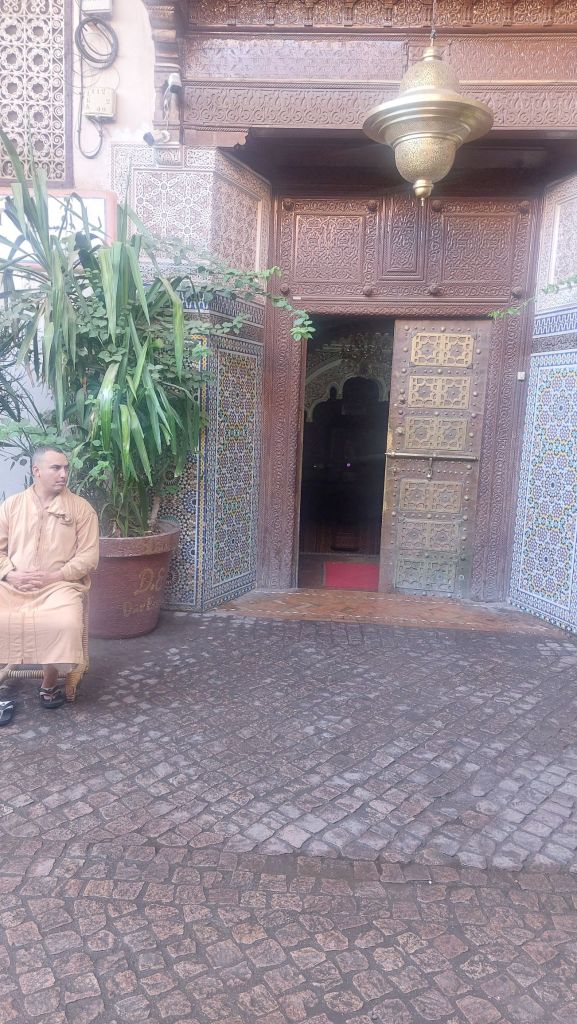
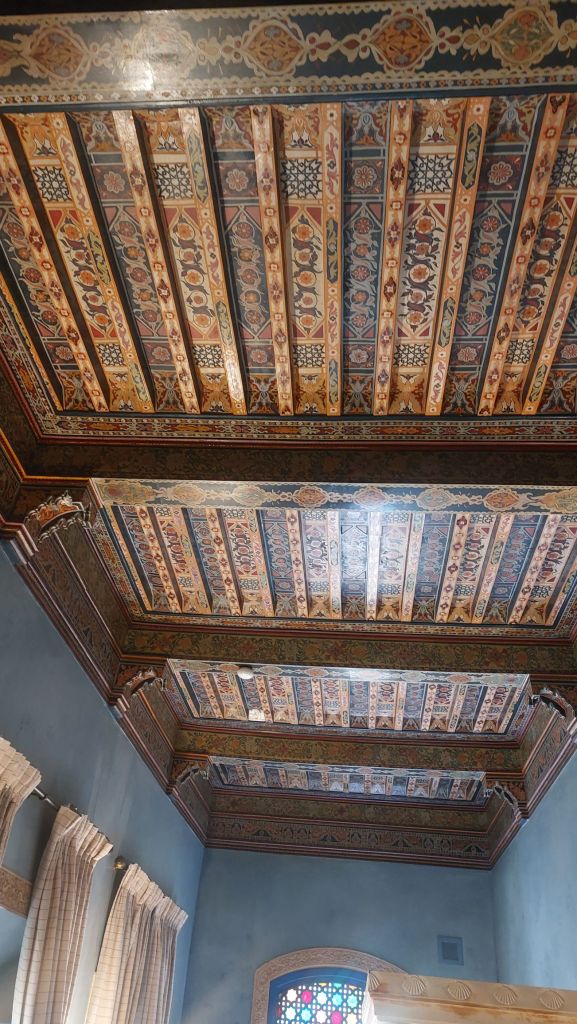
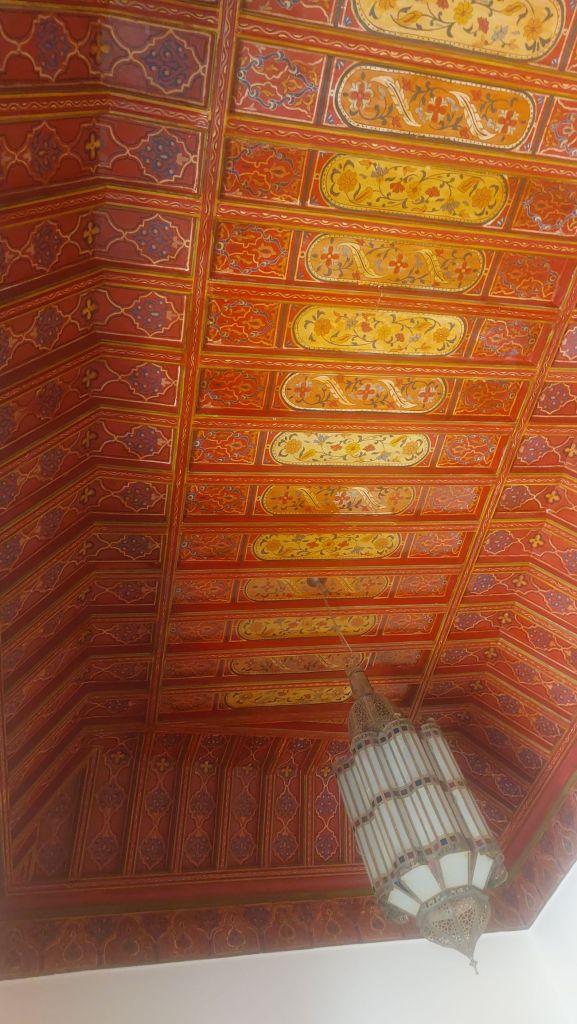
    The beautiful Islamic architecture found in Marrakech is a testimony to its wealth of history and culture.

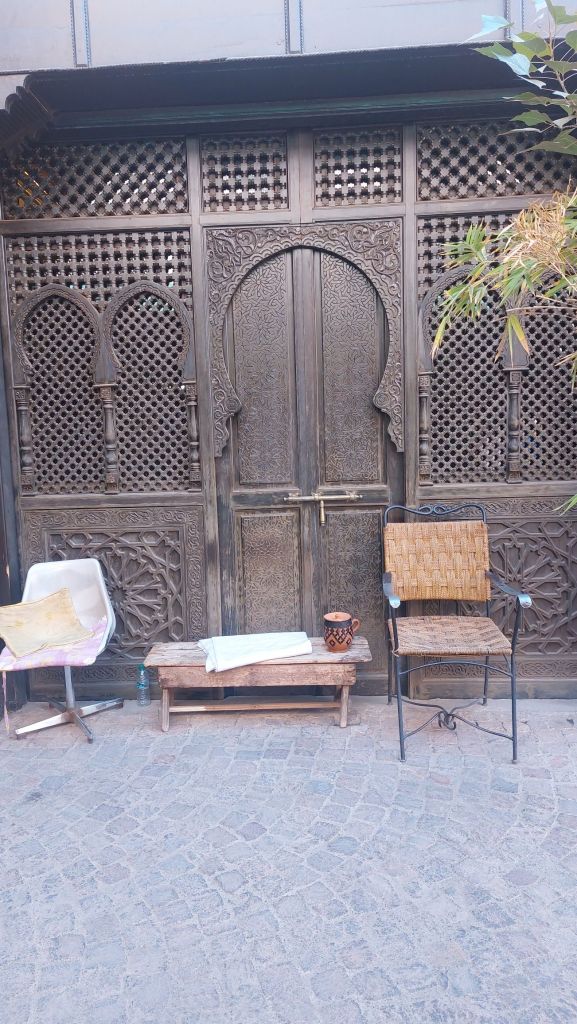
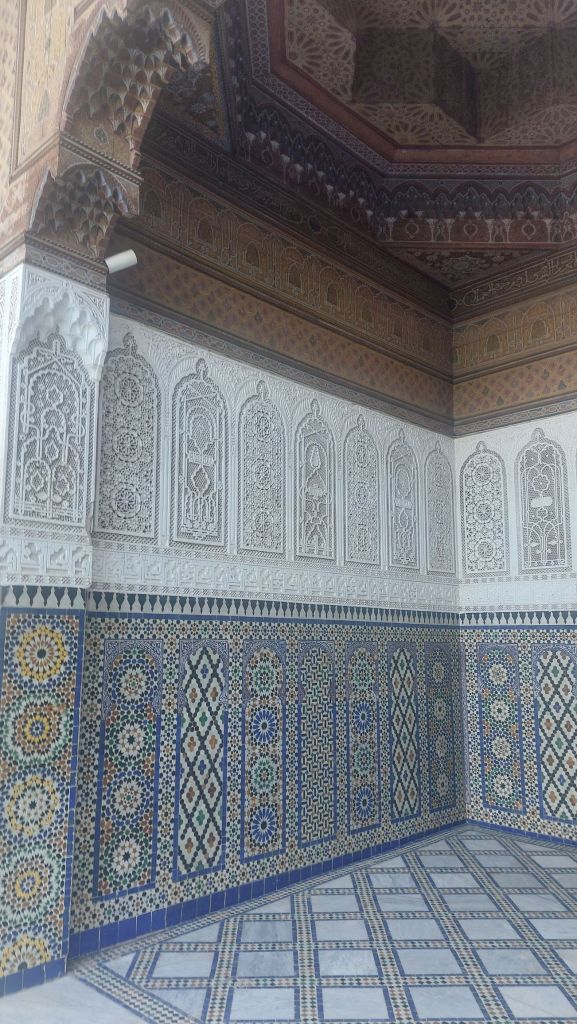
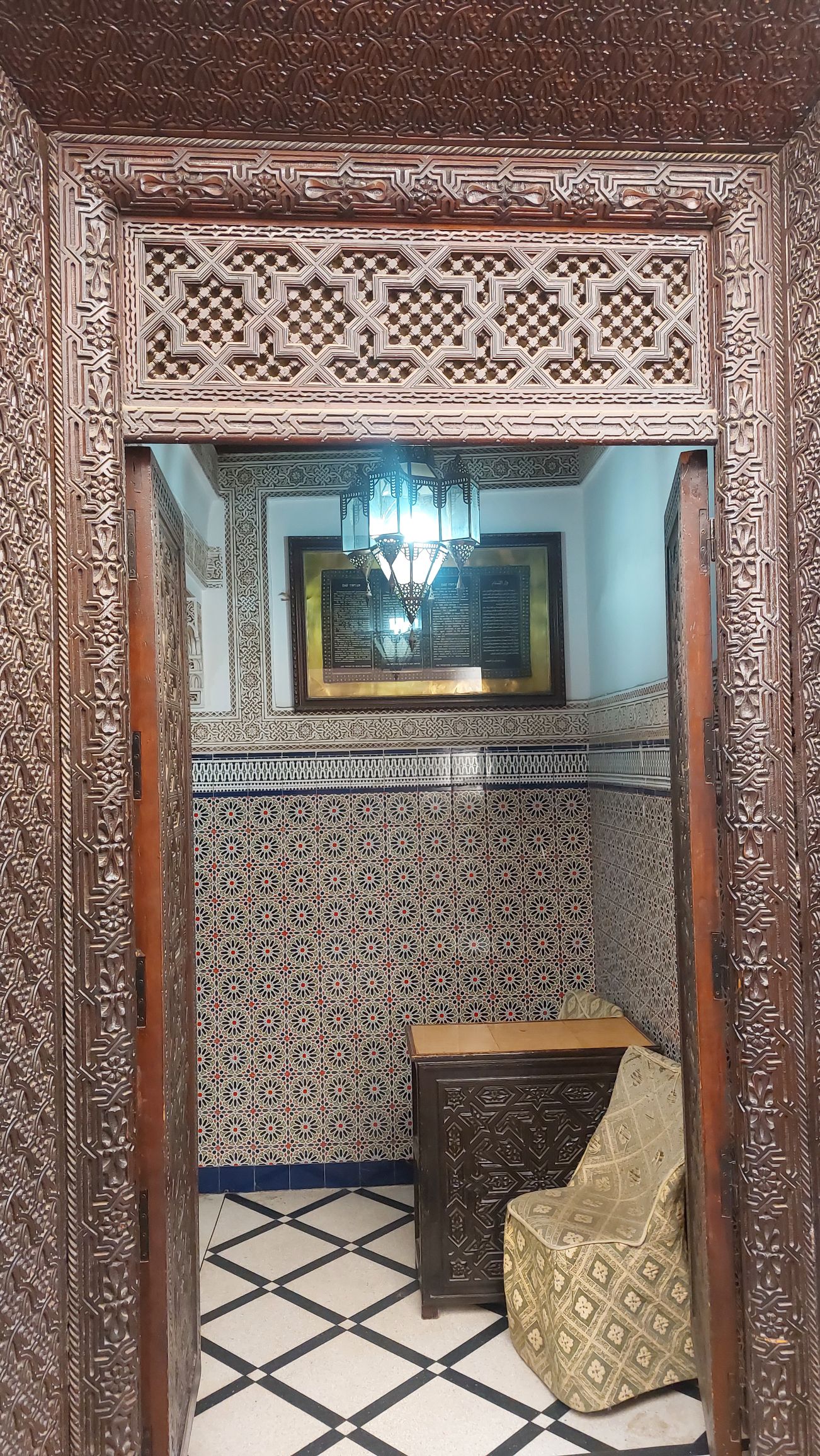
    From beautifully carved wooden doors to geometric mosaic tiles and tadelakt, Marrakech has some of the finest examples of Islamic architecture in Morocco.

    You can’t help but be impressed by the intricacy and attention to detail as you wonder around the medina.

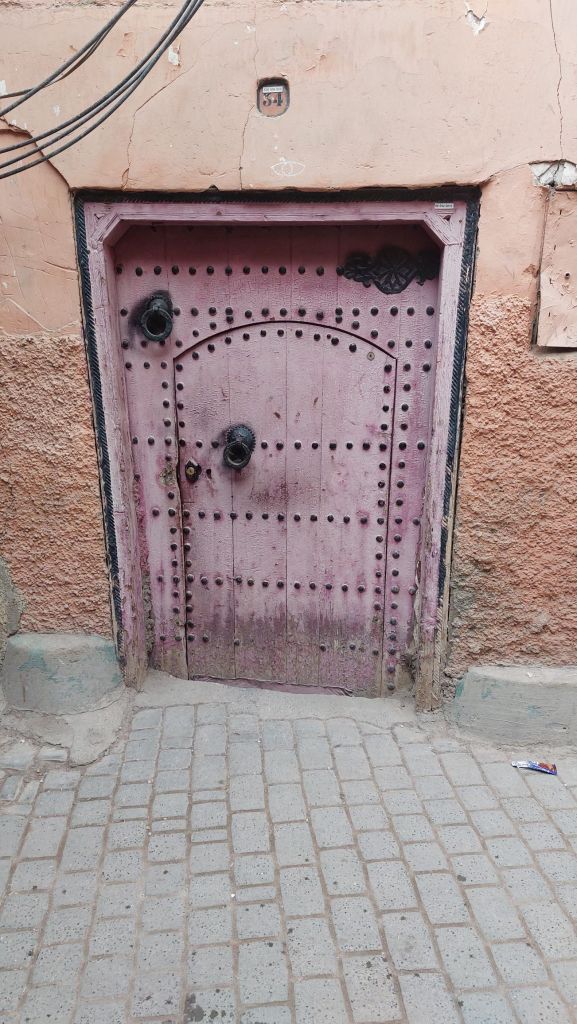
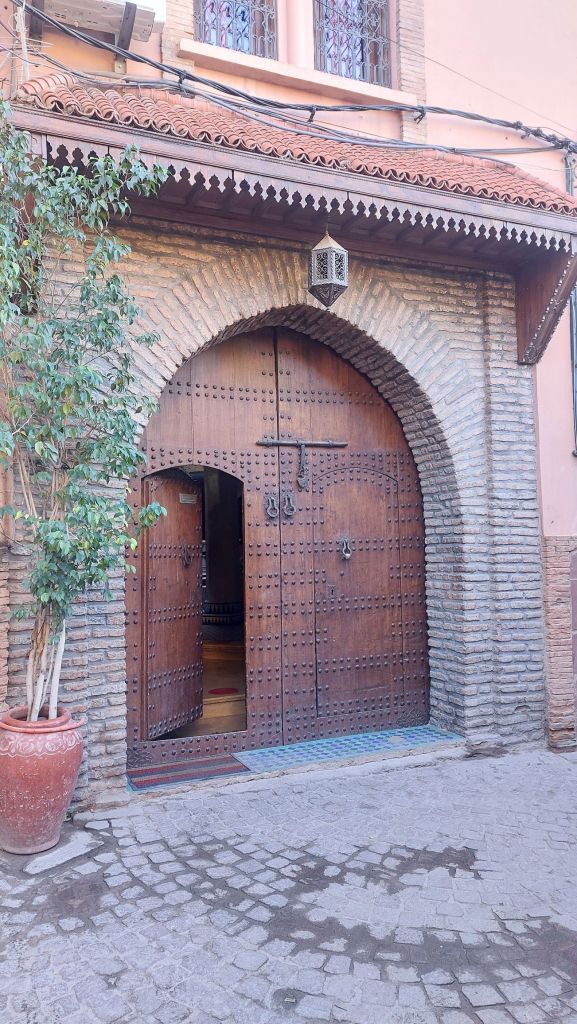
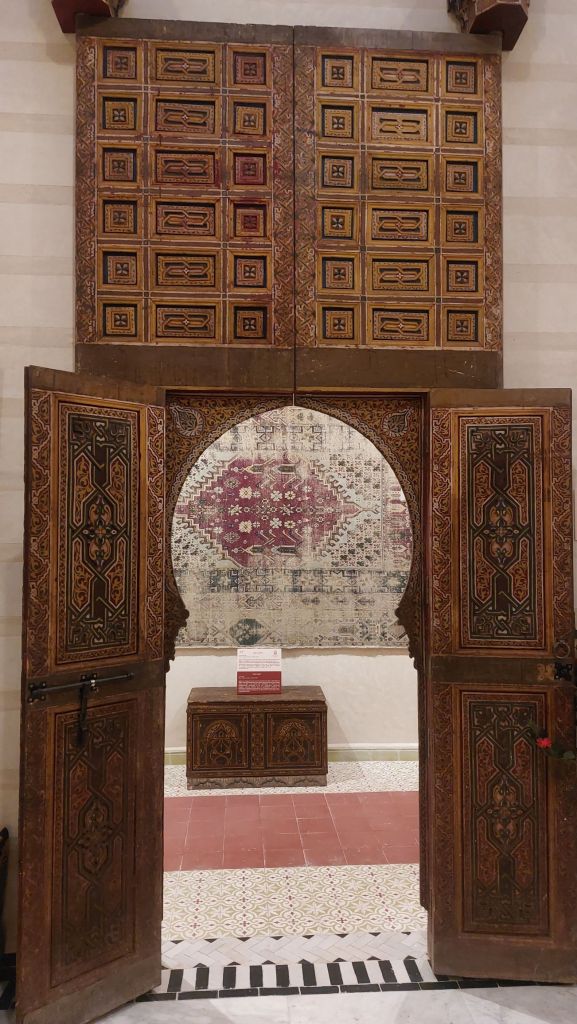
    Large wooden doors exquisitely carved out of Cedar wood appear out of nowhere as you pass through the winding alleyways.

    Images by Freebird Tracey.

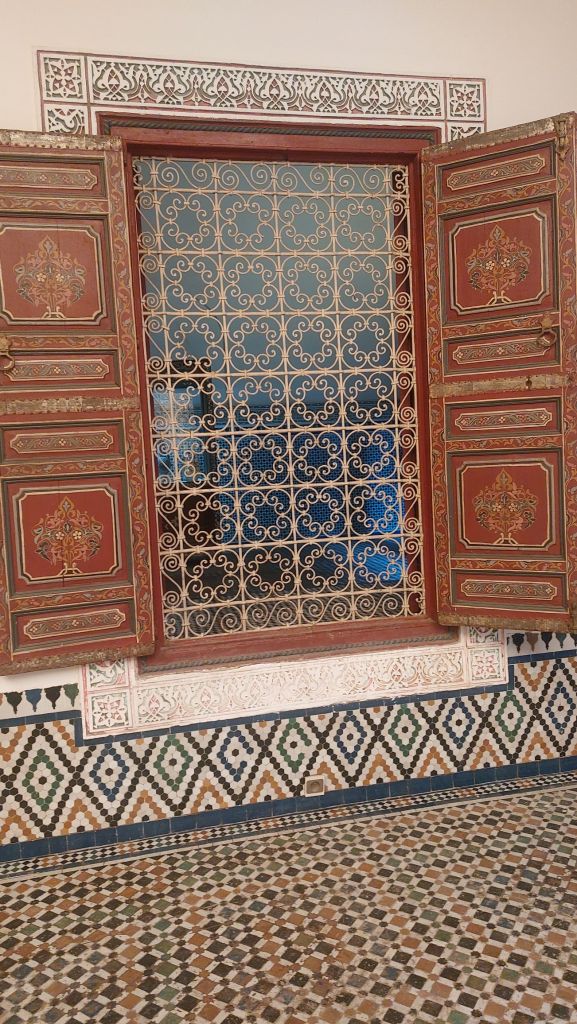
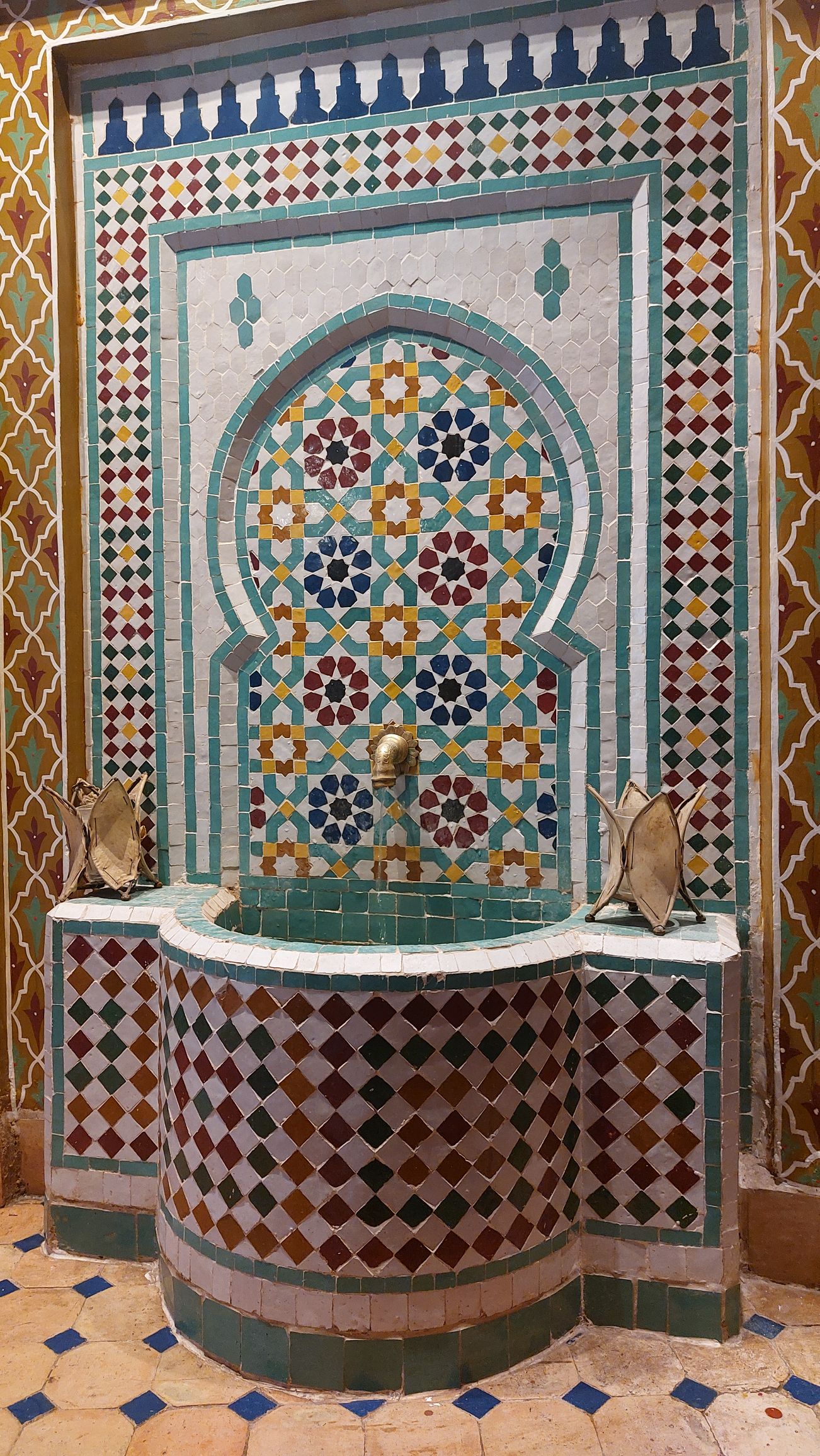
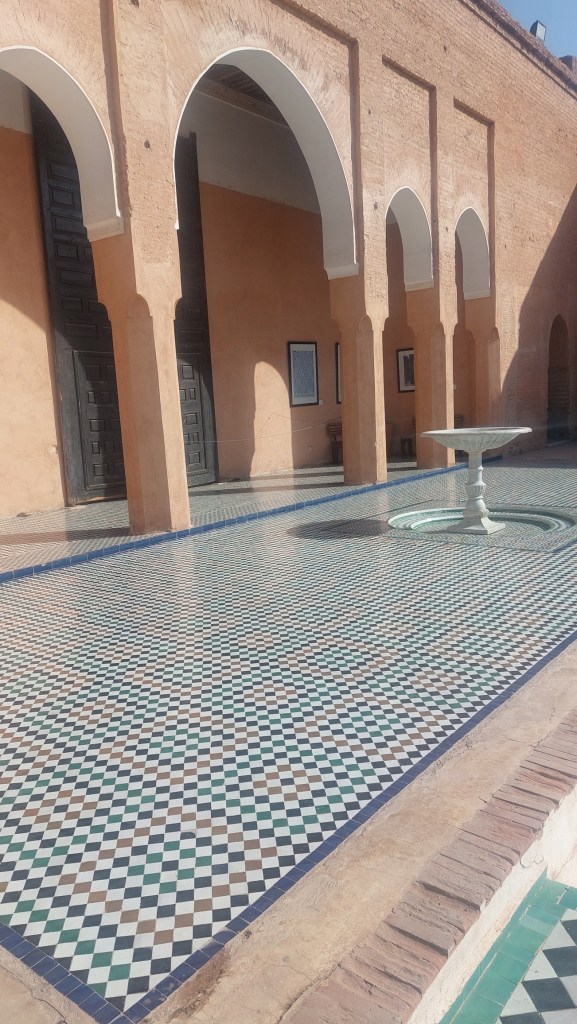
    Zellige tiles originating from the 10th century form geometric mosaics decorating the floors, walls, and fountains.

    A skill which has passed down from generation to generation.

    Images by Freebird Tracey.

    Islamic architecture in Morocco follows the spiritual principle of Tawhid, the unity of God.

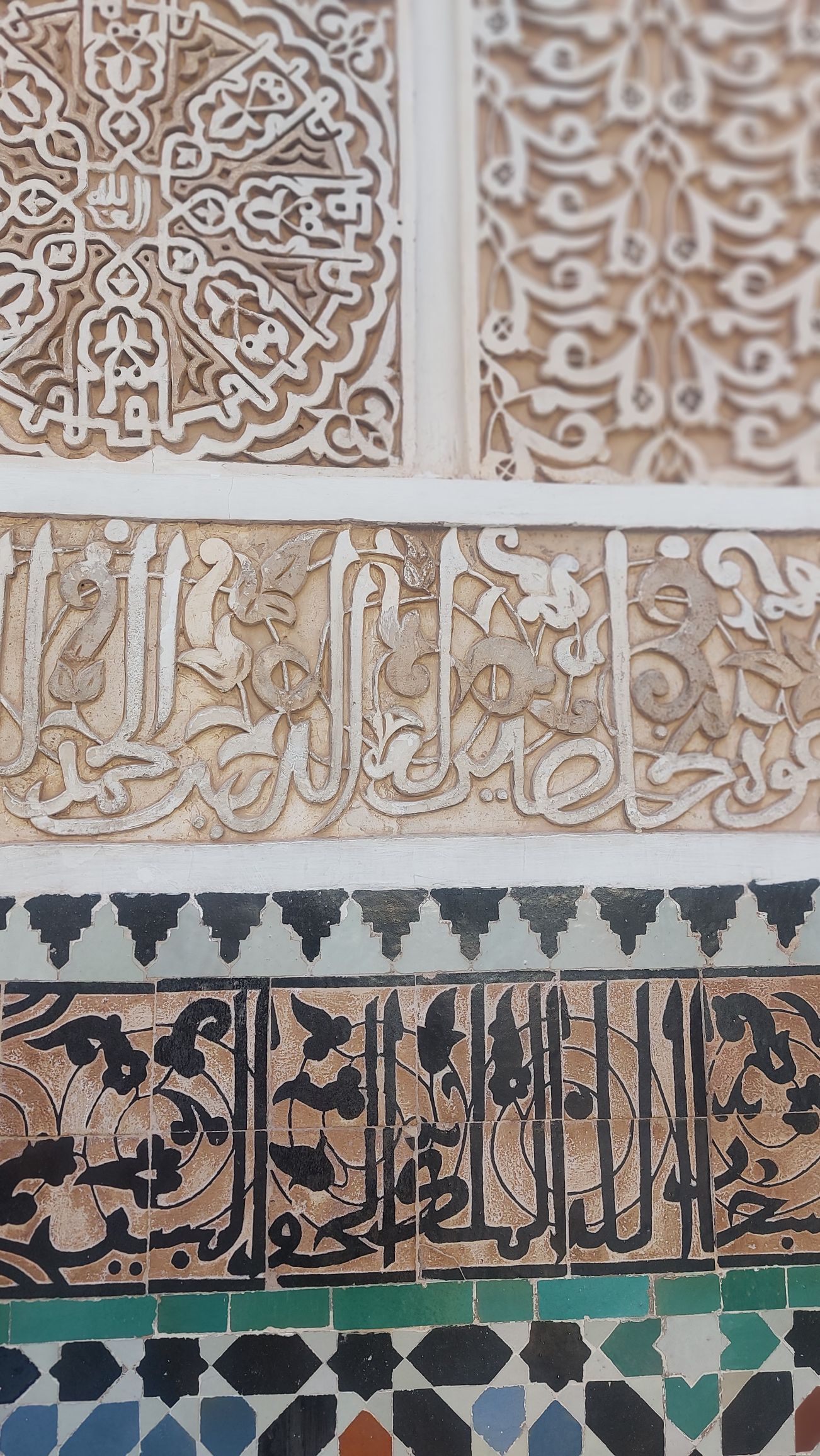
    Handcarved stucco panels with expertly applied fine details, including floral motifs and calligraphy from Nakshi and Kufic Arabic scripts, are set against a backdrop of peace and tranquillity.

    Images by Freebird Tracey.

    The use of symmetry, repeated geometric patterns, and balanced proportions reflect divine order and infinity.

    The use of geometry and proportion symbolizes universal harmony.
    Calligraphy enshrines verses from the Qur’an, which merges both word and form together.
    Light also plays a sacred role. As it filters through lattice screens called mashrabiyas and central courtyards, it evokes the essence of divine presence.

    Images by Freebird Tracey.

    Islamic architecture blends together Arab, Amazigh, Andalusian and Sub Saharan influences.

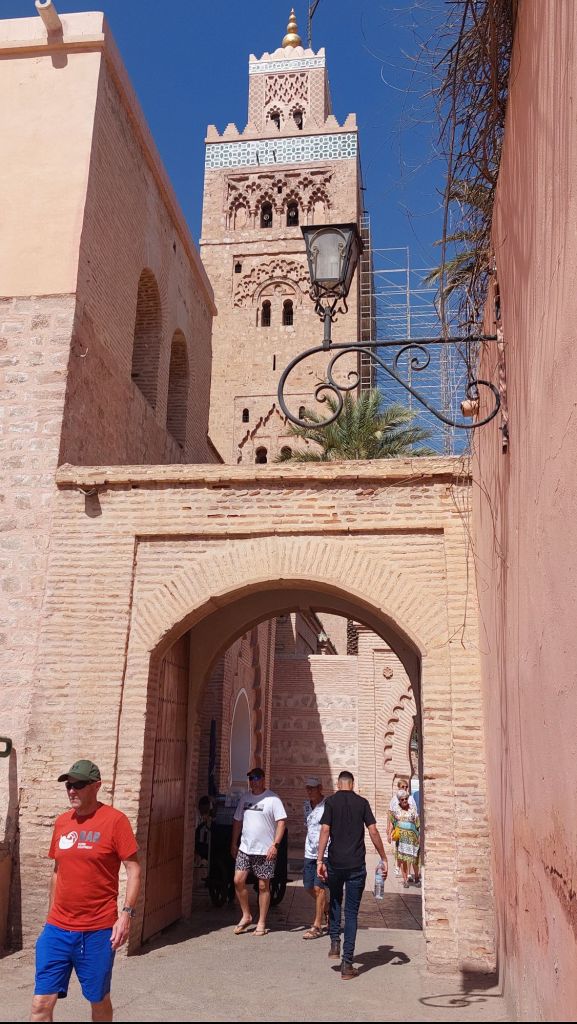
    Perfect examples of Islamic architecture can be seen at the Koutoubia Mosque, Ben Youseff Madrasa, Bahia Palace, Saadian tombs, and El Badi Palace.

    Images by Freebird Tracey.

    Bab Agnaou gate is one of 19 splendid arched gates into the city showcasing intricate carvings.

    Hammams, which were constructed centuries ago, reflect the scale of precision and sheer brilliance of Islamic architecture.

    Exploring these beautiful places is a journey through the history and culture of Marrakech.

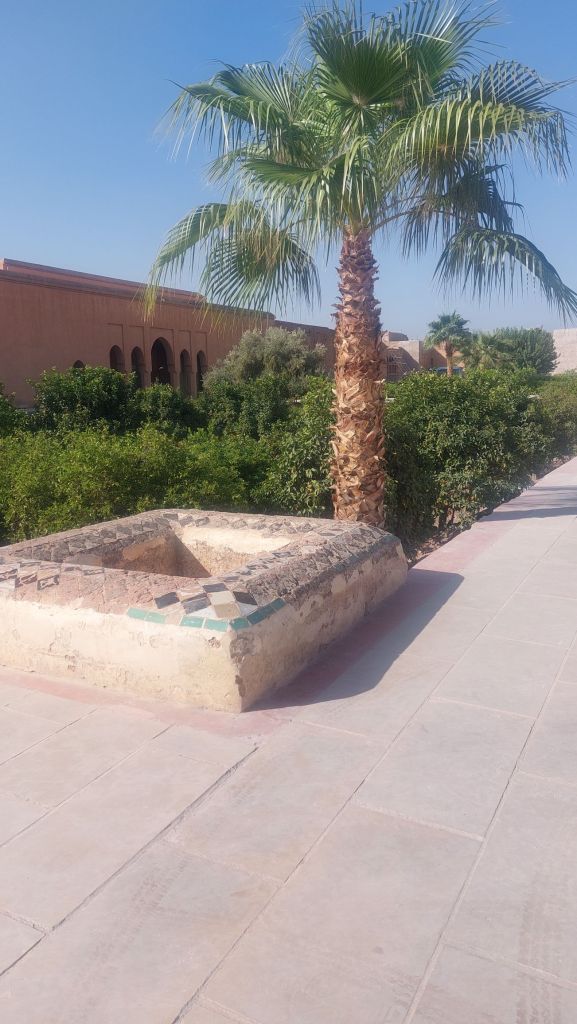
    I was completely spellbound by the beauty of the tiled fountains with their original zellige tilework in the courtyards of riads and around the medina.

    Images by Freebird Tracey.

    I learnt the significance of having two knockers on the magnificent wooden doors. One which is strictly for family use and one for male guests to use in order to shield and protect the women of the household from the gaze of strangers.

    Images by Freebird Tracey.

    There are hundreds of places around Marrakech where you will want to stop and take photographs of the beautiful work that local artisans left the world as their legacy.

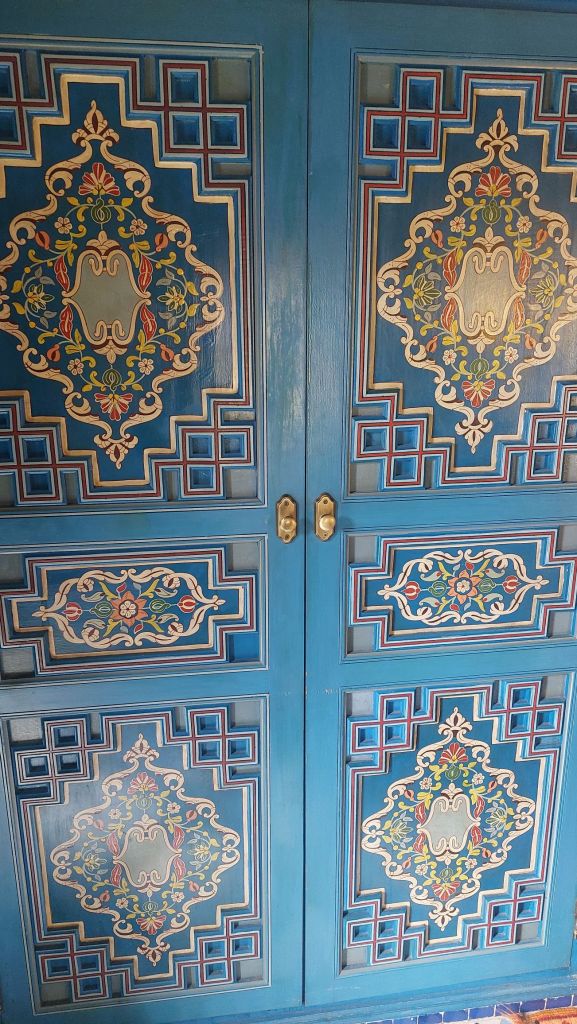
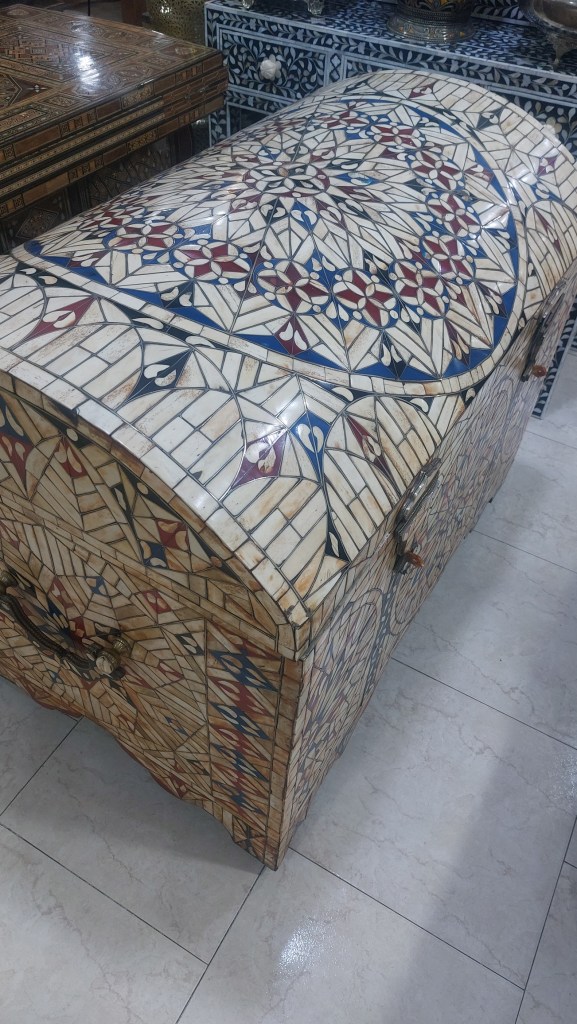
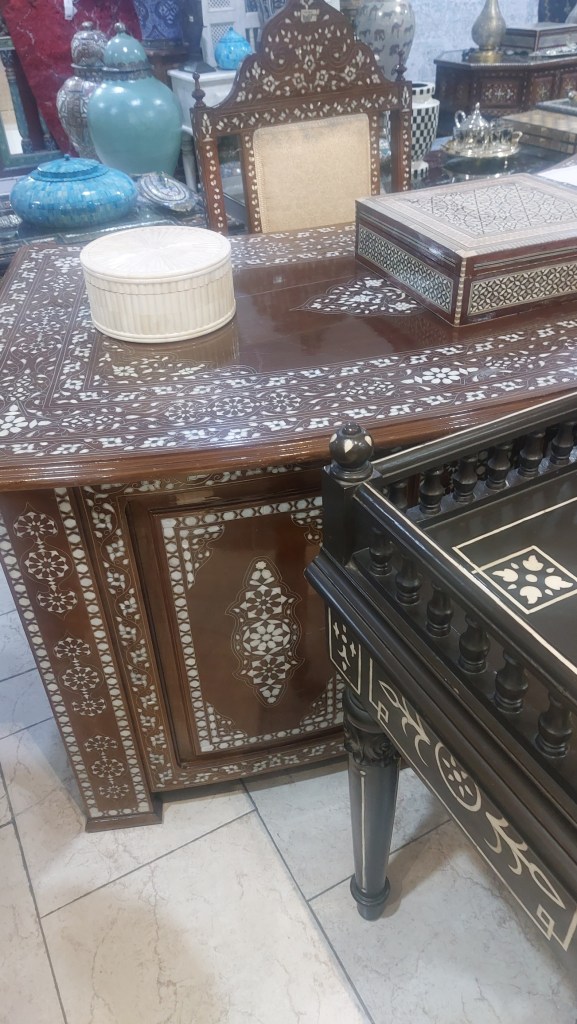
    The remarkable skills of trained craftsmen are evident inside traditional riads with unique pieces of  handmade furniture, beautifully painted wardrobe doors, and splendid ceilings.

    Images by Freebird Tracey.

    You can still find people creating things in Marrakech using the same techniques that generations before them used.

    At Ensemble Artisanal Craft Complex near Cyber Park, you can see the artisans busy at work, teaching young apprentices the art passed down by their ancestors.

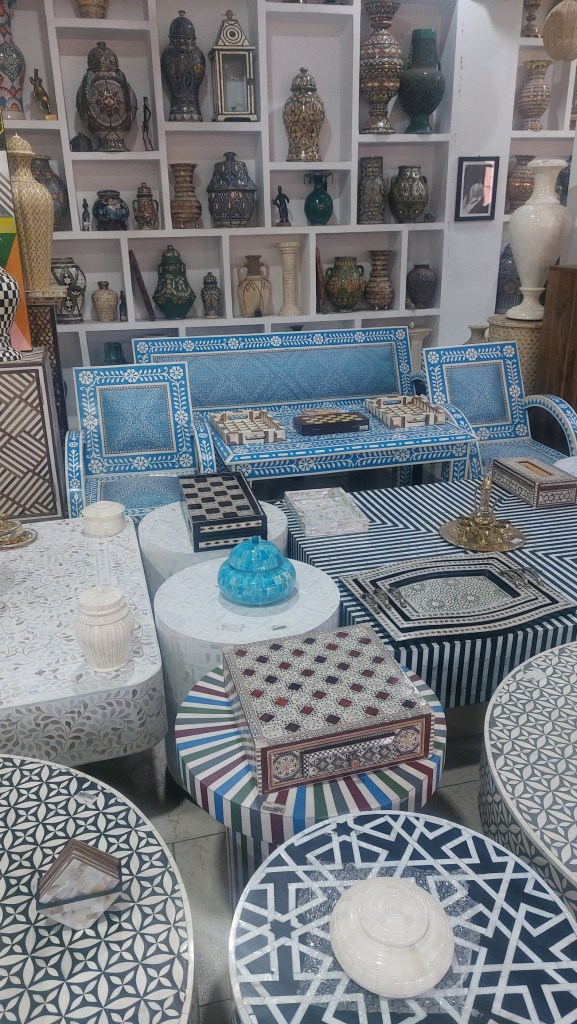
    Around the medina, you can find intricately designed wooden chess sets and wooden boxes ornately inlaid with Mother of pearl.

    In Tinsmiths Square, metal workers are carefully crafting traditional Morroccan lamps and mirrors.

    As you wander through the maze of alleyways in the souks, you are presented with examples of excellent craft work for sale.

    The amount of work that has gone into creating it all is phenomenal.

    Images by Freebird Tracey.

    The roots of Moroccan architecture originate from the Amazigh and Arab culture. 

    Styles have evolved from one dynasty to the other, including the Almoravids, the Almohads, and the Marinids.

    Nowadays, architects are using both old and modern designs in the construction of buildings.

    This has led to a new style, still characteristic of the old medina, yet introducing new, environmentally friendly buildings.

    They continue to incorporate beautiful zellige tilework in order to pay homage to the history and culture of the city.

    Riads are renovated and restored as close to their original appearance as possible. Some are modern with a contemporary style, which some tourists visiting Marrakech find appealing.

    I personally love the rustic charm of the old riads that still hold their original appearance and character.

    The ones that evoke images of a world gone by, clinging to remnants of the past and telling the story of a fascinating culture that, if you look closely, is still very much alive today.

    Image by Freebird Tracey.
    (more…)
  • Maison Culturelle Du Tapis.

    A fascinating carpet museum in the souks.

    Image by Freebird Tracey.

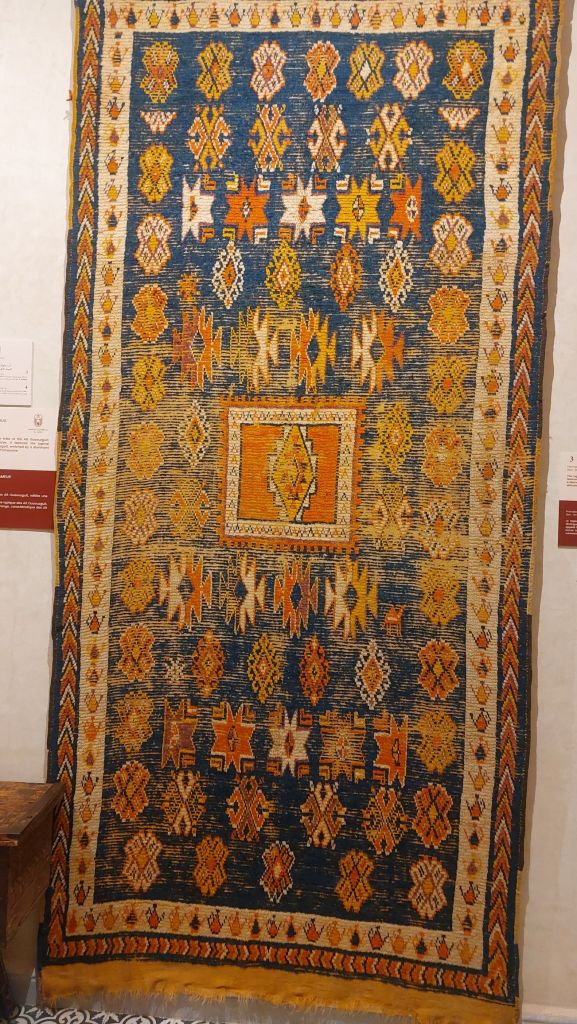
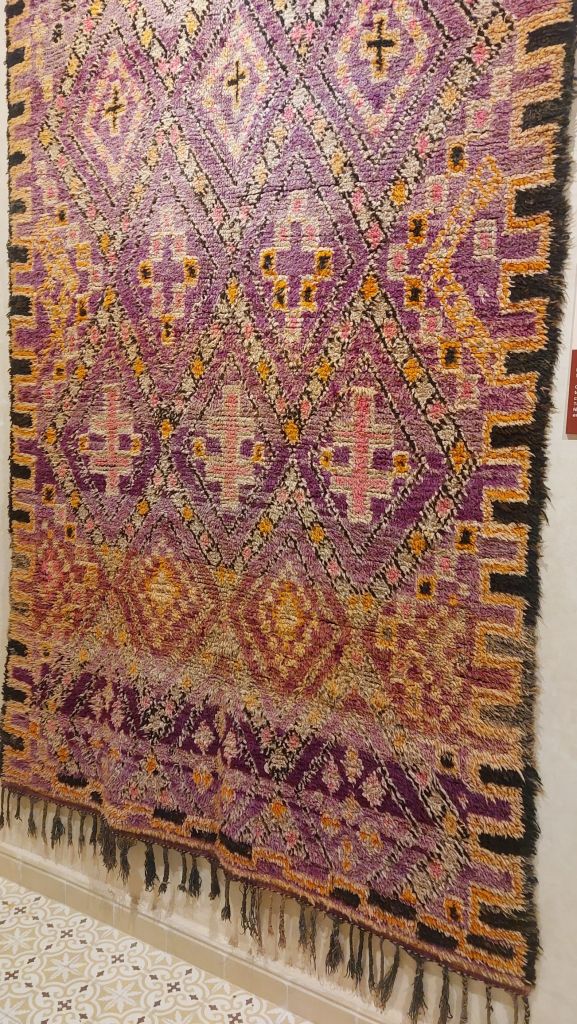
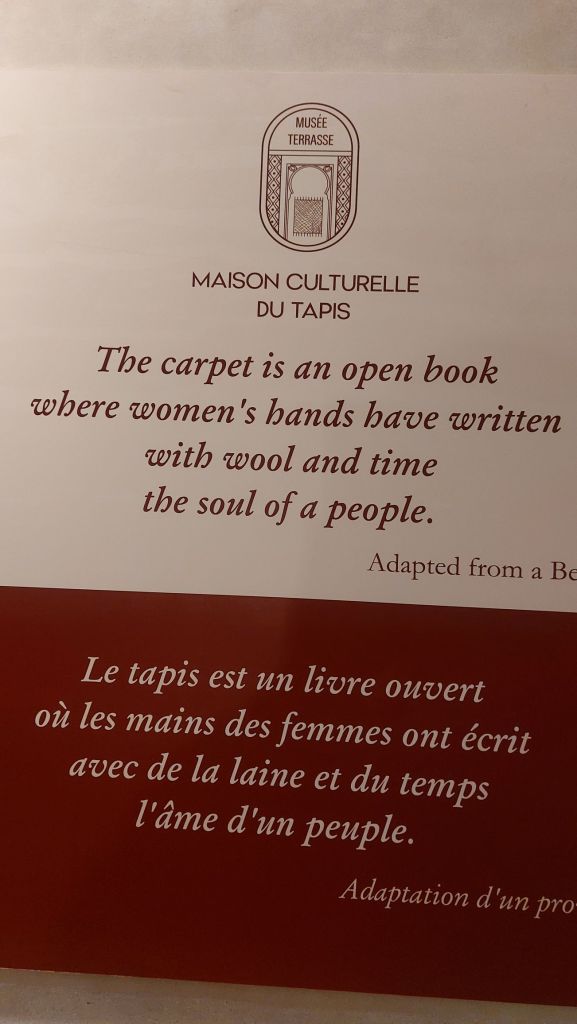
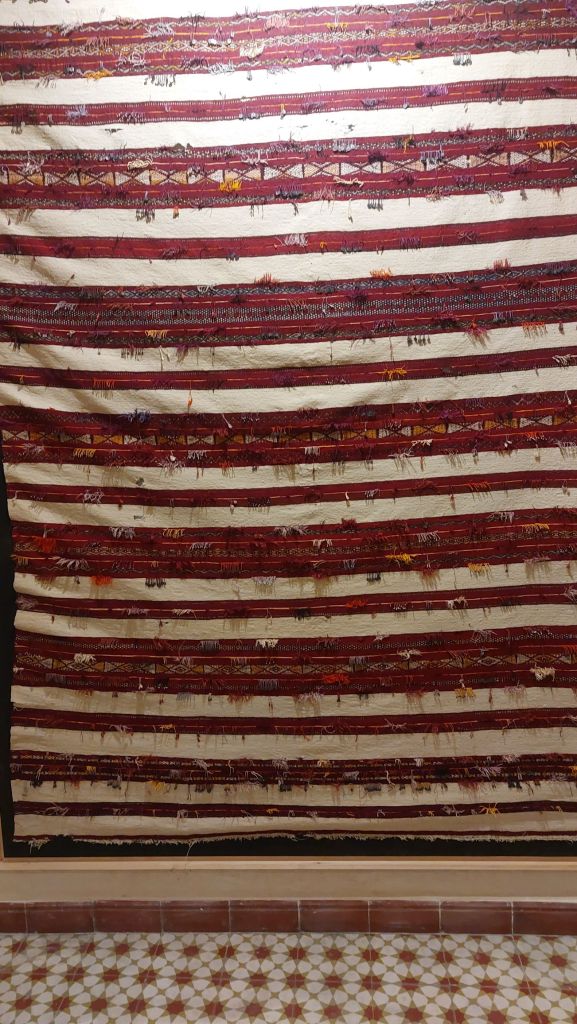
    This is a remarkable exhibition of Berber carpets and a journey through the ancestral history of the tribes who created them.

    Maison Culturelle du Tapis is tucked away in the souks and a place you must see if you’re in Marrakech.

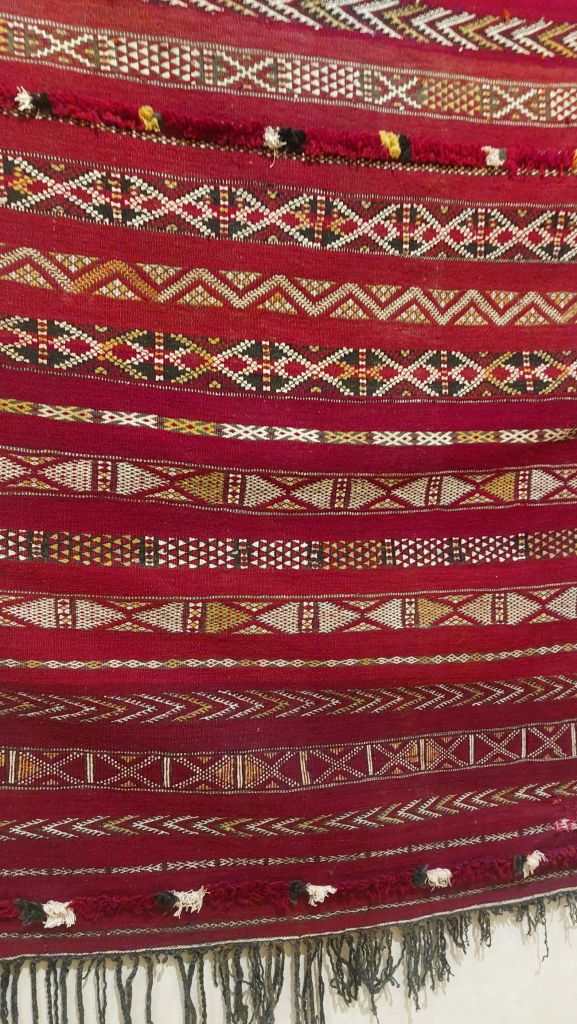
    Beautiful carpets are draped along the walls of this boutique museum made by different tribes and eras in Moroccan history.

    Situated deep within the medina at 16-18 Derb Deffa Ourbaa, it’s a little difficult to find, but vendors will happily point you in the right direction.

    It’s a fascinating walk through the history of traditional weaving, and some of the carpets are generations old and beautifully preserved.

    Images by Freebird Tracey.

    Every room of this tastefully restored 17th century riad invites you to look at each different region’s identity, from the Atlas Mountains to Rabat.

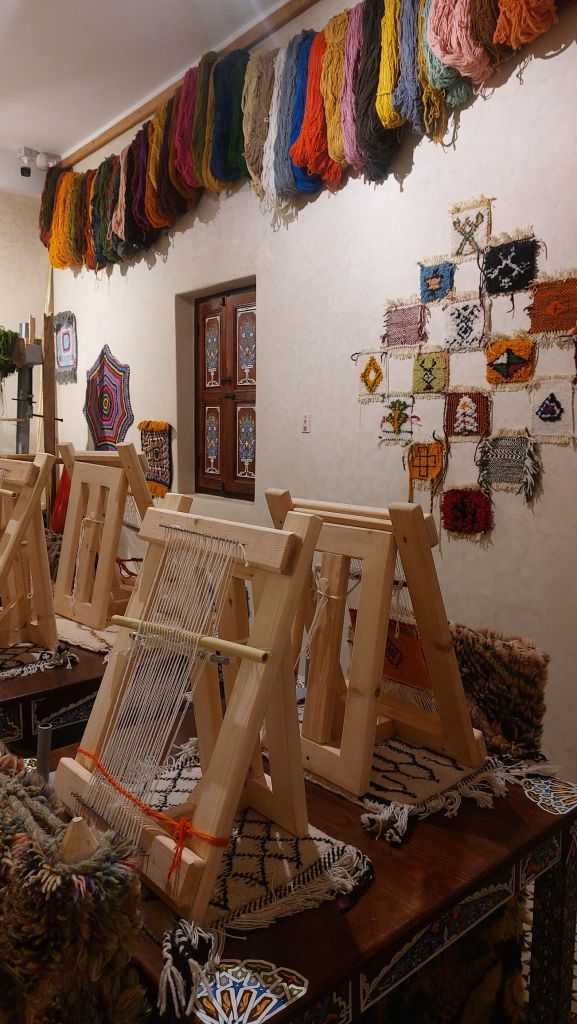
    You get to learn the Berber symbols and specific colours each tribe used when weaving their carpets.

    There are descriptions to help you appreciate the work that goes into creating each piece, including history about the Berber tribes who made them.

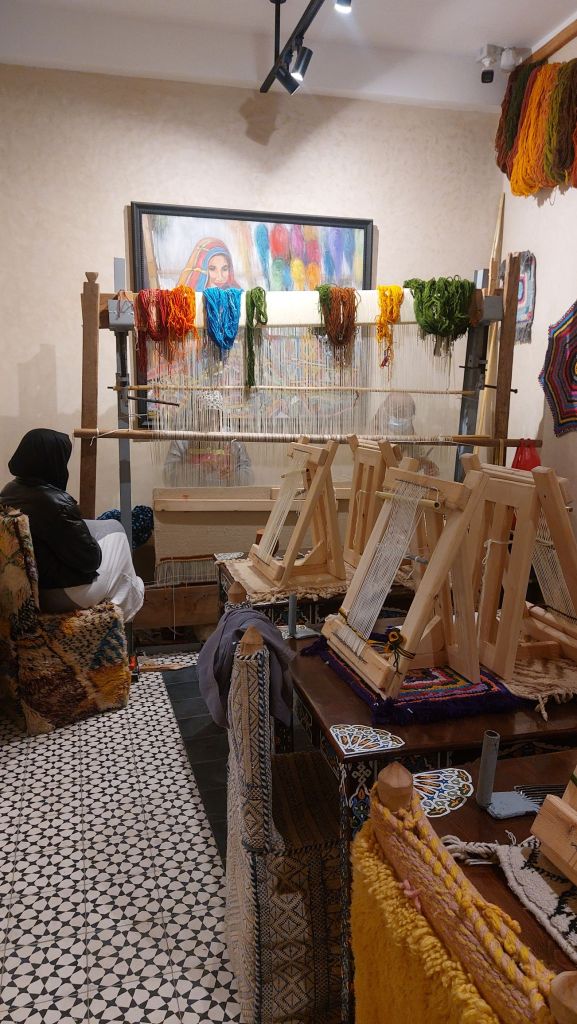
    There’s a video showing you the expertise and  process of creating the carpets and the history of the Berber women.

    There’s also a workshop where you can have a go at making one yourself to take away with you.

    Images by Freebird Tracey.

    One of the treasures on display in the museum is the Rabat carpet, a symbol of royal elegance renowned for its rich decoration and finery.

    The museum includes a collection of exquisite rare 20th-century carpets and modern contemporary pieces.

    Images by Freebird Tracey.

    A visit to this delightful place was a nice break for me from the densely packed medina, and I would thoroughly recommend stopping by to have a look around it.

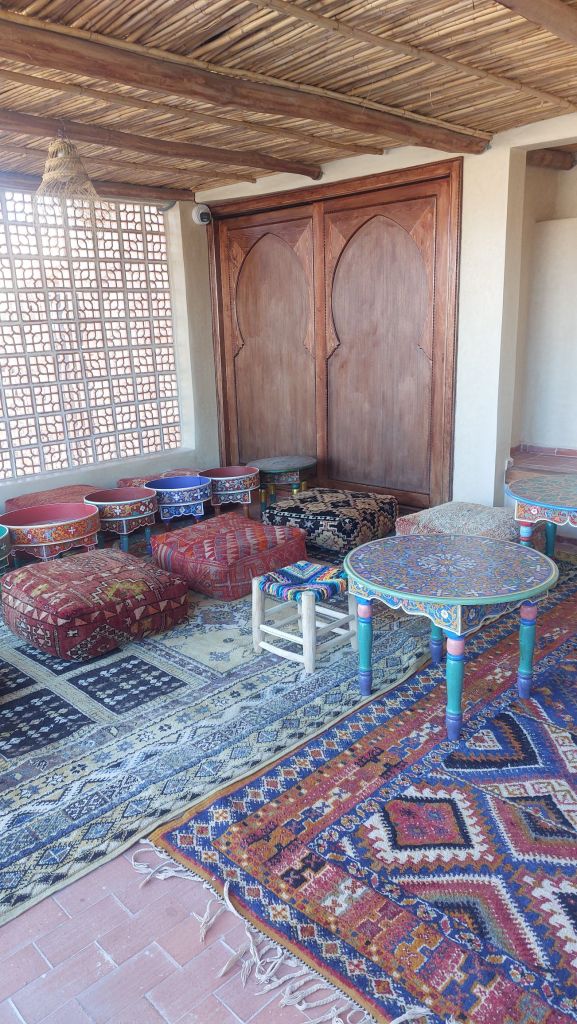
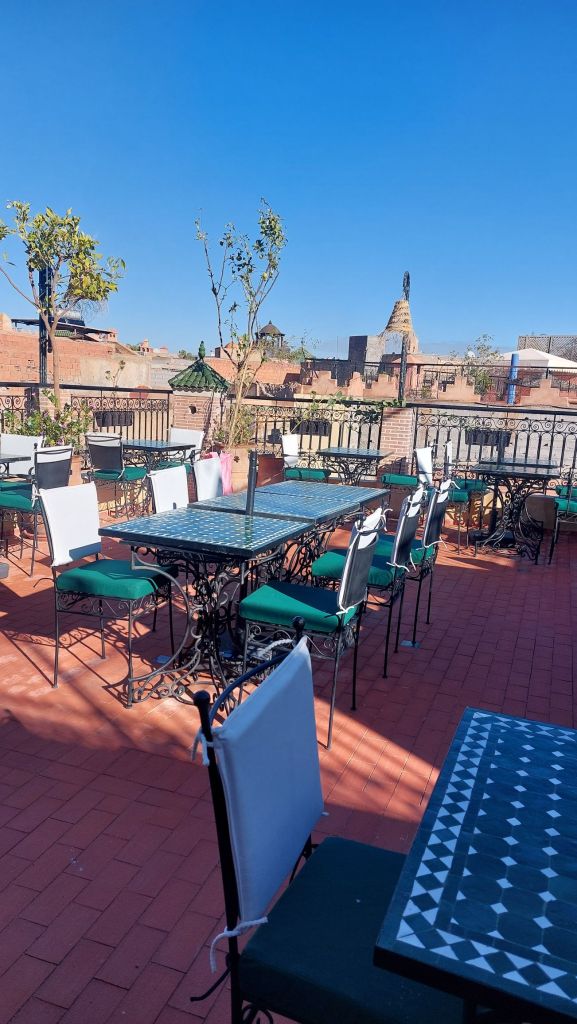
    There’s a pretty rooftop terrace, where you’ll find a nice cafe to have a light snack or a drink.

    The views across the medina are exceptional.

    Image by Freebird Tracey.

    The museum is open from 10.00 am until 6.00pm.

    There’s a small shop inside the museum selling things like cushion covers and bags with lovely examples of some of the weaving sewn onto the middle of them.

    To enter the museum, there’s a small entrance fee.

    It’s definitely worth every dirham to delve into the rich, cultural ancestry of the Amazigh and learn about their exceptional carpet weaving skills.

    Image by Freebird Tracey.
    (more…)
  • El Badi Palace.

    One of the must-see attractions in Marrakesh.

    Image by Freebird Tracey.

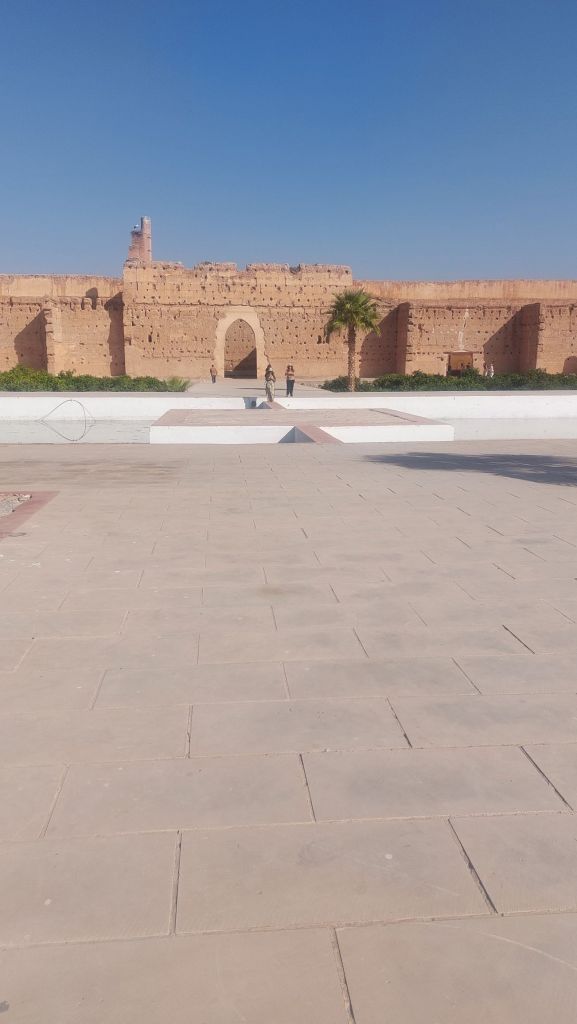
    El Badi Palace was built in 1578 by Sultan Ahmad al-Mansour of the Saadian dynasty.

    The palace was built to showcase the considerable wealth of the Saadian dynasty and was a prime example of Islamic architecture and exquisite craftsmanship.

    Using both Moroccan and European influences, the palace was beautifully decorated with intricate mosaic tiles, marble arches, and ornate carvings.

    The palace was said to have 300 rooms decorated in gold, turquoise, and crystal.

    It was also home to the sultans harem, which included over 500 women.

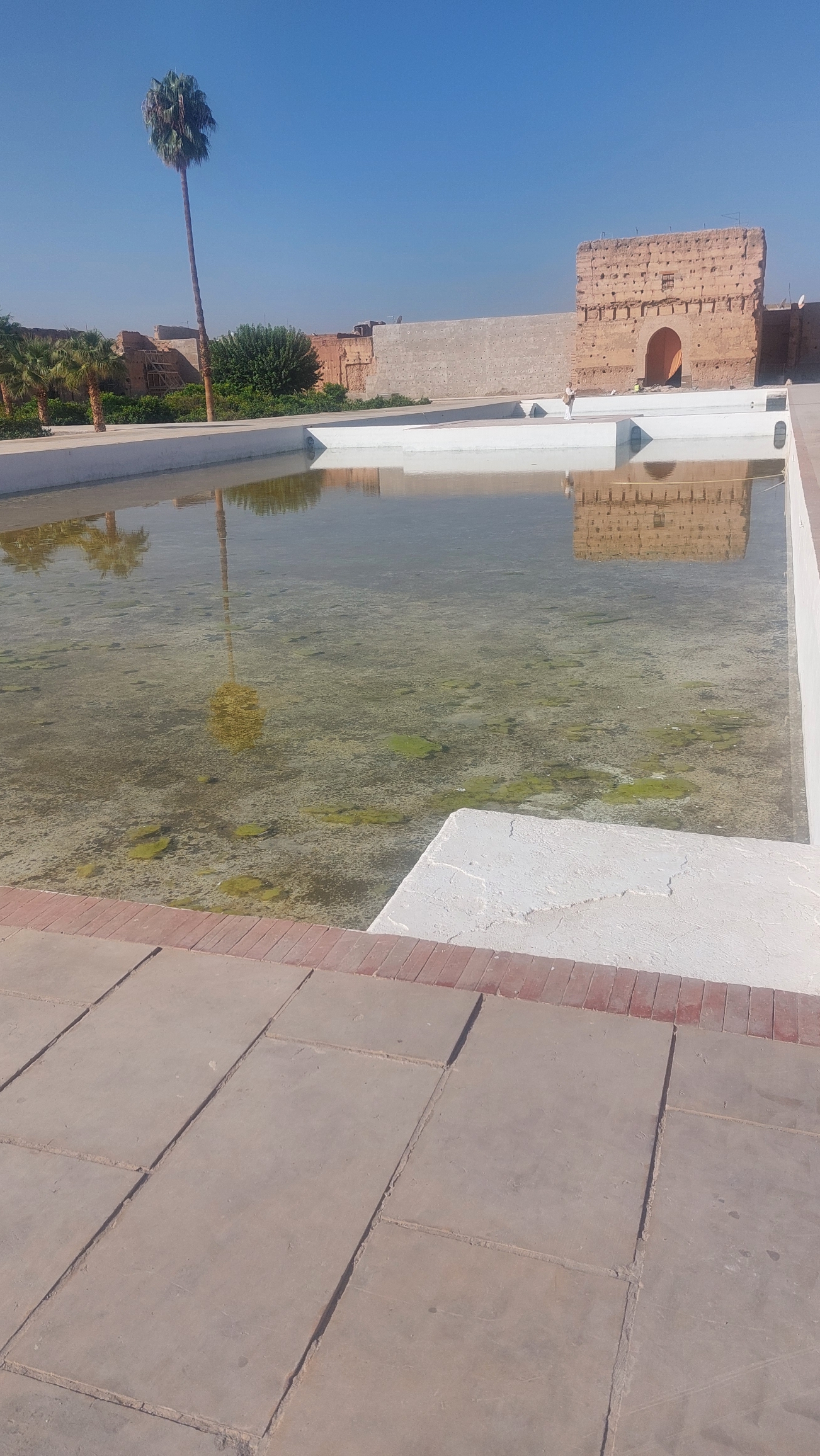
    Now, only the ruins remain.

    After Sultan Ahmad al-Mansour died in 1603, the palace fell into neglect.

    When Meknes became the new capital city, it was completely stripped of all its materials and transported there to create a new palace.

    El Badi is certainly worth a visit if you want to learn about the history of Marrakech and the elite who ruled centuries ago.

    The exhibition space contains the Almoravid Minbar, which is a finely decorated pulpit that once  stood inside the Koutoubia Mosque.

    It also hosts temporary art and cultural exhibitions.

    The underground chambers contain information and photographs about the palaces history.

    Image by Freebird Tracey.

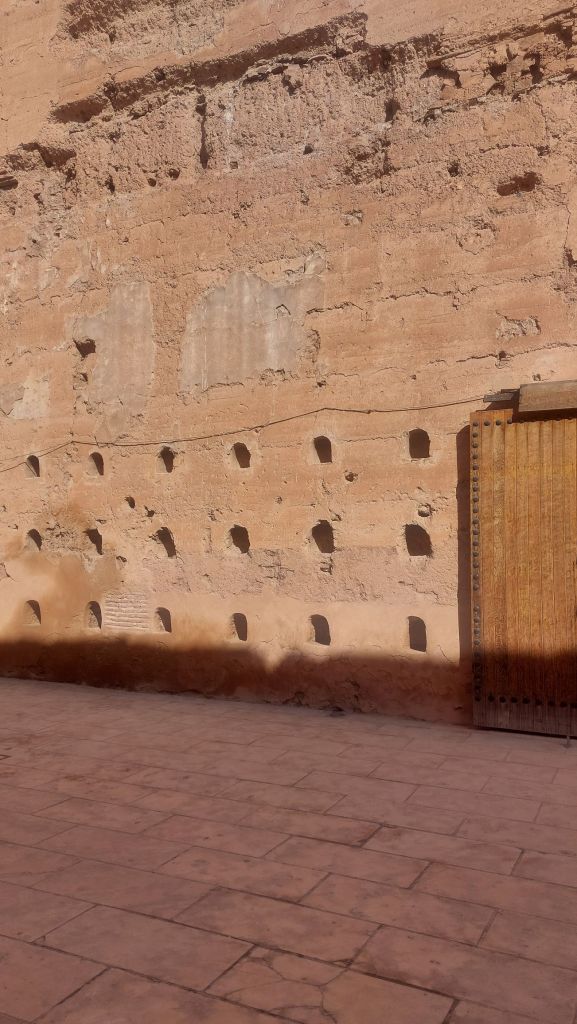
    Unfortunately, the palace was badly damaged during the earthquake in 2023, and renovations have taken place to repair the cracks in the walls.

    El Badi Palace is situated in the Kasbah district of Marrakech, which is to the south of the city.

    The huge patio is impressive, and the nesting storks on top of the towers give it a kind of mystical feel.

    Images by Freebird Tracey.

    Visiting this once opulent palace, you get a sense of the grandeur of the Saadian dynasty.

    There’s a feeling of peace and tranquillity within its walls, and you get to appreciate its historical significance.

    El Badi Palace is open every day from 9.00am to 5.00pm and costs 100 dirhams to enter.

    Image by Freebird Tracey.
    (more…)
  • Riad Bohemian Jungle.

    The Bohemian Jungle is a beautifully choreographed riad, close to the spice square in Marrakech.

    Image by Freebird Tracey.

    Straight out of a tale from Arabian Nights, Riad Bohemian Jungle exudes charm and authenticity.

    The interior decor is simply captivating, with several magical nooks and crannies to sit and take in its splendour.

    Images by Freebird Tracey.

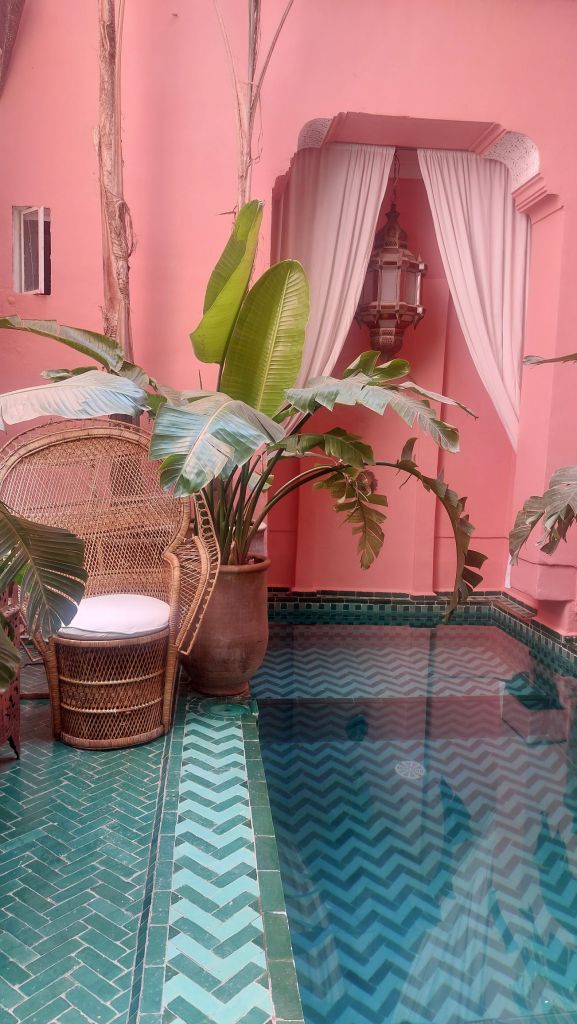
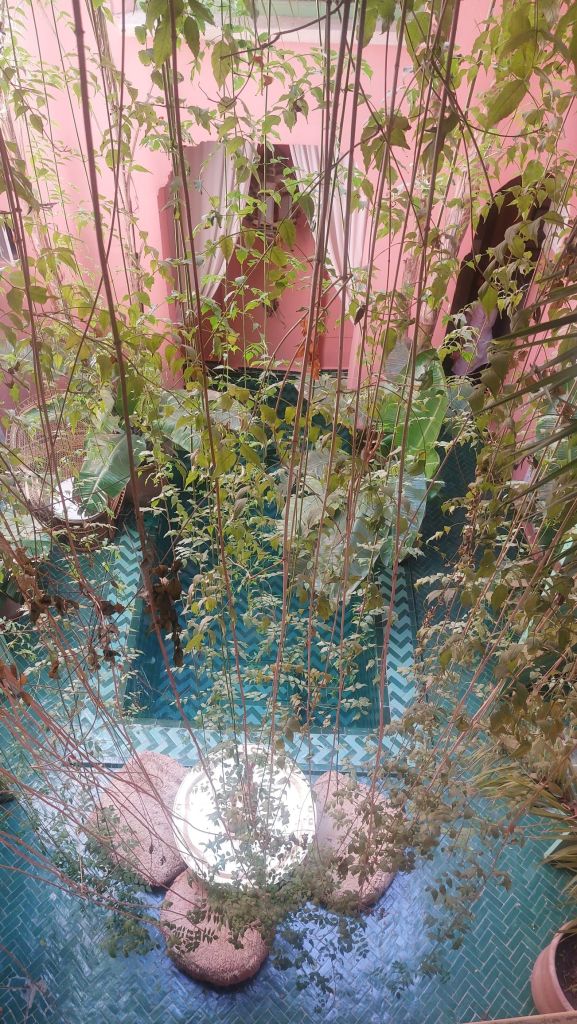
    The little pool in the centre of the courtyard is ideal for cooling off in.

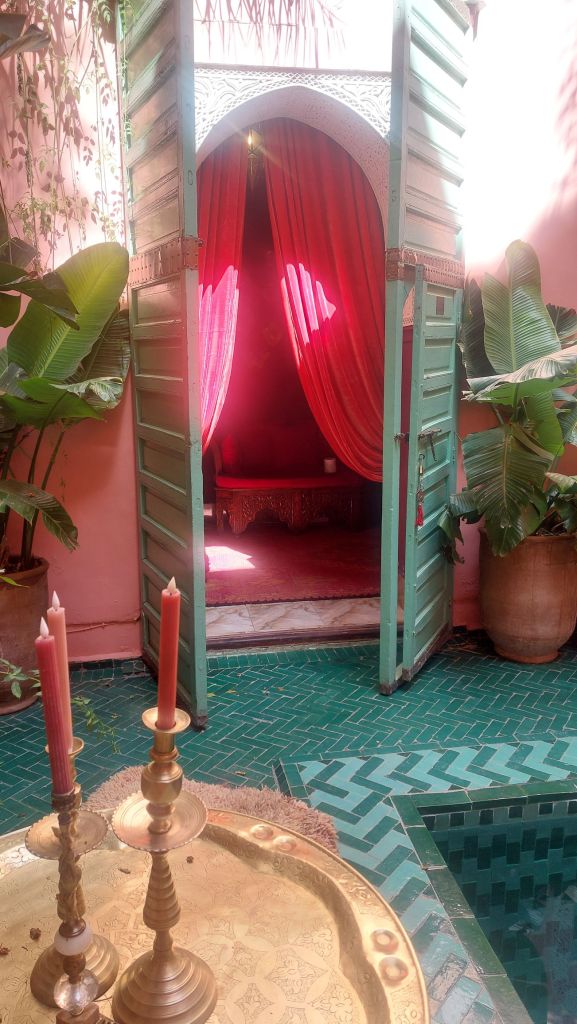
    The green tiles and exotic plants are stunning focal points of the riad.

    Images by Freebird Tracey.

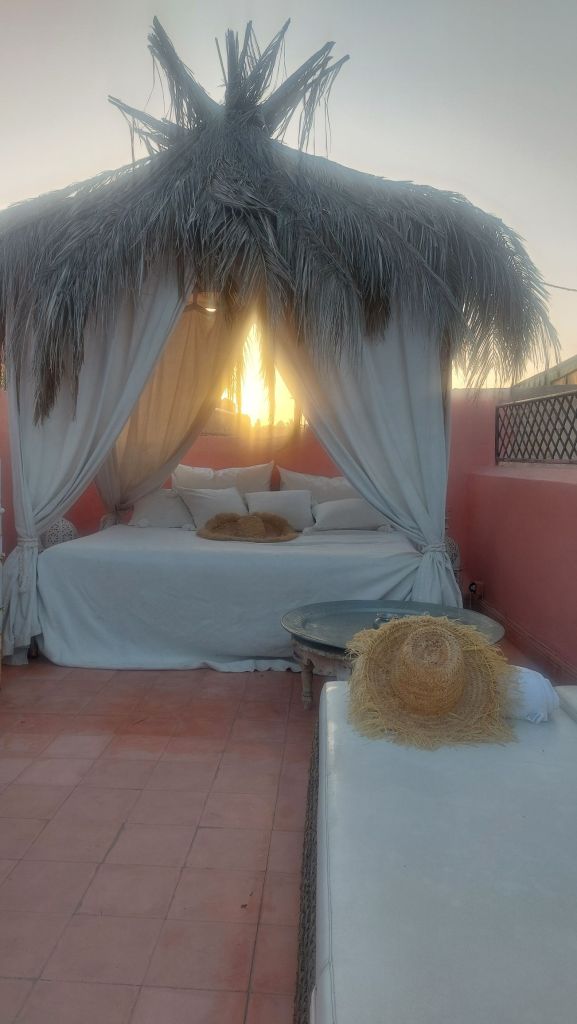
    The rooftop is truly decadent. 

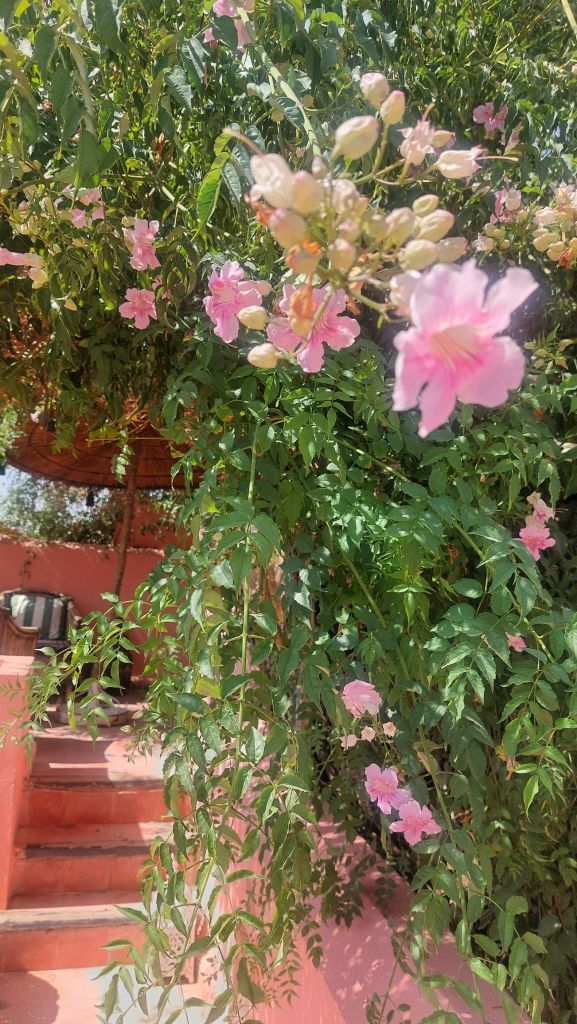
    There are pretty pink flowers, which drape into the courtyard below, plants and moroccan lanterns.

    A balinese bed for relaxing on and catching some sun rays, and a cerise, romantic boudoir area, where the staff play traditional tuareg music.

    There are areas to sit in the shade and relax with a book.

    This is perfect for when the hot morroccan sun reaches its highest temperature in the day.

    The riad lives up to its name. It certainly is a jungle.

    Images by Freebird Tracey.

    The riad is run by young men from the Sahara region, and they enjoy sharing their fascinating culture with guests.

    The breakfasts are varied and wholesome, consisting of a mix of traditional pancakes, honey, and jam.

    Fresh bread, fruit, yoghurt, and eggs.

    Fresh orange juice and coffee.

    Image Freebird Tracey.

    When you arrive at the riad, you are treated to the complimentary mint tea and biscuits, whilst you are given useful advice and a map to help you navigate the souks.

    Image by Freebird Tracey.

    This becomes helpful for finding your way back to the riad.

    The fragrance inside the riad is intoxicating as orange blossom, and cinnamon oil gently floats on the air.

    During the evening, lamps glow, and traditional Berber music plays subtly in the background.

    I never wanted to leave.

    I was so happy sitting inside the riad, taking in its beauty and experiencing the wonder of such a magnificent place.

    Image by Freebird Tracey.

    Riad Bohemian Jungle gets booked up quickly.

    If you are looking for TVs or a modern, luxurious style of accommodation you won’t find it here.

    This is an eclectic, boho environment that lives up to its name.

    Riad Bohemian Jungle is all about experiencing true, authentic riad culture, lost in time with the distant echos of camel traders and a strong spirit of the past.

    It is close to the Madrasa Ben Youssef, Marrakech museum, and several nice shops and restaurants.

    The address is;

    Derb al Maada

    Hay azbezte

    39 Medina, Medina 40030

    Marrakech, Morrocco.

    Excursions to the Sahara desert and other popular places of interest can also be arranged by this riad.

    They are good value for money and well organised.

    Image by Freebird Tracey.
    (more…)
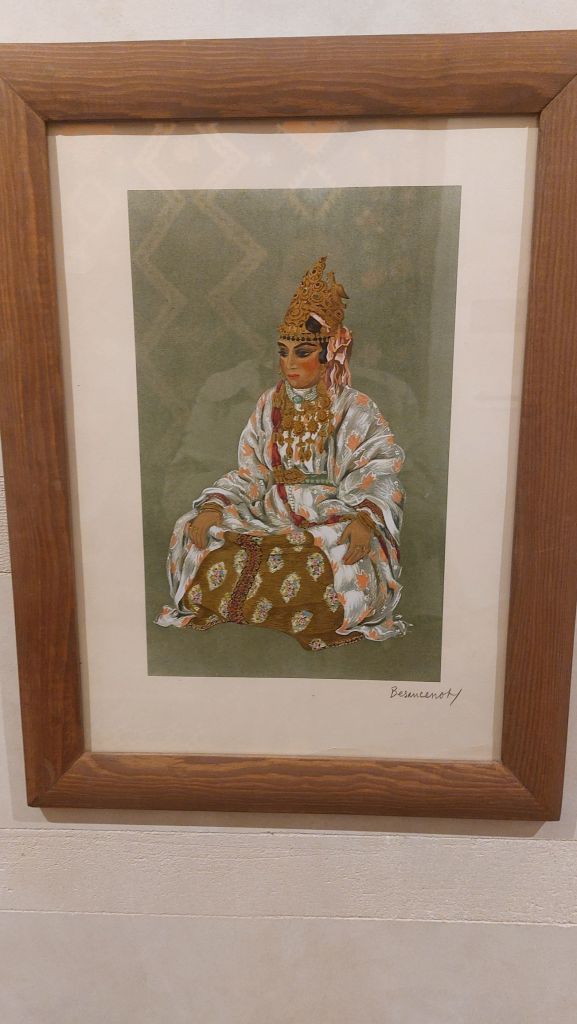
  • The Amazigh.

    A brief history of the indigenous people of North Africa.

    Image by Freebird Tracey.

    Berbers, also known as  Amazigh, are an indigenous group native to North Africa, with a history stretching back thousands of years.

    They have lived across a vast region encompassing modern-day Morocco, Algeria, Tunisia, Libya, Mali, and Niger.

    The Berbers made a huge contribution to the region’s cultural and technological heritage, including the creation of the Khettara system.

    This ancient water management technique involves a network of underground tunnels that channel water from mountain aquifers to arid lands, enabling agriculture in harsh environments.

    The Berbers’ innovations in architecture, trade, and agriculture meant they had a self-sufficient community that was thriving long before the arrival of foreign empires.
    Over the centuries, the Berbers faced numerous challenges, including invasions and exploitation by foreign powers.

    During the Ottoman era, slave traders targeted Berber communities, kidnapping many women and  throwing their society into chaos.

    The Berbers became known for their resistance to foreign domination, with some groups turning to piracy as a form of survival and defiance. 

    Barbary pirates became infamous for raiding European ships and coastal towns, leading to conflicts with European powers and even the young United States during the Barbary Wars. Despite these challenges, the Berber culture has endured, holding on to its distinct language, customs, and identity through resilience.

    The name Berber comes from the word ‘Barbaric’ and is now considered offensive.

    The indigenous people have adopted the name Amazigh, which means ‘ free people’

    Amizigh is now taught in schools and is officially known as the second language in Morocco, next to Arabic.

    It is possible for visitors to Marrakech to take a trip into the Atlas Mountains to observe the ancient customs and lifestyle of the Amazigh.

    A stay in a Berber family lodge is an unforgettable experience and a way to really get to know the history of Morrocco.

    You will get the chance to eat a home cooked meal with an Amazigh family and see how they live.

    This wonderful experience can be booked online or through your riad or hotel on arrival.

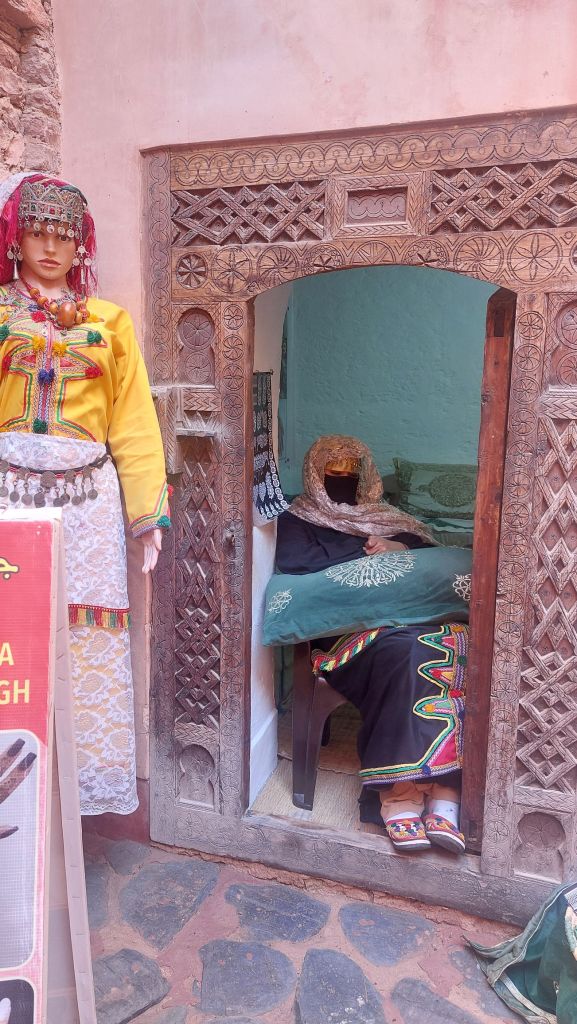
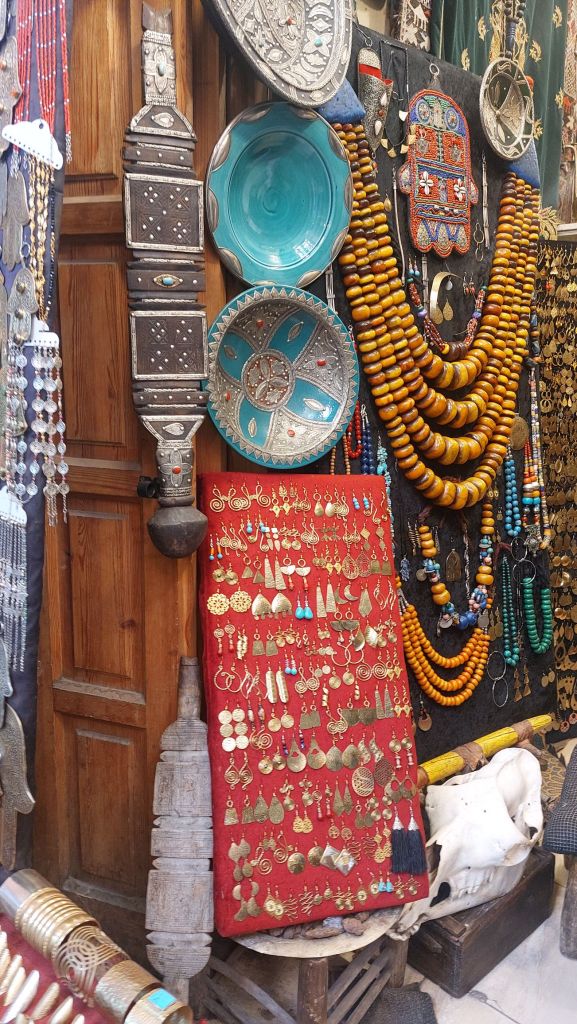
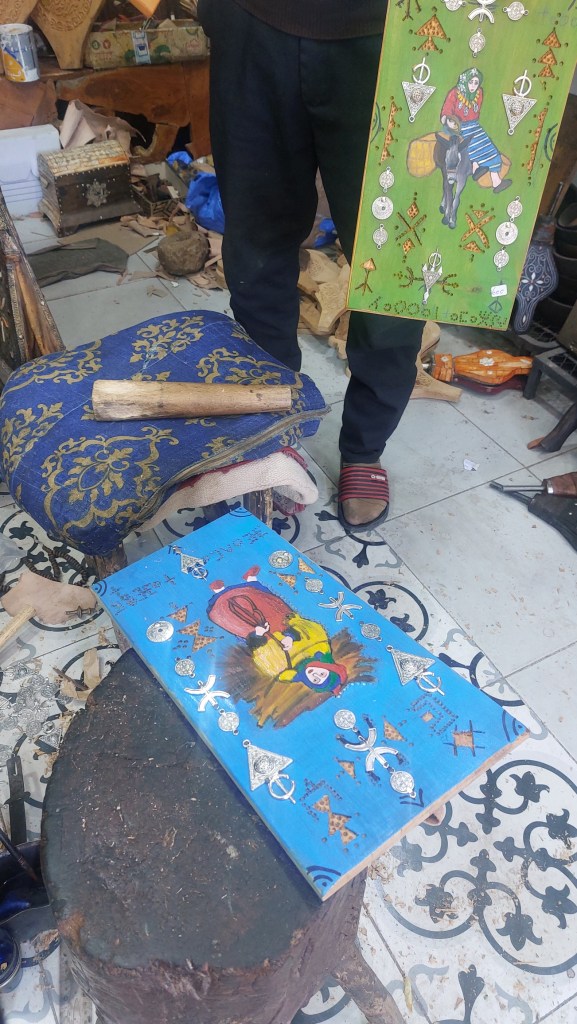
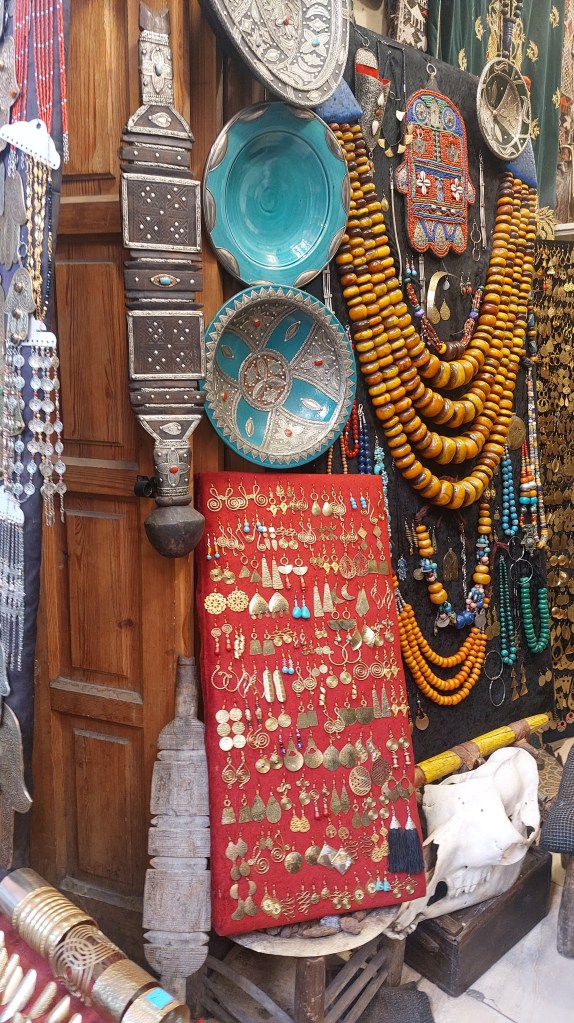
    There is a lot of beautiful  jewellery and rugs made by the Amazigh people for sale in the medina.

    Images by Freebird Tracey.

    Over 90% of the general population of Morocco has indigenous Berber DNA, and Marrakech is one of the most culturally Amazigh cities in Morocco.

    To learn more about Amazigh culture, visit the museum of photography or Marrakech museum.

    Both places are fascinating and gave me a deeper insight into the history of Amazigh culture.
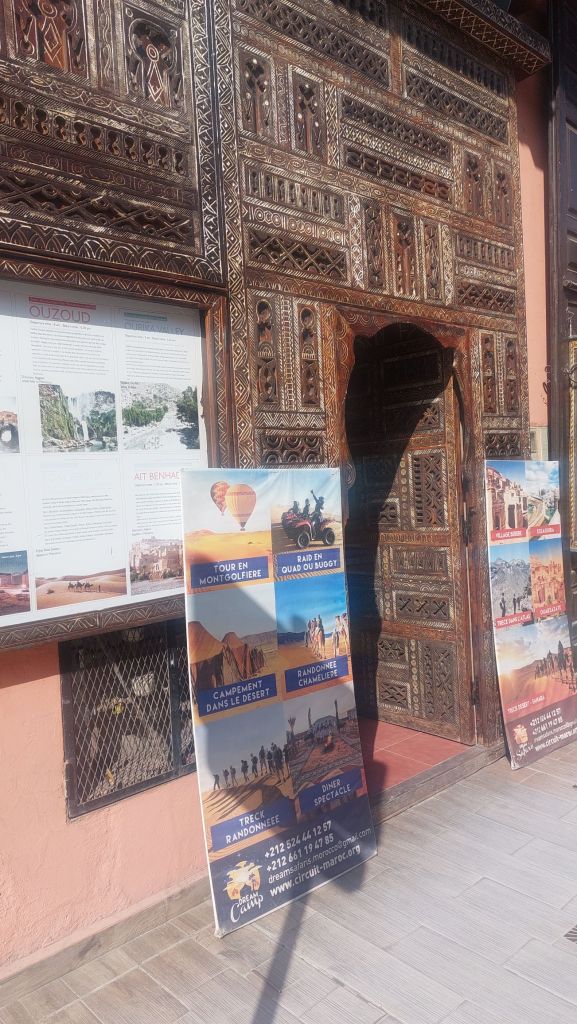
    Image by Freebird Tracey.
    (more…)