Visit a fascinating city on the Atlantic coast.
Marrakech is the perfect starting point for visiting other Moroccan destinations. One of the popular day trips from Marrakech is the beautiful city of Essaouira on the Atlantic coast. The journey takes approximately 3 hours with a 20-minute break for refreshments midway through.
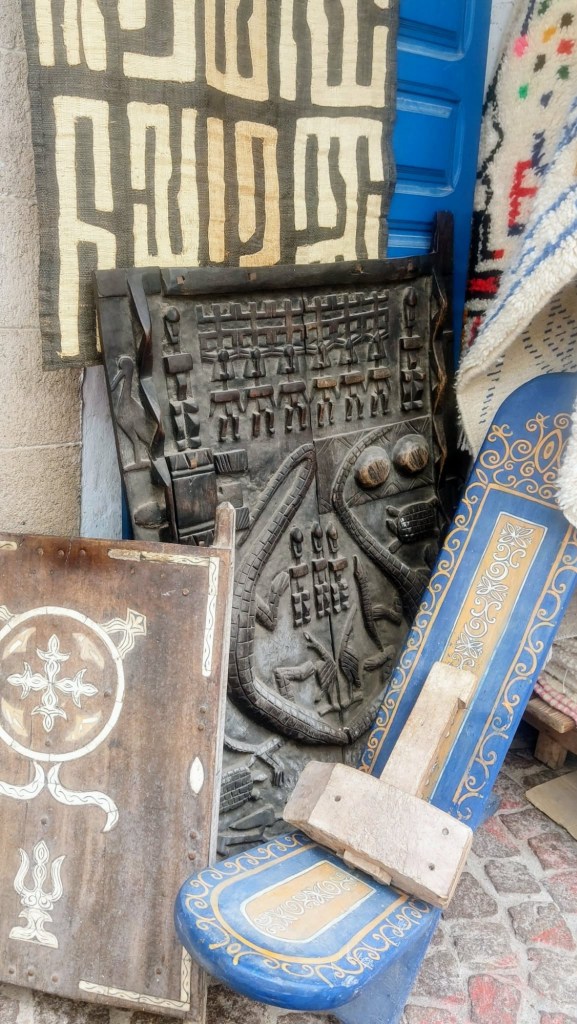
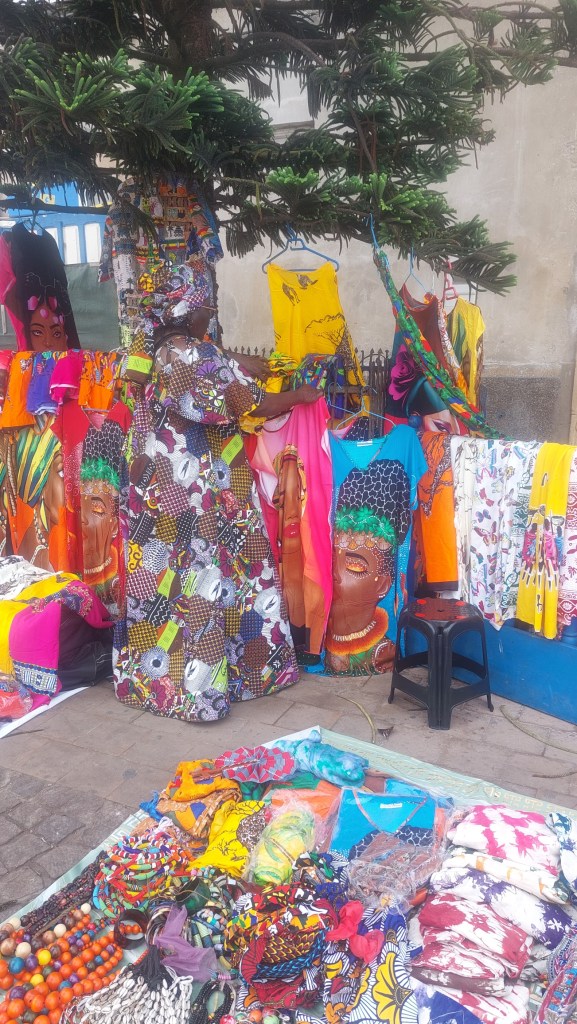
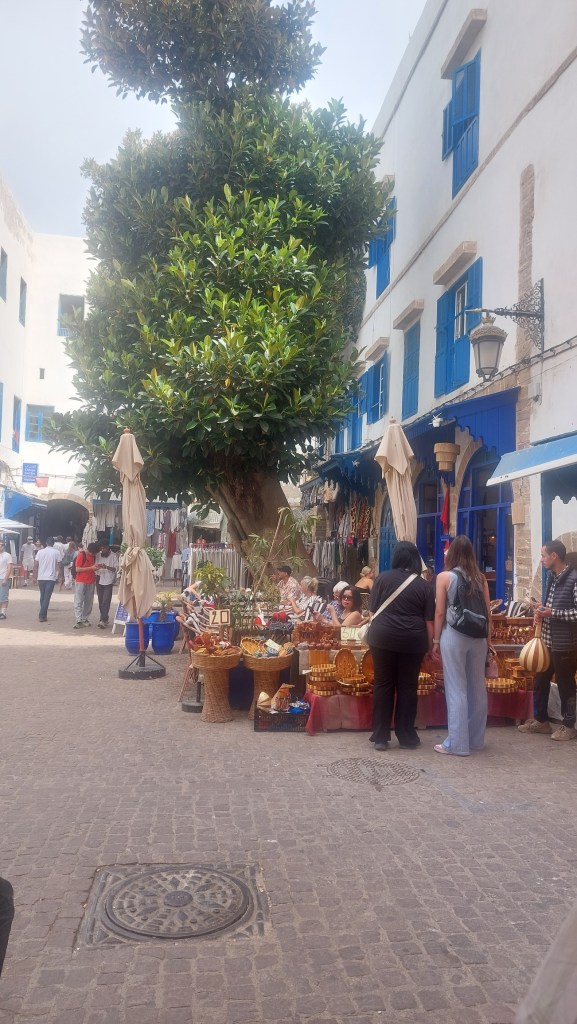
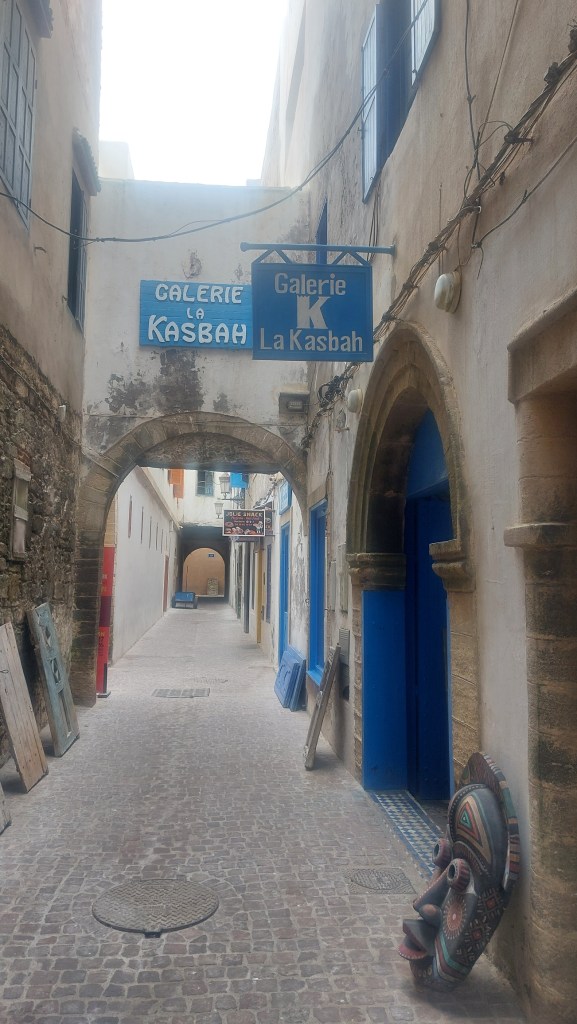
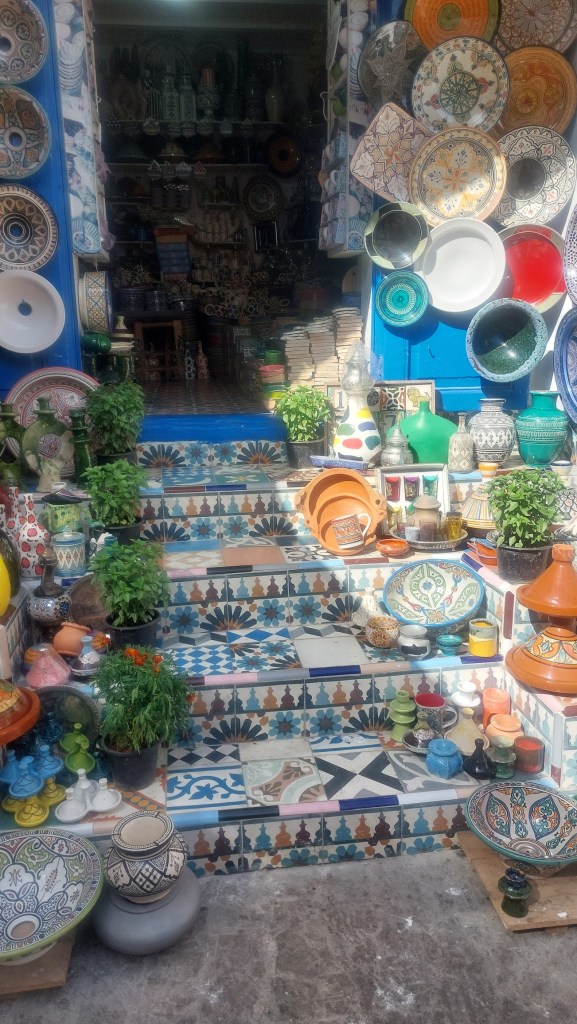
Essaouira is a delightful city, steeped in history. It is full of eclectic, quirky little shops, and the atmosphere is very bohemian. There are street musicians, local artists, and artisans plying their trade all around the picturesque old medina.
The beach is huge and a great place for a spot of sunbathing if the wind allows. You will most likely notice kite surfers because Essaouira is popular with the surfing community. The wind can be pretty wild, so it isn’t known as a beach destination, but on calm days, the beach attracts lots of local families and gets quite busy.
The temperature in Essaouira is cooler than it is in Marrakech. However, even on the windiest of days, you can not underestimate the power of the Moroccan sun. In the old medina, it can still feel very warm. Be mindful of this and apply sunscreen to stay safe.

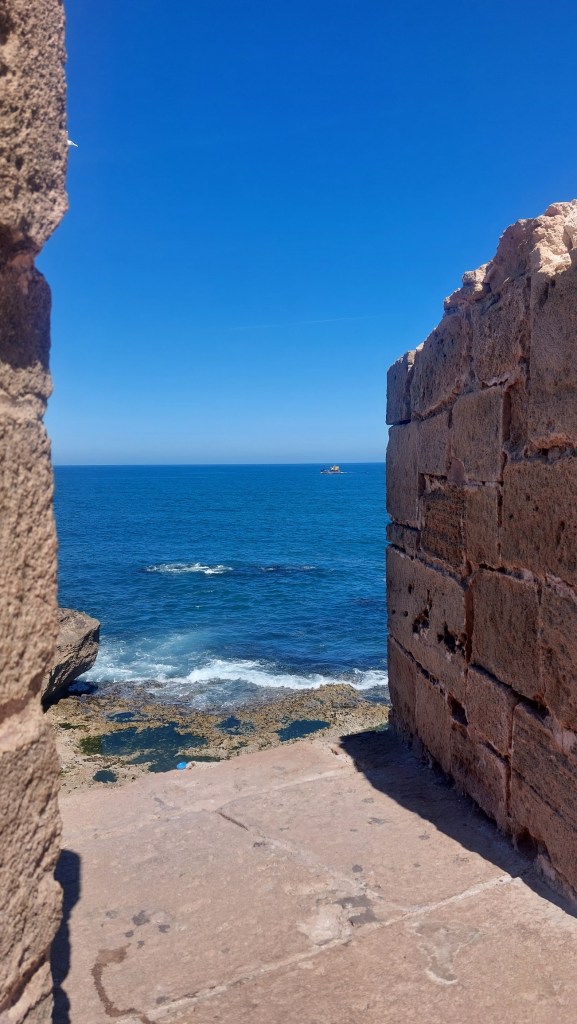
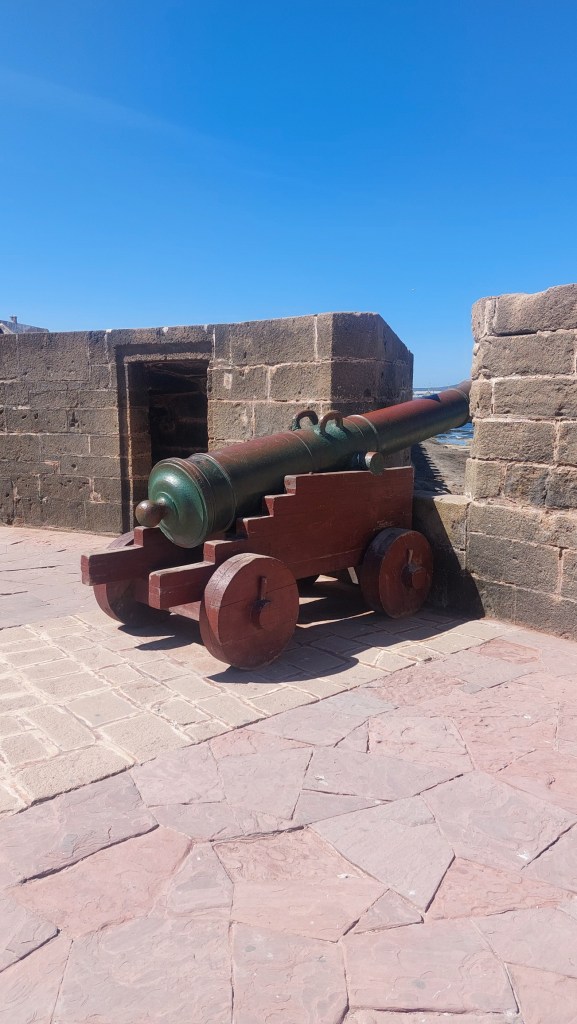
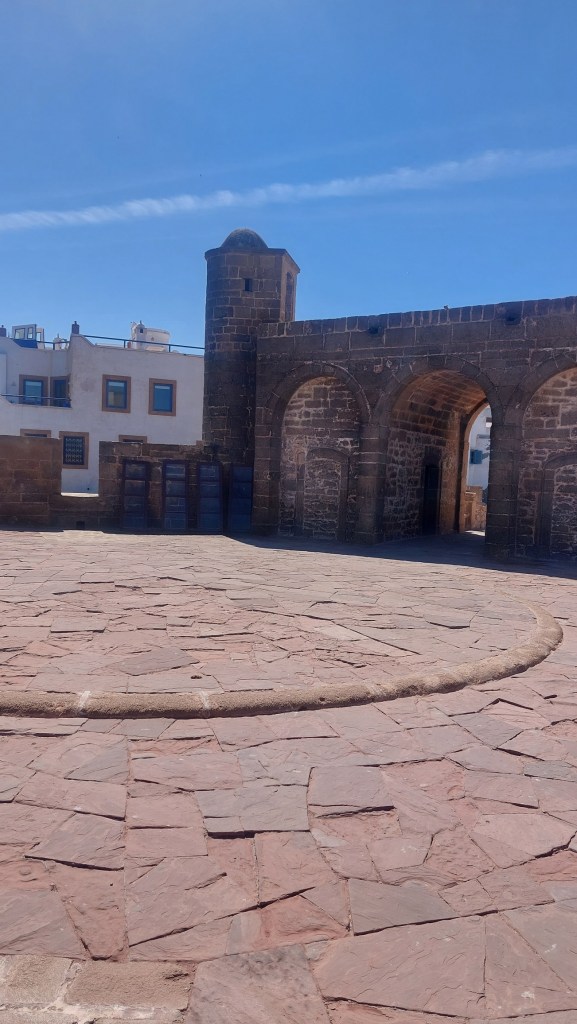
The fort is exciting and offers incredible views over the Atlantic Ocean. Cannons look out across the dramatic blue sea, and tourists gather to take photos. In the distance, you can see the island of Mogador, once home to a notorious prison known as the Alcatraz of Morocco. The fort was also one of the locations where Game Of Thrones was filmed.
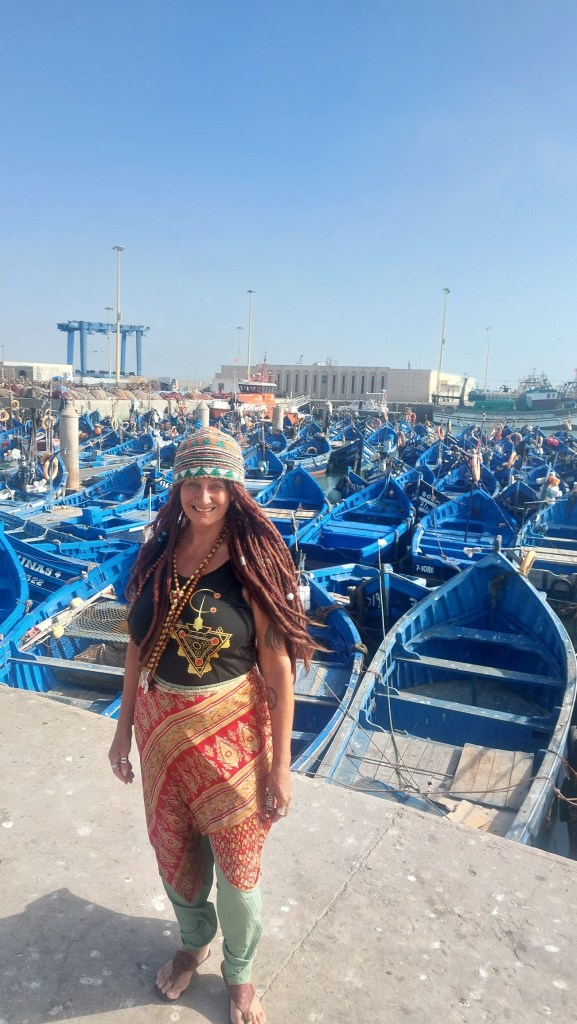
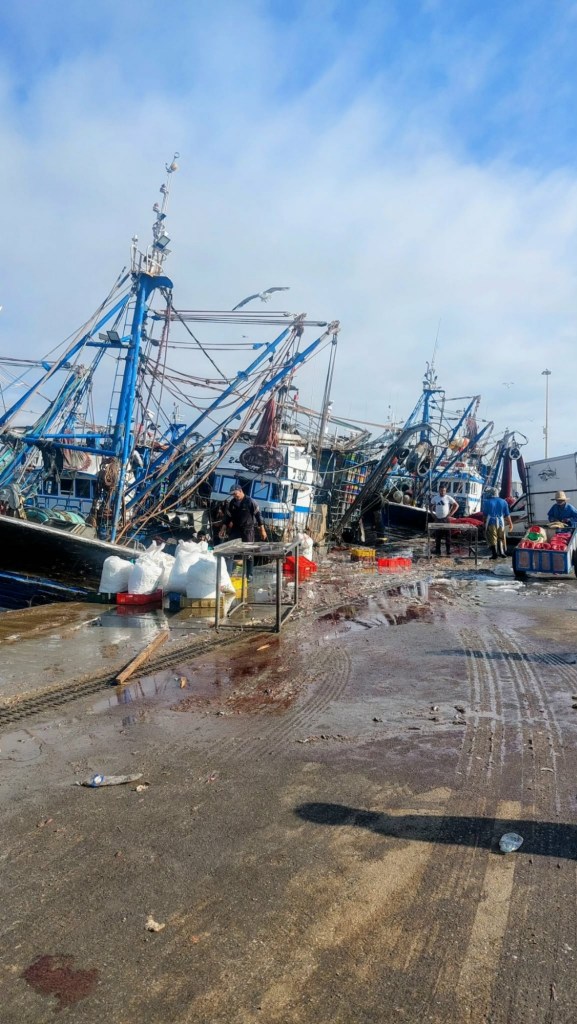
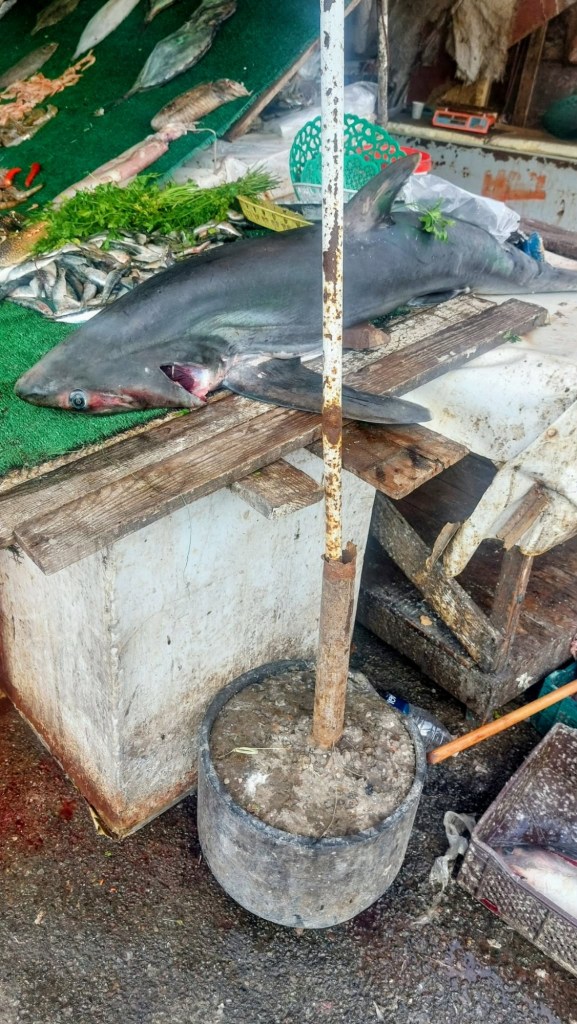
The port is one of the main attractions of Essaouira. The beautiful iconic blue fishing boats featured on every postcard of Essaouira are a sight to behold. Freshly caught fish are on display, including everything from sardines to baby sharks. The tourists queue to sample sea urchins and fresh oysters. It is possible to buy fish at the port and take it to a nearby cafe to be barbecued. There is also a fish market in the old medina that will barbecue fish for you. I have heard that prices here are better than the cafes next to the port.
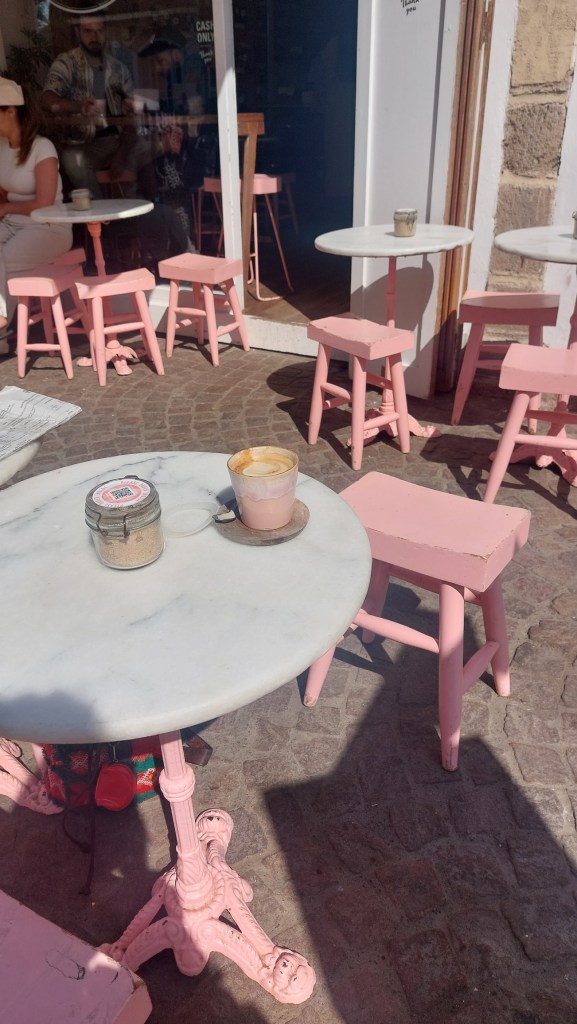
Lovely little cafes adorn the streets of the old medina, perfect for a spot of people watching. Pumpkin Cafe is very popular with its pink hues and delicious pastries. Three Little Birds and Soul Cafe are vibey and serve great coffee.
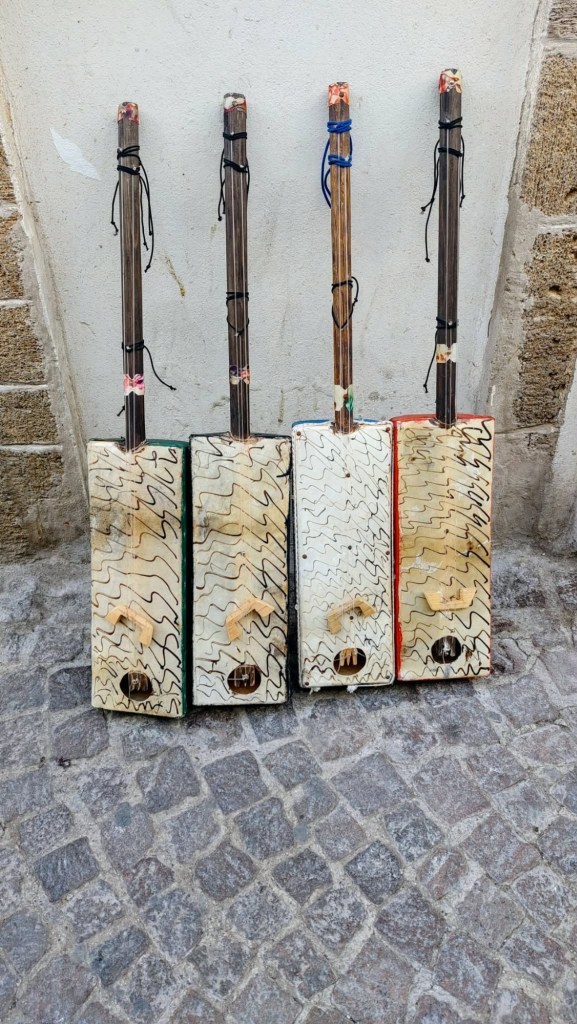
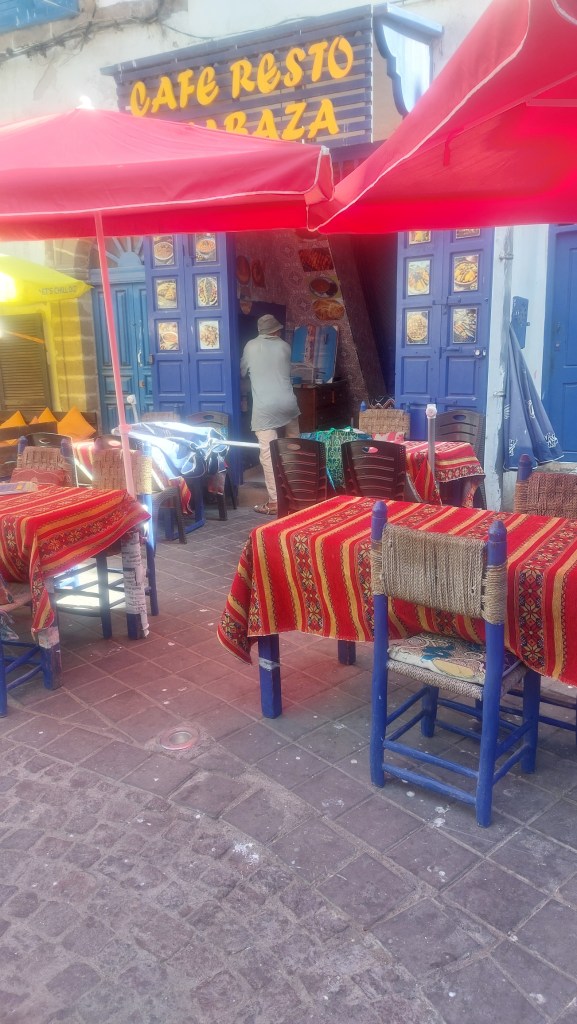
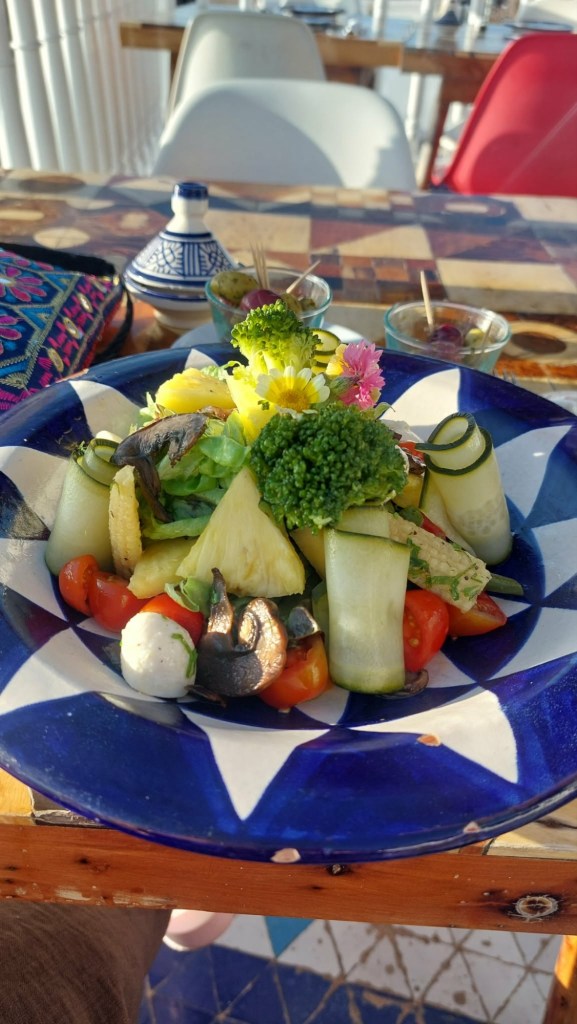
There are plenty of great restaurants for lunch, and prices are more reasonable than Marrakech or Agadir. I recommend Mandala Society and The Loft, which has interesting decor and excellent food. Love Caravan is very exotic, and Salut Maroc does a very creative salad. It’s one of the best places to watch the sunset. Many of the restaurants play live music, and gnawa musicians can be heard all around the walls of the medina. After all, Essaouira is the spiritual capital and cultural home to gnawa music.
Moulay Hassan Square is a gathering place for the locals to sit and drink mint tea and coffee. It is a vibrant area and houses one of the main stages during the annual Gnawa Festival in June. Sitting in the sun, listening to the many street entertainers is a nice way to relax and experience the cities culture.
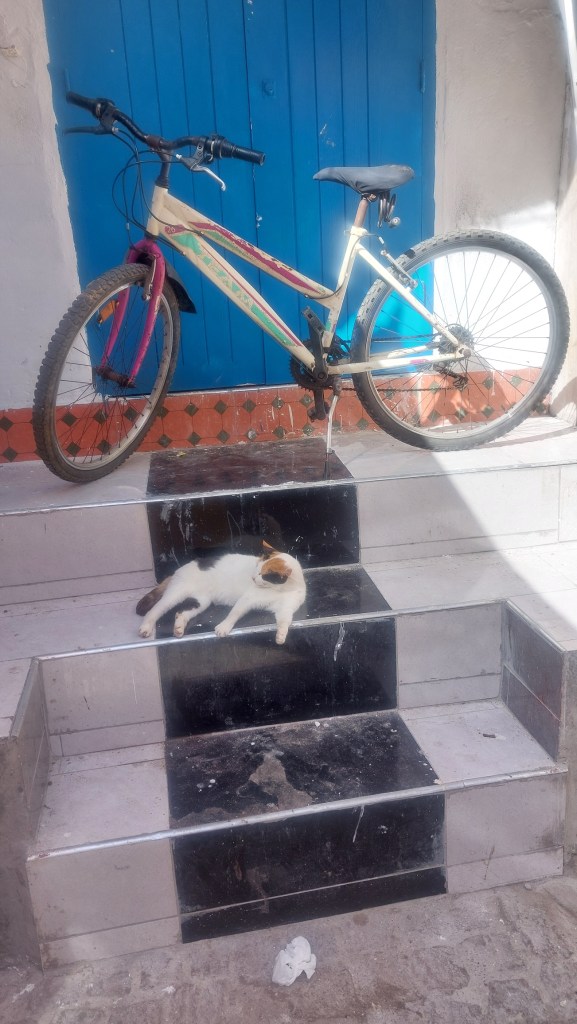
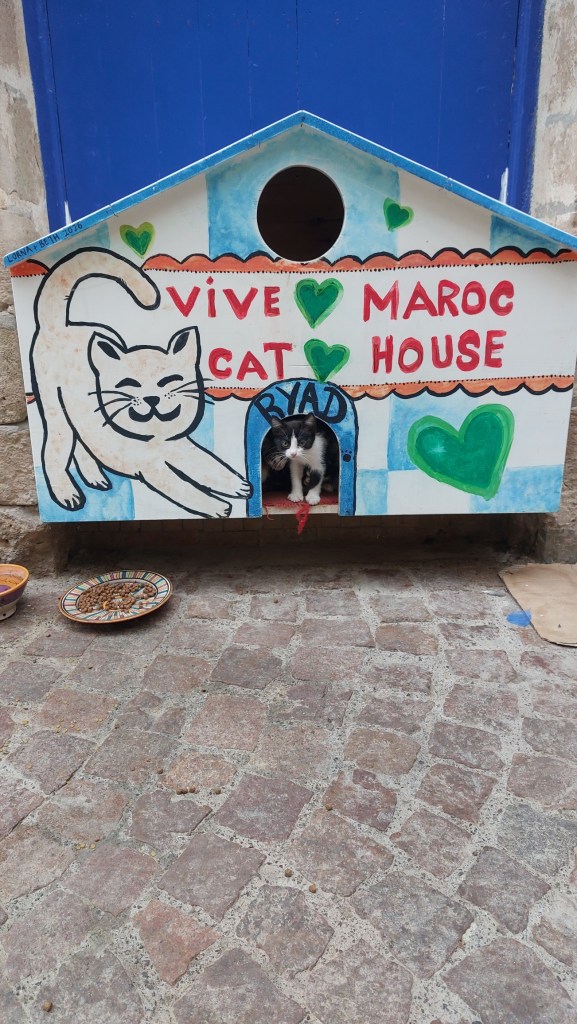
Cats wander around freely as if they have the right of way, and you can expect to see hundreds of them wherever you go in Essaouira. The locals look after them well, and it’s not uncommon to see cats sitting on the laps of the shop owners. Food, water, and shelter are strategically placed around the medina.
Essaouira is a fascinating place. Ideally, you would need at least a few days to appreciate it in its full entirety. There is plenty to do, and you need a couple of days to enjoy some of the attractions Essaouira has to offer.
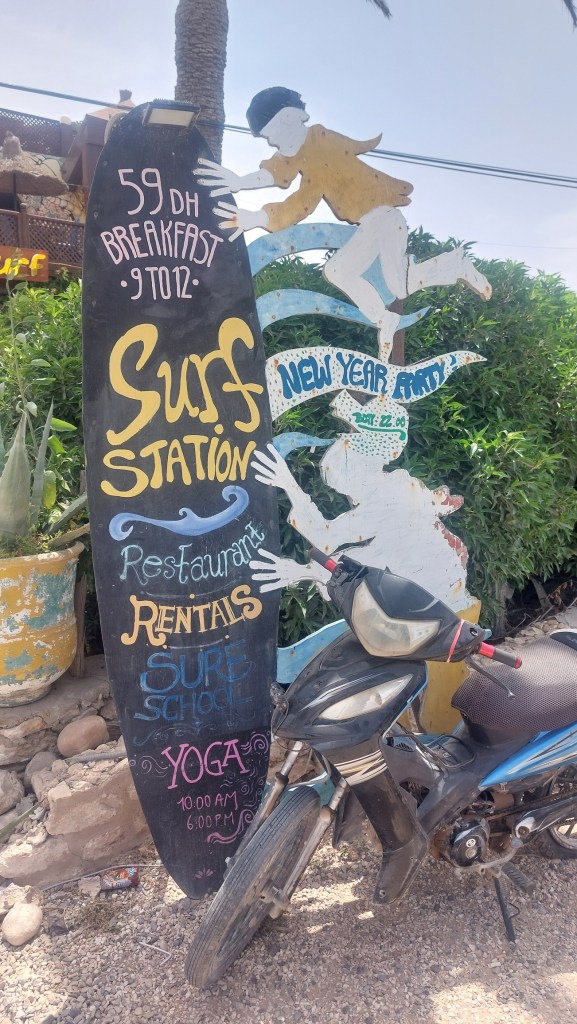
The Jimi Hendrix cafe in Diabat is worth a visit for fans. Sidi Kouki 25 km away is a very chilled surfing spot with a long white beach. It’s a 30-minute ride by grand or private taxi, longer if you decide to take the bus.

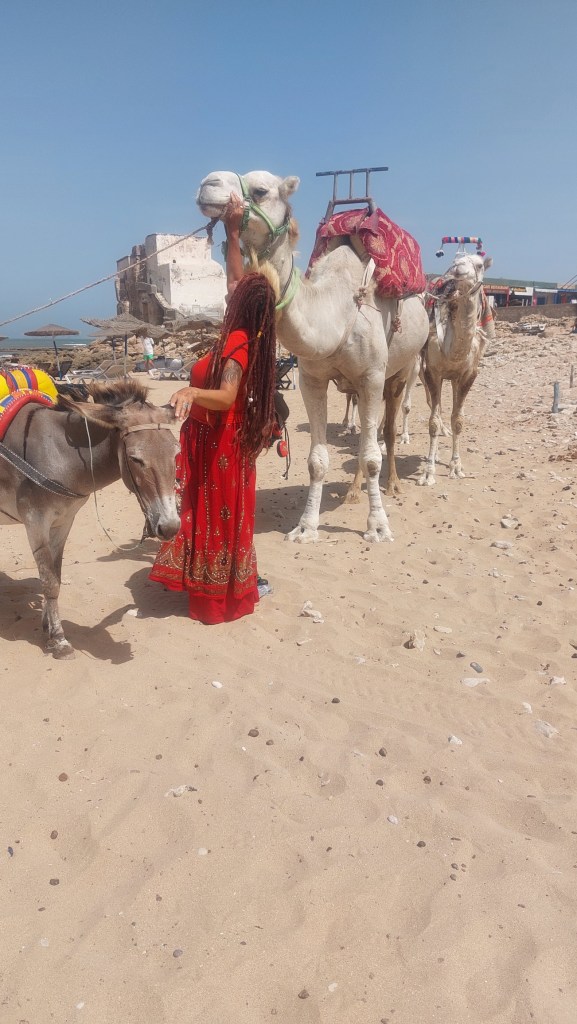
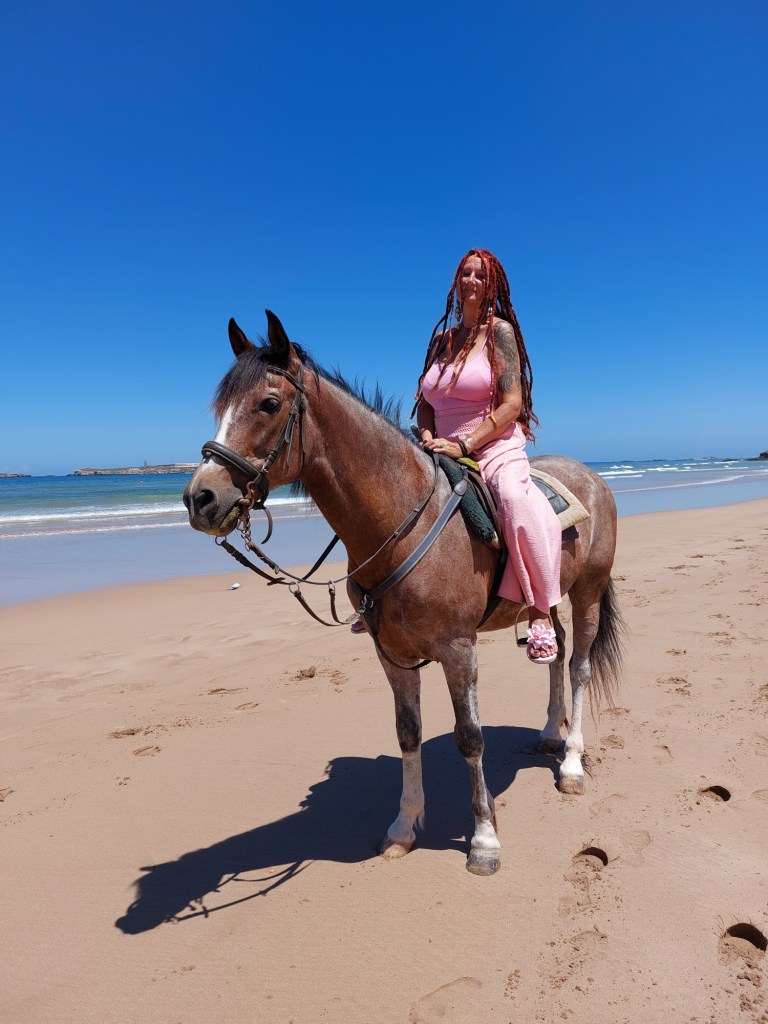
There is the opportunity to ride an Arabian horse across the beach. The horses are very well looked after, and the stables are spotlessly clean. This can be booked in advance through Get Your Guide or by visiting the stables in Diabat independentently, which I did. After visiting the Jimi Hendrix cafe, I simply wandered down to the stables and got to ride across the beach on my own with my guide. It was a memorable experience on a gentle horse called Andaluse, perfect for beginners.
When visiting Essaouira, knowing a little bit of French or Darija helps because English is considered a foreign language, and you will hear much more spoken French than in Marrakech. However, the locals in Essaouira are friendly and welcoming and will go out of their way to help you.
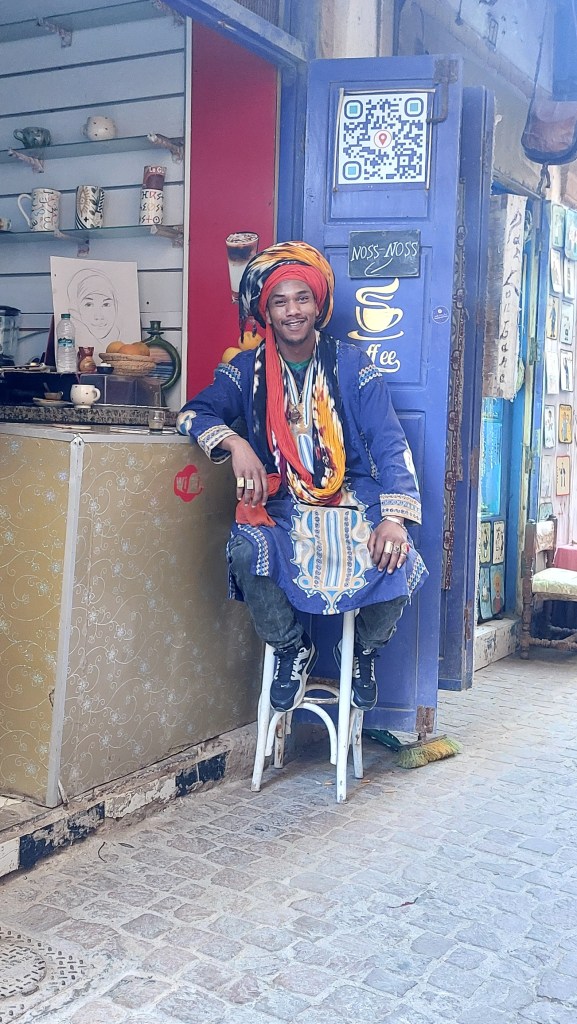
The pace of life in Essaouira is much slower than Marrakech despite the growing influx of tourism and the popularity of this wonderful destination. Shops open slightly later and close earlier. The feeling is very laid-back.
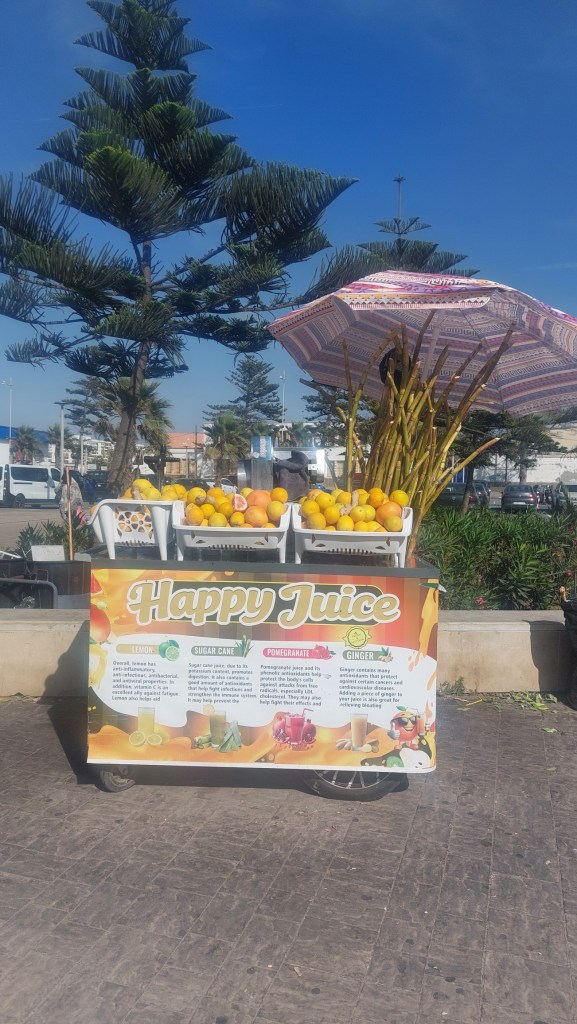
Essaouira is ideal for solo travellers and families with children alike. The long promenade is kept beautifully clean and comes to life at dusk, lined with street vendors selling corn, ice cream, and sugar cane juice. Locals play football on the beach, and families and friends sit together watching the sunset.
Incidentally, Essaouira has one of the most beautiful sunsets I’ve ever witnessed. The best places to watch it are from the ramparts or Salut Maroc and Taros. Both of these places serve alcoholic beverages.
Whilst it’s true that Essaouira is a very windy city, it doesn’t detract from the enjoyment of visiting, even between the months of June and August when the climate is perfect for surfing. The wind picks up during these months. However, if you carry a light jacket or sweater, you will be comfortable near the beach and ramparts where the wind is felt the most.
Essaouira is a very pretty city. The white buildings, with their blue shutters influenced by the Portuguese, are a complete contrast from the red city of Marrakech. Some visitors have claimed that it feels more like being in a European city than Morocco. The Amazigh culture is still very present in Essaouira despite its whitewashed buildings and laid-back charm.
I would recommend a visit to Essaouira as part of your itinerary when you’re visiting Marrakech. You can get a good feel of the city in a day. It may encourage you to return in order to spend a few more days exploring everything this great destination has to offer.
If you are travelling to Essaouira by yourself, I recommend taking the CTM or Supratours coach adjacent to the train station in Marrakech. Booking online guarantees you a seat, and there is a small charge of around 5 dirhams for your luggage. Backpacks can be taken on board free of charge. The coaches have air conditioning, and mine had reclining seats. The journey was very comfortable.
If you book as part of a group, including a guide, you may stop off and visit an argan cooperative during the journey. You may also stop to photograph the goats sitting in the argan trees. The journey may take slightly longer if you factor this in. On average, you get to spend approximately 4 hours sightseeing. Essaouira is a relatively small city, so you will have plenty of time to shop, have lunch, walk along the beach, and visit the port.
Just a gentle reminder, keep a few dirhams handy in case you need to use the bathroom during the rest stop. There is often an attendant present who will expect around 2 dirhams for the privilege of toilet tissue and the maintenance of the bathroom. It’s also a good idea to carry hand sanitiser.
Essaouira is sunny all year round, so it can be an enjoyable experience at any time of year. However, during June, when the annual Gnawa Festival takes place, it can be incredibly busy. At least 500,000 visitors descend on the city, which puts a strain on its infrastructure. The festival lasts 3 days. If you’re put off by huge crowds, I would choose a different time to visit. However, the energy around the city is electric during the festival, and it’s an explosion of sound and colour. Most visitors choose Essaouira for its contrast to the heady, over stimulation of Marrakech, so take that into consideration before planning a visit.
Whichever time you choose to come, your heart will be captured by Essaouira.