Tag: Amazigh

An exploration of The Red City known as Marrakech.
  • EL BADI PALACE.

    El Badi Palace was built in 1578 by Sultan Ahmad al-Mansoor of the Saadian dynasty.

    The palace was built to showcase the considerable wealth of the Saadian dynasty and was a prime example of Islamic architecture and exquisite craftsmanship.

    Using both Moroccan and European influences, the palace was beautifully decorated with intricate mosaic tiles, marble arches, and ornate carvings.

    The palace was home to the sultans harem and included over 500 women.

    Now, only the ruins remain.

    After Sultan Ahmad al-Mansoor died in 1603, the palace fell into neglect and was subsequently stripped away with the materials being used for other buildings in Morocco.

    The palace is certainly worth a visit if you want to learn about the history of Marrakech and the ruling elite centuries ago.

    The exhibition space contains the Almoravid Minbar, which is a finely decorated pulpit that once  stood in the Koutoubia Mosque.

    It also hosts temporary art and cultural exhibitions.

    The underground chambers contain information and photographs about the palaces history.

    Image by Freebird Tracey.

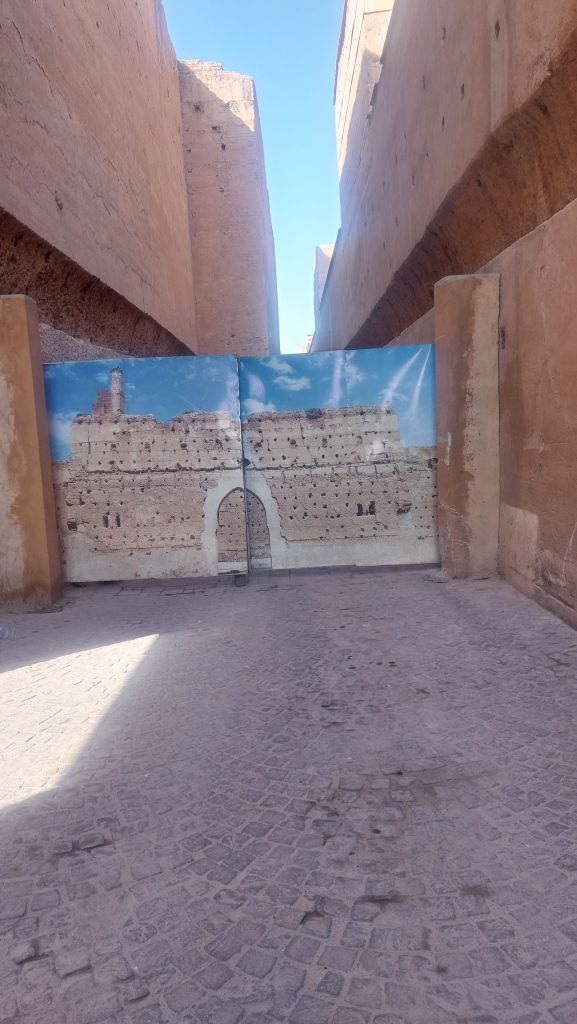
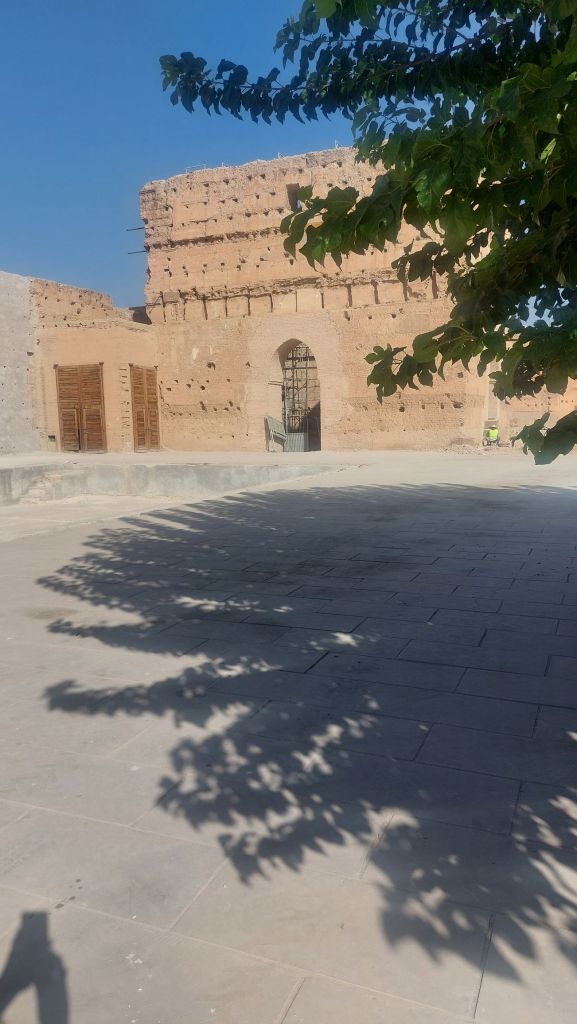
    The palace was badly damaged during the earthquake in 2023, and renovations have taken place to repair the cracks in the walls.

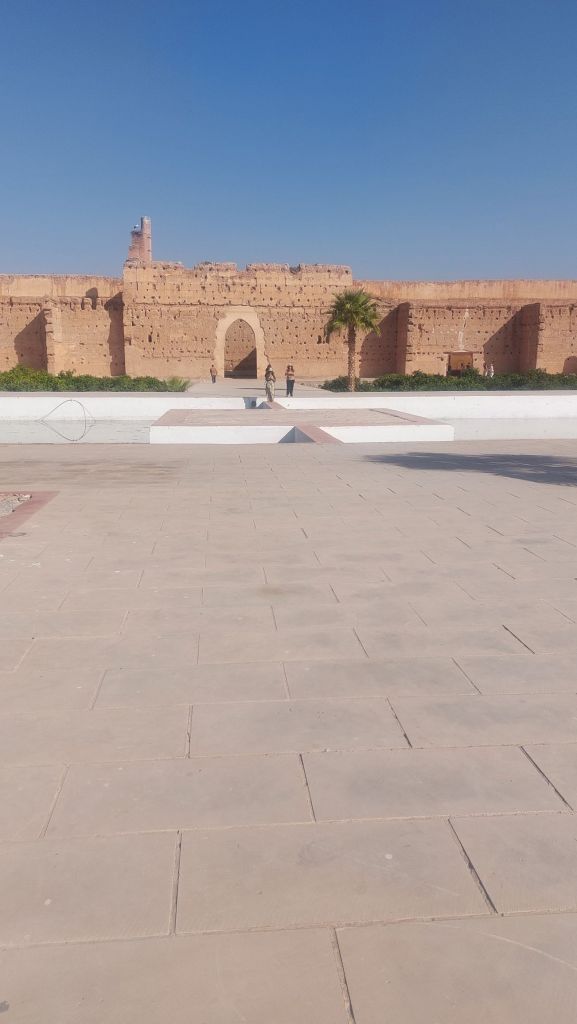
    El Badi Palace is situated in the Kasbah district of Marrakech and a popular tourist attraction.

    The courtyards are impressive, and the nesting storks on the towers give it a magical feel.
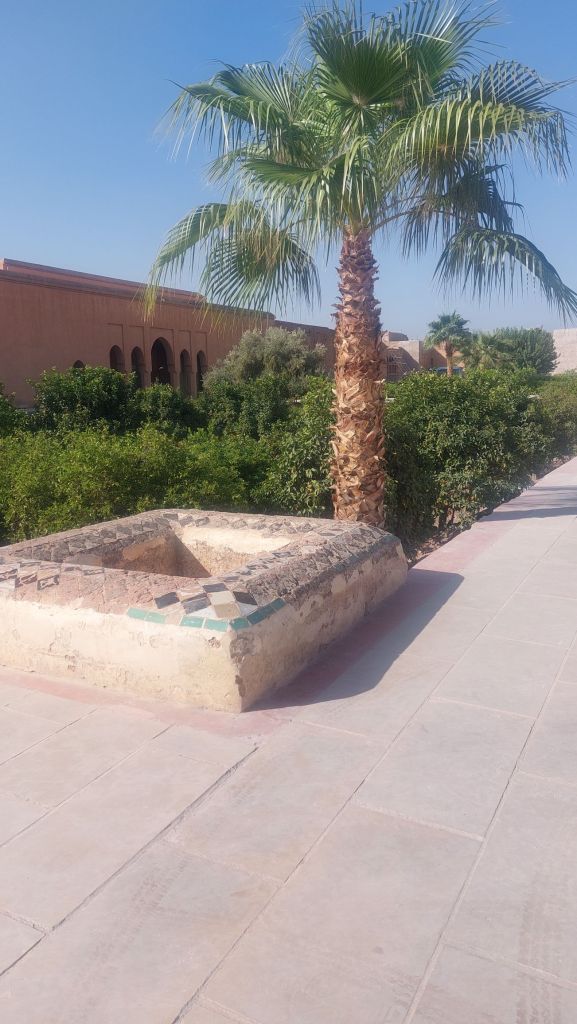
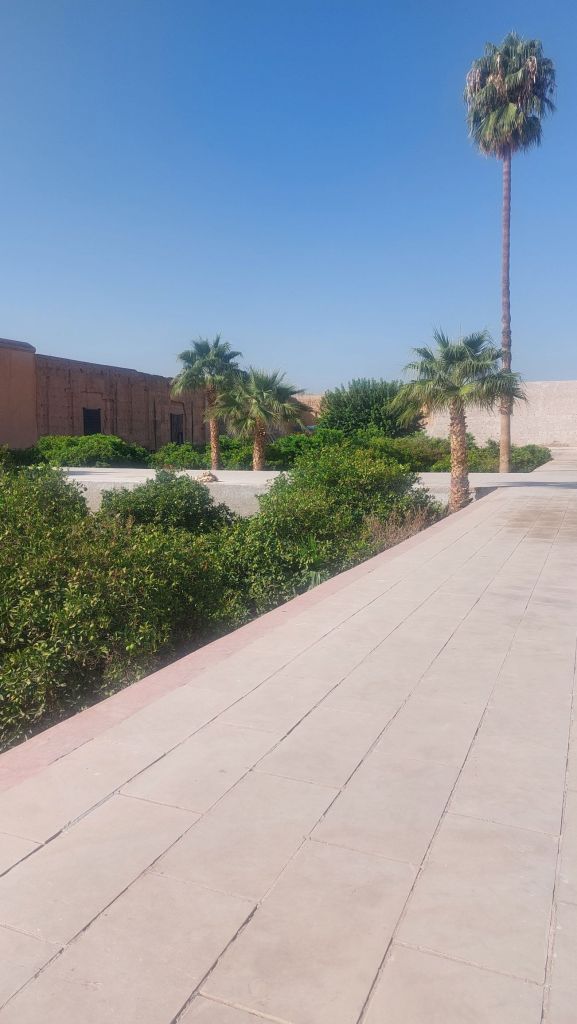
    Images by Freebird Tracey.

    You get a sense of the grandeur of the Saadian dynasty, and there’s a feeling of peace and tranquillity within the walls of the once opulent palace.

    El Badi Palace is open every day from 9.00am to 5.00pm and costs 100 dirhams to enter.
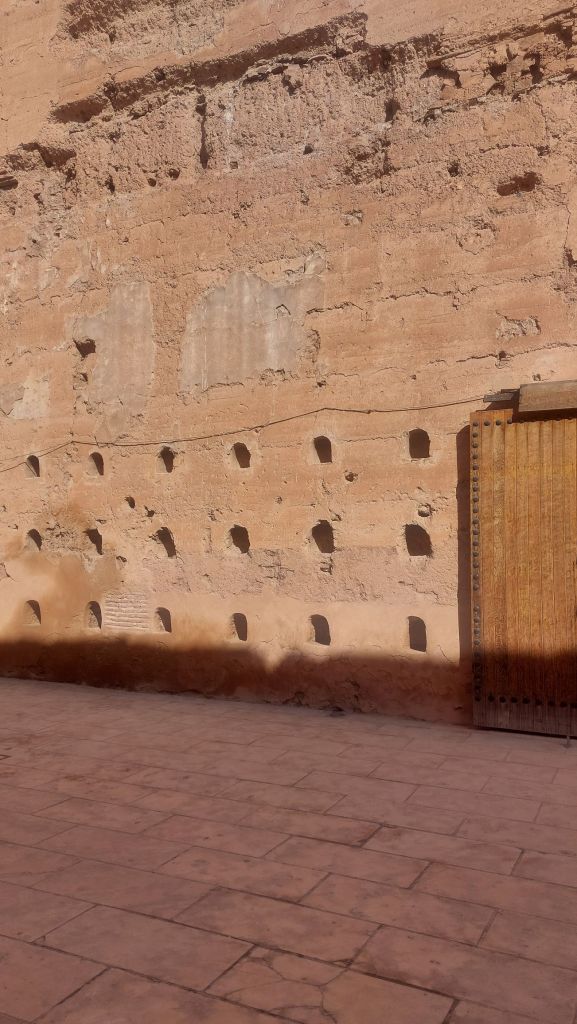
    Images by Freebird Tracey.

    For more information, contact me via the email address below;

    (more…)
  • RIAD BOHEMIAN JUNGLE.

    The Bohemian Jungle is a beautifully choreographed riad, close to the spice square in Marrakech.

    It exudes charm and authenticity.

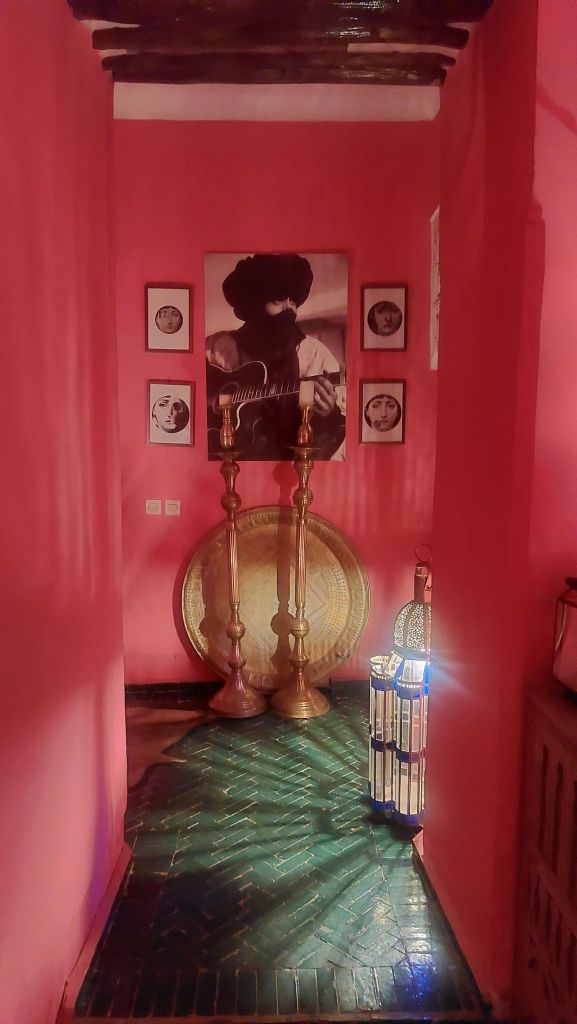
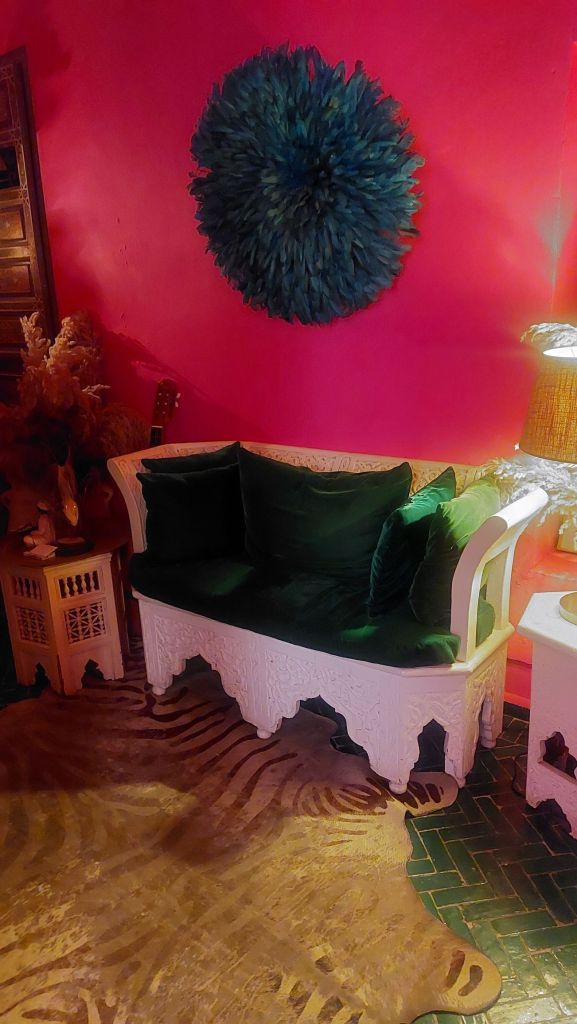
    The interior decor is simply captivating, with several tastily put-together nooks and crannies to sit and take in its splendour.

    Interior of the Bohemian Jungle/ Images Freebird Tracey.

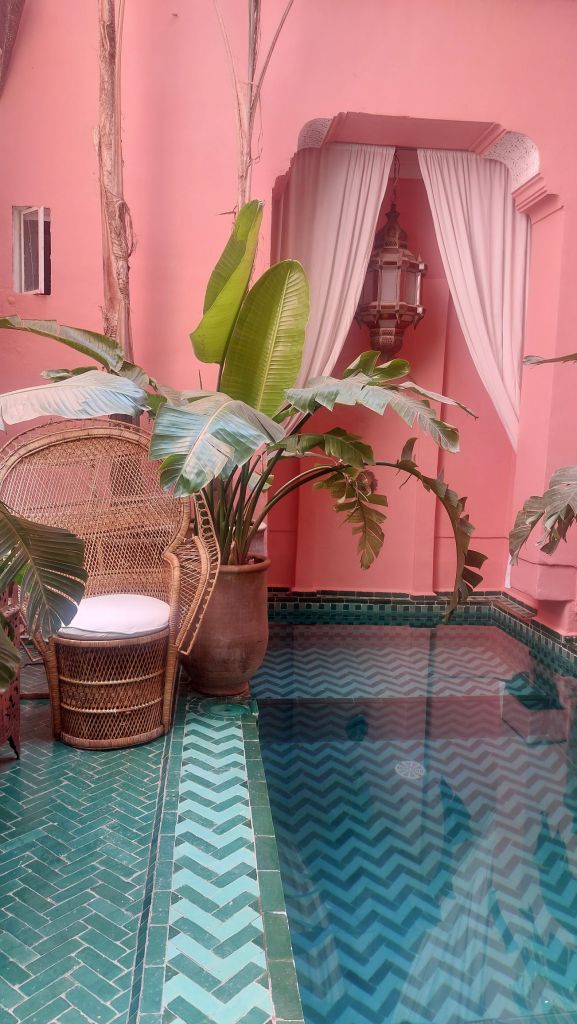
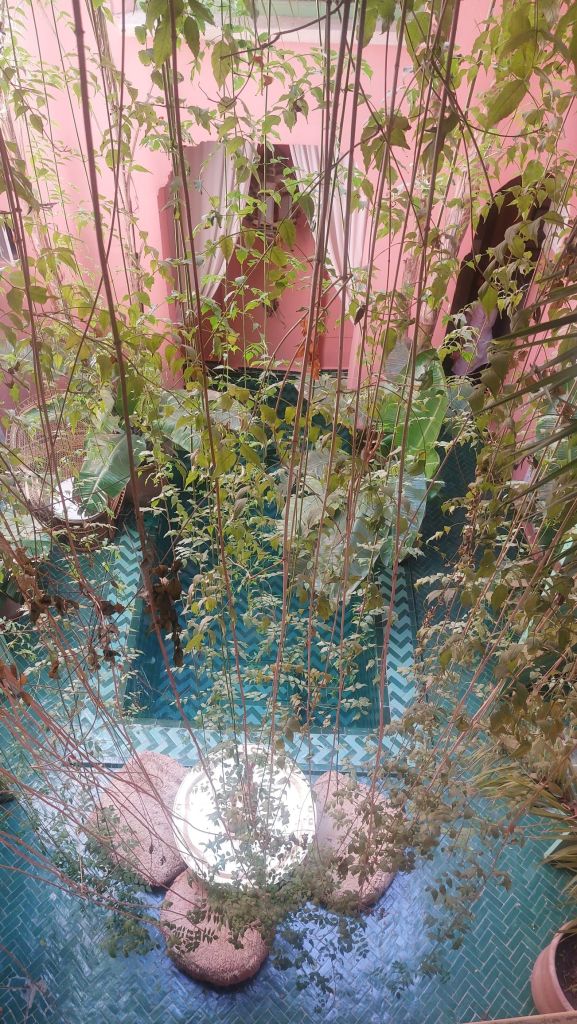
    The little pool in the centre of the courtyard is ideal for cooling off in.

    The green tiles and exotic plants make it a stunning focal point of the riad.

    Interior pool/images Freebird Tracey.

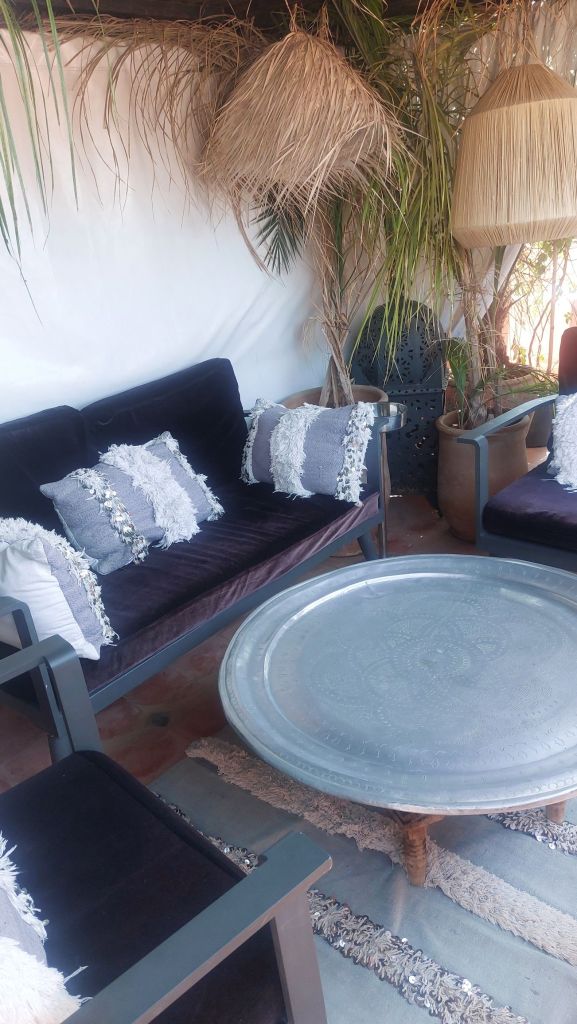
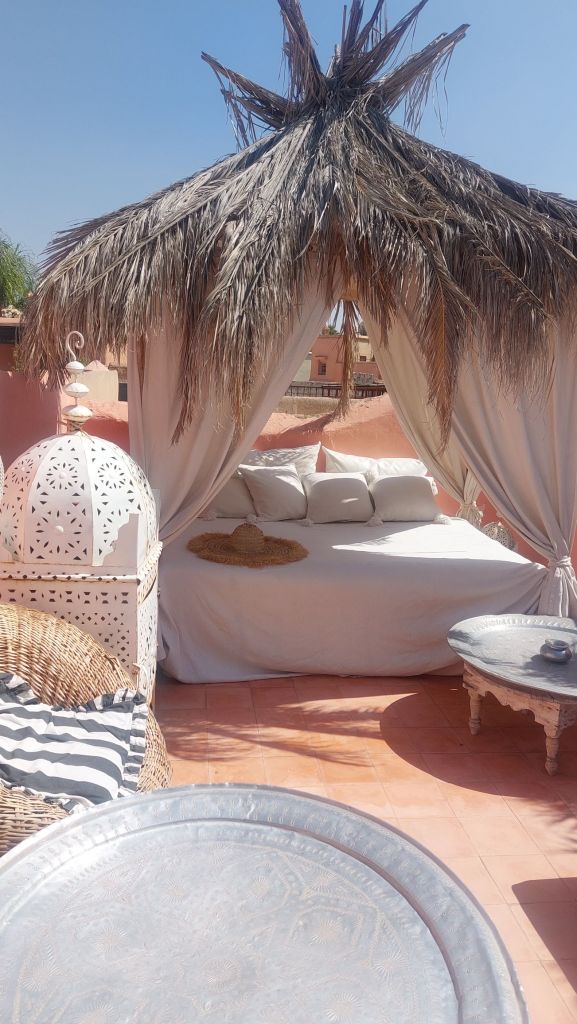
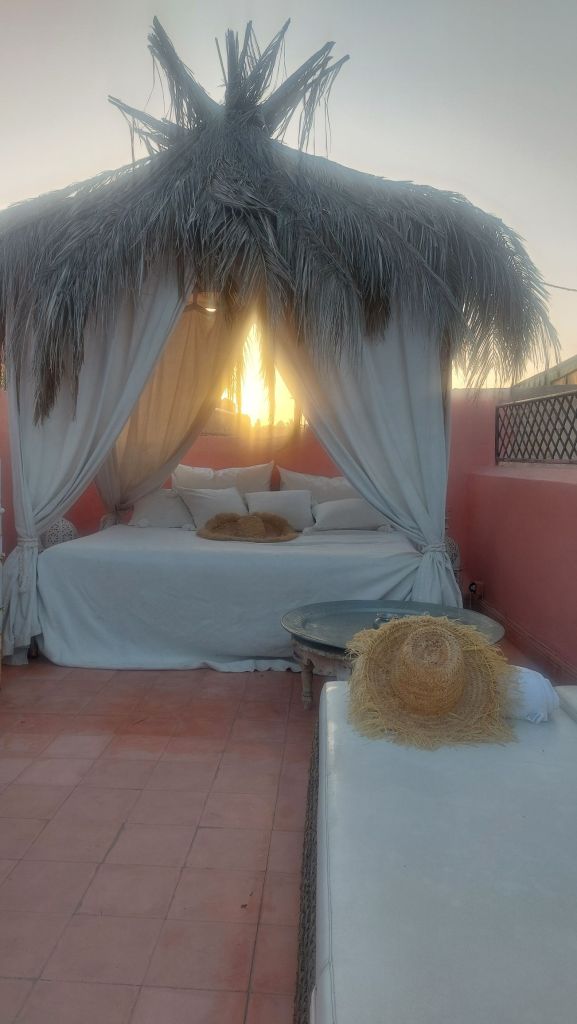
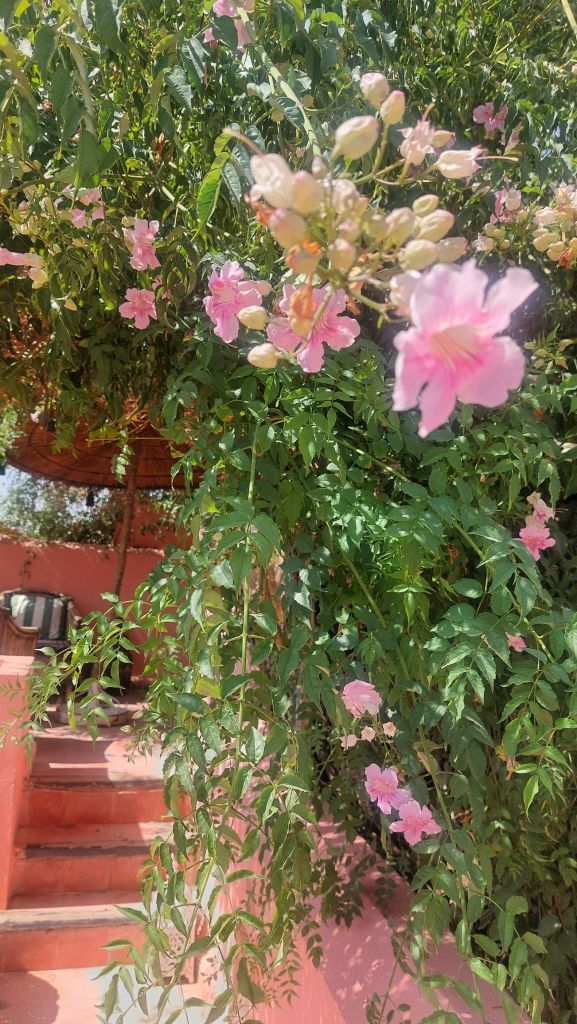
    The rooftop is magical. Surrounded by pretty, draping flowers, plants, and lanterns.

    There are several areas to hang out in.

    A balinese bed for relaxing on and a cerise, romantic boudoir area, where the staff play traditional tuareg music.

    There are areas to catch a spot of sunshine and places to sit where you are shaded.

    This is perfect for when the hot morroccan sun reaches its highest temperature in the day.

    Photos of the rooftop at the Bohemian Jungle/image Freebird Tracey.

    The staff are relaxed and friendly, and the vibe is laid back and chilled.

    The riad is run by three professional, yet charismatic young men from the Sahara region.

    Their knowledge of the area is invaluable, and they enjoy sharing a little piece of their fascinating culture with guests.

    The breakfasts are varied and wholesome, consisting of a mix of traditional pancakes, honey, and jam.

    Fresh bread, fruit, yoghurt, and eggs.

    Fresh orange juice and coffee.

    Image Freebird Tracey.

    When you arrive at the riad, you are treated to the complimentary mint tea and biscuits, whilst you are given useful advice and a map to help you navigate the souks.

    This is helpful for finding your way back to the riad.

    The fragrance inside is intoxicating.

    Orange blossom and cinnamon oil gently floats on the air, the lamps glow, and  Berber music plays subtly in the background.

    I never wanted to leave..

    I was so happy sitting in the riad, taking in the beauty and experiencing the wonder of such a magnificent place..

    Riad Bohemian Jungle gets booked up quickly.

    If you are looking for TVs and a modern approach to your trip to Marrakech, you won’t find it here.

    Riad Bohemian Jungle is all about experiencing true, authentic riad culture, lost in time with the distant echos of camel traders and a strong spirit of the past.

    It is close to the Madrasa Ben Youssef, Marrakech museum, and several nice shops and restaurants.

    The address is;

    Derb al Maada

    Hay azbezte

    39 Medina, Medina 40030

    Marrakech, Morrocco.

    Excursions to the Sahara desert and other popular places of interest can also be arranged by this riad.

    They are good value for money and well organised.

    Enjoying a moment of tranquillity at the Bohemian Jungle.
    Sunrise from the rooftop of the Bohemian Jungle/image Freebird Tracey.
    (more…)
  • THE AMAZIGH PEOPLE.

    A brief history of the indigenous people of Morocco.

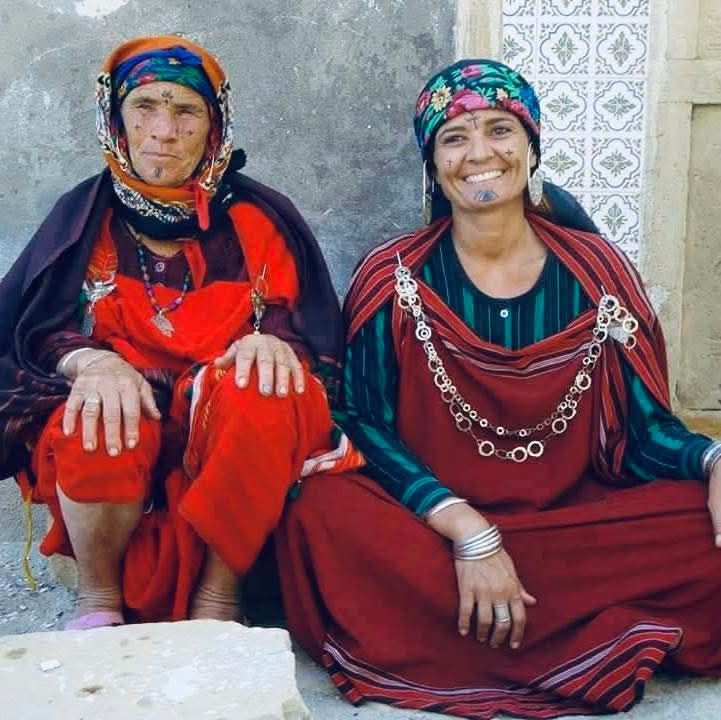
    An Amazigh Woman displaying her Headdress.

    The Berbers, also known as the Amazigh, are an indigenous group native to North Africa, with a history stretching back thousands of years.

    They have lived across a vast region encompassing modern-day Morocco, Algeria, Tunisia, Libya, Mali, and Niger.

    The Berbers made a huge contribution to the region’s cultural and technological heritage, including the creation of the Khettara system.

    This ancient water management technique involves a network of underground tunnels that channel water from mountain aquifers to arid lands, enabling agriculture in harsh environments.

    The Berbers’ innovations in architecture, trade, and agriculture meant they had a self-sufficient community that was thriving long before the arrival of foreign empires.

    Over the centuries, the Berbers faced numerous challenges, including invasions and exploitation by foreign powers. During the Ottoman era, slave traders targeted Berber communities, kidnapping many women and  throwing their society into chaos.

    The Berbers became known for their resistance to foreign domination, with some groups turning to piracy as a form of survival and defiance. 

    Barbary pirates became infamous for raiding European ships and coastal towns, leading to conflicts with European powers and even the young United States during the Barbary Wars. Despite these challenges, the Berber culture has endured, holding on to its distinct language, customs, and identity through resilience.

    The name Berber comes from the word ‘Barbaric’ and is now considered offensive.

    The indigenous people have adopted the name Amazigh, which means ‘ free people’

    Amizigh is now taught in schools and is officially known as the second language in Morocco, next to Arabic.

    It is possible for visitors to Marrakech to take a trip into the Atlas Mountains to observe the ancient customs and lifestyle of the Amazigh.

    A stay in a Berber family lodge is an unforgettable experience and a way to really get to know the history of Morrocco.

    You will get the chance to eat a home cooked meal with an Amazigh family and see how they live.

    This wonderful experience can be booked online or through your riad or hotel on arrival.

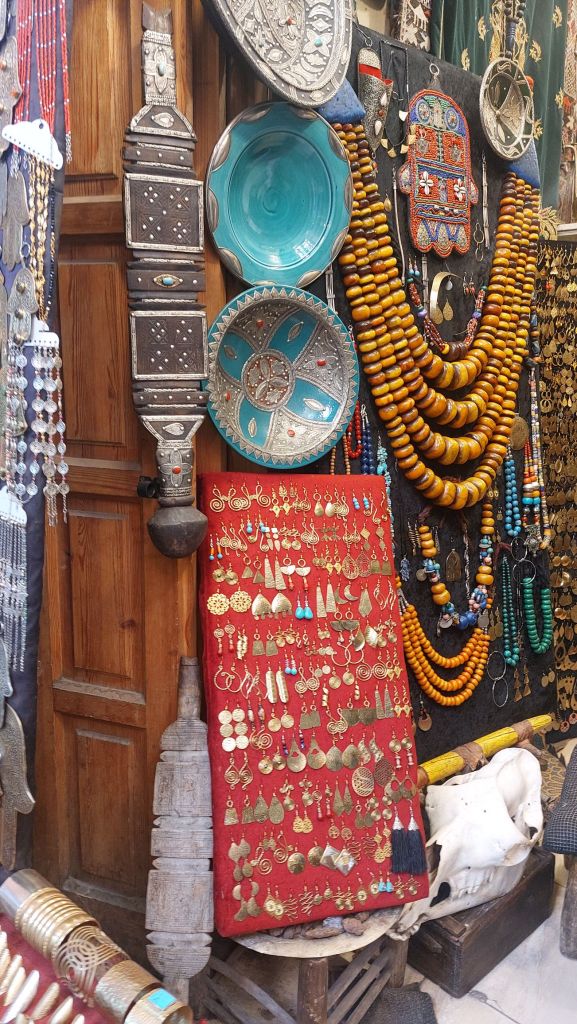
    The Souks sell beautiful Berber jewellery and rugs made by the Berber ladies.

    Images Freebird Tracey.

    See my separate post on Berber rugs.

    Beautiful Amazigh Women.

    For more information contact

    (more…)