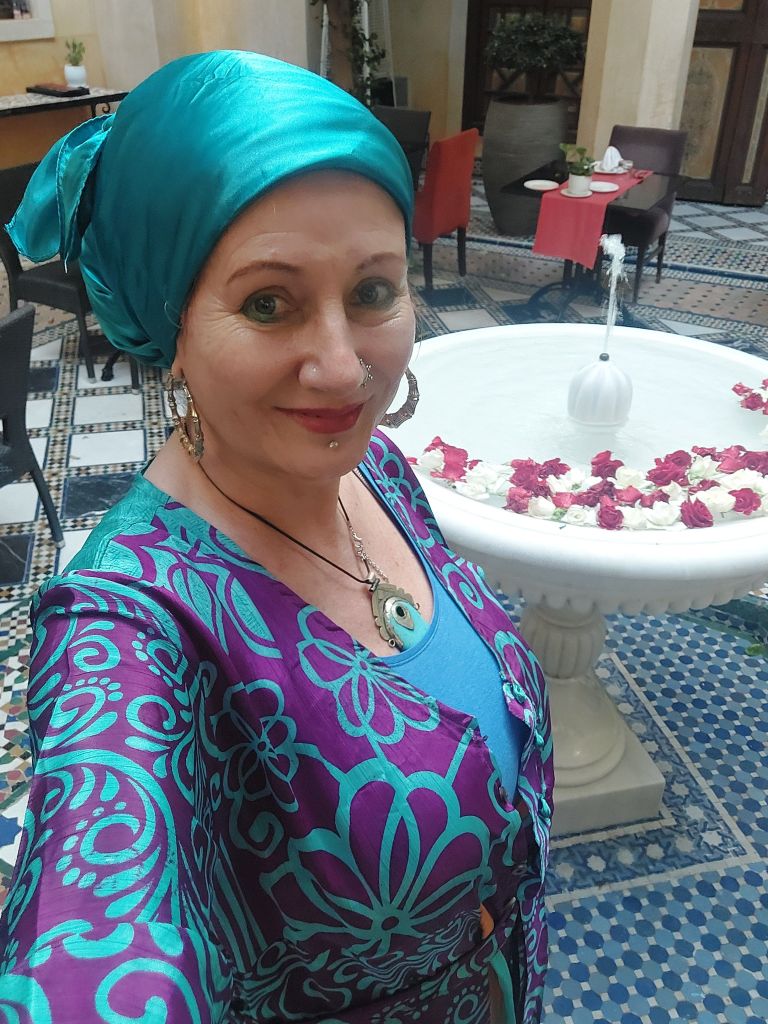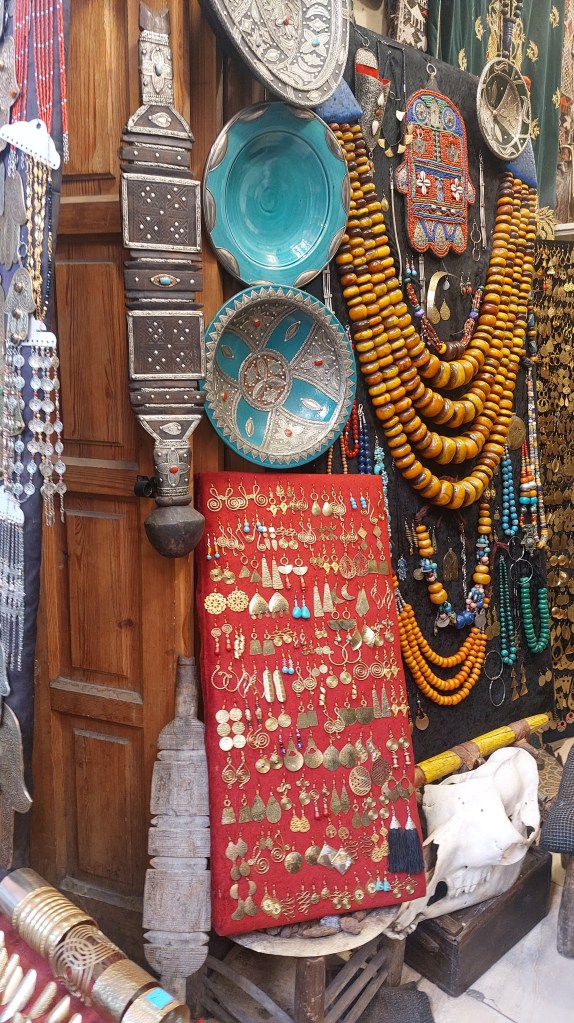
One of the most visited attractions in Marrakech.
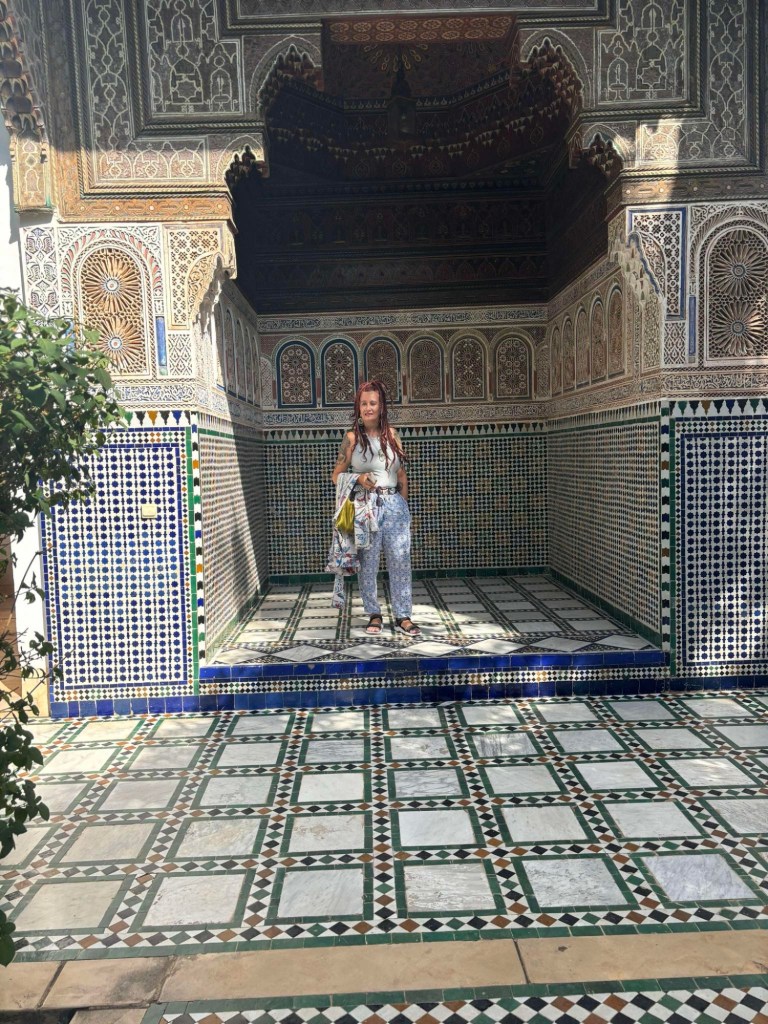
Bahia Palace is a 19th-century palace in Marrakesh. It’s definitely a must-see if you’re visiting the city, as it is quite spectacular.
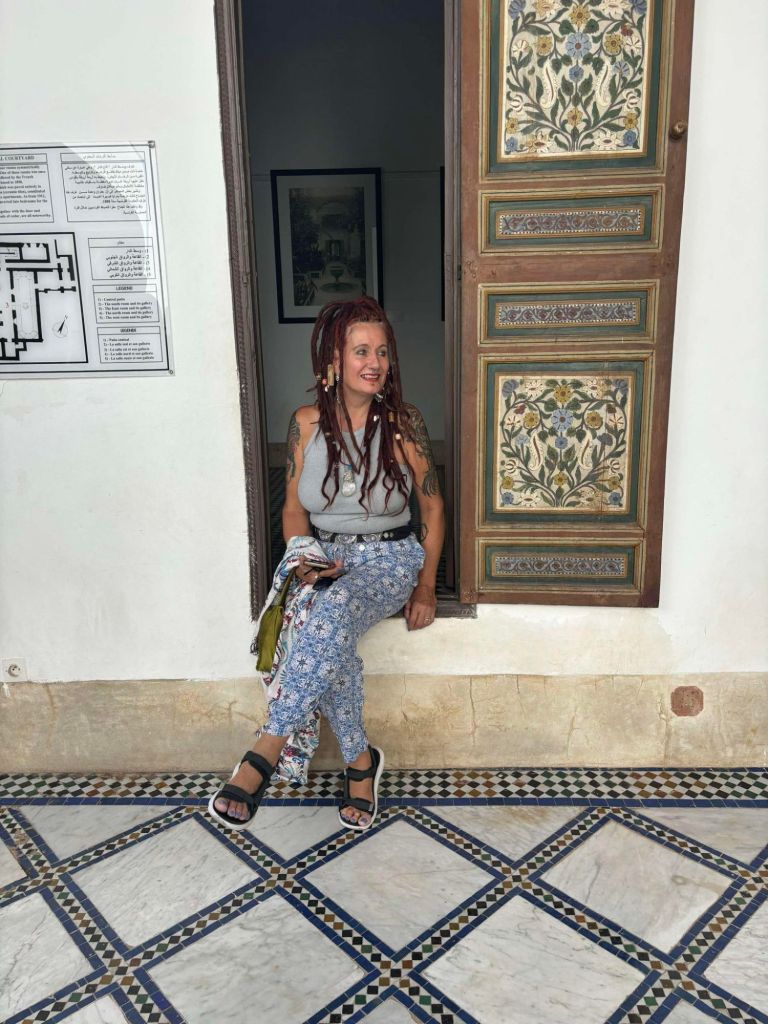
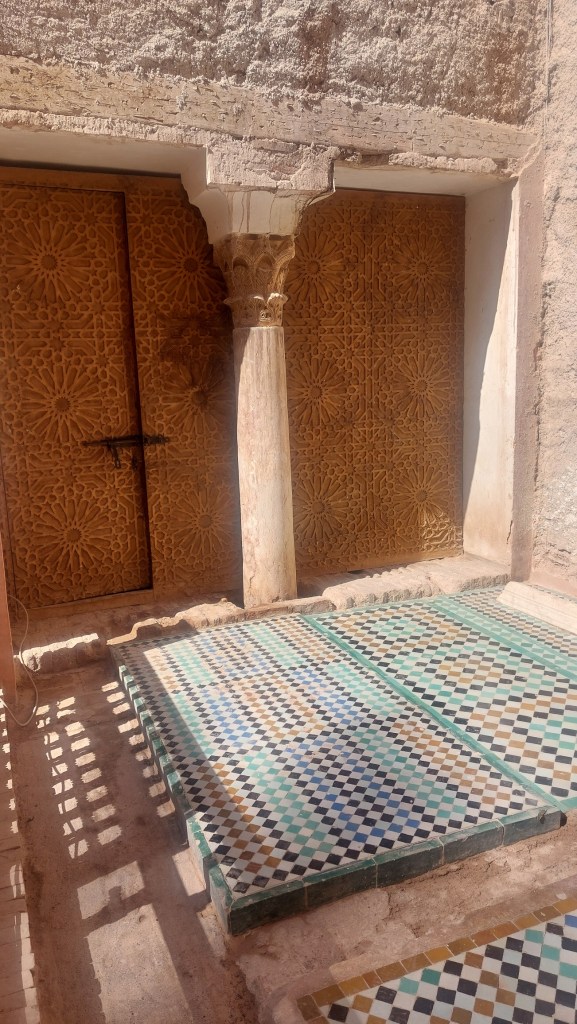
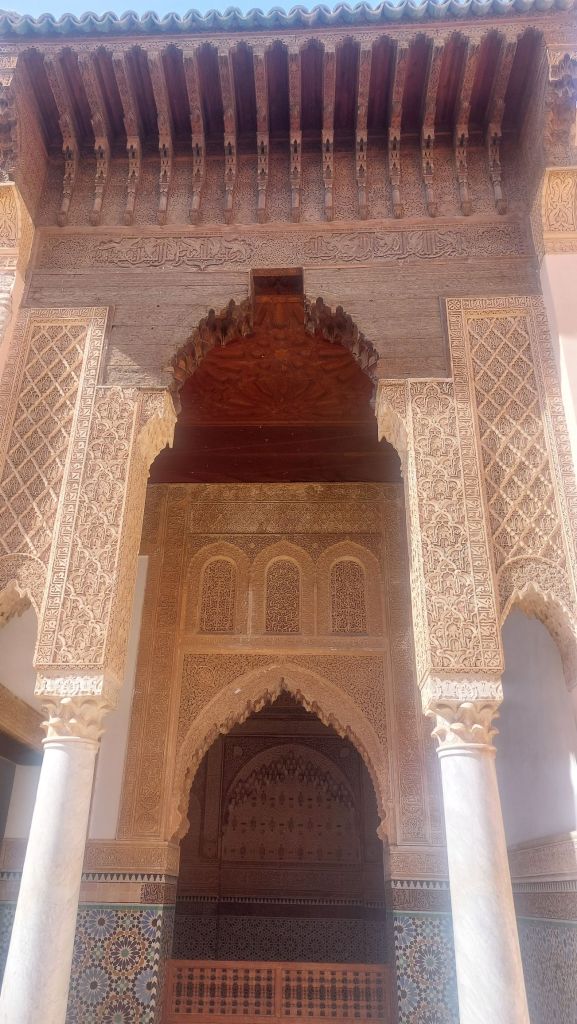
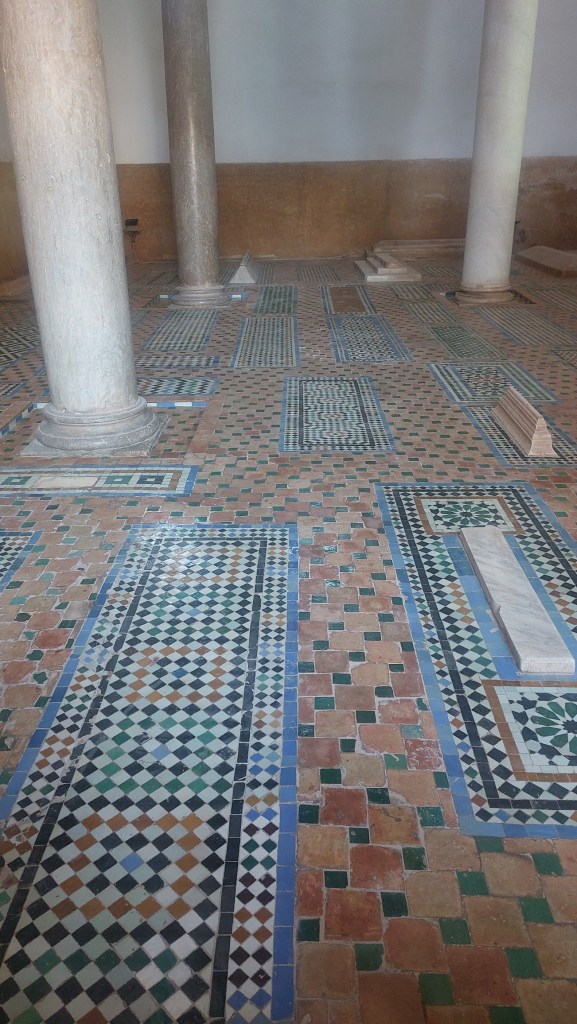
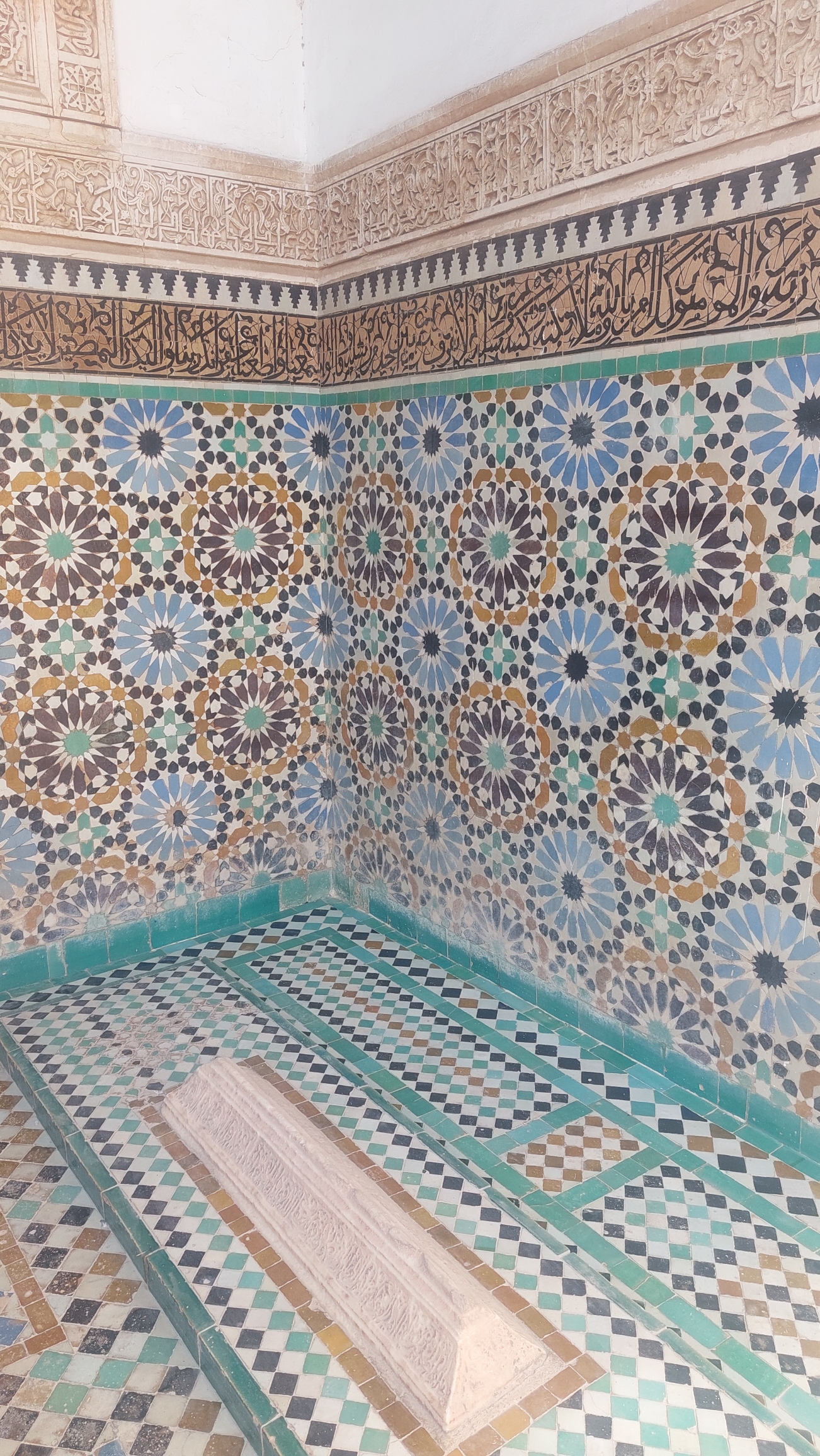
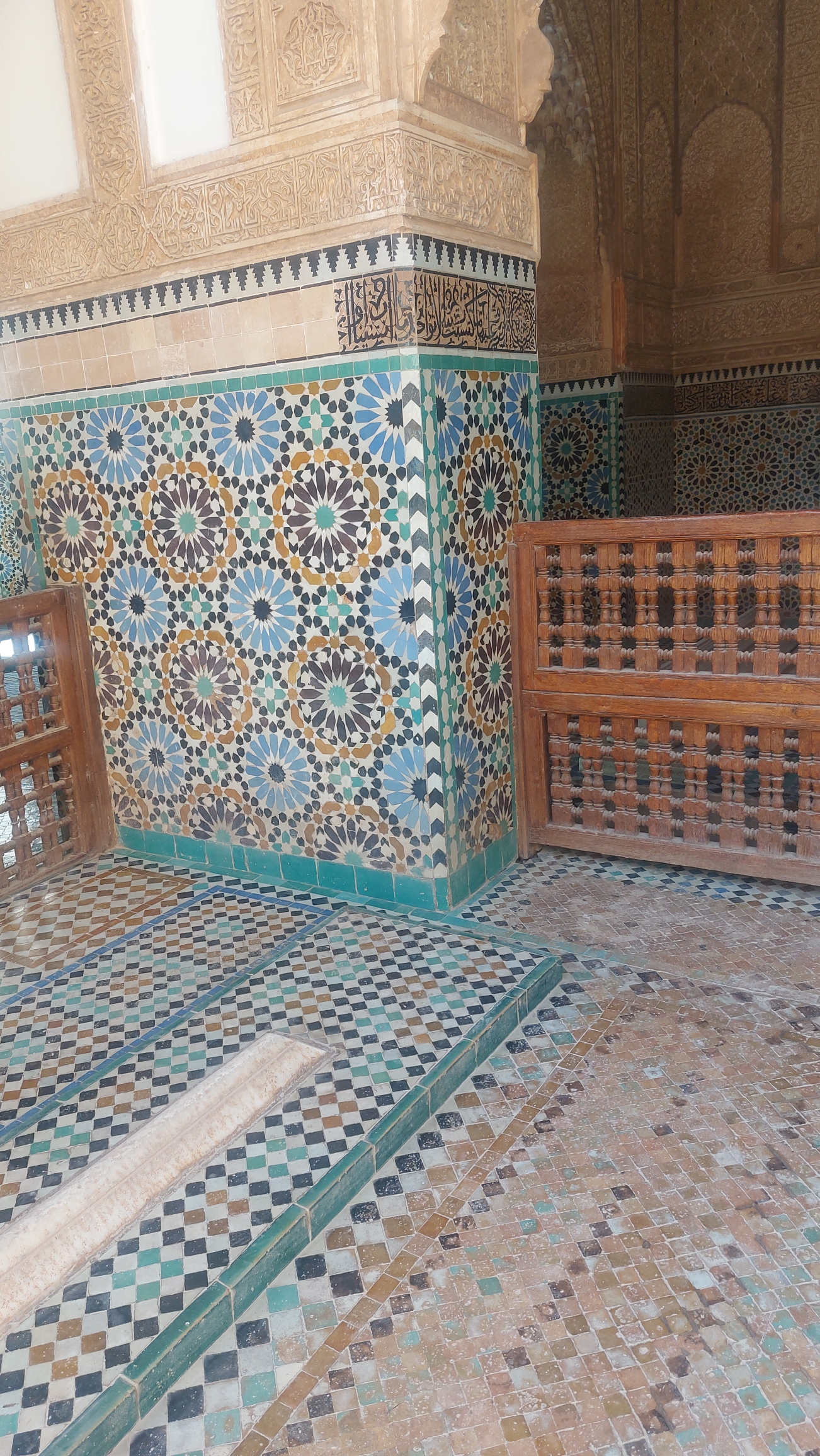
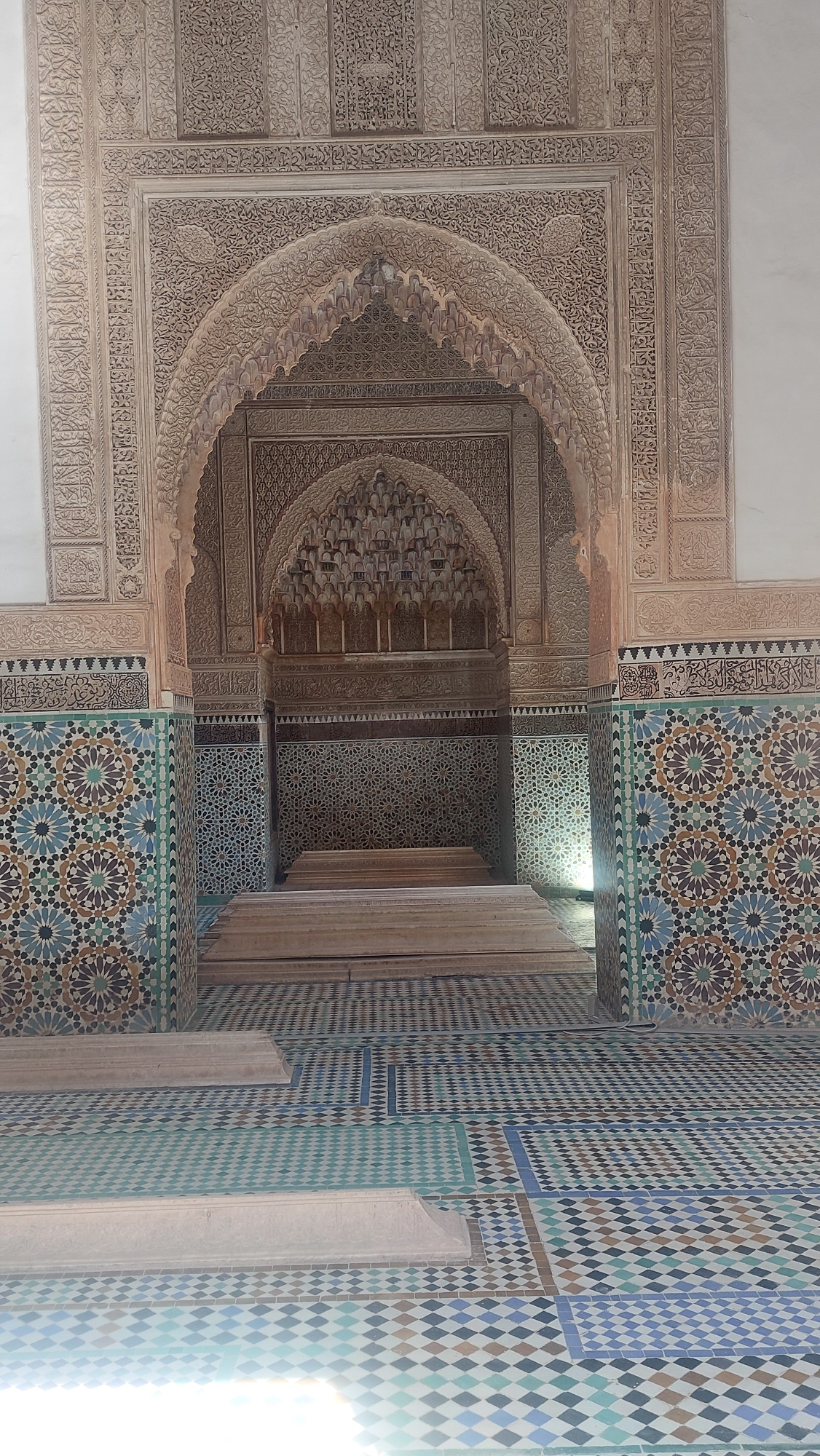
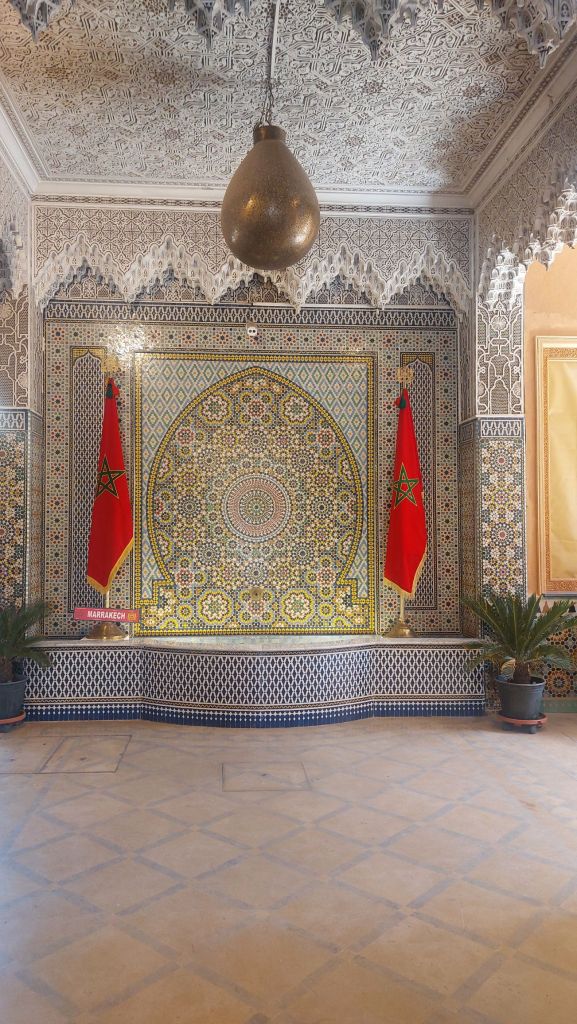
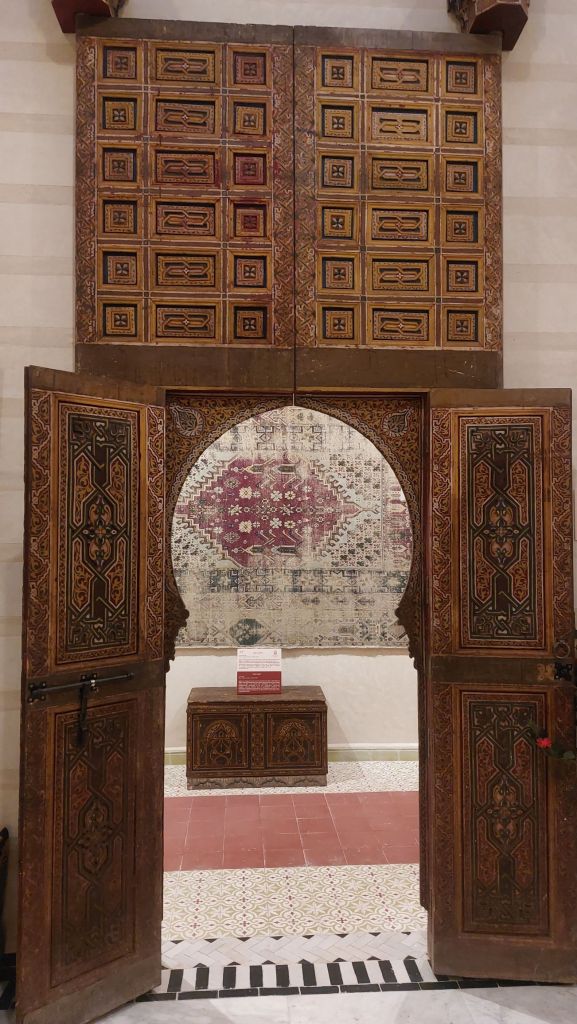
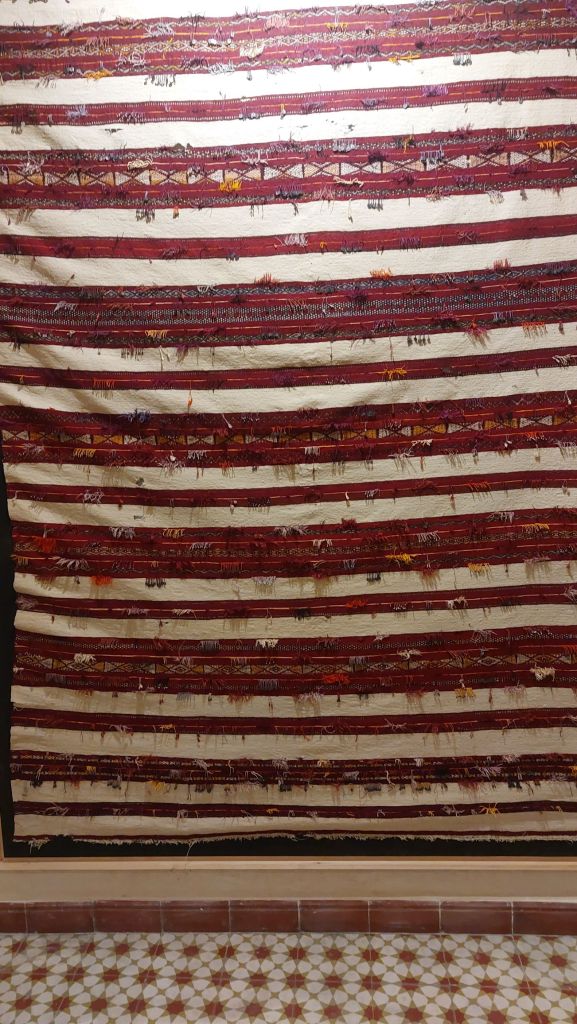
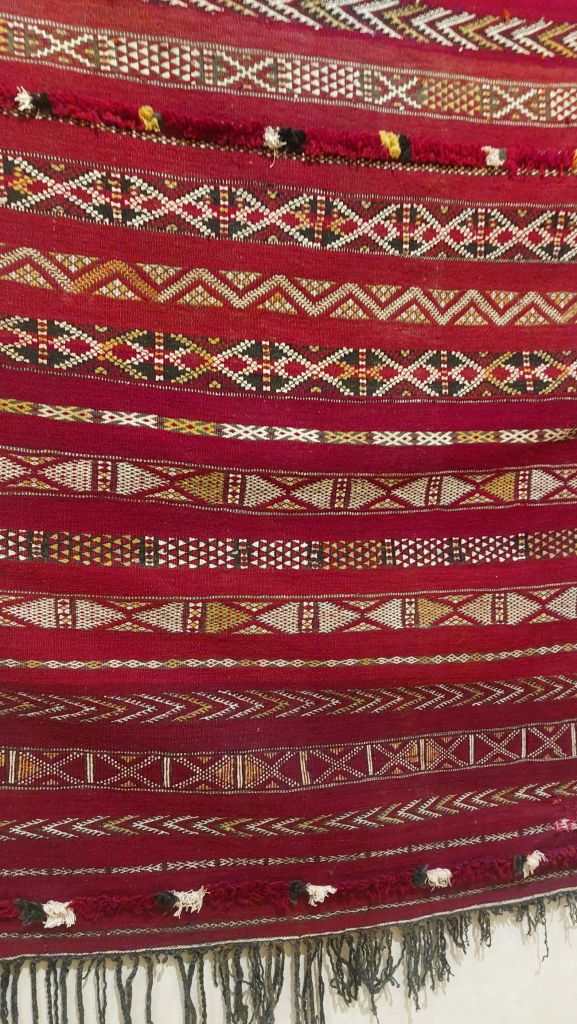
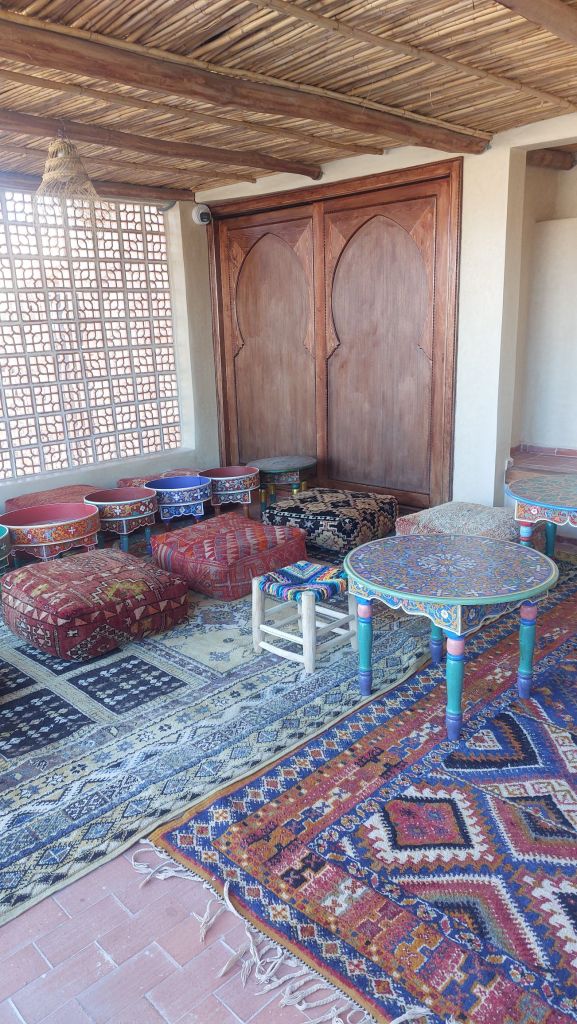
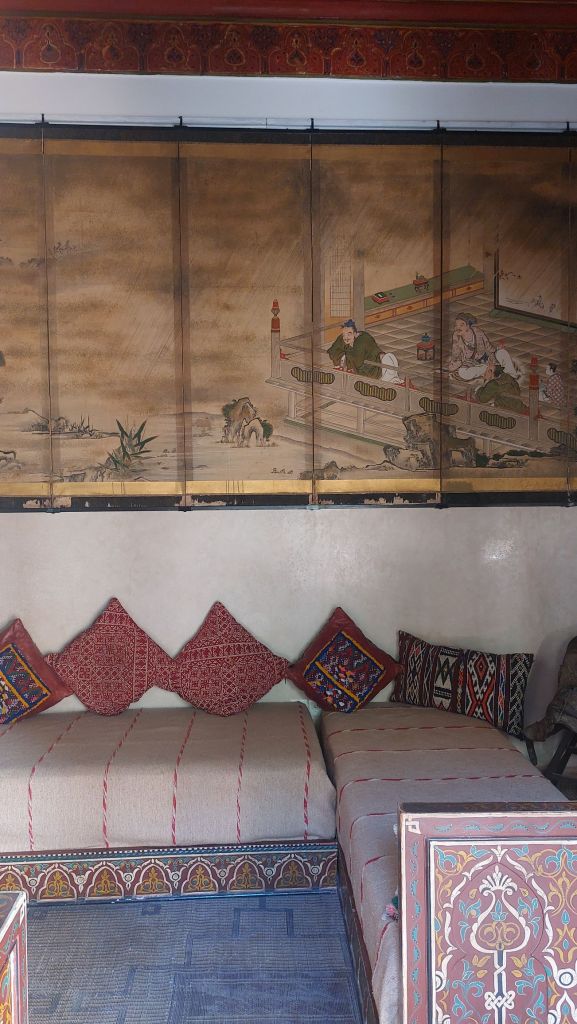
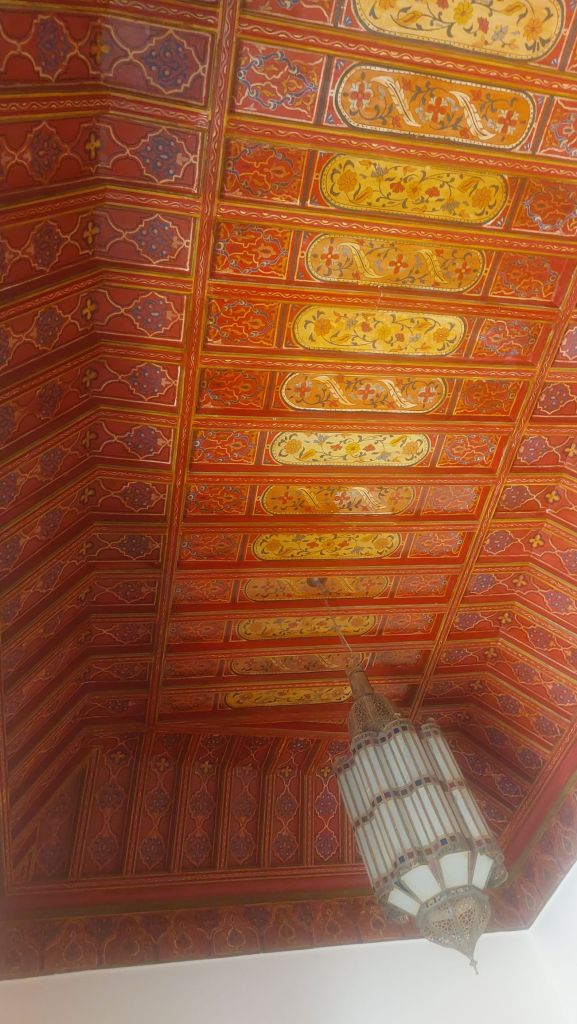
The word Bahia means ‘brilliance’ in Arabic, a reflection of the splendour of Islamic architecture and art. The rooms inside the Bahia Palace are beautifully decorated with sculpted stucco, zellige tiles, paintings, and mosaics to capture the essence and skill of divine craftsmanship. The intricately carved cedar wood ceilings are a testimony to the beauty and precision involved in the creation of such a spectacular palace.
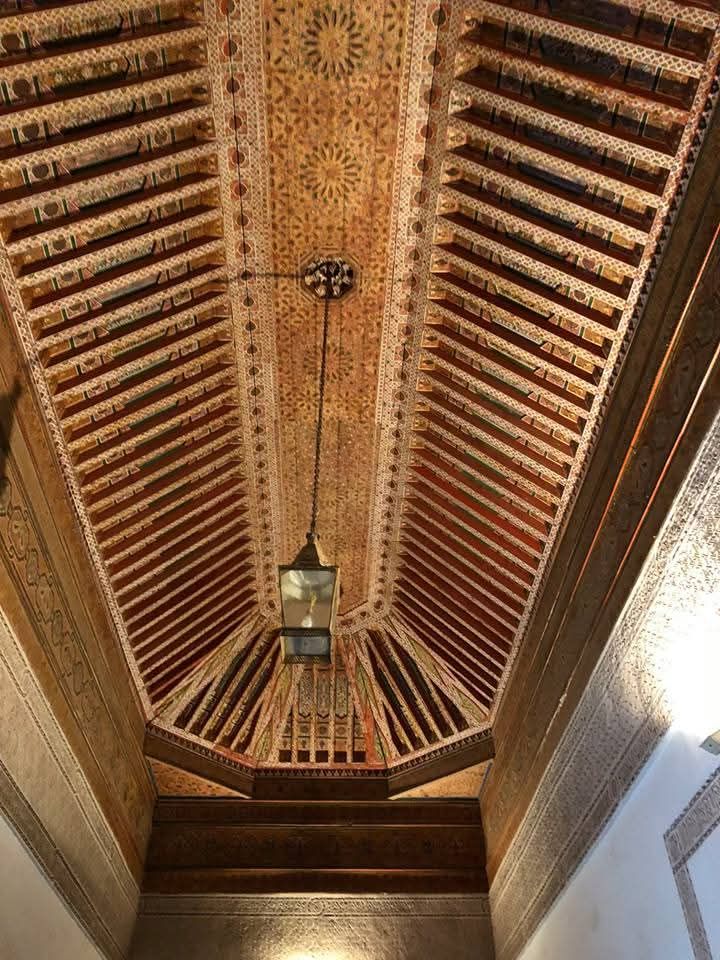

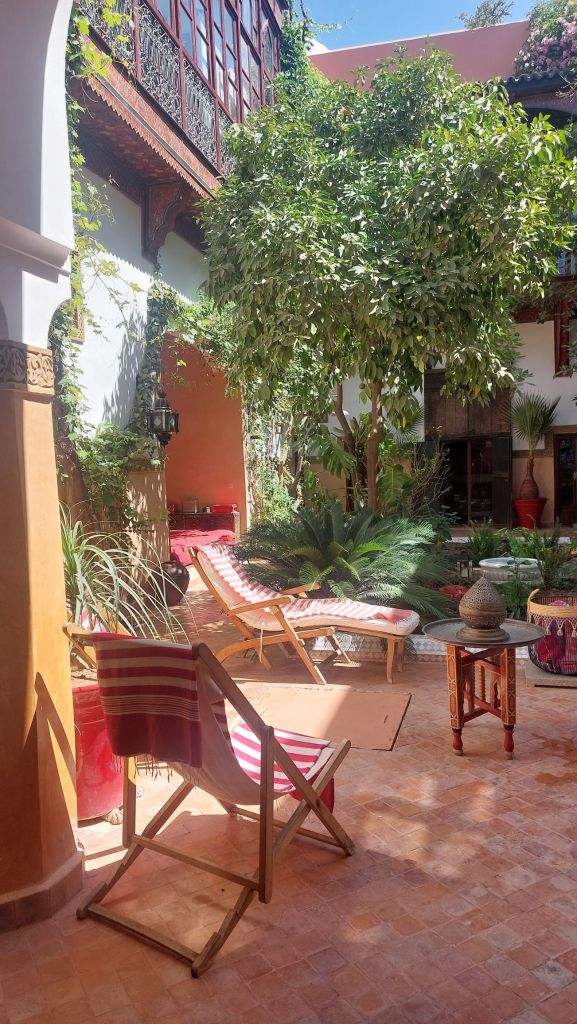
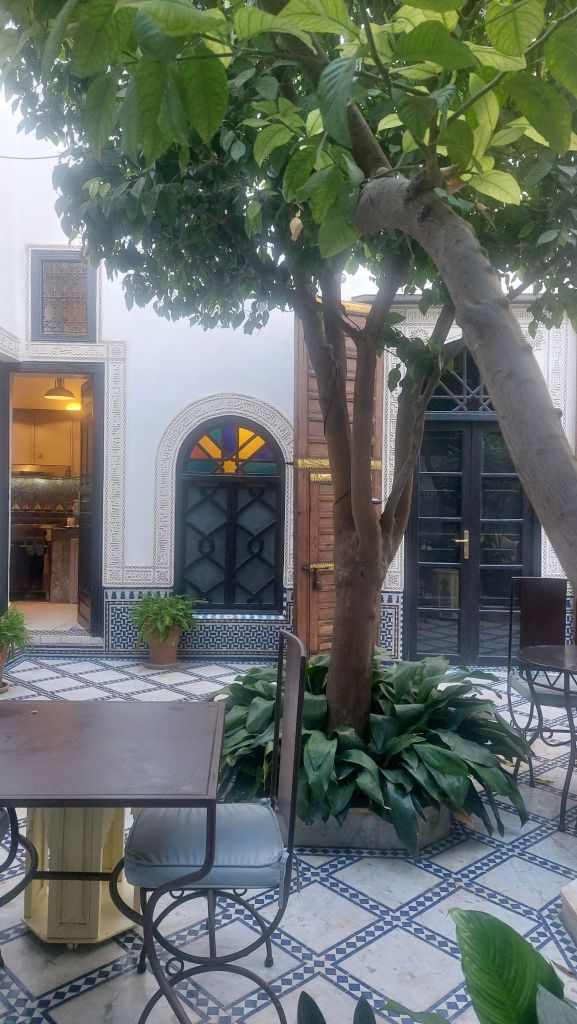
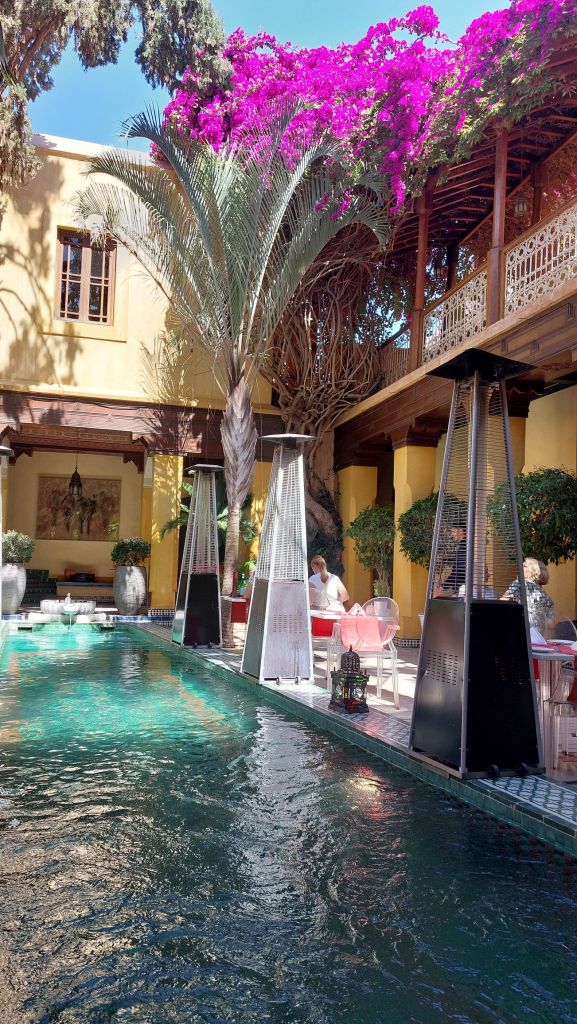
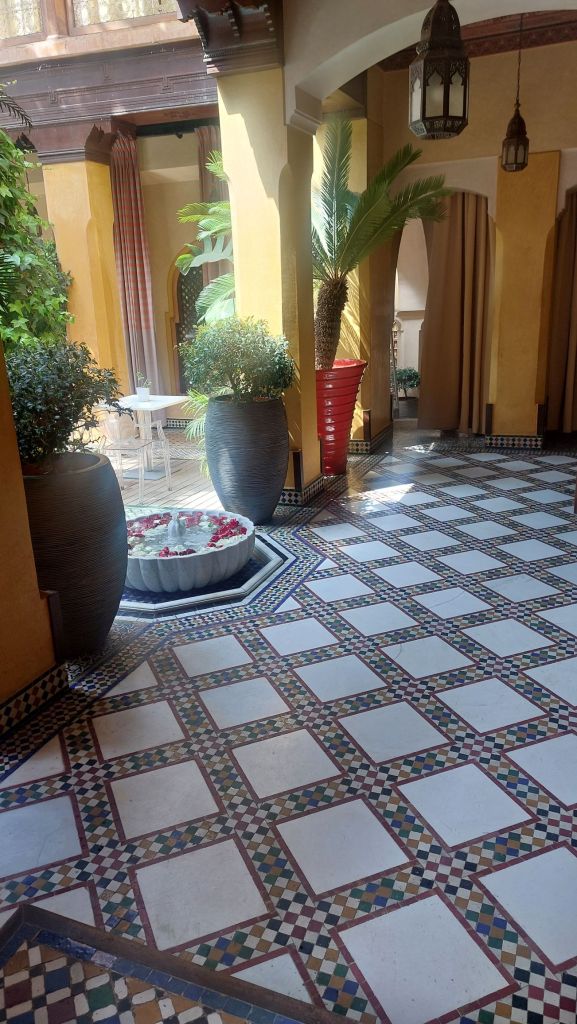
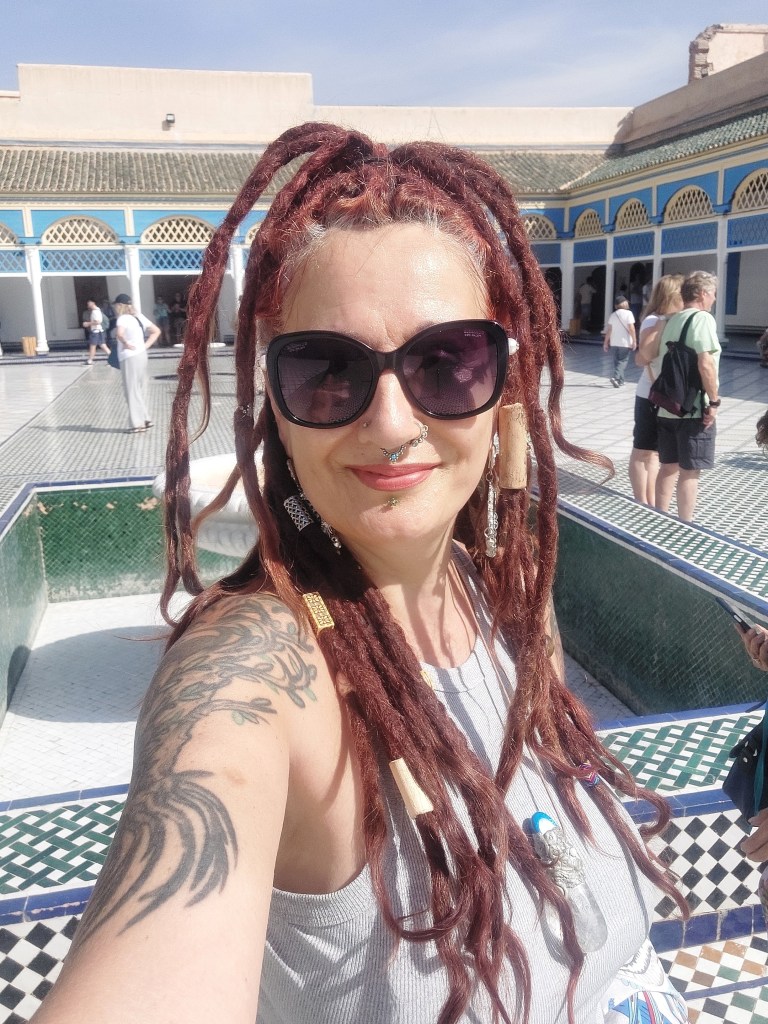
The huge courtyard is one of the focal points of Bahia Palace. It is rather grand and very spacious with a fountain in the centre and intricate zellige tile work typical of Morroccan design and culture. All the doors open out into it.
There are approximately 150 rooms organised around multiple internal courtyards and riad gardens. The palace covers around two hectares.
In 1956, when Morocco gained independence from the French, the palace became the residence of King Hassan II until it was later transferred to the Moroccan Ministry of Culture to serve as a cultural icon and tourist attraction. Bahia Palace has now become one of the most significant landmarks and tourist destinations in Marrakech, attracting 1000s of visitors.
If you’re planning a visit, it is advisable to book tickets as queues can be extremely long. They cost 70 dirhams at the time of writing, and the palace is open between 8.00am-5.00pm daily.
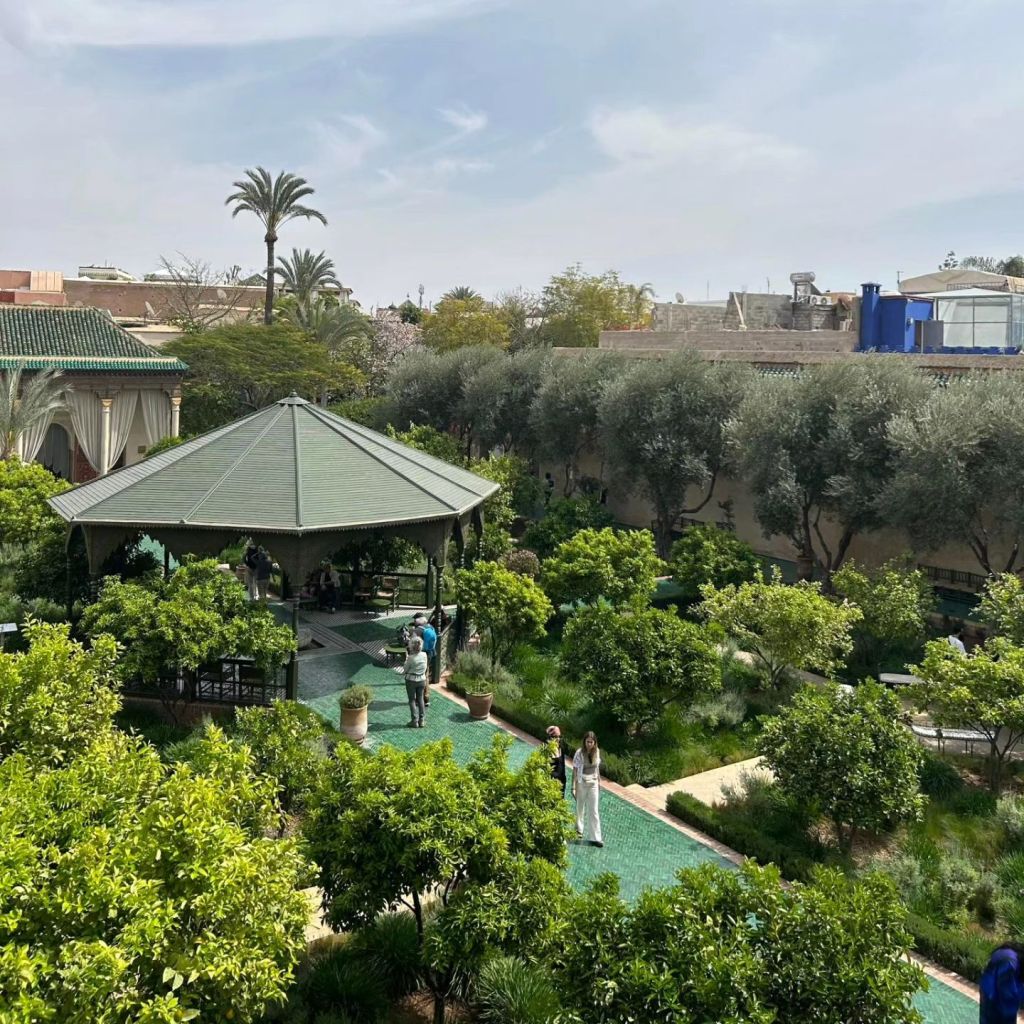
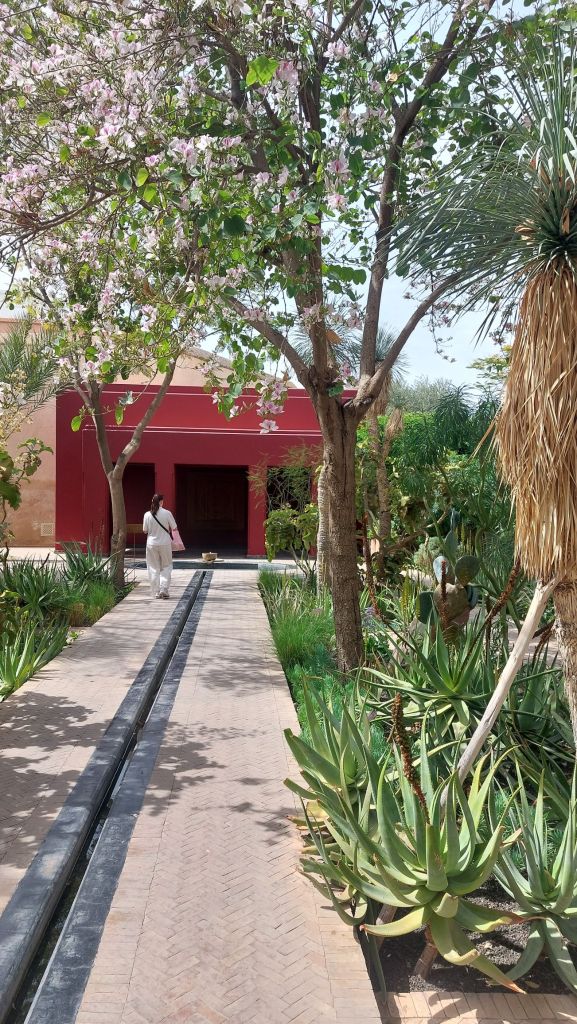
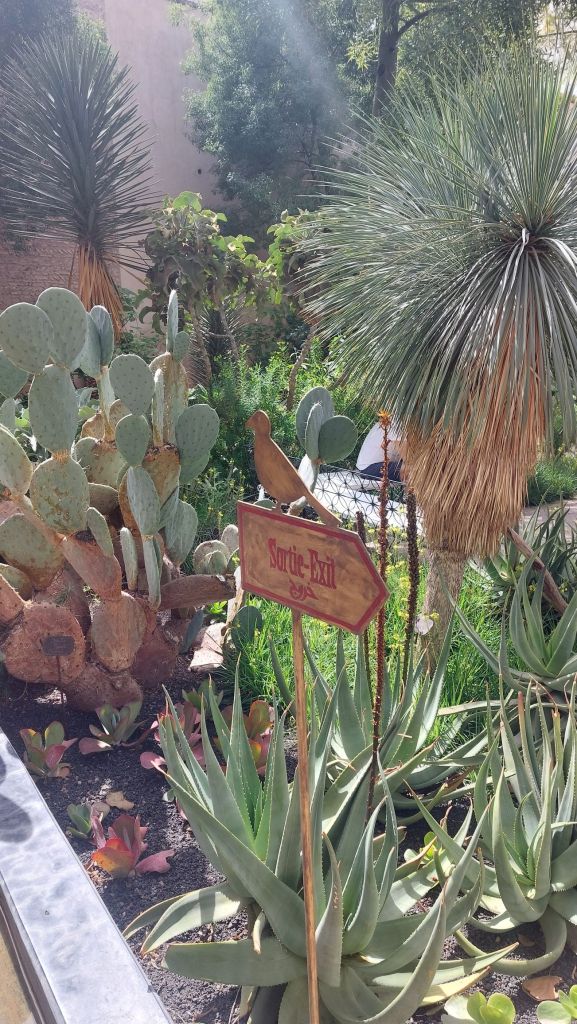
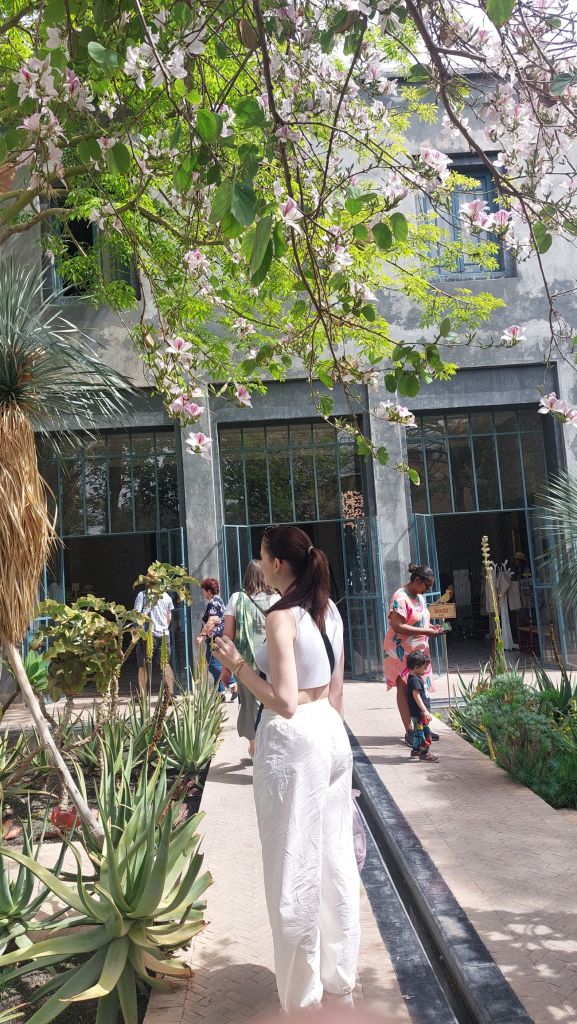
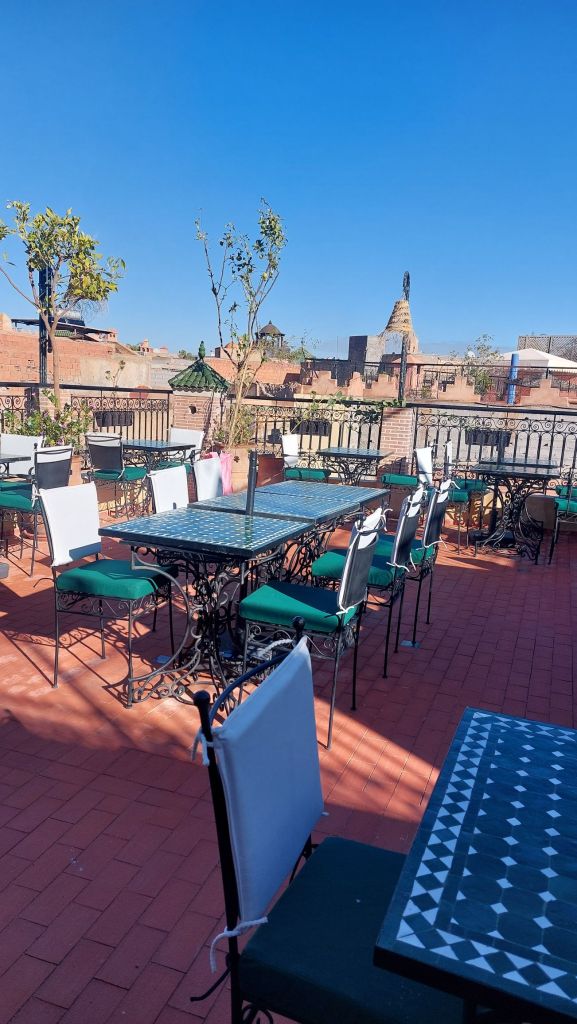
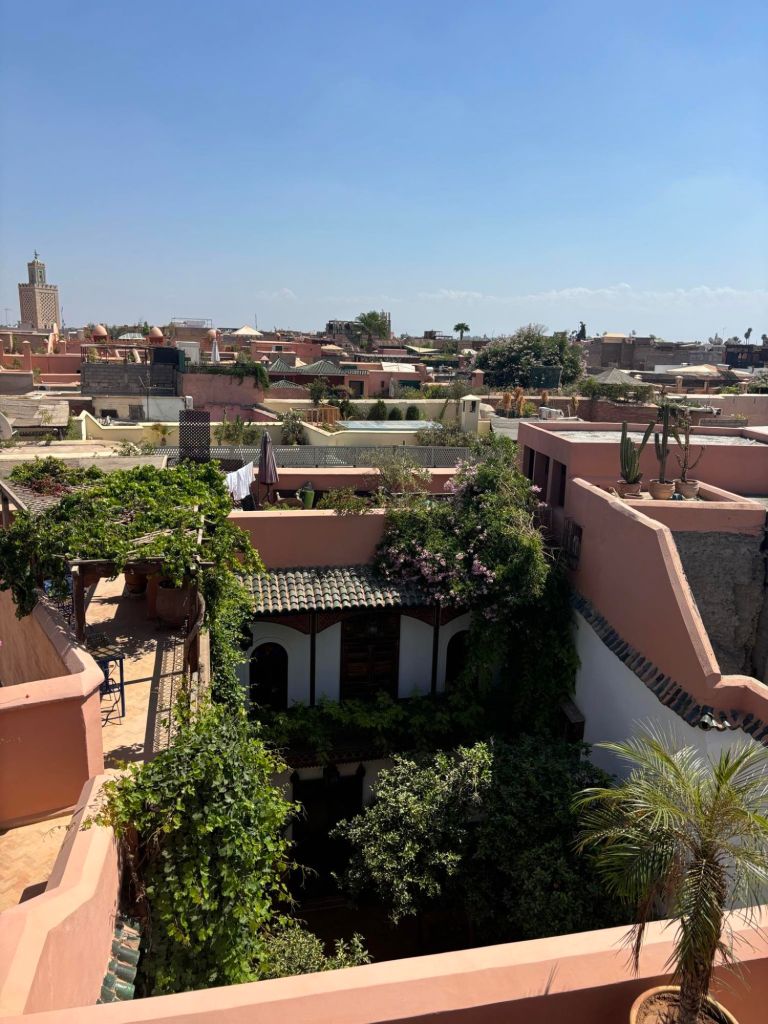
The gardens surrounding the palace are also impressive, with orange trees lining the route to the entrance. It’s worth having a wander around them after seeing the interior.
I would suggest arriving as close to opening time as you possibly can to avoid the crowds. That way, you can spend time reading about the history of the palace before it becomes too busy, and you also have a better chance to capture a few photos of the internal chambers and exquisitely decorated rooms.
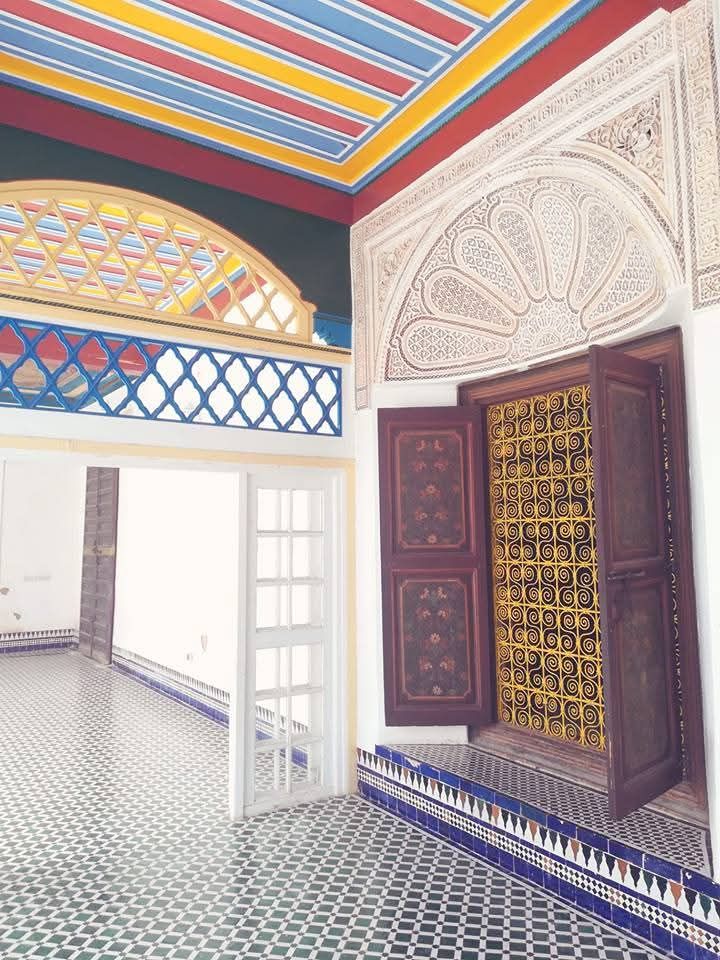
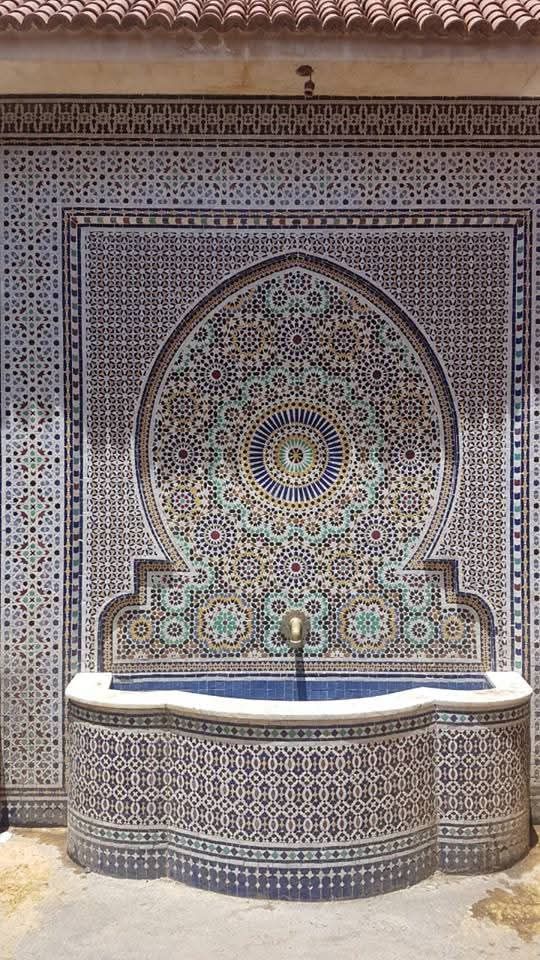
If you’re visiting marrakech, the Bahia Palace will give you a good understanding of both Moroccan and Islamic culture and the architecture, art and craftsmanship that defines it.
If you enjoy looking at Islamic architecture, you should also visit Badi Palace and the Saadian tombs in the Kasbah area of the city.