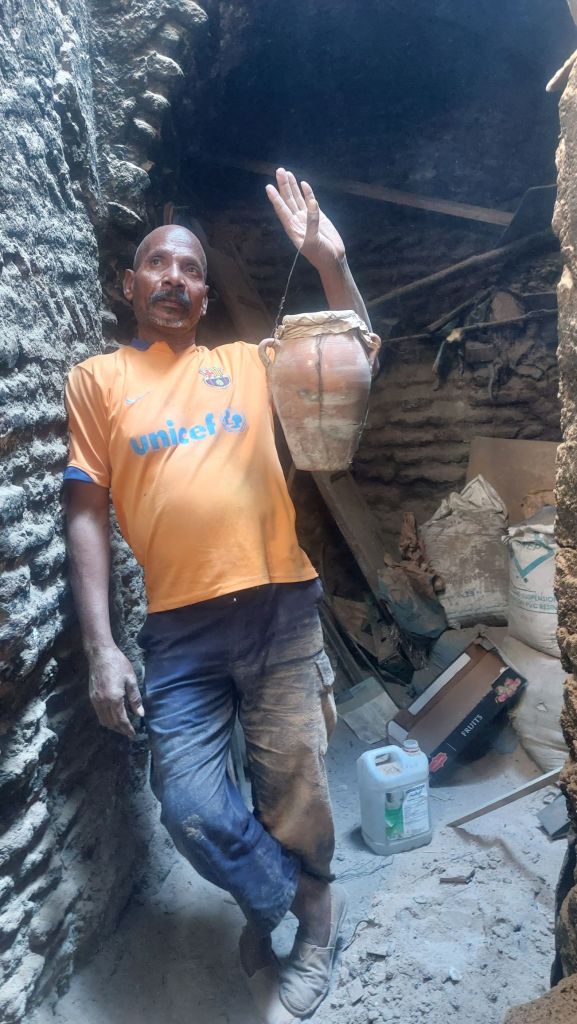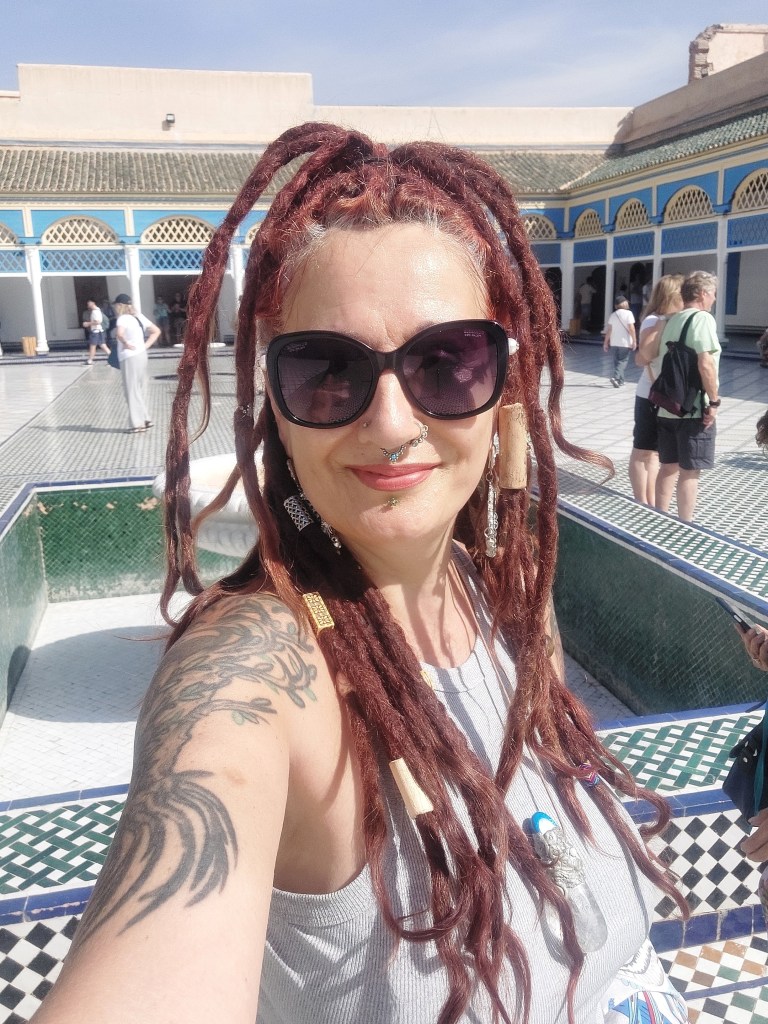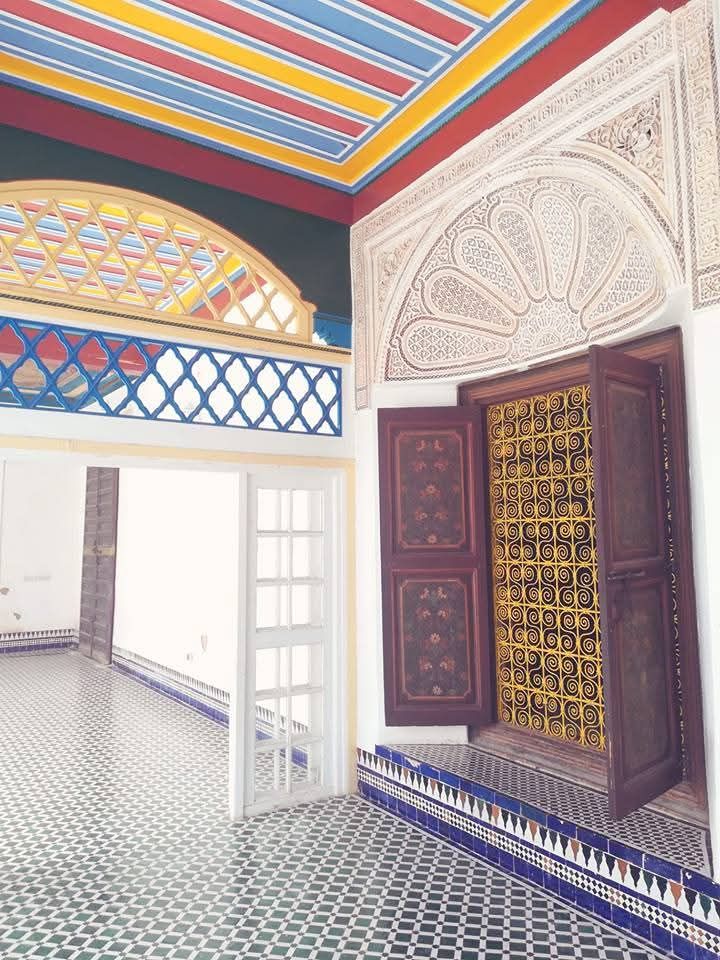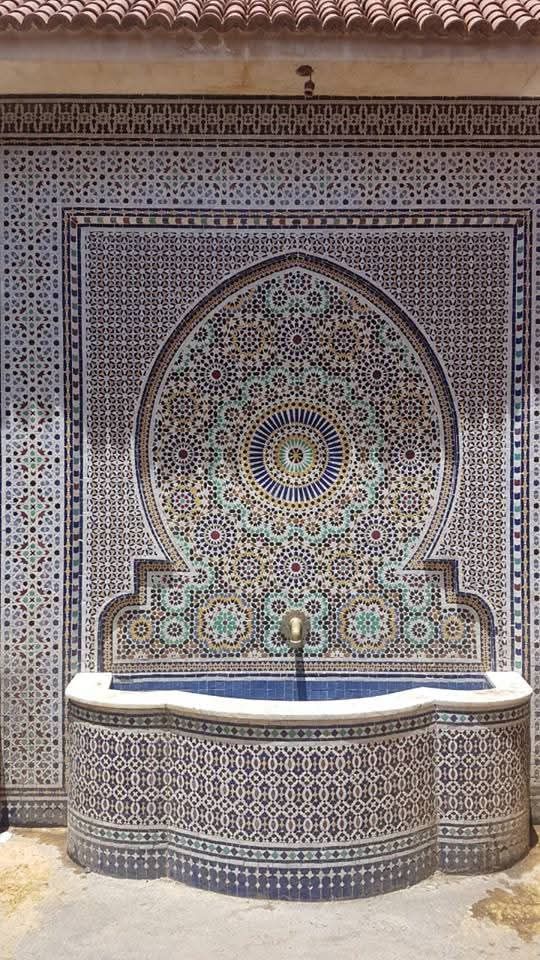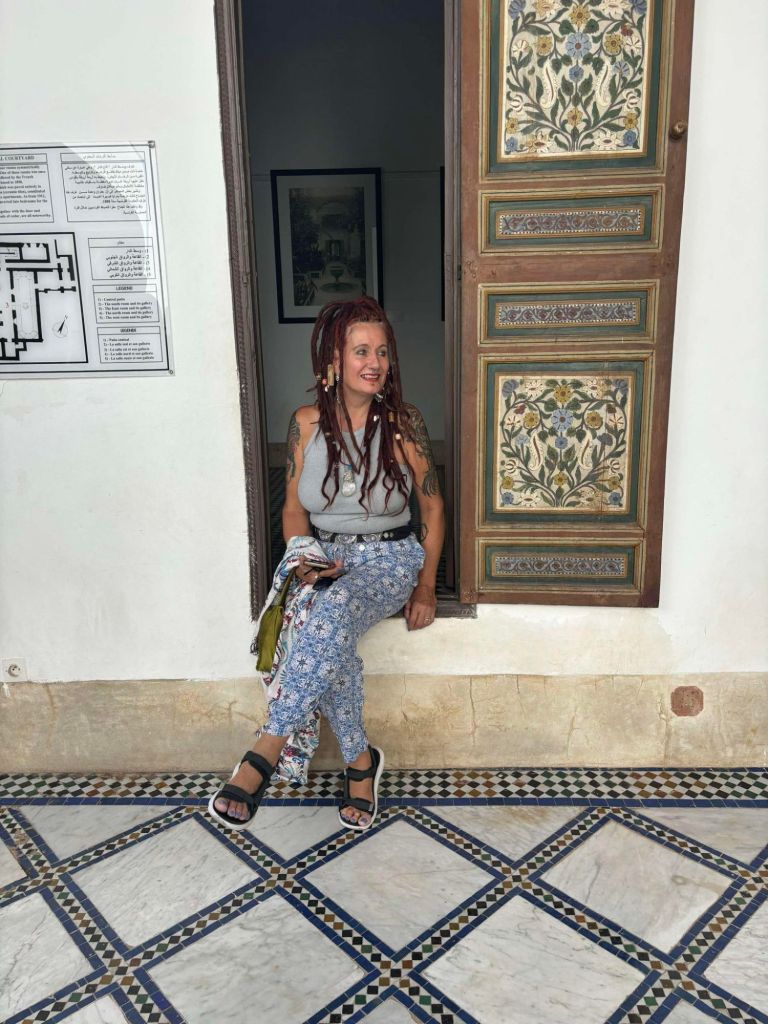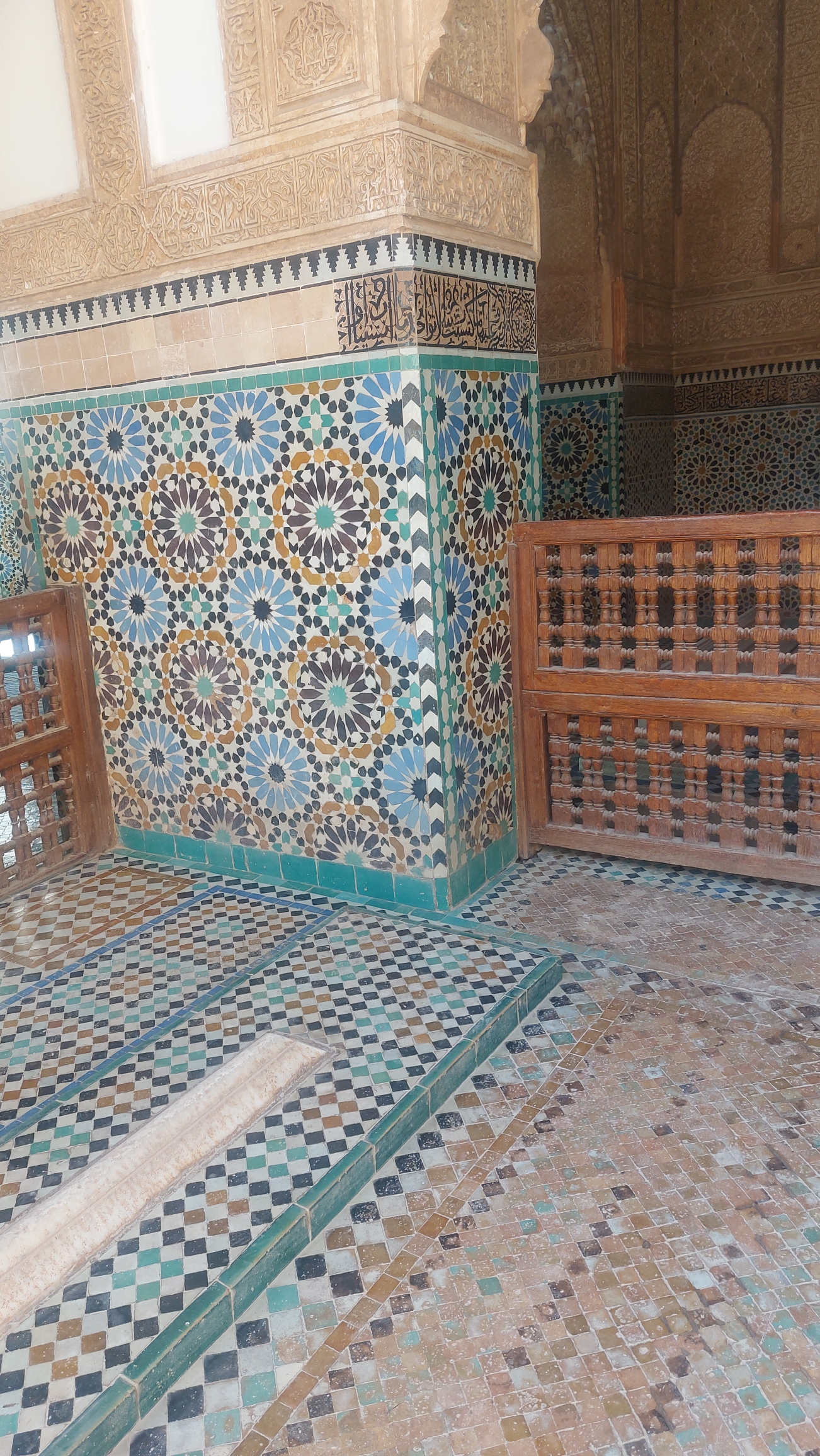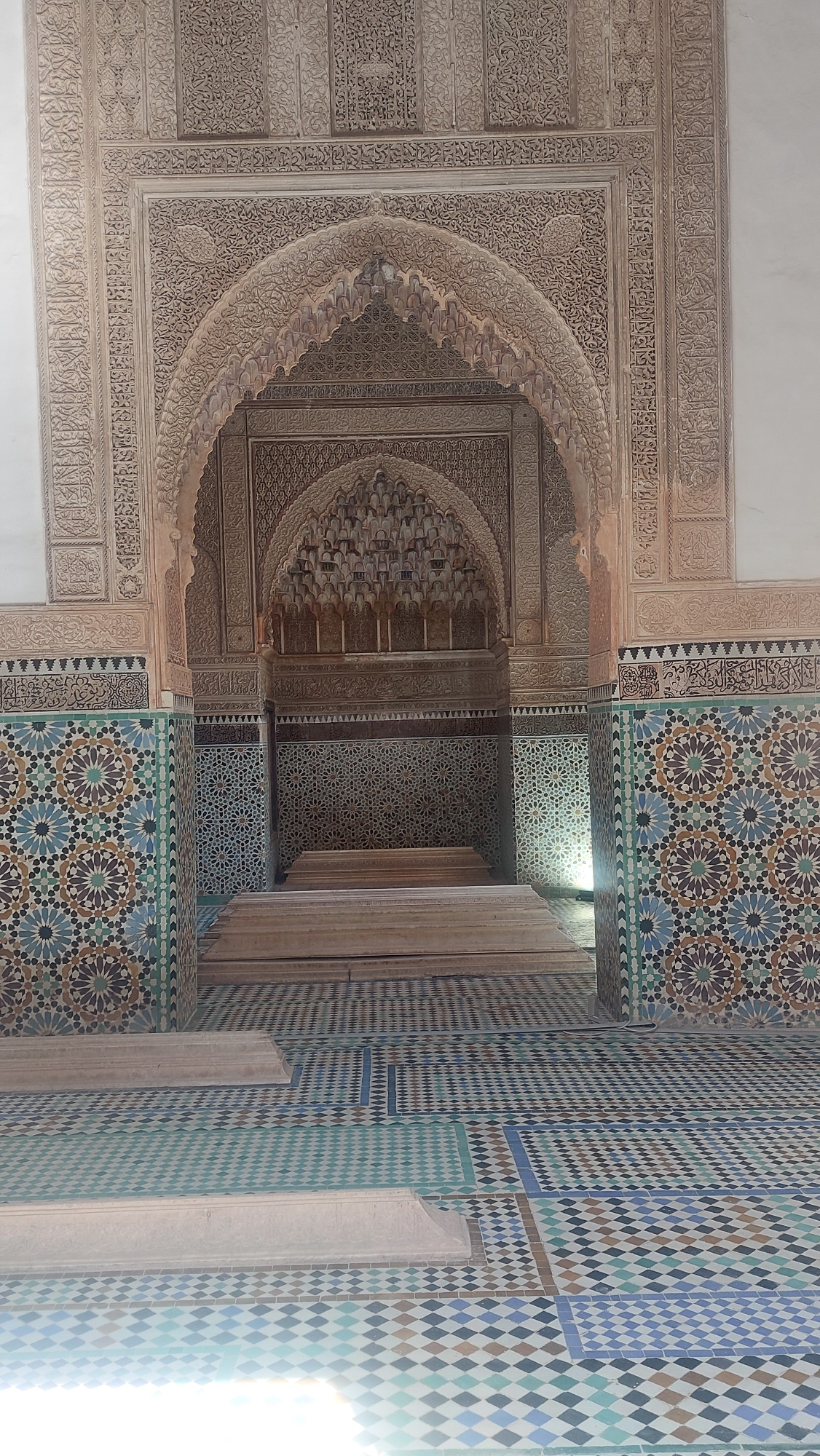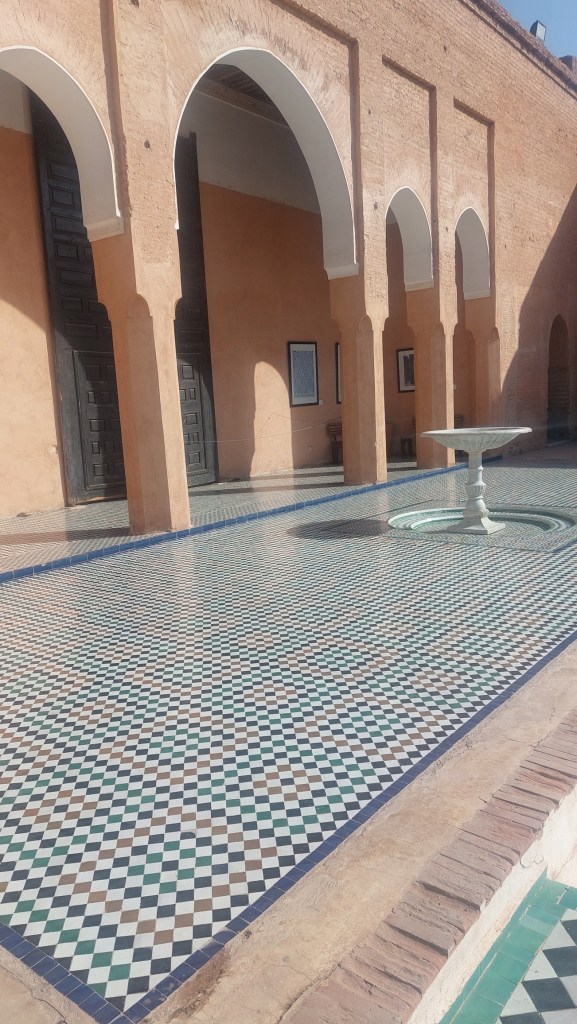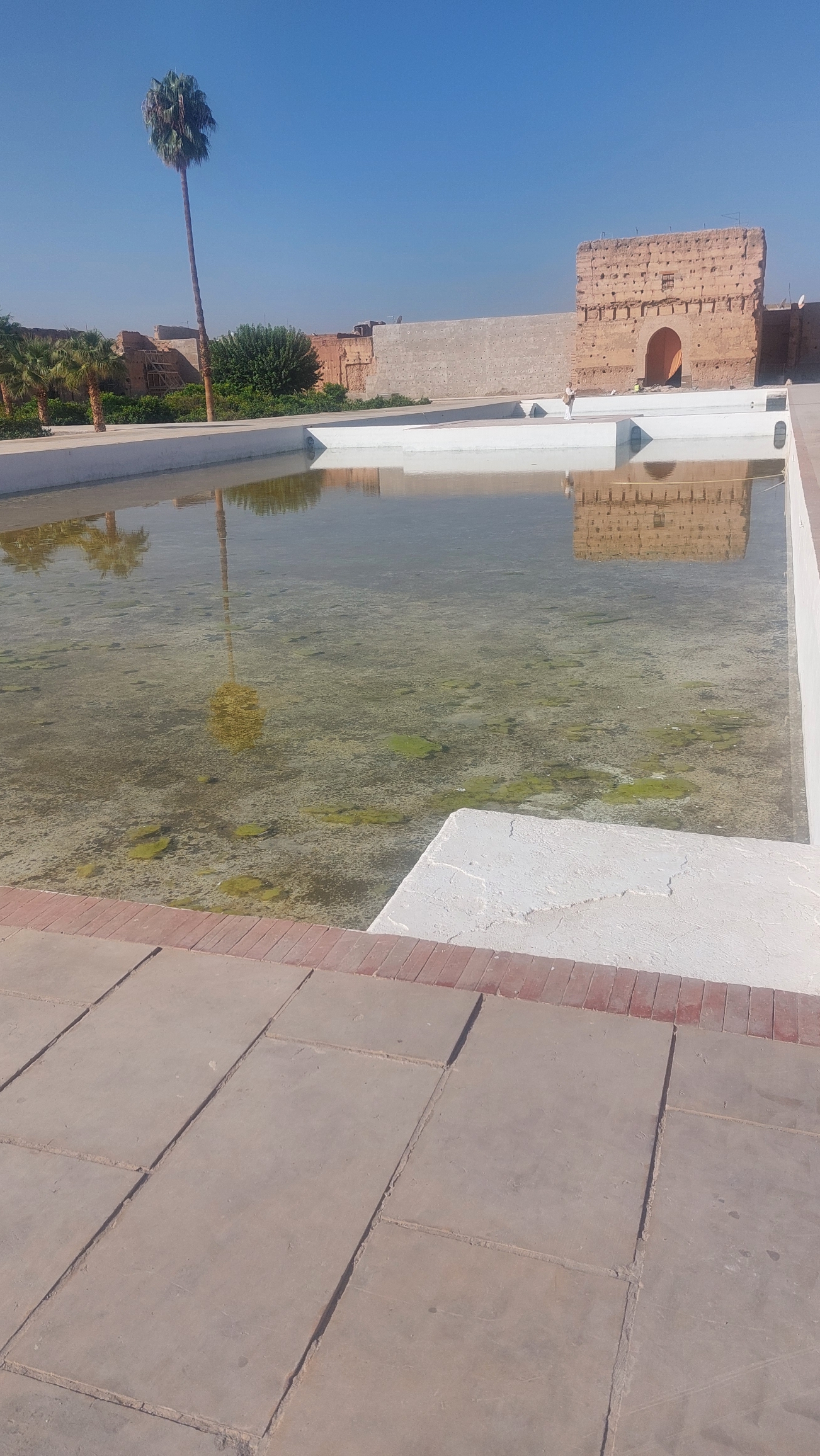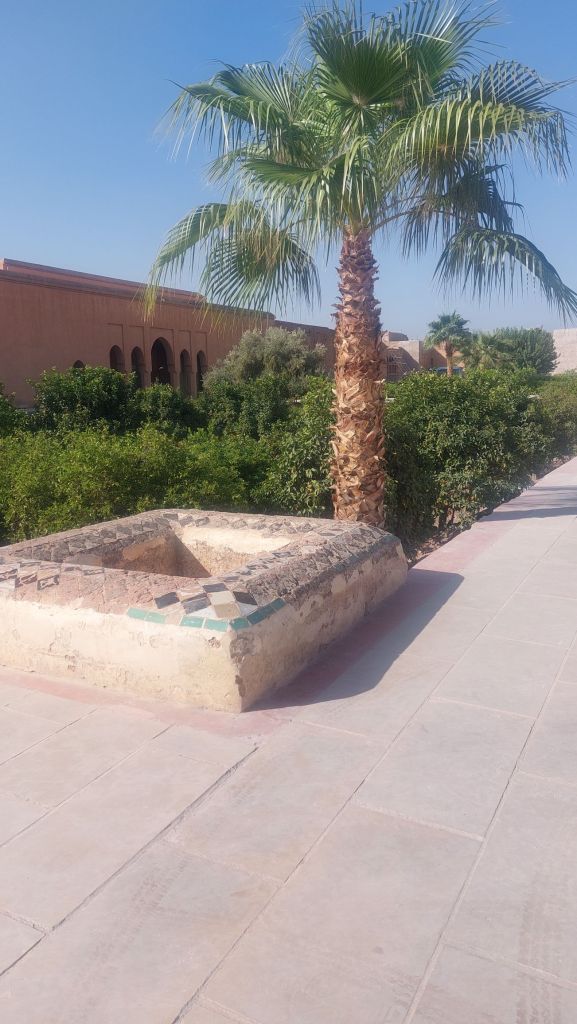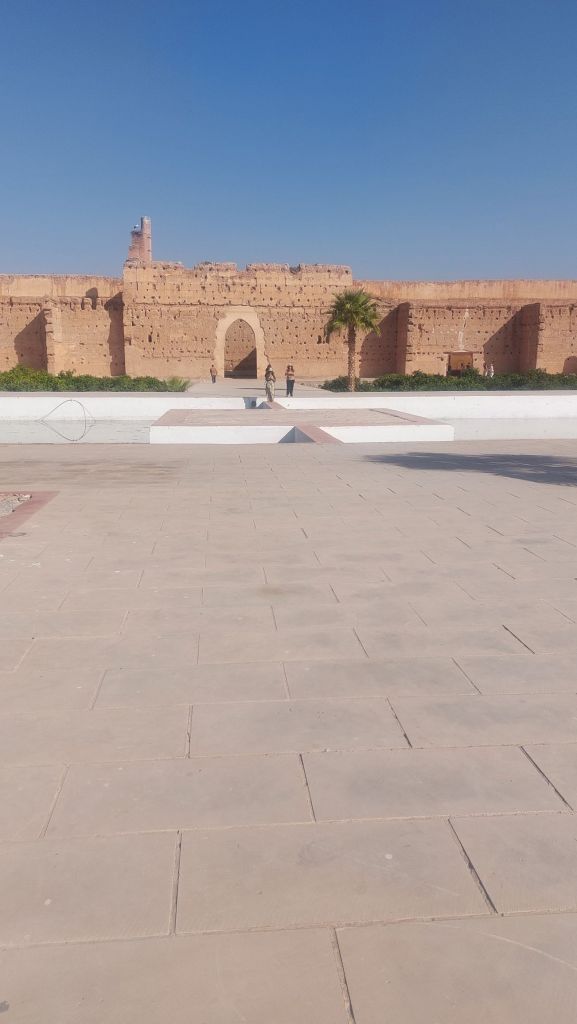
El Badi Palace was built in 1578 by Sultan Ahmad al-Mansoor of the Saadian dynasty.
The palace was built to showcase the considerable wealth of the Saadian dynasty and was a prime example of Islamic architecture and exquisite craftsmanship.
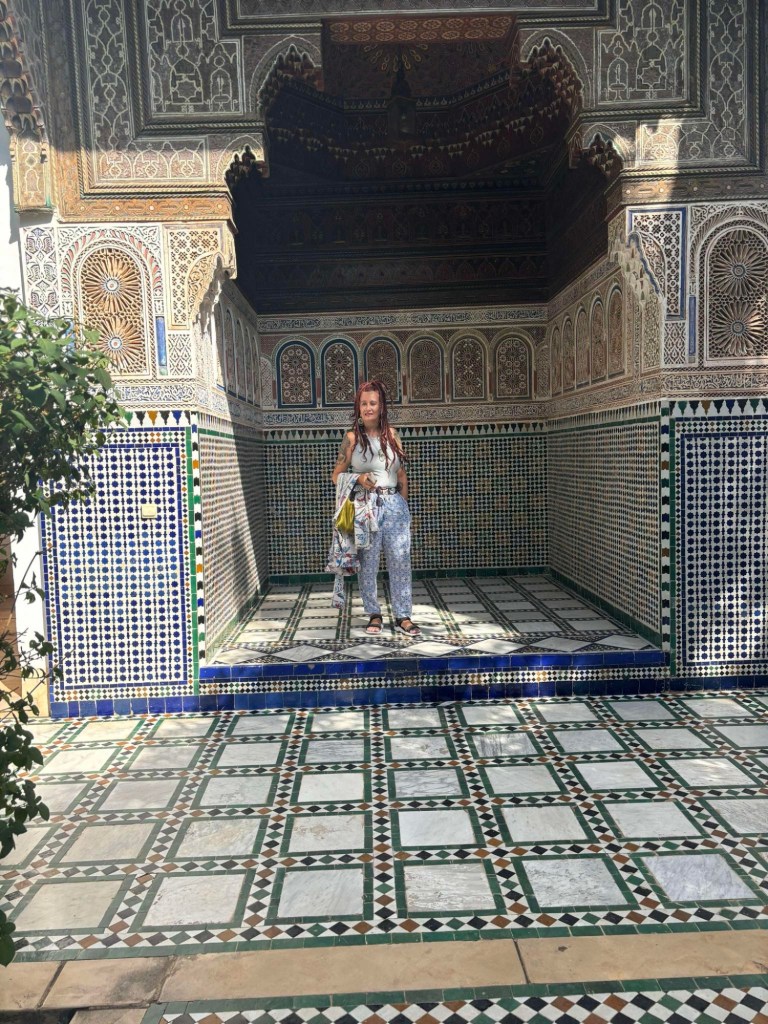
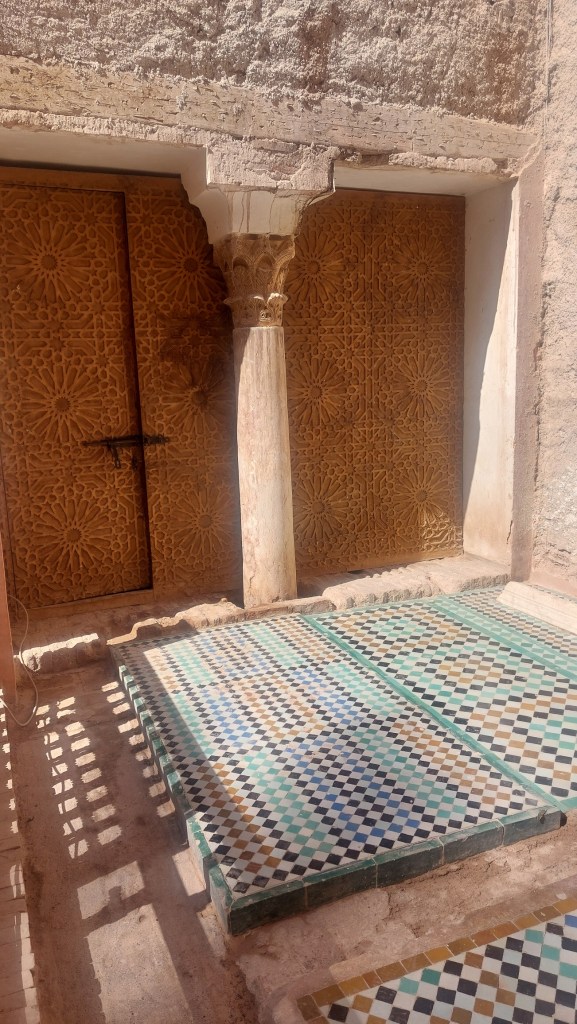
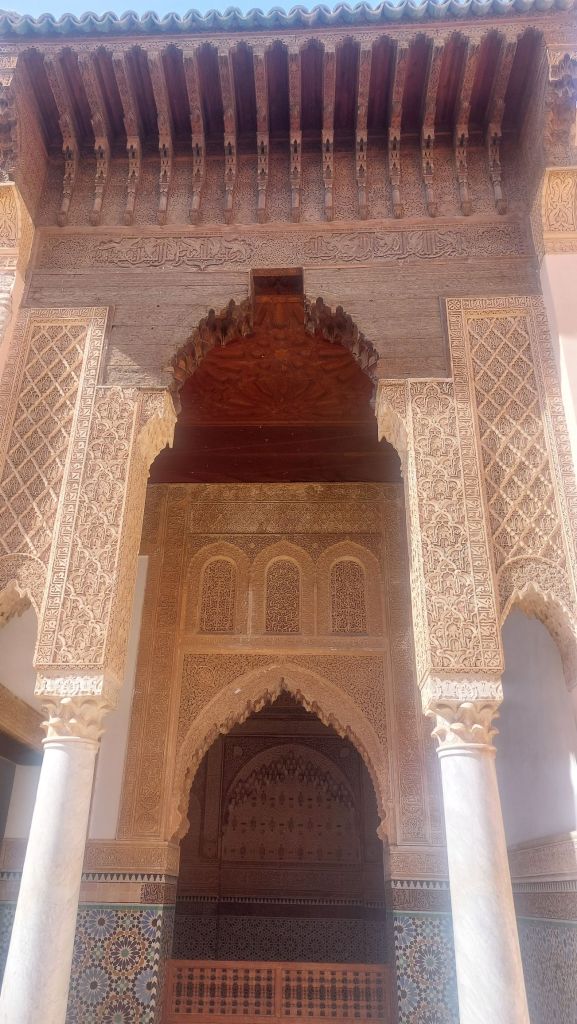
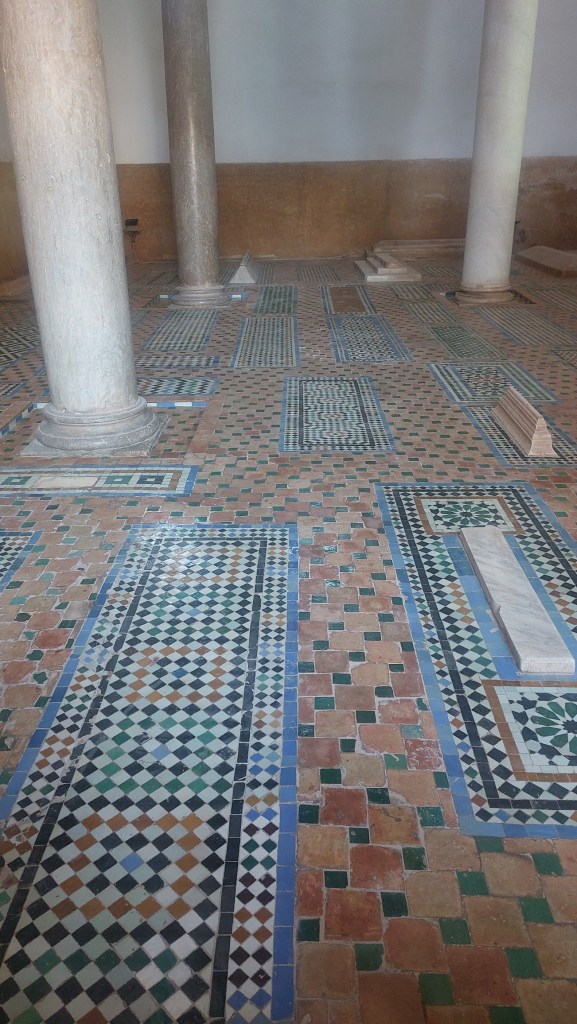
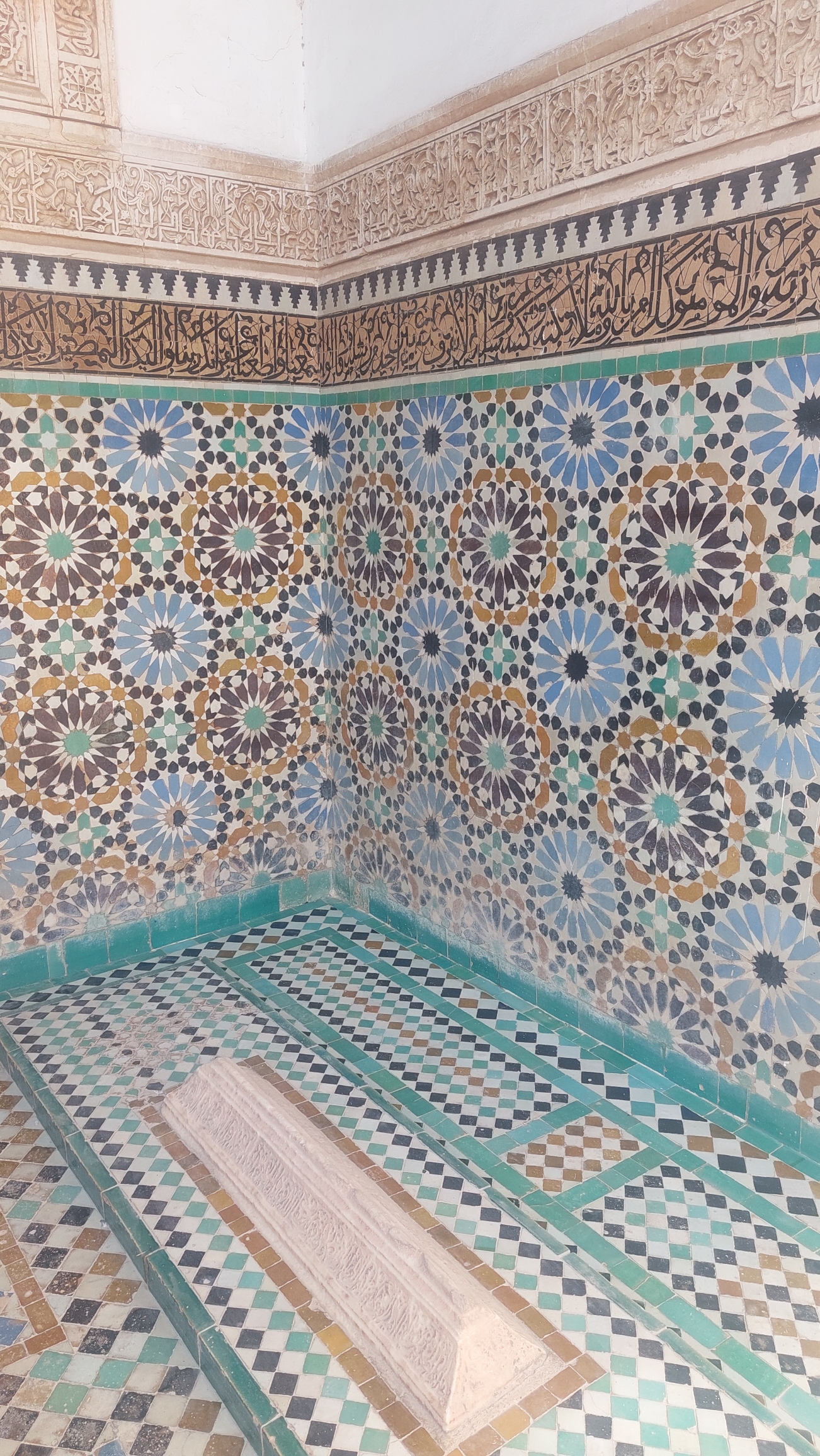
Using both Moroccan and European influences, the palace was beautifully decorated with intricate mosaic tiles, marble arches, and ornate carvings.
The palace was home to the sultans harem and included over 500 women.
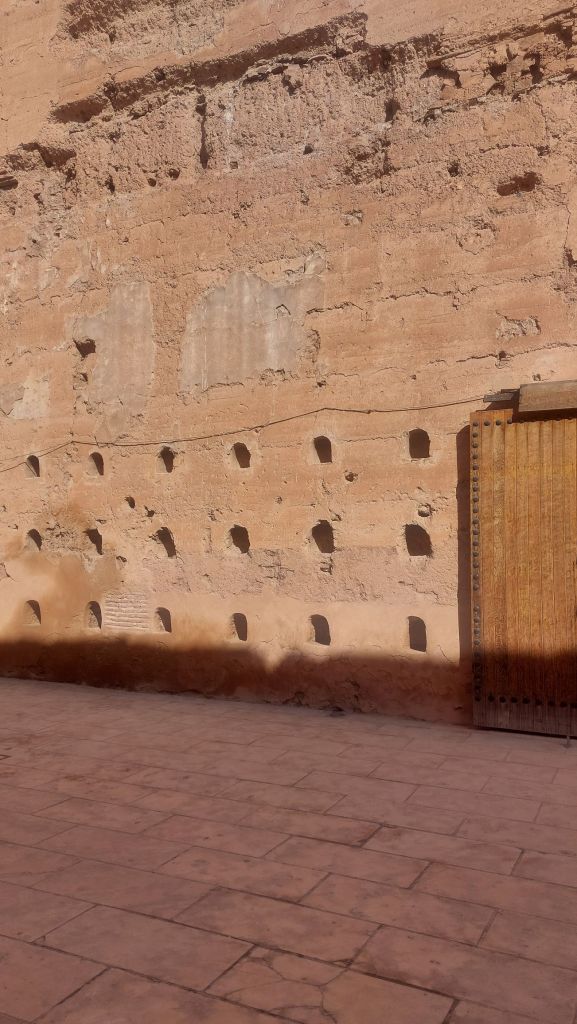
Now, only the ruins remain.
After Sultan Ahmad al-Mansoor died in 1603, the palace fell into neglect and was subsequently stripped away with the materials being used for other buildings in Morocco.
The palace is certainly worth a visit if you want to learn about the history of Marrakech and the ruling elite centuries ago.
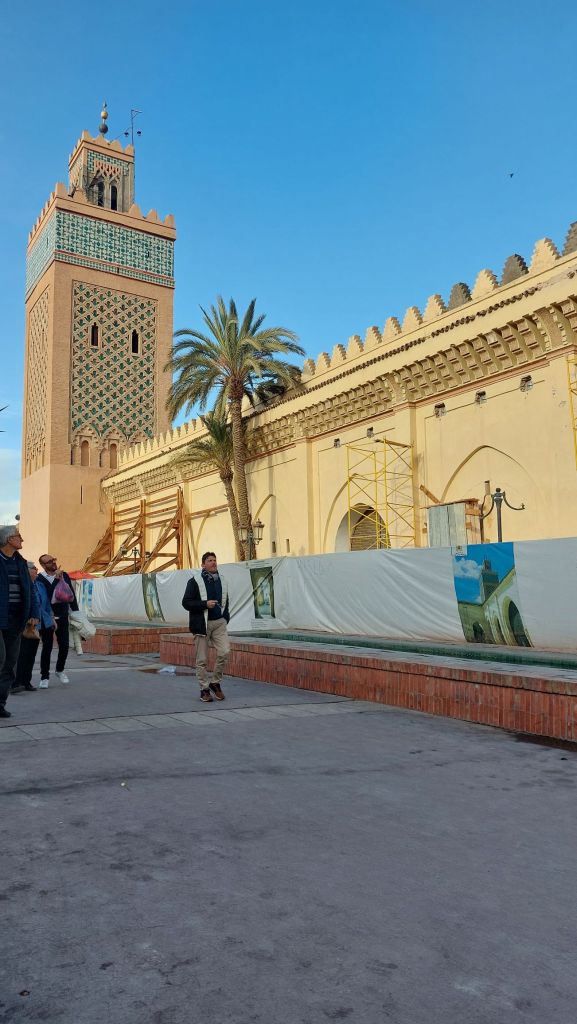
The exhibition space contains the Almoravid Minbar, which is a finely decorated pulpit that once stood in the Koutoubia Mosque.
It also hosts temporary art and cultural exhibitions.
The underground chambers contain information and photographs about the palaces history.
Image by Freebird Tracey.
The palace was badly damaged during the earthquake in 2023, and renovations have taken place to repair the cracks in the walls.
El Badi Palace is situated in the Kasbah district of Marrakech and a popular tourist attraction.
The courtyards are impressive, and the nesting storks on the towers give it a magical feel.
Images by Freebird Tracey.
You get a sense of the grandeur of the Saadian dynasty, and there’s a feeling of peace and tranquillity within the walls of the once opulent palace.
El Badi Palace is open every day from 9.00am to 5.00pm and costs 100 dirhams to enter.
It is the first Moroccan tea house in marrakech, serving 12 teas from the 12 areas of Morrocco.
Set inside a former riad, it is a beautiful place to come and sample the 12 delicious teas on offer, along with modern oriental cakes.
There is table service, and the food is nicely presented, tasty, and varied.
There is a selection of light snacks to accompany your choice of tea available on the menu also.
Images by Freebird Tracey.
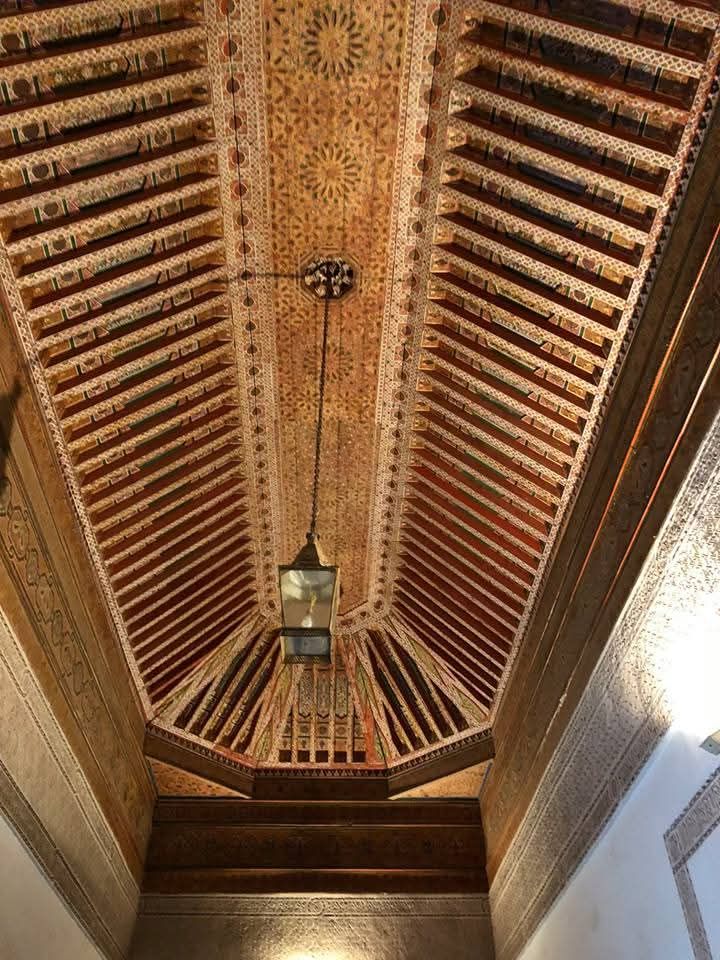
The name 1112 signifies the date 1700 in the gregorian calendar and is etched into the wooden ceiling of the riad.
The riad was beautifully restored by a morroccan family who have been renowned for their expertise in the restoration of such properties since the 1990s.
The architecture is beautiful. Wooden ceilings, intricate tile work, and exotic plants make it a delightful environment for sitting and reflecting on the past history of the importance of tea in Morrocco.
There are interesting facts about the introduction of tea into Morocco and a shop selling nicely packaged tea if you’re looking for a gift to take home with you.
Images by Freebird Tracey.
1112 has a nice rooftop.
After exploring the museum, it is worthwhile taking a look around this exquisite riad and savouring the whole experience.
Images by Freebird Tracey.
Situated close to Ben Youssef, the address is;
12 Place De La Kissariat, Ben Youssef,
Marrakech.
They are open for breakfast and lunch.
What a lovely way to begin the day, or take a peaceful break from exploring the busy medina..
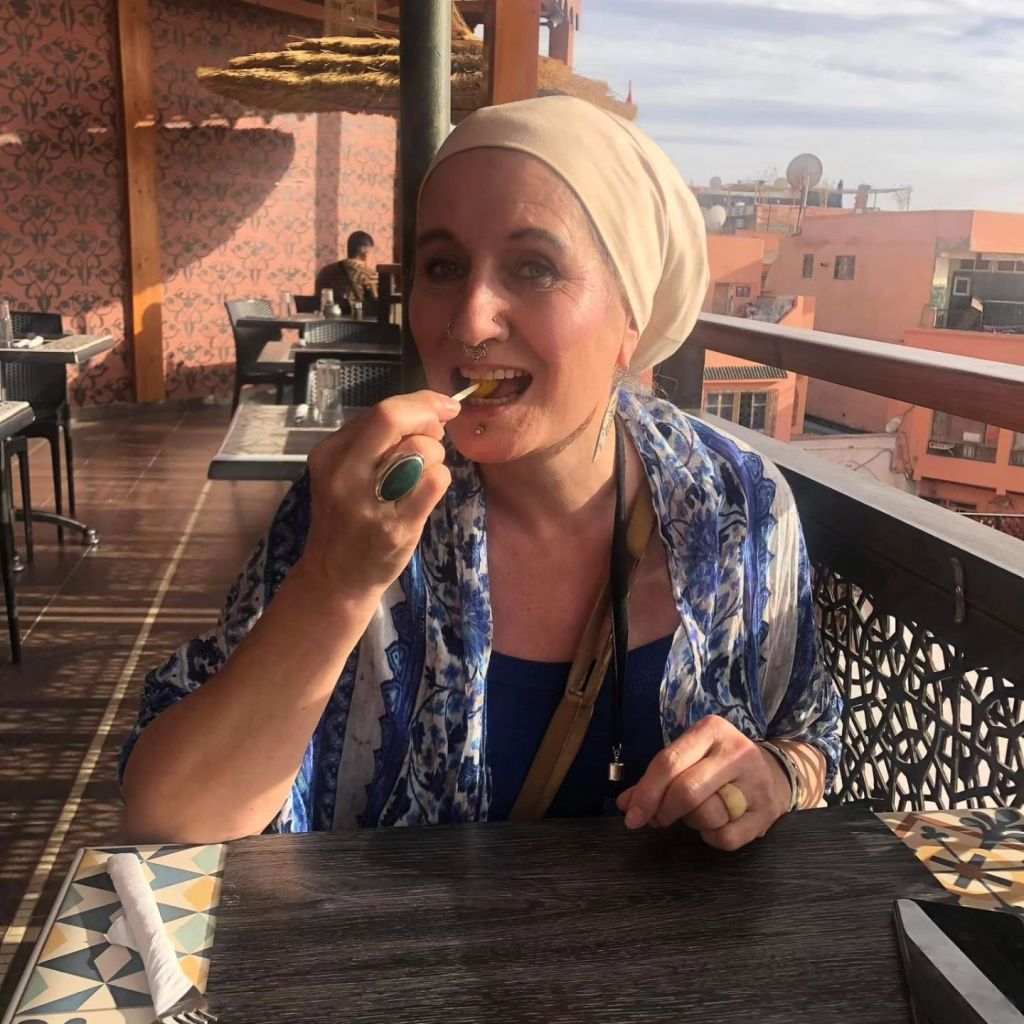
Kafe Merstan restaurant and rooftop terrace is located near the spice square and vegetable market in the medina.
They serve traditional Morroccan food, and prices are very reasonable.
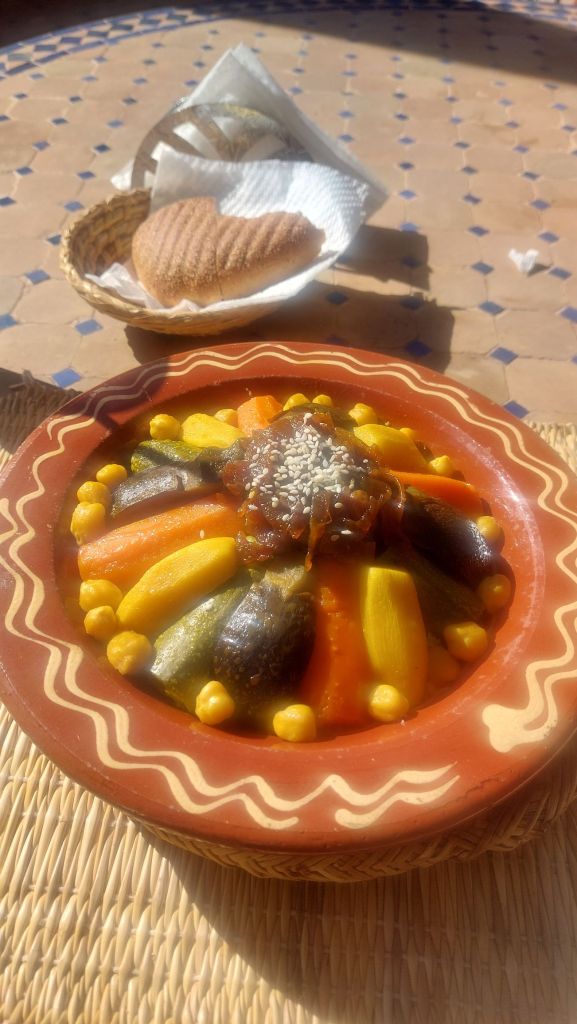
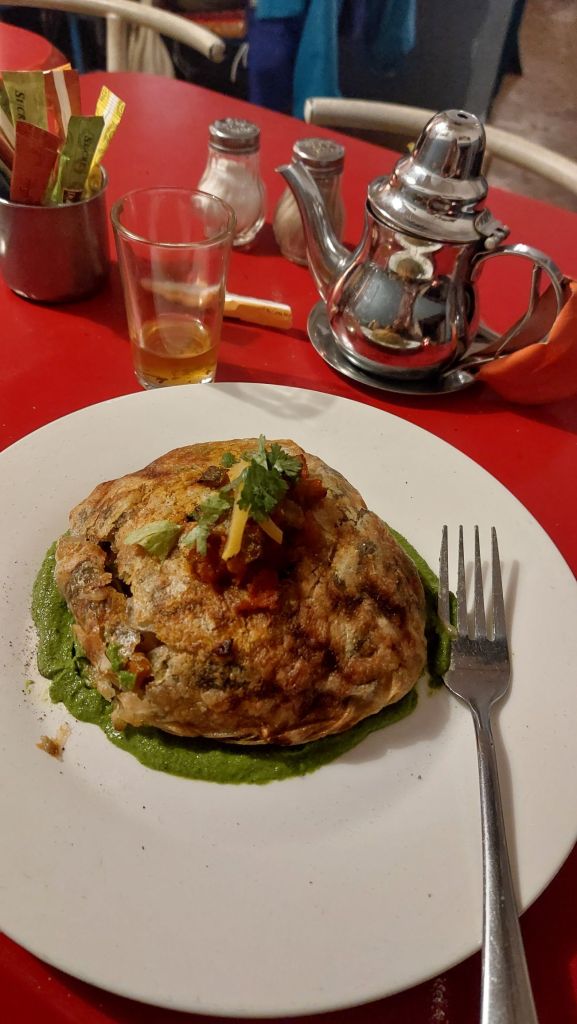
I had one of the tastiest tagines here, and the overall quality of the food was good.
Image by Freebird Tracey.
It’s popular during sunset, and tourists arrive to watch the sun go down from the pretty rooftop.
It’s quite a spectacular sight, therefore it can get busy during this time of evening.
The interior is traditional with a fairly modern twist.
Colourful soft furnishings and rattan light fittings give a homely, boho vibe.
Images by Freebird Tracey.
The food is competitively priced, and the little restaurant is clean and humble.
Seating is upstairs on the rooftop, so people with mobility issues may not find it easy to access.
Payment is by card or cash. However, there’s a minimum of 200 MAD for card payment.
The address for Kafe Merstan is 2 Souk Chaaria Kast Benahid, Marrakech 40000.
Opening hours are 12.00 until
10.00pm.
The restaurant is close to the Madrasa Ben Youssef and Museum of Marrakech, so it’s in a strategic position and ideal for taking a break from sightseeing.
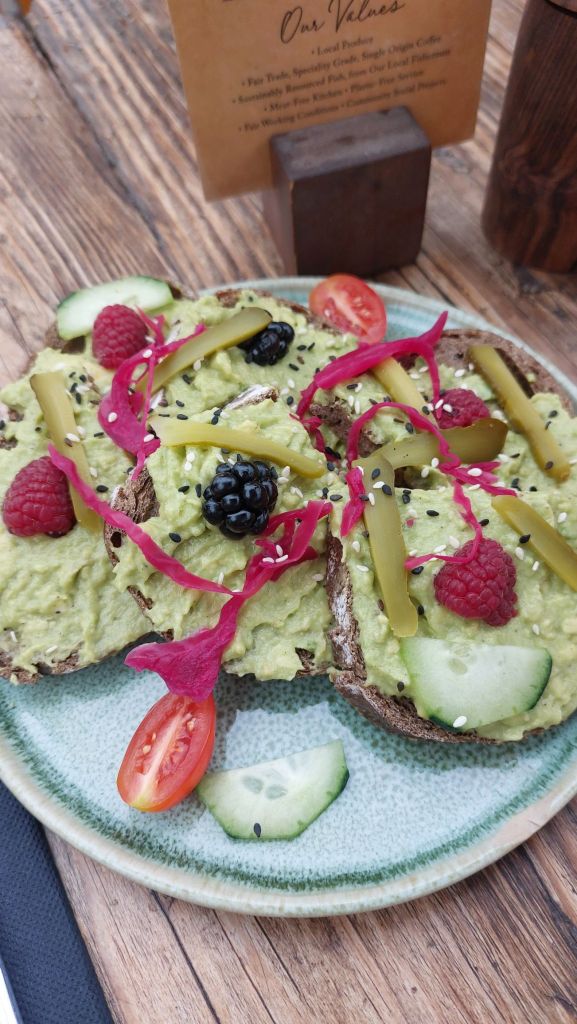
Kafe Merstan offers a good selection of vegetarian dishes, including a very tasty vegetable pastilla.
It’s an ideal spot for lunch.
Image by Freebird Tracey.
Cafe Merstan may give you the impression of a ‘no frills’ restaurant, but the food was exceptionally good.
Marrakech is a culinary delight for all foodies out there.
Image by Freebird Tracey.
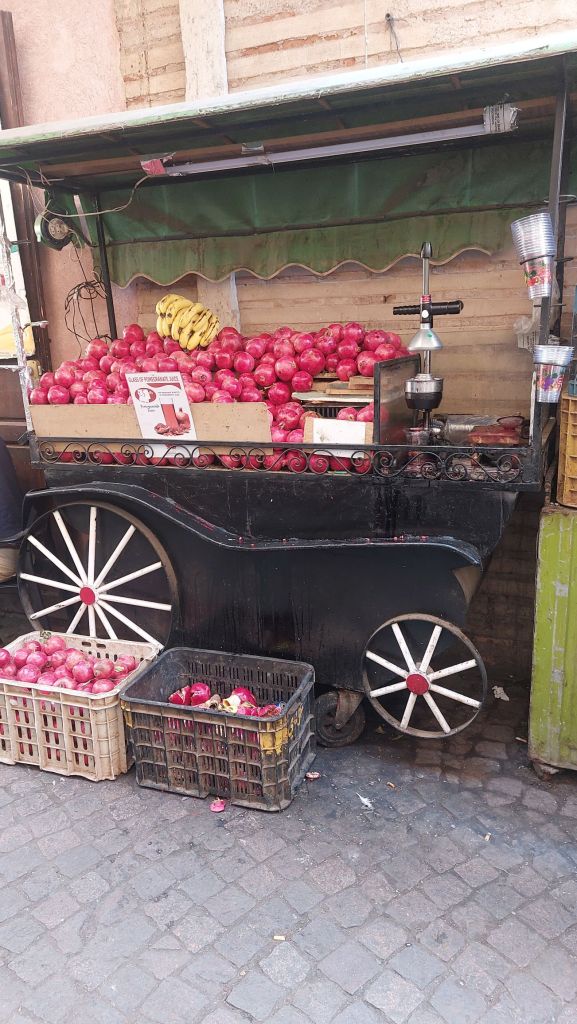
The streets of Marrakech are abundant with fresh, seasonal vegetables and fruit.
There are herbs and spices galore everywhere you look.
The aromatic fragrance of street food fills the air, tempting the tastebuds.
Fine restaurants with impeccable service, in beautiful surroundings, call out to you to come inside and sample their cuisine.
But where do you start?
What do you order?
If you’re anything like me, you may want to fully immerse yourself in the culture of places you’re visiting.
I particularly enjoy sampling the signature dishes of places I visit and eating the same food that the locals do.
It’s a way to get to know the culture, and food is a big part of life in Morrocco.
The locals are very hospitable people and often invite tourists home for a meal with their family.
If you get the chance, go it’s the best way to gain understanding of the people and their hospitality.
So,with an overwhelming choice of food to choose from, you may need a little help to decide what to try..
Images by Freebird Tracey.
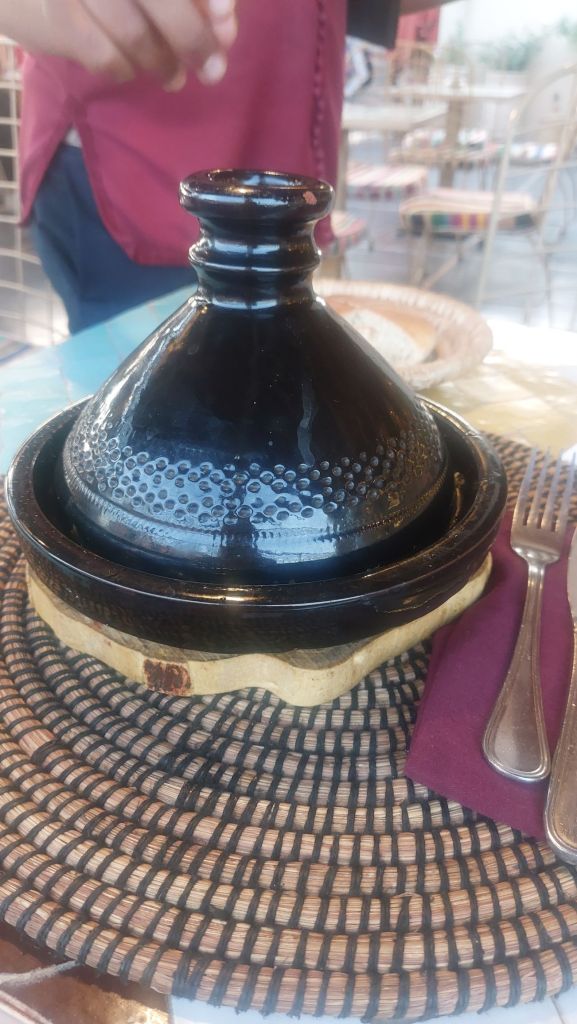
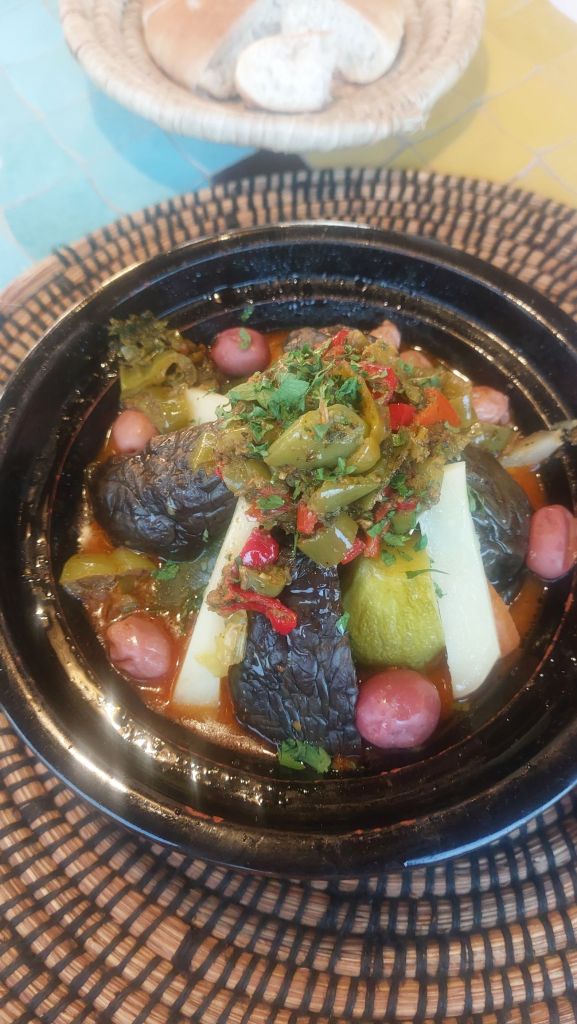
The two most popular dishes in Marrakesh are tagine and couscous.
Tagine is the name of the clay or ceramic pot that the dish is cooked in.
It consists of layers of fresh vegetables,with meat in the centre.
Chicken or lamb is the most popular.
Often, dates, olives, fresh lemon, and spices are added for flavour, and everyone has their own personal recipe for making a tagine.
Images by Freebird Tracey.
Couscous is a grain made from semolina and served with meat and vegetables.
It is eaten religiously on Fridays.
In Jamaa El Fna, you will find sheeps head and snails for sale.
Tourists are targeted by street food vendors to try snails, and those who actually do say that they quite enjoyed the experience.
Apparently, the broth that they’re cooked in is quite tasty, and although it’s an unusual tasting dish, it’s not inedible.
Sheeps head is for the brave amongst us, but it appears to be popular in the main square and a regular sight on display during the evening.
The locals sit at street stalls eagerly munching on the spit roasted mutton, enjoying every morsel.
Image by Freebird Tracey.
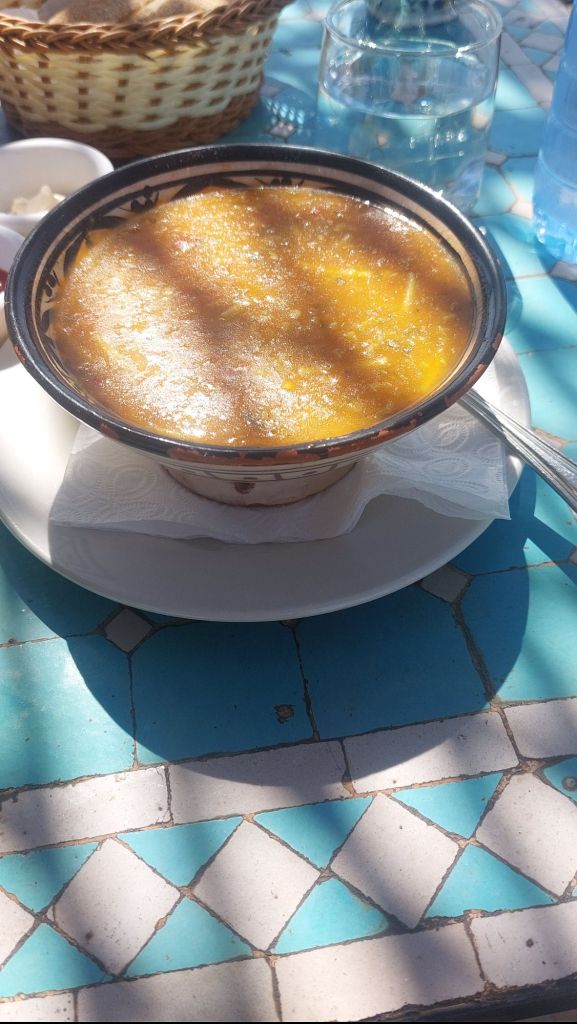
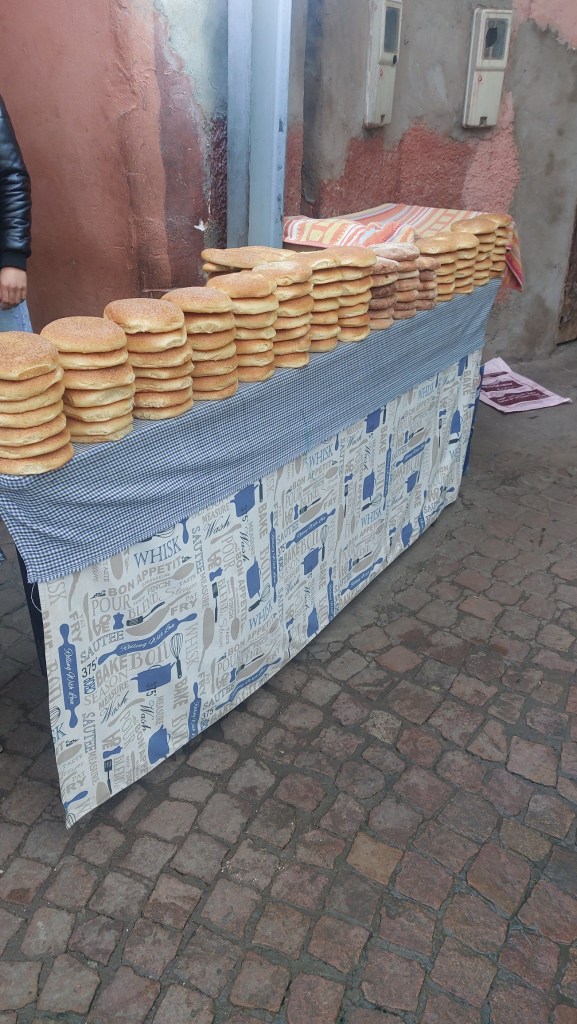
Every dish is served with traditional bread in Marrakech. It is freshly baked each morning and delicious served warm.
Tangier is also a popular dish.
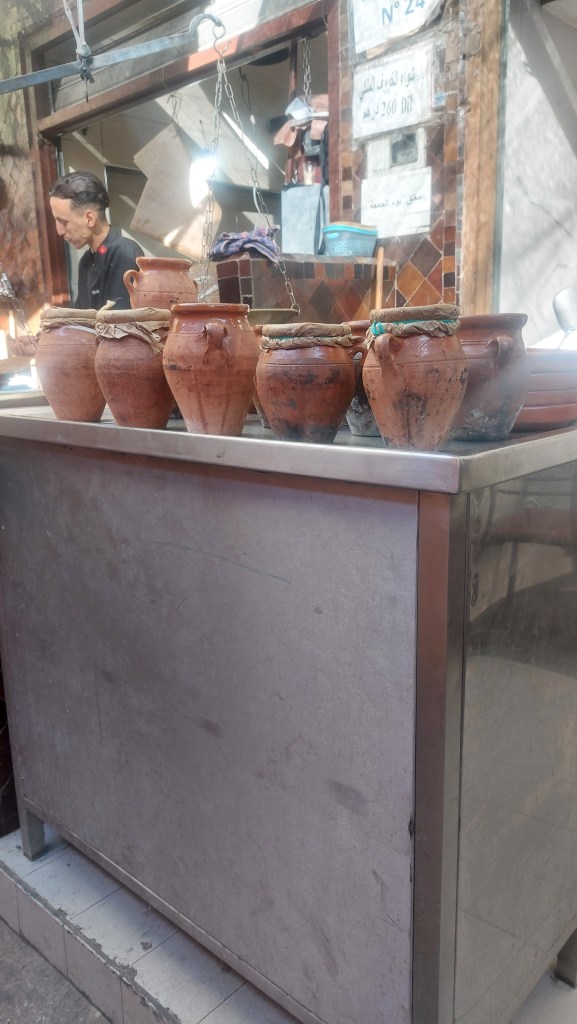
It is meat (usually lamb), cooked very slowly in the embers of the local hammam.
Traditionally, the tangier is taken to the hammam early in the morning and left to cook throughout the day.
It is then collected and served for dinner with vegetables or bread.
The meat is incredibly tender and simply falls off the bone.
Image by Freebird Tracey.
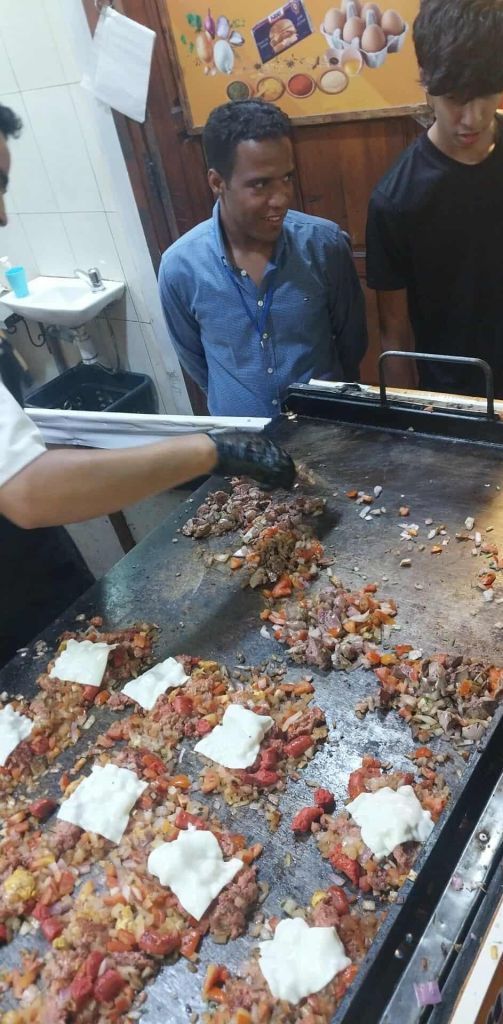
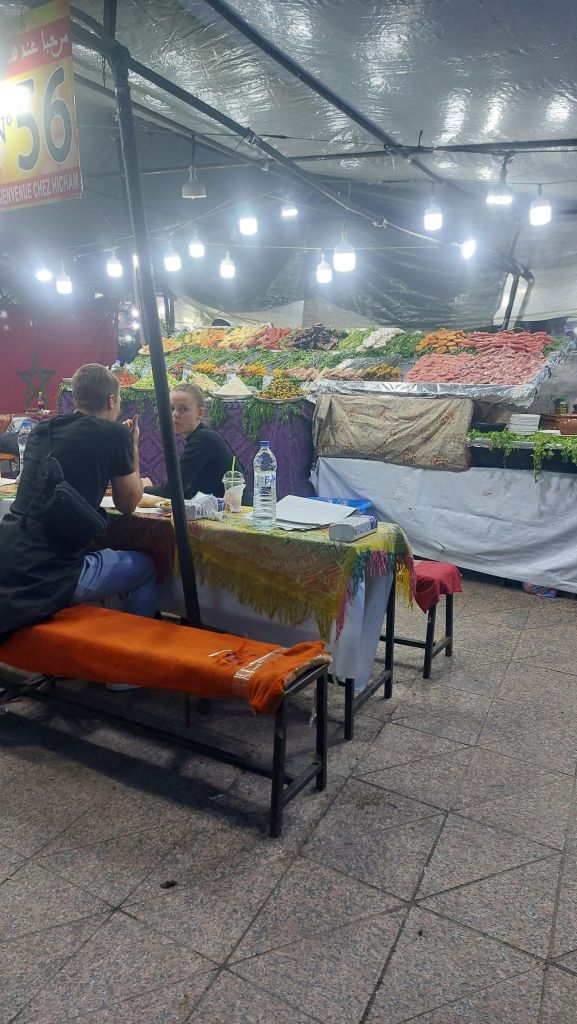
There are plenty of street food vendors in the medina, tucked away in the souks.
They serve really good quality food and it’s cheap.
Ideal for travellers on a tighter budget.
There is a row of street food vendors who only sell tangiers, and this is very popular with locals and tourists alike.
The area gets busy as people queue for a vessel of succulent lamb tipped out onto a plate ready for devouring.
Image by Freebird Tracey.
Taking a street food tour is a great way to get to try the best places.
There are several tours available during the daytime or evening, and tourists get the chance to sample authentic Moroccan cuisine with a registered guide.
Image by Freebird Tracey.
Marrakech caters to vegetarians and vegans also, with a good choice of quality food including excellent salads, delicious vegetable tagine, pastilla, and couscous.
Pigeon is also widely eaten in Marrakech and traditionally used as a filling in pastilla.
Then there are the camel burgers, popular at The Clock restaurant in the kasbah.
Images by Freebird Tracey.
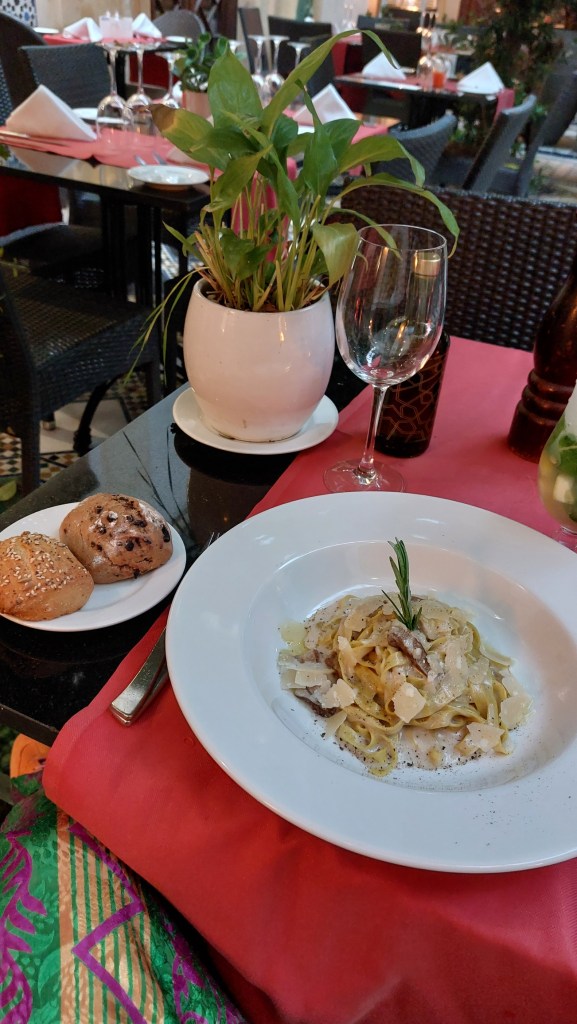
Several Italian restaurants in the medina offer excellent pizzas and pasta dishes if you fancy a change from morroccan food.
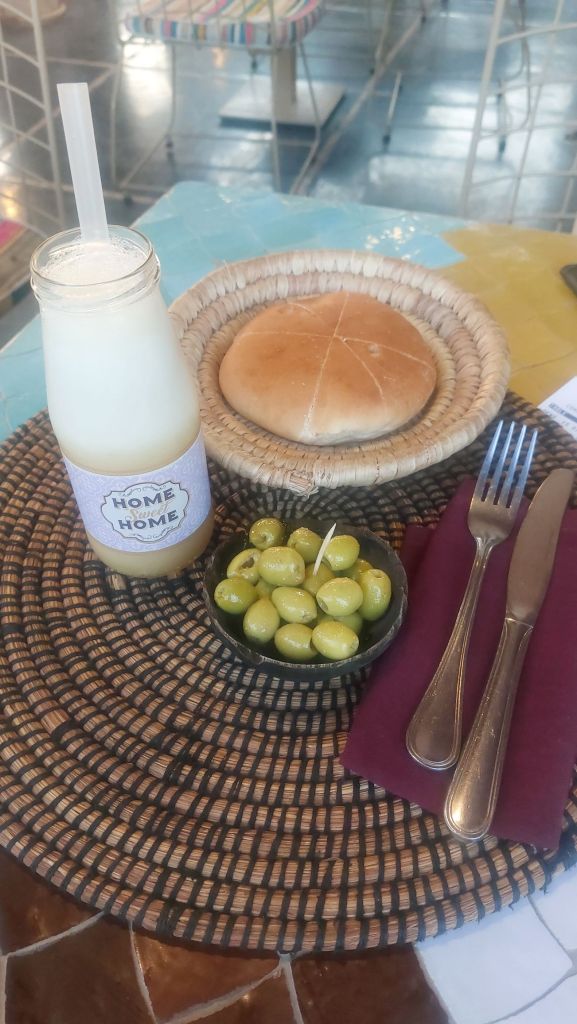
Olives are served with tea and other beverages as a complimentary side dish.
They can be spicy or plain, always fresh, and the perfect aperitif.
They are deliciously fresh when bought straight from the vendors themselves.
Don’t hesitate to try some. They are truly amazing.
Image by Freebird Tracey.
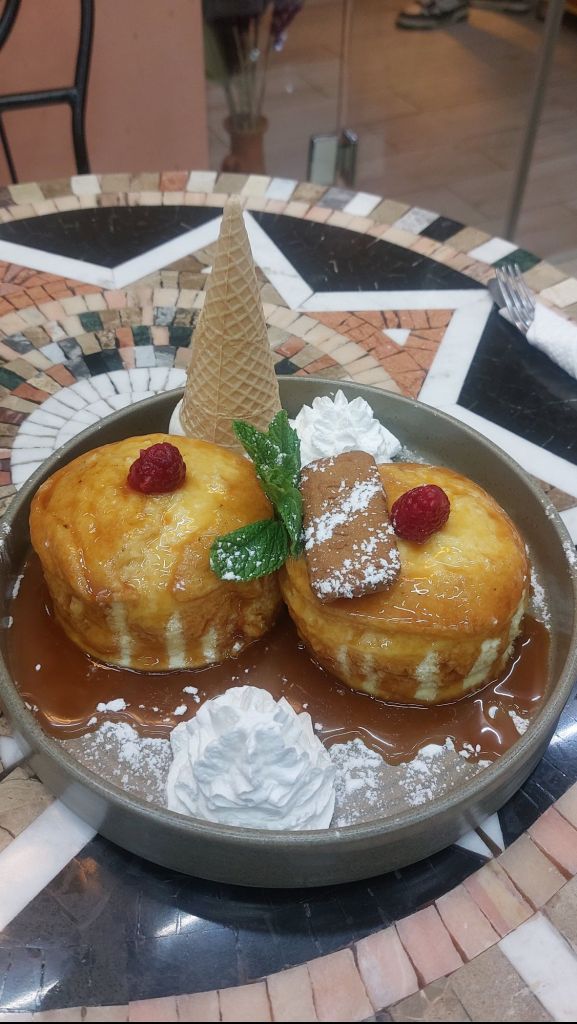
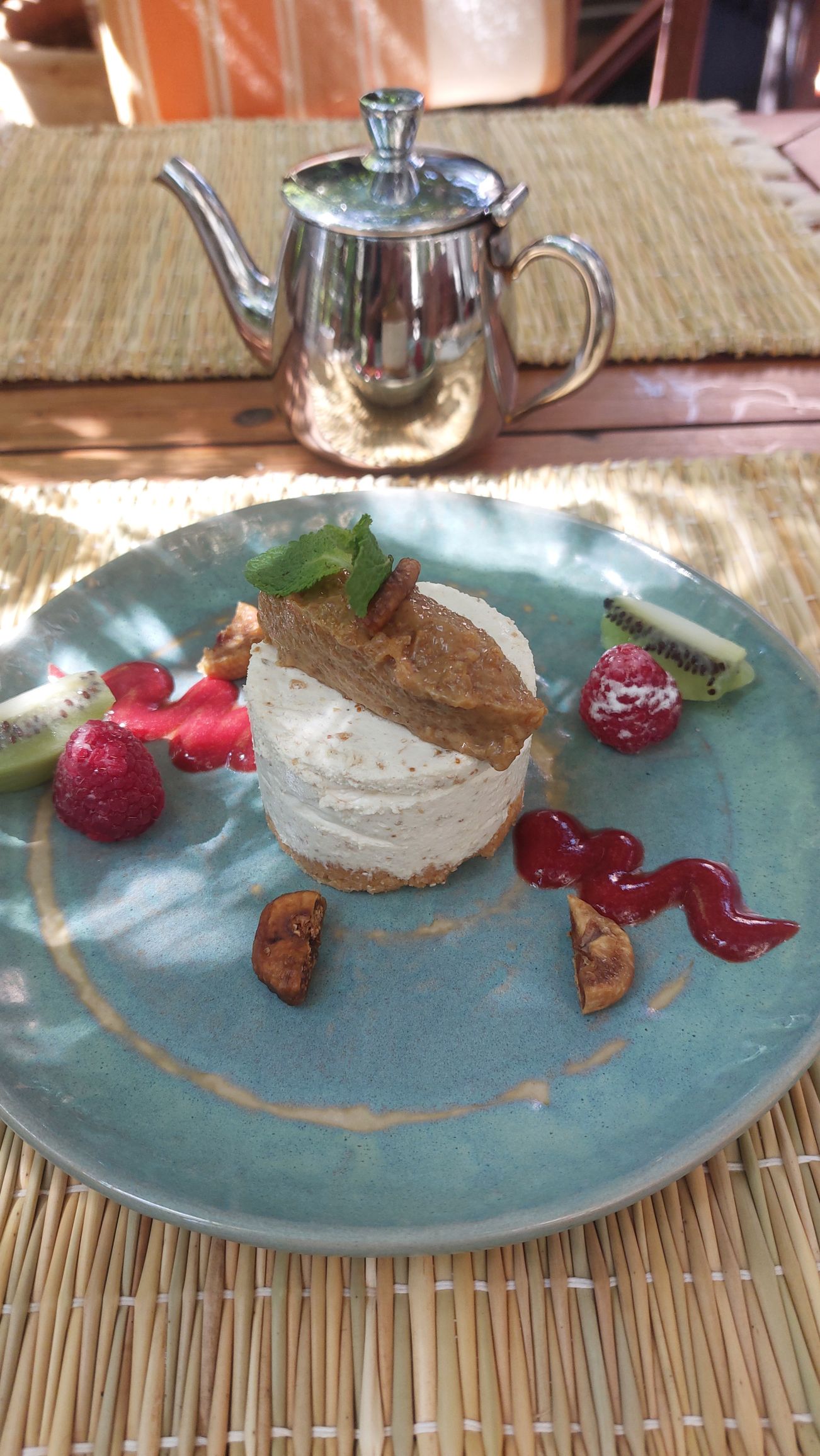
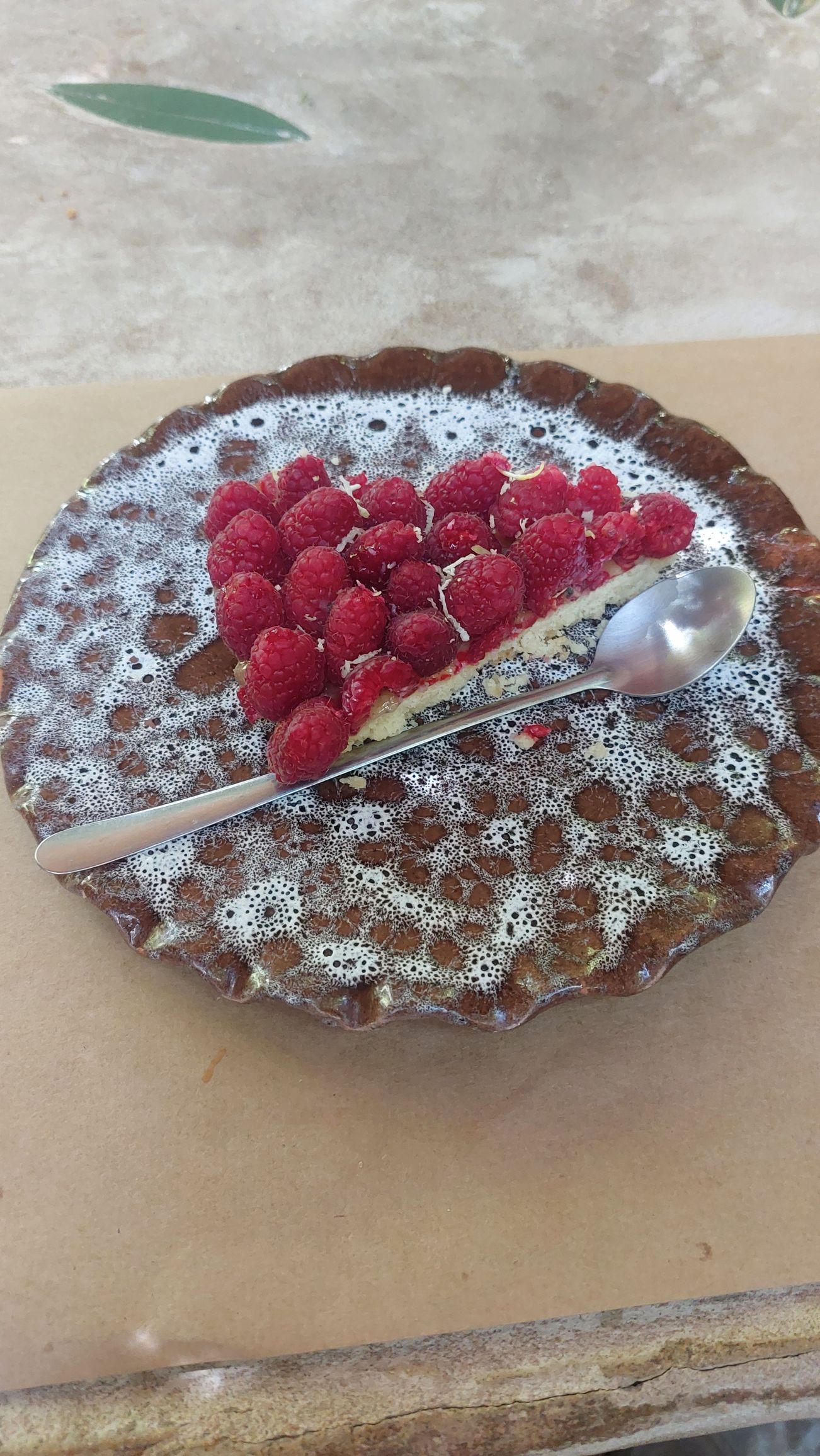
The sweets and pastries in Marrakech are incredibly good, and the desserts served after the main course of a meal are beautiful.
Moroccans have a sweet tooth as you will probably gather from the breakfasts.
The choice on most menus is really good and varied.
There’s no point watching your waistline here..
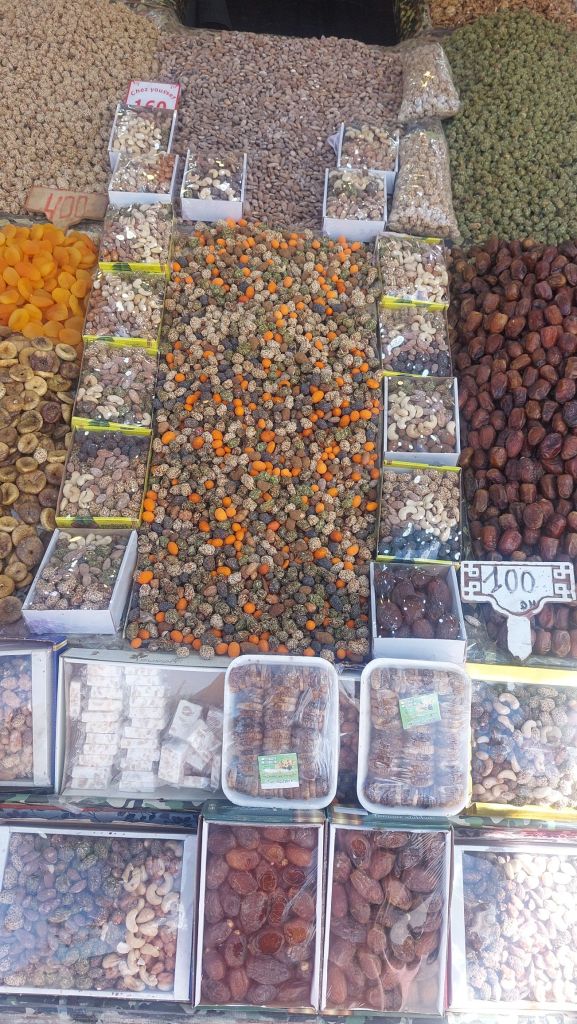
Dates are hugely popular, and medjool dates are known as ‘ fruits of the King’, so make sure to try some.
You won’t be disappointed.
Fresh fruit is for sale everywhere around the medina and incorporated into tantalising sweet dishes that make your mouth water.
NB: I have written a separate article about smoothies and juices in Marrakesh.
Image by Freebird Tracey.
Marrakech is a dream come true for people who love their food.
With so much to choose from and so many different dishes and flavours to try, you would need months to eat your way through it all.
Not only is there a great variety of interesting and tasty food, but it’s beautifully presented too.
Imagine sitting in a tranquil, setting, next to exotic plants, and trickling fountains.
That’s my experience of eating in Marrakesh..
Image by Freebird Tracey.
The way to get to know people and their culture is through their food.
Marrakech is no exception.
Be open to getting out of your comfort zone and give some of the traditional Moroccan dishes a go..
The Bohemian Jungle is a beautifully choreographed riad, close to the spice square in Marrakech.
Image by Freebird Tracey.
Straight out of a tale from Arabian Nights, Riad Bohemian Jungle exudes charm and authenticity.
The interior decor is simply captivating, with several magical nooks and crannies to sit and take in its splendour.
Images by Freebird Tracey.
The little pool in the centre of the courtyard is ideal for cooling off in.
The green tiles and exotic plants are stunning focal points of the riad.
Images by Freebird Tracey.
The rooftop is truly decadent.
There are pretty pink flowers, which drape into the courtyard below, plants and moroccan lanterns.
A balinese bed for relaxing on and catching some sun rays, and a cerise, romantic boudoir area, where the staff play traditional tuareg music.
There are areas to sit in the shade and relax with a book.
This is perfect for when the hot morroccan sun reaches its highest temperature in the day.
The riad lives up to its name. It certainly is a jungle.
Images by Freebird Tracey.
The riad is run by young men from the Sahara region, and they enjoy sharing their fascinating culture with guests.
The breakfasts are varied and wholesome, consisting of a mix of traditional pancakes, honey, and jam.
Fresh bread, fruit, yoghurt, and eggs.
Fresh orange juice and coffee.
Image Freebird Tracey.
When you arrive at the riad, you are treated to the complimentary mint tea and biscuits, whilst you are given useful advice and a map to help you navigate the souks.
Sunrise from the rooftop of the Bohemian Jungle/image Freebird Tracey.
This becomes helpful for finding your way back to the riad.
The fragrance inside the riad is intoxicating as orange blossom, and cinnamon oil gently floats on the air.
During the evening, lamps glow, and traditional Berber music plays subtly in the background.
I never wanted to leave.
I was so happy sitting inside the riad, taking in its beauty and experiencing the wonder of such a magnificent place.
Riad Bohemian Jungle gets booked up quickly.
If you are looking for TVs or a modern, luxurious style of accommodation you won’t find it here.
This is an eclectic, boho environment that lives up to its name.
Riad Bohemian Jungle is all about experiencing true, authentic riad culture, lost in time with the distant echos of camel traders and a strong spirit of the past.
It is close to the Madrasa Ben Youssef, Marrakech museum, and several nice shops and restaurants.
The address is;
Derb al Maada
Hay azbezte
39 Medina, Medina 40030
Marrakech, Morrocco.
Excursions to the Sahara desert and other popular places of interest can also be arranged by this riad.