Tag: North Africa

An exploration of The Red City known as Marrakech.
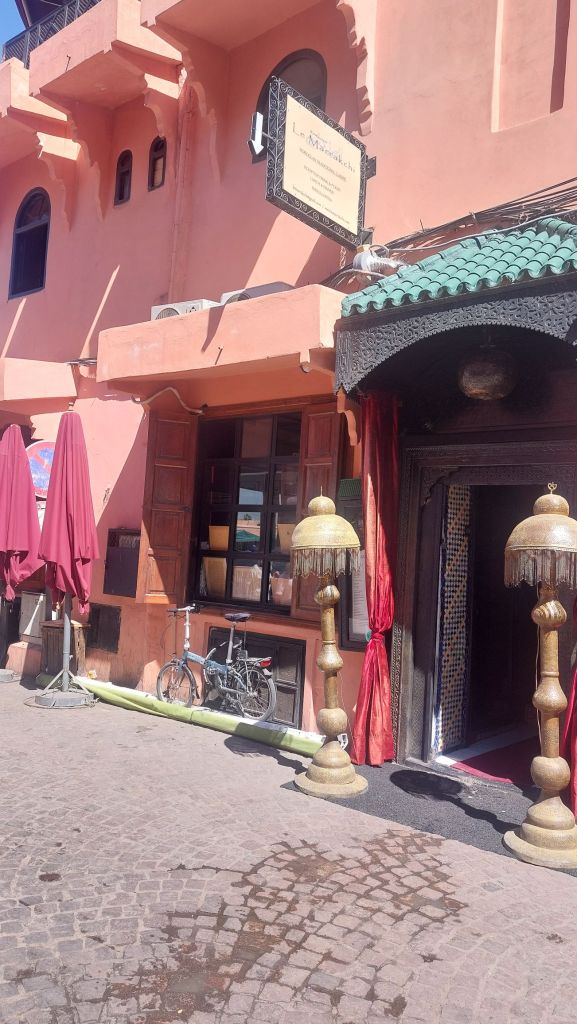
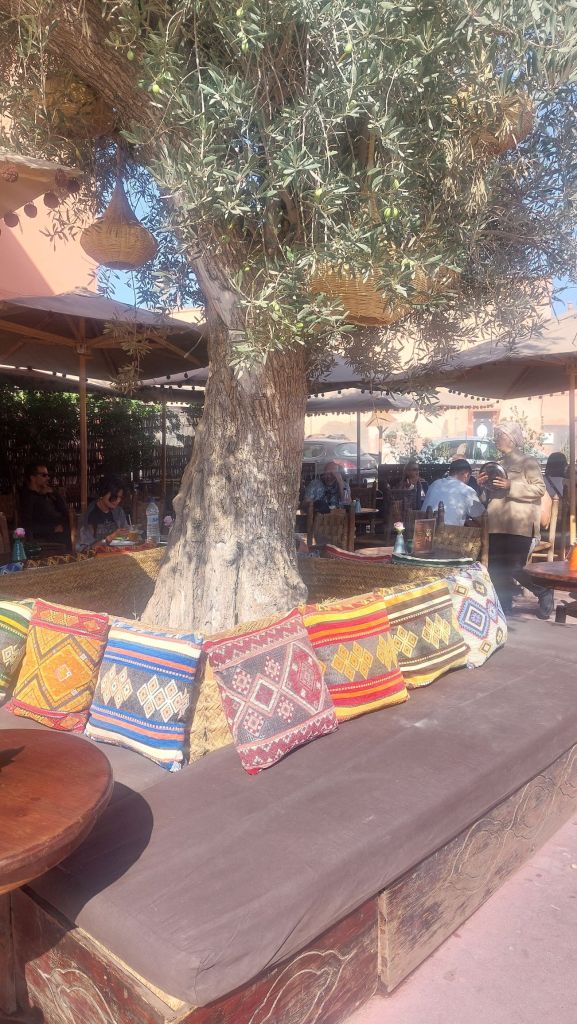
  • L’Mdina  Restaurant.

    A great place serving authentic, quality food near the Jamaa El Fna.

    Image by Freebird Tracey.

    There’s a lively atmosphere with live music playing most evenings as you dine.

    L’Mdina has an interesting menu and includes a good variety of options.

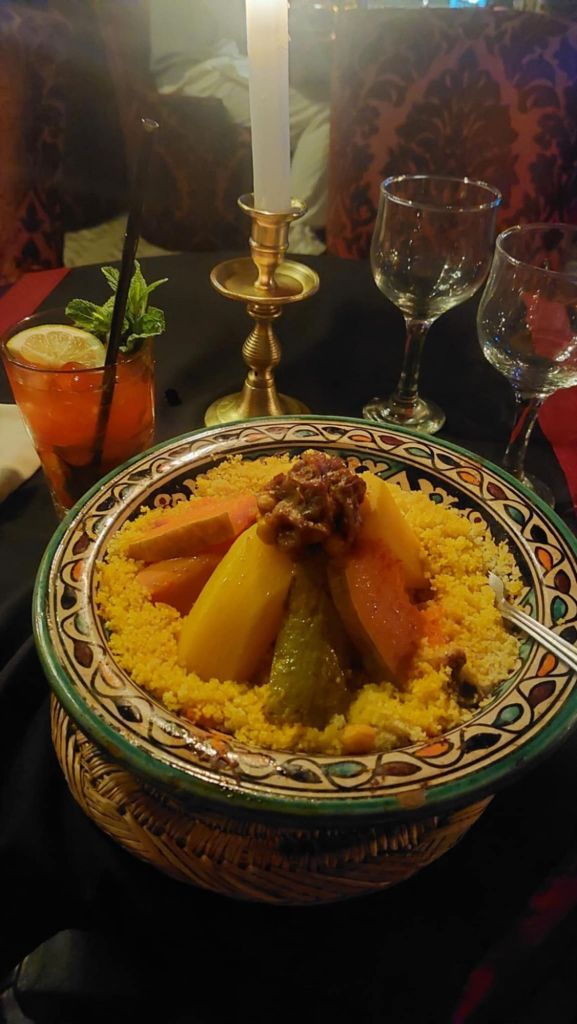
    You can get a traditional tangia, which is  tender meat, cooked for hours in an earthenware pot, called a tangia.

    A tangia is often left to cook in the embers of the local hammam and collected later in the day.

    Image by Freebird Tracey.

    The lamb is cooked to perfection, succulent, and tender.

    The fragrant aroma as it is tipped from the tangia onto the plate is mouthwatering.

    The salads are also delicious and creative, combining an interesting infusion of delicious flavours.

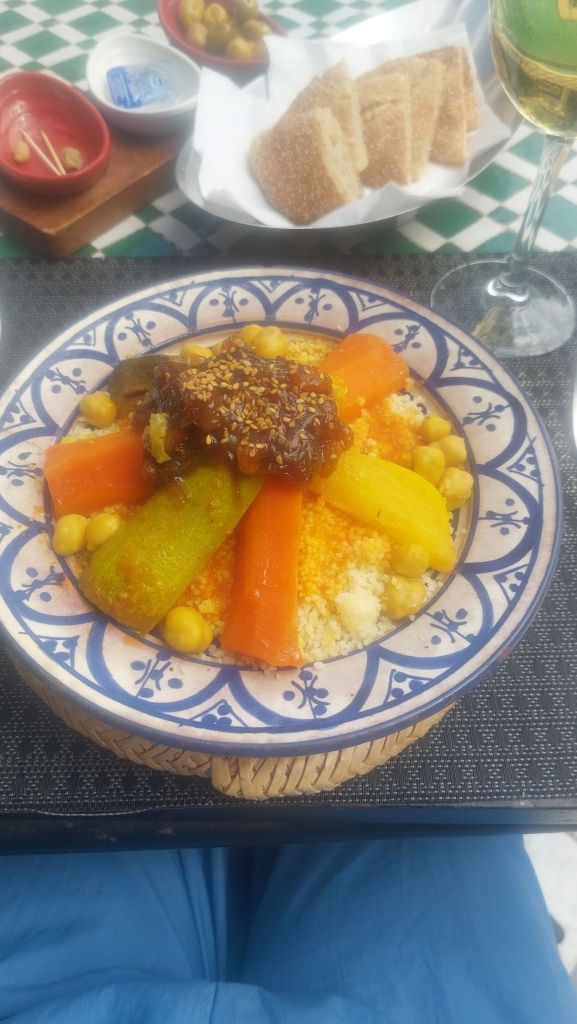
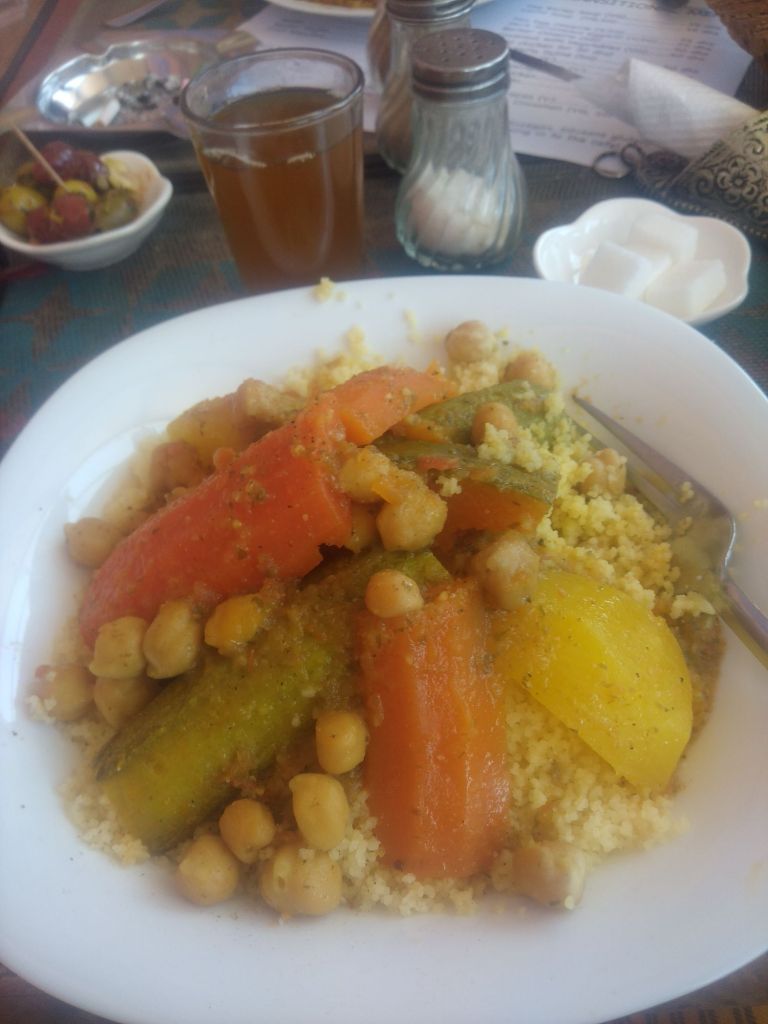
    I especially enjoyed the vegetable tagine, with root vegetables and chickpeas.

    Image by Freebird Tracey.

    L’Mdina is a restaurant serving Moroccan, Mediterranean, and international dishes with a traditional gastronomic touch.

    It is located about 2 minutes from the square.

    They also welcome people who simply want a coffee or just a drink at the bar whilst listening to some live music.

    The menu is suitable for vegetarians with vegan options also available.

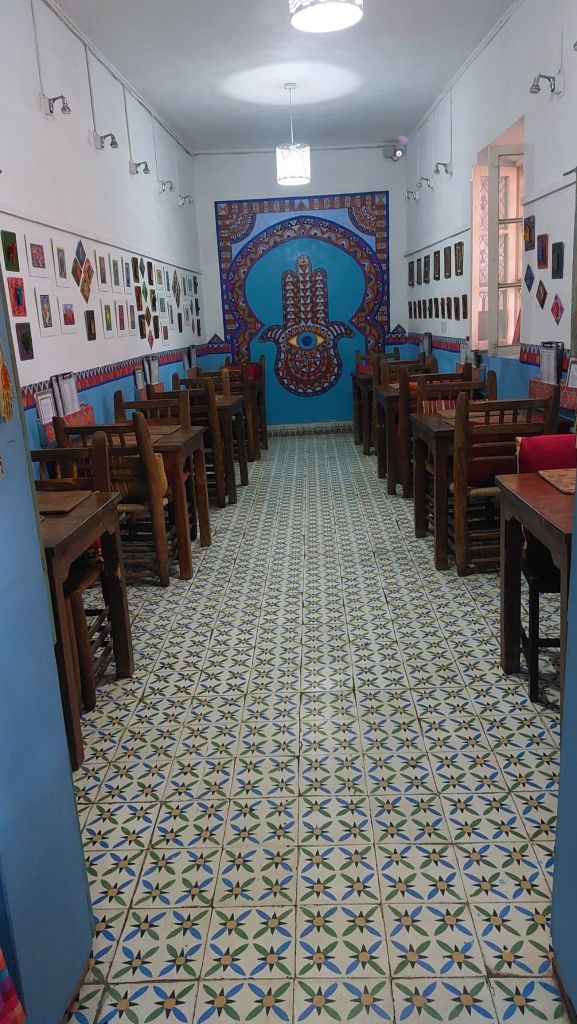
    The restaurant seats 60 people and is beautifully decorated with an authentic Moroccan theme.

    Image by Freebird Tracey.

    The musicians played a mix of traditional Morroccan and Latin American music.

    They entertain the diners without being too loud, so it is still possible to engage in conversation.

    It is a perfect setting.

    A combination of good food, a nice relaxed ambience, as well as being budget friendly.

    L’Mdina was busy, but I didn’t have to wait long.

    I was happy to be seated outside on a nice, warm evening.

    I was content experiencing the vibe of the restaurant mixed with the magic of the medina during evening time.

    L’Mdina is close enough to the main square for a break from the hustle and bustle, whilst still feeling a part of it. 

    It’s a place to go for an hour or so to recharge your batteries.

    There is a set menu at lunchtime for 85 dirhams, and it’s worth every penny.

    Image by Freebird Tracey.

    If you want a tasty meal, which is reasonably priced with some entertainment, I recommend giving L’mdina a try.

    The restaurant’s address is;

    42 rue des banque

    Marrakech 40000

    L’Mdina opens at 12 midday and closes at 23.00

    They accept card payments.

    Image by Freebird Tracey.

    For more information about places to eat, contact me via the email address below;

    (more…)
  • Riad Jardin Lea.

    A comfortable riad with friendly staff.

    Image by Freebird Tracey.

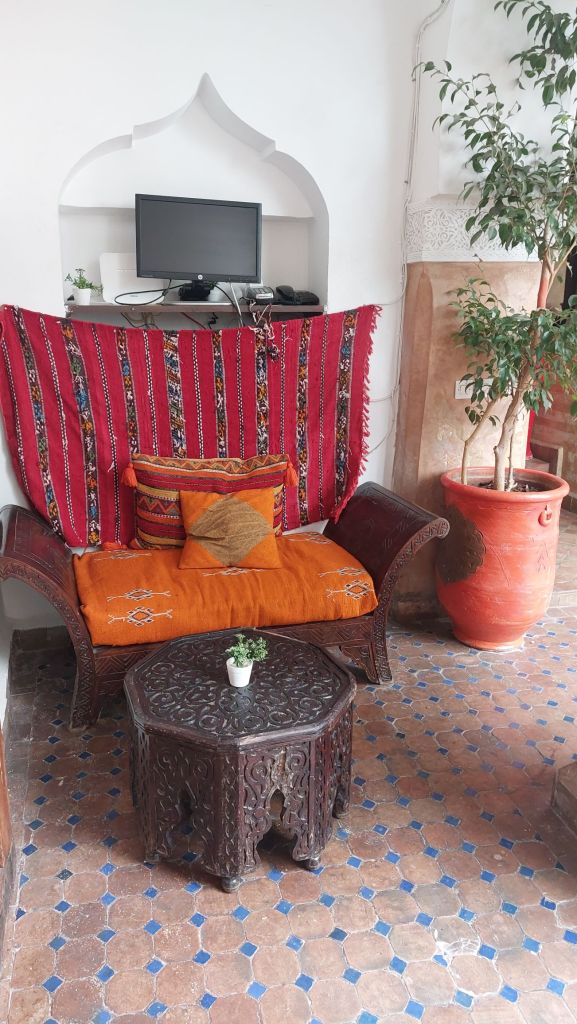
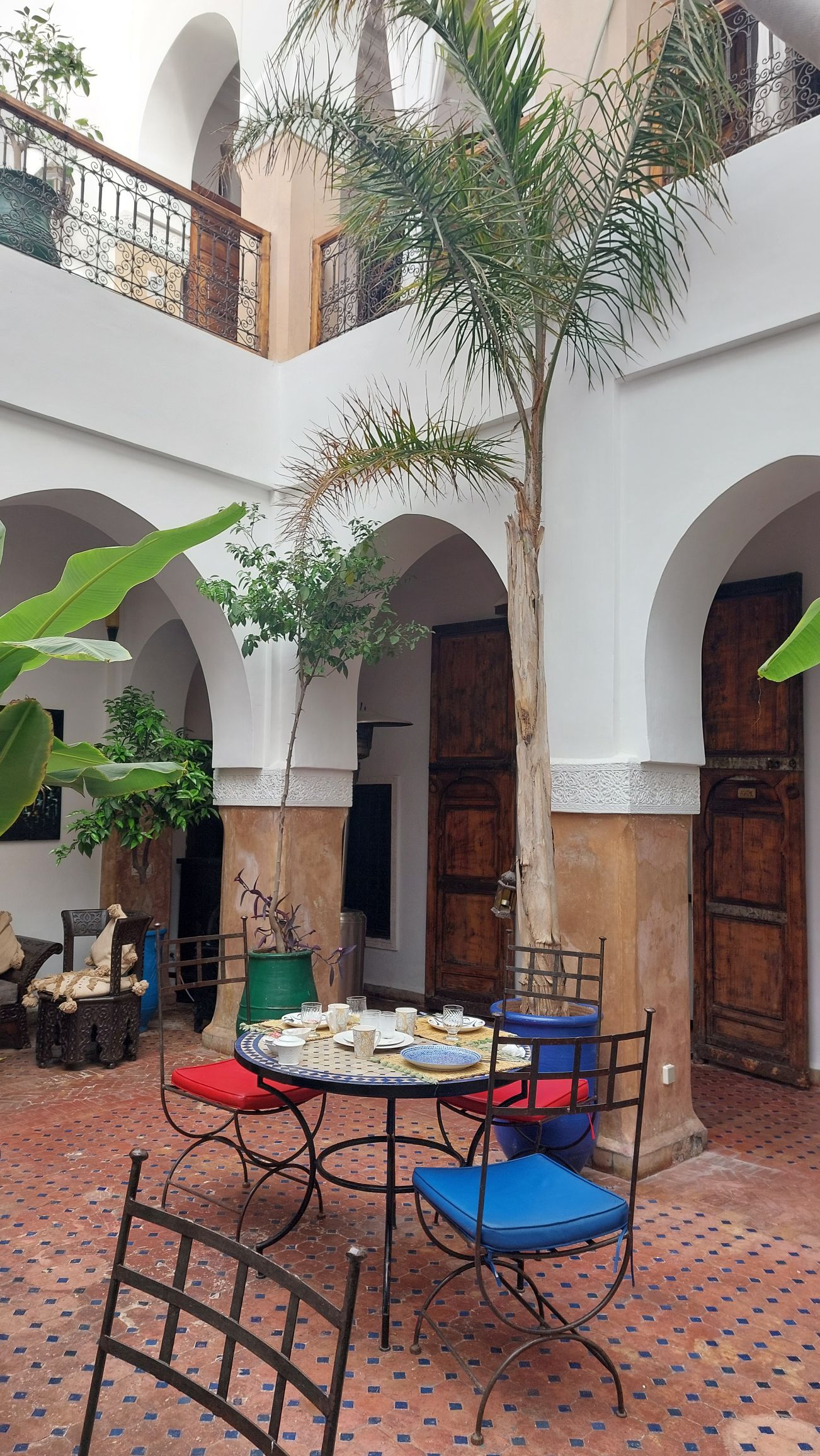
    Riad Lea is a traditional mid priced riad only 10 minutes walk away from the main square.

    There are 5 suites, and they are authentically Moroccan and comfortable with all the amenities available for a pleasant stay in the medina.

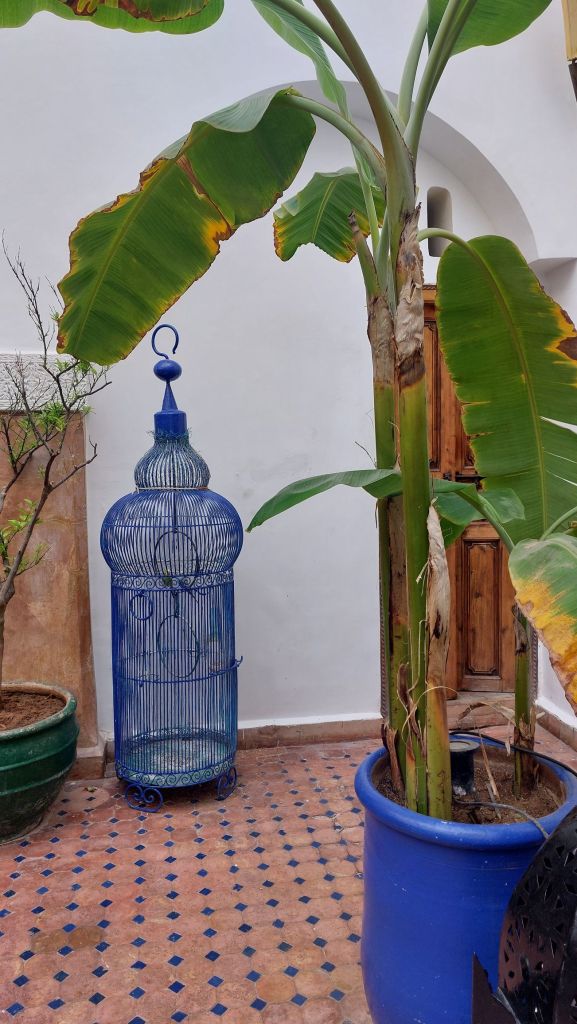
    The courtyard is peaceful with the sound of birds singing as you sit having breakfast in the morning.

    It’s a quiet, relaxing setting away from the busy touristy area, yet only a short walk away from all the action.

    Image by Freebird Tracey.

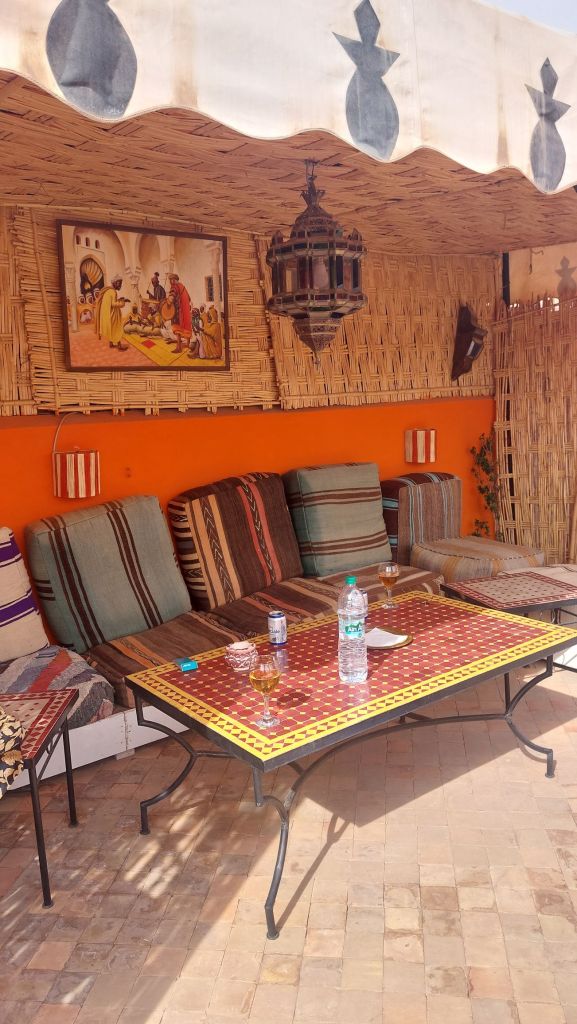
    The rooftop is a great place for a spot of sunbathing, and there is also a jacuzzi, which is clean and well looked after.

    Image by Freebird Tracey.

    The staff at Riad Lea are friendly and attentive.

    They even offered me some of their food whilst they were breaking their fast during Ramadan.

    It’s these little gestures that make a traditional riad such a charming place to stay.

    There are more modern luxury riads than riad Lea, but it’s the personal touches that stand out for me.

    The staff at Riad Lea made sure that their guests felt comfortable and happy.

    There was a nice, calm atmosphere in the riad, and everyone seemed to be happy.

    Reaching the riad was like heading down a hobbit hole through the narrow winding alleyway.

    The doorway was not made for tall people, but once you got used to it, you soon remembered to duck.

    This is typical of most riads in the medina and part of their charm.

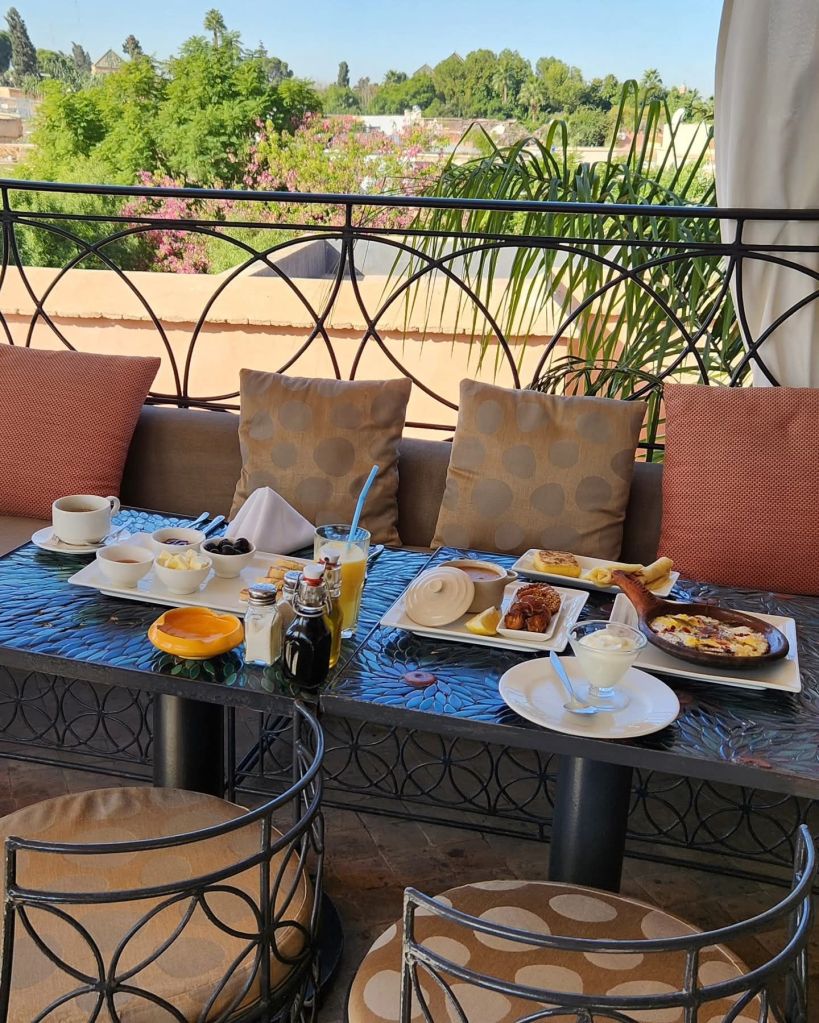
    The breakfast at Riad Lea was a typical Morroccan breakfast, a mixture of sweet and savoury food.

    I loved their homemade yoghurt and msemen pancakes.

    The walk to the main square is enjoyable, passing by lots of interesting little shops and restaurants along the way.

    I enjoyed my stay at Riad Lea. It’s not a fancy 5 star accommodation, but it’s good value for money.

    It was clean and comfortable, and the staff were a credit to the riad.

    Riad Lea can be found at,

    41 Derb Sidi Bou

    Amar Marrakech 40000.
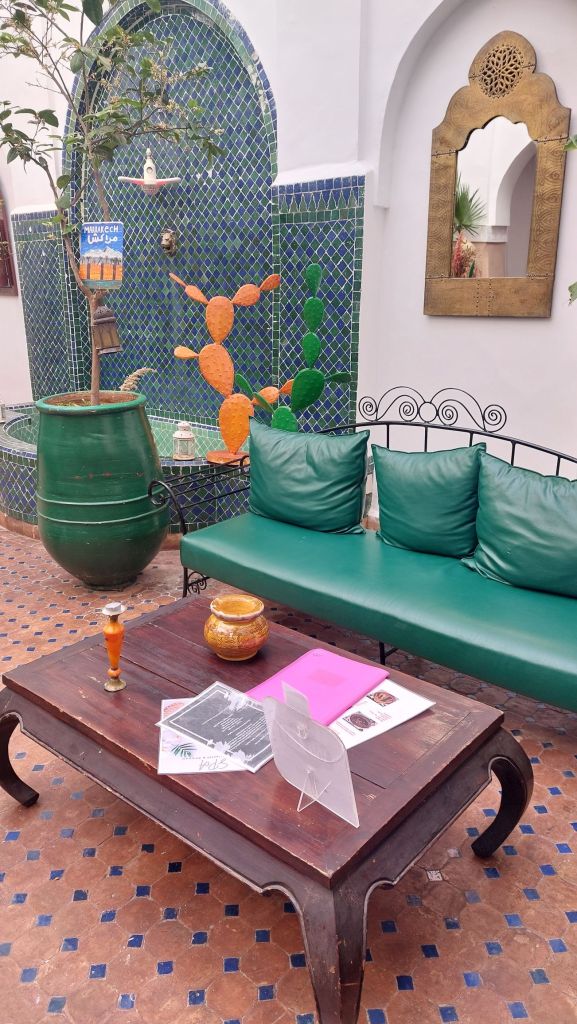
    Image by Freebird Tracey.
    (more…)
  • Riad Laila.

    A luxury riad on the outskirts of the medina.

    Image by Freebird Tracey.

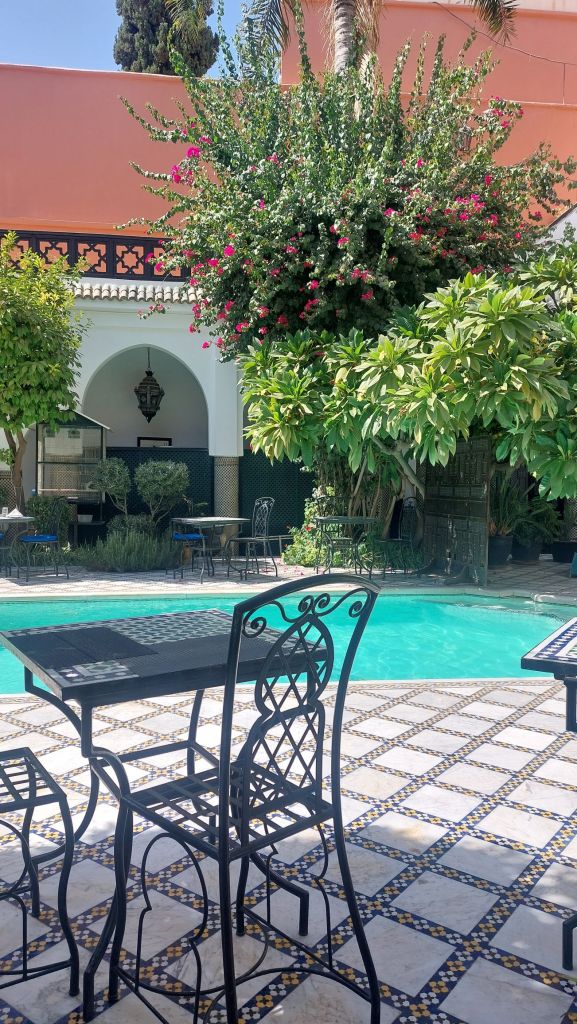
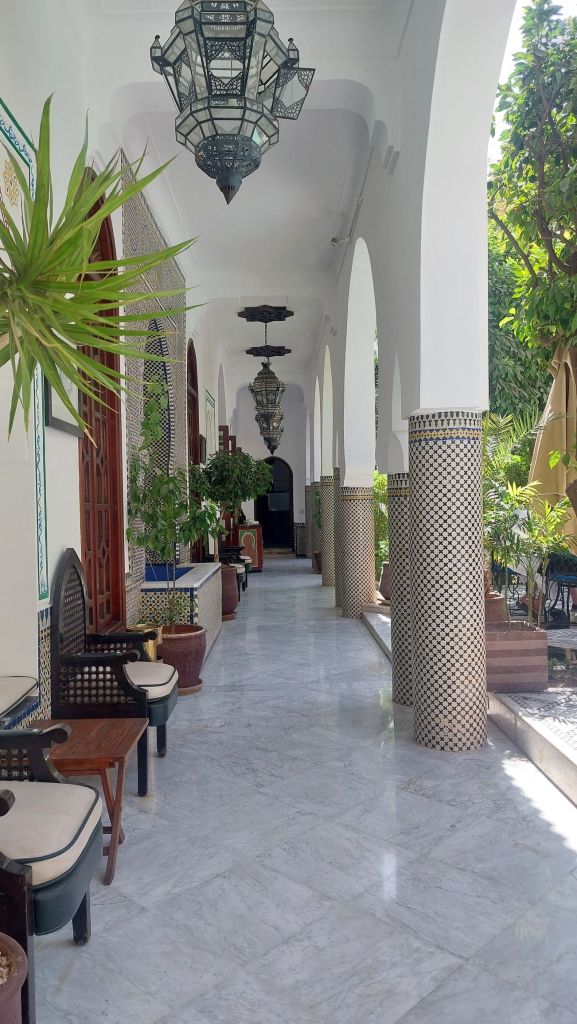
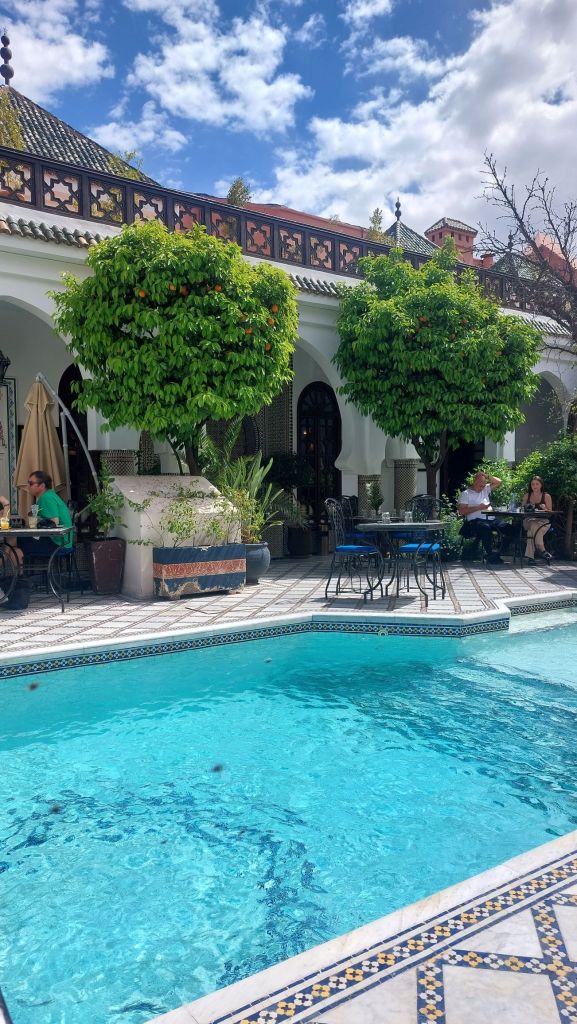
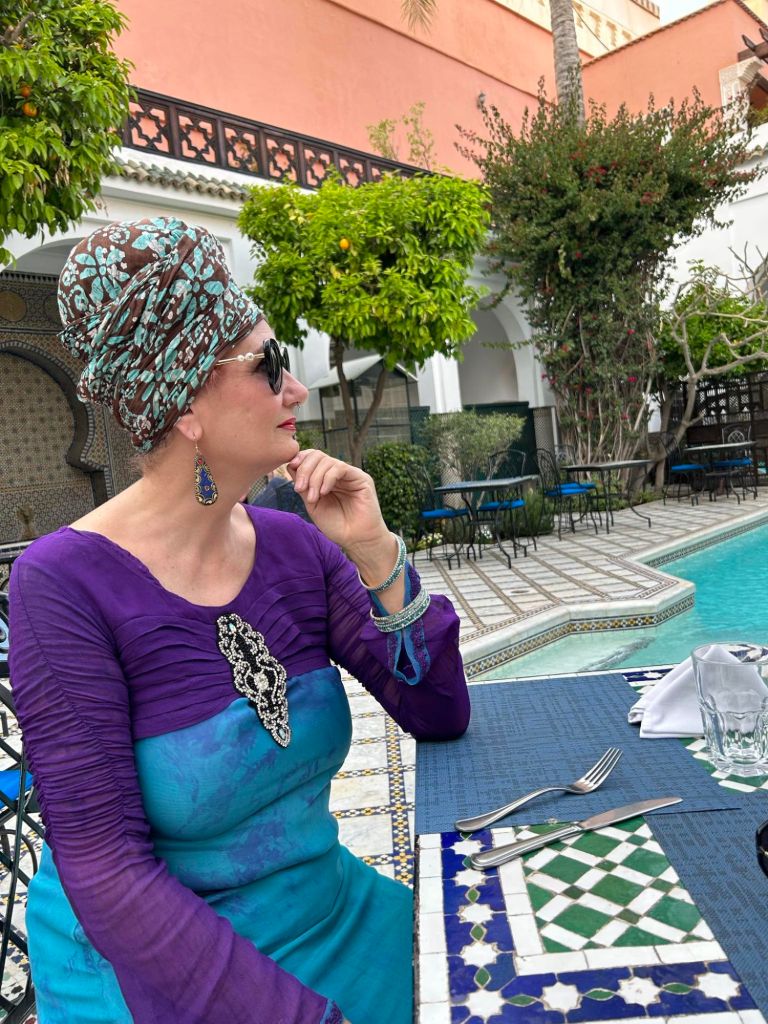
    Riad Laila is a stunning riad with the most beautiful courtyard.

    It is larger than most riads, and the pretty garden is full of exotic plants, mandarin trees, and hibiscus.

    There is a large swimming pool for guests to enjoy.

    The rooms are tastefully furnished, modern, and luxurious.

    Riad Laila was recently  renovated and refurbished.

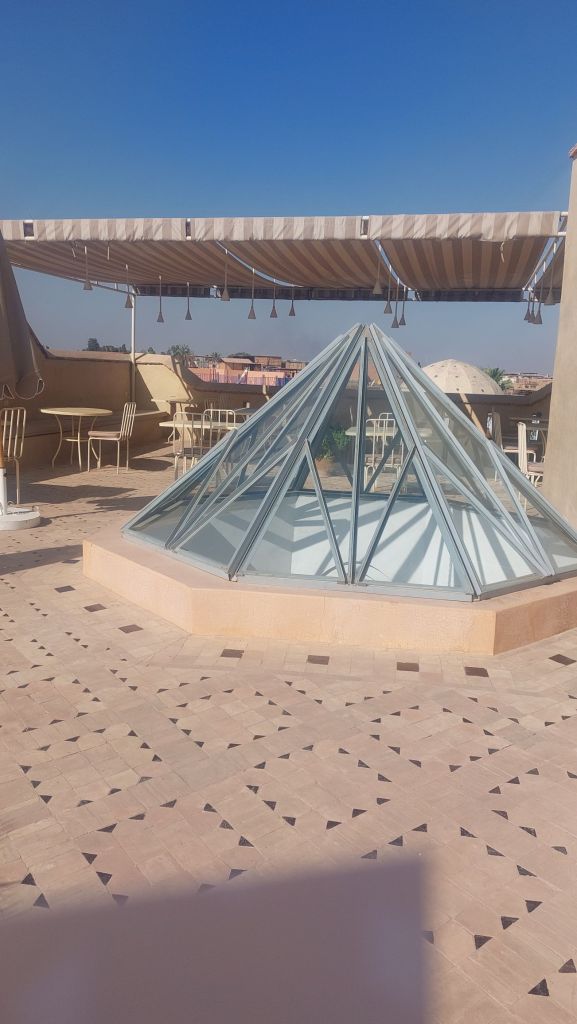
    The rooftop is very pretty and a great spot for sunbathing or relaxing with a refreshing mint tea looking at the views over the medina.

    Images by Freebird Tracey.

    Riad Laila is the perfect riad for people who are looking for a luxurious spa like  experience in Marrakech.

    The staff exude professionalism and wear uniforms.

    They keep a keen eye on the guests, and the place is run with an air of precision.

    Everything is spotlessly clean. It’s a place where you can spend ages just relaxing by the pool in peace and tranquillity reading a book.

    Images by Freebird Tracey.

    Riad Laila is a high-end accommodation at the most northern side of the medina.

    It is close to the bus station and around a 25-minute walk from the centre.

    The Jardin Majorelle is a short walk away.

    Raid Laila was lovely for a couple of days, but I did miss the charm of a traditional family run riad inside the medina.

    It all depends on what kind of experience you’re looking for.

    If it’s a complete, restorative setting in beautiful surroundings, Riad Laila is ideal.

    There is food served at the riad, but the vegetarian options appeared to be limited at the time I stayed there.

    My overall impression was that everything felt slightly clinical and lacked the laid-back, homely feel that Marrakech is known for.

    However, if you’re looking for a complete break away from the excitement and sensory overload of the medina, Riad Laila is a good choice of accommodation.

    It is visually appealing and has one of the nicest gardens boasting 840m2.

    They have a resident tortoise called Laila who loves you to feed her hibiscus flowers.

    Image by Freebird Tracey.

    The surrounding streets are very quiet, so I preferred taking a taxi to the main square in the evening.

    It’s a long walk in the heat also, but taxis are readily available.

    Riad Laila is at,

    104 Diour Jdad

    Zaouia Abbassia

    Marrakech 40000.
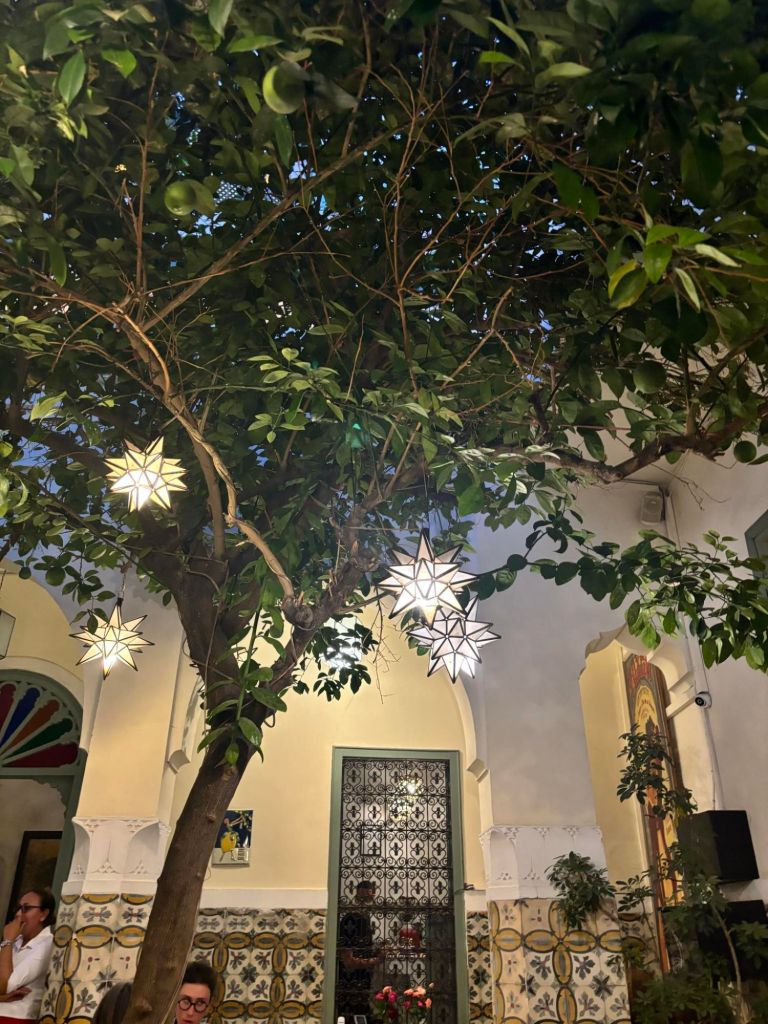
    Image by Freebird Tracey.
    (more…)
  • Le Salama Restaurant.

    A popular rooftop restaurant with traditional entertainment.

    Image by Freebird Tracey.

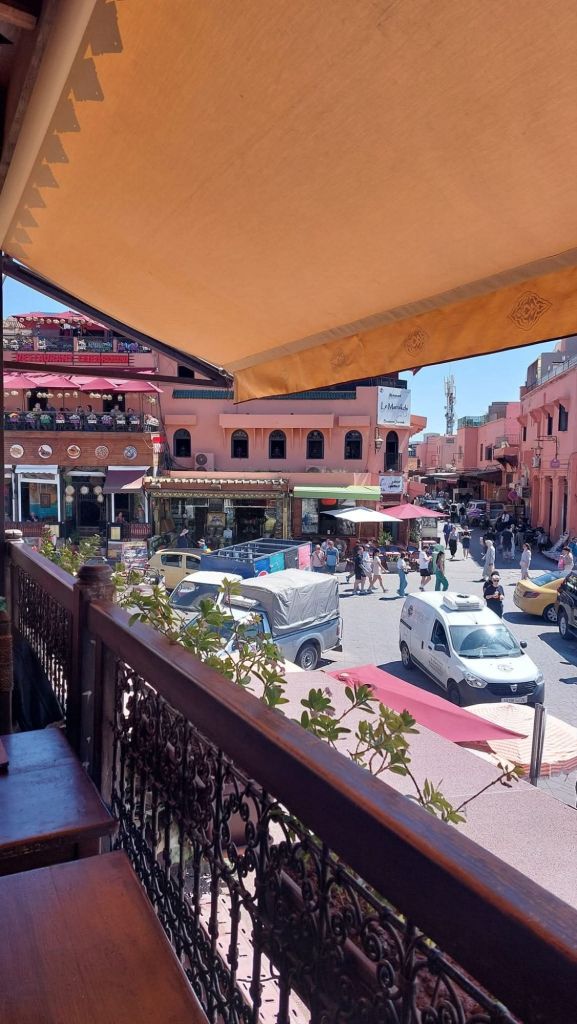
    Le Salama is a modern restaurant with a lively atmosphere.

    The restaurant has a nice rooftop area that gets very busy and is extremely popular with tourists.

    I would recommend booking in advance for a table there as it fills up very early.

    The decor of the restaurant is traditionally Morroccan with an al fresco vibe.

    There are beautiful plants throughout the interior, and it feels like you are sitting outside in nature.

    There are two bars serving a range of alcoholic beverages and non alcoholic drinks.

    Image by Freebird Tracey.

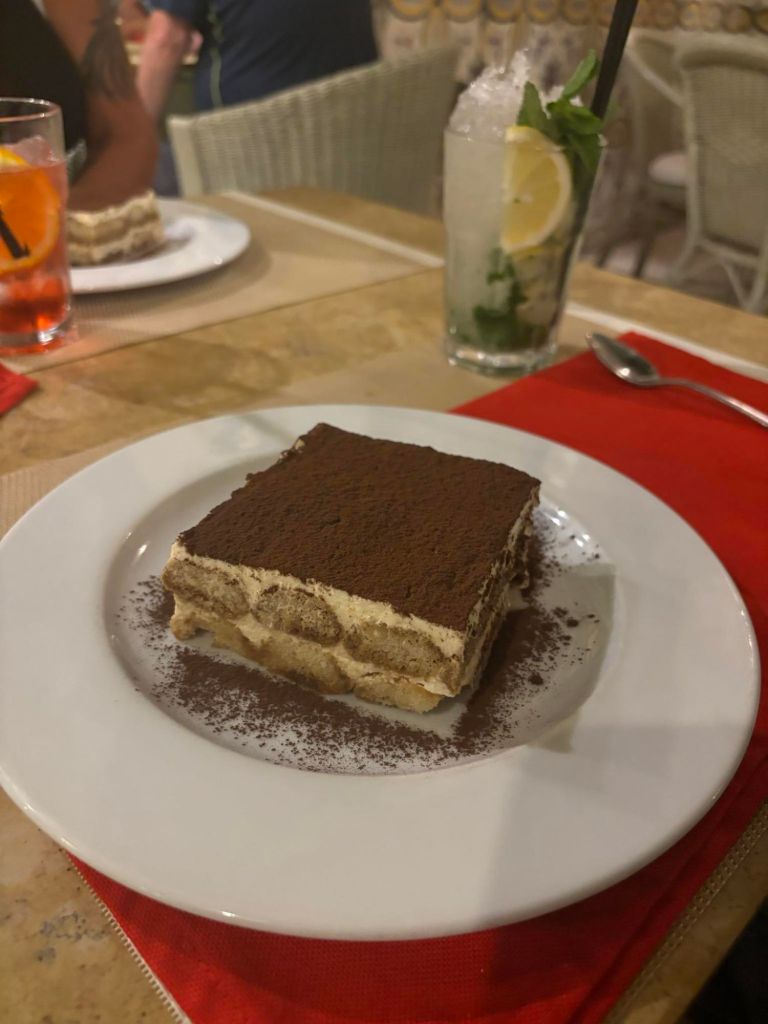
    I had eaten earlier, so I chose a plate of delicious Morroccan pastries with a cold glass of Casablanca beer.

    Other diners were enjoying a variety of excellent dishes from the menu, which looked very appealing.

    Images by Freebird Tracey.

    At 9.00pm each evening, the entertainment begins.

    Belly dancers dance around the tables, encouraging the diners to participate.

    It was fun to watch, and everyone in the restaurant appeared to be having a good time.

    Video by Freebird Tracey.

    I have to admit that the service was slightly slow. However, it was Ramadan, so exceptions have to be made during this month.

    I was by myself as a solo female traveller, and I didn’t feel conspicuous at all.

    The waiters were polite and helpful, and it didn’t seem to be a problem that I only ordered a dessert and one drink.

    I wasn’t pressured to leave, and I spent time enjoying the live entertainment.

    Le Salama is steps away from Jamaa El Fna.

    It’s the perfect place to grab a bite to eat and recharge your batteries before stepping back out into the crowds of tourists in the busy main square.

    Image by Freebird Tracey.

    Le Salama can be found on,

    40 rue des banques, and it’s open until 2.00 am

    They serve a good range of cocktails and are open for lunch and dinner.

    They also have a children’s menu.

    Image by Freebird Tracey.
    (more…)
  • Herboristerie Reda

    A treasure trove of oils, creams, and potions.

    Image by Freebird Tracey.

    I found a great place in the souks run by a very helpful and pleasant woman.

    There is nothing more delightful than taking the fragrance of Marrakech home with you and reliving the experience of your time there.

    You can find plenty of places in the souks that sell argan oil and perfumes, fragrant shampoos, and body wash.

    The scent of orange blossom, oud, and jasmine oil enticing you to buy something special as a reminder of the time you’ve spent in Marrakesh.

    However, it’s important to know that not all oil will be genuine argan oil.

    There are inferior quality products sold at a high price, so you need to be careful not to get ripped off.

    The argan oil cooperatives are the best option for buying genuine products, but if you don’t get the opportunity to visit them, where should you go?

    Herboristerie Reda stocks everything, and the quality of their products is very good.

    The address is,

    48.Derb Sidi, Boulfdail.

    Marrakech 40000.

    I purchased a few things from here, including some excellent quality oils.

    Image by Freebird Tracey.

    I spent a lot of time inside the shop testing the oils and didn’t feel pressured to buy anything at all.

    The woman in the shop was called Hennan, and she was genuinely helpful and kind.

    There is a huge selection of products, including soaps, fragrant body creams, perfumed oils, and products for using in a hammam.

    Images by Freebird Tracey.

    The shop front is used to advertise a Gourd Festival each year, and it is very colourful.

    I have purchased goods from other retailers in the souks, but the fragrance doesn’t last very long before wearing off.

    The oils from Herboristerie Reda last ages and smell amazing.

    You can also purchase herbs and spices such as Saffron, herbal teas, and medicinal ointments.

    This will be one of my go-to shops for fragrant body oil and lotion from now on..

    Image by Freebird Tracey.
    (more…)
  • Riad Persephone.

    A pretty riad close to Jemaa El Fna.

    Image by Freebird Tracey.

    Riad Persephone is a large riad located very close to the Jamaa El Fna.

    It has a pretty courtyard with lots of beautiful plants everywhere and a large swimming pool.

    The colour of the walls is painted in a lovely cobalt blue like that of Jardin Marjorelle and works really well against the lush green foliage and tiled flooring.

    The rooftop is large with plenty of seating and a warm jacuzzi for guests to use.

    Lit up in the evening, the rooftop looks incredibly pretty.

    Images by Freebird Tracey.

    The square is visible from the rooftop, and you can hear the lively sounds of everything going on until late at night.

    I chose a room on the rooftop. It was exceptionally pretty and decorated in a beautiful Saffron colour.

    Images by Freebird Tracey.

    For some people, the close proximity to the main square may be perfect.

    If you’re a light sleeper, you may find the early morning call to pray rather loud, and the noise from the busy square may be a bit problematic late at night.

    The sound of the food stalls being dismantled can be heard until the early hours of the morning.

    I would recommend taking ear plugs.

    Riad Persephone has a rustic charm, and some areas are a little bit tired and in need of a face-lift.

    However, if you prefer a traditional style of riad, this is what you will get but at a high-end price.

    This is largely due to its strategic location and the view of Jamaa El Fnaa from the rooftop.

    The riad offers activities for guests, such as quad biking and a visit to Agafay desert.

    There is also a hammam.

    Riad Persephone is situated close to some popular restaurants, including Le Salama and L’Mdina.

    It is a vibrant and colourful riad with cosy little nooks to sit and relax in.

    Images by Freebird Tracey

    If you’re looking for a traditional riad with pretty surroundings, Riad Persephone is a good choice of accommodation.

    It all depends on whether you want to be overlooking the action in the main square or not.

    For many people, this is a bonus.

    Other people may prefer a  quieter, relaxing atmosphere on the rooftop listening to the sound of nature.

    Overall, Riad Persephone is aesthetically pretty and very comfortable.

    Be mindful. There are a lot of steps up to the rooftop, so people with mobility issues may struggle.

    Opt for a room on the ground floor instead.

    The address for Riad Persephone is;

    17 Derb Zaari

    Marrakech 40000

    Morocco.

    Image by Freebird Tracey.
    (more…)
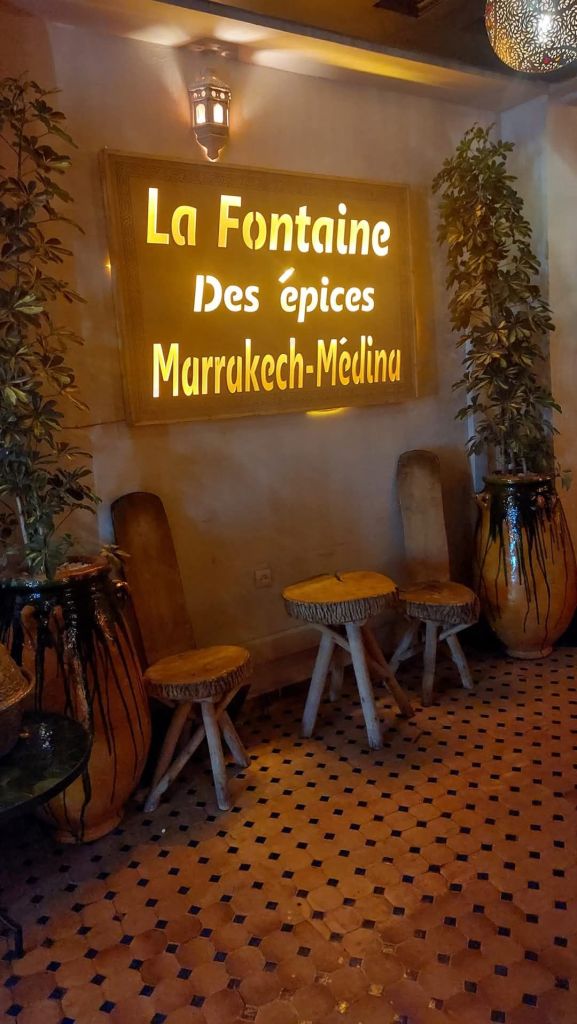
  • La Fountaine Des Espices.

    A vibrant place to eat in the medina.

    Image by Freebird Tracey.

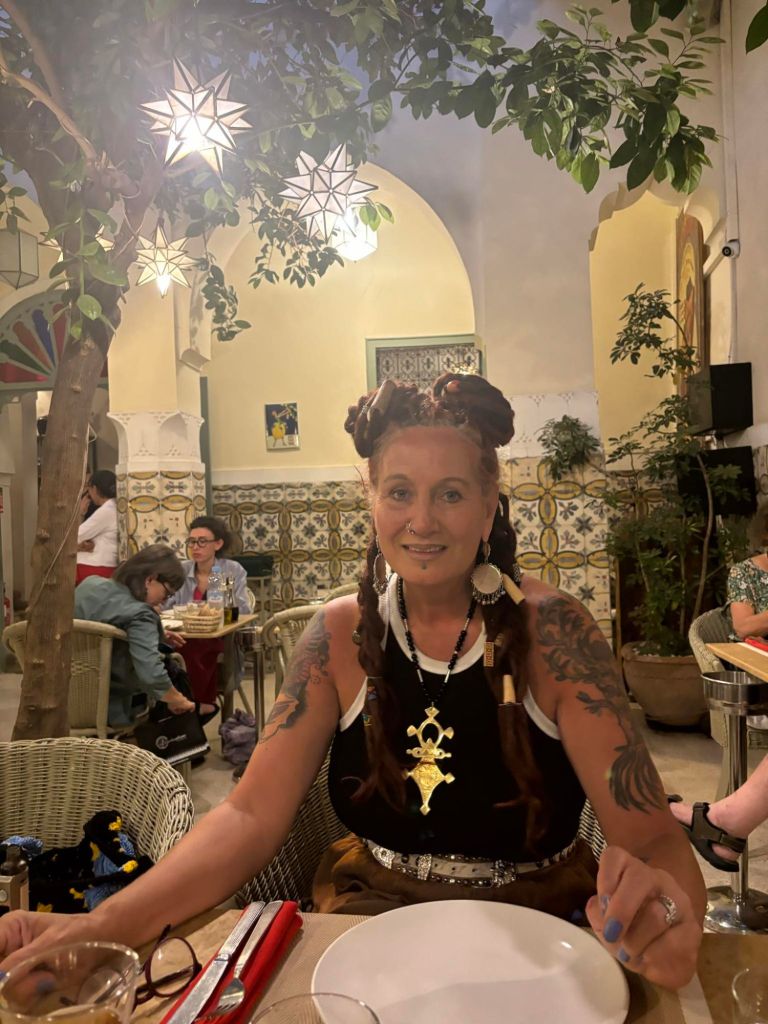
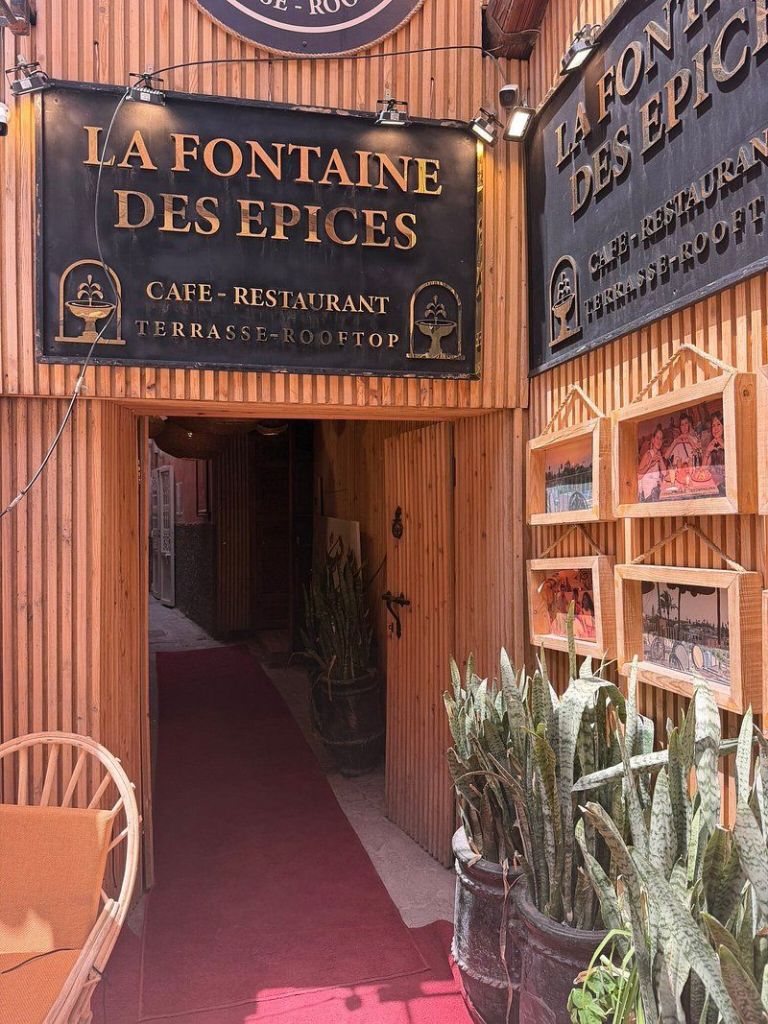
    If you’re looking for an authentic place to eat in the medina, try La Fountaine des Espices.

    I stumbled across this place by accident one evening, and I have to say I was very impressed.

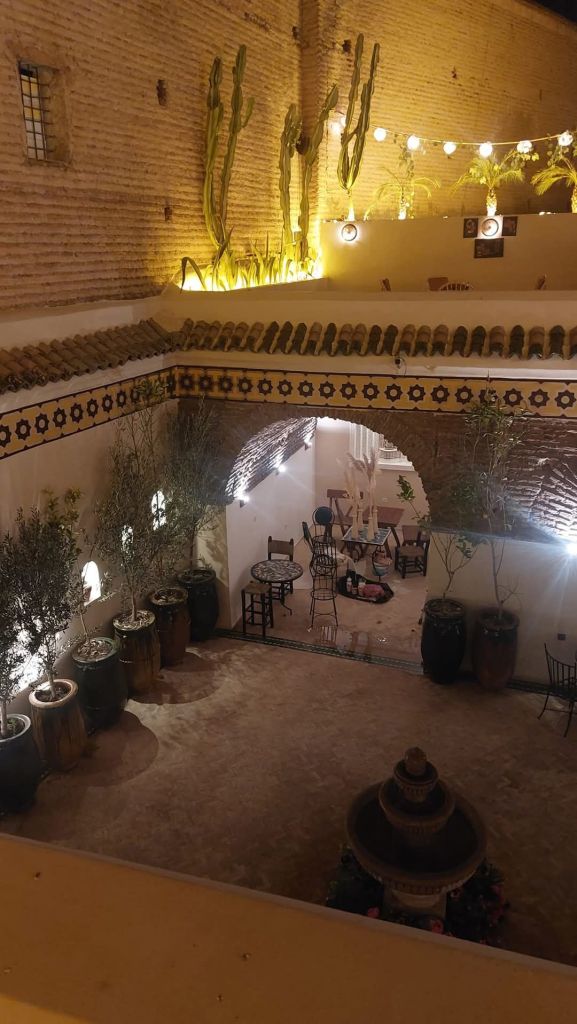
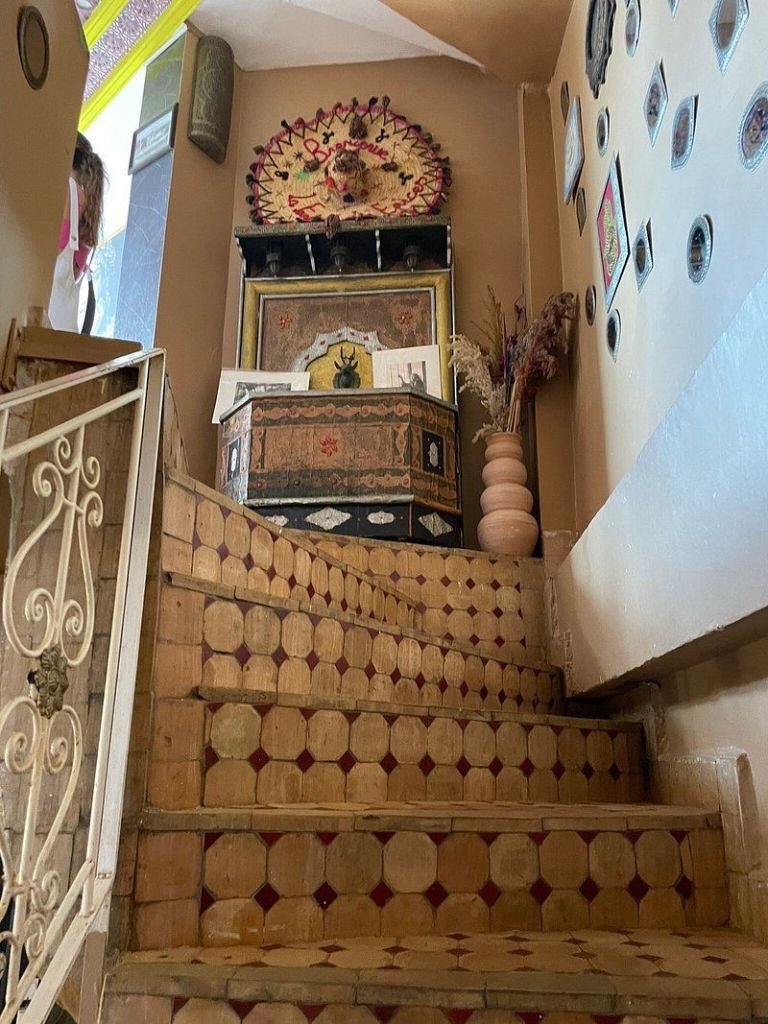
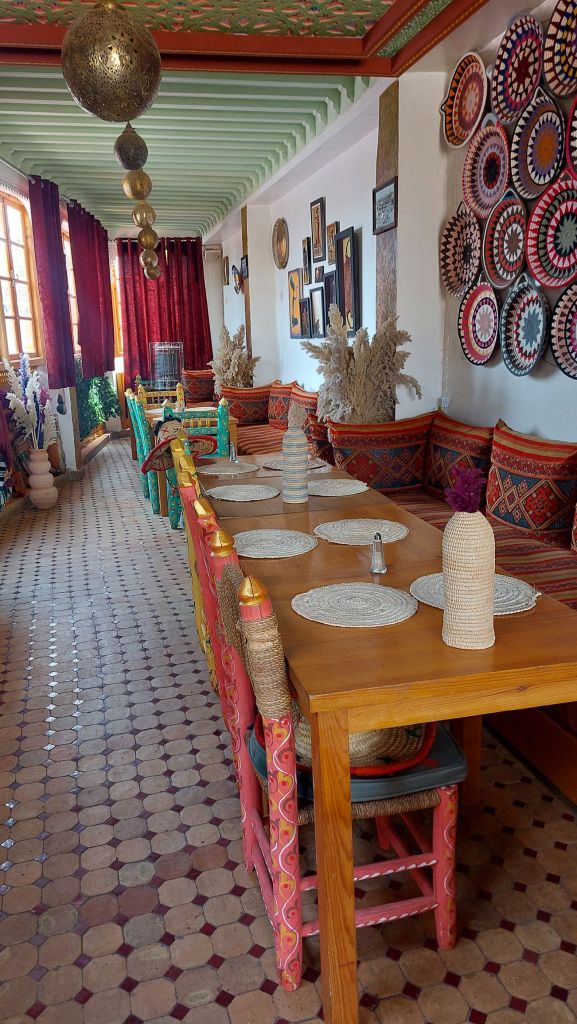
    The food was incredibly tasty, and the decor was elegant and refined with a colourful, boho vibe.

    Images by Freebird Tracey.

    I visited this strategically located restaurant a few times afterwards because I thoroughly enjoyed the food.

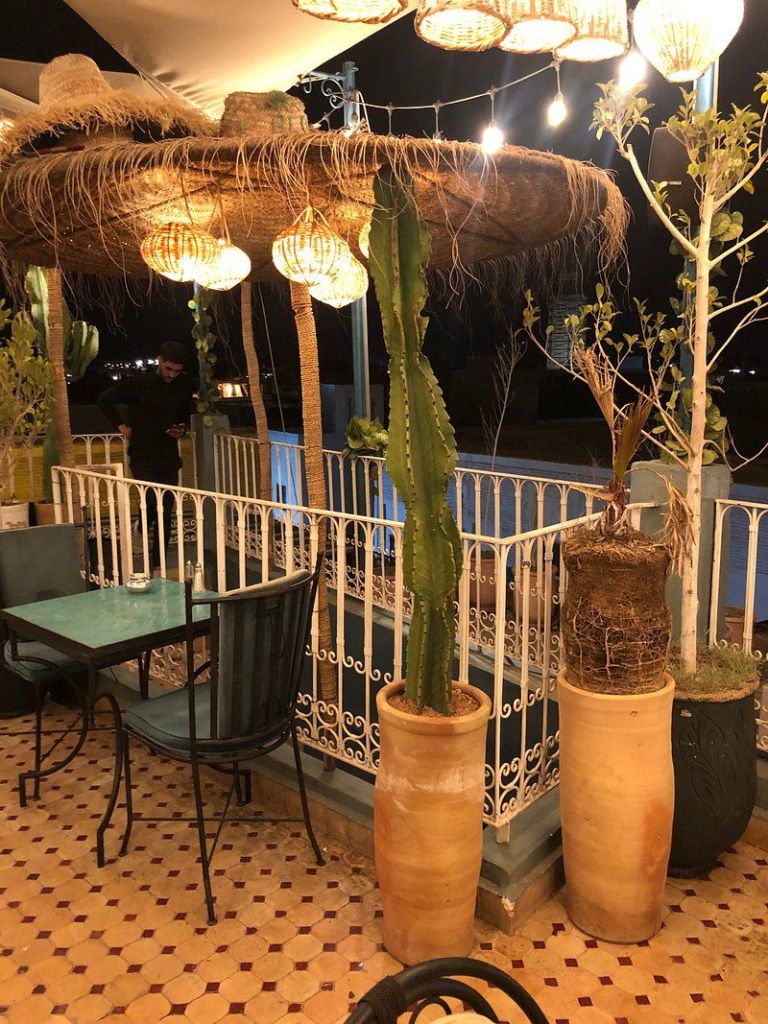
    They also have a nice rooftop overlooking the medina.

    It’s a great place to go for an afternoon drink and to lap up some sunshine.

    Staff at the restaurant are really friendly and helpful, making the experience of dining here an absolute pleasure.

    The prices were very competitive too.

    The restaurant serves traditional food, and it tastes authentic, like having a meal cooked by a Moroccan family.

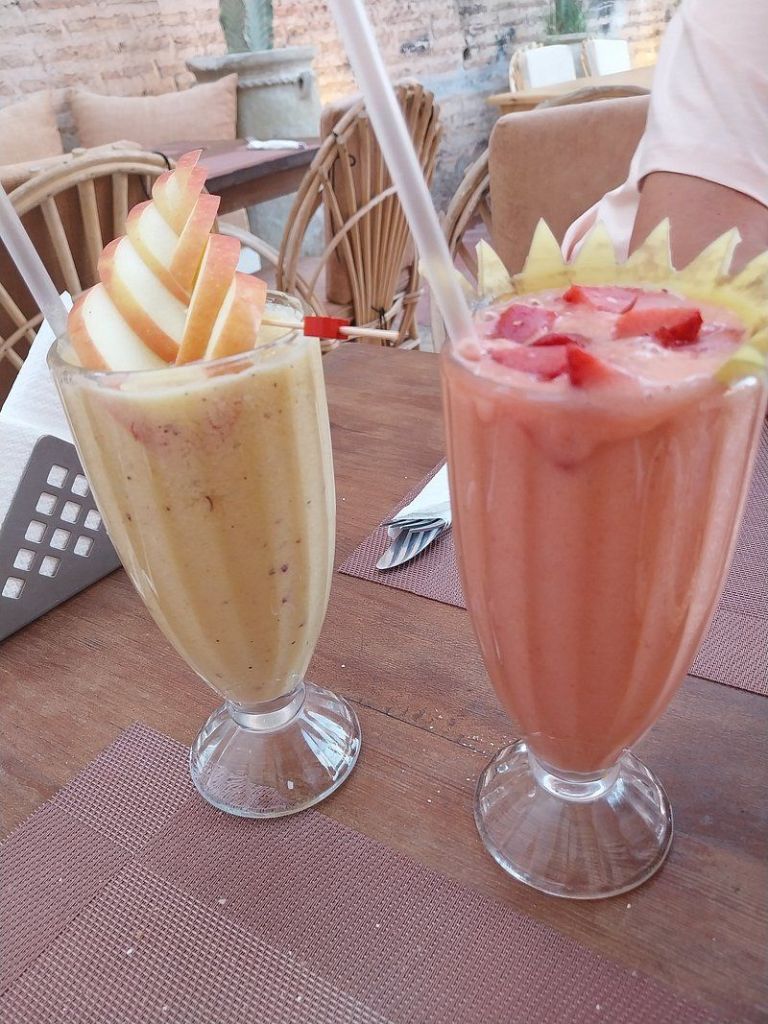
    I highly recommend their smoothies.

    I chose the detox smoothie with apple, green lemon, celery, cucumber, and turmeric.

    It tasted delicious.

    There is plenty of choice on the menu, and they are beautifully presented with heaps of fresh fruit, making them a healthy alternative.

    Image by Freebird Tracey.

    I opted for the vegetable tagine, and it was cooked to perfection.

    Service was quick, and the waiters were very attentive, regularly checking that I was happy.

    On another occasion, I tried the pastilla, and I loved it.

    It was a healthy sized portion, too.

    Image by Freebird Tracey.

    Fountaine des Espices is a great little spot if you’re looking for a good quality meal in a nice environment with highly competitive prices.

    It’s particularly nice during the evening with candles flickering on the tables,  giving off a nice romantic ambience whilst your dining.

    They serve breakfast, brunch, lunch, and dinner.

    I often sit upstairs on the rooftop after a morning sightseeing.

    It’s a welcome break from the busy souks.

    The Fountaine des Espices is next to the Secret Garden, the address is,

    131 Rue Mouassine.

    It’s open from 10.00 am until 12.00 am,

    The busiest time is 3.00 pm, if you prefer it quieter arrive before then.

    Image by Freebird Tracey.
    (more…)
  • Traditional Moroccan Berber Rugs.

    A look at how Berber rugs are made.

    Image by Freebird Tracey.

    Berber rugs are handmade by the indigenous Amazigh people of Morocco.

    They are made from the wool of sheep in the high Atlas Mountains.

    Each type of rug tends to vary in thickness, and the pattern also differs depending on which tribe or village has made it.

    For example, Kilim Berber rugs have no pile and are relatively fine in texture.

    They are handcrafted using techniques passed down through generations using natural materials renowned for their durability and luxurious feel.

    Hand-knotting is a long and laborious process.

    To create a single rug takes about one to two months, with four weavers working on a rug at a time.

    There are several steps that go into making a beautiful Berber rug..

    1. Shearing the Sheep

    Shearing the sheep is the first step in making a Berber rug. This is done by hand, using a special shearing knife.

    The sheep are first restrained, and then the knife is used to remove the wool from their body in one long strip.

    The wool is then sorted and cleaned.

    It is usually the job of the men to shear the sheep, taking care not to injure them or spread infection.

    The women are responsible for washing the sheared wool.

    2. Carding.


    Carding is the process of aligning the wool fibers so the weavers can spin them into yarn.
    To card the wool, the fibres are first combed in one direction, and then the wool is brushed in the opposite direction.

    This helps to loosen the fibers and align them in the same direction.

    Once the fibers are aligned, the weavers can then spin them into yarn.
    Carding is an essential step in making a Berber rug, as it helps to ensure that the rug is strong and durable.

    The process of carding also helps to give the rug its unique texture.

    The women are often responsible for this process.

    3. Spinning the wool into yarn.


    To spin the wool into yarn, Amazigh women use something called a drop spindle.

    This simple tool consists of a shaft with a weight at the bottom.

    The wool is attached to the shaft, and then the shaft is twirled between the women’s hands.

    As the shaft is twirled, the wool is wrapped around it, creating the yarn.

    4. Weaving the rug.

    The weavers use a technique called continuous knotting to create intricate patterns.

    This method of knotting allows the weaver to create a rug that is incredibly durable and will last for many years.
    The process begins with the weaver tying knots in the woollen yarn.

    The yarn is then dyed using natural dyes from plants, spices, and fruits, which give the rugs their characteristic colours.

    Once the yarn is dyed, the weaver begins weaving it into a rug using a loom.

    The loom is a wooden frame that the weaver uses to create the rug’s design.
    The weaver ties the yarn around the looms warp threads, which are the vertical threads that run through the loom.

    The weaver then weaves the weft threads, which are the horizontal threads, over and under the warp threads.

    The weaver can create various patterns by changing the direction of the weft threads.

    Image by Freebird Tracey.

    Once the rug is complete, the weaver cuts the rug from the loom and ties the ends of the rug together. The rug is then completed.

    Making a Berber rug is a long, laborious task, and the women of the village who weave them rarely get anything near the price they’re sold for.

    Husbands load them onto the back of a donkey and take them to a buyer who gives him a fraction of their value.

    Berber rugs are beautiful and give a home a wonderful boho vibe.

    They are hard-wearing and last a lifetime.

    Images by Freebird Tracey.

    It’s important when visiting Marrakech to make sure you’re purchasing a genuine Berber rug.

    There are a few scams, so be mindful before you get whisked away to a shop by a friendly local, promising you the best quality and prices.

    Les Nomads de Marrakech has a great reputation and can ship rugs back home for you.

    This is their address..

    Bennahid #40 Derb Zaouiat Lahdar, Marrakesh 40030, Morocco.

    Dar Bouchaib in the Kasbah is a fixed price store that also ships rugs and has a huge selection.

    There is also a carpet museum in the souks, and it’s well worth a visit to learn more about how they’re made.

    They have some beautiful vintage rugs on display.

    I have written an article about this fascinating place.

    Images by Freebird Tracey.
    (more…)
  • The History Of Marrakech.

    A brief glimpse into the history of the red city.

    Image by Freebird Tracey.

    Marrakech has been inhabited for over 1000 years.

    The first settlers were Berber farmers who had lived on the land since neolithic times.

    Morocco took its name from Marrakech.

    The Amazigh people named the country Murakush, meaning the Western kingdom. Later Arab conquerors adapted the name to Morocco.

    During the 11th and 12th centuries, the Almoravids were the rulers of Marrakech, founded by Abu Bakr Ibn Umar in 1070.

    They constructed an  underground water system to supply water to the city canals, which attracted merchants and craftsmen to Marrakech.

    They began building riads for the people who were beginning to settle in Marrakech, and it became a real city.

    His cousin and successor Yuseff Ibn Tashfin developed Marrakech further, turning it into the Almoravid empire.

    He erected mud brick houses, which gave the city its distinctive red colour today.

    Image by Freebird Tracey.

    It was during this period that the Masjid al siquaya mosque was built, and souks or market places sprung up, marking the beginning of urban life in Marrakech.

    In the 12th and 13th centuries, the Almohads overthrew the Almoravids and took over the city.

    They continued to develop Marrakech even further, painting the walls of the city red and building spectacular palaces and the famous Koutoubia Mosque, which is the largest mosque in Marrakech and a significant landmark.

    Image by Freebird Tracey.

    They were intellectuals and artists, and many scholars were attracted to the city.

    They introduced education and art to the people, turning the city into a political, economical, and cultural centre.

    They improved on the water system by building open air canals, allowing water to flow down from the Atlas mountains.

    This gave the city dwellers a better quality of life.

    The city soon began to prosper under the rule of the Almohads and became a thriving place for merchants to meet and exchange goods.

    Image by Freebird Tracey.

    In the 13th century, the Merinid Empire took control of Marrakech in 1230 ruling for two centuries.

    They built the first madrasa in 1343-9 and used Marrakech as a training ground for heirs to the throne.

    Marrakech was the imperial capital of Morocco, but the Merinids much preferred the city of Fez, which resulted in Marrakech going into serious decline.

    Fez became the new capital, and Marrakech became the regional capital of the South instead.

    Because of this move to Fez, Marrakech was left to decay, becoming impoverished and neglected.

    The buildings were left to crumble, and the city that was once a bustling hive of activity began to die.

    From 1578-1603, the Saadian  Sultans led by Ahmad Al Mansur came to power.

    They restored the city to its former glory and established Marrakech as its capital city.

    They built the Saadian tombs and El Badi palace, furnishing them with intricate tile work and stucco.

    Images by Freebird Tracey.

    They launched military campaigns against European invasion, and this period of rule became the golden age of literature and art.

    The Saads built Bab Doukkala mosque in 1557-1571 and Mouassine mosque in 1562-72.

    They also built the Ben Youssef Madrasa in 1570.

    Images by Freebird Tracey.

    In 1631, rule was passed from the Saadian dynasty to the Alaouite dynasty, which is still the name of the current Morroccan royal family.

    The Alaouites promoted trade with the United States and European countries.

    They improved date palm crops and modernised the army.

    They also attempted to take control of the Berber and Bedoin tribes.

    They restored the riads and buildings in Marrakech, redeveloping it’s infrastructure.

    It was in 1911 that the capital of Morocco became Rabat.

    Marrakech became a French protectorate in 1912 when the sultan Abd al-Hafid signed the treaty of Fez.

    Although the sultan remained the head of state, the French had a huge influence in developing strong diplomatic and economic relations in trade and tourism.

    The French began modernising the city and building new districts whilst aiming to preserve the traditional character of the city.

    They encouraged tourism and exporting Moroccan dates and other produce.

    In 1956, Morocco gained its independence when the treaty of Fez was passed back.

    Throughout history, Marrakech has been a city that has resurged, declined, and resurged once again.

    It has fought against several invasions and endured plagues and famines.

    In 1982, UNESCO declared Marrakech a UNESCO world heritage site, raising awareness of the cultural heritage of the city.

    It is now one of the most popular destinations in the world and receives millions of tourists each year.

    Marrakech combines the ancient with modernity perfectly.

    Visitors can get a glimpse into the intriguing past of Marrakech as they wander around the preserved walls of the medina.

    As they venture into the tree lined avenues of Mohammed V avenue, they are presented with a newer,modern side of Marrakech, a thriving hub of fancy restaurants, bars and boutiques.

    Marrakech has an astonishing history, which makes it all the more fascinating.

    It is well worth taking a tour of the historic buildings in the medina to get a taste of the red city’s intriguing past..

    Images by Freebird Tracey.
    (more…)
  • Visiting Marrakech On A Budget.

    Helpful ideas if you want to visit Marrakech on a shoestring.

    Image by Freebird Tracey.

    Visiting Marrakech doesn’t have to break the bank

    In fact, Morrocco is a relatively cheap country to visit in comparison to many others.

    It’s all about careful planning and putting together the right itinerary for your trip before you go.

    I have compiled a few ideas and suggestions to help you enjoy your trip without having to spend a ridiculous amount of cash.

    1.

    Book your flight early.

    The earlier you book, the cheaper it is. Download an airline app and keep an eye on the cost of flights. Book out of season when it’s less busy.

    2.

    If you book your accommodation directly through the riad or hotel, it is often much cheaper.

    3.

    Use public transport in Marrakech. The buses are an excellent way to get a taste of local life. They are extremely cheap and reliable. The price is set, and you will avoid being privy to scams from the local taxi drivers.

    4.

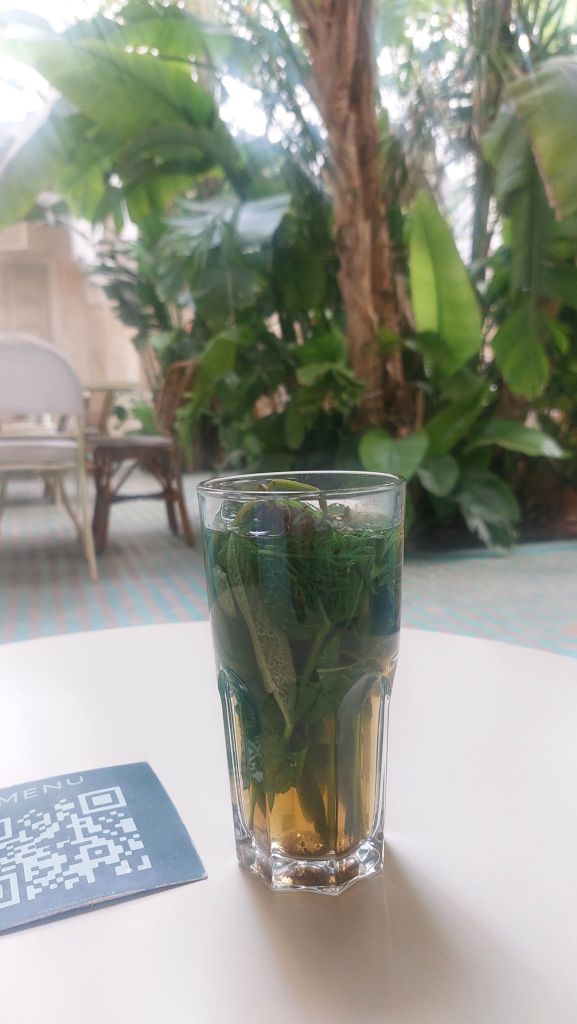
    Marrakech is a bustling metropolis with so much going on around the main square. Consider spending time with a pot of traditional mint tea and observing the spectacle from a rooftop. You won’t be disappointed. The sights, sounds, and smells will keep you entertained for ages.

    5.

    Visit the wonderful Koutoubia Mosque gardens. The mosque is out of bounds for non Muslims. However, the gardens are absolutely delightful and free to visit. Consider picking up a few delicious snacks such as Baclava cake and a sugar cane juice and sitting in the beautiful garden. Despite its proximity to the chaos of Jamaa El Fna, it is peaceful. It’s especially lovely during the evening when the lights come on.

    6.

    There are plenty of excellent cafes and restaurants which are great value for money.

    Henna Art Cafe is superb and has a very pretty interior( see my separate article about Henna Art Cafe). I have eaten here numerous times and highly recommend the food.

    Cafe des Espices is also excellent if you’re prepared to wait for seating. The views are great from the rooftop, and I particularly love their choice of salads.

    Street food is another option and very popular amongst tourists. Check how busy places are to get an idea of the quality of food being served.

    Consider trying the delicious sweets and pastries for sale inside the souks.

    7.

    Try a public hammam.

    I have a separate post describing what a hammam is, and it’s a must do if you’re visiting Marrakech.

    Public baths are very cheap in comparison to the more upmarket ones and the best way to experience the local culture.

    You can purchase black soap and other essentials for taking in with you in the souks for pennies.

    8.

    Visit the souks. This is by far the most exciting part of any trip to Marrakech.

    Experience the colour and the lively atmosphere as people haggle with the locals for a bargain.

    You may get lost in the maze, but that’s all part of the fun. You will find your way out eventually.

    There are souks for many different things, and you will see incredible artisans at work crafting all kinds of things.

    9.

    Visit the Mellah, the old Jewish quarter, and see the Bab Mellah spice market. It’s an assault on the senses discovering all the different spices and their fragrances. You may be offered mint tea whilst you are given a lesson on what each spice is used for. It’s very educational, and to purchase a couple of things is fairly cheap.

    10.

    Walk around the Kasbah. This is where you will experience the more authentic part of Marrakech. There are more locals here and they are very friendly. It’s a way to feel the more authentic side of Marrakech, and there are some nice spots to grab a coffee and people watch.

    11.

    Visit Cyber Parc, Arsat Moulay Abdeslam. This is a very well maintained place with beautiful native trees and plants. Relax for an hour or so in this peaceful environment away from the chaotic busy medina. Listen to the birds singing and read the interesting facts dotted about here and there.

    12.

    Take a 25-minute walk or the number 16 bus from the medina to Gueliz. Wonder around the upmarket boutiques and stores on Mohammed V Avenue and see how modernity and ancient coexist in harmony together in Marrakech.

    13.

    Spend some time in Tinsmiths Square. This is a less touristic square than Jamaa El Fnaa, and there is plenty to see going on. There are budget friendly cafes and restaurants and plenty of souvenir shops.

    Image by Freebird Tracey.

    Marrakech is a walkable city, and you can spend many an hour wandering about discovering what makes Marrakech so magical.

    It’s a destination that is great for everyone, including those on a tight budget.

    With some careful planning, you can put together an exciting itinerary and have a truly wonderful experience.

    Image by Freebird Tracey.
    (more…)